
Car buyers often weigh many options before settling on the right vehicle for their needs and budgets. Among these choices, two specific categories tend to raise curiosity and sometimes caution.
On one side are vehicles that have previously served as rental cars. These cars populate used car lots with frequency and typically include models known for reliability and low maintenance.
Many buyers can secure substantial savings by purchasing a former rental, provided they make thoughtful choices.
With meticulous fleet management, frequent servicing, and usually less personalization by drivers, some former rental cars stand out as bargains that combine value, safety, and reasonable mileage.
On the other side of the spectrum are fleet-exclusive or rare models that have been used by companies but aren’t commonly found in personal driveways.
While they might seem like collector’s items or budget-friendly outliers, such vehicles often struggle to hold their worth or please secondary owners.
Whether due to unusual specifications, lackluster performance, or limited aftermarket support, these rare fleet models frequently prove disappointing when transferred to private hands.
By examining both the best deals among former rental cars and the most underwhelming rare fleet models, this article seeks to provide readers with practical insights and cautionary advice when shopping for used vehicles rooted in commercial service.
Also Read: 5 Models with Reliable Driver-Assist Tech vs 5 with Glitchy ADAS Systems
5 Former Rental Cars That Are Great Deals
When searching for a used vehicle, former rental cars are often overlooked due to concerns about heavy use or rushed servicing. However, these vehicles can present remarkable savings and hidden value for savvy shoppers who know what to look for.
Fleet managers for rental companies tend to favor models with proven reliability, minimal maintenance costs, and strong demand in the used market.
Rental agencies also follow strict service routines, ensuring that any mechanical issues are typically caught and addressed swiftly. High fleet turnover means that many rental vehicles hit the used car market with relatively low mileage and comprehensive maintenance histories.
While some worry about potential cosmetic damage from numerous drivers, most rental agencies have stringent policies to maintain their inventory’s value.
As such, a subset of former rental cars stands out for combining affordability, reliability, and lower-than-expected wear and tear. By selecting from these models, buyers can find affordable transportation solutions that don’t compromise on quality or peace of mind.
This section profiles five popular former rental cars renowned for providing excellent return for used car buyers, addresses why they’ve risen to this status, and explains the advantages that set them apart from the average used vehicle.
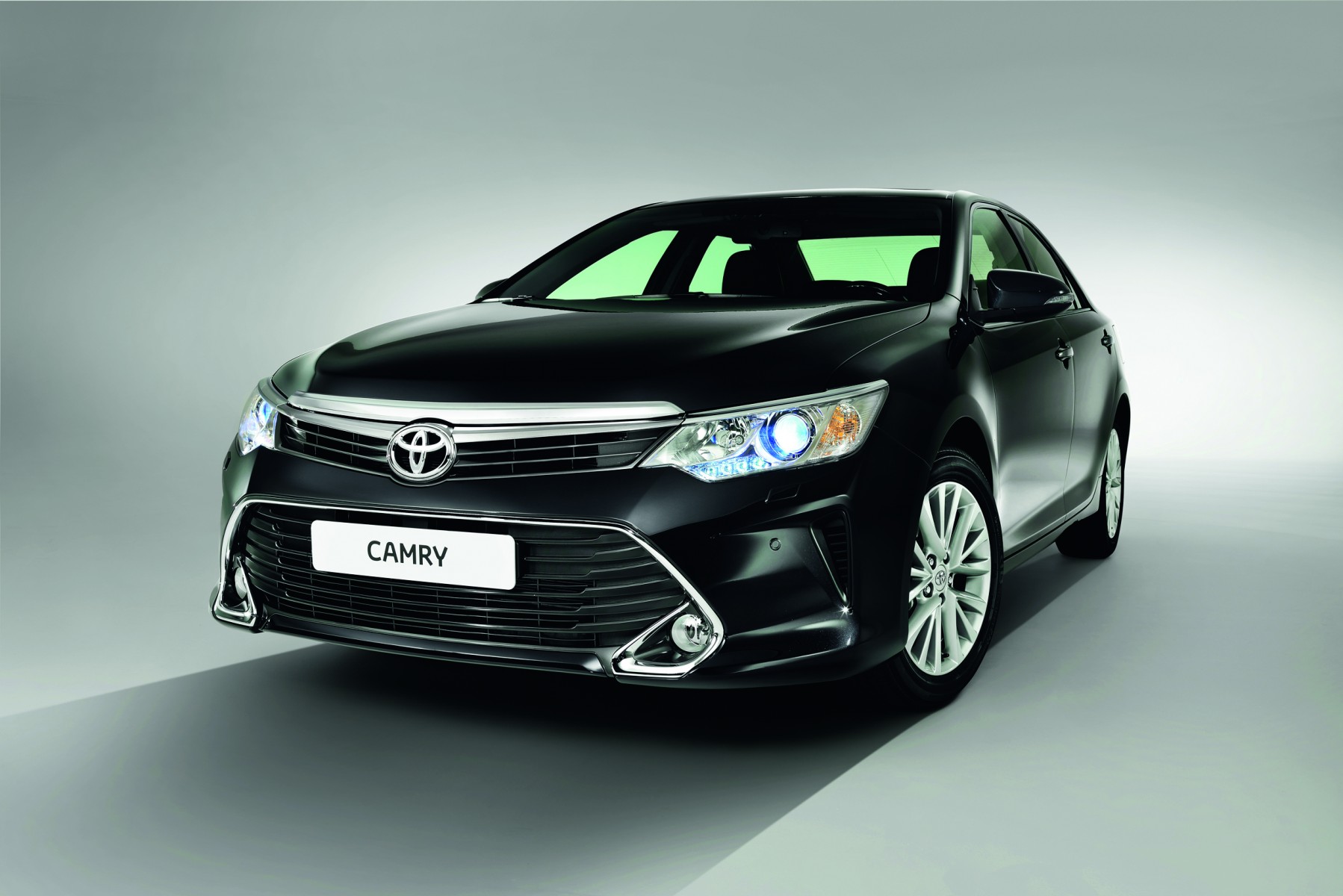
1. Toyota Camry
The Toyota Camry has long been one of the most popular choices for rental car agencies and for good reason. Its reputation for reliability, low cost of ownership, and comfort makes it a staple among large rental fleets.
When a Camry hits the used car market after a stint in rental service, it carries the benefits of careful fleet maintenance schedules and a lack of personalization from multiple users.
The model typically features straightforward engineering, bolstered by Toyota’s robust manufacturing, which helps it remain a low-risk option mechanically even after thousands of miles.
For buyers, a former rental Camry offers significant savings compared to purchasing new. It’s not unusual to find late-model Camrys with moderate mileage at much lower prices than their dealership-sold counterparts, thanks to higher initial depreciation rates for rental vehicles.
Furthermore, parts for Camrys are plentiful and affordable, and mechanics are generally well-acquainted with their systems, making future maintenance less of a headache.
With a spacious cabin, ample trunk space, and dependable fuel economy, these vehicles are often ideal choices for commuters, families, and rideshare drivers who want long-term value without a premium price tag.
By focusing on certified, well-documented examples and scrutinizing service records, buyers can land a gently used Camry that delivers reliability for years to come.
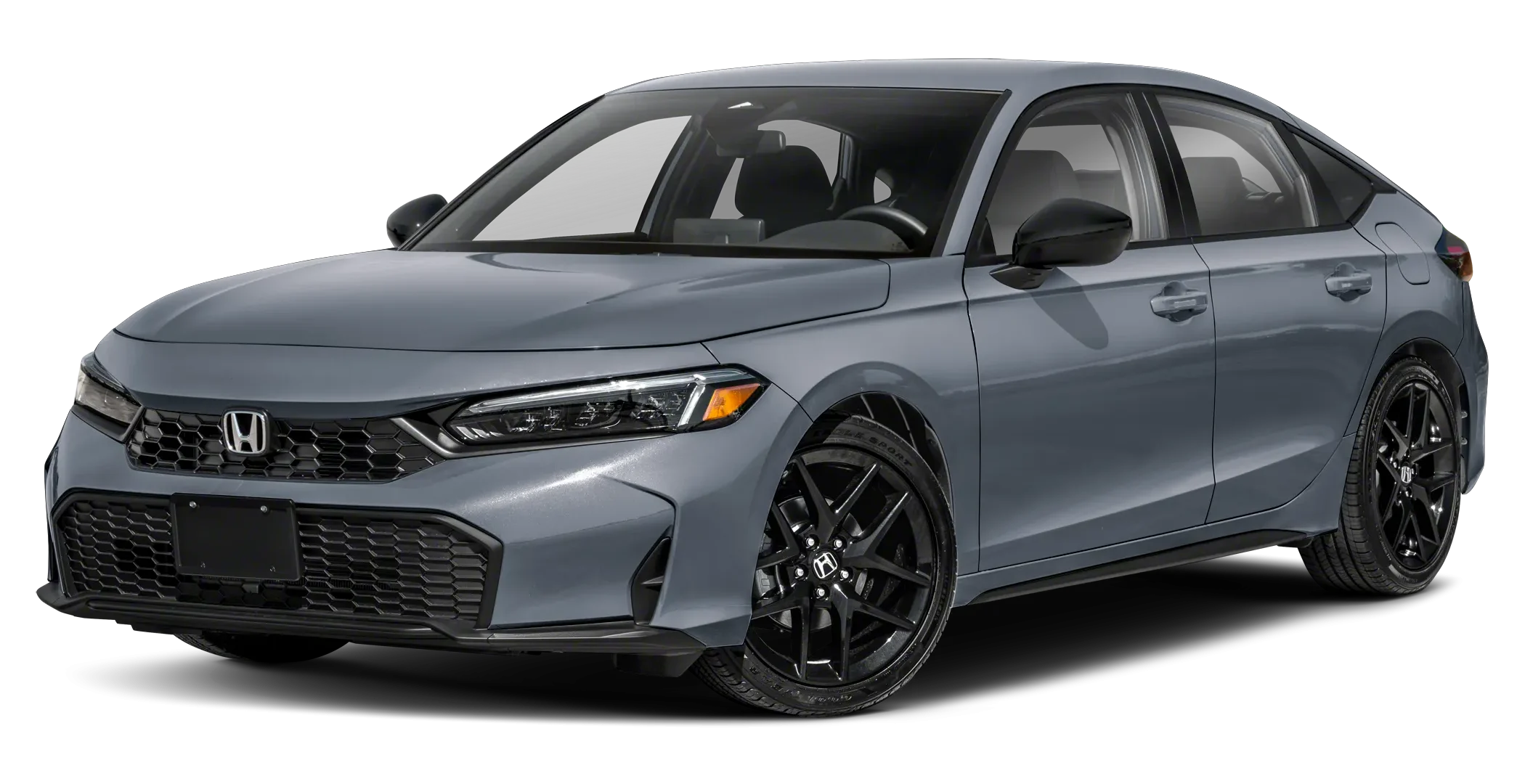
2. Honda Civic
The Honda Civic is a mainstay in rental fleets across the country, admired for its agile handling, impressive fuel economy, and excellent reliability ratings year after year.
These attributes make it a sensible choice for rental agencies needing dependable, cost-effective vehicles that appeal to a wide range of customers.
Renting out Civics ensures a versatile, user-friendly, and easy-to-maintain fleet, so they often rack up steady but rarely excessive mileage before joining the used car market.
When you examine the used market, former rental Civics stand out for their competitive prices. Depreciation occurs quickly in the first year or two, which means prospective owners can secure a significant discount on a nearly new car.
Routine fleet-maintenance policies typically ensure that mechanical concerns are addressed early, giving second owners confidence in their purchase.
The Civic’s reputation for longevity and minimal maintenance needs means it’s unlikely to surprise buyers with costly repairs soon after purchase, as long as a thorough inspection is conducted.
Additionally, the car’s fuel efficiency and smooth driving experience make it an especially attractive option for anyone with a long commute or frequent travel needs.
Buyers seeking a balance of economy, reliability, and fun-to-drive character will find former rental Civics to be among the most rewarding deals available.
3. Chevrolet Malibu
The Chevrolet Malibu consistently appears on rental car lots due to its spacious interior, reasonable performance, and generous feature set. Rental companies prefer midsize sedans like the Malibu for their adaptability and budget-friendly maintenance.
As a result, ex-rental Malibus are widespread in the market and generally come well-maintained, since agencies depend on these cars to serve as reliable and presentable options for a broad clientele.
Opting for a used Malibu that served as a rental car can result in substantial financial benefits. Savings often reach several thousand dollars compared to similarly aged vehicles sold through traditional channels.
Another advantage is that rental companies tend to outfit Malibus with popular trim levels and desirable technology to appeal to renters, meaning buyers frequently land a better-equipped car.

General Motors’ long-standing efforts to improve Malibu quality have paid off in recent generations, with better reliability, ride comfort, and fuel efficiency than previous models.
Maintenance costs remain approachable, and parts availability is robust due to its popularity. For families or individuals needing a comfortable and affordable sedan with modern amenities, the ex-rental Malibu makes a strong case as both a smart financial and practical choice for everyday transportation.
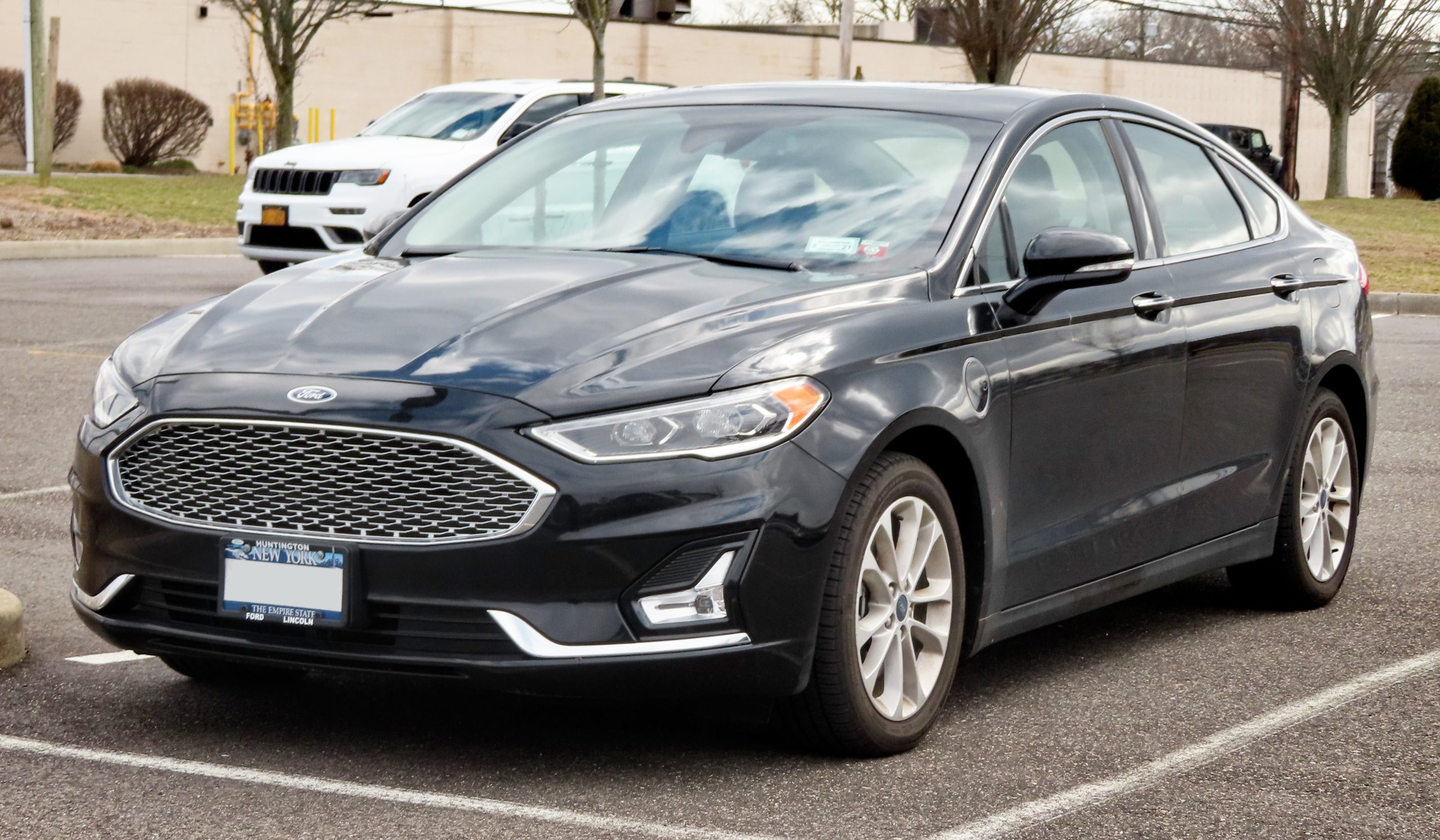
4. Ford Fusion
Among the most prevalent sedans in rental fleets, the Ford Fusion presents used car buyers with impressive value thanks to its combination of comfort, style, and solid reliability.
The Fusion’s balanced ride and handling, spacious interior, and appealing range of standard features make it a perennial favorite for rental agencies that prioritize customer satisfaction.
Many Fusions available after rental service come from the later generations, offering enhanced technology, better efficiency, and updated safety features.
Choosing a former rental Fusion allows buyers to capitalize on the typically lower purchase price and peace of mind that comes from a documented maintenance history.
Rental agencies are incentivized to keep these cars in good working order to avoid disputes with renters and minimize downtime.
This leads to a cascade of benefits for the subsequent owner, who gains access to a car with known service history, often fewer cosmetic issues, and lower total cost of ownership.
Although Ford discontinued the Fusion after the 2020 model year, parts and support remain widely available. Its strong safety ratings and positive owner reviews further bolster the Fusion’s case as a used car bargain from rental fleets.
For cautious shoppers hunting for a midsize sedan with versatility and value, the ex-rental Fusion stands out as a practical and reliable selection.
5. Nissan Altima
The Nissan Altima often finds its way into large rental car lots, and for good reason. This midsize sedan boasts comfortable seating, strong fuel efficiency, and a reputation for affordable running costs.
Rental agencies lean toward the Altima for its mass appeal, driving comfort, and straightforward engineering.
The model’s interior layout and intuitive controls make it an easy choice for renters who may be unfamiliar with the car, and its fuel-efficient engines appeal to those looking to save at the pump.
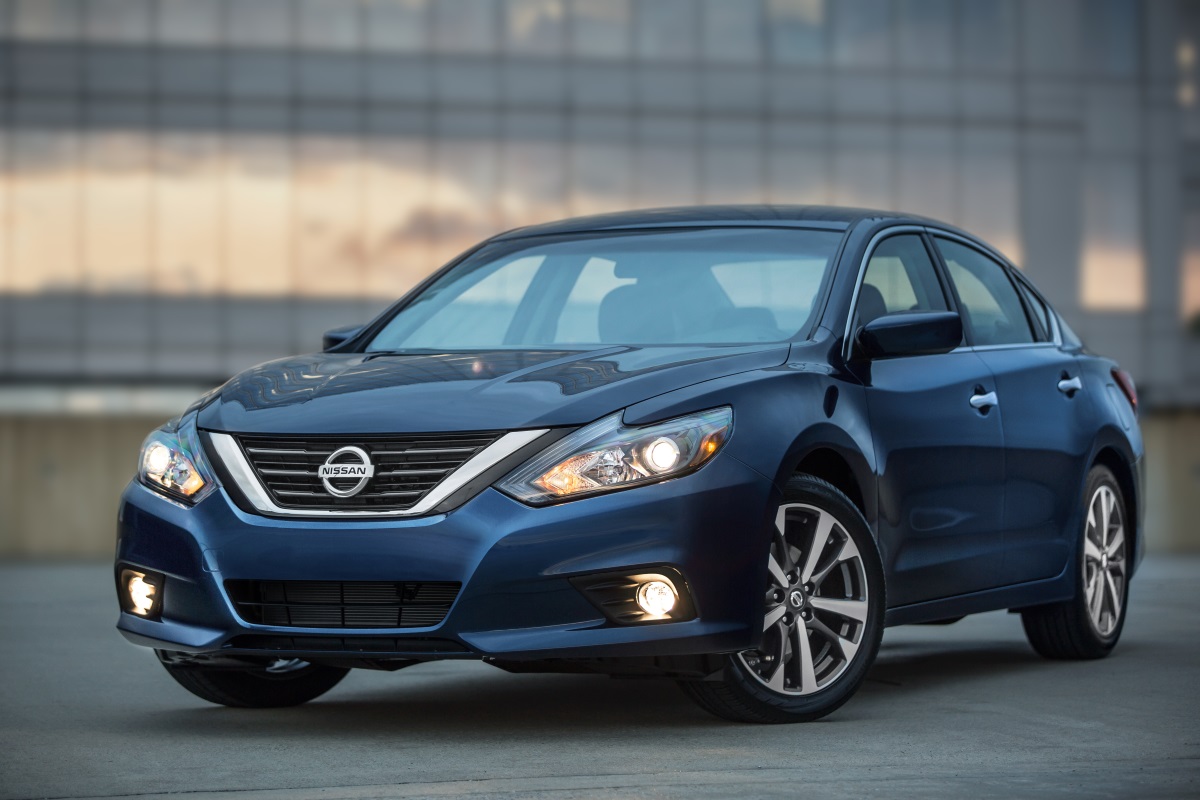
For prospective owners, picking up an ex-rental Altima brings tangible advantages. Lower purchase prices relative to privately owned counterparts are paired with thorough maintenance records, reducing the anxiety that sometimes comes with buying a used car.
Altimas from rental fleets often come with higher base trim levels and additional amenities, thanks to upfitting efforts by rental companies. Buyers enjoy generous interior space, smooth driving dynamics, and robust reliability that limits the risk of expensive repairs.
With wide parts availability and favorable insurance rates, the Altima maintains a strong position among used sedans. Selecting a well-cared-for rental model can offer meaningful savings, quality, and convenience to those in search of dependable transportation.
5 Rare Fleet Models That Flop
Buying a car that once performed fleet service can seem like a clever way to land an uncommon or budget-friendly ride.
Sometimes, businesses select specialized models for specific needs, or automakers produce rare versions of mainstream vehicles targeted at large-scale buyers or niche markets. At first glance, such vehicles may appear intriguing due to their rarity or unconventional features.
However, models that are rare within the fleet segment often fail to win over buyers after their company service ends.
These vehicles frequently come with attributes that limit their appeal to individual owners, from hard-to-source parts and lack of dealer support to niche engineering that doesn’t translate well to everyday use.
Many rare fleet models struggle to retain value for practical reasons. Limited popularity means less aftermarket interest and support, which can drive up repair costs and restrict upgrade options.
Unique configurations or features may not suit personal use, or the car’s performance may simply not match up against more mainstream, time-tested alternatives.
In some cases, the very reasons these cars were chosen for fleet service such as low upfront cost or specific business-focused modifications lead to disappointment for second owners.
This section focuses on five rare fleet models that point to common buyer pitfalls and explain why they’re often best avoided by the general public.
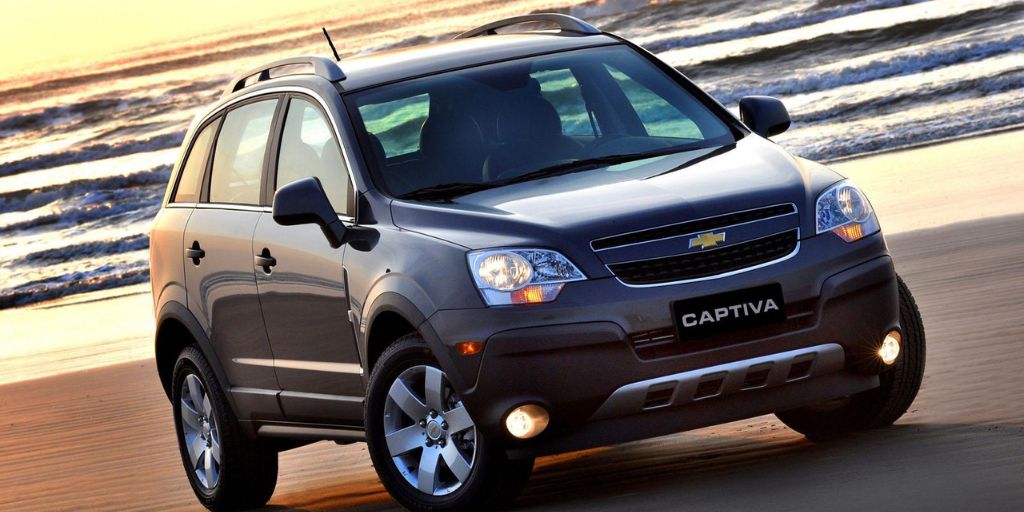
1. Chevrolet Captiva Sport
The Chevrolet Captiva Sport is a notable case of a fleet-exclusive vehicle that seldom finds favor with personal buyers post-service.
Originally destined primarily for rental and fleet use, this compact SUV was never widely marketed to individual consumers in the United States.
Essentially a rebadged version of the Saturn Vue, the Captiva Sport was imported mainly for use by corporate fleets and rental agencies. When these vehicles entered the used market, their obscurity initially raised curiosity among bargain hunters.
However, the excitement quickly wore off for many buyers. The Captiva Sport’s origins meant that parts specific to its model could be hard to find, as supply chains focused on the Saturn Vue had long since faded after Saturn’s discontinuation.

Mechanical and technology updates lagged behind more prevalent competitors, and the SUV struggled with driving refinement, offering a dated powertrain and less-than-impressive handling. Features often lagged behind the competition, and owner satisfaction took a hit as minor issues surfaced over time.
As a result, resale values remained weak, and the Captiva Sport’s limited support network made upkeep more expensive than anticipated.
For buyers seeking long-term satisfaction from a fleet vehicle, the Captiva Sport stands as a warning about rare models with limited mainstream backing.
2. Ford Transit Connect Electric
The Ford Transit Connect Electric represents a bold experiment that ultimately failed to meet mainstream expectations.
Produced in very limited numbers for fleet customers between 2010 and 2012, this vehicle aimed to offer a compact, all-electric van solution for businesses concerned with emissions and city driving restrictions.
While promising on paper, the reality proved problematic for those who eventually acquired surplus fleet units.
Technical challenges plagued early electric vehicle models, and the Transit Connect Electric was no exception.
Limited driving range, complicated charging requirements, and high replacement costs for essential components like batteries set it apart from more user-friendly electric vehicles entering the market soon after.
Parts availability became a significant headache, as few dealerships were equipped or authorized to service the electric drivetrain. Many owners reported long downtimes due to repair delays or the need to import parts directly.
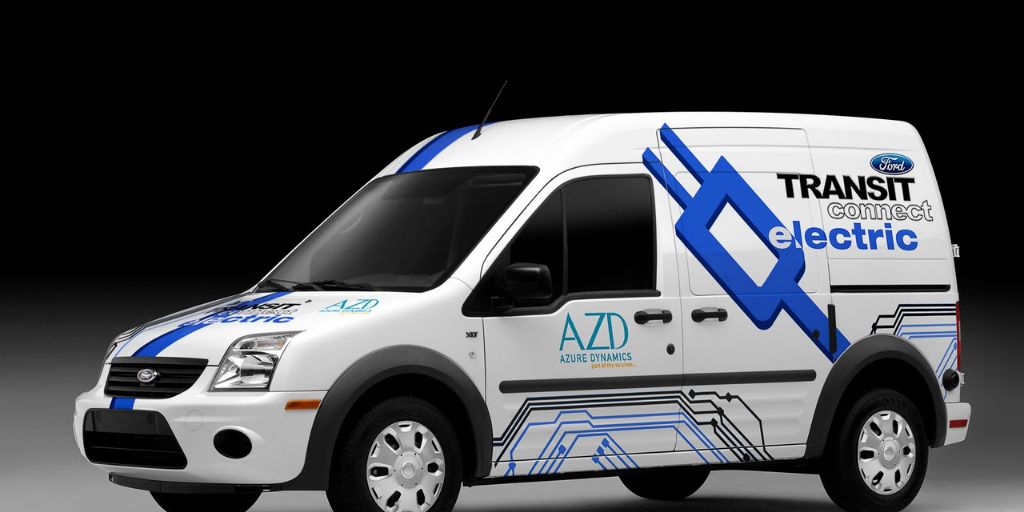
The small installed base meant limited online resources and scant community support for troubleshooting or upgrades.
Where traditional gas-powered Transit Connects remained popular due to adaptability and ease of maintenance, the electric variant fell flat and quickly lost its appeal on the used market. Its legacy highlights the risks of embracing experimental fleet exclusives when better-supported alternatives exist.
3. Dodge Avenger “Value Package”
The Dodge Avenger “Value Package” was devised as a stripped-down model targeted at fleet buyers seeking affordability above all else.
Packed with only the bare essentials, these cars were rarely found on dealership lots catering to the public, but they populated rental agencies and government fleets. Their bland features and minimal trim made them less enticing as personal cars once retired from fleet service.
Although the Avenger had a reputation for solid underpinnings and basic transportation, the “Value Package” in particular suffered from cut corners wherever possible.
Owners reported underwhelming driving experiences, noisy cabins, and spartan interiors lacking key features found in mainstream trim levels. Resale desirability took a hit, as most shoppers prioritized even modest upgrades over the bare-bones approach.
Additionally, these models were usually paired with less powerful engine options, making them feel underwhelming compared to even slightly more expensive alternatives. As resale values fell, maintenance costs remained steady, further damaging their appeal.
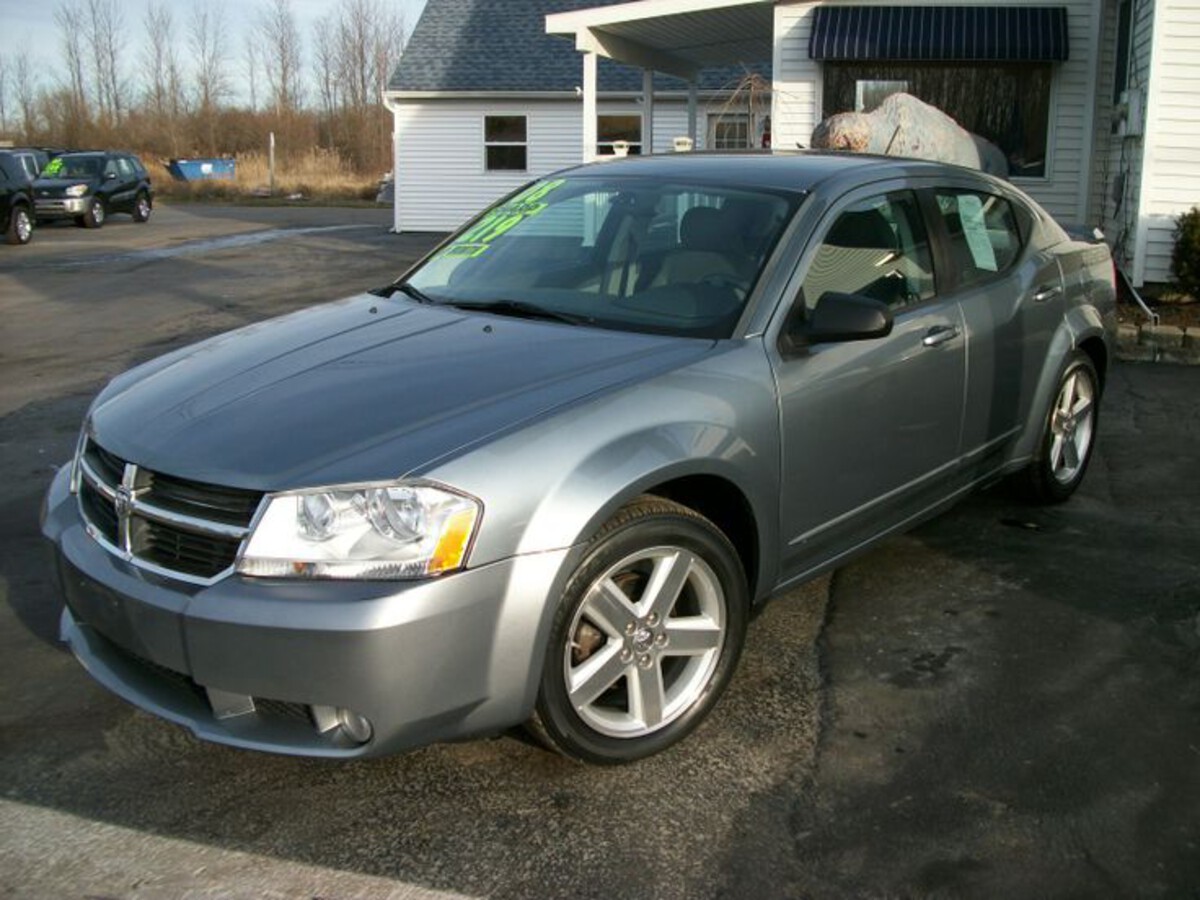
The Avenger “Value Package” serves as a lesson on the perils of prioritizing initial fleet savings over long-term buyer satisfaction. For anyone considering a rare fleet edition, carefully consider what might be missing before committing.
4. Nissan NV200 Taxi
A familiar sight in cities across North America, the Nissan NV200 Taxi was explicitly designed as a high-utility fleet vehicle.
It featured taxi-specific modifications such as a partition, sliding doors, and extra passenger accommodations, making it suitable for livery service but less enticing as a daily driver. When decommissioned, these vehicles often pass to private owners at unusually low prices.
The difficulties begin with their highly specialized nature. The features that make the NV200 Taxi practical for commercial service become burdensome for everyday ownership partitions limit flexibility, and altered seating reduces comfort.
The ride quality tends to fall short compared to regular NV200s due to added fleet modifications and hard-wearing interiors tailored for rugged duty rather than comfort.

Parts unique to the taxi configuration are sometimes difficult to source, increasing repair times and costs. Resale desirability is weak, as few buyers seek ex-taxi vehicles for personal use.
The NV200 Taxi’s specialized focus stands as a clear warning: while unique fleet models can represent a bargain in certain scenarios, they frequently encumber personal users with inconvenient peculiarities and diminished comfort.
5. Chevrolet City Express
The Chevrolet City Express is another example where a fleet-focused strategy backfired for future owners. Essentially a rebadged version of the Nissan NV200, the City Express was offered primarily to fleets needing a compact urban delivery van.
Units trickled onto the used market after their initial service lives, but their reception was lukewarm due to several factors.
The City Express suffered from limited name recognition and minimal dealer support compared to more established offerings. Its basic design worked well for commercial delivery but failed to impress buyers looking for adaptability or a sense of refinement.
Many City Expresses were equipped with only the most essential options, reducing their appeal among used car shoppers who expected some level of comfort or convenience features.
Maintenance and parts sourcing occasionally proved more challenging than expected, as the City Express didn’t inspire the same aftermarket following as other vans. As a result, resale values depreciated quickly, and owners often experienced hassle when repairs or upgrades were needed.
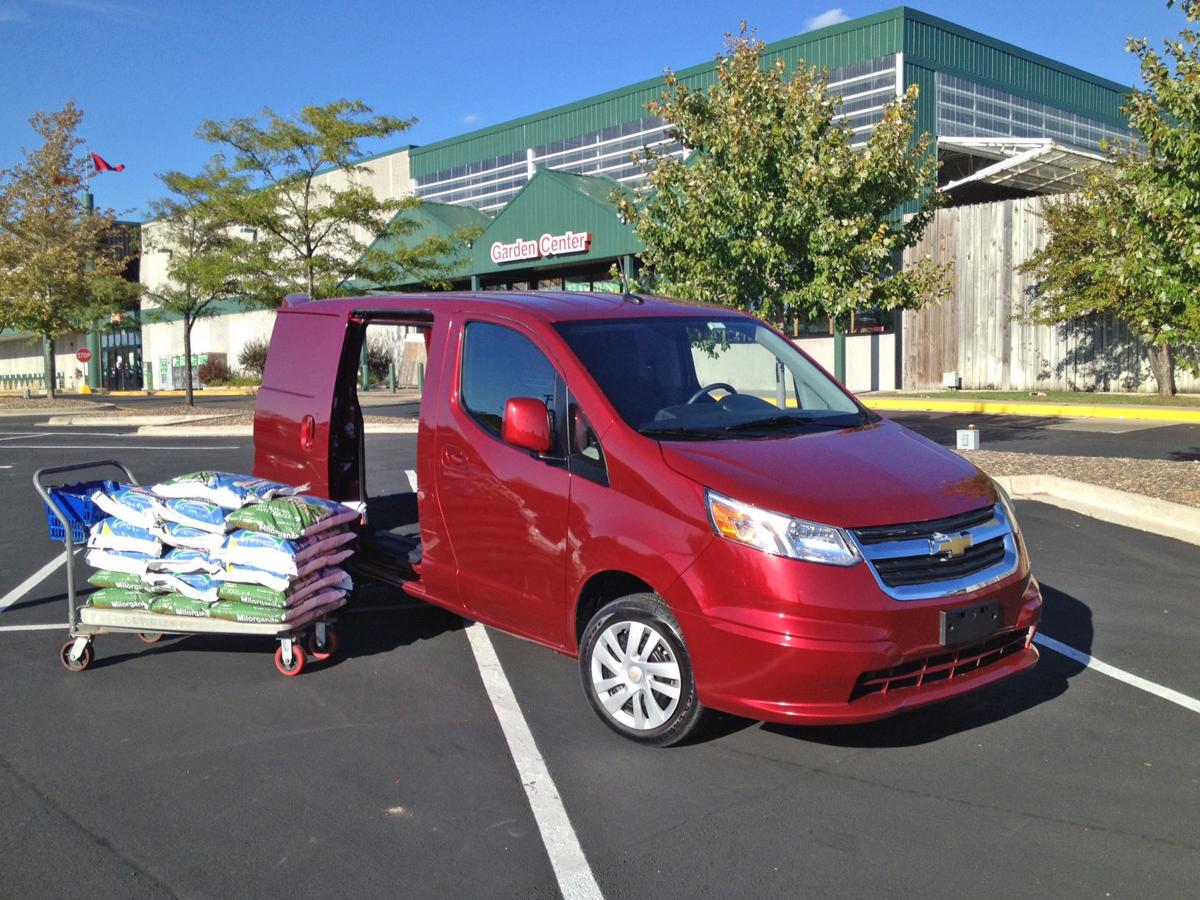
This model’s journey from fleet to private use illustrates the pitfalls of purchasing vehicles created for narrow, utilitarian purposes that don’t translate to broader consumer satisfaction.
The used car market often includes vehicles that have previously served in rental fleets, offering buyers potential bargains due to reduced prices and steady maintenance. Former rental cars tend to be models known for their reliability and low maintenance costs.
These vehicles typically undergo regular servicing and inspections during their fleet life, which can result in well-maintained cars that hold up well for new owners.
Popular former rental cars such as the Toyota Camry, Honda Civic, Chevrolet Malibu, Ford Fusion, and Nissan Altima are widely recognized for providing excellent value.
Their proven track records, affordable parts, and consistent performance make them attractive options for buyers who want dependable transportation without paying new car prices.
These models also benefit from their strong reputations for durability and efficiency, making them sensible choices for everyday use, whether for commuters, families, or rideshare drivers.
On the opposite side, there are rare fleet models that generally fail to meet expectations once they leave commercial service.
These vehicles are often produced in limited numbers for specific business uses or markets and rarely sold to the general public.
While their rarity might seem appealing at first, such fleet cars usually come with drawbacks including limited parts availability, lack of dealer support, and specialized configurations that reduce their practicality for personal use.
Examples include the Chevrolet Captiva Sport, the early Ford Transit Connect Electric, the stripped-down Dodge Avenger Value Package, the Nissan NV200 Taxi, and the Chevrolet City Express.
These models often struggle with poor resale values, complicated maintenance, and features that don’t translate well to private ownership.
Their commercial focus and niche designs create barriers for ordinary buyers, resulting in disappointments for many who purchase them thinking rarity or fleet use implies value.
Understanding how to differentiate between well-regarded former rentals and rare fleet vehicles that often flop is crucial for used car buyers.
Former rentals from mainstream, reliable brands can be worthwhile purchases if inspected carefully, while rare or specialty fleet vehicles often carry unseen risks that outweigh their initial cost savings.
This knowledge helps buyers make informed decisions, avoiding pitfalls associated with niche fleet models while capitalizing on the affordability and dependability many ex-rental cars provide.
Also Read: 5 Luxury Cars with Long-Lasting Safety Tech vs 5 That Rack Up Repair Bills
