
The 2010s stand out as a significant period for car safety innovation. As vehicles grew smarter and technology became more embedded in daily life, automakers channeled fresh energy into features designed to save lives and prevent accidents.
Some of these advances have stood the test of time, becoming not just expected by drivers but also standard across new models.
Others, born from optimism or technical ambition, did not meet expectations. Their promises might have sounded compelling, but they proved problematic, faded away, or even sparked criticism among drivers and experts.
Today, safety ranks nearly as highly as performance and comfort when consumers shop for cars.
Many people hope new vehicles will shield families and make travel less risky. Automotive engineers raced to answer those expectations by adding new layers of protection, both visible and invisible.
Not every innovation, however, provides equal value. Some ideas had lasting impact, making cars throughout the world less dangerous. Still, the 2010s also produced technologies that did not last.
They were dropped due to real-world challenges or simply because drivers did not embrace them. This article will look at both groups, starting with five innovations from the 2010s that changed car safety for the better, then turning to five that fell short.
5 2010s Car Safety Innovations That Proved Durable
The dreams of safer roads spurred a wave of creative problem-solving in the last decade. More than just wishful thinking, automakers and safety researchers joined forces to protect not only drivers but also pedestrians, cyclists, and everyone who shares the street.
Some innovations of the 2010s have become nearly invisible due to their ubiquity, yet their benefits are tangible. These technologies answered calls from public health groups, insurance companies, and everyday drivers for meaningful change.
The features chosen for this discussion were not selected simply for their novelty. They have earned trust by performing over time and forming the backbone of confident, secure driving experiences for millions.
Each one improved a different aspect of road safety, from reducing rear-end collisions to watching for hazards outside the driver’s line of sight.
Policymakers, safety testers, and automakers continue to endorse and refine these advancements, cementing their place in modern car design. These five standouts highlight how smart engineering, driven by real-world problems, can reshape daily life for the better.
1. Automatic Emergency Braking (AEB): Collision Prevention on the Move
When considering life-saving car features from the past decade, Automatic Emergency Braking (AEB) earns its place at the top. AEB systems sense impending collisions, warning the driver and, if needed, activating the brakes if the driver does not respond quickly enough.
The goal is simple: prevent crashes when human reaction time falls short. Since its broader introduction to the mainstream market in the early 2010s, AEB has experienced rapid and widespread adoption, with manufacturers pledging to make it standard equipment.
The importance of writing about AEB stems from more than just its technology. Its impact reverberates through crash statistics and insurance claims.
The Insurance Institute for Highway Safety estimates that front-to-rear crashes with injuries dropped significantly in models equipped with AEB. As these systems grew more advanced, moving from protecting only vehicles to also spotting pedestrians, their value increased further.
AEB champions a new perspective on safety: one that anticipates threats and works seamlessly in the background.
The commitment from major car companies to expand its use demonstrates that it has become a cornerstone of road safety policy, rather than a fleeting trend. Owners often never realize how many calamities were quietly prevented because of this technology.
2. Lane Keeping Assist: Staying on Track
Lane Keeping Assist (LKA) became a fixture during the 2010s as drivers clamored for features that could reduce unintentional lane departures, a common problem linked to fatigue and distraction.
LKA uses sensors and cameras to monitor lane markings, gently steering the car back if it drifts toward the edge. The strength of its contribution lies in both the frequency and severity of lapses it prevents.
Covering Lane Keeping Assist in this piece is justified by its broad acceptance and its connection to declining single-vehicle roadway departure crashes. This feature bridges the gap between guidance and intervention.
It does not take away driver control, but provides a gentle nudge when human attention slips. Motorists on long highway drives are particularly grateful, while studies show the technology helps drivers of all ages, including teens and elderly motorists who may be at higher risk.

LKA now appears in many mid-priced vehicles, no longer reserved for luxury models. By making error-free driving more likely, this innovation points to a thoughtful approach that values real-world improvement over flashy features.
3. Blind Spot Monitoring: Eyes Where Drivers Can’t Always See
Blind Spot Monitoring (BSM) started appearing on more vehicles during the 2010s, turning a known danger zone into a manageable issue.
Using radar sensors or cameras, BSM warns drivers when another vehicle sits in a hard-to-see area, reducing the risk of unsafe lane changes. The effectiveness of BSM is clear from accident reports: lane-change collisions have dropped in the years since widespread BSM adoption.
Writing about Blind Spot Monitoring is crucial because it solves a problem as old as automobiles themselves. Mirrors provide only partial protection, especially during quick maneuvers or on busy roads.

BSM fills that gap, providing clear feedback without overloading drivers with noise or distractions.
Owners say the alerts become second nature and many refuse to buy new vehicles without the feature. By directly addressing a leading cause of highway crashes, BSM stands as a testament to thoughtful engineering that makes a difference.
4. Electronic Stability Control: Keeping Vehicles Upright and True
Though first introduced before 2010, Electronic Stability Control (ESC) saw its effectiveness widely recognized throughout the last decade, largely due to regulatory changes that made it mandatory in many markets.
ESC tracks the motion of a vehicle and applies brakes to individual wheels to help drivers maintain control on slippery or curved roads. Its implementation has played a key role in reducing rollover and loss-of-control accidents, particularly among SUVs and trucks.
Highlighting ESC here is justified by its proven, data-backed benefits. Numerous studies point to dramatic declines in fatal single-vehicle rollovers since ESC became common.
What sets ESC apart is its quiet intervention: most drivers remain unaware of when it saves them from skidding or tipping.
Lawmakers and safety experts now treat it similarly to seat belts or airbags in its ability to protect lives. That level of universal endorsement is rare in automotive technology, which is why ESC merits its place on this list.
5. Advanced Airbags: Evolving to Meet New Challenges
Airbags evolved significantly throughout the 2010s thanks to better sensors, new deployment algorithms, and added airbag locations.
No longer just a single device in the steering wheel or dashboard, today’s advanced airbag systems adjust their force based on the size, weight, and seat position of occupants. Some even include passenger-side knee airbags or rear-seat airbags for further coverage.
This technology deserves its spotlight for how it adapted to criticism and risk. Early airbags protected many, but also caused occasional injuries, especially to smaller people and children.
The refinements of the past decade, paired with intelligent seat-belt reminders and occupant sensors, have made airbag deployment smarter and safer.
Car makers now carry out exhaustive testing for a wide range of crash scenarios. Writing about these advances matters because they address real fears and have demonstrably reduced injuries in severe crashes. Improvements continue, but the gains of the 2010s have already left a mark on global car safety.
5 2010s Car Safety Innovations That Disappoint
Not every idea from the last decade delivered on its promise. The drive for safer roads sometimes produced features that sounded promising but stumbled in practice.
Some were the victims of over-hyped expectations, others could not keep up with evolving real-world conditions, and a few introduced problems that outweighed their benefits.
This section shines a critical light on those products, not to tarnish the ambitions behind them, but to remind us that progress often comes with missteps.
These features were widely discussed in auto magazines and marketing campaigns. Some drew interest for their novelty, while others aimed to address new threats brought by increased connectivity and automation.
Yet their stories are different from the proven winners. Drivers complained of inconvenience, experts pointed out flaws, and sometimes recalls or costly repairs followed.
Regulatory bodies and industry watchdogs now look closely at such outcomes, pushing automakers to reconsider and refine these approaches.
By documenting these missteps, we better understand the process of separating lasting progress from innovations that only looked good on paper.
1. Lane Departure Warning (Without Assist): Too Little, Too Late
Lane Departure Warning (LDW) surged in popularity early in the 2010s, promising to reduce accidents caused by unintentional lane drifting.
These systems alert the driver, typically with a beep or vibration, if the car crosses a lane marker without a turn signal. What seemed simple didn’t always translate into safety gains.
The reason for covering LDW in this list is clear. Report after report found that drivers often ignored or quickly grew annoyed by constant alerts. Instead of helping, LDW at times led drivers to disable the system entirely, removing the intended safeguard.
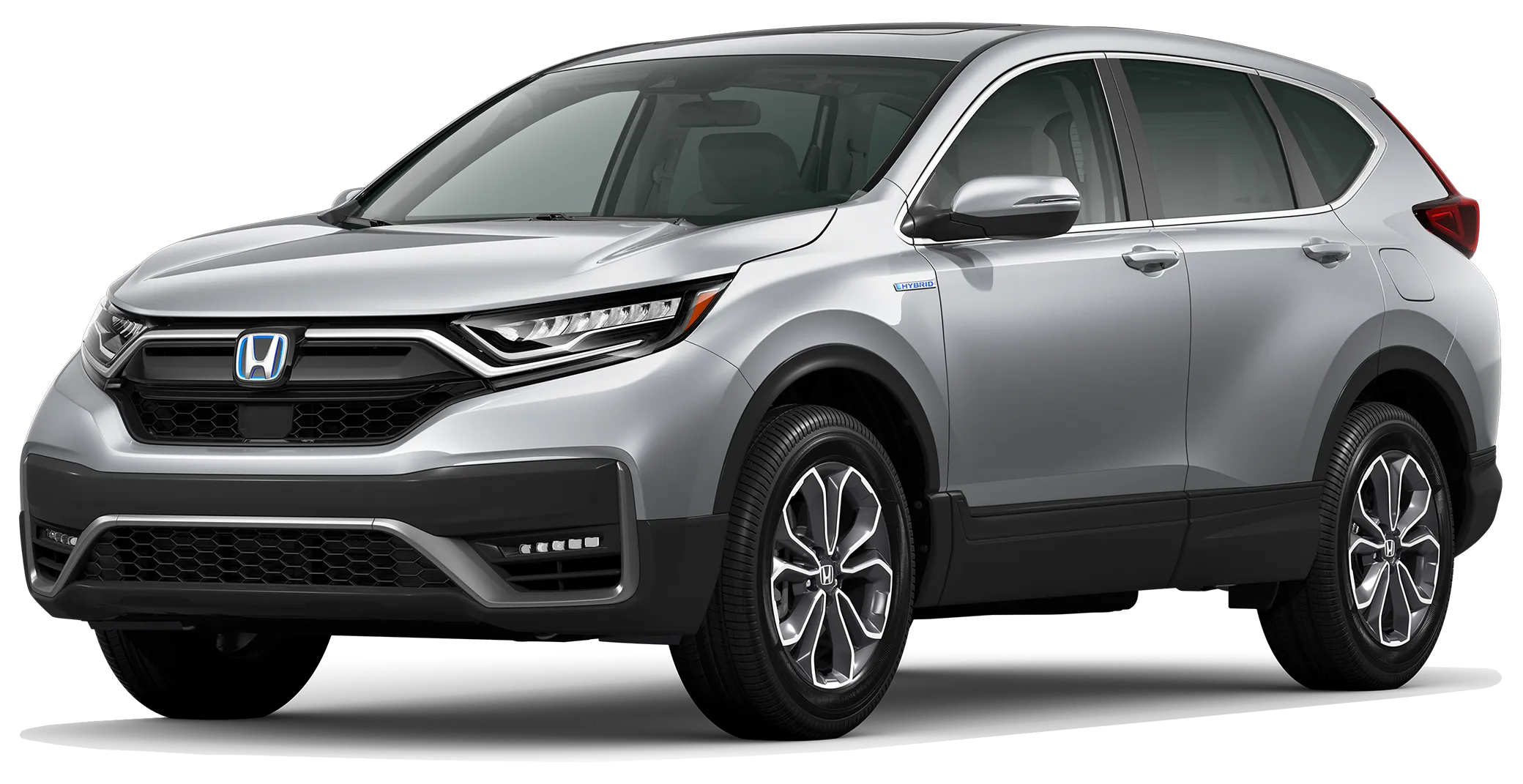
Unlike Lane Keeping Assist, LDW does not intervene it only notifies, regardless of why the car wandered from its lane. Many observed that the system simply did not go far enough to prevent genuine accidents, especially when drowsiness or distraction was severe.
While it may remain a menu option, LDW’s unimpressive real-world results sparked a shift toward smarter, more active technologies, highlighting the limits of warning-only safety features.
2. Early Automated Parking Systems: A Solution with Growing Pains
Automated parking features, especially those introduced in the early part of the decade, aimed to take the hassle out of squeezing into tight spaces.
With sensors and computers working together, the car could control the steering, and sometimes acceleration and braking, during complex maneuvers. However, this headline-grabbing feature encountered plenty of stumbling blocks.
Giving space to these systems in this article is important, because their shortcomings illustrated a disconnect between technological advances and everyday use.
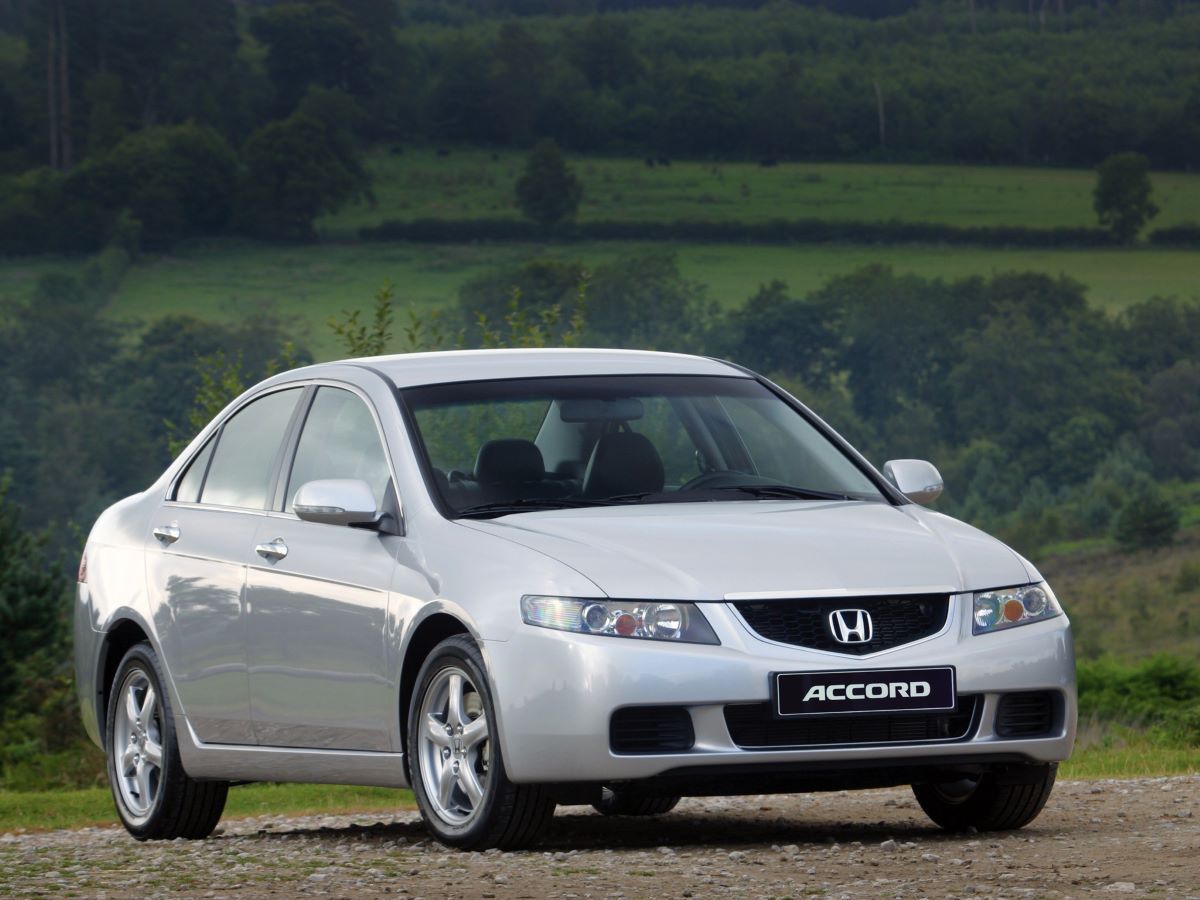
Early versions often struggled with odd-shaped spaces, required drivers to surrender more control than they liked, and sometimes caused embarrassing errors. Many drivers found these systems too slow or failed to trust them when it mattered most.
Software glitches and sensor malfunctions sometimes resulted in expensive repairs. Though newer models are far more reliable, the initial wave of automated parking was defined by limitations. It is worth remembering that not all well-meaning technologies deliver as intended right from the start.
3. Forward-Collision Warning Without Braking: Falling Short of True Prevention
Forward Collision Warning (FCW) systems notify drivers if a crash risk is detected in front of the vehicle, often using beeps or dashboard alerts.
While sounding an alarm can help, these features of the early 2010s often failed to provide enough active intervention to prevent the accident.
Discussing FCW without automatic braking is justified, as evidence shows it operates best in tandem with systems such as AEB. Alone, FCW depends on a quick human reaction, which can vary dramatically due to distraction, fatigue, or even reaction time delays.
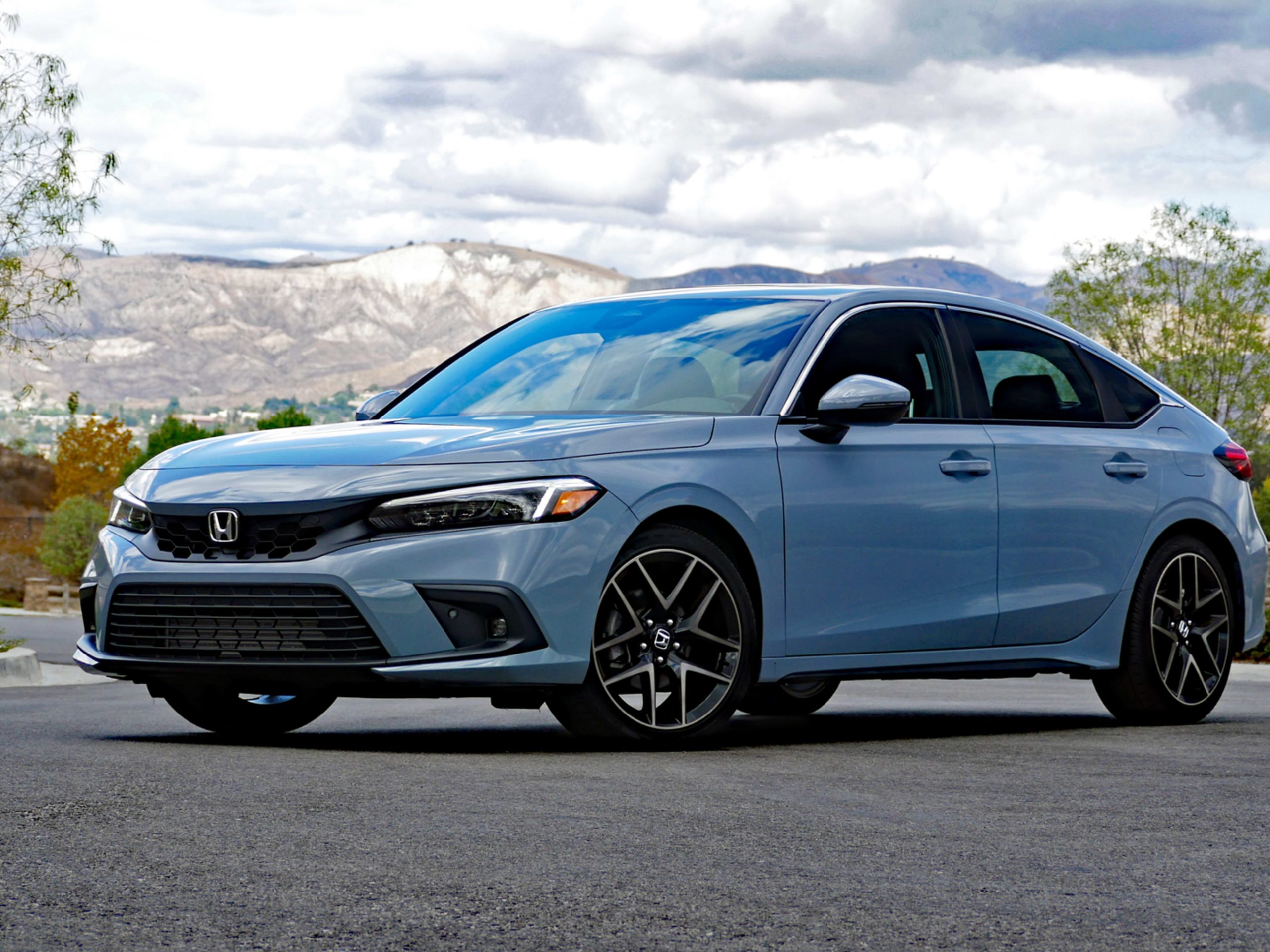
Studies found that FCW by itself produced less of a reduction in crash rates compared to systems that included automated braking.
Many drivers also misunderstood the feature, believing it would stop the car, which led to disappointment or worse.
As a result, automakers shifted toward pairing warning systems with active controls. The shortcoming of FCW, when sold as a stand-alone tool, became a lesson in the limits of warnings versus direct action.
4. Hands-Free Phone Integration: A Mixed Blessing
Bluetooth and other forms of wireless phone integration promised to reduce distraction by allowing calls without handling a device.
While hands-free laws took effect across many regions, these systems were marketed as both a safety and convenience tool. Reality, unfortunately, has been complex.
Shining the spotlight on hands-free phone systems is vital. Research reveals that conversation itself, regardless of how the call is made, distracts drivers.
Crash risk may fall slightly compared to handheld phone use, but hands-free conversations still slow reaction times and attention. Furthermore, awkward interface designs or voice command glitches sometimes left drivers more distracted as they tried to operate them.
While hands-free technology persists, its actual safety benefit remains in doubt, pushing many advocates to call for reframing the distracted driving conversation.
The promise of distraction-free calling in cars remains elusive, highlighting how technology alone cannot solve every behavioral safety issue.
5. Rear-Seat Entertainment Screens: A Risk in Disguise
Rear-seat entertainment screens flourished in the previous decade, riding the wave of connected families and road trip culture. Touchscreens and DVD systems aimed to keep passengers occupied and trips more enjoyable. Yet, these features sometimes ended up causing more trouble than relief.
Addressing rear-seat screens here is necessary because their unintended effects are now more widely recognized.
Beyond offering limited value for safety, these devices became a distraction for drivers as parents attempted to adjust settings or resolve kids’ issues in motion.
Crash-test data also indicated that bulky screens could become projectiles in a collision if not properly installed. Worse, some experts flagged them as a driver distraction risk, especially when controls could only be operated from the front.
Even as they deliver entertainment, rear-seat screens do not qualify as true safety innovations and, in some respects, have introduced new risks that designers are still working to contain. Their story serves as a caution that not every high-tech feature makes travel safer.
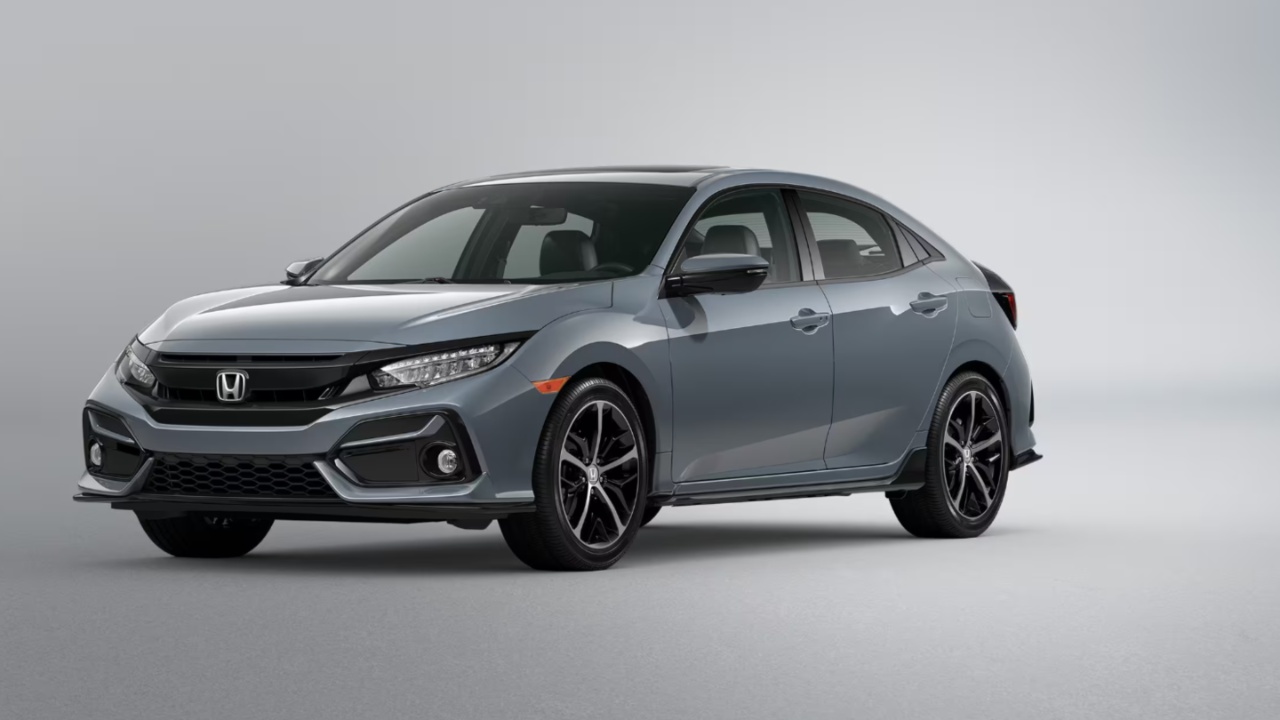
During the 2010s, the automotive industry made significant efforts to improve vehicle safety through new technologies aimed at preventing accidents and reducing injuries.
While some of these innovations have become dependable staples that continue to protect drivers and passengers, others have failed to meet expectations or introduced new challenges. Looking back at this decade offers valuable insights about which safety features truly made a difference and which fell short.
Among the safety advancements that proved durable, Automatic Emergency Braking (AEB) stands as a cornerstone. AEB’s ability to detect imminent collisions and apply brakes when necessary has led to substantial reductions in front-end crashes and injuries.
Its quiet, seamless intervention distinguishes it as a lifesaver often working behind the scenes. Lane Keeping Assist (LKA) also earned wide acceptance by gently steering vehicles back into their lanes, preventing common accidents related to drifting due to distraction or fatigue.
Unlike simpler warning-only systems, LKA’s gentle corrective action helps drivers remain safely on track. Blind Spot Monitoring (BSM) addressed a longstanding vulnerability in driver visibility.
By alerting drivers to vehicles lurking beyond mirrors, BSM has reduced lane-change collisions with an intuitive, effective approach.
Electronic Stability Control (ESC), though introduced earlier, became mandatory and widespread in the 2010s, dramatically lowering rollover and loss-of-control crashes.
Finally, advanced airbags that adjust deployment force and coverage based on occupant size and seating position improved protection and minimized injury risks, reflecting a maturation of earlier airbag designs.
Conversely, the decade also brought cautionary tales. Lane Departure Warning (LDW) systems that only alerted drivers without providing steering assistance proved insufficient and often frustrating, leading many to switch them off.
Early automated parking systems, while attractive, often struggled with reliability and driver trust, limiting their usefulness outside controlled conditions.
Forward Collision Warning (FCW) without automatic braking depended too heavily on driver reaction and failed to deliver comparable safety outcomes.
Hands-free phone integration promised distraction reduction but fell short because conversation itself continues to impair attention and reaction times, illustrating the limits of technology in solving human behavioral risks.
Lastly, rear-seat entertainment screens, while popular, introduced new distractions for both drivers and passengers and posed potential injury hazards during crashes.
These contrasting outcomes highlight the complexity of advancing car safety. Successful technologies typically blend proactive intervention with driver cooperation, offering help without demanding sacrifice of control or causing annoyance.
Features that rely solely on warnings or produce inconsistent real-world benefits tend to disappoint. The decade’s experiences underscore that innovation alone is not enough; usability, trust, and adaptation to real driving conditions are equally critical for lasting impact.
As automakers continue refining existing features and developing new solutions, lessons from the 2010s remain crucial.
The era’s greatest safety innovations have reshaped expectations and saved countless lives, proving that thoughtful engineering combined with rigorous testing creates meaningful progress.
Meanwhile, the less successful ideas remind us to balance ambition with practical effectiveness and driver experience.
Understanding which safety technologies truly enhance driving helps consumers make informed decisions and encourages ongoing improvement toward safer roads for all.
Also Read: 5 Once-Popular Cars Now Selling Below MSRP vs 5 That Still Sell Above Sticker
