
When choosing a luxury vehicle, drivers look beyond comfort and prestige. They want robust features that promise safety and reliability, especially over the long haul. Yet, luxury does not always mean worry-free ownership.
Some cars are celebrated for their enduring technology, keeping occupants safe even as years pass. Others, while impressive on the showroom floor, may become familiar with the inside of a mechanic’s garage, collecting repair bills as their high-end components wear out.
This article compares two types of luxury cars: those that shine for their enduring safety technologies and those that have a reputation for frequent or costly repairs.
By covering both sides, this guide aims to help buyers understand where confidence in a car’s longevity matches its reputation for luxury, and where the shine could quickly wear off due to expensive upkeep.
Luxury automakers invest heavily in innovation. Some brands have managed to ensure their vehicles’ safety features remain relevant and fully functional, even as the car logs thousands of miles. Others, however, pose the risk of ballooning costs over time.
Whether you prioritize staying protected on the road or want to avoid financial headaches tied to endless repairs, knowing which vehicles earn praise and which cause frustration can influence a smart, rewarding purchase.
Also Read: 5 Vehicles With Keyless Entry That Works vs 5 With Failing Fobs
Luxury Cars with Long-Lasting Safety Tech
Buyers of luxury cars often demand more than just style and speed. They seek assurance that advanced safety features will serve them long after the initial excitement fades.
True automotive excellence means developing vehicles where cutting-edge protection remains functional for many years.
Such commitment from manufacturers reassures owners that their investment genuinely delivers peace of mind, not just status. In this section, we focus on luxury vehicles that consistently demonstrate durability and reliability in their safety systems.
Choosing a car that maintains safety performance as it ages means safer drives for families, confident commutes for executives, and greater resale value when it is time for a change.
Brands that successfully deliver enduring technology gain customer loyalty and set benchmarks for the rest. Here, we highlight five standout luxury cars, not just for the innovation of their safety tech, but their ability to maintain that edge year after year.
These choices are informed by real-world longevity, consumer reviews, and industry accolades, ensuring recommendations that meet expectations for both protection and lasting value.
1. Volvo XC90
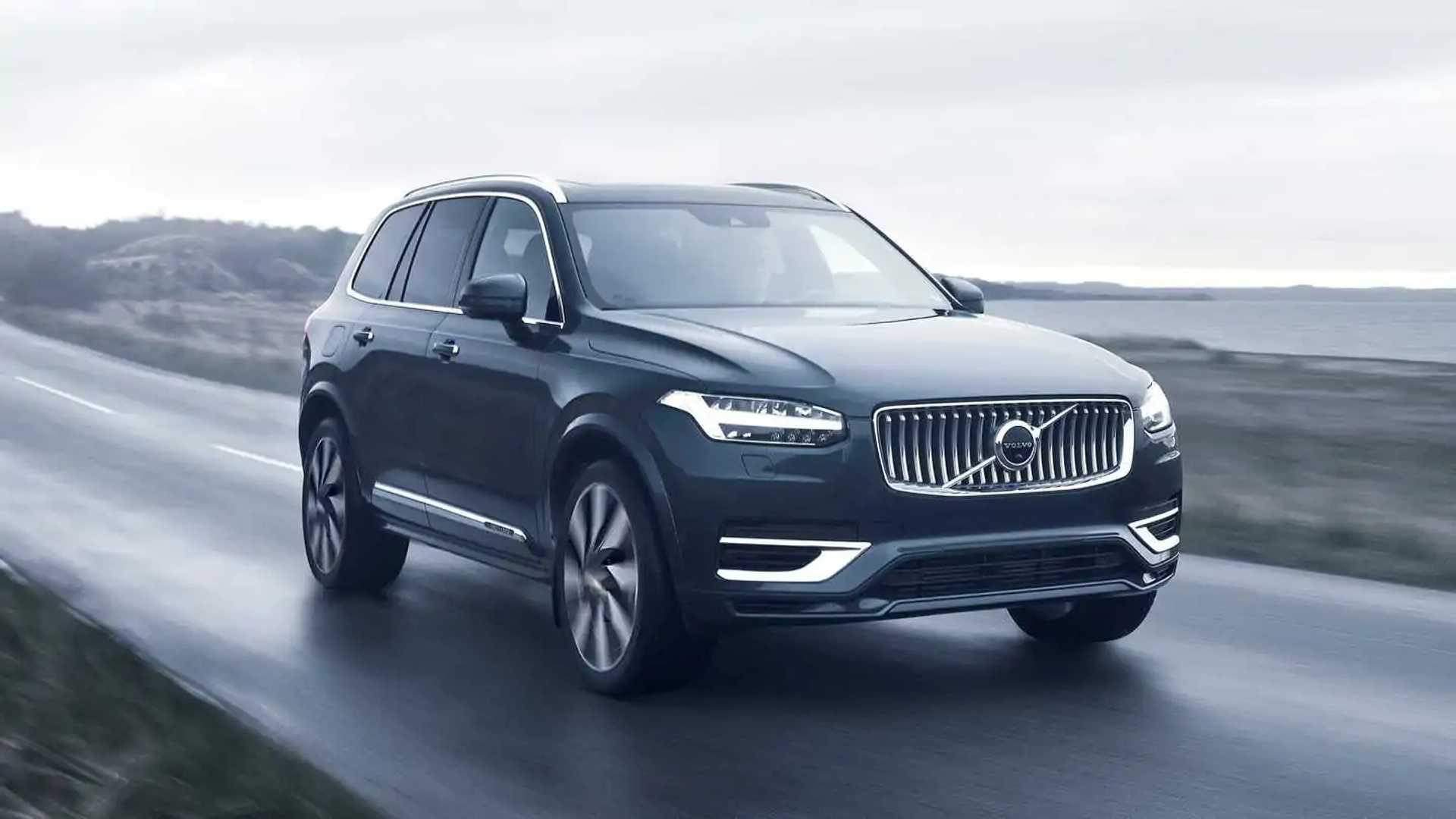
The Volvo XC90 repeatedly garners recognition as a leader in safety, making it a prime example of a luxury SUV that combines elegance with genuinely long-lasting protection. Volvo’s reputation for safety did not emerge overnight.
The brand’s continued focus on designing for real-world scenarios has shaped how the XC90 performs long after it leaves the showroom.
Owners often cite retention of critical features, such as collision mitigation, lane-keeping assistance, and advanced airbag systems, even after high mileage.
This reliability means families and individuals are protected by systems that remain accurate and responsive for years, not just while the car is new.
Industry studies and owner surveys regularly position the XC90 as a top choice for safety retention. Its semi-autonomous driving aids, emergency braking, and strong structural design continue to operate reliably, aided by Volvo’s commitment to regular software updates.
This proactive support is especially crucial in today’s vehicles, where technology and hardware must coordinate perfectly. Volvo’s practice of extending safety software up to a decade further supports why the XC90 stands out.
By consistently maintaining advanced driver assistance functions and smart restraint systems, the XC90 earns its place as a model worth trusting with both luxury and long-term safety at its core. This focus ensures that owners feel secure every time they drive no matter how many years have passed since their purchase.
2. Mercedes-Benz S-Class
The Mercedes-Benz S-Class has long been a symbol of automotive innovation. Yet, it is the enduring nature of its advanced safety systems that continues to separate it from rivals over the vehicle’s lifespan.
Safety technologies, such as PRE-SAFE, Adaptive Brake Assist, and Night View Assist, have proven their worth not only in the pristine environment of the test track but also after years of regular use.
The S-Class owes its reputation, in no small part, to Mercedes-Benz’s policy of ensuring key systems remain precise and effective far longer than many competitors’ equivalents.
Owners benefit from an architecture that supports routine system updates, either through the dealer or increasingly via over-the-air methods. This approach keeps features relevant and functional, with award-winning crash prevention and mitigation remaining intact.
The S-Class has also pioneered technologies that later become standard across other vehicles, proving Mercedes’ commitment to sustained excellence.
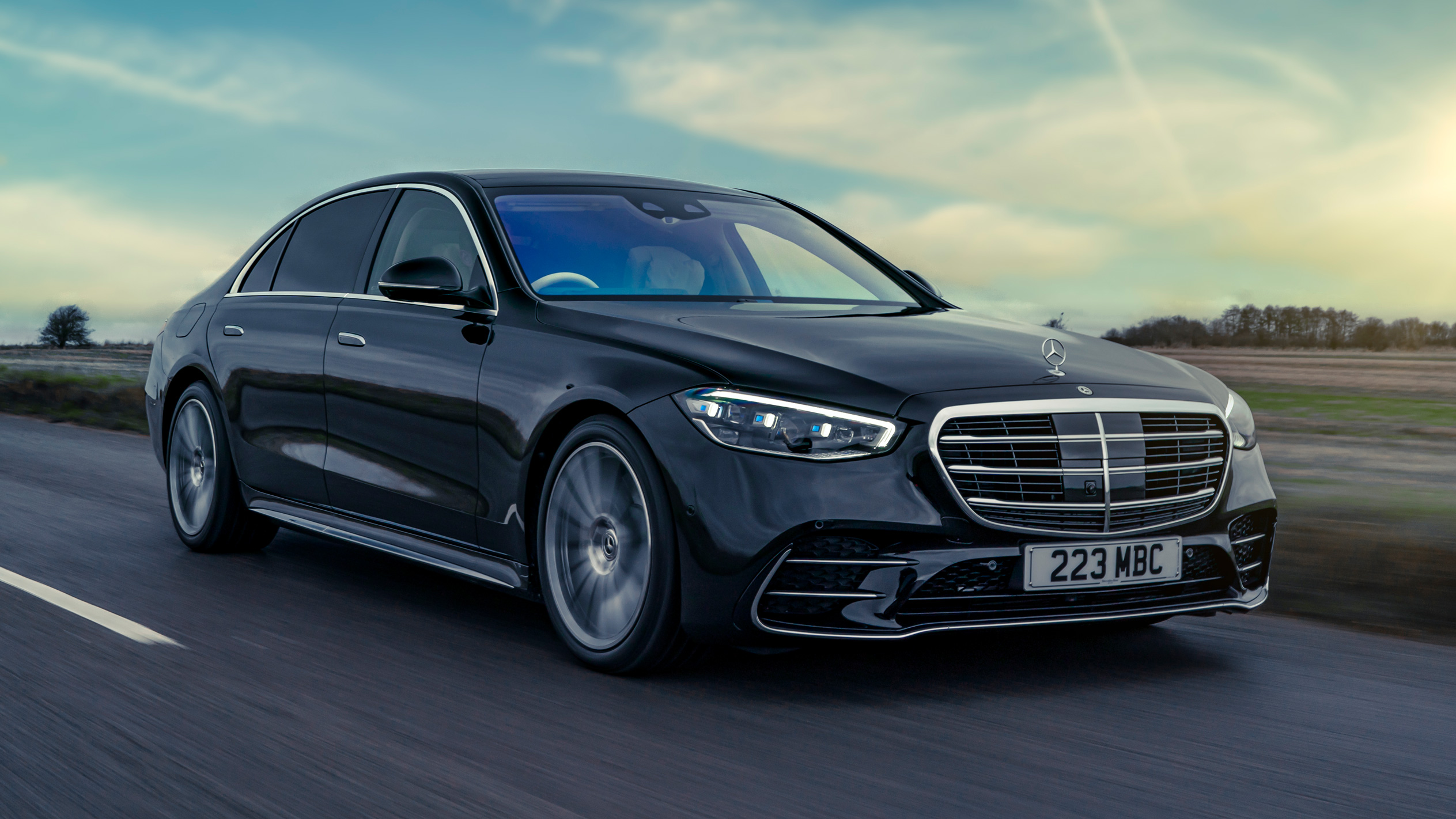
Industry experts highlight how the S-Class’s safety suite, from attention assist to intelligent adaptive cruise, consistently avoids the sensor failures and glitches that often plague rivals as they age.
This combination of robust engineering and ongoing technological support sustains the S-Class’s reputation not just for innovation at launch, but for lasting protection and peace of mind as the vehicle advances through years of ownership.
3. Lexus LS
Lexus has built its reputation on reliability and comfort, but the LS flagship sedan stands out for its durable safety features. Unlike rivals where high-tech systems can falter over time, the LS benefits from Toyota’s philosophy of long-term usability.
Features like Lexus Safety System+, which bundles adaptive cruise control, lane departure alert, and automatic emergency braking, are celebrated not just for their sophistication, but for holding up exceptionally well through years of driving.
What makes the LS special is its blend of hardware and software that continue delivering as intended, with low reported rates of malfunction or costly repairs.
Lexus engineers prioritize simplicity in design, making the safety equipment less susceptible to bugs or wear than the more complex, fragile arrangements seen in some German counterparts. Ongoing manufacturer support, including routine updates and the availability of replacement parts, further extends the system’s lifespan.
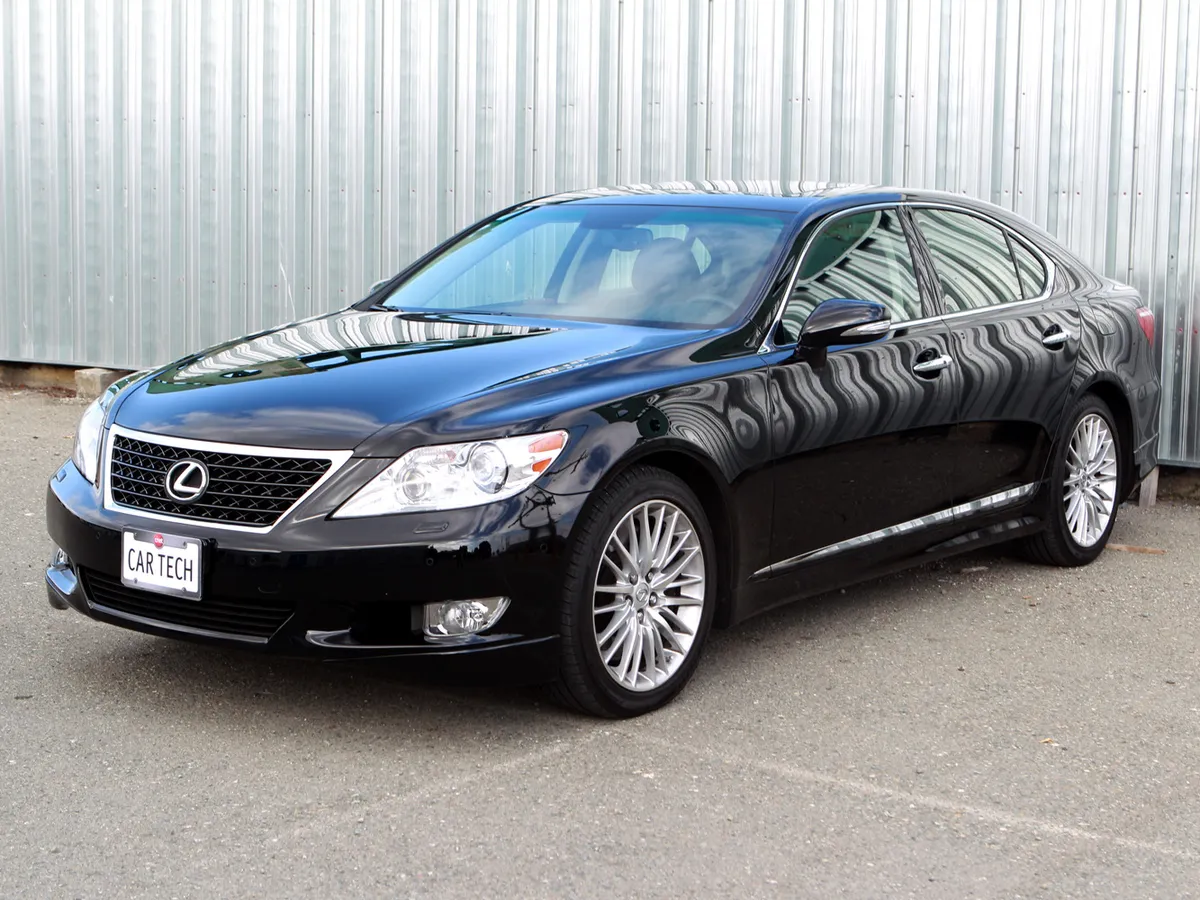
Many owners report still benefiting from full feature sets even as their vehicles approach impressive mileages, lending credence to the LS’s reputation.
Ultimately, the Lexus LS is chosen here because it consistently meets and often exceeds the promise of reliable safety technology year after year, which is a rarity among high-end vehicles.
4. Audi Q7
Audi’s Q7 claims a spot in this group based on real-world reliability in its suite of safety and driver assistance technologies.
The Q7 has impressed drivers not only at launch, but through years of ownership, as its features such as Audi Pre Sense, adaptive cruise, and lane-keeping assist remain operational and accurate for the long term.
Reliability testing backs up these claims; reports show a lower incidence of system failures as compared to many peers in the luxury SUV sector.
Audi’s approach of combining proven sensor technology with regular over-the-air updates has helped minimize the chance of premature ageing in safety features.
Q7’s high-quality interior components and structural design add an extra layer of reassurance, keeping airbags, crash sensors, and emergency systems effective even after thousands of hours on the road.
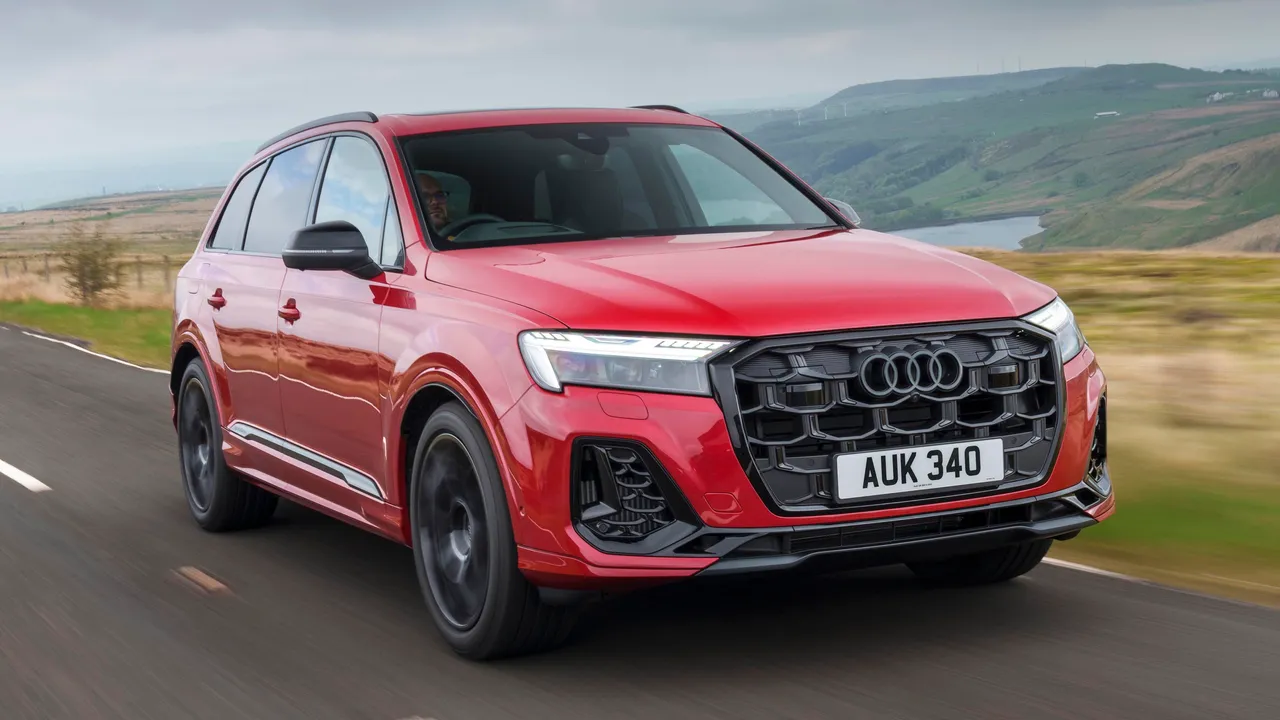
Audi’s commitment to supporting its vehicles with genuine parts and thorough diagnostic checks also means any issues that do arise can be addressed thoroughly, limiting the risk of unreliable protection.
The Q7 receives attention here because it responds to consumer demand for dependable safety, not just while new, but through the challenges that come with extended use.
5. Acura MDX
The Acura MDX consistently scores high marks for the longevity and reliability of its safety features. Backed by Honda’s engineering know-how, the MDX offers a premium experience without requiring drivers to sacrifice peace of mind as the vehicle ages.
Standout technologies include AcuraWatch, a suite of advanced safety tools encompassing forward-collision warning, lane-keeping assist, and adaptive cruise control, all integrated in a way that minimizes the likelihood of failure from age or heavy use.
Owners cite strong satisfaction with the MDX for retaining its safety functions long after leaving the showroom.
Component construction is robust, while regular manufacturer support and updates help extend the usefulness of both proprietary and standard safety technologies.
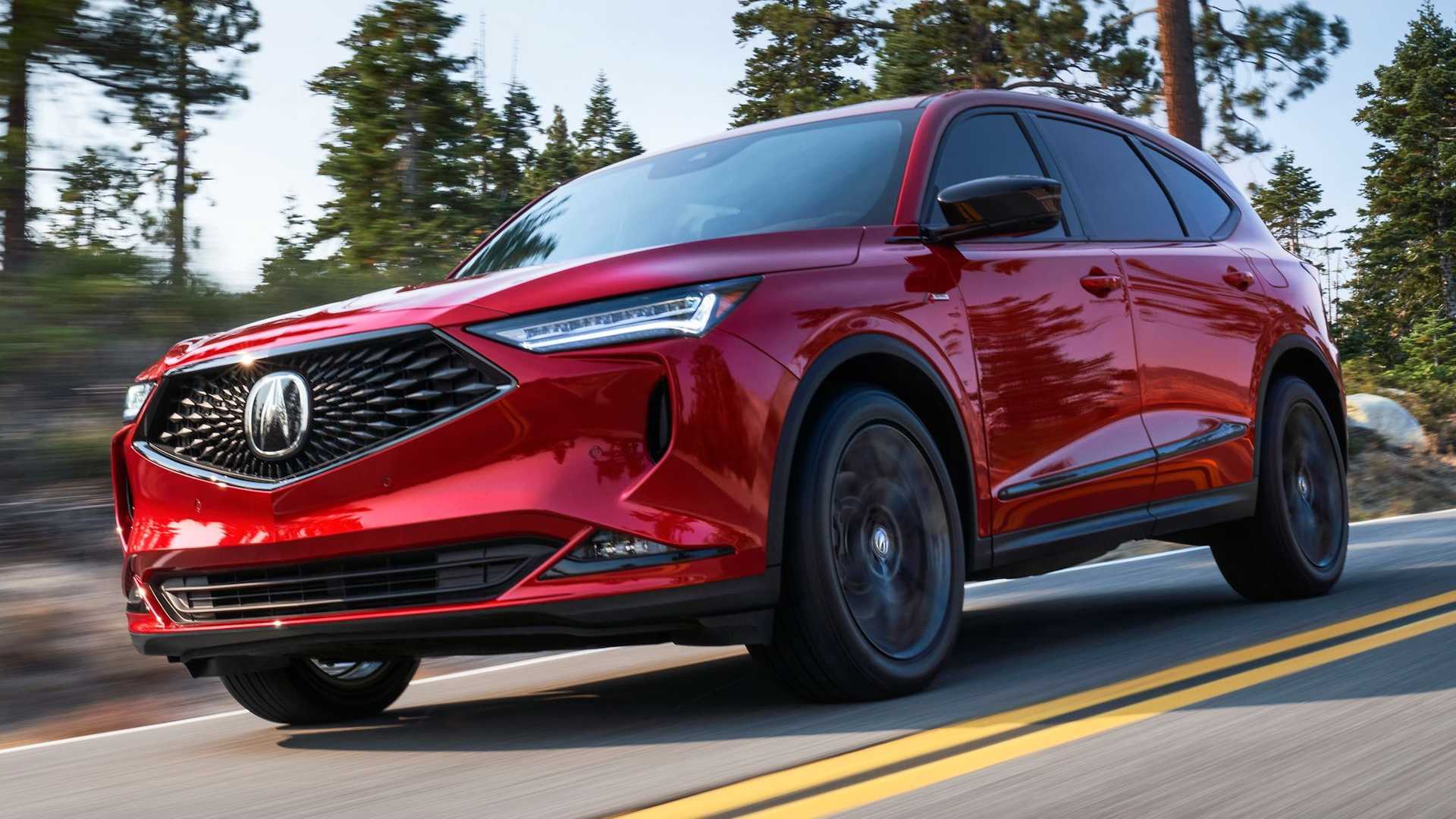
Independent reviews consistently place the MDX among the leaders for reliability, with very low rates of failure in critical systems like blind spot monitoring and crash prevention.
The MDX’s inclusion in this section is due to the reassuring history of its safety tech keeping families protected for many years.
For buyers seeking luxury coupled with peace of mind and avoiding unexpected system breakdowns, the MDX stands as an intelligent choice in its category.
Luxury Cars That Rack Up Repair Bills
Luxury cars promise comfort, prestige, and the latest in automotive technology. But those dazzling features can come at a cost when repair bills begin to pile up. High-end vehicles often rely on intricate systems not easily serviced outside manufacturer-dealer networks.
As they age, complex powertrains, electronics, and advanced components can become sources of frustration instead of pride. For some, the cost of ownership rises sharply over time, with expensive fixes overshadowing the joy of driving a luxury machine.
Here, we focus on cars that tend to rack up maintenance expenses. Their upfront appeal might be strong, but reliability studies, owner complaints, and expert analysis flag these vehicles for draining bank accounts with frequent or costly repairs.
Understanding which models are most susceptible to long downtime and large bills can help buyers make informed decisions. This especially matters with pre-owned luxury cars, where warranty coverage may be limited or expired.
By recognizing these patterns, buyers can approach their next purchase with open eyes and a practical mindset, appreciating luxury while avoiding unnecessary financial headaches.
1. BMW 7 Series
The BMW 7 Series is renowned for comfort, performance, and technological advancement. But as vehicles age, especially out of the warranty period, maintenance expenses can quickly mount.
Owners report issues with complex air suspension systems, infotainment glitches, and sophisticated electronic modules. While the 7 Series is packed with features, the integration of so many advanced systems appears to invite more frequent repairs once the car reaches a certain age or mileage.
Specialized components, such as electronically controlled dampers and power delivery units, often require dealership expertise and cannot always be fixed easily or cheaply. Replacement parts, especially for unique systems found in the 7 Series, command premium prices.
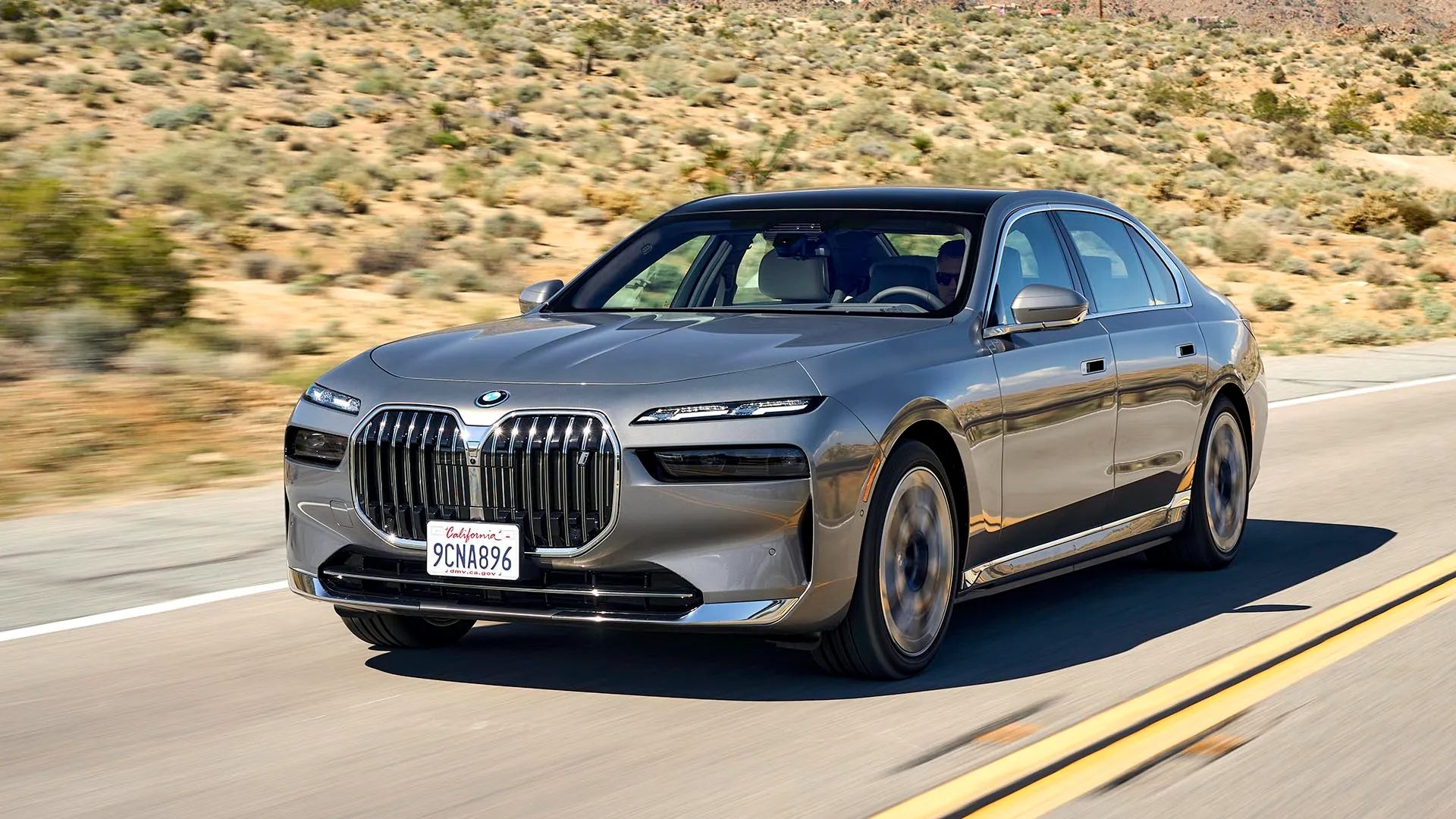
Additionally, engine components like turbochargers and direct injection systems show a tendency toward wear, leading to expensive and sometimes unexpected repair visits.
The reputation for high servicing costs and the potential for repeated trips to the mechanic places the 7 Series on this list. Buyers considering a pre-owned model must weigh the vehicle’s comfort and luxury against the backdrop of possibly steep long-term maintenance demands.
2. Range Rover (Full Size)
Range Rover’s full-sized luxury SUV delivers on comfort, capabilities, and presence. Yet, long-term ownership frequently brings reports of mechanical and electrical headaches.
Recurrent complaints focus on air suspension failures, delicate transmission systems, and intricate electronics controlling everything from entertainment to ride height adjustment.
Over the years, forums and owner surveys have highlighted how repair costs can spiral, especially when factory coverage ends.
Some parts are exclusive to Land Rover’s design and are costly to source or replace, particularly as vehicles age.
Rapid depreciation does little to offset the reality that major breakdowns, such as costly differentials, transfer cases, and air ride components, can absorb thousands of dollars.
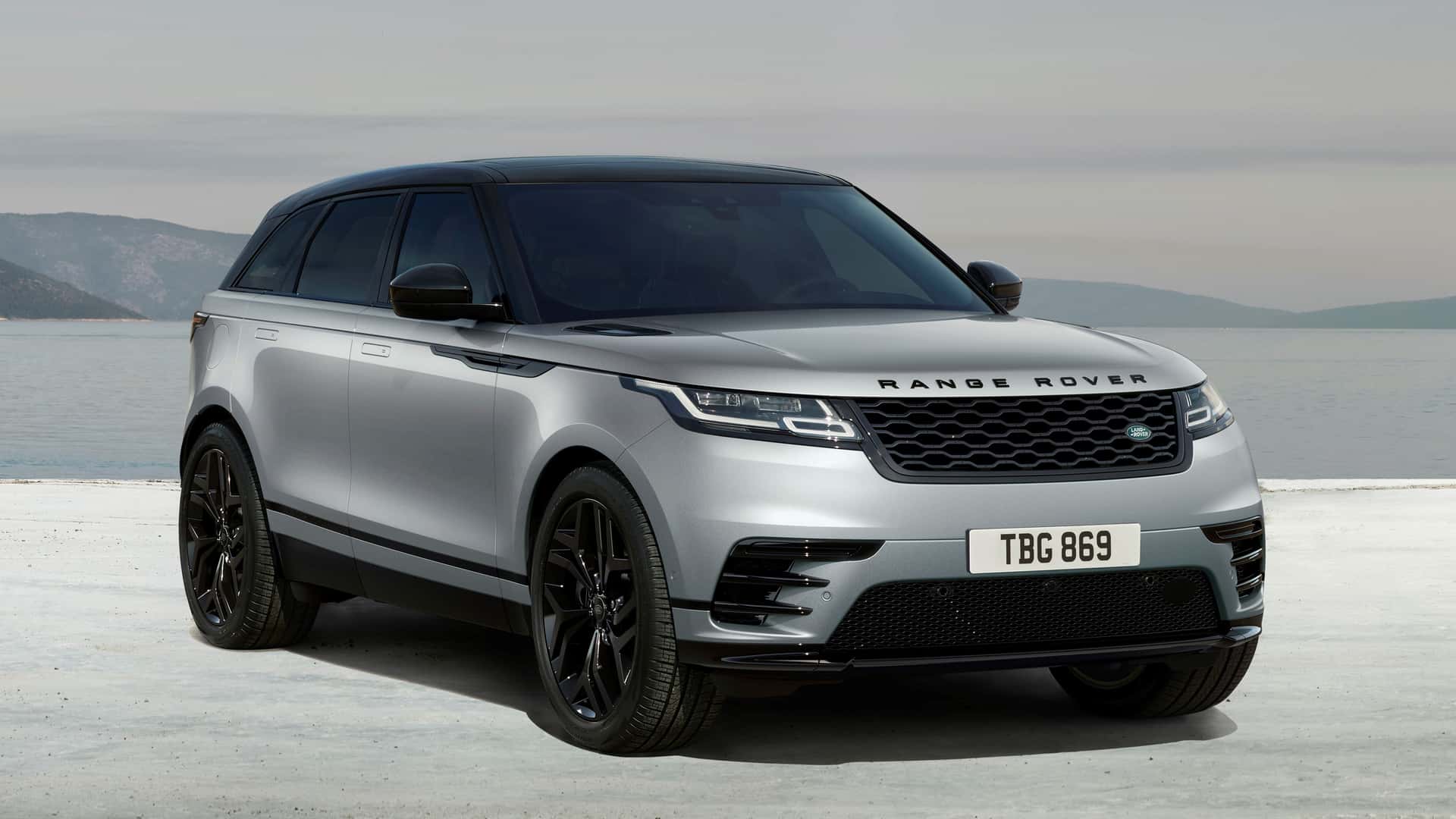
While the Range Rover offers an exceptional driving experience when new, its engineering complexity leads to higher service bills and more frequent repairs compared to simpler luxury alternatives.
This history secures its position on any honest appraisal of costly luxury cars to maintain, signaling that beauty and comfort must be weighed with caution by those eyeing used models.
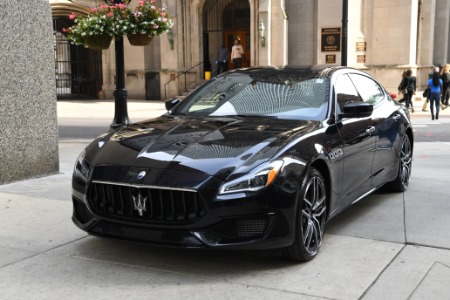
3. Maserati Quattroporte
Maserati’s Quattroporte is instantly recognizable for its styling and unique flair. However, potential owners should be mindful that the charm often comes paired with substantial bills as these sedans accumulate miles.
Common weaknesses involve electronic gremlins, transmission problems, and quirks with expensive brake and suspension systems. Specialist knowledge is usually required for even routine maintenance, driving up costs even more.
Replacement parts are costly due to limited supply and the bespoke nature of the vehicle’s construction. Additionally, the Quattroporte’s allure as a hand-built performance machine translates into greater risk for issues as the vehicle ages.
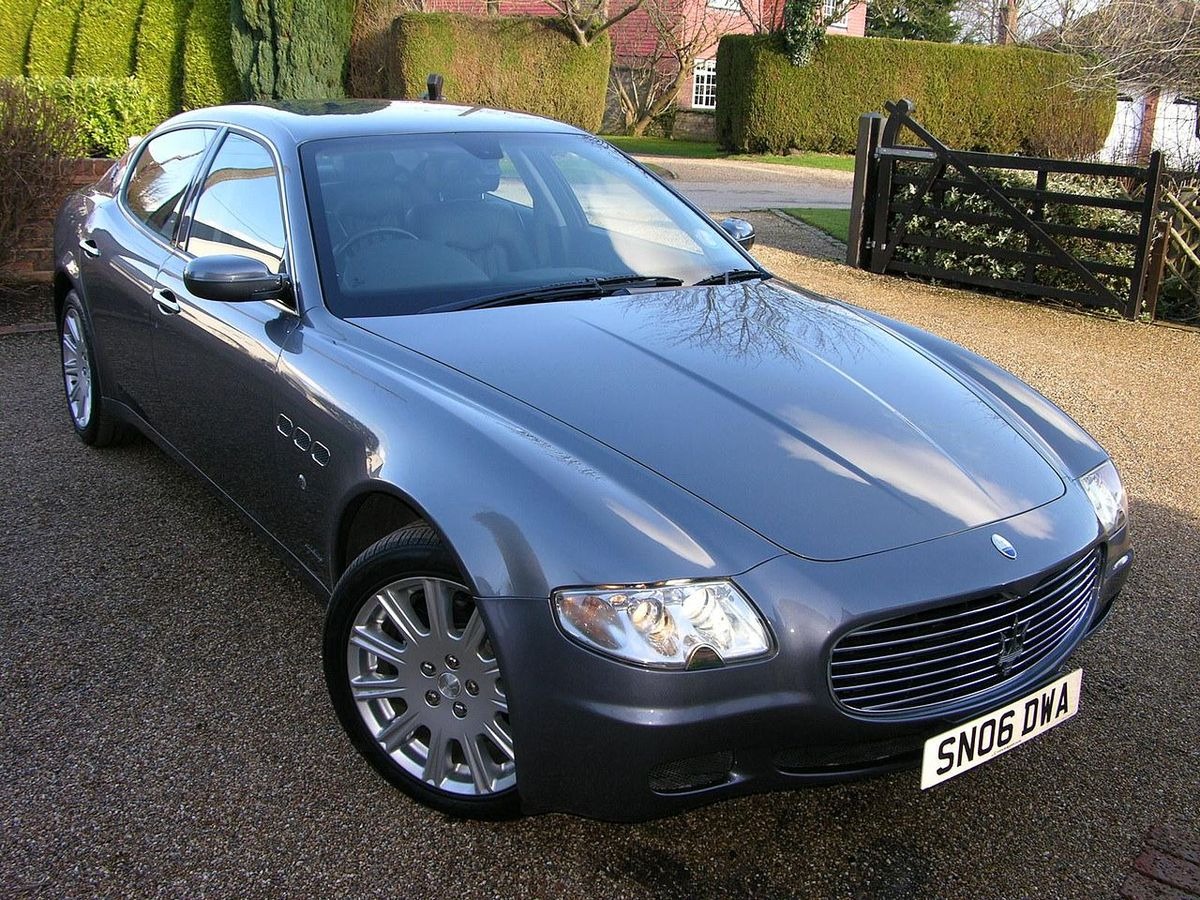
While driving a Maserati brings a distinct sense of occasion, many owners experience frustration as reliability falters, calling for unplanned mechanic visits.
The Quattroporte is included here because the reported repair histories match the car’s reputation for unpredictability, confirming that this is a luxury not just to acquire, but to budget for well into the future.
4. Jaguar XJ
The Jaguar XJ boasts a storied heritage and is beloved by enthusiasts for both its looks and driving feel. Despite its prestige, the XJ is often noted for reliability concerns post-warranty.
Reports highlight chronic electrical issues, suspension faults, and problems with powertrains, particularly in older models. Repairing these components usually requires specialized technicians, which drives up labor costs and extends time off the road.
Unique engineering choices, such as aluminum body construction and complicated air suspension systems, can add a layer of difficulty for routine fixes.
Spare parts for these features, especially as the car ages, tend to be expensive and not always readily available.
Owner accounts frequently mention minor glitches turning into major expenses, cementing the XJ’s status as a luxury vehicle that demands both passion and patience from those who own it.
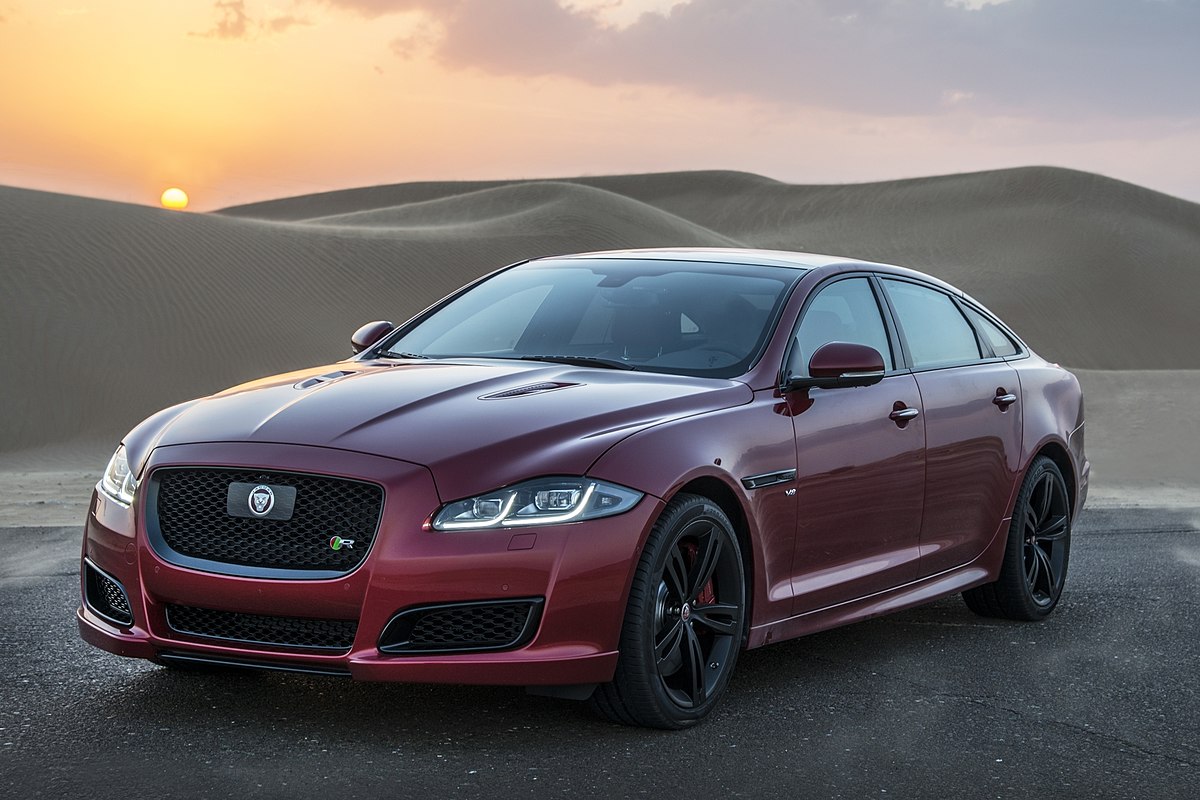
The XJ’s charm and distinctive presence can only partially offset the risk of mounting repair bills, making it important for potential buyers to consider how the cost of keeping this classic on the road often becomes part of the experience.
5. Porsche Panamera
Porsche successfully merged practicality and performance with the Panamera, but some owners find the price of long-term ownership is more than they expect.
This sedan’s advanced dual-clutch transmission, complex engine designs, and electronically controlled systems can all trigger expensive service visits.
Oil leaks, electronics failures, and suspension component wear are commonly reported as the car ages out of its factory warranties.
Because many mechanics lack familiarity with the Panamera’s intricacies, routine service and diagnostics often require dealership visits, which inflates costs. Specialized tools and carefully sourced replacement parts add to the expense.
Enthusiasts who value Porsche’s precision engineering must accept that, over time, the costs of maintaining such performance can accumulate quickly.
The Panamera’s place on this list is a reflection of owner experiences, which highlight both the pleasures and challenges of keeping an advanced luxury vehicle in peak condition year after year.
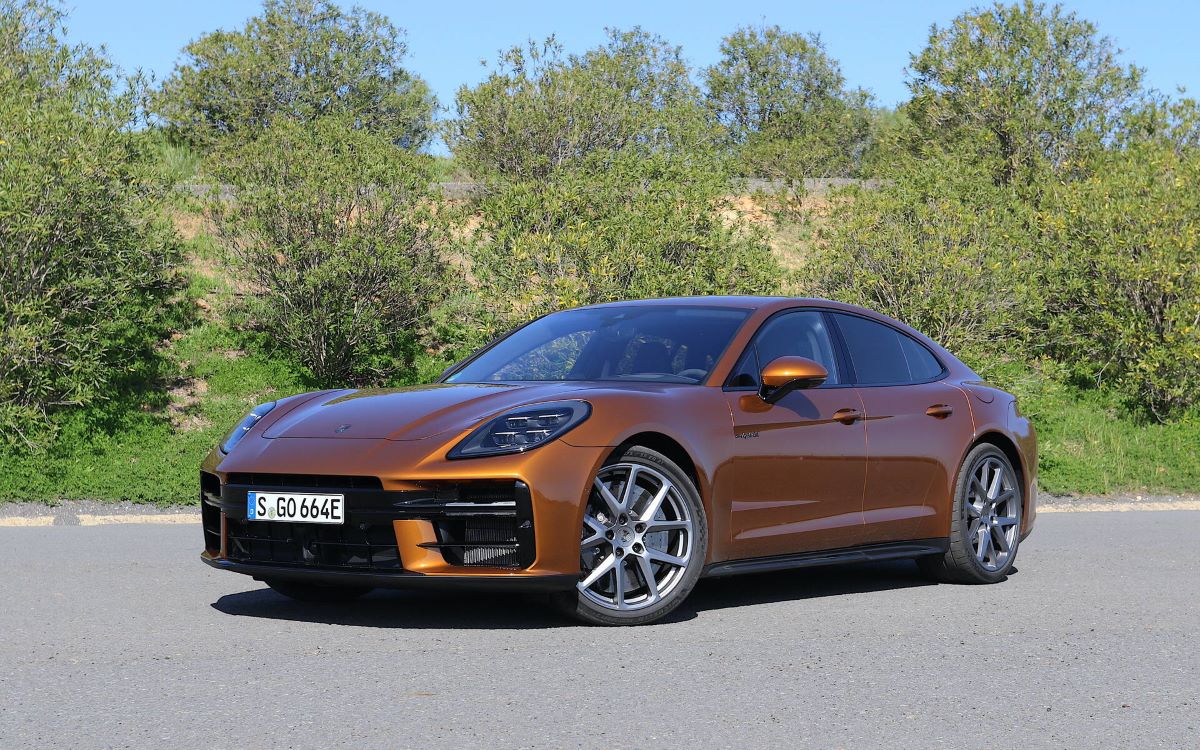
This understanding is essential for those who want the Porsche experience but would rather avoid the sticker shock associated with premium maintenance.
When investing in a luxury car, buyers expect not only refined aesthetics and powerful performance but also advanced safety features and dependable reliability over time.
However, the reality is that not all luxury vehicles deliver long-lasting peace of mind. Some models are celebrated for maintaining their cutting-edge safety technologies well into their lifespan, providing owners with continual protection.
Others develop costly mechanical or electronic issues, leading to frequent, expensive repairs that diminish the ownership experience. Understanding this contrast is essential for anyone considering a luxury car purchase, whether new or pre-owned.
Certain luxury vehicles stand out because their safety systems remain fully functional and effective years after their debut.
The Volvo XC90 exemplifies this reliability with its comprehensive, well-engineered safety suite that retains accuracy even with high mileage, largely due to Volvo’s ongoing software updates and durable hardware.
Similarly, the Mercedes-Benz S-Class is renowned for sophisticated safety features like PRE-SAFE and Night View Assist that continue to perform reliably, supported by the manufacturer’s commitment to system maintenance throughout the vehicle’s life.
The Lexus LS combines luxury with Toyota’s famed engineering finesse, offering safety systems that resist malfunction even as the car ages, backed by robust design and ongoing manufacturer support.
The Audi Q7 maintains dependable operation of its driver assistance technologies through a well-designed combination of sensor quality and software maintenance.
Finally, the Acura MDX, leveraging Honda’s pragmatic engineering, provides a luxury experience with an emphasis on long-term functionality and low incidence of safety system failure. These vehicles demonstrate that true luxury includes enduring safety that doesn’t fade with time or mileage.
Conversely, some luxury automobiles develop reputations for steep repair costs and reliability concerns, which can sour ownership.
The BMW 7 Series, despite its status and features, often presents issues with complex air suspension systems and electronic modules that require costly dealership intervention.
Similarly, the full-size Range Rover is notorious for frequent failures in air suspension and transmission components, along with delicate electronics that can be expensive to fix. Maserati’s Quattroporte suffers from costly electronic and transmission problems amplified by the vehicle’s bespoke construction and limited parts availability.
The Jaguar XJ, beloved for style and driving dynamics, struggles with recurring electrical faults and suspension issues, with repairs complicated by its aluminum body and unique systems.
Lastly, the Porsche Panamera, though combining performance and usability, is prone to expensive maintenance due to its advanced transmissions and intricate engine designs.
For these models, ownership can mean preparing for frequent visits to specialized service centers and the accompanying financial burden.
Choosing a luxury car involves weighing the balance between sophisticated technology, lasting safety, and potential maintenance costs.
Vehicles like the Volvo XC90, Mercedes-Benz S-Class, Lexus LS, Audi Q7, and Acura MDX highlight how manufacturers can build safety features that endure, reducing worries over time.
On the other hand, models such as the BMW 7 Series, Range Rover, Maserati Quattroporte, Jaguar XJ, and Porsche Panamera illustrate how complex engineering and unique components sometimes lead to high maintenance expenses and reliability challenges.
Prospective buyers who prioritize long-term safety and lower maintenance costs can benefit from this comparison, securing a luxury ownership experience that is both secure and financially manageable.
Also Read: 5 Once-Popular Cars Now Selling Below MSRP vs 5 That Still Sell Above Sticker
