

Automotive history is filled with constant improvements in how cars keep their passengers safe. Some vehicles have transformed the idea of safety, acting as trendsetters and setting new standards for protection and reliability.
Others have rushed to adopt emerging features before these innovations were fully refined, revealing issues that later designs would have to address. This dual narrative is central to understanding how car safety matured from a luxury to a basic expectation.
The contrast between groundbreaking successes and problematic early attempts paints a fuller picture of the evolution that every driver benefits from today.
It is important to recognize those cars that pioneered advancements, as they provided a blueprint for what would eventually become industry norms. These models helped to save countless lives and set benchmarks that other automakers would strive to match.
At the same time, attention should be given to vehicles that embraced new technologies prematurely. Early adoption often means taking risks, and in some cases, the outcome fell short of expectations, providing valuable lessons for the future.
By examining both accomplishment and misstep, we gain a balanced view of progress that underpins modern vehicle safety.
Also Read: 5 Cars with Durable Crash Structures vs 5 That Weaken with Age
5 Pioneering Cars That Introduced Reliable Safety
Every so often, certain cars arrive with innovations that no one had seen before. These vehicles did more than offer new features they set the standard for what drivers could expect in a safe, reliable automobile.
Their legacy is not measured only by sales figures, but by the influence they had on car design and manufacturing.
The safety advances introduced by these five cars were not mere gimmicks; they represented genuine progress that changed assumptions about what cars could do to protect people.
Attention is given here to models that did not simply adopt an existing feature but made it genuinely reliable, practical, and widely accessible.
The focus is on vehicles that marked turning points and inspired regulatory changes or rapid shifts throughout the industry.
Each automobile highlighted in this section was selected not only for its technological innovation but also for the tangible improvements it brought to everyday driving.
The narrative of these cars is not just a collection of facts; it represents benchmarks in both engineering and public expectation.
By understanding what made these specific models so important, we can appreciate the scope of their impact on automotive safety standards around the globe.
1. Volvo PV544: The Seat Belt Revolution
Volvo’s PV544 achieved global recognition as one of the very first cars to introduce a standard three-point seat belt. Developed by engineer Nils Bohlin in 1959, this safety feature became a turning point, ensuring that car occupants stayed protected in severe crashes.
Volvo chose to make the patent for the three-point belt free for other manufacturers, placing public safety over corporate profit.
The three-point seat belt was not just another piece of equipment. It dramatically reduced fatalities and serious injuries, laying the groundwork for future restraint systems.

The PV544 stands out because its design made the new seat belt both effective and easy to use. Volvo’s commitment to sharing this invention amplified its impact, allowing other brands to follow suit quickly.
Unlike other attempted restraint systems of the period, which were sometimes awkward or uncomfortable, the three-point belt found a balance between effectiveness and practicality. The influence of this model went far beyond Volvo’s customer base.
Governments around the world soon began mandating seat belts based on the proven results of this innovation. By recognizing the PV544, we honor both the engineering brilliance that made this breakthrough possible and the humanitarian choice to share it with the world.
2. Mercedes-Benz W111: Pioneering the Crumple Zone
Mercedes-Benz W111, launched in 1959, represented a milestone by featuring the first effective crumple zone concept. Engineer Béla Barényi designed the W111 to absorb impact energy during a collision, rather than allow it to transfer directly to passengers.
This was achieved with intentionally weakened front and rear structures combined with a rigid passenger cell. By spreading out crash forces, the W111 reduced serious injuries and fatalities.
This car stands out because Mercedes went beyond adding protective features and addressed the physics of a crash head-on.
Earlier vehicles focused entirely on keeping the structure intact, often at the expense of passengers, but the W111’s novel approach recognized that controlled deformation was key to survival.
The crumple zone’s introduction changed vehicle design thinking worldwide and influenced crash testing standards. Many automakers would eventually embrace variations of this approach.

Highlighting the W111 is important as it exemplifies innovation grounded in a deep understanding of both materials and mechanics. Its legacy is easy to see in modern crashworthy automobiles, which still rely on this basic principle.
Focusing on this Mercedes-Benz model underscores how willingness to rethink established ideas can lead to a dramatic leap in highway safety.
3. Saab 99: Side-Impact Protection Becomes Mainstream
The Saab 99, produced from the late 1960s into the 1980s, made side-impact safety a serious consideration among mainstream automakers.
This model introduced reinforced doors and side panels, anticipating real-world accident risks well before regulatory mandates forced the issue.
The company’s engineers recognized that many injuries happened not from head-on collisions, but from vehicles being struck on the side, where passengers had little space between themselves and a forceful impact.
What sets the Saab 99 apart is that it addressed a common type of accident with a solution that offered tangible benefits to passengers.

Instead of waiting for regulators to catch up, Saab’s engineers designed extensive internal door bracing and strategically placed impact beams. These invented features soon inspired numerous competitors.
Choosing to recognize the Saab 99 is meaningful because it highlights foresight in car design and the determination to think beyond the bare minimum.
The robust structural changes made by Saab soon spread throughout the auto industry, influencing both regulations and public demand for side-protection features. This model reminds us that some of the biggest advances come from recognizing problems that others overlook.
4. Toyota Camry (1997): The Rise of Standardized Airbags
The 1997 Toyota Camry redefined what “standard equipment” meant for safety, as it came equipped with dual front airbags across all trims.
While airbags had appeared earlier, they were not always consistent in quality or availability. The Camry made them a core feature rather than an expensive add-on. This simple shift changed what drivers expected from manufacturers.
Toyota’s approach with the Camry was to pair reliability with affordability, helping to widen the use of airbags worldwide. The effective design and solid engineering also led to high safety ratings, further encouraging consumers to prioritize cars with airbags.
This made a difference not only for Camry buyers but for car shoppers everywhere, since automakers soon felt pressure to match Toyota’s standard.
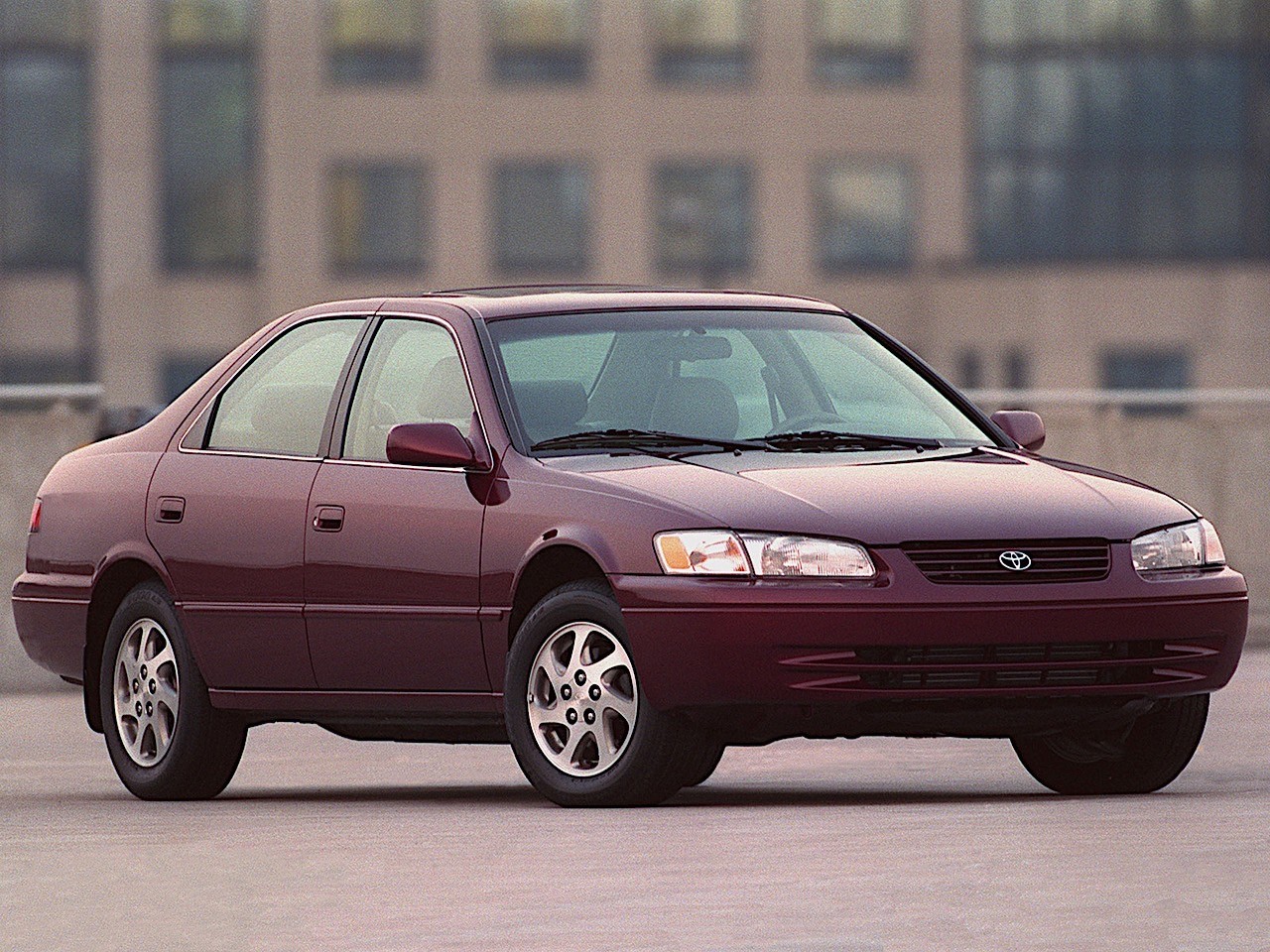
This vehicle’s inclusion on the list is justified by the way it influenced a major trend in airbags as a non-negotiable basic for every new vehicle rolling off the assembly line.
The Camry’s popularity ensured that this change would be both substantial and lasting. Drawing attention to this model honors the combination of smart engineering and practical accessibility.
5. Audi A8 (1994): Aluminum Body and Advanced Safety
The Audi A8, introduced in 1994, was the first mass-market luxury sedan with a full aluminum monocoque body, branded as the Audi Space Frame. This design provided a lighter yet stronger structure, improving both performance and safety.
The reduced vehicle weight contributed to better handling and shorter stopping distances, while the rigid frame enhanced passenger protection during collisions.
Unlike traditional steel frameworks, aluminum offered superior energy absorption in high-speed impacts. This innovation allowed Audi to achieve both strength and agility, setting a new standard for large sedans.
The commitment to advanced safety wasn’t just technical; Audi also worked to refine manufacturing methods, making the use of aluminum cost effective for a luxury vehicle segment.

Showcasing the Audi A8 is justified by its influence on subsequent design across both luxury and mainstream sectors.
Today, the benefits of lightweight construction are a given at the highest level of car manufacturing, but it was the A8 that first demonstrated how rigorously applying new materials could mean real progress in saving lives.
The decision to push forward with this concept marked a major shift, encouraging other makers to embrace advanced materials for safer, more efficient vehicles.
5 Early Adopters with Issues
Not every breakthrough arrives fully polished. Sometimes the urge to be first leads to important discoveries, but it can also reveal flaws that must be overcome.
Early adopters in car safety often find themselves in uncharted territory, facing challenges that manufacturers only fully appreciate after feedback from real-world use.
These manufacturers take bold steps, but in doing so, expose themselves to the difficulties of refining new technology. While some problems are relatively minor, others have lasting effects on public perception and engineering priorities.
When carmakers move too fast with untested ideas, the results can push the entire industry forward or sometimes trigger temporary setbacks.
This section will focus on those vehicles that introduced forward-looking safety features before they were truly ready for widespread use. By acknowledging these missteps, we can better appreciate how every safety standard is forged from both success and struggle.
This recognition does not diminish achievement; it honors the process of progress and the importance of learning from the past.
These five cases serve as reminders that curiosity and ambition sometimes come with hardships that must be overcome for the benefit of everyone on the road.
1. Chevrolet Corvair: Unstable Handling Prompts a Shift
The Chevrolet Corvair, released in 1959, aimed to deliver a compact American car with a rear-engine layout, something quite novel for the U.S. market at the time. General Motors hoped to set a new standard by offering sporty handling and a fresh design.
Unfortunately, this car became a textbook example of the pitfalls of early adoption, as safety concerns around its swing-axle rear suspension quickly surfaced.
Drivers and analysts noticed that the Corvair was prone to sudden oversteer and potentially dangerous loss of control during sharp turns or emergency maneuvers.
The car’s design lacked a stabilizing front anti-sway bar in original versions, causing it to behave unpredictably, especially for those not expecting European-style handling quirks.
Ralph Nader’s landmark book, “Unsafe at Any Speed,” specifically targeted the Corvair, bringing national attention to its design flaws and ultimately spurring the first significant federal regulations on vehicle safety in the United States.

This case is notable because it highlights the downside of implementing inventive features without adequate field testing or consumer education.
The negative publicity led to changes not just at GM, but throughout the car industry, reinforcing the lesson that innovation must be balanced by thorough safety validation. By remembering the Corvair story, we see the value in careful validation before new concepts reach the masses.
2. Ford Pinto: The Cost of Rushed Design
Ford’s Pinto debuted in 1971 during a rush to compete with compact imports. With the aim of getting the car to market quickly and at a competitive price, Ford engineers sacrificed critical aspects of safety.
The particularly problematic issue centered on the fuel tank design, which sat behind the rear axle and was vulnerable to rupturing and catching fire during rear-end collisions.
Numerous reports of tragic accidents and subsequent investigations revealed that Ford had been aware of the risk but weighed the cost of reinforcing the tank against the potential cost of legal claims.
The blazing aftermath of even minor collisions turned the Pinto into a symbol for the perils of prioritizing speed to market over extensive safety testing. The negative attention led to recalls and a public backlash that shaped future regulatory oversight.
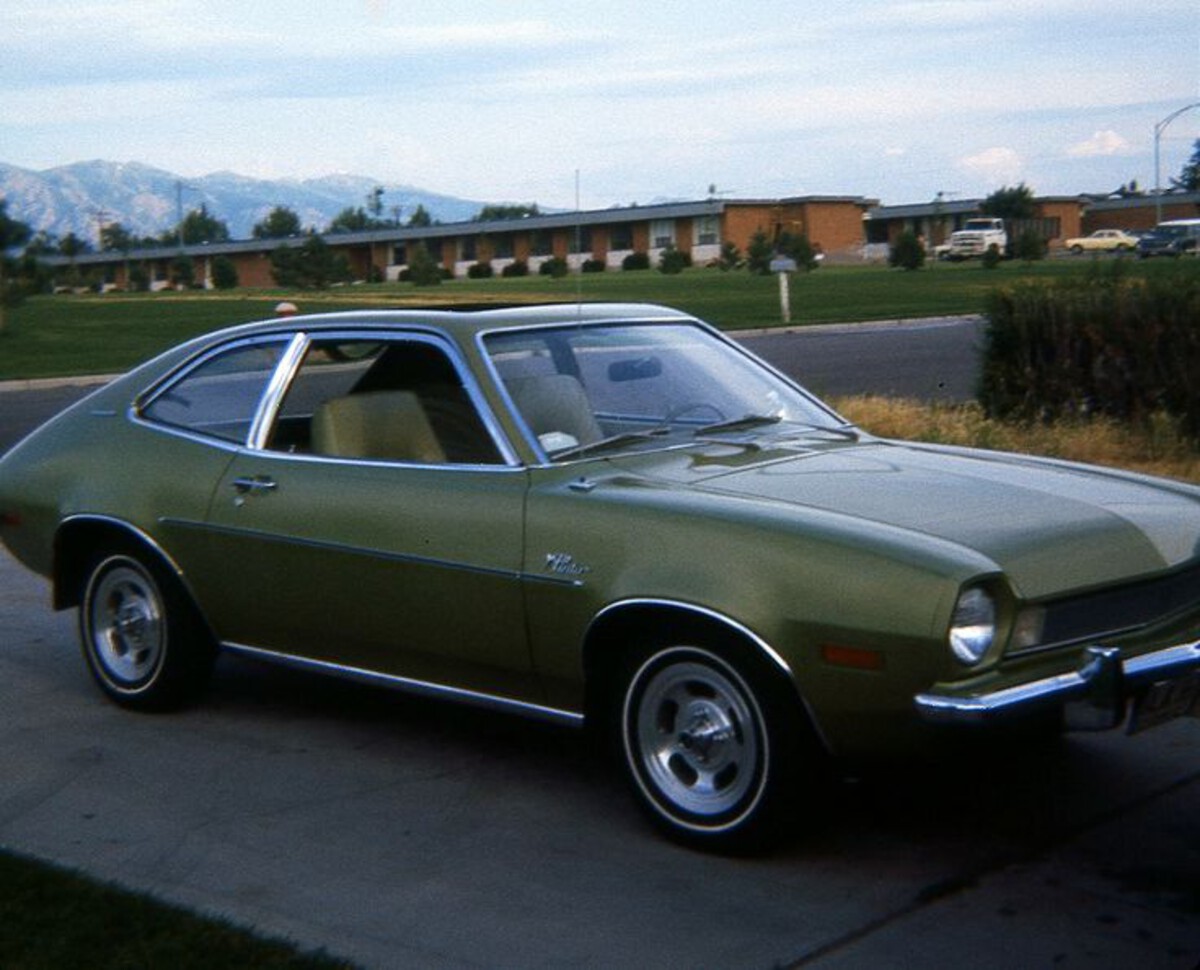
The Pinto’s story matters because it reveals how pressure to beat competitors and reduce costs can turn genuinely forward-looking engineering into a disaster if not managed carefully.
Consumers’ trust in new technologies can evaporate if companies misjudge the impact of design shortcuts. This cautionary tale remains relevant whenever carmakers weigh the desire to innovate quickly against the essential obligation to protect lives.
3. Mercedes-Benz S-Class: Warly ABS-equipped Cars
Antilock braking systems (ABS) have become one of the most important pieces of safety equipment on modern cars.
However, the earliest applications like those on the 1978 Mercedes-Benz S-Class and early 1980s domestic models revealed serious limitations. Early ABS units sometimes failed to perform correctly under real driving conditions.
Sensors could be slow, warning lights unreliable, and the sensation of pulsating brakes was unfamiliar and disconcerting for many drivers.
Problems included misfiring sensors, confusing feedback to the driver, and inconsistent performance in snow or ice. Training for both drivers and mechanics lagged, so owners sometimes disabled the feature, unintentionally undermining its safety intent.

Furthermore, these early systems added weight and cost while failing to deliver flawless results, leading some buyers and reviewers to question the value of the technology.
The reason to highlight these teething problems is that they shaped the carefully refined, highly reliable systems available today.
The struggles of original ABS adopters were not a dead end. They forced manufacturers to upgrade software logic, upgrade sensor reliability, and adjust brake feel, all under the watchful eye of a skeptical but ultimately grateful market. Every brake pedal pressed today benefits from those early lessons.
4. Oldsmobile Toronado: Early Airbag Implementations
Airbags were heralded as another quantum leap in car safety, yet their early introduction across several American models in the 1970s and ’80s also exposed major shortcomings. First-generation airbags sometimes deployed with excessive force, leading to concerns about injuries, especially for children and smaller adults.
Their effectiveness was hampered by poor coordination with seat belts, which led to some tragic cases of severe injury or fatality upon deployment.
Manufacturers like General Motors and Ford fitted early airbags in select vehicles, but mismatches between occupant size and deployment force, along with incomplete sensor data, resulted in mixed consumer reception.
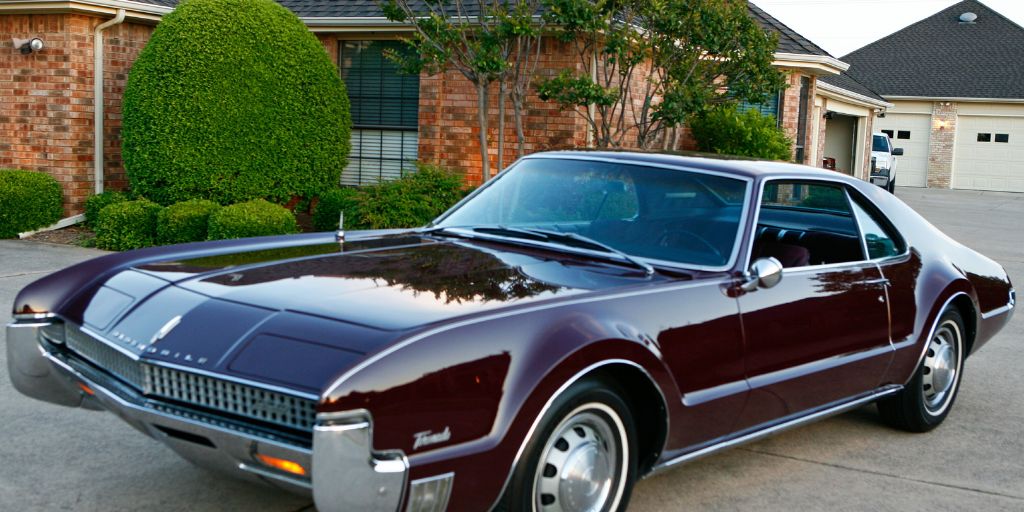
Many early airbag systems lacked the reliable detection necessary to adjust force or timing based on actual conditions in the car.
This subject deserves attention because these initial missteps were necessary for the evolution of truly effective restraint systems.
Car makers, safety researchers, and regulators learned invaluable lessons from these cases, prompting design improvements, better public education, and stricter standards. Today’s advanced, multi-stage airbags and smart sensors would not exist without the growing pains of these early launches.
5. Mercedes-Benz A-Class: Electronic Stability Control (ESC)
Electronic stability control, now considered a basic safety requirement, had a difficult start. The first versions appeared in luxury vehicles from Mercedes-Benz and BMW during the mid-to-late 1990s.
Early ESC systems detected loss of steering control and selectively braked wheels to keep the car stable, but the technology was expensive and prone to glitches.
Sometimes, ESC would intervene when it wasn’t necessary, startling drivers. System malfunctions, software bugs, and lack of driver familiarity contributed to commercial hesitancy.
Manufacturers faced difficulties in communicating when and how the system worked, and a significant learning curve for drivers unfamiliar with electronic intervention.
Poor uptake, limited standardization, and scattered technical issues initially limited the real-world benefit. Even as evidence mounted over time that ESC saved lives, early experiences created a perception of complexity that automakers had to overcome.
Giving attention to this history is important, as it underscores the effort needed to make cutting-edge technology both trustworthy and widely understood.
Early adopter problems ensured that the refined ESC available today would work seamlessly, even for drivers who may never be aware of and never need to question the engineering watching over their every move.

Throughout automotive history, the pursuit of safety has been marked by groundbreaking advances and early attempts marked by challenges.
Some vehicles set the stage by introducing features that became essential in protecting occupants reliably, while others were quick to adopt innovations before they were fully ready, exposing weaknesses that shaped future improvements. Together, these stories show how progress in car safety is shaped equally by success and trial.
Among the pioneering models, the Volvo PV544 stands out for introducing the three-point seat belt, a device that fundamentally changed occupant protection.
Developed by Nils Bohlin and freely shared for public benefit, this seat belt became a global standard, reducing fatal and severe injuries dramatically. Volvo’s commitment to safety and accessibility made the PV544 a beacon of responsible innovation.
Similarly, the Mercedes-Benz W111 introduced the controlled deformation concept with crumple zones.
This innovation redirected crash energy away from passengers, influencing car design worldwide and setting a foundation for modern crashworthiness. The W111 demonstrated how rethinking traditional approaches could save lives.
The Saab 99 anticipated a major safety concern by focusing on side-impact protection before mandated regulations existed.
Its reinforced doors and reinforced structural design highlighted Saab’s foresight and set the wheel turning for industrywide adoption of side-impact safety features.
The 1997 Toyota Camry, by making dual front airbags standard across all trims, shifted airbags from optional extras to must-have equipment.
This democratization of safety technology pushed other manufacturers to follow suit, ensuring critical lifesaving technology was no longer tied to price or trim levels.
Lastly, the 1994 Audi A8 advanced safety through material innovation, using an aluminum body for increased strength and reduced weight.
Its combination of performance and protection paved the way for future lightweight construction in both luxury and mainstream vehicles.
However, willingness to innovate quickly sometimes led to problems in early adopters. The Chevrolet Corvair’s rear-engine design caused handling instability, culminating in widespread safety concerns and national regulatory responses spurred by critical scrutiny.
This example reveals the hazards of introducing new engineering concepts without sufficient testing or public education.
The Ford Pinto embodied the risks of prioritizing speed and cost over safety, with its poorly placed fuel tank creating a dangerous fire hazard in rear collisions. The ensuing controversy became a lesson in corporate responsibility and regulatory vigilance.
Early antilock braking systems (ABS) suffered from technical limitations and user confusion, which initially undermined confidence in the technology.
Sensors and controls were unrefined, and many drivers struggled to adapt, leading some to disable the system altogether. Nonetheless, these early struggles were critical to refining the ABS systems so widely used today.
Similarly, first-generation airbags had deployment force issues and sensor shortcomings that made them problematic for some occupants and generated mixed reception. The technology’s evolution relied heavily on learning from these early imperfections.
Finally, electronic stability control systems initially faced technical glitches, high costs, and driver unfamiliarity. These challenges slowed acceptance but ultimately led to the dependable, nearly invisible safety system now standard in new vehicles.
The stories of these pioneering and early-adopting cars highlight the complex path of automotive safety development.
Breakthroughs like the three-point seat belt and crumple zones established lifesaving benchmarks, while early missteps with vehicles like the Corvair and Pinto underscored the critical need for cautious evaluation and consumer education.
Technologies such as airbags, ABS, and electronic stability control all experienced growing pains but evolved into essential elements that protect millions.
Understanding both the triumphs and stumbles provides a richer appreciation of the engineering, ethical decisions, and regulatory influences that have shaped safer driving machines for today’s roads.
Also Read: 5 Cars with Bulletproof Safety Electronics vs 5 That Trigger Constant Warnings
