
Shopping for a used family car raises questions that go well beyond comfort and fuel efficiency. Safety is one of the most vital aspects parents and caretakers prioritize when selecting a vehicle for their loved ones.
While some cars retain impressive safety performance as they age, others demonstrate a troubling pattern where their protection capabilities wane with time.
This dual nature of the used car market creates an urgent need for reliable information, especially as drivers aim to strike a balance between budget, security, and peace of mind.
In this guide, the spotlight falls on two distinct categories. The first set covers five family-friendly vehicles that consistently deliver top-shelf safety, year after year, even as they rack up miles and model changes.
These vehicles offer a reassuring sense of trust for buyers who demand unwavering protection for every journey.
The second section addresses the cars that, whether due to design, component aging, or diminished crash test ratings, show a downward trend in safety as the years pass.
Highlighting both ends of the spectrum brings clarity to anyone considering a used family car. By laying out the facts, buyers get a clear framework to make wise, confident decisions for their family’s well-being.
Also Read: 5 Hybrids That Survive Off-Warranty Life and 5 That Collapse After the Coverage Ends
5 Family Cars That Stay Safe Used
For many families, selecting a used car is not merely a matter of saving money it is about placing faith in a vehicle’s track record and its ability to guard passengers in every possible scenario.
The expectation goes beyond a showroom crash test result; it calls for real proof that the protective measures built into the car hold up as technology changes, regulations shift, and the vehicle ages.
Many models manage to keep safety features robust over time, upholding their initial promise even many years down the road.
Highlighting these vehicles is important because families need assurance that selecting an older model does not mean making a sacrifice where safety is concerned.
These cars represent a blend of sturdy engineering, thoughtful design, and a reputation proven in real collisions as well as in research by respected organizations such as the Insurance Institute for Highway Safety (IIHS) and the National Highway Traffic Safety Administration (NHTSA).
They are commonly praised by industry experts and owners alike for keeping their occupants well-protected, regardless of age or mileage.
By focusing on these standout performers, the discussion will center on the reasons behind their reputation and provide clear examples for families seeking the best used option for their needs.
1. Honda CR-V
The Honda CR-V has built a legacy around all-round reliability, and its consistent safety ratings play a significant part in this story. Over several generations, the CR-V has routinely scored at or near the top in both crash tests and real-world safety lists.
The model’s engineering has focused on exceptional structural integrity and effective restraint systems, which means its crashworthiness endures even as the years add up.
One reason for selecting the CR-V for this list is its impressive showing in IIHS and NHTSA tests across many model years. Older CR-Vs keep up with newer standards due to strong structural designs introduced early in its evolution.
It often receives high marks for both moderate and overlap front crash protection, while ongoing updates have seen standard inclusion of features like side-curtain airbags and electronic stability control well ahead of regulatory deadlines.
Another consideration is the CR-V’s popularity with families, which leads to abundant data regarding how these vehicles perform as they age.
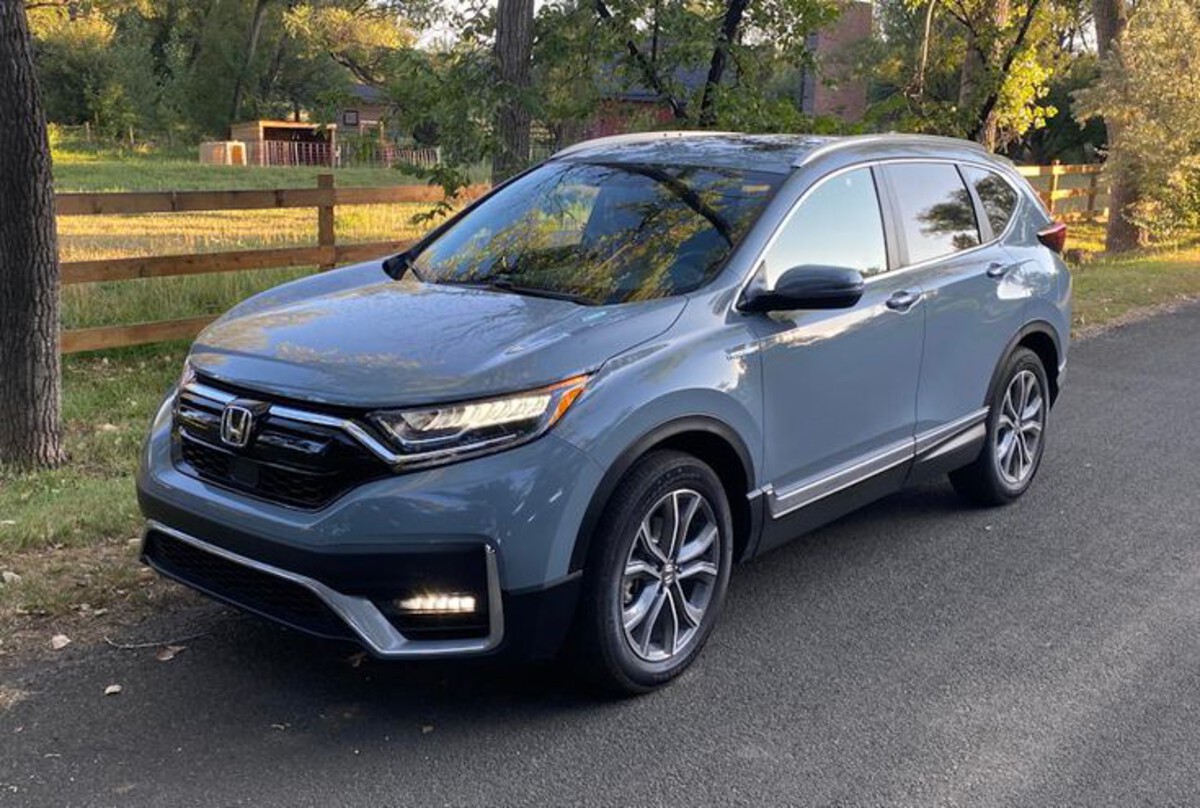
Reports and owner experiences confirm that, when maintained well, a used CR-V continues to provide a high standard of safety, with minimal dropoff in protection compared to newer models.
The availability of advanced safety technology on models dating back several years also makes it an attractive prospect for those seeking pre-owned options. Overall, the Honda CR-V stands out for its dependability, making it a wise choice for families concerned with long-term safety.
2. Toyota Camry
The Toyota Camry stands as one of the most respected names in family transportation, partly because of its ongoing commitment to occupant safety. It is known for featuring advanced safety technology and a frame designed around real-world crash scenarios.
Even older variants of the Camry showcase the brand’s strategy of prioritizing the well-being of passengers, which is why it earns its place among models that retain safety as they age.
Safety authorities such as the IIHS have routinely granted the Camry top honors for numerous model years, noting exceptional performance in both side impact and frontal crash tests.
Importantly for used car buyers, Toyota introduced key features such as anti-lock brakes and an extensive airbag system ahead of many rivals. This head start means that even vehicles produced years ago remain highly competitive on the safety front.
When searching for a reliable used family sedan, the value of a Camry lies in the reassurance it brings. Its widespread popularity means there are plenty of examples of well-maintained models performing admirably in a range of situations.
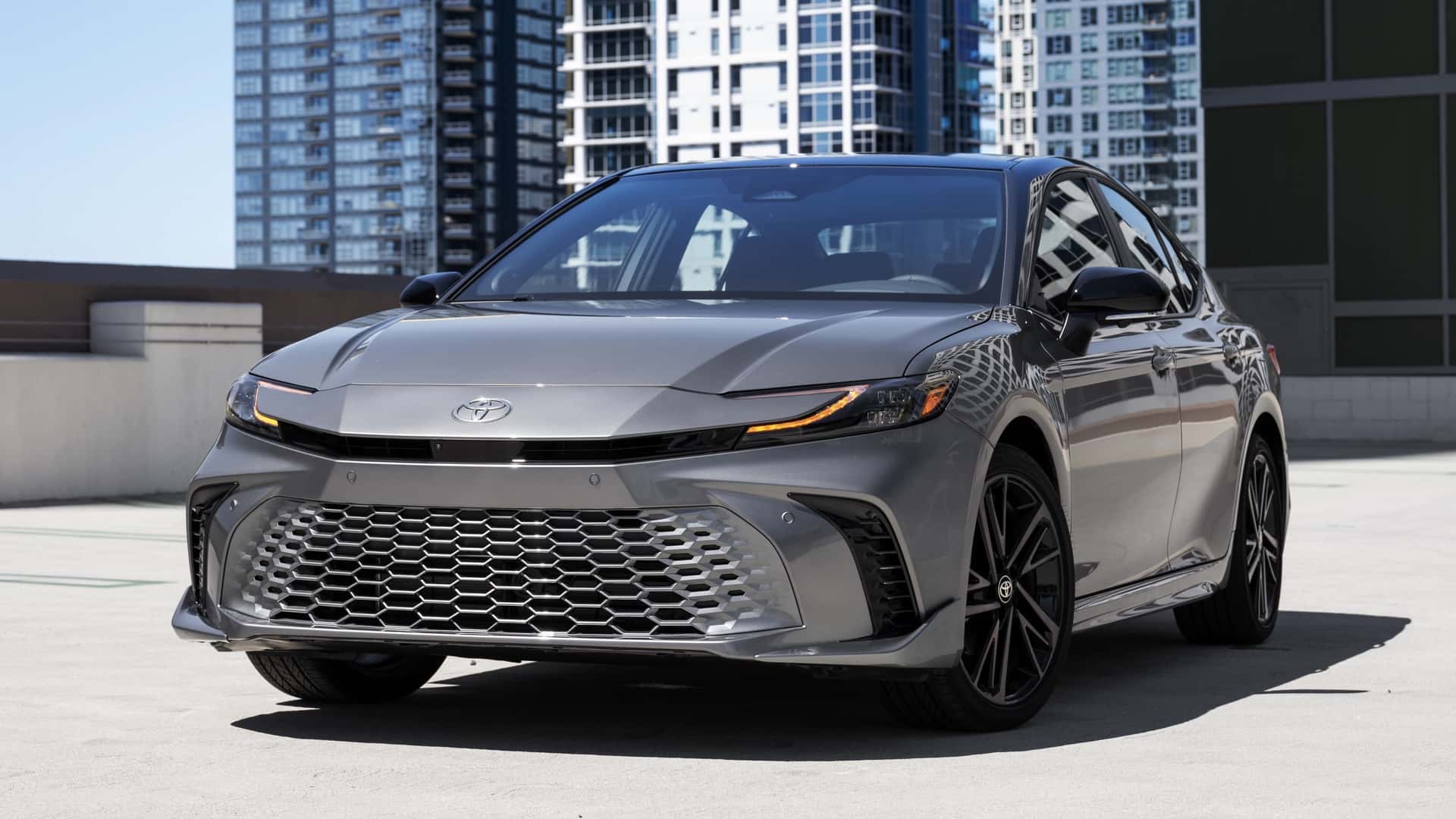
Parents can rely on consistent crash test scores and a reputation that continues with age, acknowledging Toyota’s approach to durability and robust safety engineering.
Choosing an older Camry does not require trading away peace of mind around passenger protection; instead, it affirms a commitment to quality that persists through time.
3. Subaru Outback
The Subaru Outback is widely celebrated for marrying safety and practicality in a way few vehicles can match.
Its symmetrical all-wheel drive and high-strength steel construction give it an edge in unpredictable conditions, and these traits have helped it maintain strong safety performance over several years of production.
The Outback’s structure includes features like reinforced rings and smart crumple zones, designed to disperse impact forces away from passengers.
Its long-standing dedication to safety is also reflected in the early adoption of side airbags and stability controls, which became standard well before many competitors followed suit.
Many Outbacks offer the EyeSight driver assistance suite, and older models that include it perform especially well, reducing accident rates according to insurance data.
Why focus on the Outback? First, its track record in IIHS and NHTSA testing shows consistent success in protecting occupants, both new and used. This consistency holds particular value for families who live in regions with varied weather or challenging road conditions.
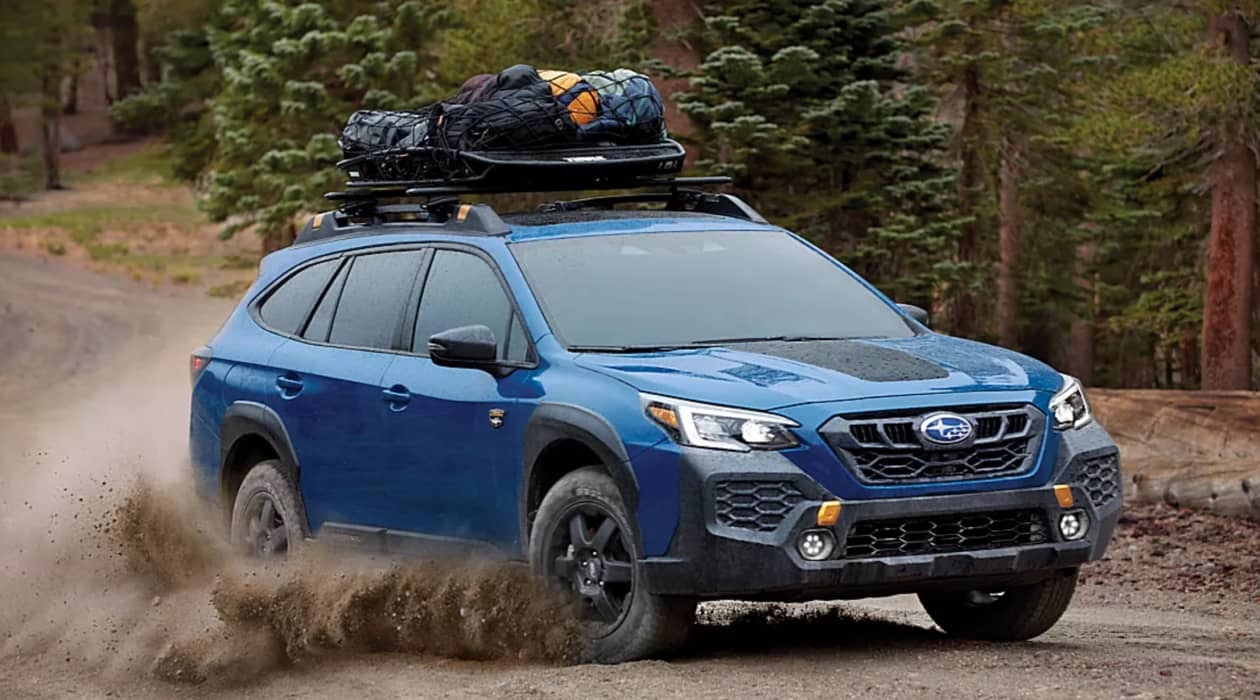
Second, feedback from long-term owners often references a feeling of security that inspires confidence, even with higher-mileage vehicles.
For buyers, the Subaru Outback represents a trusted path to maintaining high safety standards without breaking the bank for the latest model year a quality well worth highlighting.
4. Mazda CX-5
The Mazda CX-5 stands out in a crowded field of compact SUVs because of its remarkable blend of style, efficiency, and enduring safety. Since its launch, the CX-5 has earned repeated praise from crash testing bodies, maintaining its reputation as a secure family transport over multiple years.
A key reason the CX-5 deserves attention is its thoughtful incorporation of active and passive safety features as standard equipment, even in earlier models.
Mazda’s approach to body rigidity, the inclusion of advanced airbag systems, and the early adoption of driver-assist technologies have contributed to keeping used versions on par with more recent releases.
The CX-5’s solid side-impact results and strong roof strength play a significant role in minimizing injury risk for occupants in a rollover, a common concern in SUVs.
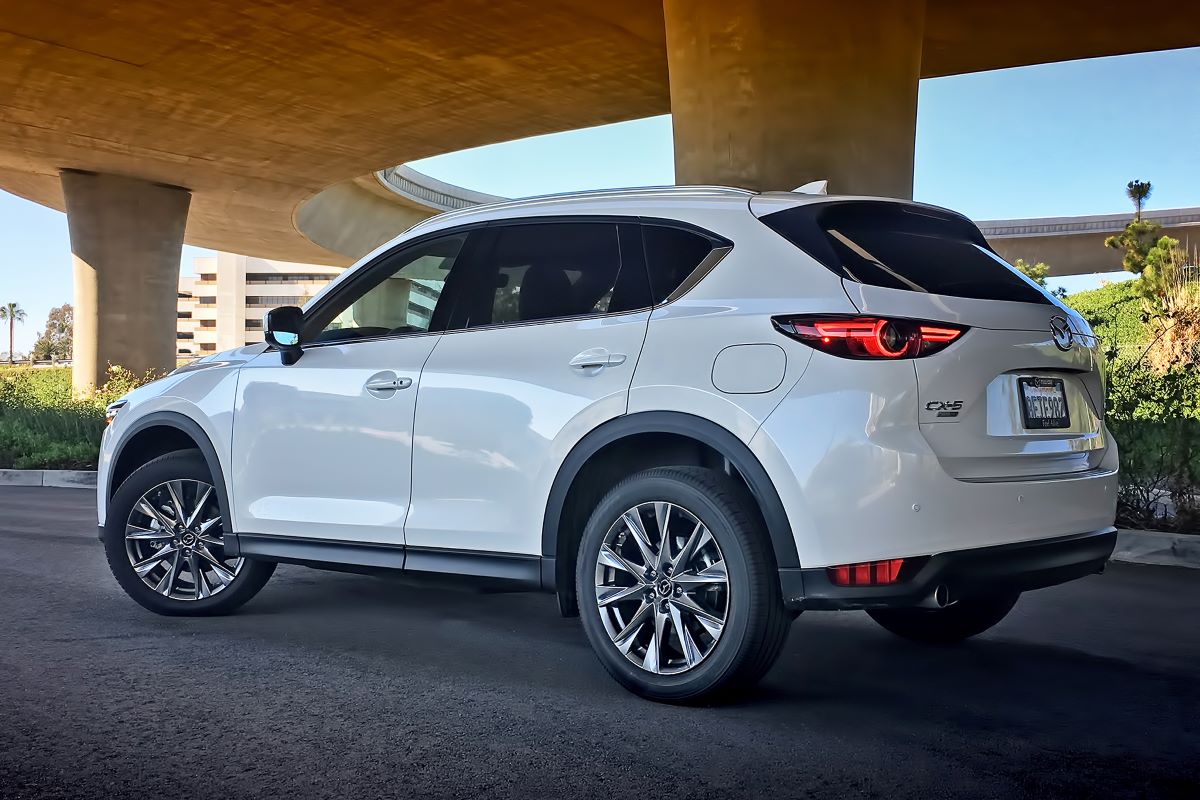
Families searching for a used vehicle that prioritizes safety while providing a dynamic driving experience often settle on the CX-5.
Its reliability and reassuring crash data extend across several model years, providing comfort to buyers who may not want or need the latest iteration.
For those seeking a used car that covers all the major safety bases while remaining fun to drive, the Mazda CX-5 remains a smart and dependable pick.
5. Volvo XC90
Volvo’s reputation for safety leadership is well-earned, and the XC90 is the model that best illustrates this at the family vehicle level.
From its launch, the XC90 established new standards by introducing advanced structural designs and safety technologies that remain impressive, even when viewed years later.
The reason for spotlighting the XC90 is the way its safety philosophy translates across different vehicle ages.
The use of boron steel in key structural areas, a suite of airbags, and innovations like Roll Stability Control have kept its crash performance strong over time.
Statistical reviews and insurance data show lower incident rates and fewer severe injuries for XC90 occupants compared to many rivals in its class.
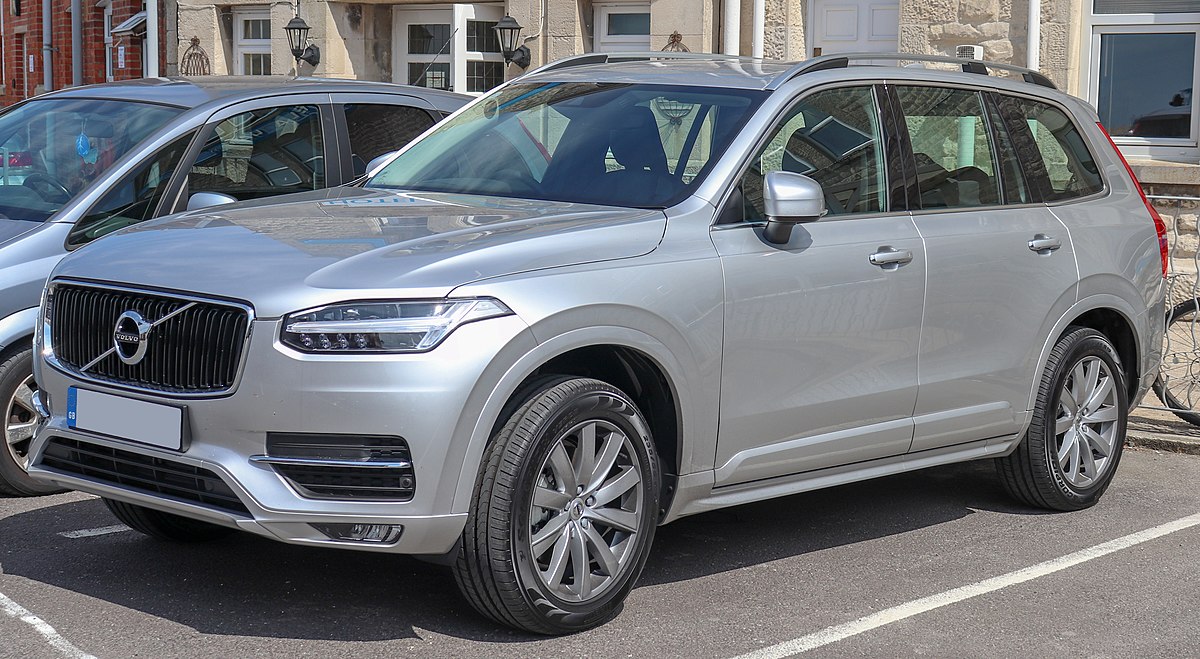
For families considering a used premium SUV, the XC90 often delivers on the promise of safety that guided its original design.
This consistency gives used buyers the knowledge that their investment secures the best possible crash protection for passengers, young and old.
Volvo’s approach to rigorous testing and their track record of incorporating findings into even older vehicles makes the XC90 a reliable figure in discussions about long-term vehicular safety.
5 Family Cars with Declining Safety Over Time
While many cars maintain reliable protection, others reveal issues that lower their safety as they age. For families who turn to the used market, these challenges can be easy to miss but may carry serious consequences.
The reasons some vehicles lose their ability to safeguard passengers over time often include design compromises, aging materials, outdated safety technology, and lower crashworthiness scores in follow-up assessments by authorities.
Bringing attention to vehicles with a known trend toward diminishing safety enables buyers to make informed decisions and avoid potential pitfalls.
These models serve as reminders that crash test ratings from when a car was new do not always reflect the actual protection delivered as years go by.
Highlighting these patterns means equipping families to ask the right questions, inspect vehicles with extra caution, and consider whether the safety trade-offs match their comfort level.
By presenting this information, the goal is to help parents sidestep hidden risks and opt for options better suited to maintaining safety through years of service.
1. Chevrolet Malibu (Early 2000s Models)
The Chevrolet Malibu presents a clear example of a car whose safety credentials do not always hold steady as the vehicle gets older. Early 2000s versions, in particular, suffer from aging structural designs that have not stood the test of time.
Although these cars were considered reasonably safe during their initial release, a lack of later-stage safety engineering leaves them behind by modern standards.
Over time, the Malibu’s body structure can show signs of fatigue, especially if subjected to rough use or lacking proper maintenance. Older airbags and restraint systems may also lose effectiveness due to wear and outdated technology.
Crash tests on newer generations highlight the advances lacking in earlier models, such as improved side-impact protection and the introduction of electronic stability control, which were absent or limited in the 2000s line.
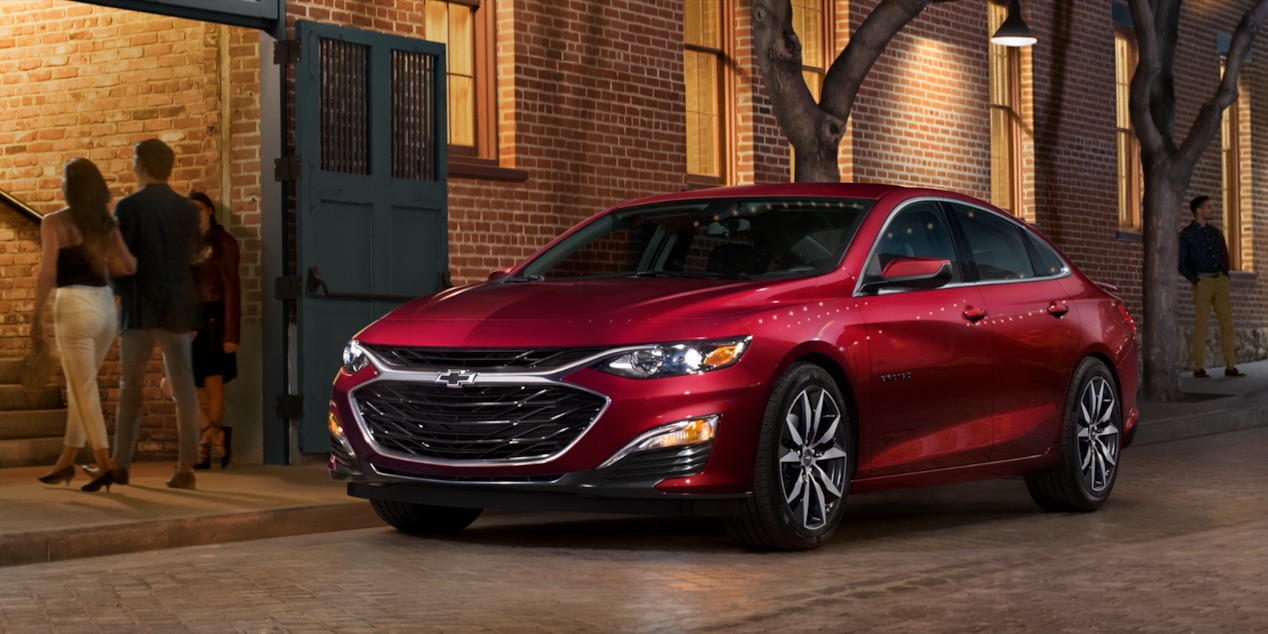
Families considering a used Malibu from these years must keep in mind that what may have once seemed safe could now pose heightened risks during a collision.
The reduced ability to absorb impact, paired with older restraint systems, has led to less favorable ratings in retrospective reviews.
For this reason, the Malibu serves as a cautionary tale for buyers who expect crash test scores to be static over decades without considering the ongoing evolution of automotive safety.
2. Chrysler Sebring
Another model that illustrates declining safety with age is the Chrysler Sebring. Early- to mid-2000s versions were criticized for structural weakness and mediocre crash test scores, particularly in side and offset impacts.
Some of its shortcomings became more pronounced as compared with competitors that improved designs and materials year after year.
The Sebring’s construction has drawn attention in follow-up studies, with many reviewers pointing out that the frame does not age as gracefully as it should.
Poor performance in side-impact evaluations, which continued even as competitors made progress, underscores ongoing weaknesses.
Additionally, essential advanced safety features like stability control either arrived late or were not universally offered. This leaves many used Sebrings behind in protection compared to newer models from the same class.
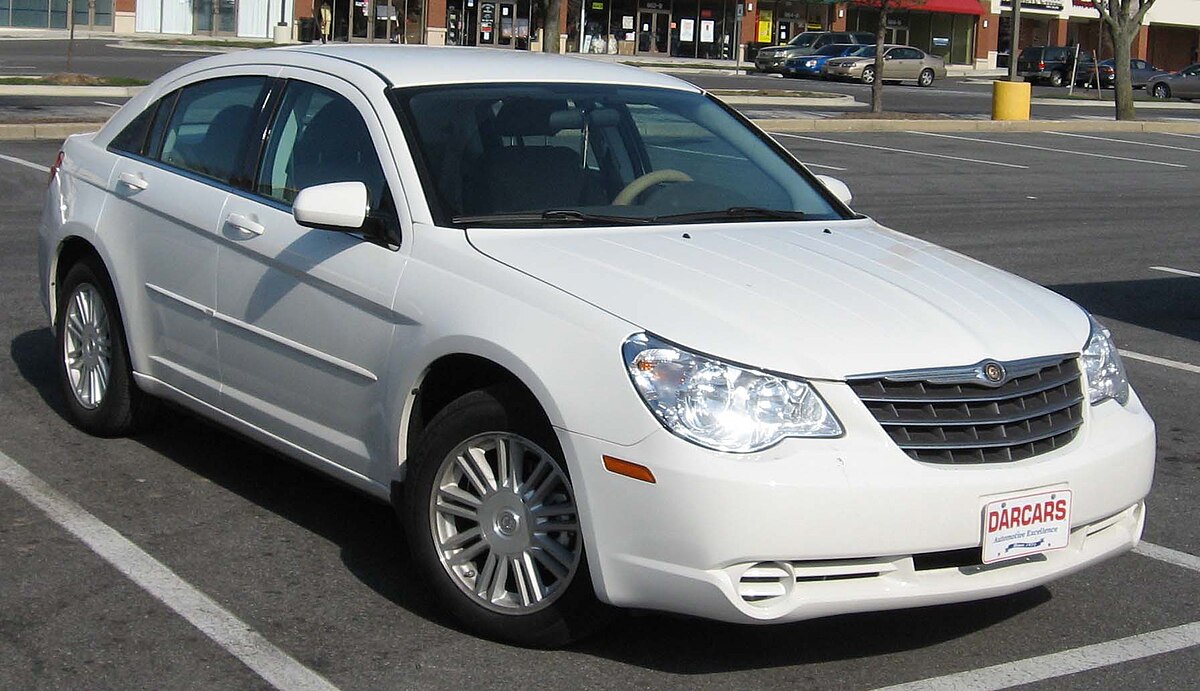
Owners of older Sebrings may also face issues with airbag deployment and sensor reliability, problems that can emerge or worsen over time. For families choosing on a budget, the vehicle’s initial price advantage can be negated by these persistent flaws.
The Sebring stands as an example of the importance of considering not just age and mileage but how the safety equation can change, sometimes drastically, as a vehicle gets older and faces stiffer competition and more stringent safety tests.
3. Nissan Quest (Pre-2011 Models)
The Nissan Quest minivan was once marketed as a family hauler with plenty of space, but older models, particularly those produced before 2011, present concerning trends around safety scores.
Early Quest models often failed to match rival minivans in both frontal and side-impact assessments. Over time, the lack of key protective structural upgrades has placed these models at a disadvantage.
Aging components, especially in the restraint and airbag systems, contribute to a decline in overall safety.
Issues with seat welds and latching mechanisms have been the subject of recalls, reflecting the long-term challenges faced by families who depend on these features to work perfectly.
In comparison to newer models, which benefit from advancements in frame rigging and impact dissipation, older Quests can place passengers at risk in both high- and low-speed collisions.
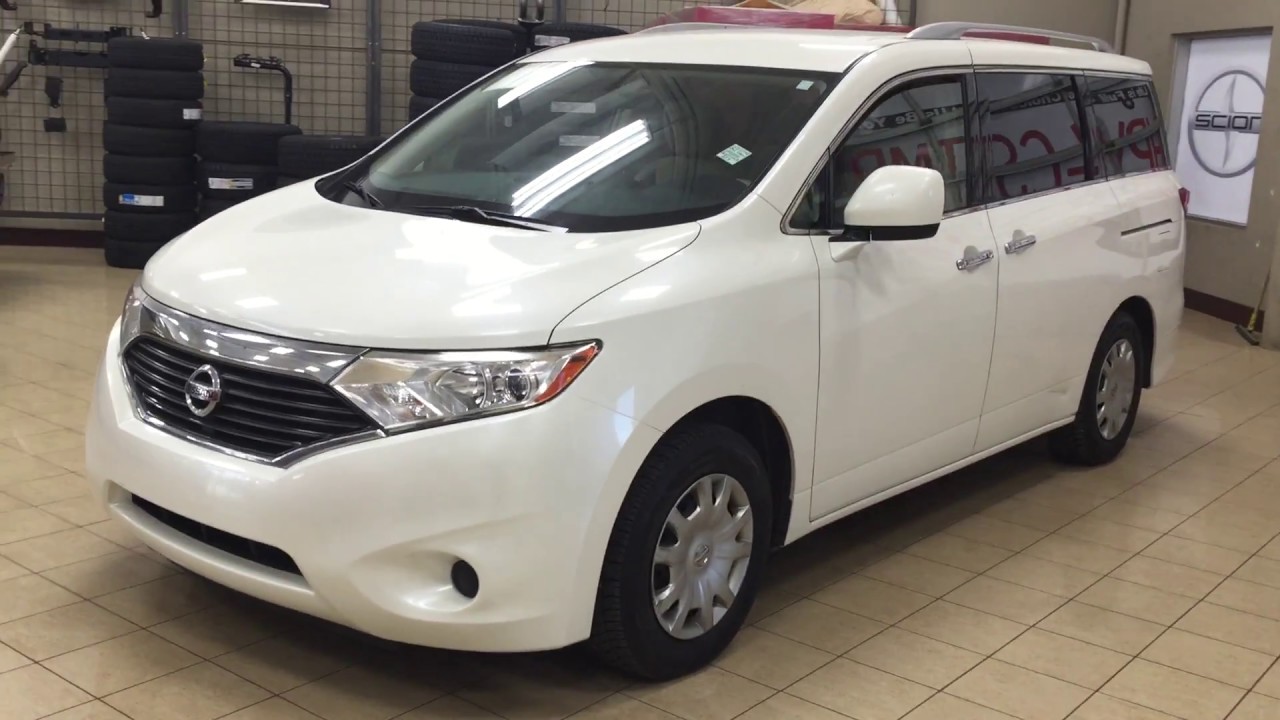
Nissan’s subsequent redesigns dramatically improved crash performance, illustrating how much earlier versions were left behind by rapid safety developments in the minivan segment.
For families focused on protecting their smallest occupants, an older Quest may simply lack the necessary attributes to ensure maximum safety in real accidents.
This position on the list emphasizes the hidden hazards that can emerge when relying on a brand’s reputation without reviewing model-specific data.
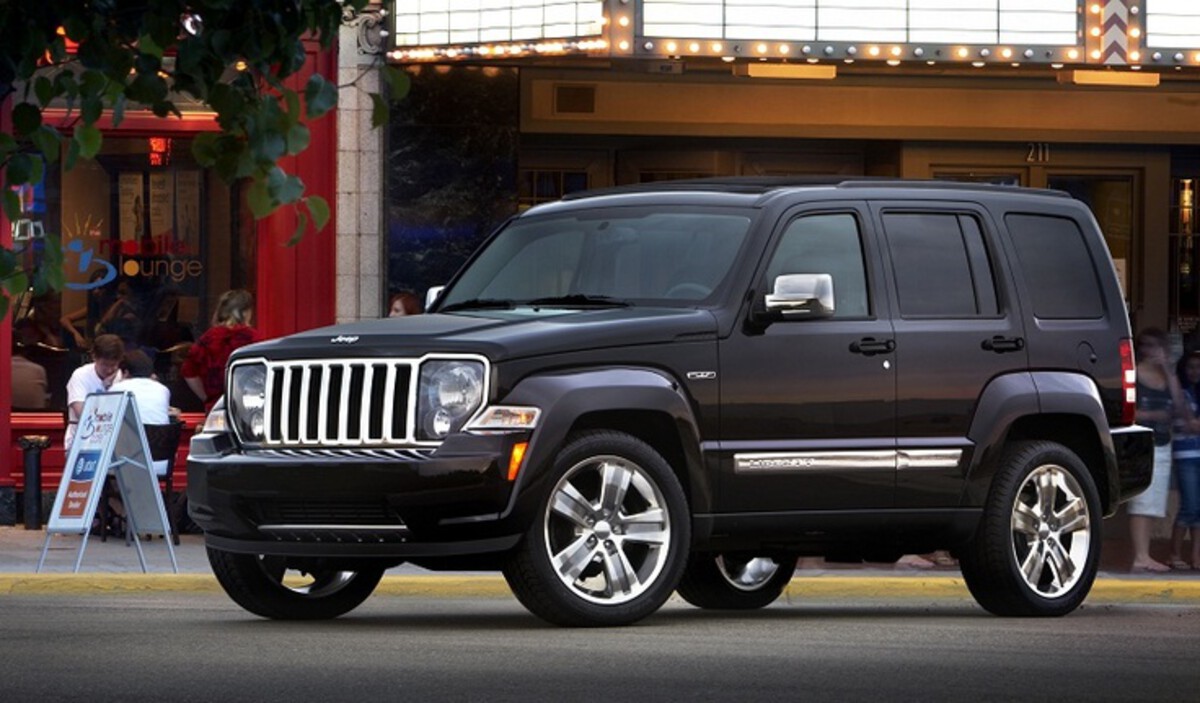
4. Jeep Liberty
The Jeep Liberty made a strong entrance as a compact SUV, but scrutiny of its safety over long-term use offers a different narrative.
Especially for models produced in the early to mid-2000s, crash scores that were average at the time now appear subpar compared to modern rivals.
The Liberty struggled especially with side-impact protection and rollover resistance, which has a significant impact for families choosing a used SUV.
Concerns around structural rigidity show up in follow-up crash tests. Component aging, such as seatbelt pretensioners and airbag systems, further diminishes confidence in this vehicle’s ability to protect its occupants.
The Liberty did not benefit from rapid integration of features like electronic stability control or advanced head protection for rear passengers, leaving it exposed to risks that newer models address more effectively.

Many users are attracted to the Liberty’s rugged looks and off-road capabilities, but these factors do not compensate for structural safety weaknesses as the vehicle ages.
Choosing an older Liberty comes with trade-offs that may be unacceptable for parents who prioritize crashworthiness in their family’s daily drive. It takes a critical look to see past styling and focus instead on lasting safety something the Liberty cannot always deliver.
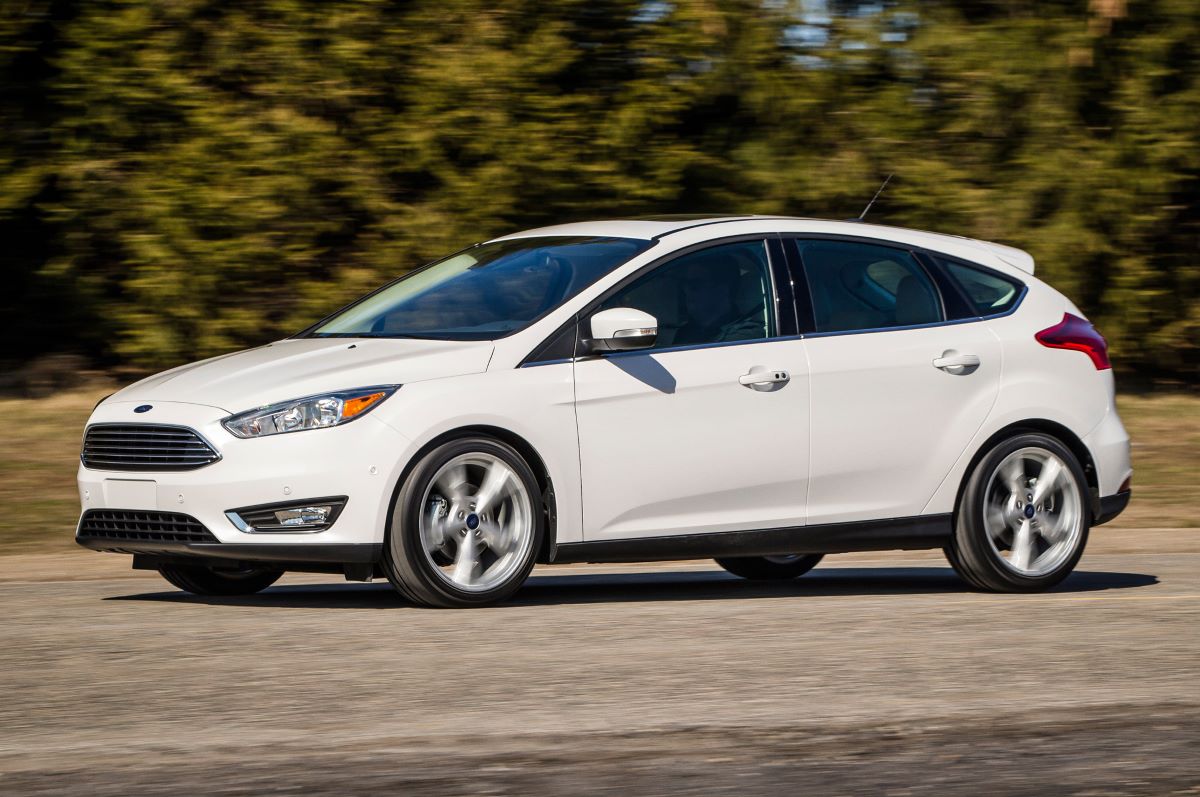
5. Ford Focus (Pre-2012 Models)
The Ford Focus has become a household name, but older generations particularly those produced before 2012 have several issues regarding protection.
Initial crash test ratings for these models were fair, but they have not held up when compared to more current standards. Newer Focus designs feature stronger body structures and improved safety gear, emphasizing the gap between eras.
Early Focus models often lack comprehensive curtain airbags and robust side-impact protection.
Some of these vehicles also experience age-related deterioration in key safety components such as airbags and seatbelts, which may not deploy as intended after a decade or more of use.
The absence of advanced driver aids that are now common in even budget vehicles creates yet another shortfall when evaluating an older Focus for family use.
Choice in the used car market demands careful scrutiny, and prospective buyers should be aware that not all units that were once considered safe continue to measure up over time.
The difference in crash test performance between an older and newer Focus highlights the necessity of detailed research before committing to a purchase.
This segment’s inclusion reinforces the principle that the passage of time can diminish the protective value of a once-respected family vehicle.
Choosing a safe family car is one of the most important decisions buyers face, particularly when considering used vehicles. Safety is not just about the reputation a car had when new but also how well it maintains protective features and crashworthiness over time.
This overview focused on two broad groups of family cars: those that consistently remain safe as they age, and those with safety performance that declines with use and age.
Understanding these distinctions helps families make informed choices, balancing budget constraints with passenger protection.
First, several family vehicles have proven to maintain excellent safety standards well beyond their initial release years.
The Honda CR-V, for example, is widely recognized for its strong structure and advanced restraint systems that hold up in crash tests and real-life collisions across many model years.
The Toyota Camry builds its legacy by consistently awarding top safety ratings and incorporating critical safety technologies early on, making older models reliable family choices.
Similarly, the Subaru Outback offers unique advantages like all-wheel drive and robust frame construction, keeping families safe in diverse conditions.
The Mazda CX-5 combines dynamic driving with solid crash test results and the early adoption of driver-assistance features, reassuring users of its ongoing safety.
Last but not least, the Volvo XC90 embodies the brand’s longstanding commitment to occupant protection through advanced engineering and safety technology, making it a strong pick for used premium SUVs.
On the other hand, certain models have demonstrated a decline in safety over time, raising concerns for families shopping for used cars.
The Chevrolet Malibu from the early 2000s illustrates how structural aging and outdated safety systems can reduce crash protection.
The Chrysler Sebring also shows persistent weaknesses in side-impact safety and lacked timely introduction of key features like stability control.
Nissan Quest models prior to 2011 missed critical advancements in structure and restraint systems, impacting their ability to protect occupants effectively.
The Jeep Liberty has faced criticism over side-impact and rollover safety concerns, compounded by slower updates to safety technology.
Lastly, early-generation Ford Focus vehicles lack comprehensive airbag coverage and have diminished crashworthiness compared to newer versions.
This comparison underscores an essential principle: safety ratings from a vehicle’s release do not guarantee equivalent protection years later. Families looking at used cars must consider how aging, maintenance, and technological progress influence safety over time.
By focusing on vehicles with strong safety records that hold up used, and steering clear of those with known declining protection, buyers can secure a family car that offers dependable peace of mind on every trip.
Also Read: 5 Base-Model Cars That Resell Best vs 5 Trims That Aren’t Worth the Premium
