
When it comes to towing a boat, not all trucks are created equal. Whether you’re hauling a bass boat to the lake or dragging a jet ski down a bumpy coastal road, the right vehicle can mean the difference between a smooth weekend getaway and a roadside meltdown.
While some trucks are built like ironclad workhorses, able to tow 10,000+ pounds without breaking a sweat, others barely survive a summer trip with a single jet ski.
It’s not just about horsepower or engine size either; suspension, braking, frame strength, and overall build quality all play a role in determining a truck’s real-world towing capability.
This guide isn’t here to regurgitate spec sheets or sugarcoat the truth. We’re breaking down 5 trucks that are genuinely great for towing boats, and 5 that are better left in the parking lot if you’re hauling anything heavier than a beach towel.
Trucks Great for Boat Towing
Whether you’re a weekend warrior or a full-time water sports junkie, this list will help you dodge the marketing fluff and focus on what really matters: performance, reliability, and the raw towing muscle to get your boat (and your sanity) to the water.
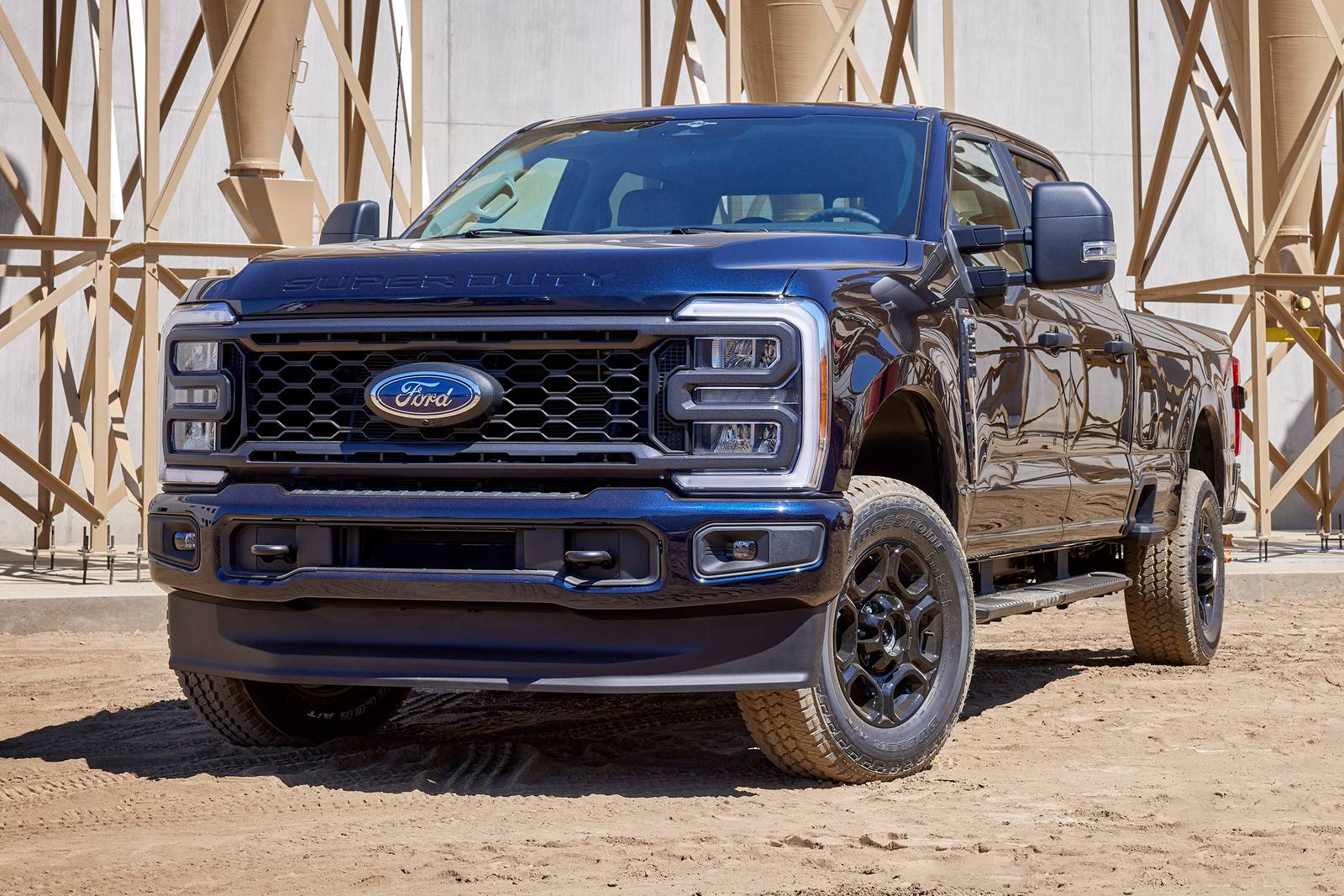
1. Ford F-250 Super Duty
The Ford F-250 Super Duty is a towing powerhouse, with diesel models capable of pulling over 20,000 pounds.
Equipped with Ford’s 6.7L Power Stroke V8 Turbo Diesel engine and a rock-solid frame, the F-250 easily handles large boats, pontoon trailers, or dual-axle setups.
Trailer sway control and an integrated trailer brake controller make highway towing stable and confident. This truck is ideal for serious boaters hauling long distances.
The 2020 Ford Super Duty lineup marks the peak of Ford’s pickup truck performance and technological advancement. Spanning from the F-250 to the F-350 and reaching up to the mighty F-450, these heavy-duty giants are engineered to handle serious towing while also being versatile enough to serve as comfortable family vehicles.
The entry-level models cater well to professionals in the trades, while the high-end trims are luxurious enough to appeal to business executives. Each of the three V-8 engine options delivers a formidable combination of horsepower and torque, especially the standout diesel engine, which holds the title of the most powerful diesel currently on the market.
Adding to their appeal, Ford equips the Super Duty range with numerous driver-assistance technologies and a capable infotainment suite. No matter which setup you choose, the 2020 Super Duty trucks demonstrate exactly what modern heavy-duty pickups are capable of.
While rivals like Ram and General Motors have rolled out brand-new heavy-duty pickups, Ford takes a different approach by refining its 2020 Super Duty lineup with its most powerful engines and highest towing capacities ever.
As expected, the 2020 Super Duty still offers a vast array of configurations and attractive options. Each model in the range now sports a redesigned front fascia, and dual-rear-wheel variants get their own distinct styling treatment.
Pickup trucks are known for their highly variable pricing, largely due to the extensive customization and option packages available. The base prices referenced above apply to the F-250, which happens to be our recommendation within the range.
Among its trims, we would opt for the Lariat model, as it includes more appealing standard features and optional upgrades compared to the XLT. Crew cabs have surged in popularity thanks to their generous interior space, so we’d definitely select one along with the 6.75-foot bed for balanced utility.
Although the Power Stroke diesel is alluring, the $10,495 premium is hard to justify in this case. Instead, we’d go for the new 7.3-liter V-8 engine mated to a 10-speed automatic transmission, a $2045 upgrade. Adding the $3185 four-wheel-drive option also makes sense for added capability.
Also Read: Top 10 Buicks That Are Built to Last That Remain Iconic
2. Ram 2500 with Cummins Diesel
Ram’s 2500 heavy-duty lineup, especially with the available 6.7L Cummins Turbo Diesel, is another strong contender. With a towing capacity north of 19,000 pounds and a well-tuned exhaust brake system, the Ram 2500 handles heavy loads with ease.
Its rear air suspension also helps level the truck automatically, which is useful when towing a boat over uneven ramps or inclines.
The headline from Ram this year is the much-anticipated return of the Hemi V8 engine to the Ram 1500 light-duty pickup, expected within the next few months.
However, the familiar diesel six-cylinder engine has officially been retired from the 1500 lineup. If you’re still set on getting a diesel, you’ll need to step up to the heavy-duty segment with either the Ram 2500 or 3500.
For 2025, the updated HD trucks are available with two engine options: a 6.4-liter V8 or a turbocharged 6.7-liter inline-six from Cummins.
The longstanding partnership between Cummins and Ram continues strong, recently extended through at least 2030. The 6.4-liter gas V8 delivers 405 horsepower and 429 lb-ft of torque, while the diesel variant produces 430 horsepower and an impressive 1,075 lb-ft of torque.

One of the biggest mechanical updates for the HD diesels is the switch from a six-speed to a new 8-speed automatic transmission. This change is designed to improve not only performance but also fuel efficiency and overall refinement, a smart move in a competitive segment.
Pricing for the Ram 2500 begins at $47,660 for a regular cab Tradesman equipped with an eight-foot bed. From there, you can move up to the Big Horn trim. However, the Laramie crew cab, which includes a six-foot, four-inch bed and was the configuration tested here, is where the lineup really begins to feel premium.
It starts at $62,695, or $66,525 with four-wheel drive. Add the diesel engine, and you’re looking at an additional $12,595. That price bump might seem steep, but it’s in line with what competitors like Ford and GM are charging for their own diesel powertrains.
3. Chevrolet Silverado 2500HD
Chevy’s Silverado 2500HD blends muscle and modern tech for towing. Its Duramax 6.6L Turbo-Diesel engine offers 470 horsepower and over 19,000 pounds of towing capacity.
With a tow/haul mode and advanced trailer assist features like transparent trailer view and jackknife alert, the Silverado 2500HD gives weekend boaters and pros alike the confidence to transport their watercraft safely and efficiently.
The 2025 Chevrolet Silverado 2500HD serves as the perfect middle ground in Chevy’s truck lineup—slotted between the lighter-duty Silverado 1500 and the heavy-hauling 3500HD.
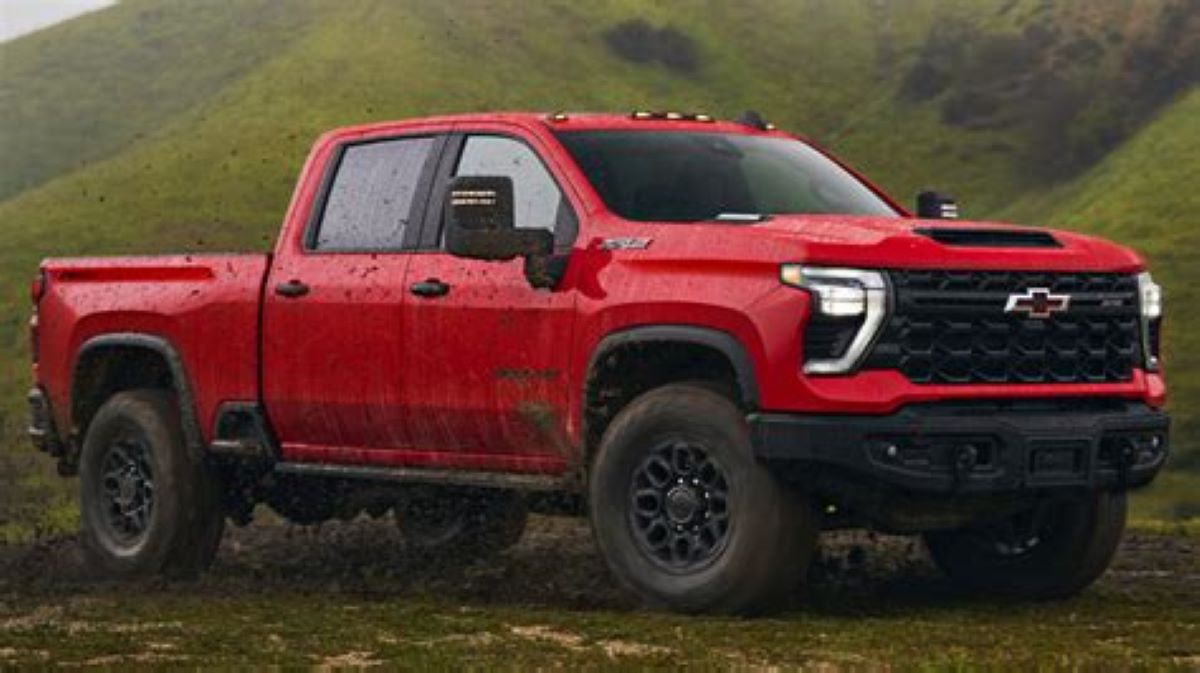
When properly equipped, the 2500HD is capable of towing over 22,000 pounds, making it an ideal choice for those who need to pull a substantial trailer, something the 1500 might struggle with.
At the same time, it’s a bit more affordable and delivers a smoother ride than the larger 3500HD, making it an attractive option for a broader range of truck buyers.
The Trail Boss package now available for the 2500HD isn’t as capable as the ZR2, but if you plan to take your LT or LTZ trim off-road a lot, it’s worth a look.
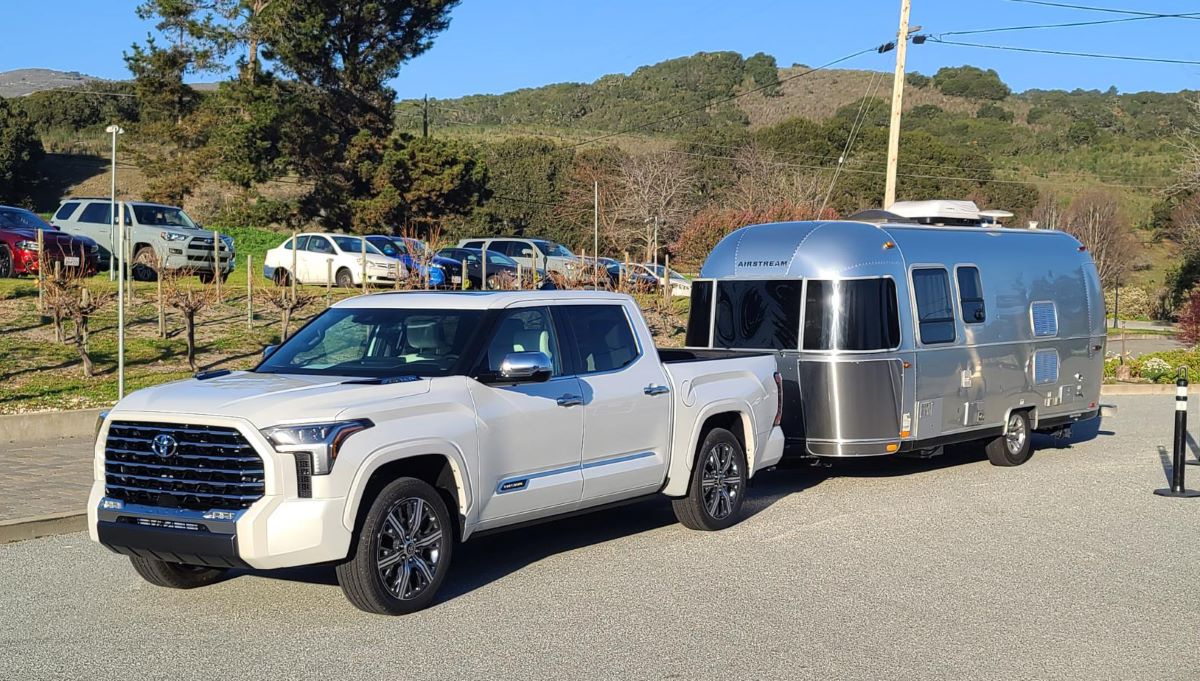
4. Toyota Tundra (New Gen, i-Force MAX Hybrid)
Toyota’s latest generation Tundra, especially in the i-Force MAX hybrid version, is a surprisingly strong performer in the half-ton segment.
With up to 12,000 pounds of towing capacity and robust torque output (583 lb-ft), it can easily manage mid-sized boats, wakeboard craft, or even a twin jet ski trailer. It also includes trailer backup assist and multi-terrain drive modes, making it ideal for rough launch sites.
The Toyota Tundra hybrid delivers exactly what its name suggests: a full-size Tundra pickup equipped with a hybrid powertrain. More specifically, it features the i-Force Max system, distinct from the nonhybrid Tundra’s i-Force setup, which omits the “Max” designation.
This hybrid powertrain produces 437 horsepower and 583 pound-feet of torque, marking an increase of 48 hp and 104 pound-feet over the most powerful nonhybrid Tundra variant, which is reviewed separately.
Naturally, extra power comes at a premium. In this case, the most affordable 2025 hybrid model (Limited Crew Max, RWD) carries a price tag nearly $4,000 higher than its nonhybrid counterpart with the same configuration.
It’s also important to mention that the Tundra hybrid is only available in crew-cab form, offering bed length options of 5.5 or 6.5 feet.
Those looking for a smaller double cab will need to stick with the gasoline-only versions. Another consideration is battery placement: the Tundra hybrid houses its battery pack under the rear seats, which eliminates the additional storage space found in standard nonhybrid models.
Also Read: 5 Pickups With Legendary Fuel Pump Lifespan and 5 That Die in the Middle of Nowhere
5. GMC Sierra 1500 with Max Trailering Package
The GMC Sierra 1500, when equipped with the Max Trailering Package and the 6.2L V8 engine, tows up to 13,200 pounds.
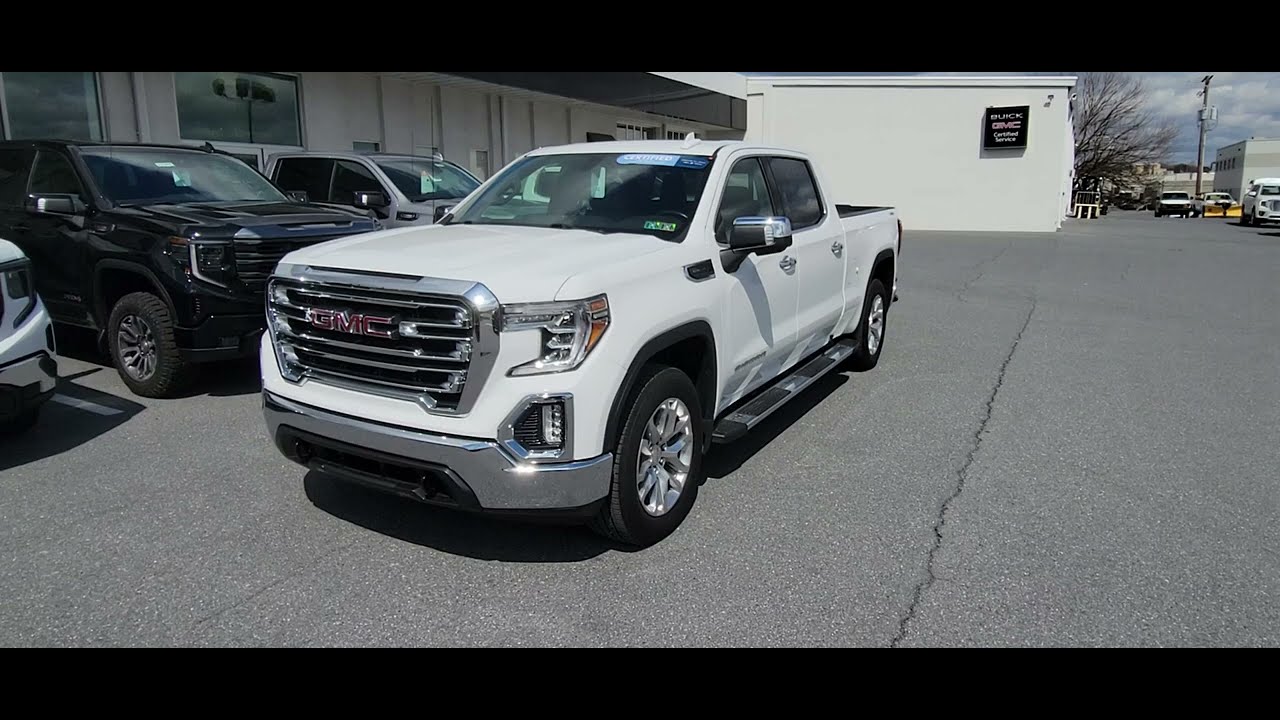
Its adaptive ride control smooths out the ride under load, and the ProGrade Trailering System assists with hitching, monitoring trailer status, and ensuring optimal performance.
While not in the heavy-duty class, it’s more than capable of towing most recreational boats comfortably.
The 2025 GMC Sierra 1500 stands out as a highly capable full-size pickup that balances serious work performance with a roomy, comfortable cabin for passengers. With several powertrain options available, this truck is built to tackle a wide range of tasks, no matter how demanding.
Buyers can also select from three different cab styles and three bed lengths, depending on the cab chosen. Taken as a whole, the Sierra proves to be a versatile and dependable light-duty pickup suitable for daily driving and job site demands alike.
The GMC Sierra is equipped with cutting-edge technology that’s both intuitive and highly functional. One standout feature is the available 13.4-inch high-resolution touchscreen, which is quick to respond and easy to navigate.
Trucks That Can’t Handle a Jet Ski
In this piece, we’re shining a light on the pickups that fall short of expectations, the ones that may look the part but crumble under real-world towing demands.
Whether you’re a weekend warrior heading for the lake or someone shopping for a truck that can actually do truck things, knowing which models can’t manage something as simple as towing a jet ski could save you a load of frustration and money.
1. Honda Ridgeline
While the Ridgeline is technically a midsize truck, its unibody construction and 5,000-pound max towing capacity limit its real-world towing confidence.
It may tow a single jet ski under ideal conditions, but its soft suspension and front-biased AWD system don’t inspire confidence on boat ramps or long towing trips. It’s better suited for light-duty gear hauling than consistent marine trailer use.
The Honda Ridgeline has consistently ranked as one of our top choices in the midsize pickup segment, thanks largely to its exceptionally smooth ride quality and spacious interior.
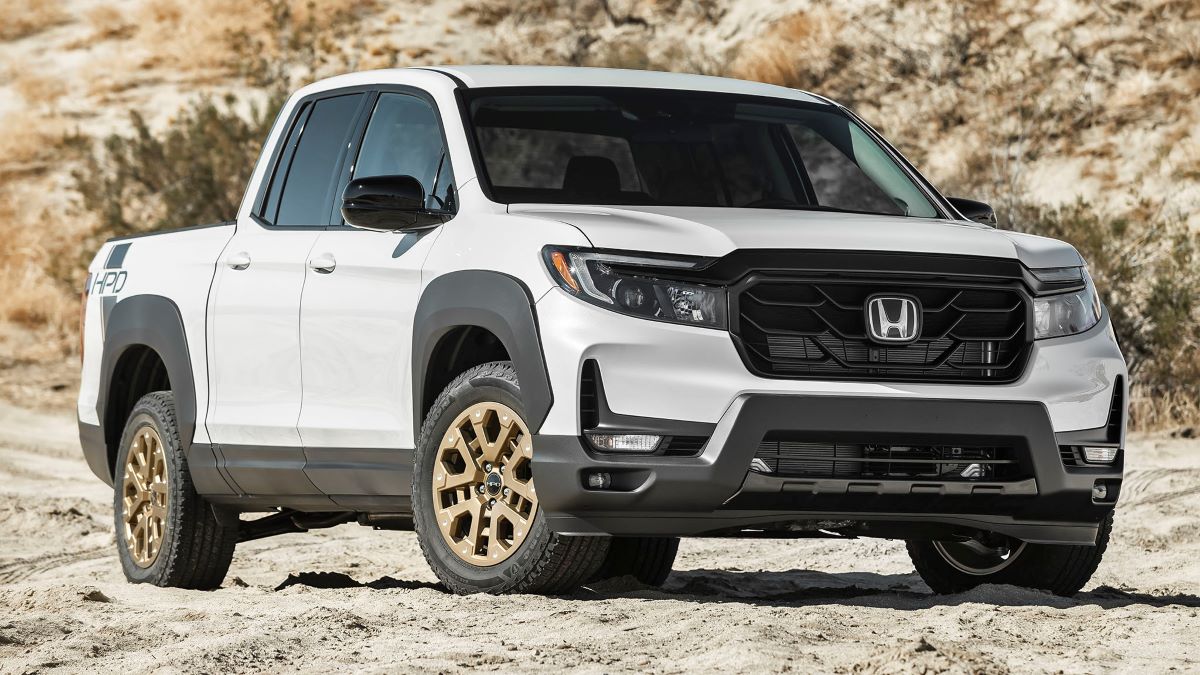
While it doesn’t quite stack up to some rivals in terms of max towing capacity or rugged off-road capability, the Ridgeline stands out as arguably the most practical and well-rounded option for everyday use.
This generation of the Ridgeline has been around since 2017, and in that time, nearly every other midsize truck has seen a complete redesign or entered the market as a fresh contender. Although Honda isn’t rolling out a redesigned Ridgeline for the 2025 model year, it seems likely that a major overhaul is on the horizon.
The Ridgeline shares its platform with the three-row Honda Pilot SUV — more specifically, the previous-generation Pilot. That model received a full redesign in 2023, and the two-row version, known as the Passport, is scheduled for a revamp in 2026.
2. Hyundai Santa Cruz
The Hyundai Santa Cruz is more of a crossover with a bed than a true truck. With a maximum towing capacity of just 3,500 pounds (with the turbocharged engine and AWD), it struggles with even modest jet ski setups, especially on steep launch ramps.
It lacks trailer sway control, has limited ground clearance, and offers no real heavy-duty towing features.
According to Hyundai, the 2025 Santa Cruz is a “sport adventure vehicle,” and that’s a fitting description. This is a small pickup that isn’t built for serious hauling, its maximum payload is only around 1,400 pounds but it still brings a lot of utility to the table.
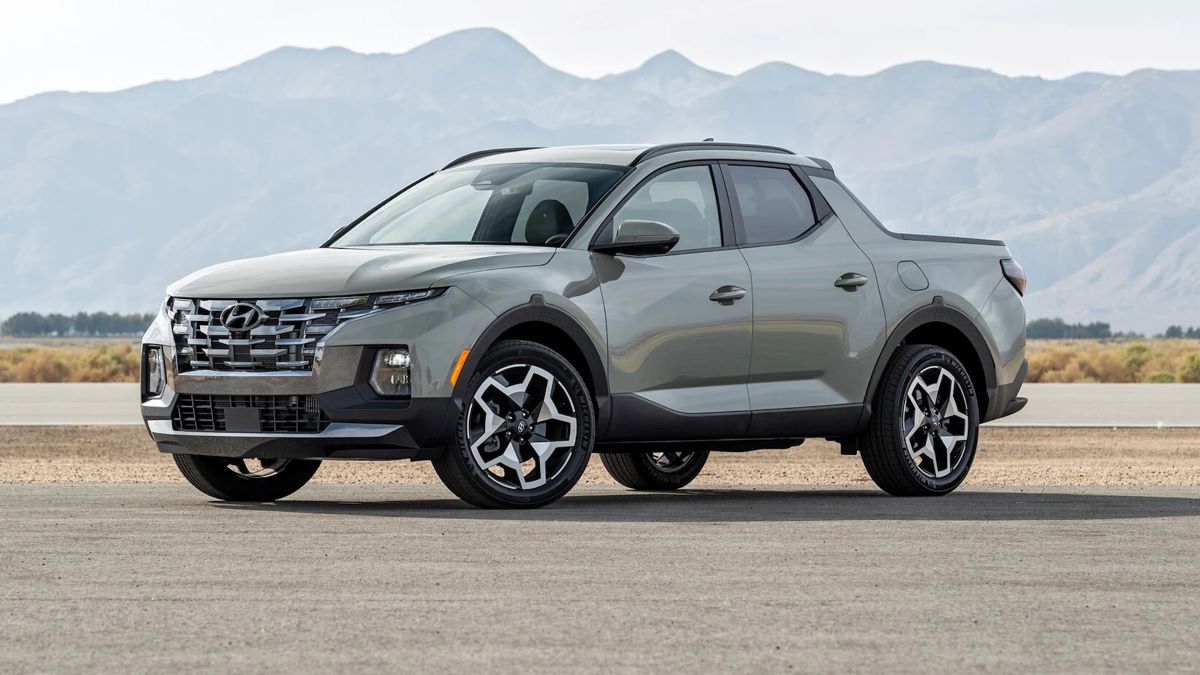
When equipped with the optional turbocharged engine and all-wheel drive, the Santa Cruz is capable of towing up to 5,000 pounds. Its 8.6 inches of ground clearance comes close to what you’d find on the off-road-ready Subaru Outback.
The cargo bed, while compact at 4.3 feet, stretches out to 6.2 feet when the tailgate is dropped and includes helpful features like a rail-track tie-down system, lockable under-bed storage, and integrated lighting.
Inside the cabin, Hyundai has added a new 12.3-inch standard touchscreen, USB-C ports, and wireless smartphone connectivity. All in all, it’s a smart, versatile option for buyers who don’t need or want a traditional, more rugged midsize truck like the Chevrolet Colorado or Ford Ranger.
3. Ford Maverick (Base Hybrid Model)
While the Ford Maverick is clever and fuel-efficient, its hybrid base model offers just 2,000 pounds of towing capacity. That might be enough for a small single jet ski and trailer, but anything more puts undue stress on the drivetrain.
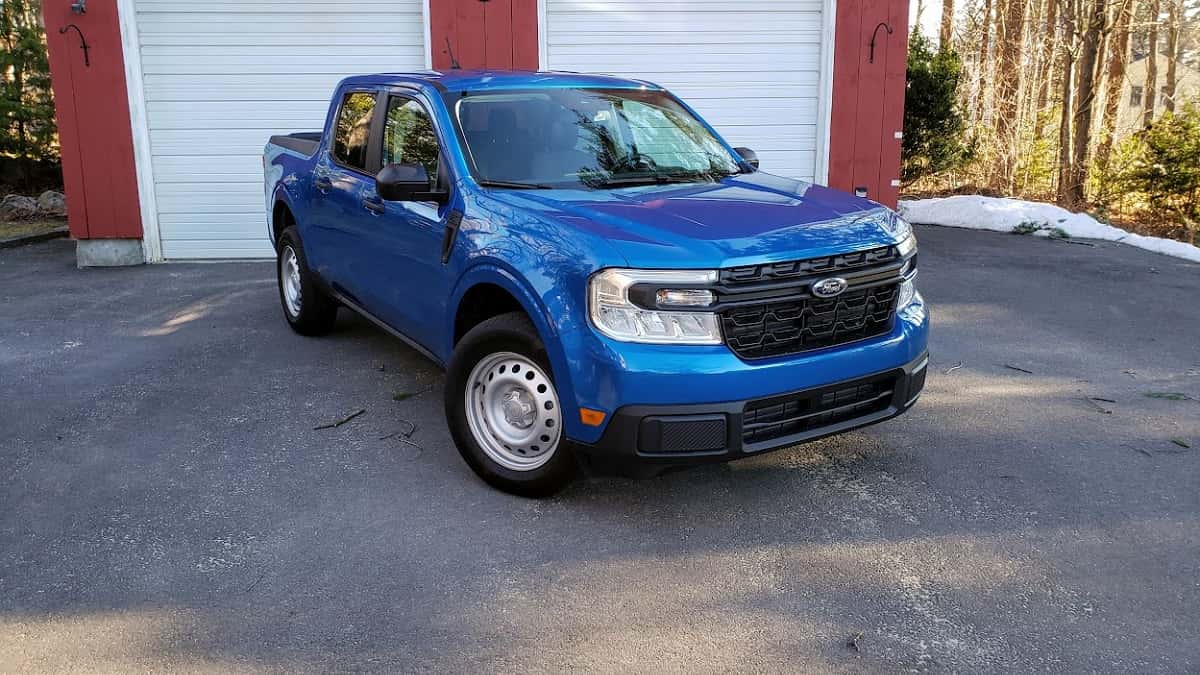
It lacks a traditional transmission and has no advanced trailer aids, which limits its effectiveness for towing on a regular basis.
The Maverick’s standard powertrain is a hybrid setup that pairs a 2.5-liter four-cylinder engine with an electric motor, delivering a combined output of 191 horsepower. This configuration is matched with a continuously variable automatic transmission (CVT).
For those seeking more punch, a lively 250-hp 2.0-liter turbocharged four-cylinder is available and comes mated to an eight-speed automatic transmission. While front-wheel drive is standard with the hybrid, all-wheel drive is optional.
The turbocharged engine, however, includes all-wheel drive as standard equipment. To support its strong payload capacity, the Maverick’s suspension is tuned on the firmer side, which results in a noticeably rougher ride when navigating uneven road surfaces.
The sportier Lobo variant of the Maverick features the turbocharged four-cylinder engine and all-wheel drive, but it swaps the eight-speed transmission for a seven-speed automatic that includes paddle shifters.
Ford has outfitted the Lobo with a lowered suspension setup, enhanced brakes, distinctive 19-inch rally-style wheels, and a unique Lobo drive mode designed to let the rear end kick out when powering through a corner, encouraging a more playful, performance-focused driving experience.
4. Nissan Frontier (Older Models)
The latest generation Frontier has improved, but older models (pre-2022) often lacked both power and stability when towing. With base 4.0L V6 engines and dated suspension setups, they struggled with loads over 3,500 pounds.
Towing a jet ski might be possible, but ramp traction and highway control leave much to be desired compared to modern alternatives.
The Frontier comes equipped with a naturally aspirated 3.8-liter V-6 engine that delivers 310 horsepower and 281 pound-feet of torque. This powertrain is mated to a nine-speed automatic transmission and is available with either rear-wheel or four-wheel drive.
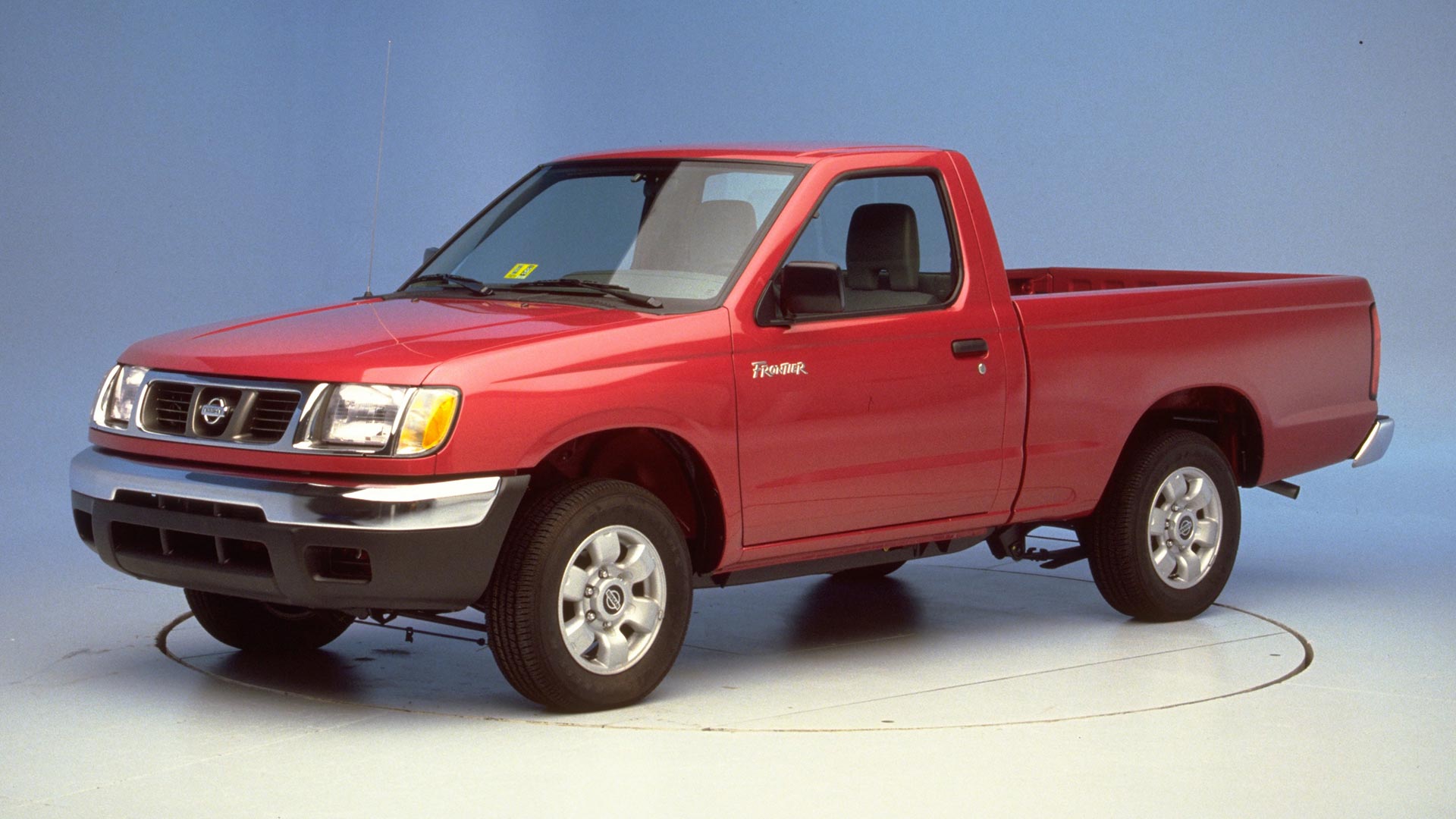
During our time behind the wheel, we found the Frontier’s V-6 to offer sufficient power and a refined, smooth driving experience. One highlight of the latest Frontier is its updated, more responsive steering and additional chassis improvements, all of which contribute to a more controlled and polished ride.
When we tested the PRO-4X model, it accelerated from 0 to 60 mph in 7.3 seconds and completed the quarter-mile in 15.7 seconds at 89 mph.
While these numbers are respectable, they trail slightly behind those of the Toyota Tacoma TRD Off-Road, which clocked a 6.8-second sprint to 60 mph and completed the quarter-mile in 15.2 seconds at 92 mph.
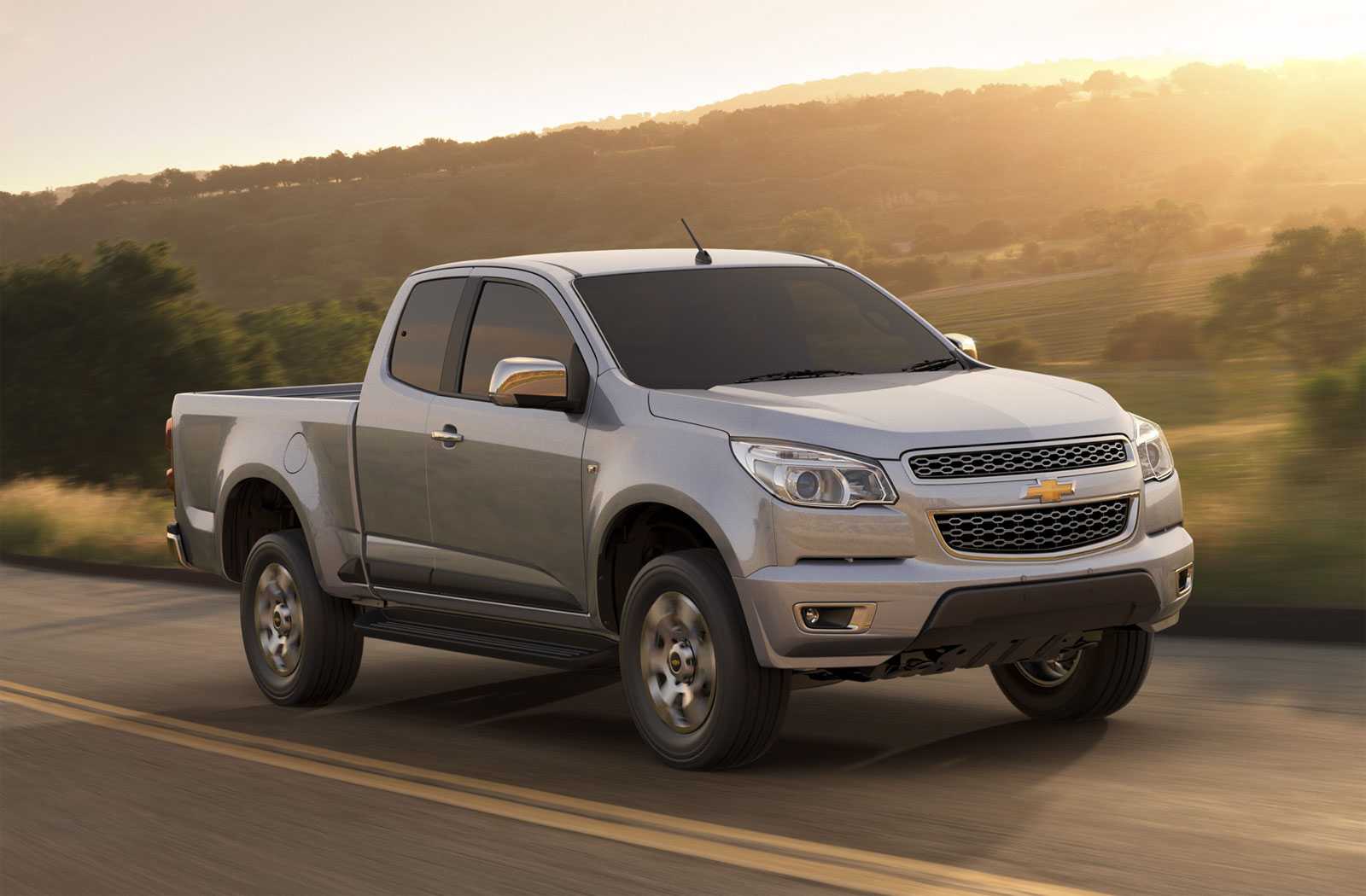
5. Chevrolet Colorado (First Gen)
First-generation Chevy Colorados (2004–2012) were built for budget buyers, not towing.
With max towing capacities around 3,500 pounds, limited torque output, and basic safety systems, they are not up to the task of consistent marine towing.
They’re acceptable for short hauls, but a heavier jet ski or dual-trailer setup will push their limits quickly.
Choosing the right truck for towing boats isn’t just about the numbers it’s about the whole towing experience, from launch ramp control to highway stability.
In the last ten years, full-size pickup sales have surged, driven by personal-use buyers drawn to bold, semi-truck-inspired designs from the Big Three and Toyota. Automakers have heavily invested their time and talent into full-size models, chasing after the lucrative profits those vehicles generate.
What’s happened as a result? A lot of folks are now driving more truck than they realistically need. That’s not just a minor footnote, especially with gas prices climbing to $2 a gallon in some places.
General Motors seems to think it’s the latter and they’re going all-in to prove it. Chevrolet is retiring the compact S-10 and introducing the midsize Colorado for 2004. It comes down to a few inches here and there, but calling something midsize has fewer downsides than calling it compact.
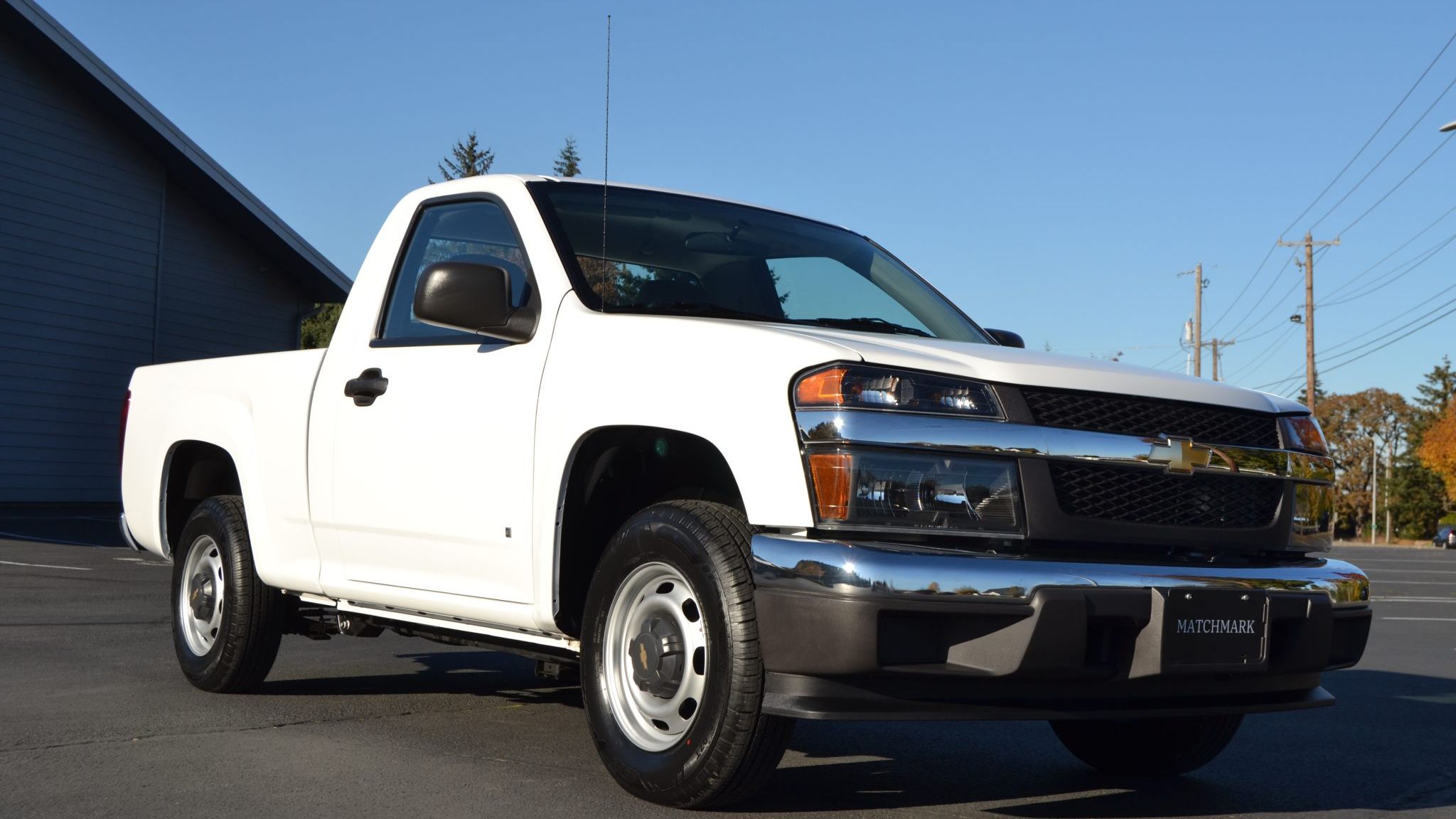
The Colorado’s wheelbase is about three inches longer than the S-10’s and stands about three inches taller. While the width remains the same, the overall stance is three inches wider.
That makes it bigger than the Ford Ranger, Toyota Tacoma, and Nissan Frontier, though still a bit smaller than the midsize Dodge Dakota. GM pulled this off without any major increase in weight.
This isn’t a recycled design, either. The Colorado was built from the ground up. It doesn’t borrow from the TrailBlazer/Envoy platform, nor is it just a stripped-down Silverado. This is a brand-new truck—the first of its kind in this segment since the Durango got a full redesign in 1997.
Initially a joint development with GM’s Isuzu division, the program evolved into two different paths: GM adapted its version to suit North American buyers, while Isuzu refined theirs for Asian and developing markets.
Buyers will also be able to opt for a 2WD crew cab with seating for five or six, without the added cost of 4WD. A four-cylinder 4WD version will debut as well, and since the base engine now produces over 45 percent more power than the previous four-cylinder, this addition makes practical sense.
Continuing the excitement from last year’s S-10 Xtreme, Chevy is also bringing a ZQ8 sport-truck package, which lowers the ride height by two inches and adds Bilstein gas shocks, stiffer springs, a rear anti-roll bar, and sticky 235/50R17 tires on 17×8.0-inch wheels. Cosmetic touches include body-colored flares, bumpers, and grille.
Derived from the Vortec 4200 inline-six that powered the GMC Envoy, both engines use aluminum blocks and heads, dual overhead cams, four valves per cylinder, variable valve timing, electronic throttle control, and coil-on-plug ignition.
The 2.8-liter makes 175 horsepower, giving it the highest standard output of any four-cylinder on the market. Meanwhile, the 3.5-liter inline-five produces 220 horsepower, 16 percent more than last year’s V-6 despite having one less cylinder.
Full-size and heavy-duty trucks like the F-250 and Silverado 2500HD are best for serious boaters, while modern half-ton options like the Tundra or Sierra 1500 offer a great balance of power and comfort.
On the flip side, light-duty or compact trucks like the Santa Cruz or Maverick simply aren’t designed for marine towing.
Whether you’re towing a bass boat to the lake or hauling jet skis to the beach, choosing the right truck ensures your weekend doesn’t start with a breakdown or a frustrating launch.
