
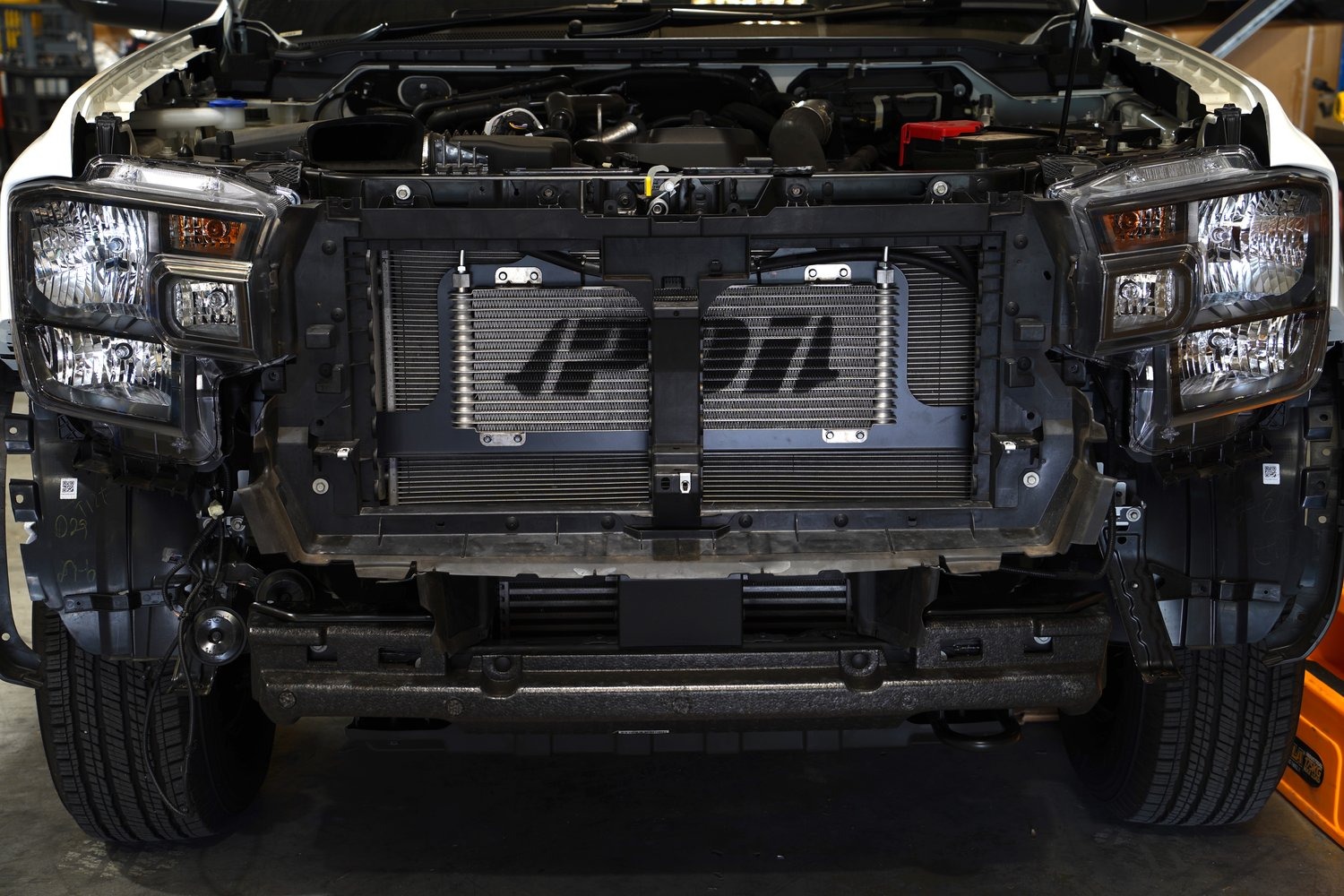
Transmission coolers play a crucial role in maintaining the health of any vehicle that frequently handles heavy loads or engages in long-haul towing. Trucks, in particular, depend heavily on these coolers to keep transmission temperatures within safe limits.
A well-functioning transmission cooler reduces heat stress, preserves fluid integrity, and prolongs the life of the entire system. However, not all transmission coolers are created with the same level of reliability.
Some truck models are known for having sealed, maintenance-free coolers that serve reliably after some time, while others have developed reputations for leaking, which leads to expensive repairs and premature transmission failure.
Choosing a truck without considering its transmission cooler performance can lead to regret down the line. Heat is one of the major causes of transmission damage, and once the fluid loses its cooling ability due to a compromised cooler, internal components can wear down rapidly.
When a cooler starts leaking, it might allow coolant to mix with the transmission fluid, which can create a thick milky substance that ruins friction plates and clogs fluid passages. However, sealed transmission coolers are designed to resist leaks and isolate the cooling path from other systems in the vehicle, resulting in better dependability.
We will examine five trucks known to have sealed transmission coolers that hold up as time goes on without issues. It also takes a close look at five other trucks where leaky coolers have become a recurring complaint from owners and technicians alike.
The objective is to provide insight into what prospective truck buyers or owners should be aware of when it comes to transmission cooling. Understanding which trucks offer peace of mind and which ones demand closer attention can help in making more informed choices.
Trucks with Sealed Transmission Coolers
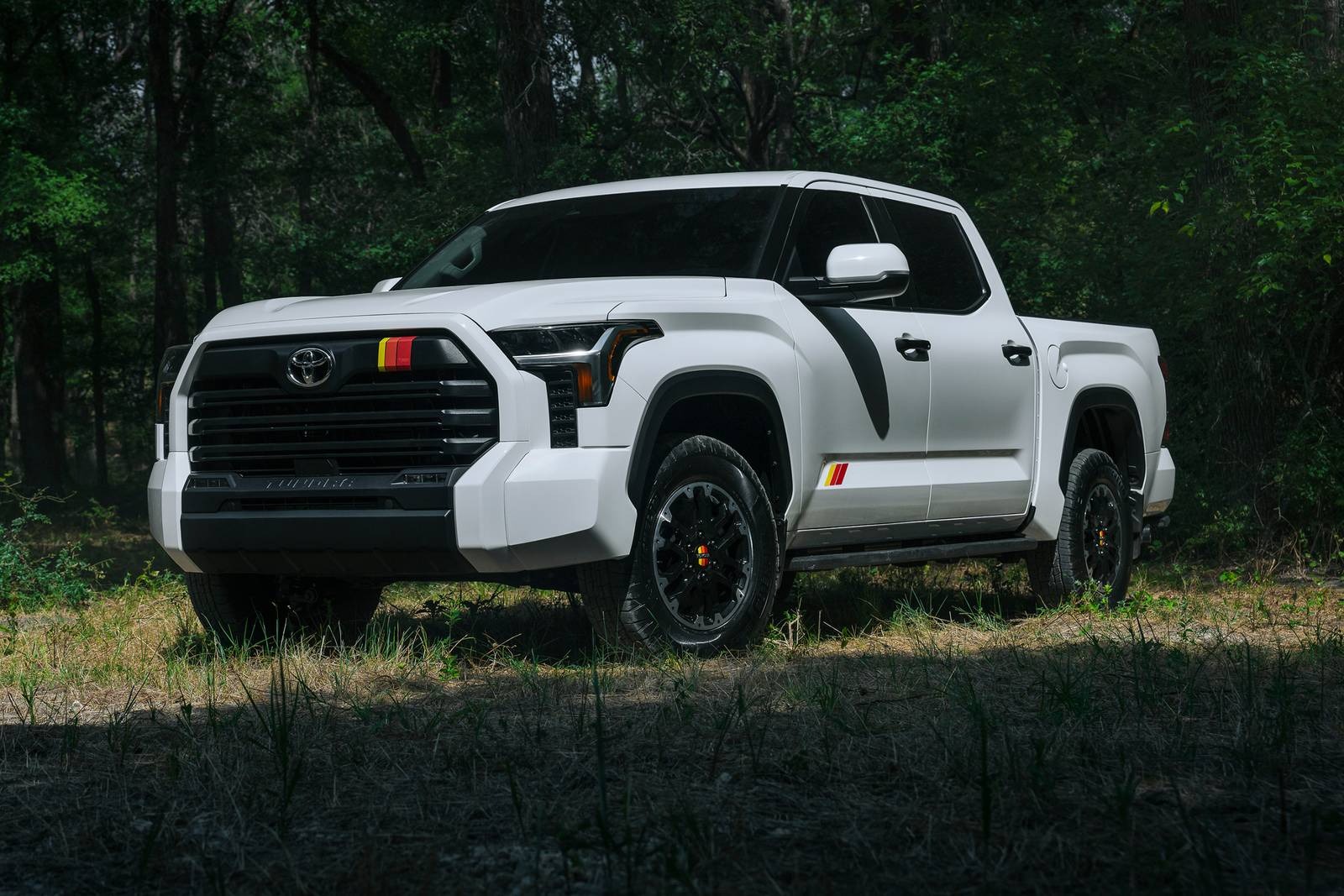
1. Toyota Tundra (2014-2021)
The Toyota Tundra is often regarded as one of the more dependable full-size trucks, and part of this reputation comes from its solid drivetrain setup. Between 2014 and 2021, the Tundra came equipped with a sealed transmission cooling system that separated transmission fluid from engine coolant.
This isolated approach helped the truck avoid the issues commonly seen in vehicles where cross-contamination occurs through shared radiators or poorly engineered fittings.
Toyota’s design in these model years featured external cooling lines that sent transmission fluid to a dedicated cooler, and this component had a track record of longevity.
This sealed system was especially valuable for Tundra owners who frequently towed trailers or boats, as it provided steady fluid temperatures during sustained heavy use. While the Tundra’s fuel economy might not have been its strongest selling point, its mechanical durability made it popular with contractors, ranchers, and outdoor enthusiasts.
Reports from owners show minimal complaints related to transmission cooling failures, even on trucks that had crossed well over 200,000 miles. Maintenance logs and dealership service bulletins during these years rarely referenced transmission cooler leaks as a cause for concern.
In environments where high ambient temperatures are common, such as Arizona or Texas, the Tundra’s transmission cooling solution proved its worth by maintaining fluid performance without overheating.
Those who regularly drive in mountainous regions or with cargo-heavy trailers appreciated how the system kept temperatures in check, even on steep inclines.
While no system is entirely immune to aging or wear, Toyota’s choice to engineer a sealed, separated system kept the Tundra out of many of the problems that plagued competing models in the same class.
Because of this approach, the Tundra continues to be recommended among used trucks for buyers who value longevity without constant worry about transmission cooler leaks. Toyota demonstrated that it is possible to build a tough truck without compromising fluid separation.
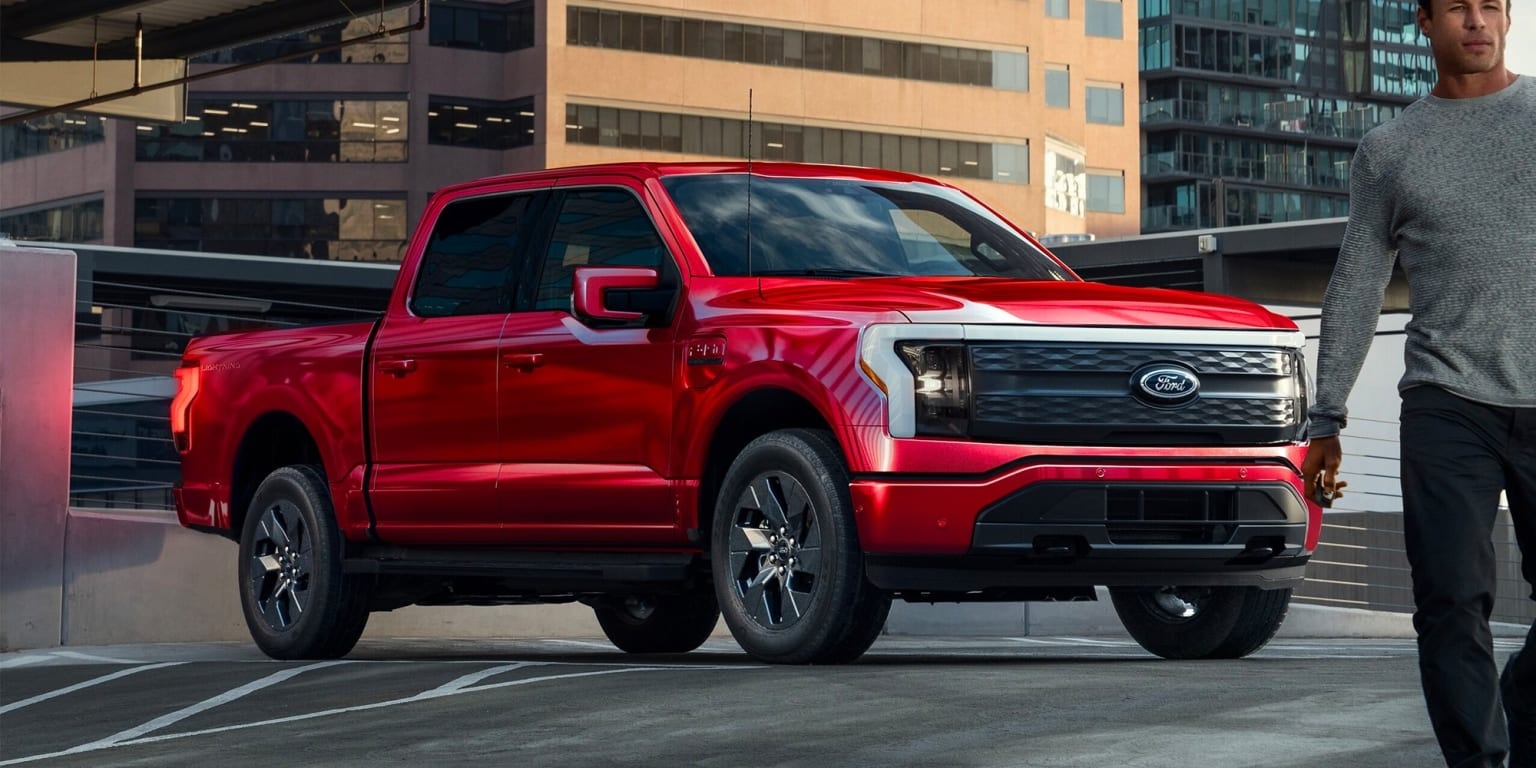
2. Ford F-150 (2015-2020, 10-Speed Automatic)
The Ford F-150 is consistently among the top-selling vehicles in the United States, and the model years between 2015 and 2020 equipped with the 10-speed automatic transmission were engineered with a focus on thermal efficiency.
These trucks used a sealed transmission cooling system designed to provide reliable heat management under various driving conditions. Ford emphasized keeping the transmission fluid path isolated from the engine coolant, especially in high-output versions such as the 3.5L EcoBoost.
In these F-150 models, the cooling system includes a dedicated transmission fluid cooler mounted near the front bumper area, ensuring that the air flowing through the grille cools the fluid efficiently before it cycles back into the gearbox.
The system uses secure metal lines and tight connections that resist leaks, even with repeated expansion and contraction due to temperature changes. Ford’s engineering also included thermal bypass valves to help the transmission warm up quickly in cold weather without overcooling.
This setup has earned high marks for its durability, with few complaints from owners regarding transmission fluid mixing or external cooler leaks.
Fleet vehicles and work trucks that accumulate high mileage under tough conditions have reported steady performance without requiring cooler replacement. Some owners have exceeded 150,000 miles with no transmission overheating issues or signs of contamination.
Drivers who use their F-150 for towing, such as RV hauling or boat transport, benefit directly from the efficiency of this sealed design.
It keeps the fluid within optimal temperature ranges during high-stress driving, which reduces wear on clutches and solenoids. Even under full load in hot climates, the system’s consistency prevents the transmission from slipping or failing prematurely.
By designing the system with fewer weak points and avoiding shared fluid paths with engine coolant, Ford delivered an F-150 variant that holds up well under pressure. Owners who prioritize a long service life often gravitate toward this generation of the F-150 because of its reliable cooling approach.
Also Read: 5 Cars With Quick-Release Seats vs 5 With Stuck Latches
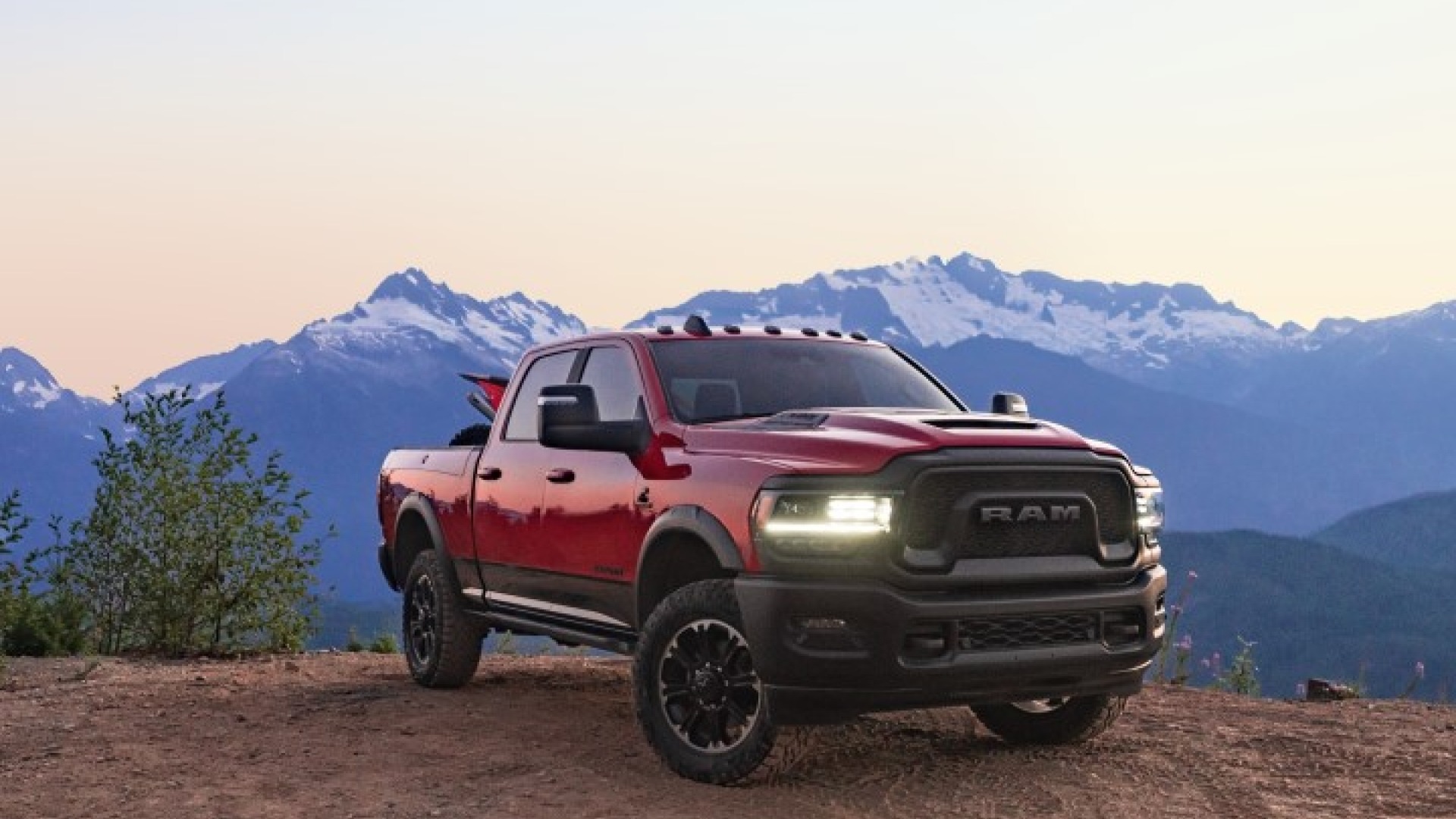
3. Ram 2500 with 6.7L Cummins (2013–2021)
The Ram 2500 equipped with the 6.7L Cummins diesel engine has built a reputation for being one of the most robust heavy-duty trucks available. One reason for its dependable nature is the sealed transmission cooling system that works effectively with both the 68RFE and Aisin transmissions offered during these years.
Unlike some earlier Ram models that had cooling systems prone to mixing fluids, this generation took a more isolated path by implementing external air-to-oil coolers that operate independently of the radiator.
This design was especially critical for diesel models because of their frequent use in towing and commercial hauling. With trailers often exceeding 10,000 pounds, the transmission cooler had to work flawlessly to avoid overheating.
Ram engineered the system to minimize exposure to hot engine coolant and ensured that the cooler lines used strong fittings and reinforced materials. Many owners noted that their transmission fluid stayed clean and consistent even after hundreds of hours of towing.
The sealed nature of the transmission cooler on these trucks reduces the chances of cross-contamination, which can destroy the friction materials inside the gearbox.
Additionally, the placement of the cooler at the front of the vehicle, where airflow is abundant, helps maintain ideal temperatures on steep grades or during stop-and-go traffic with a trailer in tow.
Routine inspections of the transmission system rarely reveal leak points in these models, as the seals and hose connections are durable under extreme load.
Fleet managers and diesel enthusiasts alike have praised the longevity of the Ram’s transmission setup when paired with proper fluid intervals. Many of these trucks are still on the road today with their original coolers and factory transmission fluid configurations.
That performance, paired with the strength of the Cummins engine, has made the Ram 2500 a preferred option among those who depend on their trucks daily.
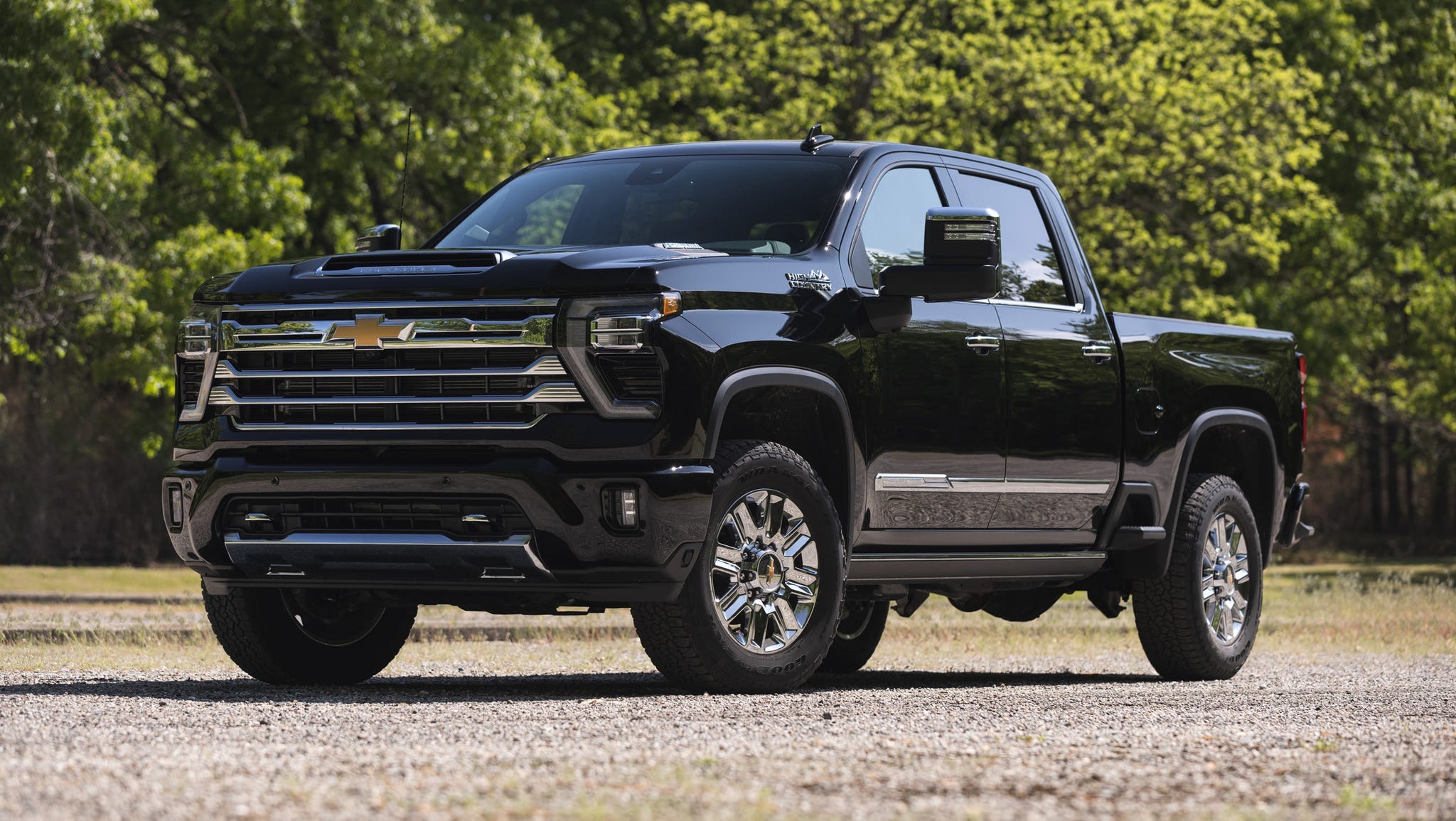
4. Chevrolet Silverado 2500HD with Allison Transmission (2011-2019)
When discussing heavy-duty trucks that stay cool under pressure, the Chevrolet Silverado 2500HD equipped with the Allison transmission deserves mention.
During the 2011 to 2019 model years, General Motors paired the 6.6L Duramax diesel with a well-designed sealed transmission cooling system that did not rely on radiator integration. The Allison 1000 transmission, in particular, came with a dedicated external cooler that maintained separation from engine coolant, preserving fluid integrity.
This type of system was essential for trucks frequently used to haul construction materials, livestock trailers, or fifth-wheel campers. The transmission cooler operated with minimal maintenance demands and did not show the same leak tendencies that plagued other vehicles with shared cooling paths.
Owners often noted that the system could maintain stable fluid temperatures on long uphill climbs or during heavy-duty towing operations without signs of thermal breakdown.
The cooler lines used durable steel tubing with corrosion-resistant coatings to prevent damage from road salt or environmental wear. Since the system was sealed and not part of a hybrid radiator unit, there was no risk of transmission fluid and coolant mixing, a problem that has led to expensive failures in some other truck lines.
This advantage allowed the Silverado 2500HD to maintain consistent transmission performance even after years of heavy use.
For those purchasing used trucks or running commercial fleets, the reliability of the Allison cooling setup was one of the reasons this Silverado generation was frequently chosen.
Drivers could expect smoother shifting, reduced fluid degradation, and longer service intervals. Many owners have reported trouble-free experiences with their factory coolers well past 200,000 miles, which is a testament to the quality of the engineering.
This pairing of the Duramax engine and the sealed cooling design helped the Silverado stand out among diesel pickups, giving buyers more confidence in long-term transmission durability without the burden of early cooler failures.
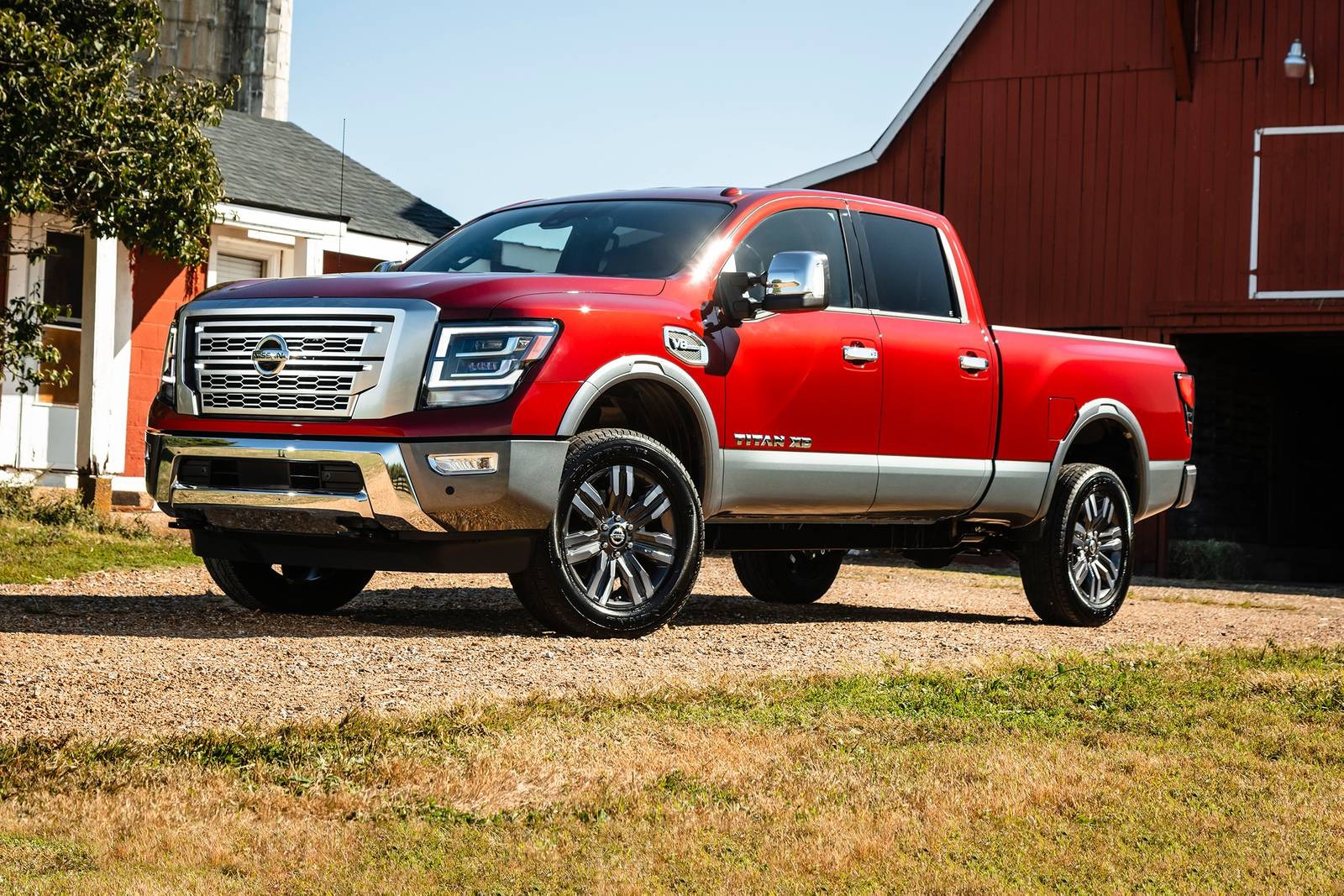
5. Nissan Titan XD with 5.0L Cummins Diesel (2016-2019)
The Nissan Titan XD was positioned as a middle ground between light-duty and heavy-duty trucks, and the inclusion of the 5.0L Cummins V8 diesel engine came with a transmission cooling system engineered to handle demanding workloads.
Between 2016 and 2019, this truck featured a sealed transmission cooler layout that was separate from the engine radiator, reducing the likelihood of fluid mixing or pressure-related leaks.
Nissan worked in partnership with Cummins to design a cooling strategy that could maintain consistent fluid temperatures during prolonged towing or stop-and-go driving.
The cooler sat independently with its dedicated path for transmission fluid, using rigid lines and reinforced joints that proved resistant to vibrations and underhood heat. This setup served the truck well during long hauls, especially in hot climates where standard cooling systems could struggle.
The 5.0L Cummins was capable of pulling more than 11,000 pounds, and the sealed transmission cooler kept the gearbox from overheating, even during extended use. Because the cooler avoided integration with the engine’s cooling circuit, it eliminated one of the major failure points that other manufacturers often face.
Owners who used their trucks for towing horse trailers, boats, or landscaping equipment experienced minimal transmission complaints. While the Titan XD may not have achieved high sales numbers compared to competitors, it did earn appreciation for its drivetrain reliability.
Reports from long-term users and technicians revealed very few cases of leaking coolers or early transmission breakdowns. This has made the 2016 to 2019 Titan XD a quiet performer when it comes to heat management and towing resilience.
People who need a truck with more strength than a typical half-ton but without the mass of a full one-ton model often find that this Titan variant offers the right mix. Its sealed cooler contributes to lower long-term maintenance costs and offers a stable platform for demanding driving conditions.
Trucks with Leaky Transmission Coolers
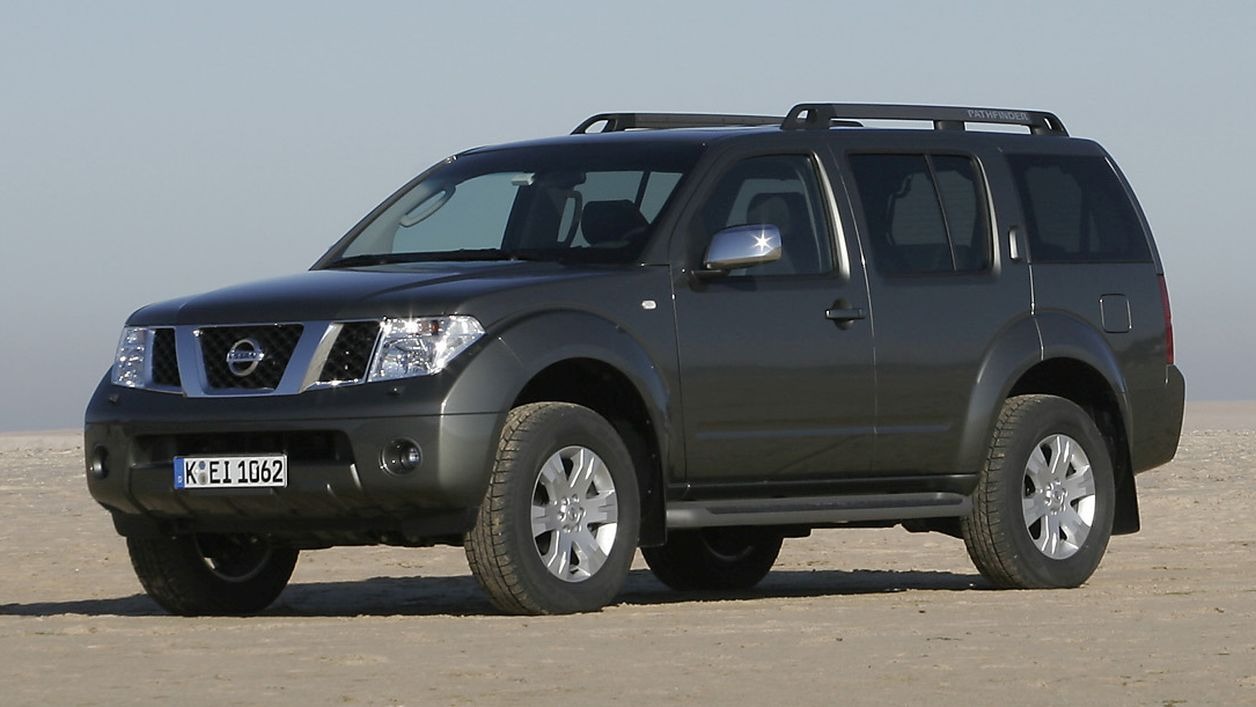
1. Nissan Pathfinder (2005-2010)
The 2005 to 2010 Nissan Pathfinder is known for having one of the most frequently discussed transmission cooler issues in modern truck history.
This generation of the Pathfinder, which shares its platform with the Frontier and Xterra, used a design that routed the transmission fluid through a cooler located inside the engine radiator. While this method may have seemed efficient at the time, it led to a serious design flaw that eventually caused transmission fluid to mix with engine coolant.
The failure was caused by the radiator’s internal cooler cracking, which then allowed coolant to leak directly into the transmission lines. This mixture created a sludge-like substance that quickly destroyed the internal clutches and solenoids of the automatic gearbox.
The issue became so widespread that it earned a nickname among drivers; some called it the “strawberry milkshake of death” due to the pink frothy fluid that would appear when coolant and ATF combined.
This problem did not always present itself early in a vehicle’s life. Some Pathfinders began showing signs after 80,000 miles, while others lasted a bit longer before the mixture took its toll.
Symptoms included slipping gears, shuddering at low speeds, delayed changes, and complete loss of drive. For many owners, by the time they realised what had happened, the only solution was to replace both the radiator and the entire transmission, which could cost thousands of dollars.
Although Nissan eventually updated the radiator part number, the affected models remained a concern for second-hand buyers.
Lawsuits were filed, and some extended warranties were issued, but that did not cover everyone. Mechanics frequently recommend bypassing the radiator’s internal cooler and installing an external unit to prevent recurrence.
Today, this generation of the Pathfinder remains a cautionary example of why combining engine and transmission cooling can be risky. For drivers shopping for used SUVs or mid-size trucks from this period, it is advised to check whether the original cooler design has been modified before committing to a purchase.
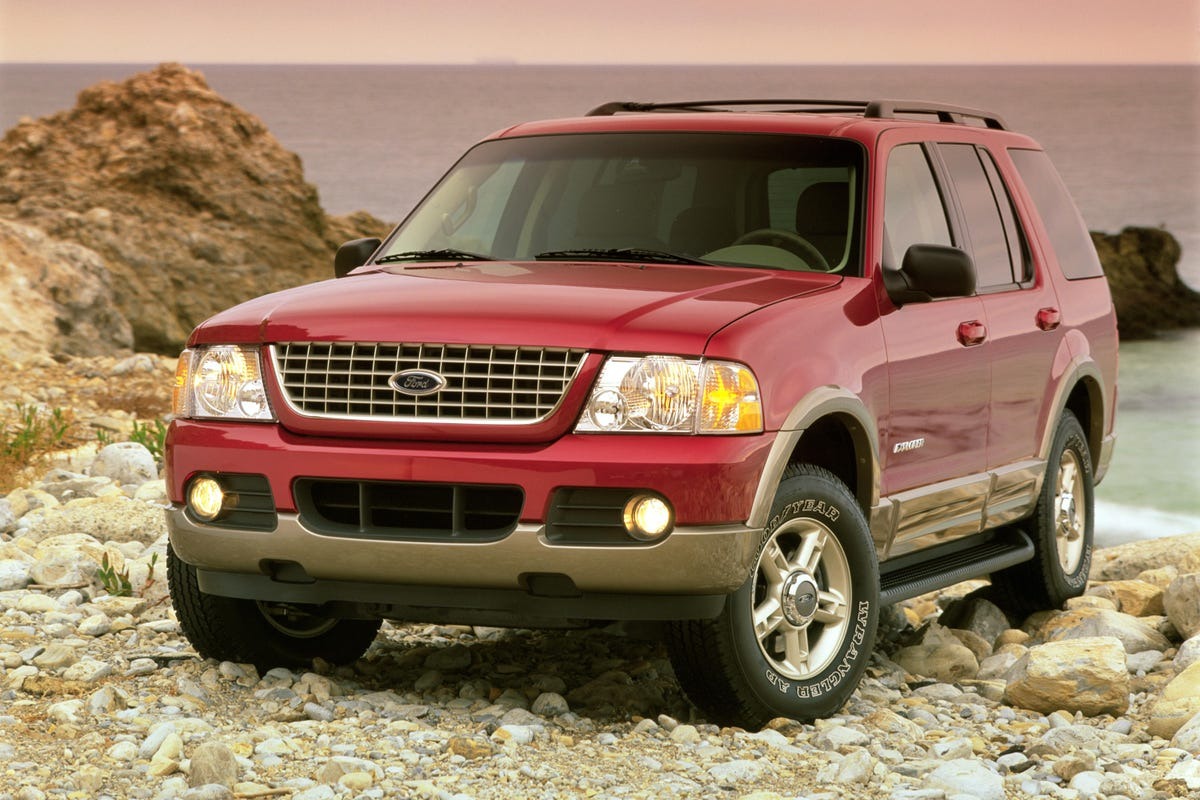
2. Ford Explorer (2002-2005)
The Ford Explorer produced between 2002 and 2005 had several mechanical concerns, and among them, issues related to transmission cooling were often reported.
This generation came with a built-in radiator transmission cooler that sometimes leaked internally, leading to gradual cross-contamination of fluids. The problem was subtle at first, but could snowball into severe transmission failure as time goes on.
At the core of the issue was the integration of the transmission fluid lines into the main radiator housing. In theory, this configuration should have offered simplicity and quicker warm-up times. However, the execution lacked the robustness needed to last beyond 100,000 miles for many owners.
As cracks developed inside the radiator, coolant would slowly enter the transmission lines and begin diluting the automatic transmission fluid. This diluted mixture lacked the proper viscosity and friction qualities needed for smooth gear engagement.
The early symptoms were soft changes, hesitation when going from park to drive, and a gurgling noise from the transmission. Many drivers ignored these signs until the damage became more serious.
At that point, internal components such as clutch packs and valve bodies were already compromised. Some owners replaced the radiator only to find that the transmission required a complete rebuild or replacement soon afterward.
Mechanics began recommending an external cooler retrofit as a preventive solution. This involved bypassing the radiator’s transmission cooler and routing the fluid through a separate air-to-oil cooler mounted near the front grille.
For those who caught the issue early, this solution helped extend the life of the transmission. For others, the damage was already irreversible by the time the cooler leak was identified.
Given how frequently this issue was reported, many used car dealers began inspecting and modifying these Explorers before resale.
Still, buyers considering this model are urged to check maintenance records and ask if the transmission cooler setup has been altered. The problem was common enough that many mechanics now recognise the early warning signs right away.

3. GMC Acadia (2007-2009)
The first generation of the GMC Acadia, produced from 2007 to 2009, is another truck-based crossover that developed a reputation for transmission cooler leaks.
These vehicles used a radiator-integrated cooling system where transmission fluid passed through an internal coil within the radiator to control temperature. As time goes on, the separator between the two fluids could fail, leading to coolant entering the transmission.
This issue was particularly destructive because the 6-speed automatic transmission used in these models was sensitive to fluid quality. The coolant would water down the ATF, which created inadequate lubrication during gear changes.
As the mixture circulated, it would lead to metal shaving accumulation, clogged solenoids, and pressure control errors inside the valve body. Eventually, the vehicle would experience erratic shifting, failure to engage gears, or a complete transmission breakdown.
The design left little room for early detection. By the time drivers noticed temperature warnings or odd behavior from the transmission, it was often too late.
Many Acadia owners reported needing full transmission rebuilds before reaching 100,000 miles, with the radiator cooler identified as the root cause in many cases. Complaints about this failure were widespread enough that it impacted the resale value of these vehicles.
To combat this, some owners installed aftermarket transmission coolers or completely bypassed the factory system. These fixes helped prevent future contamination but required a knowledgeable mechanic and the right fittings to integrate properly.
Unfortunately, GM did not recall the vehicles for this specific problem, leaving many owners to bear the repair costs on their own.
The GMC Acadia from these years serves as a reminder of how a flawed cooler design can take down an otherwise decent powertrain. Buyers looking into used Acadias should be very cautious and seek out models that have had preventive cooling upgrades, especially if they are approaching higher mileage.
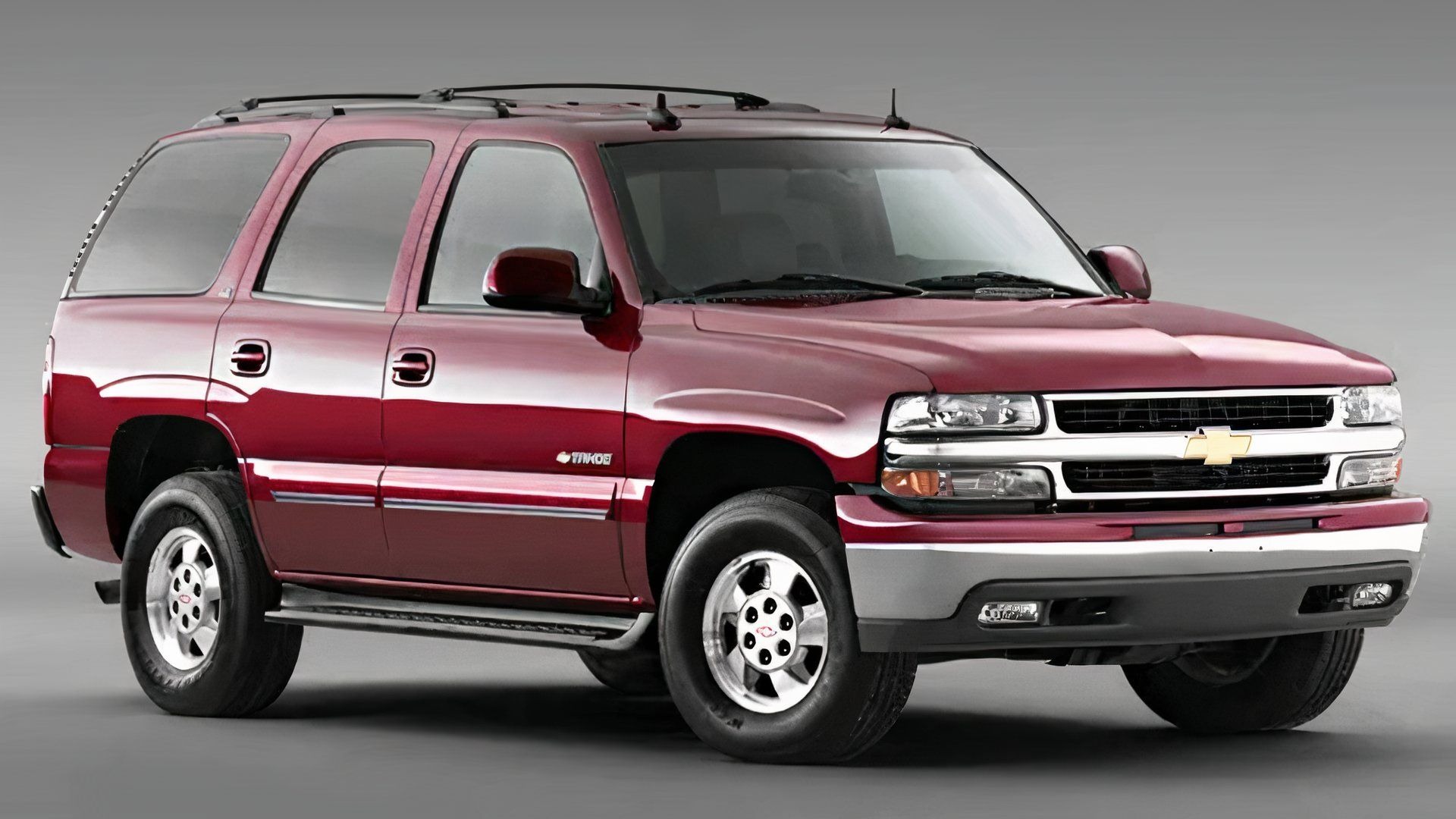
4. Chevrolet Tahoe (2000-2006)
The Chevrolet Tahoe models built between 2000 and 2006 featured a transmission cooling configuration that occasionally led to leaks and failures, particularly as the trucks aged.
This generation relied on a radiator-integrated cooler where transmission fluid was routed through a compartment within the main radiator. Though this setup was standard across many vehicles at the time, it became problematic for some Tahoe owners due to internal radiator cracks or corroded fittings.
Leaks within the radiator would allow coolant and transmission fluid to mix. This contamination, while gradual, would alter the fluid characteristics and reduce the ability of the transmission to maintain internal pressure.
Common signs included rough changes, erratic gear changes, and slow engagement when shifting into drive or reverse. Left untreated, the issue could escalate to complete transmission failure, often requiring a rebuild or full replacement.
Another common point of failure involved the quick-connect fittings at the cooler lines. These plastic clips were known to weaken under heat and pressure after some time, leading to external leaks where fluid would drip from under the vehicle.
In either scenario, whether internal mixing or external leaks, the result was a loss of fluid pressure and compromised cooling capacity.
Some drivers installed external auxiliary coolers to supplement or bypass the original design. These modifications improved durability and allowed for better temperature control during heavy use, such as towing or summer highway driving.
Others simply opted to replace the radiator with an aftermarket unit that featured improved sealing materials to avoid the cross-contamination issue.
While the 5.3L V8 engine and the entire durability of the Tahoe made it a solid choice for many, its cooling system vulnerability meant that owners had to stay vigilant with fluid inspections and periodic checks.
A well-maintained Tahoe with upgraded cooling solutions could still perform reliably, but the original factory setup did present risks for those who kept the stock configuration into high mileage.
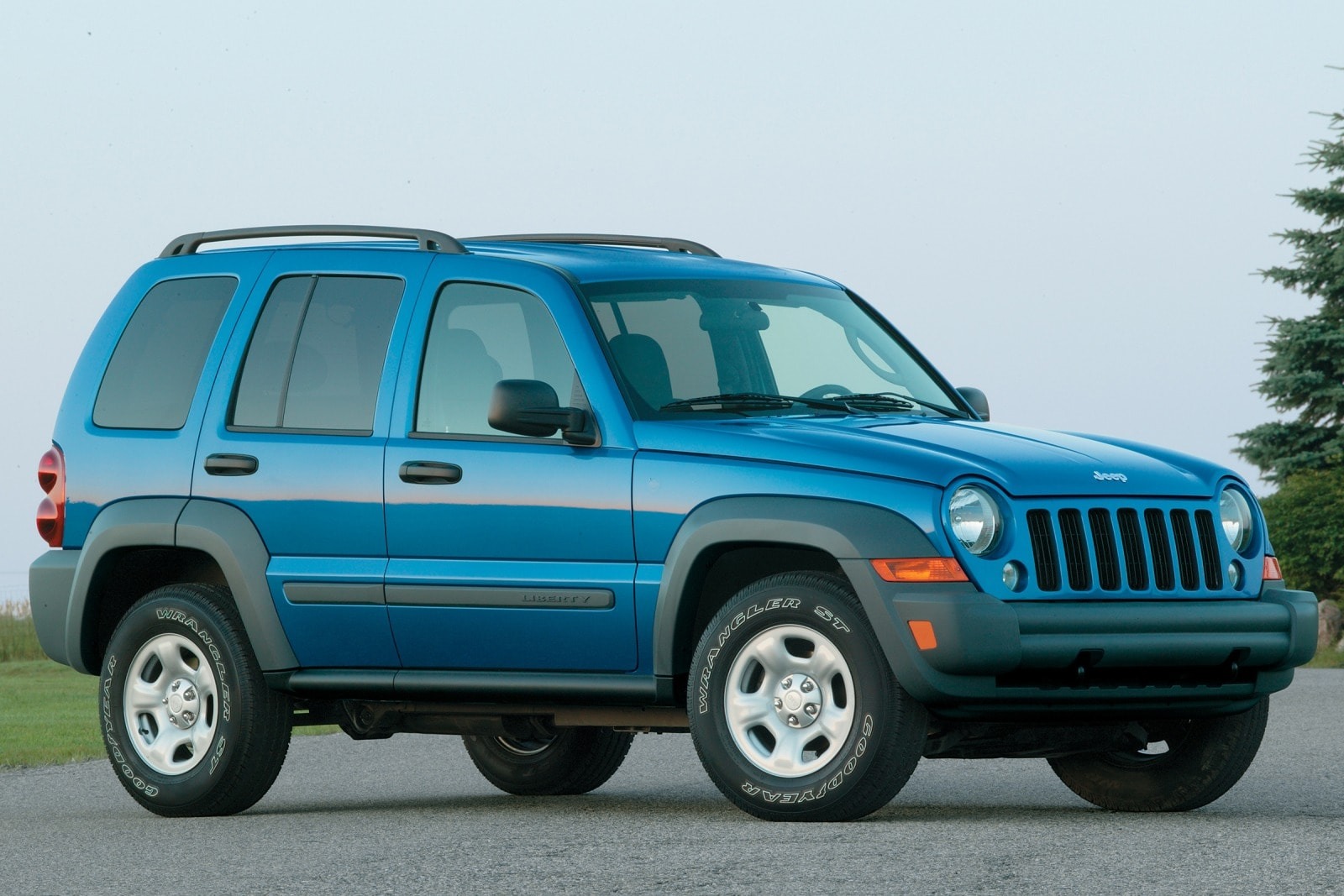
5. Jeep Liberty (2002-2007)
The Jeep Liberty, especially between 2002 and 2007, has also been mentioned frequently among vehicles affected by leaking transmission coolers.
These compact SUVs used a radiator that included an internal transmission cooler, and just like in similar setups from other manufacturers, this design introduced a potential failure point.
After some time, corrosion inside the radiator or weakened seals led to fluid crossover between the coolant and the transmission system.
When this occurred, the coolant’s water content would compromise the transmission fluid’s ability to maintain its necessary pressure and lubrication properties.
Drivers often started noticing hard changes, late engagement, and slipping under load. In more severe cases, the fluid contamination led to full transmission failure, requiring costly repairs.
The Liberty’s 4-speed automatic transmission was not known for having much tolerance when it came to fluid quality. Any contamination could cause the quick deterioration of clutch packs and internal gears.
Because of that, even a small leak in the cooler had consequences that escalated quickly. Some owners reported needing full transmission replacements before reaching 90,000 miles, with the cooler being the root cause.
In response, aftermarket solutions became popular among Liberty enthusiasts. Mechanics began recommending bypass kits or external coolers that separated the transmission fluid path from the radiator entirely.
These modifications were relatively simple but made a big difference in preventing the kind of failure that plagued unmodified vehicles.
While the Liberty has enjoyed praise for off-road capabilities and compact size, its cooling system has remained a concern for long-term durability.
Buyers considering used models from this period should ask about the radiator and transmission history. Trucks that have already had their coolers upgraded tend to offer better reliability and longer service life.
