
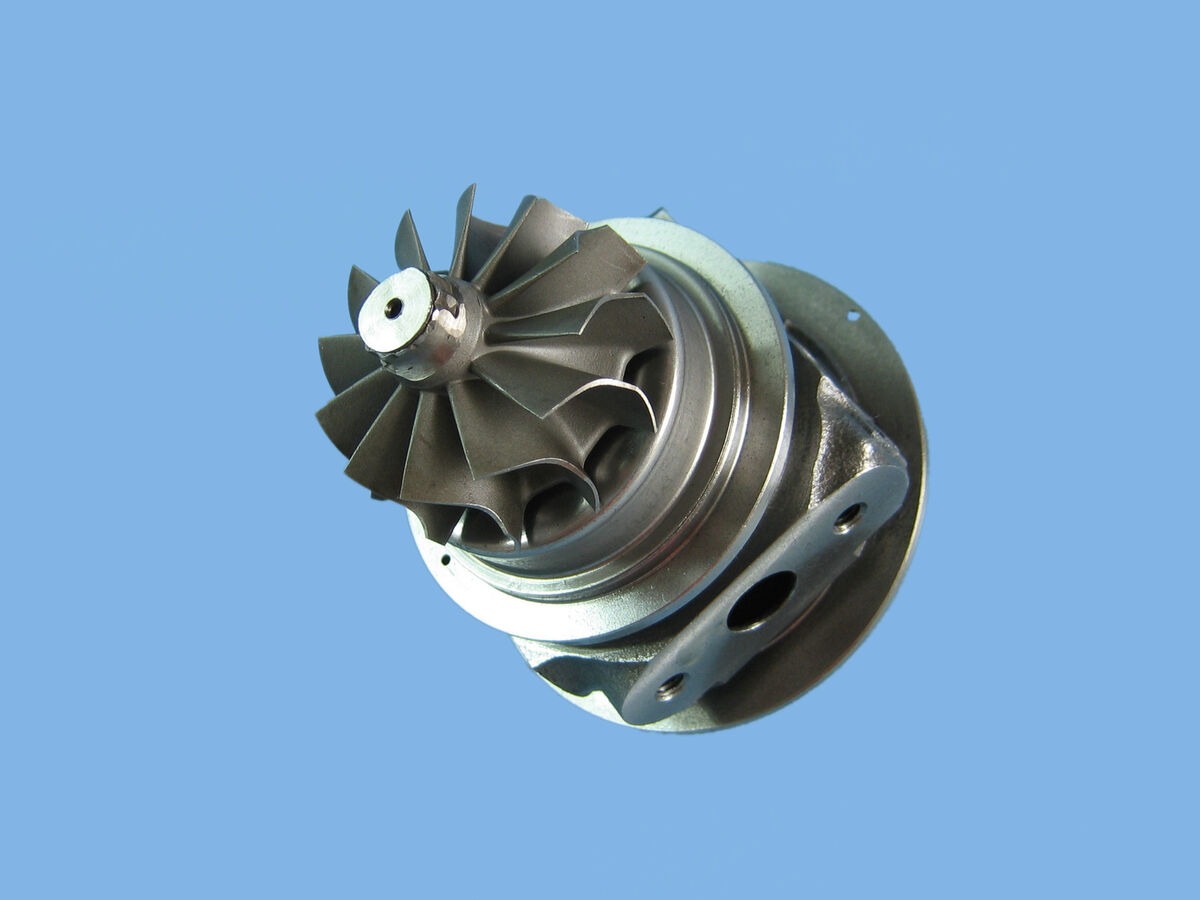
Turbochargers have become a common feature in modern engines, helping to boost power output without increasing engine size. These components force more air into the combustion chamber, allowing for more efficient fuel use and greater performance. However, not all turbochargers are built equally.
While some vehicles are known for their long-lasting, trouble-free turbo units, others have gained a reputation for problematic turbochargers, particularly those with frequent CHRA (Centre Housing Rotating Assembly) failures.
The CHRA includes vital parts like the turbine shaft, bearings, and oil seals. If this assembly fails, the turbocharger becomes ineffective, often leading to power loss, poor fuel economy, and expensive repairs.
Some car manufacturers have managed to design turbo systems that last as long as the engine itself. These well-built turbochargers rarely experience failure, even after hundreds of thousands of kilometres, provided regular oil changes and maintenance are followed.
On the opposite side, some cars tend to suffer early turbocharger failures due to poor materials, heat management issues, or design flaws within the CHRA. Owners of these vehicles may face repeated breakdowns or the need for complete turbo replacements far earlier than expected.
This page features five vehicles known for their long-lasting turbochargers and five others known for issues with the CHRA. The comparison helps to show the quality differences between turbo systems across different makes and models.
Enthusiasts and everyday drivers alike can benefit from this knowledge, whether they are shopping for a reliable used vehicle or simply seeking to understand which engines will demand more attention and money in the long run.
The focus here remains on turbocharger durability as it directly affects engine health, ownership satisfaction, and long-term repair costs.
5 Cars with Lifetime Turbochargers
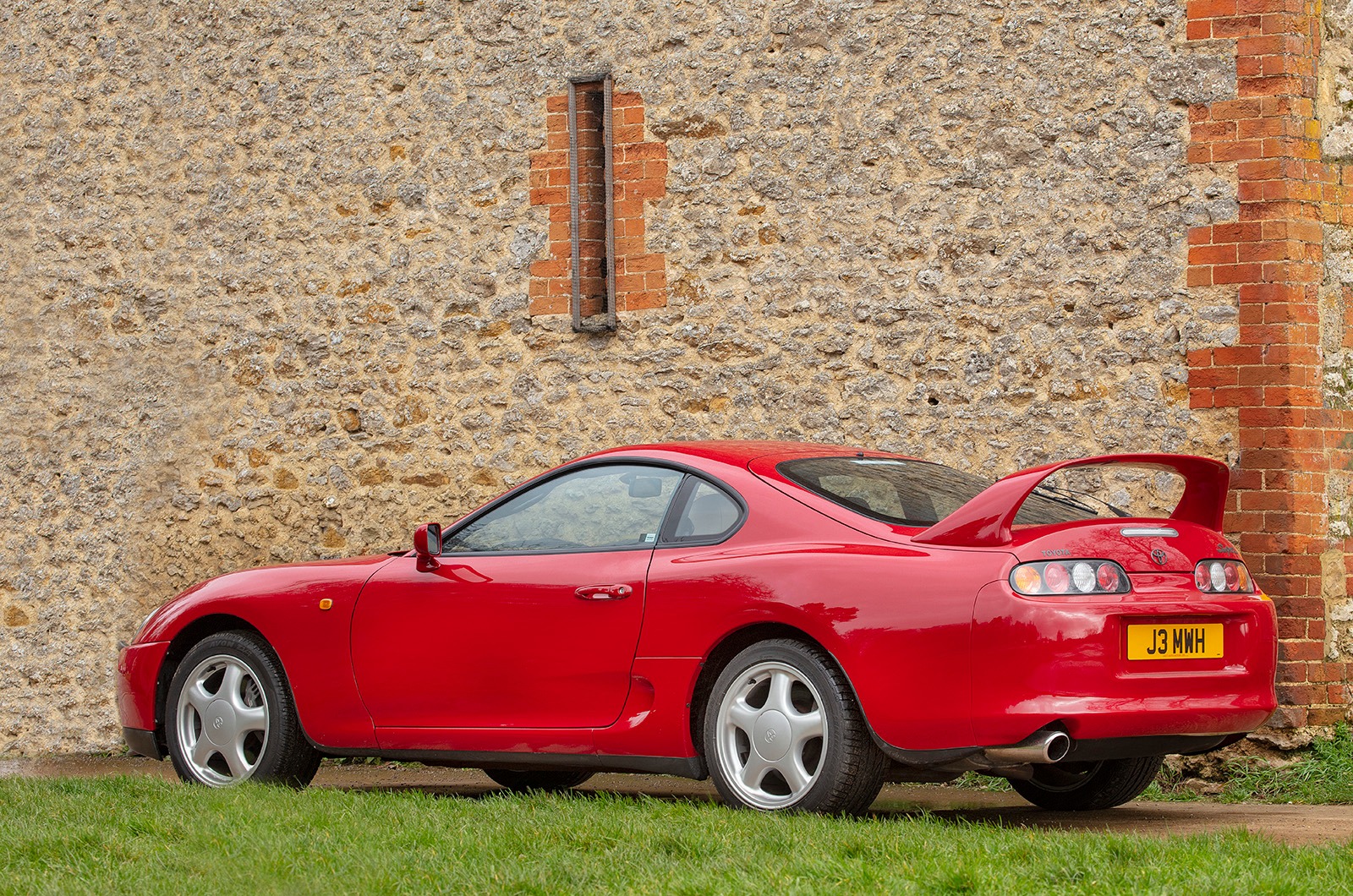
1. Toyota Supra (A80)
The fourth-generation Toyota Supra, often referred to by its chassis code A80, has earned a reputation for bulletproof engineering. Built during a time when reliability was prioritised heavily, its 2JZ-GTE engine came with twin sequential turbochargers that have proven to be incredibly reliable.
Many owners report reaching over 300,000 kilometres on the factory turbos without needing replacements. Proper oil changes and good-quality fuel are usually enough to keep the turbos in strong working condition.
One of the reasons the Supra’s turbochargers last so long lies in the materials and construction of the CHRA and housing. Toyota chose components that could withstand high temperatures and long periods of stress.
This engine was originally designed with a lot of performance potential, and it turns out that even the stock turbos were over-engineered. Even when modified, many of these turbos hold up better than newer, more fragile units found in other vehicles.
Another advantage is the conservative boost levels used by Toyota at the factory. Rather than pushing the turbochargers to their limits, the engineers allowed for a buffer, giving them a much longer life.
The oiling system in the 2JZ-GTE is also well designed, supplying sufficient lubrication to the turbochargers, which helps prevent bearing failure or shaft wear within the CHRA.
The result is a car that can remain stock or modified while maintaining impressive turbo durability. Many of the Surpa’s lovers upgrade these turbos purely for more power rather than because of failure. This car serves as a good example of how quality engineering and attention to detail can result in a turbocharger system that can last the lifetime of the vehicle.
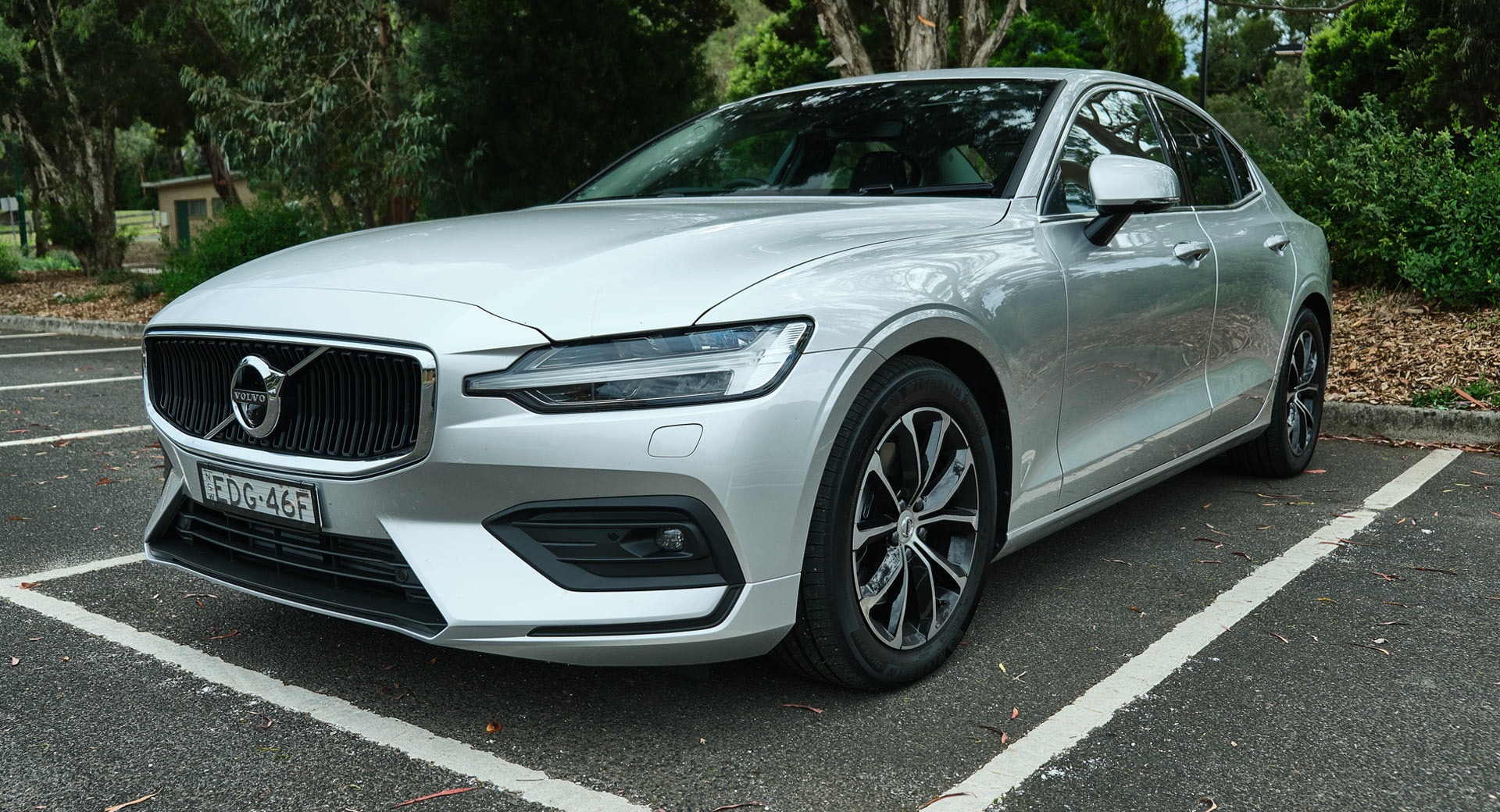
2. Volvo S60 T5
Volvo has long had a reputation for producing engines that can withstand high mileage, and the turbocharged T5 variant of the S60 fits this reputation.
Introduced with a 2.3-litre or 2.5-litre inline-five turbo engine, the S60 T5 came with a turbocharger that was not only efficient but also extremely durable. Many examples have crossed the 400,000-kilometre mark with original turbos still functioning as they did on day one.
The engineers behind this powertrain focused on consistent cooling and lubrication. The turbo used in the T5 model was built with a water-cooled CHRA, which greatly reduced thermal fatigue.
Where other turbochargers might fail due to extreme temperature cycles, the S60’s setup helped keep things stable. The heat shield design around the turbo also helped prevent heat from soaking into nearby components and reduced stress on the turbine housing.
Proper oil maintenance is critical for turbo health, and Volvo provided reminders for regular service intervals. When owners stuck to these recommendations, the result was a highly reliable engine and turbocharger. Even in warmer climates or stop-and-go traffic, the turbo system proved to be durable and consistent in performance.
What also contributed to the longevity was the fact that Volvo’s tuning avoided aggressive boost spikes. The turbocharger was tuned to build pressure smoothly rather than abruptly, which reduces strain on the CHRA bearings and helps avoid failures caused by high-speed imbalances or oil starvation during sudden load changes.
This engine’s turbocharger represents a carefully balanced mix of efficiency, longevity, and reliability. The S60 T5 serves as a reminder that with the right materials and design choices, turbocharged engines do not have to be short-lived.
Also Read: 5 Performance Cars That Stay Valuable And 5 That Become Worthless
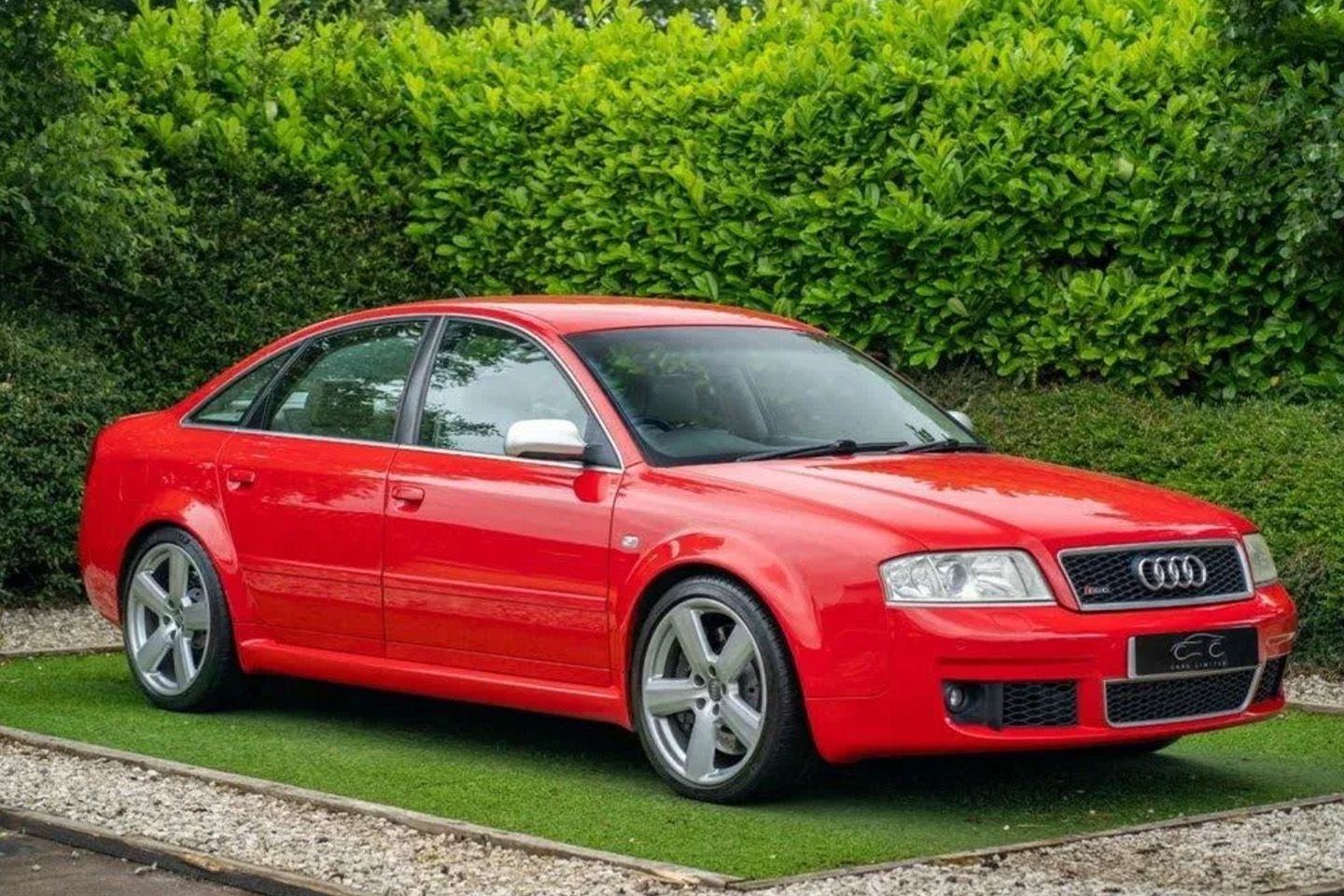
3. Audi RS6 C5
The first-generation Audi RS6, referred to as the C5, came equipped with a twin-turbocharged 4.2-litre V8 engine. This powerplant was developed in partnership with Cosworth, a company known for its racing pedigree.
Audi’s decision to use twin small turbos instead of one large one was aimed at reducing lag and improving drivability, but the quality of the turbochargers themselves has also stood out for lasting performance.
Owners of the RS6 C5 often speak of high-mileage examples still running on the original turbochargers. Reports of over 300,000 kilometres are not uncommon, provided regular servicing has been followed.
The CHRA in these turbos was made from high-grade materials designed to handle high heat and high pressure without rapid wear. The turbos were mounted in such a way that they received steady oil flow and cooled well, both important factors in long-term turbo health.
Another factor contributing to turbo longevity in the RS6 C5 is the car’s entire engineering approach. Audi built this car as a premium performance sedan, and as such, did not cut corners with the turbo components. They chose Mitsubishi turbochargers for this engine, which were known to last when not abused or poorly maintained.
Even when performance upgrades are added, the stock turbos have shown surprising resilience. The dual turbo setup also means each turbo does less work than a single large unit would, allowing the CHRA to last longer by avoiding excess load.
Regular oil changes using high-quality synthetic oils have been vital in keeping the RS6’s turbochargers spinning strong.
For those seeking a balance between performance and reliability in a used performance car, the RS6 C5 remains an excellent choice with a durable and reliable turbo system built to last.

4. Mazda CX-5 Turbo
Mazda’s approach to engineering has always been to focus on driver enjoyment, but that does not come at the expense of reliability.
The turbocharged version of the CX-5, using a 2.5-litre SkyActiv-G engine, has demonstrated that it can offer both performance and long-term dependability. The single-scroll turbocharger used in this setup has proven to be robust and free from chronic failure issues.
One thing that sets this turbo apart is how Mazda designed it to match the unique characteristics of their high-compression gasoline engine. The turbo’s CHRA is built to withstand the increased temperatures produced by this engine type, and Mazda added an efficient cooling system to help it stay within optimal operating temperatures.
The cooling system is supplemented with oil and water jackets that ensure continuous circulation, preventing heat soak that could otherwise degrade the turbo in the course of time. Mazda also took time to develop a turbo system that delivers linear power rather than sudden spikes.
This helps reduce wear on the rotating components inside the CHRA. Consistent oil pressure, effective filtration, and smart tuning mean that many CX-5 Turbo owners are reporting excellent performance without turbo-related issues even beyond 200,000 kilometres.
It is important to note that this turbocharger benefits from Mazda’s commitment to long-term reliability rather than short-term performance glory. The boost levels are moderate and well within the limits of the CHRA design, allowing the system to work without excessive heat or stress.
The CX-5 Turbo is one of those vehicles that continues to deliver dependable performance without the frequent turbo problems found in other brands. As long as owners stick to maintenance schedules, the turbocharger is expected to last the life of the vehicle without needing replacement.
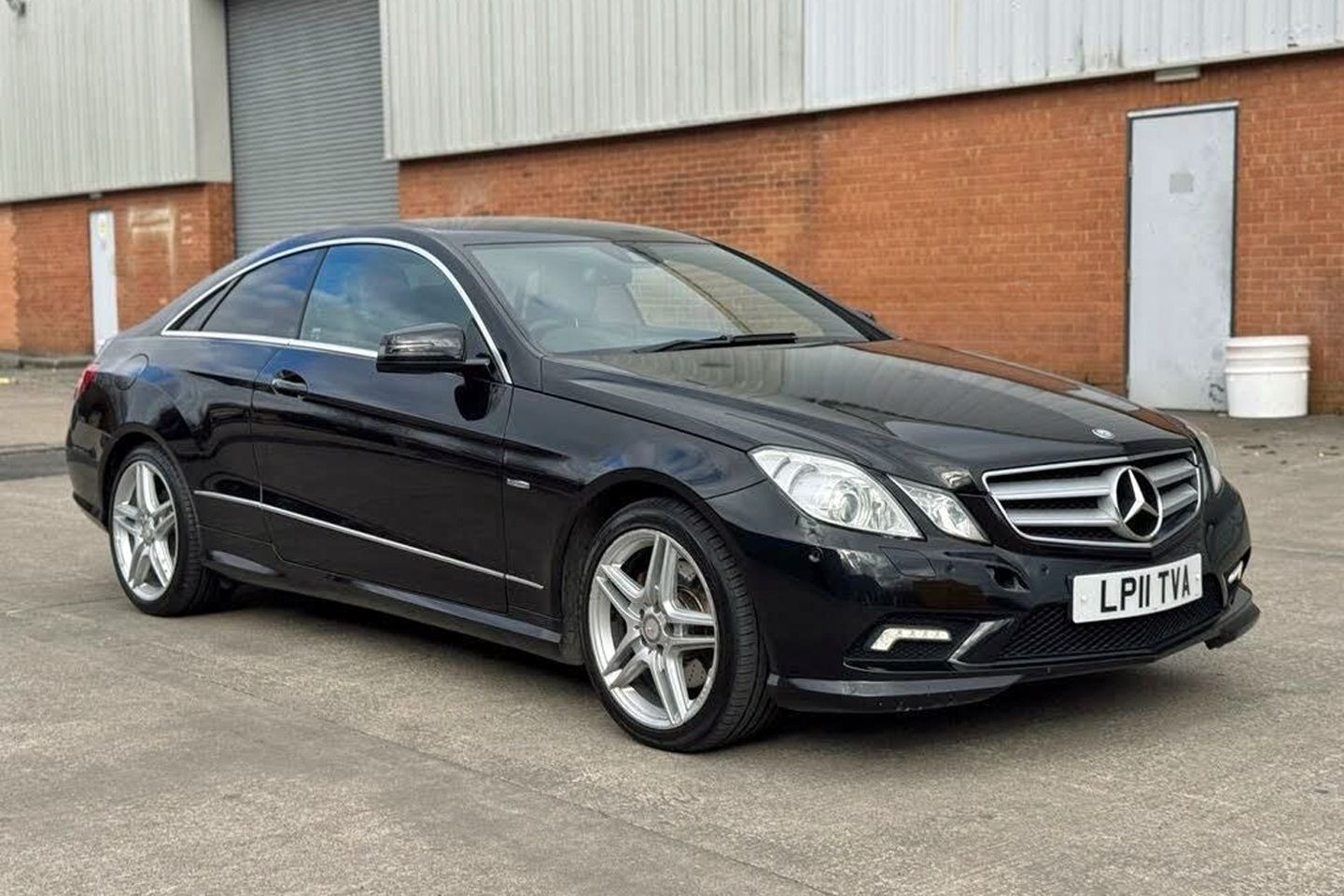
5. Mercedes-Benz E350 CDI (OM642)
Mercedes-Benz built the OM642 diesel engine to be a durable workhorse, and it has delivered on that promise across various platforms, including the E-Class. The E350 CDI, powered by this 3.0-litre V6 turbo diesel engine, features a single variable-geometry turbocharger that has demonstrated excellent long-term reliability.
Many of these engines continue to perform well beyond 500,000 kilometres with original turbochargers still in place. The CHRA used in this turbo system was designed for continuous high-load operation, common in diesel applications. It features strong bearings and is supported by an oiling system designed to maintain proper lubrication even during hot shutdowns or extended periods of highway driving.
Mercedes engineers designed the OM642 with longevity in mind. The turbocharger benefits from excellent thermal management and high-quality materials, including a turbine shaft that can handle elevated exhaust gas temperatures without warping or cracking.
The boost control is smooth and managed through precise electronics, which helps avoid rapid changes in turbo speed that could damage the CHRA.
Even when used in delivery vans or towing vehicles, this turbocharger rarely gives problems, a testament to its construction. Some owners have clocked over 600,000 kilometres on these engines without needing to replace the turbo. It is not uncommon for the engine to outlast other parts of the vehicle, which reflects the strength of the components used.
Drivers who want a long-lasting diesel with a turbo that keeps working well into the car’s lifespan often look to the OM642 platform. It has consistently shown that with regular oil changes and good diesel fuel, the turbo system remains reliable without any early failures.
5 Cars with Failed CHRA Assemblies

1. Mini Cooper S (R56)
The second-generation Mini Cooper S, particularly those produced between 2007 and 2012 under the R56 chassis code, suffered widespread turbocharger issues.
These cars came equipped with a 1.6-litre turbocharged engine developed in collaboration with PSA Peugeot Citroën. While the engine offered enjoyable performance, it quickly earned a reputation for early turbo failure, largely due to CHRA-related problems.
One of the main issues with this turbo setup stemmed from oil starvation. Many owners reported that the turbo’s bearings failed because the CHRA was not getting enough lubrication. This was sometimes caused by carbon build-up in the oil feed line, which restricted oil flow.
Once lubrication was compromised, the bearings inside the CHRA would wear out quickly, often resulting in whining noises, smoke from the exhaust, and total turbo failure.
The design of the engine did not help either. Heat management was poor, and the turbocharger often operated at higher-than-ideal temperatures.
The lack of proper heat shielding meant that nearby components and even the turbo itself were exposed to excess heat, which further reduced the lifespan of the CHRA. After a while, the shaft inside the turbo would become unbalanced, damaging the turbine blades or leading to oil leakage.
Many owners were forced to replace turbos before reaching 100,000 kilometres. Some replacements failed again within a short period, especially if the underlying oil supply issue was not addressed. This made the Mini Cooper S an expensive car to maintain, despite its small size.
Drivers who failed to follow a strict oil change schedule or who used low-quality oils often experienced the worst outcomes. While the Mini Cooper S offered engaging handling and sporty looks, its turbocharger design let it down badly, leaving many owners frustrated with repeated repairs and high maintenance bills.
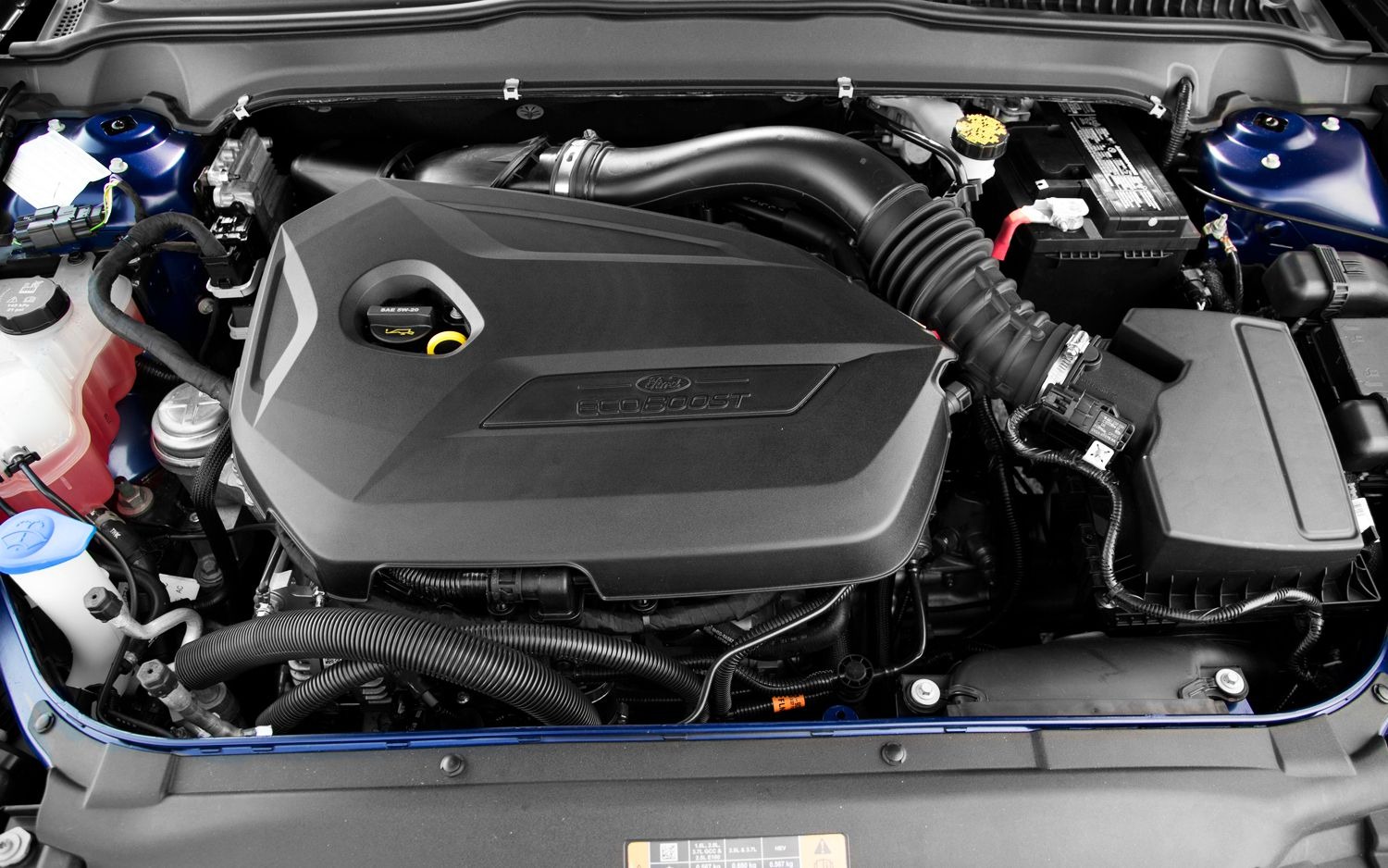
2. Ford EcoBoost 1.6
Ford introduced the 1.6-litre EcoBoost engine in several models, including the Fiesta ST, Focus, and Escape. While the engine delivered strong performance for its size, the turbocharger used with this setup became a frequent point of concern. Many owners complained of turbo failure due to CHRA-related damage, with reports emerging as early as 60,000 kilometres.
The primary problem involved the CHRA’s oil seals and bearings. These components would degrade under heat and pressure, especially when the engine was driven hard or subjected to hot shutdowns without proper cooldown periods.
Once the seals began to leak, oil would enter the intake and exhaust systems, resulting in blue smoke and reduced engine performance. In more severe cases, oil starvation led to complete bearing failure and a seized turbine shaft.
Another contributing factor was the engine’s tendency to generate excess heat. Without a strong cooling system for the turbo, the CHRA components suffered heat stress as time went on.
The result was premature wear of the internal rotating parts. Some owners attempted aftermarket turbo timers or cooldown procedures, but these only delayed the inevitable failure for many units.
Ford issued several technical service bulletins addressing turbo failure, but the problem remained widespread. Mechanics often had to remove the turbo, clean the oil lines, and sometimes replace the entire unit even before the engine reached 100,000 kilometres. Those who did not act quickly often found themselves dealing with more serious engine damage caused by oil contamination or loss of pressure.
This engine serves as an example of how performance tuning, if not supported by durable hardware, can lead to early mechanical failure. Although the EcoBoost name continues to be used in other models, the 1.6-litre version remains one of the more problematic turbocharged units due to repeated CHRA failures.
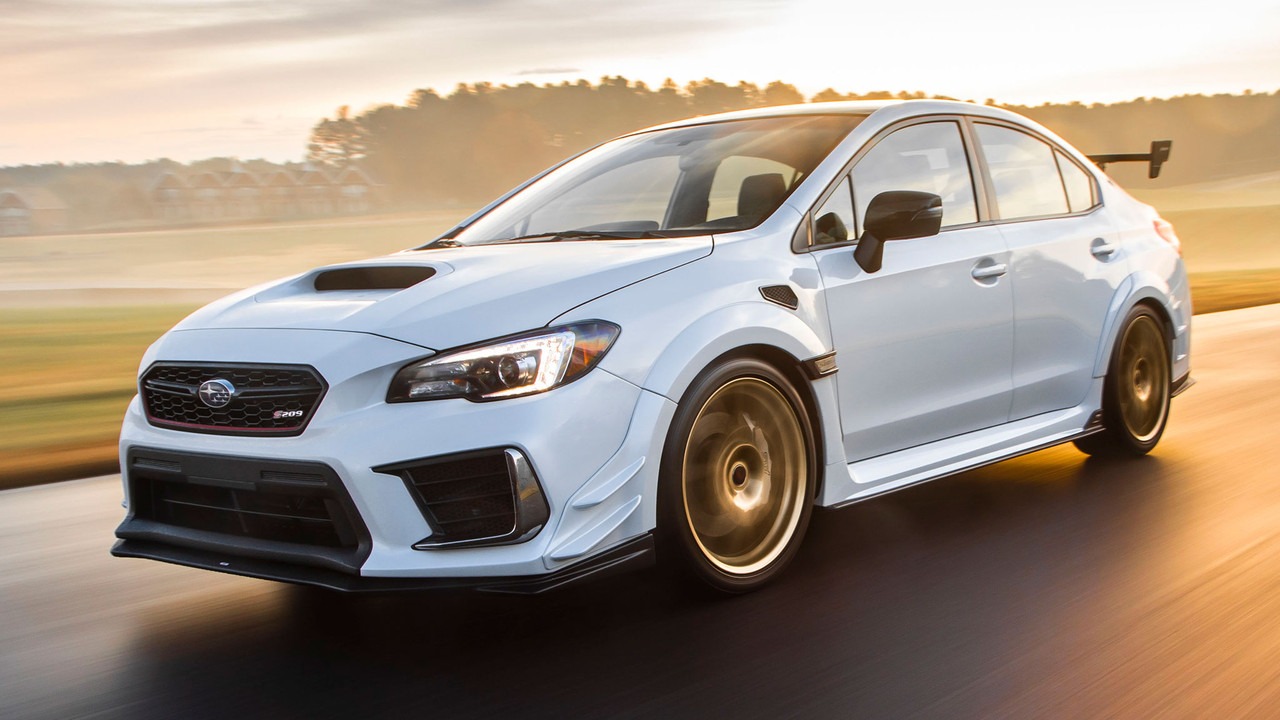
3. Subaru WRX (FA20DIT)
Subaru’s FA20DIT engine, found in the WRX starting from the 2015 model year, featured a direct-injection 2.0-litre turbocharged setup. While it marked a technological step forward compared to the older EJ series engines, it came with issues tied to turbo reliability.
Owners of early FA20DIT-equipped WRX models experienced CHRA failure at a relatively low mileage, especially when the car was pushed hard or not maintained meticulously.
The turbochargers used in these vehicles developed problems within the CHRA, especially involving oil starvation and bearing wear. The factory turbo had narrow oil passages that could become restricted by sludge or dirty oil.
This led to reduced lubrication of the turbo’s internal components. Once the oil film broke down, friction increased within the CHRA, causing excessive wear on the shaft and bearings.
Another issue involved thermal stress. During spirited driving, the turbocharger would reach very high temperatures, especially under repeated boost cycles.
If the engine were shut off without a proper cooldown, the heat would soak into the CHRA and damage the oil seals or cause bearing deformation. This eventually led to failure symptoms such as smoking exhaust, loss of boost pressure, and whining noises.
Subaru lovers often attempted to upgrade the turbo with aftermarket options, but even then, oil starvation continued to be a concern unless the entire oil delivery system was improved. The factory setup simply did not allow for consistent turbo cooling under hard driving conditions.
While later versions of the engine improved on these flaws, early WRX models with the FA20DIT turbo system remain known for their inconsistent turbocharger performance. Buyers considering one of these cars are often advised to inspect the service history carefully and confirm whether any turbo-related repairs or upgrades have been done.
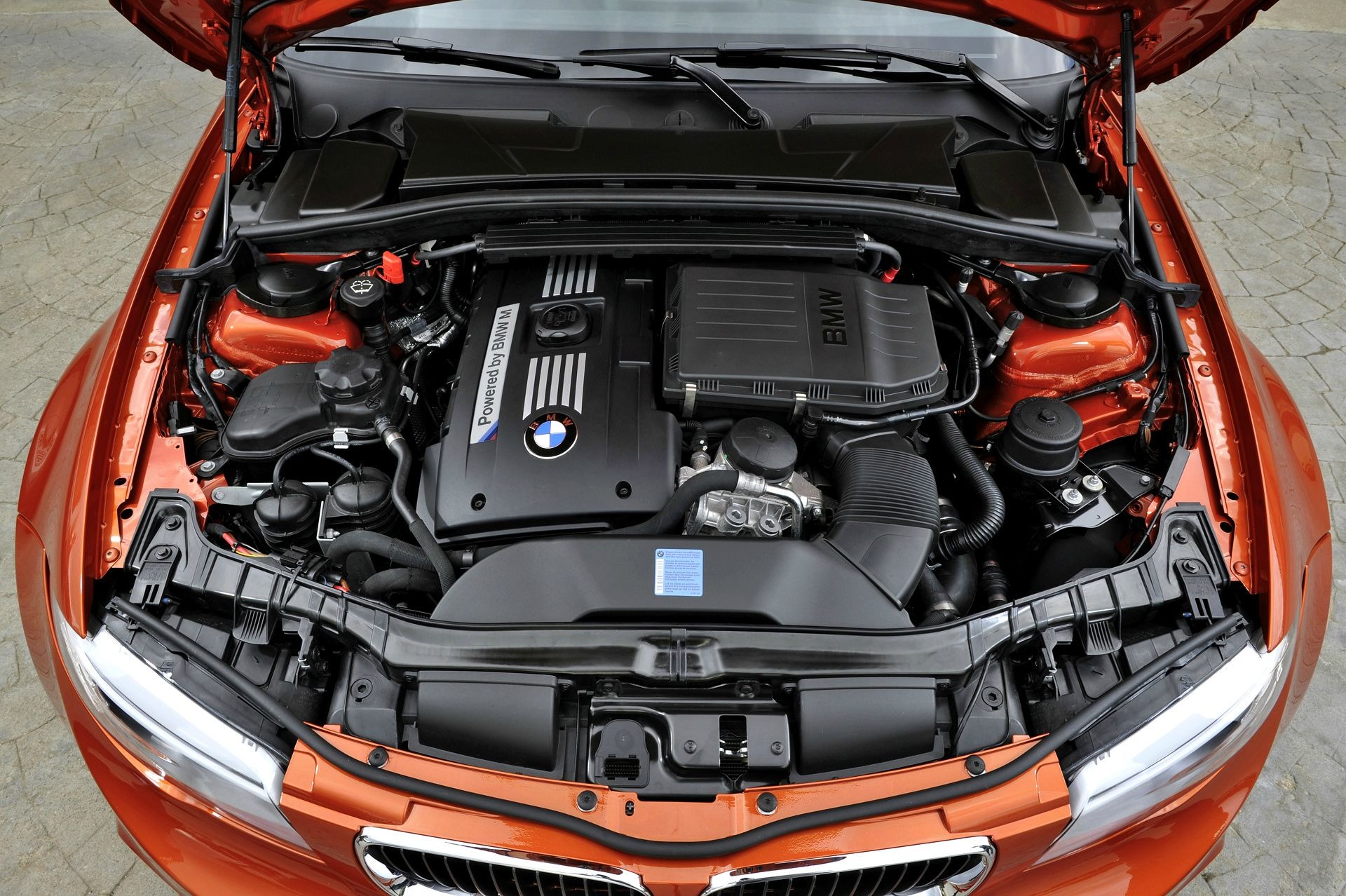
4. BMW 335i (N54 Engine)
BMW’s 335i, featuring the N54 engine, produced between 2007 and 2010, was praised for its performance thanks to its twin turbochargers.
However, this same engine also developed a reputation for turbocharger failures, mostly tied to CHRA wear and tear. These issues were made worse by heat build-up and the engine’s high-pressure boost settings, which strained the turbochargers beyond their design limits.
The CHRA in each turbo contained components like the turbine shaft and journal bearings, which degraded faster than expected. Oil coking was a frequent issue, particularly when poor oil maintenance was involved.
As the heat baked the oil inside the CHRA, it formed deposits that reduced oil flow and damaged the rotating assembly. This often resulted in noisy turbo operation, poor acceleration, and eventually a total failure.
Many owners complained about wastegate rattle, which was initially dismissed as a minor issue but often pointed to larger problems within the turbocharger assembly.
The loose wastegate arms would lead to boost leaks and overworking of the CHRA, accelerating the failure process. BMW did address this with technical bulletins, but for many, the damage had already been done.
The design of the turbochargers, combined with their tight packaging within the engine bay, made heat management difficult.
As a result, the CHRA suffered frequent heat cycling, which wore out internal seals and bearings at a faster rate. Replacing the turbos required extensive labour and cost, which added to the frustration of owning this otherwise impressive performance sedan.
Even though many BMW enthusiasts continue to appreciate the power and smoothness of the N54, they often prepare for turbo repairs early in ownership.
Some even factor the cost of replacement turbos into the buying decision. Despite its driving enjoyment, the 335i with the N54 engine serves as a cautionary tale when it comes to twin-turbo CHRA longevity.
Also Read: 10 Cars That Can Be Repaired With Only Basic Tools
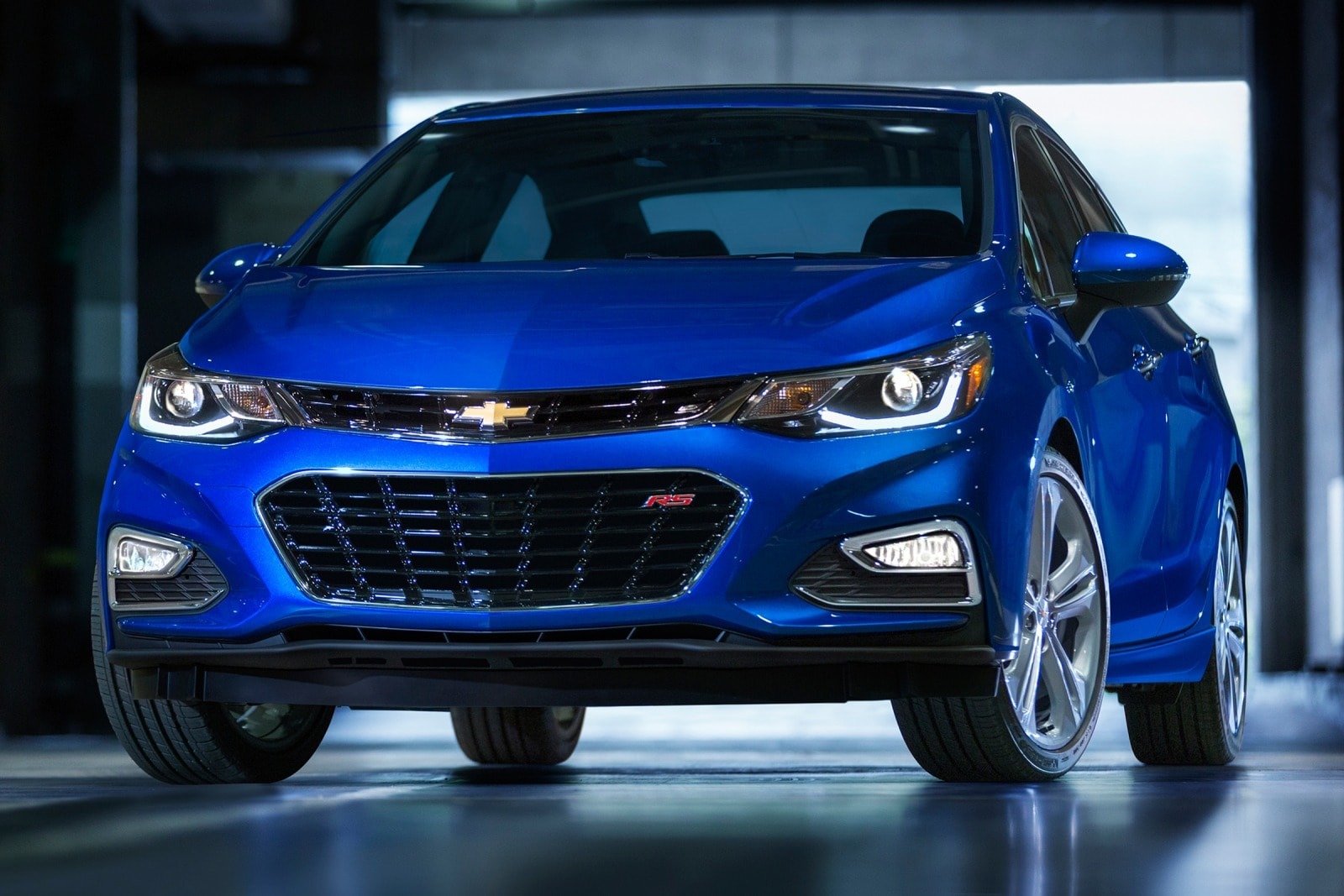
5. Chevrolet Cruze 1.4T
The Chevrolet Cruze, equipped with the 1.4-litre turbocharged petrol engine, was marketed as a fuel-efficient alternative in the compact sedan segment.
Unfortunately, many owners experienced premature turbocharger failure caused by problems within the CHRA. This engine was part of GM’s push to use downsized turbo engines, but the execution did not deliver reliable long-term performance.
One major problem involved the CHRA bearings, which tended to wear quickly under normal driving conditions. The small turbo used in the Cruze was often overworked, especially during highway driving or in hot environments.
The shaft inside the CHRA would begin to wobble after prolonged exposure to heat and pressure, damaging the turbine wheel and sometimes allowing oil to leak into the intake system.
Many drivers noticed symptoms such as whining noises, smoke from the exhaust, and reduced engine power. These were early signs that the turbocharger was on its way out. GM did issue some guidance on improved oil filters and maintenance, but for many owners, the failures continued to appear between 80,000 and 120,000 kilometres.
Another issue was the lack of adequate heat shielding. The turbo sat in a hot section of the engine bay and received minimal cooling support.
This caused frequent thermal cycling within the CHRA, leading to cracks, bearing degradation, and seal failures. Mechanics often had to replace the entire turbocharger assembly since the damage to the CHRA could not be repaired in isolation.
This example shows how compact turbocharged engines can fail when the hardware is not designed to handle continuous heat and pressure.
While the Cruze provided solid fuel economy when new, long-term ownership has been overshadowed by the high failure rate of its turbocharger, making it less appealing for used car buyers concerned with reliability.
