
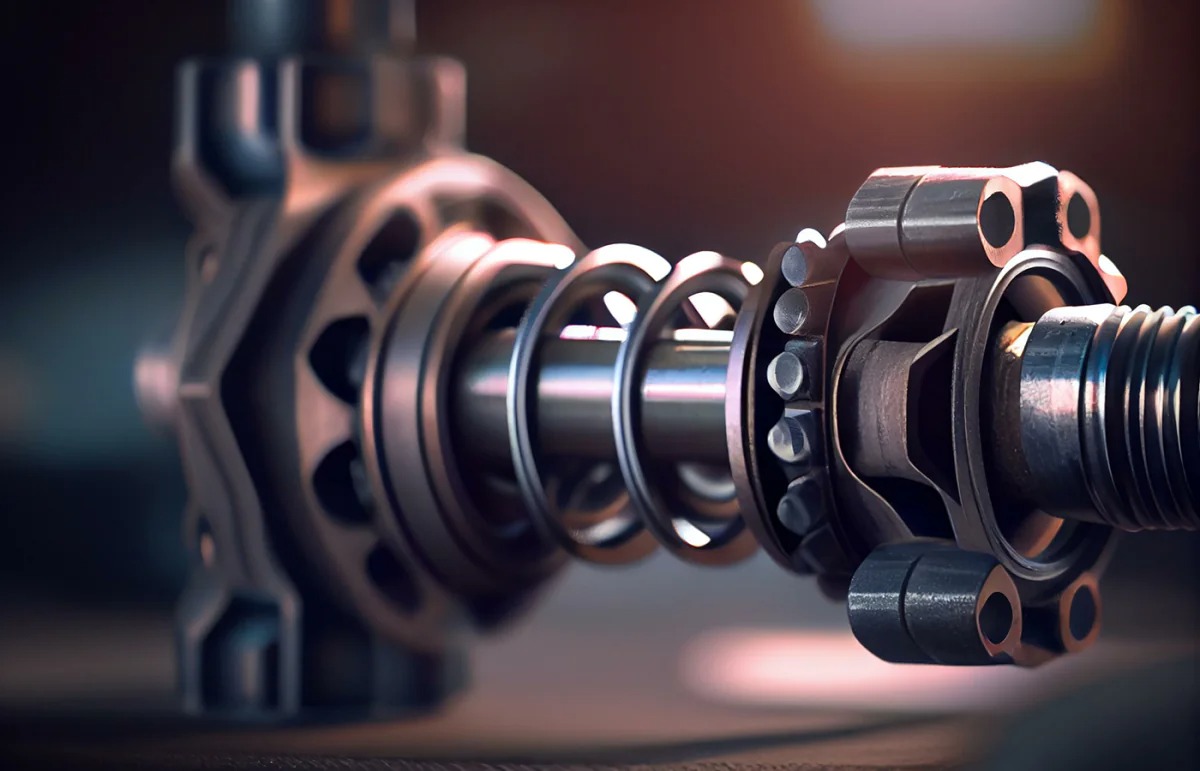
SUV buyers often pay close attention to performance and durability, especially when it comes to drivetrain components like the transfer case. The transfer case is responsible for distributing power from the transmission to the front and rear axles, making it vital for vehicles that offer four-wheel-drive or all-wheel-drive systems.
What many owners overlook is the role of transfer case bearings, which help reduce friction, maintain balance, and ensure smooth operation. If the bearings wear out early or become noisy, they can cause vibrations, reduced efficiency, and expensive repairs.
Some SUVs are known to offer durable, long-lasting transfer case bearings that can function well throughout the vehicle’s lifespan with minimal maintenance. These models are engineered with materials and tolerances that handle stress better and stay quieter on the road.
Alternatively, certain SUVs have gained a reputation for developing noisy or faulty transfer case bearings after several years of use. These issues may result from poor factory design, low-quality parts, or inadequate lubrication. The difference can greatly affect the ownership experience, from peace of mind to mechanical expenses.
Without wasting much time, we will provide you with a detailed comparison of ten SUVs. Five models stand out for having transfer case bearings that rarely cause trouble, even after extended use.
The other five, however, tend to develop noise-related issues from the transfer case due to bearing deterioration. Each section discusses one SUV in detail, looking at its drivetrain design, real-world durability, known complaints, and how it fares in long-term use.
For buyers considering either a new or used SUV, this comparison could serve as a useful guide to understanding how transfer case bearings affect long-term performance and maintenance. Let’s look into the five dependable models first, followed by the ones known for bearing noise problems.
5 SUVs with Lifetime Transfer Case Bearings
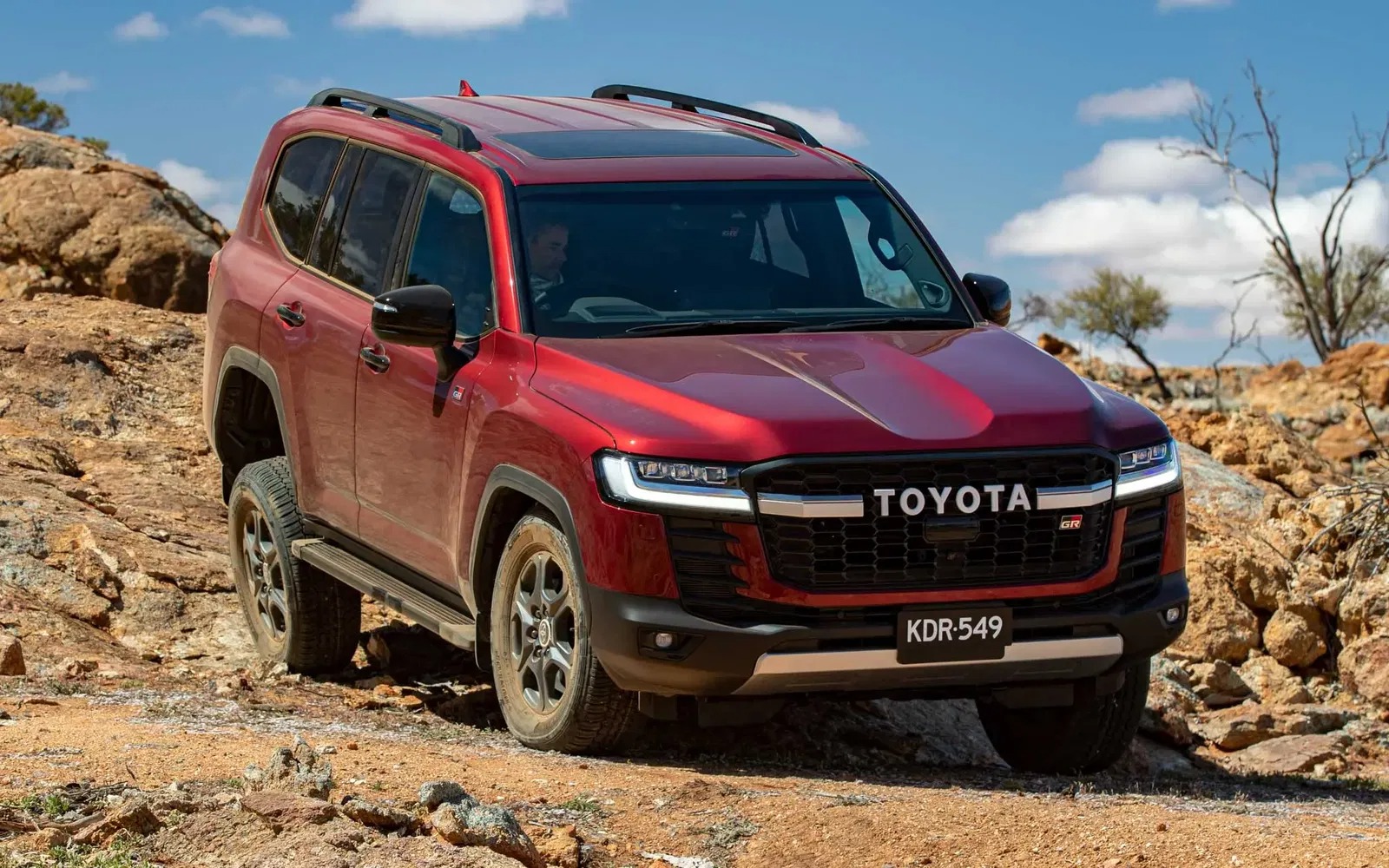
1. Toyota Land Cruiser
Toyota’s engineering has earned global respect, and the Land Cruiser remains a standout when it comes to off-road ability and mechanical reliability.
One of its most respected attributes is its transfer case system, which includes high-quality bearings that are designed for long-term use. Owners and technicians have often highlighted the lack of major complaints linked to transfer case bearing wear, even after the SUV clocks hundreds of thousands of kilometres.
The Land Cruiser uses a full-time four-wheel-drive system with a locking centre differential and a low-range gear set. The system distributes torque evenly, and its robust design ensures that internal components, including the bearings, are not subject to unnecessary stress.
Toyota uses sealed and well-lubricated bearings that are resistant to contamination and excessive heat. This has played a big role in keeping these parts quiet and efficient even after many years.
Another reason why the Land Cruiser rarely experiences bearing noise is the precision in assembly and part tolerance. The components fit together in a way that reduces internal friction and vibration.
This contributes to smoother power delivery and consistent off-road performance. The vehicle’s transfer case is designed to take a lot of abuse without failure, and Toyota ensures regular fluid servicing is easy for owners or mechanics.
Drivers of the Land Cruiser in both urban and rural areas rarely complain about drivetrain vibrations or grinding noises, even after extensive towing or off-road driving. The ruggedness of the vehicle is complemented by components that hold up well under pressure.
It is also worth noting that Toyota supports this model with high-quality service parts, reducing the likelihood of premature bearing replacement. For buyers looking for long-lasting mechanical durability, the Land Cruiser makes a strong case as one of the most reliable SUVs in this category.
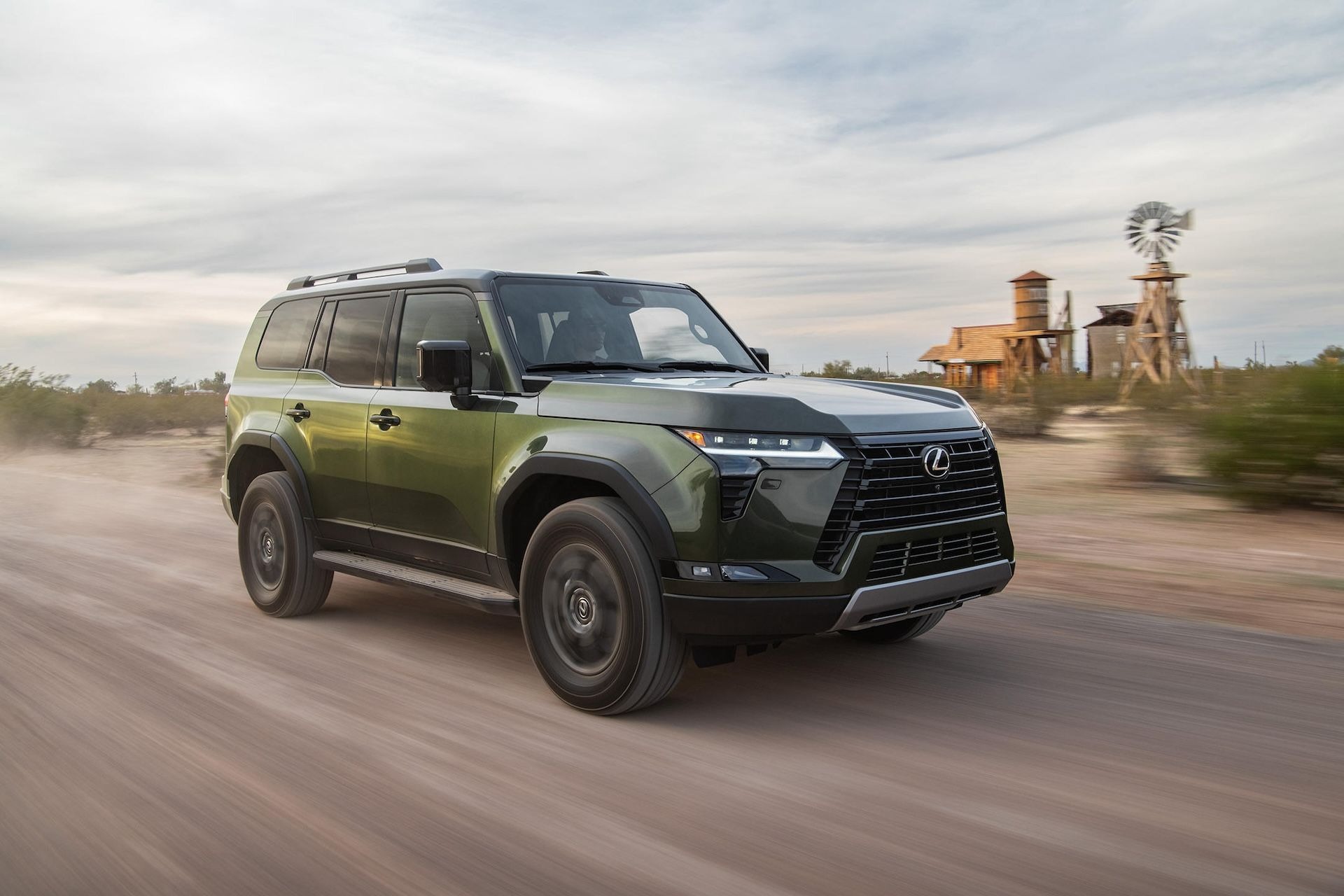
2. Lexus GX
Built on the same platform as the Toyota Land Cruiser Prado, the Lexus GX takes the off-road strength of its sibling and adds a layer of luxury. Beneath its upscale appearance lies a durable drivetrain that includes a strong transfer case with well-engineered bearings.
These bearings are known to last well beyond the average ownership cycle without showing signs of degradation or noise.
The GX comes standard with a full-time four-wheel-drive system and a Torsen limited-slip centre differential. The system provides seamless torque distribution, and it is designed to handle rough terrain without causing excess stress on internal parts.
The transfer case uses high-quality components, and the bearings are built with resistance to friction, moisture, and heat buildup. This design helps them stay functional over a longer duration without the need for frequent servicing.
A quiet and vibration-free cabin is a consistent compliment among Lexus GX owners. This can be partly attributed to the way the drivetrain components have been isolated and constructed.
Since the transfer case operates quietly and smoothly, there is very little drivetrain noise transferred into the cabin. Even when drivers push the GX to its limits in challenging environments, the mechanical system remains steady and free from the kind of grating sounds associated with worn bearings.
Lexus also invests in high-quality fluids that help preserve the lifespan of mechanical components. The transfer case fluid used in the GX is engineered to resist breakdown under pressure, allowing the bearings to stay lubricated and cool as time goes on.
Maintenance intervals are reasonable and affordable for the luxury segment, giving owners peace of mind about long-term reliability. The Lexus GX is therefore not just a luxury SUV but also one that offers remarkable mechanical consistency when it comes to transfer case durability.
Also Read: 5 Pioneering Cars That Introduced Reliable Safety vs 5 Early Adopters with Issues
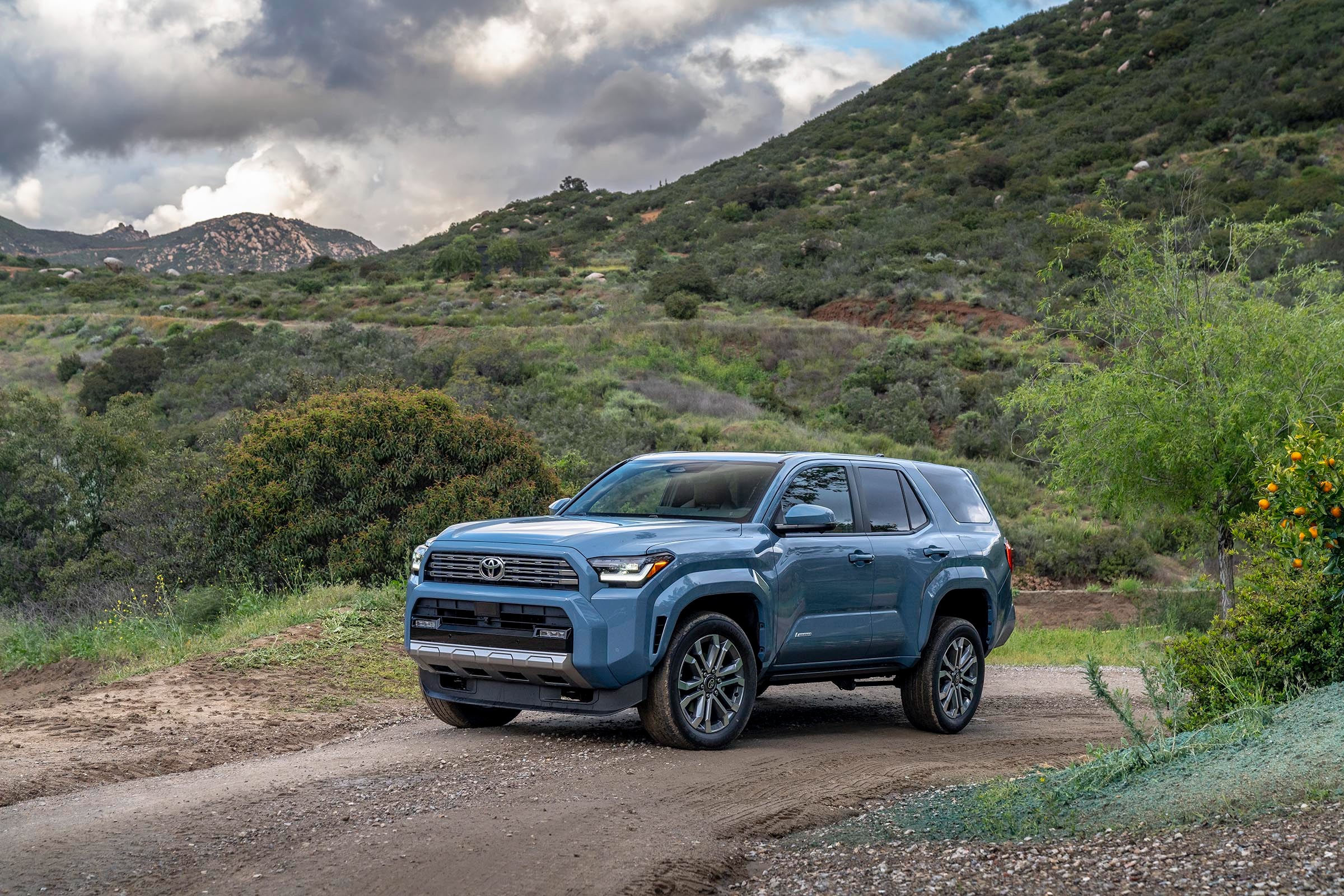
3. Toyota 4Runner
The Toyota 4Runner has built a strong reputation as a reliable mid-size SUV with body-on-frame construction and serious off-road credentials. One of its mechanical strengths lies in the design and longevity of its transfer case bearings.
Toyota’s focus on rugged utility is evident in how the 4Runner handles drivetrain loads and terrain variations, and the bearings are a critical part of that equation.
The 4Runner offers part-time four-wheel-drive on most trims, while the Limited variant provides full-time four-wheel-drive. In either system, the transfer case is fitted with durable bearings designed to perform under pressure without introducing noise or vibration.
These bearings are crafted from high-grade metal and benefit from good lubrication practices, which help reduce premature wear. Unlike some modern SUVs that sacrifice durability for weight savings, the 4Runner sticks to traditional mechanical toughness.
Off-roaders and long-distance commuters who drive the 4Runner have expressed confidence in its low-maintenance drivetrain. Even after prolonged exposure to dirt, water, and temperature changes, the bearings maintain their quiet operation.
Mechanics rarely need to replace these parts unless the vehicle has experienced extreme use or neglect. This level of durability has added to the 4Runner’s resale value and long-term ownership appeal.
The bearings used in the transfer case are carefully selected to resist misalignment and friction buildup. Toyota’s focus on smooth engagement between the gears and transfer case housing contributes to a noise-free operation.
This is one reason the 4Runner remains a top choice for people who need a reliable, no-fuss SUV. Its simplicity, combined with long-lasting parts, has kept it popular among those who need consistent performance and minimal mechanical worries. The 4Runner’s legacy of durability is strongly backed by its dependable transfer case bearing design.
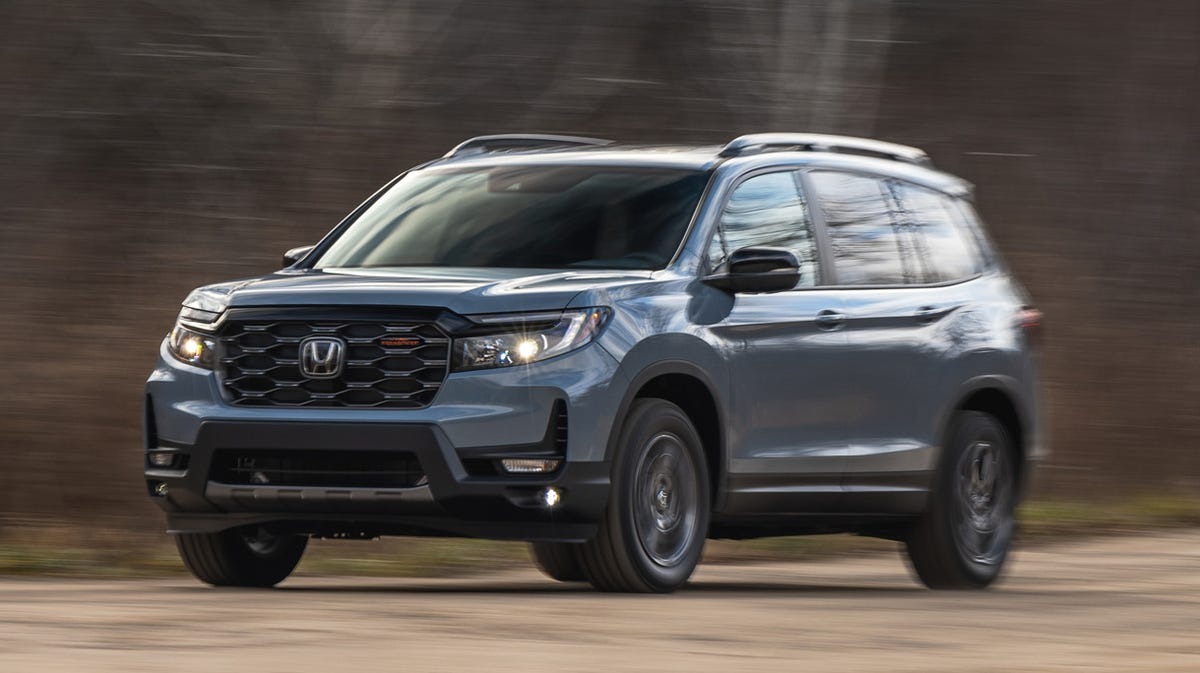
4. Honda Passport
The Honda Passport may not immediately come to mind when considering SUVs known for extreme off-roading, but it has consistently delivered strong performance in all-weather and all-road conditions.
Part of this reliability comes from its i-VTM4 all-wheel-drive system, which includes a well-designed transfer case supported by long-lasting bearings. Honda’s engineering approach focuses on consistent performance and efficient power distribution, and that shows in how the Passport handles as time goes on.
Unlike some rivals, the Passport uses a transfer case system that splits torque effectively while maintaining smooth transitions. The bearings inside this system are sealed, well-lubricated, and built to handle moderate off-road use along with daily commutes.
Their construction supports prolonged operation without generating unwanted noise or vibration. Honda designed these parts to require very little attention unless the vehicle experiences severe driving conditions.
One benefit of the Passport’s system is the electronic control of torque distribution. The bearings do not suffer from uneven load as much as in traditional mechanical systems. This contributes to quiet operation, even when the SUV is climbing hills or driving in poor weather.
Owners have frequently mentioned how silent the powertrain remains even as mileage increases. The quality of the bearings plays a direct role in this observation.
Another advantage is Honda’s use of specialized transmission fluid that supports extended bearing life. The lubricant remains effective over long intervals, reducing the risk of heat or moisture affecting the bearing surfaces.
The Passport rarely appears on lists of vehicles with frequent drivetrain complaints, and its smooth drivetrain helps explain why. For those who want reliable performance without a rugged, truck-based platform, the Honda Passport offers an attractive combination of comfort and durable drivetrain parts.
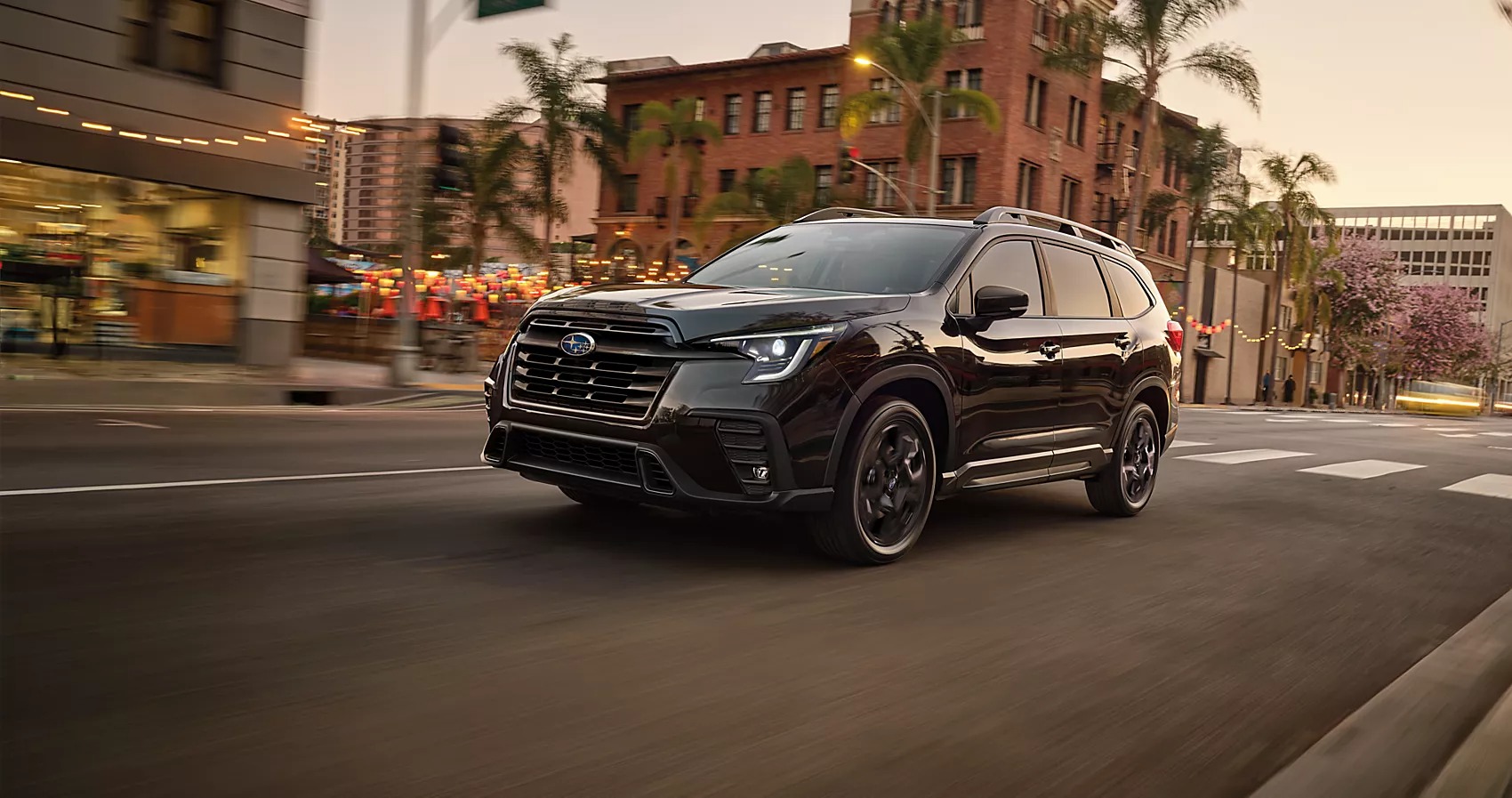
5. Subaru Ascent
The Subaru Ascent is the largest SUV ever made by Subaru, and it brings the brand’s symmetrical all-wheel-drive system into the three-row market. Subaru has a history of building dependable drivetrains, and the Ascent’s transfer case setup benefits from that heritage.
Its bearing system has been praised for staying quiet and efficient across many driving conditions, making it one of the more reliable options in the segment.
Subaru uses a unique layout that places the engine in line with the drivetrain, improving balance and reducing stress on components like bearings. The Ascent’s transfer case relies on roller and ball bearings that are carefully matched to gear tolerances and load expectations.
These parts are not only strong but also operate quietly, with minimal need for service or replacement. Subaru’s engineers aimed to reduce vibration and noise, and it shows in how the vehicle feels even after extended use.
The lubrication strategy used in the Ascent also supports long-term bearing health. The fluid selected for the drivetrain is known to resist oxidation and maintain viscosity even under pressure.
This helps preserve the internal condition of the transfer case, especially during stop-and-go traffic or highway cruising. Owners have commented on the SUV’s consistent smoothness and lack of drivetrain rattle, even after several years of use.
While not marketed as a hardcore off-roader, the Ascent handles snowy and muddy conditions with ease. Its drivetrain components work silently and effectively, thanks in part to the quality of its transfer case bearings.
Subaru’s commitment to mechanical integrity in this model allows families and commuters to enjoy the benefits of all-wheel drive without mechanical complications. The Ascent’s quiet operation is one of its most appreciated traits, especially for drivers who value long-term reliability.
5 SUVs with Noisy Transfer Case Bearings
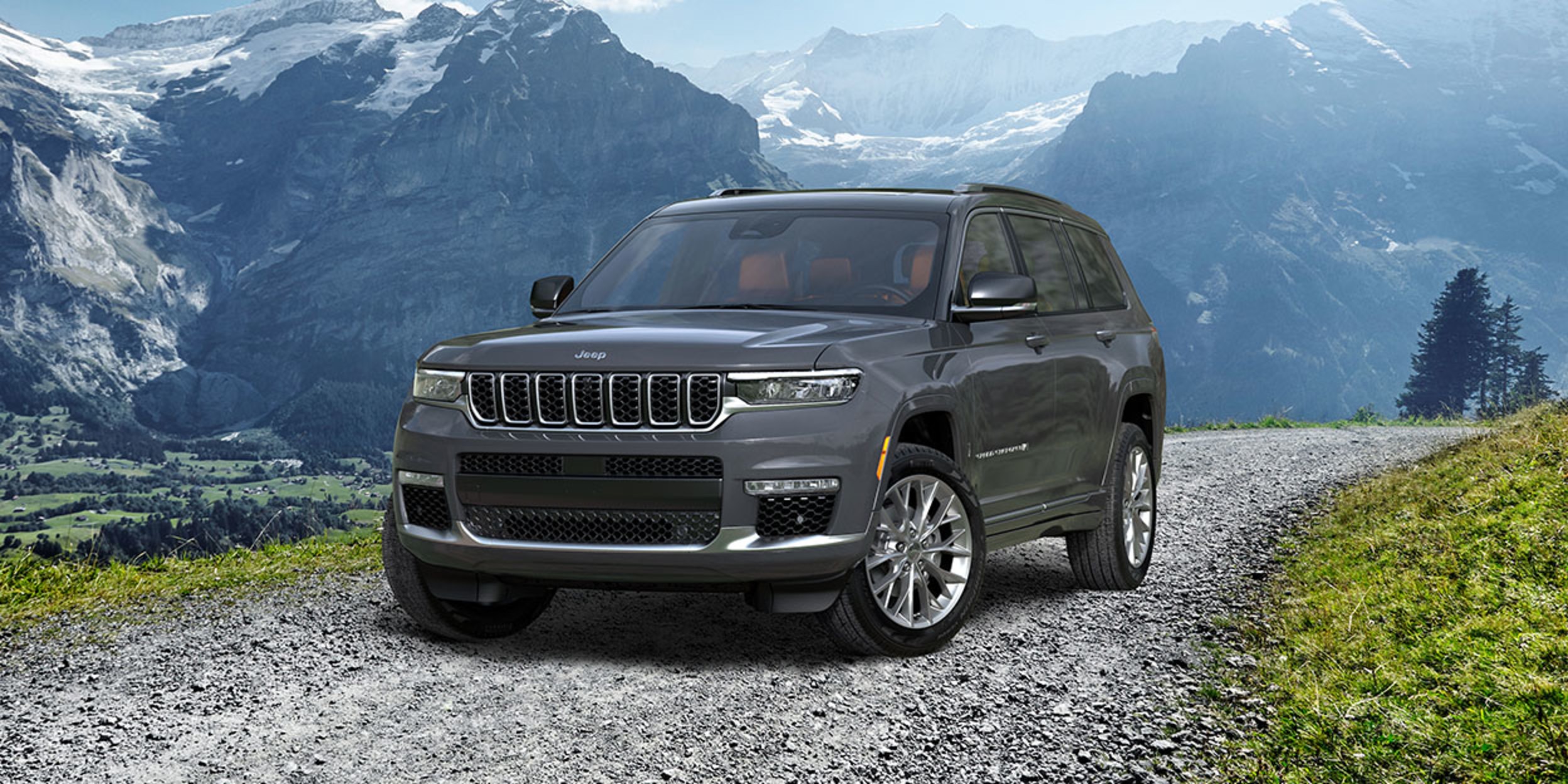
6. Jeep Grand Cherokee (Pre-2022 Models)
The Jeep Grand Cherokee has long been known for its versatility and off-road capability, but models produced before the 2022 redesign have often experienced drivetrain issues.
One of the more frequent complaints involves noise coming from the transfer case area, particularly linked to the bearings. These sounds may begin as faint growls or vibrations but can worsen after some time if left unaddressed.
The pre-2022 Grand Cherokee uses a range of four-wheel-drive systems, including Quadra-Trac I, II, and Quadra-Drive II. Each system employs a transfer case with internal bearings that manage torque delivery between the front and rear axles.
While the off-road abilities are commendable, the bearings have been known to wear out faster than expected. This leads to increased noise, especially when the vehicle is placed under load or during turning at low speeds.
A combination of factors may contribute to the problem. Some owners have noted that poor lubrication management inside the transfer case causes accelerated bearing wear. In other cases, manufacturing inconsistencies or alignment issues may create conditions that generate friction and noise.
After some time, the transfer case may develop a whining sound that increases with vehicle speed, a sign that the bearings are wearing unevenly or are lacking proper lubrication.
Repairing the issue often involves either a complete rebuild of the transfer case or replacing the worn bearings, which can be costly. Many Jeep owners have expressed frustration with the noise and the lack of a clear fix unless the unit is opened and overhauled.
While the newer 2022 and up models seem to address some of these concerns with redesigned systems, those considering earlier models should be aware of the potential for drivetrain noise and added maintenance. Despite its strengths off-road, the Grand Cherokee’s history with noisy bearings remains a valid concern.
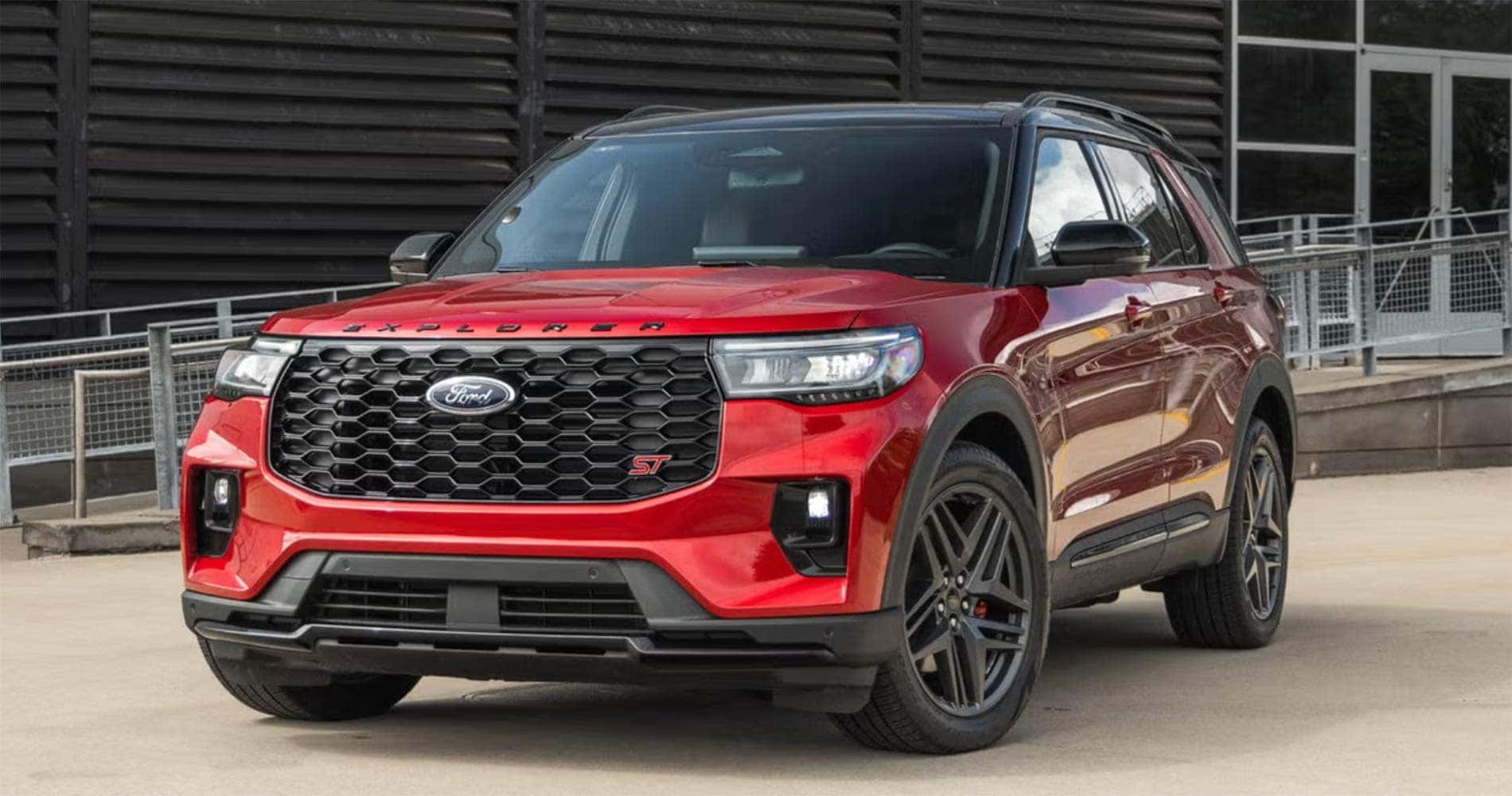
2. Ford Explorer (2011-2019 Models)
The Ford Explorer saw a major redesign in 2011 that included the introduction of a unibody structure and available all-wheel drive, but this change also brought some mechanical compromises.
One issue that has appeared in forums and service reports involves bearing noise originating from the transfer case. Drivers have described this noise as a whining or grinding sound that becomes more noticeable as the vehicle accelerates or changes torque distribution.
During this generation, the Explorer used an intelligent four-wheel-drive system that automatically redirected power between the front and rear wheels. The transfer case had to respond quickly and frequently, especially in slippery conditions.
Unfortunately, the bearings inside the transfer case often showed signs of premature wear. This would lead to vibrations felt through the floor or steering wheel and audible noise inside the cabin, especially during light throttle or coasting.
Owners have noted that the problem often arises between 80,000 and 120,000 kilometres. In some cases, the noise starts earlier, particularly if the vehicle was used for towing or frequent off-road driving.
While fluid changes can sometimes reduce the symptoms, they rarely solve the issue once the bearings start to wear down. Replacement of the entire transfer case or bearing assembly is often required.
One possible reason for the premature bearing wear lies in the design of the AWD system. Since the system relies on electronic actuators and sensors to adjust power delivery, the transfer case is in near-constant motion. Without top-tier bearings or precise assembly, wear becomes a real concern.
As a result, some owners have either chosen to disable the AWD system or switch to front-wheel drive to reduce the strain on the transfer case. While the Explorer offers a good blend of space and technology, its bearing noise issues have lowered confidence among some long-term users.
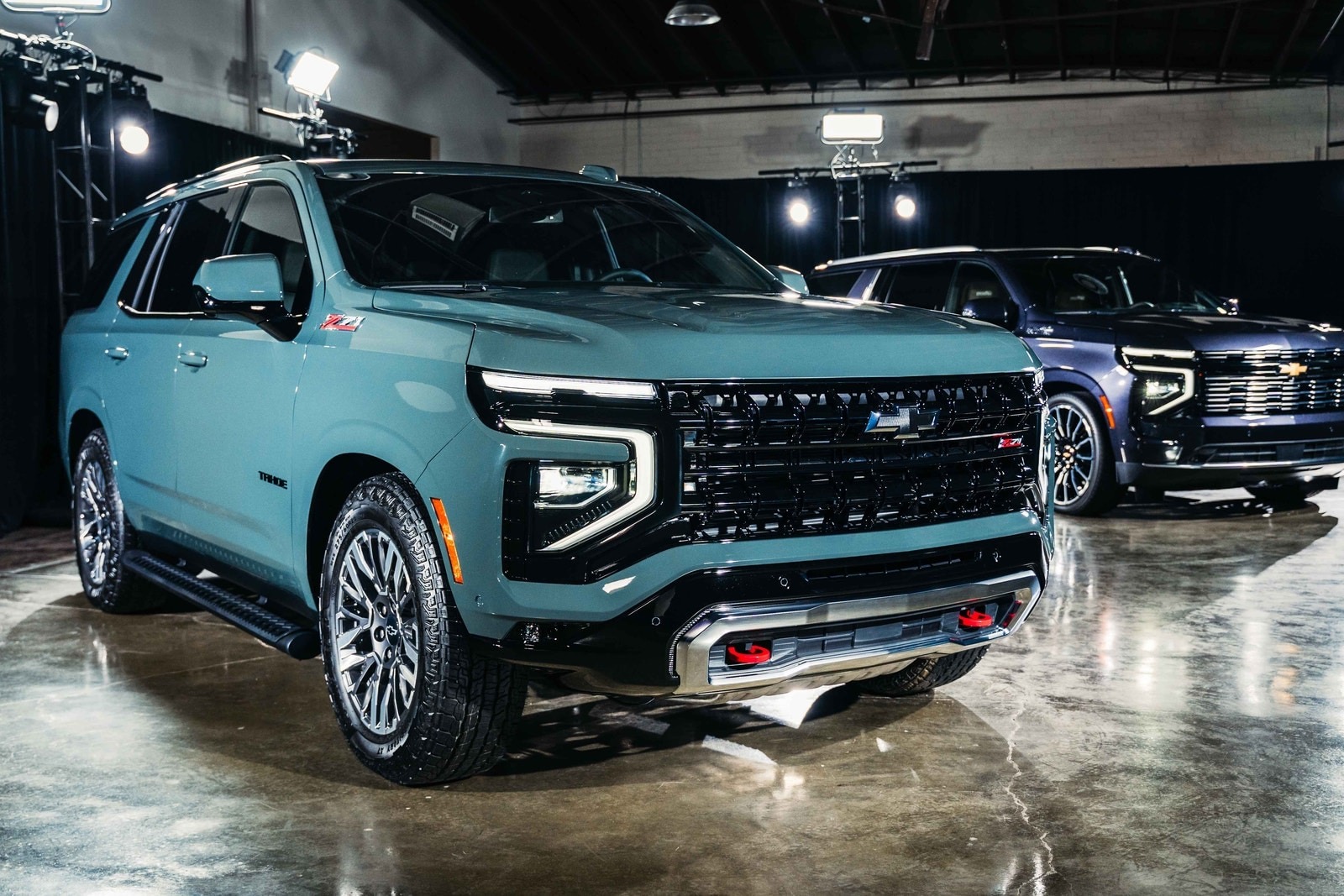
3. Chevrolet Tahoe (2015-2020 Models)
The Chevrolet Tahoe is a full-size SUV built for towing and hauling, but between 2015 and 2020, many owners reported issues tied to drivetrain noise.
A recurring complaint involves sounds coming from the transfer case, often caused by worn or poorly seated bearings. These symptoms typically show up after the vehicle has crossed the 100,000-kilometre mark, especially in models equipped with AutoTrac four-wheel drive.
The AutoTrac system automatically changes between two-wheel drive and four-wheel drive, which places considerable responsibility on the transfer case.
While the system offers convenience, it also leads to high-frequency engagement of the internal components, particularly the bearings. When the bearings begin to wear, owners report hearing a humming or grinding noise that becomes louder under load or when turning.
Mechanics have found that the issue often stems from insufficient lubrication or worn seals, which allow moisture to enter the transfer case. This not only shortens the life of the bearings but also increases the likelihood of corrosion inside the housing.
As wear progresses, the noise becomes more distinct and is often misdiagnosed as coming from the wheels or suspension. Some owners experience a shudder during acceleration, another sign of transfer case bearing issues.
Fixing the problem usually involves a teardown of the transfer case and replacement of the internal bearings, along with fresh fluid and seals. Since this is a labour-intensive task, the repair cost can be considerable.
Chevrolet has improved drivetrain components in newer models, but buyers considering used Tahoes from the specified years should pay close attention to drivetrain noises during test drives.
While the Tahoe remains a strong performer in towing and cargo capacity, these transfer case bearing issues have created added concerns for owners focused on long-term reliability.
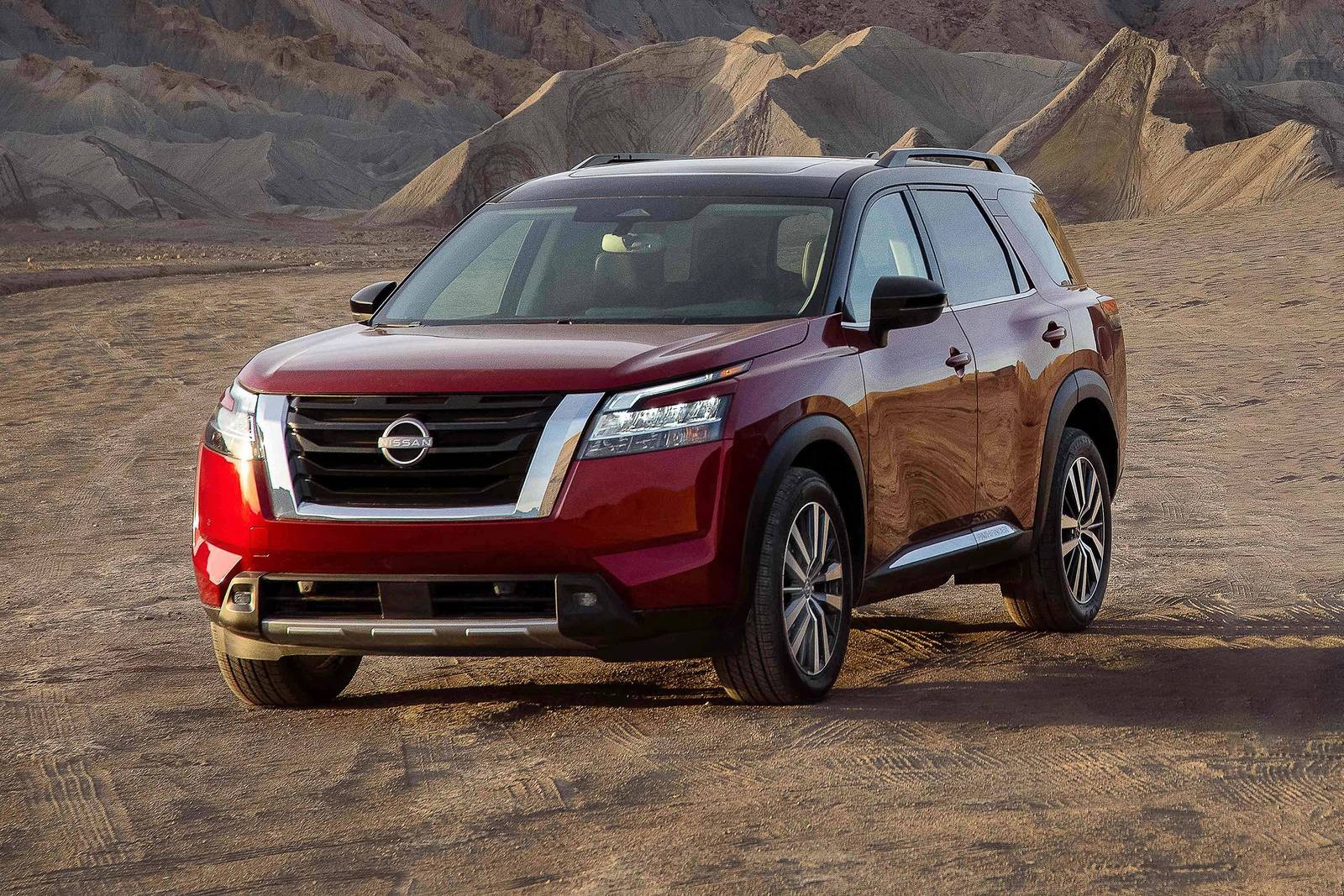
4. Nissan Pathfinder (2013-2019 Models)
Nissan’s decision to redesign the Pathfinder in 2013 to become a more family-oriented crossover was met with mixed reactions, especially among longtime lovers of its off-road versions. One issue that emerged during this generation is a drivetrain noise problem that can be traced back to the transfer case.
Drivers have described unusual humming, whining, or low-pitch grinding sounds during acceleration or steady cruising. In many cases, the problem is linked to internal bearing wear inside the transfer case.
The Pathfinder’s available all-wheel-drive system continuously monitors driving conditions and adjusts power between axles. While the technology is sound in theory, the system’s internal components are subject to constant mechanical adjustment.
After a while, this causes wear on the bearings, particularly if fluid servicing is skipped or if the vehicle is driven in challenging conditions such as snow, mud, or off-road trails.
Another issue stems from poor sealing within the transfer case housing. In some cases, water and dirt can find their way inside, accelerating the deterioration of the bearings. Once the bearings start to degrade, the noise begins to increase, especially under load.
Drivers have reported that the sound becomes more pronounced at specific speeds or when making slow turns. Unfortunately, the only permanent solution often involves replacing the affected bearings or even the entire transfer case.
Many Pathfinder owners have expressed disappointment with the drivetrain reliability during this period. Some have opted for extended warranties to help offset repair costs, while others have sold their vehicles early to avoid dealing with future repairs.
Nissan has made changes to drivetrain design in newer versions of the Pathfinder, but the 2013 to 2019 range remains vulnerable to this type of wear. Prospective buyers are encouraged to listen closely for drivetrain sounds during test drives, particularly if the vehicle has high mileage or lacks a service history.
Also Read: 5 Cars With Tech That Enhances Driving and 5 That Overcomplicate Everything
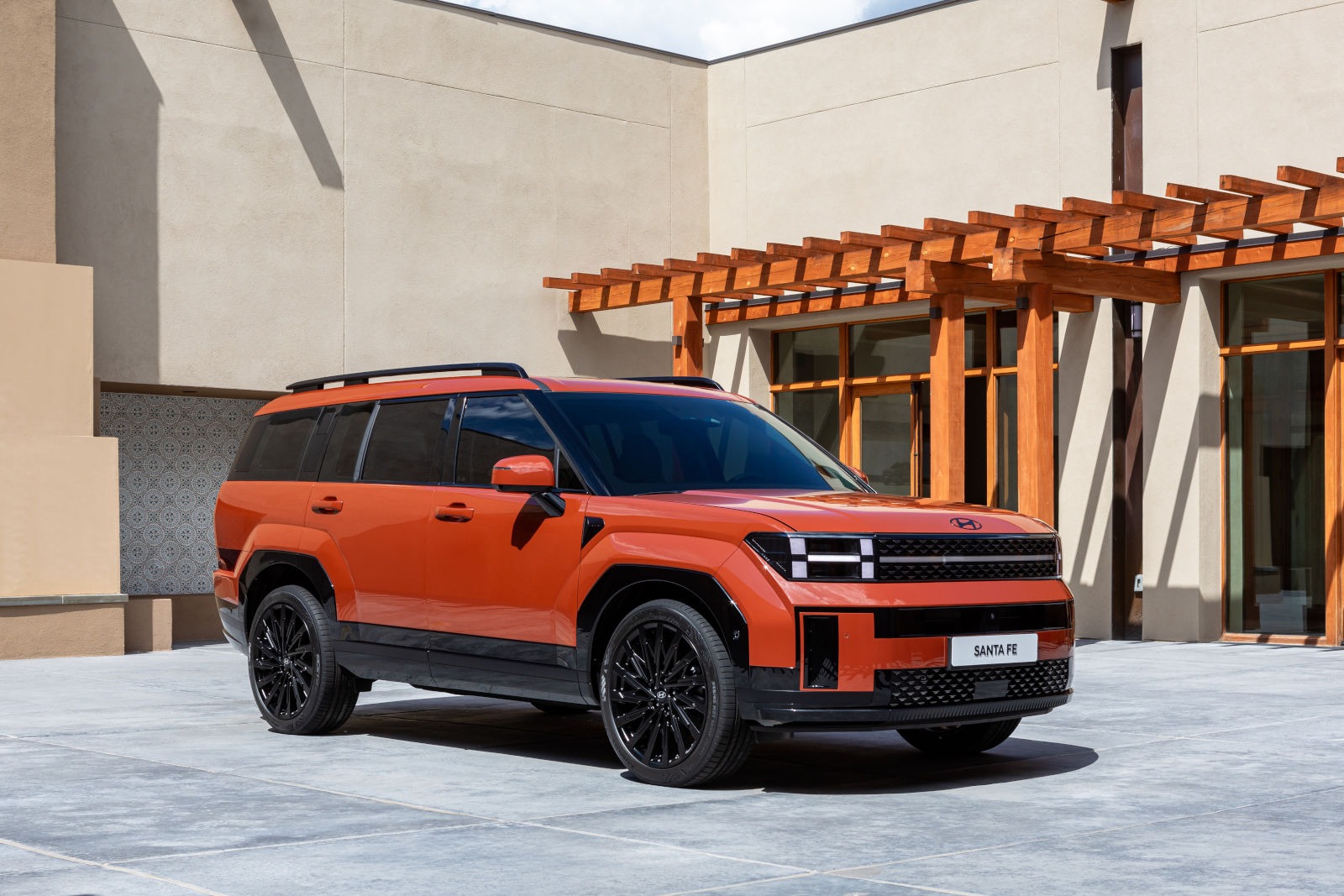
5. Hyundai Santa Fe (2010-2017 Models)
The Hyundai Santa Fe is a popular choice in the midsize SUV category thanks to its affordability and features, but models built between 2010 and 2017 have occasionally been linked to noisy transfer case bearings.
Drivers began reporting a loud whirring or droning noise that would occur during acceleration, deceleration, or when driving at constant highway speeds. These sounds often originated from the rear of the vehicle and were traced to the transfer case by mechanics familiar with the issue.
Hyundai’s AWD system in these models uses an electronically controlled coupling that engages the rear wheels when slippage is detected. The transfer case, housing the necessary bearings and gears, is constantly on standby.
When bearings wear out or become misaligned, they generate vibrations and noise that can be felt through the floor and steering column. Owners have described this as a deep growl or high-pitched whine, depending on the severity of the wear.
Poor lubrication and insufficient fluid intervals appear to be common contributors. Some vehicles were serviced at irregular intervals or filled with incorrect fluid types, which affected the bearings inside the transfer case.
Once the damage begins, the only way to restore proper function is to replace the bearings or, in some cases, replace the entire housing. This can be a frustrating expense for owners expecting a maintenance-free experience from a newer vehicle.
Hyundai attempted to address the issue through service bulletins and updated part specifications, but not all affected models were covered under warranty. Some drivers had the problem return even after initial repairs.
As such, buyers considering a used Santa Fe from this time frame should request a complete drivetrain inspection before finalizing a purchase. Although newer Santa Fe models have improved drivetrain construction, this generation remains an example of how bearing quality can affect long-term satisfaction.
