
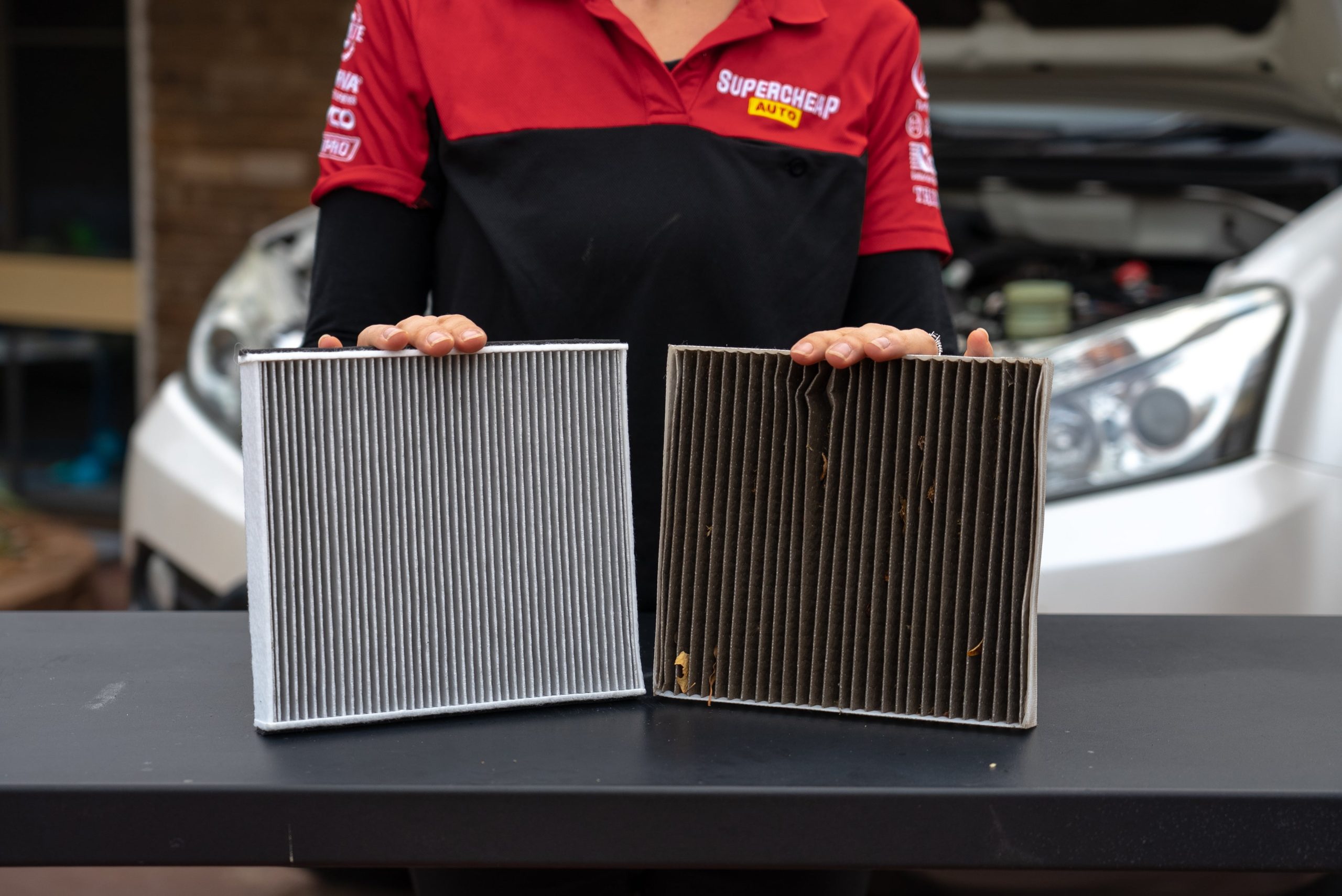
The performance and comfort level of any vehicle rely on several components that may not be immediately visible to the average driver. Among these components, the cabin air filter plays a critical role in maintaining a healthy interior environment.
It keeps pollutants, dust, pollen, and even offensive odours from entering the vehicle through the HVAC system. When the cabin filter is sealed properly and well-maintained, it ensures that the air inside the vehicle remains clean and breathable for passengers, reducing allergic reactions and respiratory discomfort.
This is especially vital for drivers who spend extended periods behind the wheel or live in areas with poor air quality. However, not all vehicles come with sealed or efficient filtration systems. In some cases, poorly maintained filters or design flaws can lead to clogged air intakes.
When the intake system gets blocked with debris or dust, it not only hampers the vehicle’s heating and cooling capabilities but also strains the entire ventilation system. This leads to poor airflow, reduced air conditioning efficiency, and can cause long-term damage to internal components of the HVAC unit.
We will compare ten sport utility vehicles by highlighting five models known for their well-sealed and durable cabin air filters versus five that have gained a reputation for frequent air intake clogging issues.
The difference between these two groups sheds light on how vital clean airflow is, not just for passenger health but also for the mechanical longevity of the vehicle.
Whether one is considering a new purchase or maintaining an existing SUV, understanding which models excel in cabin filtration and which fall short could influence both short-term satisfaction and long-term reliability.
Each vehicle listed below has been discussed at length, taking into account real-world performance, owner experiences, and maintenance patterns surrounding air filter and intake conditions.
5 SUVs with Sealed Cabin Filters

1. Toyota Highlander
Toyota Highlander has developed a strong reputation for its refined interior and dependable engineering. One of the vehicle’s stand-out features lies in its well-sealed cabin filtration system, which contributes to maintaining a clean and comfortable atmosphere inside the SUV.
From the moment a driver activates the air conditioning or heating system, the filtration begins to work efficiently. The filter is designed to trap fine dust, allergens, and airborne contaminants before they reach the occupants. This becomes especially relevant for families with children or passengers sensitive to airborne triggers.
The cabin filter in the Highlander is housed in a carefully designed compartment that offers superior sealing, preventing unfiltered air from slipping through gaps or bypassing the filter medium.
Toyota’s use of high-quality filter materials further enhances the performance of this system, allowing it to operate effectively even in dusty environments or during extended usage. The longevity of the filter is impressive, requiring replacement only after long mileage or when used under harsher conditions.
Owners have often praised how the Highlander’s HVAC system manages to maintain fresh air circulation without allowing external pollutants to interfere. In highly urbanised areas where smog and heavy traffic are common, the sealed system has proven useful for reducing unpleasant odours and improving entire comfort.
Another benefit is that the system does not get overwhelmed during periods of high demand, such as hot summers or chilly winters, where continuous operation is required.
Even during seasonal changes when pollen levels rise, the Highlander continues to deliver filtered air without experiencing a drop in airflow performance. For maintenance,
Toyota provides easy access to the filter, allowing vehicle owners to inspect or replace it with minimal tools and effort. This blend of effective filtration and accessible maintenance makes the Highlander a strong choice for drivers seeking consistent indoor air quality.

2. Honda Pilot
Honda Pilot combines spacious design with reliable engineering, and one area where this SUV has continued to perform well is in its HVAC air filtration setup.
The cabin filter in the Pilot is well-protected and housed securely behind a sealed cover within the dashboard assembly. This enclosure helps eliminate the intrusion of contaminants such as dust, road grime, and even microscopic allergens.
What sets the Honda Pilot apart is the structural integration of the air filter into the entire design of the climate control system. The filter is tightly fitted, leaving no gaps that could allow dirty air to bypass the medium.
It captures a broad range of pollutants, improving indoor air clarity and freshness. This is particularly beneficial for users driving through industrial zones or congested urban environments.
The Pilot’s filtration system is backed by Honda’s attention to detail in material selection. The filter medium features multiple layers that handle fine and coarse particles alike.
Owners who regularly commute with pets or drive through areas with heavy foliage have often commented on how clean and breathable the air remains inside the cabin.
Servicing the Pilot’s filter is also relatively straightforward, making it accessible for DIY maintenance. The housing design allows easy removal and replacement of the filter without requiring special tools or professional support.
Despite frequent usage, the system does not lose efficiency easily, and airflow remains consistent through various weather conditions.
Honda Pilot’s strong cabin filter performance has contributed to the SUV’s reputation as a family-friendly and travel-ready option.
The sealed system extends the life of the HVAC components by reducing internal build-up, while simultaneously ensuring that the driver and passengers are not exposed to unhealthy air levels. This quality keeps the Pilot a dependable choice for those prioritising air hygiene inside their vehicle.
Also Read: 5 Cars You Can Maintain at Home and 5 That Require Dealer Visits for Everything
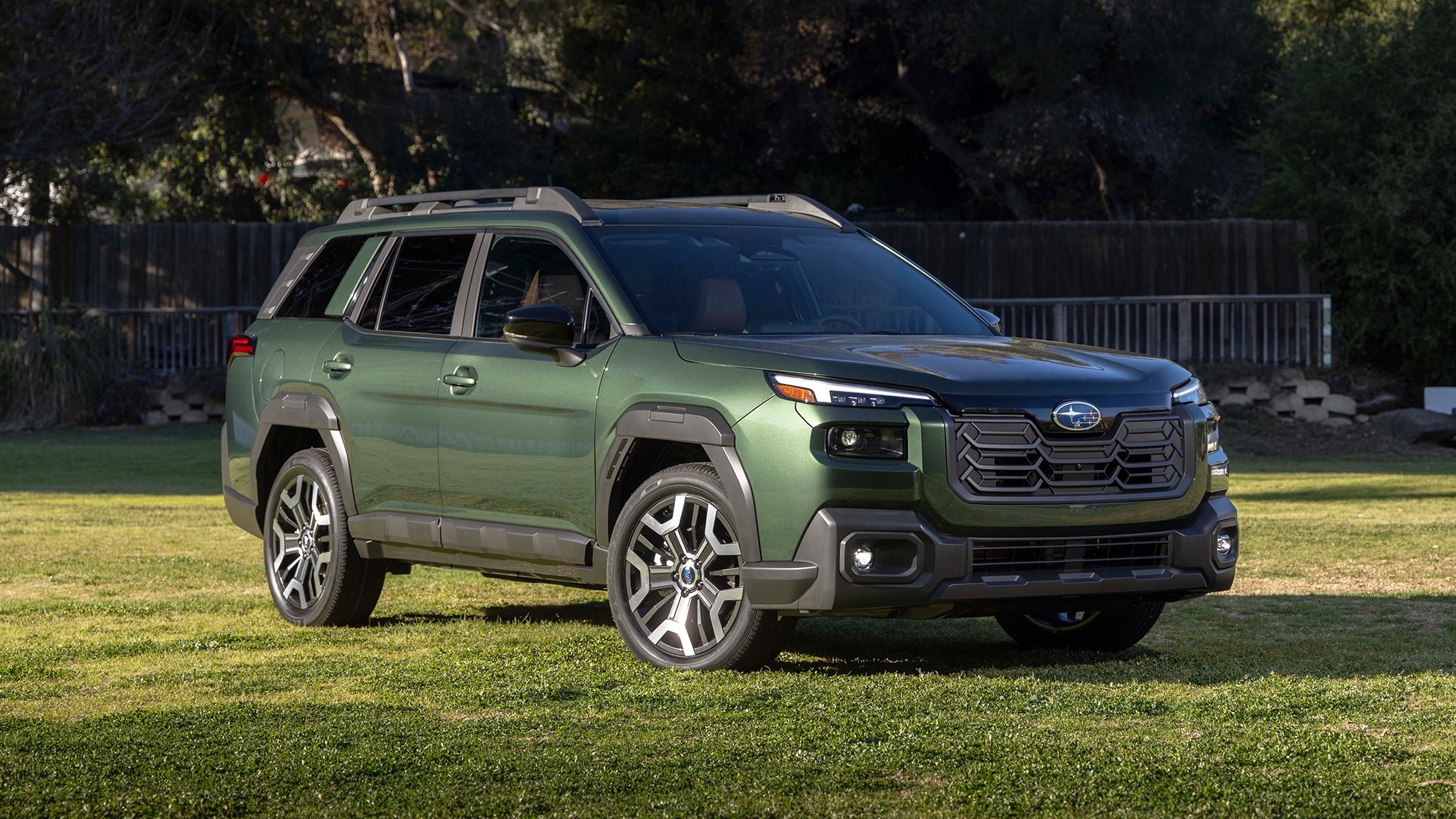
3. Subaru Outback
Subaru Outback is known for its off-road capabilities and practical design, but one of its less visible strengths is the sealed cabin filter system integrated into the HVAC unit.
Subaru equips the Outback with a cabin air filter that operates efficiently to remove allergens, dust, and smoke particles from entering the passenger compartment. This sealed unit ensures that the filter performs without leakages around its edges.
Designed with adventurous drivers in mind, the Outback offers a reliable filtration system that performs well even when exposed to dusty trails or pollen-heavy countryside routes.
The filter housing is strategically positioned to resist moisture build-up and prevent exposure to mud or road debris, which helps prolong filter life and prevent early clogging.
What adds value to the Outback’s sealed filter system is the ease of access during maintenance. It can be removed and replaced with minimal mechanical knowledge, giving users more control over maintaining their cabin air quality.
Subaru has invested in filter materials that are both durable and fine enough to trap micro-particles, contributing to cleaner and fresher air.
User feedback frequently highlights the consistency of airflow and minimal dust accumulation within the vehicle interior, which speaks volumes about how well the sealed system functions.
During long-distance drives, passengers have expressed appreciation for the fresh air feel inside the SUV, even after passing through areas with heavy construction dust or wildfire smoke.
Whether parked in pollen-heavy environments or used daily in cities with high traffic pollution, the Outback’s air filtration system continues to perform.
The sealed nature of its cabin filter assembly keeps contaminants from bypassing the system and also protects the HVAC unit itself from long-term damage due to debris accumulation.

4. Mazda CX-5
Mazda CX-5 continues to earn appreciation for combining stylish looks with practical engineering. A part of what makes this SUV a well-rounded option is its properly sealed cabin air filter system.
Drivers who prioritise indoor air purity have found the CX-5 to be a dependable choice. The filter is integrated into a tightly sealed compartment that prevents the inflow of pollutants, ensuring that every breath taken inside the vehicle is clean and free of harmful particulates.
The filter setup in the CX-5 is backed by multi-layer technology that captures both visible and microscopic particles. Whether the air outside is filled with dust from nearby construction or allergens during peak pollen seasons, the SUV’s air filtration system manages to keep the cabin fresh and clean.
Unlike some vehicles where the filters allow bypass due to poor sealing, the CX-5 maintains consistent protection across all HVAC settings.
One advantage of Mazda’s approach lies in the compact design of the system, which makes maintenance straightforward. Accessing and replacing the cabin filter does not require extensive disassembly.
This encourages more frequent upkeep, which further helps the air system perform at high efficiency. Long trips remain comfortable since the cabin filter retains its effectiveness over extended usage.
Many users have noted that air conditioning performance does not suffer after a while due to clogged internal airflow paths, which can happen when filters are not sealed correctly.
Instead, the CX-5 maintains steady airflow and cooling output. The SUV also avoids stale or musty odours inside, which often develop in vehicles where moisture and pollutants are allowed to linger in the HVAC system.
With a reliable filter seal and minimal airflow disruption, the Mazda CX-5 has proven that even stylish crossovers can offer performance in areas that directly affect passenger health and comfort. It remains one of the cleaner-air options available in its segment.

5. Ford Edge
Ford Edge provides a balance between sporty styling and efficient performance, with its sealed cabin air filter serving as a hidden asset that many users have come to appreciate.
The cabin filter in the Edge is not only well-sealed but is also engineered to handle diverse environmental conditions. Whether dealing with winter road grime, spring pollen, or dusty summer roads, the Edge’s system is built to offer consistent air quality protection.
The HVAC system in the Edge is fitted with a filter compartment that is tightly enclosed, which prevents unfiltered air from reaching the occupants.
Ford’s filter uses multiple layers of synthetic fibre to trap debris, smoke particles, and airborne bacteria. This system performs without compromise even during extended use, maintaining breathable conditions within the vehicle.
One feature that drivers of the Edge appreciate is the fact that the filter assembly remains protected from water intrusion.
Even after heavy rains or snowy conditions, the air intake pathway remains dry, which helps keep the filter effective for longer periods. The structure of the compartment ensures that road splashes or slush do not affect the performance of the filter.
Maintenance is not complicated either. Accessing the filter requires no special knowledge, which promotes timely replacements. The sealed nature of the system also means that dust build-up inside the HVAC unit is kept minimum. This reduces maintenance costs and extends the functional lifespan of other ventilation components.
Passengers have commented on how the Edge retains a clean-smelling cabin without needing chemical air fresheners. Long drives remain pleasant even in heavy traffic, as external pollutants are efficiently filtered.
The sealed system contributes not just to better air but also to general durability, making the Edge a practical and comfortable option among midsize SUVs.
5 SUVs with Clogged Intakes

1. Jeep Grand Cherokee
Jeep Grand Cherokee is admired for its rugged design and strong off-road performance, but it has also been associated with issues related to clogged cabin air intake systems.
Many owners have raised concerns about the vehicle’s air filtration being less effective a long time, especially when used in environments with high dust levels or falling leaves.
The positioning of the intake area under the hood can make it more prone to collecting debris, especially during seasonal changes or in off-road terrain.
The Grand Cherokee’s cabin filter is functional when new, but the filter housing is not sealed as tightly as some of its competitors. This allows small amounts of dirt and particulate matter to bypass the edges of the filter and enter the ventilation ducts.
In some models, water exposure from heavy rain or car washes has been reported to carry debris into the intake system, leading to moisture accumulation and clogged filters. This has resulted in reduced airflow and musty odours when the air conditioner is turned on.
Another common issue with this SUV is the accumulation of leaves, sand, or even small insects inside the HVAC plenum chamber. Once debris builds up, it clogs the filter faster than normal, decreasing efficiency and increasing the load on the blower motor.
Drivers have complained of weaker airflow through the vents and uneven temperature regulation inside the cabin. After a while, this can contribute to mechanical problems in the HVAC system, requiring expensive maintenance or replacement.
Some owners have resorted to aftermarket solutions, including installing mesh covers or modifying the intake area to reduce the chance of clogging. However, these are workarounds that add to the ownership burden. Servicing the Grand Cherokee’s air filter can also be more difficult compared to rivals, with tighter access points and less intuitive filter placement.
Despite its reputation for strength and durability, the Grand Cherokee faces disappointments when it comes to maintaining a consistently clean airflow due to clogged intake tendencies. This drawback should be kept in mind for those who plan to use the SUV frequently in environments filled with pollen, dust, or road debris.

2. Chevrolet Traverse
Chevrolet Traverse delivers comfort and space, making it a preferred choice among families. However, many owners have experienced challenges with the vehicle’s cabin air intake system, especially when driving through areas with heavy leaf fall or dust.
The design of the intake vents at the base of the windshield often leaves them exposed to environmental debris. Once the intake becomes obstructed, the HVAC system starts operating under strain.
One of the core problems is that the cabin filter area does not offer complete sealing. This partial enclosure allows fine dust and plant matter to enter the air ducts, even if the filter is relatively new. In the course of time, the compromised sealing allows debris to clog up the blower motor, leading to unpleasant sounds and decreased ventilation power.
Owners have frequently pointed out that the air inside the vehicle begins to smell stale after only a few weeks of filter use, especially during autumn or spring.
When the HVAC system is in constant use, this accumulation of particles often causes the vehicle to lose efficiency in regulating temperature. During colder months, the heating function takes longer to warm the cabin, while the air conditioning feels weak during the heat of summer.
Routine maintenance becomes more of a challenge due to the location and assembly of the filter. While the filter itself is easy to replace, the build-up of debris in the surrounding housing means owners often have to clean the intake vents manually, which adds unnecessary effort
The need for more frequent filter changes, combined with limited sealing, results in higher maintenance costs for the air system.
Although the Traverse scores high for interior space and comfort, its intake system design fails to match the standard of its rivals in terms of protecting cabin air from contamination.
Owners may need to consider additional precautions or perform more regular checks to ensure their HVAC system continues to deliver fresh airflow throughout the year.

3. Nissan Pathfinder
Nissan Pathfinder brings strong value through its spacious layout and practical design, but it faces concerns when it comes to cabin air filtration efficiency.
The design of the air intake system has made the vehicle more vulnerable to clogging, especially in dusty climates or areas surrounded by trees. Leaves, dirt, and even road salt have been found to accumulate in and around the intake, affecting the airflow and air quality inside the SUV.
One reason for this issue is the lack of complete sealing around the filter compartment. When the vehicle is in use, especially during high fan operation or recirculation mode, debris can get pulled through gaps surrounding the filter.
This compromises the air purification process and causes strain on internal components. In the course of time, drivers may notice that their vehicle’s interior becomes harder to ventilate properly.
Another challenge lies in the drainage system. Water can collect near the intake vents and mix with trapped dirt, creating a muddy film that worsens the clog.
This leads to restricted air movement through the HVAC system, as well as potential corrosion if the moisture is not cleared. Several users have reported blower motor issues and mildew growth inside the ducts, making it uncomfortable to run the system.
Owners attempting to perform basic maintenance often face inconvenience due to the filter’s location and surrounding parts.
Removing and replacing the filter might require extra effort, including removing panels or glove compartments. This complexity discourages timely filter changes, which only worsens the clogging problem over a long period of time.
While the Pathfinder has much to offer in other areas, its cabin air intake system requires closer attention to prevent ventilation problems.
Regular inspection and preventive cleaning are recommended for owners hoping to maintain a fresh and comfortable driving experience. Without these precautions, the risk of airflow blockage and HVAC malfunctions remains high.
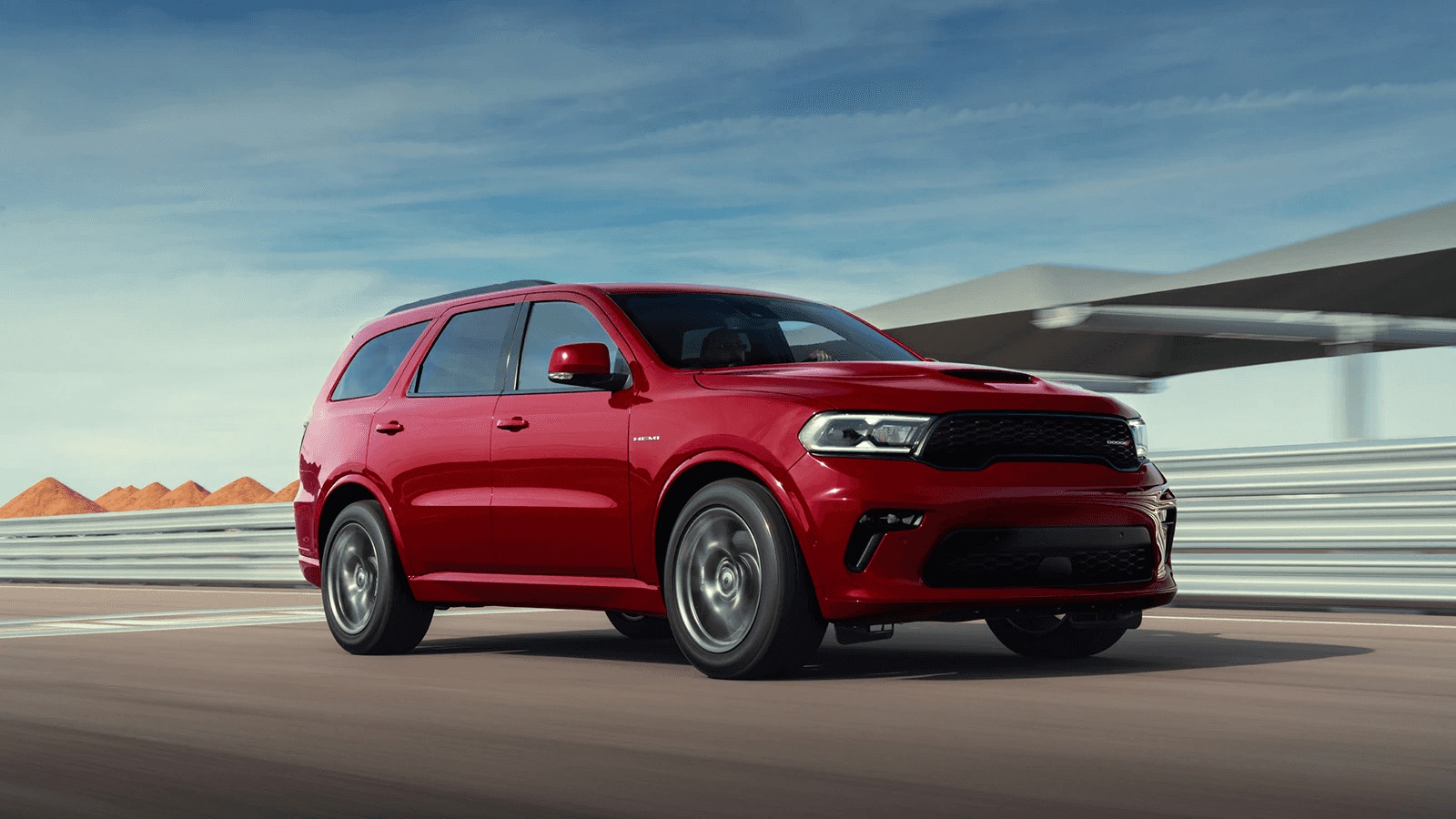
4. Dodge Durango
Dodge Durango offers muscular styling and powerful engine options, but when it comes to cabin air cleanliness, the SUV does not perform as strongly.
Many users have reported issues with clogged intake systems, which affect both air quality and HVAC system durability. The main trouble comes from the design of the intake vents positioned near the hood area, which are prone to collecting environmental debris.
The Durango’s filter housing lacks complete sealing, allowing small contaminants to pass around the edges. This weakness becomes a bigger issue when the vehicle is driven in areas with heavy dust, pollen, or tree coverage.
Without proper sealing, these particles find their way into the HVAC system, clogging filters faster and creating additional maintenance requirements.
As clogging progresses, the effectiveness of the air conditioning and heater decreases. Airflow through the vents may start to feel weaker, or passengers may begin to notice uneven cooling and heating throughout the cabin.
In some instances, owners have noted the presence of foul odours caused by moisture being trapped in the system, mixing with dust or mold spores.
Blower motor problems have also been documented in connection with clogged intake issues. A blocked intake causes the motor to work harder than necessary, which increases the likelihood of failure. Repairing such problems often comes with high costs, especially when debris reaches deep into the ventilation ductwork.
Accessing the cabin filter for regular service is not as easy as it could be. Users may need to disassemble more parts than in competing SUVs, which leads to reduced maintenance frequency and allows blockages to worsen over a long period of time.
Some drivers have attempted DIY modifications to protect the intake openings, but these changes are not factory-recommended and come with their risks.
Despite its performance in other areas, the Dodge Durango falls short in managing cabin air quality. Potential buyers should be aware of the need for frequent cleaning and extra vigilance to prevent clogged intakes and HVAC problems.
Also Read: 5 Cheap Used Cars That Could Become Future Collectibles vs 5 That Remain Unvalued
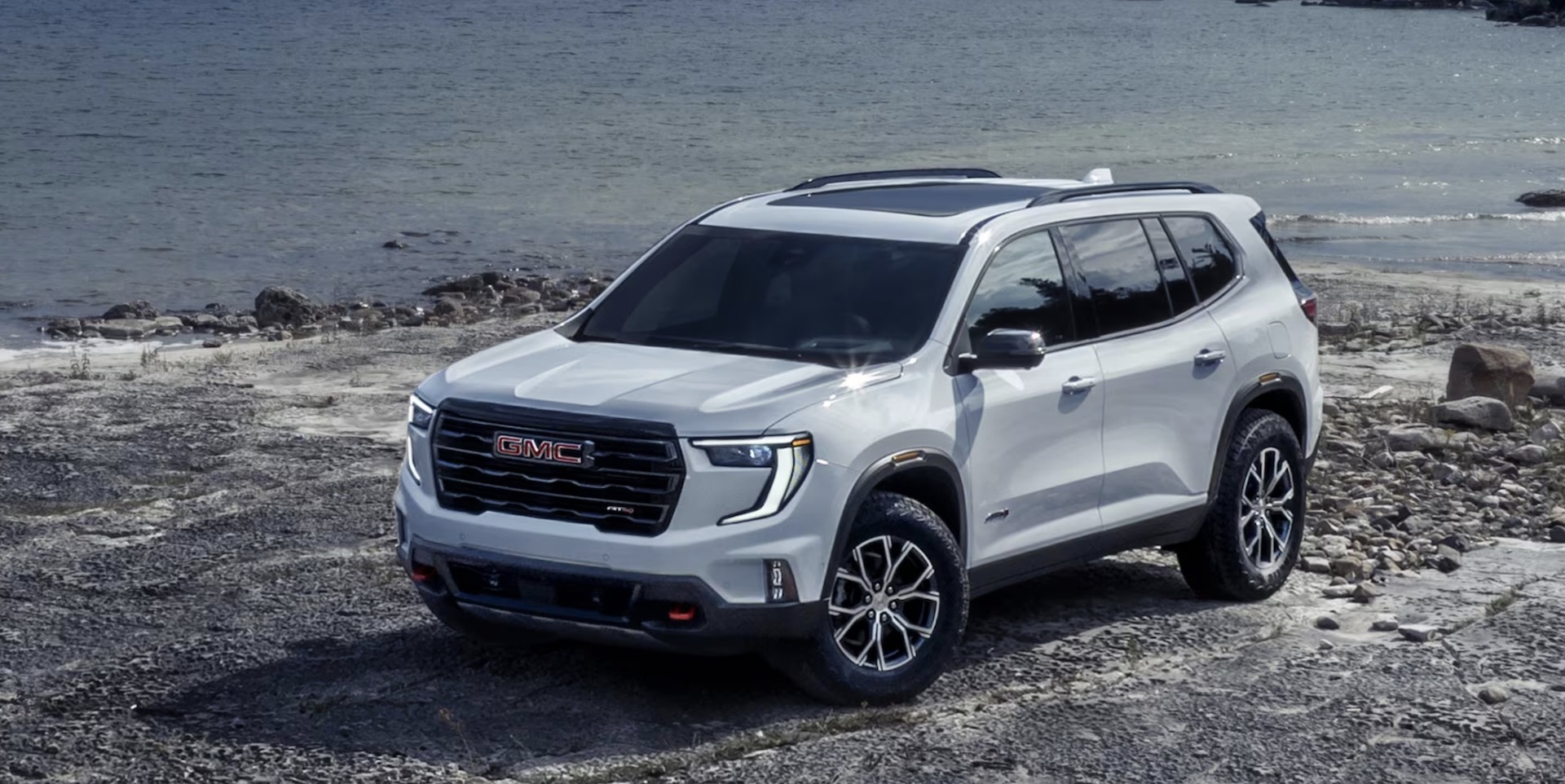
5. GMC Acadia
GMC Acadia combines comfort and technology, yet its air intake setup has caused concern for several vehicle owners. The air vents that allow outside air into the vehicle are positioned in such a way that they become susceptible to blockage from dirt, small stones, and leaf fragments
. This leads to rapid clogging, which reduces HVAC performance and may create lasting damage if not addressed quickly.
One contributing factor to this issue is the less-than-complete sealing of the cabin filter compartment. This lack of a tight seal allows certain debris to bypass the filter, contaminating the duct system and weakening airflow.
The HVAC system must then work harder to pull air into the vehicle, which increases the risk of early wear and tear on fans and motors.
During rainy or snowy periods, water tends to collect near the intake area, bringing with it additional grime that gets lodged in the vents. This leads to foul smells when the system is in use, especially during the start of each season. Mold growth has also been reported by drivers who failed to detect early signs of blockage.
Replacing the cabin filter requires piloting some tight spaces, and improper installation may allow even more debris to bypass the filter.
This adds to the maintenance burden for those who prefer to handle vehicle upkeep themselves. Several users have had to clean out not only the filter but also the entire intake chamber and blower housing to restore proper function.
Though the Acadia performs well in other departments like ride comfort and infotainment systems, it has a track record of HVAC inefficiency due to clogged intake problems.
Owners should inspect their air system regularly, especially during seasonal transitions or after long trips through dusty terrain. Without such attention, the air quality inside the SUV and the long-term reliability of its HVAC system may suffer.
