
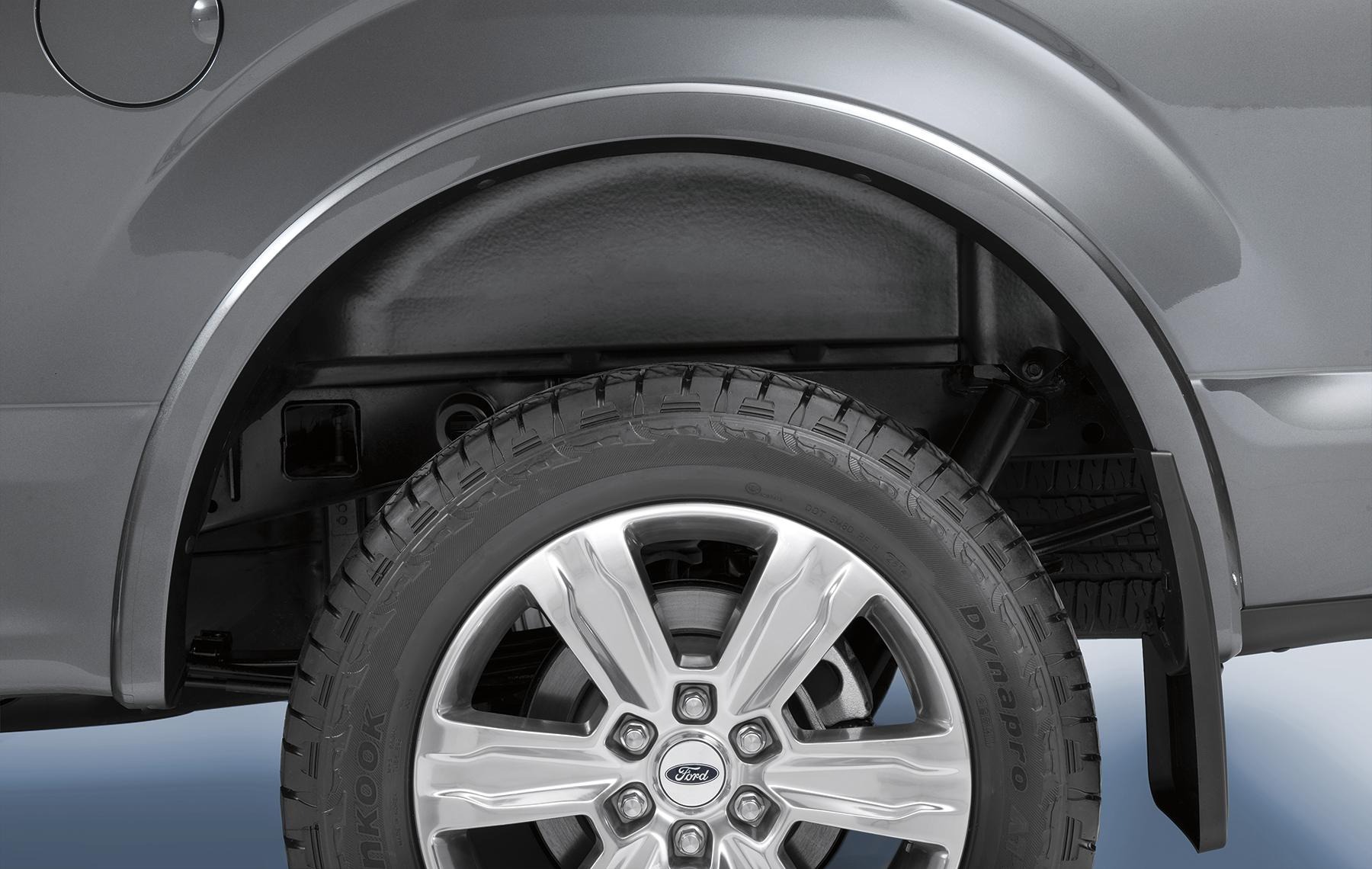
When assessing a car’s long-term durability, most people pay close attention to the engine, transmission, and mileage. However, one part that rarely gets enough credit is the wheel well. While often hidden and overlooked, the wheel well plays a serious role in preserving a vehicle’s structural integrity.
It shields crucial components from road debris, moisture, and salt. In regions with heavy snow or near coastal areas where salt and moisture are common, wheel wells face the risk of rusting quickly if they are not built with the right materials or treated with anti-corrosive measures.
Rust in the wheel well area can do more than just create an eyesore. If left untreated, it can compromise the vehicle’s strength, create dangerous conditions, and lead to expensive repairs.
Some manufacturers go the extra mile by applying protective coatings or designing wells with high-grade steel or corrosion-resistant materials. Others, unfortunately, cut corners and use untreated metal or fail to include proper drainage. The difference becomes visible after just a few years of ownership.
We are going to focus on ten cars, split into two groups. First, we will examine five vehicles known for having wheel wells that remain intact for many years, even under tough conditions. These cars have shown resistance to rust through the use of advanced materials or thoughtful engineering.
After that, we will turn our attention to five models that have developed a reputation for rust problems around the wheel wells, even with regular maintenance.
This comparison will be helpful for those who live in harsh climates or who simply want to make a smart decision for long-term ownership. Choosing a car with durable wheel wells can save time, money, and frustration, and help a vehicle maintain its value for much longer.
5 Cars with Lifetime Wheel Wells
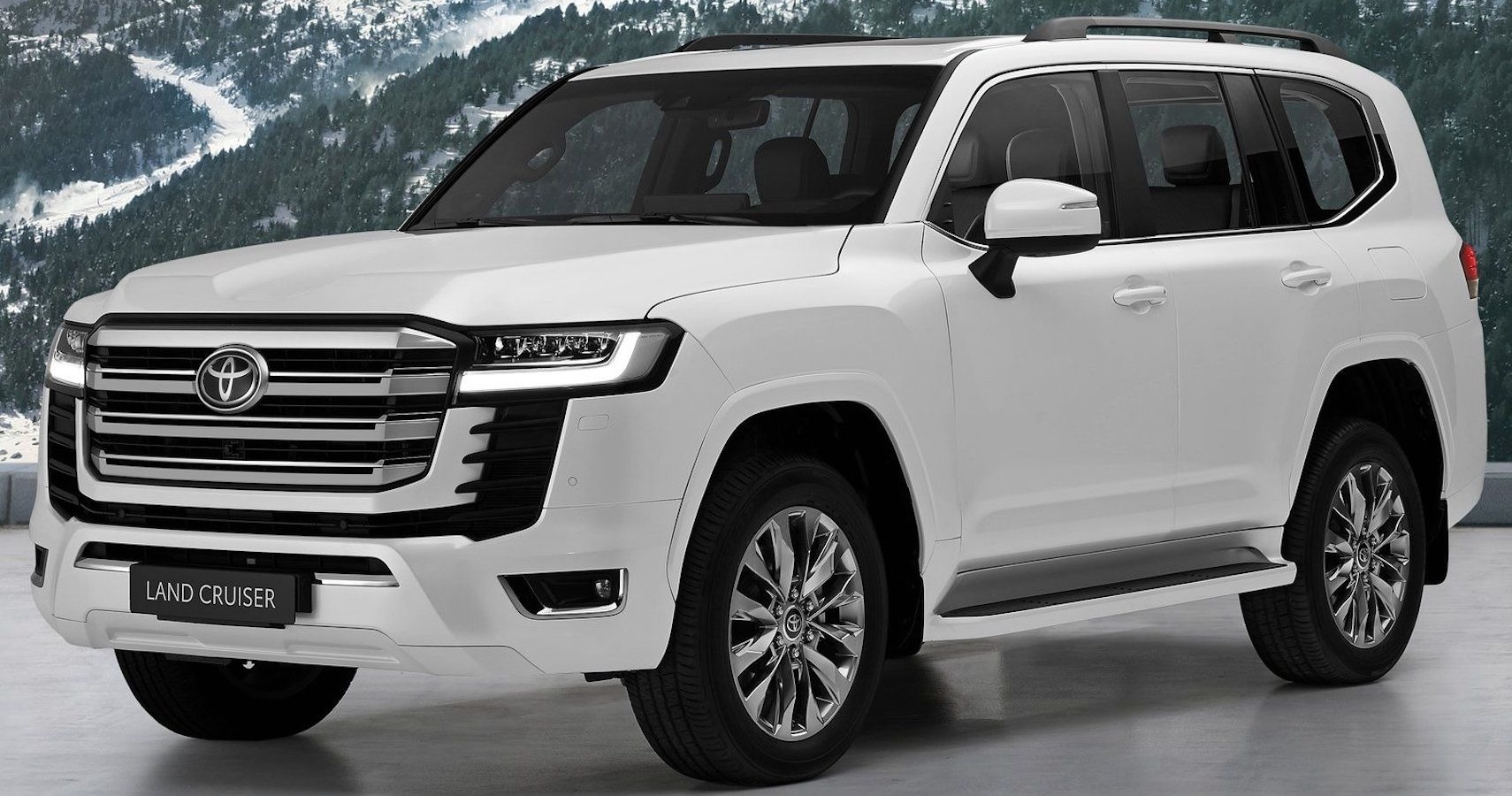
1. Toyota Land Cruiser
The Toyota Land Cruiser has long been respected for its strength and off-road capability. What many buyers do not realise is that its build quality extends to areas that are not often in view, such as the wheel wells.
Over several generations, Toyota has constructed this vehicle to survive extreme terrains, including regions where road salt and moisture are common.
The Land Cruiser’s wheel wells are often made with galvanized steel, which has a zinc coating that helps prevent rust from forming. In addition to the quality of materials used, Toyota applies underbody treatments that include rust-proofing compounds.
This attention to detail makes the Land Cruiser an ideal choice for anyone who expects to drive through muddy backroads, snowy mountain passes, or salty coastal roads.
Even owners who live in regions where snow is present for nearly half the year have reported that their Land Cruisers remain structurally sound after a decade.
The vehicle’s engineering includes drainage systems that prevent water from pooling inside the wheel wells. When water lingers, that is when corrosion begins, but this is less likely to happen with the Land Cruiser.
Apart from being mechanically strong, the vehicle’s resale value is also supported by the fact that it does not develop rust in its lower body parts.
Mechanics who inspect used Land Cruisers often note the surprising lack of corrosion even in older models. While no car is truly immune from rust, the Land Cruiser gets close. Regular washing, particularly during winter, keeps its wheel wells in good shape.
Even with high mileage, you will often find Land Cruisers with wheel arches and fenders that are free from blistering paint, surface bubbles, or any brown-orange flaking.
For those in snowy regions or those who use their vehicle frequently on rugged terrain, this SUV offers peace of mind. Toyota’s commitment to durability has paid off with the Land Cruiser’s exceptional protection against rust, especially around the wheel wells.
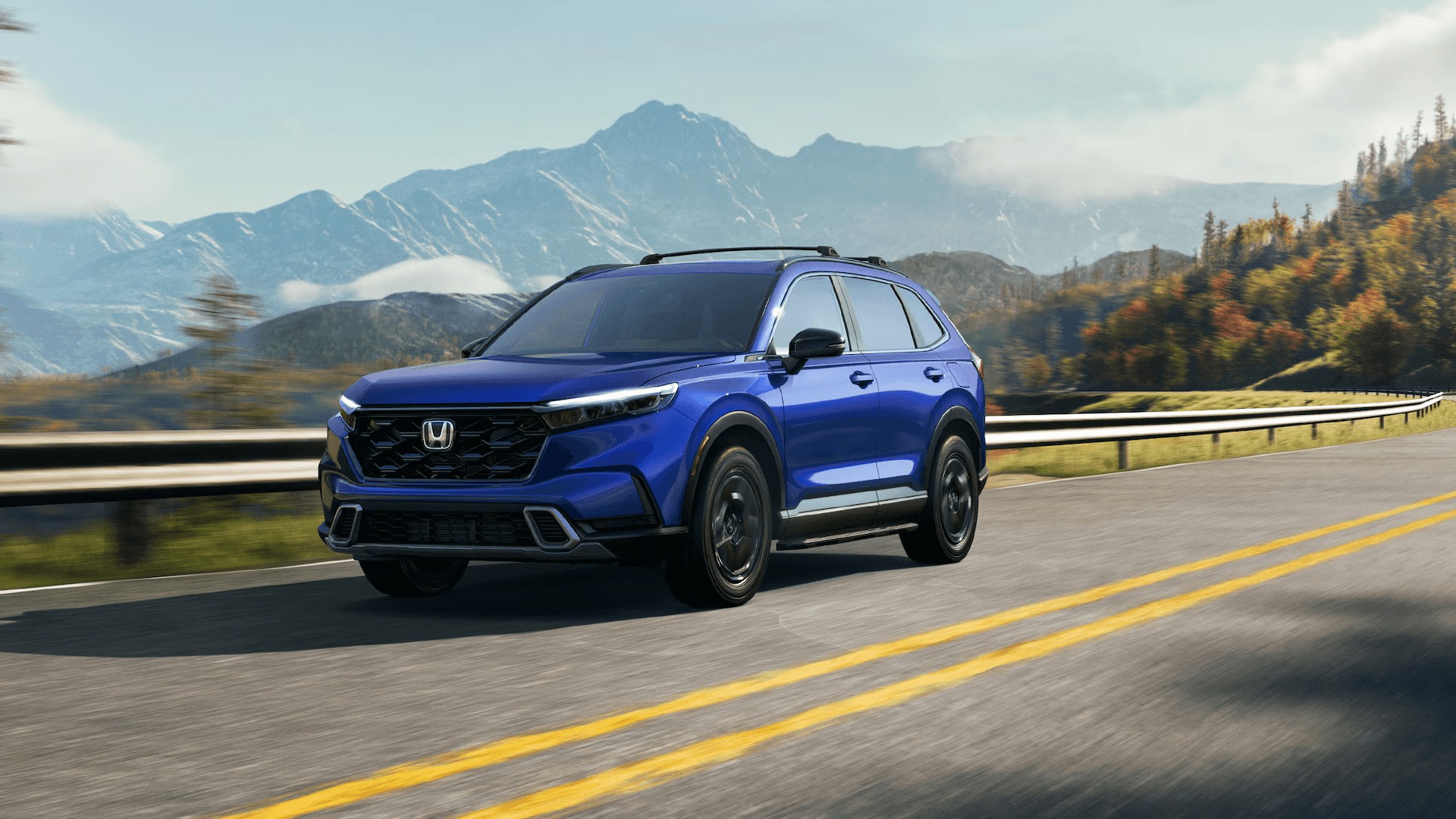
2. Honda CR-V
The Honda CR-V is often chosen for its dependability, but it also impresses when it comes to how well it handles exposure to moisture and salt. Many compact SUVs show rust after a few years of winter driving, but the CR-V continues to avoid that problem due to solid build practices and thoughtful design.
Honda has been refining this SUV since the late 1990s, and more recent models have wheel wells that resist rust due to improvements in materials and coatings.
The company uses treated steel and applies multiple layers of protection beneath the vehicle. In addition to that, the wheel arches are usually covered with plastic liners that protect against road grime, rock chips, and snow buildup.
In many northern states where road salt is used in large quantities, the CR-V has managed to perform well. Owners often comment on the absence of rust even after many winters.
Regular washing remains necessary, but the materials used by Honda give the vehicle an edge against corrosion. Unlike some rivals, the CR-V’s drainage system is properly designed so that water flows out instead of collecting inside the wheel well.
When inspecting used CR-Vs, rust-free wheel wells are a common sight, especially for models less than 10 years old. Even the bolts and brackets inside the wells are resistant to decay, something many budget vehicles cannot claim. Honda also tends to build its cars with tightly fitted panels that reduce the chances of moisture sneaking in.
For families or individuals seeking a reliable SUV that will not require rust repairs down the line, the CR-V checks the right boxes. Its value lies not just in fuel economy and comfort, but also in its ability to age without showing signs of corrosion.
While it is not marketed as a rugged or off-road vehicle, the CR-V’s resistance to rust, especially around the wheel wells, makes it a strong choice for long-term ownership.
Also Read: 5 Enthusiast Favorites that Retain Value vs 5 Once-Hyped Cars That Lost Their Luster
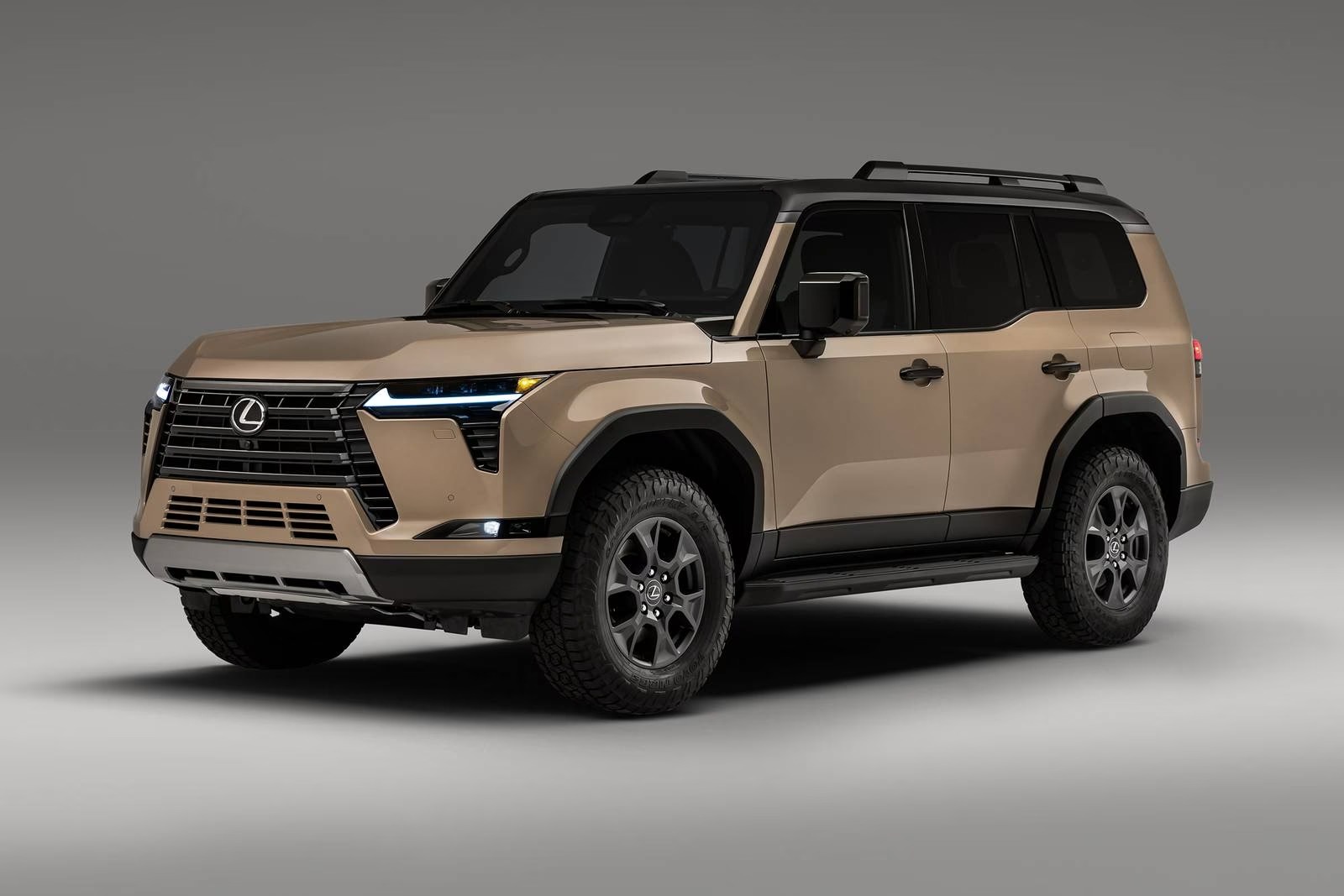
3. Lexus GX
The Lexus GX blends luxury with off-road performance, and its reputation extends to having body components that stand the test of time.
One feature that supports this image is the exceptional resistance to rust in the wheel wells. Designed for both urban driving and rugged terrain, the GX benefits from Toyota’s expertise in corrosion resistance.
While many luxury SUVs focus on exterior appearance and interior finish, Lexus has engineered the GX to perform in harsher environments.
The wheel wells are treated with advanced coatings, and the use of heavy-duty metal in the undercarriage reduces rust buildup. This model, based on the same platform as the Toyota Land Cruiser Prado, is built to last.
Owners who take the GX on snow-covered highways or gravel roads with salt dust find that even after years of ownership, the wheel wells remain free from bubbling paint and flaky metal.
A common design flaw in many SUVs is the lack of water drainage inside the fenders. Lexus avoided this by designing proper channels that let moisture escape instead of pooling.
Even small components like the clips holding the wheel liners are made of rust-resistant materials. During regular inspections, mechanics often report that the structural condition of the GX remains excellent even after eight or more years.
Buyers who prefer luxury vehicles but still want something that resists rust damage appreciate what Lexus has done with the GX.
The inner fender liners are tough and fitted tightly to prevent water or gravel from getting trapped. These small design elements contribute to the vehicle’s long lifespan. Owners often report that when washing the vehicle, the wells do not hold moisture or trap sludge, which makes routine maintenance easier.
This SUV may look like a refined cruiser on the outside, but underneath, it shares the strength of off-road machines. If you want a high-end vehicle that will not show rust on the fenders or wheel arches even after a decade of road salt exposure, the Lexus GX delivers that peace of mind.
4. Subaru Outback
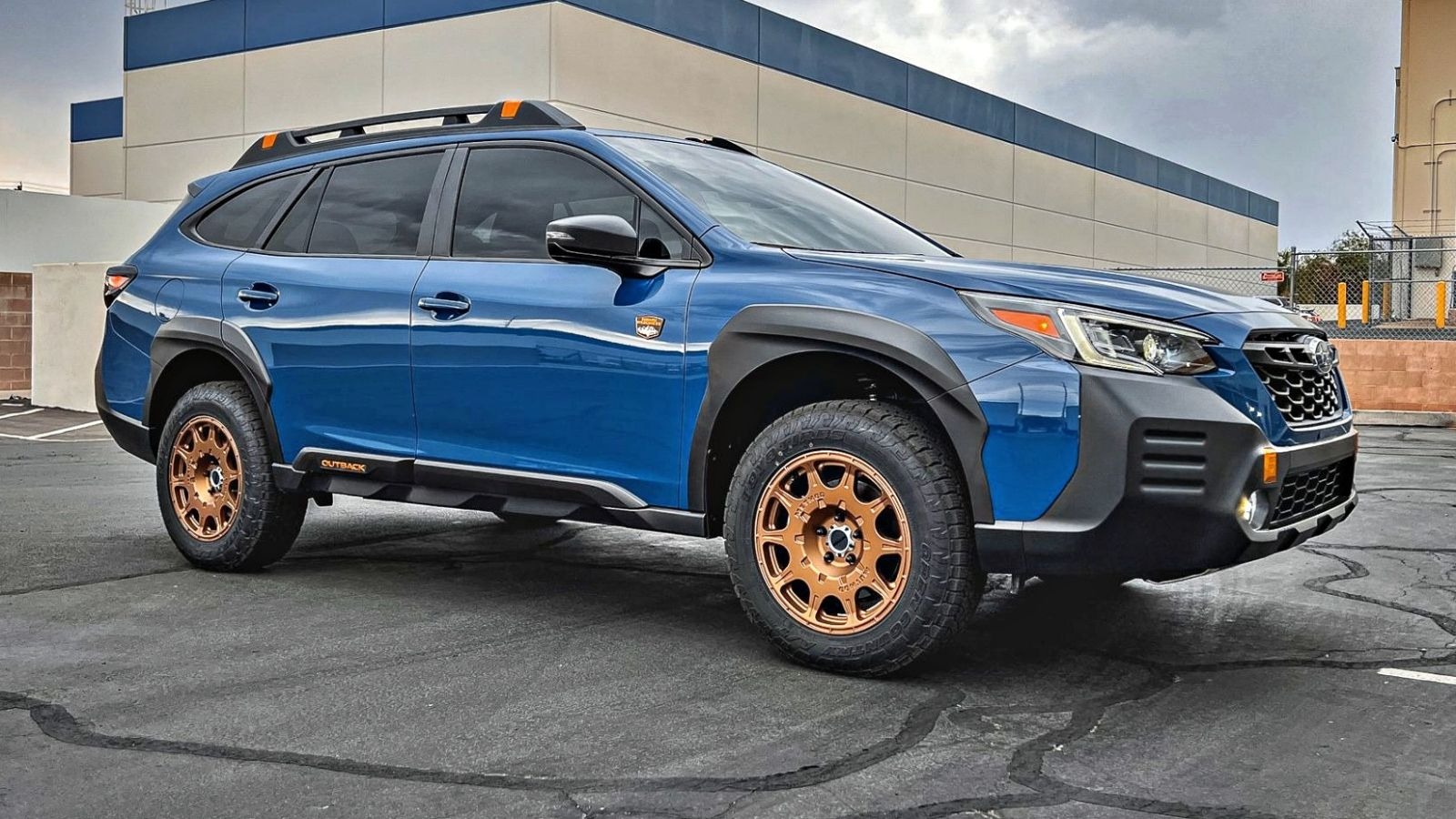
The Subaru Outback has become a reliable choice for people who live in areas where snow, ice, and rain are part of everyday driving. Subaru has long marketed its vehicles to people who enjoy outdoor adventures, and the Outback was built to endure weather conditions that promote rust.
The wheel wells of the Subaru Outback are made with coated steel and reinforced with plastic liners to prevent road grime from sticking to exposed metal.
These liners are designed to keep out moisture and salt while making it easier to rinse off dirt during cleaning. Even after several winters, many Outback owners find that their wheel wells stay in solid condition without any rust patches.
One feature that helps is the raised ride height. Because the Outback sits higher than standard sedans, less road salt and water splash directly into the wheel arches.
This reduces constant exposure and, combined with good drainage, keeps the metal clean. Subaru also uses advanced undercoating treatments before the vehicle leaves the factory, especially for models sold in colder regions.
Mechanics often point out that even older Outbacks, when maintained properly, show very little corrosion on the underside. The wheel wells are typically rust-free unless there has been severe neglect.
While it is important to wash the undercarriage during the winter months, the Outback’s build makes that task more rewarding, since the materials are designed to resist wear.
The reputation of the Outback as a vehicle that lasts over 200,000 miles is supported not just by its engine quality but by how well the structure holds up. Rust can shorten a car’s usable life quickly, but Subaru planned for that by reinforcing exposed areas, including the fenders.
Those who regularly drive on salted roads during snowy months often pick the Outback not only for its all-wheel-drive system but also for its ability to stay rust-free where it matters most.

5. Volvo XC90
The Volvo XC90 stands out not only for its comfort and safety but also for its long-lasting exterior structure, especially around the wheel wells. Designed with Swedish winters in mind, this SUV is built to endure cold weather, wet roads, and salted highways without showing rust early in its life.
Volvo applies multiple layers of protection to the underbody of the XC90 during production. This includes galvanised steel, anti-rust sealants, and protective paint finishes.
The wheel wells also feature durable plastic liners that shield the inner arches from stone chips, road salt, and slush. This careful construction helps keep corrosion away from critical areas that usually start rusting in less protected vehicles.
The company’s experience with harsh Nordic climates is visible in how the XC90 handles exposure to moisture. Drainage systems are built into the wheel arches to prevent water accumulation. Owners often mention that even after several winters, the metal behind the liners looks almost new when inspected.
One detail that helps the XC90 last longer without rust is the use of high-quality fasteners and brackets. In many cars, these small metal parts start rusting first. Volvo uses stainless steel or coated bolts in exposed areas, which prevents minor corrosion from spreading. This attention to every part of the structure helps preserve the vehicle’s appearance and function.
Those who own XC90s in areas like New England or the Midwest have reported minimal issues with rust, even after ten years. With regular washing, especially during winter, the wheel wells can remain clean and strong. Even secondhand buyers often find well-maintained XC90s with solid underbodies.
Anyone who needs a family-friendly luxury SUV that also performs well in harsh climates should consider the XC90. Its ability to resist rust is not an accident. It is a result of thoughtful design and materials aimed at protecting the vehicle from damage that often starts where the wheels meet the road.
Now we will switch focus to five cars that, unfortunately, did not perform as well in this area. These vehicles have developed a pattern of rust issues around the wheel wells, often showing early signs of corrosion even with routine care.
5 Cars with Rusted Wells
1. Ford Escape (2008-2012)
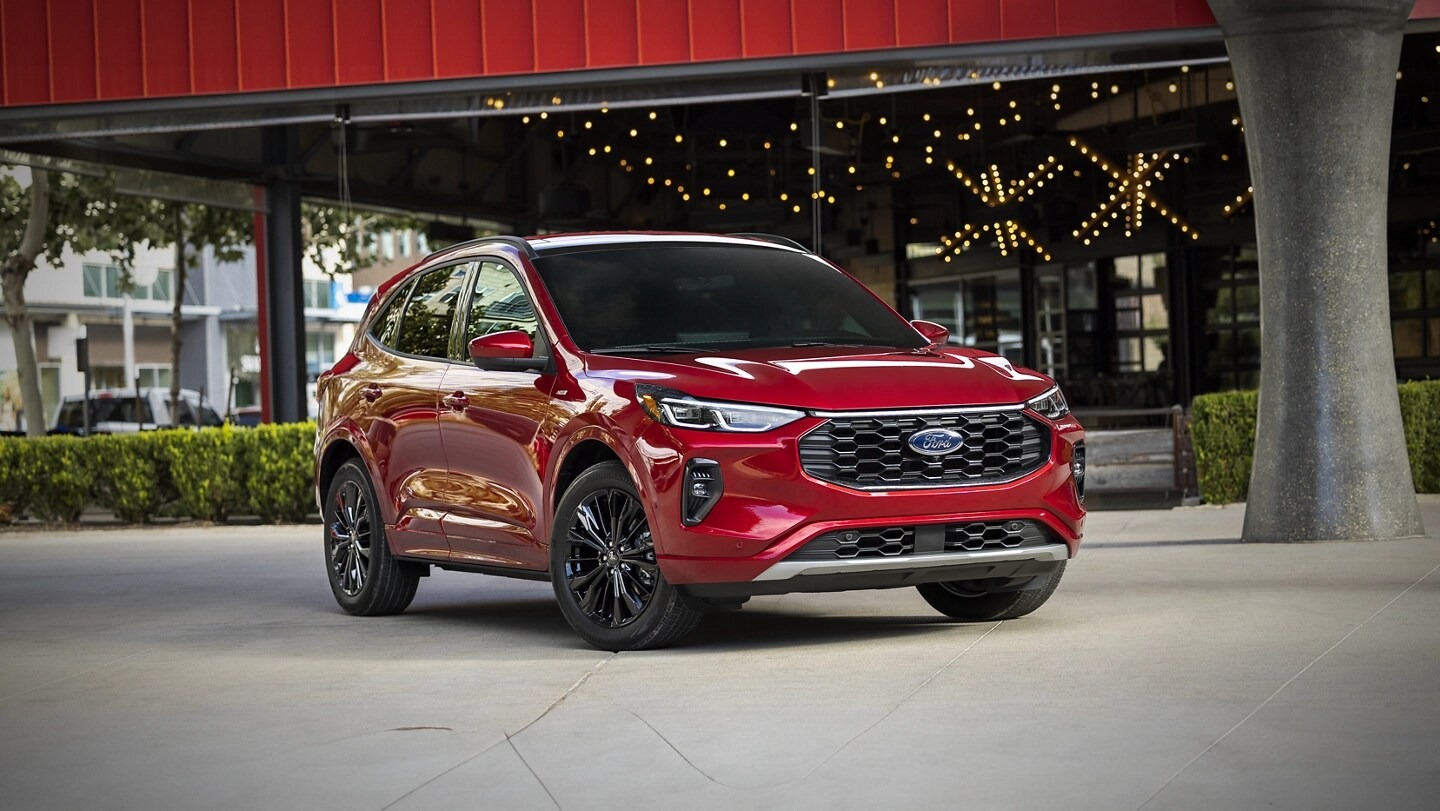
Many people were attracted to the Ford Escape during the late 2000s for its compact size and efficiency. But several models between 2008 and 2012 have developed a known issue: early rust around the rear wheel wells. The problem has persisted in regions where salt is used to manage snow, which accelerates the wear on exposed metal.
The design of these models allowed water and salt to get trapped behind the plastic inner fender liners. This created a hidden area where moisture could stay for long periods without drying properly. As time goes on, this led to bubbling paint, flaking metal, and visible rust patches, often within five to seven years of regular use.
Owners frequently complained about seeing rust starting near the lip of the rear wheel arch, especially where the fender and quarter panel meet. The rust usually begins from inside the panel and pushes outward, which makes it harder to treat once it becomes visible. This type of damage is not always covered by standard warranties, so many owners faced expensive repairs.
Some mechanics pointed out that the wheel well design lacked proper drainage. Even if the exterior looked fine, the internal panels would rust from the inside out. This is more frustrating because by the time you can see the problem, it is often too late to stop it without cutting and welding.
While rustproofing treatments and undercoating can help delay the damage, many people who bought this generation of Escape noticed that the wells needed attention early in the vehicle’s life. It is common to find otherwise functional models with rust holes forming in the rear arches.
If someone is considering buying a used model from this period, it is wise to closely inspect the inner and outer edges of the wheel wells, especially at the rear.
Without intervention, these rust issues can grow quickly and reduce the vehicle’s resale value. The Escape from this era remains a cautionary tale about how small design oversights can lead to long-term corrosion problems.
2. Chevrolet TrailBlazer (2002-2009)
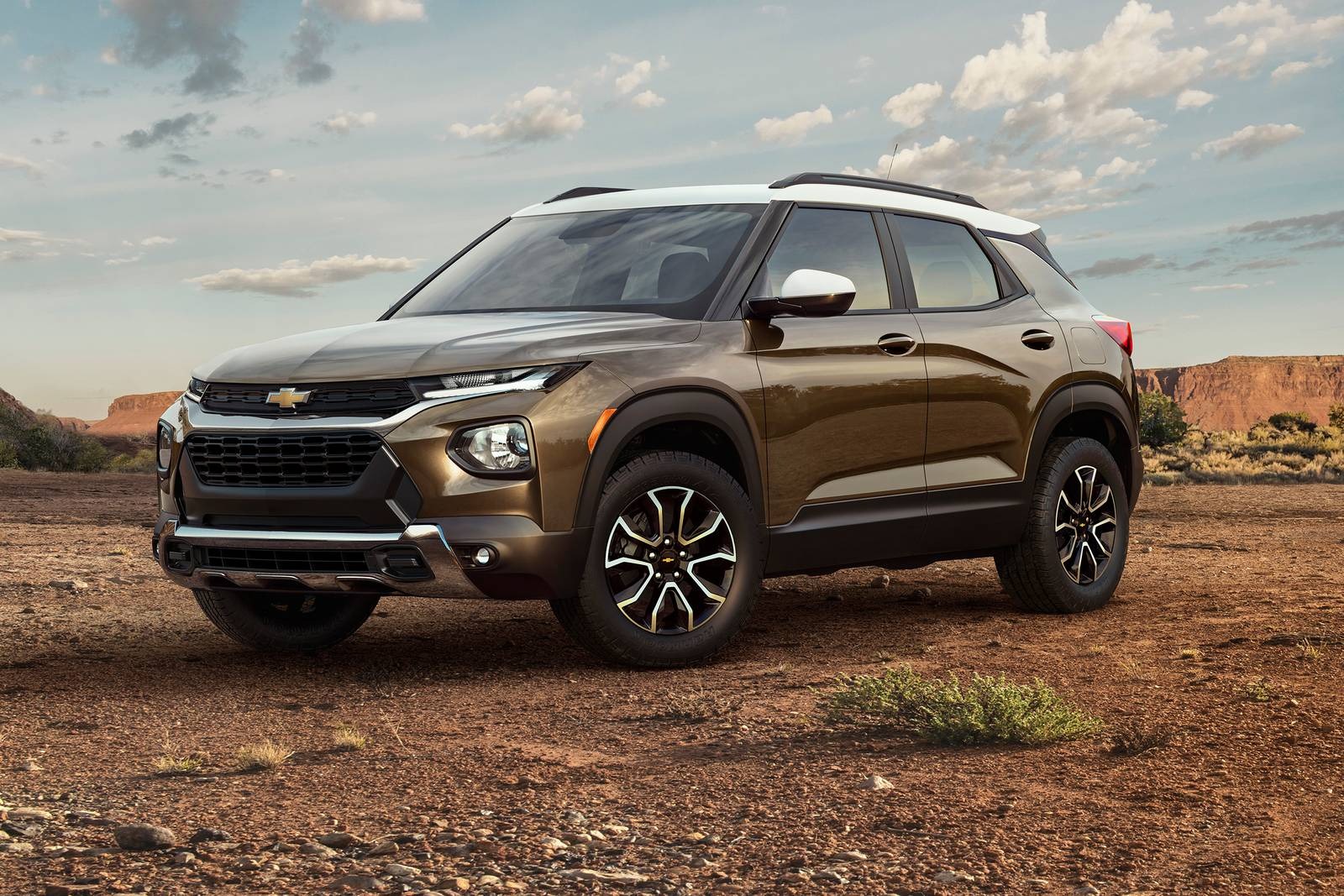
The Chevrolet TrailBlazer was designed to offer utility and performance in a mid-size SUV package. Although it provided good engine options and a strong towing capacity, the model developed an issue that frustrated many owners. The rear wheel wells, especially on vehicles from the early to mid-2000s, often showed signs of rust far earlier than expected.
This problem is more common in areas with snow and salt use, where metal is exposed to harsh road conditions. The wheel wells on the TrailBlazer were not adequately sealed from the factory, and many owners found that paint began to bubble or flake in these regions. Once the paint wore away, corrosion started to eat into the body panels from underneath.
The issue usually begins where the inner fender meets the outer body. Water splashes up from the road, and salt tends to collect in this space. Unfortunately, without proper drainage or sealing, the metal holds on to that moisture. Even washing the vehicle frequently does not always remove what gets trapped behind the panels.
Some owners tried aftermarket liners or added undercoating, but these solutions were often applied too late. Once corrosion takes hold, it spreads fast, and in this case, it often made its way up toward the fuel filler area and beyond. In severe situations, holes would form in the body around the wheel arch, which created safety and inspection issues.
Many TrailBlazers are still on the road today, but a close inspection will usually reveal rust near the wheel wells unless major bodywork has been done. This has made resale values lower for northern vehicles. It has also caused buyers to be more cautious when considering this model.
Even though the TrailBlazer offers a lot in terms of space and towing, its rust-prone rear fenders make it harder to justify for those living in climates where salt is used. Without proper prevention from the start, these vehicles show their age early, particularly around the wheel wells.
3. Mazda3 (2004-2009)
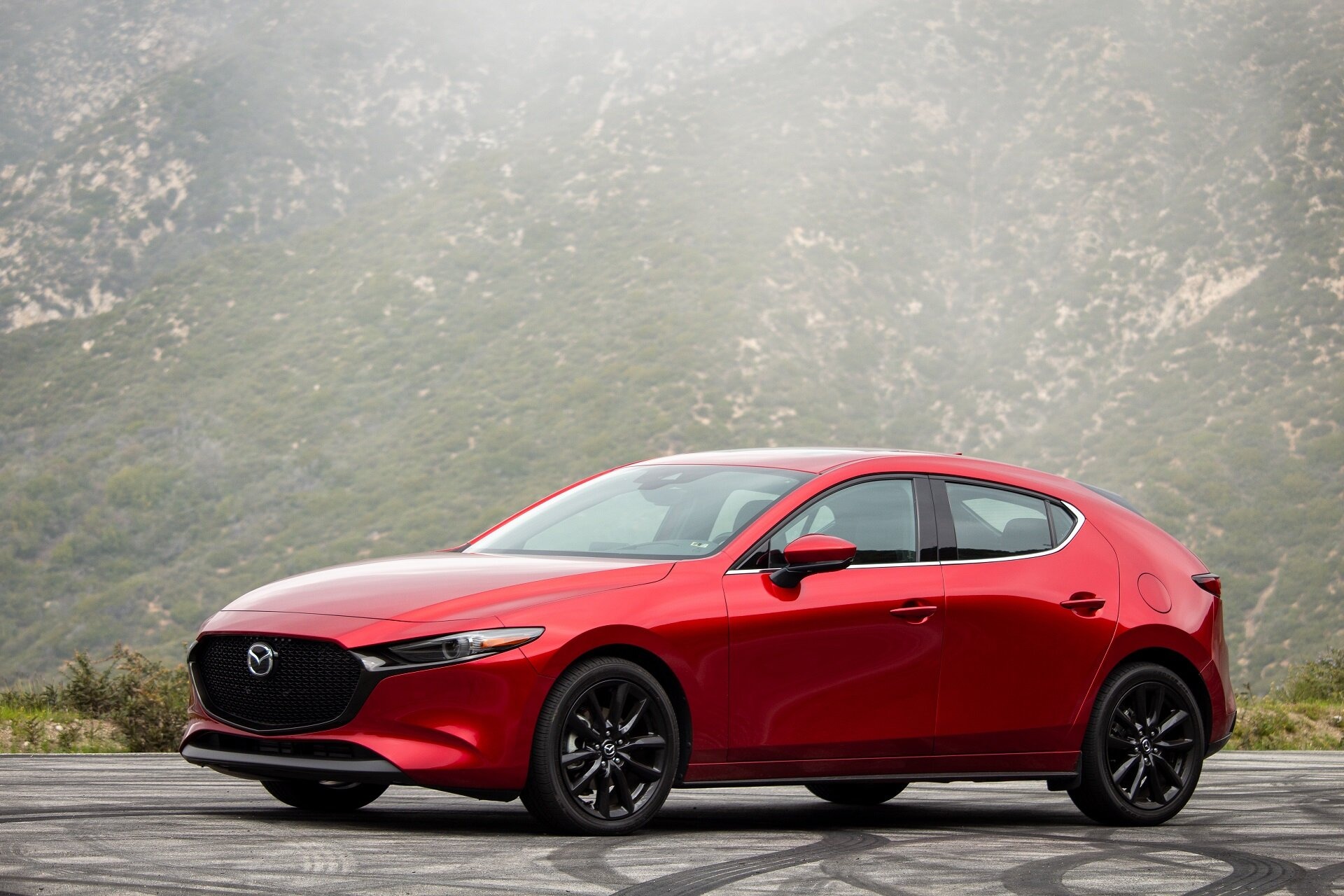
The first-generation Mazda3 is known for being fun to drive and fuel-efficient. But one problem that kept showing up repeatedly was rust forming around the rear wheel arches. This issue affected many owners across different climates, but it was worse in snowy and coastal areas.
The design flaw came from the way the fender liner and wheel well interacted. Moisture and road debris would get trapped between the liner and the metal, where there was no easy way for water to escape. As time goes on, this creates the perfect environment for corrosion to begin. Once the paint broke down, rust would creep under the surface and become visible from the outside.
Many Mazda3 owners reported bubbling paint around the rear wheels as early as four or five years into ownership. Even with regular washing, the rust seemed to return. It often started small but grew quickly, forming sharp edges and holes in extreme cases.
The materials used on this generation of Mazda3 were not as well protected against salt damage as those in some rival cars. In addition, some vehicles were shipped with limited undercoating, which left parts of the wheel well exposed to direct contact with water and grime. This problem was made worse by the absence of proper drainage channels, allowing trapped water to sit undisturbed.
Rust around the wheel wells became so common in these models that it affected their resale value and made bodywork a standard part of ownership.
Many people who owned these vehicles had to either repair or patch the rust or let it grow unchecked. Some drivers also used paint sealants or rust inhibitors, but these were often only short-term fixes.
Mazda improved the rust protection in later models, but those who drove the 2004 to 2009 version of the Mazda3 learned the hard way about what can happen when corrosion control is not a top priority. Despite being a reliable and enjoyable car, the wheel well rust issue remains one of its biggest cons.
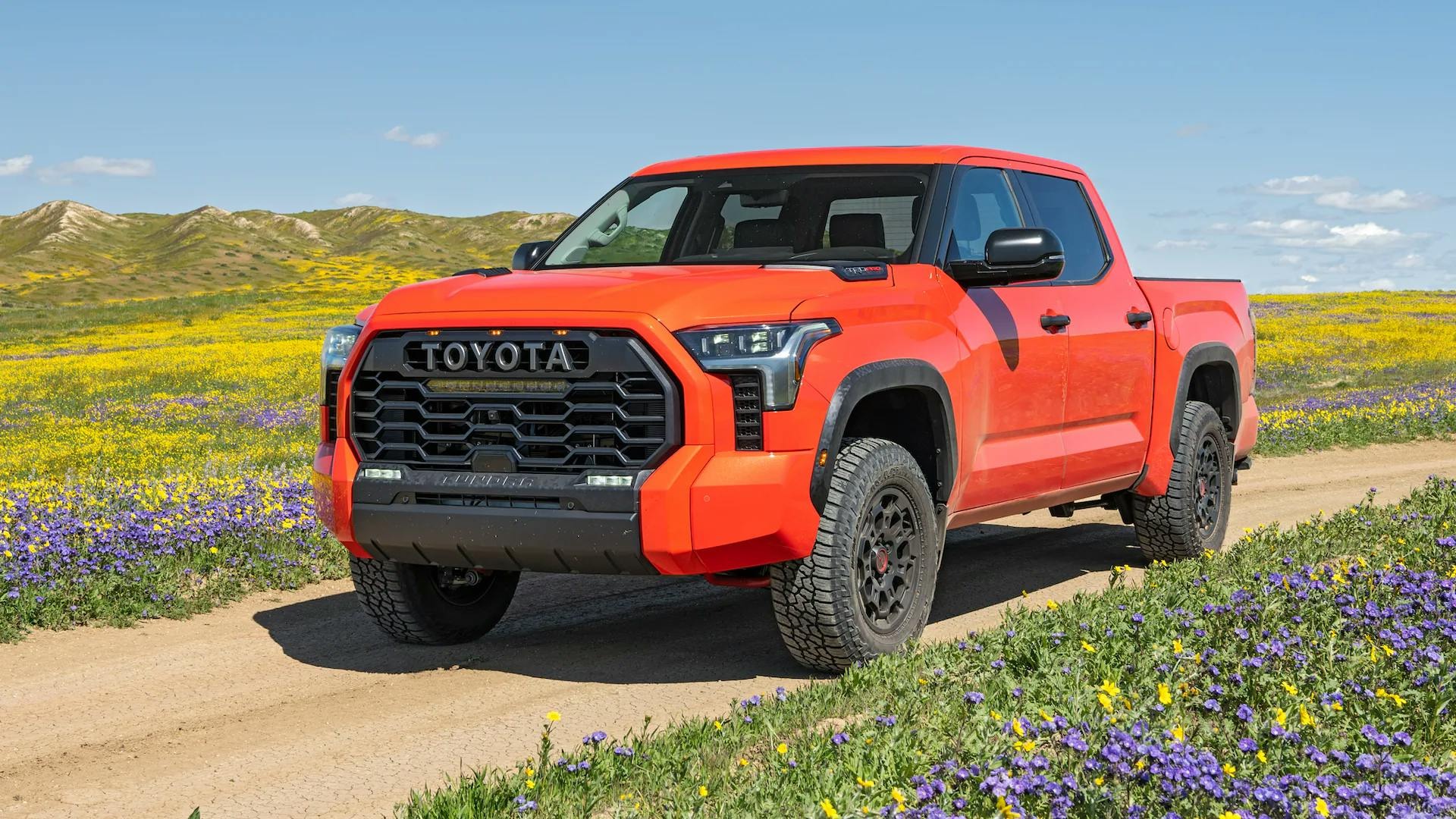
4. Toyota Tundra (2000-2006)
The early 2000s Toyota Tundra models gained a solid reputation for dependability and engine performance, but the body and frame rust issues from this generation caused widespread concern.
Among the most affected parts were the rear wheel wells and the surrounding arches. This rust became so severe in some cases that Toyota initiated extended warranty campaigns and buybacks for affected trucks.
The rear wheel wells were especially vulnerable due to their exposure to road salt and moisture. Owners frequently noticed bubbling paint or large chunks of rusted metal falling away near the fender edges. The corrosion often started behind the plastic wheel well liners, where trapped debris and moisture created the perfect breeding ground for rust.
While the truck’s engine and transmission proved long-lasting, the body’s protection against rust did not match Toyota’s usual quality. The steel used in the frame and body panels did not receive enough corrosion treatment for certain driving environments, especially in the northern US and Canada. Rust began forming inside the wheel well and gradually expanded outwards. In some cases, holes appeared within just five to six years, even on low-mileage trucks.
Another area of concern was the connection point between the wheel well and the truck bed. These joints collected water, and without effective drainage or sealing, corrosion became inevitable.
Some owners tried to patch or undercoat these areas, but the rust often returned. Toyota responded by offering frame inspections and, in some cases, complete frame replacements, but that didn’t always solve the body rust around the wheel wells.
If someone is considering buying a first-generation Tundra, especially one used in cold climates, it is important to closely inspect the inner and outer edges of the wheel arches.
Many trucks that run well mechanically have visible signs of corrosion on the rear fenders, which affects both looks and structural integrity. While the Tundra remains reliable under the hood, the rust problems around the wheel wells remain a disappointing flaw in an otherwise well-built pickup.
Also Read: 5 Electric Cars With Minimal Battery Degradation vs 5 That Lose Capacity Rapidly
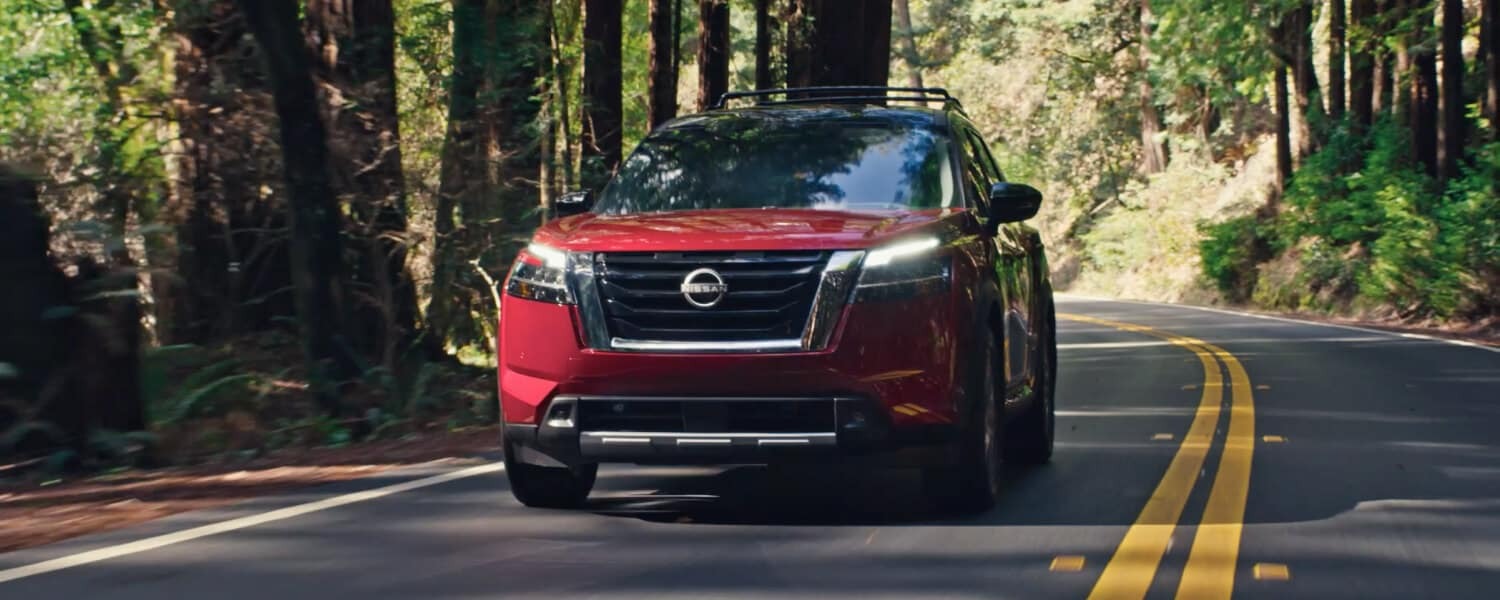
5. Nissan Pathfinder (1996-2004)
The second-generation Nissan Pathfinder is often remembered for its rugged performance and off-road ability. However, owners of models from 1996 to 2004 frequently reported serious corrosion problems, especially around the rear wheel wells. These vehicles were prone to deep rust that could eventually weaken the structure near the suspension mounts.
Unlike some cars where rust is limited to the surface, the issue with this Pathfinder generation often went beyond cosmetics. Rust started inside the wheel wells and worked its way outward, eventually causing damage to frame components and body panels. This was especially concerning in vehicles driven in snowy or coastal regions, where salt exposure was more intense.
The design left certain areas of the rear wheel arch exposed to water and dirt without adequate shielding. As time goes on, the protective coatings wear away, allowing metal to rust through. Drainage was also poor, which caused water to collect inside the wells. Once the corrosion started, it moved fast. Some owners even found large holes in the wheel arches despite regular maintenance.
What made this issue worse was that many vehicles looked fine from the outside, but rust was already eating away at structural components underneath. It wasn’t uncommon to fail vehicle inspections due to this hidden damage. Although Nissan issued some service bulletins about frame rust, the rear wheel well problem never received a widespread fix, leaving many owners to handle repairs themselves.
Preventive measures like undercoating and regular cleaning helped slow the damage, but many Pathfinders from this generation eventually developed visible rust. For people thinking of purchasing a used model, checking underneath the vehicle and especially behind the wheel well liners is essential.
The Pathfinder offered strong mechanical performance and versatility for off-road driving, but the rust around its wheel wells made long-term ownership costly for many. Despite its strengths, the lack of corrosion protection in these areas remains a common point of frustration among those who owned or currently drive this generation.
