Vehicle safety has become one of the most critical considerations for both manufacturers and consumers alike. With growing awareness of traffic fatalities and the science behind crash performance tests, people increasingly demand vehicles that not only look sleek and perform well, but also protect their occupants when the unthinkable happens. Organizations like the Insurance Institute for Highway Safety (IIHS), the National Highway Traffic Safety Administration (NHTSA), and Euro NCAP rigorously evaluate vehicles through a series of crash simulations, front, side, rollover, small overlap, and more. The vehicles that come out on top are lauded for their advanced structural designs, crumple zones, stability systems, airbags, and seatbelt technologies. These models consistently save lives and reduce serious injuries in real-world crashes.
On the other side of the spectrum are vehicles that, for various reasons, underperform in crash ratings. These might be due to economic constraints, outdated platform designs, or insufficient safety equipment. Some models may achieve acceptable ratings in one crash test but poorly in another, reflecting design compromises or lack of modern safety integration.
This blog explores the stark contrast between two groups: five vehicles that have earned widespread acclaim for crash survival and five that have demonstrated shortcomings in safety outcomes. We’ll dive into each vehicle’s key features, test results, real-world performance, and underlying reasons for their crashworthiness, or lack thereof. Whether you’re a buyer weighing safety choices, an enthusiast curious about design evolution, or someone fascinated by automotive safety science, this comparison aims to be both informative and engaging. Buckle up as we begin our in‑depth analysis of “5 Vehicles Renowned for Crash Survival vs 5 Known for Poor Outcomes.”
Crash Survival Champions vs Safety Underperformers
Over the past decade, several models have consistently stood out in crash safety rankings. Vehicles like the Volvo XC90, Subaru Outback, Tesla Model 3, Mercedes-Benz GLE, and Honda CR-V have repeatedly secured top scores in IIHS and NHTSA tests. They combine sturdy frames, refined crumple zones, comprehensive airbag systems, automatic braking, lane keep assist, and strong side‑impact resistance. Conversely, certain models have stumbled in this regard, either due to structural design flaws, limited airbags, or outdated safety tech.
5 Vehicles Renowned for Crash Survival
These five vehicles, the Volvo XC90, Subaru Outback, Tesla Model 3, Mercedes-Benz GLE, and Honda CR-V, are renowned for their exceptional crash survival ratings. With advanced safety systems, reinforced structures, and top-tier crash test results, they offer superior occupant protection, making them top choices for drivers prioritizing safety and peace of mind.
ALSO READ: 5 Trucks Owners Brag About and 5 They Pretend They Never Bought
1. Volvo XC90
The Volvo XC90 has long been synonymous with safety excellence, a reputation rooted in decades of Swedish engineering focused on occupant protection. In both IIHS small-overlap and side-impact tests, the XC90 frequently earns the highest “Good” ratings, thanks to its robust steel-and-aluminum mixed body structure and carefully designed crumple zones. The cabin maintains integrity even in high-speed impacts, reducing the likelihood of intrusion. Volvo’s CARE software architecture seamlessly integrates multiple collision-mitigation systems, automatic emergency braking, pedestrian detection, blind-spot monitoring, and pilot assist, which reduce both crash severity and frequency.
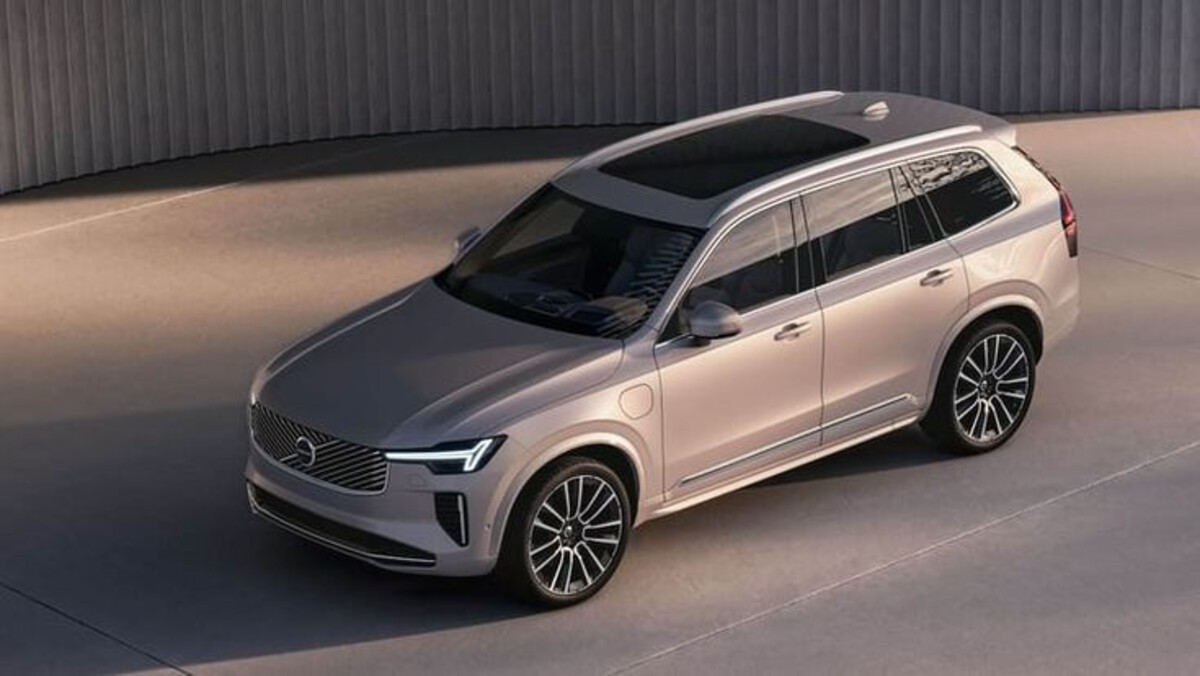
Crash data paints a compelling picture: real-world insurance claim statistics indicate reductions of over 40% in serious accident injuries compared to segment averages. The six-airbag standard, including side-curtain systems, combined with optional center airbags for rear passengers, ensures comprehensive occupant protection. A secure seating structure, closely integrated with head restraints and seat belt pre-tensioners, prevents dangerous head and chest displacements in crashes. Even pedestrian fatalities are comparatively low, thanks to the cushioning and energy-absorbing front-end design.
In crossover SUVs, the XC90 shines not only for occupant safety but also for active protection. The inclusion of lane-departure warning with steering assistance, road-sign recognition with adaptive cruise control, and a 360-degree camera system means drivers are alerted early and given the tools to avoid accidents whenever possible.
Volvo continues to push the envelope with driver-assist systems evolving toward fully autonomous capabilities, further enhancing crash avoidance. The XC90 illustrates how a safety-first philosophy, starting from the frame and extending through software, can result in a vehicle that repeatedly saves lives in collisions.
2. Subaru Outback
The Subaru Outback consistently earns high marks in crash safety evaluations, making it one of the safest midsize vehicles on the market. Built on Subaru’s Global Platform, the Outback offers an exceptionally rigid body structure that absorbs crash energy efficiently while preserving the integrity of the passenger cabin. This platform, combined with the symmetrical all-wheel-drive system, provides improved stability, reducing rollover risks.
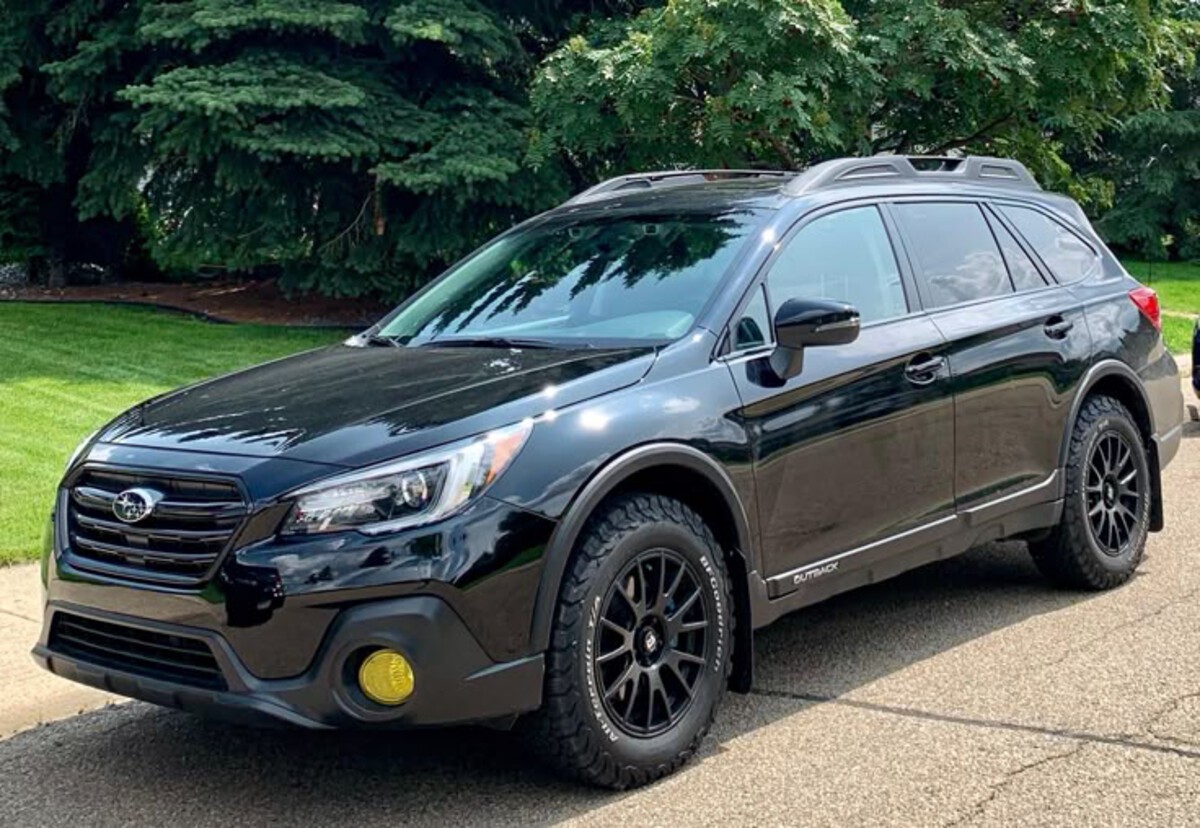
A standout feature is Subaru’s EyeSight Driver Assist Technology, which includes adaptive cruise control, pre-collision braking, lane departure warning, and lane-keep assist. These features have been linked to a 61% reduction in rear-end crashes with injuries, according to IIHS research. The Outback’s wide windshield design and driver-focused seating position also enhance outward visibility, promoting better driver awareness and reducing crash likelihood.
Inside, the Outback offers a full suite of airbags, including front, side, curtain, and knee airbags. The roof strength is among the best in its class, performing well in rollover simulations. Additionally, its low center of gravity (thanks to the boxer engine design) enhances overall crash stability and minimizes the chances of vehicle ejection during side impacts.
The Outback is also known for its performance in pedestrian safety, its front-end structure and active braking capabilities help reduce injuries to pedestrians in potential impacts. With top IIHS “Top Safety Pick+” designations for multiple years, the Outback demonstrates that practical, family-oriented vehicles can also lead in crash safety.
3. Tesla Model 3
The Tesla Model 3 is not only a technological marvel but also one of the safest vehicles ever tested by the NHTSA and Euro NCAP. It earned a perfect 5-star rating in every crash test category, including frontal crash, side crash, and rollover, and boasts one of the lowest probabilities of injury ever recorded.
Tesla’s crash protection strategy is rooted in its electric architecture. The Model 3 lacks a traditional engine block, allowing for a large crumple zone in the front.
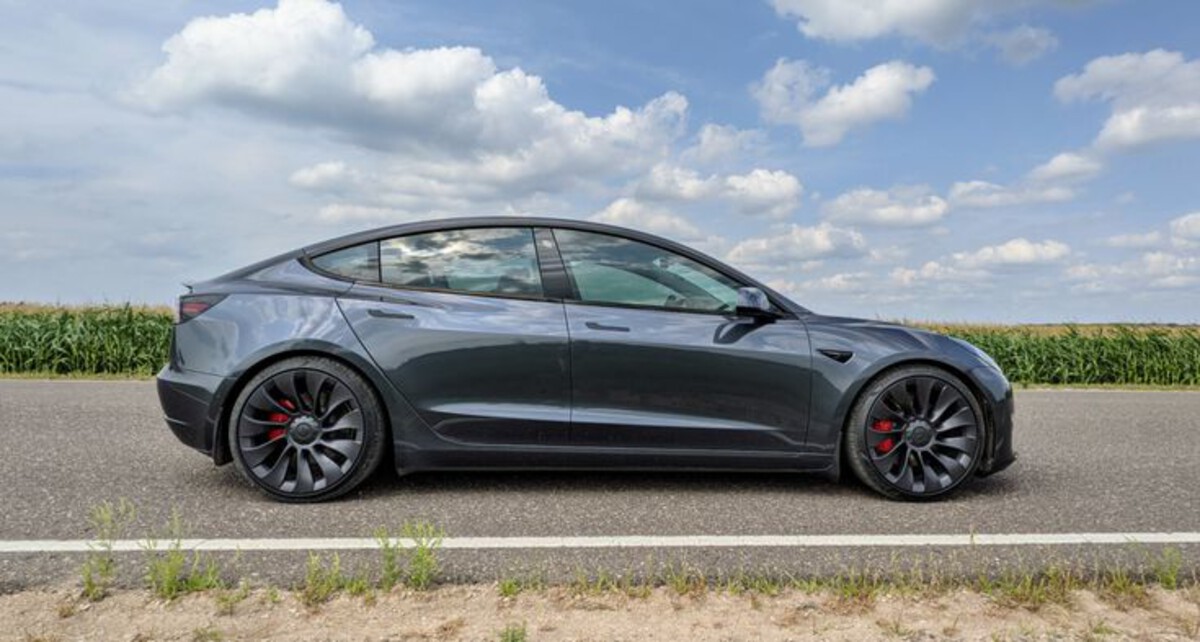
The battery pack is mounted beneath the floor, lowering the center of gravity and drastically reducing rollover risk. This layout also helps evenly distribute crash forces away from the cabin.
The rigid passenger compartment, reinforced with ultra-high-strength steel and aluminum, helps preserve space around occupants even in severe collisions. The Tesla Autopilot system, which includes features like automatic emergency braking, side-collision warning, and blind-spot monitoring, enhances driver assistance and accident prevention.
Tesla also includes over-the-air updates, allowing safety features to improve over time. For instance, braking distances were reduced in a software update following early reviews, showing Tesla’s commitment to continual safety refinement.
Euro NCAP gave the Model 3 a 96% adult occupant protection rating and 94% for safety assist systems, outperforming many luxury rivals. Tesla’s data-driven approach using billions of miles of real-world driving input also feeds back into safety systems, making the car smarter and more proactive over time.
The Model 3 exemplifies how innovation in design and software integration can lead to industry-leading crash survival outcomes.
4. Mercedes-Benz GLE
The Mercedes-Benz GLE combines premium comfort with leading-edge safety technologies, solidifying its place among the safest luxury midsize SUVs. It has consistently scored high across NHTSA and IIHS crash tests, including top scores in small overlap front and side impacts. A reinforced frame structure and crumple zones help absorb and redirect crash forces efficiently.
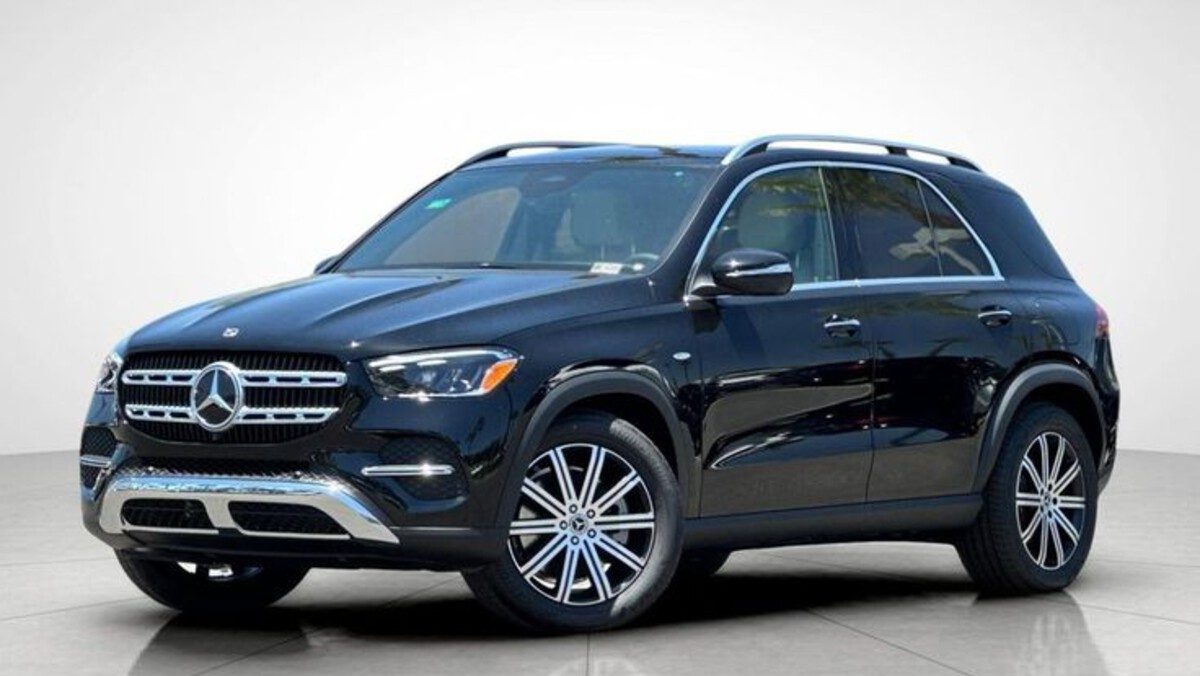
Mercedes’ PRE-SAFE system is one of the most advanced in the industry. It anticipates collisions by tightening seatbelts, adjusting headrests, and even closing windows and the sunroof to better protect occupants. The GLE’s active safety suite includes evasive steering assist, blind-spot assist, active brake assist with cross-traffic detection, and lane-keeping technology.
Inside, the cabin features advanced restraint systems, including adaptive airbags that deploy in response to crash severity and occupant size. Rear passengers benefit from side-impact airbags and adjustable head restraints, increasing their protection level in lateral impacts.
What sets the GLE apart is its attention to post-crash safety. The car can automatically notify emergency services, unlock doors, and turn on hazard lights after a crash. It’s this holistic approach, before, during, and after a crash, that gives the GLE an edge in occupant protection.
Luxury doesn’t come at the cost of safety with the GLE. Its structural engineering, proactive systems, and real-world crash performance earn it accolades year after year. Whether for families or executives, the GLE offers a secure sanctuary on wheels.
5. Honda CR-V
The Honda CR-V has long been a staple in the compact SUV segment and is renowned for its reliability, efficiency, and crucially, its safety. The CR-V routinely earns top marks in crash testing, including a “Top Safety Pick+” from the IIHS. In small overlap, moderate front, side, and roof strength tests, it consistently performs at the highest level.
Part of its safety pedigree comes from Honda’s Advanced Compatibility Engineering (ACE) body structure, which improves frontal crash energy distribution and reduces intrusion into the passenger cabin.
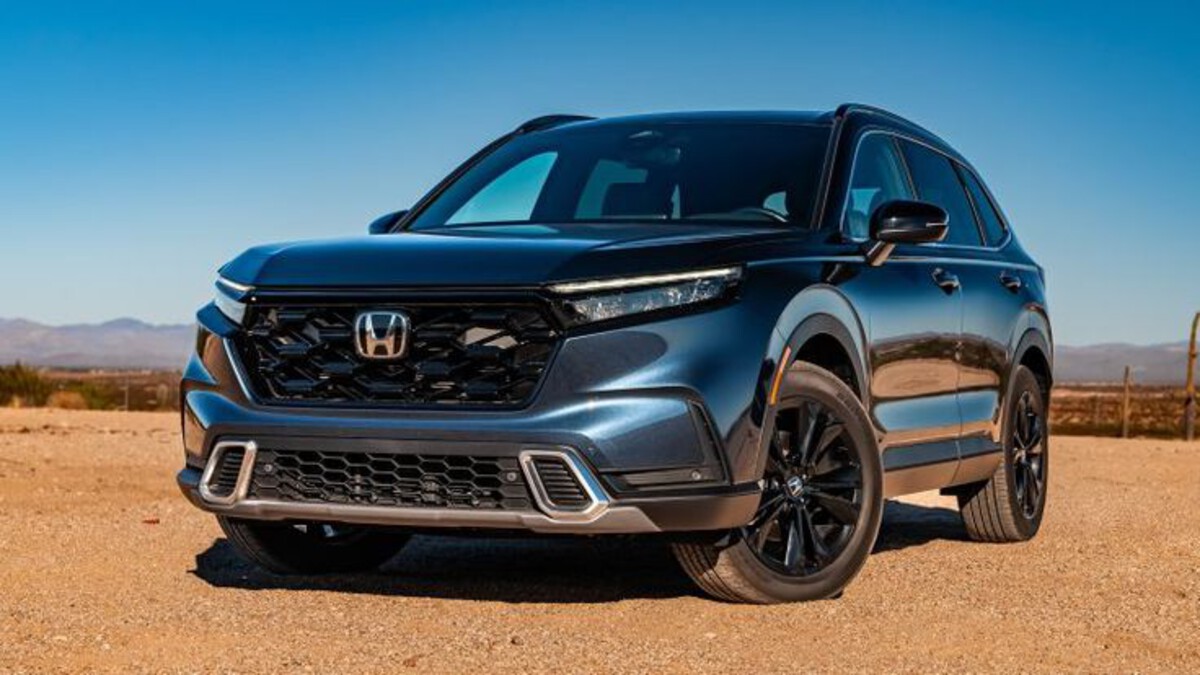
Combined with its side curtain airbags, rollover sensors, and front seatbelt load limiters, the CR-V creates a controlled environment during an impact.
The Honda Sensing suite, standard on recent models, adds adaptive cruise control, collision mitigation braking, lane departure warning, and road departure mitigation. These features drastically reduce the risk of accidents and have been shown to reduce insurance claims among CR-V drivers.
The CR-V also includes child seat anchors and tethers (LATCH) that are among the easiest to use in the segment, making it a family favorite. In rear crash scenarios, its active head restraints help reduce whiplash injuries.
Offering reliability and low ownership costs along with high-end safety, the CR-V is a leading choice for consumers looking for both peace of mind and practicality. Its robust design and intelligent tech features make it a crash-survival champion in the real world.
5 Vehicles Known for Poor Crash Outcomes
These five vehicles, Mitsubishi Mirage, Chevrolet Spark, Fiat 500, and older models of the Hyundai Accent and Kia Rio, are known for poor crash outcomes. Limited structural integrity, minimal safety features, and subpar crash test ratings make them less protective in collisions, posing greater risks to occupants during serious accidents.
ALSO READ: 5 Cars With Touchscreens That Never Lag and 5 With Useless Displays
1. Mitsubishi Mirage
Despite its affordability and compact size, the Mitsubishi Mirage has consistently underperformed in crash safety tests. It’s one of the few subcompact cars that has earned poor marks from IIHS, particularly in the small overlap front crash test. The Mirage’s structure has shown a high likelihood of cabin intrusion, risking injury to drivers in head-on collisions.
The vehicle lacks the structural rigidity seen in higher-end models, and its crumple zones are limited due to its size and design age.
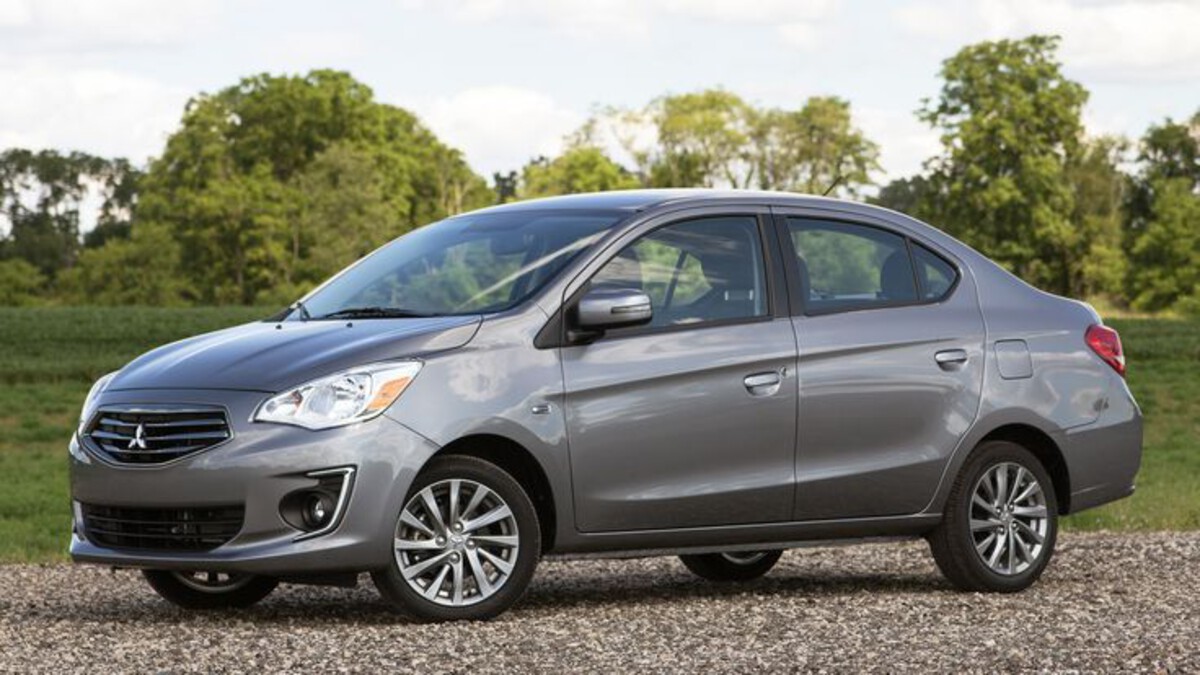
The Mirage also scores poorly in side-impact scenarios, where intrusion into the occupant space can result in serious injuries. While it includes basic airbags and ABS, it misses advanced safety technologies like lane-keeping assist, automatic braking, and blind-spot monitoring in most trims.
In NHTSA testing, it achieved only 4 out of 5 stars overall, with particularly weak scores in side pole impacts. Real-world data also shows that Mirage drivers face higher injury and fatality rates per crash compared to similarly-sized competitors like the Honda Fit or Toyota Yaris.
Economically, the Mirage appeals to budget-conscious buyers, but that cost-saving often comes at the expense of safety. In a high-speed crash or a severe side-impact collision, occupants face a greater risk than they would in a better-equipped or more structurally sound vehicle. Despite updates in recent years, the Mirage has failed to keep pace with evolving safety standards and consumer expectations.
For drivers frequently traveling on highways or carrying passengers, the Mirage’s safety record is a red flag. While it may save money upfront, it could cost more in long-term safety and peace of mind.
2. Chevrolet Spark
The Chevrolet Spark is one of the smallest vehicles on American roads, and unfortunately, that compact size contributes to a poor crash safety profile. While its low price and urban maneuverability appeal to city drivers, the Spark struggles in severe crash scenarios. The IIHS rates it “Marginal” in the small overlap front crash test, with a concerning level of cabin intrusion and potential for leg and lower torso injuries.
Despite offering ten airbags as standard, including front knee airbags, the Spark’s lack of advanced crash-avoidance tech, such as forward collision warning, automatic emergency braking, or lane departure warning,
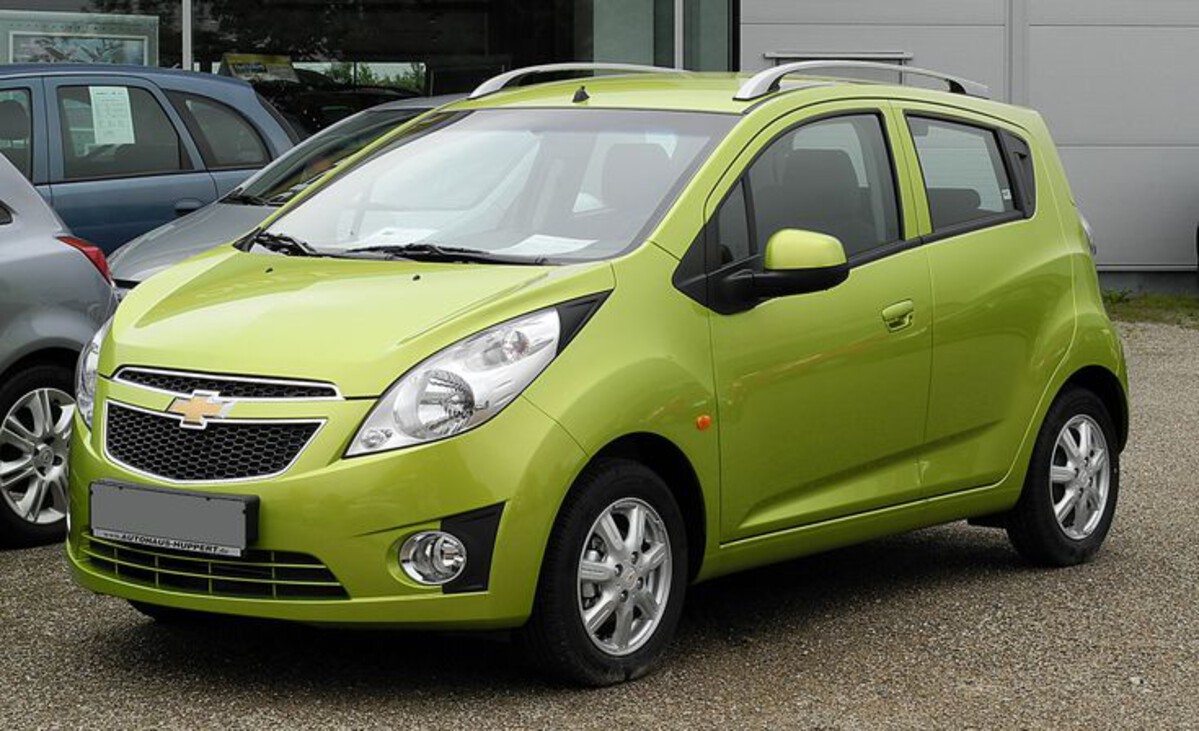
puts it behind even some other budget-class rivals. These safety gaps are most apparent in high-speed and off-angle impacts, where the Spark’s limited crumple zones and weaker side structures fail to dissipate force effectively.
In NHTSA testing, the Spark received a 4-star overall rating, with 2-star ratings in some specific front crash categories. In real-world collisions, especially those involving larger vehicles like trucks or SUVs, Spark occupants are at significantly higher risk of severe injury or fatality.
Chevrolet has announced plans to phase out the Spark from its North American lineup, partially due to shifting demand but also due to safety and regulatory pressures. For consumers seeking affordable transport, the Spark offers low cost, but with considerable trade-offs in occupant protection. When compared to similarly priced but better-designed subcompacts like the Kia Rio or Nissan Versa, the Spark falls short in crash survivability.
3. Fiat 500
The Fiat 500, a retro-styled subcompact from the Italian automaker, has struggled with crash safety throughout its production life in the U.S. market. Though charming in design and highly maneuverable, the 500 received low scores in IIHS small overlap and side crash tests. These tests revealed structural weaknesses, particularly around the driver’s footwell and side pillars.
The main issue lies in its narrow frame and short front end, which offer limited room to absorb crash forces before intruding into the passenger cabin.
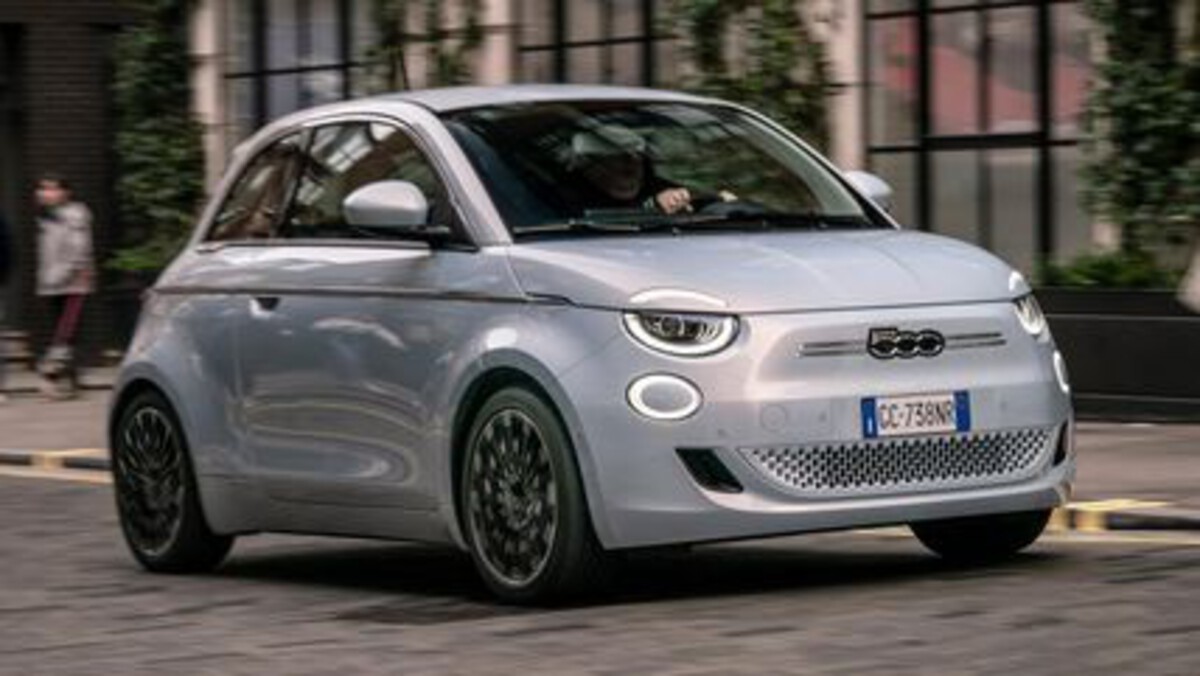
In side crashes, the 500 showed high risks of pelvic and head injuries, especially when impacted by taller vehicles. While the vehicle does come equipped with seven airbags, including a driver’s knee airbag, the overall body structure does not provide adequate protection in real-world crash scenarios.
NHTSA awarded the Fiat 500 just 3 out of 5 stars overall in safety, and European versions fared only slightly better in Euro NCAP tests with less stringent overlap parameters. Fiat offered optional safety tech such as rear parking sensors, but most trims lacked advanced features like forward collision warning or lane-keeping assist.
Moreover, the 500’s short wheelbase and light weight increase the likelihood of rollover and ejection in severe collisions. These limitations made the Fiat 500 a risky proposition for drivers prioritizing safety. While it’s beloved for its city-friendly size and retro flair, the Fiat 500 is not a strong performer in occupant protection.
Its discontinuation in the U.S. market further reflects its inability to meet evolving safety standards and consumer expectations. For buyers who prioritize crash survivability, the 500 simply isn’t equipped to deliver the level of protection modern drivers require.
4. Hyundai Accent (older models)
The Hyundai Accent has evolved significantly over the years, but older models, especially those produced before 2018, have consistently underperformed in crash tests. The IIHS rated older Accents as “Poor” or “Marginal” in small overlap front crash tests due to significant cabin intrusion, steering column displacement, and poor dummy injury measures in head and leg areas.
The structure of pre-2018 models lacks the reinforced front crash frame and enhanced side-impact protection found in newer vehicles.
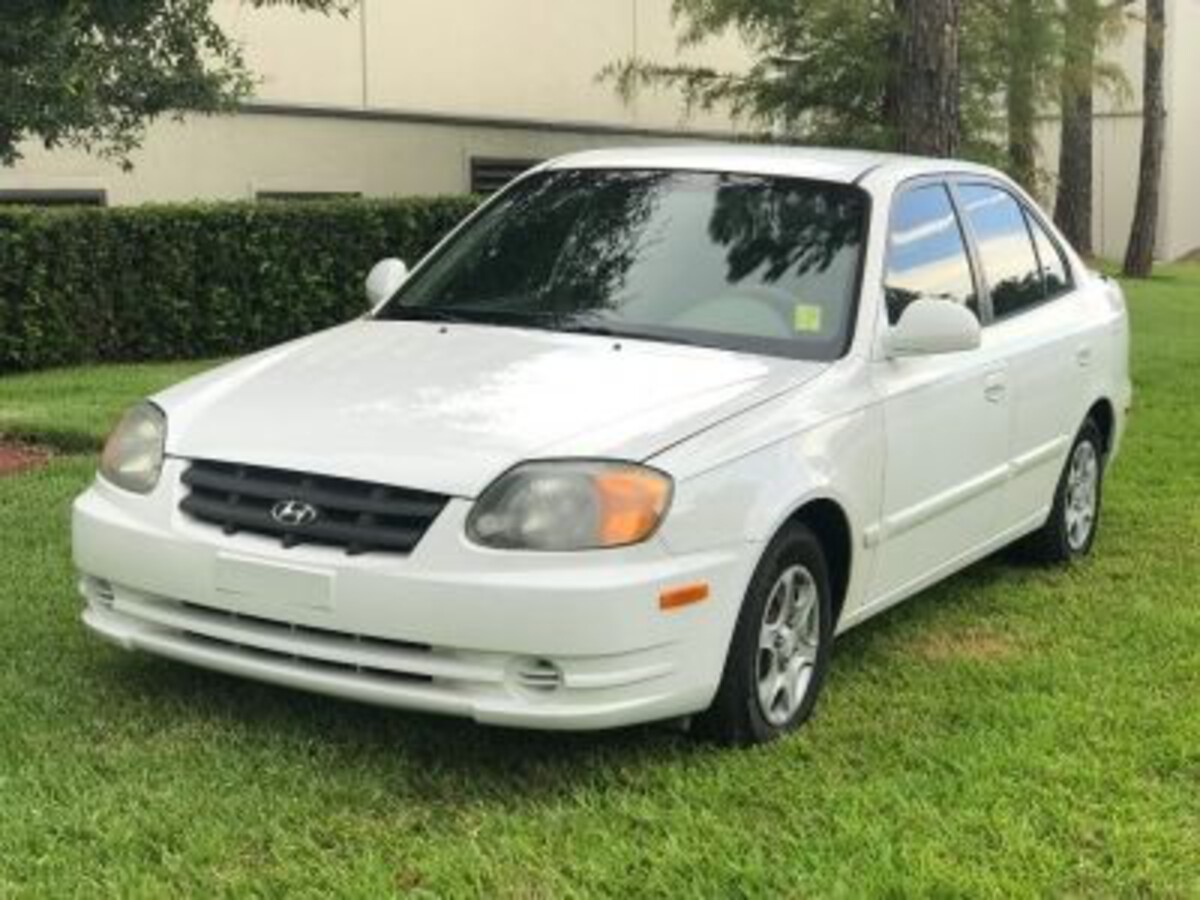
As a result, even moderate collisions could result in serious injuries to occupants, particularly the driver. Roof strength in rollover scenarios was also below average, further reducing survivability in crash situations involving vehicle flips or side impacts.
While newer Accent models have made major strides in safety technology, older trims, especially base-level ones, often excluded essential features like electronic stability control, traction control, and advanced braking systems. Airbag coverage was basic, and side-curtain airbags were either optional or absent in some trims.
NHTSA crash ratings for older Hyundai Accent models often landed between 3 and 4 stars, with side pole impacts raising the most concerns. In comparison to modern safety standards, these older vehicles lack the passive and active safety features that can mean the difference between life and death.
For budget-conscious buyers considering used vehicles, the pre-2018 Hyundai Accent might appear economical, but its safety performance leaves much to be desired. Unless extensively upgraded or replaced by a more modern variant, older Accents remain a risky choice in today’s more demanding road environments.
5. Kia Rio (older models)
Like its corporate sibling, the Hyundai Accent, older Kia Rio models have historically struggled with crash safety performance. Vehicles produced before 2018, especially base trims, received “Marginal” or even “Poor” ratings from the IIHS in small overlap front and side crash tests. Structural weaknesses led to significant deformation of the cabin, increasing injury risk to vital body regions such as the chest, pelvis, and legs.
Roof strength and side impact protection were also areas of concern, especially in models lacking side curtain airbags.
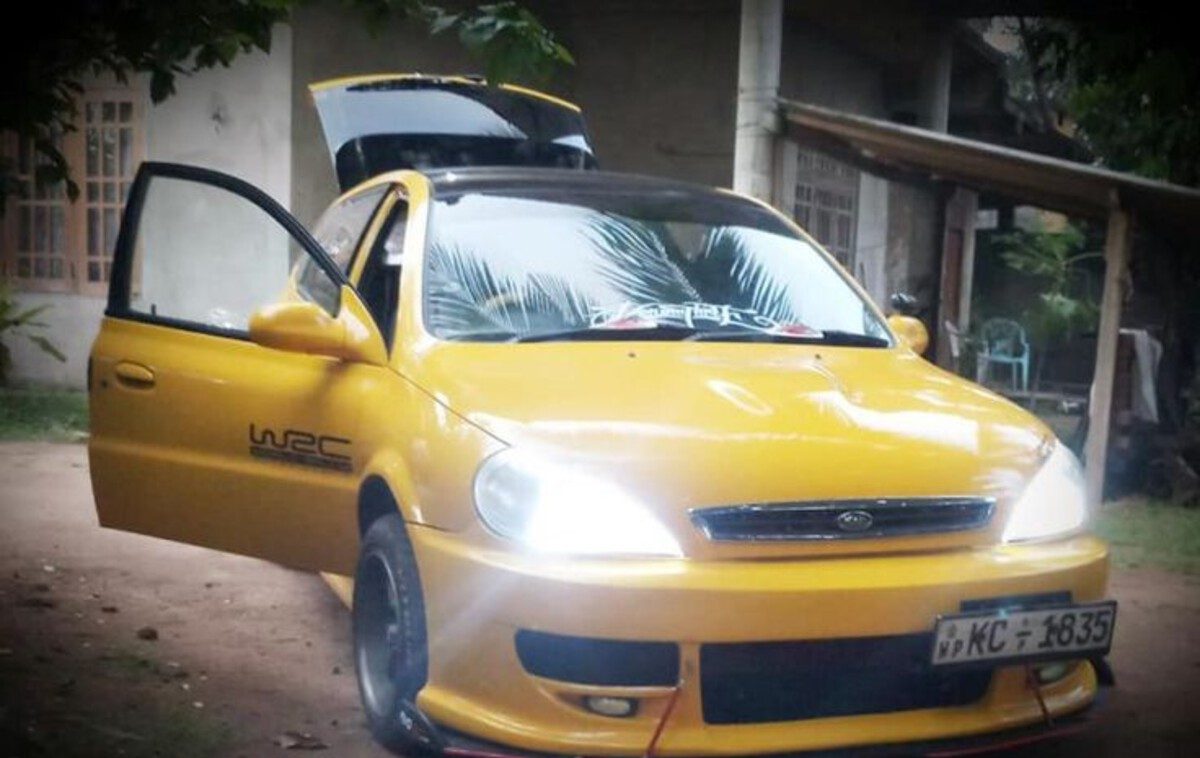
Many of these early Rio versions were built on cost-conscious platforms that prioritized affordability over occupant protection, and they often lacked even basic crash-mitigation technologies. Stability control and anti-lock braking systems were introduced late and inconsistently across trims.
NHTSA testing also revealed gaps in side crash safety, with lower scores in side barrier tests and a higher-than-average likelihood of serious injury in frontal crashes. This is particularly worrisome given the Rio’s small footprint, which inherently offers less protection against larger, faster-moving vehicles in collisions.
In real-world crashes, data from insurance industry reports show that Rio occupants suffered higher injury claims than many competing subcompacts. While newer generations of the Kia Rio have made major improvements, particularly after 2018, the legacy of earlier models continues to affect the model’s reputation in terms of safety.
For buyers seeking an affordable used car, it’s important to avoid earlier Rio models unless safety upgrades have been verified. While it may be easy on the wallet, it’s far from forgiving in the event of a crash.
So, which safety are you choosing?
Vehicle safety is more than just a specification; it’s a matter of life and death. As this blog has illustrated, some vehicles stand as paragons of crash survivability, thanks to advanced engineering, thoughtful design, and cutting-edge driver assistance technologies. Models like the Volvo XC90, Subaru Outback, Tesla Model 3, Mercedes-Benz GLE, and Honda CR-V represent the gold standard in occupant protection. They leverage high-strength steel, smart software, and proactive systems that not only reduce crash severity but often prevent accidents altogether. These vehicles prove that safety doesn’t have to come at the expense of performance or style; it can be built into every corner of the driving experience.
In contrast, budget models like the Mitsubishi Mirage, Chevrolet Spark, Fiat 500, and older versions of the Hyundai Accent and Kia Rio reveal the potential dangers of cutting corners on safety. These vehicles may offer affordability and efficiency, but at the cost of subpar crash protection and lackluster safety technology. In the unfortunate event of a collision, the deficiencies in structure, airbag coverage, and impact mitigation become painfully clear. They serve as a reminder that not all vehicles are created equal and that cost should never be the sole factor in a car-buying decision.
Ultimately, drivers should view crash safety as a top priority, whether purchasing new or used. Investing in a safer vehicle could save your life or the lives of those you love. As crash test data and real-world outcomes continue to evolve, so too should consumer expectations. Awareness is the first step; action is the next. With this guide, you’re now equipped to make more informed decisions, keeping safety where it belongs, front and center on the road ahead.