
Staying connected has become an essential part of daily travel for many drivers. As reliance on smartphones grows, integrating devices with a vehicle’s sound system has shifted from a novelty to an expectation.
Bluetooth technology serves as the primary bridge for seamless hands-free calls, streaming music, and accessing personal assistants.
While Bluetooth once faced skepticism about reliability, today’s drivers demand instant pairing, stable connections, and quality sound as standard features in their vehicles.
Yet, even as technology advances, the experience can vary dramatically from one vehicle to another. For some, the phone pairs at ignition and the connection remains strong. For others, persistent drops or lag mean frustration and distraction.
This article examines both sides of the connectivity equation by comparing vehicles celebrated for their flawless Bluetooth implementation with others frequently criticized for disconnect issues.
The spotlight begins with five vehicles that have stood out for their reliable pairing, smooth performance, and ease of use traits that bring confidence and make each trip more enjoyable.
The discussion then shifts to five cars where Bluetooth inconsistencies have drawn frequent complaints.
Drivers often turn to forums and reviews to share frustrations about stable links in traffic, keeping a playlist rolling on long drives, or trouble-free conference calls while commuting.
Understanding which vehicles deliver on the promise of dependable wireless connectivity, and which fall short, makes all the difference when choosing a car that keeps you truly connected.
Also Read: 5 Luxury Cars with Long-Lasting Safety Tech vs 5 That Rack Up Repair Bills
5 Vehicles With Seamless Bluetooth
Bluetooth quality can significantly influence the daily driving experience, especially as people manage work calls, messages, and favorite playlists on the go.
Vehicles that consistently excel at maintaining an uninterrupted connection, fast automatic pairing, and clear audio stand out in reviews and word of mouth. With so many brands promising connectivity, only a few models continually deliver on those promises.
This section highlights five vehicles recognized by owners, critics, and technology reviewers for setting the standard in wireless integration.
Each one rises above common issues that plague many modern vehicles such as random connection drops, slow pairing speeds, or difficulty switching between devices.
Reliability here is about more than convenience: it’s about feeling assured that your tech will work without needing attention or resetting at every stoplight. These vehicles set a benchmark for the kind of fuss-free experience drivers desire.
The following five models are not just well-engineered from a mechanical standpoint but have also invested in user experience within their cabins.
Detailing their Bluetooth performance helps explain why these models have earned such reputations and why they make such a difference for today’s tech-dependent drivers.
1. Honda Accord
The Honda Accord stands as a shining example of how practical design and user-focused technology fuse seamlessly to create a stress-free experience for drivers.
Owners and reviewers consistently report quick Bluetooth pairing as soon as the ignition is turned on, often with no lag or need for repeated attempts.
The system remembers multiple devices and allows quick switching a detail especially appreciated by families with more than one regular driver.
Audio streaming in the Accord is reliably clear, and the car’s built-in microphone picks up voices effectively, minimizing frustrating repeats during calls.
Honda’s engineers have prioritized simple, intuitive menu designs. Navigating the infotainment interface makes pairing effortless, requiring just a few taps rather than an instruction manual.
Updates provided through software ensure ongoing compatibility with new phone models and operating systems, reducing the likelihood that a phone upgrade will render the connection unreliable.
Consumer feedback often points to the peace of mind that comes with knowing calls, directions, and music will work without fiddling with settings at every start.
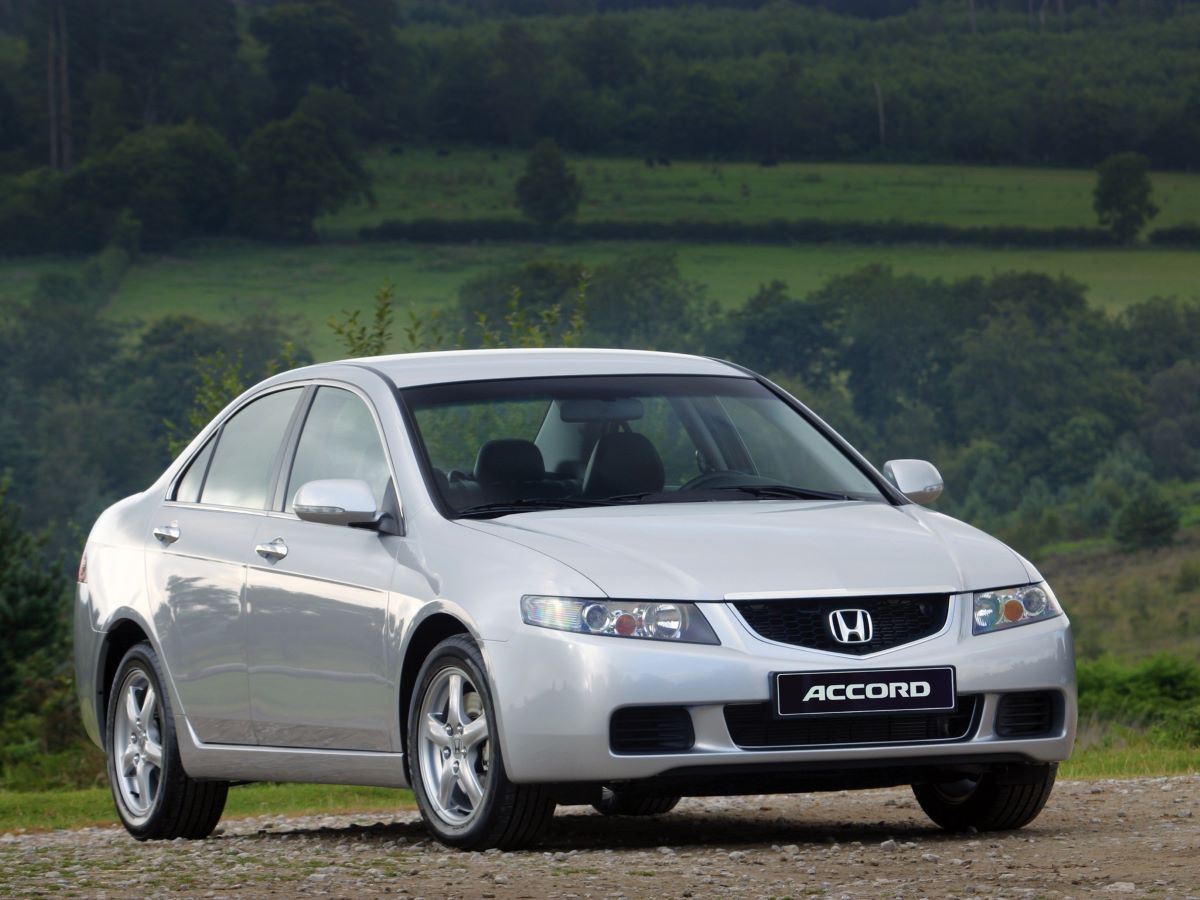
The vehicle’s reputation for dependability extends to its infotainment system, which rarely suffers from random disconnections or audio dropouts.
Owners looking for a vehicle that simply “works” without fuss when connecting their devices frequently single out the Accord. This dedication to user experience explains why the Accord remains a standard-bearer in Bluetooth performance.
2. Toyota Camry
Toyota is often associated with reliability, and the Camry demonstrates this reputation extends to technology as well.
Owners have often commented on the simplicity and speed at which the Camry pairs with a range of devices, making hands-free calls and streaming music effortless.
Built with the assumption that many drivers switch between personal and work phones, the Camry allows for multiple devices to remain paired and easy toggling without complex menus.
One of the defining features is that the Camry rarely suffers from random call drops or audio glitches a consistent frustration reported with other brands.
Reviewers point out that call quality remains high even when moving between urban environments, tunnels, or areas of spotty signal.
This performance is partly due to robust hardware and Toyota’s commitment to ongoing software support, which keeps their infotainment platforms up to date with new standards.

The Camry’s engineers have also crafted a simple pairing process which demands little attention from drivers, reducing distraction and the temptation to handle devices while driving. For those valuing tech integration alongside vehicle reliability, the Camry shines.
Its Bluetooth setup is user-friendly enough for drivers of all ages, making it a popular choice among professionals and families alike.
3. BMW 3 Series
Premium vehicles are often judged as much by their tech suites as their driving feel. The BMW 3 Series continues to earn high marks for its seamless Bluetooth connectivity, matching expectations of luxury with high-end performance.
This car routinely receives praise for connecting rapidly and for integrating smartphone features directly with the iDrive system. Voice commands and touch controls respond promptly, making it easy to manage music, maps, and calls hands-free.
One reason the BMW performs so well is its use of sophisticated Bluetooth hardware and frequent over-the-air software updates. These updates ensure compatibility with the latest phones and streaming services, a key for drivers who upgrade devices frequently.
Calls are routed clearly through the high-quality sound system, and music quality stays rich and dependable, even with demanding streaming apps.
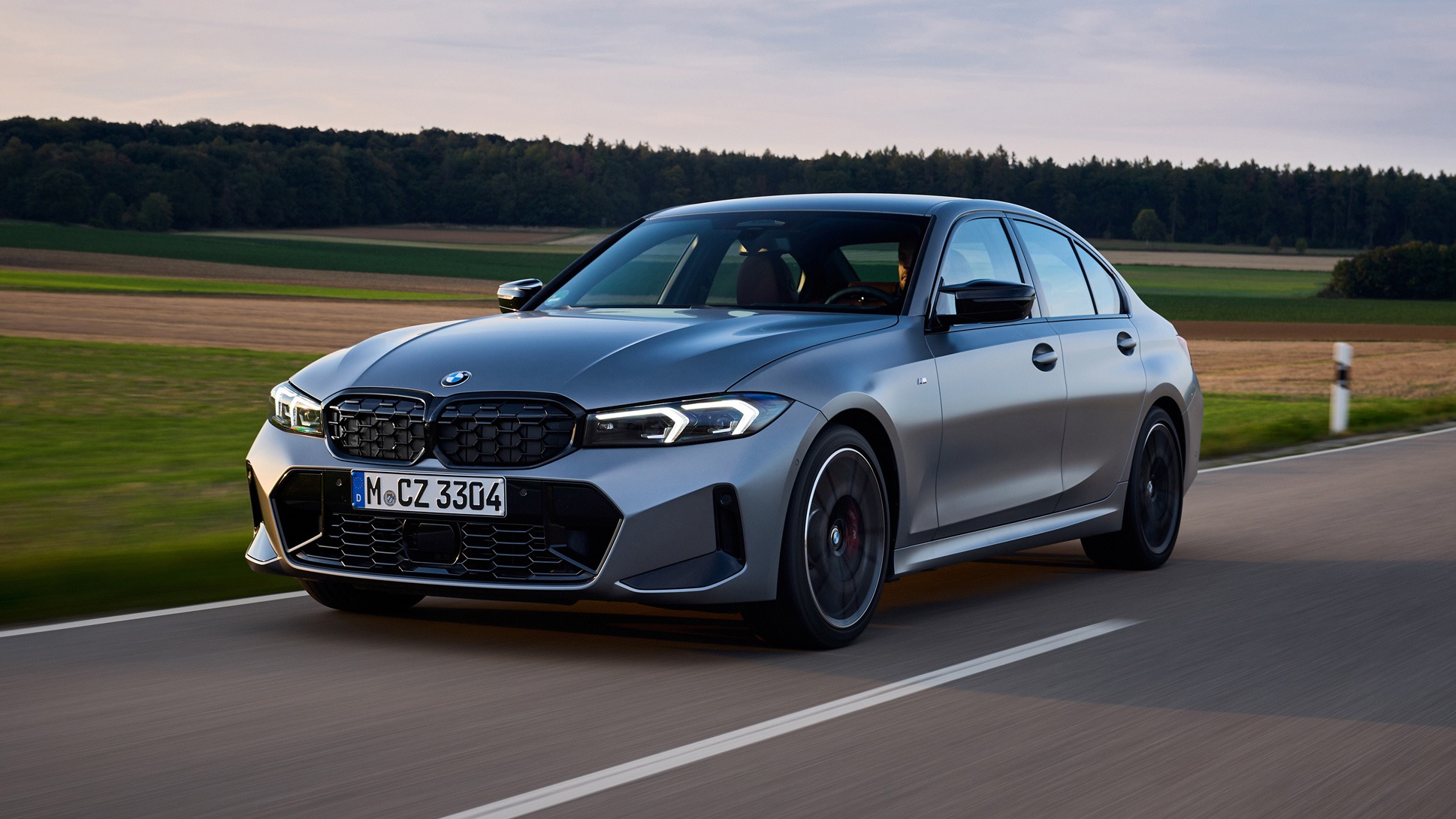
BMW has also made efforts to allow multiple simultaneous device connections, a feature appreciated by drivers juggling both personal and professional obligations.
The system is intuitive, reducing driver distraction and eliminating the need to reset connections or decipher confusing menus.
These touches make the 3 Series not only a thrill to drive, but also a leader for those who depend on consistently flawless connectivity in their daily routines.
4. Hyundai Sonata
Hyundai has invested heavily in making their technology a selling point, and the Sonata is a prime beneficiary. Owners often mention that pairing is quick on both Apple and Android platforms, with settings that “just work” for most users.
The car’s infotainment system provides clear prompts and step-by-step instructions, making the process accessible even for those less familiar with technology. Once paired, the Sonata rarely drops calls or disconnects while streaming audio.
What sets the Sonata apart is the thoughtful integration of phone features contacts, text messages, and music libraries sync effortlessly without the need to manually transfer data.
Hyundai’s tech support backs up their infotainment suite with regular firmware upgrades and responsive customer support. This approach minimizes the risk that new phone software updates will cause compatibility problems.
Sonata drivers enjoy a sense of quiet confidence: their Bluetooth does not become another thing to “manage” before each trip.
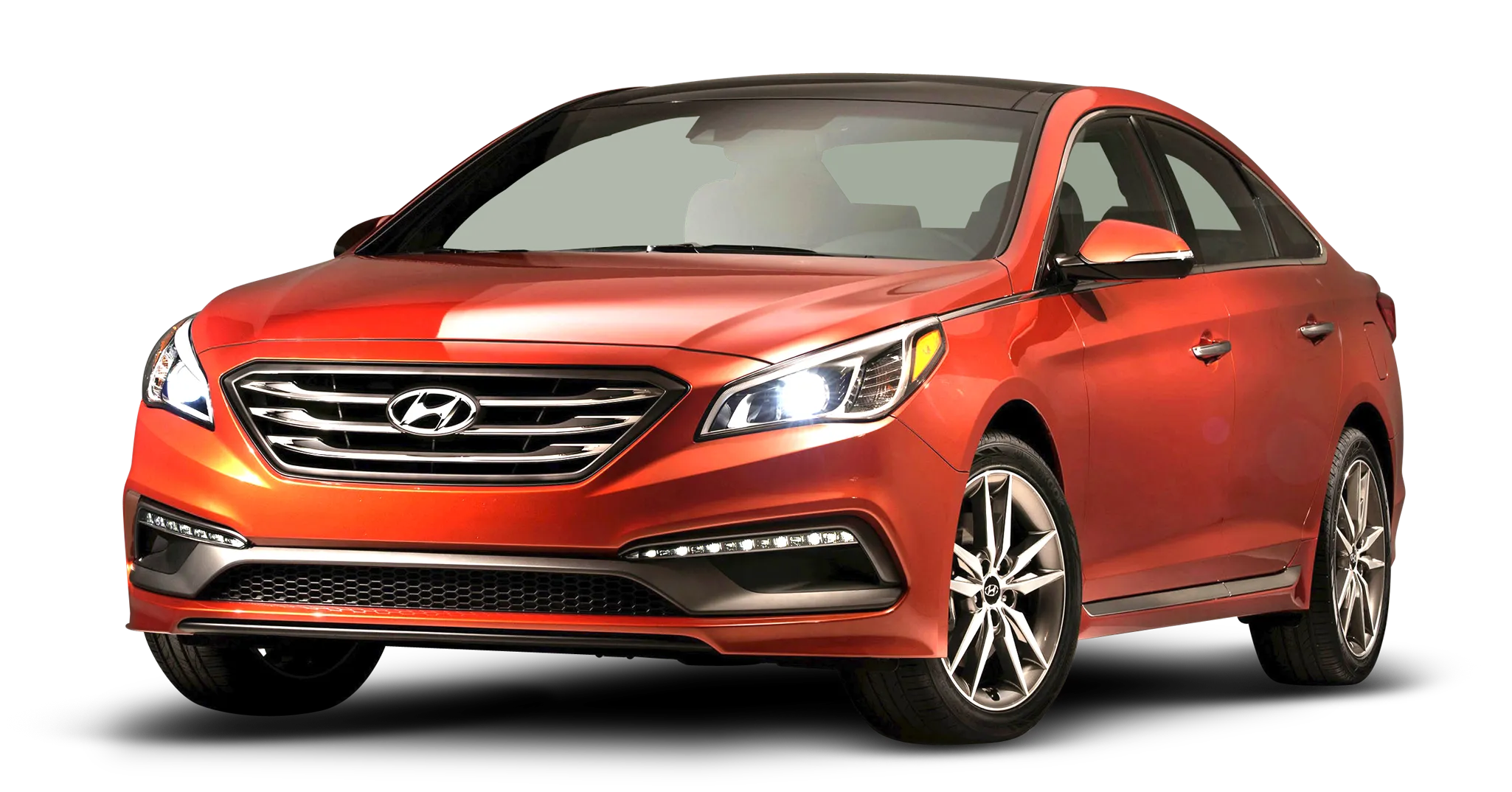
With the ability to remember several devices, family members can each have their phones recognized without wiping settings or relinking regularly.
The consistency and clarity found in the Sonata’s Bluetooth implementation provide a stress-free tech experience that compares well to far more expensive options.
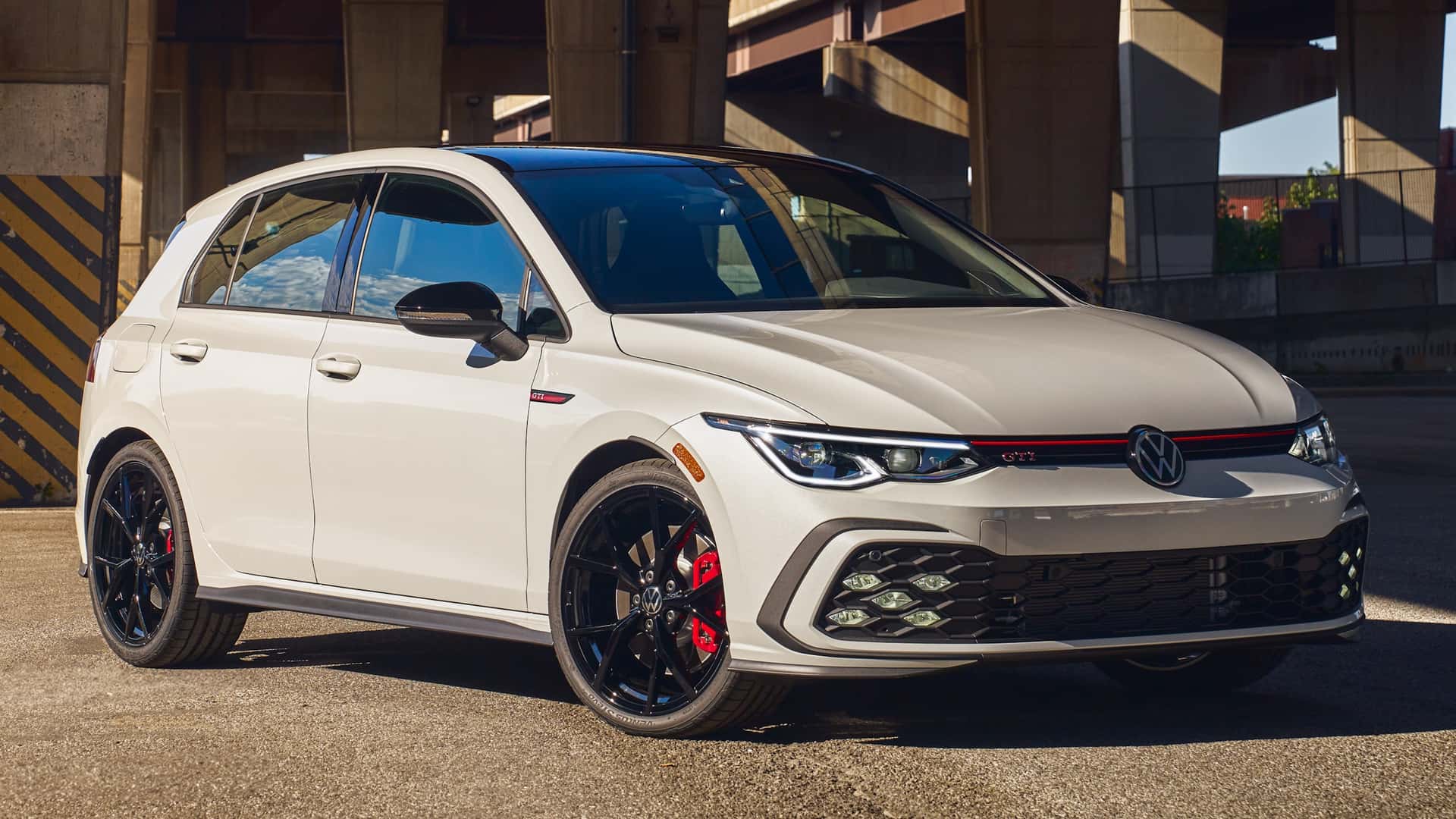
5. Volkswagen Golf
The Volkswagen Golf has built its reputation on versatility, and what surprises many owners is just how robust its infotainment technology is for its segment.
The Golf’s Bluetooth system is responsive, pairs quickly, and almost never requires repeated attempts. Users mention clear call quality and minimal interference, even when multiple devices are in the car at the same time.
Volkswagen’s attention to detail is clear in the way its system guides users through pairing, offering prompts that clarify any uncertainty.
Software updates are regularly rolled out across the brand, which helps ensure compatibility with the changing features of major smartphone operating systems.
The Golf stands out for how effortlessly it hands off connections between family phones, making shared vehicles less of a hassle.
One often-overlooked feature is how the system preserves audio quality for both music streaming and calls. The Golf manages to provide a premium audio experience typically reserved for higher-priced vehicles.
Owners appreciate how the system fades notifications between navigation prompts, calls, and music, making for a less jarring daily commute.
Volkswagen has made it clear that well-integrated Bluetooth is essential, and the Golf proves that a compact vehicle can deliver an experience rivaling many of its luxury counterparts.
5 Vehicles With Frequent Disconnects
Bluetooth has transformed how drivers interact with their vehicles, but not all cars deliver a dependable experience.
When wireless connectivity fails dropping calls, interrupting streaming, or pausing navigation unexpectedly it can leave drivers feeling both frustrated and distracted. Problems like these can turn even the shortest drive into an exercise in patience.
For some vehicles, such issues have persisted for years, with owners venting their disappointment in forums, reviews, and complaint boards. These consistent problems interfere with safe, hands-free operation and undermine otherwise strong cars.
The following section examines five models that have become known for frequent Bluetooth issues.
Recurring complaints include lost connections, inexplicable he-said-she-said between the car and phone about which is to blame, and an experience that requires constant manual intervention.
Each model featured here has drawn enough public feedback and critique from industry reviewers to suggest the issues are not isolated flukes.
While these vehicles may excel in other areas such as performance, comfort, or value, their frequent Bluetooth problems serve as an important consideration for tech-dependent drivers.
By detailing these models’ shortcomings, this section aims to provide insight for readers who depend on stable wireless connections for their daily journeys.
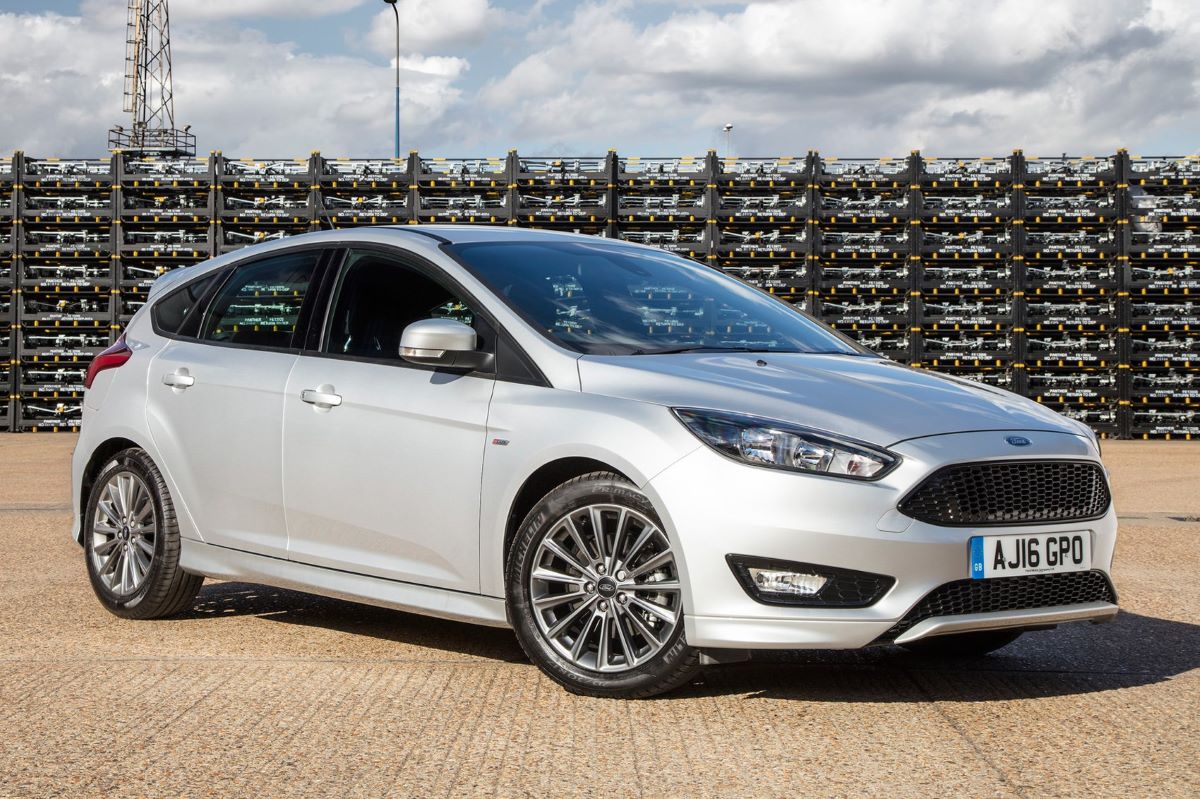
1. Ford Focus
The Ford Focus has achieved impressive popularity worldwide, yet many owners report persistent Bluetooth problems, particularly with the SYNC infotainment system.
Common complaints mention dropped calls, irregular audio stutters, and occasions where the car simply refuses to recognize a paired device that worked the day before.
Resetting the system, forgetting devices, or reinstalling software are often recommended as workarounds on owner forums, but these are temporary fixes at best.
For drivers relying heavily on seamless connectivity for calls or navigation, these recurring drops disrupt routines and create distraction.
The same issues extend across several model years, indicating the problem is rooted in how the Bluetooth system interacts with contemporary smartphones.
Some users have found partial solutions after dealer-provided software updates, but reliable performance remains elusive according to aggregated reviews.
Highlighting the Focus brings attention to the importance of ongoing software support and robust hardware integration, especially as technology evolves faster than the average vehicle’s refresh cycle.
The Focus’s frequent issues serve as a caution to drivers who cannot afford to sacrifice a steady wireless link, even if the car is otherwise a solid performer on the road.
2. Jeep Grand Cherokee
The Jeep Grand Cherokee appeals to those seeking a confident presence on the road, but many owners run into frustration with its Uconnect infotainment system’s Bluetooth reliability.
Reports abound regarding calls being cut off mid-sentence, streaming audio pausing without warning, or the system not pairing with new phone updates. These problems persist across both recent and older models, regardless of phone brand.
Persistent issues diminish the vehicle’s appeal for technology-focused buyers. Reviews note that the need to repeatedly delete and reconnect devices can become an annoyance that overshadows the car’s more celebrated off-road and comfort features.
Dealership updates sometimes provide only brief improvements, and some owners have been left turning to aftermarket Bluetooth receivers for relief.

The Grand Cherokee’s struggles highlight how critical a well-integrated system is, particularly in vehicles where drivers frequently rely on navigation and media streaming for long trips.
The pressure imposed by advancing phone operating systems means that manufacturers must treat Bluetooth reliability as a key factor, not a mere add-on.
The ongoing difficulties found here serve as a reminder to prospective buyers to closely research how well infotainment keeps up with their tech needs.
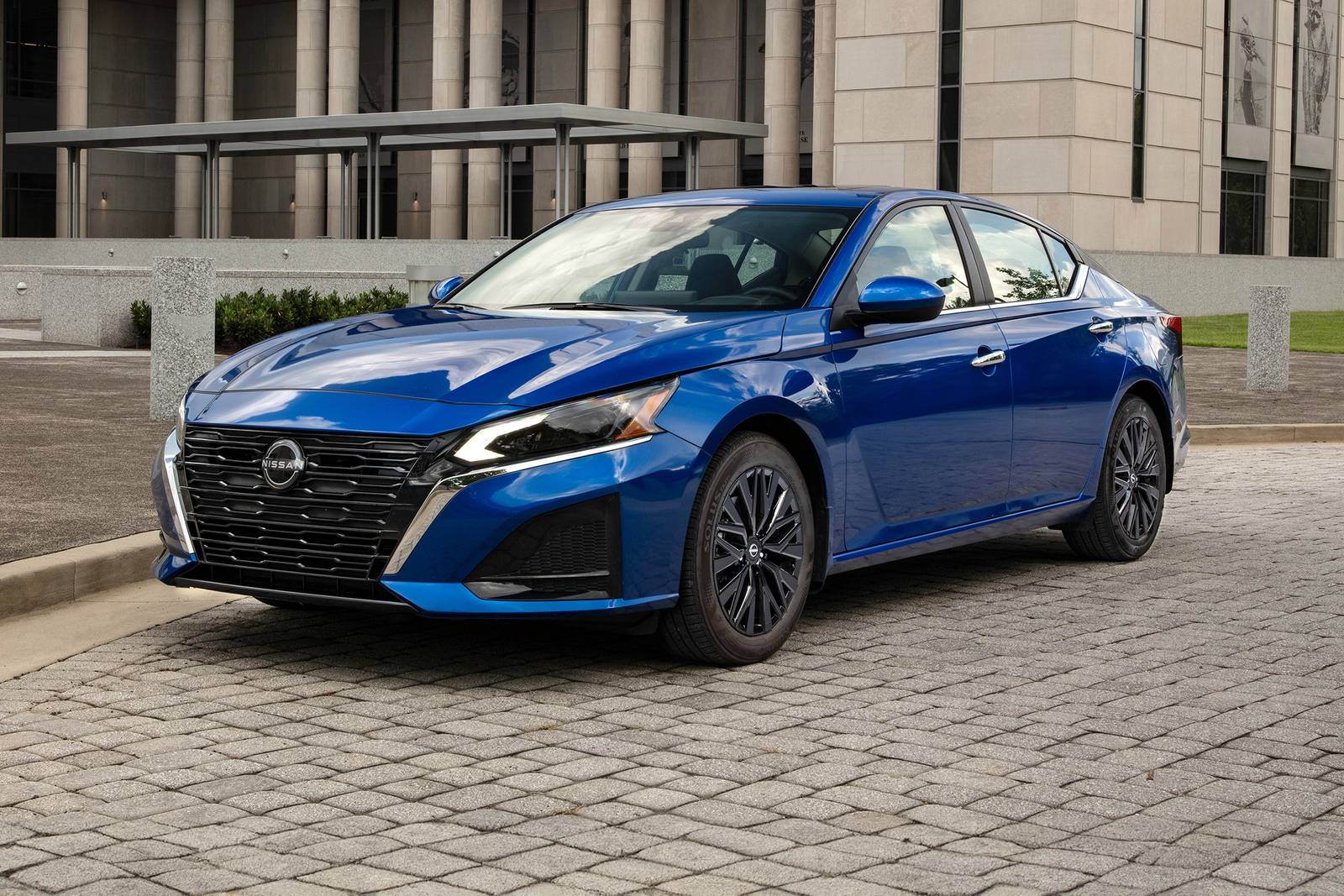
3. Nissan Altima
The Nissan Altima provides strong value and performance, yet its Bluetooth performance lags behind expectations, particularly in models around the late 2010s.
Owners frequently complain about sluggish initial pairing, inexplicable disconnections, and situations where re-pairing does not always solve the underlying problem. Music streaming interruptions and unprompted call drops are regularly cited in customer feedback.
Such glitches influence both enjoyment and convenience, especially for those using hands-free functions as part of daily routines.
Despite periodic software updates and new hardware in later models, many Altima drivers still share frustrations on support sites and forums. Nissan’s support centers often recommend reboots, which become a regular part of using the infotainment system for some.
The frequency of these problems brings to light the consequences of under-invested Bluetooth integration in otherwise popular vehicles. The Altima’s issues serve as a warning for buyers who expect day-to-day reliability in not just the mechanical but also the tech features of their next car.
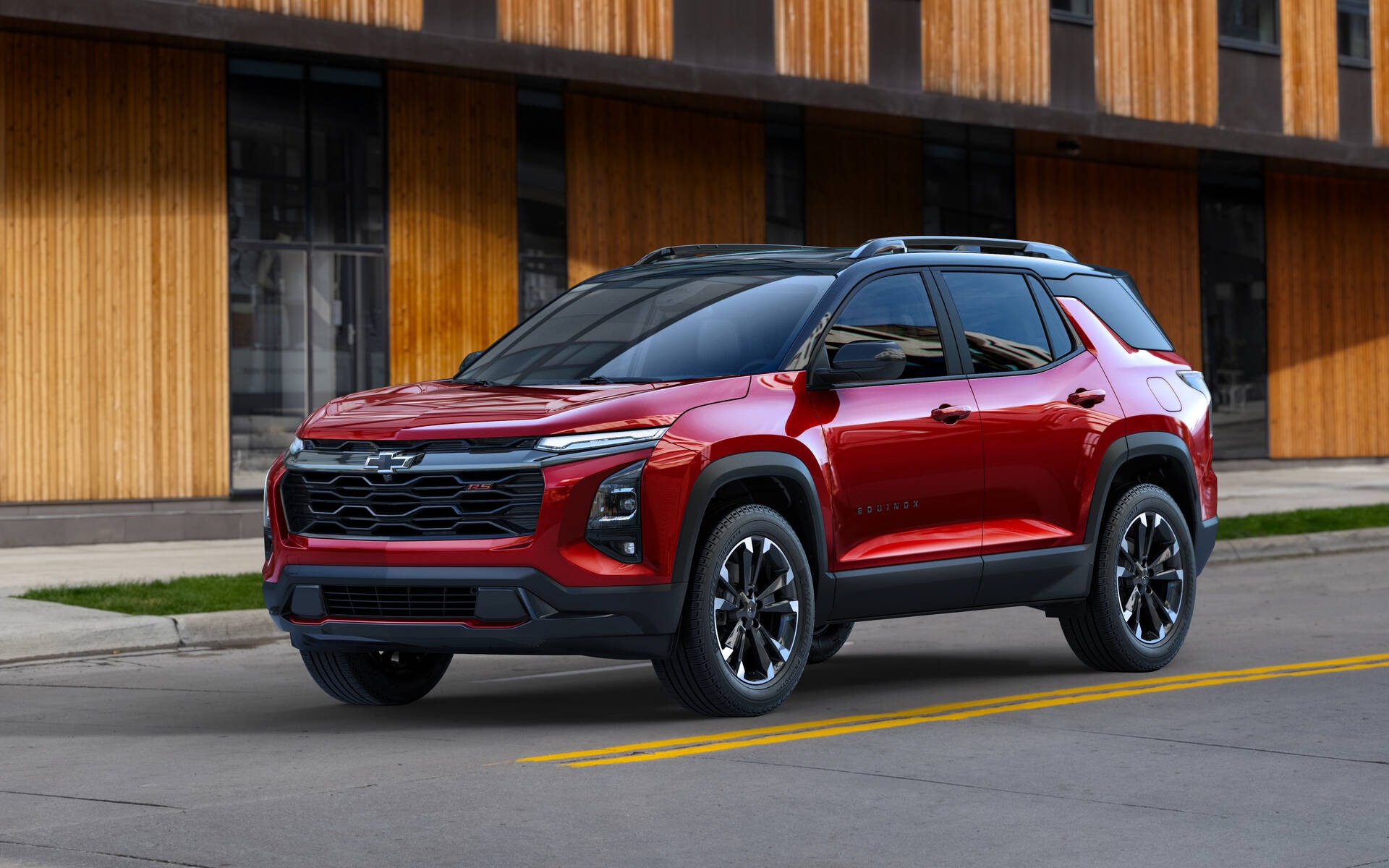
4. Chevrolet Equinox
The Chevrolet Equinox is praised for its family-friendly design and comfortable drive, but its MyLink infotainment system often stumbles when it comes to consistent Bluetooth communication.
Drivers note pairing can be hit or miss, and some find audio quality drops sharply or music simply fails to resume after a disconnect. Hands-free call interruptions are another regular issue.
While some updates and resets have addressed individual user problems, ongoing negative feedback suggests a more systemic flaw in the way the Equinox’s Bluetooth system communicates with diverse devices.
This inconsistency reduces trust in the system’s ability to integrate smoothly into people’s connected lives.
By highlighting the Equinox’s struggles, one can better appreciate the value of robust, future-proofed technology in vehicles, especially those that position themselves as ideal for families and daily commuters. Inconsistent performance is a significant strike against a car in today’s connectivity-driven world.
5. Kia Optima
The Kia Optima offers much in the way of design and value, but Bluetooth integration often undermines its tech appeal. Reports surface regularly about dropped music streams, slow pairing, or the car failing to recall a recently paired device.
Drivers frequently mention having to restart the infotainment system to restore a connection a hassle, especially during short trips.
These persistent missteps frustrate drivers who count on reliable wireless tech to support hands-free calls and music streaming.
The fact that these problems occur across a broad range of smartphones indicates that the issue may stem from the vehicle’s system rather than any single phone model.
Kia’s continued attempts to resolve these flaws through software patches underline the seriousness of the issue, but results have been mixed.
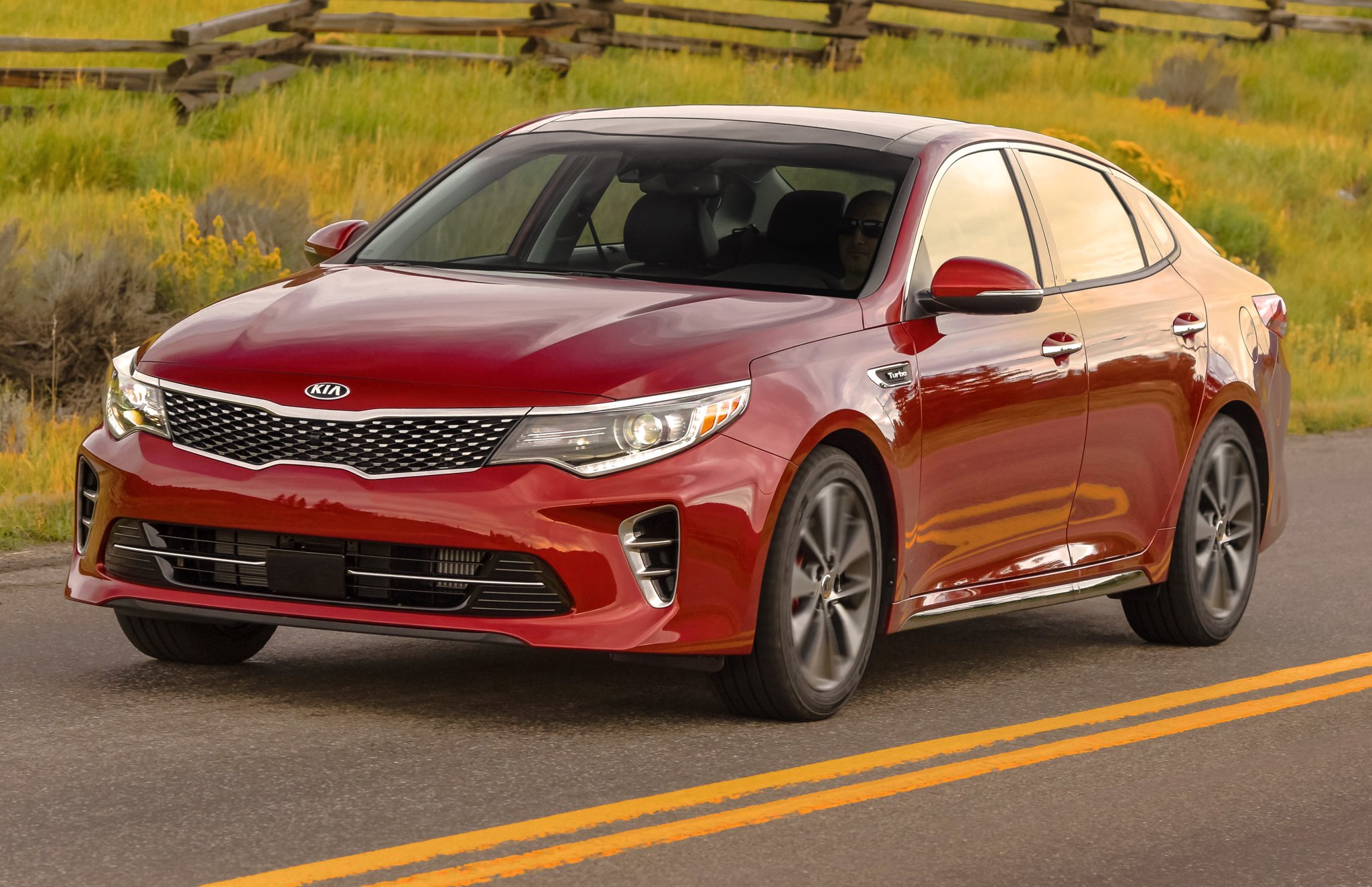
This recurring struggle with Bluetooth reliability reminds potential buyers to test connectivity in real-world situations before making a final decision on the Optima, especially if connectivity is a high priority in their next vehicle purchase.
Bluetooth connectivity in vehicles has become a crucial feature for modern drivers, enabling hands-free calls, music streaming, and easy access to navigation apps.
However, the quality of Bluetooth integration varies widely among different cars, creating markedly different experiences for users.
Some vehicles are praised for seamless, reliable Bluetooth connections that pair quickly, maintain strong connectivity, and deliver clear audio.
Other vehicles, despite excelling in areas such as performance or comfort, have gained reputations for frequent Bluetooth disconnects and connectivity frustrations.
On the positive side, vehicles like the Honda Accord and Toyota Camry consistently earn recognition for their dependable Bluetooth systems.
These cars offer quick device pairing, support multiple devices with easy switching, and maintain stable connections without interruptions.
Their infotainment interfaces emphasize simplicity and ease of use, allowing drivers to connect devices without distraction or repeated adjustments.
Additionally, cars such as the BMW 3 Series combine premium hardware with regular software updates, ensuring compatibility with the latest smartphones and streaming platforms.
Hyundai Sonata and Volkswagen Golf also stand out for providing smooth connectivity experiences at various price points, with thoughtful integration of phone features and high-quality audio performance. These vehicles help drivers stay focused while enjoying reliable, crystal-clear wireless communication.
Conversely, other popular models have struggled with Bluetooth reliability. The Ford Focus frequently experiences dropped calls and random audio stutters, requiring users to reset systems often.
Jeep Grand Cherokee users report persistent issues with its Uconnect infotainment system, including call drops and streaming disruptions, which detract from the vehicle’s otherwise strong appeal.
Similarly, the Nissan Altima’s pairing can be sluggish and unreliable, with ongoing disconnects frustrating drivers. Chevrolet Equinox’s MyLink system also exhibits inconsistency, including interrupted streams and poor call quality.
Finally, the Kia Optima often struggles with slow pairing and repeated disconnections that force driver intervention. These common Bluetooth problems complicate the driving experience and undermine confidence in hands-free technology.
Understanding which vehicles provide seamless Bluetooth connectivity versus those that regularly disconnect offers important guidance for buyers prioritizing wireless convenience and safety.
Seamless connectivity enhances the driving experience by enabling distraction-free communication and entertainment, whereas frequent disconnects create frustration and possible safety hazards due to divided attention.
While many automakers continue improving hardware and software to address these issues, the disparity in Bluetooth performance underlines the need for prospective buyers to test vehicle connectivity thoroughly before purchase.
Reliable Bluetooth integration is increasingly no longer optional but essential to a modern driver’s satisfaction on the road.
Also Read: 5 Cars With Easy Trunk Access vs 5 With High Lift-Over Heights
