
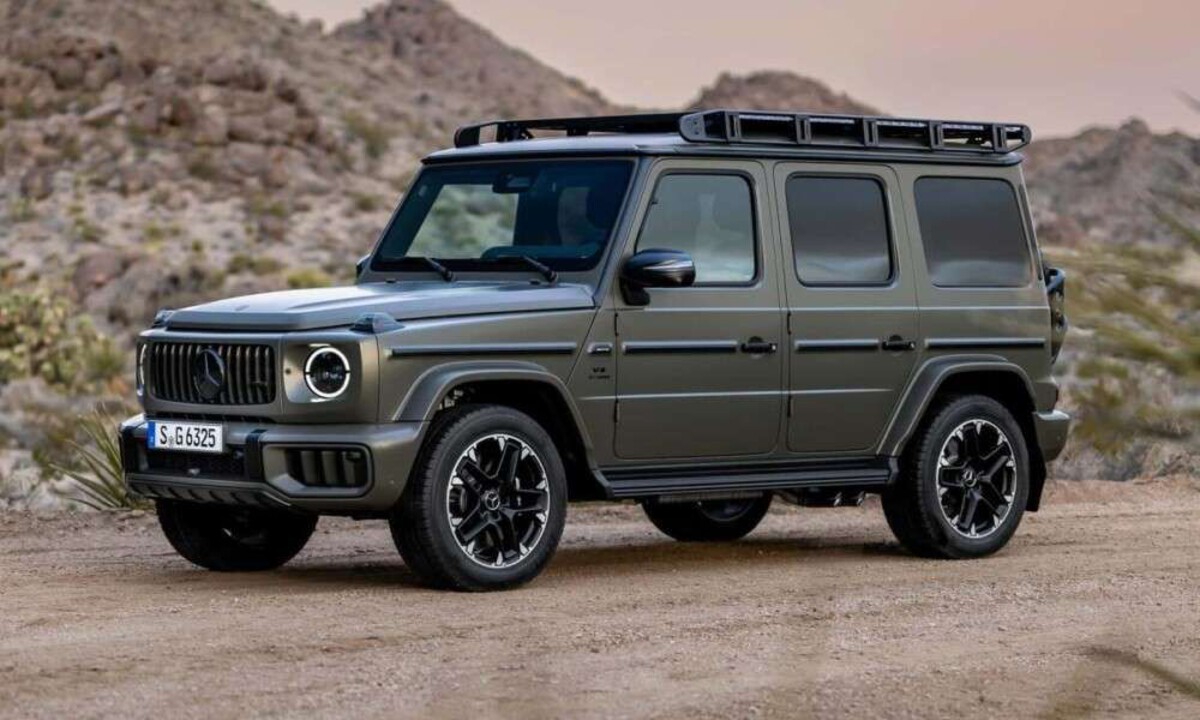
European SUVs offer a blend of precision engineering, design excellence, and driving dynamics that attract a loyal global following.
Buyers often assume that paying a premium for these vehicles guarantees a long road life, but stories from owners and mechanics reveal a more nuanced picture.
Some models rack up astonishing distances, reliably surpassing 300,000 miles while maintaining their composure and road-worthiness, becoming the pride of families who drive them for generations.
Others, however, encounter persistent reliability challenges, expensive repairs, and mechanical troubles that make reaching even 150,000 miles an uphill battle.
This reality prompts an important discussion for potential buyers: what truly distinguishes the reliable workhorses from short-lived companions?
Beyond the allure of branding and style, the question of longevity cannot be overlooked, particularly with SUVs that represent significant investments.
This article provides a comprehensive side-by-side review, sharing insights into five European SUVs celebrated for their endurance and five models dogged by premature failures.
Whether you’re seeking a reliable family vehicle or planning your next automotive upgrade, understanding these trends can help you make an informed choice and avoid costly surprises down the line.
Also Read: 5 ’90s Cars Known for Robust Crash Safety vs 5 Modern Cars Cutting Safety Corners
5 European SUVs That Top 300,000 Miles
European engineering, when married to robust design and thoughtful maintenance, produces vehicles that stand the test of time. Some European SUVs become legends on the road, known for crossing the 300,000-mile mark while still delivering dependable performance.
The longevity of these models can be attributed to superior build quality, durable powertrains, and manufacturer commitment to parts availability. Owners who select wisely and care for these SUVs reap rewards far beyond predictions, experiencing reliable transportation for many years.
Why focus on survivors that reach such impressive figures? The ability to sustain daily use, tackle harsh climates, withstand varied driving conditions, and handle demanding adventures speaks volumes about their construction.
For buyers, this means maximizing investment, reducing long-term costs, and avoiding frequent vehicle replacement. The following five SUVs have cultivated a reputation based on anecdotal accounts, maintenance records, and trusted automotive sources.
Highlighting their strengths helps prospective owners understand which models consistently surpass expectations, while also showcasing the value of European automotive expertise in the long run.
1. Volvo XC90
The Volvo XC90 stands out as a testament to Swedish longevity and thoughtful engineering. Introduced in 2002, the XC90 quickly earned a reputation as one of the most enduring luxury SUVs on the market.
Its secret lies in a combination of sturdy powertrains, a conservative design approach, and Volvo’s heritage of safety-first innovation.
Owners have reported clocking well into the 300,000-mile range with only routine maintenance and predictable wear-and-tear items.
The five- and six-cylinder engines from earlier generations have proven themselves robust, and the more recent four-cylinder variants, when serviced regularly, follow suit.
What truly makes the XC90 special are its build quality and the resilience of key components such as the transmission and suspension.
The SUV’s chassis seems perfectly tailored to absorb the shocks of both city and rural driving, while interiors show remarkably little aging even after two decades.
Another factor boosting the XC90’s longevity is the availability of parts and Volvo’s extensive global service network.
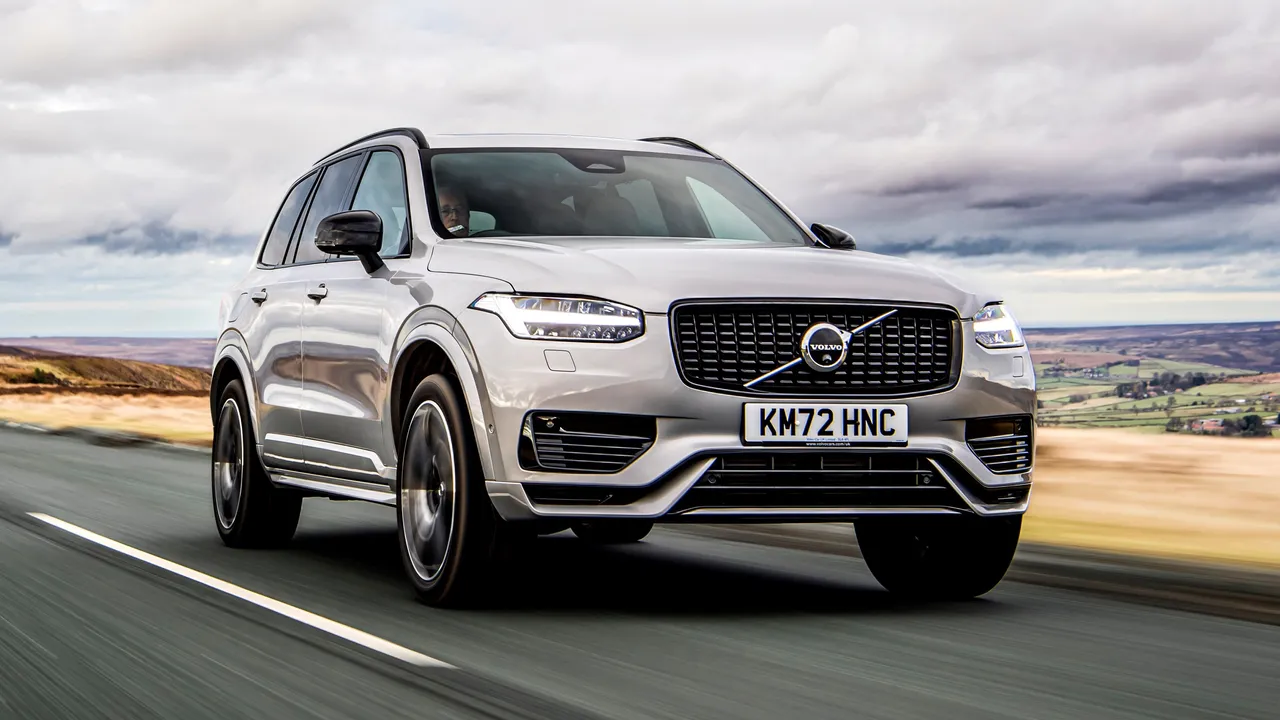
Dedicated enthusiast communities guide preventive maintenance schedules and common problem areas, empowering owners to keep their vehicles running smoothly for years beyond the typical lifespan.
For buyers looking for a family-friendly SUV that won’t let them down after a few years, the XC90 shines as a top choice, delivering comfort, safety, and durability in equal measure.
2. Mercedes-Benz G-Class
Few SUVs hold the same prestige and ruggedness as the Mercedes-Benz G-Class. Initially designed as a military and utility vehicle, its DNA is evident in reliability and long-lasting mechanical components.
The boxy, iconic exterior may have evolved with technology and luxury finishes, but beneath the surface, much remains rooted in the original concept of dependability.
Long-term owners often praise the G-Class for its indestructible engines, especially the diesel and older naturally aspirated variants, which show a tendency for extremely high mileage without major overhauls.
The G-Wagen’s frame-on-body construction resists rust and structural fatigue, and key mechanicals differentials, driveshafts, and transfer cases rarely falter when properly maintained. Reports of G-Class models reaching and surpassing 300,000 miles are common, often with minimal repairs outside scheduled service.
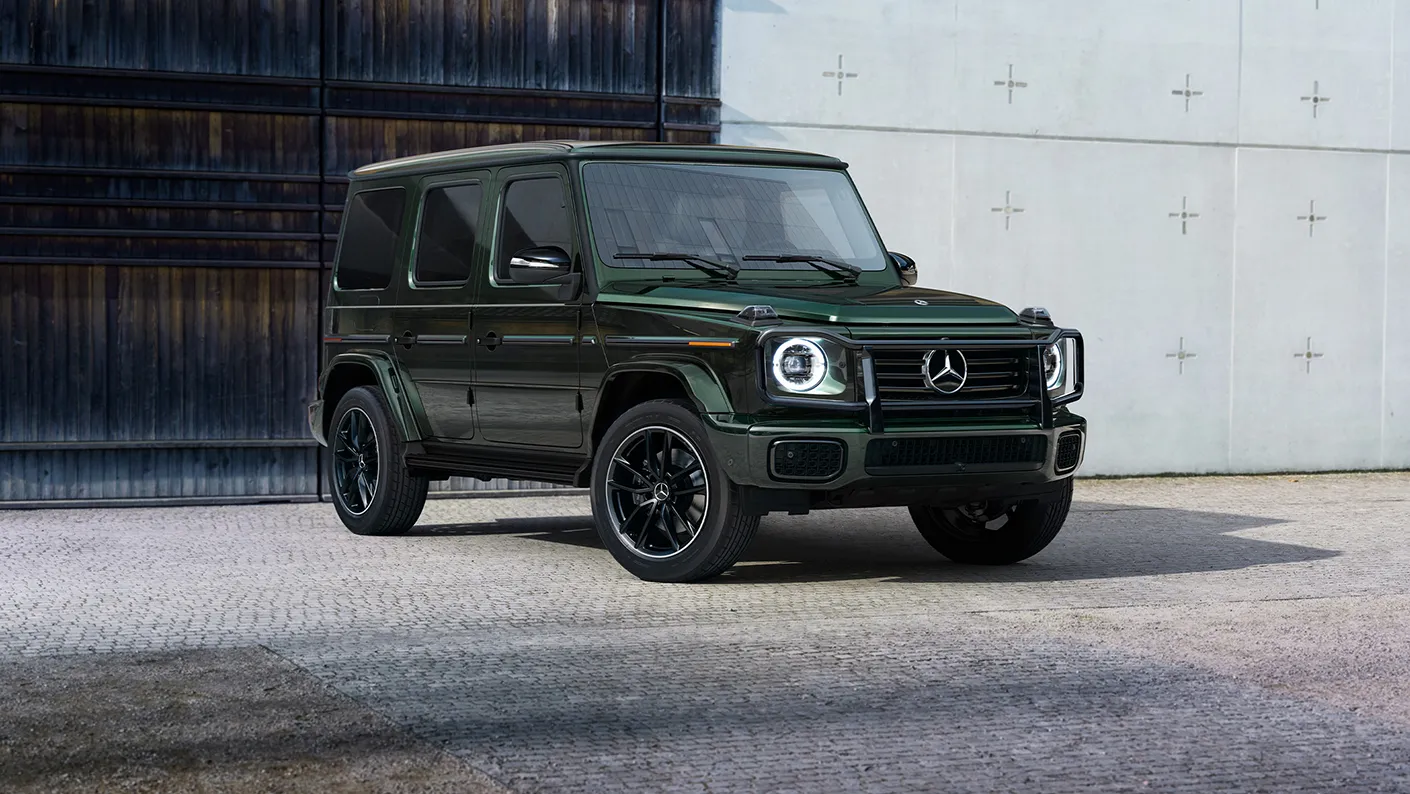
One explanation for this longevity lies in Mercedes’ approach to overengineering; many components are built to military-grade standards, far exceeding typical civilian expectations. The utility roots also ensure access to a vast parts catalog, shared by multiple generations, which keeps repairs straightforward and cost-effective.
Enthusiast groups and specialized mechanics familiar with the iconic SUV contribute to its ability to stay on the road for decades. The G-Class illustrates how luxury and toughness can go hand-in-hand, making it one of the most reliable endurance vehicles in the premium SUV segment.
3. BMW X5 (E53 and E70 Generations)
The BMW X5, particularly the E53 and E70 generations, has built a significant following for combining driver engagement with remarkable longevity.
Thoughtful engineering, a strong emphasis on highway performance, and a tradition of routine maintenance have enabled many of these SUVs to break past 300,000 miles.
Solid engine options particularly the inline-six and V8 powerplants offer a balance of power and reliability. Owners who prioritize regular oil changes, coolant flushes, and early attention to leak-prone gaskets usually report years of dependable service.
Suspension and drivetrain components are designed to withstand extended miles, provided worn bushings and joints are replaced at recommended intervals.
What also sets the X5 apart is its reputation for retaining cabin quality, with interiors showing minimal sagging or electronic faults after extensive use.
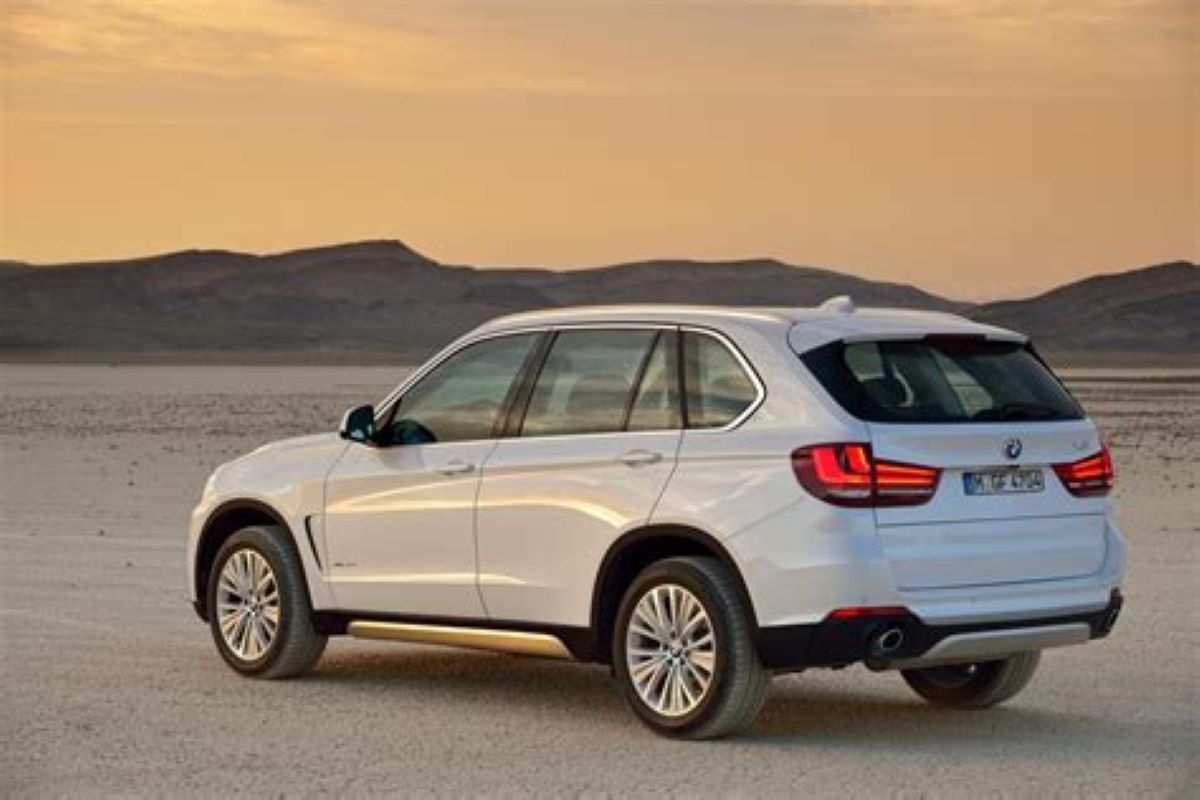
The X5’s broad service network and the willingness of many owners to handle minor maintenance themselves have made sourcing parts and expertise relatively easy.
Enthusiast forums document proven methods for extending the life of these SUVs, and a wealth of technical knowledge is available to support both novices and seasoned mechanics.
For those seeking to combine driving pleasure with long-term savings on replacement, the BMW X5 continues to represent a smart and satisfying choice.
4. Audi Q7
Audi’s Q7 is renowned for its comfort, advanced technology, and, in specific configurations, remarkable resilience. Early models introduced in the mid-2000s, especially those equipped with the 3.0 TDI diesel engines, have often surpassed the 300,000-mile threshold under consistent care.
A big part of the Q7’s longevity story centers on the robust turbo diesel engines and the vehicle’s versatile Quattro all-wheel-drive system.
Owners who maintain regular transmission service, address electronic needs promptly, and stick to recommended timing belt replacements seldom face catastrophic issues.
The Q7’s corrosion protection and solid chassis further contribute to its impressive mileage potential; rust is almost unheard of on properly cared-for vehicles even after a decade or more.
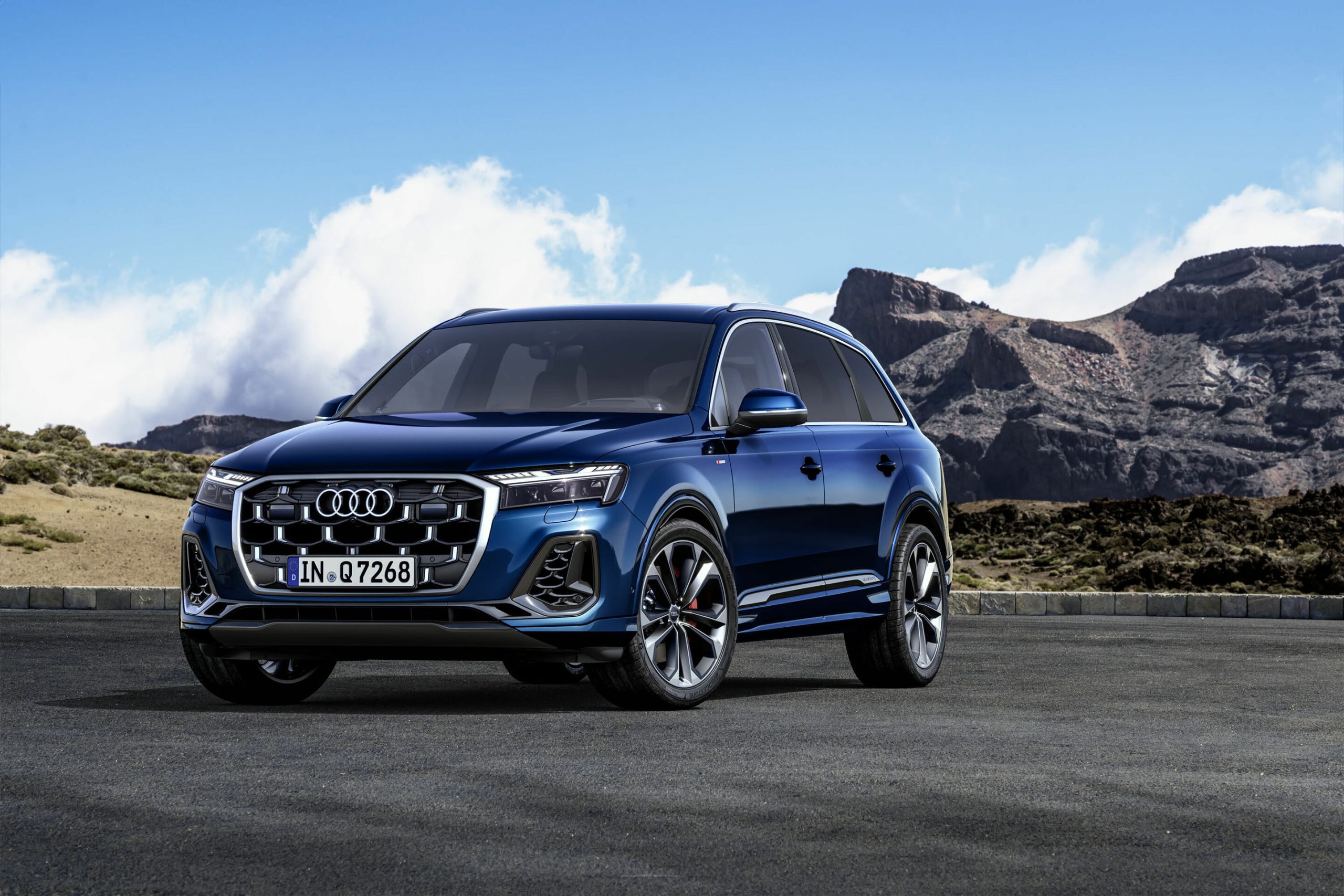
Audi’s parts availability, along with a dedicated owner base, helps with keeping older Q7s reliable. Enthusiasts and mechanics share knowledge on forums about affordable repairs and preventive techniques, extending the practical lifespan of the SUV.
The Q7 appeals to families and long-distance commuters alike, offering a near-perfect mix of comfort, performance, and dependability well beyond what most would expect for a European luxury SUV.
5. Volkswagen Touareg
The Volkswagen Touareg rounds out this group with a track record that defies initial assumptions. Some may regard it as a luxury SUV with complicated electronics, but owners who invest in proper maintenance are often rewarded with lasting durability.
Early V6 TDI models and the revered V10 TDI version have amassed loyal followings after consistently reaching 300,000 miles without significant degradation in performance.
Engineered alongside the Audi Q7 and Porsche Cayenne, the Touareg shares many mechanical components known for strength and longevity.
A robust chassis, adaptive air suspension (when serviced), and straightforward all-wheel-drive systems support dependable daily driving in diverse environments. Its powertrains, especially the diesels, benefit from lower stress and high fuel efficiency which contributes to reduced long-term wear and tear.
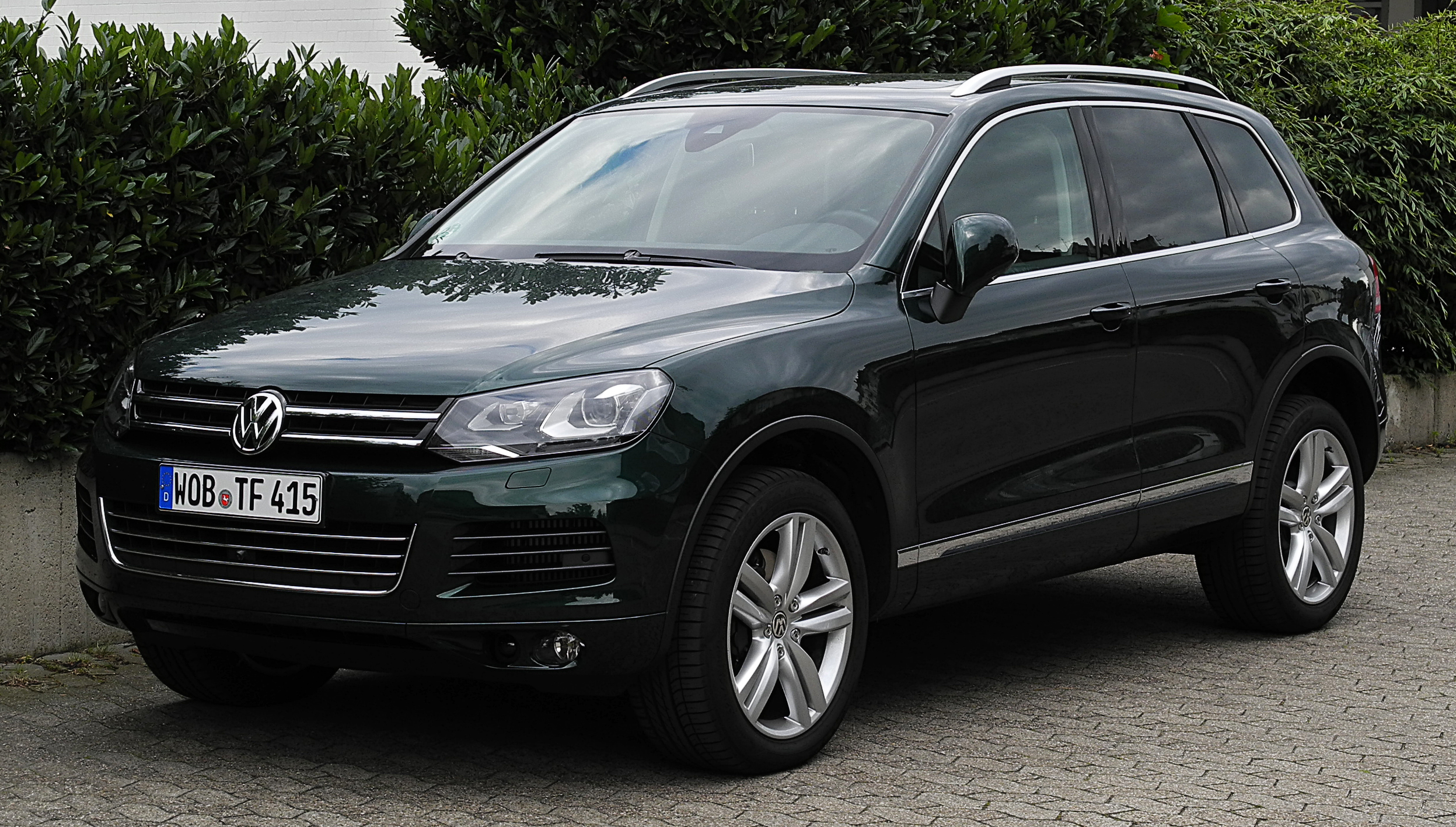
Volkswagen’s global parts supply and a passionate owner community willing to share maintenance tips have made high mileage possible without excessive expense.
For those ready to take on regular preventive services, the Touareg emerges as a surprisingly reliable pick within the elite European SUV category.
Its blend of understated luxury, capability, and real-world endurance continues to win over those who prize value and reliability on the road.
5 European SUVs That Fail Before 150,000 Miles
While some European SUVs enjoy reputations as indefatigable machines, others prove disappointing when it comes to longevity.
Certain models, despite their prestigious badges and promising features, struggle with chronic reliability issues, high repair costs, or design decisions that lead to premature aging.
These vehicles may look appealing on the showroom floor, but owners often encounter frustrating setbacks long before reaching what many consider a reasonable high-mileage mark, sometimes experiencing significant mechanical failures under 150,000 miles.
Why pinpoint SUVs with notably short lifespans? Understanding which models encounter systemic problems, be it fragile components, electronic snafus, or problematic engines, arms buyers with crucial information for making wise investment decisions.
A pattern of major failures or excessive running costs not only disrupts daily life, but also weighs heavily on long-term ownership satisfaction and resale value.
By highlighting several notorious examples, this section aims to inform readers about what to watch out for, sparing them the headaches that can accompany the wrong vehicle choice.
1. Land Rover Discovery 3 (LR3)
The Land Rover Discovery 3, also sold as the LR3 in North America, highlights the gap between promise and reliability. Marketed as a versatile and luxurious off-roader, it quickly gained a devoted audience.
Unfortunately, the vehicle’s complex electronics, air suspension system, and a trio of engines prone to issues collectively contribute to disappointing durability, with many failing before reaching 150,000 miles.
The air suspension is notorious for premature leaks and compressor failure, leading to costly repairs and frequent downtime.
Owners also report consistent problems with electrical modules, which can immobilize the vehicle or trigger dashboard warnings that require extensive troubleshooting.
The engines, particularly the V8 petrol, have been linked to a range of failures, including crankshaft issues and cooling system problems that lead to overheating and severe engine damage.
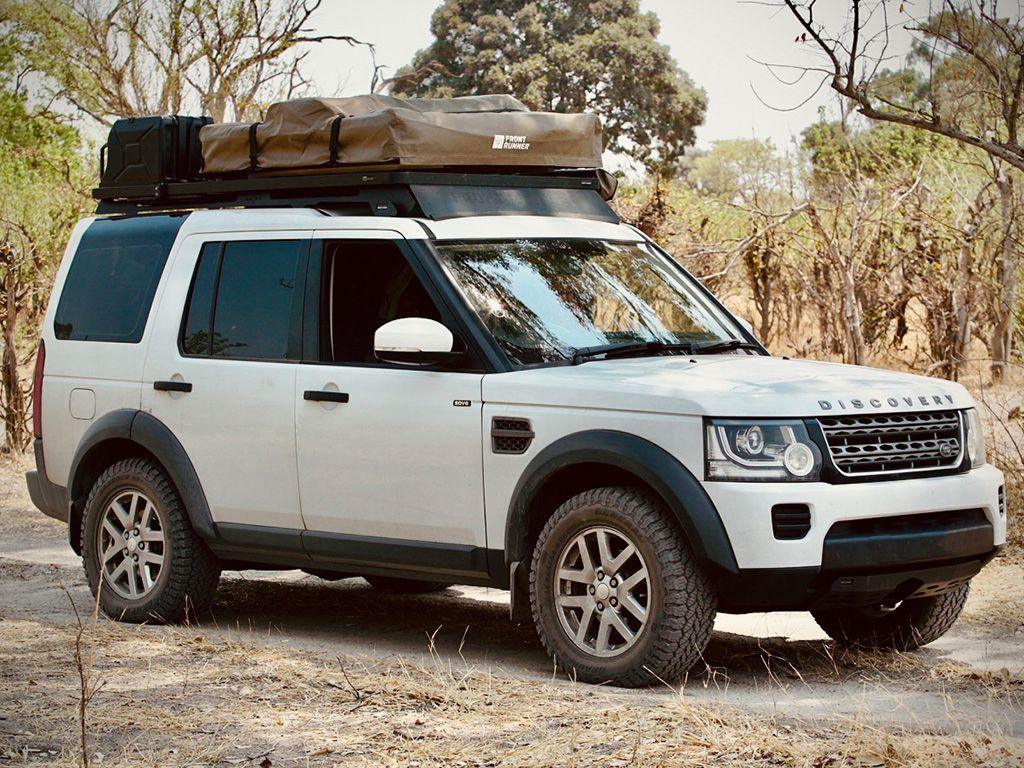
Beyond these mechanical concerns, repair and parts costs for the Discovery 3 are steep, with specialized labor often needed to address faults uncommon in more reliable SUVs.
These challenges have fostered a reputation for stress and expense rather than enjoyment and dependability.
Even ardent fans of the Land Rover badge often acknowledge the risks associated with choosing this model for long-term ownership, making it a cautionary tale in the European SUV segment.
2. BMW X5 (E53 4.4i and E70 4.8i V8s)
Although certain versions of the BMW X5 can top the 300,000-mile threshold, some specific configurations, especially the V8-powered E53 4.4i and E70 4.8i, are far more likely to succumb to early failures.
These models are plagued by chronic engine and cooling system problems that result in major breakdowns well before 150,000 miles for many owners.
Valve stem seal failures cause excessive oil consumption, leading to fouled spark plugs and repeated service visits. Other common issues include timing chain guide breakdowns, coolant leaks from brittle plastic components, and transmission problems.
The complex air suspension, although comfortable when working, is prone to leaks and costly malfunctions over time. The sum of these challenges means these BMWs often require expensive interventions just to stay roadworthy.
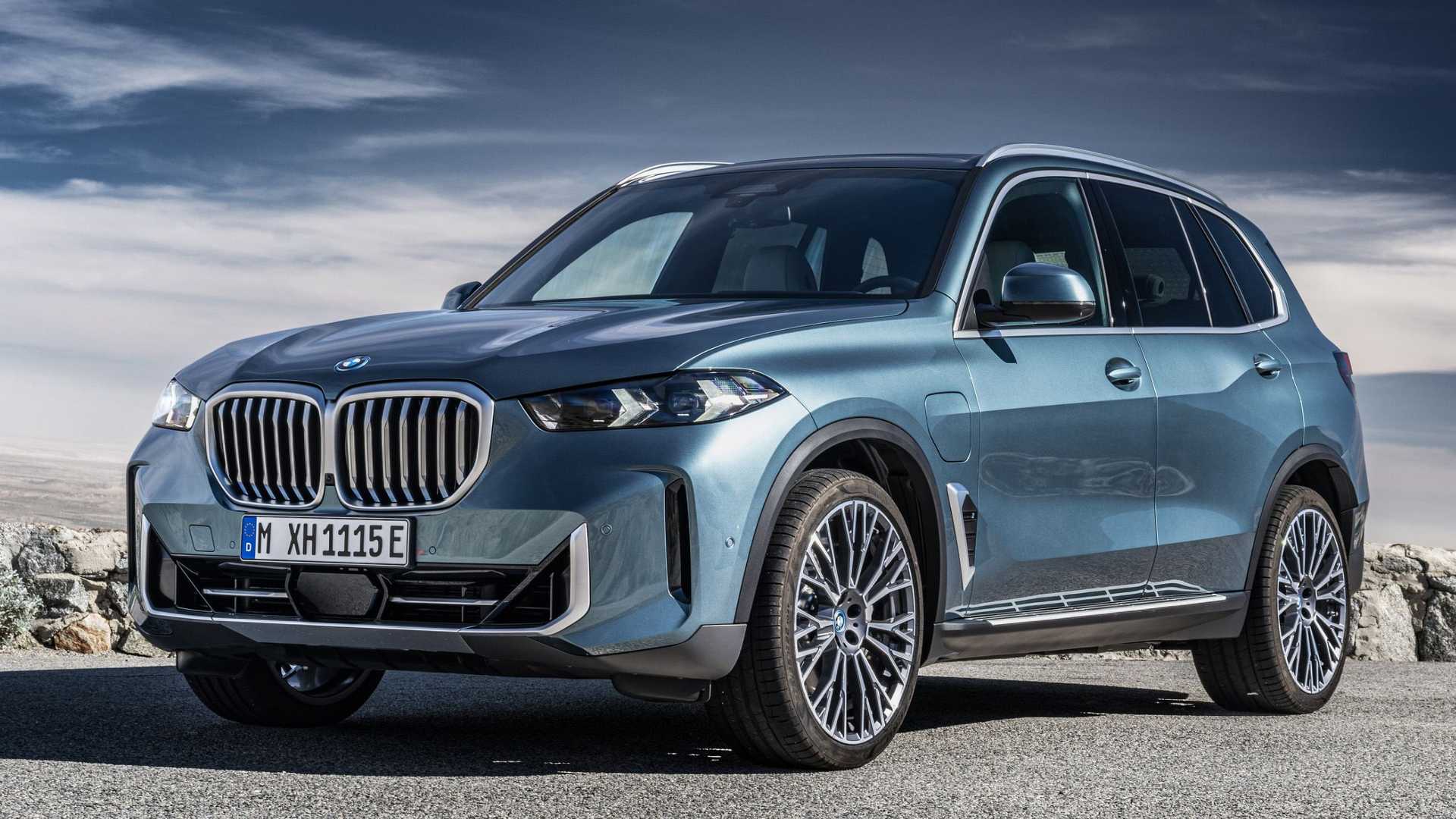
High parts costs, the intricacy of the powertrain, and a host of sensors that trigger warning lights compound frustrations for those seeking dependable transportation.
As a result, many mechanics and used-BMW enthusiasts recommend caution or avoidance unless a comprehensive service history is available and regular maintenance can be assured.
These versions serve as a stark reminder that not all badges guarantee lasting quality, and some high-spec SUVs may bite back sooner than anticipated.
3. Range Rover Sport (Early Models)
The Range Rover Sport, especially the pre-facelift models introduced in the mid-2000s, has gained notoriety for poor reliability and expensive repairs.
Despite offering unrivaled luxury and off-road prowess, these models struggle to reach even 150,000 miles without multiple major component failures.
Engine issues are widespread, with the early V8 engines noted for timing chain tensioner failures, oil leaks, and head gasket problems.
Air suspension woes are almost universal, often resulting in expensive and recurring repairs over the life of the vehicle.
Electrical gremlins ranging from infotainment malfunctions to total power loss are also frequent. Many owners face hefty repair bills for differential and transfer case issues, which undermine confidence in the SUV’s driveline durability.
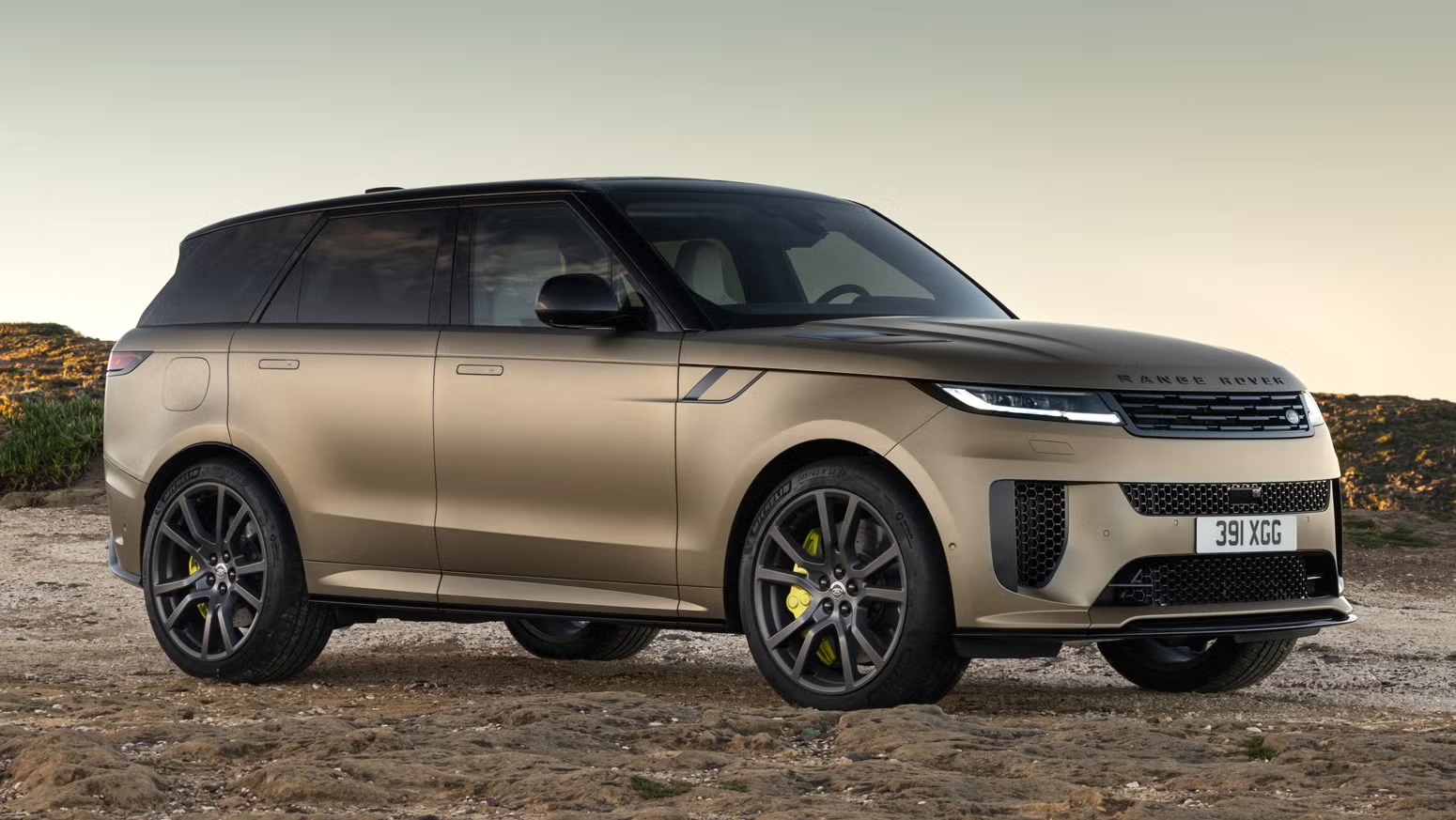
Even with diligent maintenance, the cost of keeping the vehicle operational can easily surpass expectations, making the Range Rover Sport one of the least economical choices in its segment.
For buyers seeking peace of mind and longevity, these early models are best approached with caution, or avoided altogether unless a comprehensive service plan is in place.
4. Audi Q5 (2.0 TFSI Models, Early Years)
The Audi Q5, specifically early TFSI 2.0-liter turbocharged models, often turn problematic as the miles climb. While praised for driving dynamics and styling, many of these vehicles encounter catastrophic engine problems before reaching the 150,000-mile mark.
The primary culprit is oil consumption, related to flawed piston rings and other design deficiencies. Excessive oil use can lead to low engine lubrication, cylinder scoring, and, ultimately, engine replacement.
Turbocharger failures, timing chain tensioner faults, and water pump leaks further erode confidence in the vehicle’s long-term dependability. Dashboard electronics and sensors are susceptible to problems that can immobilize the car or prompt repeated visits to the shop.
Owners frequently report mounting costs and escalating frustration as multiple issues compound over time.
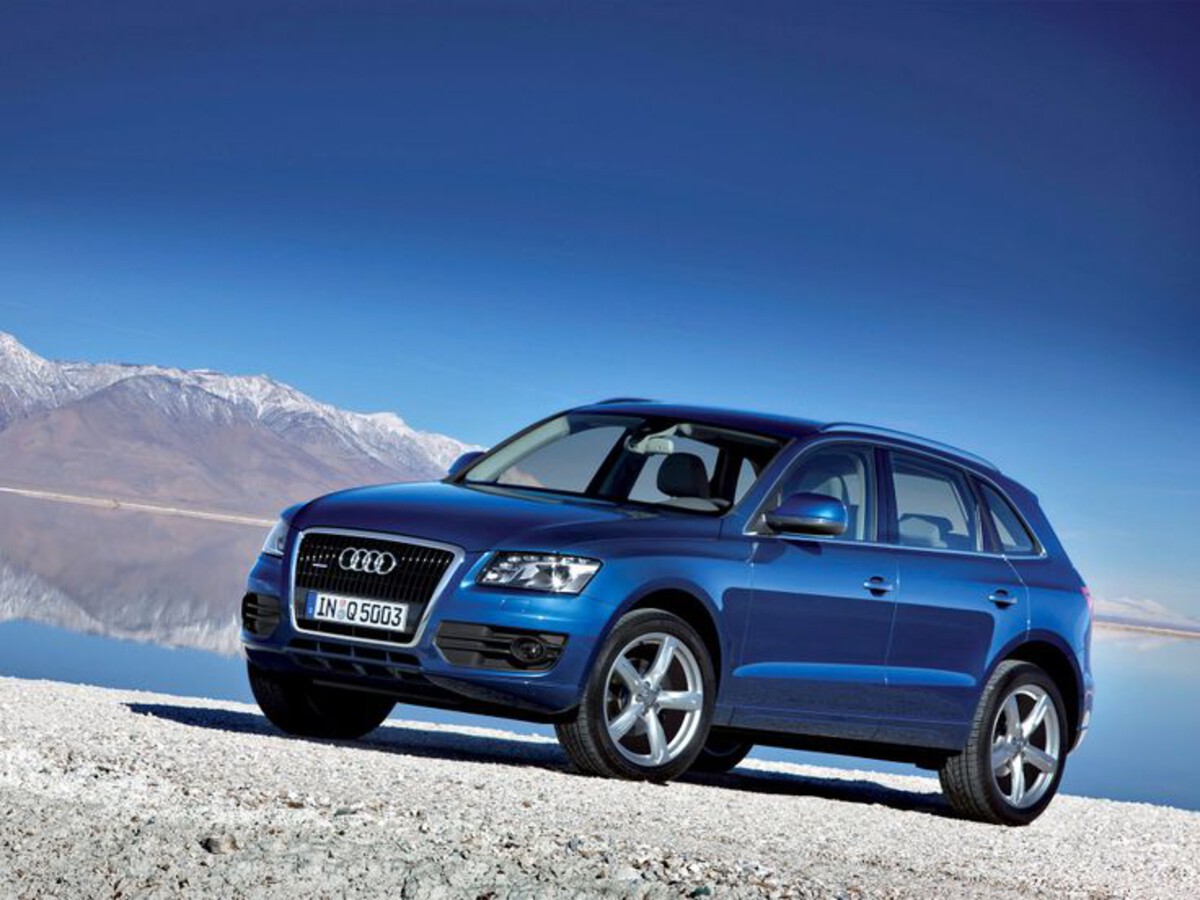
Despite Audi’s efforts to address some of these defects with service campaigns and revised parts, the rate of premature engine replacements on early Q5s remains high.
Buyers considering used examples are typically advised to seek later models with updated engine internals or to confirm that all relevant recalls and technical bulletins have been addressed.
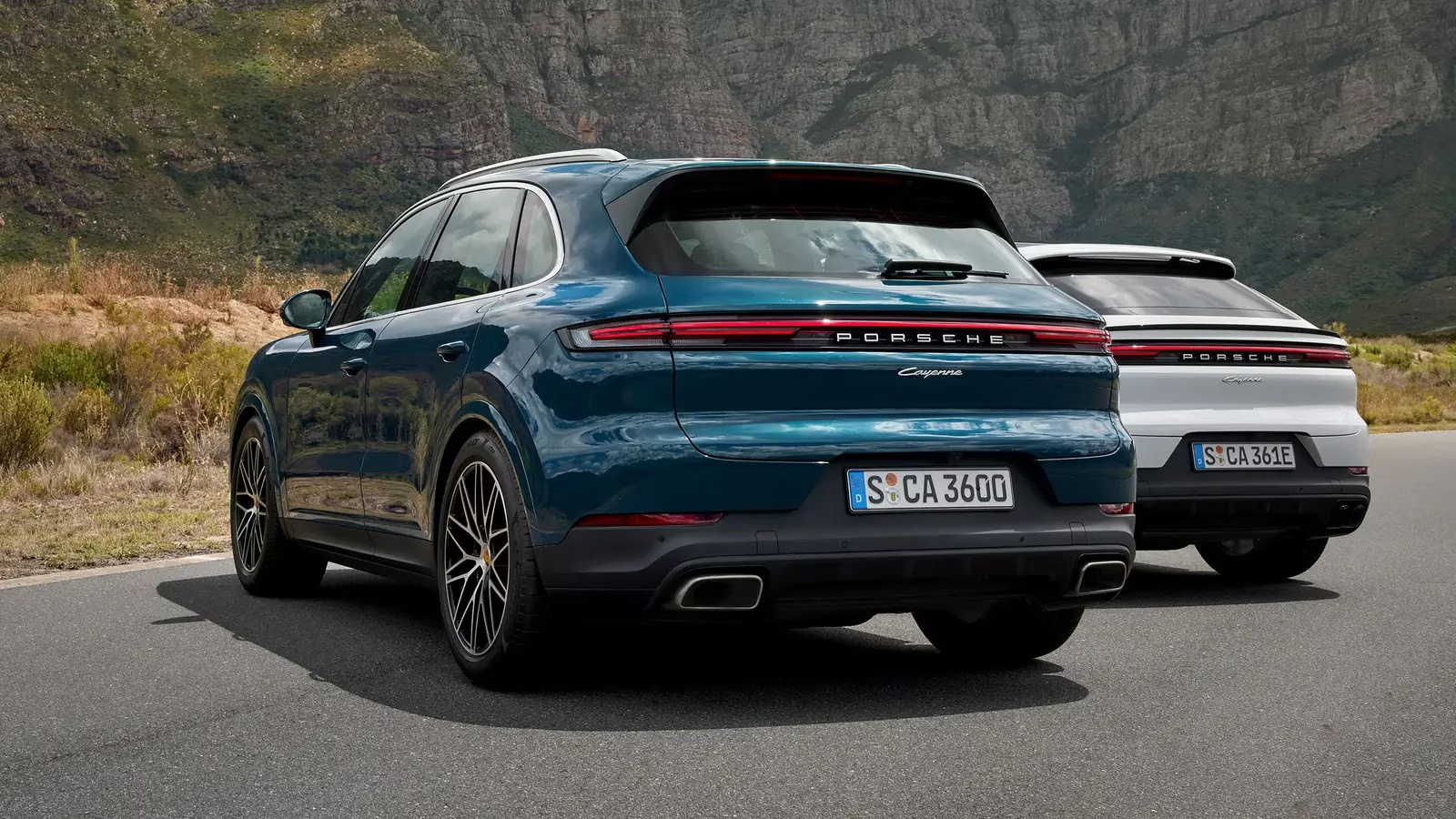
5. Porsche Cayenne (2004–2010 V8 Models)
The first-generation Porsche Cayenne, particularly the V8-powered S and Turbo models produced between 2004 and 2010, often disappoint longevity expectations.
While the Cayenne impresses with driving dynamics and a badge associated with high performance, chronic reliability issues undermine its road life.
Cooling system and plastic coolant pipe failures are common, sometimes causing engine overheating and catastrophic damage. Some engines are prone to bore scoring, which leads to oil consumption and expensive overhauls.
Air suspension systems introduce further risk, with many owners reporting far higher repair costs than initially anticipated. Drive shaft failures and transfer case issues can also arise, compounding the vehicle’s maintenance demands.
The cost to address these mechanical and electronic faults is significant, and the complexity of the Cayenne’s systems means even routine maintenance can turn into a costly proposition.
For those who want to experience Porsche performance in an SUV, more recent models with updated designs are the safer bet.
Early Cayenne V8s serve as a reminder that sporting credentials do not always guarantee rugged, long-term reliability, especially when inherited issues move repair bills well beyond the ordinary.
European SUVs are often synonymous with luxury, performance, and cutting-edge technology, but their reputation for long-lasting reliability varies widely.
While some models consistently achieve over 300,000 miles with proper care, others face recurring mechanical issues that cause them to fail prematurely, often before reaching 150,000 miles.
Knowing which SUVs offer true durability versus those likely to incur high repair costs early on can make a significant difference for buyers seeking long-term value and peace of mind.
This summary highlights five European SUVs known for their exceptional longevity, alongside five that frequently disappoint owners with reliability problems.
Among the European SUVs renowned for surpassing 300,000 miles, the Volvo XC90 stands out as a sensible choice combining safety, sturdiness, and comfort. Introduced in the early 2000s, its engines and chassis are designed for endurance.
The model’s conservative engineering, robust suspension, and relatively straightforward mechanical systems contribute to long-term reliability.
Meanwhile, the Mercedes-Benz G-Class, with roots in military-grade utility vehicles, offers uncompromising toughness and durability.
Its body-on-frame construction, reliable diesel and gasoline engines, and overspecified components enable many models to rack up extensive mileage often without major breakdowns.
The BMW X5, specifically the E53 and E70 generations, strikes a balance between sporty driving dynamics and reliability when owners maintain it diligently.
Engines like the inline-six and V8 show durability, especially if oil changes and routine preventive maintenance are performed regularly.
The X5 also benefits from BMW’s superb engineering quality in chassis and interior materials, ensuring the vehicle ages well.
Audi’s Q7, particularly early models equipped with the 3.0 TDI diesel engine, pair strong powertrains and a rugged Quattro all-wheel-drive system with solid corrosion resistance.
These factors help owners surpass the 300,000-mile mark when maintenance is consistent. Similarly, the Volkswagen Touareg, sharing many components with Porsche and Audi vehicles, surprises with its endurance, especially in diesel configurations. Its use of dependable AWD systems, durable engines, and accessible parts contribute to its lasting appeal.
In stark contrast, certain European SUVs struggle with longevity and tend to fail before reaching 150,000 miles.
The Land Rover Discovery 3 (LR3) is often cited as a cautionary example due to frequent air suspension failures, electrical glitches, and engine issues that frustrate owners.
Repair costs are high, and many Discovery 3s require expensive component replacements far earlier than expected.
Similarly, some versions of the BMW X5, especially early V8-powered E53 4.4i and E70 4.8i models, face repeated engine problems like oil consumption and cooling system leaks that often result in costly repairs or engine overhauls in shorter timeframes.
The Range Rover Sport, especially early variants, has a reputation for poor reliability marked by timing chain tensioner problems, air suspension failures, and persistent electrical faults.
Even with attentive maintenance, these issues frequently cause breakdowns before the vehicle accrues significant mileage.
Audi’s early Q5 models, specifically those with the 2.0 TFSI turbocharged four-cylinder engine, endure high rates of oil consumption, timing chain tension failures, and related engine damage, often necessitating early rebuilding or replacement.
Lastly, the Porsche Cayenne first generation, particularly V8-powered models from 2004 to 2010, suffers from cooling system weaknesses, premature engine wear, and expensive air suspension repairs, which frequently limit their longevity.
Understanding these contrasting reliability profiles is crucial when considering a European SUV. Vehicles like the Volvo XC90 and Mercedes-Benz G-Class reward owners with decades of dependable service, provided routine maintenance is not neglected.
They demonstrate how solid engineering, quality materials, and accessible servicing can translate into models that maintain functionality well beyond factory warranty periods.
Conversely, models such as the Land Rover Discovery 3 and early Range Rover Sport remind buyers that luxury or performance credentials may come with hidden reliability costs, potentially outweighing the initial appeal.
These SUVs require not only vigilance but also a preparedness to invest in repairs, making them less suitable for buyers prioritizing long-term durability.
When shopping for an SUV, future owners should research not only brand prestige or styling but also real-world owner experiences and common failure points documented through maintenance histories and forums.
Opting for models with proven mechanical strength, lower ownership costs, and better parts availability ensures a more satisfying ownership journey.
European SUVs offering over 300,000 miles exemplify vehicles that combine engineering finesse with practical longevity, providing comfort and versatility without sacrificing reliability.
Avoiding those prone to premature failures, meanwhile, spares owners both frustration and unexpected expenses, enabling smarter, more sustainable choices in the evolving SUV market.
This comparison serves as a guiding reference for anyone interested in European SUVs, whether seeking a family hauler, an adventure companion, or a luxury daily driver.
Prioritizing models with documented endurance lays the foundation for years of trouble-free driving and holds greater residual value.
Being aware of common pitfalls also supports better-informed decisions and stronger negotiation positions when purchasing used SUVs.
Ultimately, the distinction between European SUVs that thrive well beyond 300,000 miles and those that falter early boils down to engineering choices, maintenance discipline, and manufacturer support elements that shape the true ownership experience.
Also Read: 5 Pioneering Cars That Introduced Reliable Safety vs 5 Early Adopters with Issues
