
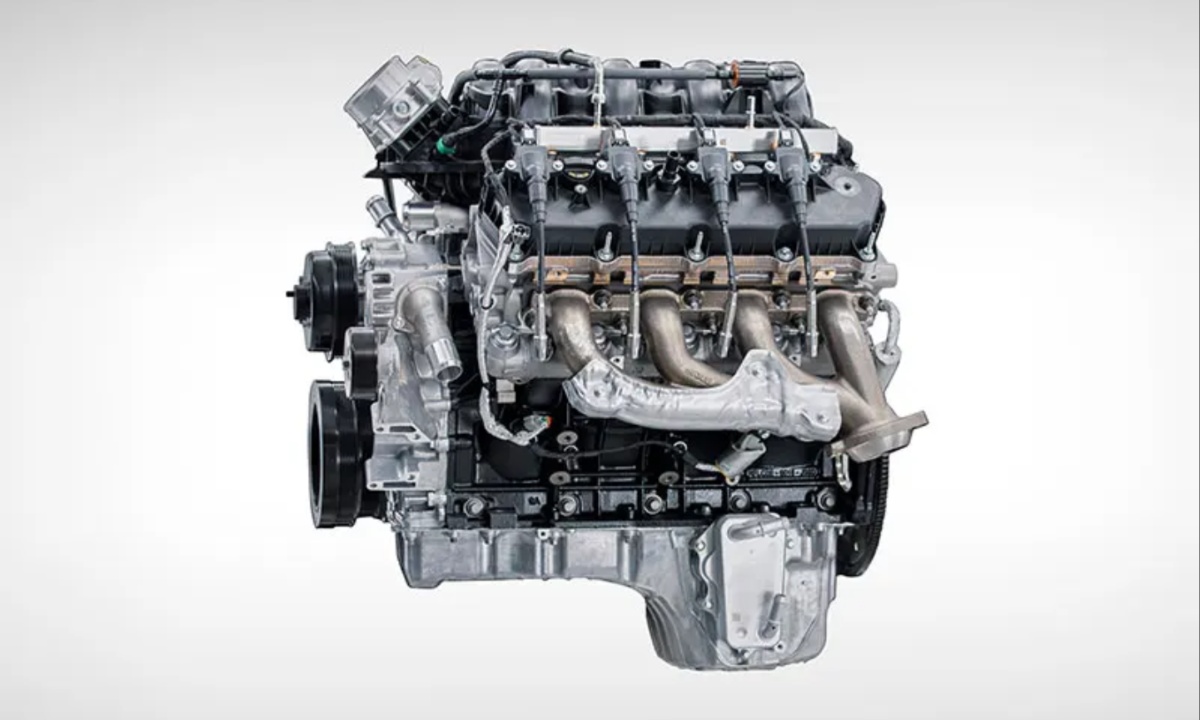
When people rely on diesel pickup trucks for hard work, from hauling heavy trailers to running daily errands, the reliability of the engine stands front and center in decision-making.
Diesel engines have a reputation for longevity, with tales of pickups driving long past the point most other vehicles retire.
It’s not just myth; certain diesel engines earn admiration for routinely logging over 500,000 miles. For commercial fleet operators, construction crews, and families living in remote areas, these engines symbolize trust and peace of mind.
Yet, not every diesel engine delivers on those expectations. Some have earned infamy for serious issues cropping up far too soon, sometimes failing before hitting 200,000 miles, which is a painful surprise for drivers who expected traditional diesel durability.
Expensive repairs, chronic engine problems, and, in some cases, complete failure haunt specific models, casting a shadow over company reputations and owner confidence.
This comparison brings together both sides of the coin: five diesel pickup engines known for pushing the odometer past 500,000 miles with well-earned durability, and five that consistently show signs of major trouble before even half that milestone.
By spotlighting these engines, the aim is to clarify what makes an engine trustworthy for the long road and what pitfalls to avoid for anyone shopping for a long-lasting diesel pickup.
Also Read: 5 Pioneering Cars That Introduced Reliable Safety vs 5 Early Adopters with Issues
5 Diesel Pickup Engines That Hit 500,000 Miles
For generations, diesel pickup owners have shared stories at truck stops and in forums about engines that seem unstoppable.
Driving hundreds of thousands of miles on a single powertrain isn’t just impressive it sets a standard that every manufacturer aims to meet but only a select few consistently reach.
These engines are chosen not for fleeting popularity, but for real-world performance, low maintenance demands, and a hard-earned place at the top based on owner loyalty and years of reliable service.
These five diesel engines have become legends, often outlasting the trucks and sometimes getting swapped into new chassis just to keep them on the road.
The reasons for their staying power range from straightforward mechanical design and robust construction, to simple electronics and community knowledge that turns routine maintenance into second nature.
Professional drivers, rural residents, and diesel enthusiasts swear by these engines not just because of longevity claims, but because they see the proof every time a truck turns the key after years of labor.
Each engine featured here represents a unique blend of engineering, dependability, and a legacy of real-life stories proving that a truck’s heart can truly go the distance.
1. Cummins 5.9L 12-Valve (1989–1998)
The Cummins 5.9L 12-Valve diesel engine stands out as a true workhorse in pickup history. Introduced in the late 1980s and featured in Dodge Ram trucks, its simple, durable design continues to garner respect decades later.
At the core of this engine’s reputation is its robust cast-iron block and mechanical Bosch P7100 injection pump. Unlike more modern diesels full of electronics prone to glitches, the 12-valve operates almost entirely through mechanical means.
This not only simplifies repair but allows the engine to run in a wide range of conditions, from summer heat to freezing cold, with confidence.
Thick cylinder walls, forged internals, and a straightforward turbocharging system mean these engines withstand years of hard pulling.
Modifications can easily enhance power, but even in stock trim, these engines reach 500,000 miles when maintained with basic oil and filter changes. Farm rigs, hot shotters, and tradespeople gravitate to this engine because it seems almost unbreakable.
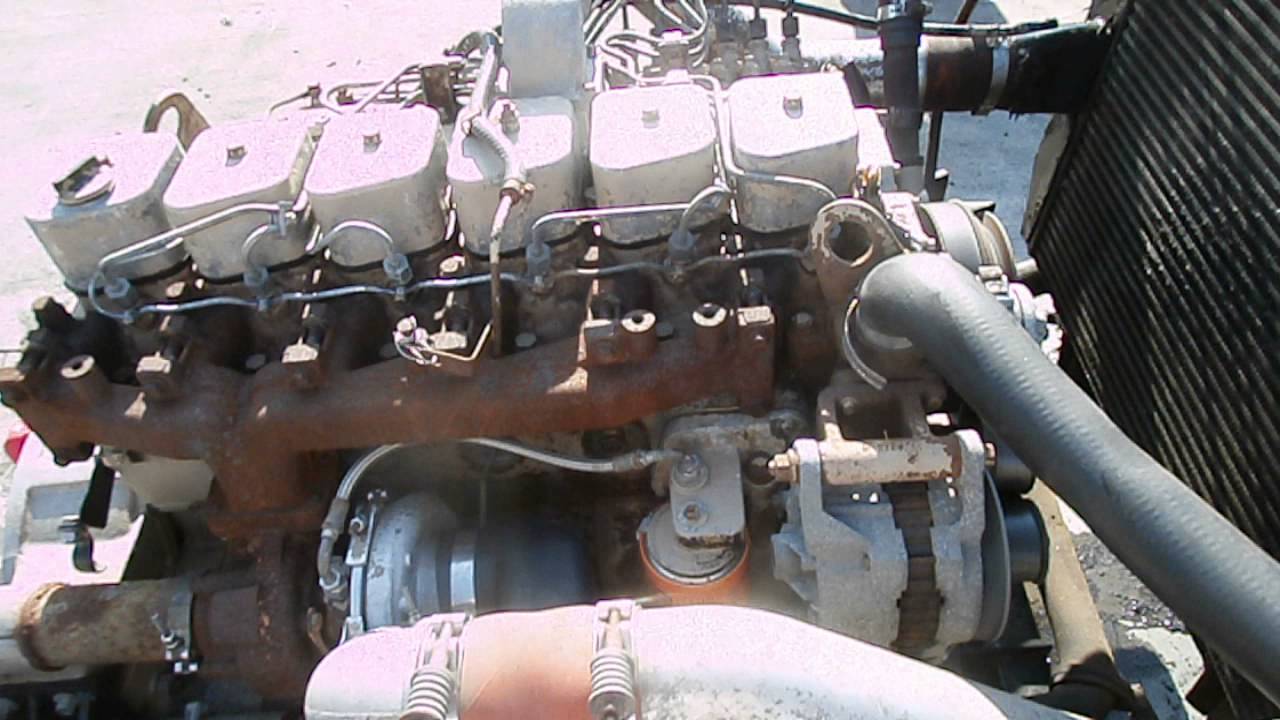
Even rebuilds after immense mileage are considered straightforward and affordable compared to modern engines with complex components.
Why cover this engine? Its story reflects a rare blend of simplicity, strength, and widespread aftermarket support. The 12-valve holds a timeless place in diesel lore, and its longevity is proven by countless high-mile examples still working every day.
2. Ford 7.3L Power Stroke (1994–2003)
When Ford released the 7.3L Power Stroke, it changed the diesel pickup game. This engine came in Super Duty trucks and became an instant favorite among those wanting reliable, hassle-free operation.
The direct-injection design, using HEUI (Hydraulically Actuated Electronically Controlled Unit Injector) injectors, combined durability with substantial towing power. While its electronics were more advanced than older diesels, the system was proven to be remarkably robust.
Thick head bolts, a cast-iron block, and high-quality materials gave the 7.3L its reputation for lasting well beyond the 500,000-mile mark with only routine maintenance. Unlike many successors, it rarely suffered catastrophic failures.
Owners routinely describe these engines firing up after years of hard shifts, and many still serve as daily drivers or work trucks with extreme odometer readings today.
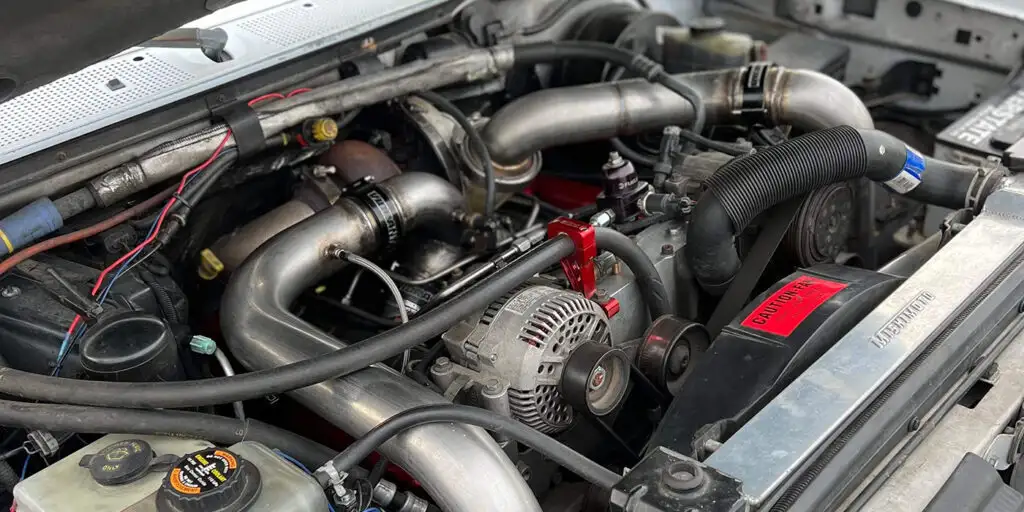
Highlighting this engine is essential because it represents a peak of diesel engineering before emissions systems complicated reliability.
Anyone searching for an engine where dependability trumps outright horsepower finds the 7.3L Power Stroke delivers peace of mind and true longevity.
Stories of these engines running strong while the body rusts around them are common, and their cult following is backed by real-world results.
3. Duramax LBZ 6.6L (2006–2007)
The Duramax LBZ 6.6L stands as a milestone for Chevrolet and GMC diesel pickups. Produced for only a brief period, the LBZ quickly developed a loyal following.
Its all-iron construction, improved fuel system with Bosch common-rail injection, and absence of many modern emissions controls set it apart. The LBZ is known for delivering strong power, impressive fuel efficiency, and simple reliability.
Key design factors like forged steel connecting rods, fewer emissions-related parts, and an overbuilt bottom end make it a go-to choice for heavy hauling, tuning, and performance upgrades. What cements its reputation, however, is its durability in real work situations.
Fleets and independent operators frequently report trucks passing the 500,000-mile threshold with little more than standard upkeep. Issues like injector failure are much less common compared to earlier versions, and the solid electronics generally avoid the glitches later Duramax models encountered.
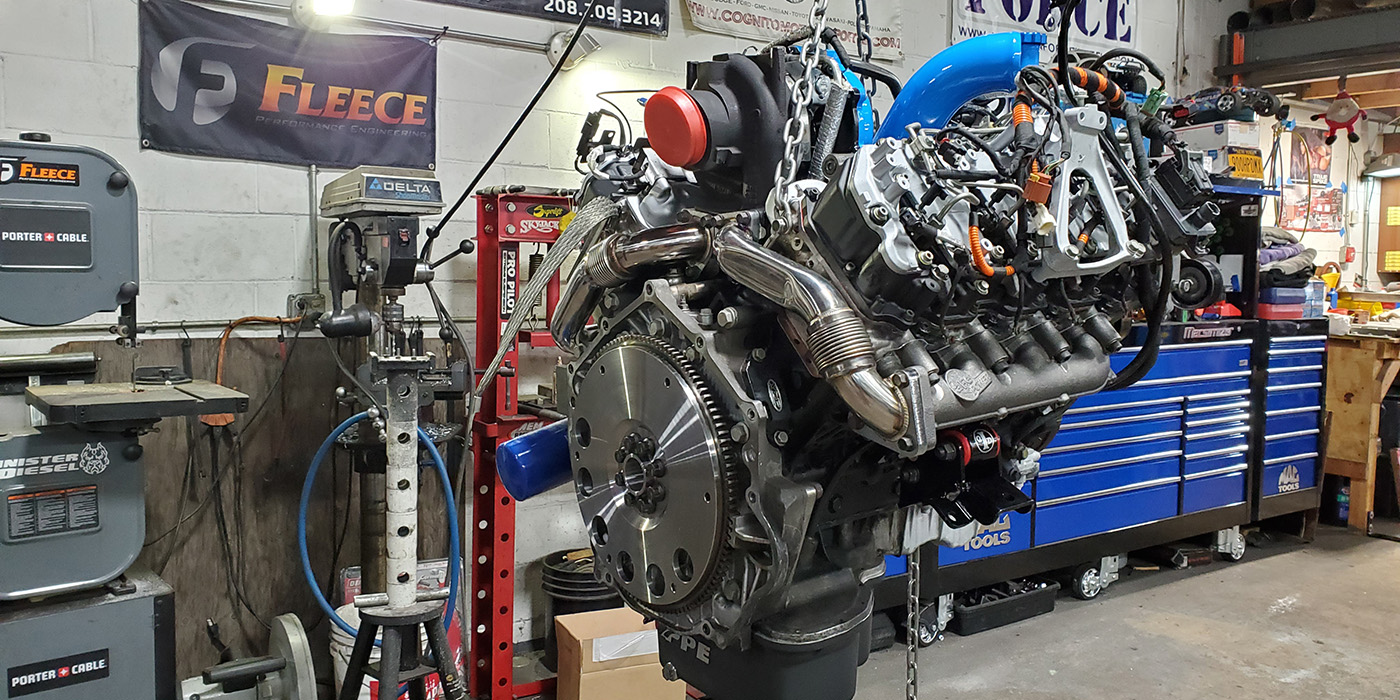
Including the LBZ on this list is important because it bridges old-school toughness with the beginnings of modern diesel technology. It is also one of the last models made before emissions requirements added complex hardware that posed long-term risks for reliability.
Whether used for towing, commuting, or hot-shot freight, the LBZ consistently proves itself as one of the most trustworthy diesel engines in the pickup world.
4. Cummins 6.7L (2007–Present)
While earlier Cummins engines built their name on simple design, the 6.7L introduced advances that brought the brand forward without sacrificing its legendary reliability.
Featured in today’s Ram heavy-duty pickups, this engine combines refined engineering with classic toughness. The 6.7L employs a high-pressure common rail fuel system and is designed to handle both increased power output and new emissions standards.
With thicker castings, enhanced head bolts, and turbo technology designed for longevity, this engine withstands heavy commercial use.
Although modern emissions equipment can add complexity, careful maintenance allows the 6.7L to reach, and often surpass, 500,000 miles with ease.
Trucking fleets and business owners gravitate toward this motor for its blend of power, torque, and consistent performance over years of hard driving.
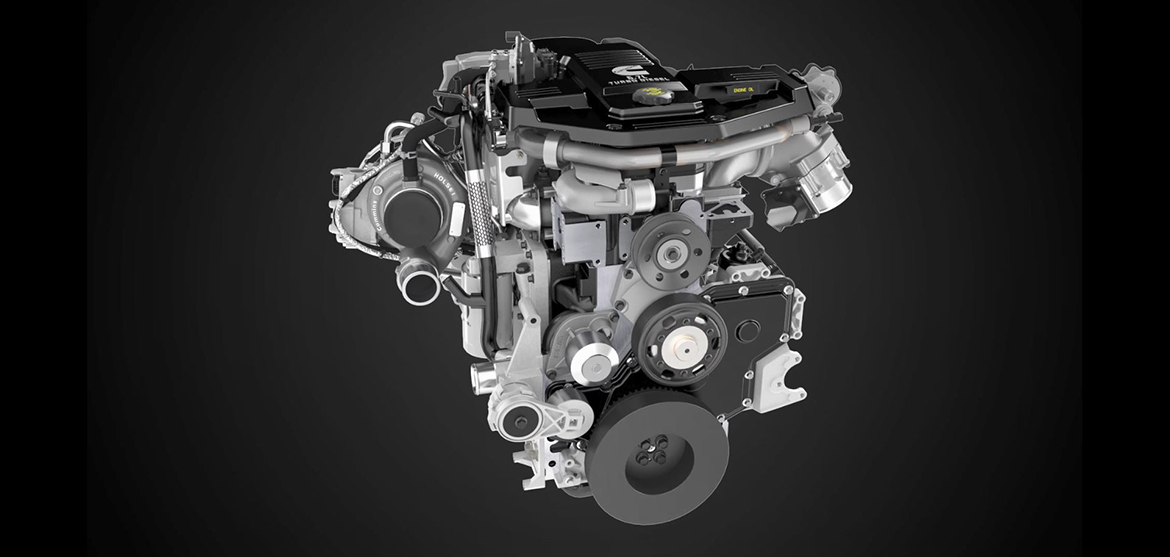
The reason for focusing on the 6.7L comes from its status as one of the leading examples of how modern diesel technology can provide both emissions compliance and durability.
Its wide adoption in commercial settings and the large number of documented high-mileage trucks underscore its place among diesel workhorses that keep running long after their competitors have retired.
5. Ford 6.7L Power Stroke (2011–Present)
Ford answered the call for a modern, robust diesel with its 6.7L Power Stroke introduced in the 2011 model year.
This in-house designed engine uses a compacted graphite iron block, aluminum heads, and a unique reverse-flow layout that keeps intake air cool and improves reliability. Sophisticated piezo injectors precisely manage fuel delivery, creating a balance of power and efficiency.
What makes this engine go the distance is its carefully engineered balance between modern emissions equipment and the kind of strength demanded for commercial use.
Fleet operators and individual owners have plenty of real-world accounts of these engines passing the 500,000-mile mark in both light and severe service roles.
Common complaints with earlier models, like head gasket failures, are rare. Routine maintenance and timely emissions component repair go a long way toward preserving these engines well into high mileage territory.
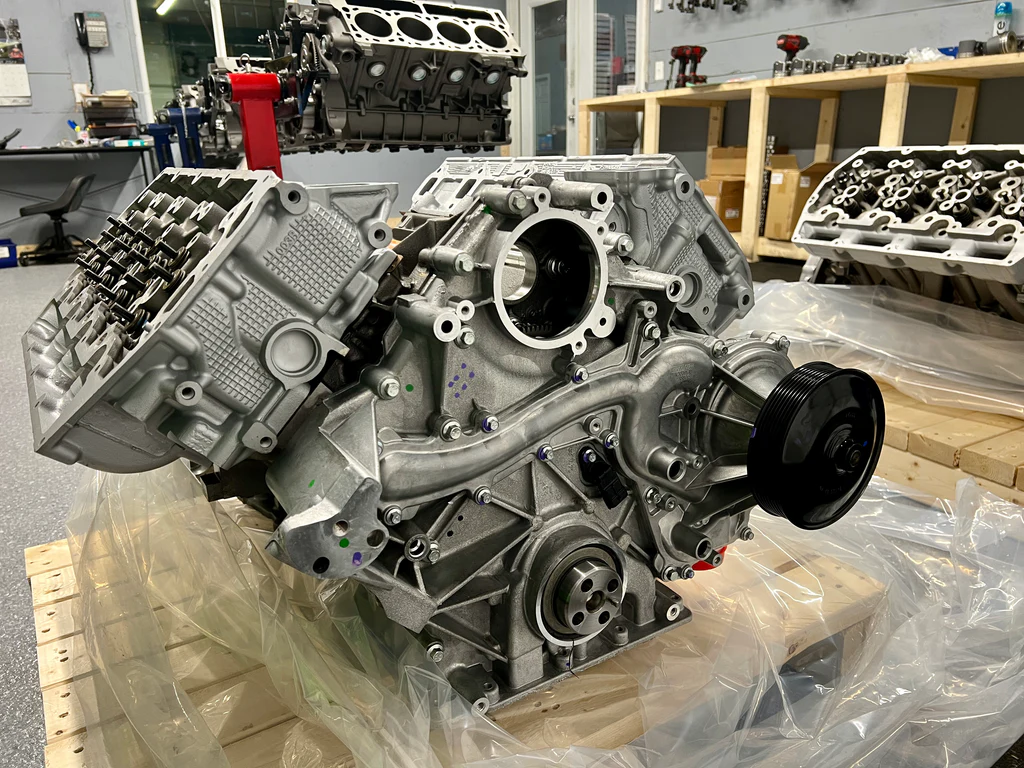
Including the 6.7L Power Stroke brings the story of diesel endurance into the present. Not only does it demonstrate that modern diesels can, when properly maintained, rival classics for long-term reliability, but it also showcases how innovations in materials and design can sidestep trouble spots found in less refined engines.
This engine’s strong showing among long-haul drivers and work fleets cements its reputation as a new benchmark in diesel pickup longevity.
5 Diesel Pickup Engines That Crack by 200,000 Miles
On the opposite end of the spectrum, not every diesel engine is built to stand the test of time. While many buyers enter the diesel pickup market expecting the same kind of long mileage their neighbors boast about, some engines just don’t measure up.
Early breakdowns before hitting 200,000 miles can feel like betrayal, both financially and emotionally. The causes range from flawed designs and weak components to new emissions hardware that fails under real-world conditions.
Engineered with the promise of lasting power and superior towing, these engines often land on owner “beware” lists after real-world use lays their weaknesses bare.
Reports of relentless repair costs, hard-to-fix electrical problems, and major failures before even moderate mileage can sour brand loyalty for years. Focusing attention on these engines is about helping truck hunters avoid potentially costly mistakes.
If reliability over the long haul is the goal, it’s crucial to know which models have repeatedly come up short, turning what should be a dependable partner into a source of frustration. Here are five diesel pickup engines widely reported to struggle reaching 200,000 miles without serious trouble.
1. Ford 6.0L Power Stroke (2003–2007)
The Ford 6.0L Power Stroke launched with great anticipation, but soon developed a reputation for unreliability. Early on, owners encountered issues with the engine’s EGR cooler, head gaskets, and high-pressure oil system.
The problem lay in the pursuit of meeting stricter emissions standards with elaborate new components that had yet to be proven in the field. As a result, these trucks were plagued with coolant leaks, frequent blown head gaskets, and costly turbocharger failures.
Adding to the frustration was the complexity of the engine’s electronics, which made repairs time-consuming and expensive.
Ford and its supplier, Navistar, faced widespread complaints, and the 6.0L became notorious among mechanics and truck owners for the dizzying list of common failures that often forced owners to pay thousands in repair bills, sometimes multiple times within 200,000 miles. Lawsuits and buybacks followed, further staining its reputation.
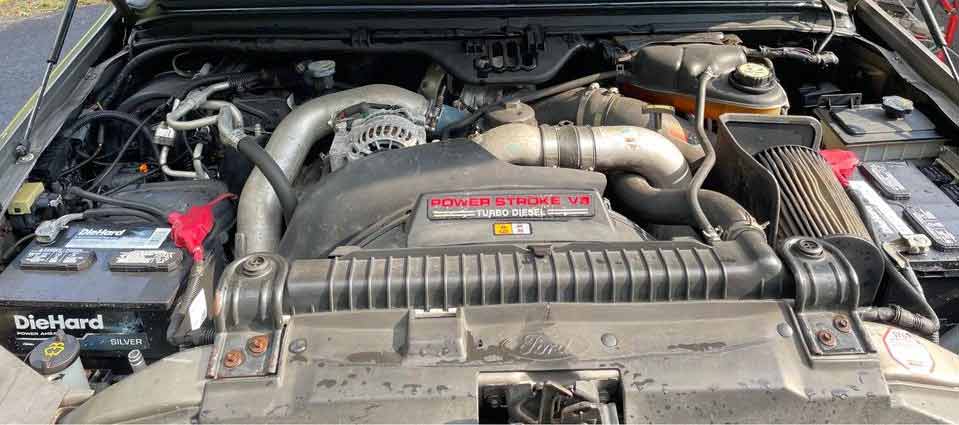
This engine’s presence here is due to the scale of its issues in real usage. Many owners faced repeated breakdowns instead of the reliable operation they expected, making the 6.0L Power Stroke a warning sign for anyone looking for long-haul dependability in a diesel pickup.
2. GM 6.5L Turbo Diesel (1992–2002)
The GM 6.5L Turbo Diesel, used in Chevrolet and GMC trucks for a decade, was supposed to give GM a competitively priced answer to Ford and Dodge diesels.
Unfortunately, the 6.5L was hampered by a weak electronic injection pump, insufficient cooling, and a poorly designed turbo system.
Weak spots in the cylinder heads and head gaskets led to recurring problems with overheating and head cracking, sometimes appearing before 200,000 miles.
Frequent injection pump failures created situations where trucks would stall under load or refuse to start, leading to frustration for owners expecting years of steady use.
The cooling systems were often overwhelmed, especially when hauling or towing, compounding the head and gasket issues.
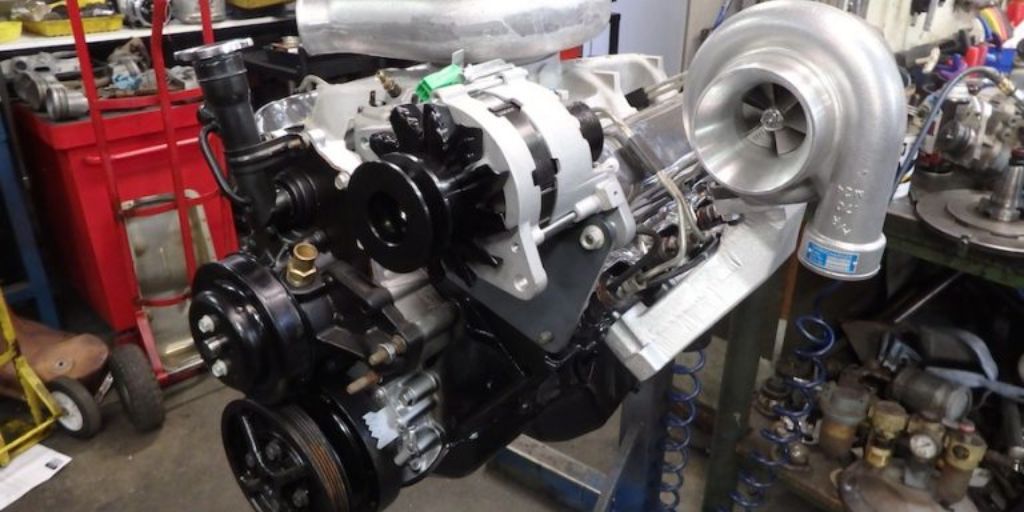
Owners, mechanics, and truck forums reflect a widespread disappointment that this engine could not stand up to even moderate heavy duty work or extensive mileage.
Bringing attention to the 6.5L Turbo Diesel’s record helps clarify why some buyers shy away from pre-2000 GM diesels. Its persistent flaws and high repair costs often left owners regretful, seeking out older or newer alternatives that have proven reliability.
3. Ford 6.4L Power Stroke (2008–2010)
The Ford 6.4L Power Stroke fits the story of newer engines that ran afoul of their own complexity. Introduced as a response to ever-tightening emissions standards, it featured a twin-turbo setup and advanced high-pressure fuel system.
Unfortunately, this model suffered from frequent issues, including cracked pistons, leaky radiators, and persistent diesel particulate filter (DPF) failures. These problems would often appear well before the odometer rolled past 200,000 miles.
The cooling system struggled under the added heat from the emission controls, while the DPF was prone to clogging and expensive replacement. Furthermore, the complex twin turbochargers were susceptible to failure, with high repair costs.
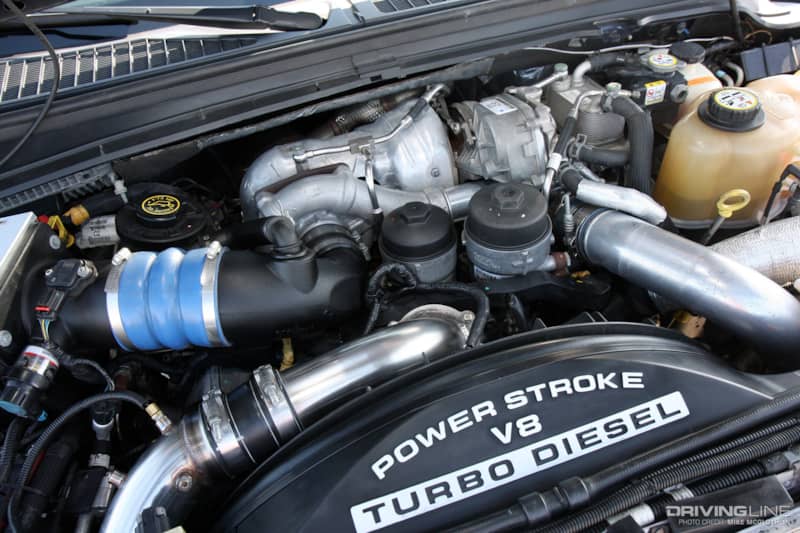
Oil dilution from fuel leaking into the crankcase led to early wear and required strict maintenance adherence. Few owners would describe their 6.4L experience as trouble-free, with many facing repeated repairs rather than long stretches of trustworthy service.
This engine appears here as a lesson in how rushing out new technology, particularly emissions-related hardware, without sufficient durability testing can lead to a high failure rate. For diesel pickup shoppers, it stands as an example of a modern engine that promised more than it could reliably deliver.
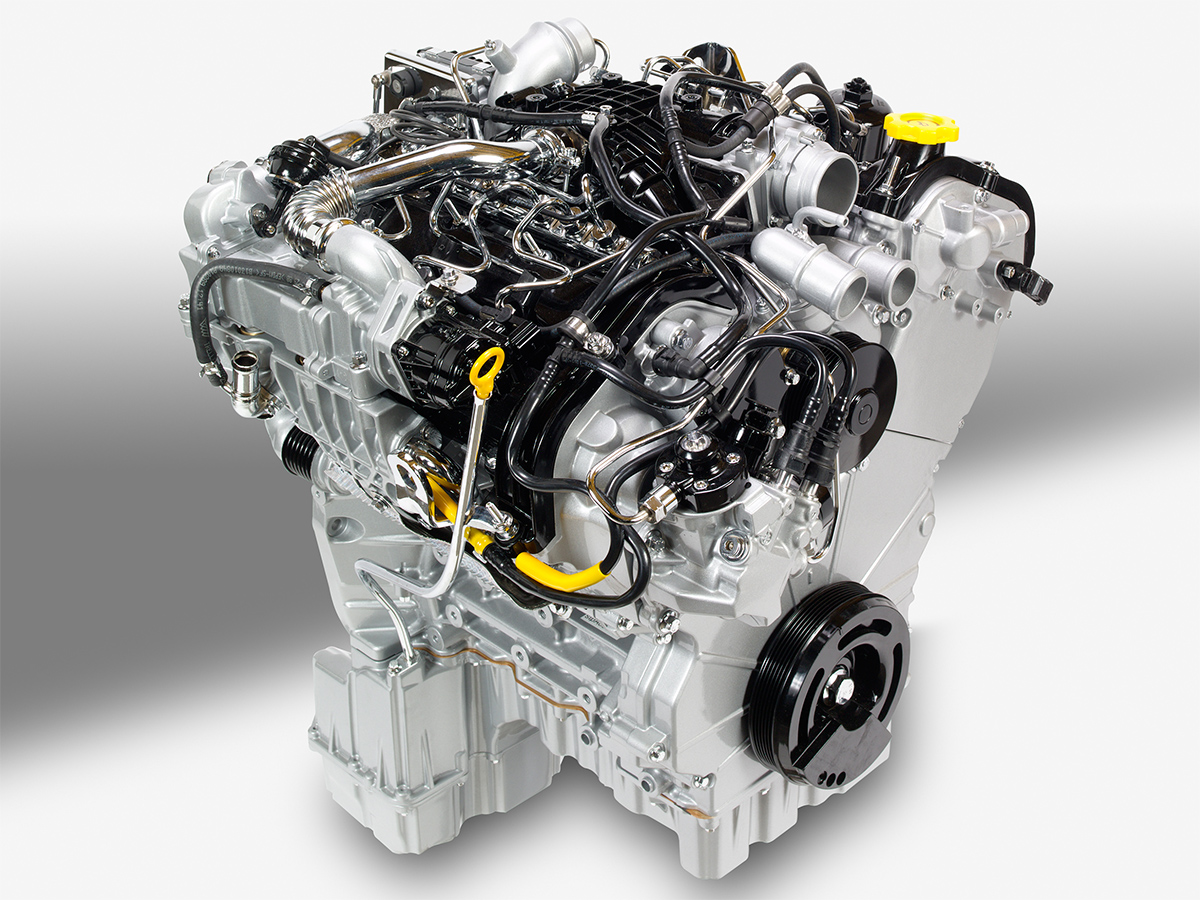
4. Ram EcoDiesel 3.0L V6 (2014–Present, early models)
Launched with much promise as a fuel-efficient choice in the half-ton market, the Ram EcoDiesel 3.0L V6 attracted buyers seeking modern comfort and diesel mileage in a lighter package.
However, reports quickly surfaced of engines suffering catastrophic bearing and timing chain failures, often before reaching 200,000 miles. Many early EcoDiesel trucks were pulled off the road for engine replacement, and legal action followed the widespread pattern of failures.
The design featured compact bearings and complex emissions controls that contributed to early mechanical wear. Oil leaks and inadequate lubrication capped off the list of chronic complaints.
Owners eager for economical mileage instead faced high repair bills or complete engine replacement. Later updates addressed some of these concerns, but early model years remain problematic and affect the engine’s reputation among people seeking reliable, long-running diesel pickups.
Highlighting the EcoDiesel’s trouble-plagued history serves as a reminder that newer, more efficient designs must be thoroughly tested before promising long-haul durability.
Those considering an early EcoDiesel truck for long-term ownership should be aware of the risks and research updated models if durability is a top priority.
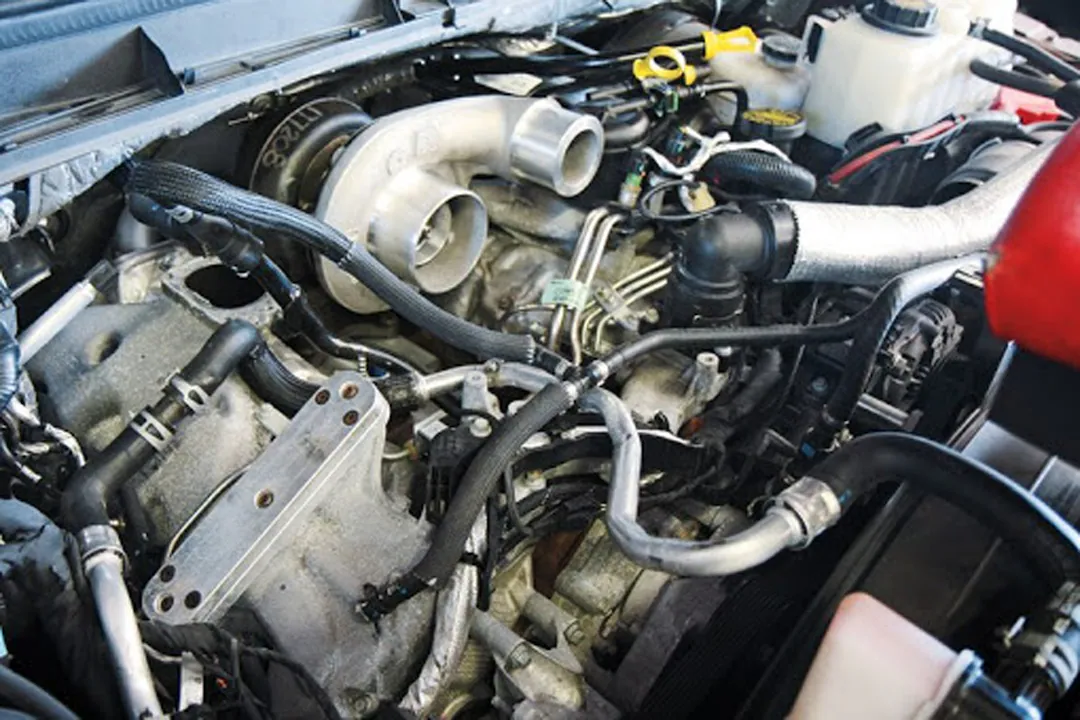
5. Ford 6.7L Power Stroke (Early Years, 2011–2014)
The Ford 6.7L Power Stroke eventually became a highly reliable engine, but its first years were fraught with problems.
Early issues included turbocharger failures, particularly in 2011 and 2012 models, and turbo coolant leaks that often led to engine overheating. The original turbo design unique for its dual compressor wheel proved fragile under normal truck workloads.
Problems didn’t stop at the turbo. The fuel injection system struggled with contaminant sensitivity, sometimes requiring full system replacement at great expense.
Heads and pistons occasionally cracked, and emissions components, especially the EGR and SCR systems, tended to fail before any real high mileage was achieved.
The reason this engine is included here is to distinguish between the much-improved later versions and the problematic early years. Buyers must be careful when evaluating used Ford diesels from these model years.
Many have already had major repairs or component replacements, which should be considered before betting on them for long service. Learning from these early missteps, Ford refined the engine in later years, but the first iterations left many drivers disappointed by premature failures.
Diesel pickup trucks are widely valued for their strength, towing capacity, and the reputation many engines have for lasting hundreds of thousands of miles. However, not all diesel engines perform equally over time.
Some powerplants become synonymous with exceptional durability, consistently reaching or surpassing 500,000 miles with proper maintenance, while others are notorious for serious reliability issues failing prematurely, often before 200,000 miles.
Understanding which engines fall into either category helps buyers make informed decisions and avoid costly mistakes.
On the durable end, several diesel engines have earned legendary status. The Cummins 5.9L 12-valve, produced between 1989 and 1998, is praised for its simple, mechanical fuel system and rugged construction, allowing owners to run them for half a million miles or more with basic upkeep.
The Ford 7.3L Power Stroke, used in the mid-1990s through early 2000s, combines durability and dependable electronics that helped it avoid early failures and developed a loyal following among heavy users.
The Chevrolet Duramax LBZ 6.6L, though only made briefly in 2006–2007, offers a well-built engine with fewer emissions complexities, proven in demanding real-world applications.
Moving into more modern designs, both Cummins’ 6.7L (since 2007) and Ford’s 6.7L Power Stroke (introduced in 2011) demonstrate that fuel-efficient, emissions-compliant diesel engines can still offer impressive longevity.
These modern engines benefit from advanced materials and refined engineering, often reaching 500,000 miles when routine maintenance is strictly followed, especially in commercial use and heavy hauling.
In contrast, some diesel engines have struggled with reliability and have earned reputations for early failure.
The Ford 6.0L Power Stroke, produced from 2003 to 2007, is well-known for frequent head gasket failures, EGR cooler problems, and turbocharger issues, often leading to expensive repairs before reaching 200,000 miles.
Similarly, the GM 6.5L Turbo Diesel, made from the early 1990s through 2002, suffered from head gasket and injection pump weaknesses, overheating, and underwhelming durability.
The 6.4L Ford Power Stroke (2008–2010) faced issues with piston cracking, radiators, and complex emissions equipment like DPF filters, which increased maintenance costs and reduced engine lifespan.
Ram’s EcoDiesel 3.0L V6, designed for more fuel efficiency, quickly developed a pattern of bearing and timing chain failures in early models, sometimes requiring complete engine replacement at relatively low mileage.
Lastly, the early years of the Ford 6.7L Power Stroke (2011–2014) showed notable turbocharger and emissions hardware troubles, creating a mixed reputation compared to its later improved versions.
The divide between the most reliable and most problematic engines often comes down to design complexity, materials, and how manufacturers handled emissions regulations.
Older, simpler mechanical systems have proven easier to maintain and rebuild, hence lasting much longer.
Newer engines, while cleaner and more powerful, sometimes introduced components that didn’t yet withstand heavy use in real-world environments, leading to premature failures.
Many of the engines that cracked before 200,000 miles tried to meet stricter emissions standards but suffered from weak cooling designs, delicate fuel systems, and brittle emissions devices.
For buyers, knowing which diesel pickups have engines that can realistically hit half a million miles and which ones may require expensive repairs long before then can save time, money, and frustration.
Understanding the history and reputation behind these engines provides valuable insight for anyone seeking a reliable diesel pickup truck, whether for work or daily use.
Examining the success stories alongside the lessons learned from more problematic models offers a well-rounded perspective on what to expect from diesel powertrains in today’s market.
Also Read: 5 Models with Reliable Driver-Assist Tech vs 5 with Glitchy ADAS Systems
