
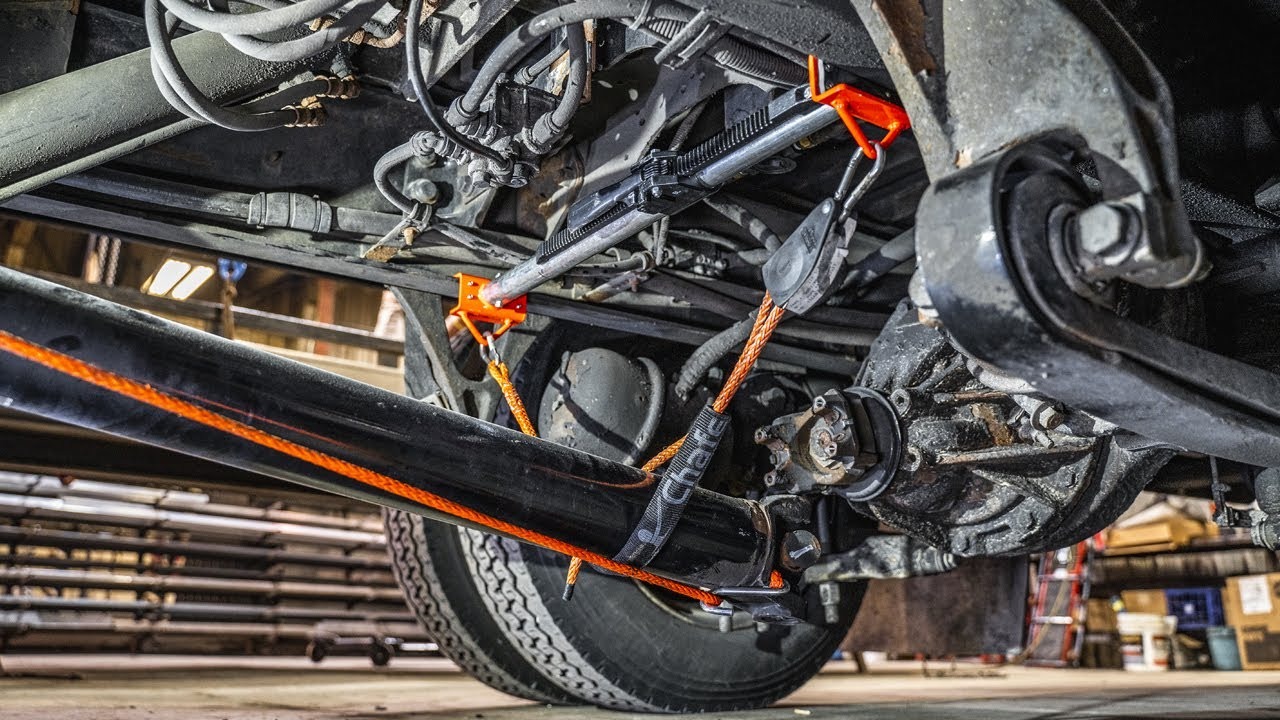
The performance of a truck’s driveline often makes the difference between a dependable workhorse and a machine plagued with issues. One of the most vital parts of any driveline is the universal joint, or U-joint.
This component allows for flexibility in the driveline by connecting the transmission to the differential. When it fails, the results can range from irritating vibrations to total mechanical breakdowns.
To avoid this, some manufacturers have opted for sealed drivelines that require minimal servicing and are less likely to suffer from worn-out U-joints. While some might argue that sealed drivelines lack serviceability, others see them as a long-term solution that protects trucks from unnecessary wear.
The difference between trucks with sealed drivelines and those still using serviceable U-joints is worth examining. In recent years, many owners have voiced concern over persistent U-joint failures that have cut short the lives of otherwise reliable trucks.
These problems usually arise from poor lubrication, exposure to dirt and water, or simple wear from repeated use. Trucks with sealed drivelines, on the contrary, are built with components that are closed off from contaminants and built to last longer without direct human maintenance.
Let’s focus on five trucks that come equipped with sealed drivelines, comparing them with five trucks known for experiencing U-joint problems. Each model is examined on its reliability, usage, how the driveline is structured, and what kind of durability the owner should expect after some time.
By looking at both groups in detail, this offers a clearer understanding of which driveline setup performs best for long-term ownership. Whether you are a fleet operator, off-road enthusiast, or daily commuter, understanding the difference in driveline construction can make all the difference in your purchasing decision.
Trucks with Sealed Drivelines
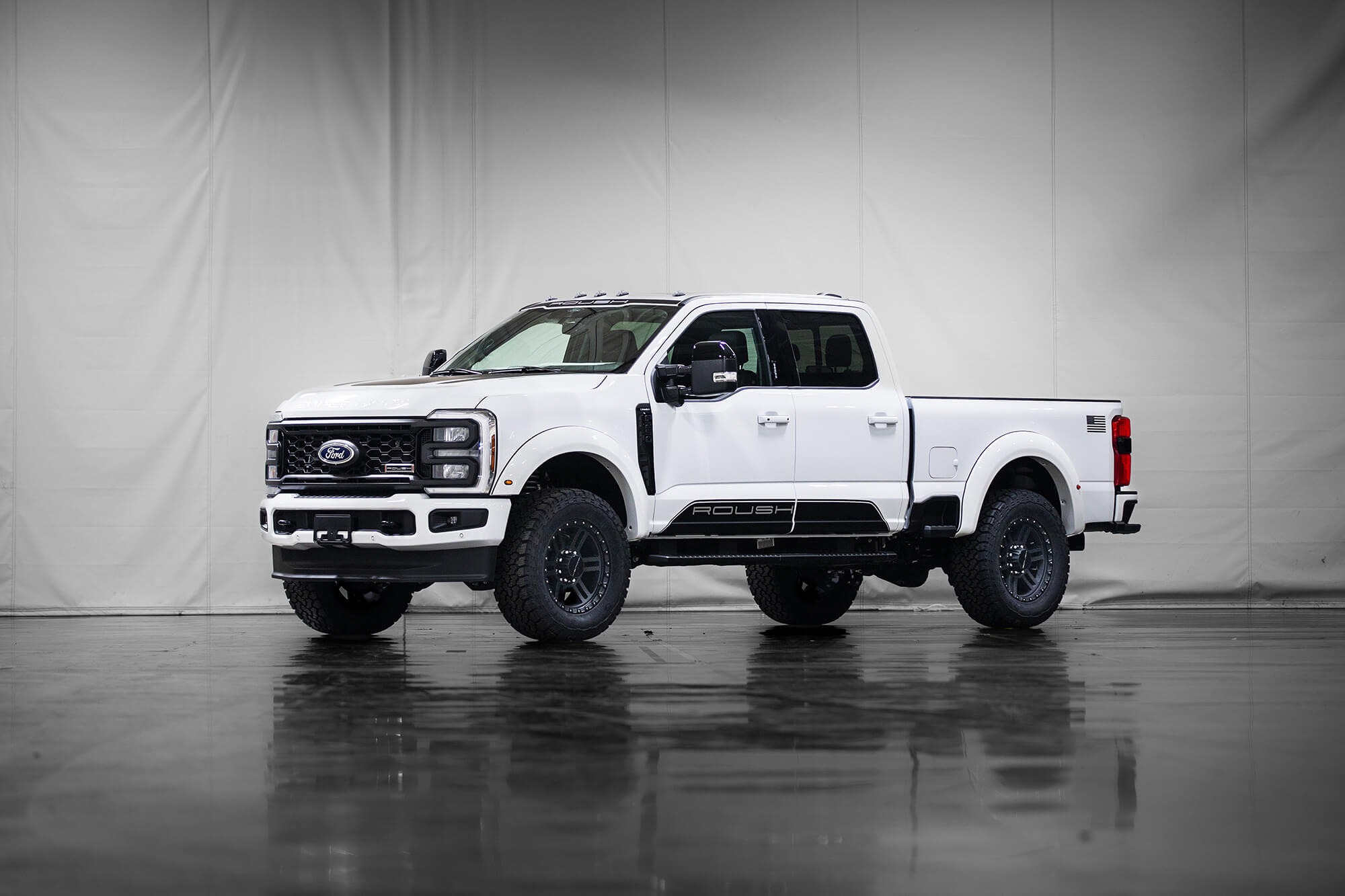
1. 2024 Ford Super Duty F-250
The Ford Super Duty F-250 has long been respected for its strong performance in both work and recreational environments. For the 2024 model, Ford has equipped this truck with a sealed driveline that aims to reduce maintenance while improving long-term durability.
This approach helps prevent common issues associated with exposed U-joints, especially in conditions where mud, water, or salt are part of everyday driving.
This sealed driveline integrates factory-assembled driveshaft components that are not designed to be serviced in traditional ways. Instead of having greaseable fittings, the U-joints and other connections are permanently sealed.
Ford’s design ensures these components are resistant to contamination and less likely to fail due to lack of lubrication. This is particularly beneficial for fleet operators who often deal with downtime due to minor mechanical failures.
The sealed nature of the driveline does come with its trade-offs. If a U-joint or another part of the driveshaft eventually fails, it cannot simply be greased or repaired; the entire unit may need replacement. However, this is a calculated compromise.
Ford has engineered the components to last well beyond what a serviceable unit might offer under similar circumstances. For owners who prefer to focus on performance rather than maintenance, this setup offers peace of mind.
Its reliability also stands out during towing and hauling. Whether pulling a trailer or carrying heavy loads, the F-250 handles stress across the driveline without developing the kind of vibrations or mechanical noise that often signals a failing U-joint. It performs smoothly under strain, and the sealed driveline contributes to this solid feel.
For drivers looking for long-term usage with minimal upkeep, the Super Duty F-250 provides a compelling reason to embrace sealed driveline technology. This is especially true for those who work in environments that are tough on traditional driveshaft components.
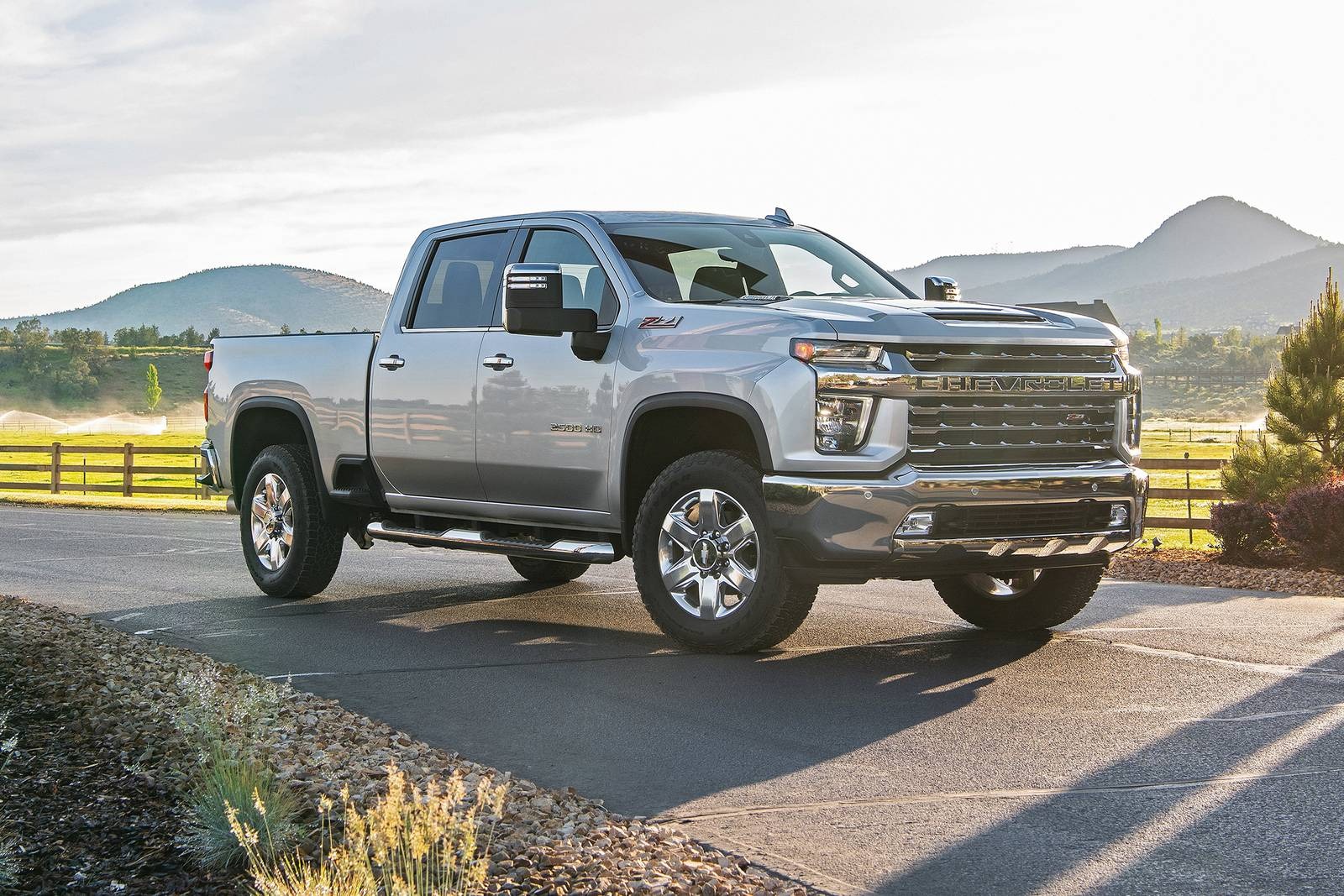
2. 2023 Chevrolet Silverado 2500 HD
Chevrolet’s 2023 Silverado 2500 HD is another truck that now benefits from a sealed driveline in many of its configurations. Chevrolet decided to reduce ownership complexity by removing the need for routine grease fittings on the driveshaft.
For many truck owners who don’t want to be under their vehicle every few months, checking for worn U-joints, this update represents a practical upgrade.
The Silverado 2500 HD’s sealed driveline reduces the potential for moisture and dirt intrusion. It uses precision-balanced driveshafts that are manufactured as a single unit.
The driveshaft is joined by sealed U-joints that are pressed in during assembly and designed to function without additional lubrication. Since they are built at the factory with high-quality materials and consistent tolerances, premature wear is uncommon unless the vehicle is subjected to extreme abuse.
While some mechanics may express concern about the inability to service the individual parts, the performance record of the Silverado 2500 HD supports this modern approach. Trucks used in snow-prone states or salt-heavy coastal regions tend to show fewer signs of corrosion or damage on these sealed units.
Another benefit that Silverado owners have reported is the quietness of operation. Trucks with worn U-joints tend to produce clunking or clicking noises during gear changes or when transitioning from drive to reverse.
The sealed components in the Silverado prevent these issues from occurring during typical daily driving. Whether you’re on the job site or heading down the highway, the ride remains consistent.
Chevrolet’s engineering focuses on strength and simplicity. The sealed driveline in this truck reduces the chance of user error during maintenance. That alone adds to long-term durability, especially for owners who may not follow maintenance intervals perfectly.
With dependable torque transfer and a clean, quiet ride, the Silverado 2500 HD continues to be a favourite for those seeking modern driveline solutions.
Also Read: 5 Engines That Stay Clean Inside and 5 That Sludge Up Quickly
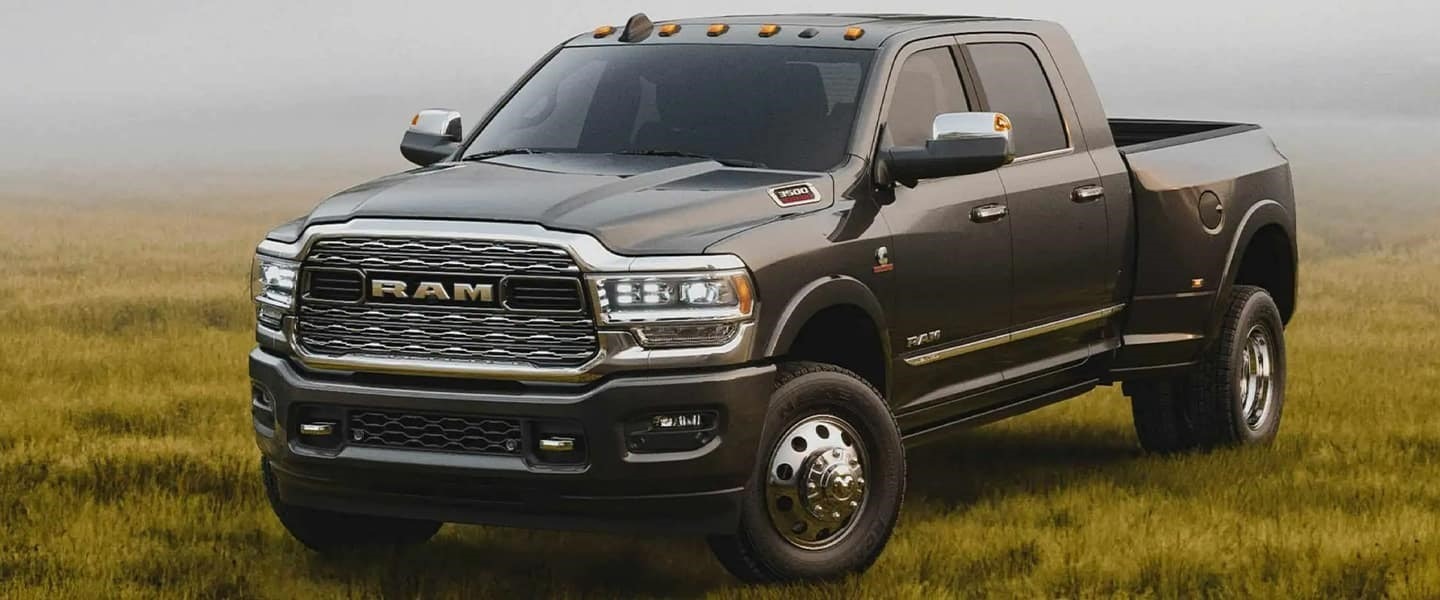
3. 2022 Ram 3500 Heavy Duty
Ram’s 2022 3500 Heavy Duty model includes a sealed driveline system in several of its configurations. With a focus on maximum towing capacity and strength, Ram has built this model to withstand harsh usage. At the heart of that reliability is its driveline, which avoids the vulnerabilities of traditional U-joints by sealing all connections.
This setup prevents grease from leaking and blocks contaminants like sand and road debris. For those who drive in rugged or dirty conditions, that’s a big advantage.
The sealed system also means there’s one less maintenance task on the calendar, which is appealing to commercial users. Instead of crawling under the vehicle to check U-joints, they can rely on components designed to last for years under constant load.
One of the strongest benefits of this sealed driveline lies in its ability to remain balanced and vibration-free. Worn U-joints on a traditional system often cause shaking or noise, especially during acceleration or braking. Ram’s design keeps the driveshaft stable and uniform, giving the driver more comfort and confidence at higher speeds.
While repairability may be affected, Ram’s support system provides replacement units that are easy to install. Although sealed components cannot be taken apart for repair, they rarely fail unless subject to extreme neglect or impact. This truck was designed for people who need a long service life without constant attention to mechanical details.
Drivers who use their trucks for hauling equipment, trailers, or livestock will appreciate how stable the driveline remains, even under pressure. The 2022 Ram 3500 Heavy Duty offers a durable driveline system that fits well into the lives of those who value strength, reliability, and fewer service intervals. It remains a solid option in today’s heavy-duty pickup market.
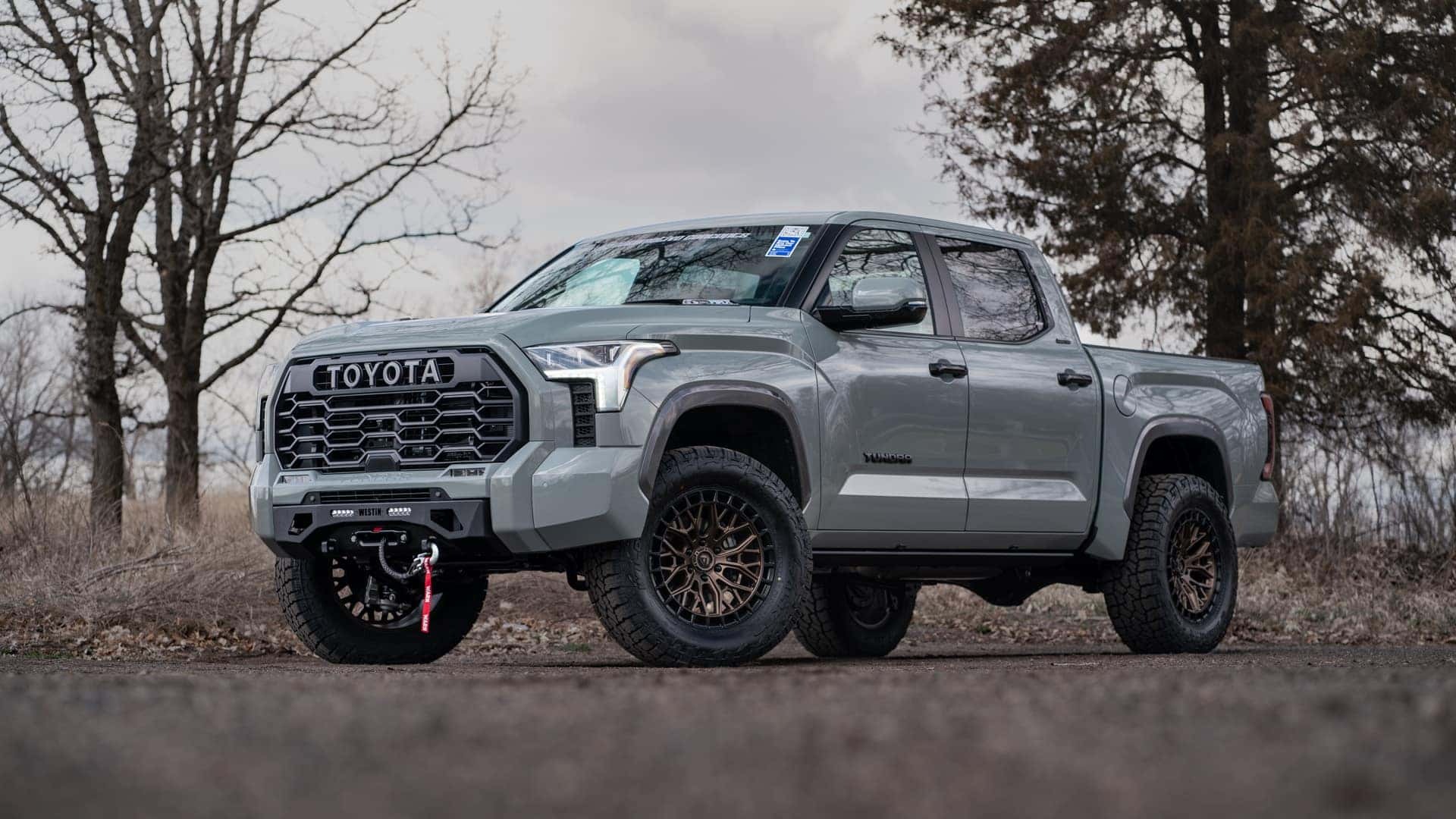
4. 2024 Toyota Tundra
Toyota made a change to the Tundra when it introduced the redesigned 2024 model. One of the most noticeable updates is its use of a sealed driveline.
Unlike previous generations that used greaseable U-joints, the current Tundra is equipped with sealed components to improve longevity and reduce the chances of premature failure.
The sealed driveshaft setup is built with tight tolerances and resistant materials that handle extreme heat, moisture, and impact. Since there are no service points on the driveshaft or U-joints, owners are free from routine greasing. This appeals to people who use their truck in dusty or muddy areas, where traditional joints tend to suffer from external contamination.
Drivers have reported better performance from the new driveline when it comes to smooth acceleration and gear shifting. One common issue with failing U-joints is the uneven power transfer that causes jerking or hesitation. That has been virtually eliminated with Toyota’s sealed approach. While not being serviceable, the entire unit is designed to last for long distances before showing wear.
Toyota’s focus on reliability is evident in this change. The sealed design reduces the chance of grease drying out or leaking in the course of time. Also, because fewer moving parts are exposed, the possibility of user-caused errors during servicing is completely removed. This is especially valuable for owners who plan to use the truck for extended road trips or off-road camping.
The Tundra remains a popular choice for those who prefer Japanese durability blended with modern engineering. Its new sealed driveline only strengthens its case among full-size trucks. Whether for light-duty hauling or daily use, this truck delivers performance that is consistent and reliable without the hassle of extra maintenance.
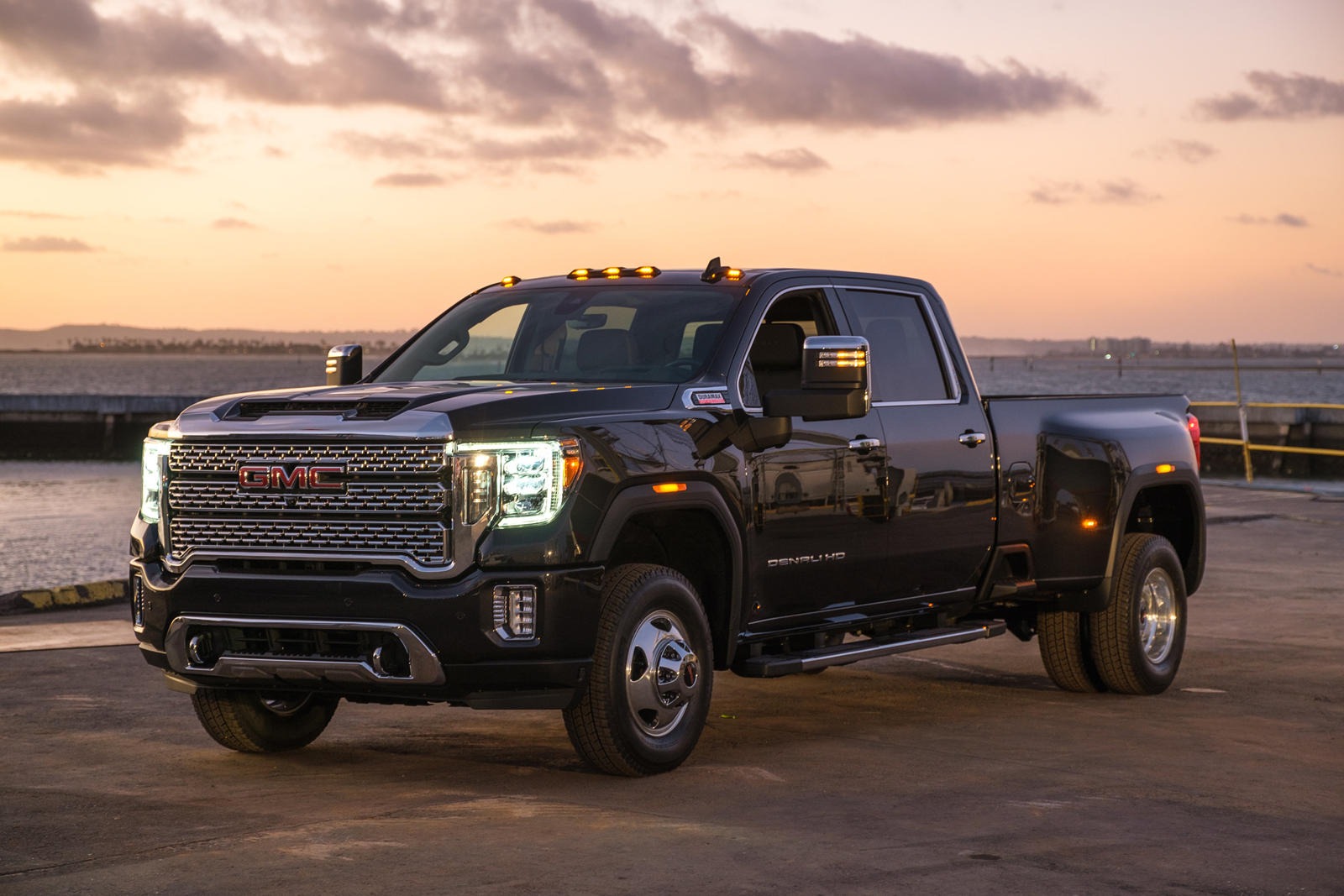
5. 2023 GMC Sierra 3500 HD
GMC’s Sierra 3500 HD is engineered for those who need strength under pressure. It’s 2023 model brings a sealed driveline system that aims to deliver on both durability and convenience. Built to handle heavy-duty work environments, the sealed driveshaft and U-joints offer a maintenance-free solution for drivers who value reliability.
The sealed system reduces exposure to debris, moisture, and salt. Since all driveline joints are permanently lubricated and enclosed, the risk of failure due to grease loss or contamination is reduced. This design has helped the Sierra maintain a solid reputation among commercial operators, ranchers, and anyone who relies on their vehicle every day.
Another major advantage of the sealed driveline is consistent performance. Trucks that rely on traditional U-joints often suffer from misalignment or imbalance when those joints begin to fail.
The Sierra’s design avoids such problems by keeping all components factory-balanced and sealed against wear. Owners have reported smoother driving and better control under towing stress.
One area where sealed driveline trucks like the Sierra excel is in cold weather. Traditional U-joints often freeze or bind when grease thickens in freezing temperatures. Because the sealed units are protected from environmental conditions, they maintain fluid movement even when exposed to snow and ice.
This truck has been built for a long life of work, whether on construction sites, farms, or highways. While the sealed design may not allow for traditional servicing, the extended performance life more than compensates for the trade-off.
The GMC Sierra 3500 HD remains an excellent example of how sealed drivelines can be used in heavy-duty trucks for reliability and strength.
Trucks with Failing U-Joints

1. 2015 Chevrolet Colorado
The 2015 Chevrolet Colorado made a strong return to the midsize pickup segment, offering a balance between capability and daily usability.
While it gained praise for its driving feel and fuel efficiency, one area where the truck drew criticism was in the performance of its driveline, especially the U-joints. Many owners began reporting issues with vibrations and clunking sounds, which were traced back to worn U-joints.
These U-joints were part of a traditional, serviceable driveline setup that relied on regular greasing and inspections to stay in top shape. Unfortunately, many truck owners either ignored these service intervals or were unaware of their importance.
This led to premature wear, especially for vehicles used regularly in off-road conditions or exposed to moisture and road salt. Once the grease wore out or dried up, the metal-on-metal friction would start to cause issues that often resulted in full driveline failure if left unattended.
Symptoms would usually begin subtly with slight vibrations or drivetrain shuddering at certain speeds. These signs grew worse and often led to driveshaft misalignment. Some users had to replace the U-joints multiple times, while others opted to replace the entire driveshaft assembly altogether to address persistent issues.
Colorado’s setup left many mechanics recommending aftermarket U-joints with grease fittings or switching to a sealed option if available.
But for the standard factory configuration, the serviceable nature of the U-joints meant that constant upkeep was needed. In environments with harsh winters or frequent off-road exposure, the need for regular greasing became even more critical.
The issues seen with the 2015 Colorado show how traditional U-joint systems can pose a problem when consistent maintenance is not performed. While the truck itself offered solid performance in other areas, its driveline weaknesses stood out and affected the ownership experience for many who expected fewer mechanical concerns after some time.
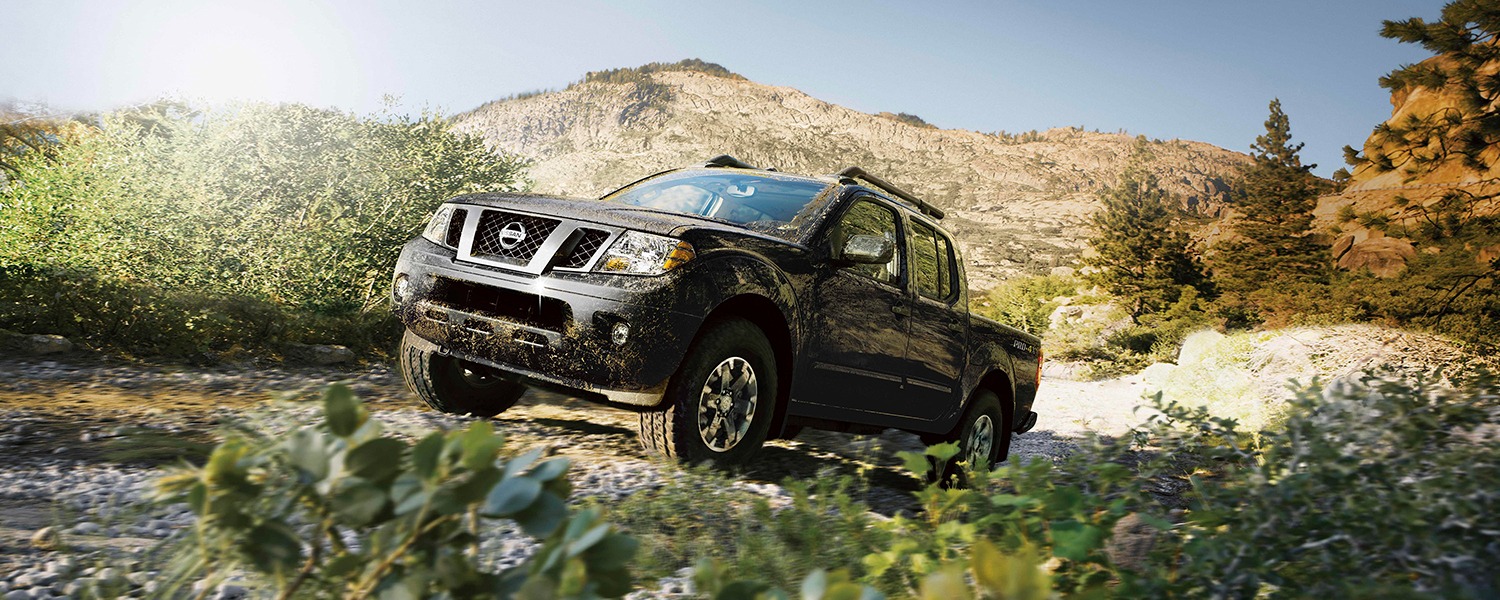
2. 2017 Nissan Frontier
The 2017 Nissan Frontier had long been known for its rugged frame and dependable V6 engine, but the truck also carried forward a dated driveline design that began to show wear as trucks aged. A persistent complaint among Frontier owners has been related to U-joint failure, particularly after hitting the 60,000 to 90,000-kilometre range.
This model features a conventional driveshaft with serviceable U-joints, but many of the original components were not designed with grease fittings.
That means they relied solely on the lubrication sealed in at the factory, which would wear off after some time, especially under heavy use or in dusty and wet environments. Without an easy way to apply fresh grease, many U-joints began to fail earlier than expected.
Drivers began noticing vibration at highway speeds, odd clicking sounds during gear moves, or a delayed response when shifting between drive and reverse.
These were all signs of U-joint degradation. Mechanics often confirmed the problem by detecting excessive play in the joints or by noticing rust and heat damage during visual inspections.
Repair costs varied, but the process typically involved removing the driveshaft and replacing both U-joints, sometimes requiring driveshaft balancing afterwards.
Unfortunately, some owners had to deal with recurring failures due to continued exposure or poor-quality replacement parts. In areas where roads are rough or unpaved, the situation worsens quickly.
Though the Frontier remains popular due to its simplicity and durability in other areas, this aspect of the truck’s construction left many owners frustrated. The need for regular inspections, especially on a truck marketed as low-maintenance, went against the expectations of drivers looking for peace of mind.
U-joint failure on this model illustrates why exposed, serviceable joints can become a long-term liability without proper upkeep. Owners who stayed on top of preventative maintenance fared better, but many experienced costly repairs that could have been avoided with either sealed joints or a more robust driveline design.
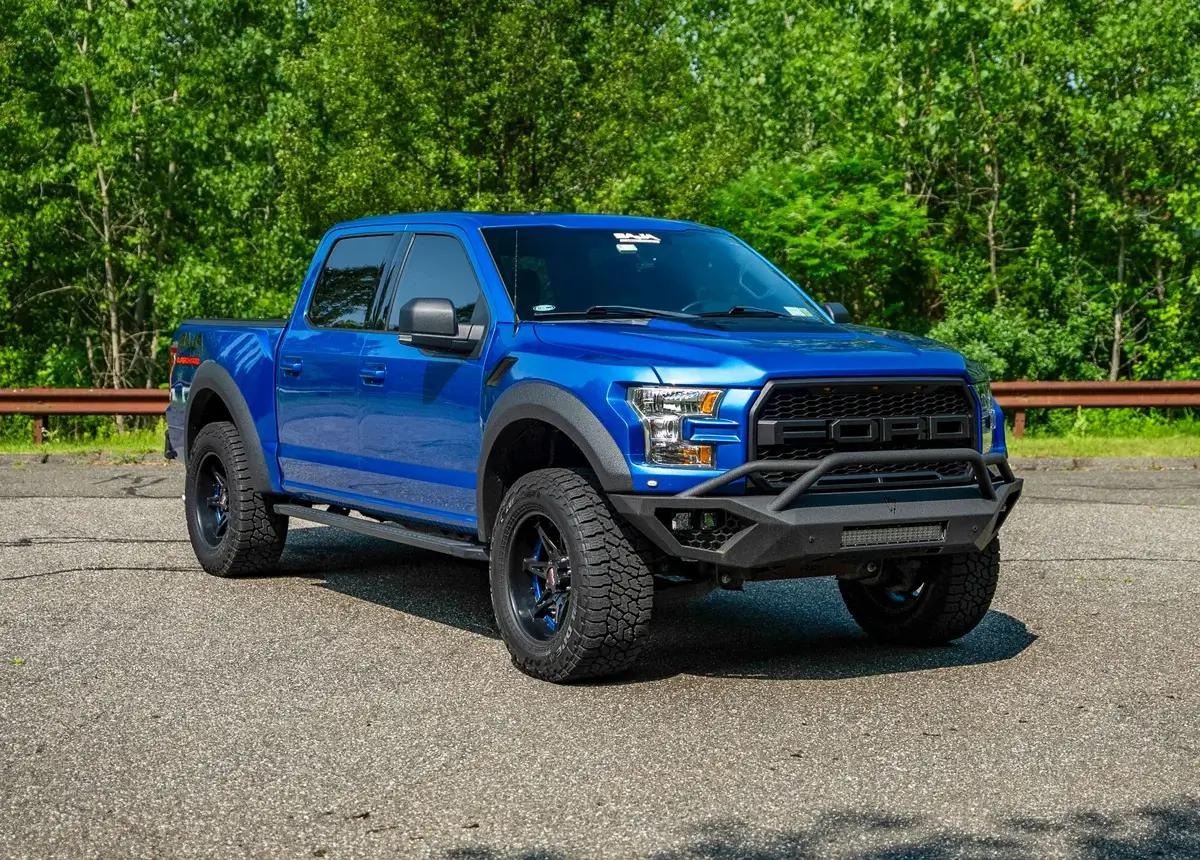
3. 2016 Ford F-150
The 2016 Ford F-150 introduced an aluminium body and a range of engines aimed at better fuel efficiency and towing power. While the design upgrades were appreciated, one persistent issue that owners faced was related to U-joint problems. These issues affected drivability and became a concern for those who used their trucks heavily.
The F-150’s driveline used traditional U-joints that required either sealed or greaseable setups, depending on the trim and drivetrain. In many of the affected models, the factory-installed U-joints were not equipped with grease fittings, making them harder to maintain. This led to early wear, especially in vehicles subjected to towing, payload hauling, or frequent off-road use.
Common symptoms included rumbling or vibrations during acceleration and a loud clunk when shifting from park to drive. These warning signs typically pointed to a worn U-joint that had either dried out or lost balance.
As the problem worsened, the driveline would begin to shake or make grinding sounds, especially at higher speeds. In some cases, the driveshaft would come loose, creating serious safety concerns.
Many drivers sought aftermarket replacement U-joints with better seals or grease ports to improve longevity. Some even replaced the full driveshaft to prevent repeated failures. Ford issued technical service bulletins addressing some of the driveline vibration issues, but not all cases were covered under warranty.
Owners who towed trailers frequently or lived in snowy climates reported a faster rate of failure due to increased stress and exposure to road salt. The aluminium body might have helped reduce weight, but it did not solve the problem of U-joint wear on the steel components beneath.
Although the F-150 remains one of the best-selling trucks in North America, the 2016 model year left many drivers disappointed by driveline problems. Regular checks and upgraded parts helped reduce long-term damage, but the lack of a sealed design meant the risk of failure stayed high for many owners.
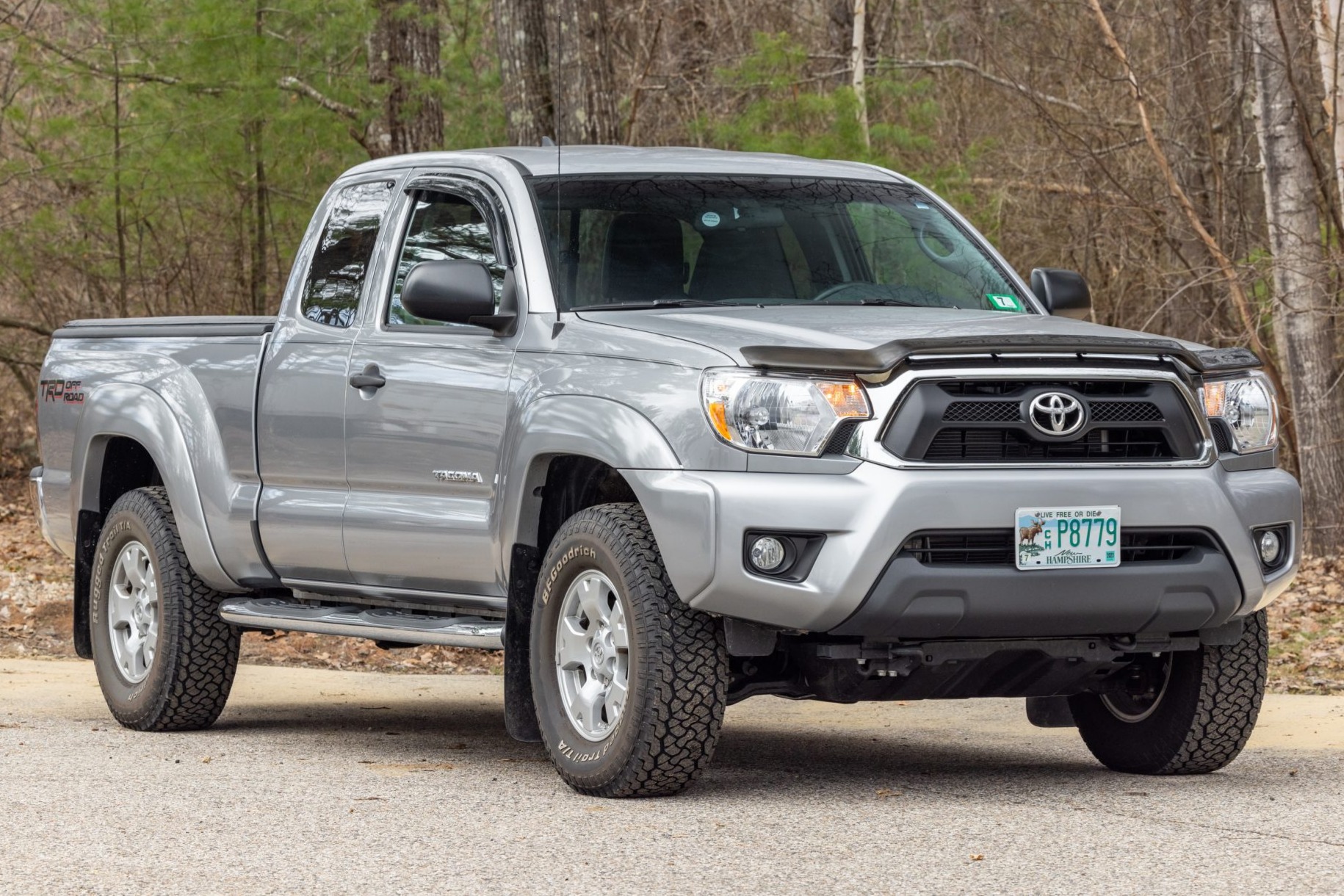
4. 2014 Toyota Tacoma
The 2014 Toyota Tacoma is widely respected for its off-road capability and long-term reliability, but like many trucks of that era, it came with a serviceable driveline featuring U-joints prone to wear. While Toyota’s engineering is often praised, the U-joint setup in this model proved to be a common weak point as trucks racked up mileage.
The original U-joints were sealed but not serviceable, which became an issue for owners who put their Tacomas through heavy-duty use. Because these joints could not be greased, once the internal lubrication started to dry up, the joint would gradually deteriorate.
This led to common complaints such as rear-end vibrations, chirping noises while reversing, and a noticeable thunk during gear moves. Those who used their Tacomas for off-road driving or frequently crossed waterlogged terrain found that the U-joints wore out more quickly than expected.
Since the joints were sealed without any way to apply fresh grease, the exposure to water and grit often accelerated corrosion. Once rust took hold, the joints began to stiffen or loosen, which eventually affected driveline alignment and performance.
Replacing U-joints on the Tacoma involved removing the driveshaft and pressing out the old joint, which was not always easy. In some cases, Toyota’s tight manufacturing tolerances made replacement more difficult than on other brands.
While some owners installed aftermarket joints with grease fittings, others found that repeat failures continued unless high-quality components were used.
Despite these concerns, the Tacoma maintained its reputation for toughness in other areas. However, this weakness in the driveline required many owners to stay alert for early signs of trouble. Catching the problem early reduced the cost of repair, but many were caught off guard, expecting more durability from Toyota’s factory setup.
This experience underlines how a non-serviceable U-joint can lead to recurring issues in trucks used under intense conditions. While the Tacoma’s drivetrain is generally reliable, this component lowered confidence in its ability to go the long haul without interruptions.
Also Read: 5 Cars Designed for Pedestrian Safety vs 5 That Pose Pedestrian Risks
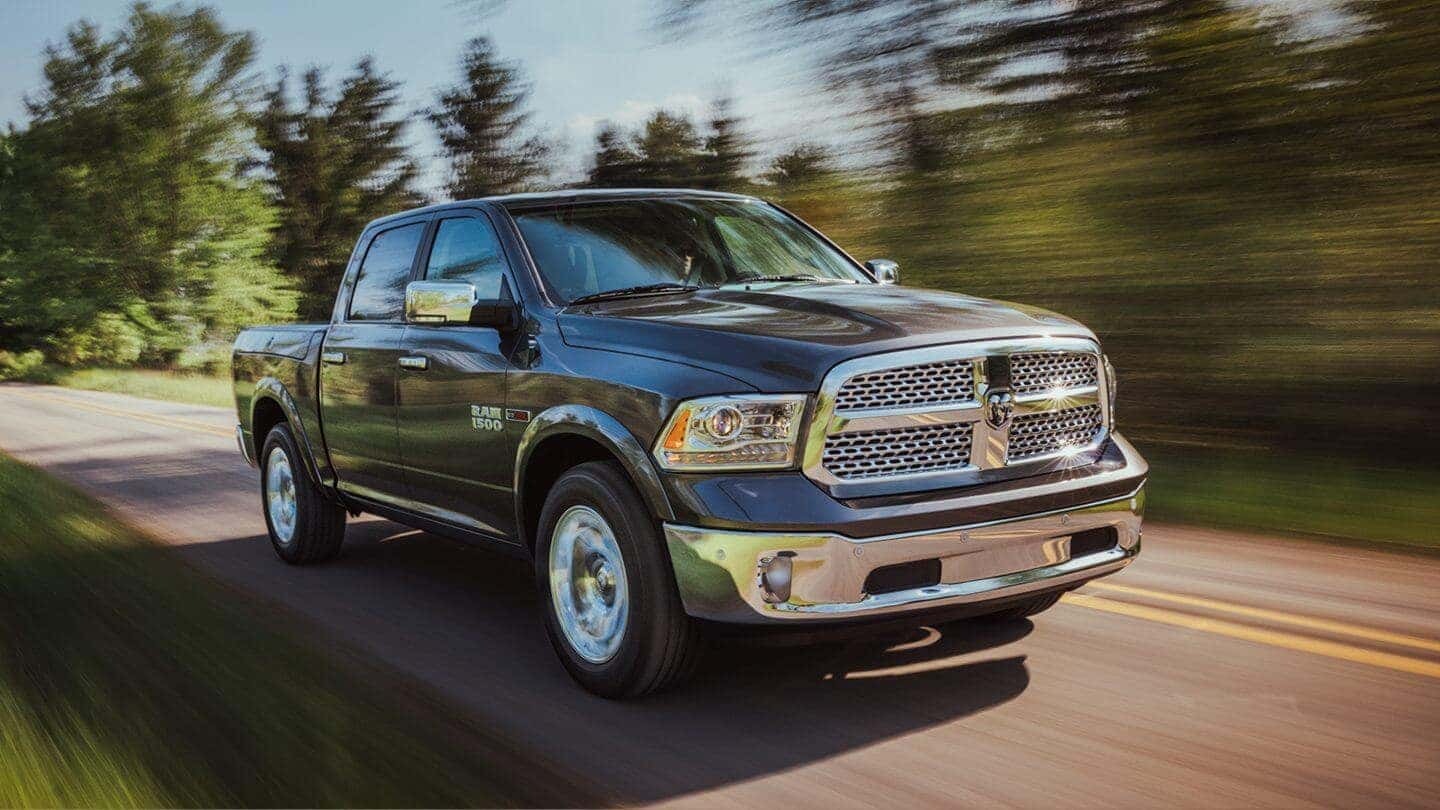
5. 2018 RAM 1500
The 2018 RAM 1500 marked the end of one generation and the beginning of another, blending rugged utility with refined comfort. Even with its strengths, the truck was not immune to U-joint issues that affected the performance and comfort of the vehicle.
Many owners of this model began noticing vibration problems that eventually traced back to the driveshaft and its joints. This truck came with a serviceable driveline that included U-joints, which either had grease fittings or were permanently sealed without the ability to re-lubricate.
In cases where the joints lacked grease ports, wear accelerated after long periods of towing or rough usage. Vibration under acceleration became a frequent complaint, as well as noise while turning or shifting between gears.
Mechanics inspecting these trucks found that the factory-installed joints sometimes developed excessive play. Once the bearing caps inside the joint started to loosen, the driveshaft would no longer rotate smoothly. The result was drivetrain noise, reduced power transfer, and in severe cases, partial loss of control.
Because of the structural placement of the driveshaft and the frame design, replacing the U-joints could be time-consuming.
RAM did not offer a factory recall for the issue, but technical bulletins guided technicians in identifying and repairing the worn components. Aftermarket solutions with better durability and the option for regular lubrication offered a more reliable fix.
Drivers who used the RAM 1500 for heavy towing, off-roading, or in snowy regions often experienced this issue earlier. The problem was less noticeable in trucks used strictly for commuting or light hauling.
Nonetheless, the failure of U-joints in the 2018 RAM 1500 served as a reminder that exposed and unserviceable joints can turn into an expensive problem when not addressed early.
This model remains popular for its balance of performance and luxury, but its driveline concerns made it clear that attention to mechanical details is necessary. U-joint failure affected not just comfort but also safety, prompting many owners to switch to reinforced aftermarket solutions or consider trucks with sealed alternatives.
