
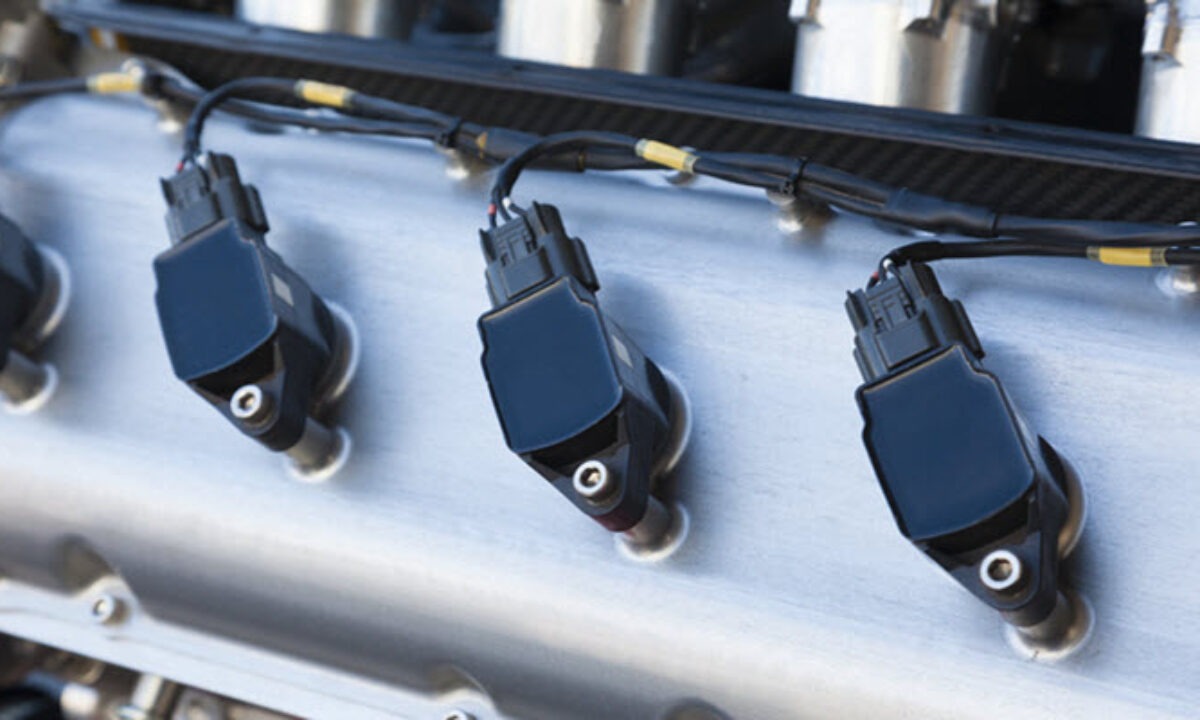
Coil packs serve as vital components in modern ignition systems, converting low battery voltage into the high-voltage energy required to ignite the air-fuel mixture in an engine’s cylinders.
As vehicles have moved away from distributors and spark plug wires, coil packs have become more prevalent. While some vehicles come equipped with coil packs that last for the entire duration of the vehicle’s useful life, others are prone to coil pack issues that lead to engine misfires, reduced performance, and costly repairs.
Understanding which vehicles offer dependable coil packs and which tend to develop issues is important for buyers who want to avoid the headache of repeated visits to the mechanic.
A misfiring engine due to faulty coil packs can create hesitation during acceleration, rough idling, or even trigger the check engine light. For daily drivers who depend on reliability and consistent performance, this becomes more than a minor concern.
We will look at five vehicles known for having long-lasting or “lifetime” coil packs, based on owner reports, engineering reliability, and service history. These vehicles tend to perform well in long-term durability tests and typically require minimal ignition-related maintenance.
On the contrary, we also examine five vehicles that have experienced persistent coil pack issues, leading to misfires and various engine problems. Whether one is purchasing new or used, knowing this information can make a real difference when making a decision.
5 Cars with Lifetime Coil Packs

1. Toyota Land Cruiser
The Toyota Land Cruiser is known for its strong build quality and ability to handle a wide range of conditions without needing frequent repairs. One of the standout features of the Land Cruiser is its ignition system, particularly the coil packs, which rarely require replacement.
These components are built with high-grade materials that withstand high temperatures and prolonged use. Because of this, drivers often report driving well over 300,000 kilometres without having to change the coil packs.
The Land Cruiser’s engine is engineered for durability. Its design avoids excessive strain on ignition components, which helps the coil packs last much longer than in many other vehicles.
The V8 petrol engines used in many Land Cruiser models, such as the 4.7-liter and 5.7-liter versions, are especially resistant to coil pack wear. Even under conditions involving towing, off-road use, or hot climates, the coil packs continue to function without failure.
Owners appreciate that this SUV rarely experiences engine misfires due to ignition faults. When maintenance is carried out on schedule, the ignition system often requires no attention beyond spark plug replacement. Toyota designed the coil packs with easy heat dissipation in mind, and they are positioned in such a way that they are protected from moisture and dirt.
Long-distance travellers, expedition drivers, and government agencies across different countries continue to trust the Land Cruiser partly because of this reliability. Fleet operators looking for minimal downtime often select this model for that very reason.
With a reputation built on decades of dependable service, the Land Cruiser remains one of the few vehicles whose ignition components, especially the coil packs, are built to last the vehicle’s lifetime with minimal issues.
2. Honda Accord
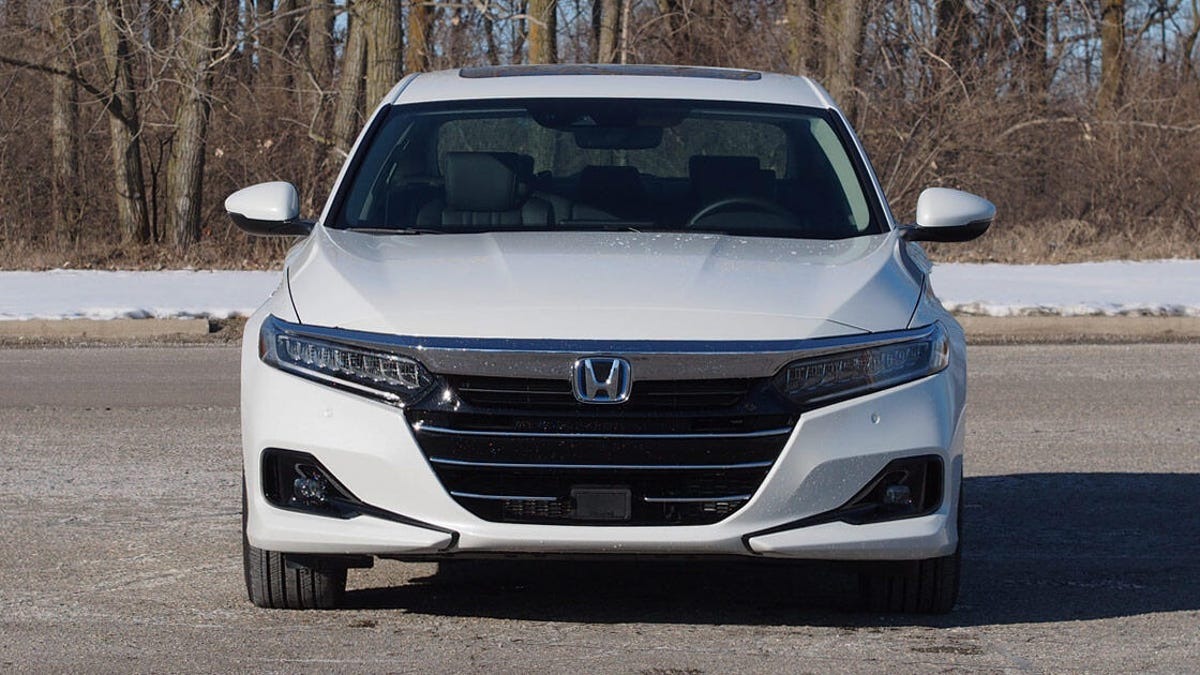
The Honda Accord stands out for its strong reliability track record, especially when it comes to engine components such as the coil packs. Across multiple generations, from the early 2000s up to the present models, the Accord has shown excellent long-term durability in its ignition system.
Whether powered by the four-cylinder or the V6 engine, this sedan performs consistently without frequent coil-related issues. Many Honda technicians and experienced owners will attest to the fact that the coil packs in the Accord are made to last well beyond 250,000 kilometres.
While spark plugs do need replacement during scheduled service intervals, the coil packs themselves remain strong unless external issues like oil leaks or water intrusion occur. Their robust design and solid placement in the engine bay prevent premature wear or electrical failure.
Part of the reason for their long life lies in the simplicity and reliability of Honda’s engine architecture. The engineers designed the ignition coils to handle sustained use with minimal overheating, and the positioning protects them from exposure to dirt or excess vibration.
This reliability plays a part in making the Accord a common choice among taxi services, business users, and private owners who cover long distances. The Accord has also received praise for the smoothness of its ignition timing and efficient fuel delivery.
When coil packs perform well, engine combustion remains stable, allowing for better fuel economy and fewer mechanical problems. Even high-mileage examples continue to operate without a hint of ignition trouble, which is not something that can be said for every mid-size sedan on the road.
With minimal reports of ignition-related faults and a history of dependable use across global markets, the Honda Accord earns its place on this list as a car that rarely has issues with coil packs.
Also Read: 5 Cars That Stay Valuable Enough to Buy New vs 5 That You Should Always Buy Used
3. Lexus LS 460
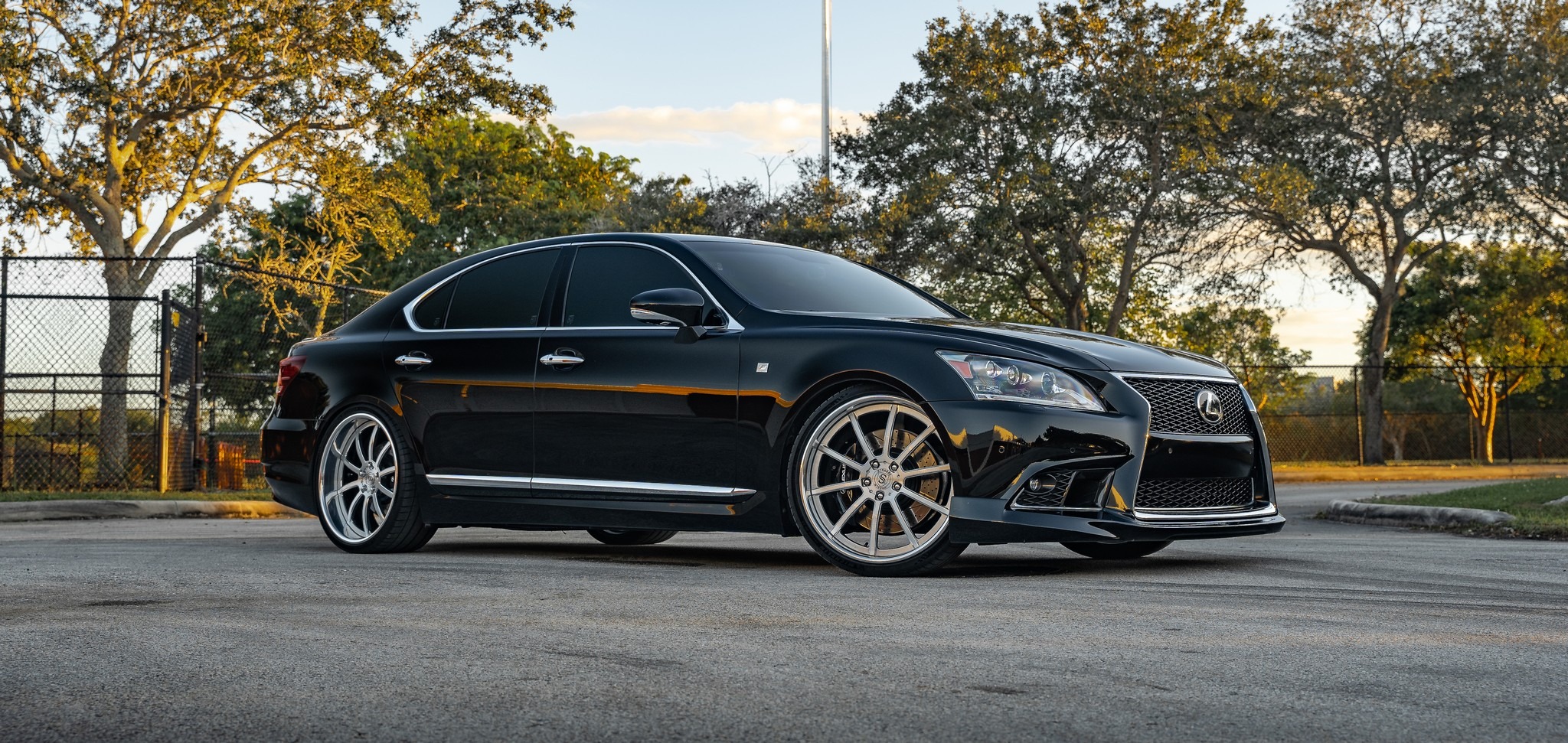
Lexus has built a reputation on smooth luxury and mechanical dependability, and the LS 460 showcases that commitment to quality. This large luxury sedan comes with a V8 engine that is not only refined but also surprisingly robust when it comes to its ignition system.
The coil packs fitted in the LS 460 are engineered to last as long as the vehicle itself, rarely needing replacement unless there is external damage or lack of regular engine servicing.
The LS 460 benefits from Toyota’s manufacturing standards, which ensure that all components meet high-quality benchmarks. Coil packs in this model are made from high-resistance materials and placed in a manner that limits their exposure to extreme temperatures or vibration. This prevents early failure and extends their effective lifespan.
This vehicle is often chosen by individuals who value smooth operation and minimal mechanical disturbances. When the coil packs continue to perform as designed, engine combustion remains precise, which means fewer vibrations and improved throttle response. Even when subjected to extended driving in city or highway conditions, the ignition coils remain stable.
Another benefit is that the LS 460 shares many core components with the Toyota Land Cruiser and other high-end Toyota models. This shared engineering means the coil packs are built to meet the same demands for heat resistance, longevity, and electrical insulation. Lexus drivers have reported reaching 400,000 kilometres without ever needing to change the ignition coils.
For those who seek comfort paired with durable performance, the LS 460 proves to be a strong choice. It is rare to find such a blend of luxury and reliability, especially when it comes to components like ignition coils, which are often overlooked during the buying process but remain essential for daily driving.

4. Mazda MX-5 Miata
The Mazda MX-5 Miata is widely respected for its agile handling and reliable engineering. While most people praise its lightweight design and driving feel, it also delivers long-lasting performance when it comes to engine components.
Among these, the ignition coil packs stand out for their strong service history. Many Miata owners report driving for several years and covering hundreds of thousands of kilometres without coil pack failure.
Mazda’s engineers kept the engine layout straightforward, which helps reduce unnecessary wear on ignition components.
The 1.8-litre and 2.0-litre engines used in various Miata generations feature direct ignition systems that distribute electrical current efficiently without putting strain on the coils. Their compact size and strategic placement help them stay cool and function reliably.
Even during spirited driving or track days, the Miata maintains ignition stability. This consistency contributes to the car’s responsive throttle and smooth gear changes.
Because of the dependable coil packs, engine misfires are rare, and many owners can go through several sets of spark plugs without ever needing to replace a coil pack.
Regular servicing plays a role in keeping things trouble-free, but even those who are less meticulous with maintenance often find that their Miata remains dependable.
When replacement is eventually needed due to age or other engine problems, the parts are easy to access and not expensive. However, it is common for original coil packs to stay functional for the life of the vehicle, especially on well-kept examples.
Whether used for daily driving or weekend fun, the Mazda MX-5 Miata delivers solid performance in more ways than just handling. Its ignition coils form part of the vehicle’s reputation for dependability, giving it a well-earned spot on this list of cars with lifetime coil packs.
5. Toyota Camry
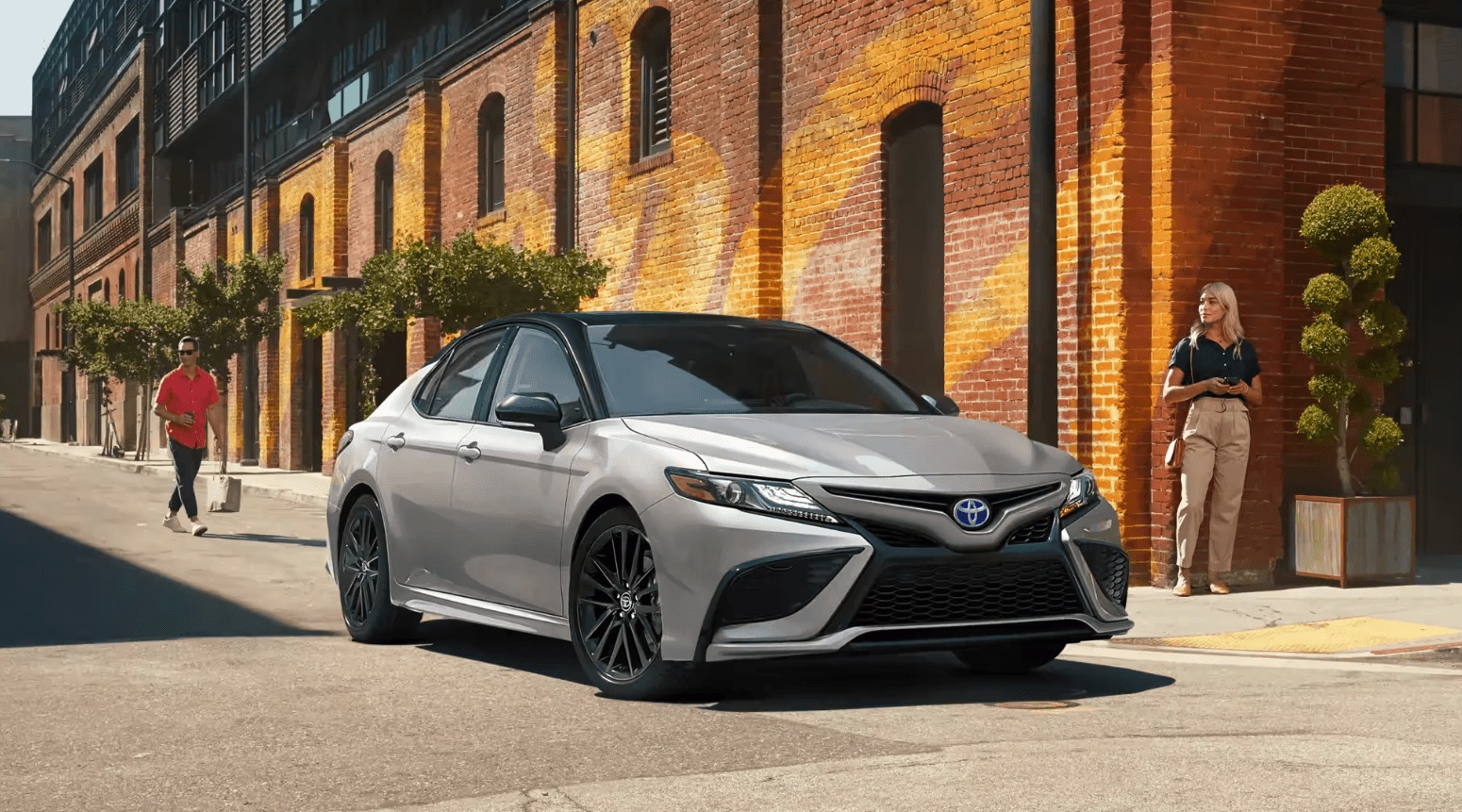
The Toyota Camry continues to be one of the most reliable mid-size sedans available, and part of that reliability comes from its strong ignition system.
Many Camry models from the 2000s onward use coil packs that are well-known for lasting a very long time without failure. This consistency means fewer engine misfires and reduced repair costs for owners who want peace of mind.
The Camry is available with both four-cylinder and V6 engines, and both setups have shown solid coil pack performance. Toyota’s design philosophy ensures that even under long-term use, coil packs retain their ability to deliver the high voltage needed for combustion.
This contributes to smooth engine performance and fuel economy. Drivers often report that coil packs remain effective past 250,000 kilometres without any loss of function.
One reason these coils last so long is their high-quality build and careful placement. The coils are protected from moisture, excessive vibration, and engine heat. Even when used in hot climates or urban traffic conditions, the components hold up without showing signs of wear.
Mechanics also appreciate how easy it is to service the ignition system when needed. The simplicity of the design means that when spark plugs are replaced, a quick inspection of the coils is often all that is required. Most times, no replacement is necessary.
Owners value the Camry for being a stress-free vehicle that keeps running without frequent visits to the workshop. The ignition system, including the coil packs, plays a large role in that.
For drivers who want a dependable car that starts every morning and runs smoothly for years, the Toyota Camry offers exactly that, thanks in part to its long-lasting coil packs.
5 Cars with Packs That Misfire
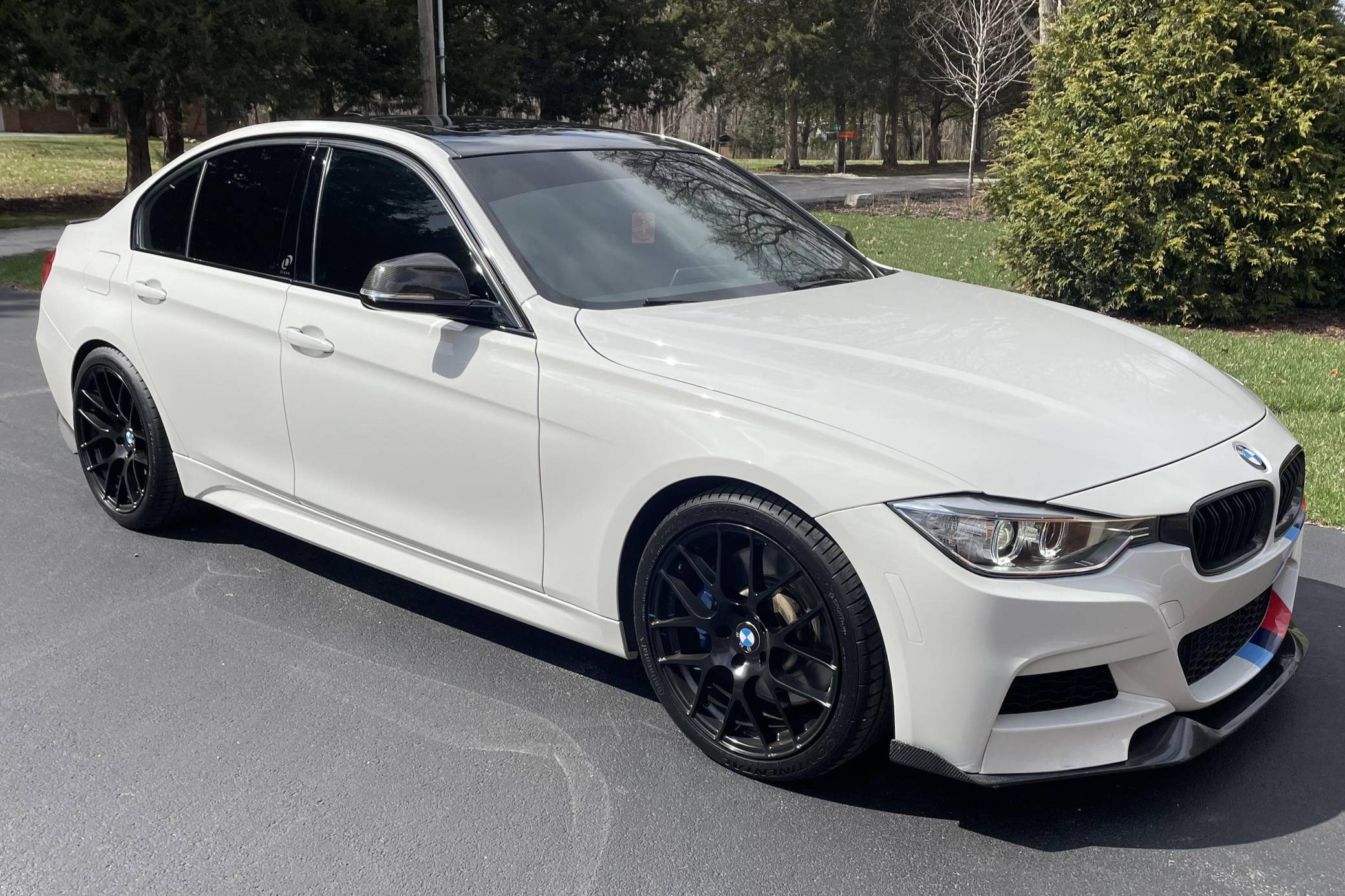
1. BMW 335i
The BMW 335i delivers strong performance and a premium driving experience, but it has also gained attention for coil pack issues that can cause misfires.
This problem affects several model years, particularly those equipped with the N54 and N55 turbocharged engines. These engines are known for their power delivery, but the ignition coil packs have not matched that reputation for durability.
Owners often report engine hesitation, loss of power during acceleration, or rough idling caused by coil failure. The misfire is usually accompanied by a check engine light, and diagnostic scans tend to point directly to coil pack problems.
In many cases, replacing a single coil leads to further failures down the line, which forces owners to replace all six coil packs as a preventive measure.
Heat and vibration are among the factors that wear out these coils early. Since turbocharged engines generate more heat than naturally aspirated ones, the ignition system is placed under additional stress.
While BMW attempted to improve the quality of its coil packs in later models, many units built before the fix continued to fail even after replacements. The result is a recurring maintenance issue that becomes both frustrating and costly.
For some, the issue starts around 80,000 kilometres or even earlier. Although aftermarket coils are available, they do not always provide a long-term solution. Some owners resort to upgrading to performance-grade coils, but even these may not prevent eventual misfires.
Despite the car’s strong acceleration and handling, this ignition fault takes away from the driving experience. Regular replacement of coil packs becomes part of the ownership routine for many 335i drivers.
Buyers interested in this model often check service records carefully to ensure coils have been changed recently, which underlines how common this problem has become.
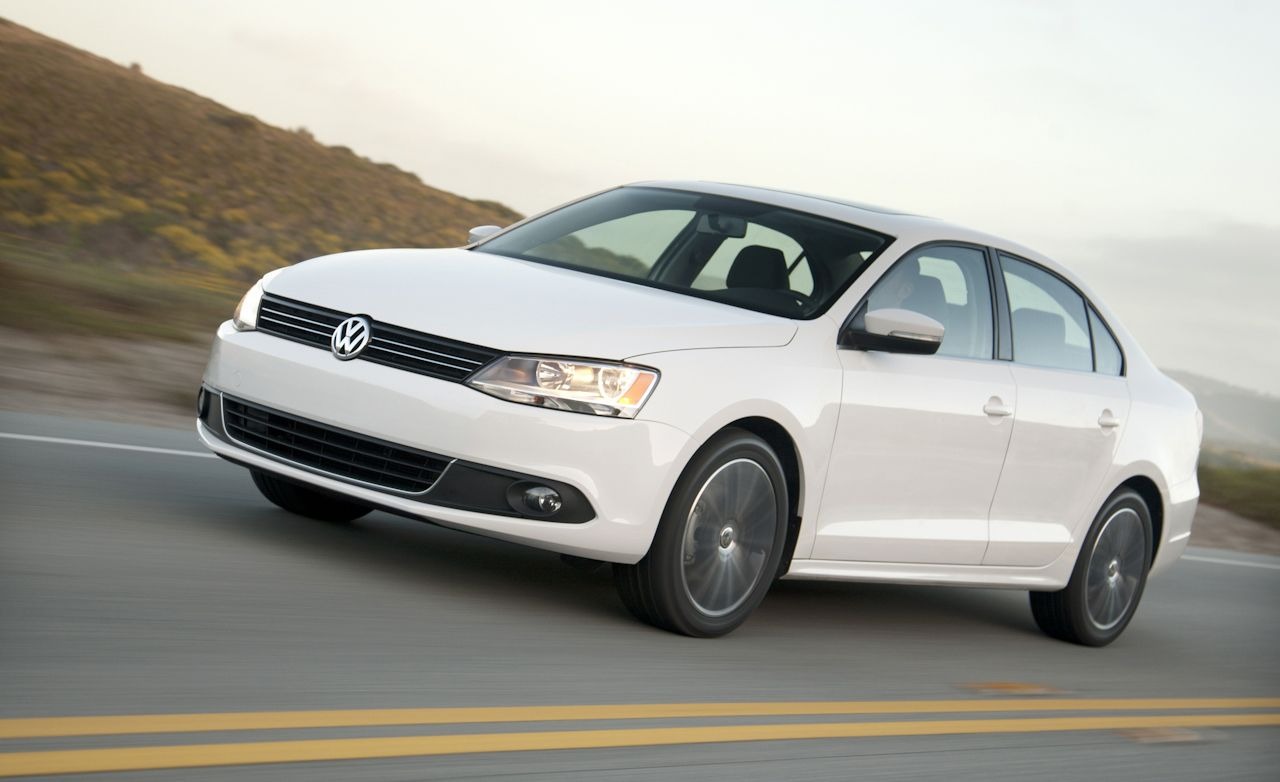
2. Volkswagen Jetta 2.5
The Volkswagen Jetta 2.5 has a reputation for solid handling and decent fuel economy, but coil pack problems have caused headaches for many of its owners.
The five-cylinder engine in particular has been linked to a range of ignition-related issues, with coil pack failure being among the most frequent complaints. These failures often lead to misfires that reduce power, increase fuel consumption, and make the vehicle feel less responsive.
The ignition system on the Jetta 2.5 uses individual coils for each cylinder, and once one fails, others tend to follow shortly after.
Symptoms usually include engine shaking during idle, hesitation when pressing the accelerator, or the engine light turning on. Mechanics often suggest replacing all five coils at once, even if only one is faulty, since the failure pattern tends to repeat itself.
Volkswagen attempted to resolve this with updated coil packs in later production years, but many older models were never retrofitted. As a result, drivers are left with ignition systems that may fail earlier than expected. Coil pack problems usually begin around 70,000 kilometres and often return unless all units are replaced simultaneously.
This has affected owner confidence, especially for those who rely on the Jetta for long-distance travel. The inconvenience of breaking down or driving with reduced performance has made many hesitant about holding onto the car after coil issues surface.
While some owners report positive results after using upgraded coil packs from aftermarket brands, this still adds to the cost of ownership.
Even with regular oil changes and spark plug replacements, the coil packs on this model remain a weak point. Anyone considering a used Jetta 2.5 should ask for a detailed maintenance history, particularly focusing on ignition service, to avoid unexpected repairs.
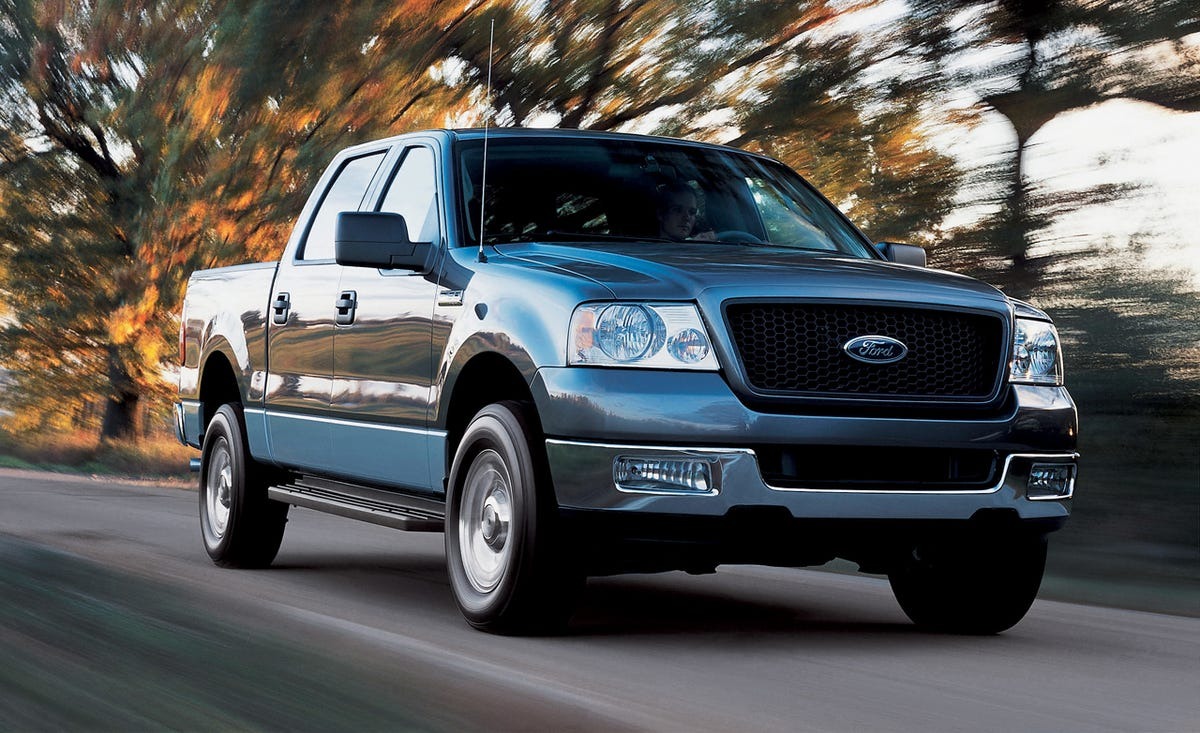
3. Ford F-150 5.4L Triton
The Ford F-150 with the 5.4-litre Triton V8 engine has a strong reputation for power and utility, but coil pack misfires are a common problem that has frustrated many owners.
This issue primarily affects models built in the early to mid-2000s. These trucks are often used for heavy-duty work, and when coil packs begin to fail, performance suffers greatly.
The 5.4L engine uses a coil-on-plug system, and it is known to wear out coils faster than expected. Drivers frequently experience rough idling, a lack of power when towing, or sudden misfires during acceleration.
These symptoms usually trigger the check engine light, and a diagnostic scan typically shows multiple misfire codes. The issue tends to begin around 100,000 kilometres or earlier, depending on usage.
One challenge is that the coil packs are mounted directly over the spark plugs, and in some models, moisture can easily seep into the spark plug wells.
This causes corrosion and electrical shorts, which eventually damage the coils. Additionally, due to the engine’s layout, accessing the rear cylinders for coil replacement can be difficult and time-consuming, making repairs costly.
While aftermarket coil packs are available, some still fail prematurely. Many mechanics advise replacing all eight at once to avoid repeat visits to the workshop. Some owners have even developed routines of changing coils and spark plugs as part of regular maintenance, even if symptoms have not yet appeared.
This issue stands out more because of how commonly the F-150 is used in demanding conditions. For those relying on the truck for work or family transport, ignition issues create real problems.
Although the truck performs well in other areas, the persistent coil failures place the 5.4L Triton on this list of engines that are prone to misfires due to unreliable coil packs.
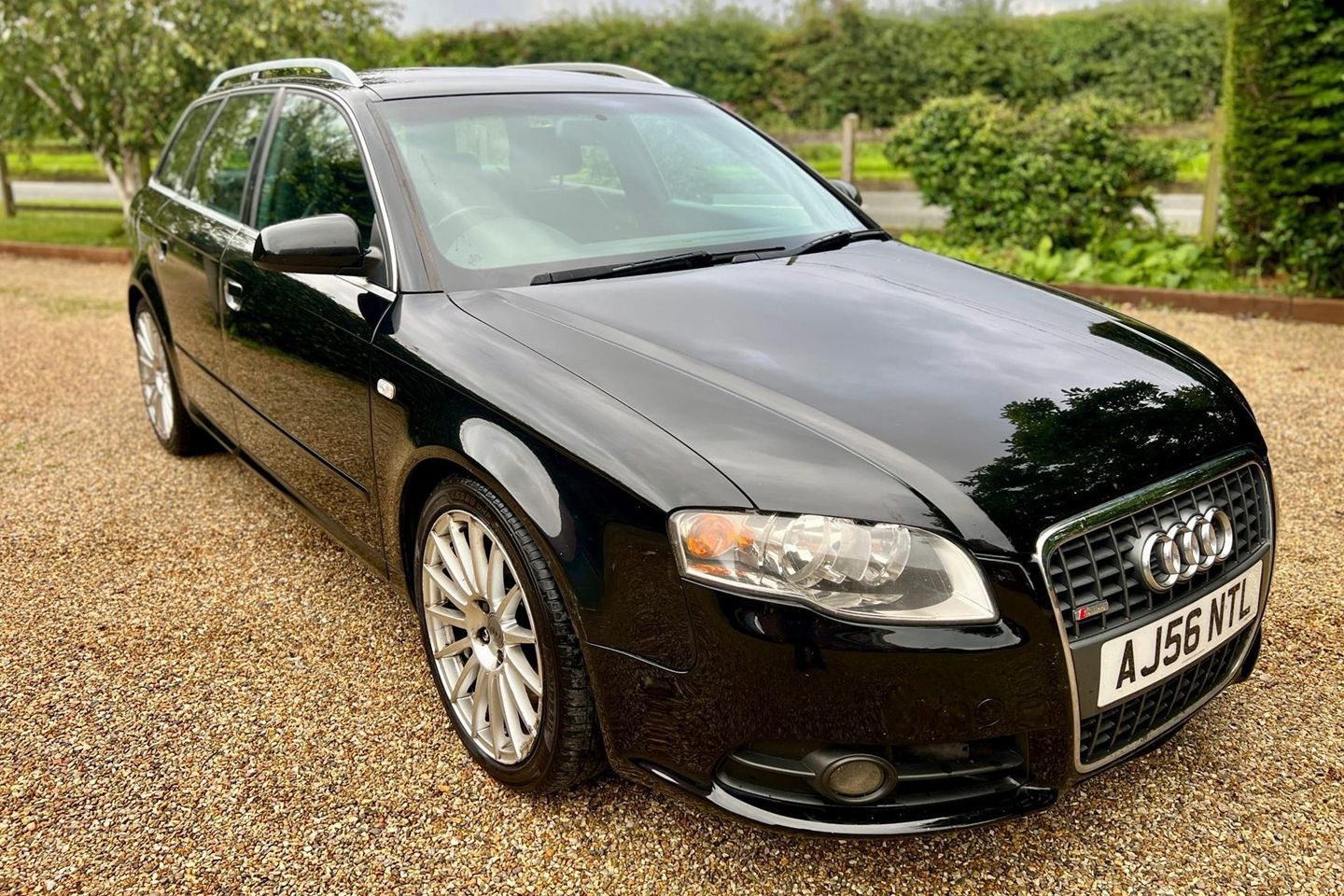
4. Audi A4 B7
The Audi A4 B7, particularly the models powered by the 2.0-litre turbocharged engine, is well-liked for its performance and premium feel, but coil pack reliability has proven to be a weak point.
These vehicles often suffer from ignition-related issues that affect drivability and engine performance. Misfires caused by failing coil packs are one of the most frequently reported problems, especially as the vehicle gets older.
Drivers notice rough engine behaviour during start-up, sluggish acceleration, and inconsistent idling. These problems are usually followed by a flashing engine warning light and fault codes that indicate misfires in one or more cylinders. Even when spark plugs are relatively new, coil packs tend to wear out faster than expected.
Part of the problem lies in the location of the coil packs and the heat generated by the turbocharged engine. High under-hood temperatures create an environment where electrical components like ignition coils deteriorate as time goes on. Once one coil fails, it is often only a matter of time before others begin to cause trouble as well.
Audi has released revised versions of the coil packs, and some owners who switched to newer models experienced better results. Still, many drivers go through multiple sets over the vehicle’s lifespan, especially those who use their cars daily. Aftermarket solutions are common, but results vary depending on the brand and installation quality.
The need to frequently replace coils adds to the running cost of what is already a high-maintenance vehicle. For those looking at used A4 B7 models, it is wise to confirm that the coils have been replaced recently and that any ignition-related repairs were done with reliable components. Although the car delivers strong performance and sharp handling, these misfire issues dampen the entire experience.
Also Read: 5 Performance Cars That Stay Valuable And 5 That Become Worthless
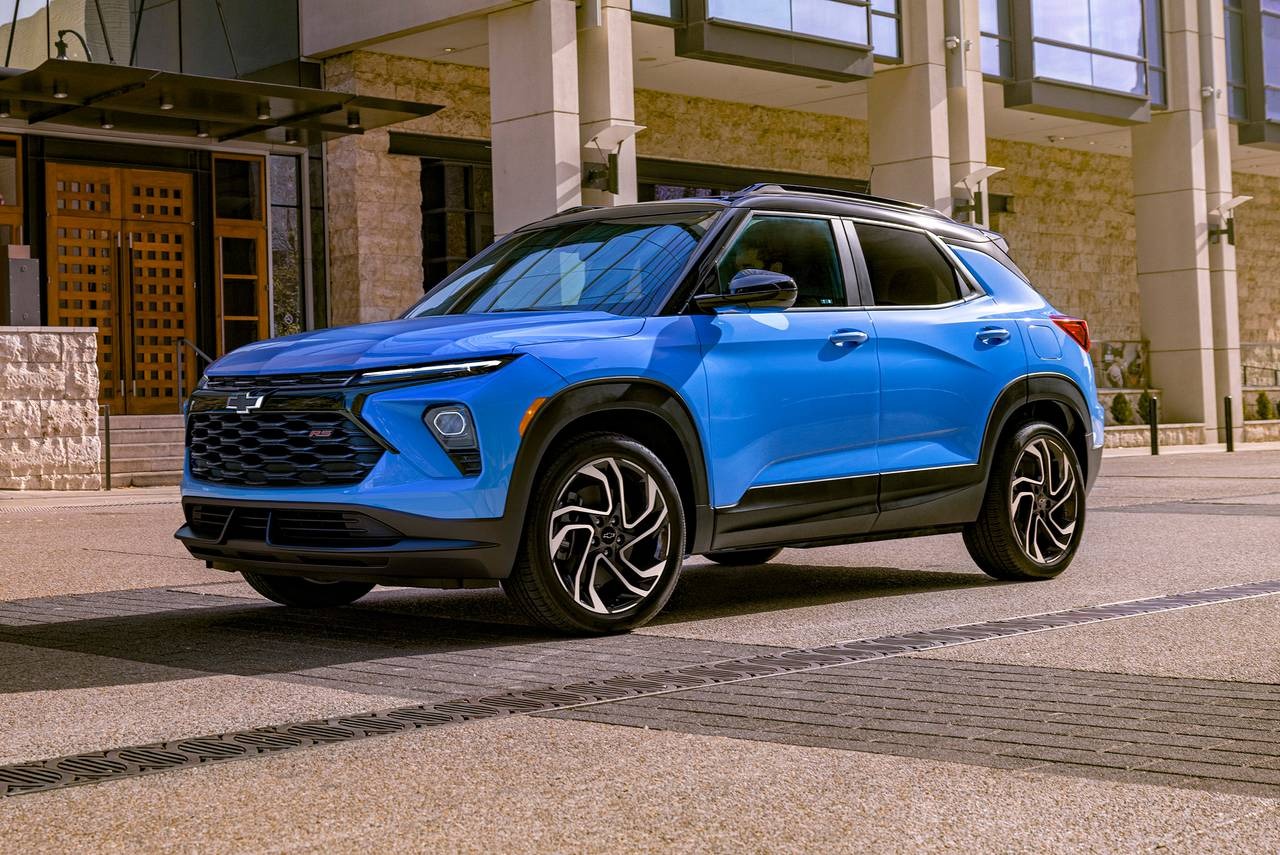
5. Chevrolet Trailblazer
The Chevrolet Trailblazer, especially models built with the inline-six engine in the early 2000s, has a long record of ignition coil pack failures.
While the SUV offers a comfortable ride and decent power, coil-related problems are known to surface after a certain number of kilometres. These issues often present as misfires that result in engine hesitation, lack of acceleration, or a flashing check engine light.
The ignition system uses individual coils mounted directly above each spark plug. After extended use, the coil packs tend to lose their efficiency, leading to engine misfires that impact fuel efficiency and power delivery. It is common for these problems to appear around 120,000 kilometres or earlier, depending on how the vehicle is driven.
One major concern is the difficulty in detecting which coil has failed. While diagnostic tools help, misfire symptoms can sometimes disappear temporarily, making the issue hard to trace until multiple coils begin to show problems. In many cases, owners end up replacing all six coils to restore smooth engine operation.
The heat under the hood, combined with vibration during daily use, causes the internal components of the coils to wear out. This reduces voltage output and results in poor combustion. Because the ignition problem affects performance directly, drivers often experience reduced power when climbing hills or trying to accelerate quickly.
Repair costs can add up, especially if coils are replaced one at a time rather than in a full set. Some aftermarket brands claim longer life, but results vary based on installation quality and the condition of other engine components. Even with regular servicing, coil pack issues remain a common problem for Trailblazer owners.
Choosing a vehicle with reliable ignition components can reduce the likelihood of engine misfires, improve fuel economy, and ensure consistent acceleration. For buyers considering used models, checking service records for coil pack replacements can help predict future expenses.
Those planning to keep their cars for a long time may prefer vehicles with a reputation for solid coil pack performance, especially when regular servicing is already part of their routine.
A dependable ignition system brings peace of mind. When coil packs last as long as the vehicle itself, it becomes easier to focus on the road ahead without worrying about unexpected engine trouble.
Whether shopping for a family car, a work vehicle, or a performance sedan, the ability of coil packs to function without failure remains a major factor in long-term satisfaction.
