
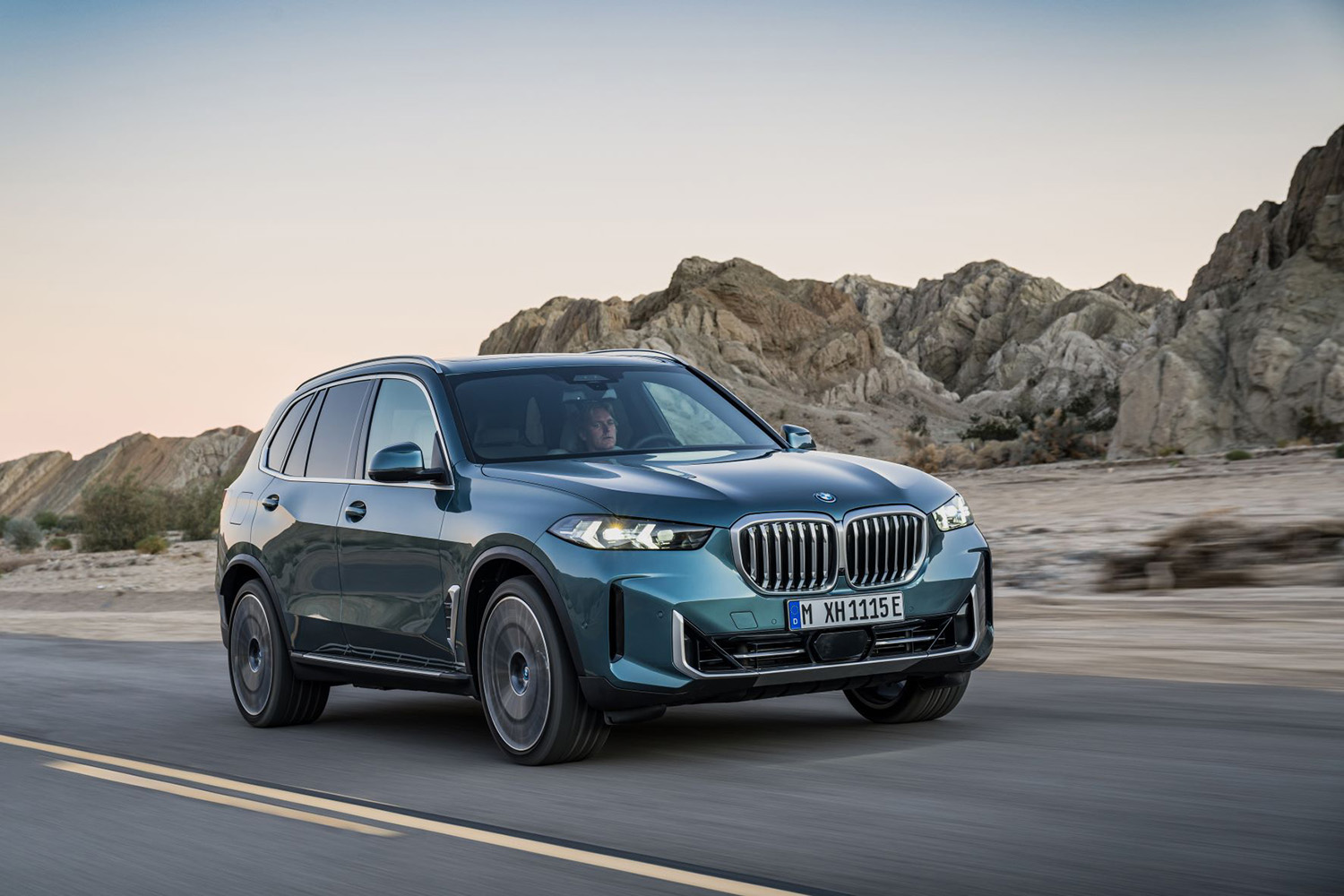
SUVs have claimed their place as reliable companions for families, adventurers, and daily commuters alike.
While the popularity of these vehicles often rests firmly on looks, comfort, and utility, there is one critical aspect that frequently gets overlooked: the durability of the transfer case.
This crucial drivetrain component distributes power between front and rear wheels, making it essential for all-wheel drive and four-wheel drive systems.
A transfer case that stands the test of time is invaluable to those who plan to keep their vehicle for high mileage or intend to subject it to demanding driving conditions.
Conversely, when the transfer case falls short, it can lead to costly repairs and the end of a vehicle’s useful life far earlier than most expect.
This report will take an honest look at two sides of the transfer case reliability spectrum. First, it highlights five SUVs renowned for robust transfer cases that have consistently seen drivers through 300,000 miles or more when properly maintained.
Then, it addresses the other side: five SUVs whose transfer cases tend to break or encounter major issues before reaching 100,000 miles, often catching owners off guard with expensive repairs.
Together, these accounts provide guidance for anyone seeking longevity and value in their next SUV purchase or wishing to understand potential pitfalls in ownership.
Also Read: 5 Pioneering Cars That Introduced Reliable Safety vs 5 Early Adopters with Issues
SUVs With Transfer Cases That Survive 300,000 Miles
Ruggedness and engineering excellence usually determine whether an SUV’s drivetrain will carry it into high-mileage territory. Not all automakers prioritize transfer case longevity the same way.
The SUVs featured here have not only earned their place in history through word of mouth and mechanic testimonials, but have also proven their worth on highways, trails, and across continents.
Each model in this list is recognized for a transfer case engineered to withstand wear, resist common internal failures, and perform under significant load without excessive maintenance.
The decision to focus on these five specific vehicles comes from several factors. Owner forums, mechanic accounts, and long-term testing reveal that these models repeatedly outlast expectations, often exceeding the 300,000-mile barrier with original transfer cases intact, given reasonable care.
Reliability over such distances gives confidence to prospective buyers and current owners who seek peace of mind, especially when vehicle downtime is not an option.
Highlighting these SUVs can be invaluable for those prioritizing low total cost of ownership, strong resale value, and the ability to trust their vehicle for the long haul.
1. Toyota Land Cruiser
The Toyota Land Cruiser’s reputation for reliability is legendary, and this is no more evident than in the model’s transfer case.
Over decades, the Land Cruiser has traversed deserts, jungles, and everything in between, thanks to a design that places an emphasis on longevity and simplicity.
The transfer case found in models like the J80, J100, and J200 utilizes robust gears instead of chains, which significantly reduces wear over time and is less susceptible to stretching or breaking under heavy loads.
Durable materials, precise engineering tolerances, and a conservative approach to torque management keep catastrophic failures at bay.
Many Land Cruisers roll past 300,000 miles with their original transfer cases, and stories of high-mileage examples are common in enthusiast communities.
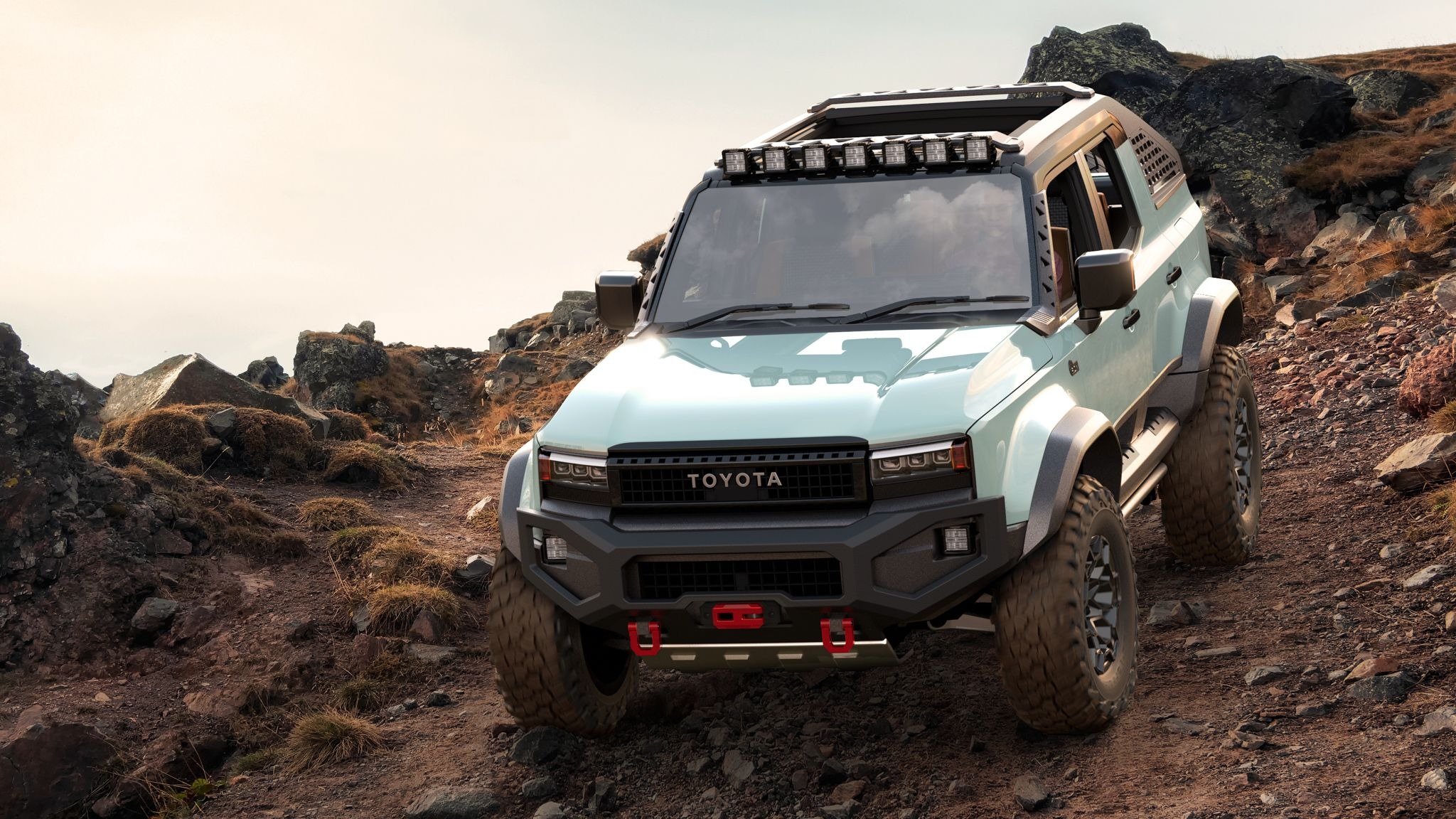
Routine servicing, such as fluid changes, helps maximize durability, but even with irregular attention, the Land Cruiser’s transfer case is known to withstand abuse that would sideline other vehicles.
This reliability is one reason used Land Cruisers often command premium prices, even with high odometer readings. Their popularity among world travelers, overlanding enthusiasts, and even United Nations fleets underscores a well-founded trust in this intricate system’s ability to endure where others might falter.
2. Lexus GX 470
The Lexus GX 470, sharing underpinnings and drivetrain components with the Toyota 4Runner and Land Cruiser Prado, stands out as an SUV with a robust transfer case.
This V8-powered luxury SUV is frequently spotted racking up mileage far beyond what is typical in its class.
The transfer case in the GX 470 is based on proven Toyota technology, using a full-time four-wheel-drive system with a Torsen limited-slip center differential, which is both sophisticated and highly dependable.
Owners and independent mechanics often cite how infrequent major repairs are for the core drivetrain, provided baseline maintenance is observed.
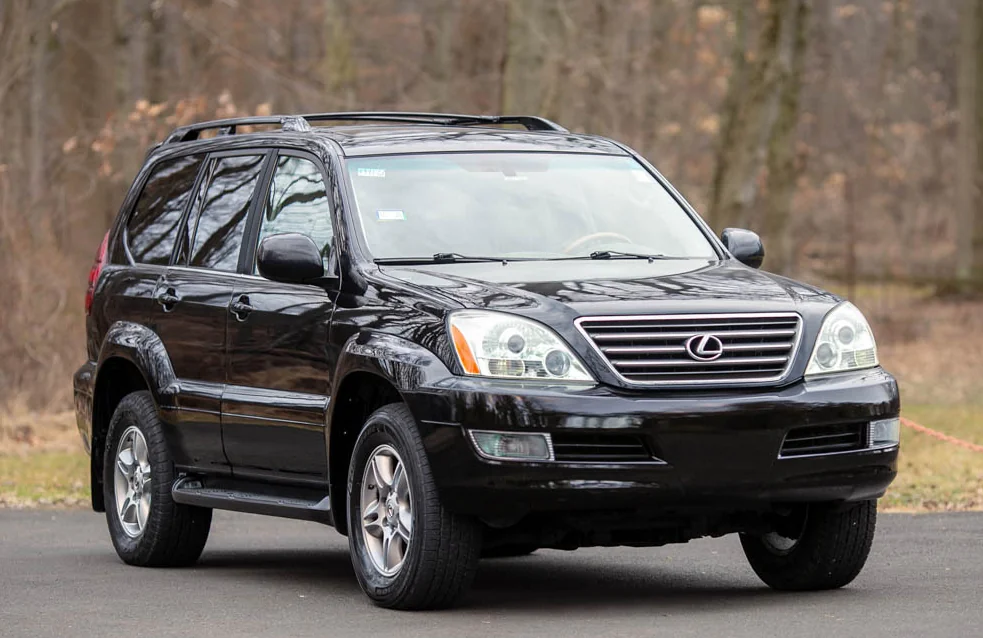
What makes the GX 470’s transfer case so reliable largely stems from thoughtful engineering choices: the use of high-quality materials, a straightforward design with few points of vulnerability, and protective measures like advanced seals and gaskets that fend off contamination.
Many 4×4 forums are filled with accounts of Lexus GX 470s surpassing 300,000 miles on their original transfer cases, having survived both daily commutes and demanding off-road trails.
The combination of Japanese engineering discipline and a focus on luxury reliability makes the GX 470 an excellent choice for anyone who values dependability above all else.
3. Toyota 4Runner (Fourth and Fifth Generation)
The Toyota 4Runner is synonymous with resilience, and a big reason for its acclaim lies in its transfer case.
From the early 2000s models through to the present, both the fourth and fifth generation 4Runners are celebrated for transfer cases that function reliably for hundreds of thousands of miles.
The part-time four-wheel-drive system is often praised for its simplicity and lack of unnecessary complexity. It features strong gears and straightforward chain mechanisms designed for longevity.
Many fourth and fifth generation 4Runners routinely exceed the 300,000-mile mark with original drivetrains intact.
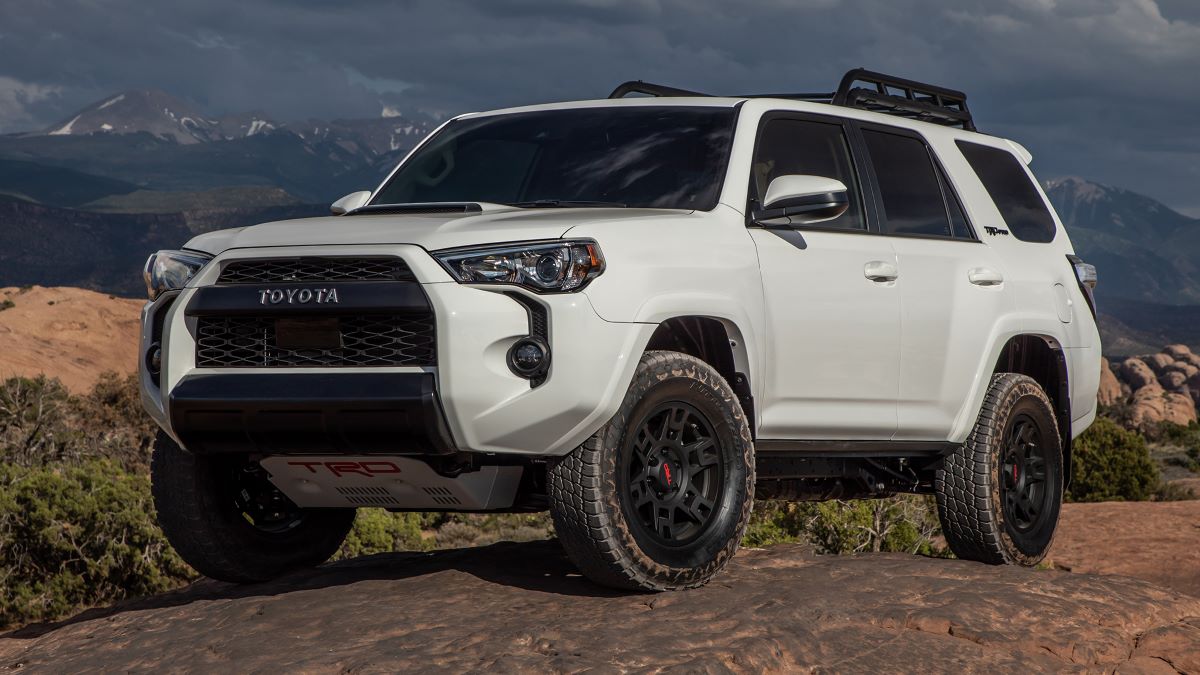
Maintaining fluid changes is usually all that is required. Owners have credited this design with allowing them to confidently tackle both urban driving in harsh weather and challenging backcountry adventures.
Unlike more complicated or finicky systems found elsewhere, the 4Runner’s blend of sturdy components and proven layout is ideal for those seeking a long-term vehicle investment.
This reputation is reflected in high resale values for older models and their presence as favorites in off-road and overland modifications. The Toyota 4Runner remains a clear example of an SUV where the transfer case is not a concern for prolonged ownership.
4. Ford Expedition (Early 2000s)
The early 2000s Ford Expedition makes this list for a specific reason: its transfer case (often the BorgWarner 4406) is known for handling tough conditions and high mileage.
Designed for heavy SUVs, this component is built to withstand towing, off-road travel, and the rigors of daily family hauling.
The Expedition’s transfer case is constructed with heavy-duty gears, a strong housing, and relatively few electronic components, reducing the likelihood of electronic failure a common weakness in more modern designs.
While regular servicing is still advisable, many owners report that, with just oil changes and routine checks, the transfer case reliably lasts longer than the rest of the drivetrain.
It’s not unusual to encounter Expeditions from the 2000-2005 range exceeding 300,000 miles on their original part.
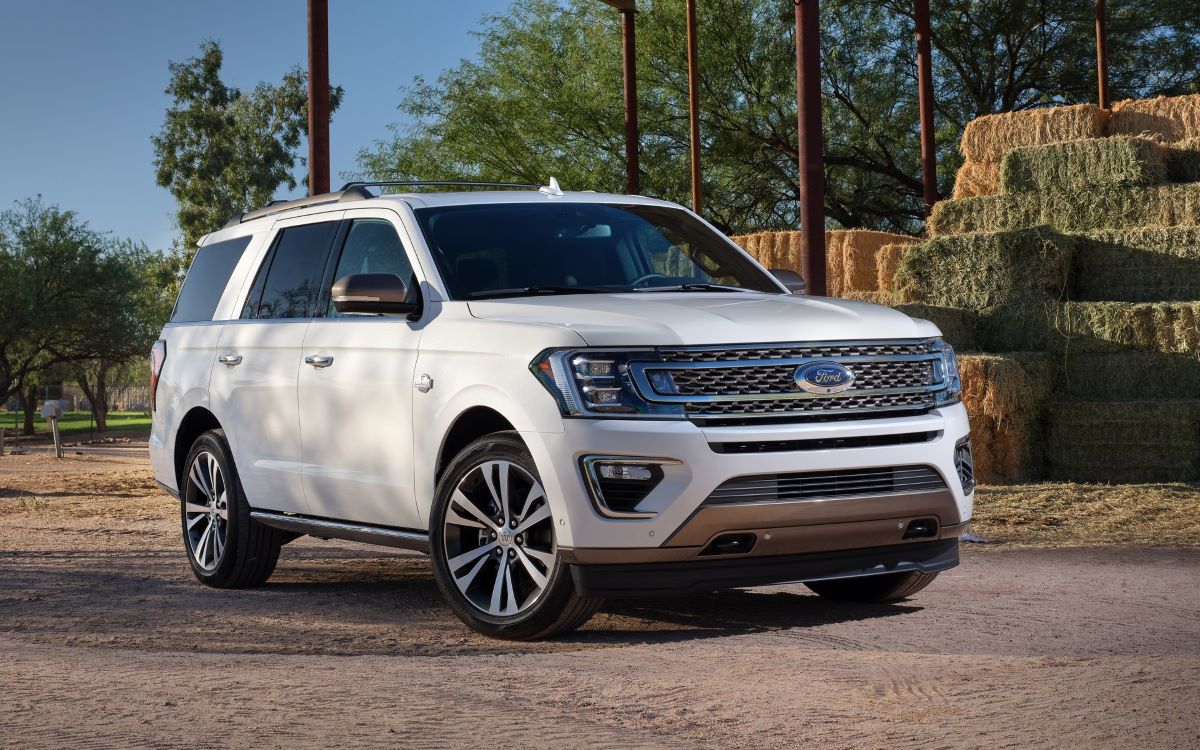
The transfer case’s straightforward, mechanical nature contributes to lower repair bills and less frequent replacement compared with more complex, electronically controlled alternatives.
For families, work crews, and travelers putting serious distance on their vehicles, the Expedition’s transfer case is a strong point that explains much of this model’s staying power in the used SUV market.
5. Honda Pilot (First Generation)
The first generation Honda Pilot, produced between 2003 and 2008, is another SUV with an impressive record for transfer case reliability when properly maintained.
Its Real Time 4WD system doesn’t use a traditional two-speed transfer case but rather a robust, hydraulically activated unit designed to handle occasional off-road use, inclement weather, and moderate towing. Key to its longevity is the absence of components prone to stretching or breaking, and simplicity in its clutch-based approach.
Many owners have documented these vehicles passing 300,000 miles, particularly when service intervals for the transfer case fluid are observed.
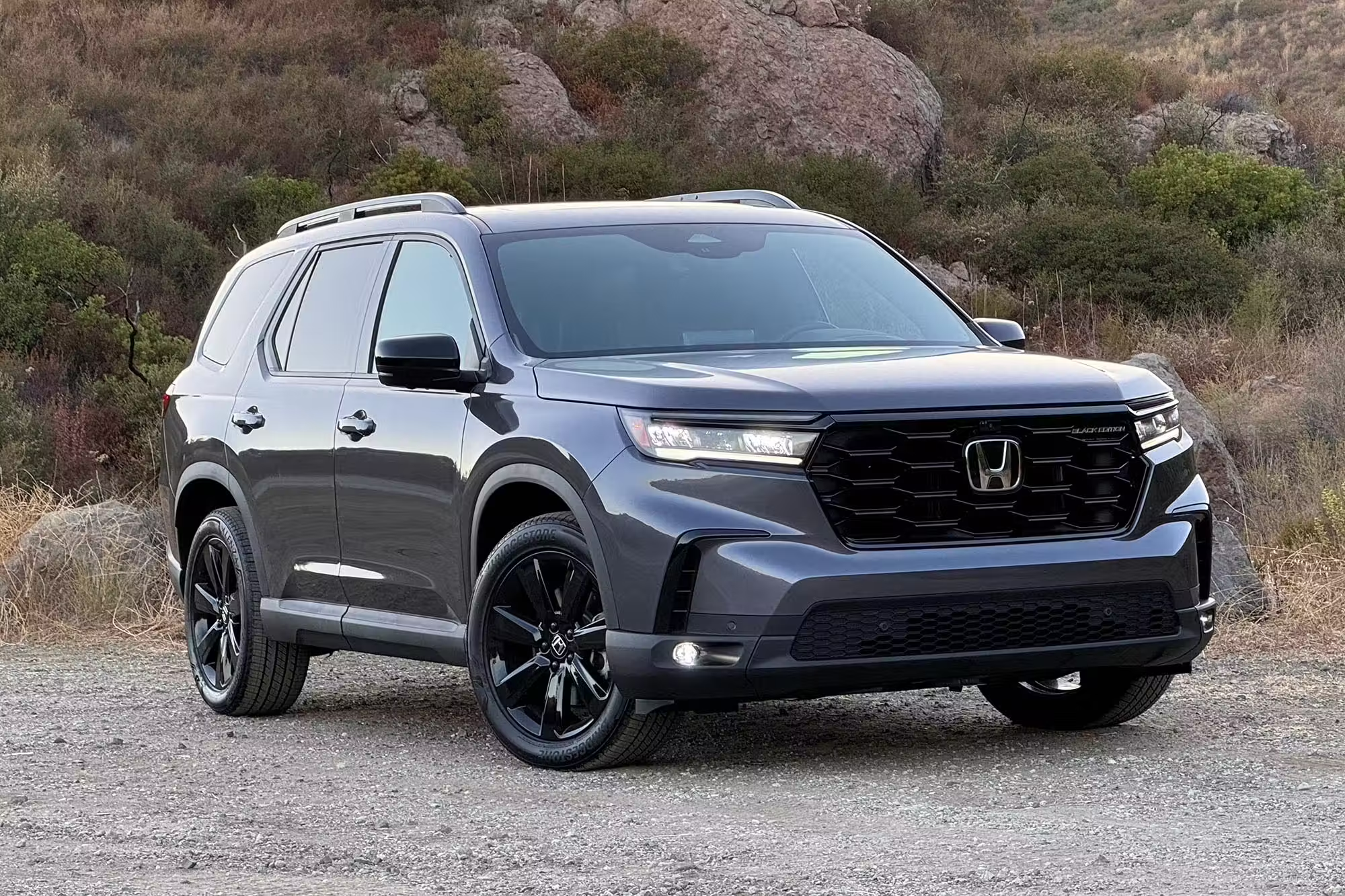
The combination of proven V6 powertrains, conservative torque delivery, and simple yet sturdy transfer case design contributes to a trouble-free ownership experience.
While some may overlook it for more traditional four-wheel-drive setups, the first-generation Pilot deserves recognition for excelling in the durability category, particularly for suburban families, commuters, and anyone wanting to avoid drivetrain headaches over the long run. Its reputation for reliability has kept these older Pilots in high demand, even as they age.
5 SUVs With Transfer Cases That Break by 100,000 Miles
Not all SUVs are created equal when it comes to durability, especially beneath the surface where transfer cases reside.
For some models, it’s not uncommon to encounter significant trouble before reaching 100,000 miles, resulting in steep repair bills and disappointed owners.
These issues can stem from various sources: cost-cutting during manufacturing, sub-par materials, overcomplicated electronic control units, or design flaws that lead to premature wear.
Regardless of the cause, transfer case failures can render a once-trusty SUV unreliable or, at worst, undriveable until expensive repairs are covered.
Highlighting these five SUVs is not about discouraging owners or buyers, but equipping them with crucial information.
Whether someone owns one of the models listed below or is considering a purchase, awareness of weak points helps advocate for improved care, timely intervention, or opting for a more robust choice altogether.
These are not rare, isolated incidents, but patterns observed across service records, mechanic reports, and owner testimonies. Understanding these shortcomings allows individuals to make better decisions, minimizing unexpected breakdowns while anticipating potential costs.
1. Jeep Grand Cherokee (2011–2014)
The 2011–2014 Jeep Grand Cherokee is noted for frequent transfer case failures occurring well before 100,000 miles in a concerning number of cases.
This is mainly attributed to the Quadra-Trac II and Quadra-Drive II systems, which introduced a level of complexity that outpaced traditional Jeep durability in this era.
Many owners reported loud clunks, grinding noises, and eventually a loss of four-wheel-drive function. The issues are often tied to weak internal gears or poorly designed actuators, as well as manufacturing defects leading to component misalignment.
Unlike older, simpler transfer cases found in previous Jeeps, these units depend more heavily on electronic integration with onboard computers, meaning a single sensor or software malfunction could cascade into mechanical wear or even outright failure.
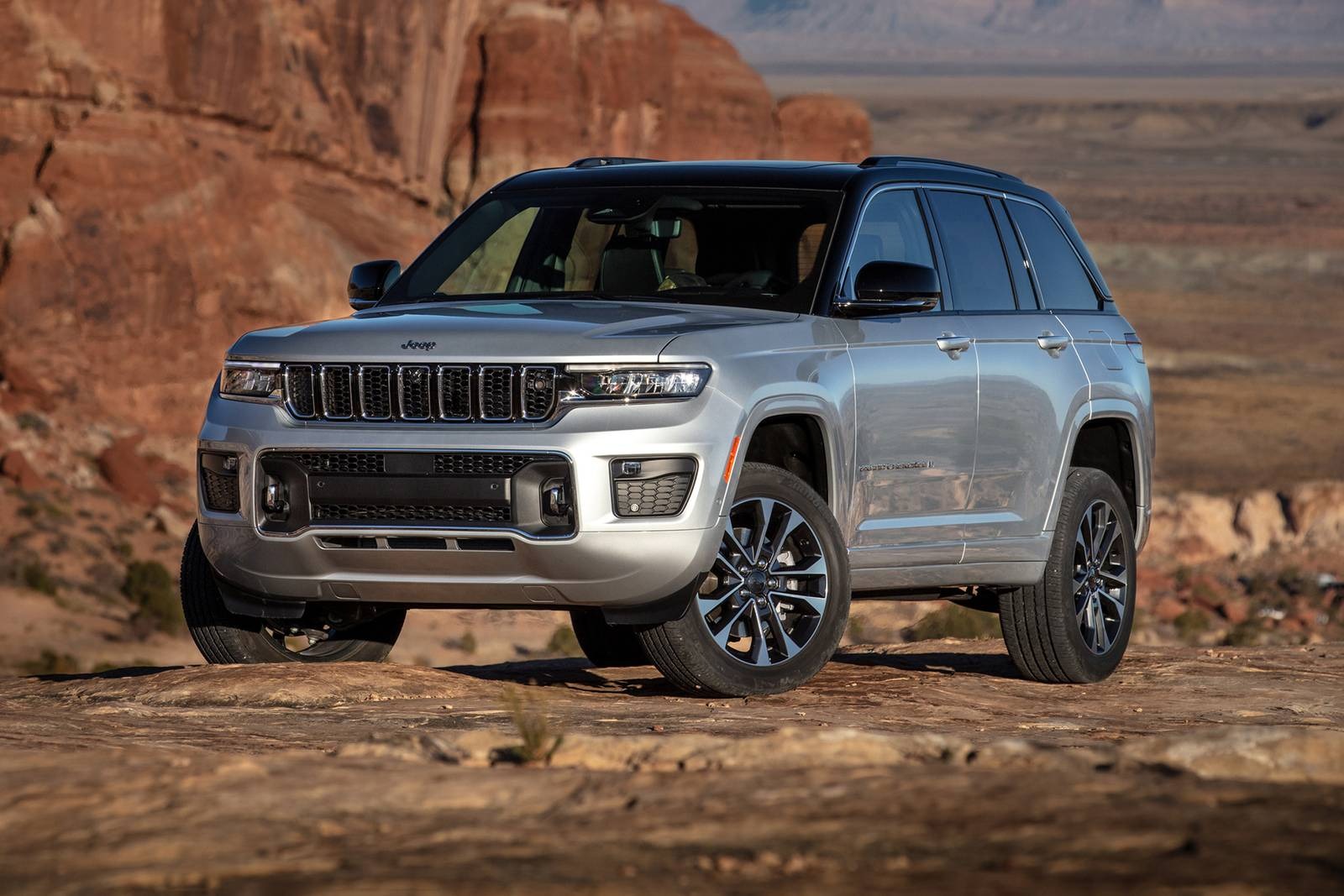
Extended highway driving, towing, or harsh off-road use tends to accelerate these problems. Dealers and automotive forums are filled with stories of expensive replacements, often not covered by warranty.
Selecting this generation of Grand Cherokee without factoring in transfer case vulnerability can lead to significant ownership costs. This example serves as a reminder that a trusted badge does not always guarantee reliability, especially as newer tech is rapidly introduced without thorough field testing.
2. Chevrolet Equinox (2010–2017)
The Chevrolet Equinox built during the 2010–2017 model years is widely discussed among mechanics for transfer case failures occurring under 100,000 miles.
Most issues trace back to the all-wheel-drive models, where cost-saving measures led to weaker internals within the transfer case.
Frequent symptoms include whining noises, fluid leaks, and ultimately, loss of power to the rear wheels. Design flaws contribute further, as the small casing and reduced fluid capacity create heat and excessive wear during everyday use.
Many Equinox owners find themselves facing repair bills that rival the resale value of the car itself, and in some cases, repairs don’t provide a lasting solution due to recurring design-related weaknesses.
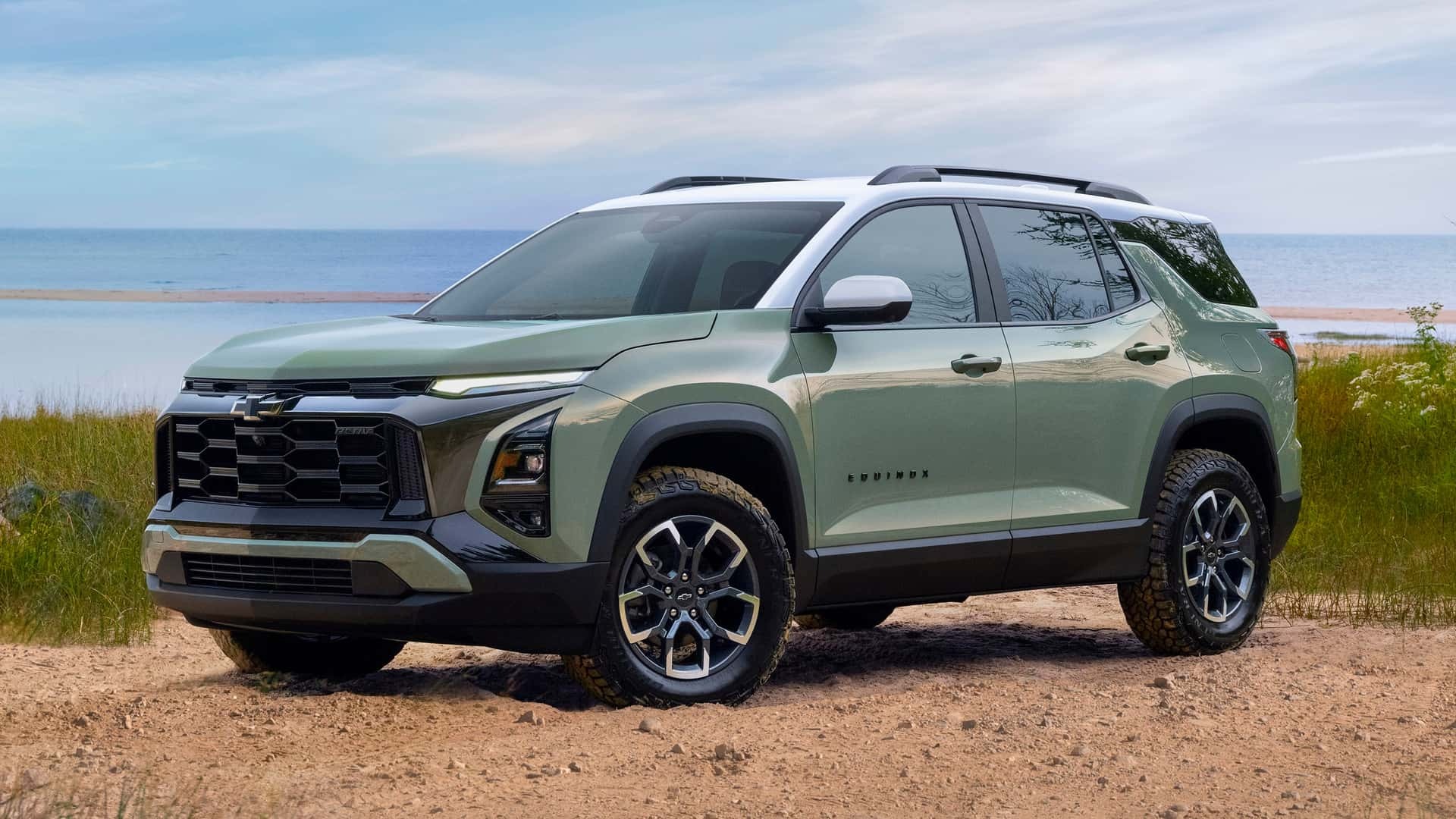
Routine maintenance does little to prevent failure, since the underlying problem is in the structural design and insufficient durability.
This has earned the Equinox a reputation among used car markets as a risky buy if longevity or minimal maintenance costs are important to the buyer. The widespread nature of these failures helps illustrate how shortcuts in engineering and component quality can overshadow brand promises.
3. Ford Explorer (2011–2015)
Ford’s Explorer, particularly from the 2011–2015 production years, suffers from a short-lived transfer case in many examples, with problems developing often before reaching 100,000 miles.
Customers frequently complain about excessive noise, fluid leaks, and abrupt loss of four-wheel-drive functionality.
The core issues result from an overly compact and lightweight transfer case, which, after thousands of hours at highway speeds or during demanding driving, cannot adequately dissipate heat or manage torque without suffering internal wear.
Ford incorporated more electronics to control the system, introducing points of failure related to bad sensors and connectors, on top of the mechanical issues.
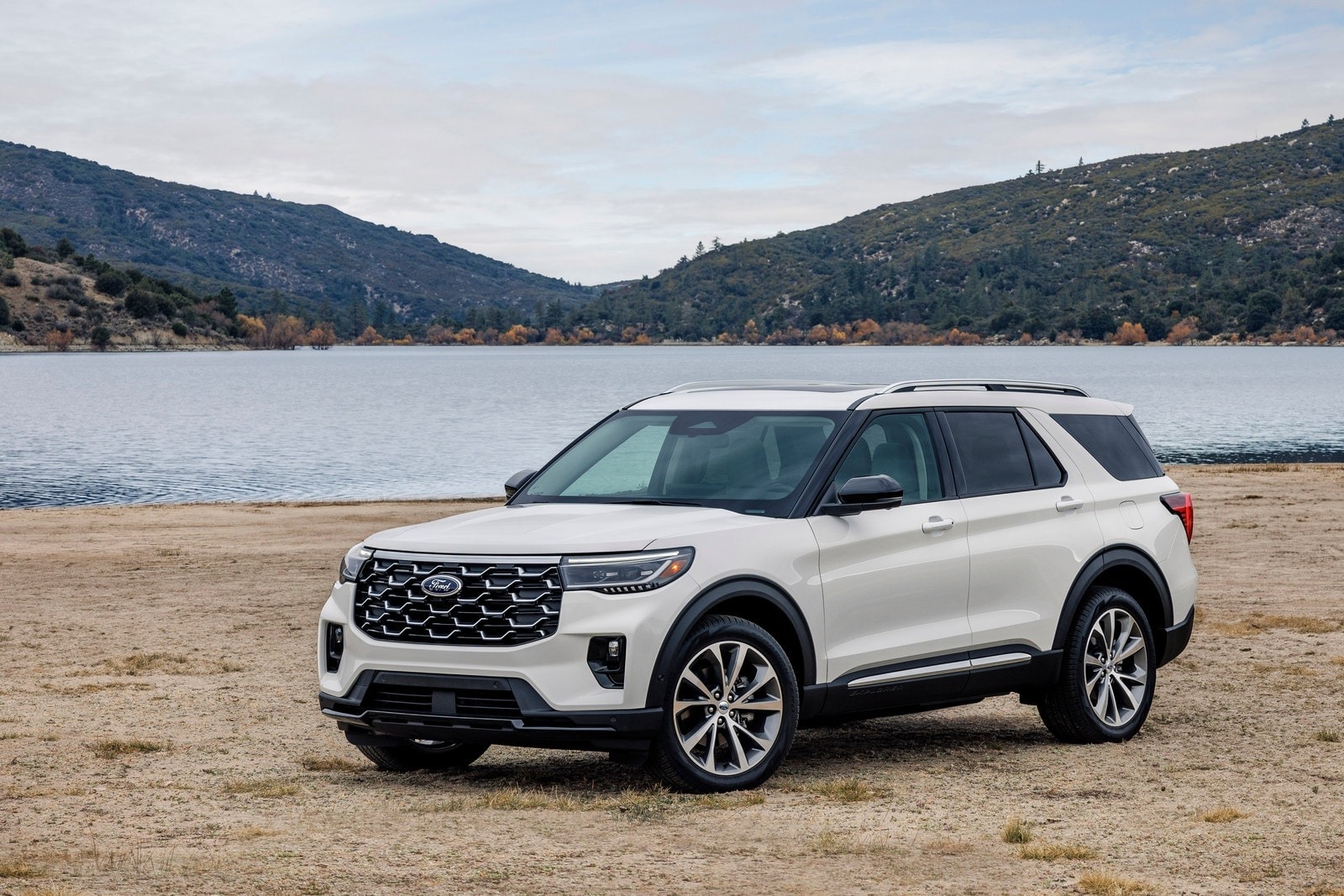
Many Explorer owners express frustration with the lack of available replacement parts and the high cost of repairs outside warranty coverage.
The model’s popularity and high production numbers make the issue all the more visible on automotive forums and repair shop logs.
It stands as a cautionary tale for those prioritizing durability in a family SUV, showing what may happen when an automaker puts cost savings and comfort features ahead of proven drivetrain robustness.
4. BMW X5 (2007–2013)
Luxury does not always guarantee reliability, as the 2007–2013 BMW X5 demonstrates in terms of its transfer case design.
The xDrive system featured in these years often fails prematurely, with many owners reporting loud grinding, shuddering, or even complete loss of power to one set of wheels.
Failures regularly occur before the odometer reaches 100,000 miles, making this a common topic in both BMW owner spaces and independent repair shops.
The transfer case uses an elaborate setup with precise calibration needs, leaving little room for fluid contamination, worn bearings, or imprecise service. Issues frequently arise from gradual stretching of internal chains, plastic actuator gears breaking, and fluid breakdown.
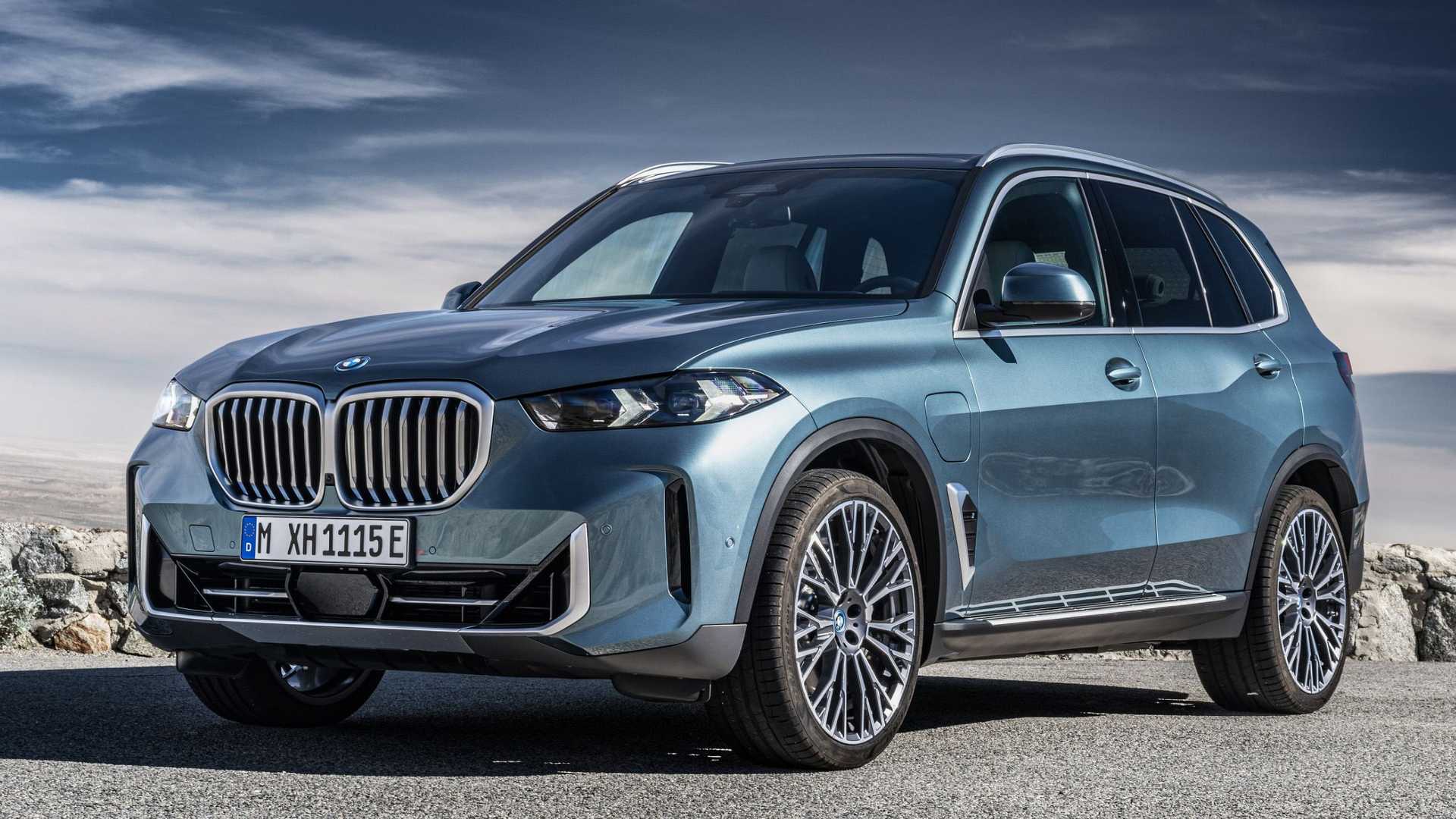
Software glitches may also accelerate wear by causing the system to engage and disengage improperly, rapidly wearing down critical internal components.
As a result, BMW X5 ownership in these years can quickly turn expensive if one must address a failed transfer case.
The high cost of genuine parts further exacerbates owner frustration. For anyone wanting a luxury SUV with a reputation for lasting powertrain components, these model years require a second thought.
5. Nissan Pathfinder (2005–2012)
The Nissan Pathfinder manufactured between 2005 and 2012 rounds out this section due to consistent reports of transfer case issues surfacing well before 100,000 miles.
The root cause often involves the transmission fluid contaminating the transfer case as a result of failed radiator coolers that allow cross-contamination a problem called the “strawberry milkshake of death” in owner circles.
This contaminated fluid causes rapid deterioration of seals, bearings, and gears within the transfer case, resulting in grinding, slipping, and sudden failure.
What sets the Pathfinder’s transfer case woes apart from other entries is how a relatively minor flaw in a separate cooling component leads to severe, irreversible drivetrain damage. The problem occurs regardless of driving habits or maintenance diligence, impacting both city and highway drivers.
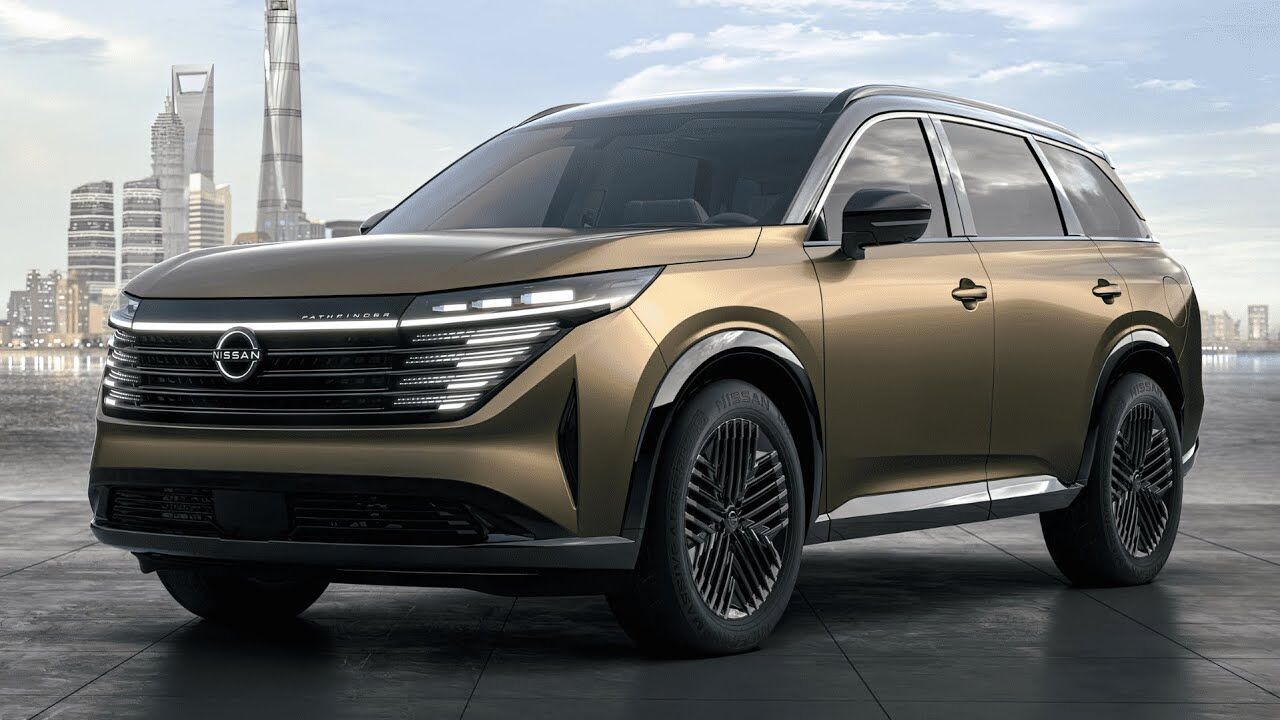
For those who fail to act on early service bulletins or recall notices, the repair usually means replacing not just the transfer case, but the transmission as well a costly and lengthy fix.
This makes certain Pathfinder years an expensive gamble for long-term ownership unless aftermarket modifications or proactive repairs are pursued upon acquisition.
The durability of a transfer case is a critical yet often overlooked factor in evaluating an SUV’s long-term reliability.
This article examined two contrasting categories: SUVs with transfer cases known to endure beyond 300,000 miles, and those plagued by transfer case failures before hitting 100,000 miles. Understanding these differences can save owners and buyers considerable expense and frustration.
Among SUVs with highly durable transfer cases, the Toyota Land Cruiser and its variants stand as prime examples. Its transfer case is built with robust gears instead of chains, reducing wear and minimizing failure risks under heavy loads.
The Lexus GX 470, sharing much of its drivetrain technology with Toyota models, is also renowned for transfer case longevity owing to strong materials, a simple mechanical design, and protective seals.
The Toyota 4Runner’s fourth and fifth generations similarly boast straightforward, proven transfer case mechanisms that perform well over extensive mileage with routine fluid changes.
American options include the early 2000s Ford Expedition, outfitted with a heavy-duty BorgWarner transfer case capable of handling substantial towing and off-road tasks. Its mechanical simplicity and durable components contribute to longevity.
The first-generation Honda Pilot offers a different approach with a hydraulically activated, clutch-based Real Time 4WD system that also supports long service life when maintained properly.
These models collectively demonstrate that transfer case durability often comes down to conservative engineering, high-quality materials, and designs minimizing electronic or complex mechanical vulnerabilities.
On the other hand, certain SUVs suffer from early transfer case failures, typically before 100,000 miles.
The 2011–2014 Jeep Grand Cherokee, despite its strong brand image, encountered problems due to complex electronic systems and weak internal gears in its Quadra-Trac II and Quadra-Drive II systems.
Similarly, the Chevy Equinox from 2010 to 2017 features cost-cutting design choices leading to heat buildup and premature part wear, leaving many owners facing costly repairs.
The 2011–2015 Ford Explorer’s compact, light transfer case struggles with heat dissipation and torque management, while its electronics add failure points. The BMW X5 (2007–2013) further illustrates how luxury and complexity do not always translate into reliability.
Its xDrive’s sophisticated transfer case suffers from stretched internal chains, broken plastic gears, and software-induced wear, all contributing to early failure and high repair costs.
Lastly, the Nissan Pathfinder (2005–2012) experiences unique transfer case damage due to transmission fluid contamination caused by faulty radiator coolers.
This cross-contamination leads to rapid deterioration inside the transfer case. Unlike other failures tied to design flaws alone, this problem stems from a related component, making it especially damaging and expensive to fix.
The distinctions between these two groups emphasize that transfer case reliability hinges on factors such as mechanical simplicity, robust materials, conservative engineering, and effective sealing.
While newer technology and added electronics can offer benefits, they often introduce new failure points. Maintenance plays an essential role but cannot fully overcome inherent design weaknesses or manufacturing shortcuts.
For prospective SUV buyers or current owners aiming for long-term value and reliability, awareness of these patterns is vital. Choosing models with proven, sturdy transfer cases or maintaining a vigilant service routine can prevent costly surprises.
Conversely, understanding which models are prone to early transfer case trouble helps inform better care strategies or alternative vehicle selections, ultimately protecting investment and peace of mind.
Also Read: 5 Pioneering Cars That Introduced Reliable Safety vs 5 Early Adopters with Issues
