
When choosing a truck, the strength and dependability of its driveline is a foundation for long-term peace of mind. Many owners expect their trucks to handle heavy towing, rough roads, or simple daily use without unexpected failures.
At the heart of these expectations sits the axle assembly, particularly the rear differential and axles, which bear the brunt of torque and load. Trucks that are fitted with robust, well-designed rear differentials often deliver decades of faithful service.
On the other hand, some models leave owners with repair headaches when their axles or rear ends develop chronic problems.
This comparison brings attention to both kinds of trucks: those with reputations for having nearly indestructible rear differentials and those frequently noted for axle issues that can turn pride into frustration.
Understanding these differences helps truck buyers, enthusiasts, and mechanics alike make more informed choices. It’s not just about horsepower or towing capacity, but whether the vehicle can confidently manage its own weight and the tasks asked of it.
With reliability so closely tied to long-term satisfaction, spotlighting the best and worst in this critical area can save money and prevent stress.
Let’s examine five trucks celebrated for their remarkable rear differentials and five whose axle problems have left a trail of dissatisfied owners.
Also Read: 5 Trucks Great for Boat Towing and 5 That Can’t Handle a Jet Ski
5 Trucks With Bulletproof Rear Differentials
Trucks are vehicles built for work, adventure, and longevity. A dependable rear differential isn’t just a technical consideration; it’s the backbone of what separates a trouble-free truck from one plagued with repair bills.
Strong rear ends stand up to the demands of towing, hauling, and even off-road use, resisting wear, overheating, and catastrophic failure. When owners invest in a truck, they want to avoid recurring drivetrain repairs that sap both time and budget.
That is why the trucks featured here have become legends for their rugged rear-end assemblies. Whether it’s a farm rig hauling equipment, a daily urban hauler, or an overland adventure build, the rear differential’s design shapes user experiences.
The following five trucks are included not only due to the robustness of their axles, but also because their reputations have been tested by generations of owners.
Technicians, off-roaders, and enthusiasts frequently recommend these models for uncompromising reliability in the most punishing conditions.
Their rear differentials have gained almost cult-like status in automotive circles thanks to superior engineering, use of high-strength components, and support from aftermarket upgrades.
Below, each truck receives dedicated focus to explain what makes its rear end so noteworthy and why it stands at the top of its class.
1. Toyota Land Cruiser 80 Series (1990–1997)
The Toyota Land Cruiser 80 Series is renowned for its tough construction and reliability, making it a favorite worldwide for both urban use and demanding overland journeys.
Central to its appeal is its full-floating rear axle, equipped with a massive 9.5-inch differential housing.
This rear differential design uses thick ring gears and large, robust bearings intended for heavy-duty applications like mining expeditions, desert crossings, and remote border patrols.
The full-float axle configuration means that the wheel hub is entirely separate from the axle shaft, allowing the vehicle to continue moving even if an axle breaks an advantage almost unique in its class.
Owners routinely push these trucks to their limits crossing continents, scaling mountain passes, or towing well beyond factory recommendations. Few vehicles consistently survive such punishments, yet reports of catastrophic rear-end failures are rare.

This reputation is further bolstered by widespread parts availability, strong aftermarket support, and Toyota’s commitment to over-engineering critical components.
Mechanics often remark that routine maintenance, such as oil changes and seal inspections, can keep the Land Cruiser’s rear end running trouble-free past 500,000km.
The Land Cruiser’s dependable rear end has shaped its global legend. Adventurers and organizations rely on its tough axles to deliver them safely across the harshest environments, making it an icon for those who cannot afford to get stuck.
2. Ford Super Duty F-250/F-350 (1999–2010)
The Ford Super Duty F-250 and F-350 models from 1999 to 2010 earned respect in the heavy-duty segment for their Dana 80 and Sterling 10.5-inch rear axles.
These robust assemblies were engineered with serious workloads in mind: regular towing, commercial hauling, and farm work.
The Dana 80, often found in dually models and higher-spec variants, is particularly celebrated for its enormous ring and pinion gears and thick axle tubes, capable of withstanding immense torque from turbo-diesel engines.
Ford’s Sterling 10.5-inch axle, used more broadly across the range, also delivers near-mythical durability. The design prioritizes splicer-gear strength, precision bearings, and easy serviceability.
These axles have carried fifth-wheel trailers, construction materials, and plows for decades with minimal fuss. When failures do occur, it is often due to severe neglect rather than design flaws. Many trucks with these rear diffs approach half a million miles on original components.
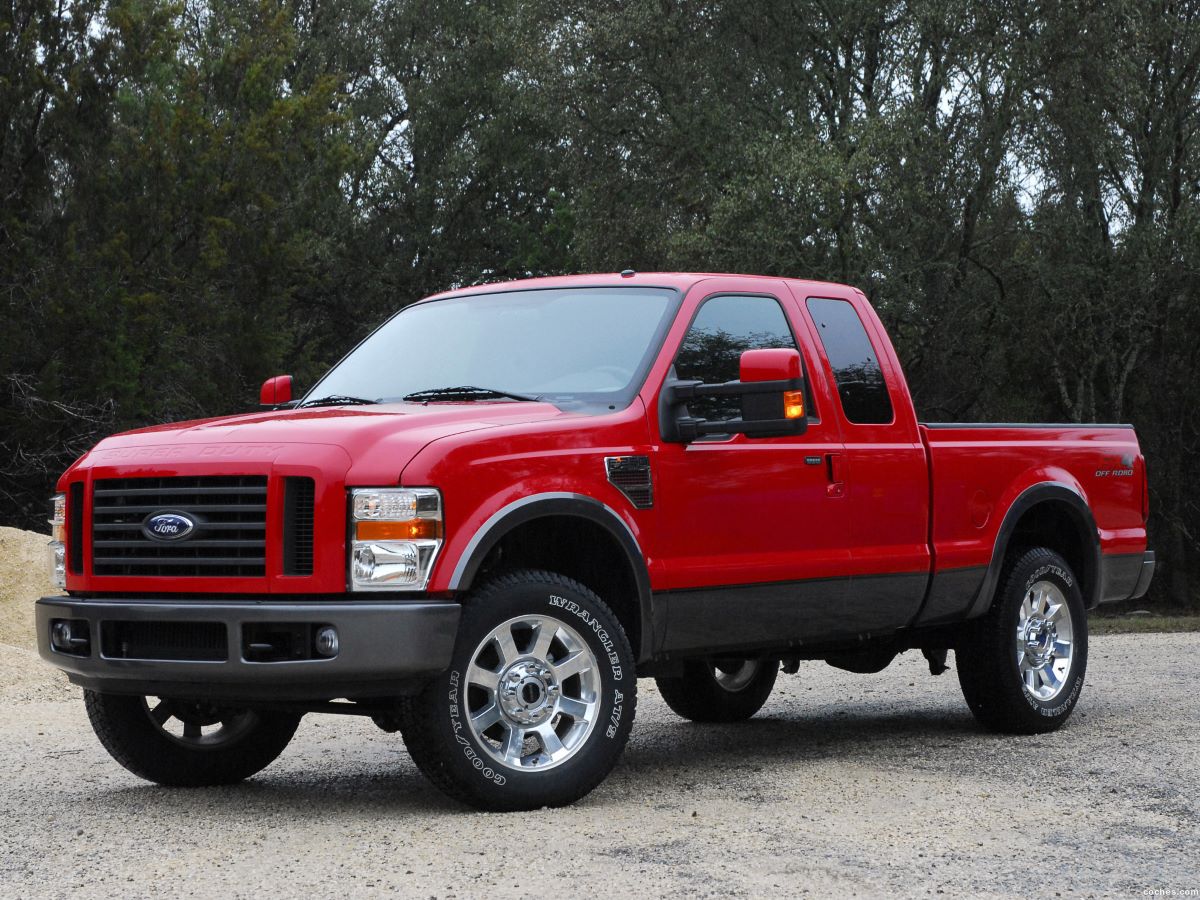
The legacy of the Super Duty’s axles goes beyond just day-to-day reliability. Custom tuners, RV owners, and ranchers continue to choose these trucks for their ability to accept power upgrades and reliability-enhancing modifications with ease.
This reputation has cemented the Ford Super Duty as a favorite for those who need workhorses that simply don’t quit.
3. Dodge Ram 2500/3500 with AAM 11.5-inch Rear (2003–present)
A key reason diesel Dodge Ram 2500 and 3500 trucks have found such staying power among contractors and enthusiasts is the AAM 11.5-inch rear axle introduced in 2003.
This axle, built by American Axle & Manufacturing (AAM), presents one of the strongest designs in the modern truck world. It features enormous ring gears, extra-large bearings, and full-floating shafts designed to take the punishment meted out by heavy loads and towing.
When paired with Cummins diesel engines, these axles routinely deal with over 800lb-ft of torque and near maximum gross combined weights.
Reports of axle or differential failure are extremely scarce, even among those who run aftermarket performance upgrades or use their trucks in commercial settings.
The design’s resilience is enhanced by a cooling-fin-equipped differential cover and an integrated electronic locker in more recent versions, aimed at increasing entertainment on and off the asphalt.
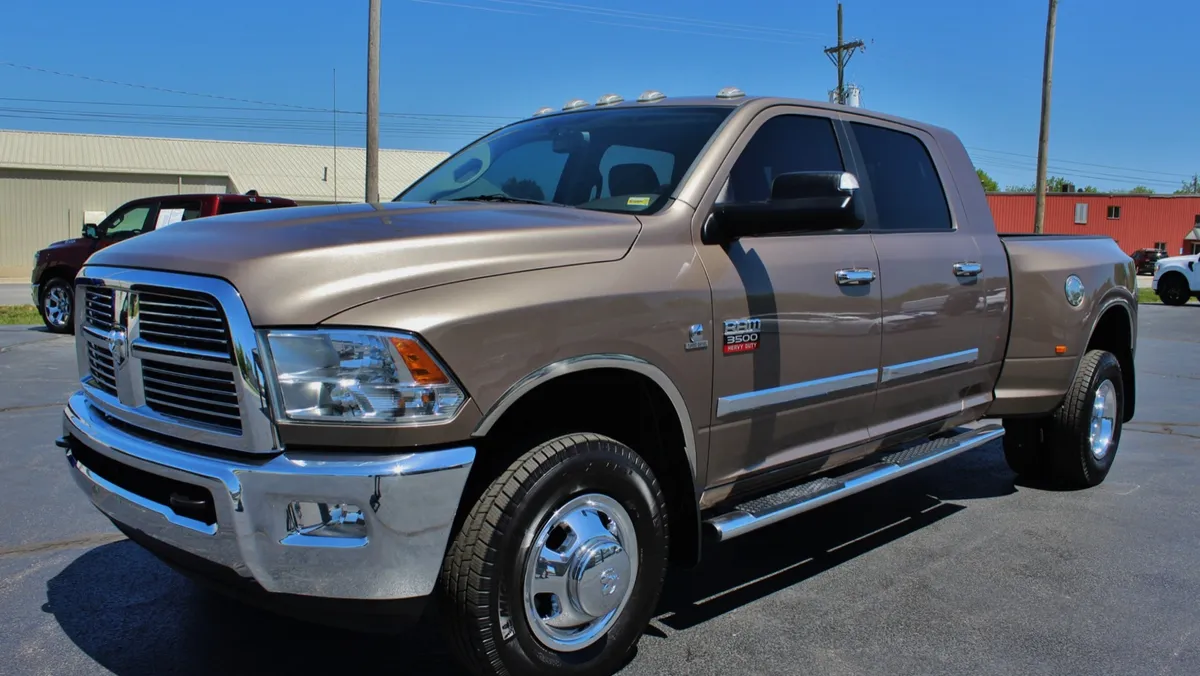
The confidence the AAM 11.5 inspires in owners has contributed to generations of Ram trucks being trusted for haulage, long-haul RV pulling, and severe duty cycles. Many drivers pass their trucks down through families or buy them at high mileage because the rear ends simply keep turning.
4. Toyota Tacoma (1995–present, 8.4-inch Rear Axle)
The Toyota Tacoma is known for its light-duty size but heavy-duty stamina, especially regarding the 8.4-inch rear axle found in most 4×4 and V6 models.
This differential, often compared favorably to units in full-size trucks, is celebrated for its balance between toughness and efficiency. Toyota used high-quality steel alloys and sturdy axles, and designed the carrier and gears for efficient power delivery.
Tacoma owners use these trucks for a mix of city driving, trail running, and even moderate towing, demanding flexibility and reliability. Reports of rear differential issues are very rare so long as regular maintenance is performed.
The axle is strong enough to support lifted suspensions, locking differentials, and oversized tires, making it a favorite among weekend warriors and professional tradesmen alike.
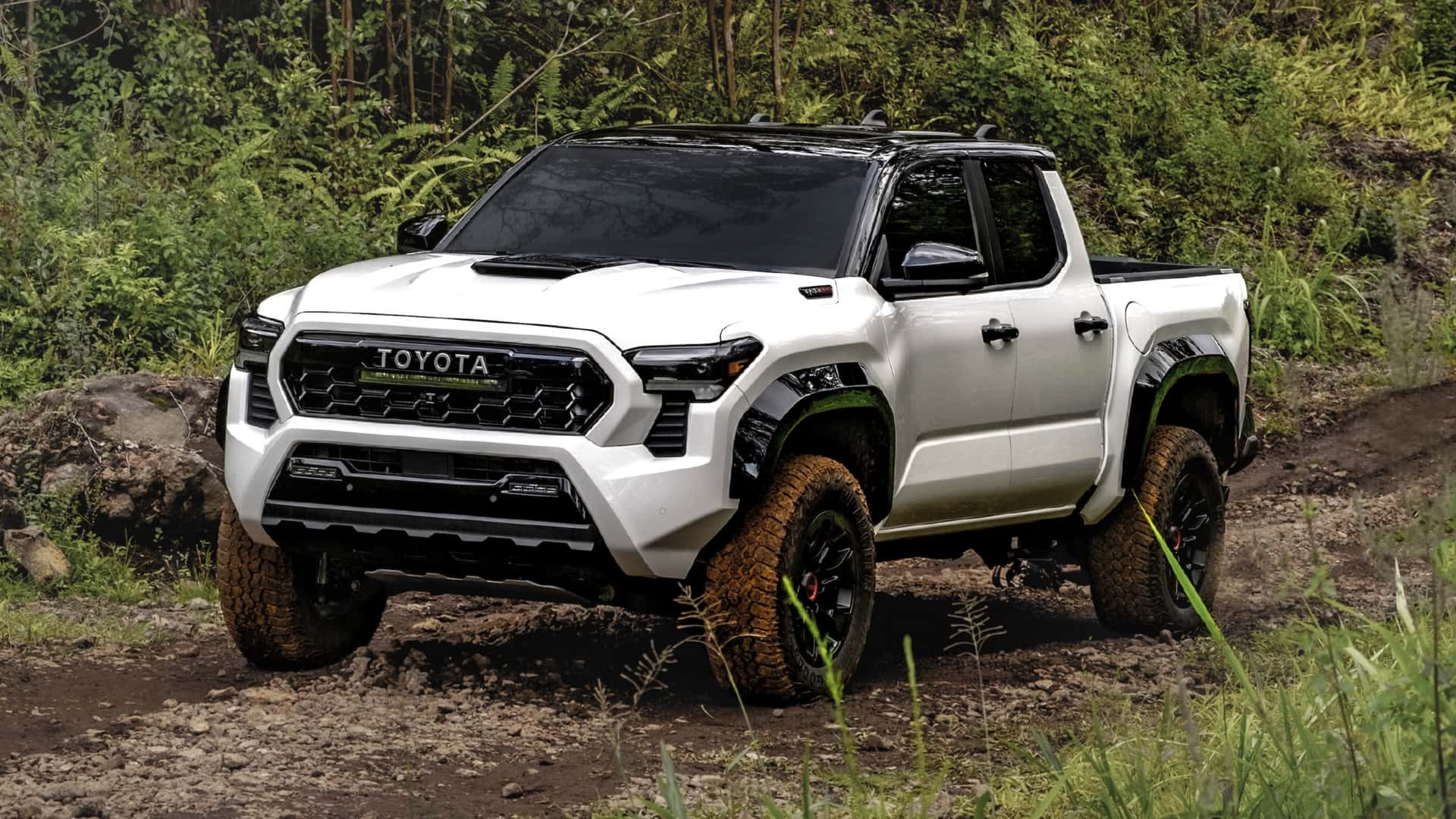
This reputation for durability is evident in online communities and used vehicle sales, where older Tacomas fetch premium prices because their drivetrains outlast those of many competing trucks.
The 8.4-inch rear axle, though modest in appearance, consistently withstands real-world abuse, shaping the Tacoma’s legacy for toughness in a smaller package.
5. Chevrolet Silverado 2500HD/3500HD with GM 11.5-inch Rear Axle (2001–present)
The Chevrolet Silverado 2500HD and 3500HD benefit from the GM 11.5-inch rear axle, a direct competitor to the AAM 11.5 seen in Ram trucks.
This axle represents GM’s answer to modern diesel torque a massive gearset, heavy shafts, and full-floating construction enable it to manage the stress of powerful Duramax engines and heavy towing. The assembly prioritizes strength but is also built for ease of maintenance and long-haul dependability.
Fleet mechanics and independent shops have praised these rear differentials for their trouble-free service even under maximum loads.
Taxi services, construction fleets, and RV haulers report hundreds of thousands of miles with only basic lubricant changes required. Failures typically point to extreme operator neglect or rare assembly flaws, not inherent weaknesses in the design.
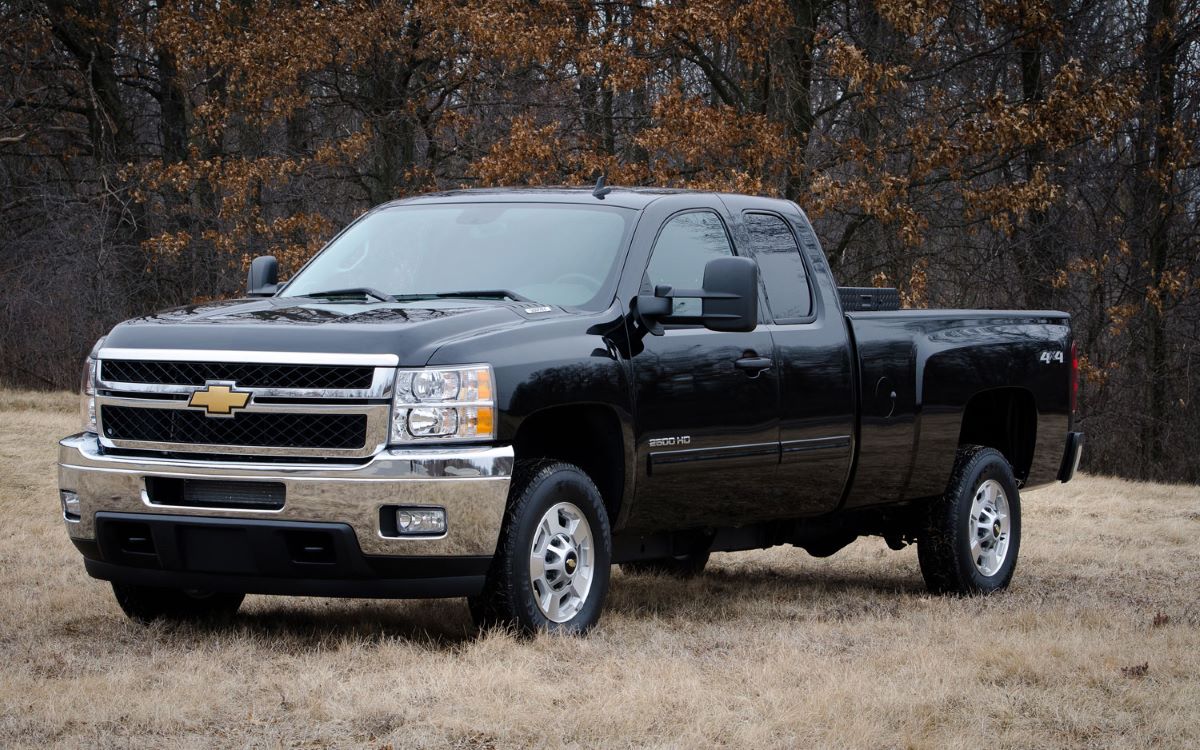
The enduring performance of this axle has given Silverado heavy trucks a legacy of trustworthiness among buyers who demand unbreakable drivetrains.
For customers comparing options in the used or new truck market, the presence of the GM 11.5-inch rear axle is often a tipping point in Silverado’s favor, reinforcing the model’s reputation for unmatched strength and reliability.
5 Trucks With Prone-to-Failure Axle Issues
Truck ownership comes with certain expectations, chief among them being robustness beneath the frame. When a truck’s axle is poorly designed, underspecified for its duties, or manufactured with subpar materials, the costs can pile up swiftly.
Axle failures can cause loss of mobility, vehicle down time, and expensive repairs that eat into the savings a reliable truck is supposed to guarantee. Unsafe axles can even pose safety hazards if they break during operation, leading to loss of control or towing disasters.
Despite the progress in automotive engineering, some trucks have gained reputations for chronic axle and rear differential issues.
Whether from cost-cutting, design oversights, or overzealous marketing promises, these weaknesses undermine otherwise competent vehicles.
Highlighting such cases is not about diminishing the many strengths these trucks may offer, but about helping owners and buyers avoid costly mistakes.
By recognizing which trucks have a higher likelihood of rear axle failure, users can plan maintenance more wisely, research upgrades, or make more informed purchases.
Below are five trucks that have become associated with rear axle issues, along with explanations for the challenges observed, engineer and owner feedback, and examples of what to watch for before commitments are made.
1. Dodge Ram 1500 (1994–2001 with 9.25-inch Rear Axle)
The Dodge Ram 1500 from the mid-1990s to early 2000s has left a mark due to consistent reports of rear axle problems, despite otherwise solid engineering throughout the vehicle.
The 9.25-inch rear axle in these trucks was designed for relatively light-duty applications, but as owner habits shifted toward heavier use, towing, off-roading, and load carrying, the axle’s limitations became evident.
Weak pinion bearings, inadequate gear strength, and subpar sealing contributed to premature failures. In many owner testimonies, the rear began producing whines, clunks, or outright seizing long before expected.
Mechanics and forums documented that even with proper maintenance, the differential in these Ram 1500s might start to show issues well below industry lifespan averages.
Many owners turned to aftermarket solutions or swapped in stronger axles from higher-trim models. While Dodge later improved the design, this generation’s legacy lingers in the used market, lowering resale values for trucks that haven’t received upgrades or recent repairs.
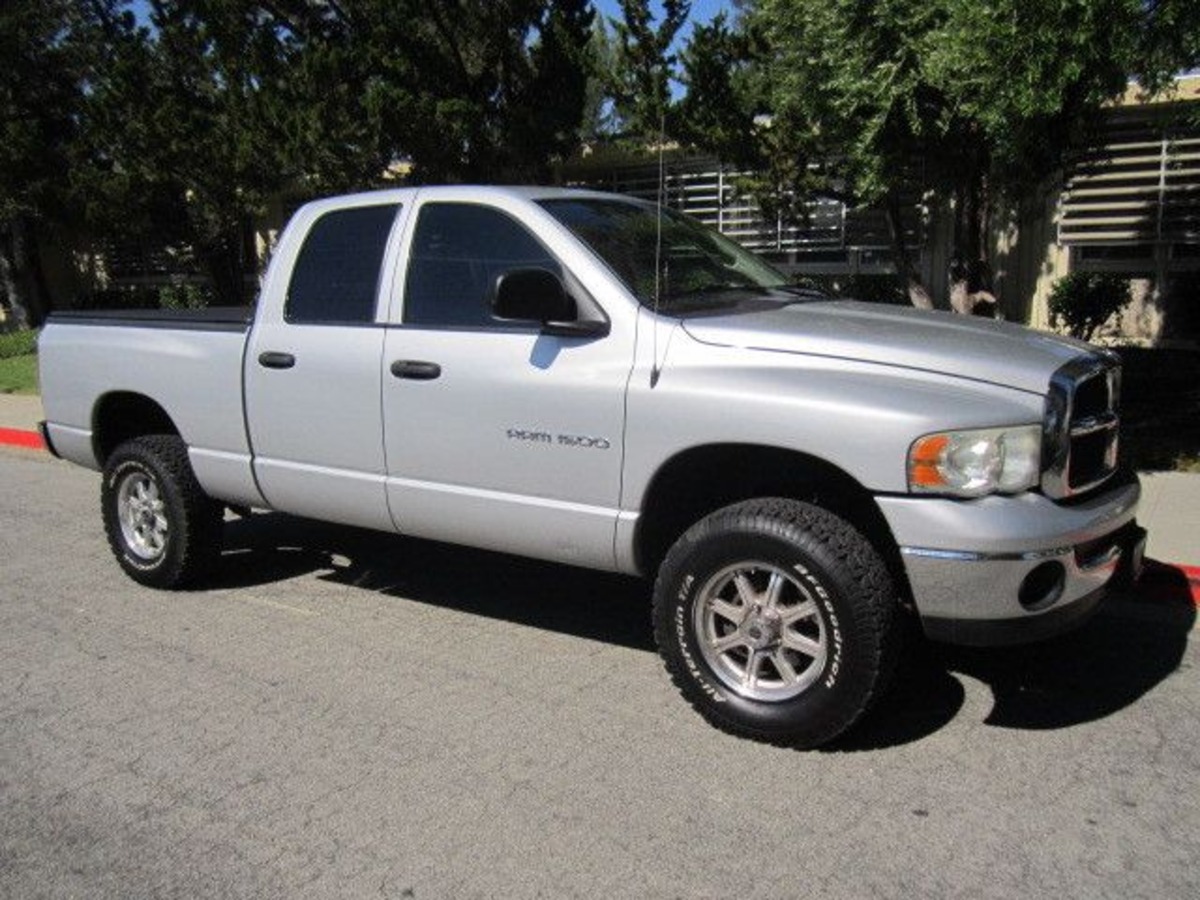
Highlighting this case helps buyers approach such Ram trucks with adequate caution. If considering one, thorough axle inspections, documented repair histories, and possible upgrades should be factored into any purchasing decision.
Ignoring this flaw can lead to owning a truck that spends more time in the shop than on the road.
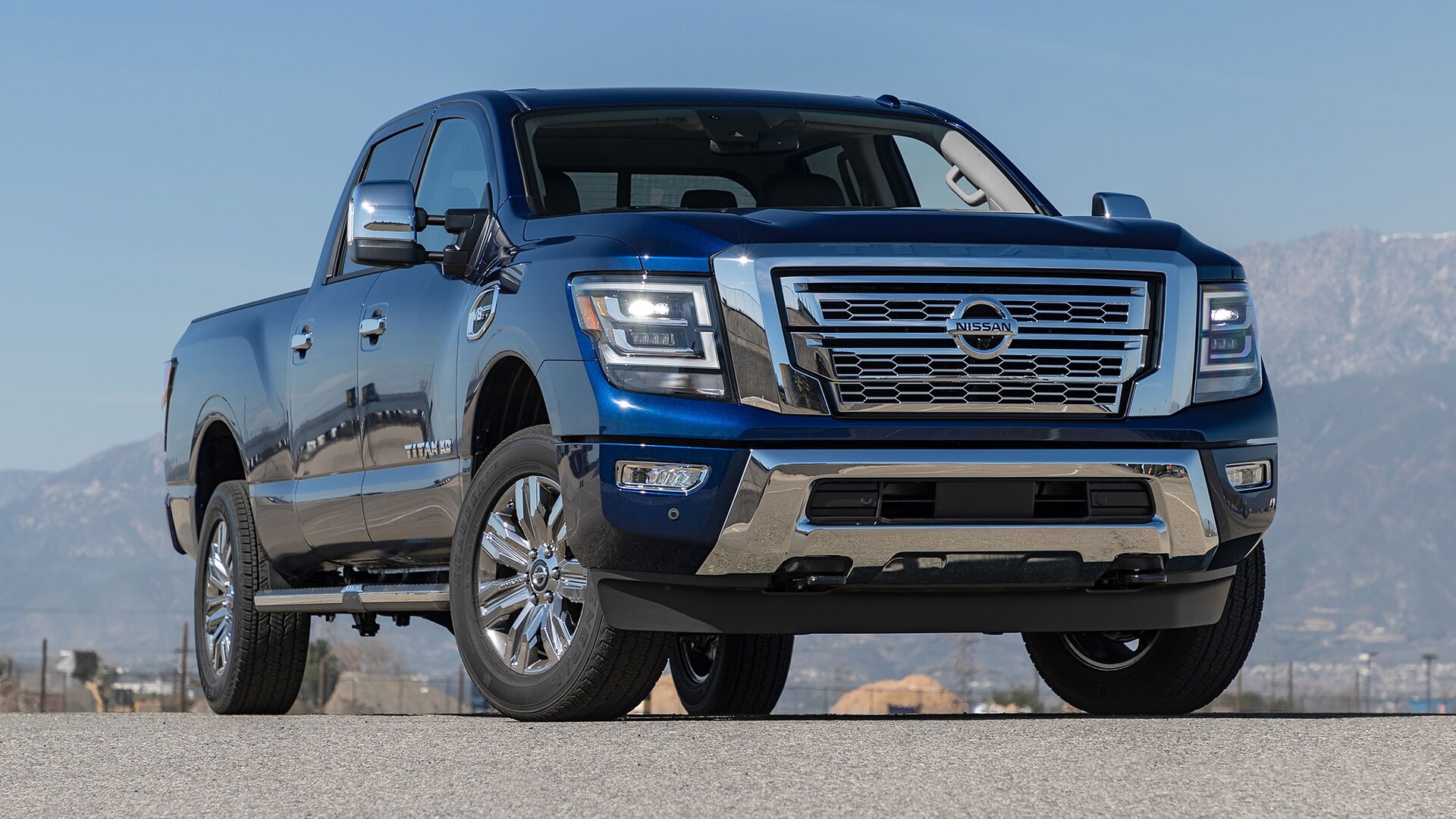
2. Nissan Titan (2004–2007)
The Nissan Titan, while offering impressive V8 power and good towing specs, has struggled with notable rear axle issues, especially during its first production years.
Reports poured in soon after release of rear differential failures, with some units seizing or losing teeth after very little mileage. Owners and repair facilities observed that the axle gears were under-engineered for the truck’s power output and towing ratings.
Differential fluid leaks due to weak seals often went unnoticed, exacerbating the internal damage and accelerating failure.
Warranty claims and technical service bulletins were issued to address these complaints, but many early Titan owners faced out-of-pocket costs running into the thousands before Nissan introduced updated parts.
Even then, skepticism lingered, and used vehicle shoppers remain wary of models from these years unless repairs or upgrades can be fully verified. The impact of this early reliability issue still affects perceptions of newer Titans, despite significant subsequent improvements.
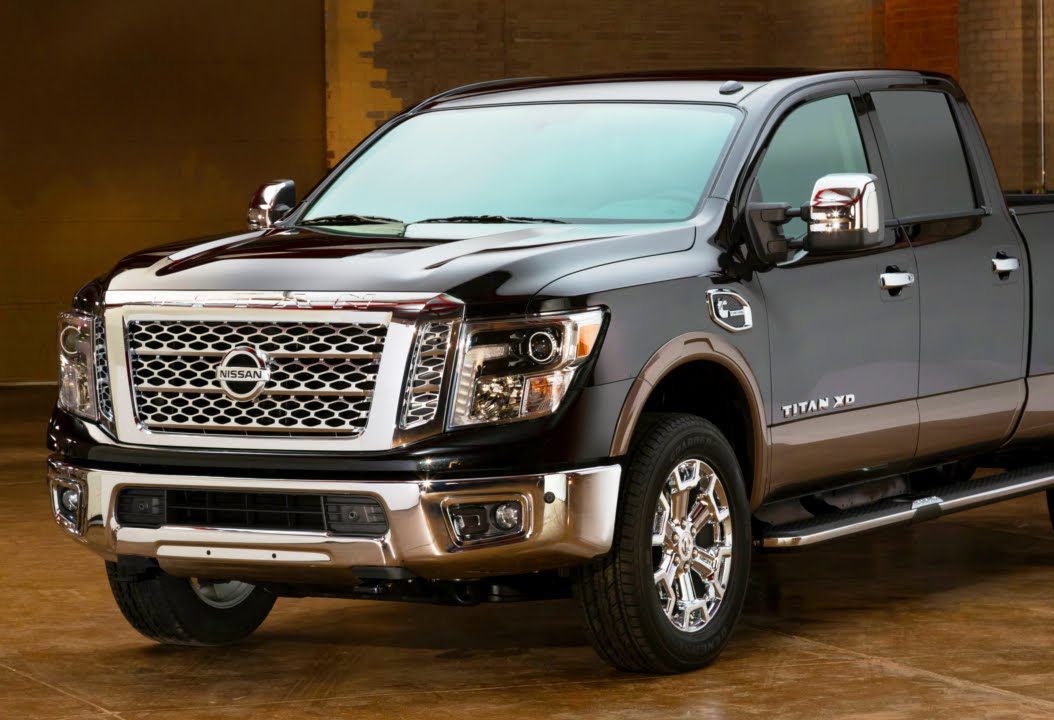
By spotlighting the Titan’s early rear axle problems, readers can better appreciate the importance of verifying maintenance records, updated parts installation, or choosing later models that benefitted from redesigned differentials.
Avoiding this pitfall can make the difference between satisfying ownership and chronic repair frustrations.
3. Chevrolet Silverado 1500 (1999–2006)
The Chevrolet Silverado 1500, one of the United States’ best-selling trucks, also faced significant axle issues in certain years, particularly with its semi-floating rear axles.
Many owners noted premature bearing wear and spider gear breakage, especially under moderate towing or when using larger aftermarket tires.
The differential housing in these years was sometimes made with lighter materials to reduce weight and meet fuel economy targets, but this left the axle susceptible to warping and accelerated gear wear.
Leaks from faulty axle seals added to these problems, often going unchecked until substantive mechanical failures occurred.
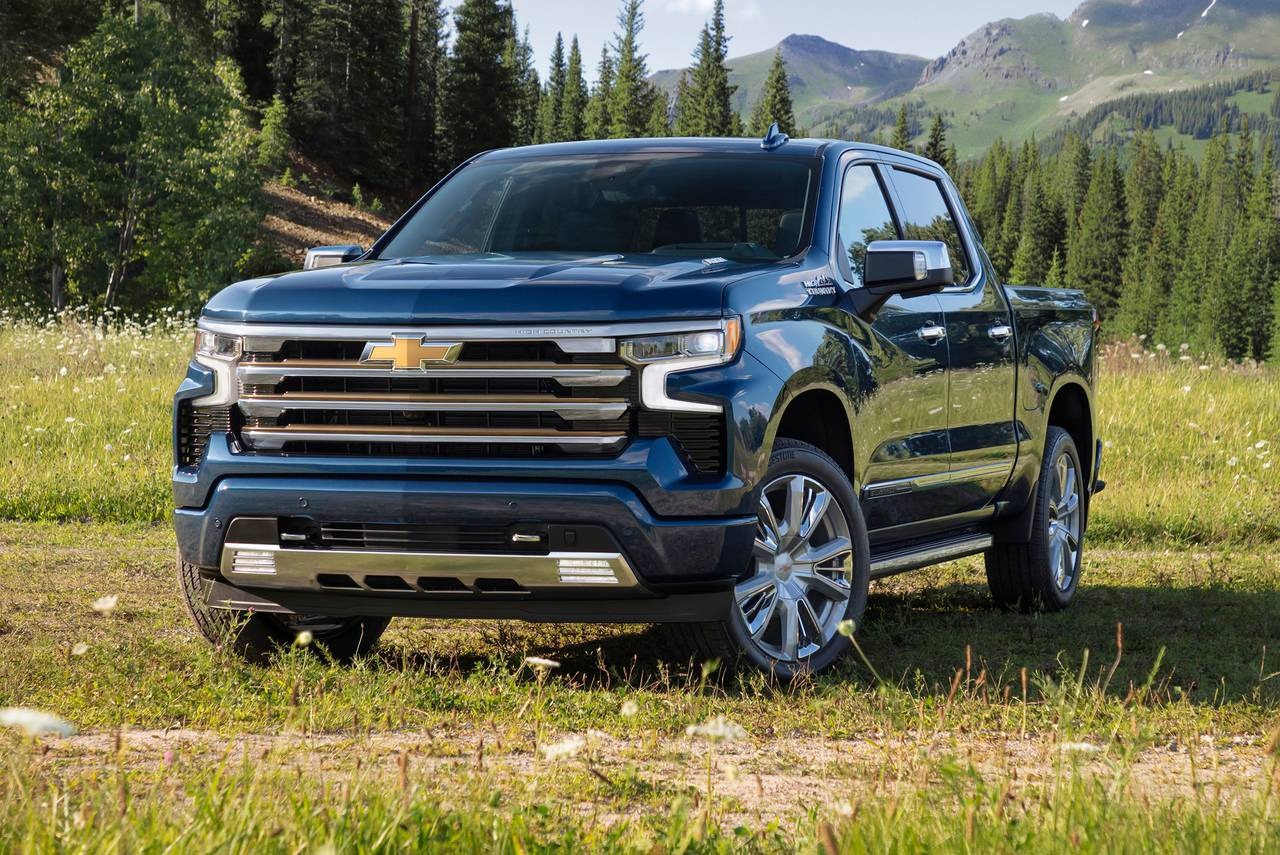
Technicians in the field frequently recommended preventative replacements or upgrades for any Silverado 1500s expected to see more than light-duty cycles.
For those who ignored early warning signs, catastrophic failures ranging from housing cracks to axle shaft breakage became all too common. GM recognized some of these shortcomings and beefed up axle specs in later generations, but the reputation endures in the secondhand market.
Choosing a truck from this era requires a clear understanding of potential axle vulnerabilities. Identifying models that have been upgraded or properly maintained, or budgeting for a potential repair, is vital to avoiding financial surprises when considering a late-90s or early-2000s Silverado 1500.
4. Ford Ranger (1998–2011, 7.5-inch Rear Axle)
The Ford Ranger is loved for its agility and manageability, but certain models equipped with the 7.5-inch rear axle have shown a weakness in axle longevity and reliability.
Designed for lighter-duty use, this axle struggled especially when subjected to cumulative loads, regular towing, or aggressive off-roading.
Symptoms owners reported range from increased differential noise to bearing failures and, in some cases, axle shafts working free from the differential itself.
Trucks used within the original design intent, such as light commuting or occasional hauling, often avoid problems, yet those stretching the vehicle’s limits frequently find themselves facing rear-end repairs.
Retrofits using the sturdier 8.8-inch rear axle from higher-trim Rangers and Mustangs became popular remedies, but for stock trucks, the vulnerability remains.
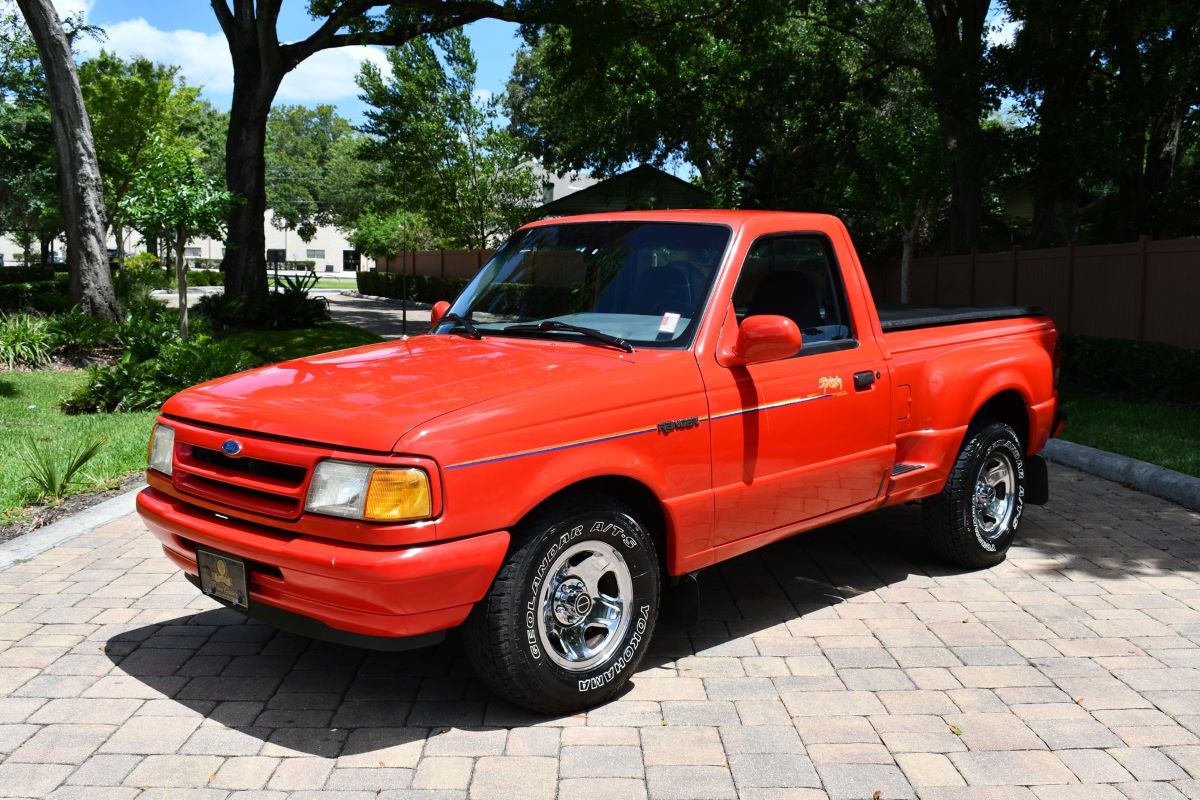
The 7.5-inch axle’s problems edge into safety territory when failures occur at speed or while towing, making awareness all the more critical for buyers.
Highlighting this Ranger generation is important because it guides both owners and prospective buyers to take a realistic approach to truck usage. Assessing prior use and considering an axle upgrade are vital steps in keeping an otherwise reliable truck serving its purpose without surprise failures.
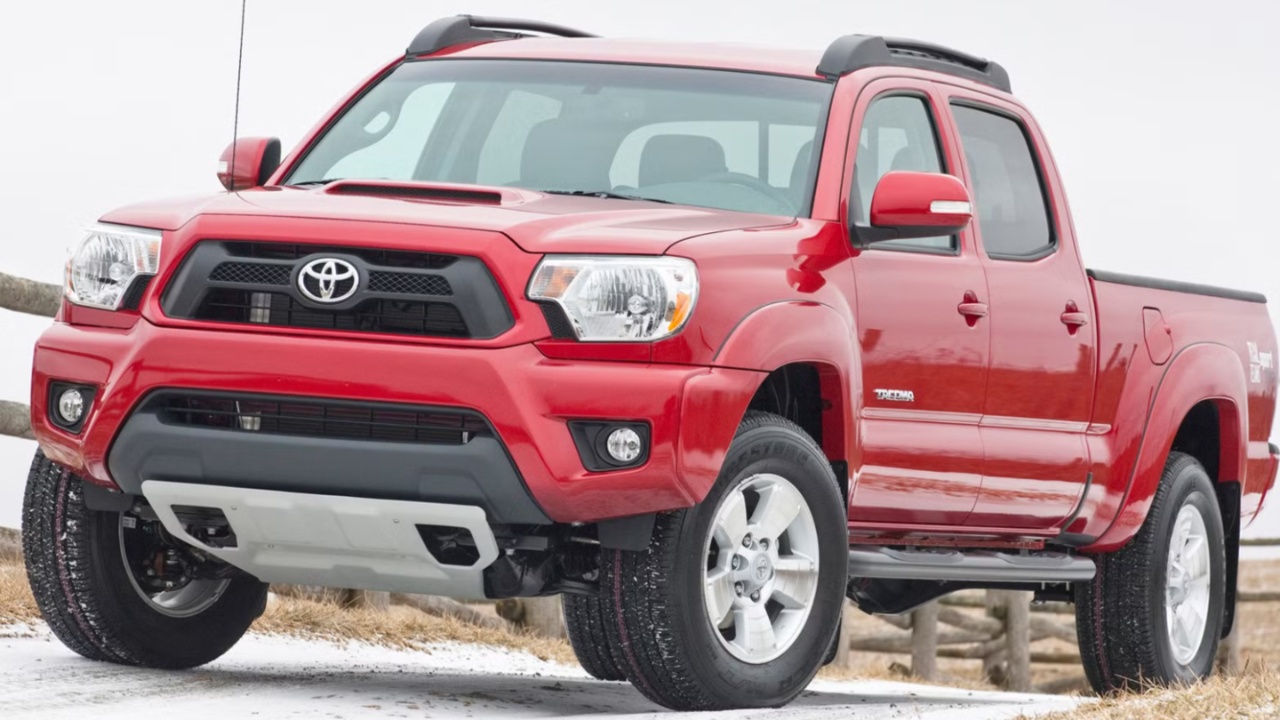
5. Toyota Tacoma (2005–2010)
While the Toyota Tacoma usually impresses with its longevity, models from 2005 through 2010 developed a pattern of rear axle complaints that set them apart from their counterparts. Reports include premature bearing and seal failures, with many owners documenting noise, vibration, and in severe cases, leaking axle fluid that could lead to total failure.
These years were also affected by rear differential housing rust, particularly in northern climates where salt exposure was common. In some instances, Toyota issued service bulletins, but a wide recall was not implemented for affected differentials.
The axle problems, though not plaguing every unit, are frequent enough that mechanics and forums continue to warn shoppers. The costs of proper repairs can add up, particularly if issues are left unnoticed and internal components wear past repairable states.
Recognizing that even the best brands can slip serves buyers and current owners, encouraging regular axle checks and seeking out trucks with proper maintenance records. When shopping for a 2005–2010 Tacoma, diligence is key to avoid being disappointed by a truck that otherwise delivers Toyota’s trademark durability.
When shopping for a truck, one of the most critical factors determining long-term satisfaction is the reliability of the axle assembly, especially the rear differential.
This component is under tremendous stress, handling the power and load that these vehicles are expected to manage daily, whether in heavy towing, off-road conditions, or simple commutes.
Trucks with robustly engineered axles often deliver trouble-free service for hundreds of thousands of miles. In contrast, certain models suffer from chronic axle issues, translating into expensive repairs, downtime, and safety concerns.
Understanding which trucks fall into either category helps buyers and owners make wise investment and maintenance decisions.
The article first highlights five trucks renowned for their “bulletproof” rear differentials models that have consistently proven their dependability under harsh conditions.
Leading the pack is the Toyota Land Cruiser 80 Series, praised for its full-floating rear axle, which allows operation even if an axle shaft fails. Its global reputation is built on surviving the harshest environments, from deserts to remote locations, with minimal mechanical drama.
Next comes the Ford Super Duty F-250 and F-350 (1999-2010), known for Dana 80 and Sterling 10.5-inch rear axles. These are engineered to withstand the intense torque from diesel engines and heavy commercial use. Failures are rare and typically caused by extreme neglect, not design flaws.
The Dodge Ram 2500/3500, from 2003 onwards, benefits from the AAM 11.5-inch rear axle. Designed for heavy-duty use, it easily handles high-torque Cummins engines and is celebrated for enduring both worksite stress and aftermarket power upgrades. This durability builds trust among those who tow and haul for a living.
The Toyota Tacoma, equipped with its famed 8.4-inch rear axle in many 4×4 and V6 variants, is also featured. Despite its midsize status, the Tacoma’s axle handles serious abuse, often outlasting larger competitors. This contributes to consistently high resale values and a legacy of reliability in the off-road community.
Finally, the Chevrolet Silverado 2500HD/3500HD with its GM 11.5-inch axle rounds out the “bulletproof” list. These trucks are workhorses favored by fleet managers and RV haulers. Routine maintenance is often all that’s needed to keep these axles in top shape for years.
On the other side, the article addresses five trucks with rear axles prone to failure, which represent common pitfalls for buyers. The 1994–2001 Dodge Ram 1500 with its 9.25-inch axle is infamous for bearing and gear issues when subjected to heavier workloads.
Likewise, early Nissan Titans (2004–2007) suffered from under-engineered gears and poor sealing, leading to premature differential failures that affected the model’s reputation.
The 1999–2006 Chevrolet Silverado 1500 experienced premature bearing and spider gear wear due to cost-cutting in axle design, causing significant headaches under moderate loads.
The Ford Ranger (1998–2011) with its 7.5-inch axle proved inadequate for heavy use, leading to axle and bearing failures. Even the ever-reliable Toyota Tacoma had a problematic period (2005–2010) where rust, bearing, and seal issues plagued its differentials, particularly in harsher climates.
The summary underscores the importance of researching axle durability when considering a truck purchase, as well as maintaining awareness of specific model weaknesses.
Buying or maintaining a truck with a reliable rear end can save thousands in repairs and deliver years of confidence behind the wheel.
Also Read: 5 Models with Reliable Driver-Assist Tech vs 5 with Glitchy ADAS Systems
