
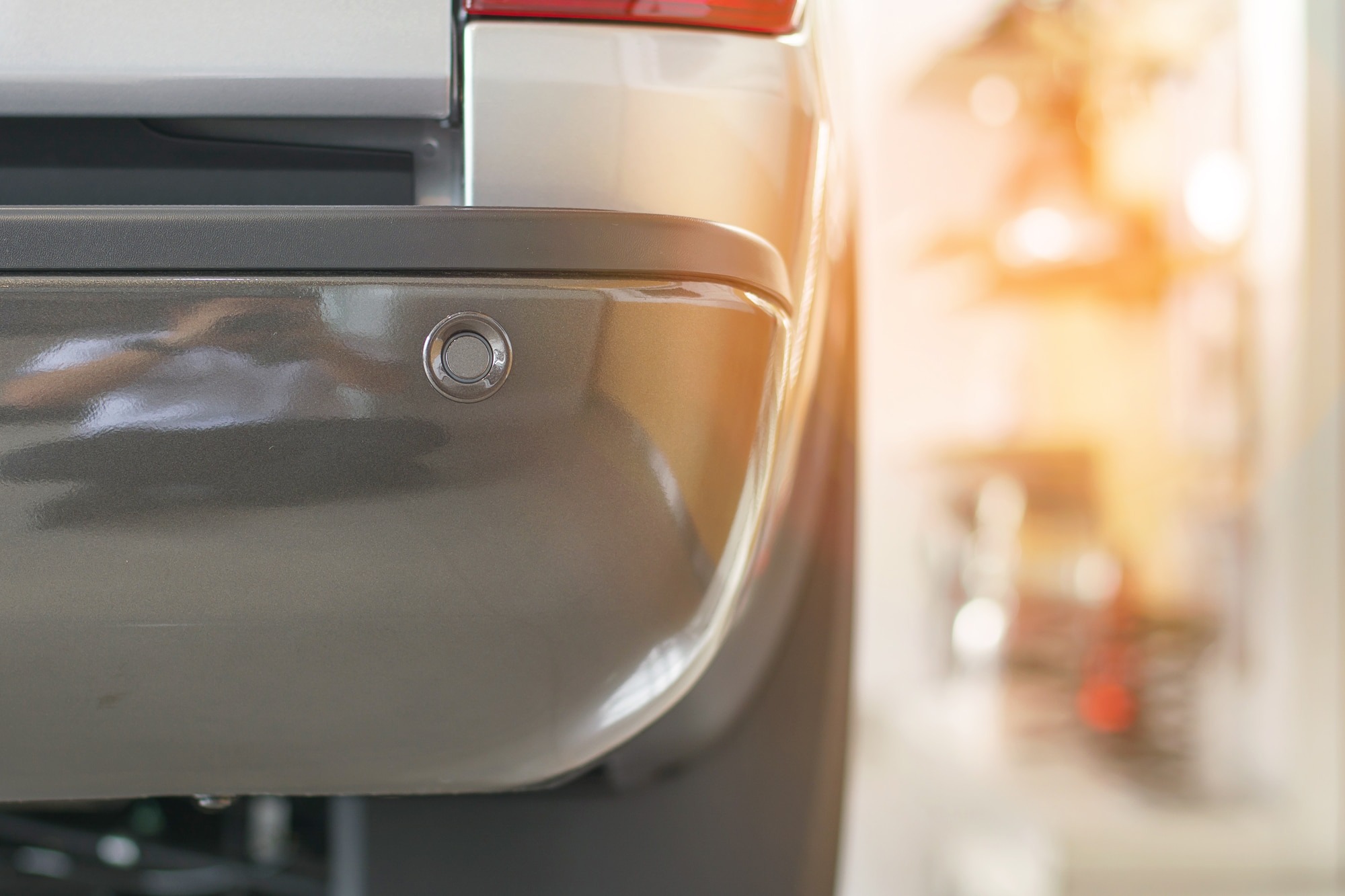
Parking assistance systems have become a major component of modern vehicle safety and convenience. As cars grow larger and urban spaces become tighter, drivers increasingly rely on parking sensors to avoid unwanted contact with objects or other vehicles.
These sensors provide alerts when the vehicle gets too close to an obstacle, either through sound beeps or visual warnings on the dashboard. While some vehicles offer highly dependable sensors that remain reliable throughout their lifespan, others come equipped with systems that start to misbehave after just a few years on the road.
When choosing a vehicle, drivers often pay attention to horsepower, fuel efficiency, and onboard technology. However, parking sensor quality is just as vital, especially for those who drive frequently in congested environments.
Reliable parking sensors not only make parking easier but also help to prevent minor accidents that could lead to costly repairs. On the contrary, systems that produce false alarms, delayed beeps, or remain silent even when danger is near can frustrate the driver and compromise safety.
Let us compare two categories of vehicles. First, we will look at five cars that come with highly dependable parking sensors, known to work effectively from the first drive and continue to do so even years later. These cars are often praised for their sensor systems that rarely malfunction or require calibration.
Then, we will examine five vehicles where drivers have commonly reported faulty or inconsistent alert beepers. In some of these cases, the sensors fail to detect objects entirely or provide alerts that are too late to act upon.
Each vehicle will be discussed in detail, focusing on its performance in real-world parking situations. The aim is to guide buyers who want peace of mind in tight spaces and avoid those models where parking becomes more stressful than it needs to be.
Cars with Reliable Lifetime Parking Sensors
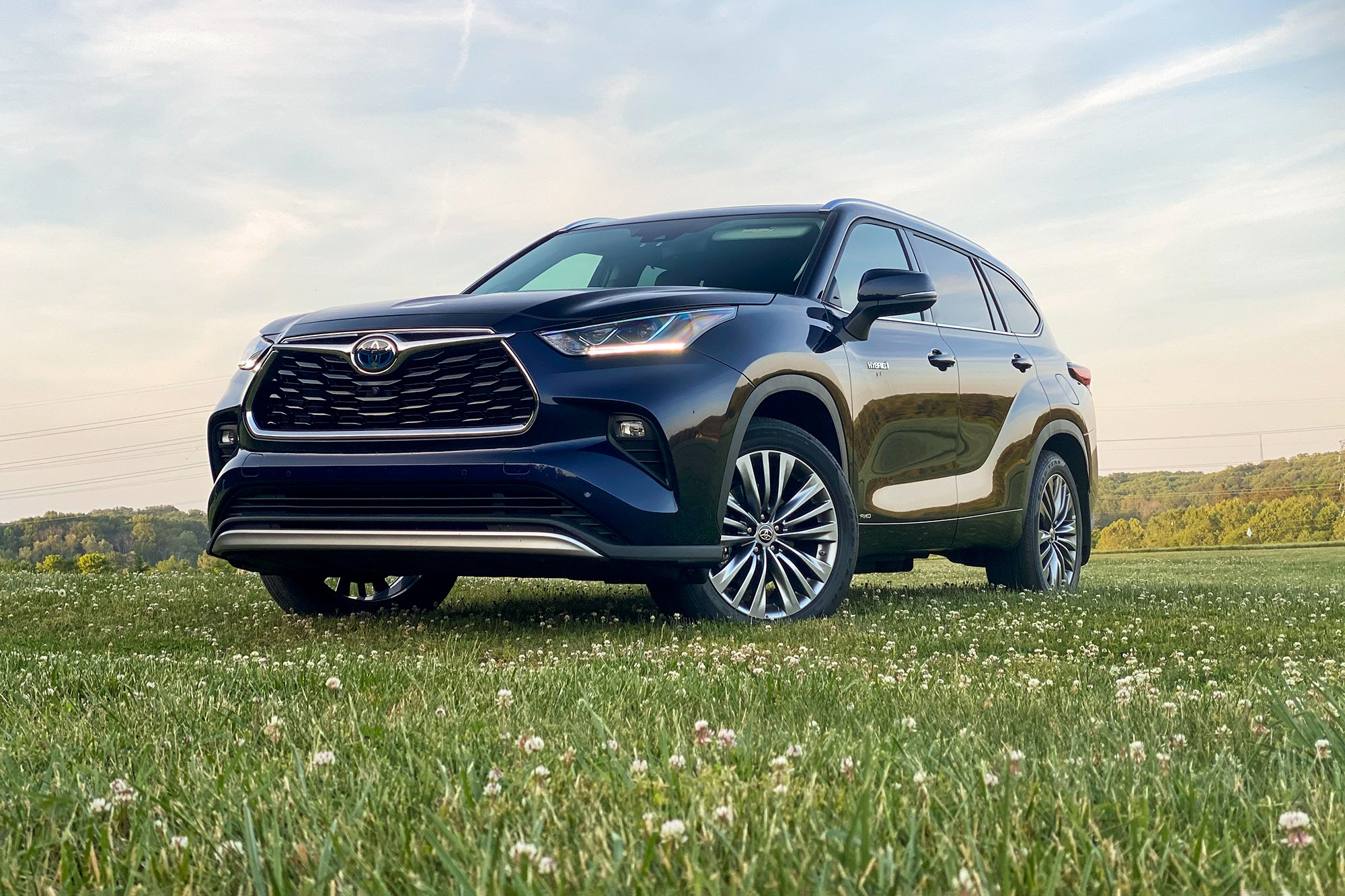
1. 2021 Toyota Highlander
The Toyota Highlander has become a favorite among families and professionals alike, largely because of its practicality, comfort, and long-standing reliability.
One aspect of its success lies in the consistency of its safety features, especially the parking assist system. The 2021 Highlander stands out with its dependable set of parking sensors, fitted as part of Toyota’s Safety Sense 2.5+ suite.
The sensors are well-calibrated from the factory and positioned across both the front and rear bumpers. They are capable of detecting obstacles of varying heights and sizes.
Drivers have consistently praised how the alerts from the Highlander come early enough to act but not so early that they confuse. Whether it is a shopping trolley, a low curb, or another car in a tight parking lot, the Highlander’s sensors respond promptly and clearly.
What sets the Highlander apart is the durability of its electronic systems. Users who have owned the SUV for several years report that the parking sensors maintain their accuracy without needing replacements or constant recalibration.
In both humid and dry climates, the sensors have shown resilience against dirt buildup and moisture interference. The beep pattern is loud enough to be heard even when music is playing, and it increases in urgency as the vehicle approaches a barrier.
Even after tens of thousands of miles, most Highlanders do not display sensor-related error messages or fail to respond when needed. This consistent performance makes it a trustworthy choice for those who often park in tight spots.
Its excellent reputation for parking sensor reliability makes it one of the best in its segment. The Highlander offers drivers not just a comfortable ride but also dependable assistance when it matters most.
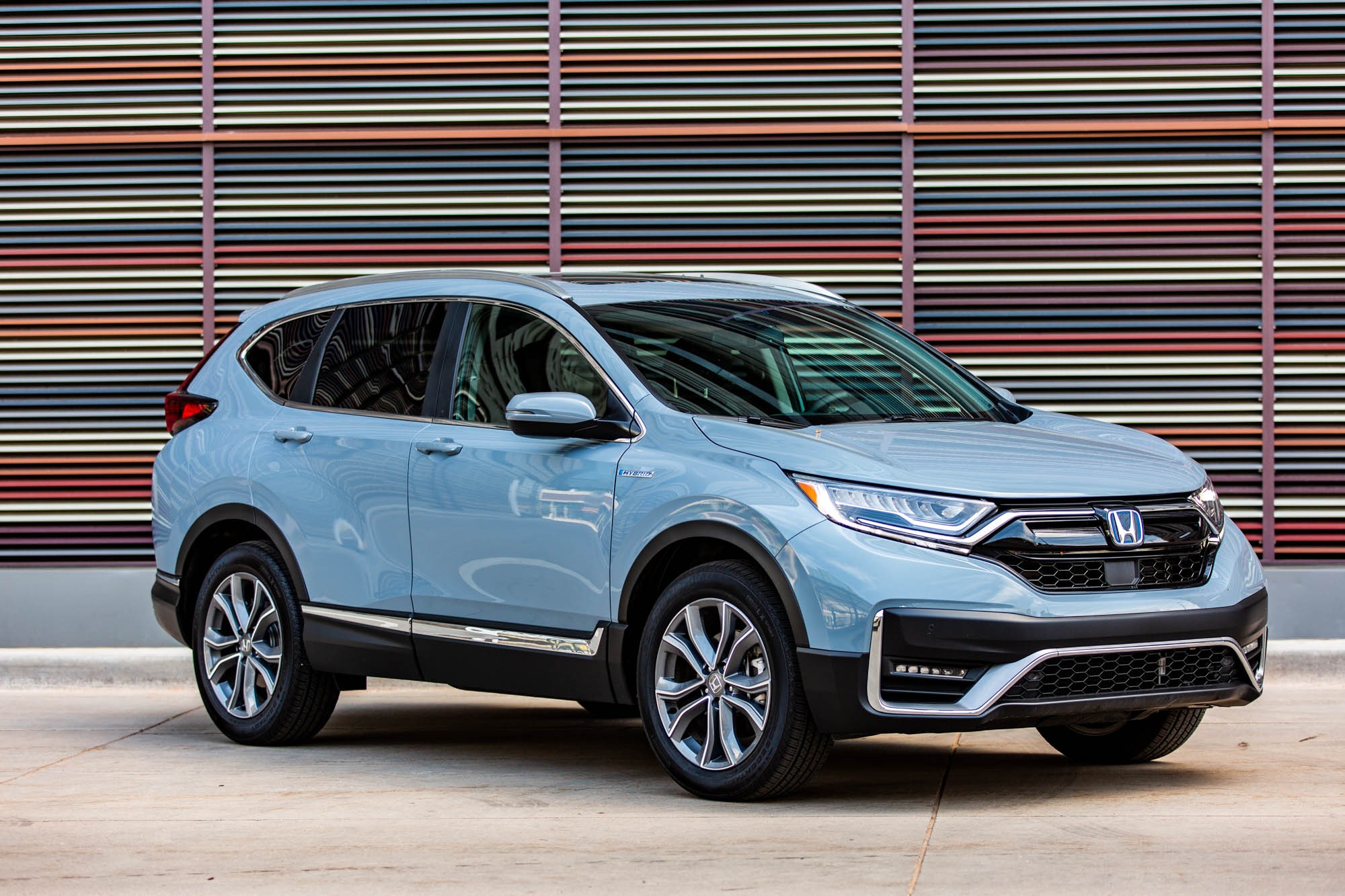
2. 2020 Honda CR-V
The 2020 Honda CR-V delivers more than just smooth acceleration and generous cabin space. It also includes a parking assistance system that drivers describe as highly responsive and durable. Honda has built a strong record for long-lasting electronics, and the CR-V reflects this attention to detail in its sensor quality.
This vehicle uses ultrasonic sensors that are neatly integrated into both the front and rear bumpers. These sensors actively scan the surroundings when the car is in reverse or moving slowly in a forward direction.
The system provides gradual alerts with increasing intensity depending on proximity. What many drivers appreciate is the precision with which these alerts operate. Even small objects such as bicycle tires, garbage bins, or fence posts are detected without issue.
The CR-V also features visual guidance on its infotainment screen, displaying red, yellow, and green zones. When these visuals combine with accurate beeps, it gives the driver full awareness of what is behind or ahead. Unlike some vehicles where alerts become delayed or erratic after a few years, the CR-V continues to perform consistently.
Maintenance is also minimal. Routine washes are often enough to keep the sensor areas clean, and they rarely become misaligned or affected by temperature changes.
Several long-term owners report never having to repair or replace the sensors, even after heavy use. In cities where space is limited, the CR-V gives drivers added confidence when backing into tight corners or parallel parking.
Its efficient fuel economy may attract attention, but the real value lies in how all its components, including parking aids, continue to work well long after the warranty period. The 2020 CR-V proves that parking assistance need not be unreliable, making it a solid pick for buyers who want dependable tech without surprises.
Also Read: 5 Cars With Quick-Release Seats vs 5 With Stuck Latches
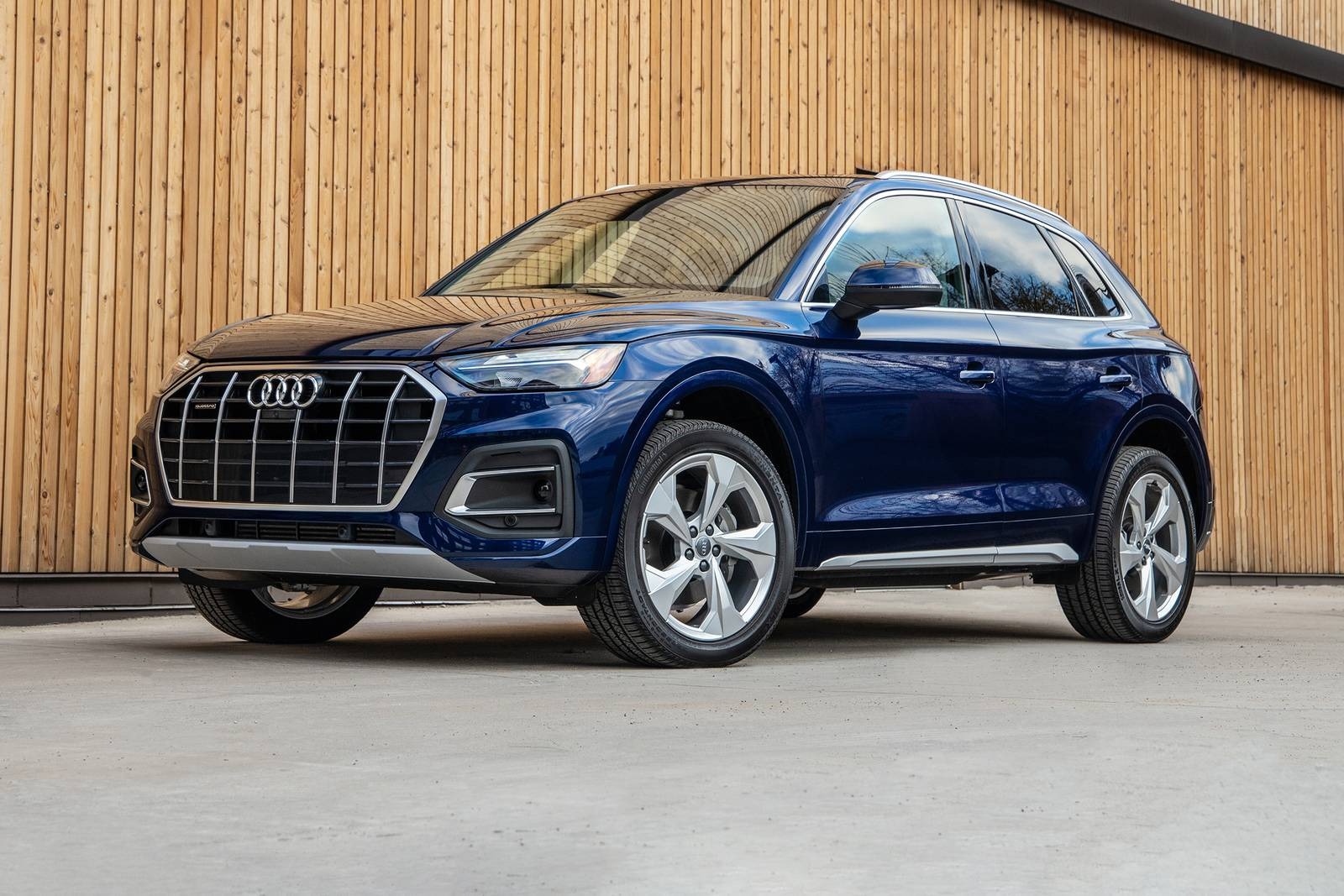
3. 2021 Audi Q5
Luxury SUVs are often associated with advanced features, and the 2021 Audi Q5 lives up to that expectation. Among its many useful technologies, its lifetime-effective parking sensors deserve special mention. The Q5’s sensors are embedded with Audi’s premium driver assist suite, combining accuracy with long-term reliability.
From the moment the vehicle starts to reverse, the system activates both audible and visual indicators. The beeps start softly and gradually intensify, giving the driver time to react calmly.
The display on the dashboard provides a graphic representation of any approaching object, showing exactly which side is at risk of contact. Whether reversing near a wall or moving forward into a tight garage, the Q5’s system adapts smoothly to various angles and speeds.
What makes the Audi Q5’s sensors stand out is the precision of their calibration. Drivers often say the alerts match real-world distances perfectly. You won’t get false alarms caused by nearby foliage or misplaced shopping bags. The sensors are also designed to perform well during rainy or snowy conditions, resisting interference that could cause other systems to misread distances.
Long-term ownership does not reduce performance either. Audi has developed sensors that remain responsive even after years of use. No excessive servicing is needed. Any factory faults are addressed early, often within the first few months. Beyond that, drivers experience few if any sensor-related issues.
The Q5 also integrates well with the automatic braking system. If the driver misses the beeps, the car may apply gentle braking to prevent a collision. This extra protection is part of what makes the system feel trustworthy.
Drivers know that even in blind spots, they have support from sensors that do their job consistently. The 2021 Audi Q5 is a model where form meets function without compromise.
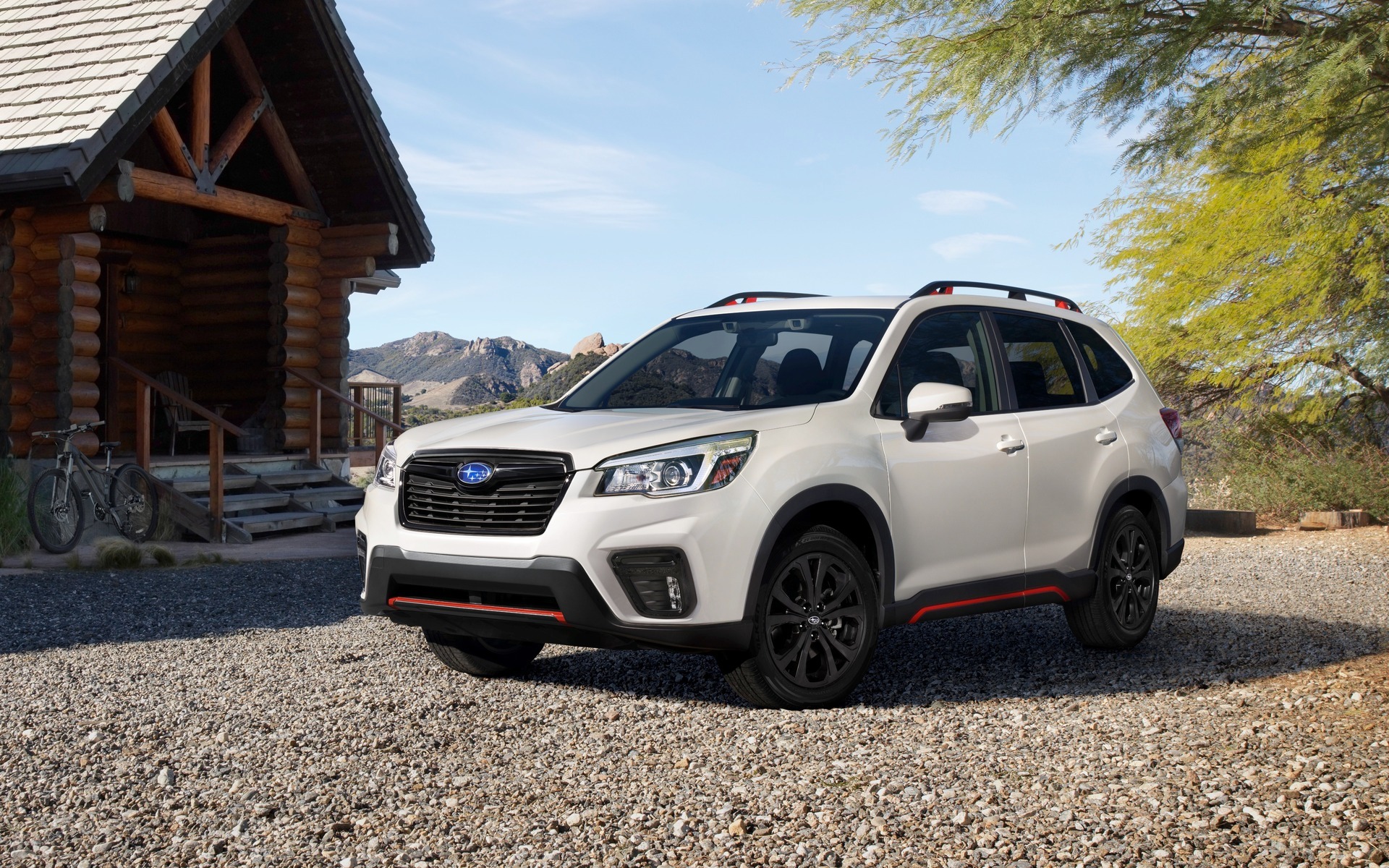
4. 2019 Subaru Forester
The 2019 Subaru Forester has always been seen as a reliable SUV choice. Among its many dependable features, the parking sensor system delivers one of the most consistent performances within its class. Subaru’s EyeSight Driver Assist Technology includes sensors that provide effective alerts throughout the life of the vehicle.
Drivers who choose the Forester often do so for its all-wheel drive and rugged capability. But when it comes to urban driving, its parking sensors shine. These sensors detect objects both high and low and work at short distances.
The beeping system is balanced enough to avoid early triggers while still giving enough reaction time. Even when backing out of a driveway with tall grass on both sides, the alerts are accurate and stable.
One of the reasons the Forester’s system performs so well is its sensor placement. Subaru engineers placed them in positions less exposed to water or debris accumulation.
This prevents blockage that may cause inaccurate beeping in other vehicles. Additionally, the vehicle rarely experiences issues with electrical interference or computer malfunctions that affect the sensors.
Long-term reviews consistently mention how dependable the parking alerts are, even five or six years after purchase. These sensors are designed to survive both hot and cold climates. Drivers in colder regions confirm that snow does not interfere much with performance. This makes it ideal for those who drive year-round under various weather conditions.
Owners do not need to replace components frequently or visit the dealer for recalibration. With proper cleaning and regular servicing, the parking assist remains fully functional.
The Forester proves that you do not need to choose between off-road capability and city convenience. Its parking sensors offer peace of mind with every trip, whether on a forest trail or a crowded supermarket lot.
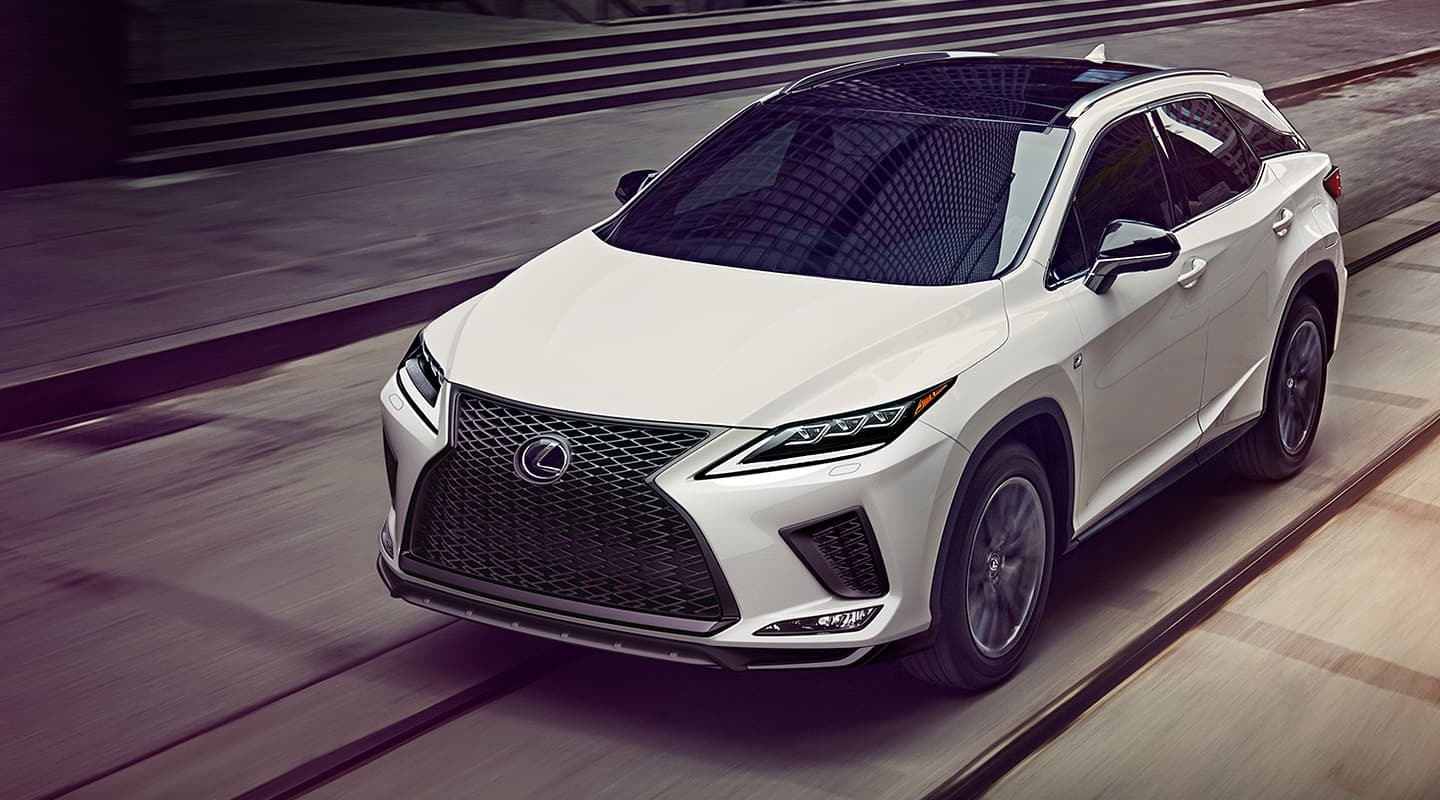
5. 2021 Lexus RX 350
Lexus has long been praised for building vehicles that offer comfort, luxury, and reliability. The 2021 RX 350 is no exception. Among its advanced features is a set of lifetime parking sensors that deliver exceptional performance and durability.
This mid-size SUV comes standard with front and rear parking assist systems that use advanced ultrasonic detection.
Each sensor on the RX 350 is fine-tuned to deliver accurate information based on real-time distance to nearby objects. When the vehicle moves into reverse or approaches a tight space, the system issues a clear audible alert.
These beeps increase gradually in frequency, giving drivers time to respond safely. The sensors are complemented by a display screen that shows color-coded distance markers, making the parking process much easier.
What sets the RX 350 apart is how well its sensors hold up under long-term use. Lexus has designed the system to resist deterioration caused by weather, dust, or minor road damage.
Owners rarely experience false beeping or delays in detection. Drivers often mention how the system functions just as smoothly in year four as it did on day one.
Whether parking in a multi-level garage or squeezing into a spot on a busy street, the RX 350 offers dependable guidance.
The audio alerts are loud enough without being annoying, and they work well even in the presence of ambient noise. Lexus also ensured that sensor feedback remains accurate even during stop-and-go traffic in urban areas.
Drivers do not need to worry about recalibration or error messages every few months. The system is built to last without frequent attention, contributing to the vehicle’s low cost of ownership. For those who prioritise technology that works without fuss, the 2021 Lexus RX 350 is a smart pick.
Cars with Faulty Alert Beepers
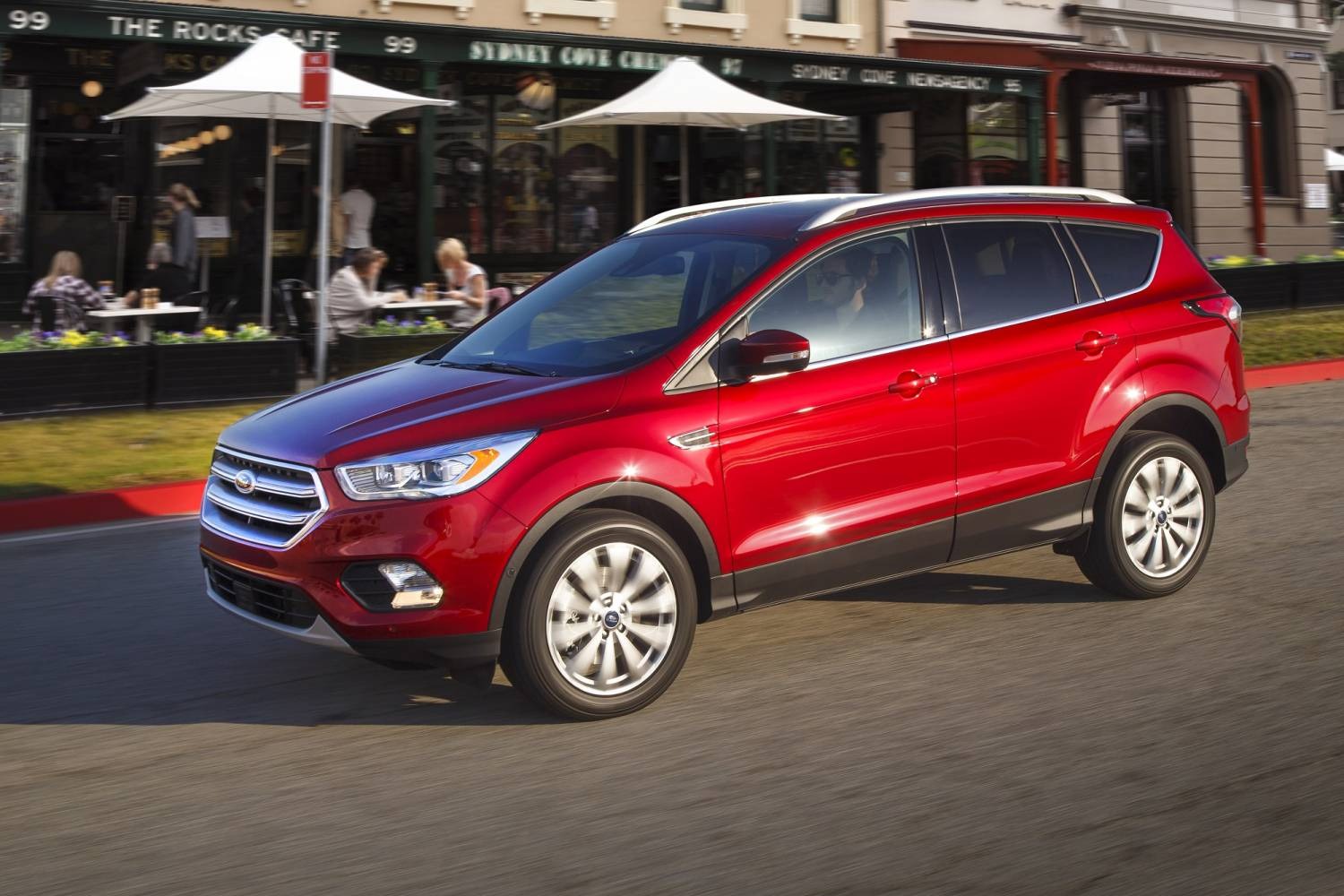
1. 2017 Ford Escape
While the 2017 Ford Escape delivers decent handling and a spacious cabin, its parking sensor system has faced several complaints from long-term users.
Many drivers report that the alert beepers lack consistency, making parking in tight spaces more difficult than it should be. What should help prevent minor bumps often becomes an unreliable guessing game.
The Escape’s sensors tend to produce delayed beeping sounds. Instead of alerting the driver early enough to stop safely, the system sometimes waits until the vehicle is already very close to the obstacle.
This reduces reaction time and increases the chance of light collisions. In certain cases, the beeping fails to activate at all, especially when approaching low-lying objects like curbs or parking blocks.
One common issue involves false alarms. The sensors may start beeping even when nothing is nearby. This can confuse drivers and make them doubt the system’s accuracy. It is not uncommon for the alerts to trigger in empty parking lots or on wide roads, where no nearby objects exist. Several owners say that they have resorted to turning off the system altogether.
Weather sensitivity also affects the Escape’s sensors. Rain, fog, or snow tends to interfere with their performance, either triggering unnecessary alerts or blocking detection entirely.
Dirty sensors or minor bumper scratches seem to throw off the calibration, and repairs often require a visit to the dealer. These visits sometimes do not solve the issue permanently.
The warning tones themselves are also not very noticeable, especially when music is playing or the windows are down. A parking aid system should provide clear, timely alerts, and unfortunately, the 2017 Ford Escape falls short in this area. For a model that has plenty of good features, the unreliable alert beepers diminish confidence while manoeuvring in small or crowded areas.
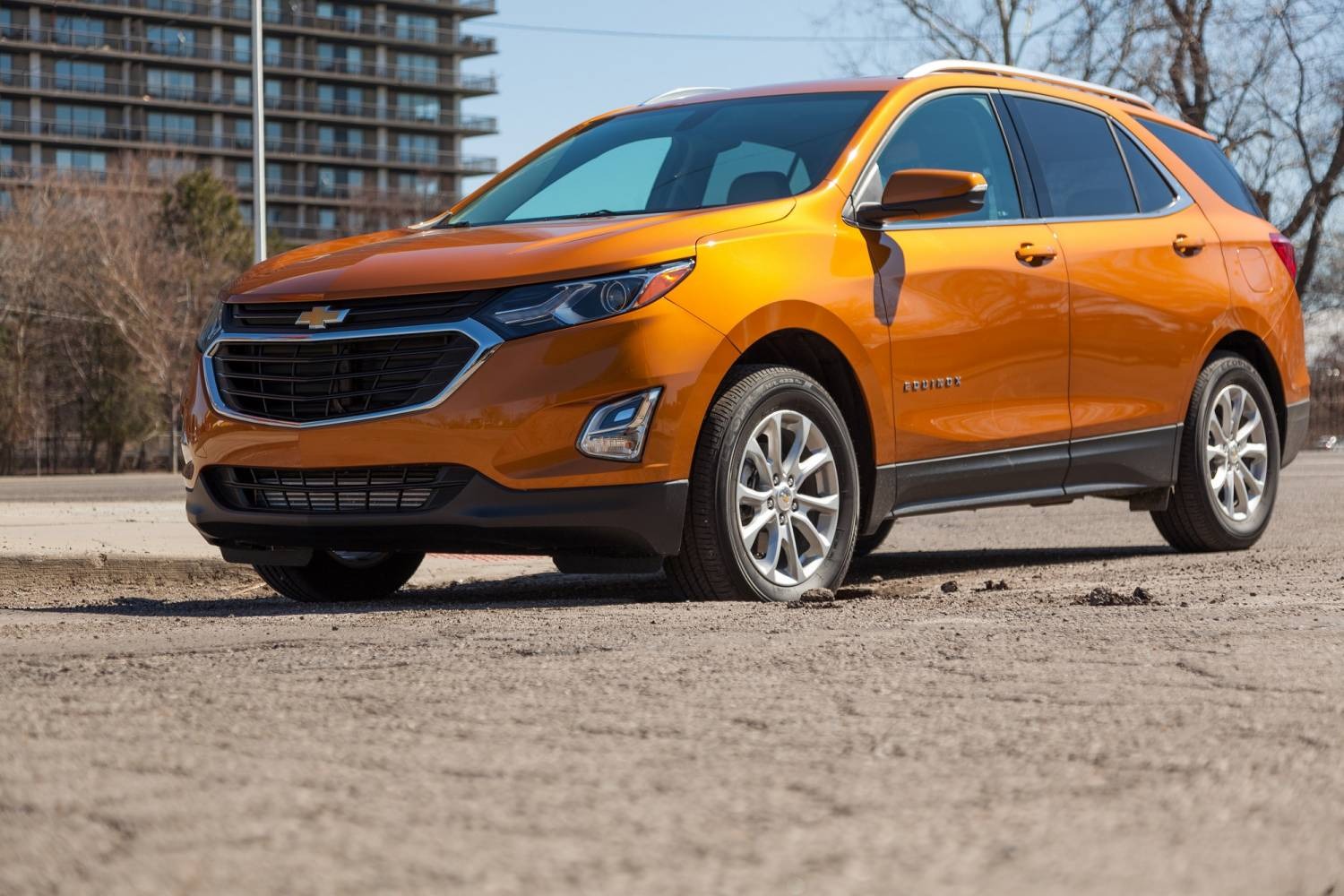
2. 2018 Chevrolet Equinox
The 2018 Chevrolet Equinox may offer impressive ride quality and interior design, but its parking alert system does not perform to expectations. Drivers often express frustration with how the sensors behave, especially during reverse parking. While the sensors appear well-placed on the vehicle, their performance is anything but reliable.
One of the frequent complaints relates to uneven detection. Sometimes the sensors will alert you to an object that is still a fair distance away.
At other times, they stay silent even when the rear bumper is very close to another vehicle or wall. This inconsistency makes it hard to trust the system, particularly when the parking spot requires precision.
In some cases, the alert beepers activate without any obstacle present. These phantom warnings disrupt the driver’s focus and reduce confidence in the technology.
Cleaning the sensors may provide short-term relief, but many owners report that the problems return soon after. The system also struggles with low-lying objects like bollards or parking curbs, which it either detects too late or ignores completely.
Another concern is how the weather affects performance. The Equinox’s sensors are highly sensitive to moisture, dirt, or even sudden temperature changes.
During winter or rainy seasons, alerts become erratic or disappear entirely. Owners who rely on the system for daily city driving often find themselves annoyed and disappointed.
The beeping volume is another downside. It is often too soft to catch the driver’s attention, especially if the cabin is noisy or the driver is listening to music.
As a result, the system fails to serve its purpose at the very moment when it is most needed. While Chevrolet has addressed some of these issues in later models, the 2018 Equinox remains a car where the parking alert beepers fall short of reliability standards.
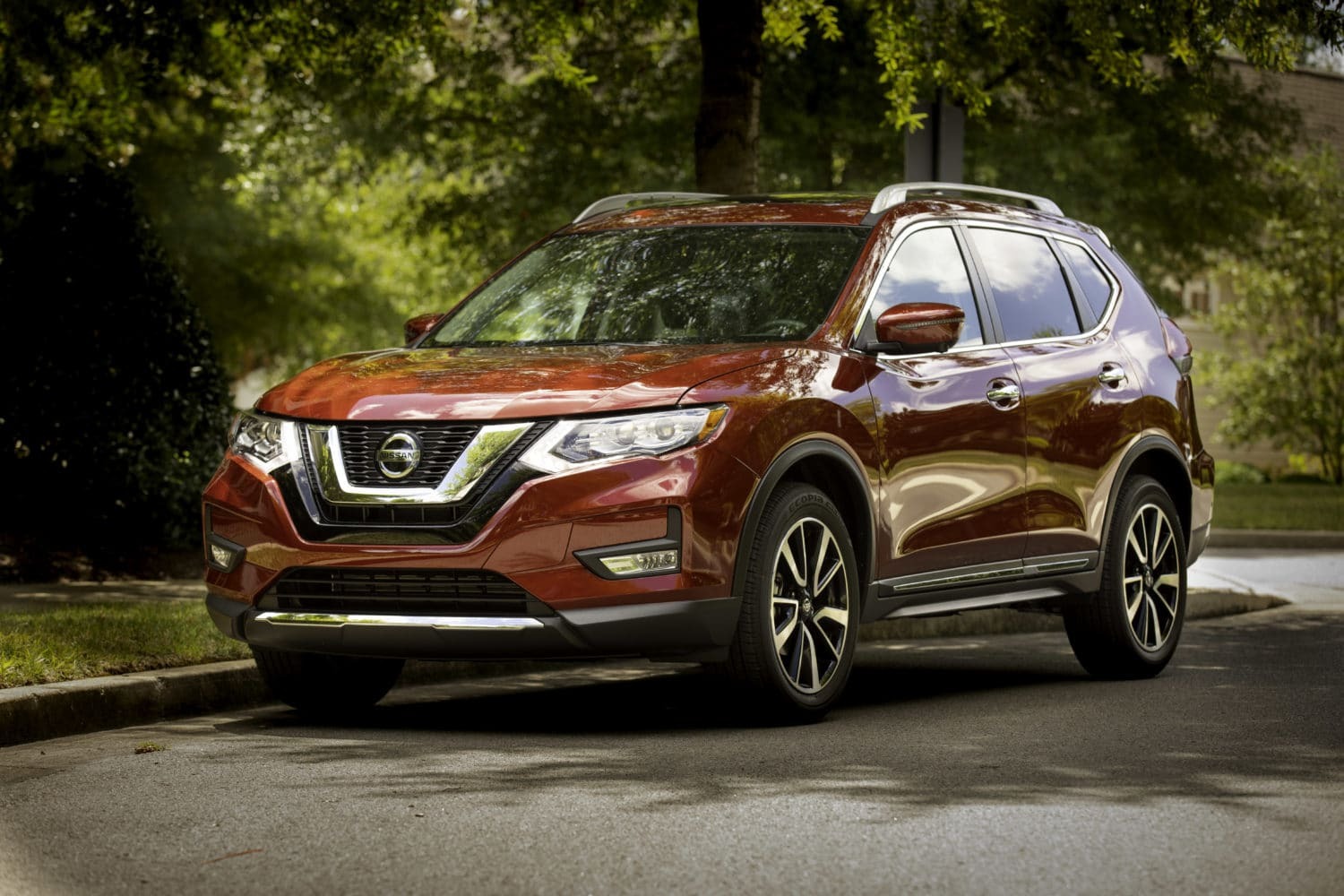
3. 2019 Nissan Rogue
The 2019 Nissan Rogue is known for good fuel efficiency and practical features, but its parking assistance system receives mixed reviews.
Several owners report issues with how the alert beepers behave, raising questions about the quality of the sensor technology used in this model. While some alerts work as intended, others fall behind or act up for no reason.
One common complaint involves slow sensor response. The system sometimes waits until the vehicle is almost touching the obstacle before sounding the beep.
This delay can lead to last-second braking or, in worst cases, minor scrapes. The sensors also seem to have difficulty detecting narrow poles or low concrete barriers, which are common in parking areas.
Another problem is random triggering. The alert beepers may sound even when no object is nearby. This leads to driver distraction and uncertainty about when the system is giving useful feedback. While occasional sensor misreads are expected in any car, the Rogue’s system seems to suffer from this too frequently.
Maintenance does little to fix the issue. Cleaning the sensors or updating the vehicle’s software often fails to correct the inconsistency. Owners report that even after dealer visits, the problem reappears within weeks. This leads many to ignore the alerts entirely, defeating the purpose of having the system in the first place.
Sound clarity is also poor. The warning beeps are often too quiet, and the volume does not automatically increase with cabin noise. This can make the alerts practically useless in noisy traffic or during loud music playback. Given how important accurate parking aids are for city drivers, the 2019 Nissan Rogue’s system leaves much to be desired.
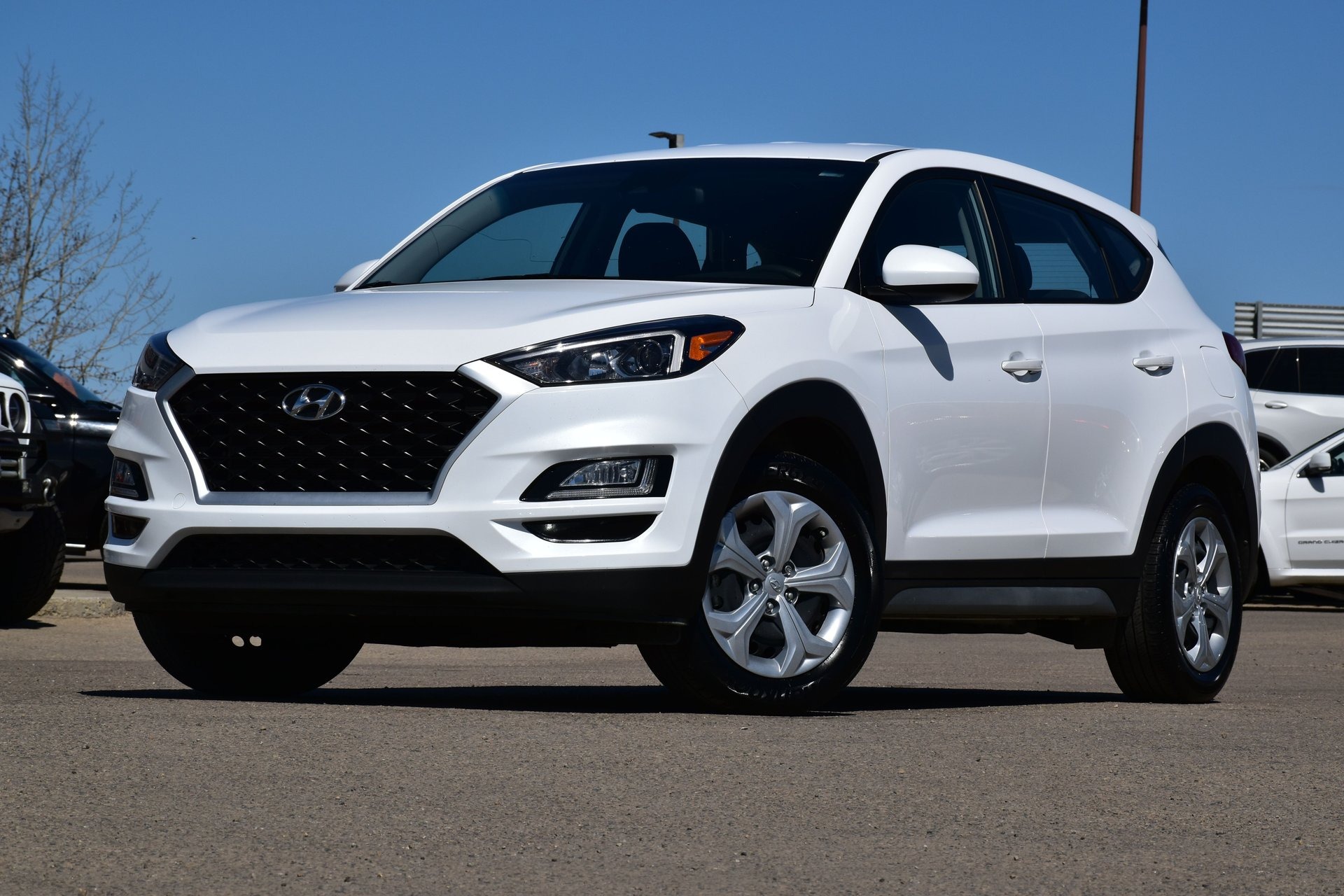
4. 2020 Hyundai Tucson
The 2020 Hyundai Tucson blends value, design, and comfort well, but the parking sensor system does not always meet expectations.
While it includes rear parking sensors as a standard feature in many trims, drivers frequently complain that the alert beepers do not function as reliably as they should. The system often lacks the consistency needed in tight driving spaces.
Many drivers have observed that the beepers activate too late. This delay between obstacle detection and alert makes quick decisions difficult.
Sometimes, the vehicle gets uncomfortably close to a wall or another car before the system makes any sound. This creates a risk for small dents and scratches, especially in crowded parking garages.
False alerts are another issue. Beepers sometimes go off without any obstruction in sight. These ghost signals occur even after cleaning the sensors or during ideal weather. Drivers find themselves pausing to look around for imaginary obstacles, which can be both frustrating and time-consuming.
Rain and dust seem to affect Tucson’s sensors more than they should. After light rainfall or a drive on a dusty road, the system becomes less reliable. In some cases, the warning system shuts down completely and needs to be reset through the vehicle’s settings. This level of sensitivity lowers the driver’s confidence in the equipment.
Sound volume also poses a challenge. The beeps are often not loud enough to be heard over ambient cabin noise. Without strong audio cues, drivers may miss alerts that were supposed to prevent a collision. This issue affects both front and rear sensors, especially when multiple people are in the car or the radio is on.
Though Tucson offers many features at its price point, the parking beeper system feels like a weak point. A car that performs well on the highway should also provide reliable support in parking lots, and here, the 2020 Tucson falls behind.
Also Read: 10 Least Reliable Cars With CVT Transmissions To Avoid
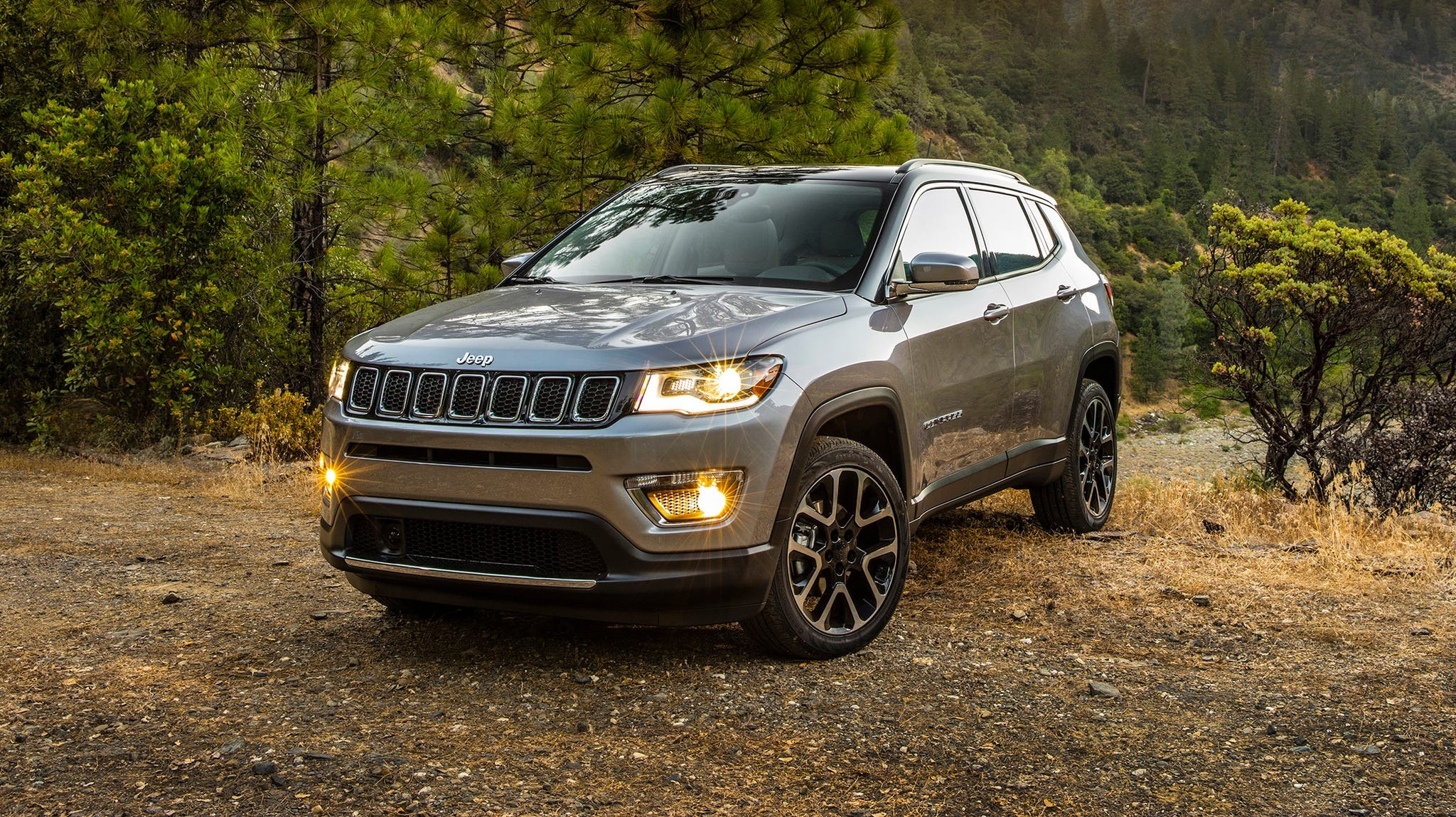
5. 2020 Jeep Compass
The 2020 Jeep Compass delivers capable off-road driving and attractive styling, but its parking assist system has been a source of concern for many owners.
The rear parking sensors included with the vehicle often fail to deliver consistent and accurate warnings. As a result, drivers are frequently left second-guessing the feedback from the alert beepers.
One frequent issue is delayed response. When reversing into a tight space, drivers expect the system to provide early warnings. However, in the Compass, alerts often arrive too late to act.
This puts pressure on the driver to brake instantly, which can be stressful and unsafe. At times, the beepers do not sound at all, even when backing toward a solid object.
Owners also report frequent false positives. The sensors may beep while reversing in a wide-open area, giving the impression that something is behind when there is nothing. This inconsistency affects trust in the system. When the sensors do not work correctly, they turn from a helpful tool to a constant source of distraction.
Another challenge comes with weather-related sensitivity. The Compass’s parking beepers often act up during rain or snow. Sometimes, they produce distorted beeping sounds or fail to activate entirely. This is especially problematic for those living in regions with harsh winters or frequent downpours.
The volume and pitch of the beeps also disappoint some users. In many cases, they are not loud enough to alert the driver, especially when there is noise in the cabin. Unlike other systems that increase beep intensity based on proximity, the Compass’s system remains basic and lacks helpful variation in alert tone.
While Jeep offers rugged appeal and a respectable drive, the parking sensor system on the 2020 Compass does not reflect the same quality. For drivers who regularly park in tight spaces, this can make the experience more difficult than necessary.
