
Sport Utility Vehicles continue to dominate roads across the United States due to their blend of performance, space, and practicality. As more drivers lean toward these vehicles for daily commutes, road trips, or family duties, the mechanical reliability of core components has become increasingly important.
One such component that often gets less attention than the engine or transmission is the steering rack. While not a flashy feature, the steering system plays a vital role in ensuring the vehicle responds precisely to the driver’s input. Its reliability can influence not just control and comfort but also long-term maintenance costs.
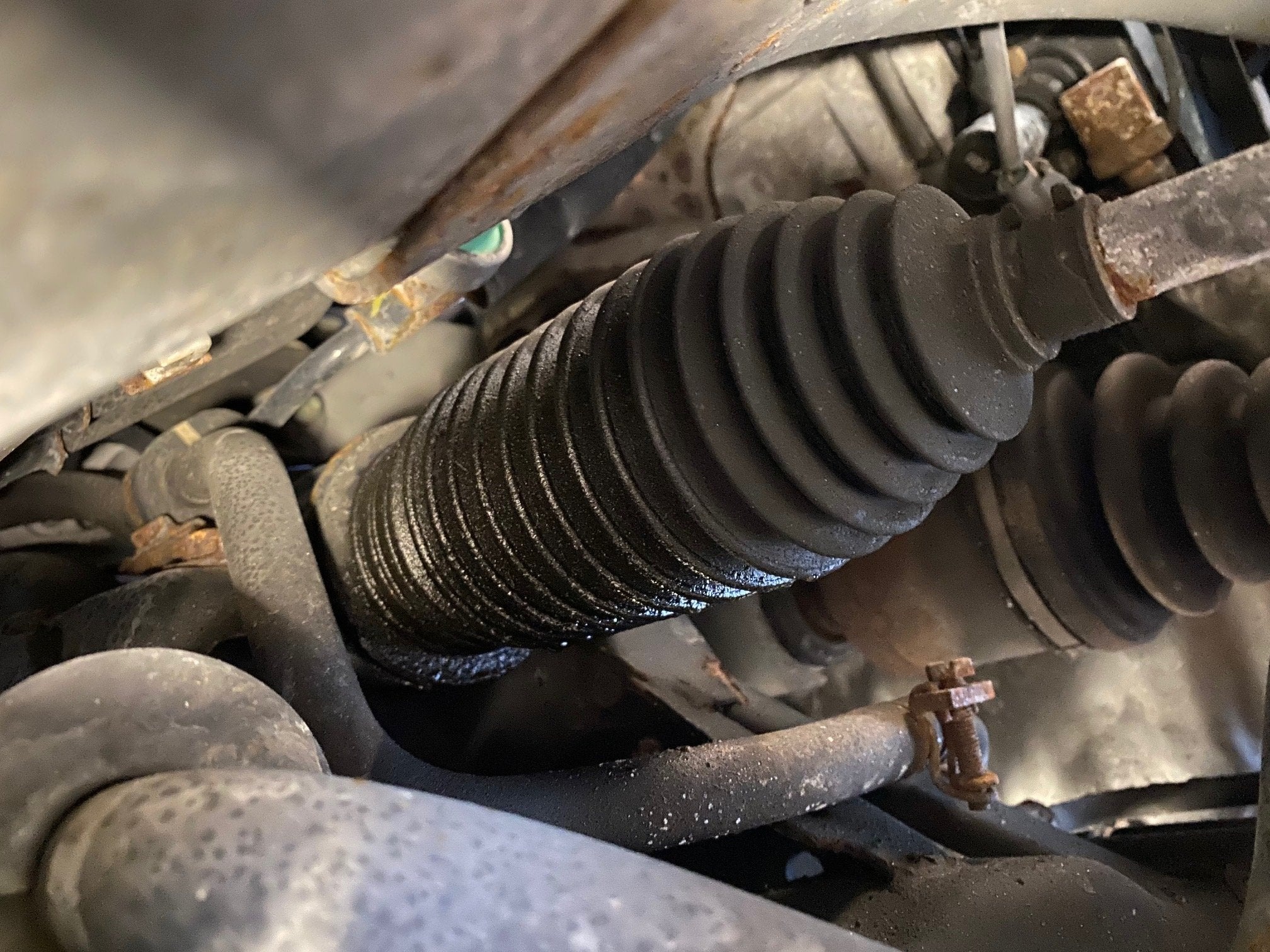
A common issue some SUV owners face involves the pinion seal, which helps prevent power steering fluid from leaking out of the rack. When that seal wears out or fails, fluid leakage can lead to poor steering performance, increased wear, and expensive repairs.
On the flip side, some SUVs are built with steering racks that remain sealed over long periods, giving owners peace of mind. This article takes a detailed look at two sides of this issue. First, we examine five SUVs known for their well-sealed steering racks that deliver long-term durability without consistent leaks.
Then, we highlight five models reported to suffer from pinion seal leaks more frequently, which may lead to increased maintenance and ownership concerns. Each vehicle is discussed individually with a focus on performance, build quality, driver experience, and steering system reliability.
SUVs with Sealed Steering Racks
1. Toyota Land Cruiser
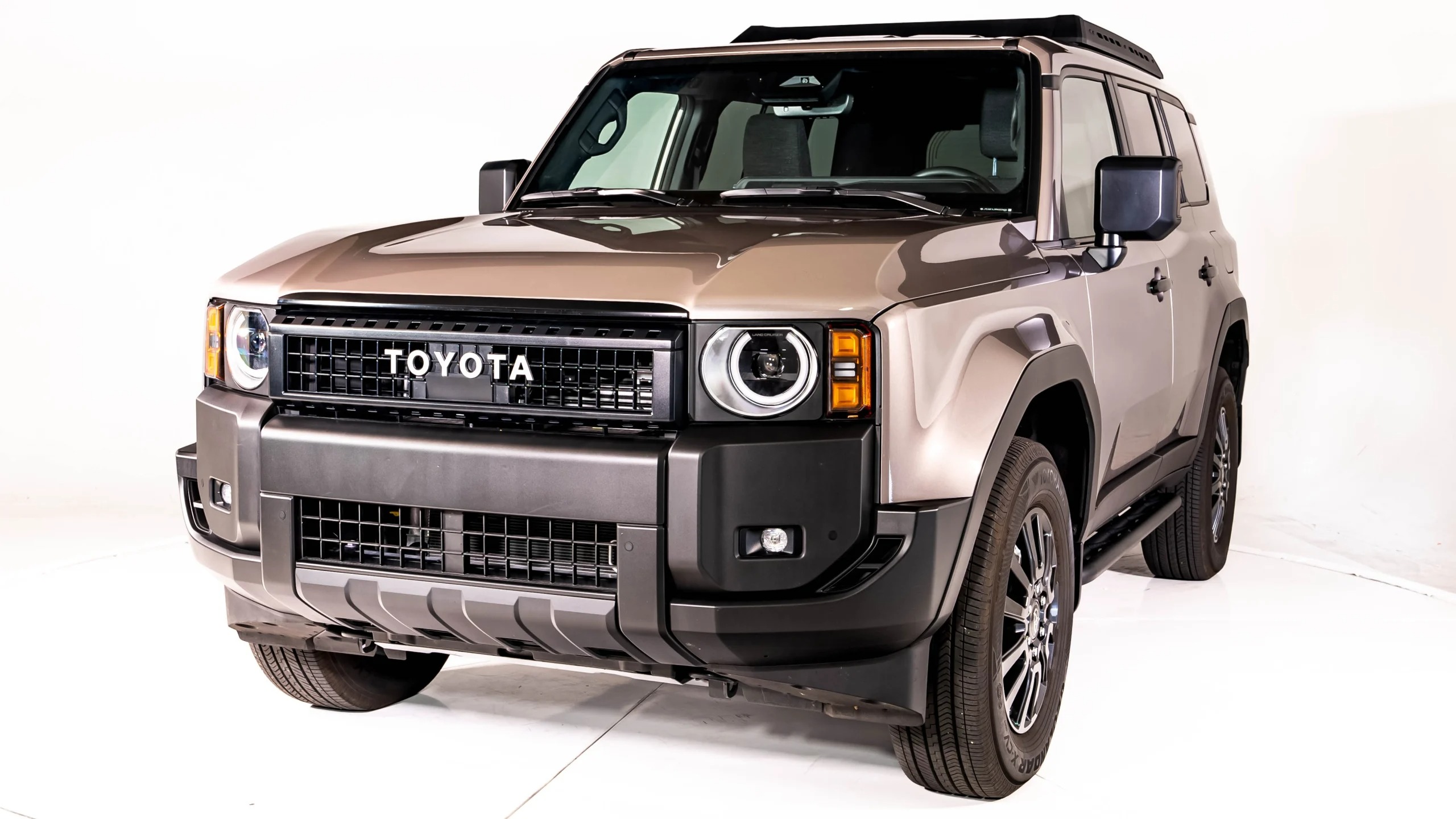
Toyota’s long-standing reputation for building durable vehicles is well represented by the Land Cruiser. This SUV is widely regarded for its ability to operate across tough terrains without sacrificing comfort or reliability.
Beyond the powerful V8 engine and robust suspension setup, the Land Cruiser’s steering rack stands out for its dependability. Toyota engineered this system to reduce long-term exposure to fluid contamination, meaning the chances of leakage remain low even after extended years of service.
The sealed steering rack is designed with high-quality internal bushings and protective materials. This keeps dust, grit, and water away from critical joints.
Unlike many rivals that struggle with minor leaks after clocking a high mileage, the Land Cruiser often maintains its factory sealing through hundreds of thousands of miles. Routine service can prolong this even more, but the system rarely shows signs of early failure.
What adds to its appeal is how it manages precise steering feedback despite its large size. Steering feels natural on both highways and rocky roads. The power assist system never feels overworked, and there’s no sponginess or lag common in aging racks.
It is also important to mention that even though this SUV weighs considerably more than the average vehicle, it still retains sharp handling characteristics thanks to the engineering focus on steering control.
Owners report few if any issues with fluid seepage from the pinion area, and mechanics working on these vehicles often remark on how dry the rack components remain even after several years of operation. The integrity of the entire assembly adds value to long-term ownership.
Whether you’re towing, climbing hills, or cruising through the city, the Land Cruiser keeps your steering effort consistent and reliable. This is one reason why it continues to fetch high resale value and remains a trusted name among enthusiasts.
2. Honda Pilot
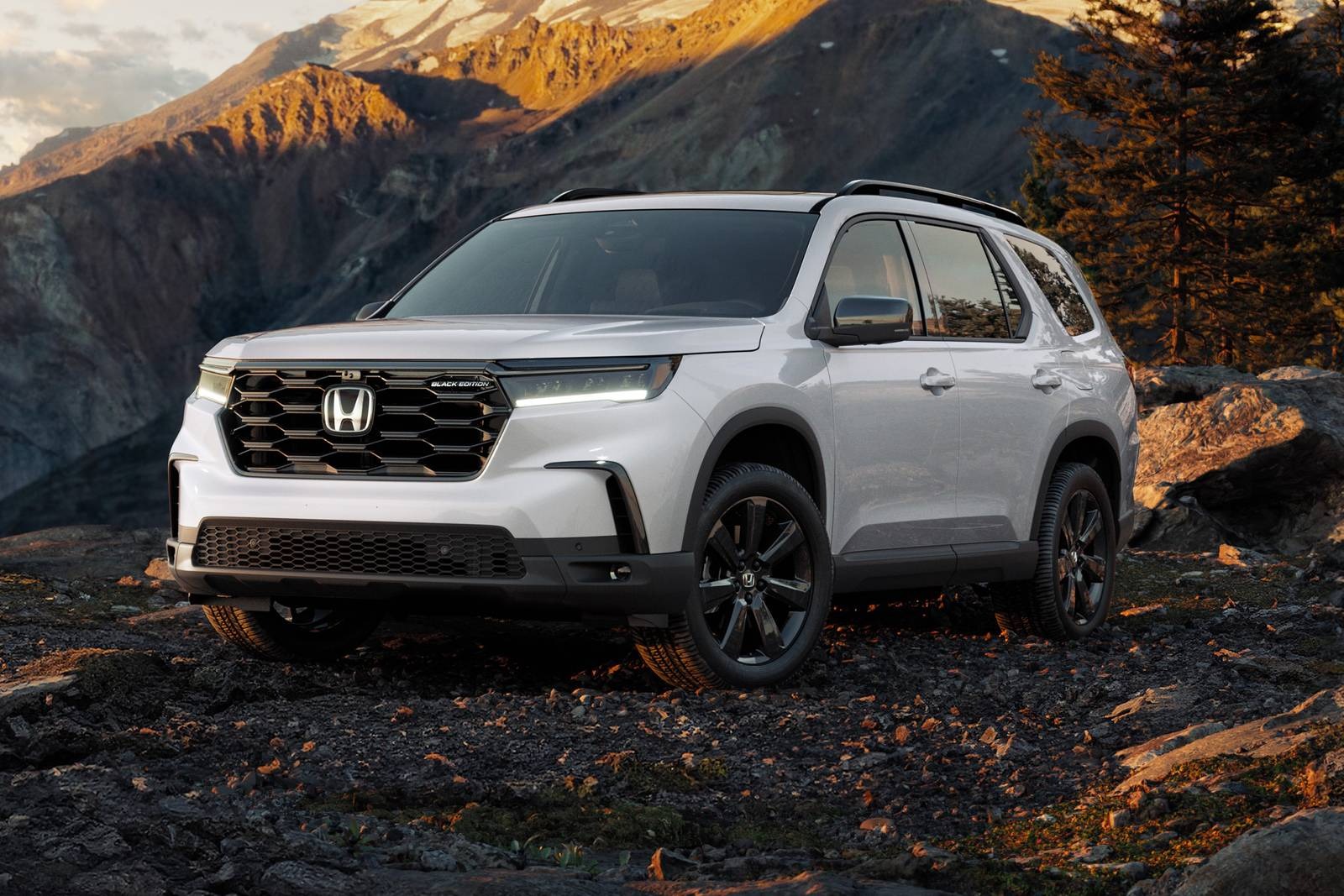
The Honda Pilot brings family-friendly features, strong road manners, and a refined driving experience. Beyond its convenience and safety tech, the Pilot has earned quiet praise for its mechanical longevity.
One area where Honda has shown careful attention is the steering system, particularly the rack-and-pinion setup. Honda designed the Pilot with a sealed steering rack that rarely suffers from leakage or steering play, even after years of usage.
This SUV handles corners with a level of control that belies its size. The steering remains fluid without feeling too light or artificial.
The sealed nature of the rack ensures that contaminants are kept out, which is critical for long-term health. Honda applied high-grade seals around the pinion and tie rod ends, creating a protective layer against both pressure changes and moisture.
For drivers doing regular school runs or highway trips, this peace of mind matters. Steering remains consistent, and even those unfamiliar with vehicle mechanics can appreciate the tight, rattle-free feeling when making sharp turns or emergency maneuvers.
Fluid levels within the power steering system remain stable due to the integrity of the rack’s design. You’re unlikely to find puddles under the vehicle or hear whiny noises from the power steering pump.
Compared to vehicles of the same class, the Pilot’s steering system rarely comes up in repair records. Mechanics seldom cite the rack as a failure point. While wear and tear will eventually reach every component, Honda’s design reduces the chances of premature issues.
This dependable system contributes to the Pilot’s popularity in both new and used markets. For buyers seeking a three-row SUV that won’t let them down in terms of control or mechanical resilience, the Pilot presents a smart option backed by a strong engineering legacy.
Also Read: 5 Cheap Used Cars That Could Become Future Collectibles vs 5 That Remain Unvalued
3. Subaru Outback (SUV-Style Trim)
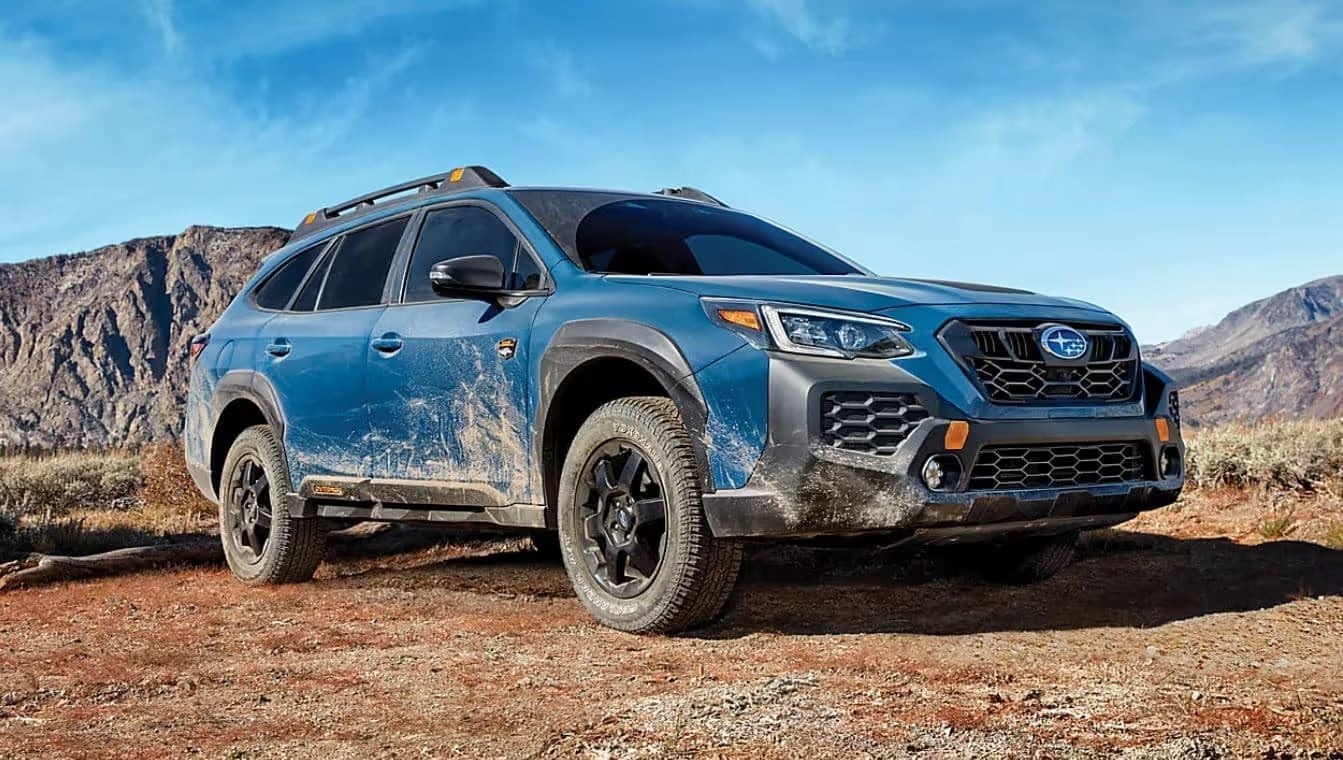
Though often labeled a crossover, the Subaru Outback offers SUV-like capability, especially in higher trims with raised suspension and additional cladding.
Subaru has focused on providing all-weather performance paired with simplicity and dependability. Its steering rack comes factory-sealed and is known to be among the more trouble-free components of the car.
Drivers often note that the Outback provides an impressively connected feel. Whether you’re climbing snowy passes or making quick lane changes, the steering input feels responsive and accurate.
Subaru includes a rack that is tightly enclosed to protect against fluid leaks. By minimizing exposure of the pinion seal to outside moisture and heat cycling, the Outback maintains its integrity far beyond its first hundred thousand miles.
One reason for its reliability is the compact, efficient layout of the steering components. Subaru engineers positioned the rack in such a way that it’s shielded from underbody grime and splash.
The rack housing is thick and designed with fewer seams that could degrade under vibration. The power steering fluid moves through this system with minimal stress, extending the life of both the pump and the rack.
Compared to some compact SUVs where steering issues begin after year four or five, the Outback generally avoids such complaints. It also helps that this vehicle rarely experiences rapid pressure build-ups, which often stress pinion seals.
The driving public tends to hold on to their Outbacks for long periods, and part of that loyalty comes from not having to deal with recurring steering maintenance. For anyone considering an AWD utility vehicle with fewer headaches in the steering department, the Outback continues to stand out as a dependable choice.
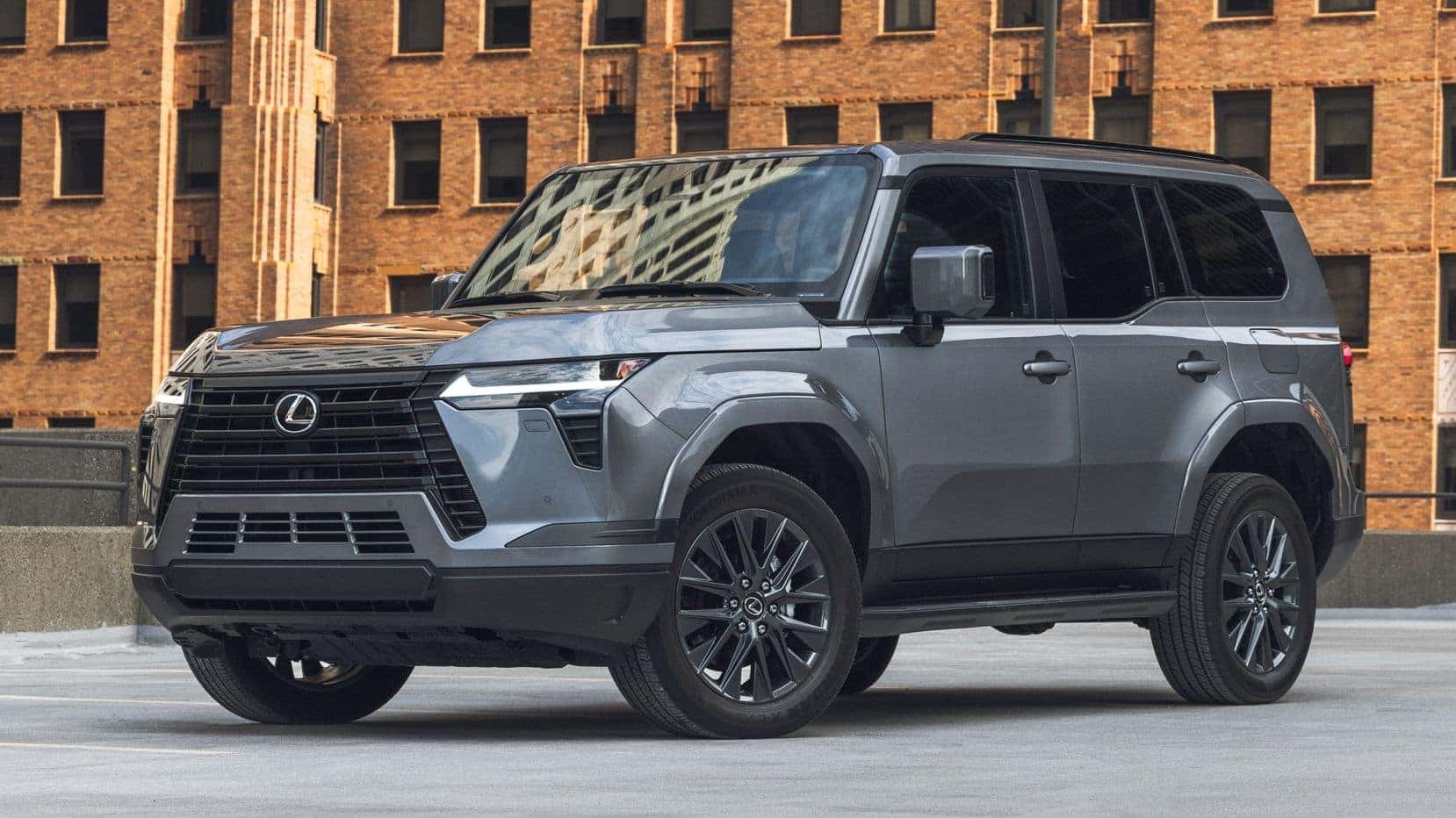
4. Lexus GX
Built on a solid body-on-frame platform, the Lexus GX delivers rugged performance with premium refinement. It shares much of its underpinnings with the Toyota Land Cruiser Prado, and just like its sibling, it boasts an exceptionally reliable sealed steering rack.
Lexus places high standards on part durability, and the GX benefits from this through reduced maintenance issues in the steering system. This vehicle offers a commanding view of the road, but more importantly, it responds with precision despite its weight.
The steering wheel feedback is accurate and direct without transmitting vibrations or kickbacks, which points to the sturdiness of its rack and associated seals. The pinion area remains protected by reinforced rubber seals treated to withstand high temperatures and dust exposure.
Even after years of off-road usage or urban commuting, GX owners rarely complain about fluid leaks. During scheduled inspections, technicians often report the steering components as clean and dry. Lexus incorporates a high-tolerance machining process for its rack housing, limiting gaps where wear can lead to leakage.
Drivers who use their GX in challenging conditions, such as steep slopes or desert climates, find the sealed rack holds up well. When combined with its adaptive suspension and reliable V8 powertrain, this SUV provides one of the most complete packages for those wanting confidence in both comfort and ruggedness.
The sealed rack ensures that maintenance costs remain low as time goes on and steering responsiveness stays consistent even as the odometer climbs.
For shoppers looking at a premium utility vehicle with long-term steering reliability baked into the design, the GX remains a smart selection. Its strong reputation for dependability and low system failure rates keeps it on many recommended lists for used SUV buyers as well.
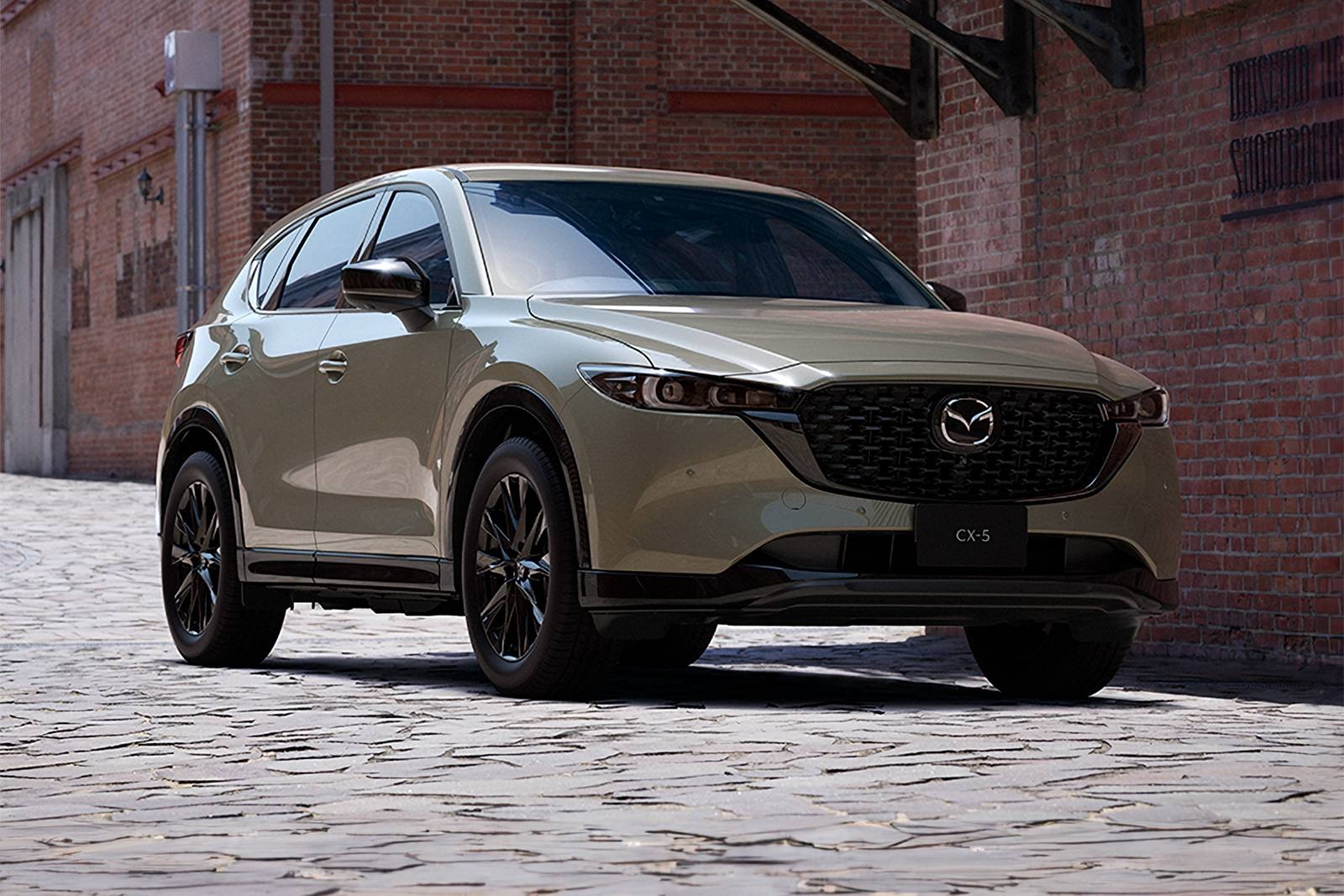
5. Mazda CX-5
The Mazda CX-5 has carved out a strong position in the compact SUV market through its focus on driver engagement and engineering discipline. One area where the vehicle has outperformed expectations is its steering response, made possible through a precisely sealed rack-and-pinion system.
Mazda invested considerable development time into refining the CX-5’s steering, aiming for minimal loss of hydraulic pressure and fluid retention over the vehicle’s life.
The result is a driving experience that feels more dynamic than others in its segment. The CX-5 delivers light yet responsive steering, which remains consistent even after several years. It does not suffer from the loose steering feel or fluid noise that plagues some older rivals.
This reliability stems from the careful insulation of its rack components. The system resists temperature extremes and stays unaffected by underbody splashes or dirt accumulation.
During routine maintenance checks, a few service advisers recommend early replacement of the rack, which suggests its design meets high standards. Mazda applied durable materials for the pinion seal and incorporated a layered structure that minimizes expansion during hot weather. All these factors reduce stress points and eliminate most causes of internal seepage.
Drivers also appreciate that the steering does not degrade gradually as time goes by. Even after a long ownership period, the feedback remains sharp and accurate. When paired with the CX-5’s firm suspension and precise throttle control, the sealed rack helps complete a package that appeals to those who enjoy a spirited drive without needing a sports car.
Whether it’s used for daily commutes or longer highway journeys, the Mazda CX-5 holds its own in terms of mechanical integrity. It’s one of the few compact crossovers where long-term steering rack problems remain uncommon, providing strong reassurance to those prioritising dependability.
SUVs with Leaky Pinion Seals
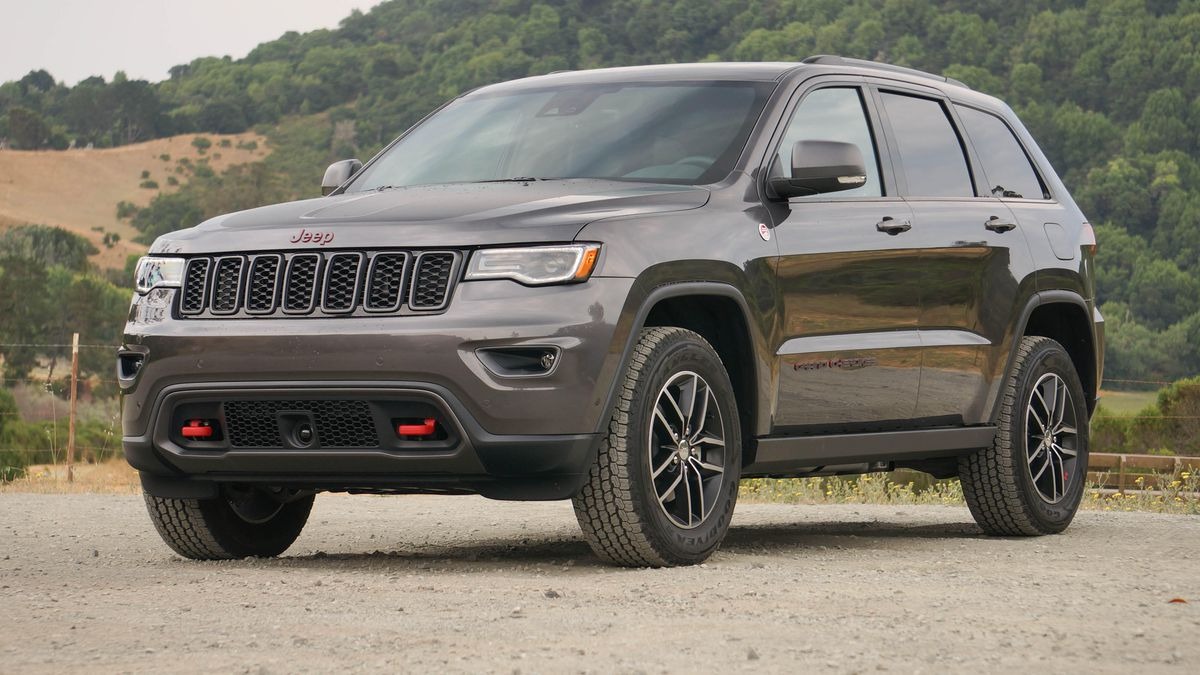
1. Jeep Grand Cherokee (Early WK and WK2 Models)
Jeep’s Grand Cherokee has earned praise for its performance, off-road ability, and premium feel, especially in the WK and WK2 generations. Yet, beneath its rugged appeal lies a recurring concern that many owners and mechanics have encountered the steering rack’s vulnerability to pinion seal leaks.
This issue tends to surface after several years of regular driving and becomes even more noticeable under harsh conditions or in warmer climates.
The Grand Cherokee uses a rack-and-pinion steering system with hydraulic assistance in many trims, before later models switched to electric steering. While the general system delivers confident road handling and decent steering feedback, the pinion seal has been a weak point.
When this seal begins to wear, fluid starts seeping from the connection point between the pinion gear and the steering rack housing. The leak might begin slowly, often going unnoticed until drivers hear groaning sounds during tight turns or find power steering fluid under the vehicle.
This leakage doesn’t just impact steering smoothness. As fluid levels drop, the power steering pump can overwork itself, creating additional strain and possibly leading to pump failure.
In the course of time, the system’s pressure can cause the leak to worsen, leading to increased repair costs. Replacing the rack or rebuilding the pinion section is often recommended when the leak becomes serious. For owners out of warranty, this repair may run into thousands, depending on the extent of damage.
Several owners have noted that even after replacing the rack, the same issue can resurface within a few years if the replacement unit doesn’t include improved sealing.
While Jeep has worked to resolve this in more recent models, earlier WK and WK2 variants from around 2005 through 2013 are particularly known for this issue.
Prospective buyers of used models should pay attention during test drives and have a mechanic inspect the area around the pinion seal. Those already owning the vehicle should monitor steering fluid levels frequently and address any changes in steering feel promptly.
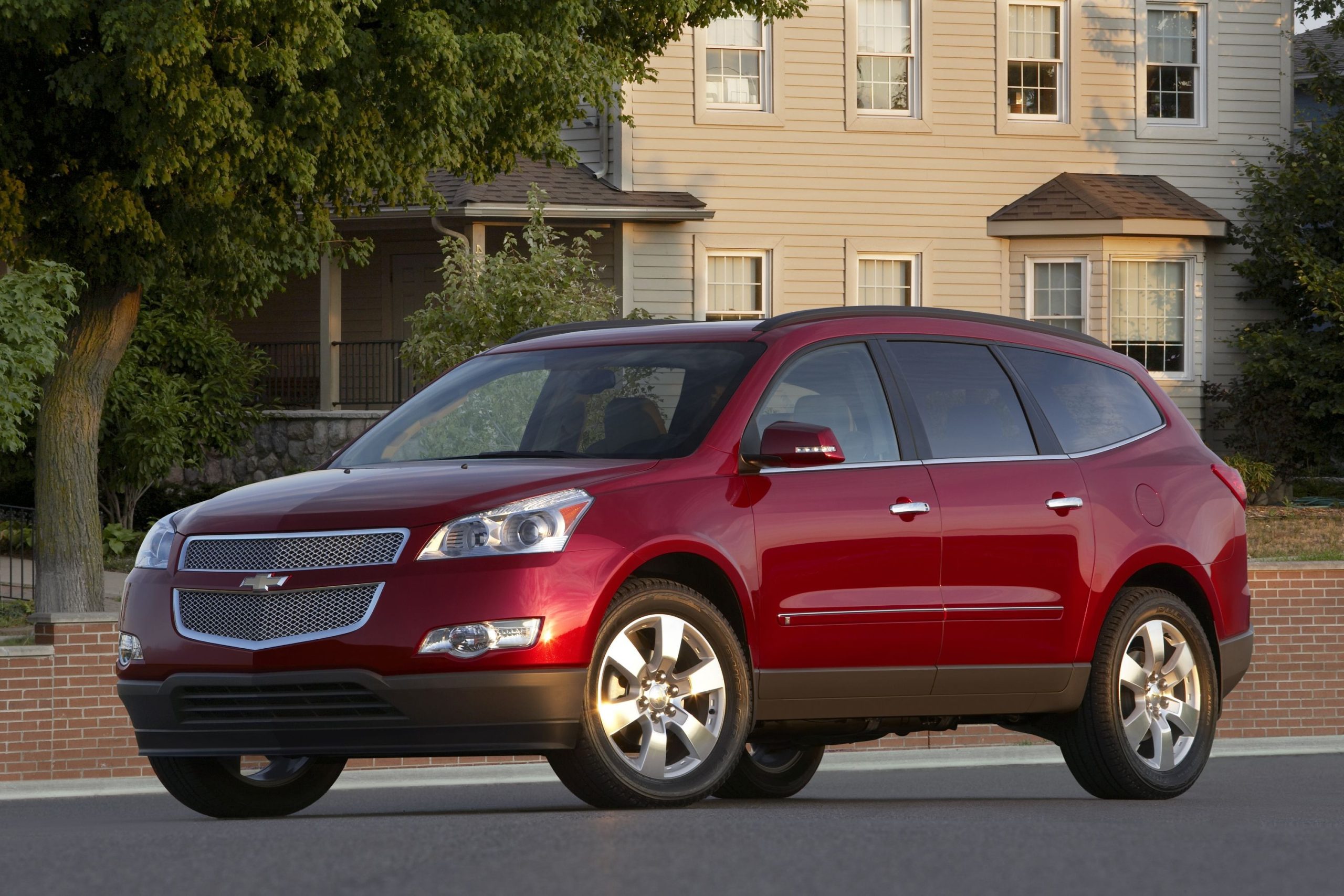
2. Chevrolet Traverse (First Generation)
The first-generation Chevrolet Traverse offered space and practicality for large families, but its power steering system brought recurring headaches to many owners.
Among the most common issues was fluid leakage from the steering rack’s pinion seal, which could compromise the vehicle’s handling and make steering unpredictable in the long run.
Manufactured from 2009 through 2017, the early Traverse relied on a hydraulic power steering system that placed consistent pressure on its rack-and-pinion setup.
While the system delivered acceptable feedback when working properly, the quality of the pinion seal came into question as numerous reports of fluid leakage surfaced after just a few years of ownership.
The pinion seal, located where the steering column meets the rack, tends to degrade from heat exposure and pressure changes, especially in vehicles regularly driven in urban settings with constant turning and parking.
Owners often complained of a whining or moaning sound during low-speed maneuvers. This noise is usually the first indicator of declining fluid pressure due to leakage.
Ignoring the issue can result in stiff steering, reduced control at lower speeds, and eventual pump damage. In many instances, dealership technicians traced the issue back to a leaking rack, and the most effective fix was replacing the entire assembly rather than attempting temporary solutions.
Another concern was that the leaks would sometimes go undetected for months because of how the fluid dripped slowly and collected on underbody components.
Drivers may not find puddles under the car, yet the power steering reservoir continues to run low. Without proactive maintenance, this condition can affect steering performance and increase wear on tires and suspension due to misaligned input.
While newer models moved to electric power steering, the first-gen Traverse remains on the used market and continues to raise caution flags for those looking to purchase an older, budget-friendly SUV. Those who already own one should schedule regular steering inspections and consider preventive rack replacements if early symptoms emerge.
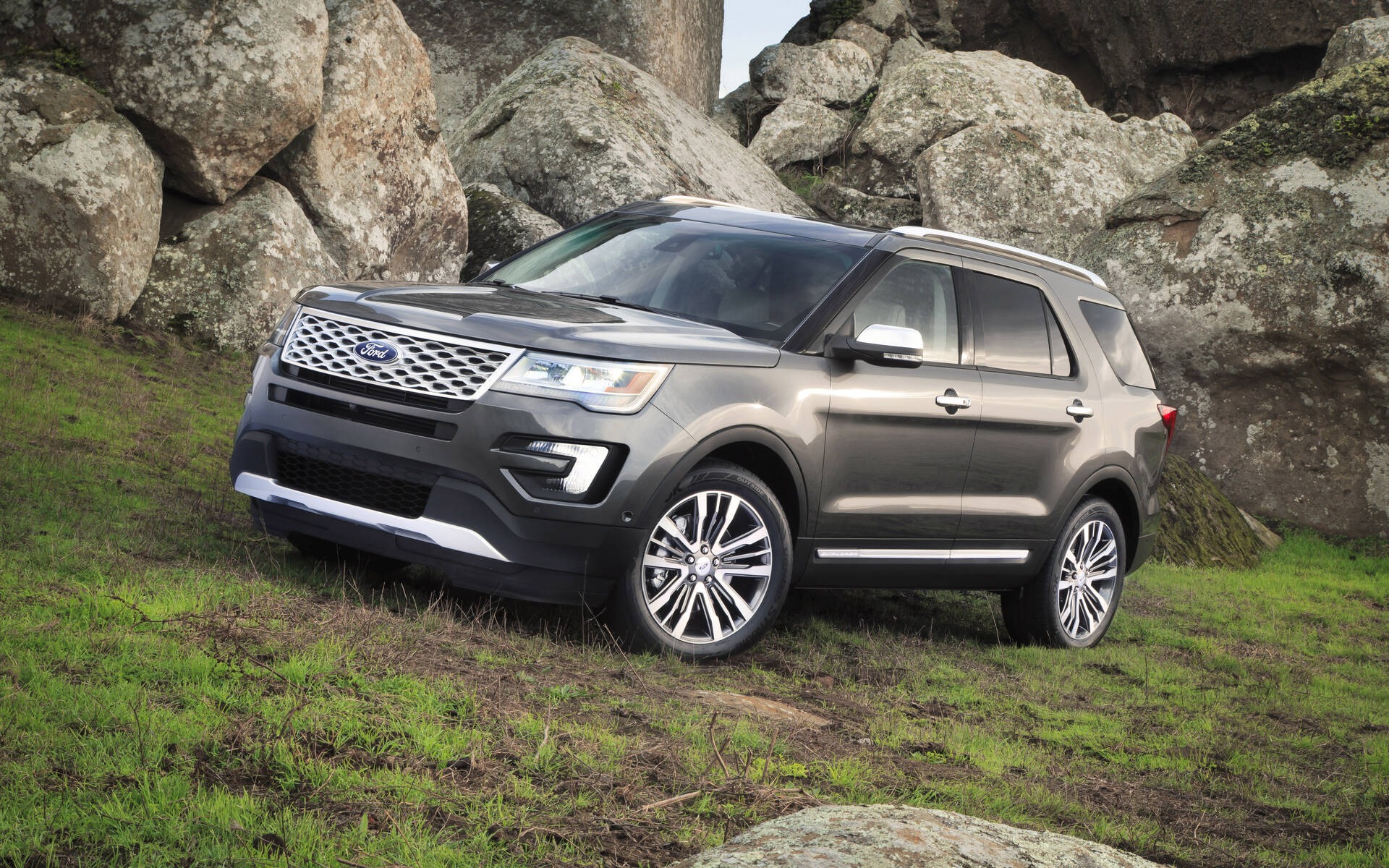
3. Ford Explorer (Fifth Generation)
The fifth-generation Ford Explorer, produced from 2011 through 2019, marked a change toward a more crossover-like design with enhanced comfort and technology.
While its stylish design and improved interior earned praise, many drivers experienced frustrations linked to the steering rack, particularly related to pinion seal issues that led to fluid leakage.
Equipped with a hydraulic rack-and-pinion system in several of its configurations, the Explorer offered solid on-road control. However, steering fluid leakage became a known concern for owners as mileage increased.
The pinion seal, which acts as a barrier between the pressurised fluid and the mechanical parts of the steering rack, is often the first to give way. When that happens, fluid slowly escapes and affects the steering performance, sometimes causing a jerky response or an audible strain from the steering pump.
Early signs are often subtle, reduced assist during tight turns, a faint buzzing sound when steering at low speeds, or the need to top up power steering fluid more frequently.
Left unchecked, the problem can escalate, with full rack replacement being the only lasting repair. Some mechanics attempted to reseal or replace the pinion seal alone, but the recurrence rate made rack replacement a more practical route.
This issue was not isolated to high-mileage vehicles. Several drivers reported leaks around the 50,000 to 70,000-mile mark, raising questions about the long-term durability of the rack.
Ford issued technical service bulletins addressing steering-related complaints, though no formal recall directly cited the pinion seal leakage in every affected case.
Buyers eyeing used Explorers from this generation should test the steering feel during turns and ask about any recent rack replacements. If purchasing from a dealer, request service records that include power steering system checks.
For current owners, scheduling steering inspections can help catch the problem early, especially if steering assist has become uneven or if fluid spots start to appear on the garage floor.

4. Hyundai Santa Fe (2013-2018 Models)
Hyundai’s third-generation Santa Fe provided an attractive package for buyers seeking a midsize SUV with a sleek design and generous features.
It was a popular choice due to its price point and equipment, but some units within the 2013 to 2018 range developed reliability concerns around the steering rack, particularly with pinion seal leaks that affected the entire steering performance.
The hydraulic power steering system on certain trims relies on pressure-sensitive seals to maintain steering fluid flow through the rack. After some time, the pinion seal tends to break down, especially under conditions involving heavy city driving, extreme heat, or prolonged idle steering, like during tight parking.
Once compromised, the seal allows fluid to escape, reducing system pressure and triggering signs of failure like stiff steering and high-pitched noises.
Santa Fe owners often notice fluid stains underneath the engine bay or hear the tell-tale whine when making sharp turns. The vehicle can still function during early leakage stages, but steering becomes less responsive. Fluid loss also places added strain on the pump and hoses, often requiring a full system flush and possible rack replacement if the problem goes unaddressed.
Some drivers delayed repairs due to the intermittent nature of the symptoms. However, with continued use, the fluid leak worsens, eventually making the SUV harder to control during slow turns or parking maneuvers. The cost of repair rises once the leak spreads to other steering components or causes the power steering pump to fail.
Although newer models now use electric steering, vehicles from this generation remain widely available in the used market. Anyone considering a 2013-2018 Santa Fe should pay close attention to steering feedback during a test drive and ask whether the rack has ever been replaced.
Those already owning one are advised to check fluid levels regularly and act quickly if signs of leakage or steering noise begin to surface.
Also Read: 5 Electric Cars With Minimal Battery Degradation vs 5 That Lose Capacity Rapidly
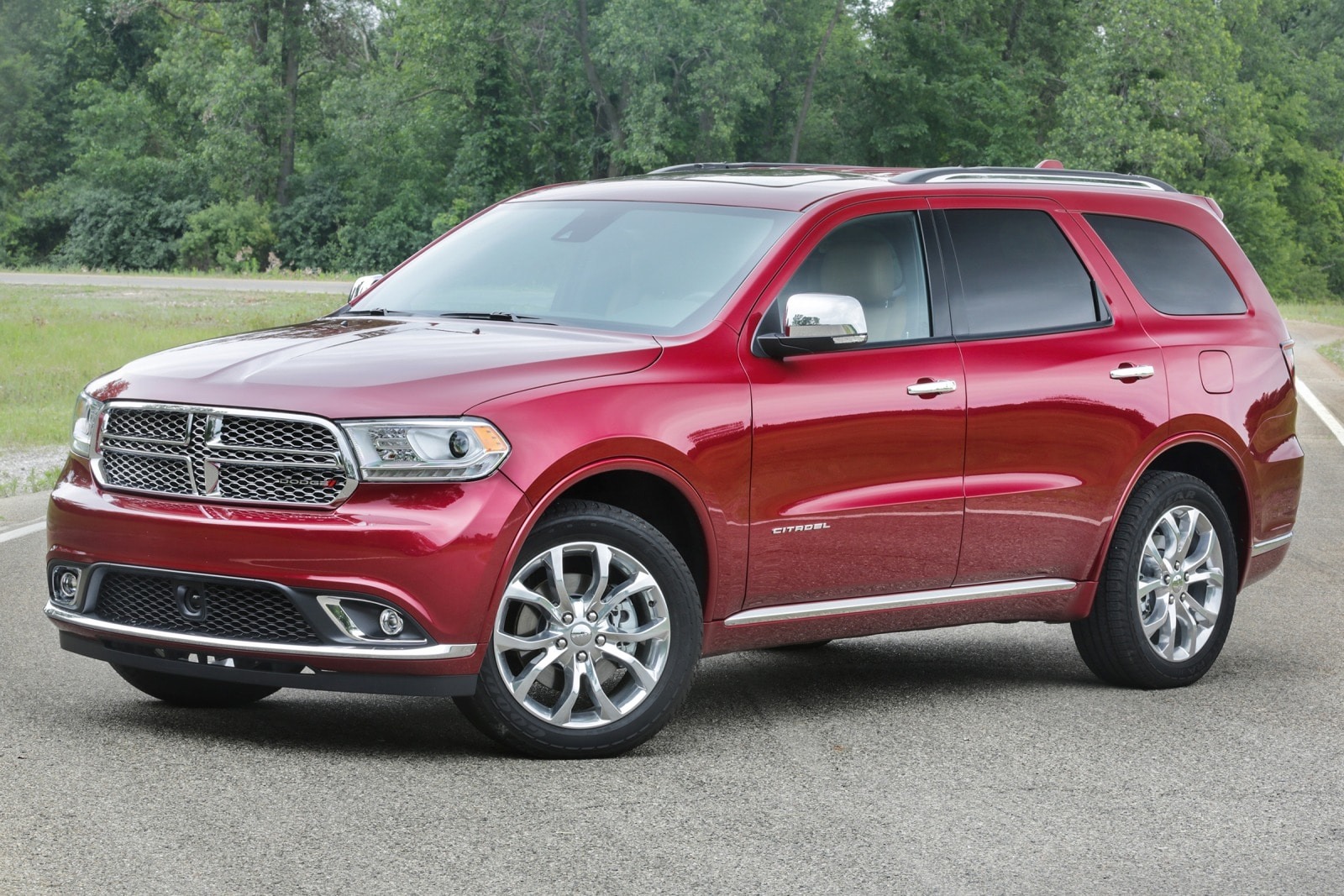
5. Dodge Durango (2011-2017)
The Dodge Durango blends strong towing ability with a muscular road presence. While it checks many boxes for performance and space, several model years between 2011 and 2017 have shown a pattern of steering system concerns.
A frequent complaint from drivers during this period was leakage around the pinion seal of the rack-and-pinion system, often leading to a drop in steering fluid pressure and a decline in vehicle control.
This issue commonly arises after moderate mileage, though in some cases it has appeared before the 70,000-mile mark. The design of the Durango’s steering rack, combined with the placement of the seal close to heat-generating components, may contribute to faster wear and tear. Once the seal begins to wear out, steering fluid can seep out gradually, going unnoticed until signs of trouble begin to show.
Common symptoms include a gradual stiffening of the steering wheel, strange sounds during turns, and frequent topping off of the power steering fluid reservoir.
Some owners reported finding fluid near the front suspension or on the driveway. Because the power steering system relies on consistent fluid levels, any leakage weakens the assist mechanism and can make the Durango feel less agile during cornering or at low speeds.
Replacing the pinion seal by itself is rarely a long-term fix. Many repair professionals advise replacing the entire rack assembly to address internal wear that may have contributed to the initial leak.
The cost of this repair can vary, but it often runs into thousands when performed at a dealership. Dodge issued service guidance to technicians for identifying early-stage leaks, but no official recall was issued specifically for this issue.
Anyone owning or considering a 2011-2017 Durango should be alert to early signs of fluid loss, especially if the steering begins to feel inconsistent. Regular inspections and prompt attention to any leakage can help maintain vehicle safety and prevent costlier repairs down the road.
