
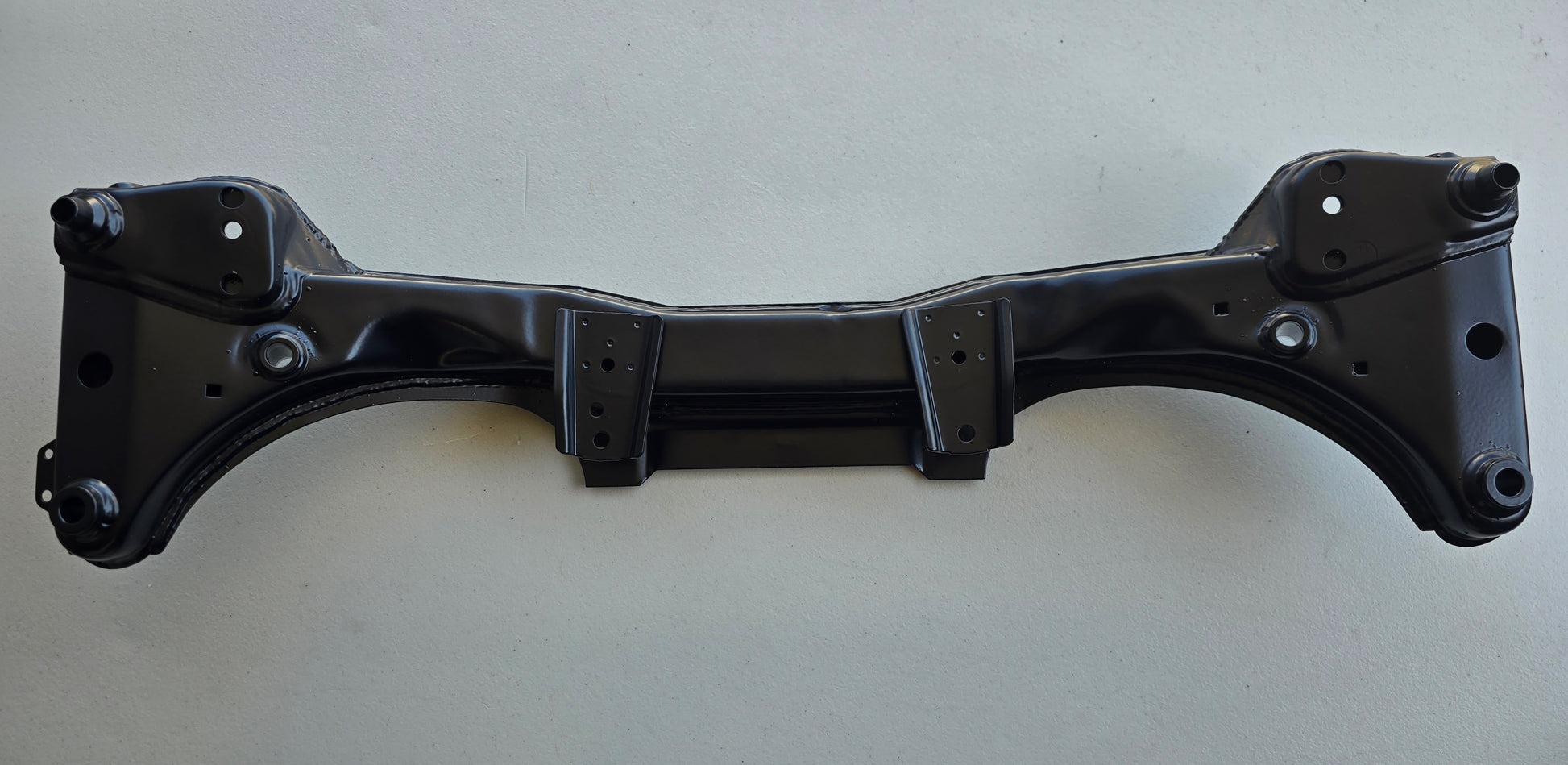
Subframes serve as the foundation of a car’s structure. They hold critical components such as the engine, suspension, and transmission, and play an essential role in maintaining strength and stability.
When a vehicle has a reinforced subframe, it is better equipped to absorb road shocks, prevent body flex, and sustain long-term use even under intense driving conditions.
A car with a weakened or cracked subframe poses safety risks and reduces durability. These issues might arise due to manufacturing faults, poor quality control, rust, or the use of inferior materials.
The difference between a strong subframe and a compromised one can determine how a car performs in harsh conditions, handles accidents, or maintains alignment.
While reinforced subframes contribute to better weight distribution and structural rigidity, cracked rails can introduce noise, reduce balance, and increase the chance of mechanical failure.
In performance-focused or off-road vehicles, extra bracing and welding often enhance the factory frame, ensuring that the vehicle retains its shape and function even under high stress. Family cars and daily commuters with poor subframe construction, however, might begin to show early signs of fatigue or metal cracking.
Let’s head straight into examining five vehicles recognised for having reinforced subframes that provide reliability and structural soundness. However, five others have been linked with rail cracking issues either due to design errors, rust accumulation, or inadequate material use.
The focus is on structural durability, long-term use, and build consistency. Each model has been selected based on known chassis performance, real-world owner reports, and known engineering practices rather than sales performance or exterior design.
Let us now take a close look at these ten vehicles, beginning with those that offer firm and dependable subframe strength.
5 Cars With Firm and Dependable Subframe Strength
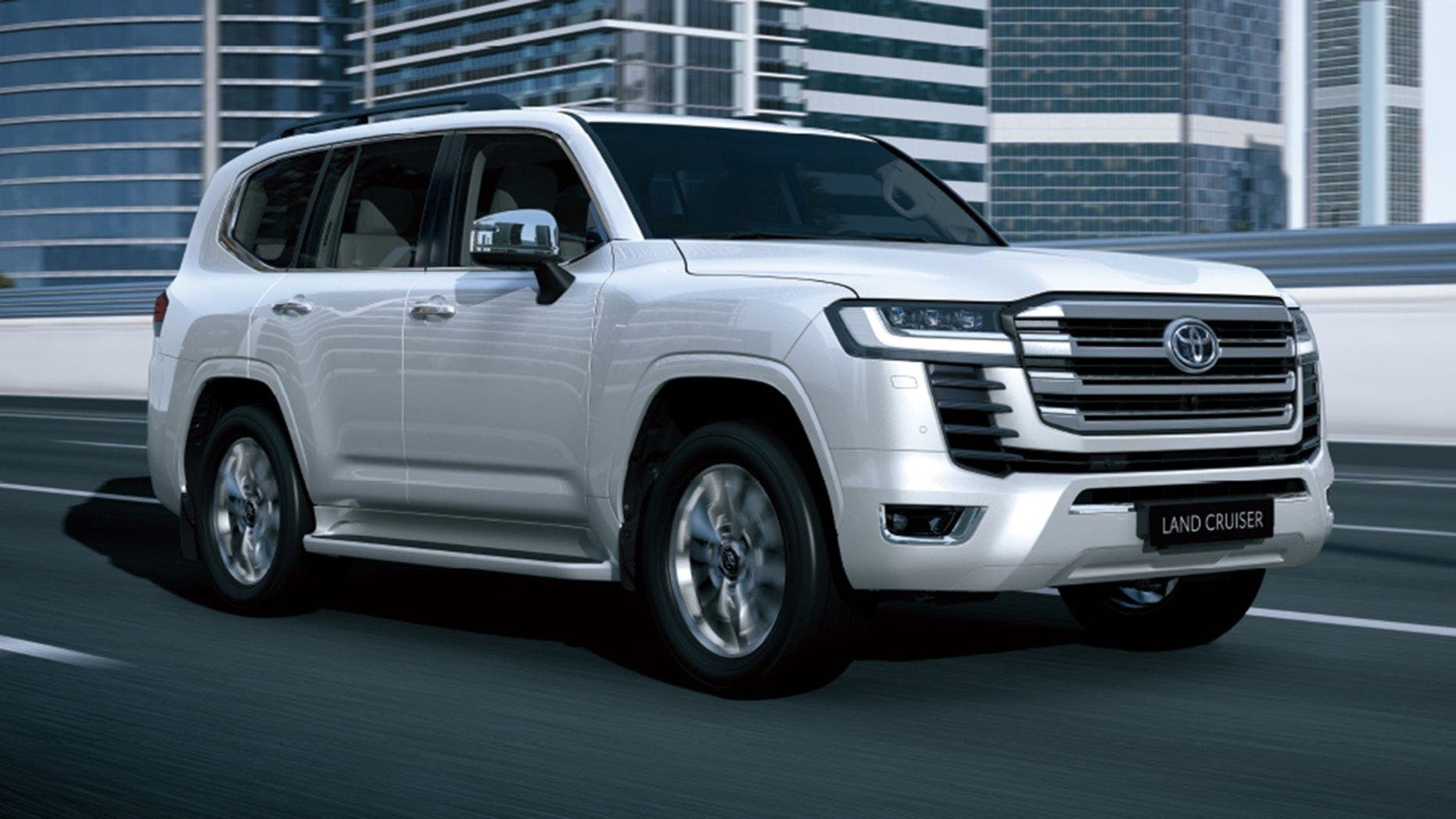
1. Toyota Land Cruiser
The Toyota Land Cruiser has long held a reputation for outstanding build quality, and one of its strongest attributes is its subframe. This SUV uses a full ladder-frame construction that is paired with high-tensile steel components.
The engineering behind the subframe is focused on long-term endurance, especially for off-road and military-style conditions. Toyota designed this frame to withstand corrosion, bending, and high-impact forces. Its boxed sections are reinforced at stress points, allowing the structure to stay firm even under weighty loads or when faced with uneven terrain.
The subframe has additional bracing across the engine mounts and suspension points, which helps keep everything aligned even under harsh usage. For those who use the Land Cruiser in regions with extreme weather, the rust protection measures are effective, especially with underbody coatings and drainage pathways.
Many owners who take their vehicles across deserts, mountains, or flooded terrain find that the structure remains unbent and free from metal fatigue. The subframe helps in controlling body sway, improving towing performance, and delivering a solid drive feel even after years of heavy use.
Another benefit of the reinforced frame is that it supports modifications. Whether owners want to install a winch, bull bar, or heavy-duty suspension kits, the subframe takes on the extra load without warping.
This is important for anyone who depends on their vehicle during expeditions or rural travel. The Land Cruiser’s ability to remain sturdy even after extensive wear and tear demonstrates the exceptional quality of its construction.
Whether used for personal, commercial, or government purposes, this model’s frame design enables it to withstand daily abuse. It resists bending, cracking, or breaking down from underneath, which separates it from lighter SUVs that may lose integrity after repeated use. The Toyota Land Cruiser remains a benchmark for durable subframe construction in a full-size utility vehicle.
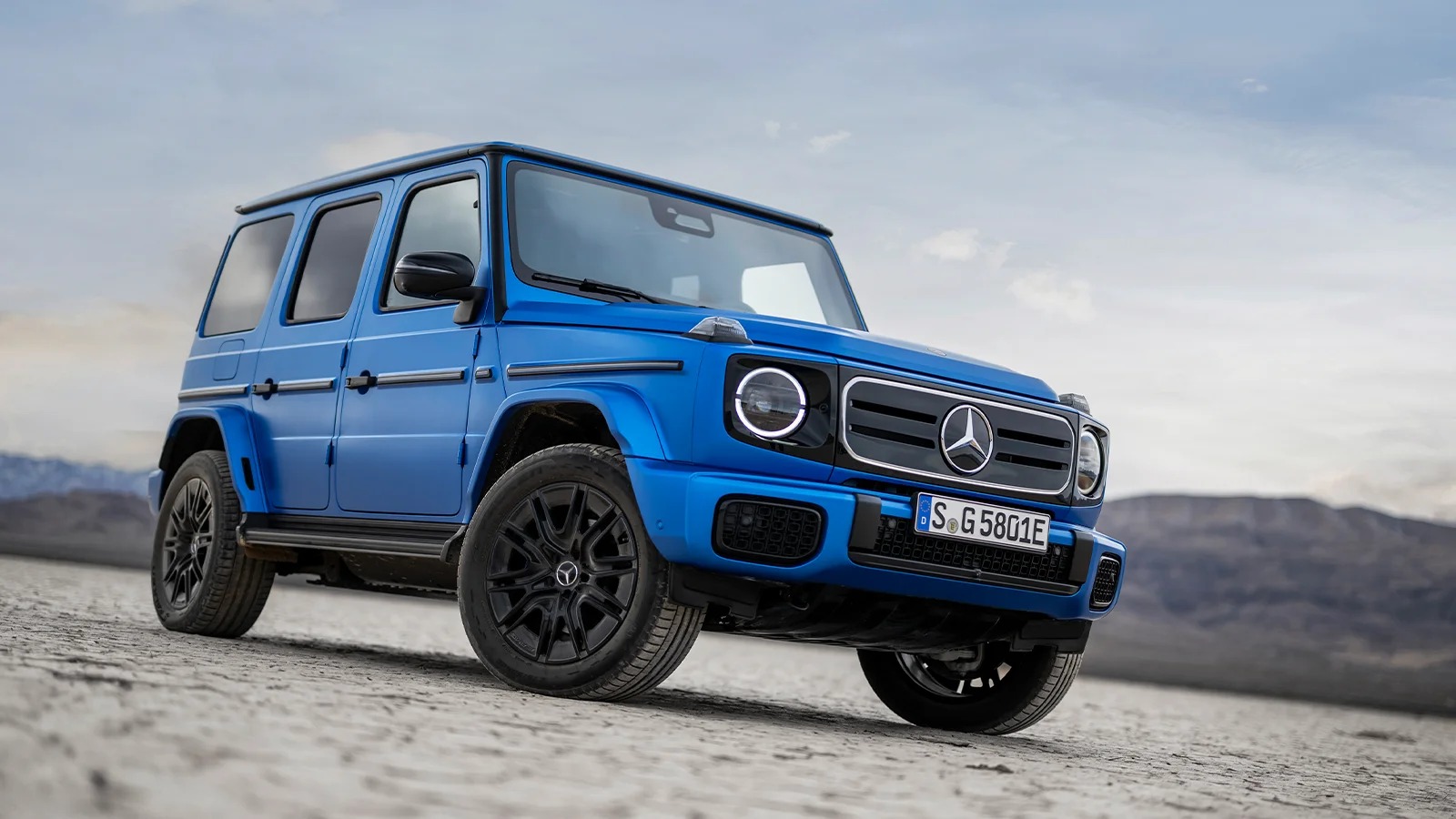
2. Mercedes-Benz G-Class
The Mercedes-Benz G-Class has an unmistakable design, but beyond its boxy look is a rigid subframe structure built to withstand intense usage.
Often referred to as the “G-Wagon”, this luxury SUV has been engineered with body-on-frame architecture, which means the frame and the body are separate units. This construction method enhances durability and lets the subframe absorb much of the road force that would otherwise reach the cabin.
The front and rear sections of the subframe are constructed from reinforced steel. Engineers added extra weld points and structural ribs that help in controlling body movement. Because the G-Class is often used for both luxury and utility purposes, the subframe had to strike a balance between comfort and off-road endurance.
Its ladder-style construction was improved in recent generations with crossmembers placed at stress-prone zones. These additions help resist torsion when the vehicle is driven through rocky or muddy terrains.
Another aspect that makes the G-Class subframe dependable is how it isolates vibrations. Drivers experience reduced body shake, even on rough roads, because the reinforced frame works with advanced bushings to filter out noise and movement.
This improves handling and extends the lifespan of other mechanical components connected to the frame, such as control arms, drive shafts, and transmission mounts.
The attention given to corrosion protection is also evident. The subframe undergoes multiple layers of galvanization, anti-rust coating, and cavity sealing. This limits the impact of saltwater, mud, and environmental elements. Owners report minimal frame degradation even after a decade of ownership.
All these efforts make the G-Class subframe one of the most rugged within the luxury SUV category. Whether used for business, defense operations, or long-distance travel, the Mercedes-Benz G-Class offers both strength and longevity beneath its sophisticated surface.
Also Read: 5 Manual-Transmission Cars That Hold Value vs 5 That Lose Value with a Stick
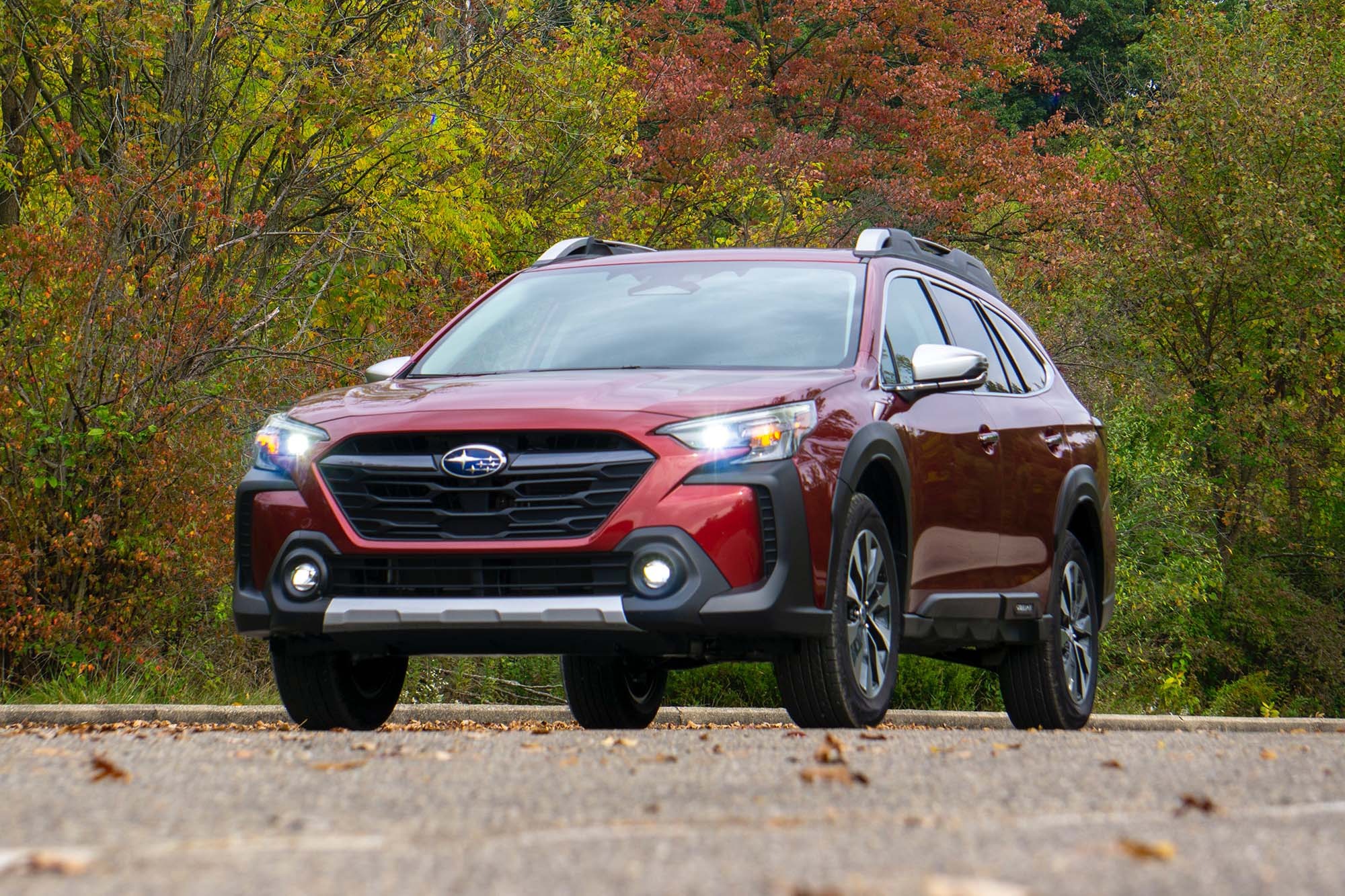
3. Subaru Outback
The Subaru Outback stands as one of the few crossovers that combine car-like handling with dependable structural strength. Its subframe features a combination of reinforced steel and aluminium to deliver the right balance of stiffness and weight.
Engineers placed a strong focus on building a durable structure that supports Subaru’s symmetrical all-wheel-drive system. The subframe is bolted and welded at multiple points to provide both security and ease of maintenance.
One reason the Outback excels structurally is that it was designed with long-distance driving in mind. It is expected to travel through city streets, highways, mountain roads, and snowy terrain without losing frame balance.
To achieve this, the subframe has been engineered with additional bracing between the front and rear suspension towers. This allows the vehicle to handle turns, potholes, and load changes without putting extra strain on the joints.
The reinforcement also helps the Outback when it comes to towing and carrying loads. Owners often add roof boxes, bike racks, or tow small trailers, and the subframe remains unaffected by the added weight.
Subaru ensured that the suspension connection points were given thicker steel plates and multi-layered welds to prevent separation or cracks under stress.
To protect against rust, Subaru uses a high-grade undercoat and drainage design that pushes out water and dirt. The subframe holds up well even in northern regions where road salt is common. Feedback from mechanics and drivers shows that the structural frame resists bending and keeps wheel alignment stable.
This makes the Subaru Outback a trustworthy choice for families, long-distance travelers, and rural residents who rely on vehicle strength. Its reinforced subframe gives it a real edge when compared to other vehicles in its category, especially in terms of reliability as time goes on.

4. Jeep Wrangler
The Jeep Wrangler has been built with strength and trail durability in mind from the beginning. Its subframe is a solid steel ladder-type foundation that forms the backbone of the vehicle.
Whether used for recreational off-roading or everyday driving, the frame maintains its structural form across different terrains. This reinforced subframe supports the vehicle’s live axle suspension, which demands a strong platform for articulation.
The engineering behind the Wrangler’s subframe includes heavy-gauge steel rails that are welded and boxed at high-stress areas such as the engine bay and transmission tunnel.
These reinforced zones help the Wrangler handle rough drops, water crossings, and uneven rock formations. Unlike many modern SUVs that use unibody platforms, the Wrangler’s traditional frame structure is better equipped to deal with flex without fatigue.
This SUV also benefits from a modular design. When owners choose to upgrade to lift kits, skid plates, or aftermarket bumpers, the subframe can support the changes without showing cracks or imbalance.
The design has been refined across generations to eliminate weak spots that were reported in early versions. With the addition of rust protection through powder coating and inner cavity sealing, the Jeep Wrangler now resists corrosion much better than before.
It is also worth mentioning that the Wrangler’s frame supports recovery activities. It can be winched, towed, or pulled without the subframe giving way. This reliability is part of what makes it a favourite for both casual trail users and emergency services in remote locations.
For those who value a vehicle that can stand up to physical demands over years of use, the Jeep Wrangler delivers through its durable and well-reinforced subframe.
5. Honda Ridgeline
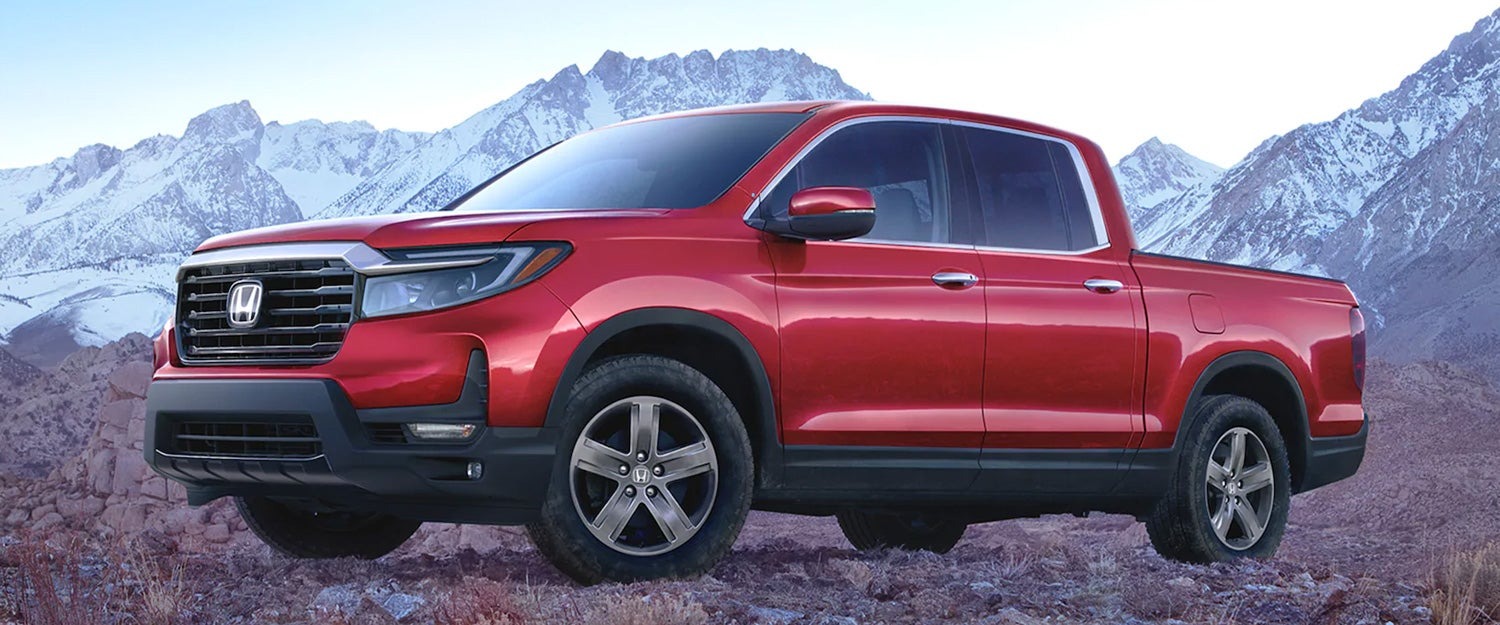
The Honda Ridgeline offers something different in the pickup segment, mainly due to its unibody frame. While it may not follow the traditional body-on-frame truck structure, Honda has done a good job in strengthening its integrated subframe for practical load-carrying and stability. This vehicle blends car-like handling with truck utility, and much of this balance comes from its reinforced base.
The front subframe uses a double-wishbone suspension mounted to a strong crossbeam that has been reinforced to handle pressure during steering and braking.
At the rear, Honda designed a multi-link independent suspension mounted to a thickened rear cradle. These components are joined using strong welds and multiple mounting bolts to reduce the chance of movement or frame flex.
Despite being a unibody design, the Ridgeline delivers towing capability and load balance that rivals mid-size trucks. The structure does not easily show signs of stress or fracture, even after thousands of kilometers of road travel or cargo hauling. Honda also added extra underbody protection to reduce exposure to gravel, rust, and water.
Another feature of the Ridgeline’s frame is how well it isolates sound and vibration. Since the cabin and subframe are integrated, Honda placed sound-deadening materials and dampers around the structure to block road feedback. The frame strength supports quiet and smooth rides, even when the bed is fully loaded.
Owners of this truck often remark on how stable it feels even after several years of usage. Mechanics report very few instances of structural fatigue. The Honda Ridgeline proves that a carefully engineered unibody frame with the right reinforcements can match traditional pickups in strength while offering better ride quality.
5 Cars with Cracked Rails
1. Ford Escape
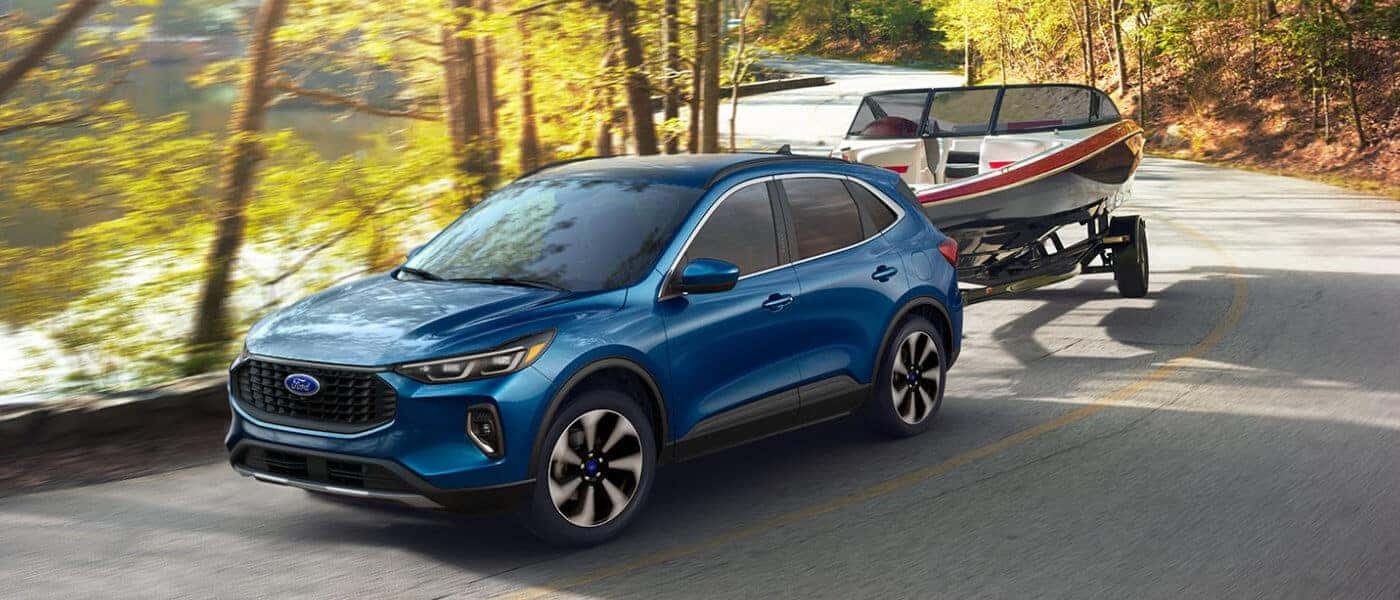
The Ford Escape, particularly in earlier generations, has experienced structural issues linked to the subframe. Among these concerns, cracked or rusted subframe rails have been reported in large numbers. This issue affected models, especially in areas with high moisture or frequent road salt use.
Owners started noticing strange noises from under the vehicle, uneven tire wear, and drifting steering, all of which pointed toward instability coming from the lower frame area.
One of the major problems with the Escape’s frame was the lack of proper drainage in the design. Water would collect in the corners of the subframe and stay trapped.
After a while, this led to rust and eventually, the formation of cracks around the suspension mounts or engine cradle. Once rust took over the metal, the structural integrity weakened, and critical parts became vulnerable to misalignment.
Some mechanics discovered holes large enough to put a hand through, especially on the passenger side front subframe. These kinds of damage meant the car could no longer maintain wheel alignment, affecting both safety and drivability.
For many drivers, this led to expensive repair bills or early retirement of the vehicle. It was not uncommon to see Escapes under ten years old needing frame replacements or welding reinforcement just to pass safety inspections.
Another issue tied to the Escape’s subframe failure was how it affected other components. As the structure weakened, it would transfer pressure to nearby systems, causing wear on control arms, tie rods, and bushings. Instead of a stable platform, the car started to behave unpredictably during braking or turning.
The Ford Escape remains an example of how poor drainage design and insufficient corrosion treatment can allow what should be a minor structural concern to grow into a serious mechanical hazard. For any buyer considering a used Escape, an underbody inspection is strongly recommended.
2. Hyundai Sonata
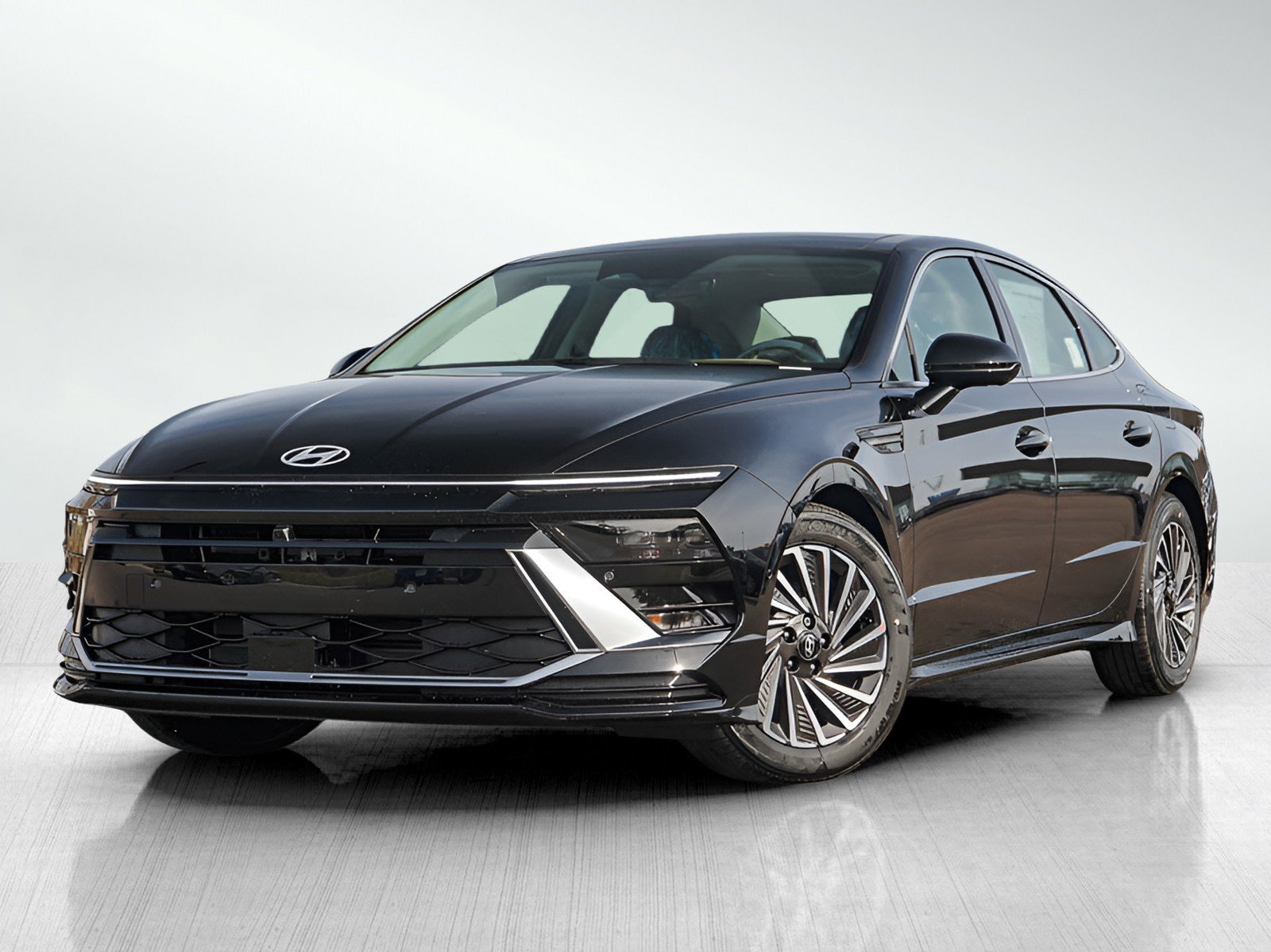
The Hyundai Sonata, especially between the late 2000s and early 2010s, faced structural complaints related to subframe rust and cracking. Although praised for comfort and features, the hidden weakness in its underbody construction became apparent to many long-term owners. These problems showed up, particularly in northern states where winter conditions required heavy use of salt on roads.
The issue usually started as surface rust, which, after a while, spread to essential load-bearing areas of the front subframe. These rusted areas became brittle, leading to separation between joints or full cracks across the steel rails. Drivers began reporting clunking sounds, alignment trouble, or poor steering feedback, which were later traced to frame deterioration.
Many owners found that their mechanics recommended replacing the entire subframe, as welding patches would not restore proper strength. In some cases, the engine cradle would sag or lose support, causing vibrations and putting strain on the drivetrain. While some received repairs under warranty or recalls, others were left with out-of-pocket costs for structural repairs.
What made the issue worse was that Hyundai had used thinner gauge steel in some areas, which allowed corrosion to penetrate quickly when not properly protected. Although the car’s body might look clean, the frame underneath could suffer from hidden degradation that affects safety.
Drivers who used their Sonata in hilly or urban areas reported that subframe cracks impacted braking distance and steering control. Road feedback became harsher as the car’s base no longer absorbed shock evenly. Some even encountered tire misalignment due to mounting points pulling apart slightly.
The Hyundai Sonata serves as a reminder that strong surface design cannot make up for underbody faults. A car’s reliability must begin from the ground up, and even a popular sedan can suffer long-term damage if the subframe is not given enough reinforcement and rust protection.
3. Nissan Altima
The Nissan Altima has been a common choice for budget-conscious drivers looking for fuel efficiency and comfort.
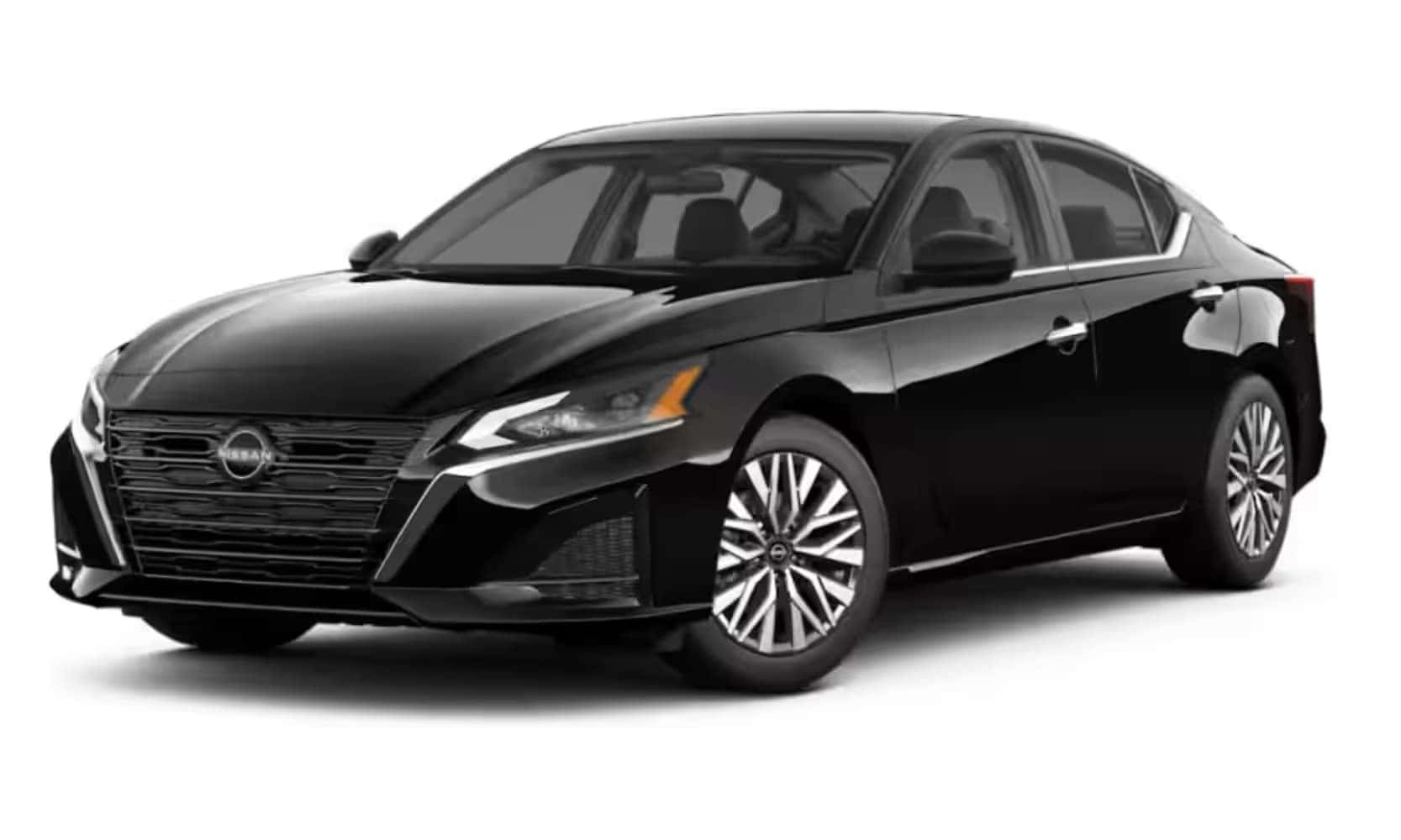
However, several model years, especially those made around the early 2010s, were found to suffer from subframe corrosion and cracking. These structural issues were mostly found in areas with heavy rainfall or winter snow, where road salt quickly eats into untreated steel.
The front subframe on the Altima has been the center of many complaints. Problems often began as minor rust spots around the lower control arm or steering rack mounting points.
After a while, these areas developed holes and even full cracks that affected how the suspension and engine sat in the frame. Many drivers noticed a change in how the car handled, especially when turning or stopping.
Mechanics often had to replace the entire subframe assembly since reinforcement alone could not guarantee safety. The rust would eat through bolt holes, causing bolts to loosen or relocate.
Once the support started to fail, even small bumps caused loud clunks or grinding noises from under the car. Some owners experienced serious issues like steering failure or sagging engine mounts, which made the car unsafe to drive.
One of the reasons this occurred was poor drainage around the lower frame, allowing water and salt to sit and corrode the metal. Nissan did make improvements in later models, but for those with earlier Altimas, subframe checks became a regular part of maintenance.
This issue was not always visible unless the car was lifted, making it a hidden threat for unsuspecting buyers. Subframe failure in the Altima reduced resale value and raised long-term ownership costs. It showed that even everyday sedans require solid underbody design, especially when driven in rough or wet conditions.
Buyers interested in a used Altima should look for models made after frame improvements were introduced, or have the undercarriage thoroughly inspected by a professional.
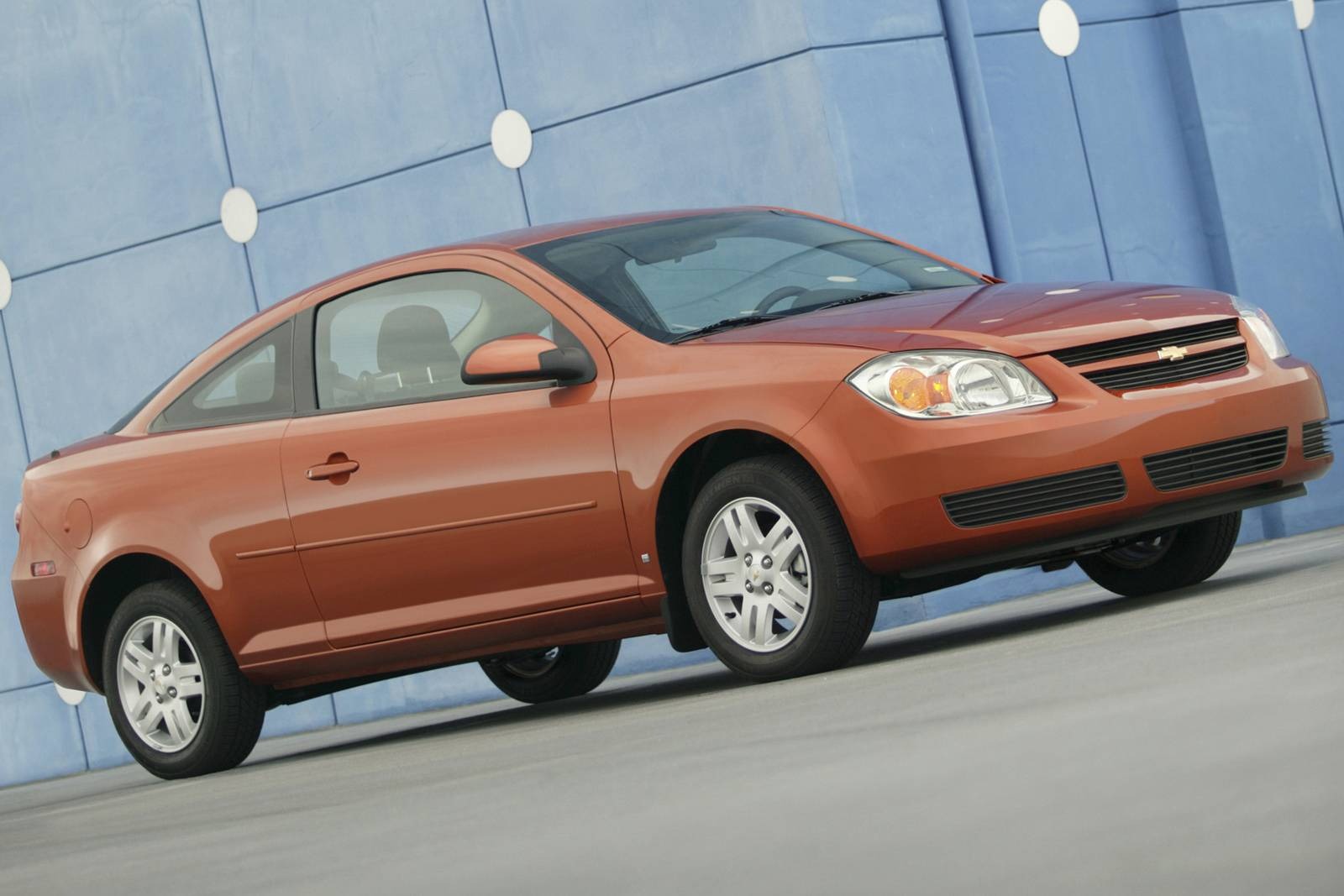
4. Chevrolet Cobalt
The Chevrolet Cobalt was introduced as a compact car aimed at the affordable end of the market. While it offered basic transport and decent efficiency, it became associated with several build quality issues, including subframe cracking.
Many drivers reported problems with the front subframe, which often began showing signs of rust and separation within a few years of ownership.
The trouble areas usually included the mounting points for the control arms, engine cradle, and suspension. In some cases, the metal would flake off in large chunks, revealing deep corrosion underneath.
This left the car unstable, especially when going over bumps or making sharp turns. Drivers described steering becoming sloppy or experiencing sudden misalignment that wore down tires unevenly.
The root cause pointed to thin steel used in the frame construction, paired with limited rust protection in the undercarriage. When driven in wet or snowy regions, this weakness was exposed faster.
Even cars that were only a few years old could show signs of decay underneath. In cases where the subframe broke near suspension mounts, the vehicle became unfit for road use.
There were also incidents where mechanics refused to perform alignment services because the subframe was too compromised. Welding offered a temporary fix for some, but without replacing the entire frame section, the problem would return. These flaws made the Cobalt a poor long-term investment for drivers who wanted reliability.
Some owners attempted to reinforce their Cobalts with aftermarket support plates or subframe braces, but such modifications did not always prevent further damage. The absence of a strong base structure undermined any benefits the vehicle might offer in fuel savings or low upfront cost.
For a car to remain dependable, its frame must resist wear as much as its engine or transmission. The Cobalt’s subframe cracking issues reduced buyer confidence and contributed to its short lifespan in the market.
Also Read: 5 Limited-Edition Cars Now Worth More Used vs 5 Once-Popular Ones Worthless
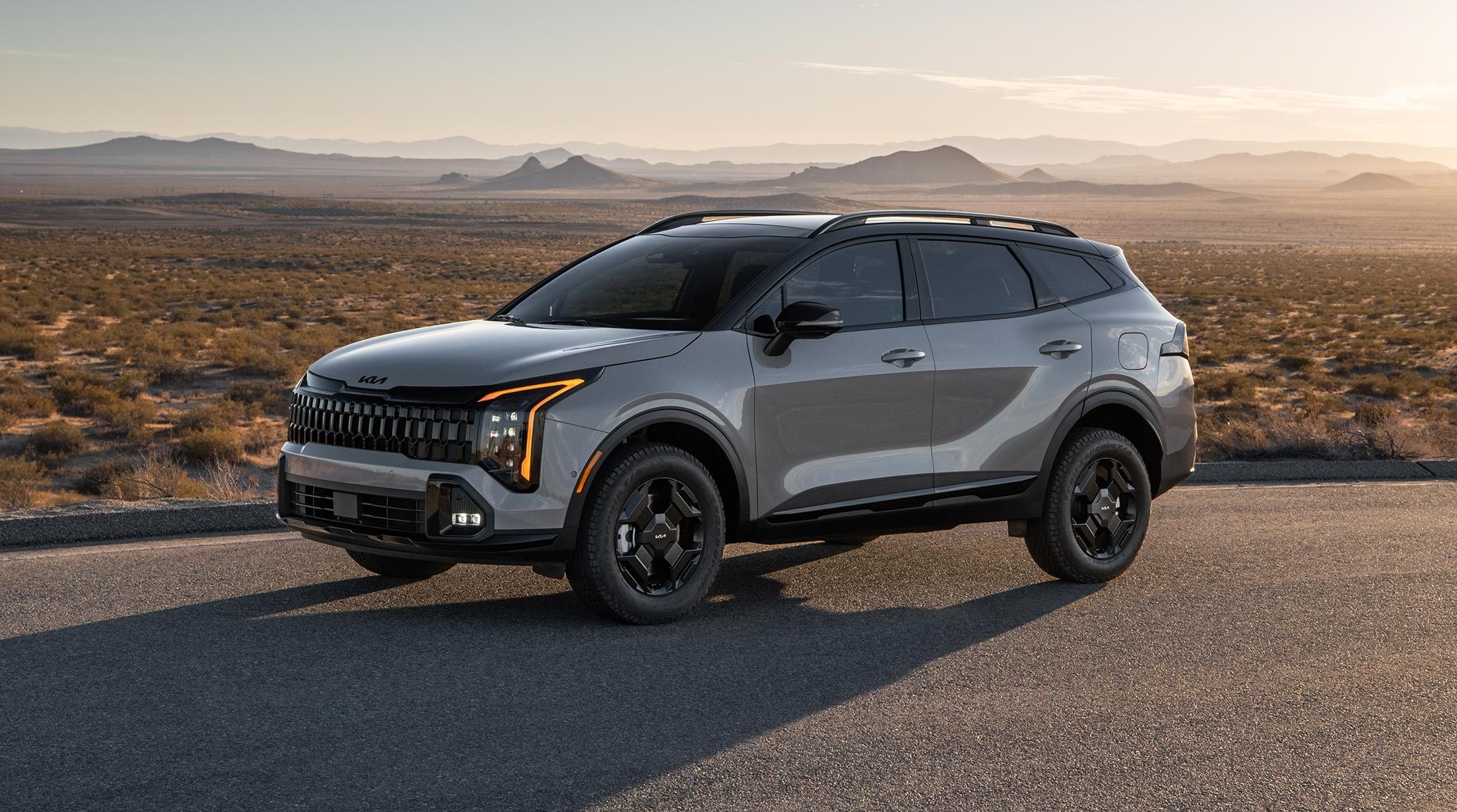
5. Kia Sportage
The Kia Sportage, while making improvements in recent years, had earlier models that suffered from subframe corrosion and rail cracking.
The issue mostly affected vehicles used in colder climates, but even some units in warm regions reported early signs of underbody damage. The problem centered on the steel quality and the way moisture gathered around the front suspension components.
This structural weakness often went unnoticed until a mechanic checked the undercarriage during routine service. By then, rust had already begun spreading along the subframe.
It would eventually create cracks or holes near the front control arm mounts or sway bar brackets. Drivers reported clunks and rattling sounds, especially when turning or driving over uneven pavement.
As the damage progressed, wheel alignment was affected, and the steering response grew loose. Some owners mentioned a drifting sensation while driving as if the front wheels were not firmly connected to the body. These symptoms pointed to subframe instability that could no longer be ignored.
Unlike body panels or bumpers, a cracked subframe cannot be fixed with surface treatments. It often requires full replacement or extensive welding to restore proper form.
This can cost more than the vehicle’s value in older models. Kia did introduce better coatings and design updates in newer versions, but older Sportage units remain vulnerable if not inspected and maintained properly.
For drivers who relied on the Sportage for family transport or urban commuting, this hidden fault brought both financial and safety concerns. Regular checks underneath the vehicle and prompt attention to signs of vibration or steering changes became essential.
The Kia Sportage reminds drivers that even compact SUVs must prioritize underbody strength if they are to last through various road and weather conditions. Any car with a compromised frame puts its passengers and components at risk, regardless of price or design features.
