
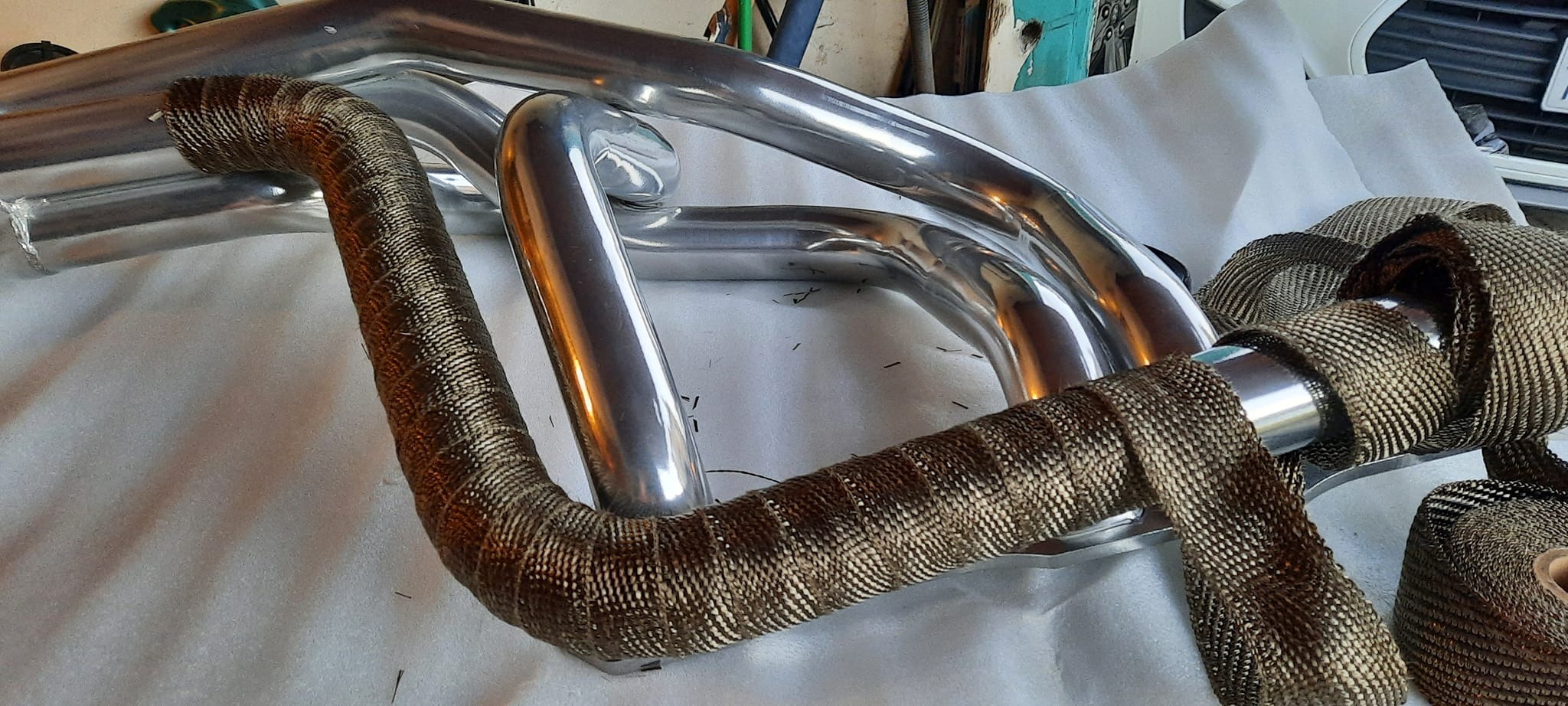
When it comes to SUV performance and long-term durability, the material quality of the exhaust headers plays a very important role. While many people focus on horsepower, torque, and suspension, what goes on under the hood, especially the exhaust system, can quietly affect both reliability and cost of ownership.
The exhaust header, which connects the engine’s exhaust ports to the rest of the exhaust system, takes on very high heat. If the material used for the header cannot handle the extreme temperature cycles and pressure differences, it tends to crack or warp after some time.
There are some SUVs that come with high-temperature-resistant header materials. These headers are often made from stainless steel or specially treated alloys that can withstand expansion and contraction without losing their shape.
Vehicles fitted with such headers tend to maintain consistent exhaust flow, better emissions performance, and long engine life. Owners of these SUVs rarely face issues related to exhaust leaks or costly repairs in that area.
While certain models, often due to cost-cutting or design oversights, end up with exhaust headers made from materials that cannot hold up well under repeated thermal stress.
This results in cracked headers, loss of engine performance, annoying exhaust noise, and higher repair bills. In some cases, drivers may not even realise the issue until symptoms like a ticking sound or check engine light appear.
We will compare five SUVs that come with durable, high-temp exhaust headers against five others that are known to suffer from cracked header problems. Each example will be examined in detail, focusing on what materials were used, how those materials performed under heat, and the consequences owners faced when things went wrong.
The goal is to help buyers and enthusiasts understand how something as small as header quality can make a big difference in long-term satisfaction.
5 SUVs with High-Temperature Header Materials

1. Toyota Land Cruiser
The Toyota Land Cruiser has long been known for its toughness and reliability. This is not just because of its drivetrain or frame design, but also because of thoughtful engineering in components like the exhaust system.
The Land Cruiser uses high-grade stainless steel headers that are built to handle harsh temperature cycles without warping or cracking. Toyota engineers focused on long-distance durability for this SUV, especially since it is often used in demanding environments like deserts or mountainous regions.
The stainless steel used in the header system resists rust and does not become brittle with age. It handles the constant heating and cooling that happens every time the engine is started and shut down.
Even during heavy towing or long uphill climbs, the headers maintain their shape and function. Owners rarely report issues related to exhaust leaks or header damage, even after several hundred thousand kilometres of usage.
Besides the quality of the material, the way Toyota mounts the headers also helps reduce stress. The flexible couplings and brackets allow for natural expansion and movement of the metal, preventing cracks from forming near weld points. This smart design approach allows the exhaust system to last longer, even under tough conditions.
Maintenance is also easier because the headers do not corrode easily, which means bolts and flanges remain intact. Mechanics often find the Land Cruiser’s exhaust components simpler to work with compared to those of cheaper SUVs.
These small details add up to lower ownership costs after a long time. Buyers looking for a long-lasting SUV that will not give them problems with the exhaust system often choose the Land Cruiser for this very reason.
2. Lexus GX 460
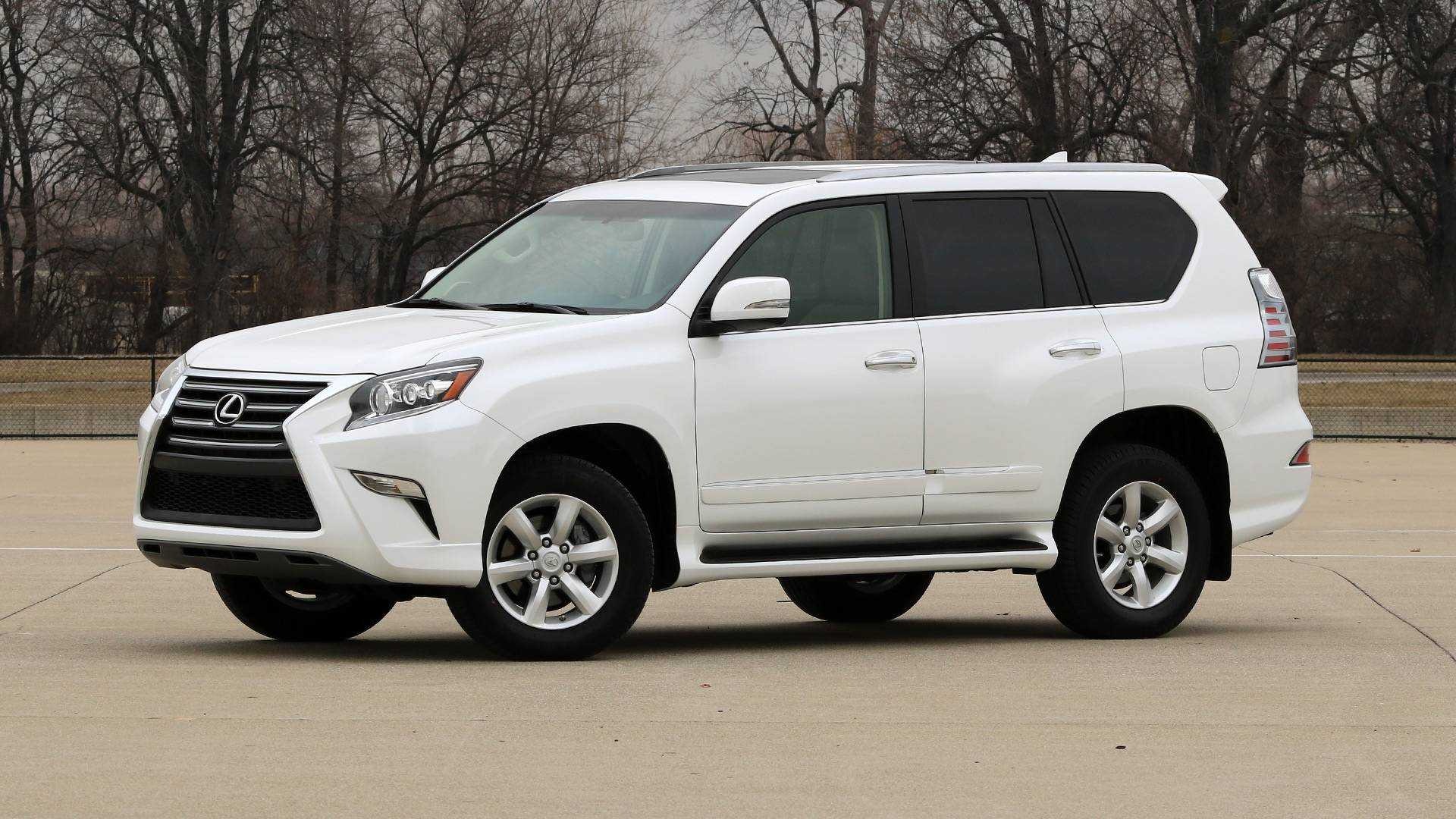
The Lexus GX 460, which shares a platform with the Toyota Land Cruiser Prado, benefits from high-quality parts, including its exhaust headers. This SUV uses thick-walled stainless steel headers designed to handle high exhaust temperatures without weakening after a long time.
As a luxury model, Lexus prioritised quiet operation, emissions efficiency, and long-term durability, which made it necessary to use premium materials in areas like the exhaust system.
Because the GX 460’s engine generates considerable heat under load, the headers are engineered to distribute and withstand that heat effectively. They are also designed to expand and contract without creating pressure at the weld joints. This careful engineering approach prevents fatigue and cracking, issues that plague many other vehicles after some time.
The GX 460 is especially popular among people who enjoy both on-road comfort and off-road capability. During heavy off-road use, the headers are subjected to rapid changes in heat, especially when water splashes on a hot exhaust system.
The high-temp materials used help the headers maintain their structure even under those sudden changes in temperature. Unlike some SUVs that require frequent repair or part replacement due to corrosion or heat failure, the GX 460 performs steadily in this area for years.
Even in older models, owners rarely complain about exhaust leaks or broken headers. This is part of the reason why the GX 460 maintains good resale value. Buyers appreciate vehicles that do not surprise them with expensive repair jobs.
By using top-tier header materials, Lexus helped protect the engine’s breathing system, which also boosts performance and fuel efficiency. These features help the GX 460 stand out as a reliable luxury SUV built to last.
Also Read: 5 Models Depreciating Due to Reliability Issues vs 5 That Stay Valuable

3. Jeep Grand Cherokee Trailhawk (5.7L V8)
The Jeep Grand Cherokee Trailhawk with the 5.7-litre V8 engine is not only known for off-road ability but also for its smart engineering choices under the hood. Jeep equipped this model with high-temperature-resistant stainless steel exhaust headers.
These headers are thick, mandrel-bent, and designed to handle serious heat without deforming or cracking. The Trailhawk trim is built for tougher terrains, which means thermal stress was an important factor in material selection.
Since the 5.7L V8 engine produces high levels of exhaust heat, especially under load, the header materials had to match that performance. Jeep opted for durable materials that allow consistent gas flow without creating bottlenecks due to deformation. These headers are built to endure repeated cycles of heating and cooling without developing fatigue points.
Drivers who regularly tow, climb hills, or cross rocky paths report that the exhaust system holds up well even after years of use. The stainless steel construction not only resists corrosion but also helps in keeping the engine compartment cooler. Heat management is crucial in SUVs designed for rough usage, and the header design here works well with that approach.
Another advantage is that the Trailhawk’s exhaust header layout makes servicing easier. The components remain accessible and are not hidden behind complicated layers of shields. This reduces labour costs if a mechanic ever needs to remove or inspect them.
Jeep also added heat shielding where necessary to protect nearby wiring and hoses. These small but important choices show that Jeep did not take shortcuts on this part of the vehicle, which adds long-term value for owners.
4. Ford Expedition
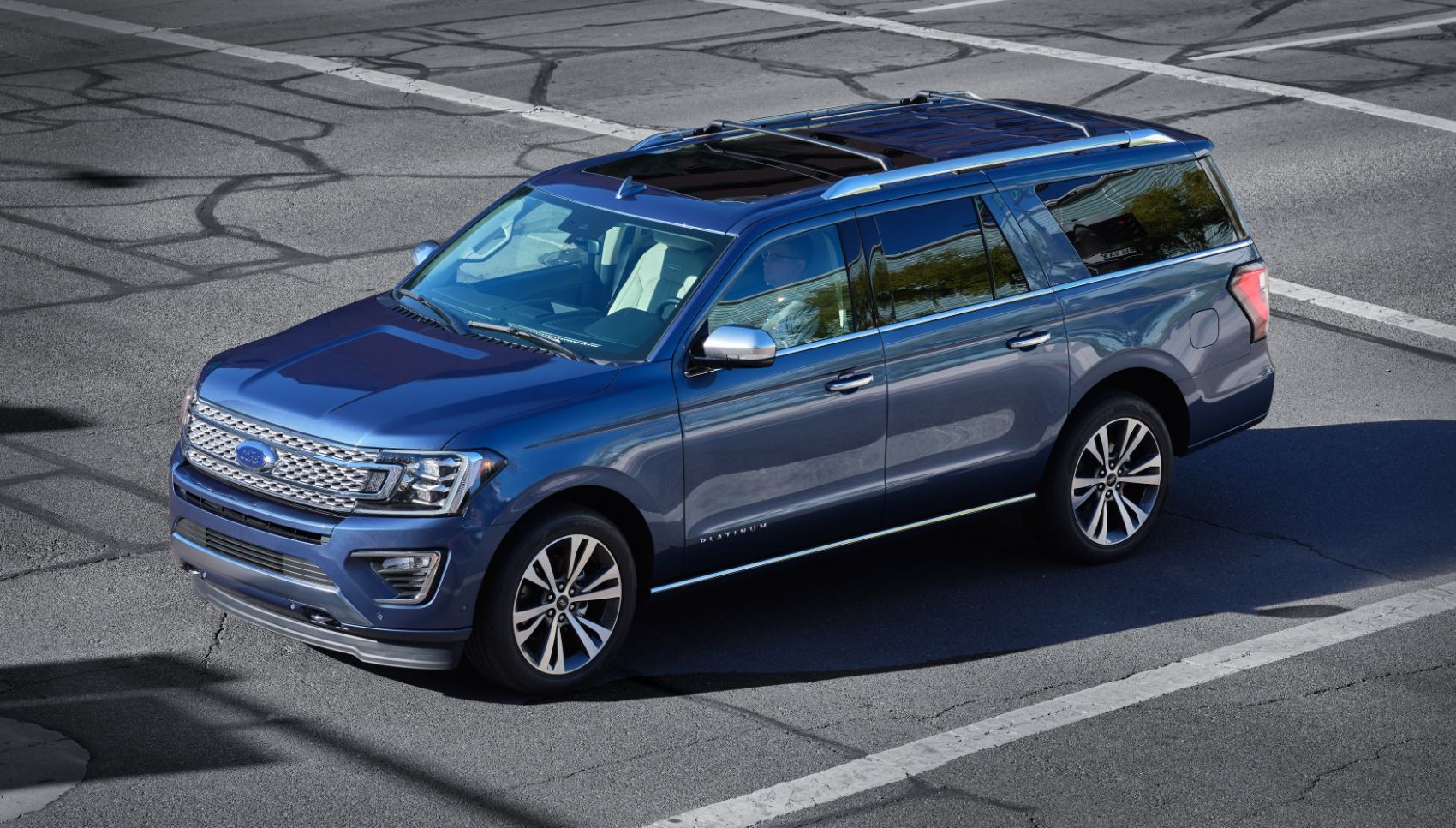
The Ford Expedition stands tall among full-size SUVs for its towing power and roomy interior, but its durability features also deserve attention. One such area is the use of strong exhaust headers.
Ford fitted the Expedition with stainless steel headers capable of tolerating high exhaust gas temperatures. These headers help manage the performance output of its twin-turbocharged EcoBoost engine and ensure minimal issues even under pressure.
When the turbochargers push more air into the engine, combustion temperatures increase. If the headers cannot cope with that heat, they can crack or warp.
Ford made sure to use high-temperature resistant materials that can hold up under frequent boost cycles and high-speed cruising. The stainless steel used here remains stable without changing shape after some time. This design protects the engine’s breathing system and keeps performance steady.
Towing heavy loads is the main selling point for the Expedition, and the header design supports that role by keeping exhaust flow efficient and preventing backpressure issues.
The layout includes heat shielding and bracing in areas where vibrations could create long-term fatigue. These touches help extend the life of the exhaust system even in demanding situations.
Maintenance of the headers is also straightforward, with accessible mounting points that do not require major disassembly. This saves owners time and labour costs during service visits.
Owners praise the Expedition for having fewer under-hood issues compared to some competitors, and the quality of the exhaust system plays a part in that reputation. As a result, it remains a dependable choice for families and fleet buyers who want reliability without frequent repairs.
5. Chevrolet Tahoe (New Generation)
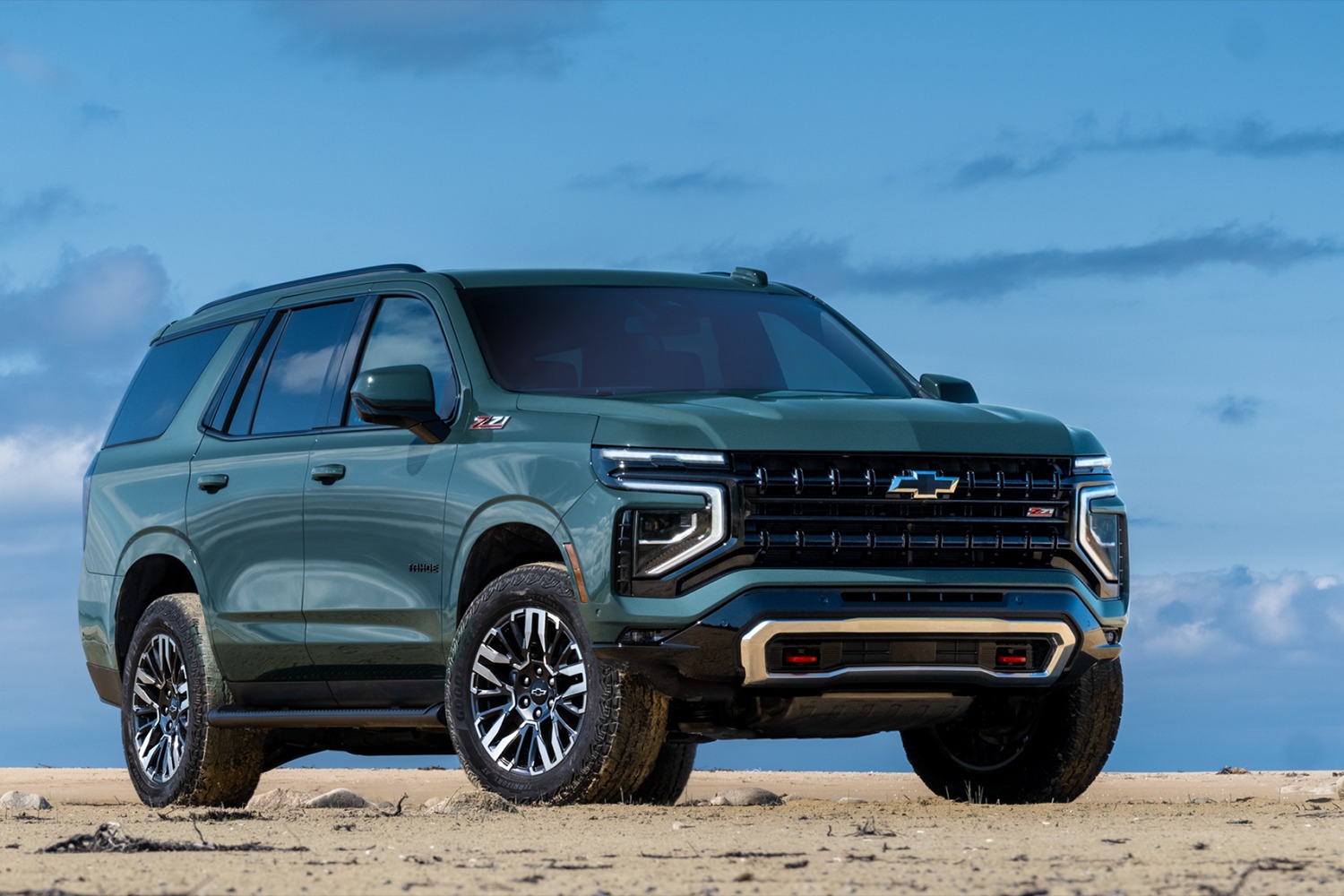
The latest generation of the Chevrolet Tahoe is designed for improved durability and smoother engine performance. One reason for this is the attention paid to thermal efficiency in the exhaust system.
The Tahoe’s engineers used advanced stainless steel alloy headers for better heat resistance and structural reliability. These headers are designed to work efficiently under the intense pressure and temperature conditions of the V8 engines.
As SUVs get heavier and more powerful, their exhaust systems must be able to handle larger volumes of hot gases. The Tahoe’s headers remain firm and intact even during towing or mountain driving, where engine temperatures often run high.
The alloy used in the construction provides resistance to cracking, which helps prevent performance loss and expensive repairs.
Heat tolerance is not the only benefit. These headers also reduce the chances of carbon build-up and rust, thanks to the smooth finish and corrosion-resistant coating.
This results in cleaner exhaust flow and improved emissions control. Many owners say the exhaust system remains problem-free even after prolonged usage in both city traffic and highway runs.
Another advantage is that the layout and installation allow technicians to access the header bolts without removing too many parts. This design saves labour time and encourages proper maintenance. Chevrolet also included support brackets and expansion joints to handle vibration and thermal expansion.
These features combine to make the Tahoe’s exhaust system one of the most robust in its class. For buyers who need a full-size SUV with dependable engine components, the Tahoe provides peace of mind through well-thought-out engineering.
5 SUVs with Cracked Exhaust Headers
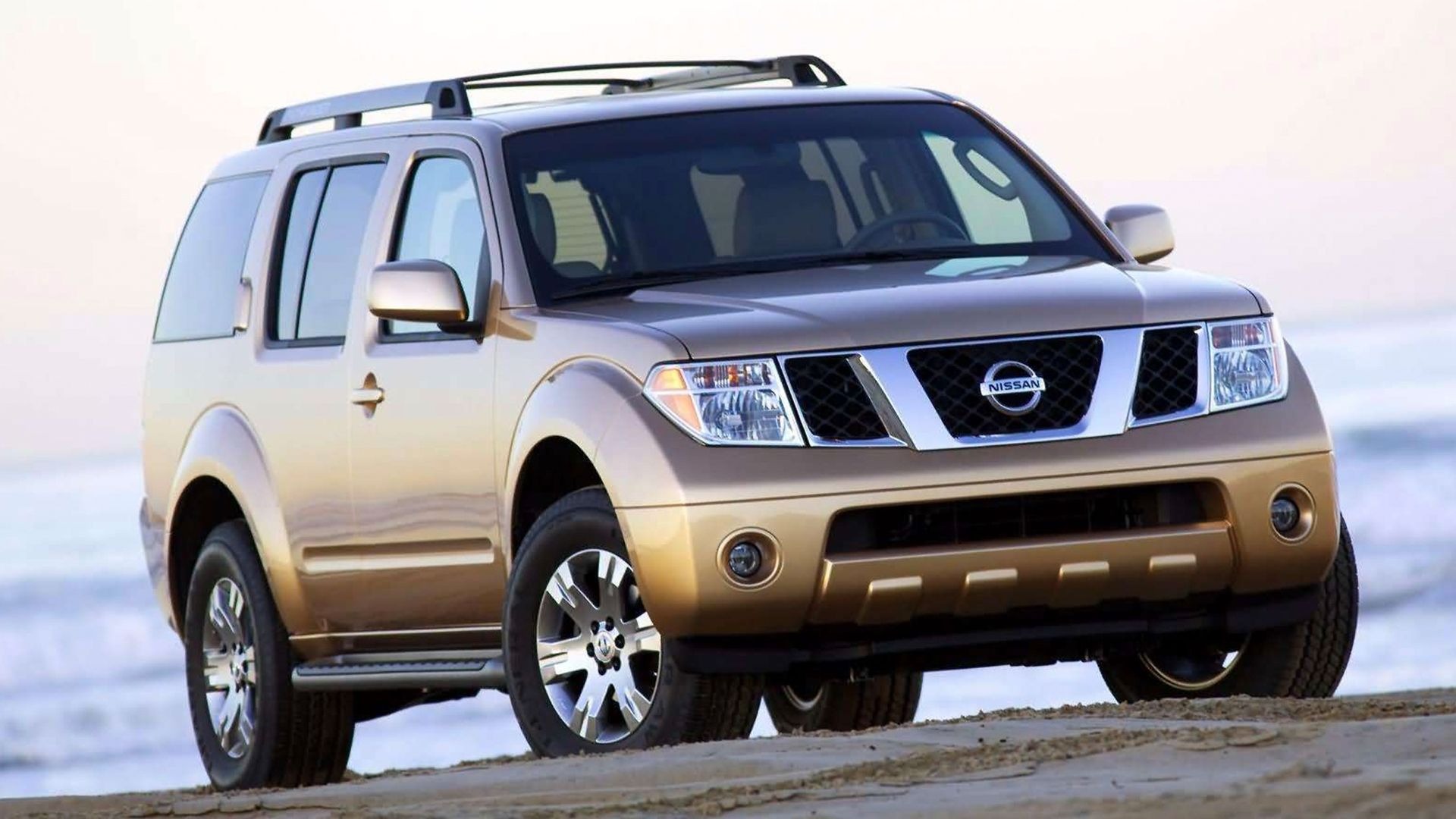
1. Nissan Pathfinder (Previous Generation 3.5L V6)
The Nissan Pathfinder, especially in its earlier generation that used the 3.5-litre V6 engine, experienced ongoing issues related to cracked exhaust headers. These problems affected both performance and long-term ownership experience.
One of the main problems was the use of thinner, low-grade cast iron or steel materials that were prone to cracking after extended heat cycles. As owners racked up mileage, many began to hear ticking noises coming from the engine bay, a common sign of a cracked header.
Cracks typically developed around the flange or weld areas, particularly where stress from engine vibrations or heat expansion was the highest. Since the exhaust headers sit close to the engine block, they endure repeated temperature swings every time the vehicle starts and stops.
Poor-quality metal cannot expand and contract without forming stress fractures. In the long run, this creates leaks that disrupt the air-fuel mixture, affecting fuel economy and triggering engine warning lights.
Repairing these headers is often labour-intensive, as the exhaust system components are tightly packed around the engine bay. Mechanics must remove several parts just to reach the cracked sections, which drives up the repair cost. In some cases, full header replacement is required, which adds even more to the bill.
Another complaint from Pathfinder owners was that Nissan did not address this issue promptly. Many had to pay out of pocket for repairs even when the vehicle was still relatively new.
While later models improved on this issue by using better materials, the reputation for cracked headers continued to affect buyer confidence for years. This is a clear example of how cutting corners in material quality can have long-term consequences for both the brand and the consumer.

2. Chevrolet Equinox (2.4L Ecotec Engine)
The Chevrolet Equinox fitted with the 2.4-litre Ecotec engine has often faced criticism for repeated mechanical faults, and one such problem is the cracking of exhaust headers.
This issue has affected various model years, and many owners have dealt with exhaust leaks that originate from tiny fractures in the header pipes. These problems usually develop between 80,000 and 120,000 kilometres, often just after the warranty expires.
General Motors used cast iron or basic steel alloy headers that struggled to handle the frequent heat cycling of the four-cylinder engine. During cold starts, the header expands rapidly due to the rising exhaust temperatures, and after a while, the metal weakens.
This leads to small but serious cracks that allow hot gases to escape. The leaks not only reduce fuel efficiency but can also damage surrounding components if the heat is not properly managed.
Some owners reported that the vehicle began to make odd ticking or hissing sounds near the firewall. Others noticed a sharp drop in engine performance or found their check engine light constantly returning, even after multiple repairs. Since the cracks are sometimes hidden deep within the bends of the header, diagnosing the exact spot can be challenging.
The problem is made worse by the layout of the engine bay, which restricts access to the exhaust header. Repairs are expensive and require skilled labour. In many cases, owners have opted to replace the headers with aftermarket options made from higher-quality stainless steel, which offers better resistance to heat damage.
This persistent issue has affected the reliability rating of the Equinox, especially among used vehicle buyers. The cracked headers on this model highlight how material selection and poor heat tolerance can lead to recurring faults that burden the owner with repairs.
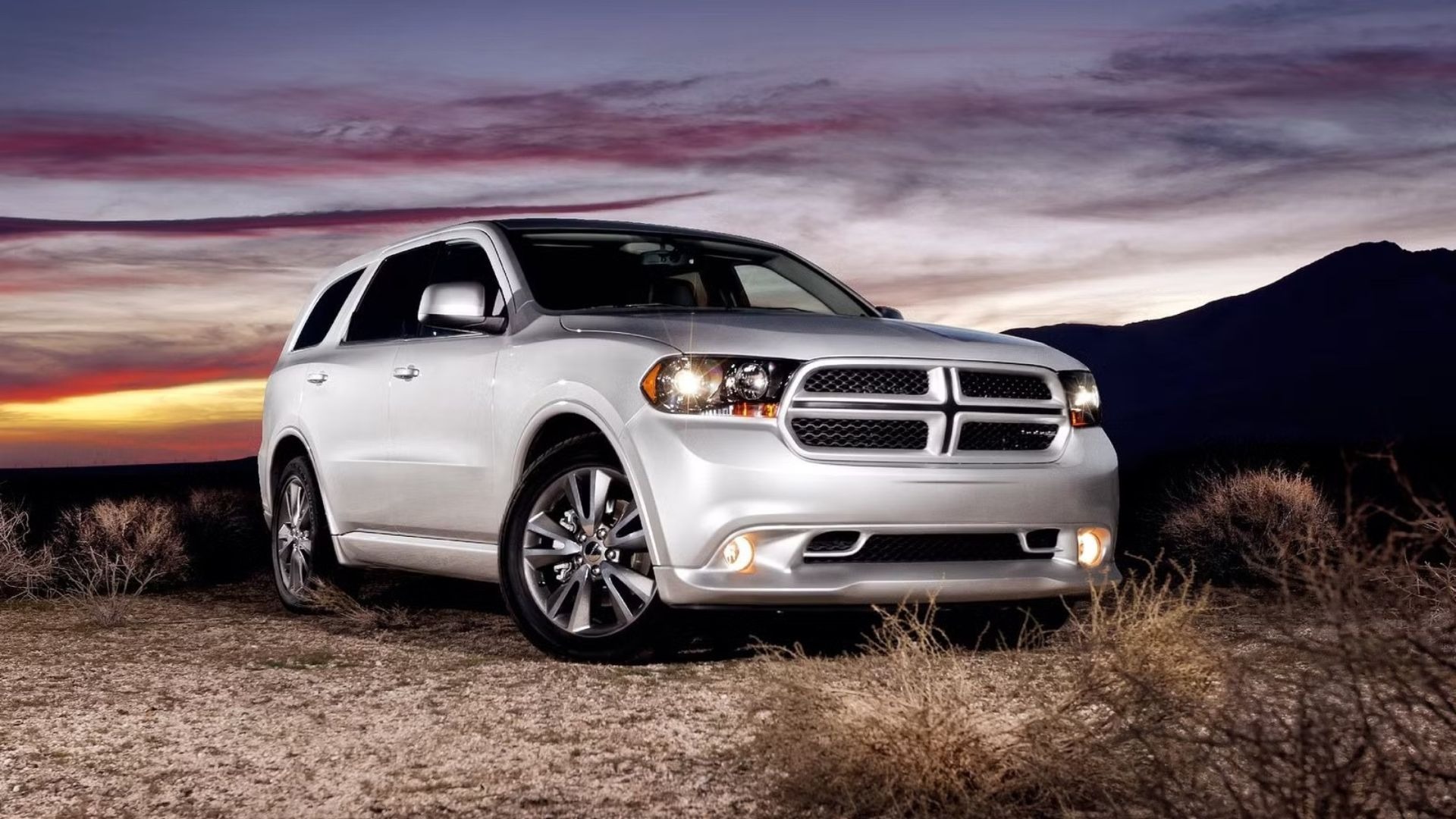
3. Dodge Durango (5.7L HEMI V8 – Early Models)
The Dodge Durango equipped with the 5.7-litre HEMI V8 engine gained strong attention for its power, but early versions were plagued by a series of problems, one of which involved exhaust header cracking.
These headers were made from cast materials that did not respond well to repeated thermal cycling and engine vibration. The cracks tended to appear around the bolt flanges and weld points, leading to exhaust leaks and reduced engine performance.
What made the issue worse was the tendency for the bolts securing the headers to break or come loose, leaving gaps between the manifold and the engine block.
This not only caused a loss of exhaust pressure but also introduced air into the system, which confused the oxygen sensors and led to fuel mismanagement. Drivers often noticed poor acceleration, higher fuel consumption, and a loud ticking sound from the engine bay.
Another concern was the lack of proper heat shielding. Without enough thermal protection, surrounding parts like wiring harnesses and nearby plastics were exposed to extra heat, leading to premature wear.
Owners were often forced to take their Durangos in for repeated service visits just to tighten bolts or replace cracked parts. Some mechanics began replacing the factory headers with aftermarket performance options to avoid further problems.
Despite the vehicle’s appeal to power-hungry drivers, the cracked exhaust header problem made long-term ownership less appealing. Those who used the SUV for towing or heavy-duty applications faced more frequent issues because the engine ran hotter under load.
Dodge eventually made improvements in later models, but the reputation of early Durangos being prone to cracked headers remained a lasting issue for the brand.

4. Hyundai Santa Fe (2.4L Engine Models)
Hyundai Santa Fe models equipped with the 2.4-litre engine have drawn complaints from owners dealing with exhaust header cracks that lead to performance and safety concerns.
This issue affected a number of model years, especially those manufactured in the early 2010s. The primary cause of the problem was the use of low-grade materials in the header design, which could not handle long-term exposure to engine heat.
As the SUV aged, the headers would develop small cracks that allowed exhaust gases to escape before reaching the catalytic converter. This situation caused higher emissions, poor fuel efficiency, and potential risk of carbon monoxide entering the cabin. Owners frequently reported a strong smell of exhaust inside the vehicle or noticed unusual ticking sounds during startup.
Mechanics found that the cracks usually formed near the joints or welds, where metal stress tends to be highest. Since the engine bay is relatively tight in design, repairing or replacing the header often requires several hours of labour. Hyundai did not always cover this issue under warranty, forcing many owners to pay out of pocket for what is usually a manufacturer’s defect.
This exhaust problem also affected engine diagnostics. The presence of leaks often triggered the check engine light due to irregular oxygen readings. Mechanics sometimes replaced sensors or tuned the software without discovering the real cause, leading to recurring problems that frustrated many vehicle owners.
In response to customer feedback, some service shops began recommending stainless steel aftermarket headers as a longer-lasting solution. While later models of the Santa Fe improved on exhaust design, the experience left many early adopters unhappy. It shows how critical it is to use quality materials in high-heat zones and to back up product reliability with solid warranty support.
Also Read: 5 Electric Cars With Minimal Battery Degradation vs 5 That Lose Capacity Rapidly

5. BMW X5 (E53 Series 3.0i Engine)
The BMW X5 from the E53 generation, particularly the models using the 3.0-litre inline-six engine, experienced a wide range of mechanical issues as they aged, and cracked exhaust headers were among the most frustrating.
Although BMW is known for performance engineering, the E53 series fell short in thermal durability of the exhaust system. The headers were made from cast iron or lower-grade steel that became brittle after repeated heat cycles.
This weakness led to visible cracks in the manifold, especially around the collector area. Drivers reported strange engine noises, loss of power, and strong exhaust fumes, sometimes entering the cabin.
These symptoms usually began showing after the 100,000-kilometre mark, although some occurred earlier under harsh driving conditions. The design of the engine compartment made it hard to spot these faults until they were well advanced.
Another issue was the positioning of the exhaust manifold near plastic components and wiring. The lack of sufficient heat shielding caused additional problems once the headers began leaking.
Plastic clips, hoses, and sensors in nearby areas would melt or degrade faster than expected. The cost of repair rose not just because of the labour to replace the headers, but also due to secondary damage.
Owners who tried to keep their vehicles in top shape often turned to aftermarket solutions with thicker tubing and better materials. This added expense was frustrating for many who assumed BMW quality would prevent such faults.
Despite the luxury tag, the E53 X5’s exhaust header problem revealed how material shortcuts can affect even premium brands. While newer versions improved in this area, the earlier models struggled with long-term reliability in their exhaust systems.
