
Selecting a compact truck that fits your lifestyle often comes down to more than just price or appearance.
For many, towing capacity and drivetrain durability act as key decision factors, especially for those whose daily routines require hauling boats, work trailers, or recreational equipment.
Towing performance not only measures brute strength but highlights a truck’s ability to withstand repeated strain without mechanical issues.
As more drivers look to compact trucks for their balance of efficiency and utility, reports of transmission failures or long-standing reliability on the tow path have become crucial for buyers seeking peace of mind.
This guide brings together two sides of the towing reliability debate. The first section examines five compact trucks consistently recognized for handling towing duties day after day without major complaints from owners about drivetrain issues.
The next section takes a closer look at five compact trucks with a track record of transmission troubles when regularly used for pulling loads.
Whether you are shopping for your work fleet or planning weekend getaways, these insights can help you avoid costly mistakes and ensure a smoother relationship between you, your truck, and whatever you need to tow.
This article aims to make the decision process informed and practical, letting real-world performance and longevity guide your purchase.
Also Read: 5 Vehicles That Hold Original Paint Perfectly and 5 That Chip By Year 1
5 Compact Trucks That Tow Daily
Hauling trailers and gear is no longer just the work of hulking full-size pickups. Many compact trucks now strike a balance between fuel economy, maneuverability, and the strength to tow on a routine schedule.
Owners of small farms, contractors, and outdoor enthusiasts increasingly rely on these compact trucks for tasks once reserved for their larger counterparts.
What sets some apart is not just the maximum listed towing figure, but the ability to repeat those feats any day of the week, without unexpected trips to the service bay.
In selecting five compact trucks for this section, the focus is on models with a track record for longevity under load, confirmed by owner feedback and expert reviews.
These machines offer not just impressive tow ratings but earn their spot through years of satisfied users relying on them for daily work, and very few complaints about transmissions or powertrains.
The focus here isn’t eye-catching press releases or hypothetical numbers; instead, it is the experience of people who actually use their trucks as intended.
By looking at data and long-term reliability stories, buyers can see which models stand out for those needing a dependable workhorse rather than just another commuter with a cargo bed.
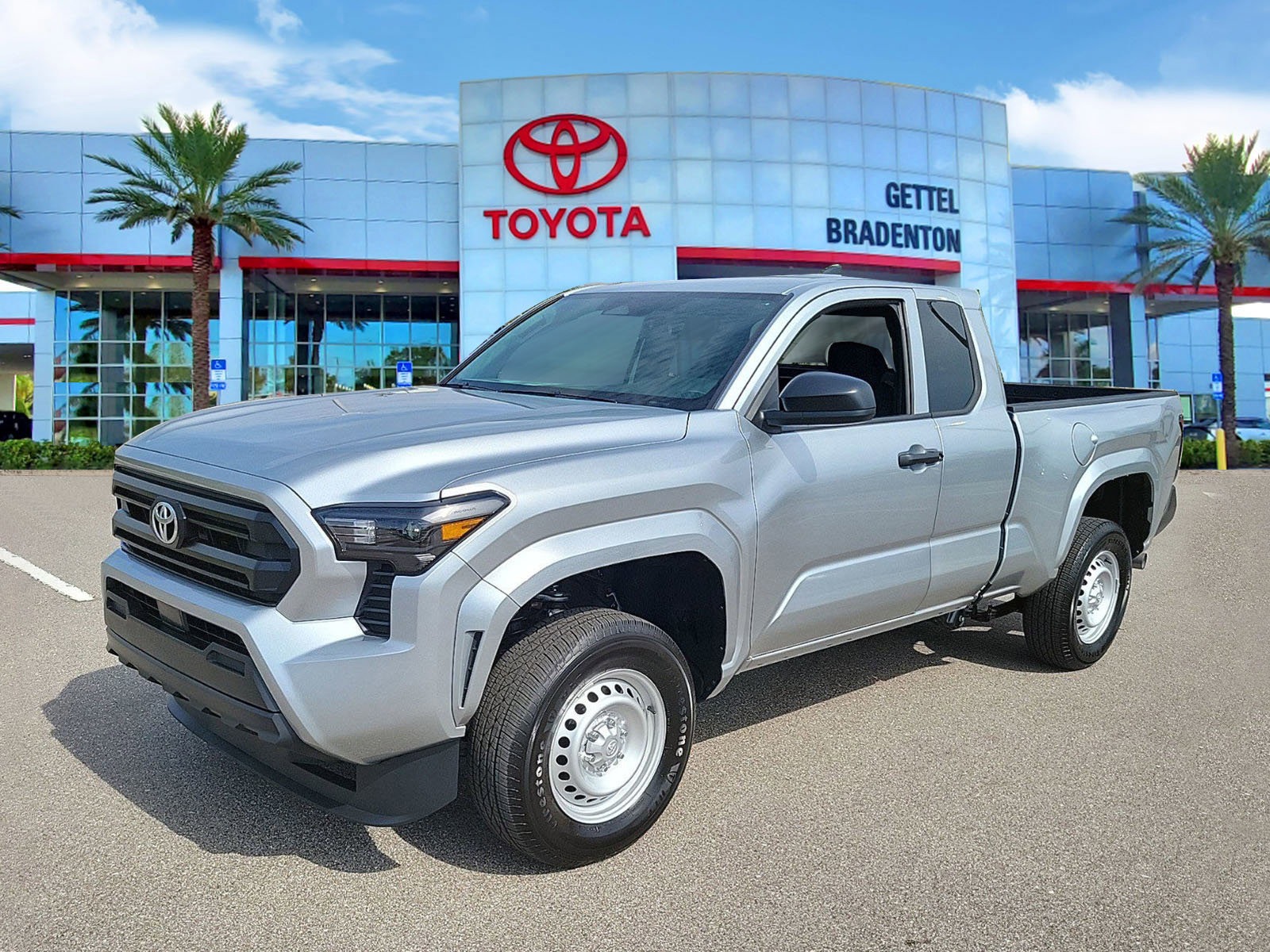
1. Toyota Tacoma
When discussions begin about compact trucks built for real work, the Toyota Tacoma almost always sits at the top.
What distinguishes the Tacoma isn’t just name recognition or its rugged styling, but a philosophy of engineering that consistently puts reliability first.
Owners frequently report that their Tacomas handle repeated towing whether it’s a camper, utility trailer, or boat, without major transmission or drivetrain issues, even as their odometer numbers climb.
A huge factor in the Tacoma’s popularity is Toyota’s proven 3.5L V6 engine, paired with a robust six-speed automatic or manual transmission.
While its maximum tow rating hovers around 6,800lb for properly equipped versions, its real advantage lies in how well these components handle repeated, real-world towing, as opposed to isolated, factory test conditions.
Mechanics and truck owners alike note that even after hundreds of towing trips, issues like slipping gears, overheating, or premature wear rarely surface before extremely high mileage.
Beyond the mechanicals, Tacoma’s widespread use by contractors and outdoor enthusiasts has produced years of data supporting its reputation.
Online forums and surveys show many owners pulling trailers five days a week for years on end, with drivetrain complaints remaining rare.
This reliability makes it a favorite for buyers planning to keep their truck long-term, saving hassle and repair costs. Choosing the Tacoma is not just about meeting today’s needs but having confidence that it will still deliver when towing week after week, year after year.
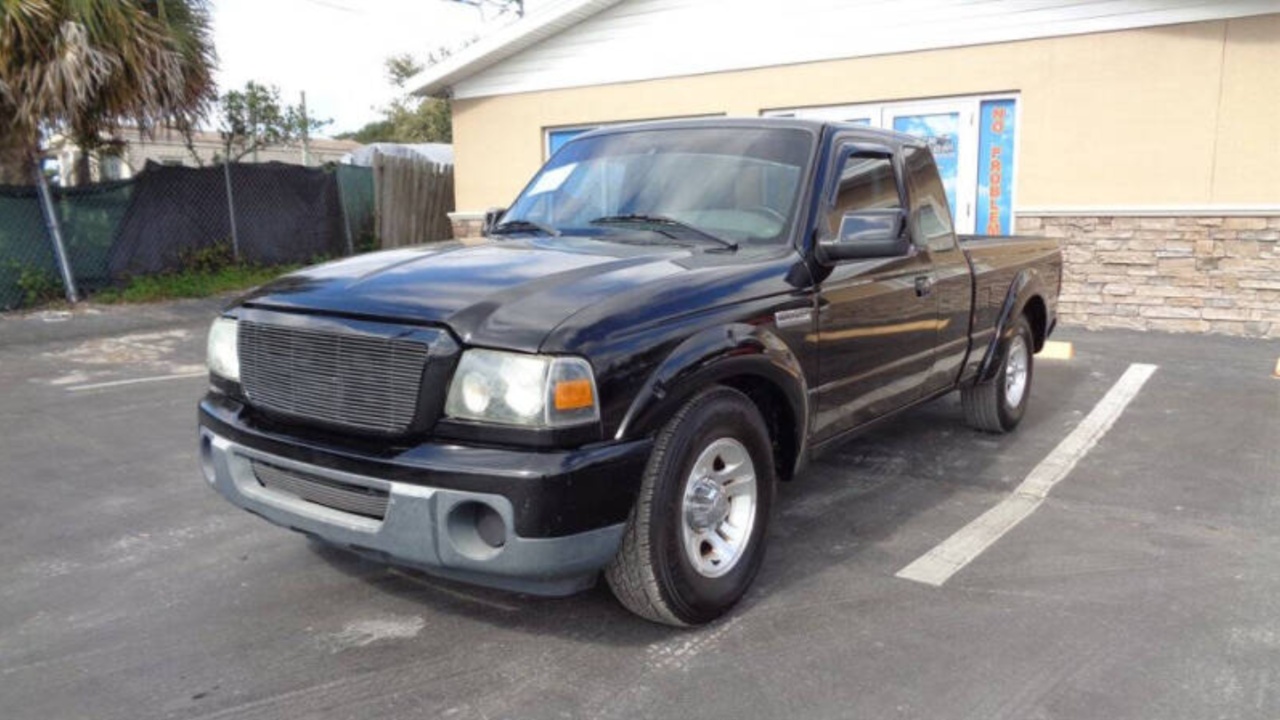
2. Ford Ranger
The Ford Ranger has carved a strong reputation by combining utility and comfort, but one of its greatest strengths emerges in routine towing scenarios.
Equipped with a turbocharged 2.3L EcoBoost engine paired with a 10-speed automatic transmission, the Ranger offers a blend of power and efficiency absent in many of its rivals.
Owners and automotive experts often praise this pairing for handling repeated towing jobs without succumbing to heat-related transmission issues or undue wear.
Rated for up to 7,500lb of towing when appropriately configured, the Ranger thrives in both work and play environments. Feedback from users who haul daily, whether it’s a small landscaping trailer or a pair of jet skis, reflects confidence in its mechanical durability.
Unlike some compact trucks that offer similar or even higher tow ratings on paper but develop recurring issues, the Ranger’s drivetrain maintains composure over time. Its 10-speed transmission, a point of concern among skeptics due to its complexity, actually performs reliably thanks to Ford’s focus on extensive cooling and adaptive shifting technology.
Fleet owners and independent contractors in particular note that unscheduled downtime or significant repairs are uncommon, even after thousands of miles spent hauling.
For those unwilling to compromise on power, responsiveness, or everyday reliability, the Ford Ranger proves itself as a compact truck built to handle the demands of frequent towing, living up to its badge as a trusted work partner.
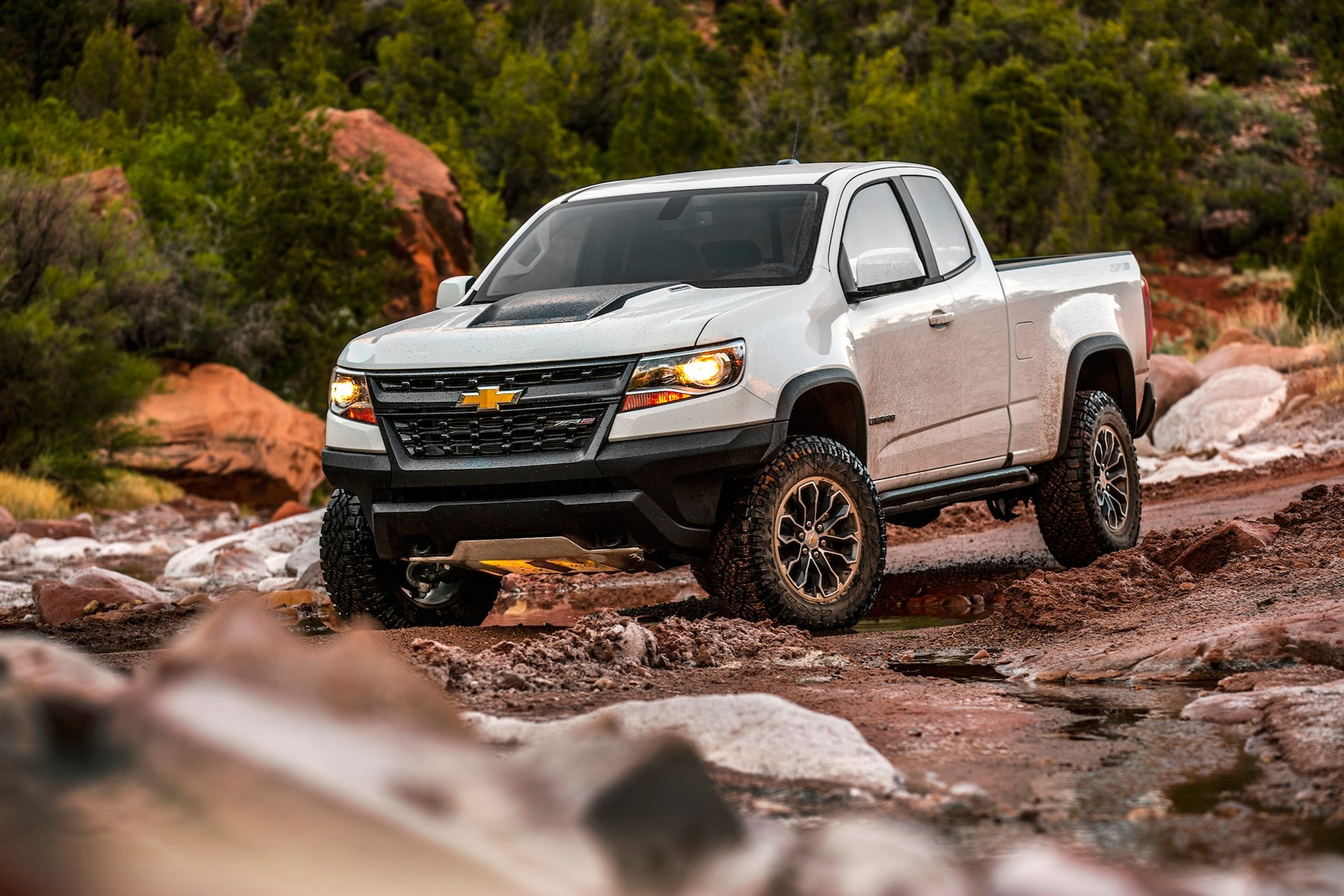
3. Chevrolet Colorado
The Chevrolet Colorado stands out for offering multiple powertrain choices, but its strongest appeal lies in its diesel engine option paired with an efficient automatic transmission.
The 2.8L Duramax turbo-diesel offers up to 7,700lb of towing capacity, but the real benefit shows in long-term consistency during daily workloads.
Diesel engines are prized for low-end torque and durability, and the Colorado’s setup capitalizes on this by maintaining power delivery and transmission health under sustained towing.
Feedback from tradespeople and outdoor enthusiasts who rely on their Colorado for everyday hauling points to the truck’s ability to endure, not just achieve, towing milestones.
Owners report smooth transmission shifts and minimal overheating, a contrast to some competitors that experience premature transmission wear.
Mechanics familiar with these trucks also indicate that, when properly maintained, the diesel drivetrain resists the strain of stop-and-go towing schedules better than many gasoline-powered rivals.
Another advantage with Colorado is its comfortable ride quality, which does not degrade under towing conditions.
People who balance daily errands with regular trailer hauling appreciate not being forced to choose between durability and comfort.
Reliability surveys and owner forums regularly praise the Colorado’s transmission for holding up over years of use, helping cement its place as a smart choice for persistent towing needs.
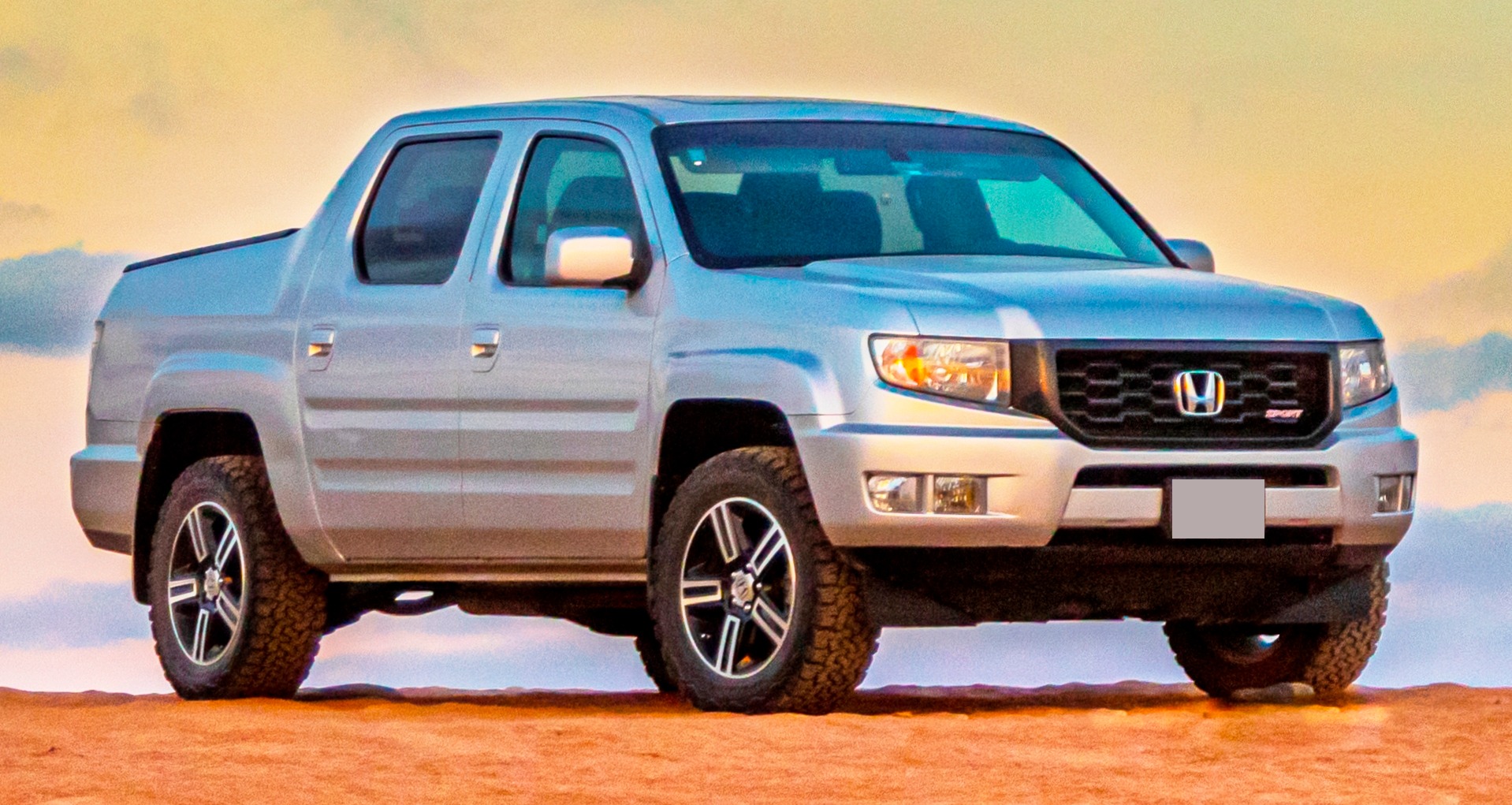
4. Honda Ridgeline
Although sometimes overlooked due to its unibody construction, the Honda Ridgeline deserves recognition as a compact truck that takes towing duty in stride.
Its 3.5L V6 engine, paired with a six-speed automatic transmission (and more recently, a nine-speed unit), provides the foundation for a vehicle balancing ride comfort with serious practicality.
Rated to tow up to 5,000lb, the Ridgeline doesn’t claim the absolute highest numbers, but it shines in its ability to tow repeatedly without complaints from the transmission or related hardware.
Owners who use their Ridgeline for small boats, campers, or utility trailers find that its transmission rarely suffers from overheating, gear-hunting, or early wear. Part of this resilience comes from Honda’s proven engineering, emphasizing smooth power delivery and efficient heat management.
Reviews from mechanics and long-term owners alike consistently mention the absence of major transmission rebuilds, even when the trucks are used intensively for towing.
Instead, regular maintenance is usually the only requirement to keep the Ridgeline’s drivetrain operating smoothly.
For families or professionals seeking a truck that pulls its weight while maintaining comfort and dependability, the Ridgeline consistently delivers, making it a favorite among those prioritizing a hassle-free ownership experience.
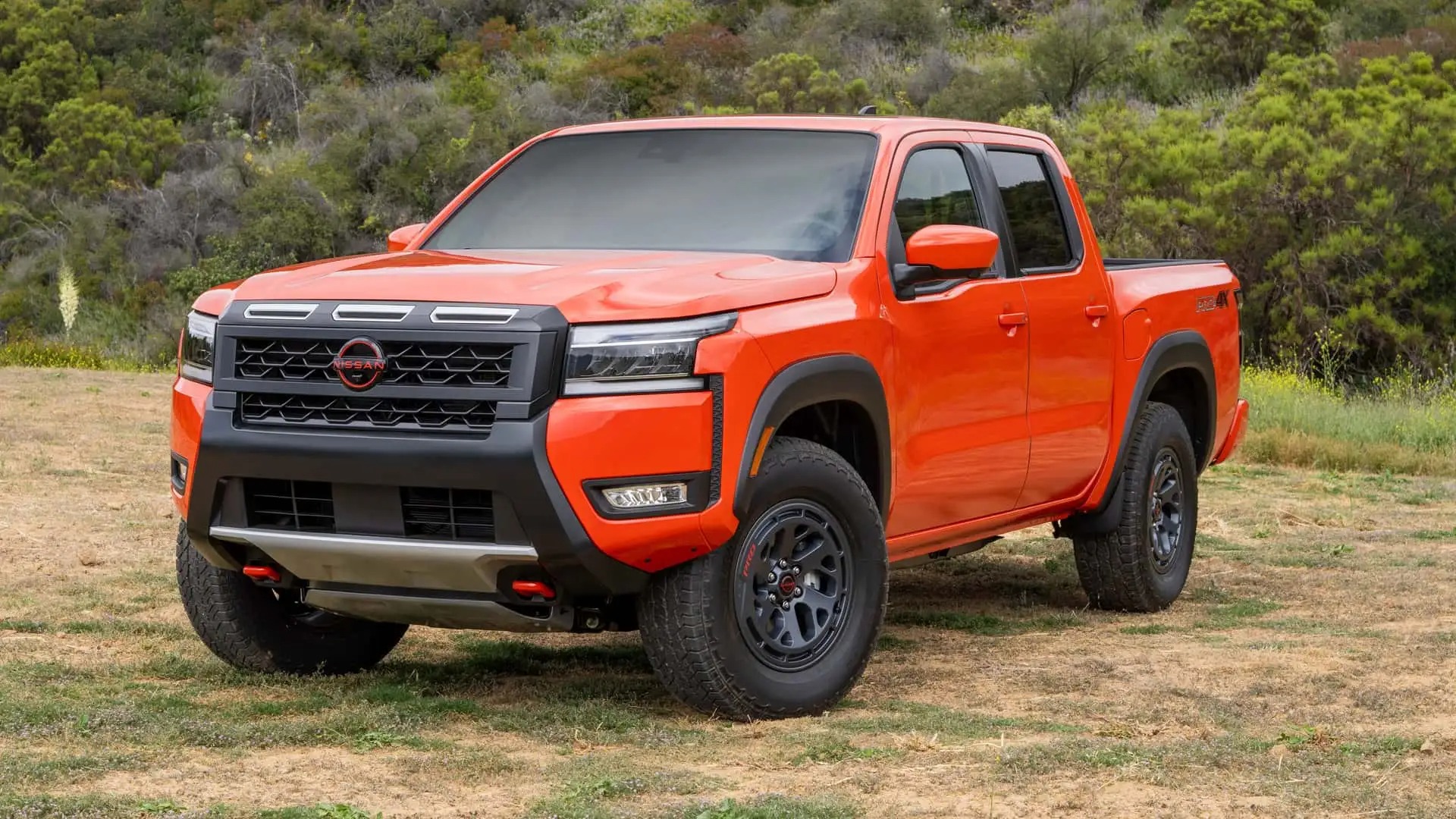
5. Nissan Frontier
Nissan’s Frontier is often praised for its simple, robust engineering a quality that translates into strong performance during repeated towing assignments. The latest models are equipped with a 3.8L V6 engine, paired with a nine-speed automatic transmission.
Despite not offering headline-grabbing innovations, the Frontier’s drivetrain works dependably during the day-in, day-out hauling others may shy away from.
With a maximum towing capacity of up to 6,720lb, the Frontier doesn’t just compete on paper; it establishes its value with the consistency of its performance.
Owners often report using their trucks for small business operations or weekend adventures, towing boats, utility trailers, or campers for years without substantial transmission complaints. The reliable pairing of the V6 engine and automatic transmission largely avoids the overheating and wear issues that can plague less robust designs.
Nissan’s philosophy in maintaining proven mechanical solutions results in fewer complicated parts and, by extension, fewer major repairs. Technicians appreciate the transmission’s serviceability and the lack of regular, high-mileage problems.
This dependability gives the Frontier a clear role as a compact truck that not only claims a strong tow rating but also delivers on that promise every day, making it a smart choice for those who prioritize reliability above bells and whistles.
5 Compact Trucks That Burn Out Transmissions Towing
Not every compact truck lives up to marketing claims when faced with daily towing routines. Despite impressive tow ratings on paper, repeated exposure to heavy loads exposes the limits of certain designs, resulting in transmission breakdowns, overheating, and, ultimately, expensive repairs.
This is more than just anecdotal noise; owner reports, dealership records, and mechanic insights show that some trucks consistently fall short when used by people who tow regularly.
These failures can be frustrating and costly, especially for those who bought into promises of versatile vehicles only to find themselves sidelined by disengaged gears or a truck stuck in limp mode.
This section looks closely at five compact trucks known in recent years for developing chronic transmission issues when placed under routine towing stress.
The goal is not to malign brands or trucks unfairly; instead, the aim is to spotlight patterns that should give pause to anyone who intends to use these vehicles for regular hauling.
By understanding these weaknesses, sometimes due to under-spec’d components, poor cooling, questionable transmission tuning, or unexpected design quirks, potential buyers can avoid missteps and place their investments wisely.
Real-world towing reliability often proves more meaningful than laboratory-based maximum numbers.
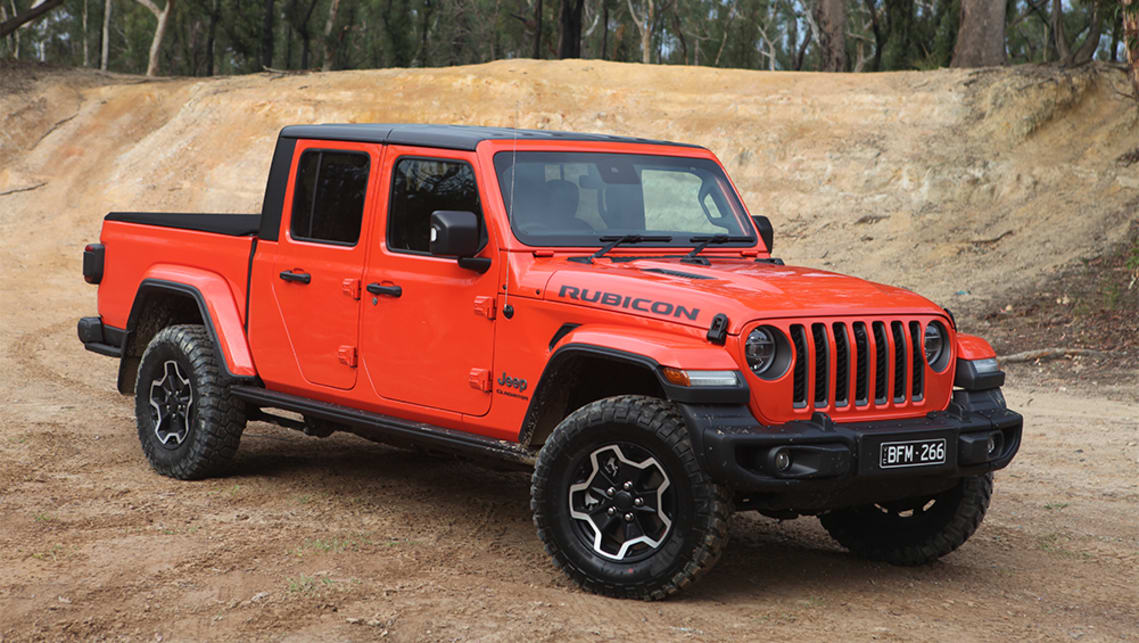
1. Jeep Gladiator
The Jeep Gladiator hit the market with a wave of enthusiasm, promising legendary Jeep off-road capabilities in a pickup format.
However, its 3.6L Pentastar V6 engine and eight-speed automatic transmission have not always delivered the kind of towing durability that daily users expect.
Early owners, especially those who frequently haul heavy trailers, often report rapid transmission heating, erratic shifting, and a tendency for the transmission to go into limp mode as a protection measure after sustained towing.
Mechanics familiar with the Gladiator note that while Jeep engineered its drivetrain with adventure in mind, the demands of regular towing are a different scenario from occasional weekend trips.
The transmission’s cooling design, while adequate for off-road crawling, sometimes falls short in dissipating heat during extended towing sessions.
Complaints of repeated trips to dealers for reprogramming or transmission fluid replacement have surfaced in owner forums and surveys.
Cases of premature wear, slipping gears, and software updates required to manage overheating are more common than expected for such a new platform.
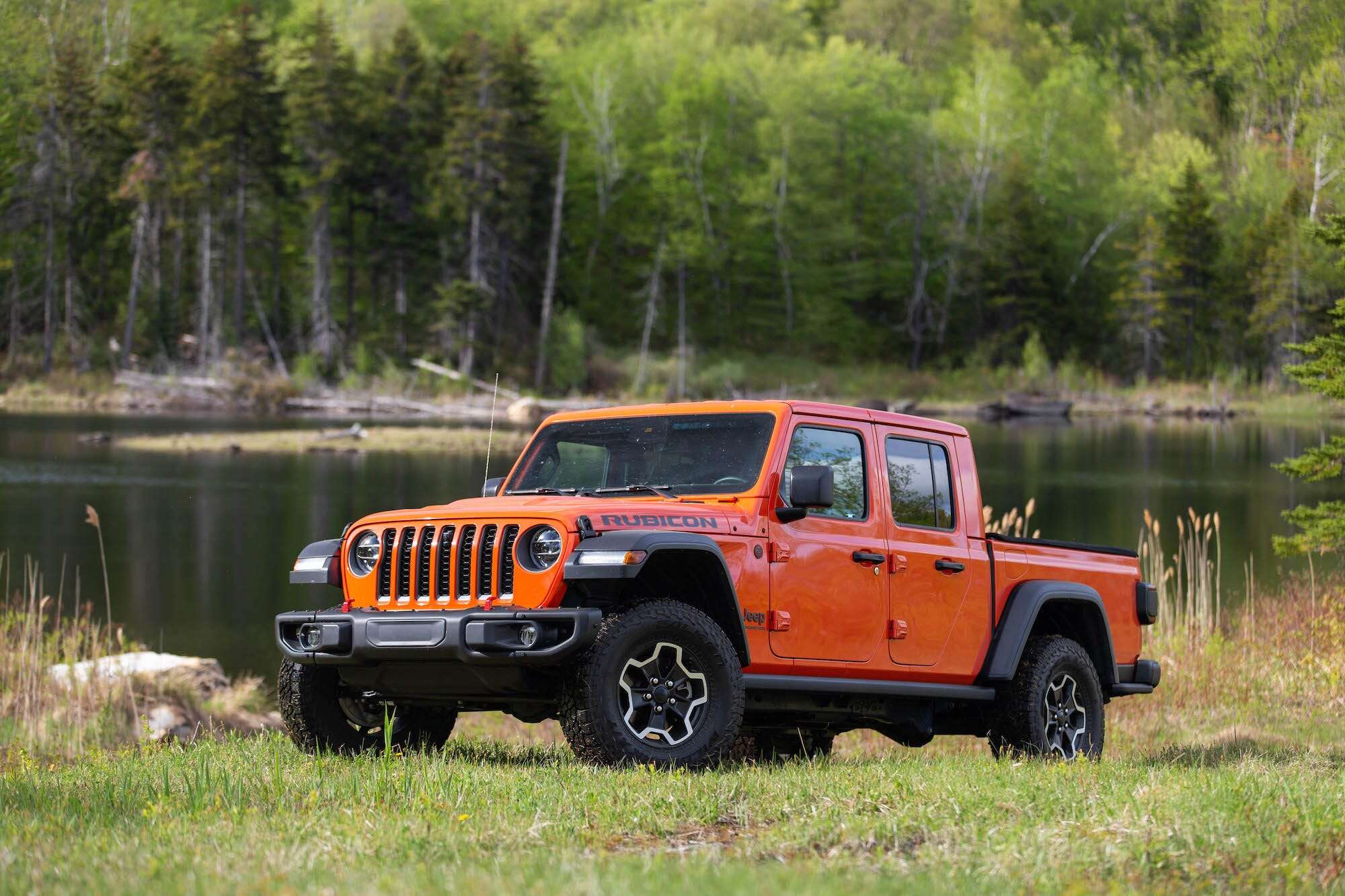
Even though the Gladiator is technically rated to pull up to 7,650lb, the real-world experience of users relying on it as a workhorse has highlighted weaknesses that may not concern recreational users but prove costly and inconvenient for those with daily towing on their agenda.
Those considering the Gladiator for regular heavy hauling should weigh this aspect carefully, potentially opting for more proven alternatives if long-term reliability is a priority.
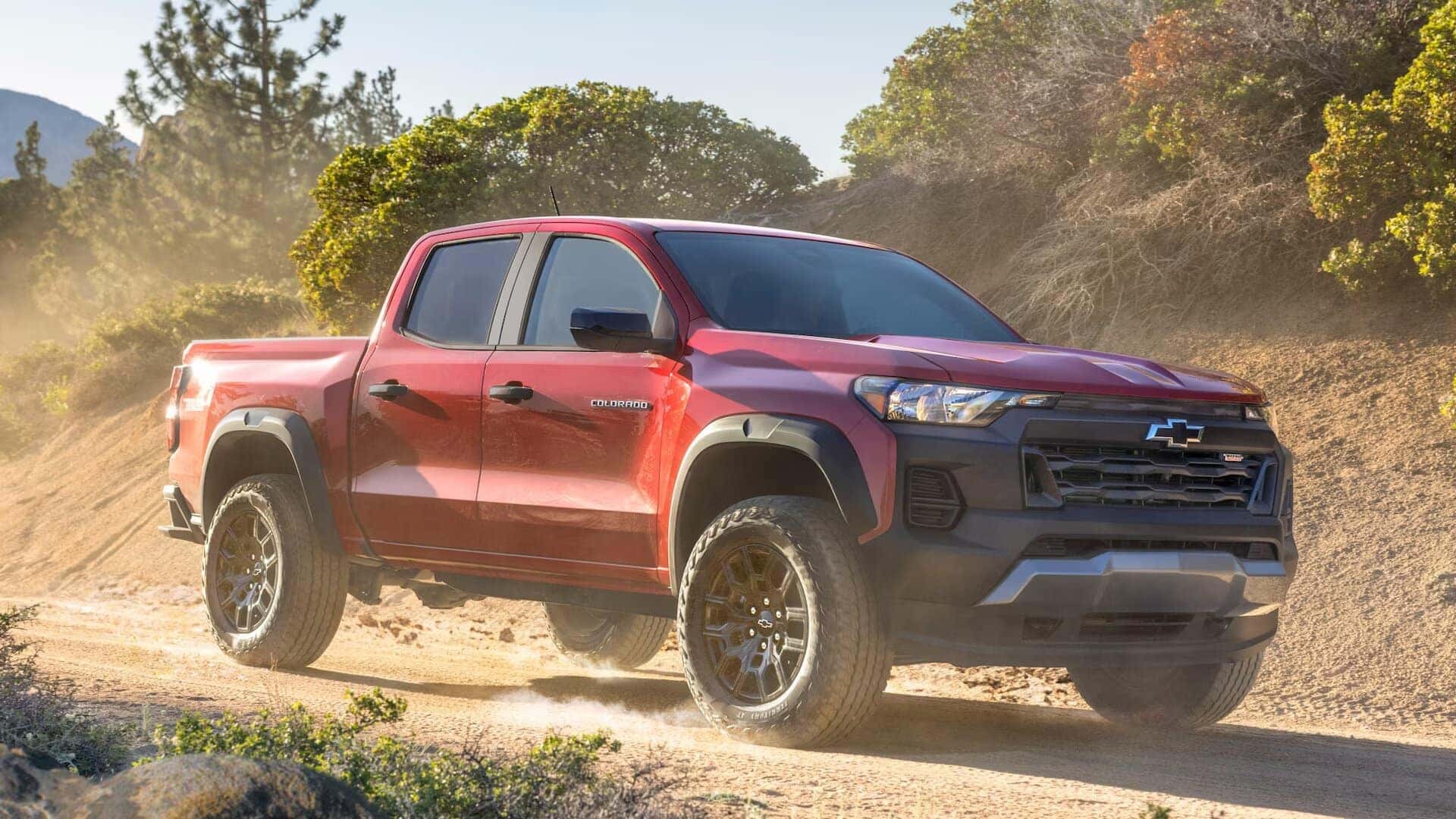
2. Chevrolet Colorado (Transmission Issues)
The Chevrolet Colorado, despite its praised diesel option and solid towing capability, has had reported transmission concerns especially in its gas engine variants when put under consistent towing demands.
While the diesel Duramax powertrain generally manages heat and wear well, the 3.6L V6 gasoline models paired with the eight-speed automatic transmission have seen complaints.
Users towing frequently report overheating transmission fluid and occasional gear slippage during heavy loads or climbing steep grades with trailers attached.
Mechanics point out that transmission cooling systems on some Colorado models may not be optimized for constant towing, and owners who use their trucks in hot climates or hilly terrain experience more frequent transmission stress.
Those relying on the Colorado’s gasoline models daily for towing should monitor transmission temperature closely and consider auxiliary cooling upgrades when needed. The switch between gears can feel hesitant under load, cutting into towing confidence over time.
This issue matters greatly for daily tow users because transmission repairs can be expensive and disruptive, resulting in downtime and diminished resale value.
While many drivers have found the Colorado to perform reliably in general use, those putting serious towing miles should remain cautious.
Awareness and preventive maintenance are critical in avoiding major transmission failures. This known vulnerability illustrates that a capable truck on paper does not always translate into long-term durability without the right support systems.
3. Honda Ridgeline (Transmission Issues)
The Honda Ridgeline maintains a loyal fan base for its car-like ride and practical features, but some users pushing the limits of its towing capacity have experienced transmission challenges.
The Ridgeline’s six-speed automatic transmission, while smooth in daily driving, sometimes struggles under sustained heavy towing loads, particularly in earlier model years before the introduction of the nine-speed transmission.
Signs include overheating, gear hunting, and occasional hesitation, possibly linked to limited cooling capacity.
Because the Ridgeline uses a unibody design and shares many components with SUVs, its transmission cooling is less robust compared to traditional body-on-frame trucks geared primarily for towing.
Owners towing near or at the 5,000lb maximum frequently report that careful driving techniques and regular transmission fluid changes are necessary to avoid issues during long hauls.
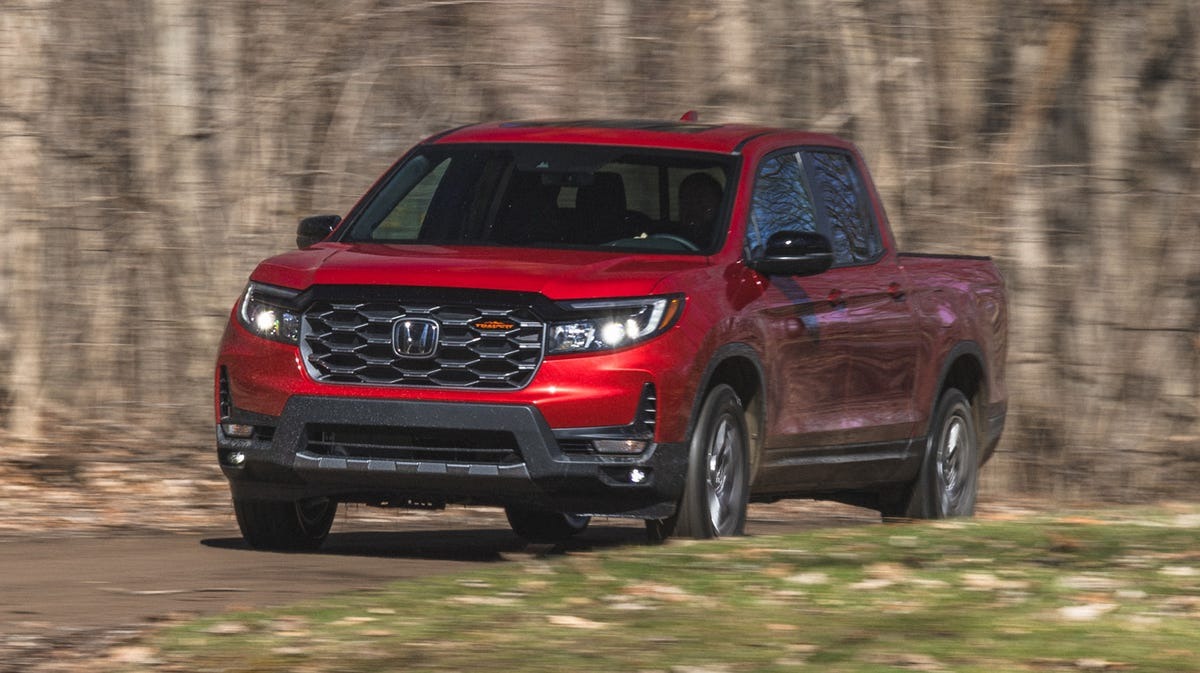
The nine-speed transmission introduced in recent years shows some improvement in handling heat and load but is not immune to transmission fluid overheating if heavily taxed.
For users planning frequent towing, this means knowing and respecting the Ridgeline’s limits is key to extending transmission life.
While many drivers never face transmission trouble, heavier everyday towing can increase wear and lead to costly repairs over time.
The Ridgeline’s strengths lie in balanced utility and comfort rather than maximum towing durability, and prospective buyers should factor this into their decisions.
4. Nissan Frontier (Transmission Issues)
The Nissan Frontier’s straightforward design and powerful V6 may appeal for many purposes, but concerning towing durability, some models have endured criticism for transmission shortcomings when regularly tasked with hauling trailers.
The latest nine-speed automatic transmission, while contributing to slight efficiency gains, has a mixed record among heavy towing users. There are numerous reports of overheating, shifting glitches, and transmission slip under load.
The Frontier’s transmission cooling system, although adequate for everyday driving, sometimes finds itself overwhelmed when the truck is pressed into frequent heavy towing duties, especially in demanding conditions such as mountainous terrain or high heat.
Owners recount frequent trips to the dealership for transmission clutch packs and gear replacements after extended towing usage, indicating durability issues.
This repeated strain on transmission components detracts from the truck’s appeal to those seeking a daily tow vehicle.
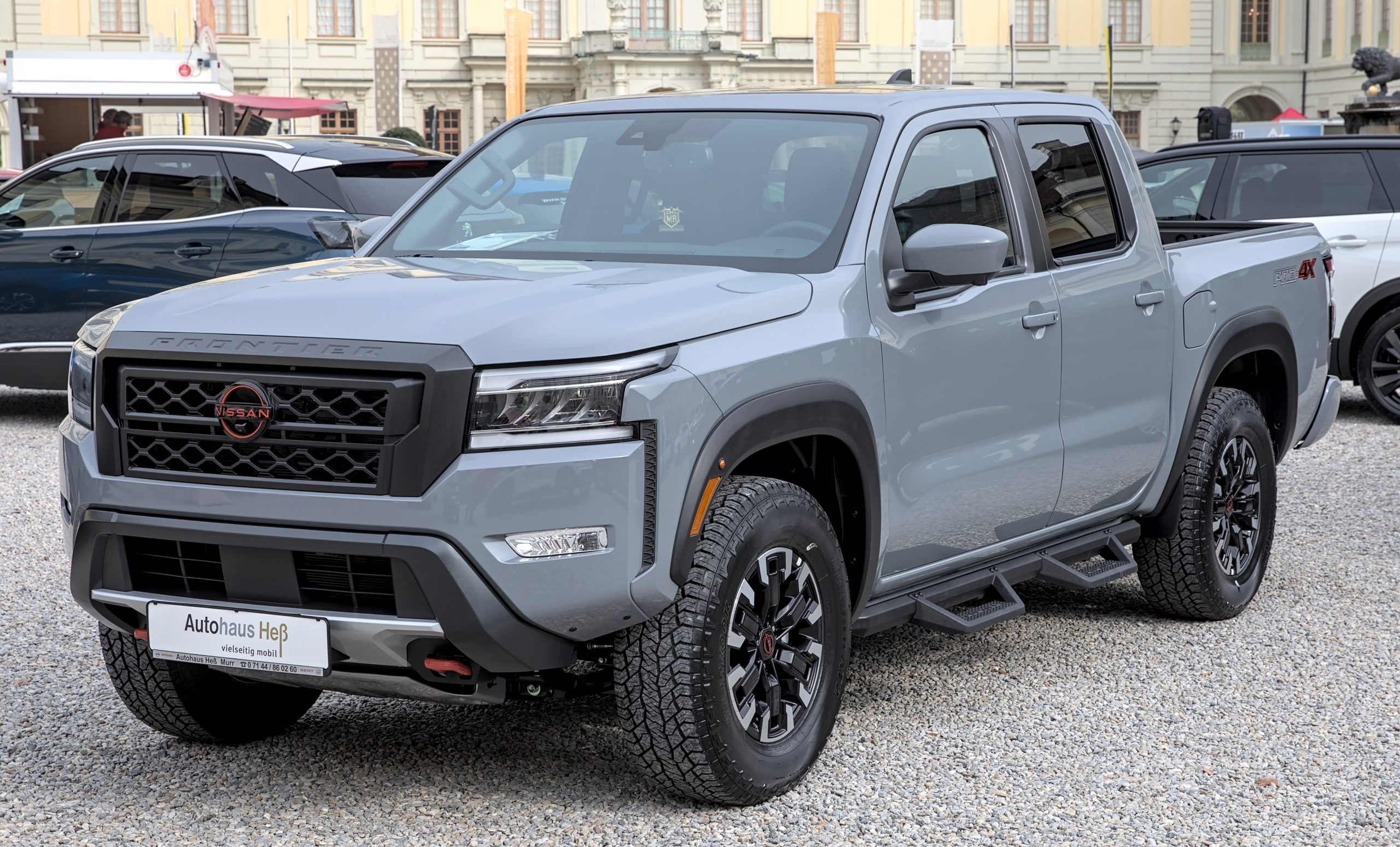
While the Frontier remains robust for moderate hauling and day-to-day work tasks, anyone expecting to push it hard with trailers regularly should proceed cautiously.
Preventive maintenance and close monitoring of transmission fluid temperature might help extend transmission life but cannot fully eliminate these concerns. This caveat is important when considering the Frontier against more proven towing competitors.
5. GMC Canyon (Transmission Issues)
Closely related to the Chevrolet Colorado, the GMC Canyon shares many powertrains but experiences its own share of transmission woes when towing consistently.
The eight-speed automatic transmission in gas-powered Canyons has made headlines for shifting delays and overheating on heavy trailer pulls, particularly under stop-and-go conditions or steep inclines.
Customer feedback and repair shop data suggest the Canyon’s transmission fluid cooling system is not always sufficient for sustained towing beyond light to moderate loads.
These issues parallel those found in the Colorado, pointing to a broader transmission design limitation shared across GM’s midsize trucks.
Transmission repairs and replacements become increasingly common for Canyon owners who subject their trucks to frequent towing stress, leading to considerable expense and downtime.
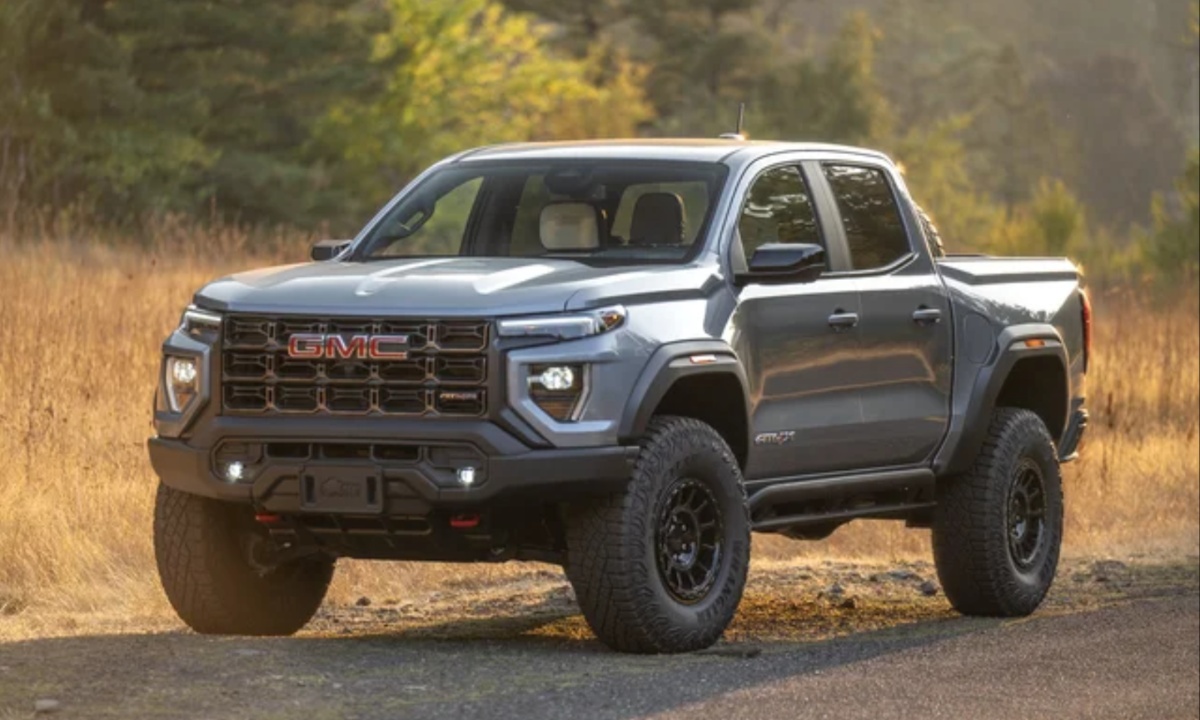
For buyers considering the GMC Canyon for regular towing, this reputational factor is essential. While capable in short bursts or casual towing, the transmission’s fragility under regular strain makes it less suitable for intensive work.
Potential purchasers should factor in this concern, investigate warranty options, and prioritize staying within recommended towing limits to preserve transmission health.
This insight reminds us that a truck’s towing capacity must be matched by equally robust drivetrain hardware.
Also Read: 5 Pickups With Factory Sealed Transmissions That Never Fail and 5 That do
