
When shopping for an SUV, reliability is not just a checklist item for many drivers it is the heart of their investment.
Beyond the allure of features and technology, one humble yet fundamental component quietly shapes every owner’s daily experience: the door hinges.
These overlooked mechanisms make the difference between a smooth entry and a frustrating, even hazardous, ordeal.
SUVs built with sturdy hinges take on hundreds of thousands of miles without complaint, maintaining their integrity despite heavy use, exposure to weather, and years of opening and shutting.
For families, commuters, and adventure-seekers alike, knowing which models stand up to relentless use can make all the difference.
However, not every SUV delivers the same peace of mind. Some reputed models harbour weaknesses that owners only discover after enduring years of creaks, sagging doors, or worse the bolt-shocking moment when a door fails completely after reaching a certain mileage.
When a door begins to misalign or detach, not only is safety at risk, but owners may also face hefty repair costs, loss of resale value, and sheer frustration.
This comparison puts the spotlight on both extremes: the SUVs celebrated for their durability, and those notorious for letting owners down around the 150,000-mile mark.
With careful research and firsthand reports, this comprehensive review lays out which SUVs to trust and which might demand added vigilance from their owners and potential buyers.
Also Read: 5 Obscure Diesel Trucks That Last and 5 Mainstream Trucks With Engine Problems
5 SUVs with Hinges That Never Sag
A dependable SUV is more than just reliable under the hood it maintains its structure, usefulness, and comfort for years. The door hinges may not dazzle on a spec sheet, but their performance speaks volumes about engineering attention to detail.
Sturdy hinges help ensure doors open quietly, maintain proper alignment, and keep out wind and rain even after years of use. Choosing an SUV with proven hinge durability translates into fewer repairs, enhanced safety, and a generally hassle-free ownership experience.
The following five SUVs earn praise from mechanics and long-time owners alike for their steadfast door performance. Each selection is supported by real-world experience, documented longevity, and feedback from auto experts.
The vehicles highlighted here represent different classes, budgets, and brands, demonstrating that thoughtful design is possible across the industry. Their places on this list are not just about high-mileage bragging rights but about daily peace of mind.
Focusing on models with robust engineering, high-quality components, and proven track records, this collection serves drivers who expect years of solid service without the worry of sagging or failing doors.
The vehicles are discussed not only for their mechanical resilience but also to help inform a new generation of buyers committed to making smart, long-lasting choices.
1. Toyota Land Cruiser
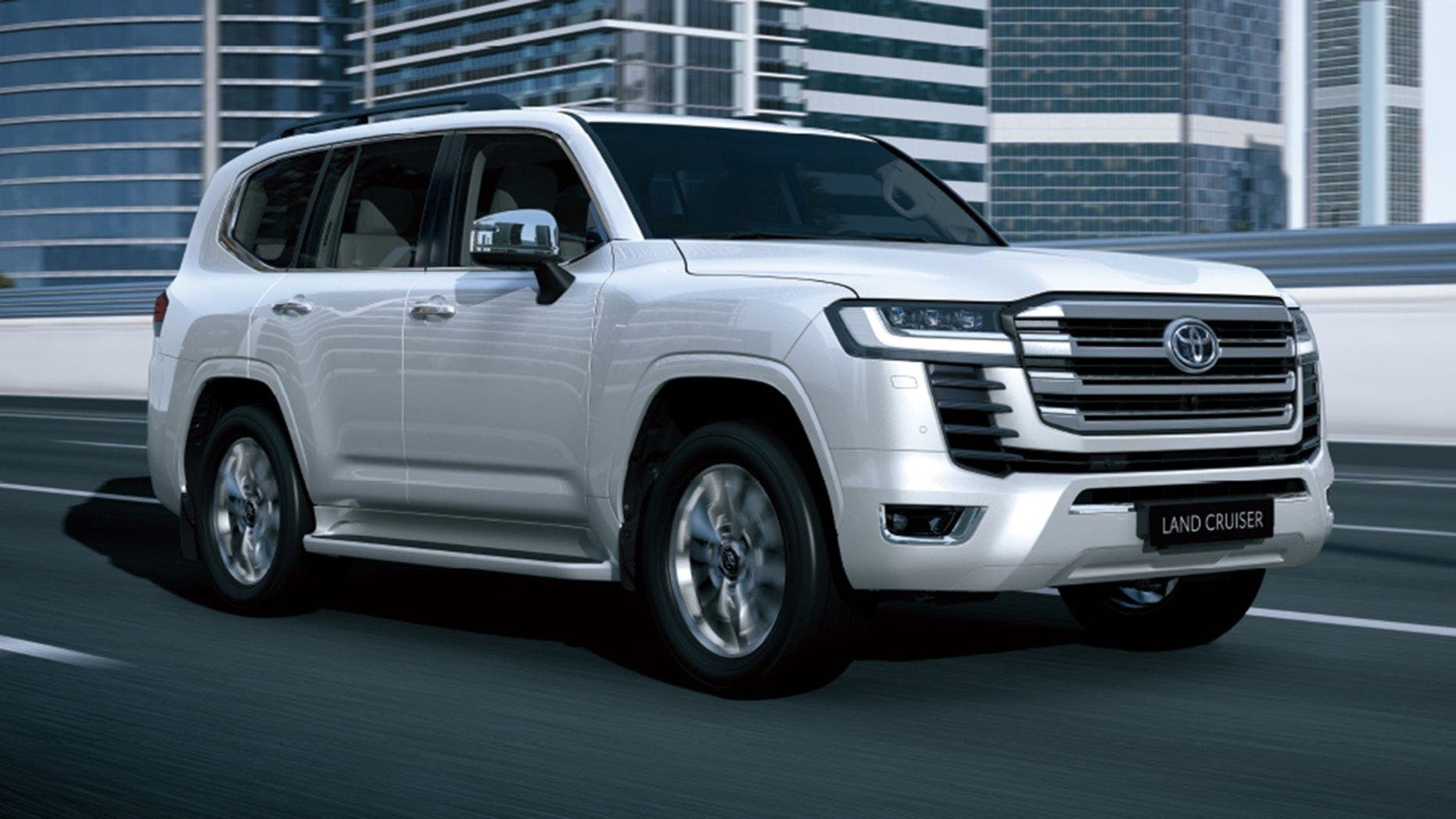
The Toyota Land Cruiser is often referred to as the “indestructible” SUV, and its reputation goes far beyond engine life.
Owners routinely report vehicles surpassing 300,000 miles without structural failures, and the door hinges play their part in this legendary durability.
Built with robust steel components and simple, no-nonsense engineering, the Land Cruiser’s doors survive decades of constant use, abuse, and off-road punishment.
Heavy frames and high-quality fasteners keep the doors aligned, preventing the sag that plagues so many high-mileage vehicles.
What sets the Land Cruiser apart is Toyota’s commitment to over-engineering every detail, including the hinges. They are reinforced to withstand the extra weight of the vehicle’s doors, which are thicker and heavier than those found on many competitors.
Even when subjected to harsh climates corrosive salt, extreme heat, or biting cold the hinges rarely corrode or develop play. This reliability means that Land Cruiser owners rarely, if ever, have to worry about the annoying creaks or costly repairs associated with sagging doors.
The reason for spotlighting the Land Cruiser rests on both statistical data and anecdotal evidence from mechanics worldwide, who often see these SUVs at astonishing mileage intervals with original hinges still in excellent shape.
For buyers seeking true longevity in every element of their vehicle, the Land Cruiser serves as a benchmark. Its hinges are not a selling feature but a quiet testament to thoughtful, bulletproof engineering.
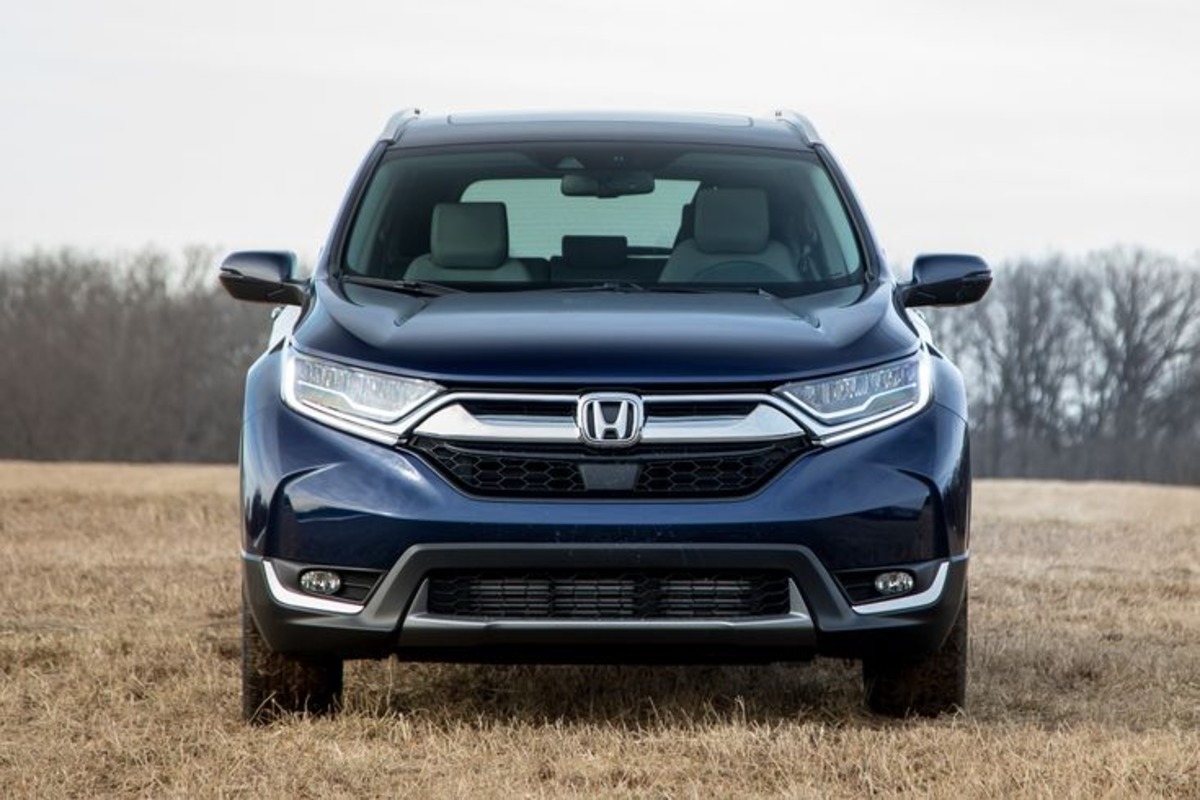
2. Honda CR-V
For decades, the Honda CR-V has set the standard for compact SUV longevity, and much of this reputation can be traced beyond the powertrain.
Owners with CR-Vs from the early 2000s consistently share stories about their vehicles reaching high mileage figures often over 200,000 miles without any hinge failure or sag. The secret lies in Honda’s attention to reinforcing points that see routine wear.
While many manufacturers cut corners on “invisible” components during cost-saving measures, Honda has maintained the quality in these crucial areas.
CR-V hinges are designed with thick, wear-resistant materials and coatings that guard against corrosion. Even in northern states where salt eats away metal over time, these hinges show remarkable resilience.
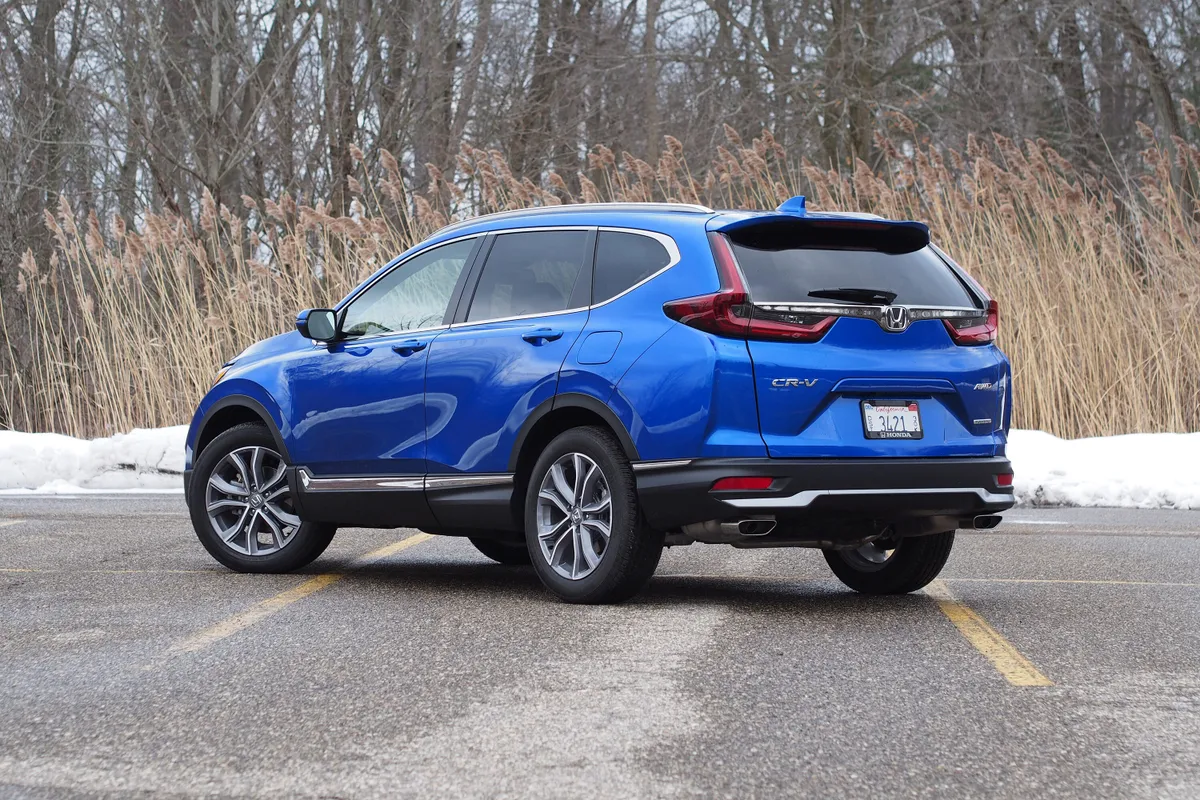
Mechanic testimonials and owner reports highlight how rarely CR-Vs require door realignment. This not only saves money on bodywork but preserves the “like-new” feel of the vehicle doors shut easily, keep out noise, and maintain their weather seals.
Including the CR-V here is about more than praising overall reliability. It underscores the importance of thoughtful design in even the smallest details.
For cost-conscious buyers who still demand a vehicle that ages gracefully, the CR-V’s track record with hinge durability sets it apart in the crowded SUV market.
3. Lexus GX
The Lexus GX combines Toyota’s celebrated engineering with premium materials and assembly processes that outlast most of their competitors.
Known for their plush interiors and commanding presence, GX models also benefit from some of the industry’s most resilient door hardware.
Built on the same platform as the Toyota Land Cruiser Prado, the GX adopts heavy-duty hinges designed to endure repeated use, demanding conditions, and the additional weight of luxury soundproofing and safety reinforcements.
Why include the GX? Long-term owners and auto body technicians claim that these SUVs rarely need door adjustments, even after sustained usage on rough roads or in harsh climates.
Lexus’s emphasis on premium fit and finish doesn’t stop at luxury trimmings the metals chosen for the hinge mechanisms are designed to resist stretching, bending, or corrosion. This means doors continue to close with a reassuring “thunk,” preserving interior comfort and exterior symmetry for years.
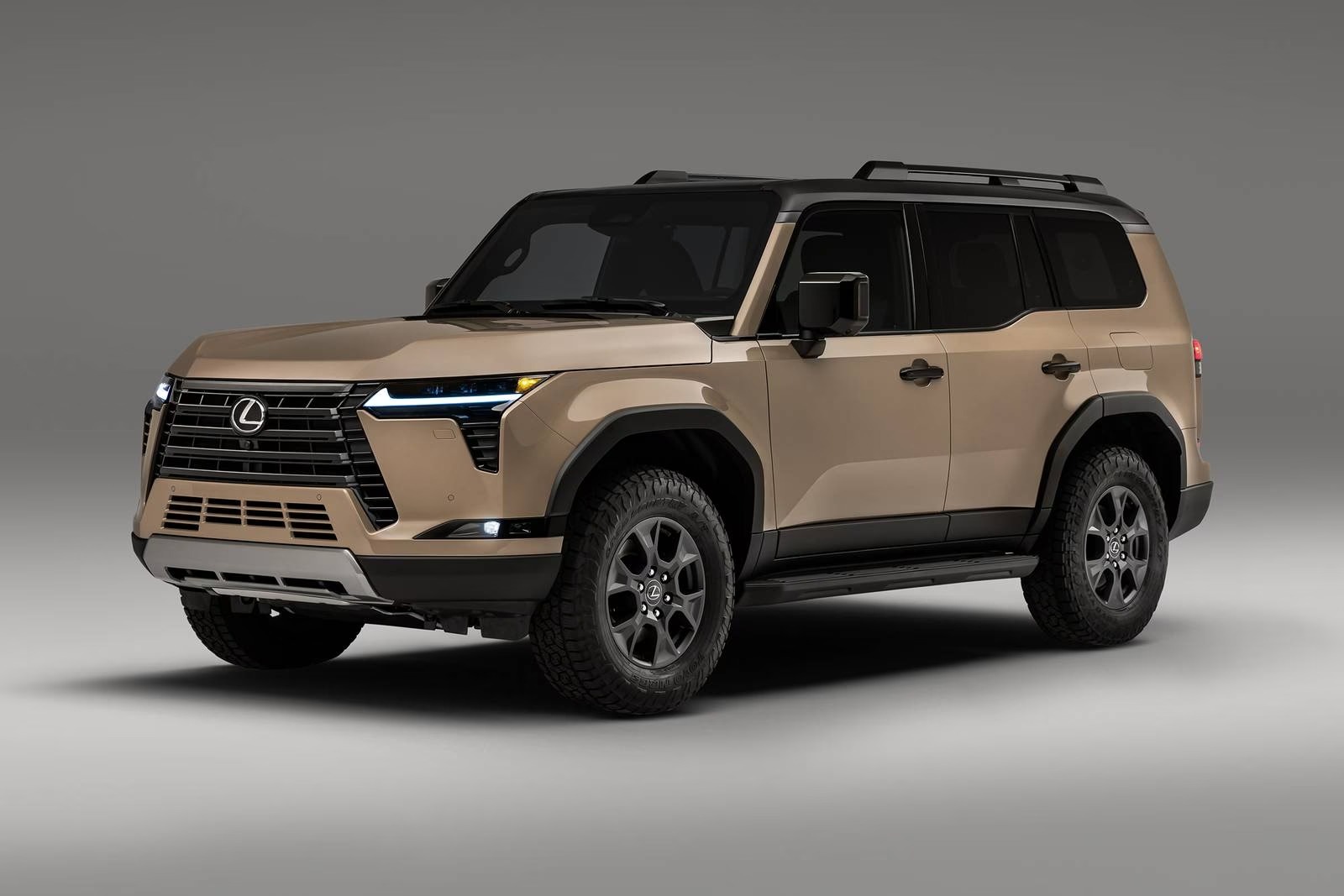
Featuring the GX here highlights how engineering for comfort and style doesn’t have to come at the expense of durability.
It’s a prime example for discerning buyers who want long-lasting elegance and mechanical soundness. Its reputation for robust hinges is matched by few other luxury SUVs.
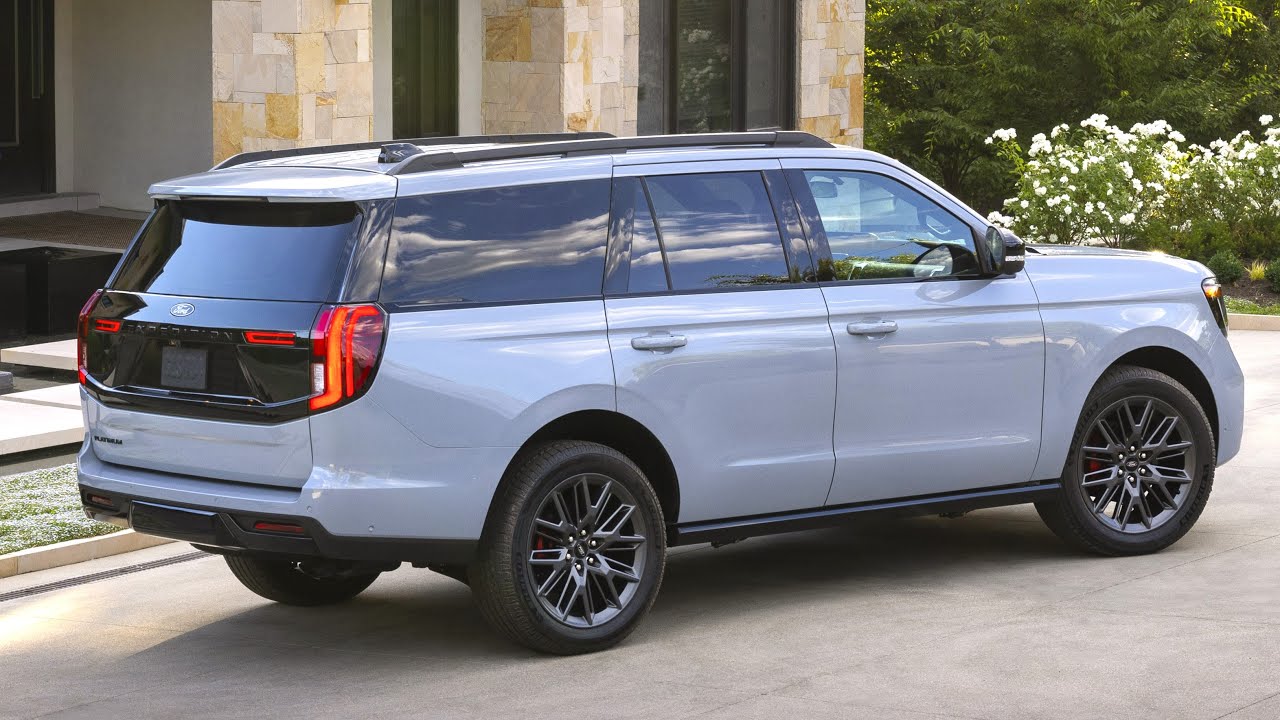
4. Ford Expedition
As one of America’s best-selling full-size SUVs, the Ford Expedition is commonly used as a family workhorse and a towing machine.
Drivers put these vehicles through city commutes, camping trips, and long-distance journeys, subjecting them to frequent, sometimes forceful opening and closing of large, heavy doors. The Expedition’s engineers have responded to this challenge by building hinges that match the model’s size and mission.
The hinges on the Expedition are oversized, with reinforced steel and bushings engineered to distribute the weight evenly and stand up to thousands of cycles.
Even in older models seen at auto auctions or in used-car lots with well over 200,000 miles, doors generally hang straight and operate smoothly. Fleet managers and commercial operators, who demand longevity, routinely choose the Expedition for its ability to take abuse in stride.
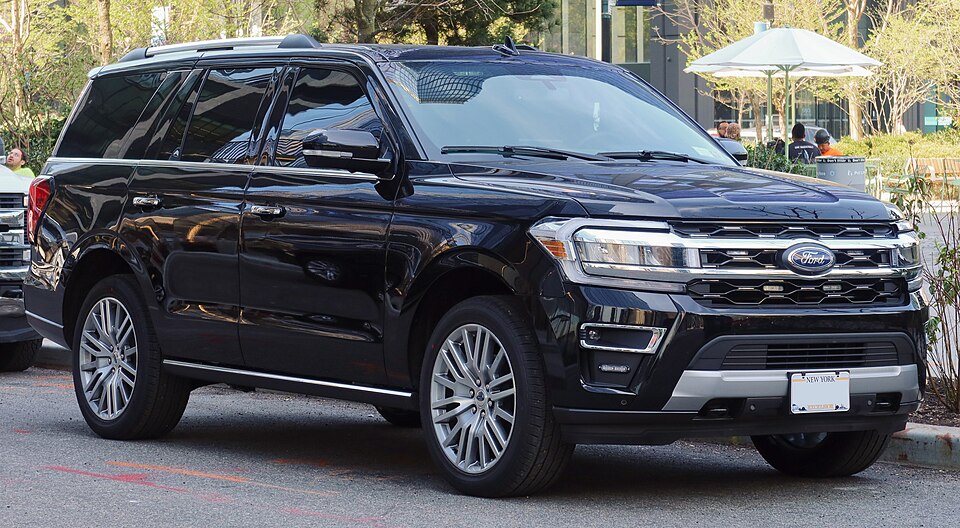
The Expedition earns its place thanks to field evidence and positive reviews from mechanics regarding its body hardware. Highlighting it here serves to reassure prospective buyers that a large SUV can retain its quality and utility long after the warranty has expired.
5. Subaru Outback (SUV Crossover)
While the Subaru Outback is sometimes labeled a wagon, its modern generations compete squarely in the SUV class. Renowned for its reliability in harsh climates, the Outback consistently impresses owners with the durability of its doors and hinges.
Frequent winter storms, muddy adventures, and exposure to road salt are par for the course, but the Outback’s hinges rarely let owners down.
Why the focus on the Outback? Beyond its all-wheel-drive prowess, this vehicle boasts coatings and materials that fend off rust and corrosion on door components, ensuring they operate without issue for well over 200,000 miles.
Known for minimalist but effective engineering, Subaru prioritized seal longevity and precise door alignment. Owner forums are full of praise for how these door hinges stand up to outdoor adventure and city living alike.
Spotlighting the Outback here recognizes that hinge durability isn’t just for heavy-duty or luxury SUVs practical, adventure-minded vehicles can offer the same reassurance.
For buyers in cold or rainy regions, the Outback’s dependable door hardware provides a practical reason to choose confidence over worry.
5 SUVs with Doors That Fall Off by 150,000
When reliability falters, it often makes daily life needlessly stressful. In the case of SUVs with poorly designed or executed door hinges, the impact appears just as the vehicle should still have plenty of life in it: shortly after 150,000 miles.
This is the stage at which many careful owners expect another two, three, or even four years of productive service from their investment. Yet some vehicles, despite leading names or attractive features, struggle with door hinges that loosen, deform, or even detach altogether.
What begins as a minor misalignment can escalate into wind and water leaks, increased cabin noise, and ultimately, complete door failure if ignored.
This section aims to spare buyers from unexpected trouble and cost by drawing attention to five SUVs repeatedly flagged for door hinge issues as they approach six-figure odometer readings.
The focus here is not just on complaints from consumers, but on documented service bulletins, widespread mechanic warnings, and visible patterns in online owner reports.
By presenting these models, the purpose is to help future buyers make informed choices and allow current owners to be proactive with maintenance, potentially avoiding the frustration and significant repairs linked to this seemingly simple but crucial component.
1. Jeep Liberty
The Jeep Liberty is known for its off-road aspirations and distinctive looks, but its reputation suffers when it comes to long-term hardware integrity, particularly the doors.
Owners and repair shops report a recurring pattern: as Libertys approach and surpass the 150,000-mile milestone, many begin to experience sagging doors, misalignment, and eventually, complete hinge failure.
This is not just an inconvenience; it becomes a safety concern if the door begins to close improperly or, in worst cases, can detach if the hinge fails altogether.
The underlying issue tends to stem from cost-cutting measures during the Liberty’s production run, with hinges manufactured from thinner, less durable metals that simply cannot bear the cumulative weight and stress over years of use.
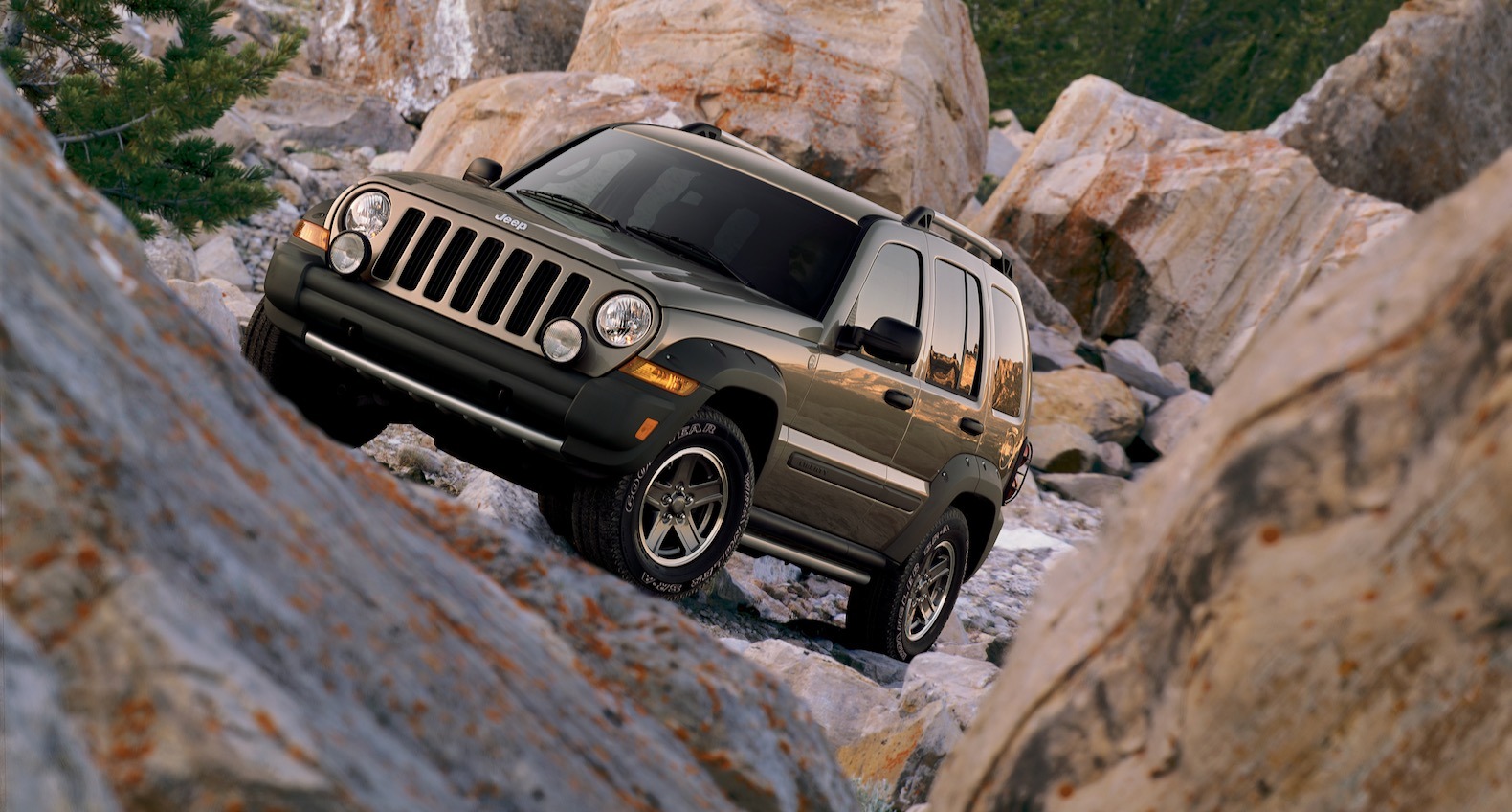
As the doors sag, not only does the vehicle lose its structural integrity, but owners can also face expensive body repairs that are often more costly than the declining value of a high-mileage Liberty.
This topic is highlighted to serve as a cautionary reference for both current owners who may want to inspect and maintain their vehicle’s door hinges proactively, and for buyers who might be drawn in by the Liberty’s price or features without realizing the risk at higher mileage.
2. Chevrolet Trailblazer (Early 2000s)
The early 2000s Chevrolet Trailblazer, while praised for engine reliability, suffers frequent criticism for its door hinges as mileage accumulates.
Mechanics and used car evaluators often flag Trailblazers with over 150,000 miles for hinge fatigue doors that start to sag, squeak, or, in severe instances, detach from the frame on either top or bottom. The issue lies in reliance on small-diameter hinge pins and bushings, which wear out and create excessive play.
Why spotlight the Trailblazer here? Owner stories and mechanic logs show a consistent theme: repair shops frequently recommend replacement of hinges or bushings by 120,000–150,000 miles, with many doors needing repeated attention as the SUV ages.
Poor preventative coating against rust further exacerbates failure in salty or humid climates. This recurring problem not only creates a nuisance for drivers but also exposes the cabin to weather and can result in failed state inspections.
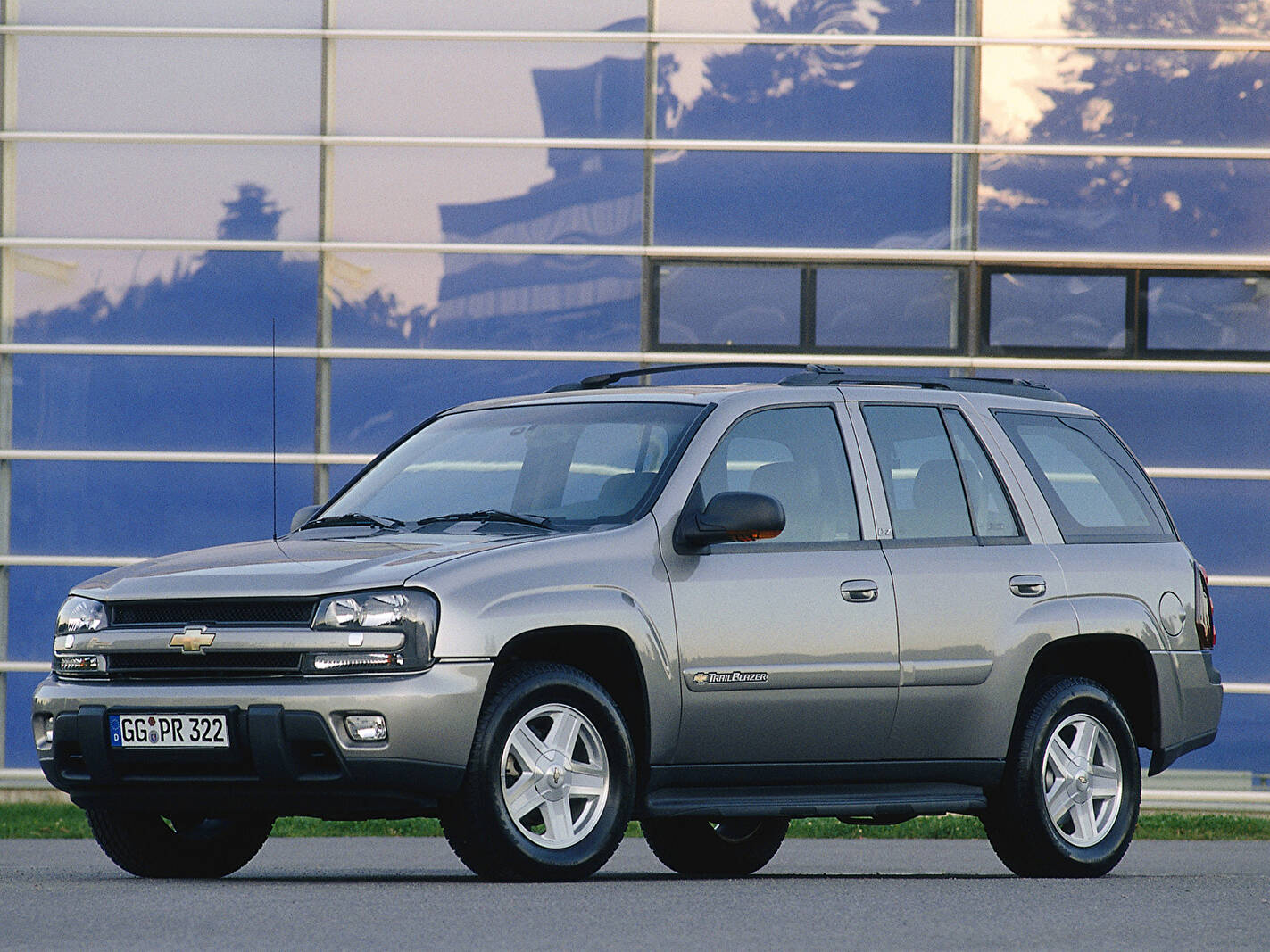
Including the Trailblazer on this list serves as a warning for those tempted by its generally affordable used prices. It emphasizes the need for diligent hinge inspection before purchase or routine reinforcement afterward to avoid unexpected costs and safety concerns.
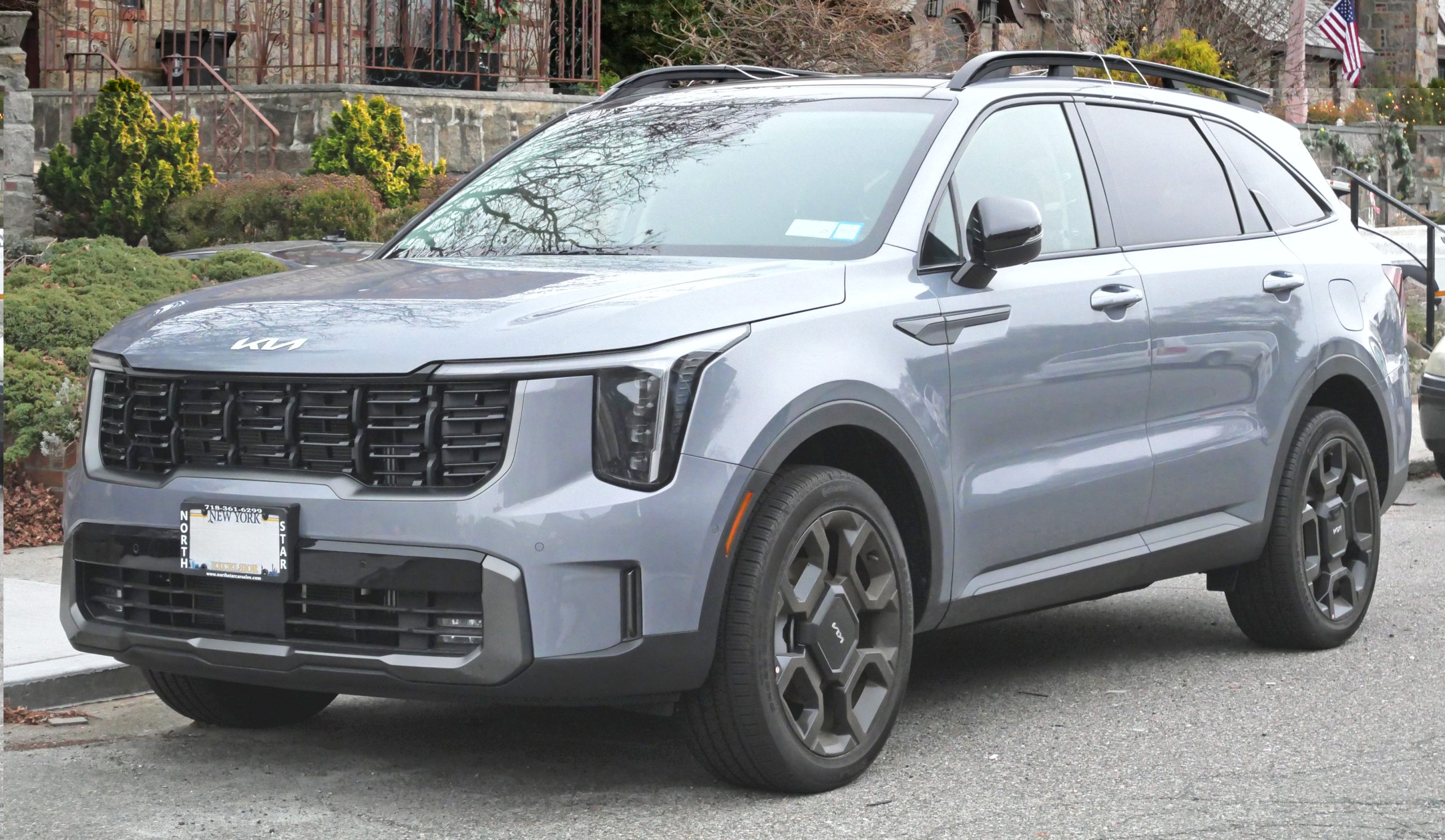
3. Kia Sorento (First Generation)
The first-generation Kia Sorento brought budget-friendly entry into the SUV segment, but owners of older Sorentos have often encountered troubling hinge reliability as the miles pile up.
Reports of sagging doors, difficulty closing, and, in the most problematic cases, hinge breakage right around or after 150,000 miles are particularly common.
Unlike some competitors that use reinforced components, these early Sorentos relied on hinges prone to wear and corrosion without adequate protection.
This concern deserves attention because it’s so often overlooked during casual inspections. For owners in wet or coastal climates, the risk is even greater, with corrosion-induced failure more common.
In addition, a compromised door hinge impacts not only the ability to secure the vehicle but can contribute to wind noise, water leaks, and reduced crash safety.
Highlighting the first-generation Sorento in this context provides a service to both current owners and potential buyers aiming for a reliable SUV at a bargain.
It also acts as a reminder that sometimes cost-cutting in hardware, rather than headline features, leads to the most problematic ownership experiences as a vehicle ages.
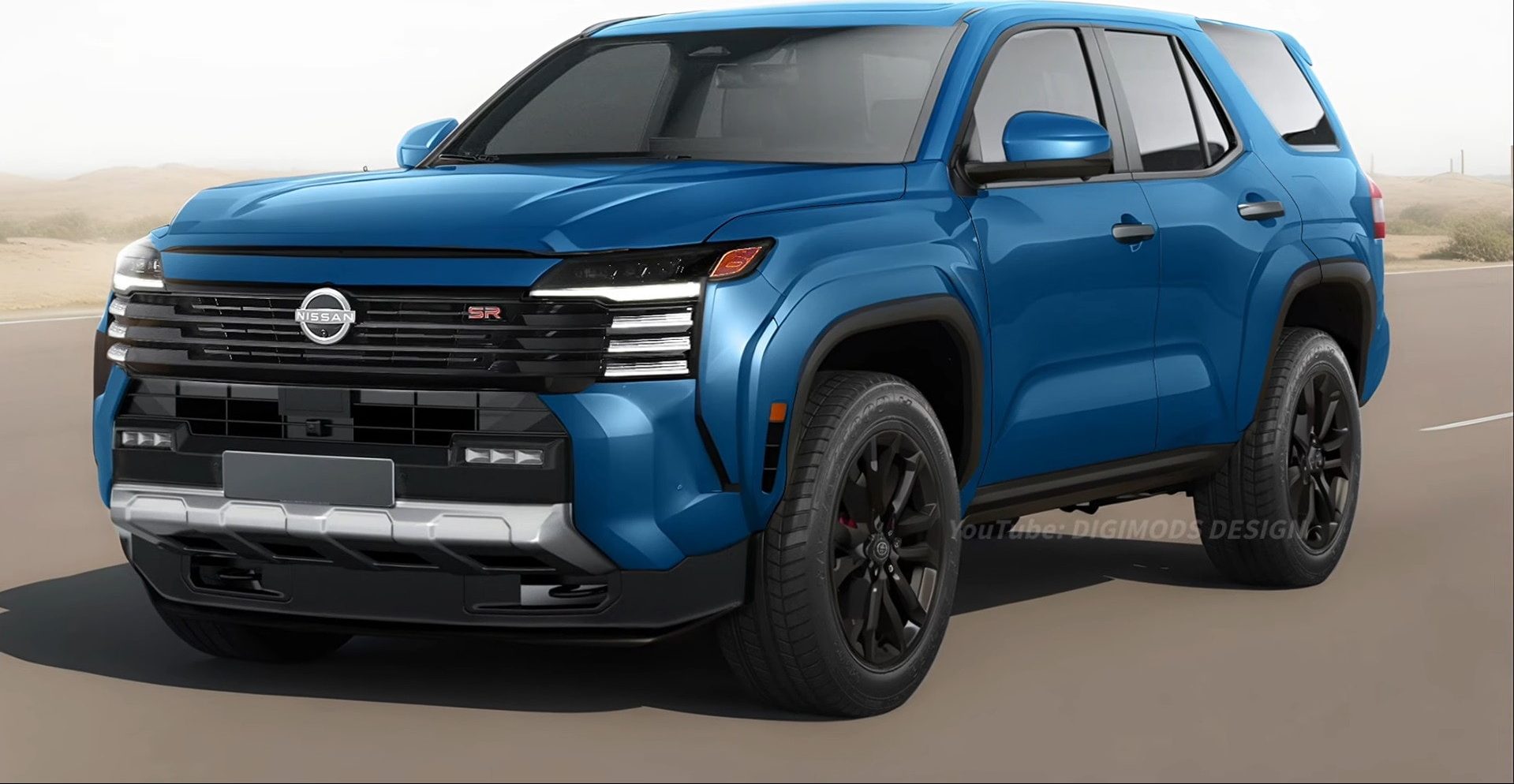
4. Nissan Xterra (Second Generation)
The Nissan Xterra was built to be rugged and simple, but some of this simplicity resulted in overlooked components. Among these, the door hinges have shown a consistent pattern of failure near or just after the 150,000-mile threshold.
Owners frequently report difficulty in opening and closing doors, visible sag, and eventual hinge fracture which, in rare cases, causes the door to come unmoored from the frame.
The root of the problem is traced to thin hinge brackets and under-dimensioned pins, which can not handle repeated heavy use, especially with larger rear doors. Used Xterras found with doors out of alignment is a familiar sight for mechanics specializing in older Nissan SUVs.
Not fixing this right away can quickly transition from an aesthetic flaw to a full-blown safety risk, especially if the door cannot close or latch securely.
This topic is examined to help buyers and owners recognize the importance of early intervention. Regular lubrication and inspection can extend hinge life, but buyers should be aware that higher-mileage Xterras deserve a second look sometimes the best deal is not a bargain if repairs loom on the horizon.
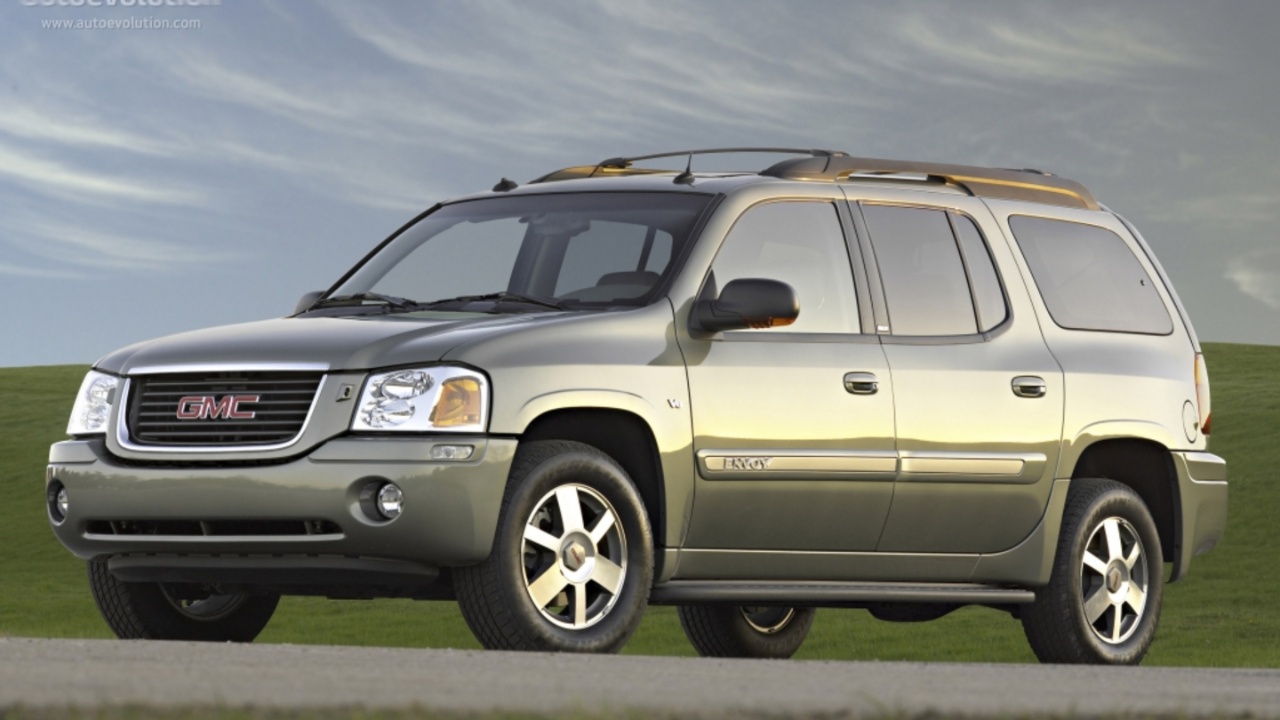
5. GMC Envoy
The GMC Envoy is a close sibling to the Chevrolet Trailblazer, and unfortunately, it inherits similar door hinge woes, especially in the same early to mid-2000s production years.
Around the 150,000-mile marker, Envoy doors tend to suffer from worn hinge pins and bushings, sagging alignment, rattles, and sometimes outright failure where the hinges separate from the body or frame.
This situation escalates especially in climates with freeze-thaw cycles or frequent rain, as lack of protective coatings and poor design leave the hinges susceptible to accelerated wear and rust.
Mechanics attest to seeing high-mileage Envoys with doors needing to be lifted or slammed to close properly, with the problem worsening if not corrected.
The reason for highlighting the Envoy is to reinforce the relationship between shared automotive platforms and recurring design flaws. For those considering a used Envoy with significant mileage, thorough inspection of the hinges is a necessity.
Owners can extend hinge life through frequent greasing and early repairs, but the risk of severe hinge failure remains a known concern as mileage stacks up.
This comprehensive review focuses on an often-overlooked but critical aspect of SUV longevity and owner satisfaction: the durability of door hinges.
Door hinges may not typically grab headlines alongside engines or infotainment systems, but they significantly influence daily convenience, safety, and maintenance costs.
The review presents two contrasting groups: five SUVs renowned for hinges that maintain perfect alignment and function well beyond 150,000 miles, and five SUVs notorious for hinge problems leading to sagging, misaligned, or even detached doors at similar mileages.
Durable door hinges contribute not only to a quiet, comfortable ride but also to vehicle safety by ensuring proper door closure and structural integrity.
On the other hand, failing hinges create safety risks, increased cabin noise, weather intrusion, and can demand costly repairs that diminish the vehicle’s value.
Offering this side-by-side comparison allows owners and prospective buyers to make more informed choices and encourages awareness of a component typically overlooked during purchase or maintenance.
The first group includes the Toyota Land Cruiser, Honda CR-V, Lexus GX, Ford Expedition, and Subaru Outback.
These models represent a diverse range in size, price, and purpose, yet they unite around thoughtfully engineered doors and hinges that withstand everyday wear, heavy use, and harsh weather.
The Toyota Land Cruiser shines for its overbuilt steel hinges that consistently last hundreds of thousands of miles, reflecting Toyota’s conservative and quality-driven approach. The Honda CR-V gains praise for corrosion-resistant materials and careful hinge design that preserves door alignment while costing less to maintain.
Lexus GX takes the Land Cruiser’s robust basics and enhances them with premium materials that support luxury while ensuring hinge durability.
Ford Expedition’s hinges are engineered oversized to handle large, heavy doors, serving users who demand longevity for family and towing needs.
Subaru Outback combines simple, minimalist hinge engineering with protective coatings, especially valuable for buyers in cold or wet climates looking for reliability in adventurous vehicles that double as daily drivers.
The second group highlights models that demonstrate a systemic tendency toward hinge failure by or shortly after 150,000 miles: the Jeep Liberty, Chevrolet Trailblazer (early 2000s), first-generation Kia Sorento, Nissan Xterra (second generation), and GMC Envoy.
Common issues in these vehicles include thinner metal components, smaller-diameter hinge pins and bushings, inadequate rust protection, and cost-cutting during manufacture that ultimately leads to sagging doors, difficult operation, and safety concerns.
Owners frequently report a need for hinge replacement or repair starting around the six-figure mileage mark. These problems can impose unexpected financial burdens, degrade the vehicle’s weather-tightness and structural integrity, and cause safety risks such as doors that do not latch properly or even risk detaching.
Each problematic model in this group is identified not just by owner complaints but also by service bulletins, repair shop experiences, and consistent patterns in used vehicle inspections.
Raising awareness benefits existing owners by encouraging preventative maintenance like early inspection, lubricating hinges, or timely component replacement.
For prospective buyers, this information speeds recognition of potential red flags during used car shopping, helping to avoid vehicles with anticipated hinge troubles.
The review emphasizes the importance of looking beyond headline features when considering SUV durability. It encourages evaluating smaller but essential components such as hinges which affect everyday usability and long-term peace of mind.
Choosing an SUV known for resilient hinges means fewer repairs, enhanced safety, and a better ownership experience, while recognizing common hinge issues can prevent frustration and added costs. This balanced approach supports more informed, confident decisions by current and future owners.
Also Read: 5 Obscure Asian Cars That Outlast Competitors vs 5 Trending Models With Flaws
