
Cars are often defined by the reliability of their engines, yet one of the least visible but most critical components to this reliability is the timing system.
Behind the scenes, the timing gear or belt works relentlessly to keep the camshaft and crankshaft in perfect harmony, orchestrating the movements that drive the vehicle forward.
Some vehicles adopt robust timing gears made from sturdy materials that promise longevity and peace of mind, while others utilize timing belts that, if not properly maintained or designed to last, can become a significant point of vulnerability.
Owners who experience sudden timing belt failure know just how catastrophic and costly engine damage can be.
Meanwhile, those whose vehicles employ near-unbreakable timing gears often enjoy miles of worry-free motoring with one less thing to monitor on their maintenance checklist.
This discussion highlights two sharply contrasting tales in automotive engineering: cars famed for virtually indestructible timing gear systems and those notorious for timing belt failures around the 80,000-mile mark.
Both themes share one common thread the impact on long-term costs, reliability, and owner satisfaction. By looking at vehicles from both perspectives, it becomes clear which choices stand out for their engineering foresight and which serve as cautionary tales.
Whether you are evaluating used cars or pondering what to trust for sustained commitment, understanding these mechanical distinctions can guide you toward more confident decisions as a consumer.
Also Read: 5 Pickups With Factory Sealed Transmissions That Never Fail and 5 That do
Cars with Indestructible Timing Gears
High mileage is often seen as a badge of honor in the automotive community. A key reason for certain cars’ renowned reliability lies in their use of timing gears instead of belts.
These gears, typically fabricated from durable metals, are integral to keeping the engine’s internal synchronization precise without the risk of fraying, stretching, or snapping like a rubber belt.
When carmakers invest in robust timing gear systems, they essentially engineer out a potential point of failure that plagues many rivals.
Owners and enthusiasts continually praise such cars for their endurance and minimal maintenance demands, grateful for avoiding the expensive and anxiety-inducing specter of timing belt replacement or catastrophic engine repair.
I am writing about five specific vehicles known for their indestructible timing gears to spotlight how select manufacturers have gone the extra mile in terms of engine durability.
These cars are frequently favored by those who rack up highway mileage or keep vehicles for lengthy periods. The models chosen reflect a combination of real-world owner reports, engineering design, and reputations built up over decades.
Each stands as an example of robust mechanical thinking, where reliability was clearly given precedence over mere cost savings.
By examining these machines in detail, you’ll see why so many people gravitate toward them, enjoying the rare confidence of knowing their car’s heart is designed to endure as long as possible with minimal intervention.
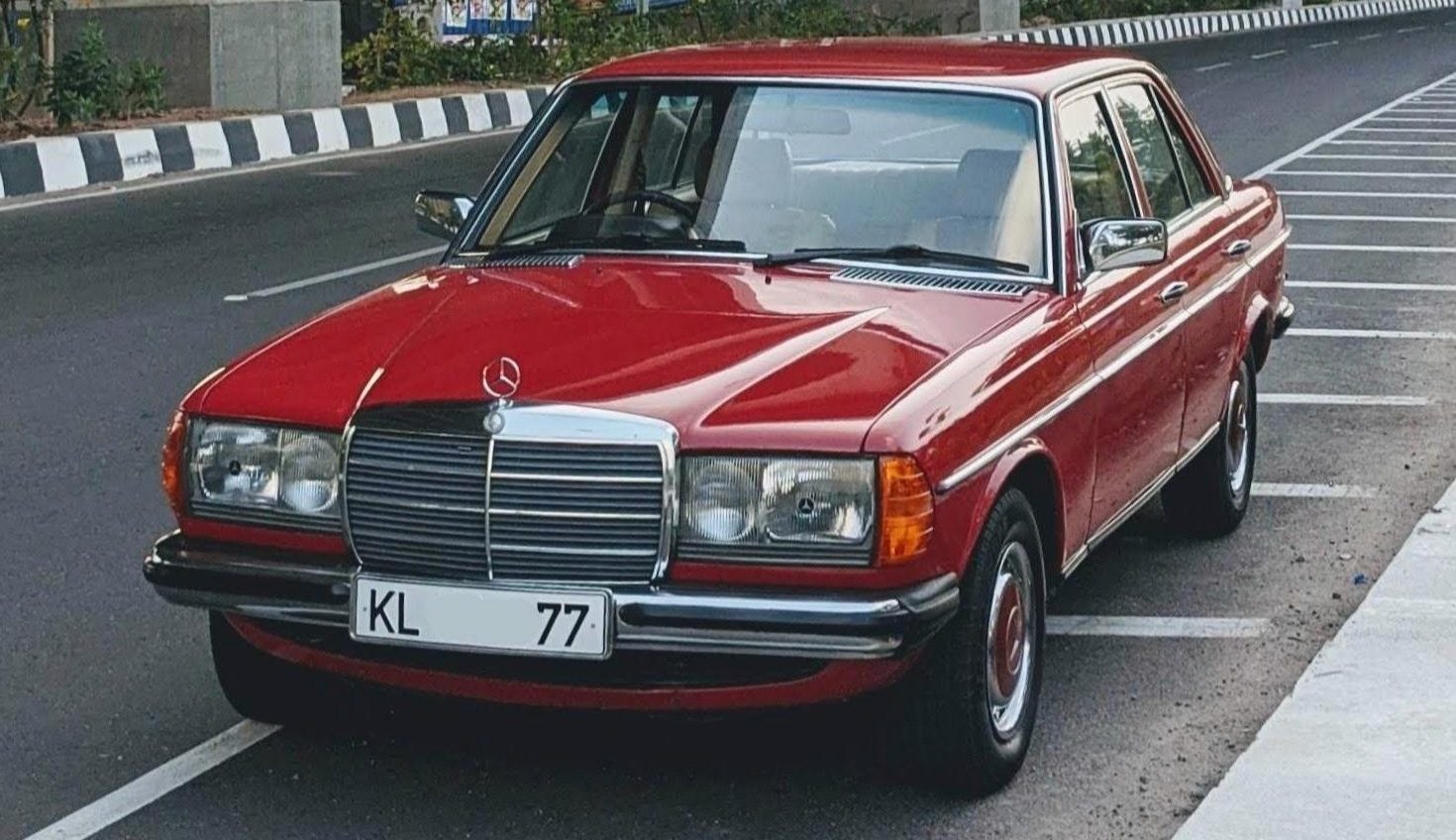
1. Mercedes-Benz W123 Series
Whenever longevity is discussed, the Mercedes-Benz W123 often surfaces immediately, thanks to engines that rarely falter under high-mileage demands.
One of the defining technical decisions made by Mercedes engineers was to employ steel timing gears in the W123 diesels and many petrol variants. These gears and the chain system they are part of are renowned for their resistance to wear.
The system avoids the potential issues linked to belts, which can degrade from heat, oil contamination, or simple age.
Mercedes’ implementation is particularly robust due to the extensive use of hardened steel and precision machined parts, reflecting a philosophy where durability outweighed cost-cutting or ease of manufacture.
Owners appreciate the peace of mind these gears offer, often seeing engines surpass 400,000 miles with original timing components.
The system requires much less frequent maintenance, and the cost savings over a decade or more are considerable, especially when compared to vehicles plagued by timing belt failure and costly repairs.
This reliability has helped create a dedicated following of enthusiasts who continue to restore and drive W123s globally.
Listening to forums and mechanic testimonials, it’s clear that the indestructible timing gear is key to why these vehicles live on, long after newer models have entered the scrapyard.
Writing about the W123’s timing gear system underlines how engineering choices made decades ago are still protecting owners from breakdowns and expensive engine work.
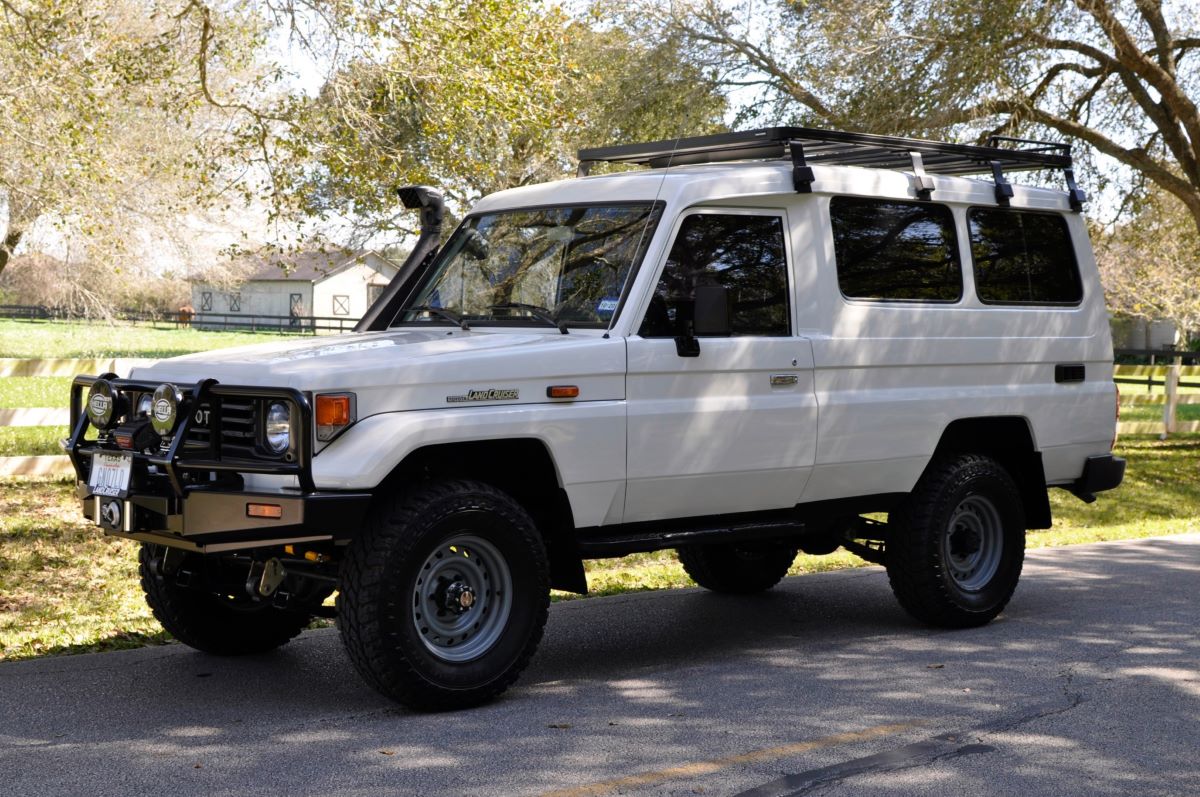
2. Toyota Land Cruiser 70 Series
The Toyota Land Cruiser 70 Series has built a reputation for dependability in the harshest environments, from Australian deserts to African savannahs.
Much of this vehicle’s legendary status comes from its no-nonsense engine design, notably the use of strong and precisely engineered timing gears in many of its diesel engines.
Unlike rubber belts or stretched chains, these gears are all about enduring abuse from dust, sand, and hard labor over many years without missing a beat.
Toyota’s commitment to over-engineering is nowhere more apparent than in these timing assemblies, constructed from hardened steel and installed so securely that failures are almost unheard of.
People who operate in remote or hostile places trust the Land Cruiser 70 for a reason; a snapped timing belt is not just inconvenient it could mean real danger hundreds of miles from help.
Toyota carefully calibrated these engines to eliminate such weak points, leaning on mechanical simplicity and proven durability.
Owners repeatedly cite their cars’ ability to run on original timing gears for decades, whether used in mining operations, farming, or rough expeditions.
Writing about the Land Cruiser 70’s timing gear setup highlights a fundamental difference in philosophy when a vehicle is expected to protect lives in far-off places, nothing short of the best-engineered solution will do.
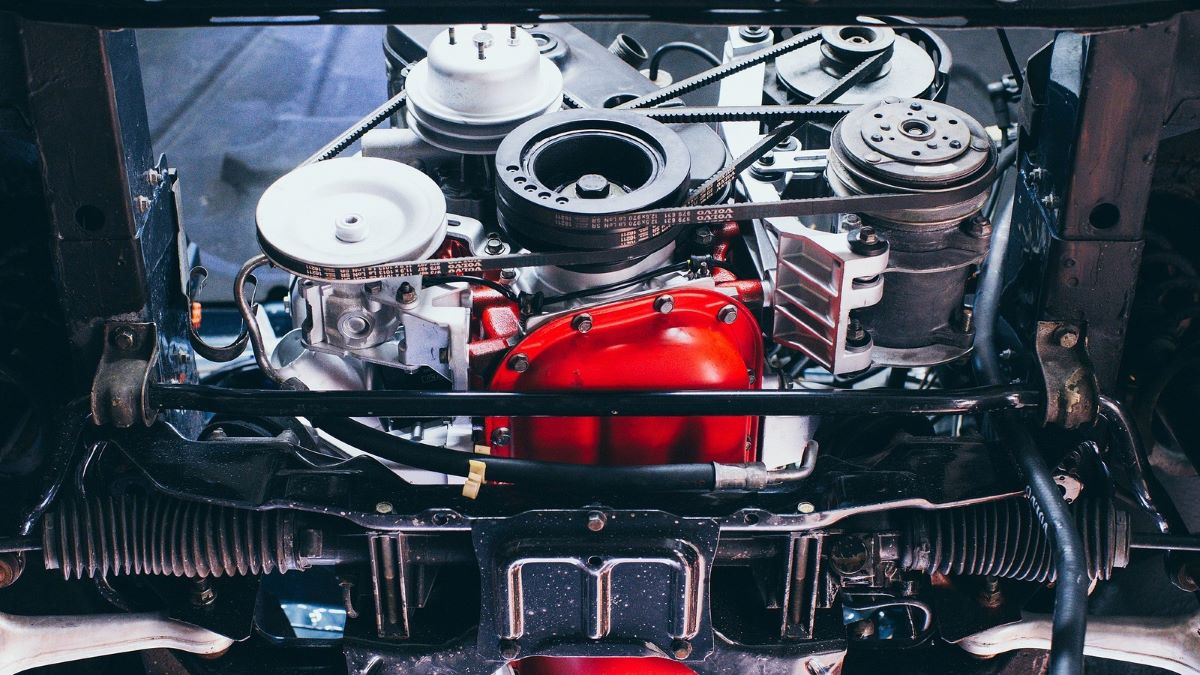
3. Volvo Redblock Engines (B21/B230 Series)
Volvo’s Redblock engines, produced throughout the 1970s, 80s, and 90s, are cult favorites for their brute reliability, partly due to their timing gear arrangements.
These engines usually rely on steel timing gears driving the camshaft and auxiliary shaft, reinforcing what’s already an overbuilt block and bottom end.
Unlike many modern engines that chased weight savings with belts, Volvo stayed the course with gears, guaranteeing a timing system that practically never quits unless affected by severe neglect or a total lack of oil.
This approach means many “brick” Volvos have comfortably cruised past 500,000 miles, and it’s routine to see enthusiast forums celebrating original engines still turning decades after leaving the factory.
Even more impressive is the lack of expensive or sudden failures, which is a direct outcome of their gear-driven system. Maintenance is simple, concerns over invisible wear are minimal, and the engines tend to give plenty of warning before any issue does arise.
Choosing the Redblock for discussion demonstrates how a supposedly simple technical choice picking gears over belts can have a profound effect on owner satisfaction and the overall legacy of a car engine.
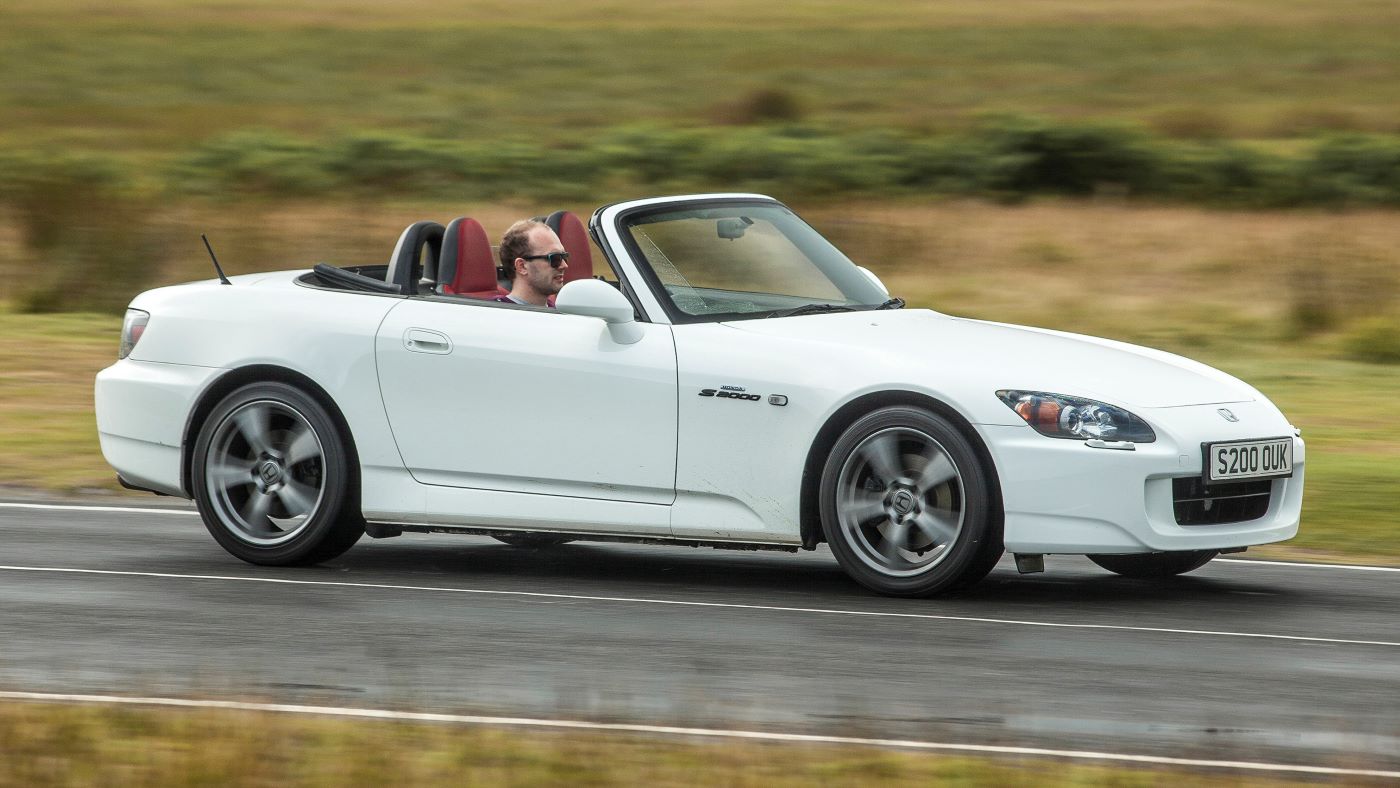
4. Honda S2000 F20C/F22C Engines
The Honda S2000 was built to deliver high-revving excitement, but another aspect of its acclaim comes from the resilience of its engine.
Central to this are the timing gears connected to a robust timing chain, instead of a belt for its F20C and F22C powerplants.
Honda’s choice of a chain-driven setup backed by precision-machined gears brings a remarkable combination of accuracy and endurance, particularly suited to engines that routinely spin toward 9,000rpm.
The system requires minimal intervention compared to belts, with replacement or inspection typically only needed at exceptionally high mileage.
For enthusiasts and track-day regulars who push these engines to their limits, the reliability of the timing mechanism is crucial.
Owners cite the lack of catastrophic timing failures as a distinct advantage, increasing long-term confidence in a vehicle that is designed for spirited driving.

Reviewing the S2000’s timing system shows how the pursuit of both performance and dependability led Honda engineers toward durable, low-maintenance choices.
Writing about this car bridges the world of the reliable commuter and the passionate enthusiast a balance few manufacturers have achieved so well.
5. Ford Panther Platform (Crown Victoria, Grand Marquis, Town Car)
The full-size sedans built on Ford’s Panther platform (Crown Victoria, Mercury Grand Marquis, Lincoln Town Car) have won legions of loyal owners, partly due to lazy, under-stressed V8 engines that seem capable of running forever.
Central to this reliability is the use of durable steel timing gears and chains. Ford engineers built these components to last, with many engines showing no timing component wear even after 200,000 miles.
The design resists the common issues faced by belts slippage, cracking, and sudden breakage, from both an engineering and a practical field-service perspective.
Fleet customers, such as taxi operators and police departments, have long appreciated these strengths. Massive reliability reduces downtime, slashes maintenance costs, and enhances resale value.

This is not only a matter of pride for Ford but a tangible everyday benefit for owners and operators.
Writing about the Panther platform makes clear that many of its legendary tales of cars with astronomical odometer readings can be traced back, at least in part, to the no-nonsense timing gear setup buried deep in these robust engines.
Cars with Timing Belt Failures at 80,000 Miles
Where gear-driven timing systems offer peace of mind, rubber timing belts introduce a maintenance concern that haunts many car owners. A timing belt is simpler and lighter, but it brings a finite lifespan and, in some cases, serious consequences if neglected.
As these belts age, they can become brittle, stretch, or degrade due to exposure to oil or heat, ultimately risking sudden failure.
An untimely break can spell disaster, as most modern engines are of the interference design, leading to extensive and expensive repairs. For most owners, this means sticking to strict replacement intervals, often around the 60,000 to 100,000-mile range.
Some vehicles have acquired a reputation for timing belt issues close to or just after the 80,000-mile mark a point at which many cars are only halfway through their projected lifespan. These cases can be particularly frustrating for owners who expect minimal issues after purchasing a gently used or well-maintained car.
I have chosen to write about five such vehicles because their experiences serve as important warnings about the risks of trusting timing belt longevity or neglecting proactive maintenance.
By examining the reasons these failures happen and their impacts on ownership costs and peace of mind, prospective buyers will know what to expect and how to avoid unpleasant surprises, ensuring they aren’t caught unaware by one of the most preventable and damaging issues in engine maintenance.
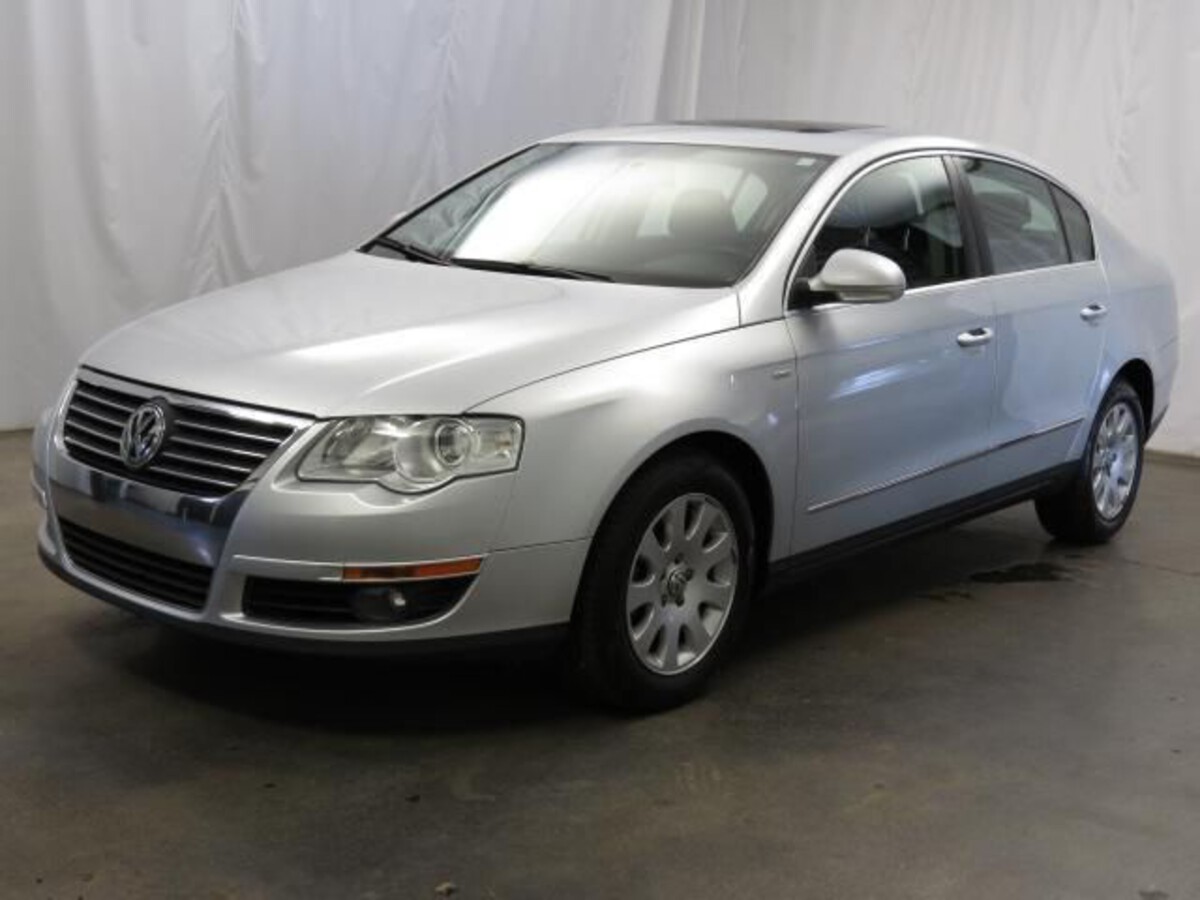
1. Volkswagen Passat (1.8T 20V Turbo, early 2000s models)
The early 2000s Volkswagen Passat equipped with the 1.8T 20-valve turbocharged engine represents a textbook example of why timing belt maintenance intervals matter.
Many owners reported catastrophic belt failures somewhere between 75,000 and 90,000 miles, sometimes even before reaching the official recommended interval. What amplifies the problem is that the 1.8T is an interference engine.
When a timing belt snaps, pistons and valves make contact, often resulting in extensive internal damage that can total an otherwise healthy engine.
The reasons for this frequency are several: the original belt quality, potential oil leaks from nearby gaskets leading to belt degradation, and, in some climates, premature aging from temperature extremes.
Many mechanics advise replacing not just the belt but also tensioners, pulleys, and the water pump as part of routine service, yet even with good records, some failures arrived unexpectedly.
Owners reported substantial repair bills exceeding the value of the car, with many ending up scrapping otherwise mechanically sound vehicles.
The frequency and unpredictability of timing belt problems in this generation of Passat make it a noteworthy study.
Writing about this model provides concrete evidence of how a single overlooked part can undermine an owner’s entire experience, especially in otherwise refined European sedans, and serves as a reminder to always scrutinize maintenance history before purchase.
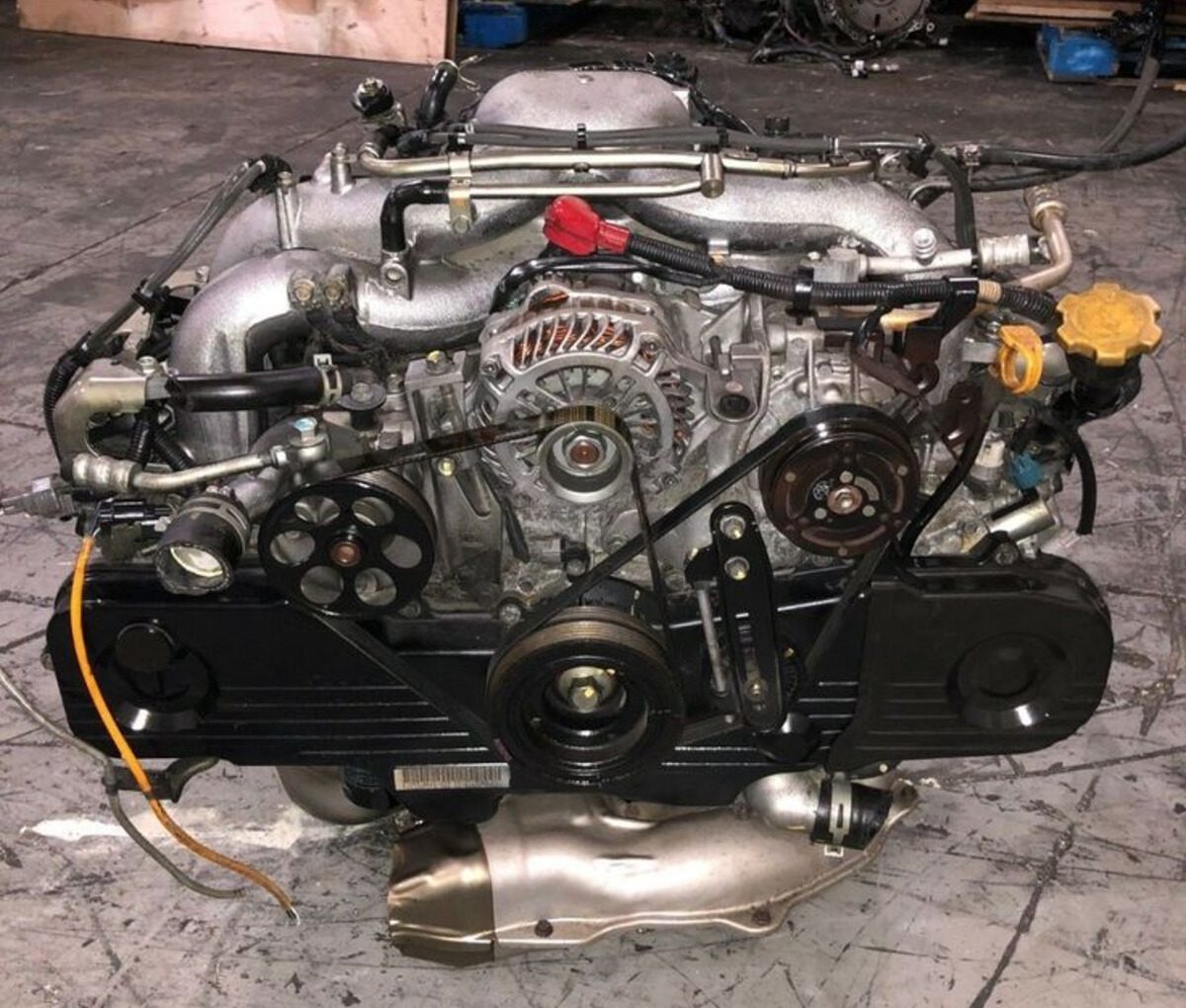
2. Subaru EJ25 (Impreza, Legacy, Outback)
Subaru’s EJ25 engine family, powering popular models like the Impreza, Legacy, and Outback, is often regarded as resilient, but timing belt reliability has been a recurring sore point.
On paper, these belts are rated for 105,000 miles, but numerous owners across North America report belt-related failures between 75,000 and 90,000 miles, well before the next scheduled replacement.
These engines are interference designs, so failure typically means significant valve and piston damage, pushing repair bills into the thousands.
The harsh truth is that factors such as regional climates, oil leaks from cam seals, or tensioner failure can accelerate wear on the belt.
Subaru’s so-called “extra peace of mind” from a non-interference engine does not apply here, and many owners who are caught by surprise learn this the hard way.
Mechanics often urge preventative timing kit replacements at 60,000 to 80,000 miles in high-mileage or variable environment cars.
Documenting the case of the EJ25 is important, as it reflects Subaru’s dual reputation for longevity but also unanticipated, high-cost breakdowns.
Highlighting this issue is essential for potential buyers who seek to balance affordability with reliability, especially when purchasing used Subarus with only partial service records.
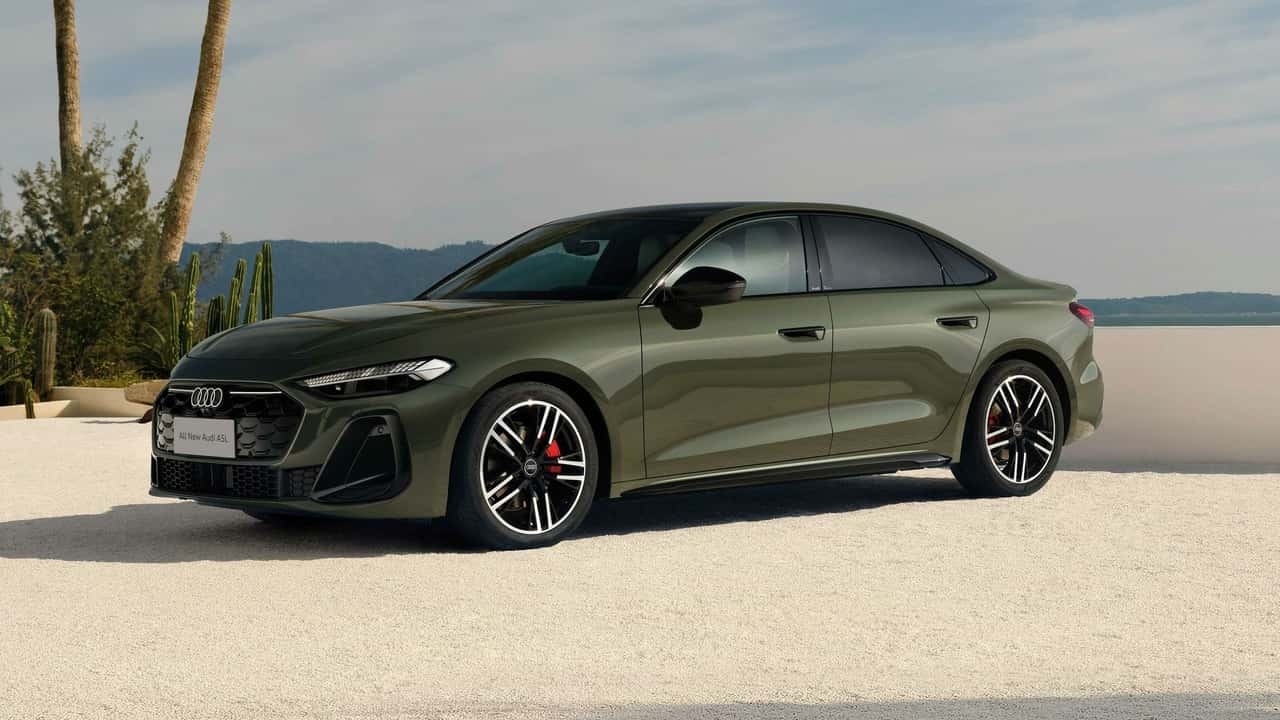
3. Audi A4 (B6/B7 1.8T, 3.0 V6 models)
Audi’s B6 and B7 A4 models, spanning the early-to-mid 2000s, provide another cautionary engineering story. Many of these cars were equipped with timing belts, especially the 1.8T turbocharged four-cylinder and naturally aspirated 3.0 V6 engines.
Both platforms have become infamous for timing belt failures occurring around 80,000 miles, despite official recommendations suggesting replacements at 110,000 miles for some models.
Why are these failures so frequent? Partially it comes down to the complexity of the belt routing, the use of numerous plastic tensioners, and the location of the water pump, which is also driven by the belt.
If one component goes, it can place undue stress on the belt itself. As with other interference engines, the result of a missed belt replacement can be catastrophic and immediate.
Owners share accounts of unexpected breakdowns and multi-thousand-dollar repair bills, frequently at mileages considered “middle-aged” for the car.
By outlining the A4’s troubles, the reality becomes clear: vehicles renowned for luxury and performance can have significant Achilles’ heels.
For those charmed by these German sedans, attention to the timing belt is not just a recommendation but a necessity, making ownership a potential gamble absent meticulous maintenance records.
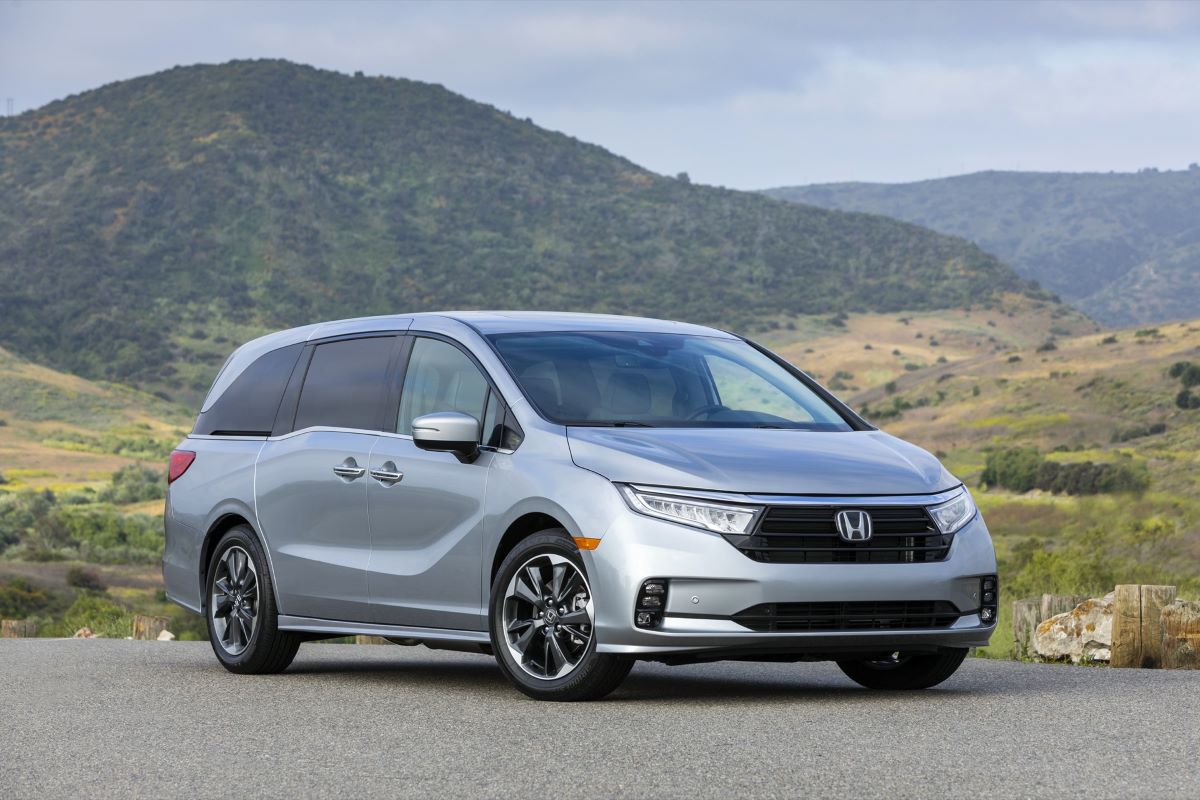
4. Honda Odyssey (1999–2004 V6)
The Honda Odyssey minivan from 1999 to 2004 is generally celebrated for comfort and practicality, but it shows that even reliable brands can produce models with timing belt drama.
The J35 V6 under the hood requires a belt replacement at 105,000 miles by the book, but many real-world failures have been reported closer to 80,000 miles, particularly when tensioners or water pumps are not replaced proactively along with the belt itself.
This has caught more than a few unsuspecting families off guard, leading to expensive repairs and engine replacements on vehicles otherwise known for their dependability.
Contributing to these premature failures are heat and oil contamination under the hood, combined with stretches between recommended services and the fact that many minivans see stop-and-go, family-focused driving that can be harsher on engine components.
Mechanics warn that skipping “the big belt job” or using aftermarket parts of questionable quality almost guarantees a problem down the road. As these vans continue to change hands in the used market, knowing their belt history is crucial.
The Odyssey’s inclusion in this discussion underscores the importance of preventative maintenance, no matter how strong the brand reputation. For families budgeting on a tight margin, a timing belt failure can turn an affordable van into a costly mishap.
5. Mitsubishi Eclipse (1995–2005, 2.0L 4G63 and 2.4L 4G64 engines)
Finally, the Mitsubishi Eclipse from 1995 to 2005, particularly those using the 2.0L 4G63 and 2.4L 4G64 engines, provides a textbook caution to owners and enthusiasts alike.
These sporty coupes and convertibles are famed for their turbocharged options and tuner appeal, but beneath the hood lies a timing belt with a reputation for shorter-than-ideal life.
Many owners report belt breakage between 75,000 and 85,000 miles again, beneath the recommended interval, especially if replacement components or service quality were subpar. The result is the familiar story of interference engine destruction and painful repair bills.
Oil leaks, aggressive driving, and mods can also contribute to a harsh environment for belts, while some OEM and aftermarket parts haven’t always met longevity expectations.
As these cars are often driven hard or passed between multiple owners, maintenance can be uneven, and forgotten timing belt swaps are, unfortunately, all too common.
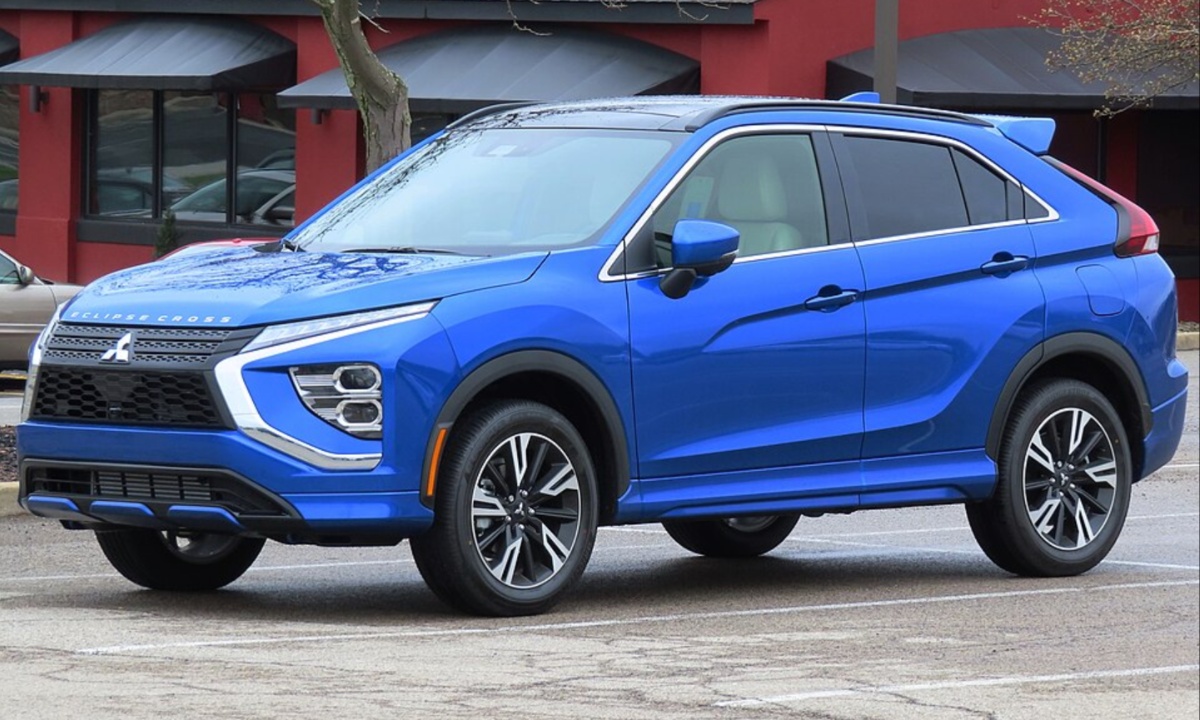
For anyone seeking affordable performance from a used Eclipse, checking the timing belt status emerges as a decisive factor; otherwise, that sweet deal can turn bitter with surprising speed.
Addressing the timing belt failings in the Eclipse spotlights how even enthusiast favorites aren’t immune to neglect or risky design choices.
While many are drawn to the thrill of turbocharged acceleration, it pays to be vigilant about a single component that can make or break the long-term cost of ownership.
This article contrasts two distinct categories of vehicles based on their timing system reliability: those equipped with nearly indestructible timing gears and those prone to timing belt failures around 80,000 miles.
Timing gears, made from durable metals, offer long-lasting, low-maintenance engine synchronization, avoiding many issues common to timing belts such as wear, stretching, or sudden breakage.
The discussion highlights five vehicles with robust timing gears, including the Mercedes-Benz W123, Toyota Land Cruiser 70 Series, Volvo Redblock engines, Honda S2000, and Ford Panther platform cars.
These models are favored for their exceptional longevity and dependable performance, often surpassing hundreds of thousands of miles without timing system problems.
Conversely, the article examines five models that have garnered reputations for timing belt failures near the 80,000-mile mark: Volkswagen Passat (early 2000s 1.8T), Subaru EJ25 engines, Audi A4 B6/B7 models, Honda Odyssey (1999–2004), and Mitsubishi Eclipse (1995–2005).
Factors contributing to these failures include belt material aging, failure of related components like tensioners or water pumps, and the interference nature of these engines that leads to costly damage upon belt breakage.
The analysis underscores the importance of diligent timing belt maintenance and awareness for owners and buyers to avoid expensive engine repairs and to make informed choices regarding vehicle reliability and ownership costs.
Also Read: 5 Cars With Quick Fob Programming vs 5 With Cumbersome Procedures
