
Luxury SUVs are often seen as the pinnacle of comfort, performance, and utility, representing not just a vehicle but a promise of effortless travel, regardless of road or weather conditions.
Owners of these high-end vehicles expect them to perform seamlessly whether they’re navigating city streets or carrying heavy loads on long journeys. Yet, the story is split.
On one side, modern engineering marvels like self-leveling suspension systems use adaptive technology to help keep SUVs riding smooth and flat, even when loaded to capacity.
These vehicles use sensors and automated adjustments to counteract the natural tendency for the rear to sag when weighed down.
For families, professionals, and adventurers who regularly load luggage, equipment, or additional passengers, these SUVs offer unmatched peace of mind and preserve an even, comfortable ride regardless of what is being hauled.
Meanwhile, there are also luxury SUVs that miss out on these advanced features. Whether due to cost-cutting, design priorities, or simply relying on more traditional suspension setups, some otherwise impressive SUVs can display an unflattering rearward tilt when loaded heavily.
This can lead to a less composed driving experience, compromised handling, and potentially even uneven headlight aim or increased wear on components.
Seeing the difference between these two types is not just a matter of technical interest; it’s a genuine concern for buyers who expect a vehicle’s capability to match its appearance and price tag.
Throughout this article, these contrasts will be examined, providing valuable insights for those weighing luxury, performance, and practicality in their next SUV purchase.
Also Read: 5 Pickups With Factory Sealed Transmissions That Never Fail and 5 That do
5 Luxury SUVs with Self-Leveling Suspension
Modern luxury SUVs are expected to deliver on their promise of both comfort and capability. The presence of a self-leveling suspension system is one of the most significant achievements in this field.
This technology utilizes hydraulic or air-based systems combined with electronic sensors to continuously monitor and adjust ride height, regardless of how much weight is placed in the boot or cabin.
Not only does this preserve the vehicle’s poise and stability, but it also improves safety, handling, and ride quality under varying conditions.
When discussing such vehicles, the focus is not solely on their ability to remain physically level when loaded. The inclusion of self-leveling suspension also reflects an automaker’s attention to detail and their commitment to engineering excellence.
Features like these often require significant research and development investment and are rarely seen outside the luxury segment.
Examining five standout luxury SUVs that excel in this aspect will highlight exactly how advanced engineering can enhance not just comfort, but also everyday functionality.
This isn’t just a technical difference; it is a tangible improvement that owners will notice every time they use their vehicle for family trips, towing, or simply managing the unpredictable demands of daily life.
This section will focus on five of the top contenders, explaining exactly why each stands out in their dedication to keeping the ride composed, even under the toughest loads.
1. Mercedes-Benz GLS-Class
The Mercedes-Benz GLS-Class is widely acknowledged as the “S-Class of SUVs,” a title it has earned not just for its luxury appointments, but also for its technical prowess.
At the heart of this vehicle’s ability to manage loads effectively is the AIRMATIC® air suspension system.
This system automatically adjusts ride height and firmness based on load and driving conditions, ensuring the vehicle remains perfectly balanced even with a full complement of passengers and luggage.
With the AIRMATIC® system, the GLS-Class uses real-time data from sensors placed across the chassis to determine how much the car should compensate for added weight. The air springs are filled or released accordingly, maintaining both comfort and the correct headlight aim.
For drivers, this translates to a consistently smooth and secure driving experience, whether cruising the highway or tackling uneven terrain. The self-leveling capabilities also mean improved safety, as the vehicle’s handling and braking remain predictable even under duress.
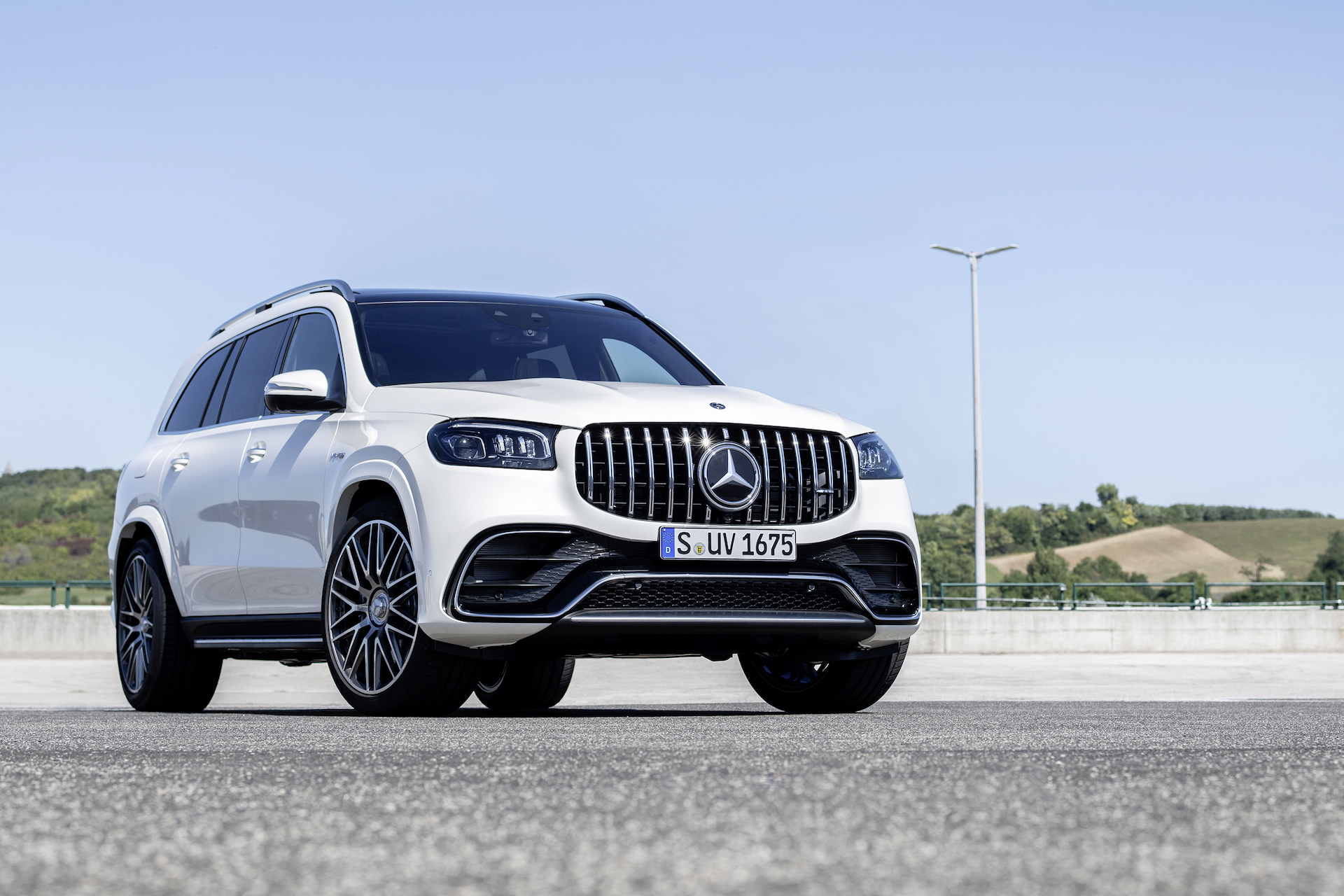
Why focus on the GLS-Class? It stands out as a benchmark for comfort and adaptability, offering a truly premium experience for families and professionals who refuse to compromise.
The attention given to creating a flat, composed ride regardless of weight demonstrates the high standard set by Mercedes-Benz in this class. Beyond luxury, it is this reliability and advanced engineering that make the GLS-Class a leader in its category.
2. Range Rover
For decades, the Range Rover has been synonymous with both luxury and rugged capability. Its inclusion of an electronic air suspension system underlines this heritage, giving it a technical edge when it comes to managing heavy loads without compromising comfort or off-road capability.
The Range Rover’s advanced air suspension setup automatically lowers or raises ride height depending on speed, load, and selected driving mode.
Sensors continually monitor the vehicle’s state, and the system calibrates itself to maintain optimum balance whether the vehicle is loaded up for a long road trip or navigating tricky off-road environments.
This ability to self-level is more than a convenience; it means occupants are less likely to experience pitching or rolling, enhancing comfort and stability on all surfaces.
The Range Rover’s prowess with heavy loads is no accident. Land Rover’s engineers have carefully integrated self-leveling technology to maintain the vehicle’s legendary composure in all circumstances.
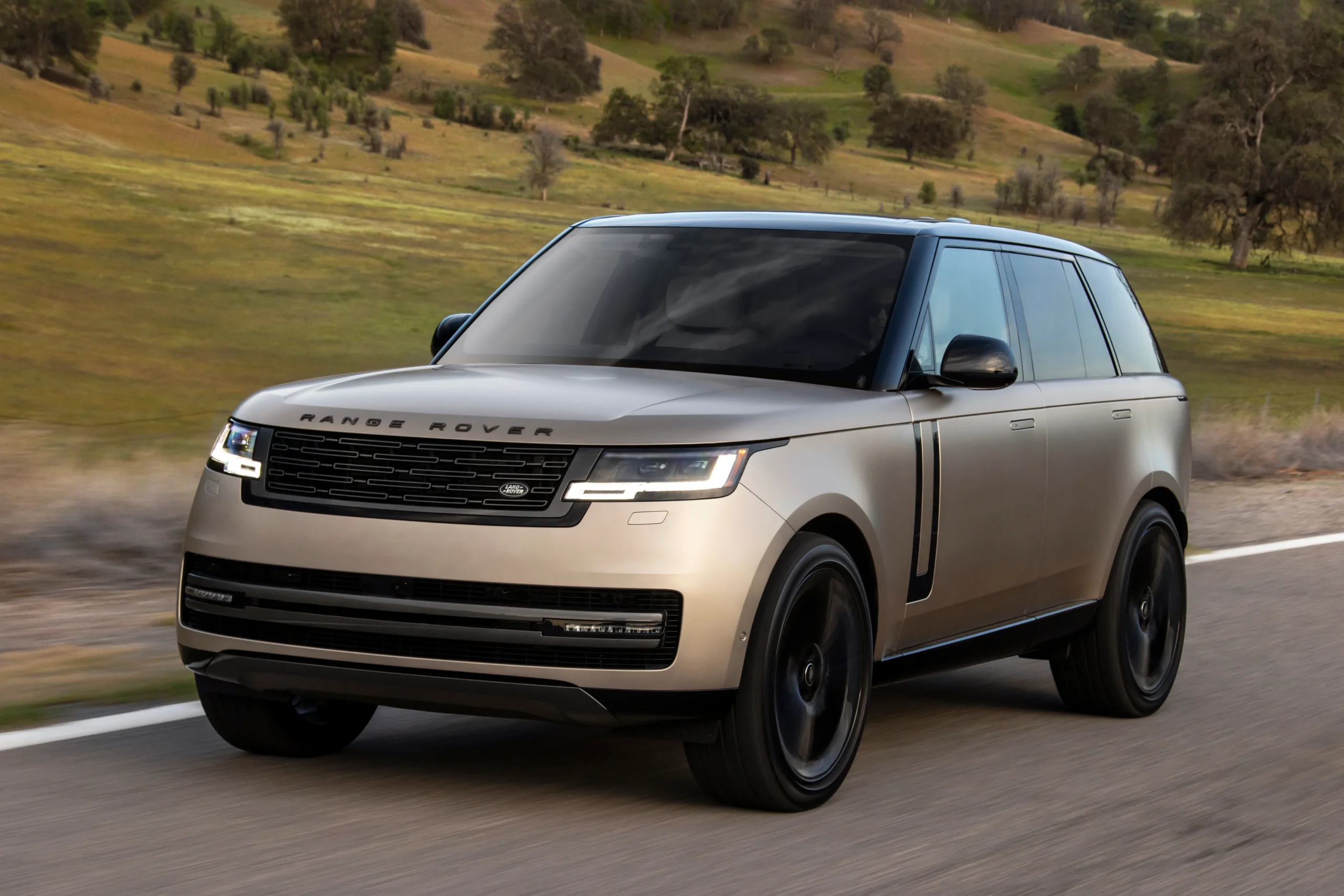
In a market where luxury does not always equate to functionality, the Range Rover’s commitment to both is a key reason it is singled out here. Its combination of a smooth ride and unwavering capability under real-world conditions is matched by very few other vehicles on the road.
3. BMW X7
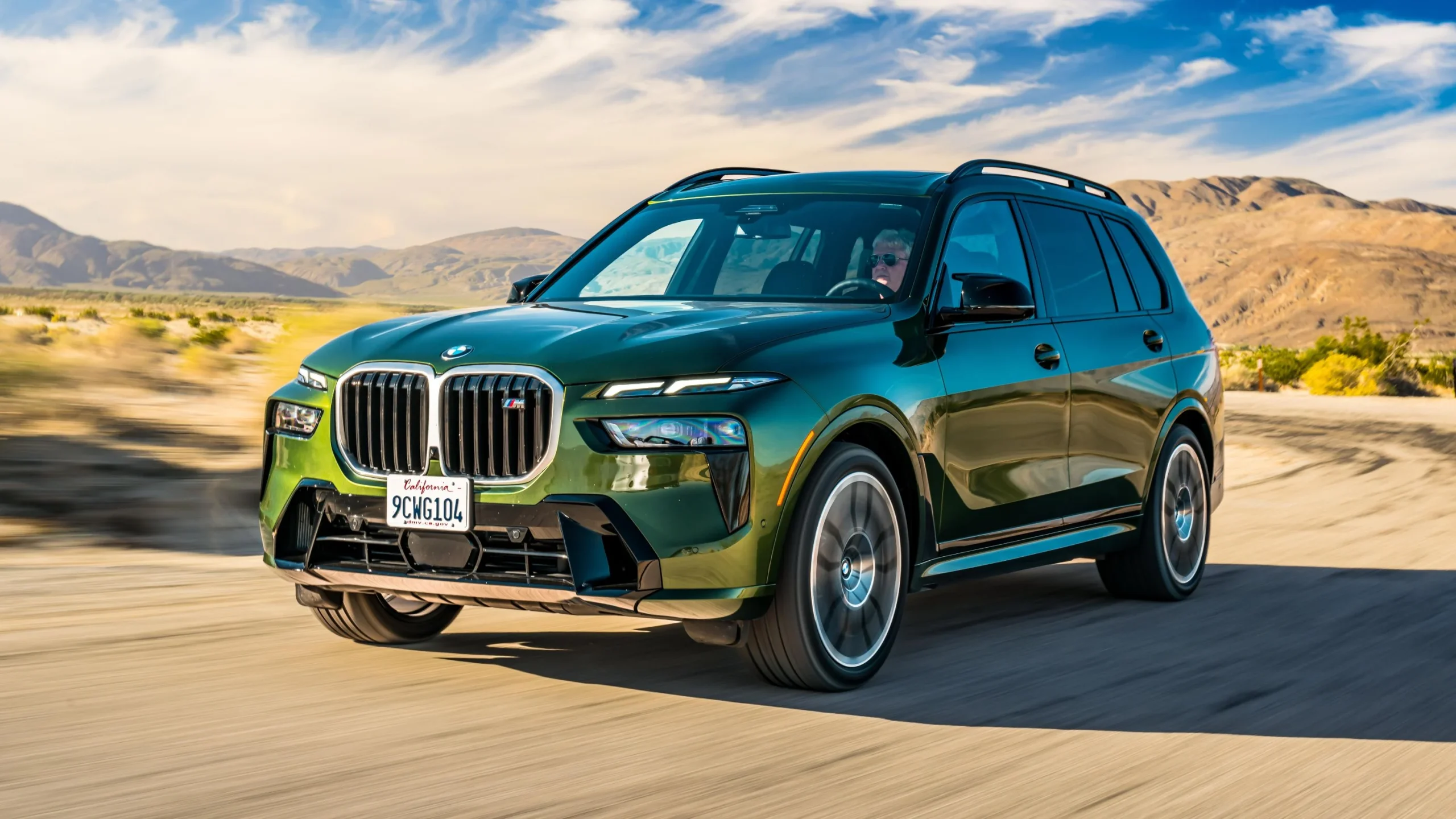
The BMW X7 is the brand’s flagship SUV and it enters this conversation for good reason. It features an adaptive two-axle air suspension system as standard equipment.
This setup automatically adjusts the height and stiffness of the suspension to compensate for changing loads, whether you’re ferrying a full crew of passengers or hauling gear for a family weekend.
This technology is integrated with BMW’s suite of driver assistance systems, allowing the suspension to react not just to static loads but also to dynamic inputs like braking, cornering, or changing road surfaces.
The result is a cabin experience that feels well-insulated and composed, regardless of what is going on outside. For those concerned about the impact of heavy loads on handling and road manners, the X7 provides a clear answer.
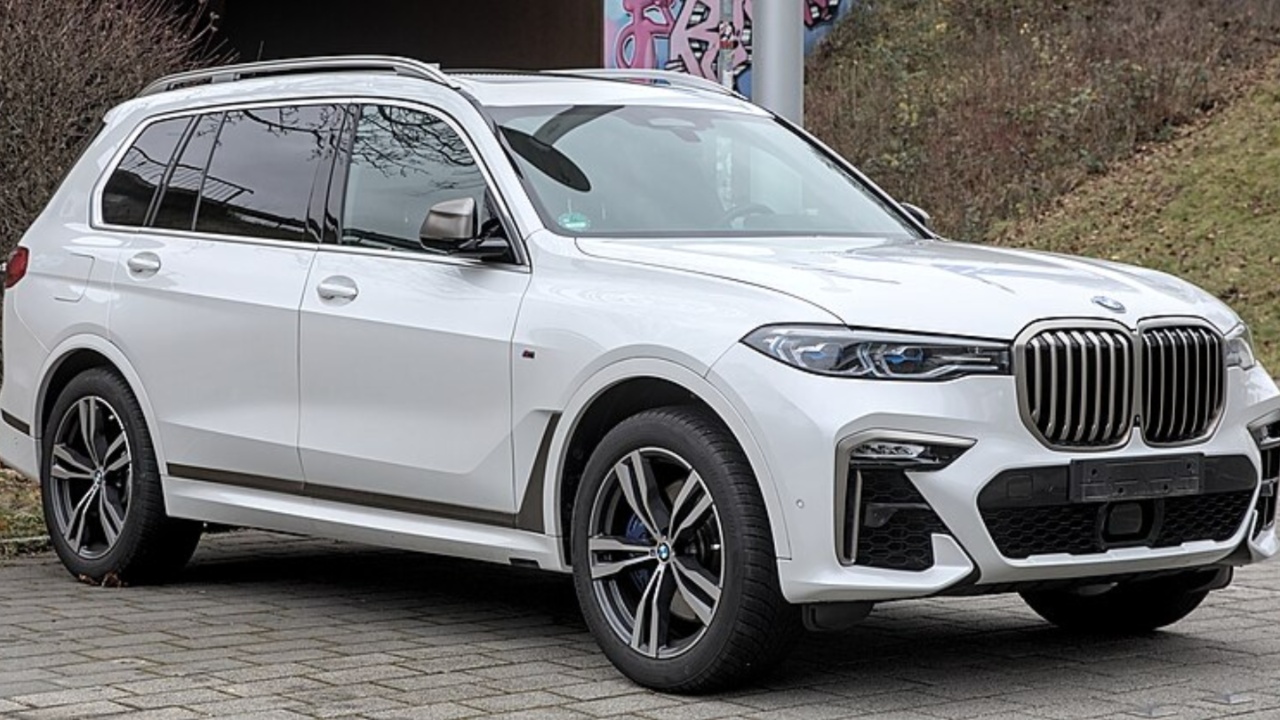
Why highlight the X7? BMW’s approach to self-leveling goes beyond simple comfort, extending into precise handling and safety benefits.
It allows the vehicle to retain its athletic edge, a hallmark of the brand, even when the back is filled with luggage or equipment. This makes the X7 an excellent choice for luxury buyers who value both dynamism and convenience.
4. Audi Q7
Audi’s Q7 consistently ranks among the most refined and advanced SUVs available today. Its optional adaptive air suspension system is a core reason for that reputation, enabling the vehicle to automatically adjust its ride height at all four corners to compensate for load and driving conditions.
As weight is added to the Q7, the system’s sensors initiate adjustments, instantly restoring the proper level to both the front and rear axles.
This keeps the vehicle’s profile even, ensuring both comfort and performance-minded handling remain intact. Additionally, such a setup has knock-on benefits: improved aerodynamics at highway speeds and easier loading thanks to adjustable rear ride height.
The Audi Q7’s presence in this selection is based on its marriage of luxury, style, and practical engineering.
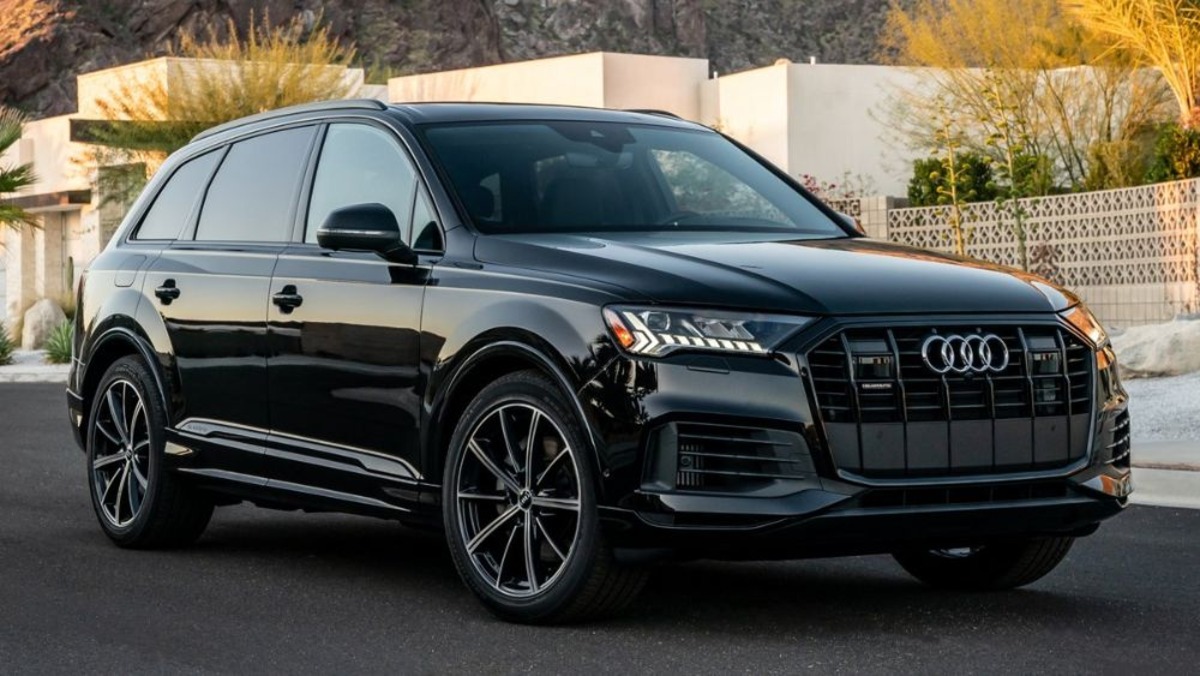
The self-leveling suspension is not just a technical feature, but a contributor to a seamless ownership experience, particularly for owners who frequently travel with family, cargo, or need to maximize the available space. The Q7’s technology means that no matter what’s loaded inside, passengers enjoy a tranquil, composed ride.
5. Porsche Cayenne
The Porsche Cayenne stands as a rare example of a performance-oriented luxury SUV that does not sacrifice utility for speed. Its self-leveling air suspension is key to this versatility, allowing the vehicle to adapt its stance in real time, regardless of the load placed on it.
This system does more than just adjust for heavy cargos; it actively supports Porsche’s focus on precise handling and driving engagement.
The Cayenne can shift between various ride heights for sporty driving, off-road use, or highway cruising, automatically balancing itself to provide optimum stability. For families or drivers who want a sporty vehicle but cannot sacrifice practical considerations, the Cayenne is an outstanding choice.
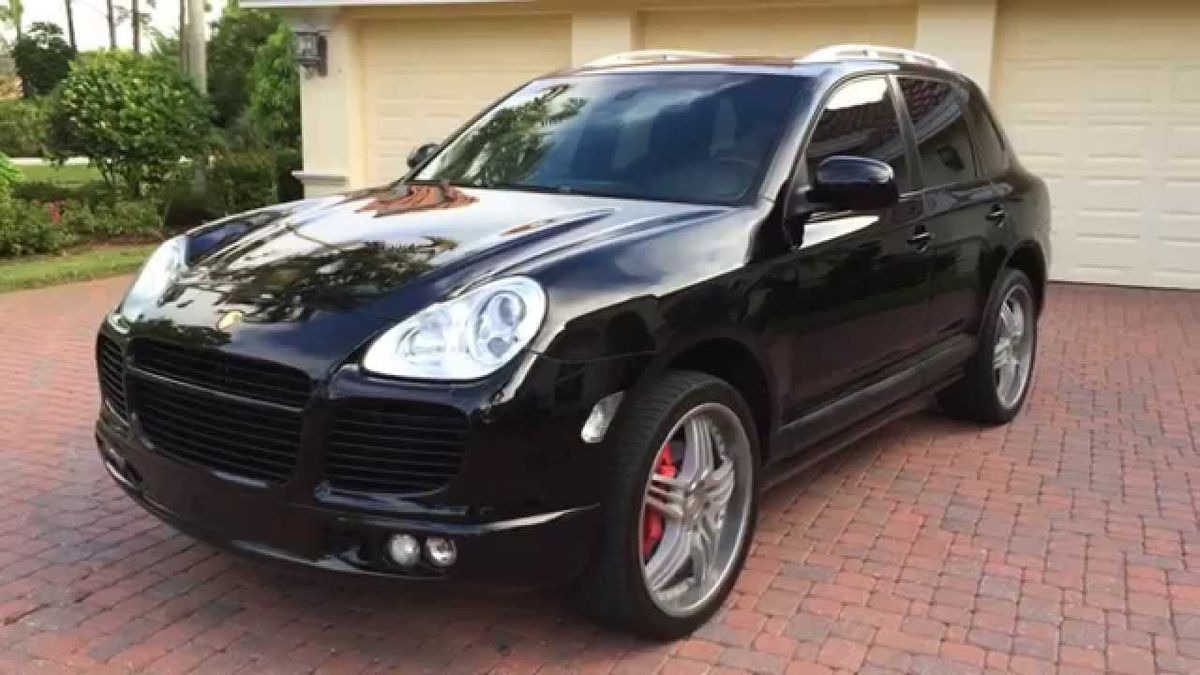
Highlighting the Cayenne is important because it shows how luxury and technical sophistication can work hand-in-hand. Here is a vehicle that offers lively driving dynamics while handling the practical challenges of larger loads.
Its self-leveling ability is not merely a comfort feature it is integral to maintaining the vehicle’s unique blend of athleticism and refinement, a balance that very few competitors can match.
5 Luxury SUVs That Sag Under Heavy Loads
While luxury SUVs should theoretically deliver the perfect blend of style, comfort, and capability, there are some that, despite their high price tags, disappoint when faced with the challenge of carrying heavy loads.
These vehicles rely on more traditional suspension setups that lack automatic self-leveling. When weighed down with passengers or cargo, the result is a noticeable sag at the rear, which can compromise aesthetics, ride quality, and even driving safety.
It’s crucial to understand that sagging under load isn’t just a cosmetic issue. When the rear of an SUV drops lower than the front, a host of problems can follow.
These include altered handling, increased wear on tires and suspension components, and diminished effectiveness of headlights. Moreover, the added stress can also lead to a less confident feel behind the wheel and even affect braking distances in some cases.
Highlighting five current luxury SUVs that are susceptible to sagging under heavy loads isn’t about disparaging these vehicles, but about shedding light on a practical aspect that potential owners should weigh carefully.
The decision to purchase a luxury SUV often involves substantial investment, and understanding how well a vehicle maintains its posture under real-world conditions is a critical aspect of informed ownership.
Each of the following five vehicles has earned its place here thanks to either owner reports, reviews, or specific design choices that make them more prone to this issue, highlighting key details and what potential buyers should consider.
1. Lexus GX
The Lexus GX is renowned for its ruggedness and reliability, but its traditional suspension system, which lacks an advanced self-leveling component, means that it’s susceptible to rear-end sag when loaded heavily.
For many owners, the GX offers a strong sense of build quality and a plush interior; however, when tasked with a full complement of passengers or luggage, the vehicle’s rear suspension can ride lower, impacting not just aesthetics but also overall balance and comfort.
This tendency arises from the GX’s focus on off-road prowess and durability, which is accomplished through solid-axle rear suspension rather than adaptive air systems.
While this design ensures simplicity and reliability, especially in remote or challenging conditions, it doesn’t do as well in managing variable weights on suburban roads or family vacation trips.
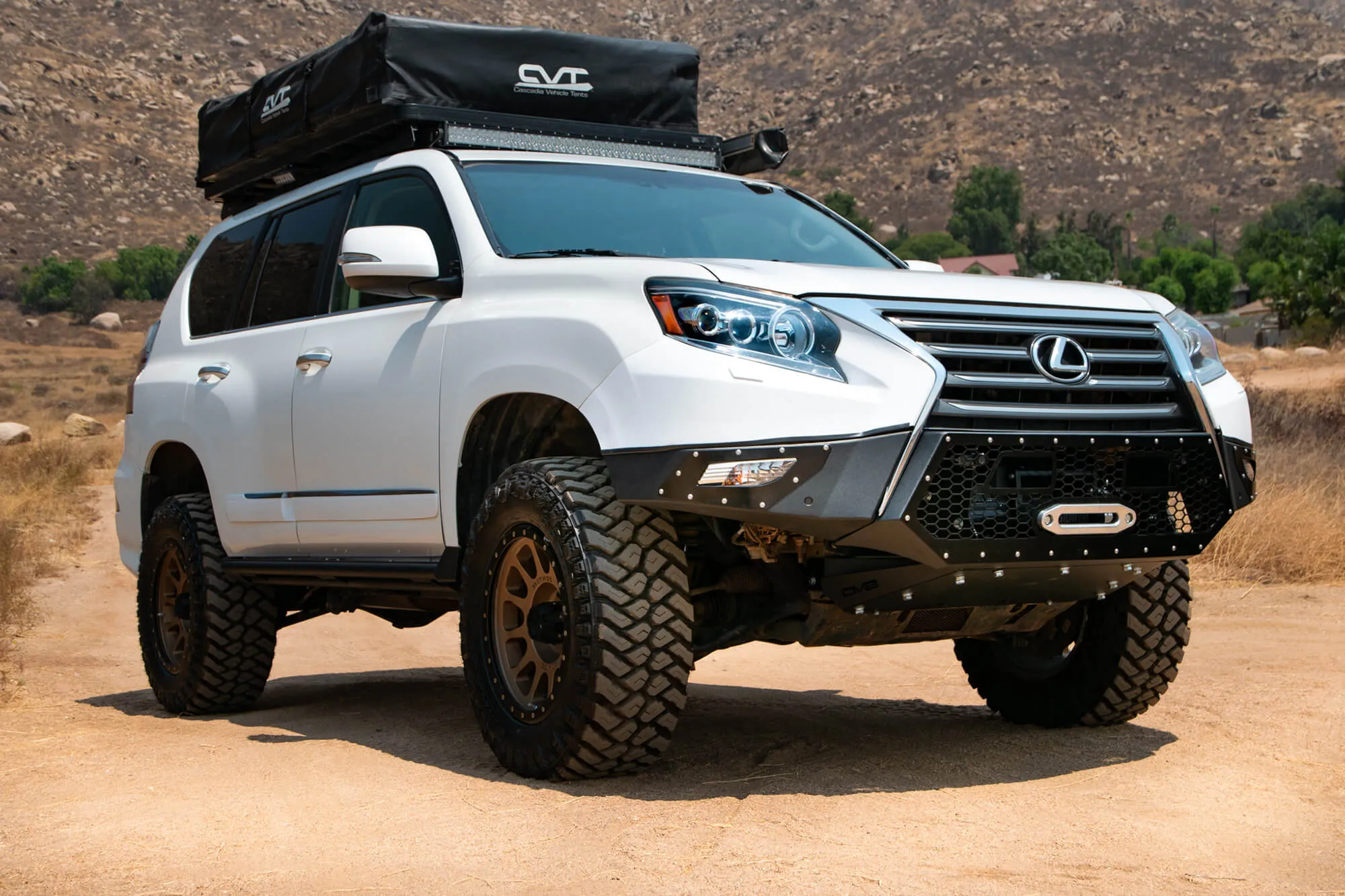
Owners may notice that the GX’s rear sits noticeably lower when fully loaded, making highway driving or towing feel a bit less composed.
Why include the GX? Its presence here serves as a reminder that durability and dependability sometimes come at the expense of day-to-day comfort when it comes to load management.
Potential buyers who anticipate frequent heavy hauling should be aware of this characteristic, especially since rivals in the luxury segment now offer more adaptive solutions.
2. Infiniti QX80
The Infiniti QX80 is celebrated for its commanding presence and plush seating for up to eight occupants, but its conventional coil-spring rear suspension is less adept at coping with increased weight.
Unlike some competitors that employ air-based or adaptive technologies, the QX80’s suspension can cause the rear to dip noticeably under significant payloads.
This effect can be particularly evident for those who regularly fill all seats or load the cargo area for long journeys.
The inability to automatically adjust ride height doesn’t just affect the SUV’s profile it can also compromise balance, handling, and rear visibility, which are critical in larger vehicles.
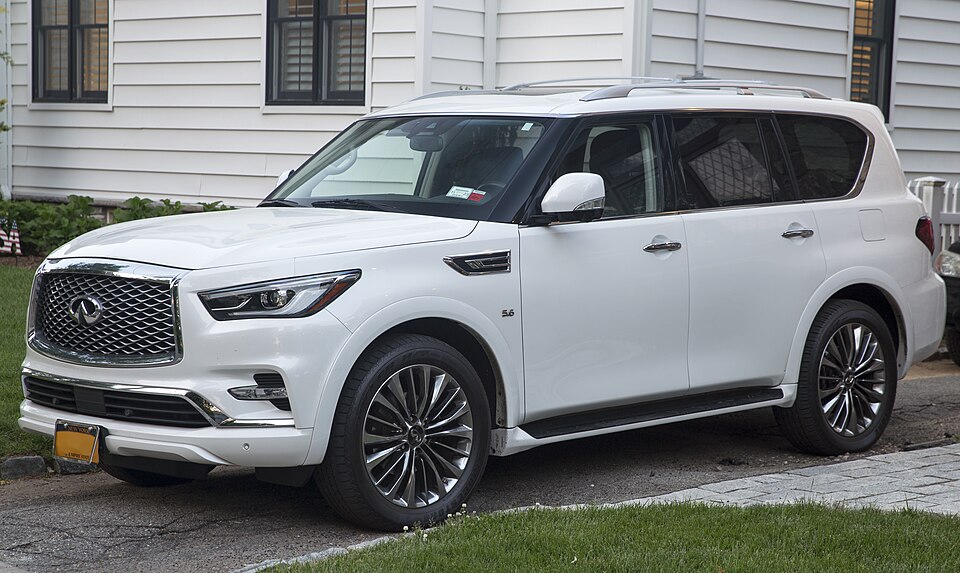
It also means that the vehicle may feel less stable during sharp maneuvers or on uneven roads when fully laden, potentially leading to driver fatigue or discomfort during longer trips.
The QX80’s spot on this list is justified by its reliance on a more traditional suspension layout in a segment where technology is rapidly advancing.
For buyers accustomed to ultimate comfort and composure under all conditions, the QX80’s tendency to sag under heavy loads is a notable consideration, particularly when compared with rivals offering dynamic self-leveling solutions.
3. Lincoln Navigator (without Air Suspension Package)
While the Lincoln Navigator can be equipped with an advanced optional air suspension, base models and those lacking this package utilize a standard coil-spring setup. This version, although still luxurious, is prone to rear-end sagging when carrying a full load of passengers and luggage.
The difference is striking for those who frequently use the Navigator’s full seating and cargo capacity. Without automatic compensation, the Navigator’s rear can drop, causing the vehicle to lose its level stance.
This impacts not only comfort but also important driving characteristics like handling and braking balance. Furthermore, the lowered rear end can reduce rearward visibility and affect the field of view for headlights at night.
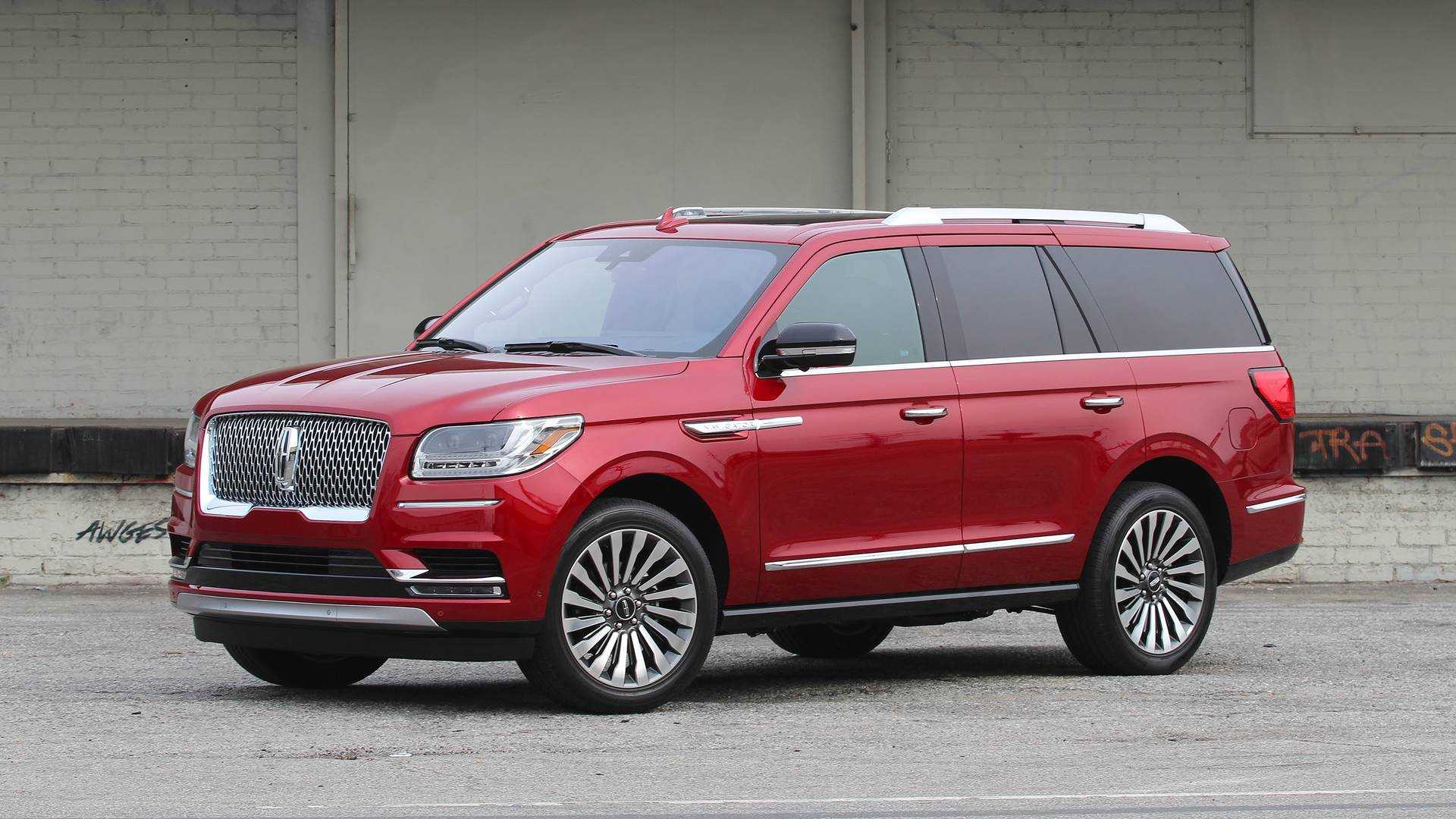
Including the Navigator here is important, as it underscores the significance of factory options and how they can impact real-world usability.
Luxury buyers should pay careful attention to included features, as their presence or absence can dramatically affect how the vehicle performs under actual ownership scenarios.
4. Cadillac Escalade (base models)
Similar to the Lincoln Navigator, the Cadillac Escalade can be specified with adaptive air suspension in higher trims, but the more affordable or earlier base models often rely on a conventional coil-spring setup.
When these models are packed with people and cargo, the rear end settles lower than the front, undermining the SUV’s commanding road presence.
This sagging is more than an aesthetic blemish; it can influence the Escalade’s ride quality and stability, especially on long drives or during towing.
Owners who skip the higher trims with self-leveling suspension may find that the vehicle feels less reassuring when fully loaded. Considering the price point and expectations set by the Escalade’s badge, prospective buyers should be aware that not all versions deliver equal composure under heavy loads.
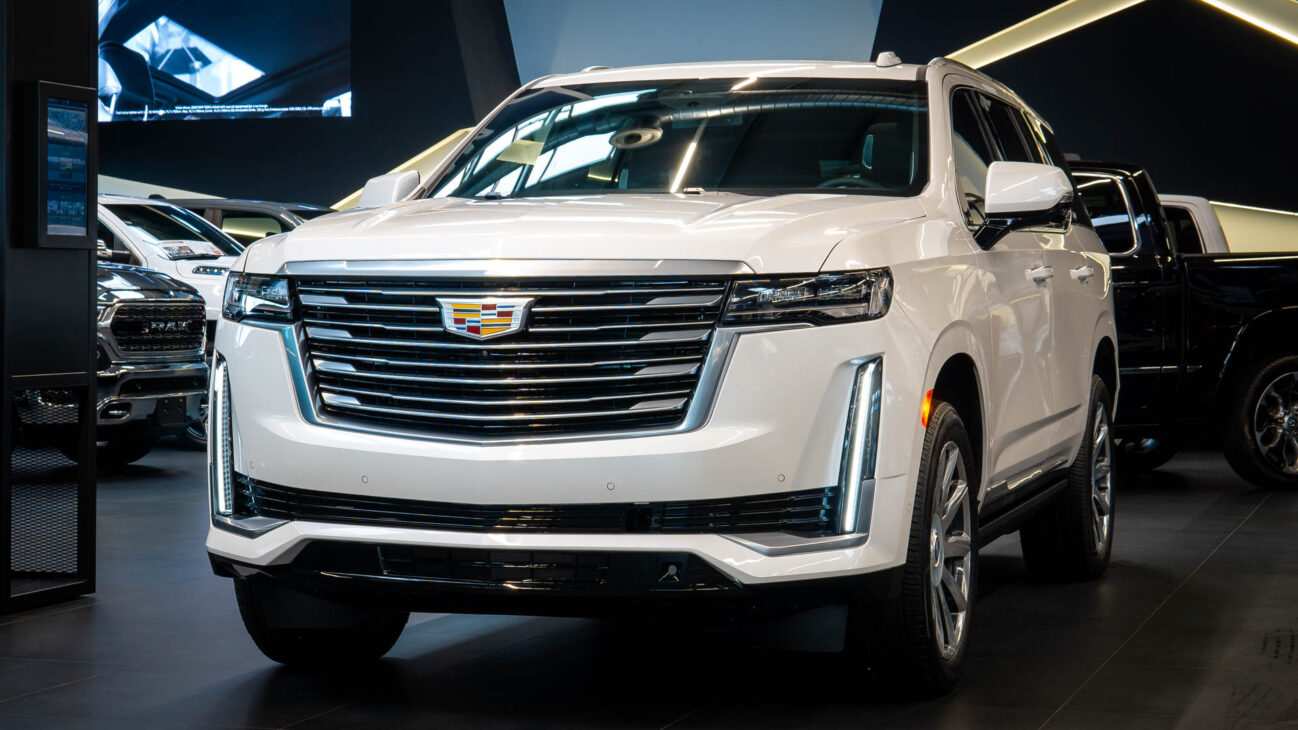
The Escalade’s inclusion here draws attention to how equipment levels can shape the actual experience of luxury. The elegance and features may seem uniform across the lineup, but suspension technology is a dividing line that affects everyday comfort and handling consistency.
5. Volvo XC90
The Volvo XC90 is often lauded for its safety features and stylish design, but its standard suspension setup in base and mid-level trims lacks any active or self-leveling function.
When the XC90 is loaded with passengers and their belongings, the rear axle can drop significantly, altering both the car’s stance and its on-road dynamics.
Drivers and owners may notice a harsher ride and less responsive handling when the XC90 is asked to manage more weight than usual.
This becomes evident during family road trips, transporting sports equipment, or tackling journeys that require full seating.
Some higher trims or optional packages may offer air suspension, but the majority of buyers encounter the standard configuration, making this trait an important one to note.
The XC90’s place on this list is a reminder that not all luxury SUVs are created equal in terms of practical engineering.
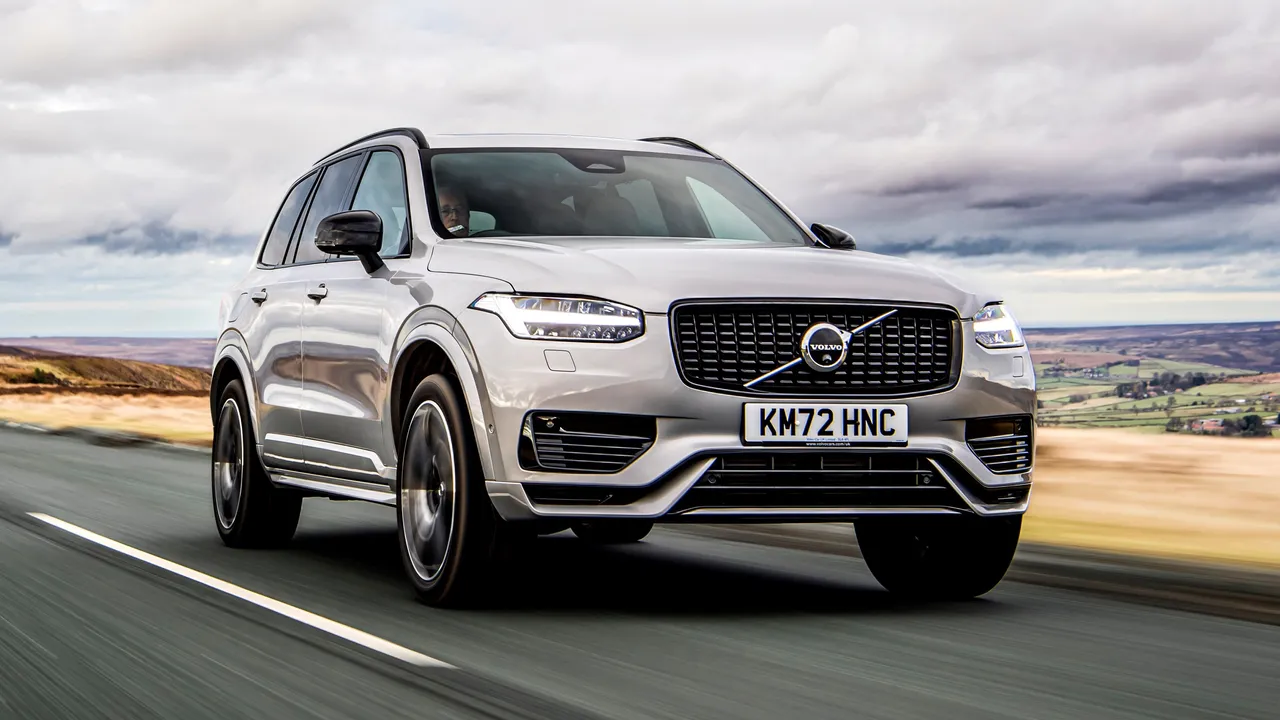
While safety and innovation are strong points, buyers should recognize that the lack of self-leveling suspension may affect load-carrying comfort and capability. For families or professionals regularly pushing the limits of capacity, this drawback can be a deciding factor.
Luxury SUVs are designed to combine comfort, performance, and practicality, especially when carrying heavy loads.
A key aspect that differentiates these vehicles is their suspension technology specifically, whether they include a self-leveling system or rely on traditional setups that tend to sag under weight.
Self-leveling suspension uses air springs or hydraulic systems controlled by sensors to maintain a flat, balanced stance regardless of passenger or cargo load. This technology enhances ride quality, handling, braking, and safety by preventing the rear end from drooping under pressure.
Five luxury SUVs with self-leveling suspension stand out for their ability to stay composed even when heavily loaded. The Mercedes-Benz GLS-Class features the AIRMATIC® system, ensuring consistent balance and stable handling.
The Range Rover uses advanced electronic air suspension to maintain ride height on and off-road. The BMW X7 integrates adaptive two-axle air suspension that adjusts to both static and dynamic driving conditions, preserving its sporty yet comfortable character.
Audi’s Q7 offers an optional adaptive air suspension that improves comfort, aerodynamics, and practicality. Lastly, the Porsche Cayenne blends sporty driving dynamics with automatic self-leveling for a refined, versatile experience.
On the other hand, some luxury SUVs with conventional suspensions tend to sag when carrying heavy loads, which affects aesthetics, ride comfort, and driving performance.
The Lexus GX, built for rugged durability, uses a solid rear axle without self-leveling, leading to rear sag under heavy weight. The Infiniti QX80’s coil-spring rear suspension can dip noticeably with full passenger and cargo loads.
Lincoln Navigator models without the air suspension package also show rear sagging, highlighting the importance of factory options.
Similarly, base Cadillac Escalades relying on traditional suspension systems drop at the rear under load. Lastly, the Volvo XC90’s standard suspension in lower trims lacks active leveling, resulting in compromised ride and handling when fully loaded.
Understanding how luxury SUVs manage weight is essential for buyers seeking vehicles that deliver on comfort and performance promises.
Self-leveling systems significantly improve the driving experience and vehicle longevity, especially for those frequently hauling passengers or cargo, while traditional setups may fall short despite their overall luxury appeal.
Also Read: 5 Cars with Indestructible Heat Shields vs 5 with Falling-Off Shields
