
Choosing a vehicle brings many decisions, but few are as unexpected as the focus a car’s battery can demand. For many drivers, battery troubles aren’t simply an inconvenience they test the patience and reliability expectations we have of modern engineering.
This article examines two sides of the battery experience. On one end, some manufacturers have engineered solutions that genuinely ease daily ownership: maintenance-free batteries. These cars offer a relief seldom noticed until you’ve owned one.
The other side? Stories of frustration as batteries fail to withstand just two years, even on fairly new cars. For those caught in this cycle, a sudden breakdown is more than just a momentary setback; it erodes trust and adds hidden costs.
It makes sense, then, to shine a light on specific models known for their long-lasting maintenance-free batteries and those that have left drivers reaching for a jump earlier than expected.
Understanding why certain models perform well while others falter can save time, money, and hassle. Manufacturers’ choices in battery technology, vehicle electronics, and design influence real-world longevity.
By examining these contrasts, drivers can pick vehicles more confidently, setting their expectations accurately, and hopefully reducing the chance a car lets them down for something as overlooked as a battery.
Also Read: 5 Pickups With Factory Sealed Transmissions That Never Fail and 5 That do
5 Cars with Maintenance-Free Batteries
Routine car maintenance is an inevitable part of ownership, but some vehicles manage to stand apart by minimizing one often-overlooked chore: battery care.
Advances in automotive technology have enabled manufacturers to equip their models with maintenance-free batteries that generally outperform their traditional counterparts.
While all batteries require eventual replacement, the maintenance-free types have sealed casing designs and improved chemistry, meaning fewer headaches for drivers.
Caught in daily commutes, endless errands, or long road trips, few people remember their battery until it falters. These maintenance-free systems are designed precisely for those who need reliability without spending weekend mornings topping off fluid or checking levels.
Not every car is equal in this regard. Some offer genuine peace of mind by making battery issues a rare concern, relying on engineering choices and manufacturer investments in quality.
Cars selected here have earned a reputation not only for battery longevity but also for sparing their owners the worry and work of constant attention.
This focus matters as more vehicles depend heavily on advanced electronics and start-stop systems, increasing demands on the battery.
The five cars below highlight how far practical battery technology has come and why these models are held up as benchmarks for hassle-free ownership.
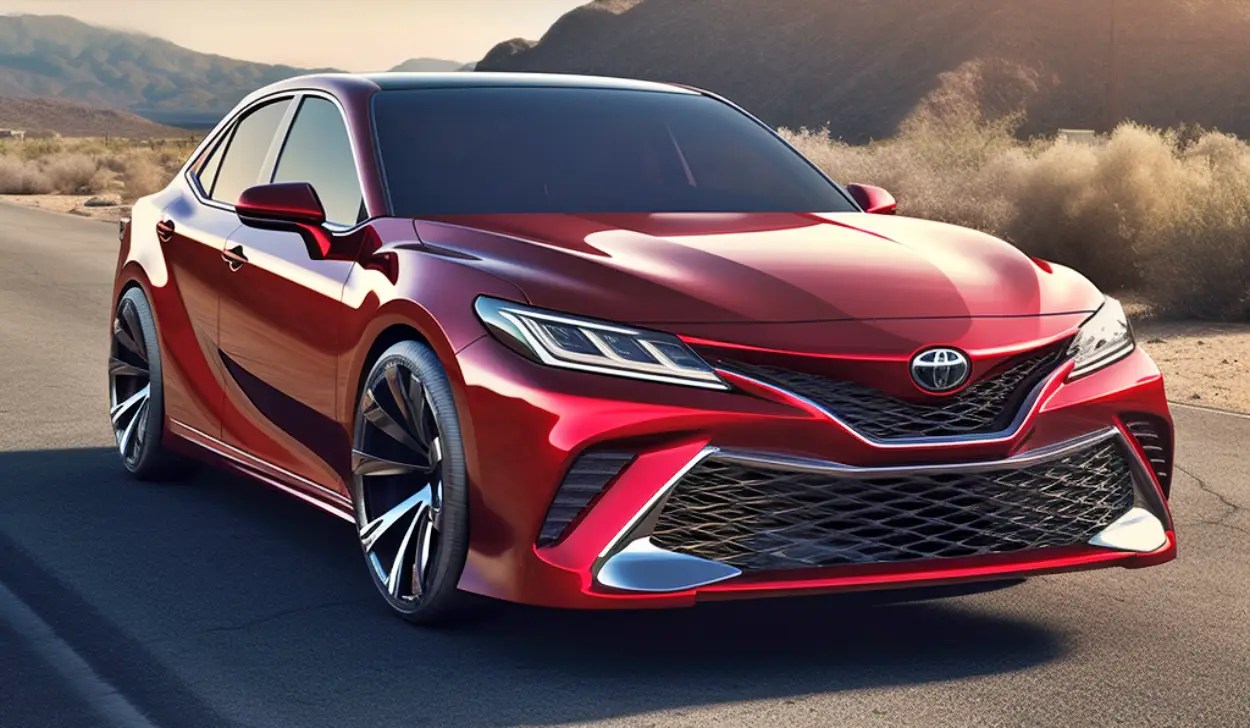
1. Toyota Camry
The Toyota Camry has long been recognized for durability, and its approach to batteries reinforces the model’s reputation for dependability.
It’s not just the robust engineering that keeps the Camry near the top; Toyota has equipped recent models with high-quality, maintenance-free batteries made to withstand the demands of modern electronics.
These batteries typically use advanced lead-calcium alloys, reducing issues like water loss and corrosion that plagued older battery designs.
The sealed construction removes the need for owners to check electrolyte levels or perform routine top-ups, which makes it easier for busy individuals to focus on their day, not their car’s under-hood routine.
The reasoning behind including the Camry is clear. Countless driver reports highlight years of reliable starts with minimal attention, while Toyota’s partnerships with leading battery producers ensure only dependable components are fitted.
Judged not only by longevity but also by the lack of battery-related issues even as climate temperatures fluctuate, the Camry sets a standard.
There are few accounts of premature battery failure, thanks to a combination of careful engineering and consistent battery supplier quality. Furthermore, because the model is popular worldwide, it is easy to verify these traits through a wealth of user experiences.
For anyone wanting a car that keeps maintenance requirements low, the Camry is almost always mentioned among the top picks, and it provides a clear example of maintenance-free battery success.
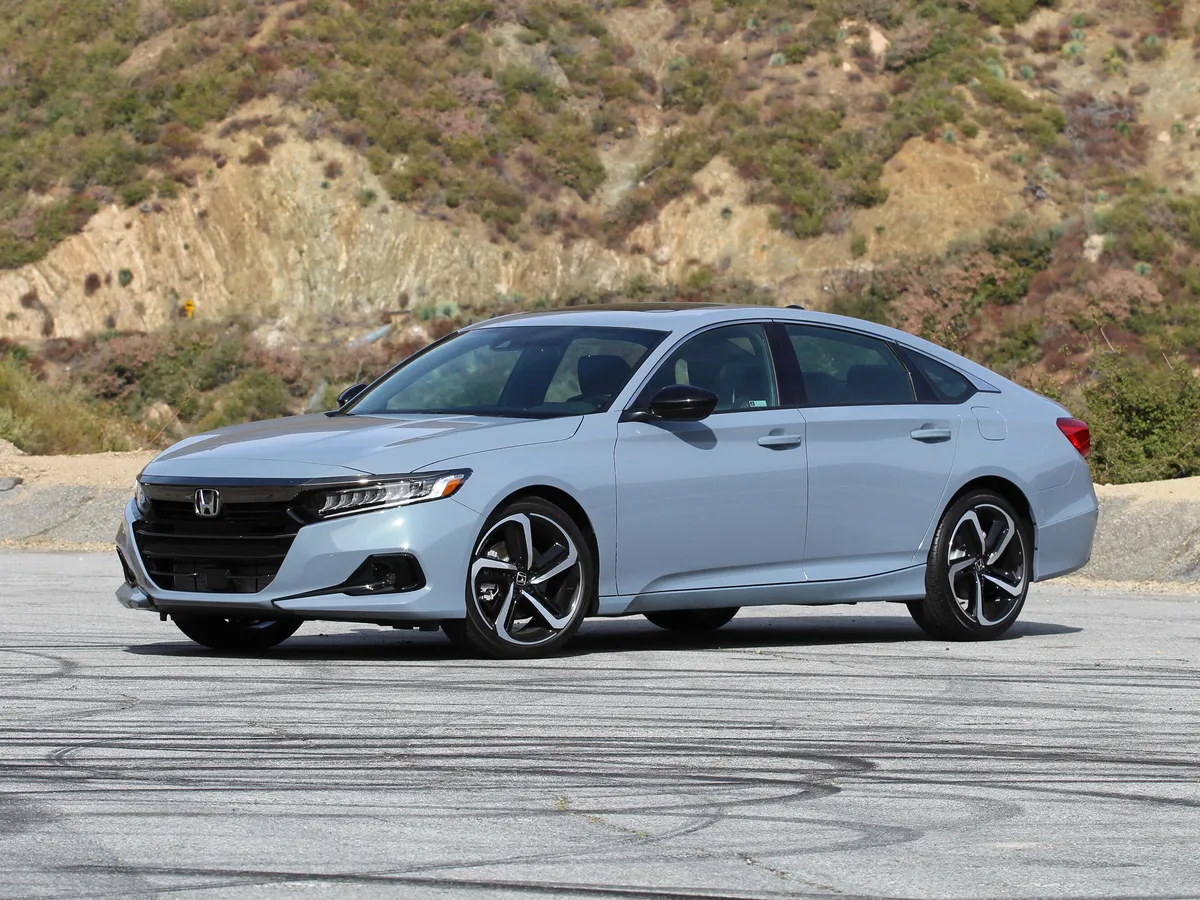
2. Honda Accord
The Honda Accord stands as a prime example of how thoughtful design leads to real-world longevity, especially concerning its battery system. Honda’s engineers have prioritized reliability in everyday use, opting for maintenance-free batteries as the standard in most recent models.
These batteries utilize absorbed glass mat (AGM) or enhanced flooded battery (EFB) technology, delivering an edge over traditional models in cold-weather starting and general resilience.
The sealed units are designed to prevent accidental acid spills and cut down the chances of corrosion building around the terminals, which is one less thing for owners to worry about.
Its selection here is backed by feedback from Accord owners who report going multiple years without needing a replacement or any supplementary care.
This reliability is particularly notable as vehicles become more technologically complex, placing bigger demands on the battery.
Honda’s decision to standardize robust, low-maintenance battery technology stems from a commitment to owner convenience and reducing unexpected breakdowns.
The Accord’s battery placements and electrical management further contribute to battery health, so it’s not just the battery itself but the car as a whole working to extend service life.
For busy professionals, students, or families, the Accord’s maintenance-free system translates into consistent daily usability and fewer interruptions, justifying its spot on this list.
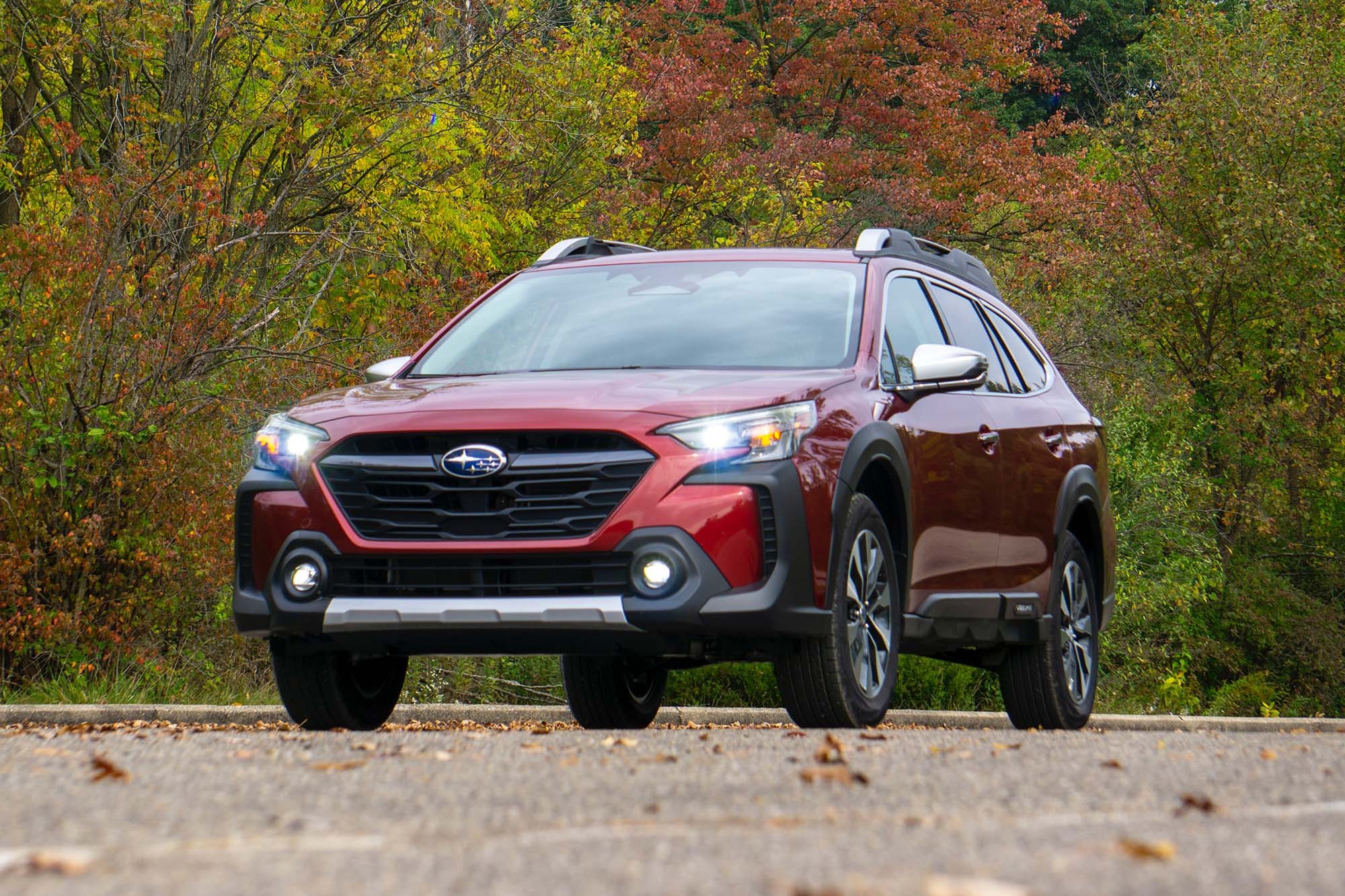
3. Subaru Outback
Subaru’s Outback is synonymous with rugged reliability, suitable for both city commutes and outdoor adventures. Key to its robust character is the use of sealed, maintenance-free batteries, especially in newer model years.
Subaru partners with reputable battery suppliers, ensuring that each battery is equipped to handle the demands of all-wheel-drive systems and a host of onboard electronics.
These batteries are designed to function in a wide range of climates, from frigid winters to blazing summers, with minimal degradation. The maintenance-free type eliminates concerns of water loss or acid seepage, major causes of early battery failure in harsher environments.
The Outback’s placement in this feature owes much to Subaru’s reputation for building vehicles tailored for unpredictable conditions not only do these cars need to start after cold nights in the mountains, but they are also expected to run accessories like heated seats, navigation, and powerful audio systems without causing battery stress.
Owner forums often praise the Outback’s battery reliability and the absence of service calls related to battery maintenance. By choosing components that minimize routine interventions, Subaru supports its loyal customer base with a car that is ready when needed.
The Outback demonstrates how both battery design and vehicle configuration come together, offering a practical advantage for those who value reliability in any environment.
4. Ford F-150
Ford’s F-150 is a leader in the truck segment, recognized for its strength and work-oriented leanings. Behind the sturdy exterior, Ford equips the F-150 with maintenance-free batteries engineered to handle the intense electrical loads imposed by towing, auxiliary lighting, and power-hungry accessories.
The batteries found in most F-150 models are of the sealed variety, often utilizing enhanced chemistry for added durability and resistance to vibration factors particularly important for trucks that see harsh conditions on worksites or during off-road excursions.
The F-150’s inclusion is based on a combination of endurance and practicality. Commercial users, in particular, demand vehicles that avoid unexpected downtime, which makes maintenance-free battery systems an asset.
Ford’s long-term collaborations with leading battery suppliers have resulted in fitments that regularly surpass standard expectations for service life.
Reports from fleets and individual owners show batteries lasting beyond predicted intervals, reducing operating costs and maintenance time.
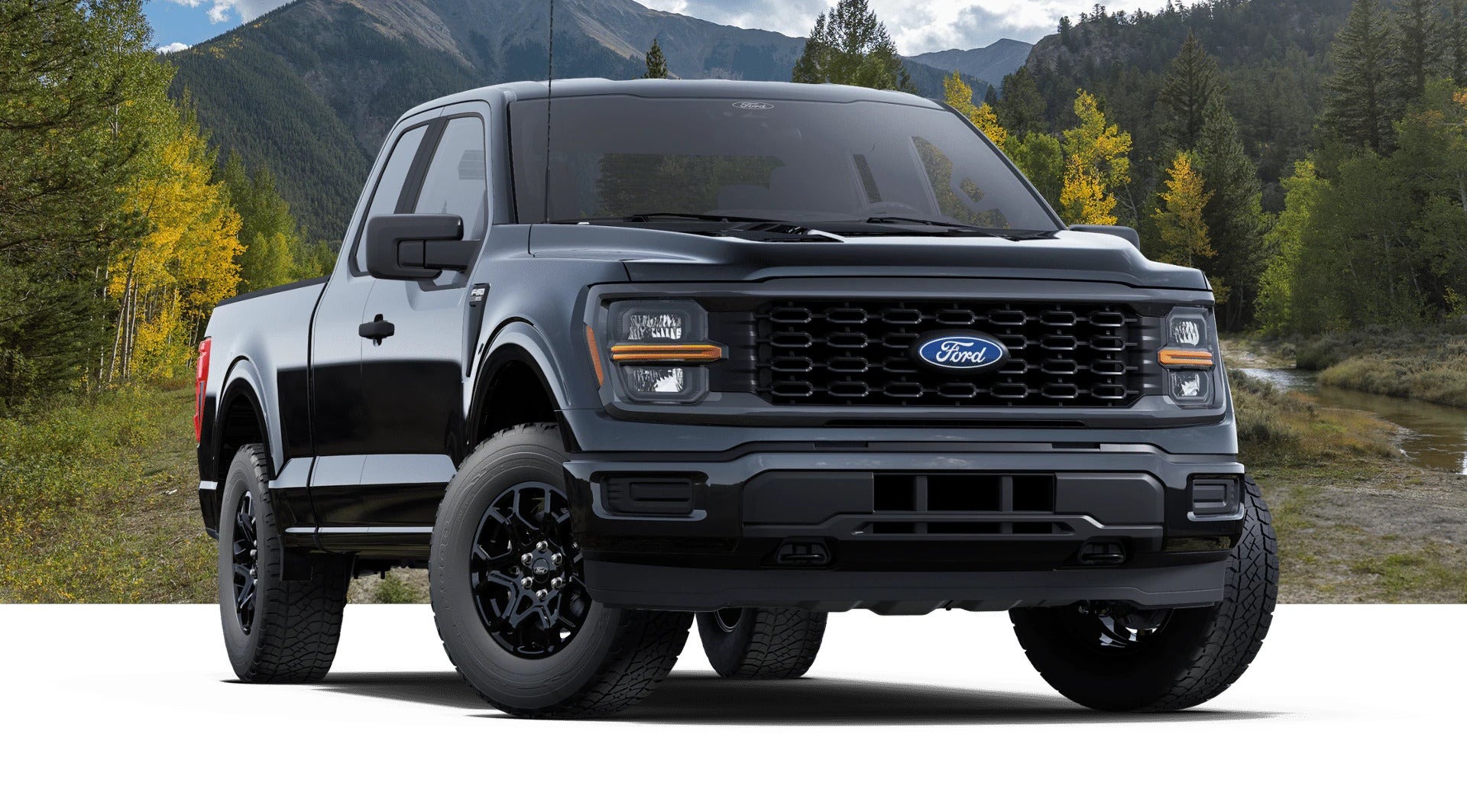
For drivers depending on their vehicle daily, whether for business or family use, the F-150 offers confidence rooted in reliability by removing yet another routine check from the to-do list. Such thoughtful integration of lasting battery technology supports the truck’s status as a dependable workhorse.
5. Lexus ES
The Lexus ES blends luxury with practicality, and this extends to its choice of battery. Toyota’s luxury division ensures that all recent ES models come equipped with sealed, maintenance-free batteries that are often more advanced than those found in the standard Toyota lineup.
These batteries feature precision-sealed units with premium components, chosen to match the high electrical demand generated by comfort technology and safety systems.
The outcome is a smoother ownership experience, with minimal owner intervention required for battery upkeep.
Why mention the ES here? It’s about delivering on the promises of the luxury segment. Lexus drivers expect excellence not just in comfort and styling, but in reliability and ease of use.
Owner surveys and reports highlight that battery issues are rare, and when replacement is eventually necessary, it comes predictably after years of steady service, no sudden, frustrating failures.
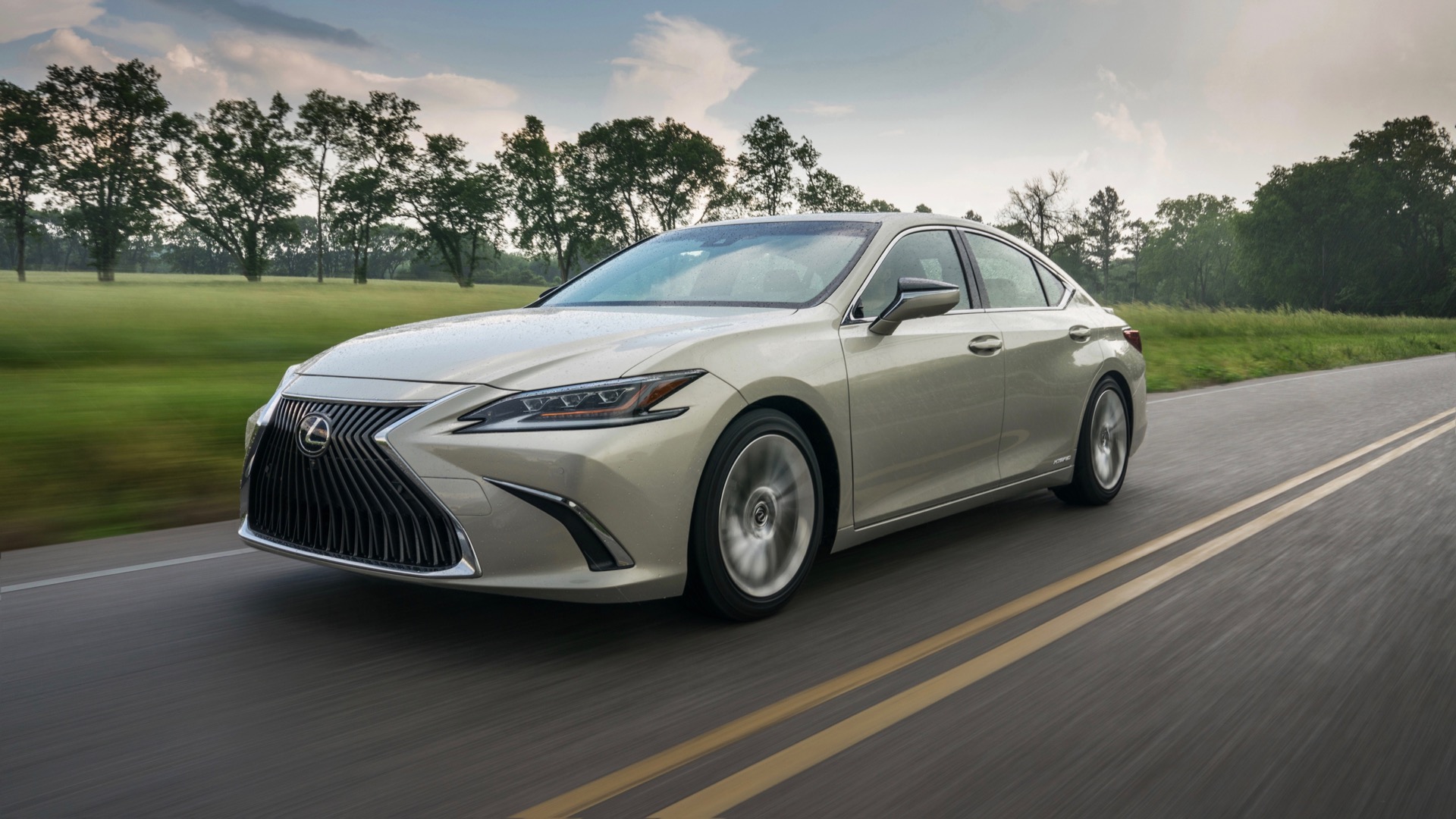
The combination of deliberate engineering, brand reputation, and judicious supplier partnerships enables Lexus to reliably offer maintenance-free batteries that contribute to a stress-free ownership experience.
The ES stands out because its commitment to ease extends as far as something as humble as the battery, underlining why it’s considered a silent reassurance for its owners.
5 Cars that Require Battery Replacement in Under Two Years
Not all batteries are created with longevity in mind, and some cars have developed a reputation for premature battery failure, requiring replacement far sooner than most owners expect.
While frequent short trips, extreme temperatures, or user neglect can play a role, there are models where design or component choices have had a stubborn impact on battery life.
For drivers, the difference between a battery lasting five years and dying in under two can lead to added costs, wasted time, and mounting frustration.
Repeated jump-starts, roadside assistance calls, and dealership visits become unwelcome parts of the ownership experience, affecting user satisfaction and retention for these brands.
Manufacturers may not always anticipate how electronic complexity, idle draw, or even battery access will affect real-world performance, but the evidence is seen in the experiences reported by countless owners online.
These accounts serve as warnings for those considering which car to purchase next. Spotlighting five specific models prone to rapid battery decline underscores the true cost of inadequate attention at the design or manufacturing stage.
By understanding which cars are more likely to suffer these issues, buyers can plan proactively, whether by negotiating battery warranty coverage, considering alternatives, or being especially vigilant about their maintenance schedule.
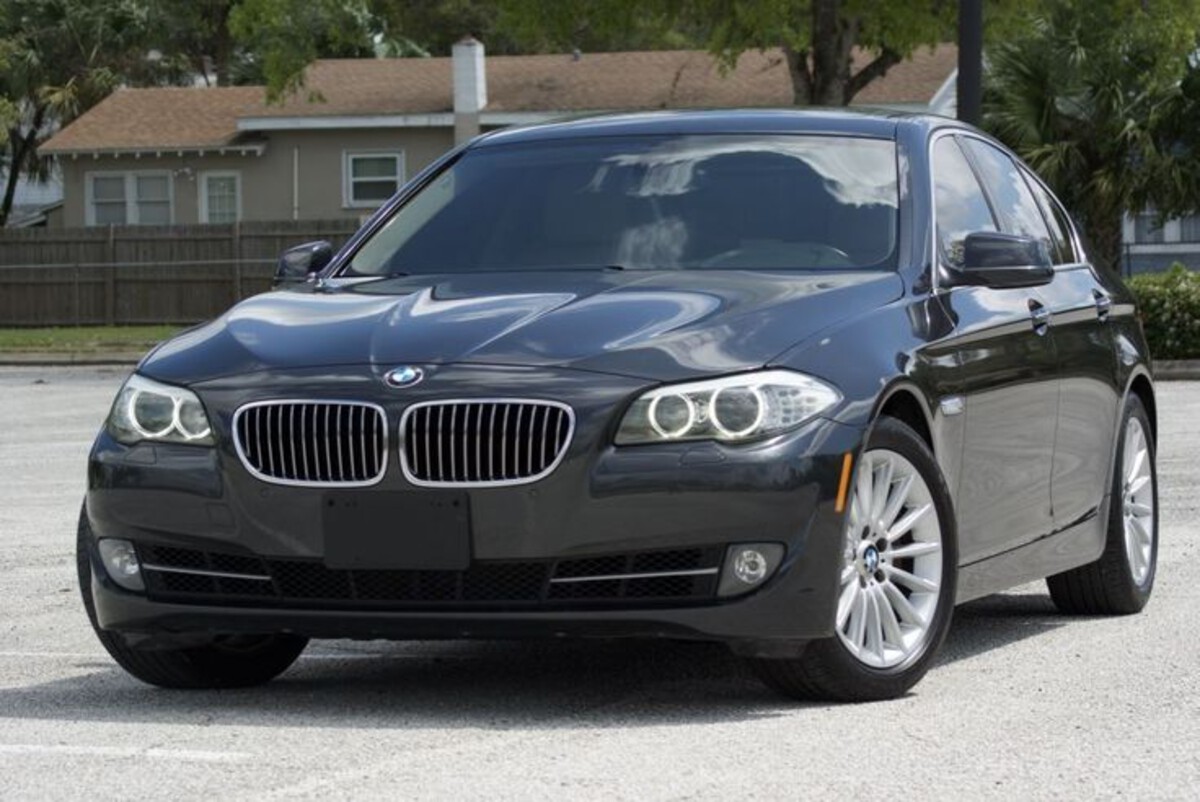
1. BMW 5 Series (G30)
BMW’s 5 Series, particularly in the G30 generation, has frustrated many owners with batteries that give out in under two years. Despite being an executive sedan brimming with technology, the complexity of these vehicles works against them.
The sheer number of onboard electronic systems means a high constant power draw, even when parked for short or moderate durations.
The battery options provided, although branded as advanced, seem often insufficient to support features like comfort access, start-stop technology, and an array of sensors and infotainment.
BMWs in this range also require specialized registration or programming when replacing the battery. If skipped or performed incorrectly, the new battery may suffer a shortened lifespan as well.
Many owners report being caught off guard by warning lights or unresponsive systems, only to learn their two-year-old battery has failed.
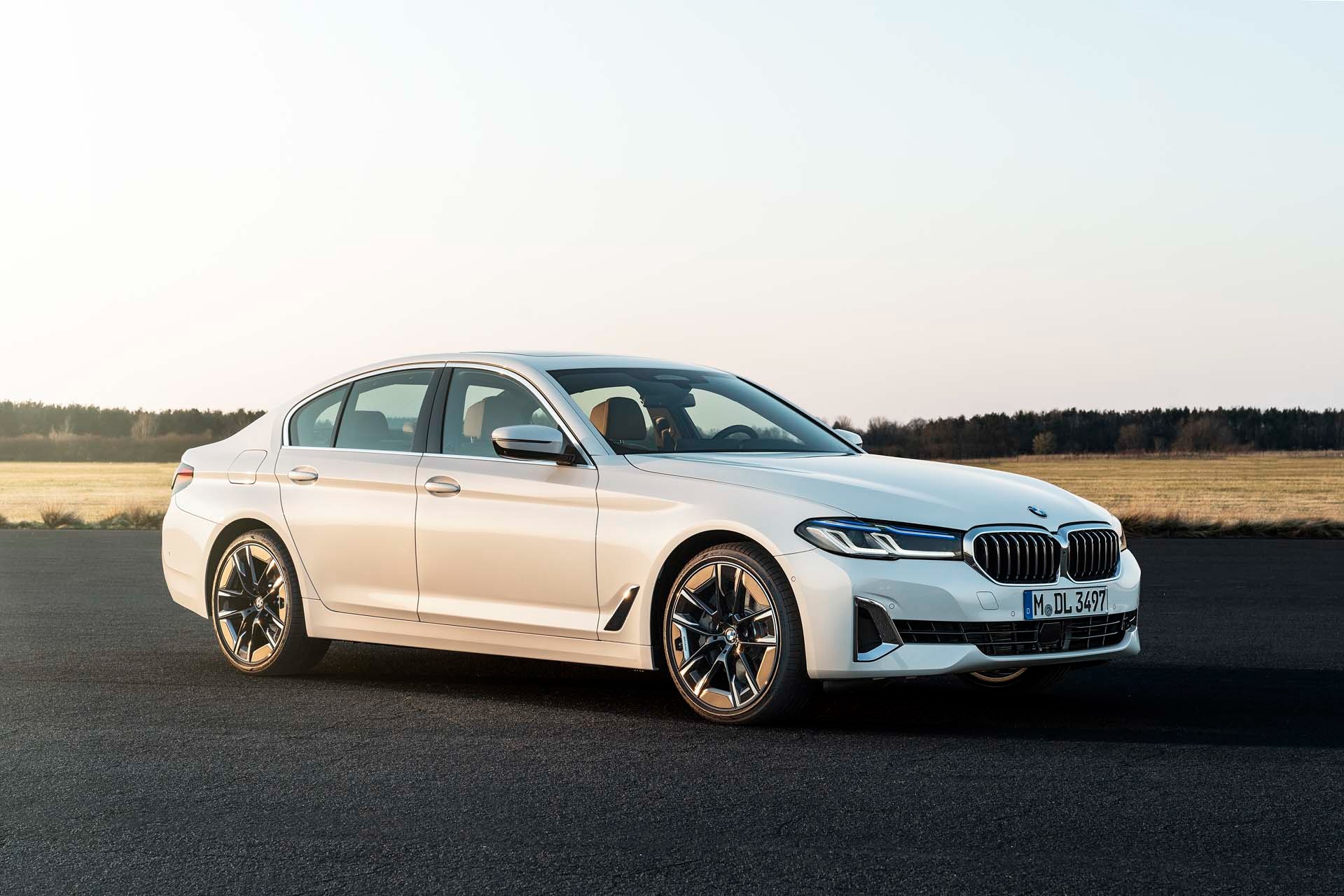
This problem is significant in colder climates and in vehicles with infrequent use, where batteries are further stressed by deep cycles or sitting idle.
The G30’s placement on this list is a direct response to the volume of real-world cases where owners found themselves replacing a battery long before the vehicle itself needed any significant service, making battery maintenance a genuine point of frustration.
2. Jeep Grand Cherokee (2017–2020)
Despite its rugged reputation, the Jeep Grand Cherokee models from 2017 to 2020 have accumulated complaints concerning short battery lifespans.
The primary reason is the integration of dual battery systems to power start-stop technology and a heavily loaded electrical system.
While this setup aims to improve fuel efficiency, it puts exceptional demand on both the main and auxiliary batteries. Many owners have seen the smaller secondary battery fail even sooner, sometimes in just over a year, triggering warning lights and engine start issues.
Additionally, the location of these batteries complicates replacement and routine checks, increasing the likelihood of neglect.
The need for precise specifications and professional installation, coupled with auxiliary components drawing power while the vehicle is off, exacerbates the problem.
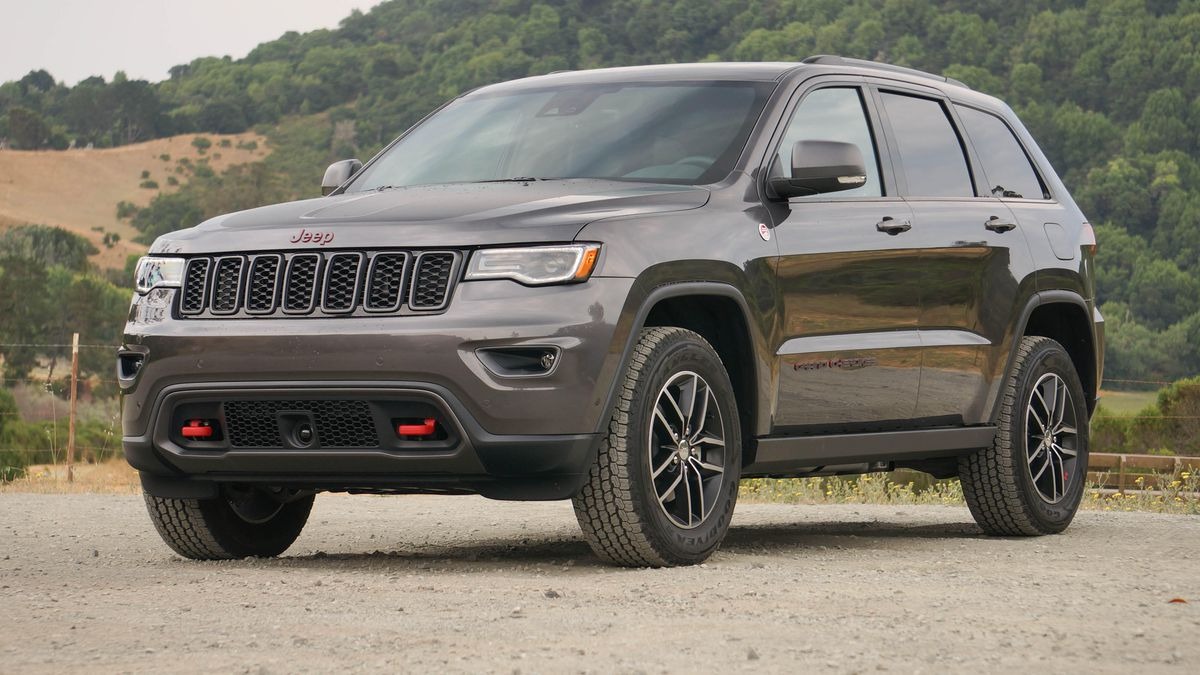
Jeep forums and consumer reports are filled with accounts of frequent battery replacements, spurring questions about whether the added efficiency justifies the added inconvenience for owners.
Highlighting the Grand Cherokee in this context emphasizes how ambitious technological upgrades intended to improve experience or efficiency can sometimes introduce new headaches, especially when supporting components are pushed beyond their practical limits.
3. Chevrolet Malibu (2016–2019)
Chevrolet’s Malibu, particularly in model years 2016 to 2019, features start-stop systems and an array of digital electronics that frequently overtax the battery’s capabilities.
Many users have documented that the factory-installed batteries last as little as 18 months before displaying signs of failure, with issues like slow cranking, persistent dashboard warnings, or complete loss of start.
A hidden downside is that the Malibu’s battery is located beneath the trunk floor, impacting heat dissipation and making regular inspection less likely.
At the same time, components operating in standby mode continue to draw current, hastening battery drain. The original equipment often falls short of handling these draws over time, and the cost of professional replacement adds insult to injury for affected owners.
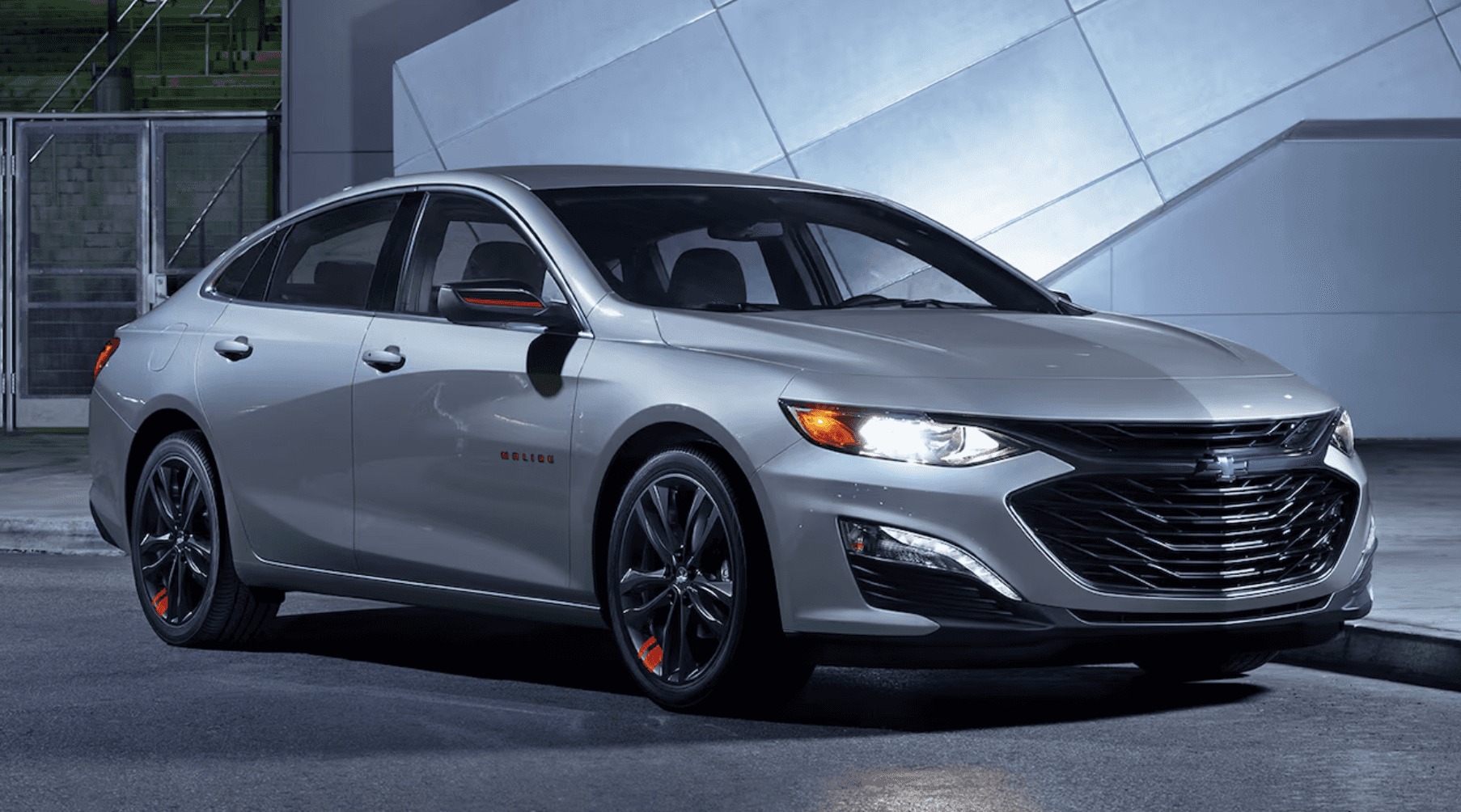
Based on real customer experiences and documented service records, the Malibu makes it here due to its regrettable reputation as a car where battery change is an early and frequent line item, not a rare event.
Drivers value predictability, and with the Malibu, the rapid wear of a crucial component undermines the ownership experience from early on.
4. Nissan Altima (2013–2018)
For the Nissan Altima, especially from 2013 to 2018, a pattern of rapid battery deterioration is well-established among owners. Numerous reports cite replacements needed within the first two years, with little warning leading up to failures.
A combination of causes is at play. The Altima’s electrical systems, while not especially advanced compared to newer models, still create a modest but persistent drain on battery resources.
Combined with a factory choice of standard flooded batteries rather than more resilient AGM types, the results lead to shorter service life.
Complicating matters further, some Altima units from these years appear prone to chronic parasitic drain, caused by faults in systems such as door sensors or infotainment components remaining active after the car is off.
For many, this means coming back from a weekend trip or a few days without driving only to encounter a dead battery.
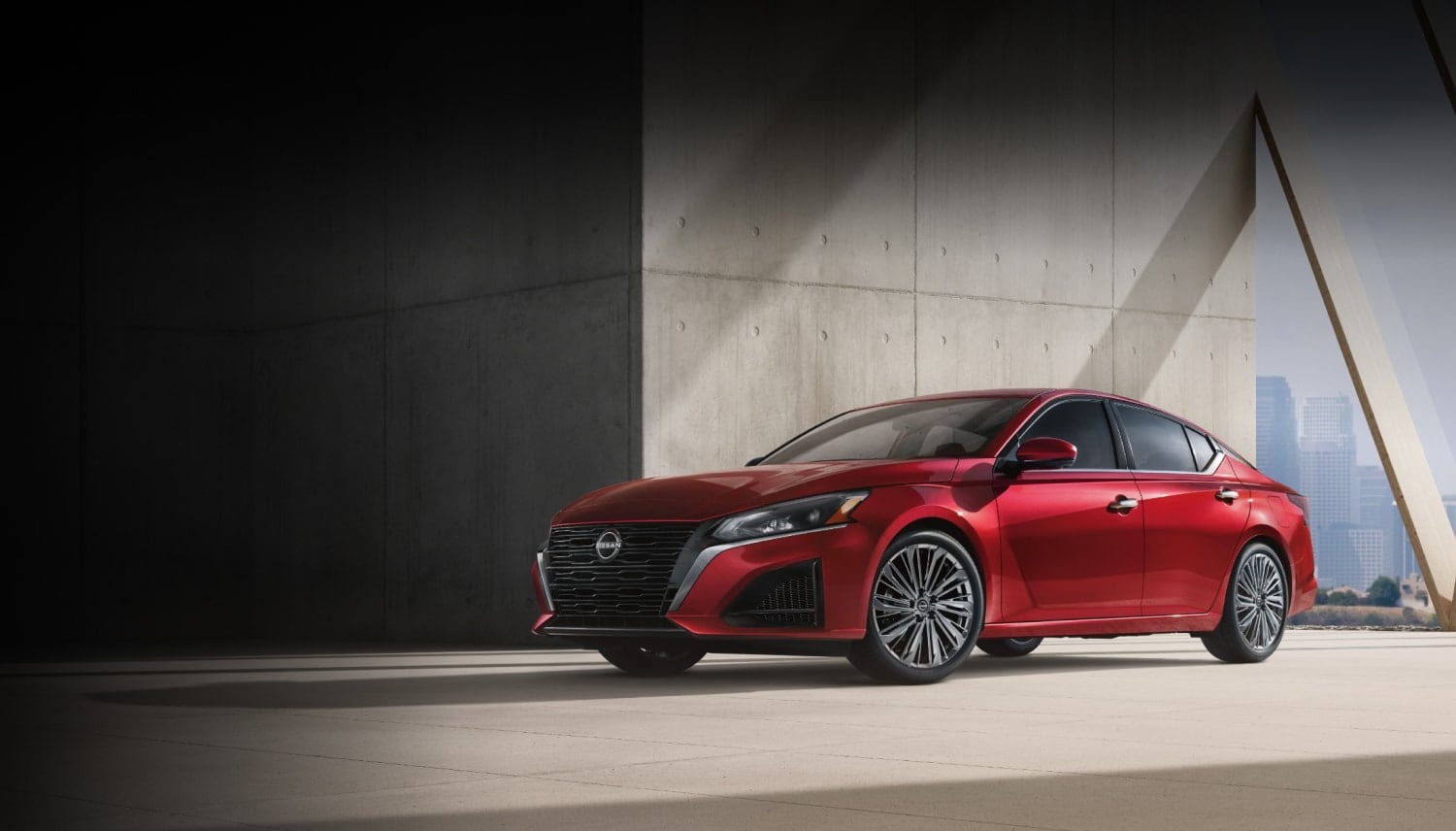
The Altima’s spot in this listing reflects not only the volume of complaints but also the avoidable nature of much of the trouble, given better component selection or troubleshooting by the manufacturer.
As it stands, drivers have had to adapt by carrying jump packs or budgeting for premature replacements as a matter of course.
5. Volkswagen Passat (2012–2017)
The Volkswagen Passat, particularly for the 2012–2017 period, has caused consternation among drivers dealing with batteries that falter sooner than anticipated.
Much like others on this list, the Passat’s heavy electronic load, including extensive security systems, climate control modules, and infotainment, combine with a standard battery specification that struggles to meet real-world demands. Further issues arise in markets with colder climates, where battery performance naturally suffers.
Some Passat owners point to poor alternator performance or persistent electrical system demands as contributing to early battery depletion.
Mechanics have also highlighted that replacement can be awkward due to placement and the need for dealership-level diagnostics to reset battery monitoring systems.
Rather than being a one-off complaint, premature battery problems are a recurring theme throughout driver forums and repair statistics from this model era.
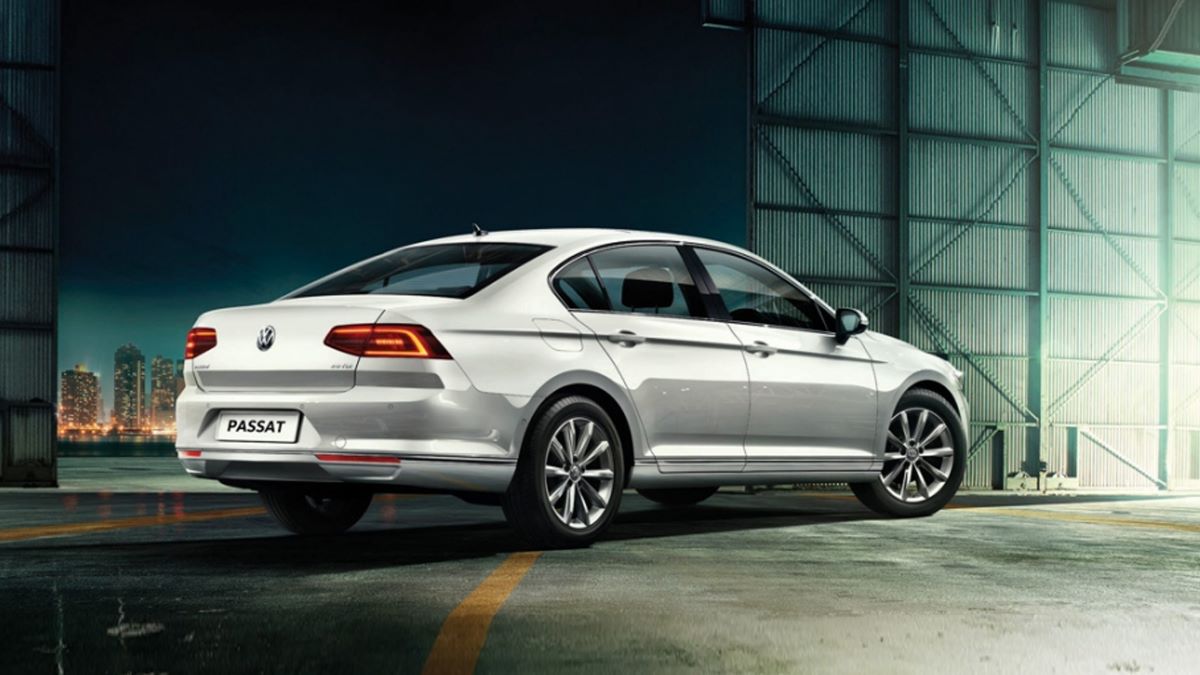
Including the Passat offers a cautionary example: adding impressive features should always be balanced by upgrades to crucial components like the battery, or risk frustrating otherwise loyal customers with an unexpected weak link.
The reliability and longevity of a car’s battery greatly affect the ownership experience, making it an important factor for prospective buyers to consider.
Batteries that require little to no upkeep allow owners to focus more on driving and less on maintenance, while frequent battery failures can cause inconvenience, added expense, and eroded trust.
This discussion outlined two contrasting groups of vehicles: five models known for their maintenance-free batteries lasting several years, and five prone to battery problems requiring replacement within two years.
Starting with vehicles equipped with maintenance-free batteries, these models showcase advancements in battery technology and smart design choices that reduce battery-related maintenance for owners.
The Toyota Camry exemplifies this with its use of sealed, lead-calcium batteries that resist water loss and corrosion, appreciated for longevity and reliability across climates.
Similarly, the Honda Accord uses absorbed glass mat (AGM) or enhanced flooded batteries that withstand demanding start-stop systems and minimize terminal corrosion.
Subaru’s Outback pairs rugged vehicle design with sealed batteries capable of enduring both extreme temperatures and power draw from numerous electronics, making it well-suited for harsh environments.
The Ford F-150 integrates maintenance-free batteries tailored to handle heavy electrical loads common in trucks, ensuring dependable starts and fewer service interruptions.
Finally, the Lexus ES offers luxury combined with premium battery components designed to support advanced safety and comfort systems while remaining user-friendly with limited need for intervention.
Each of these cars benefits from careful partnerships with quality battery manufacturers, thoughtful placement of electrical components, and vehicle management systems designed to extend battery life.
Together, they provide examples of how engineering and technology can ease ownership by removing routine battery tasks and reducing the risk of unexpected failures.
In contrast, the discussion highlighted five models with batteries that tend to fail prematurely, often in less than two years.
The BMW 5 Series (G30) faces challenges due to high electrical demands from extensive onboard features, combined with complex battery registration processes that, if mishandled, shorten battery lifespan.
The 2017–2020 Jeep Grand Cherokee employs a dual battery system to sustain start-stop technology and auxiliary power, which may inadvertently lead to early battery wear, especially with difficult access and heavy parasitic draws.
Chevrolet Malibu models from 2016 to 2019 also suffer from early battery decline, partially due to their battery location under the trunk floor that limits cooling and inspection, compounded by electrical systems that drain the battery even when parked.
Nissan Altima (2013–2018) batteries often fall victim to parasitic drain and the use of less resilient flooded batteries rather than AGM types, making them prone to unexpected failures after short periods of non-use.
Lastly, the Volkswagen Passat (2012–2017) struggles with batteries that cannot reliably support the heavy electronic load and cold climate demands, often exacerbated by alternator issues and complex reset requirements.
These vehicles illustrate how added complexity, ambitious technology integrations, or cost-saving measures without sufficient supporting upgrades can result in batteries that fail quickly, leading to frustration, unplanned expenses, and diminished user confidence.
Owners frequently encounter warning lights, slow cranking, or complete electrical failures earlier than expected, making battery maintenance a significant concern.
The comparison underscores a vital lesson for car buyers: paying attention to battery technology and related vehicle systems during purchase research can help avoid surprise expenses and reliability issues.
Selecting models with proven maintenance-free battery systems or understanding the potential challenges of certain vehicles allows drivers to prepare adequately.
Whether it’s the peace of mind from a battery that does not require regular upkeep or the awareness needed to manage early replacements, being informed empowers owners to get the most from their investment and enjoy a smoother ownership journey.
Also Read: 5 Vehicles That Hold Original Paint Perfectly and 5 That Chip By Year 1
