
As EV adoption accelerates in the United States, it’s not just Tesla and legacy automakers making headlines. Several electric vehicle brands are quietly outperforming projections in 2025, driven by a mix of affordability, innovation, practicality, and growing nationwide charging infrastructure.
While some were expected to do well, others have come out of left field to capture surprising market share.
Here are the 10 EV brands in 2025 that are outselling expectations and reshaping the U.S. automotive landscape in the process.
1. Hyundai (IONIQ Series and Kona Electric)
Hyundai’s EV momentum continues to build in 2025. The IONIQ 5 and IONIQ 6 have become staples in American households thanks to futuristic design, solid range (300+ miles), and relatively affordable pricing.
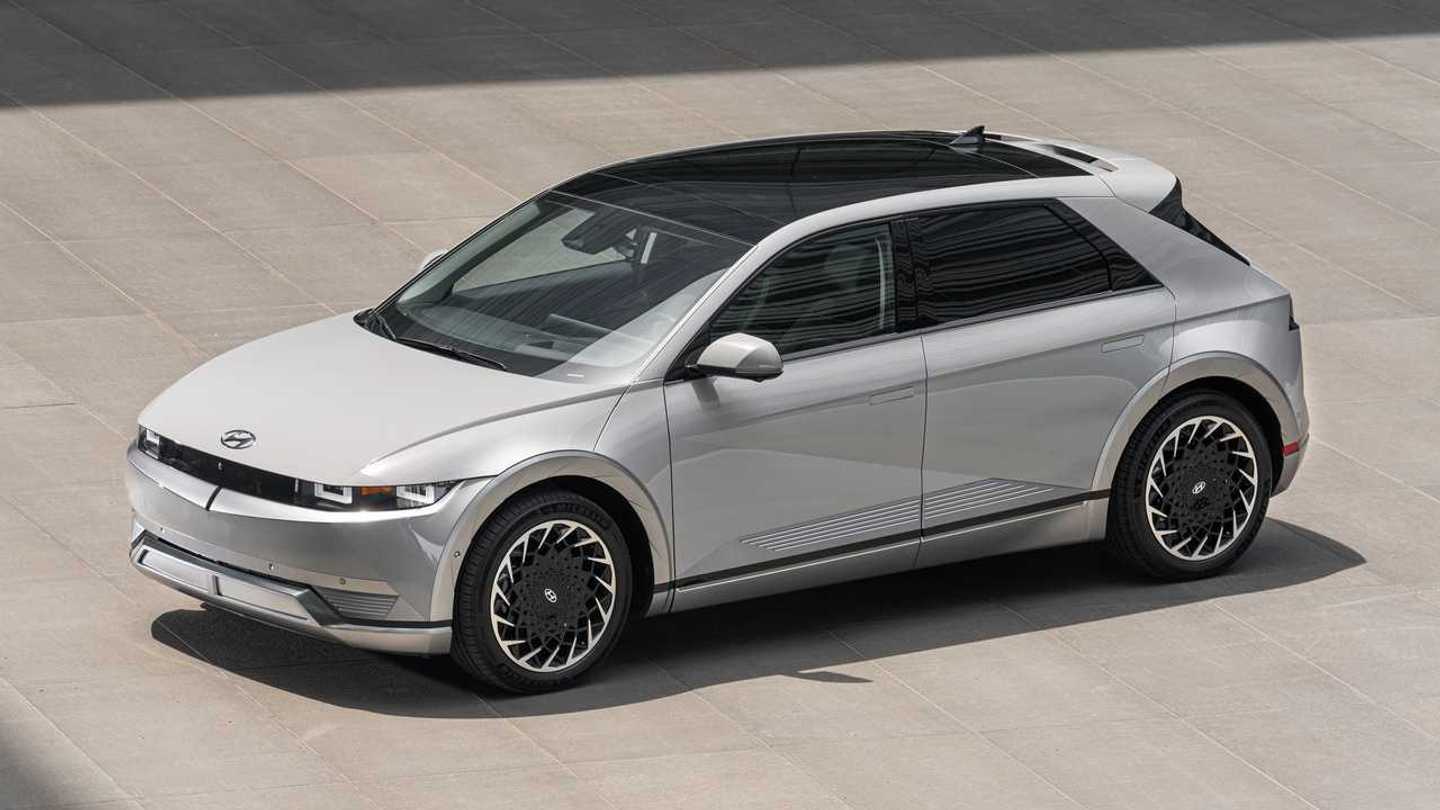
The company’s early investment in E-GMP platform technology has paid off, and the newly refreshed Kona Electric is also pulling strong numbers in urban and suburban markets.
Hyundai’s reputation for reliability, combined with fast-charging capabilities, has helped it exceed even optimistic forecasts.
Every Ioniq 5 comes equipped with a full suite of driver-assistance technologies, ensuring safety and confidence on the road. For those who want more, Hyundai offers advanced features like an adaptive cruise control system with lane-centering capability.
Standard safety equipment includes automated emergency braking with pedestrian detection, lane-departure warning, and lane-keeping assist, while adaptive cruise control with lane-centering is available as an upgrade.
On the coverage side, Hyundai provides the Ioniq 5 with one of the strongest warranty packages in the industry, paired with an excellent complimentary maintenance plan.
The limited warranty spans five years or 60,000 miles, while the powertrain warranty extends to 10 years or 100,000 miles. The battery also enjoys coverage for 10 years or 100,000 miles. Additionally, Hyundai includes complimentary scheduled maintenance for three years or 36,000 miles, further enhancing the ownership experience.
Also Read: Top 10 Luxury Brands That Quietly Nail Reliability
2. Kia (EV6, EV9, and EV3)
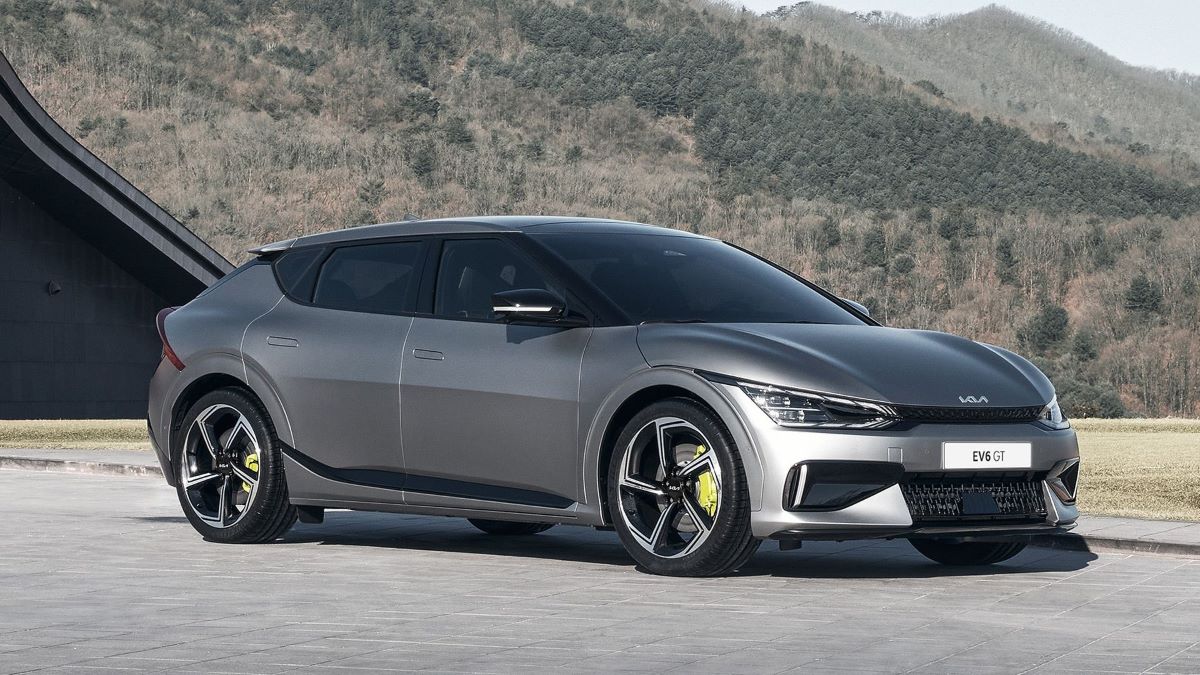
Kia, Hyundai’s sibling brand, is seeing major success with its bold EV strategy. The EV6 continues to dominate as a sleek, versatile crossover, while the EV9 its large three-row electric SUV is a surprise hit among American families.
Newly introduced in 2025, the subcompact EV3 has become a popular choice for urban dwellers and first-time EV buyers. Kia’s balance of high tech and value pricing has helped the brand smash past its expected sales targets.
The Kia EV6 occupies a unique spot in the market, more than a wagon but not fully a traditional SUV. It’s best described as a midsize electric crossover, competing directly with vehicles such as the Volkswagen ID4, Ford Mustang Mach-E, and Toyota bZ4X, as well as its Korean counterpart, the Hyundai Ioniq 5.
While the three-row electric SUV segment has been dominated by luxury offerings, this is beginning to shift. The arrival of the Kia EV9 signals that mainstream brands are entering the space.
Though there are currently no comparable mass-market electric seven-seaters, models from Volkswagen, Ford, and Chevrolet are likely on the horizon. Hyundai, Kia’s sister brand, is also expected to launch the production version of its SEVEN concept as the Ioniq 7.
When it comes to seating, the EV6 is a two-row crossover that accommodates five passengers, with two seats in the front and a three-across bench in the rear. The EV9, on the other hand, features three rows and can seat six or seven people depending on the second-row configuration.
A three-person bench is standard, while individual captain’s chairs are optional. Unfortunately, the EV9’s most innovative second-row seat design will not be offered in the U.S. market.
Both models are built on Kia’s Electric Global Modular Platform (E-GMP), the foundation for many of the company’s future EVs. True to its name, E-GMP is scalable and adaptable, supporting vehicles of various sizes and enabling the use of different battery capacities.
Originally, the EV6 was offered with a 58.0-kWh battery, but this option was phased out. Since 2023, all EV6 models have been equipped with a 77.4-kWh battery. The EV9 debuts with two battery choices that use an updated, more energy-dense chemistry: a smaller 76.1-kWh pack and a larger 99.8-kWh unit.
Charging is another strong point for both vehicles, thanks to the E-GMP’s 800-volt architecture that supports rapid charging speeds. The EV6 boasts a maximum charging capacity of 239 kW, allowing it to utilize 350-kW Level 3 chargers.
Under optimal conditions, Kia claims the battery can charge from 10 to 80 percent in just 18 minutes. In real-world testing, the EV6 was able to charge from 5 to 100 percent in 45 minutes. Interestingly, the EV9 features a slightly lower peak charge rate of 230 kW, though it still offers impressively quick charging compared to many other EVs currently available.
3. Rivian
Once considered a niche startup for adventure-seeking techies, Rivian is now a serious contender in the mainstream U.S. market.
The R1T pickup and R1S SUV have both benefited from continuous software improvements and build quality enhancements.
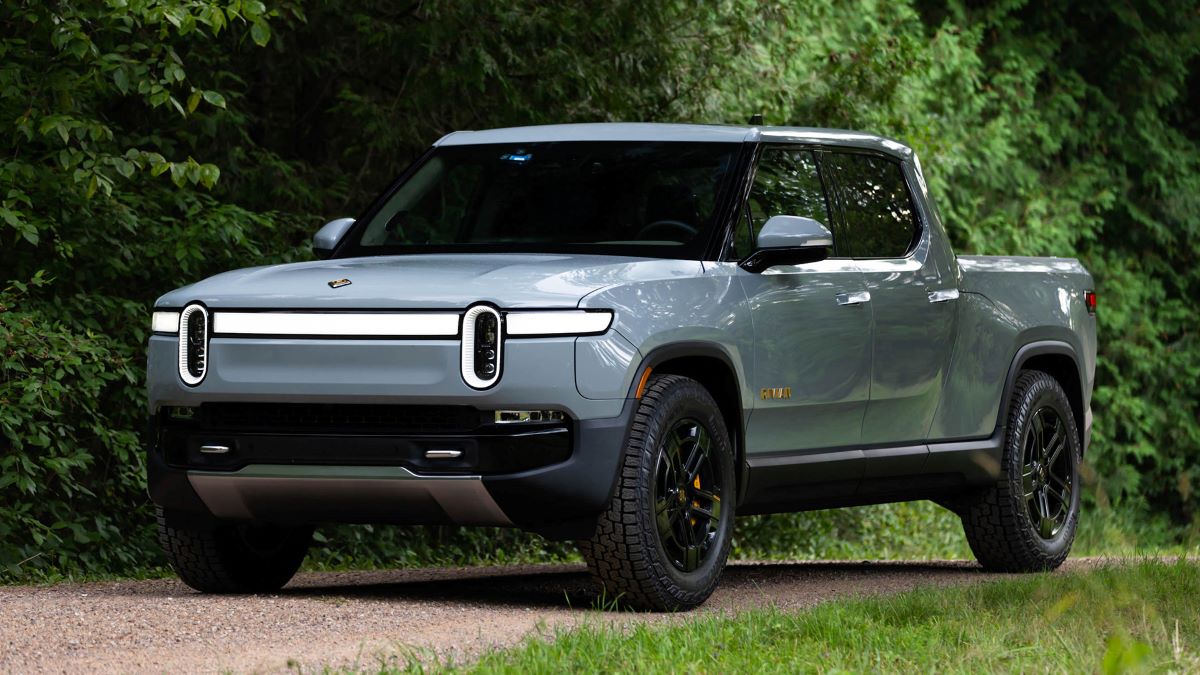
More importantly, Rivian’s new, more affordable R2 platform introduced in early 2025 has widened its customer base dramatically.
With strong appeal among outdoor enthusiasts and EV fans alike, Rivian’s success is no longer a surprise to industry insiders.
Rivian, founded in 2009 by CEO R.J. Scaringe, burst onto the scene when its two pre-production electric vehicles were unveiled in 2018.
These models drew widespread attention for their sleek design and an array of premium features, such as an optional camp stove cleverly integrated into a compartment between the rear wheels and rear passenger seats, that set them apart from traditional trucks and SUVs.
Both are built on Rivian’s innovative “skateboard platform,” a chassis that houses critical components such as the electric motors, battery packs, and suspension systems neatly beneath the vehicle body.
This design not only allows the company greater flexibility in developing a variety of vehicles, including its electric delivery vans, but also gives its models a lower center of gravity compared to conventional combustion-engine vehicles.
The R1S SUV enters a competitive landscape, going head-to-head with electric SUVs from rivals like Tesla, which offers the Model X and the crossover Model Y.
Meanwhile, Tesla’s long-anticipated Cybertruck poses a potential challenge to Rivian’s R1T pickup. However, the Cybertruck’s massive size, polarizing form-over-function styling, and repeated production delays could very well tip the scales in Rivian’s favor as it establishes its presence in the rapidly expanding EV pickup market.
4. Chevrolet (Equinox EV and Silverado EV)
General Motors’ bold electrification plan is beginning to bear fruit in 2025, and Chevrolet is at the forefront.
The Equinox EV has become one of the best-selling electric crossovers in the U.S., thanks to its sub-$35,000 starting price and family-friendly dimensions.
The Silverado EV, despite early delays, is gaining traction among light-duty truck buyers. Chevrolet’s aggressive pricing and commitment to expanding Ultium-based vehicles have helped the brand overdeliver on expectations.
The Chevy Equinox EV, branded by GM as “America’s most affordable 315+ range EV,” is on fire in the market. This model has become a driving force behind Chevy’s surge in the electric vehicle segment, helping the automaker strengthen its position as the fastest-growing EV brand in the United States.
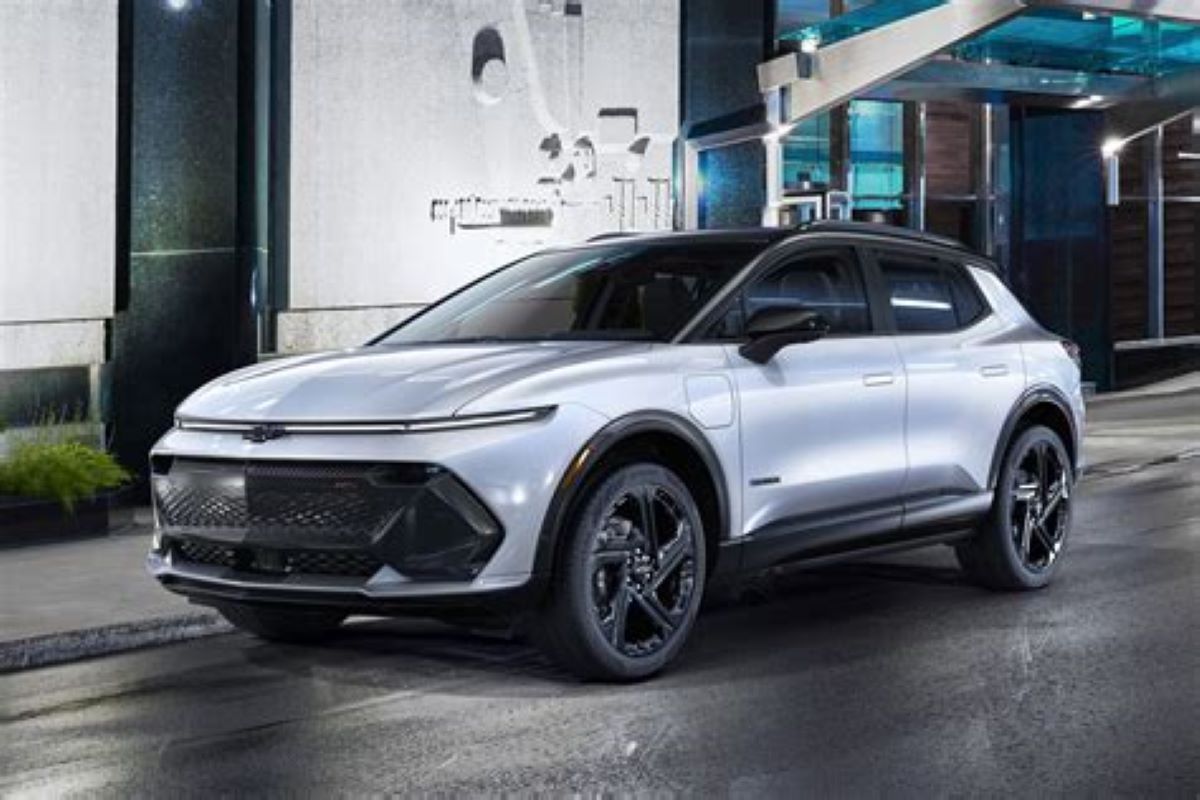
While the Equinox EV played a key role in doubling GM’s electric vehicle sales in Q2, the bigger picture reveals even more impressive momentum.
GM overtook Ford and Hyundai Motor last year to secure the spot as the second-largest EV seller in the country, and this year it is steadily narrowing the gap with Tesla. Bolstered by the success of the Equinox EV, GM’s electric sales more than doubled in Q2, firmly establishing Chevy as the number two EV brand in the U.S.
By the end of June, total sales reached 27,749 Equinox EVs, 12,736 Blazer EVs, and 5,439 electric Silverado models. Industry watchers expect the Chevy Equinox EV to rank among the top three best-selling EVs in the nation.
Although Chevy’s latest EV lineup is the standout performer, GM’s overall success is not solely dependent on these models. The automaker sold a total of 46,280 electric vehicles in Q2, marking a 111% jump compared to the same period in 2024.
5. BYD (Build Your Dreams)
Chinese automaker BYD has officially made its presence known in the U.S. market in 2025 after years of global growth.
Its entry into the American consumer space with the Seagull and Dolphin EVs affordable and range-efficient hatchbacks has resonated with budget-conscious buyers.
While initial skepticism about Chinese cars remained, BYD’s surprisingly solid quality and unbeatable pricing ($20,000–$30,000 range) are now drawing crowds. It’s a disruptive force that has exceeded nearly every projection.
BYD, the electric vehicle powerhouse based in Shenzhen, overtook Tesla in annual sales last year, marking a major milestone in the EV race.
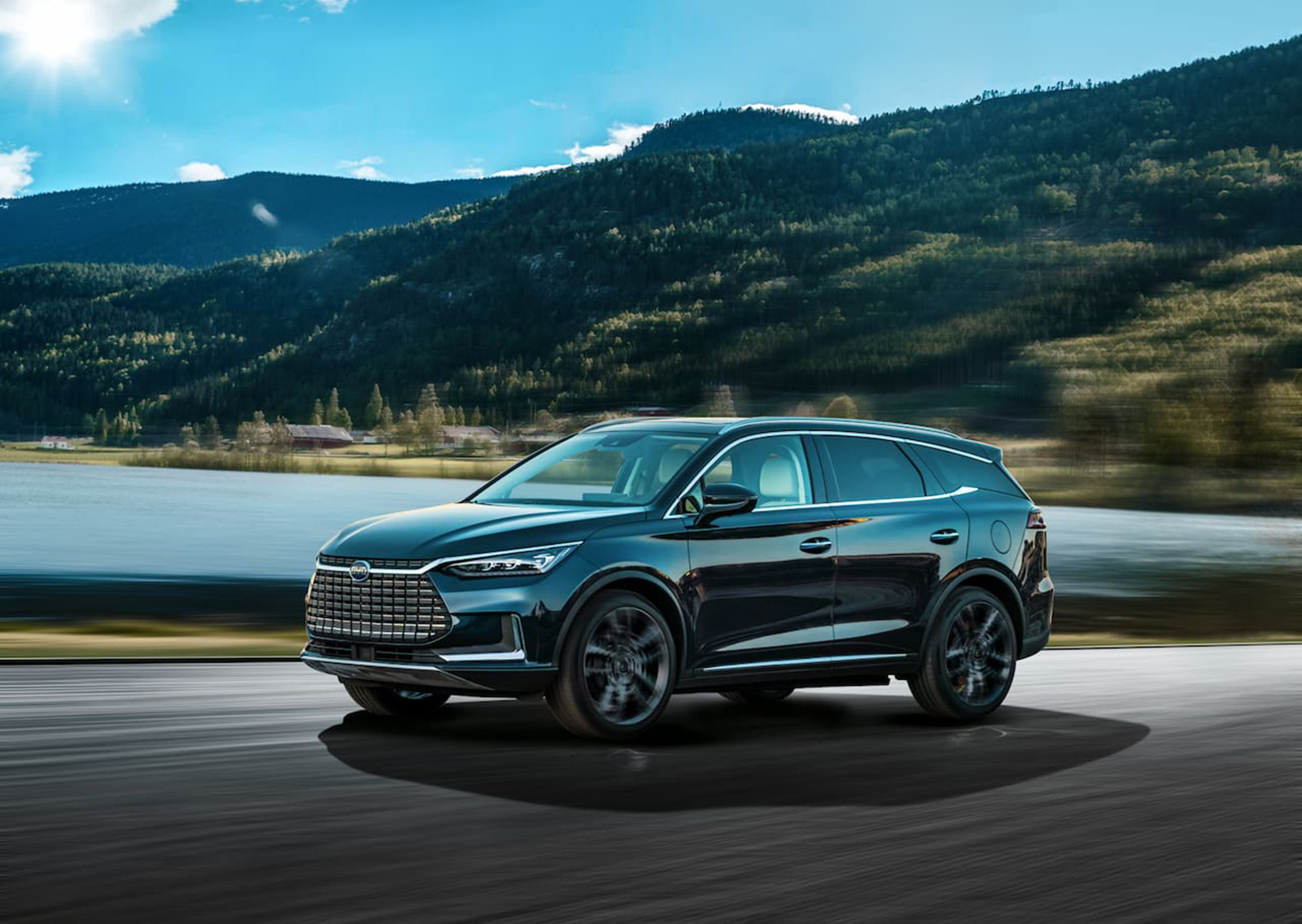
Recently, the company revealed groundbreaking battery charging technology that claims to add 250 miles of range in just five minutesfar surpassing Tesla’s Superchargers, which require 15 minutes to deliver 200 miles of range.
Adding to its momentum, BYD also launched “God’s Eye” last month, an advanced driver-assistance system designed to compete with Tesla’s Full Self-Driving feature, and it’s offering it at no additional cost on most of its vehicles.
These advancements are just a few examples of how BYD is steadily outpacing Tesla. Once dismissed by Elon Musk, the company is now outperforming Tesla not only in sales but also in innovation and price competitiveness.
“They’re not resting on their laurels, as you can see from the God’s Eye announcement and from the fast-charging announcement,” Tu Le, founder and managing director of Sino Auto Insights, told CNN. “They’re content to push the envelope and set the pace for the whole world.”
Having already secured dominance in China, the largest auto market globally, BYD is now turning its attention to international expansion. However, its growth has limits in certain regions, most notably the United States, where it remains effectively barred due to 100% tariffs on its passenger vehicles.
Also Read: Top 10 Cars That Stay Worry-Free After Warranty Ends Offering Unmatched Reliability
6. Ford (F-150 Lightning and Mustang Mach-E)
After a rocky start, Ford has hit its stride in 2025. The Mustang Mach-E is now selling at a pace closer to expectations, but it’s the updated F-150 Lightning that’s truly outperforming.
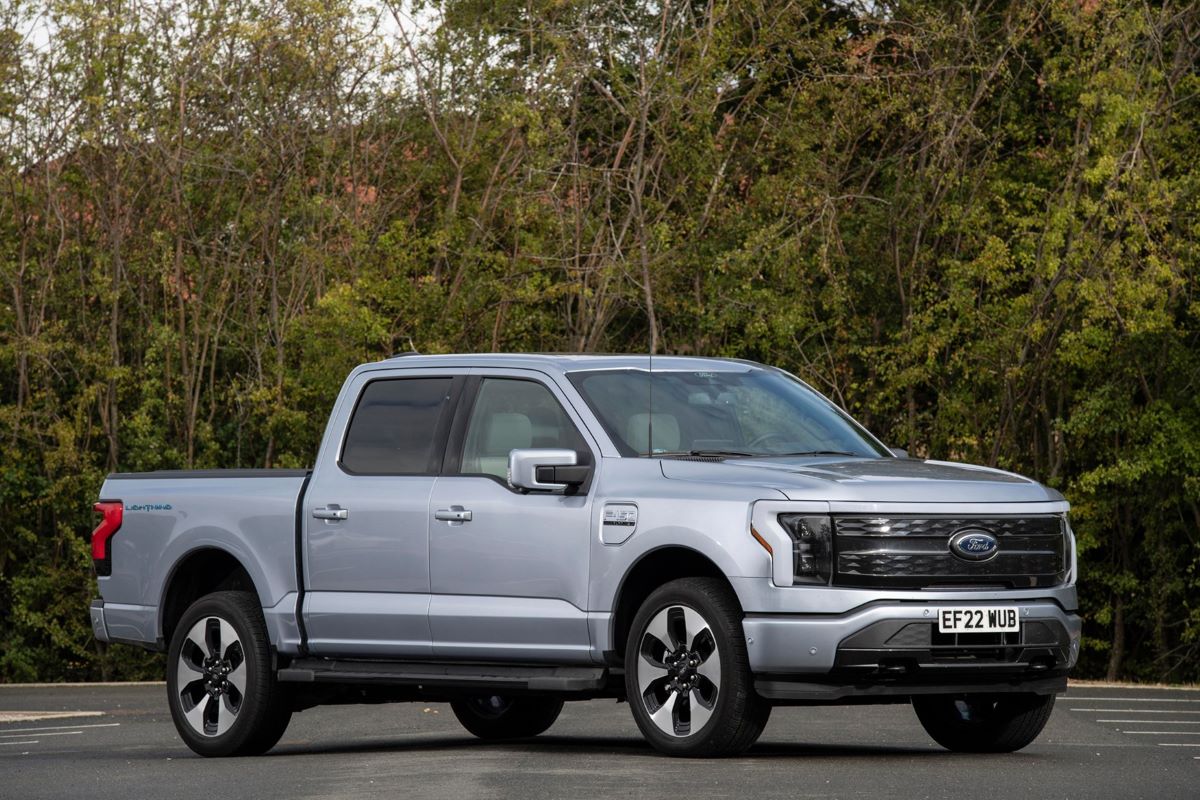
Ford’s strategic improvements in range, towing capacity, and pricing have helped the Lightning become a leader in the electric truck space.
Additionally, Ford’s commitment to EV infrastructure via partnerships with Tesla’s Supercharger network has bolstered buyer confidence.
Riding the surge of global electric vehicle enthusiasm, Ford is making bold moves in the EV market. The automaker’s first two electric entries are the Ford F-150 Lightning, an electric version of its best-selling pickup, and the Ford Mustang Mach-E, an SUV inspired by the iconic Mustang. Both models bring impressive innovation and cutting-edge technology, but the question remains, which Ford EV fits your driving lifestyle best?
With a starting price of $41,669, the 2022 Ford F-150 Lightning stands out as one of Ford’s most capable pickups. Every model comes standard with two electric motors and all-wheel drive.
The Standard-Range battery setup delivers 426 horsepower with an EPA-estimated range of 230 miles. Opting for the Extended-Range battery boosts output to 563 horsepower and an impressive 775 lb-ft of torque, increasing range to an estimated 300 miles.
According to Car and Driver, the F-150 Lightning can tow 7,700 pounds with the Standard-Range battery, while models with the Extended-Range pack handle up to 10,000 pounds.
Inside, the spacious cabin accommodates five passengers and features a massive infotainment display. Charging is flexible, owners can juice up at home using 110- or 220-volt outlets, or quickly top off at public charging stations.
Ford’s Mustang Mach-E redefines what an SUV can be, offering zero emissions wrapped in a sleek, performance-focused design. Starting at $43,895, this compact electric SUV carries the Mustang legacy into the EV era.
Equipped with the Extended-Range battery, it accelerates from 0 to 50 mph in just 4.8 seconds. The Select, California Route 1, and Premium trims produce 290 horsepower with rear-wheel drive and 346 horsepower with all-wheel drive.
For thrill-seekers, the GT and GT Performance Edition trims elevate performance even further, delivering 480 horsepower. The GT trim generates 600 lb-ft of torque, while the GT Performance Edition cranks out 634 lb-ft.
Inside, the Mach-E seats five comfortably and offers generous cargo capacity for its size, 28 cubic feet behind the rear seats and 60 cubic feet with the seats folded down. There’s also a handy front trunk, or “frunk,” providing 4.7 cubic feet of wet/dry storage.
7. VinFast
Vietnamese automaker VinFast entered the U.S. market with skepticism, but its persistence and affordability have paid off.
The VF 8 and VF 9 SUVs are now gaining attention for their spacious interiors, accessible price points, and solid tech offerings.
While the brand faced quality control issues early on, 2025 marks a turnaround in perception. Its sales are quietly exceeding forecasts in California, Texas, and Florida, particularly among EV newcomers.
Many automakers selling cars in the United States are household names with decades of legacy behind them. Yet, as electrification moves from the margins to the mainstream, several new players have emerged.
Tesla made waves with its electric vehicles, and Rivian quickly earned recognition for its all-electric pickup truck. However, even these brands have been around long enough for American drivers to become familiar with who they are and what they represent.
In contrast, VinFast is a completely new name, one you might not immediately recognize. Perhaps you even clicked on this article because the name “VinFast” sparked your curiosity. g worth knowing about this Vietnamese automaker.
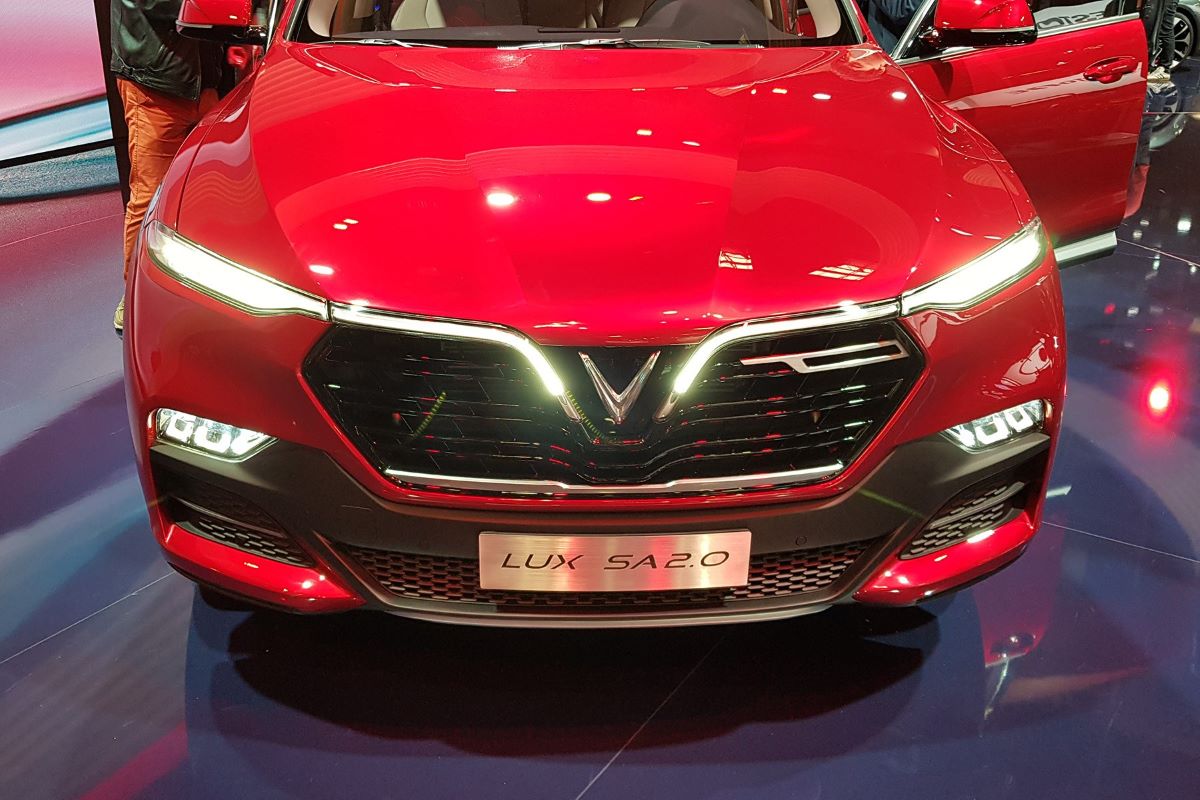
The Vingroup Joint Stock Company is a Vietnamese conglomerate involved in everything from real estate development and K-12 education to artificial intelligence research. For our purposes, the key name here is VinFast.
Unlike established automakers with century-long histories, VinFast’s story begins only as far back as 2017, when it opened an automotive manufacturing plant in Hai Phong, Vietnam. While this may be recent by American standards, it was enough to make VinFast the first global automotive manufacturer to emerge from Vietnam.
The company debuted its Lux A2.0 sedan and Lux SA2.0 SUV, both based on discontinued BMW models, at the 2018 Paris Motor Show, signaling its ambitions for a global market.
At that stage, VinFast was still producing traditional gas-powered vehicles. Its first fully electric offerings were not cars at all but a series of e-scooters launched in Vietnam in 2019.
The transition to electric vehicles came quickly. In 2021, VinFast introduced three electric SUVs, simultaneously declaring its commitment to an all-electric future. The compact VF e34 was designed specifically for Vietnam, while the larger VF8 and VF9 were engineered with international markets in mind.
By 2022, the company had opened showrooms in North America and Europe, setting the stage for global deliveries of the VF8 and VF9 in 2023. Then, in January 2024, VinFast announced its subcompact VF3 SUV would also be making its way to the United States, although its exact arrival date remains uncertain.
8. Tesla (Model Y and Model 2)
While Tesla is no longer a surprise success story, its 2025 sales are still beating internal expectations, particularly with the rollout of the more affordable Model 2 a compact EV starting around $25,000.
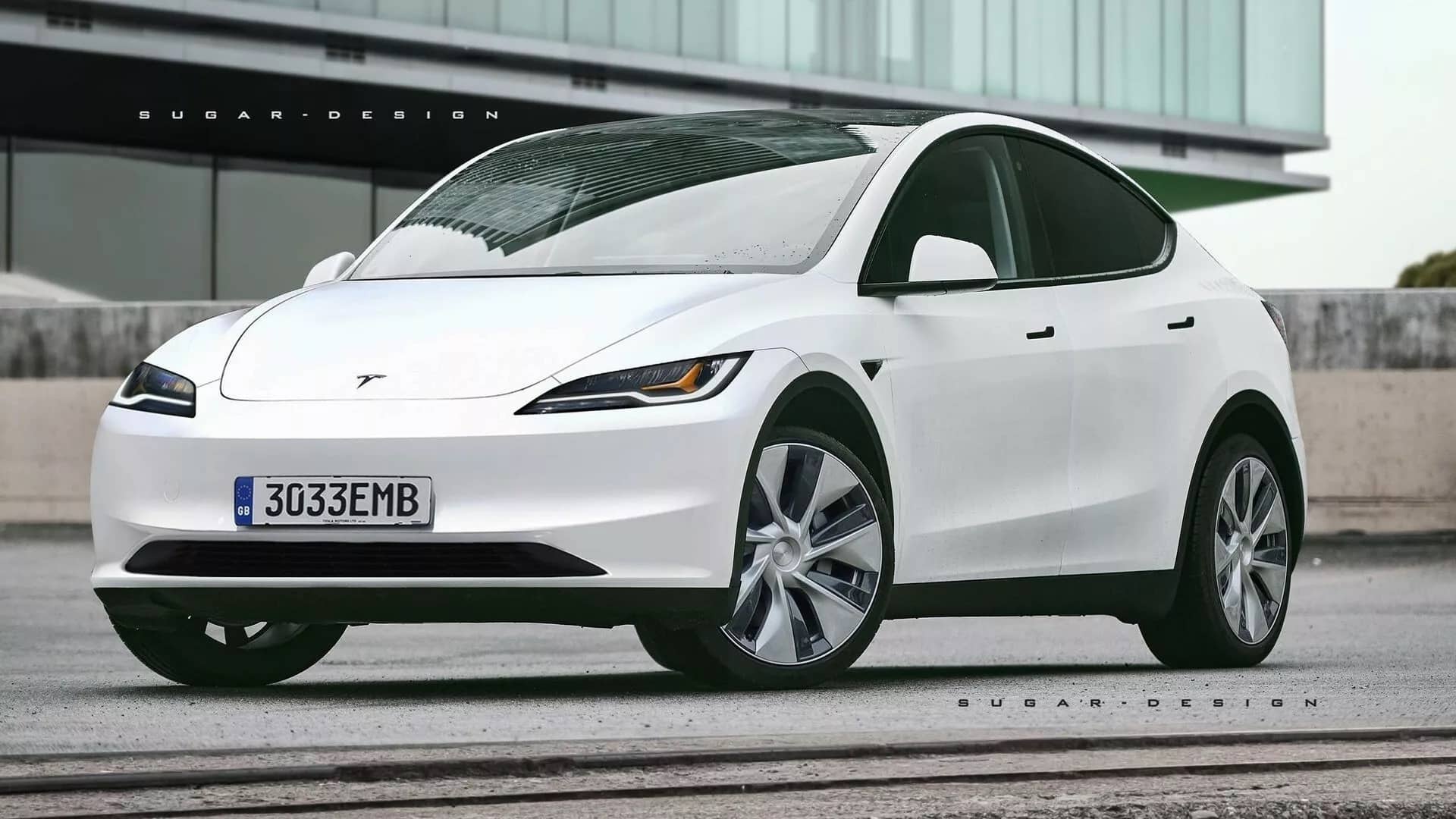
This new model is dominating among first-time EV buyers, while the Model Y continues to hold its title as the best-selling EV in the U.S. Tesla’s software edge, autopilot refinements, and charging network dominance keep its momentum alive.
9. Lucid Motors
Luxury EV brand Lucid was once seen as a Tesla alternative for a very niche buyer. In 2025, it has begun broadening its reach beyond just high-end luxury sedans.
The newly launched Lucid Gravity SUV, along with price-adjusted trims of the Air sedan, are attracting more buyers than expected.
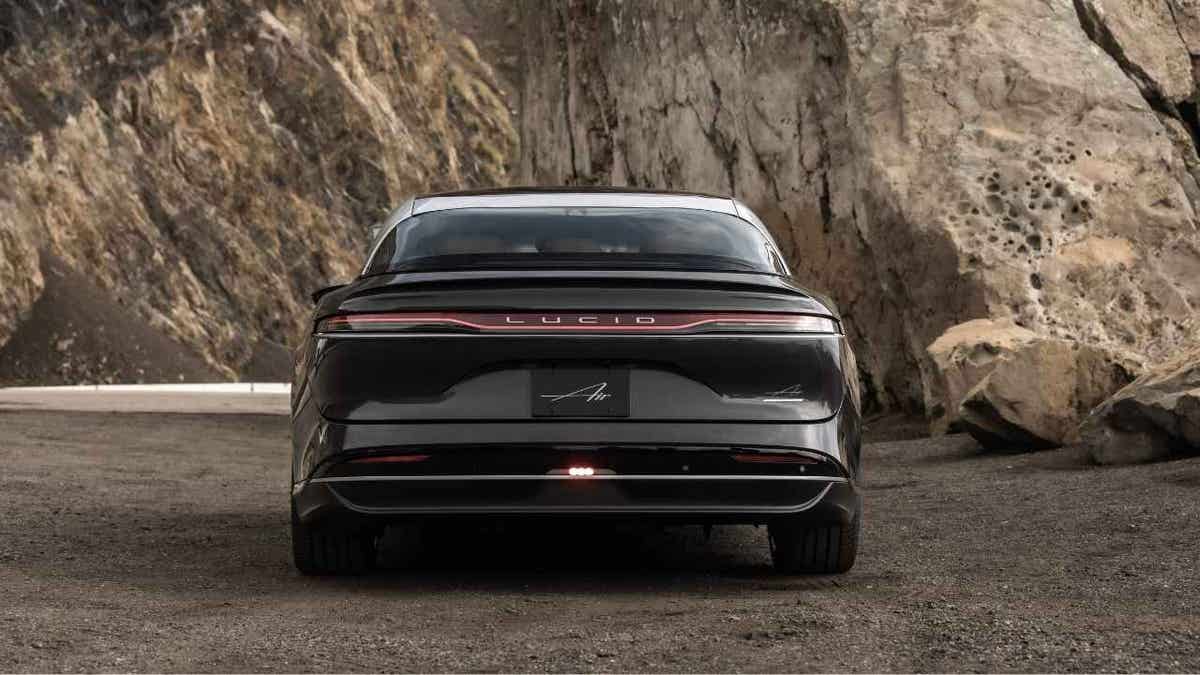
Lucid’s efficient motors, stunning interiors, and class-leading range continue to win over drivers who want premium performance without the Tesla badge.
Lucid Motors’ mission isn’t just to build the best EV on the road, it’s to create the best car, period. The electric vehicle revolution often comes with tradeoffs: adding more batteries to extend range makes vehicles heavier, and achieving sports car performance usually means compromising on comfort, luxury, nimbleness, or interior space. Lucid claims its vehicles eliminate the need for these compromises altogether.
The company’s story began in 2007 in Newark, California, under the name Atieva. Founded by Bernard Tse, a former Tesla VP and board member, and entrepreneur Sam Weng, Atieva initially focused on developing electric car battery technology, even supplying batteries to the Formula E racing series.
The company rebranded as Lucid in 2016 and, two years later, secured a $1 billion investment from Saudi Arabia’s Public Investment Fund (PIF), one of the largest sovereign wealth funds in the world. Ayar Third Investment Company, a PIF affiliate, became the majority stockholder following this investment.
Lucid unveiled a prototype of its first EV, the Lucid Air, in December 2016, but production and consumer deliveries didn’t begin until the end of 2021. At launch, the Air held the record for the longest driving range of any electric vehicle.
Our hands-on review of the Air Sapphire confirms Lucid’s bold claim of offering everything without compromise. And it’s not just their sedans that impress.
When we test-drove the Gravity, Lucid’s SUV, we were blown away by how it delivered supercar-level performance while combining the capability of an off-roader with the interior spaciousness of a minivan. It completely redefines expectations of what an SUV can be.
Of course, this level of engineering excellence comes at a steep cost. The Air Sapphire is priced at $250,000, while the Gravity Grand Touring starts at $95,000.
Even with these premium price tags, Lucid continues to grow. Selling vehicles across the U.S., Canada, Europe, and the Middle East, the company delivered 10,241 EVs in 2024 — a 71% increase over the previous year and a record-breaking achievement for the brand.
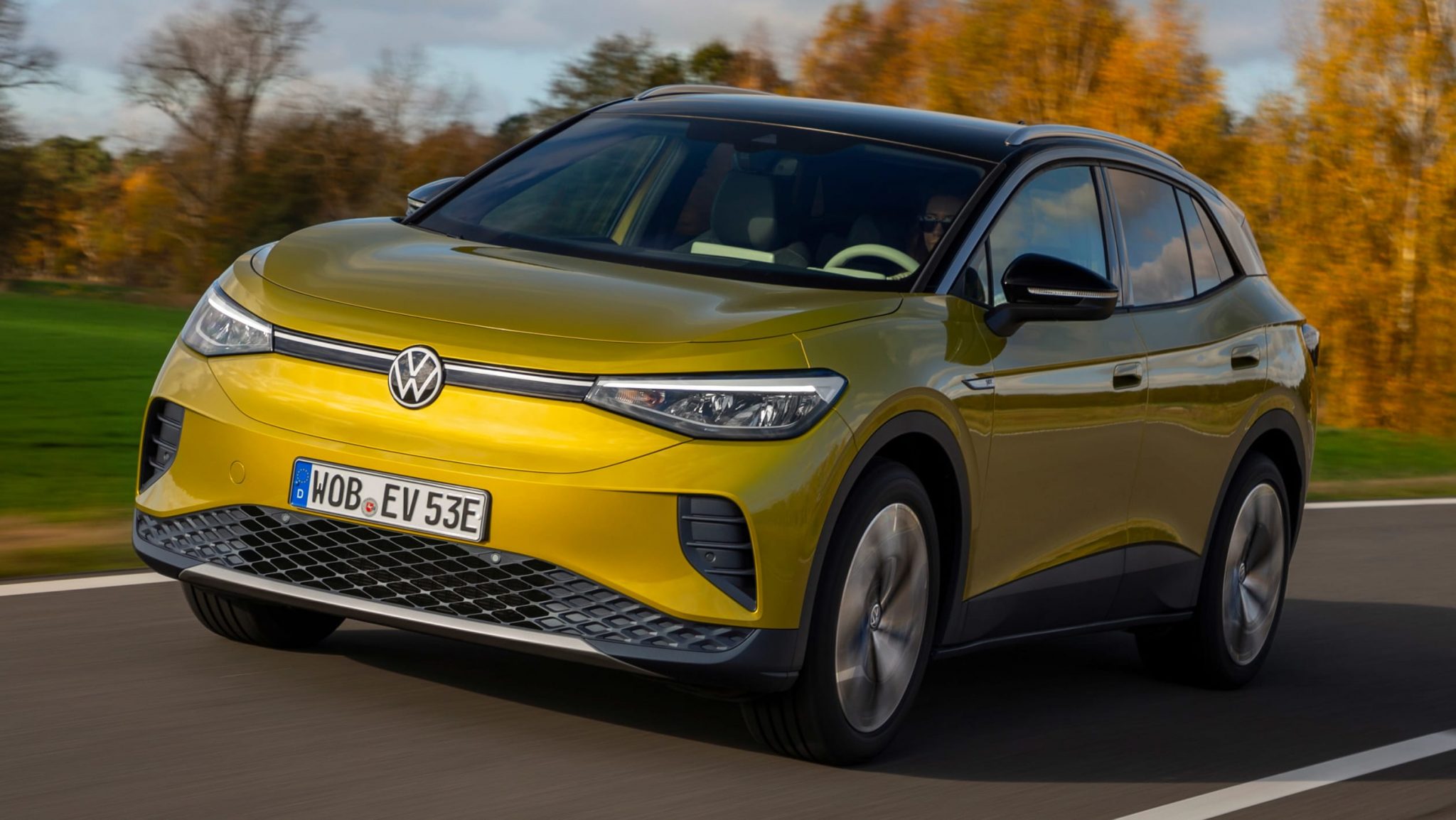
10. Volkswagen (ID.4 and ID. Buzz)
Volkswagen’s U.S. EV strategy is finally clicking in 2025.
The ID.4 is a consistent performer in the crossover EV segment, but it’s the nostalgic-yet-modern ID. Buzz an electric revival of the Microbus that has captured public imagination and exceeded sales targets.
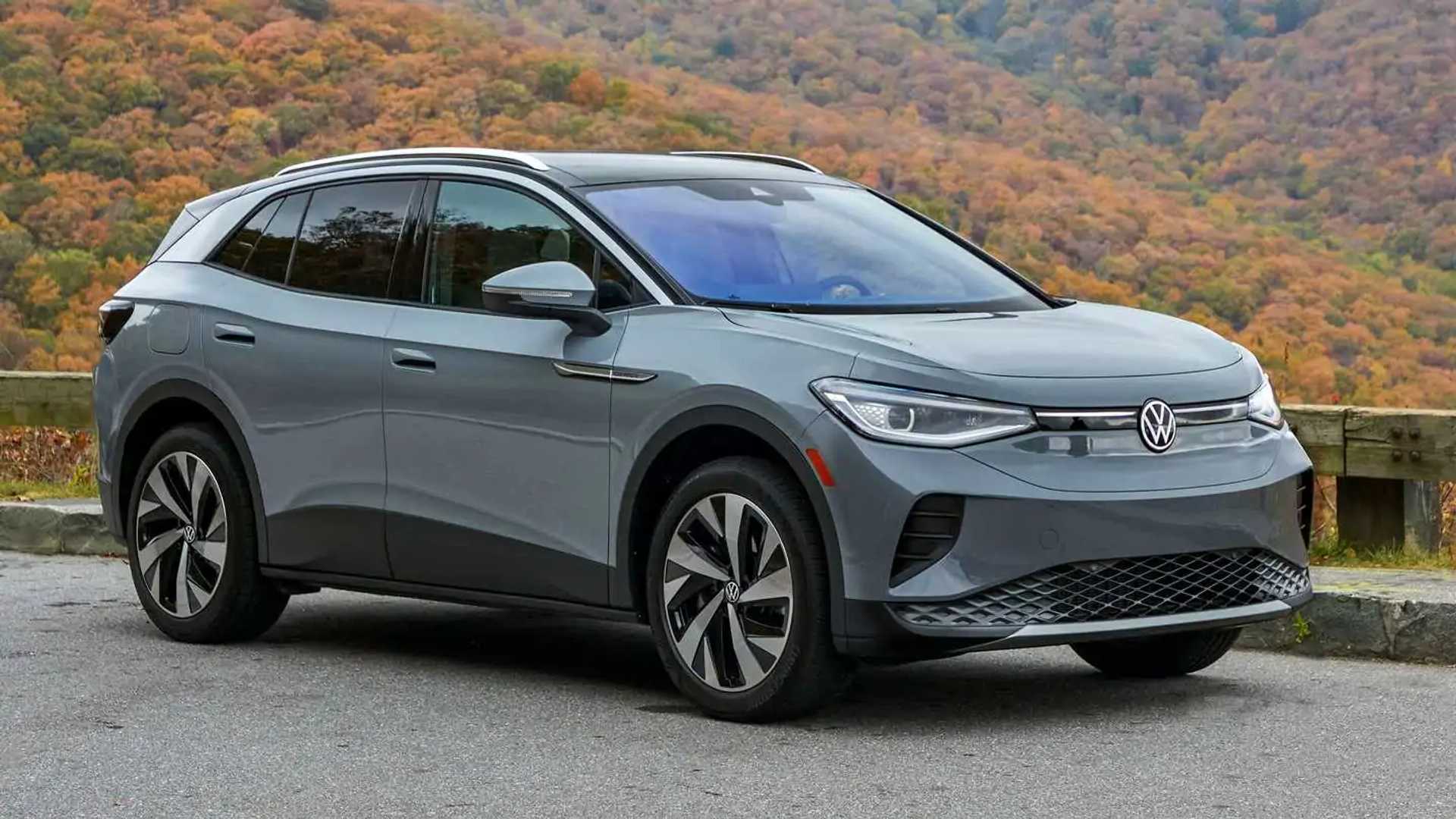
With family appeal, retro looks, and decent range, the ID. Buzz is proving that emotion sells in the EV world, especially when paired with solid German engineering.
The EV landscape in the U.S. is far more diverse and dynamic in 2025 than it was just a few years ago.
Brands that invested early in battery tech, design, and value are now being rewarded with rising sales sometimes even beyond their own expectations.
For American buyers, this means more choices, better pricing, and a wider variety of vehicles that fit different lifestyles.
The quiet EV revolution is no longer just about tech startups or luxury models it’s about everyday practicality, value, and innovation.
