
Understanding the significance of engine lubrication is critical for anyone passionate about cars, whether as a driver, mechanic, or enthusiast.
Engine oil circulates throughout a motor to reduce friction, transfer heat, and flush away debris that would otherwise cause premature wear or severe damage.
For some performance and race vehicles, dry-sump oil systems are used as a proactive measure to guarantee steady lubrication and protection, especially under demanding conditions.
On the other hand, there have been many instances where high-performance, and even ordinary vehicles, have suffered from oil starvation a predicament that can swiftly destroy an engine, threatening both the car’s longevity and the owner’s investment.
This discussion covers both aspects in-depth: first, by focusing on cars that feature dry-sump oil systems and why these systems have become essentials in certain circles, and second, by examining models that have gained notoriety for oil starvation problems.
By understanding both ends of the spectrum the advanced engineering that shields engines from oil starvation and the unfortunate cases where lubrication failed, the value of proper oiling solutions becomes clear.
This knowledge proves invaluable for potential buyers, track enthusiasts, or anyone curious about the technical side of automotive reliability and performance.
Also Read: 5 Unknown European Wagons That Last vs 5 Popular Wagons With Problems
Cars with Dry-Sump Oil Systems
Dry-sump oil systems are celebrated for their ability to keep engines reliably lubricated, even during severe driving events like racing, hard cornering, or when a vehicle operates at high G-forces.
Unlike standard systems that store oil in a pan beneath the engine, dry-sump setups use external reservoirs and multiple pumps to circulate oil, preventing it from sloshing away from the pickup and resulting in consistent pressure no matter the car’s orientation or movement.
This configuration not only reduces the risk of oil starvation but also enables engineers to position the engine lower for improved vehicle dynamics, as the absence of a bulky oil pan creates more clearance.
Enthusiasts and professional racers often seek out cars equipped with dry-sump systems because they represent genuine, track-oriented engineering.
The dry-sump system has become almost a prerequisite for endurance and supercar designers, who need to guarantee reliability even under the most strenuous conditions.
Examining cars with these setups offers insight into the meticulous development that distinguishes track-proven machines from standard consumer vehicles.
It also illuminates the difference careful lubricating design can make, highlighting why some marques and models reach iconic status in motoring lore.
The following five cars have been purposefully selected for their outstanding use of dry-sump systems, illustrating how attention to oiling can define both their performance and reputation.
1. Chevrolet Corvette Z06 (C7)
The Chevrolet Corvette Z06, particularly the C7 generation released for the 2015 model year, serves as a prime example of American engineering leveraging the benefits of a dry-sump oiling system.
This high-performance machine is motivated by the LT4 6.2L supercharged V8 engine, delivering explosive power figures that necessitate a robust solution to maintain oil pressure even during high-speed cornering or aggressive acceleration.
The dry-sump setup in the Z06 allows oil to be stored in a separate reservoir, rather than a traditional sump or pan beneath the engine.
Multiple scavenge pumps ensure that spent oil is rapidly collected and returned to the external tank, while a pressure pump feeds oil precisely to critical engine components.
This approach dramatically reduces the risk of oil starvation, which can occur when the oil sloshes away from the pickup under extreme G-forces.
Additionally, this configuration enables Chevrolet to mount the engine lower within the chassis, optimizing the Corvette’s centre of gravity and improving handling.
Dry-sump systems also contribute to durability, making the Z06 suitable for extended track use without fear of oil aeration or loss of lubrication.

The Corvette Z06’s adoption of such a system places it among the few American muscle icons that can confidently face the demands of international-level motorsport and high-speed driving, reassuring owners who require both performance and reliability.
The choice to spotlight the Corvette Z06 here is motivated by its role in redefining American sports cars, its critical acclaim in endurance racing, and its popularity among drivers who appreciate the fusion of raw power with mechanical sophistication.
The dry-sump system is a core element of this car’s reputation for lasting performance even in the harshest conditions.
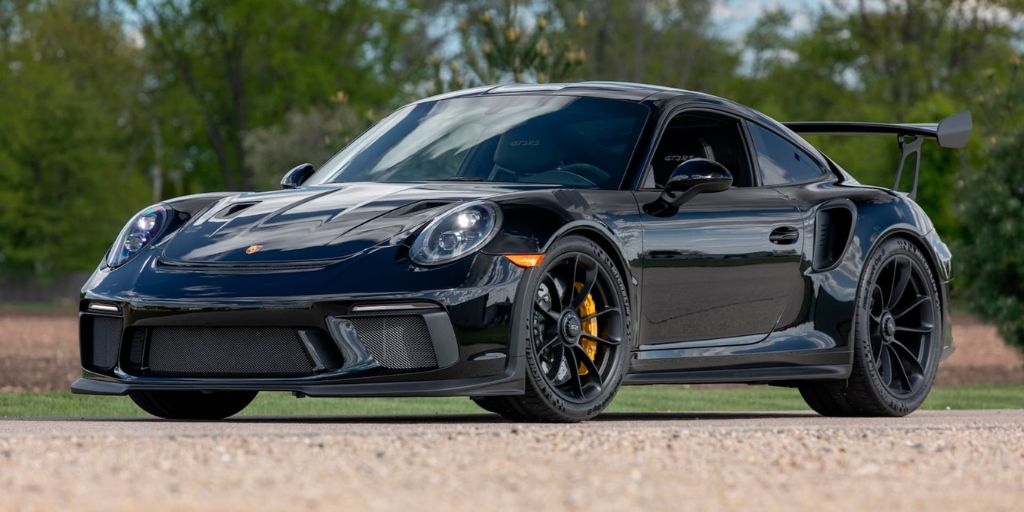
2. Porsche 911 GT3 (991)
Porsche has built an enduring reputation around the 911 lineage, and the 911 GT3 variant from the 991 generation is a textbook beneficiary of advanced oiling technology.
Unlike many high-revving engines that rely on wet-sump lubrication, the flat-six engine in the GT3 boasts a dry-sump system designed for relentless abuse on road and track.
The system in the GT3 employs a complex network of pumps that scavenge oil from seven different points within the engine, feeding it into a dedicated reservoir and ensuring constant flow even at extreme lateral or longitudinal forces.
Porsche engineers designed this arrangement to meet the unforgiving demands of racing, where any loss of oil pressure under heavy acceleration, braking, or cornering can spell disaster.
One reason for highlighting the 911 GT3 here is its consistent presence as a preferred tool in motorsport, where reliability is paramount.
The dry-sump system not only allows the engine to survive repeated lap after lap of stress but also permits the engine to sit lower in the chassis, benefiting weight distribution and stability.
Owners can confidently run their GT3s at high RPMs for prolonged sessions, tapping into the car’s legendary balance and surgical response without worrying about damaging their investment through oiling deficiencies.
Choosing the 911 GT3 for this discussion underscores the intersection between road-going usability and track-readiness.
The decision by Porsche to implement this level of engineering in a production car speaks volumes about their commitment to serious driving enthusiasts. Its dry-sump architecture has become a benchmark for high-performance engines in modern sports cars.
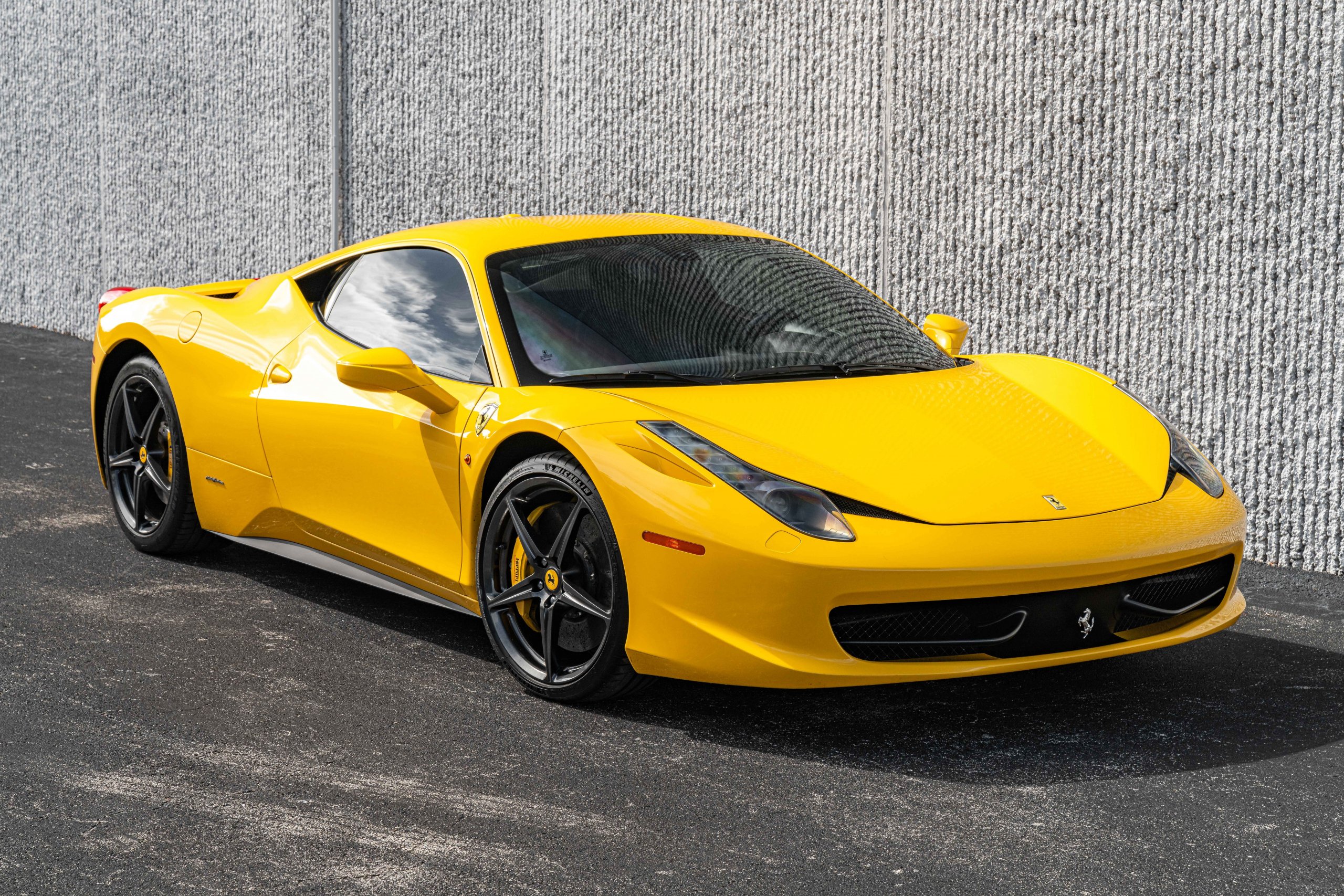
3. Ferrari 458 Italia
Ferrari’s 458 Italia has become synonymous with exhilarating speed and razor-sharp handling, the product of decades of racing heritage distilled into a street-legal machine.
Key to the 4.5L V8’s durability and intoxicating performance is a dry-sump lubrication system designed to withstand the harsh realities of a supercar’s life, particularly track duty and spirited road driving.
In the Ferrari 458 Italia, the dry-sump system consists of several scavenging pumps that extract oil efficiently from the crankcase, returning it to an external tank.
This arrangement ensures that oil does not foam or lose pressure during aggressive maneuvers or high revs, which could otherwise cause catastrophic engine failure in such a finely-tuned motor.
Moreover, the ability to mount the V8 lower owing to the absence of a deep oil pan has allowed Ferrari engineers to create a car with an unusually low center of gravity, improving stability and responsiveness.

The reason for featuring the 458 Italia here comes down to its status as a milestone in Ferrari’s V8 lineage.
Not only has it won multiple awards for engine excellence, but it has also been acclaimed for its reliability, especially considering the track-intensive environments many owners subject it to.
The fact that Ferrari trusts a dry-sump solution for the Italia highlights their focus on sustained, uncompromising performance where every mechanical decision is tuned for ultimate driving pleasure and longevity.
4. Mercedes-AMG GT R
The Mercedes-AMG GT R showcases how German performance engineering can combine brute force with durability.
Fitted with a 4.0L twin-turbocharged V8 engine, the GT R’s powerplant features a sophisticated dry-sump lubrication system, a marked departure from the traditional wet-sump approaches of its luxury peers.
The GT R’s dry-sump system incorporates an external reservoir and a series of pumps to maintain stable oil flow, even when the car is subjected to the massive G-forces produced by its track-focused suspension and power.
Without having to worry about oil sloshing away from the pickup, Mercedes’ engineers are free to design an engine that excels under demanding conditions, making this car a regular presence at race tracks and high-performance events globally.

Including the AMG GT R here is significant because it represents a blend of street comfort and unyielding race-ready engineering. Many luxury sports cars promise high power figures, but sustained, reliable performance under extended track use is rare.
The dry-sump system has become part of the AMG brand’s reputation for producing cars that aren’t just fast in a straight line but are also built to withstand the stress of spirited, professional-level driving.
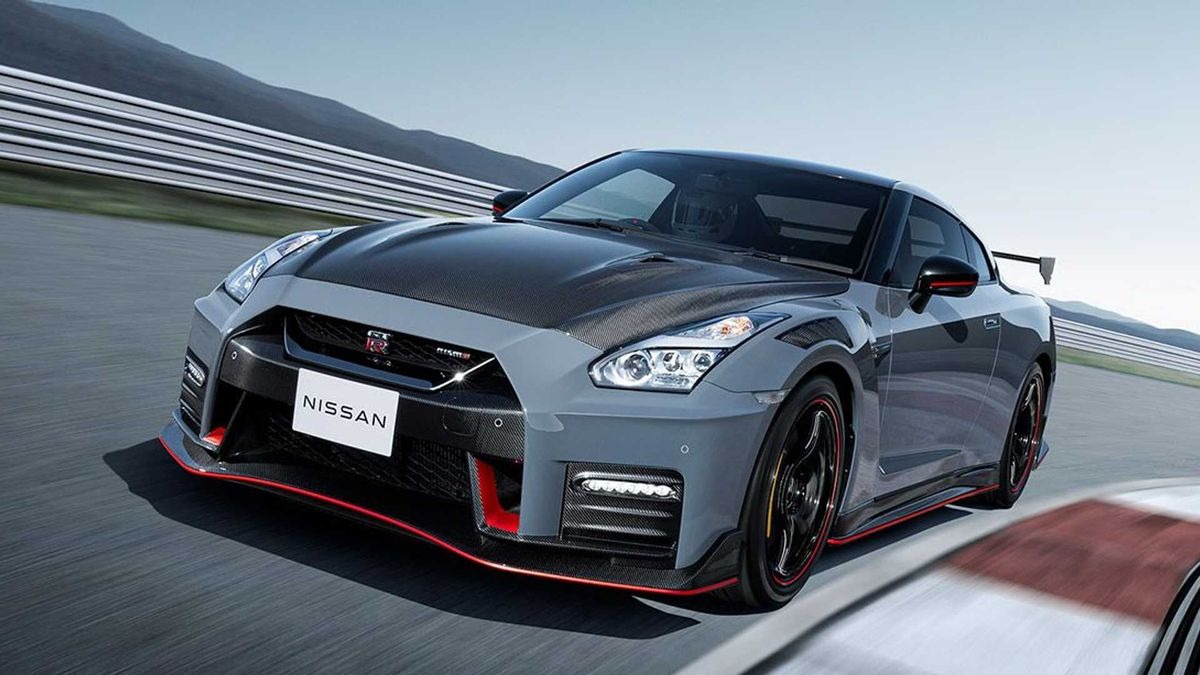
5. Nissan GT-R Nismo
Nissan’s GT-R Nismo occupies a special place in the world of high-performance motoring, taking a pragmatic approach to meeting the rigorous requirements of both street and track.
The Nismo variant, in particular, benefits from lessons learned on racetracks around the globe, including the use of a race-inspired dry-sump oiling system.
For the GT-R Nismo, a dry-sump system is essential to support the VR38DETT engine’s formidable output and the high G-forces encountered during acceleration, deceleration, and cornering.
This setup ensures that oil continuously reaches all critical bearings and components, especially when the vehicle is pushed to its operational limits.
Highlighting the GT-R Nismo in this context is warranted because it serves as a bridge between mainstream high-performance road cars and professional-grade racing machines.
Nissan’s rigorous engineering for this model, particularly with the focus on lubrication, allows everyday drivers to experience near-race car reliability, even during demanding track days.
The use of a dry-sump system stands as a testament to the company’s commitment to durability and to providing owners with peace of mind, regardless of their driving ambitions.
Cars Known for Oil Starvation Issues
Reliability is a major concern for all drivers, and nothing threatens the integrity of an engine more than oil starvation.
When a car’s lubrication system cannot supply enough oil to critical components, catastrophic damage can result bearing failure, cylinder scoring, or even complete engine seizure.
Unlike the sophisticated dry-sump systems that protect high-performance engines, the vehicles in this section illustrate what can go wrong when oil supply is inconsistent or insufficient.
The risk of oil starvation can be due to flawed engineering, inadequate oil capacity, aggressive driving conditions, or a simple lack of maintenance.
Each case discussed here provides a clear lesson in the importance of adequate lubrication, highlighting how automotive reputation can be shaped as much by problems as by successes, in this area.
The following five vehicles have established a reputation, rightly or wrongly, for being prone to oil starvation issues, whether through design, owner negligence, or a combination of both.
This selection is intended to caution prospective buyers and car enthusiasts, allowing them to make informed decisions and, ideally, prevent costly and avoidable mechanical disasters.
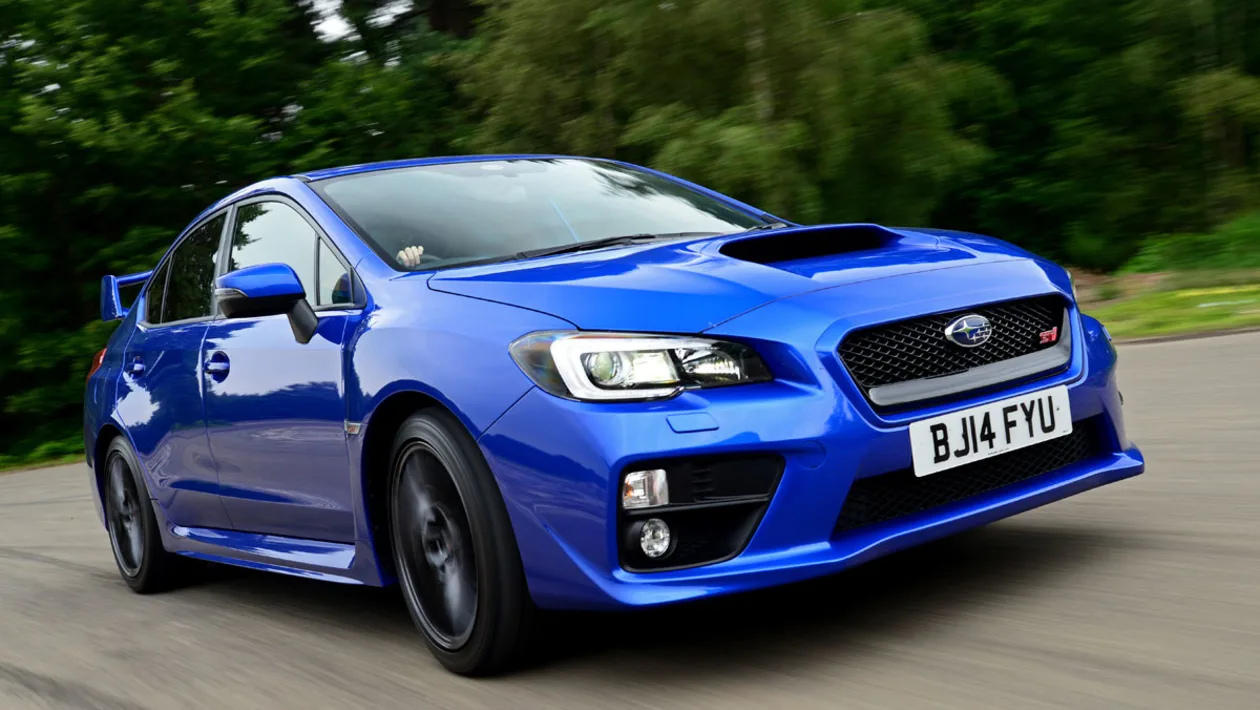
1. Subaru WRX STI (EJ25 Engine)
The Subaru WRX STI has long been a darling among rally enthusiasts and drivers seeking AWD thrills on the street.
However, the EJ25 engine, used across multiple generations, has often been criticized for its oiling shortcomings, particularly under aggressive driving conditions or in modified setups.
Owners and mechanics report that the EJ25’s horizontal layout allows oil to slosh away from the pick-up during hard cornering or rapid acceleration, especially when oil levels aren’t meticulously maintained.
Track use or sustained high RPMs increase the risk, with the result being bearing damage and, in some cases, complete engine failure. Notably, oil starvation isn’t always a result of driver negligence design constraints and the nature of the engine architecture play significant roles.
The reason for detailing the WRX STI here lies in the sheer number of affected owners and the prominence of the problem in enthusiast communities.
Subaru’s reputation for rugged, rally-bred performance stands somewhat at odds with this recurrent reliability issue.
Highlighting the WRX STI’s vulnerability serves as a reminder of the need for regular oil checks, potential upgrades (like baffled oil pans), and, most importantly, realistic expectations about maintenance with turbocharged boxer engines.
Those who wish to enjoy these turbocharged all-wheel-drive rockets should be aware of the inherent risk of oil starvation, especially if pushing the car beyond factory limits.
2. BMW E46 M3 (S54 Engine)
BMW’s E46 M3 from the early 2000s is treasured as a driver’s car, with its S54 naturally-aspirated inline-six engine delivering both the performance and aural delight that enthusiasts crave.
However, a consistent Achilles’ heel for this otherwise celebrated model is the occurrence of oil starvation at high RPMs or during sustained, aggressive use, such as track days or spirited backroad drives.
The S54 engine is known for its high-revving nature, but under certain G-forces encountered in long corners, oil can move away from the pickup in the pan, causing a drop in oil supply and subsequent damage to crucial bearing surfaces.
This is particularly problematic for those who modify their M3s or use them for regular motorsport activity, with spun rod bearings being an infamous result.
The mechanics behind this issue often trace back to the design of the oil pan and a lack of adequate baffling for performance applications.

The inclusion of the E46 M3 here is vital due to the number of enthusiasts who purchase the car as a platform for both street and track use, sometimes without an understanding of the oiling limitations imposed by the factory system.
Sharing the oil starvation risk associated with the S54-powered M3 helps educate current and future owners, potentially preventing a costly engine failure with proper upgrades and attention to oil levels, especially when utilizing the car beyond its original design intent.
3. Mazda RX-7 (13B Rotary Engine)
Mazda’s RX-7, equipped with the iconic 13B rotary engine, has achieved cult status for its lightweight construction, sharp handling, and unique powerplant architecture. Yet, rotary engines are famously susceptible to lubrication issues, especially oil starvation.
Unlike conventional piston engines, rotaries rely even more heavily on steady oil flow to each rotor and bearing because the design naturally promotes higher oil consumption and heat generation.
Under sustained high-performance use, and particularly if owners are remiss about frequent oil checks or using correct lubricants, the 13B can quickly develop serious damage due to insufficient lubrication.
The small capacity of the oil system and the high temperatures generated exacerbate this risk. In many enthusiast forums and owner groups, stories abound of blown rotary engines caused by nothing more than a momentary drop in oil supply, whether due to low oil, sloshing during cornering, or clogged oil injectors.
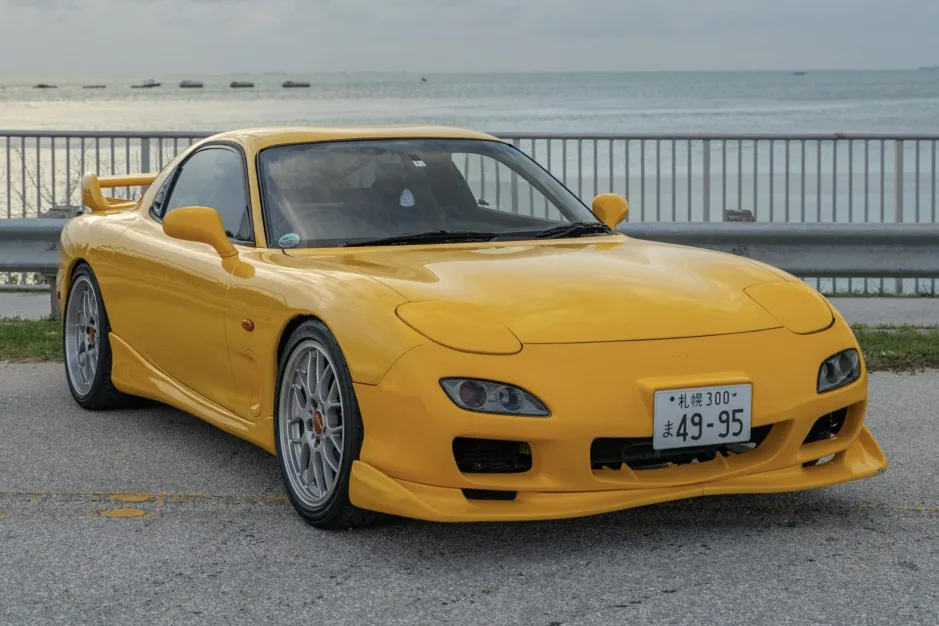
Including the RX-7 in this discussion is crucial because it exemplifies how unconventional engine designs, while offering unique driving sensations, can present real challenges that prospective owners must understand.
The oil starvation risk forms part of the RX-7’s legend, and proper maintenance is both a necessity and a point of pride for dedicated rotary fans.
4. Ford Focus RS (2.3L EcoBoost)
Ford’s Focus RS, with its 2.3L turbocharged EcoBoost engine and exciting AWD chassis, appeared to offer enthusiasts a thrilling, practical performance car.
However, the engine has gained a reputation for oil starvation issues, particularly when subjected to high G-forces during spirited driving or track use.
Reports from the automotive community highlight that the oil pan design and oil pickup placement may not supply adequate lubrication during extended hard cornering or acceleration, leading to potential main bearing and rod bearing problems.
While some owners have mitigated this by installing upgraded baffling or even converting to a different oil pan, the risk remains a concern for track enthusiasts and those who participate in autocross events.

Writing about the Focus RS here is warranted due to its popularity among tuners and track-day regulars, who push the car beyond average daily use.
Its oil starvation issues not only serve as a cautionary tale about the need for aftermarket support and vigilant oil checks but also as an example of how high-performance variants can suffer from unexpected engineering oversights.
Caution is necessary for anyone looking to maximize the potential of this turbocharged hatchback.
5. Honda S2000
The Honda S2000 is beloved for its high-revving, naturally aspirated F20C and F22C engines, offering a pure driving experience and exceptional reliability under normal conditions. Still, the S2000 has a well-documented vulnerability to oil starvation, especially during long, sustained cornering at the racetrack.
Many track-day enthusiasts or autocross participants have reported incidents where the lateral forces generated in prolonged corners caused oil to move away from the pickup, with disastrous consequences such as spun bearings and catastrophic engine failure, notably in situations where cars were fitted with sticky tires and aftermarket suspension.
The issue is compounded in modified S2000s, which may exceed the car’s original intended environment.
The reason for highlighting the S2000 is its enduring popularity as an affordable, engaging sports car that many drivers use as a platform for serious motorsport.
The oiling issue stands in contrast to Honda’s otherwise peerless reliability record, and it is a stark reminder that thorough research and preparation are critical for owners seeking to push these engines to their limits.
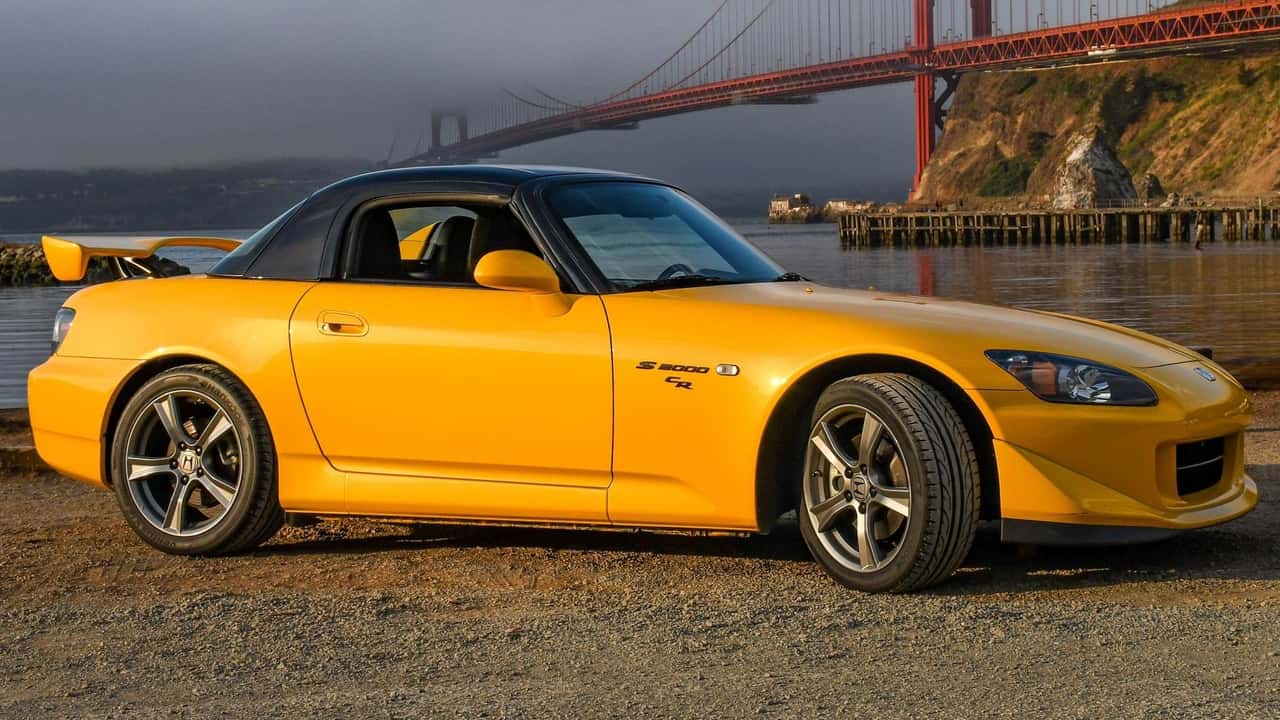
Proper baffling, careful oil level management, and understanding the car’s inherent boundaries are vital to preserving an S2000 in top shape.
This extensive analysis covers two essential aspects of performance vehicle ownership: cars that use sophisticated dry-sump oil systems to stave off the risk of oil starvation, and those known to suffer oiling issues due to design or situational compromise.
Understanding the engineering choices and the lessons learned from less successful ones offers any car enthusiast a stronger foundation for making informed choices on the road, at the track, or in the garage.
This article discusses the critical role of engine lubrication by comparing cars equipped with dry-sump oil systems to those prone to oil starvation.
Dry-sump systems use external reservoirs and multiple pumps to ensure consistent oil flow, enhancing reliability and performance in demanding conditions. Examples include the Chevrolet Corvette Z06 and Porsche 911 GT3.
Conversely, some vehicles suffer from oil starvation due to design or usage factors, risking severe engine damage; notable examples are the Subaru WRX STI and BMW E46 M3.
Understanding these differences aids enthusiasts and buyers in making informed decisions about performance and maintenance.
Also Read: 5 Forgotten Family Cars That Last vs 5 Bestseller Family Cars With Issues
