
Hybrid vehicles have become a prominent solution for drivers looking to balance fuel efficiency, environmental responsibility, and reliability.
Yet, one of the most discussed aspects of hybrid technology is the longevity of their batteries. Some hybrid batteries impressively maintain their capacity and performance even after clocking hundreds of thousands of miles, serving as proof of how far battery innovation has come.
On the other hand, some batteries experience a decline in performance rather early, dropping below the widely accepted threshold of 80% capacity before hitting 100,000 miles.
These contrasting outcomes have a substantial impact on factors such as long-term ownership cost, vehicle resale value, and overall user experience.
Understanding why some hybrid batteries stand the test of time while others don’t is crucial for anyone considering a hybrid for their next vehicle.
This article compares two key groups: vehicles known for batteries that reliably perform beyond 300,000 miles, and those notorious for batteries that lose significant capacity prematurely.
By examining both success stories and common pitfalls, readers gain insight into what to expect, what affects battery durability, and how manufacturer choices influence real-world results.
Also Read: 5 Cars With Overengineered Cooling Systems vs 5 That Overheat in Traffic
Hybrid Batteries Lasting 300,000 Miles
Hybrid technology has matured over the years, with some vehicles and their batteries earning a reputation for extraordinary endurance.
It is a source of reassurance for owners to know their car’s battery will keep going strong well past the standard warranty period.
Why focus on vehicles whose batteries consistently last up to 300,000 miles? The answer lies in the growing popularity of hybrids among those who rack up high mileage, such as taxi drivers, ride-share operators, and commuters with long daily routes.
The financial and practical benefits of a battery that needs little to no attention for well over a decade cannot be overstated. Owners spending less on repairs and replacements often develop brand loyalty and share positive experiences with potential buyers.
Highlighting the vehicles that stand out for battery longevity also encourages best practices within the auto industry, pushing other manufacturers to strive for similar reliability.
By discussing five specific models and what helps them achieve this degree of resilience, the following section provides valuable insight into the factors that make some hybrid batteries virtually legendary in their dependability and cost-effectiveness.
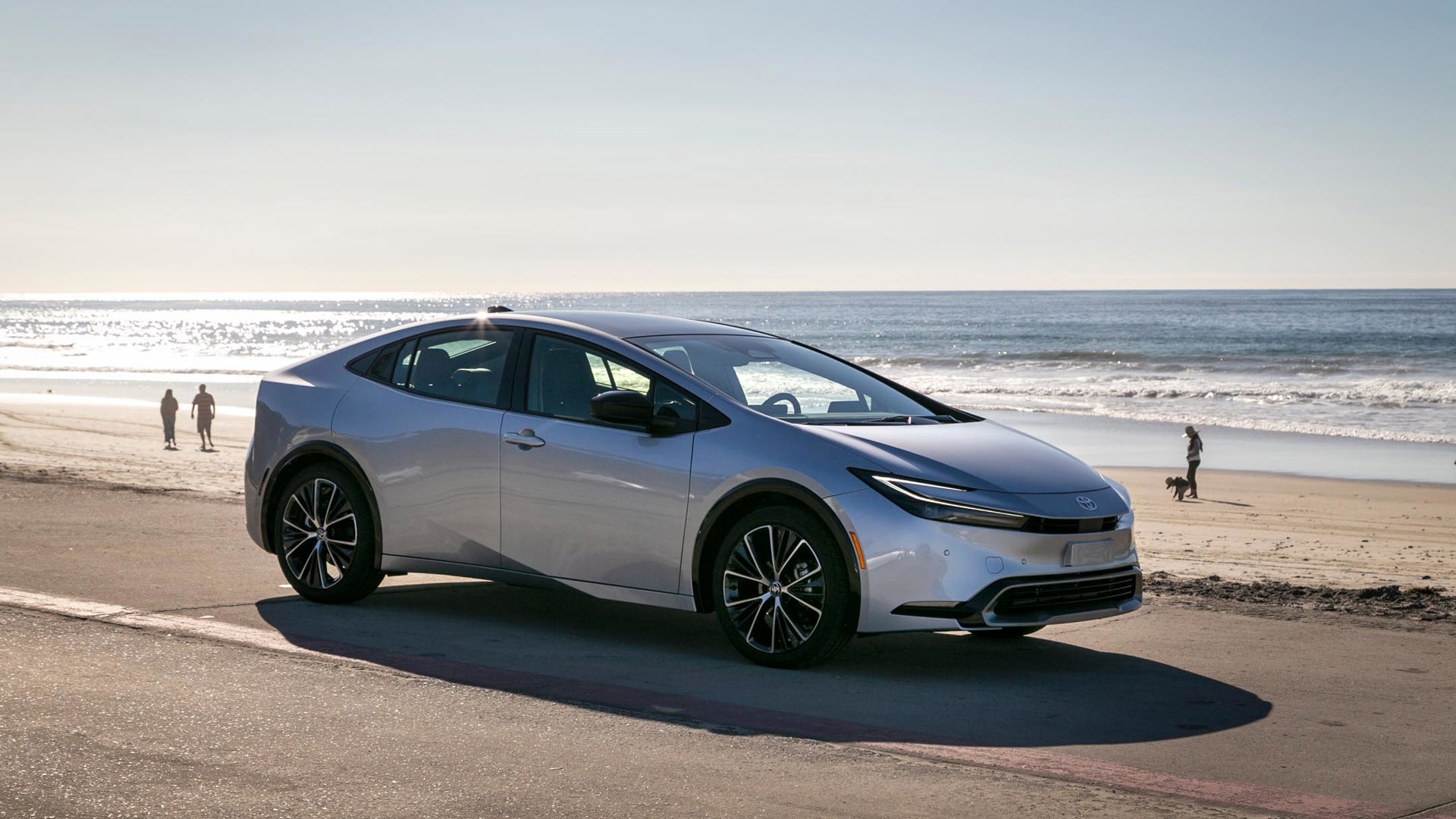
1. Toyota Prius (Second and Third Generation)
The Toyota Prius often comes up in conversations around reliable hybrid vehicles. Its battery longevity is almost part of automotive folklore, mainly due to extensive use in taxi fleets around the globe.
Drivers have recorded impressive figures, sometimes reaching or exceeding 300,000 miles with the original hybrid battery still operational. Several factors contribute to this phenomenon.
First, Toyota’s engineering philosophy prioritizes simplicity and efficiency. The Prius uses a nickel-metal hydride (NiMH) battery that has been refined over many iterations, with robust thermal management preventing overheating during both hot summers and cold winters.
The battery pack is air-cooled, and Toyota has optimized the car’s battery management system (BMS) to avoid cycling the battery to extremes, rarely allowing it to get fully charged or deeply discharged. This extends the lifespan, reducing stress and internal wear.
The Prius’ moderate weight and unaggressive tuning further help decrease electrical strain. Real-world testimonials, especially from high-mileage drivers like taxi operators, reinforce its reputation.
These drivers benefit from the low maintenance overhead and the car’s tested reliability, reporting that battery replacement is rarely an issue until very high mileages are reached.
Coverage by strong factory warranties also adds to peace of mind in the early years, but it’s the battery’s real longevity that makes the Prius a standout in hybrid reliability.
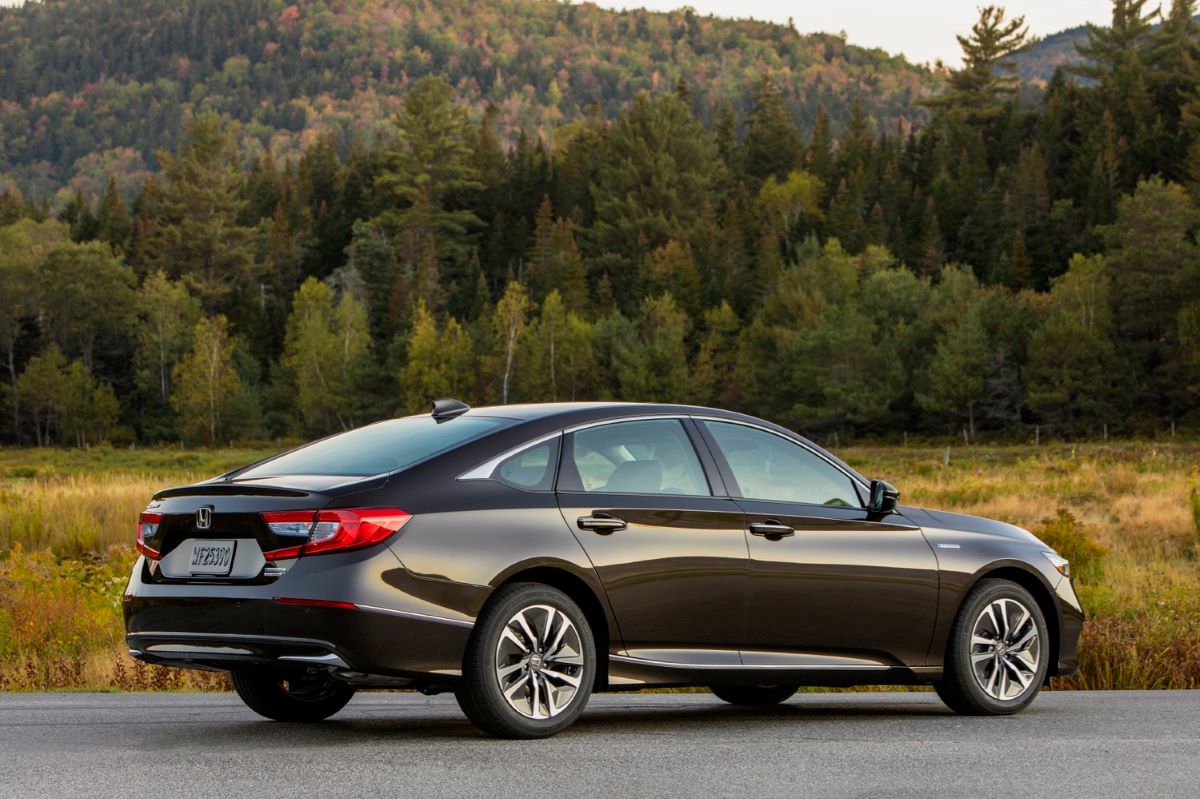
2. Honda Accord Hybrid (2014–2017)
Honda’s Accord Hybrid in its second-generation iteration is another example frequently cited for having batteries built for endurance.
While Honda’s earlier Integrated Motor Assist (IMA) hybrids sometimes suffered premature battery wear, the Accord Hybrid equipped with the Intelligent Multi-Mode Drive (i-MMD) system turned the page.
This hybrid uses a high-voltage lithium-ion battery, which benefits from improved cooling, a more advanced energy management algorithm, and a powertrain designed to operate the battery within mild state-of-charge windows.
This gentle cycling reduces the number of deep charge-discharge cycles, which are known to accelerate battery degradation.
Another key reason for the longevity of Accord Hybrid batteries is their physical placement in the car: protected from excess heat and direct exposure to road elements.
Owners who use the Accord Hybrid for long commutes and highway driving often see far higher mileages before significant capacity loss occurs, as consistently operating at optimal temperatures is much easier for the battery.
Furthermore, Honda’s powertrain approach relies heavily on the electric motor at low and moderate speeds, which optimizes energy usage and improves both efficiency and battery lifespan.
While the model didn’t always enjoy the high-profile attention of the Prius, it’s well regarded among hybrid enthusiasts for being able to cover extraordinary distances on the original battery, making it a suitable choice for those intending to maximize their investment.
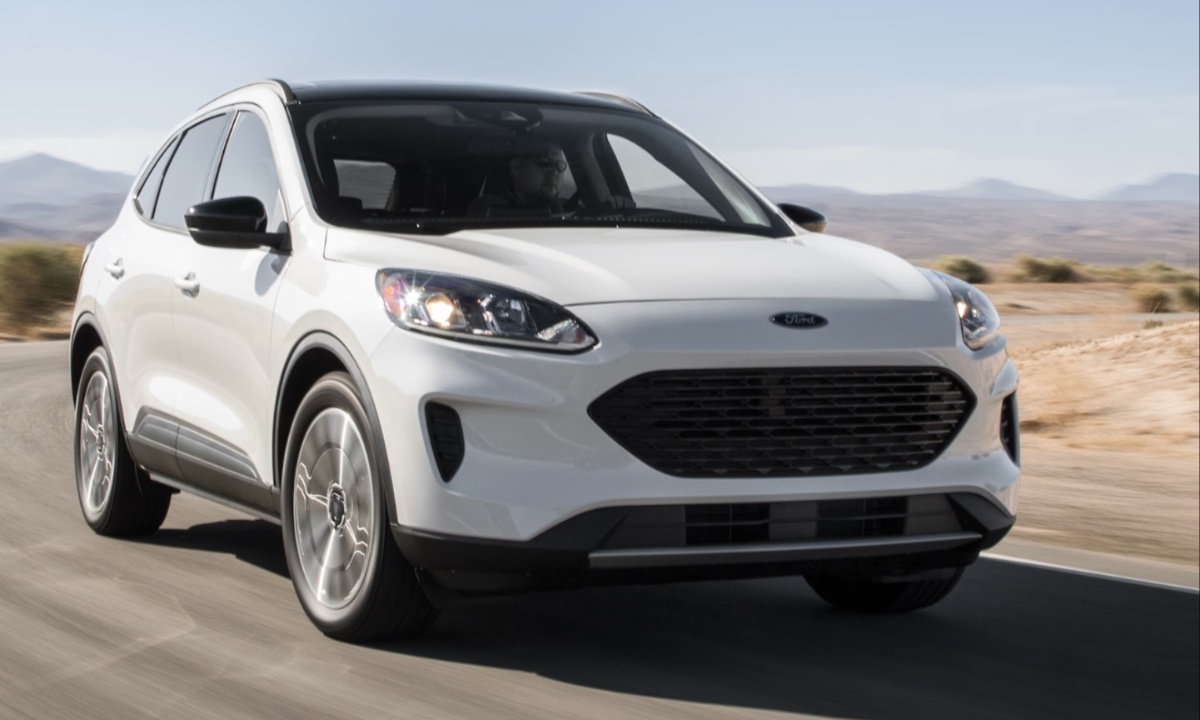
3. Ford Escape Hybrid (2005–2012)
Ford’s first-generation Escape Hybrid broke new ground for American automakers. This SUV, often used by taxi services in cities like New York, demonstrated how hybrid batteries could withstand high-stress, stop-and-go driving conditions.
Many Escapes in fleet service were documented running 250,000–350,000 miles before owners needed to consider battery replacement, and Ford’s decision to use a nickel-metal hydride battery over earlier lithium technologies paid off.
The Escape Hybrid benefits from a liquid cooling system that moderates cell temperatures, reducing the risk of overheating which is a leading factor in battery degradation. Ford’s control systems also carefully regulate the state of charge to prolong overall battery health.
What sets this vehicle apart in the longevity discussion is the extensive data provided by fleet use where vehicles are operational almost constantly and subject to harsh treatment.
Even under these demanding conditions, the Escape Hybrid’s battery maintained effective performance, which speaks volumes for private owners likely to see less extreme usage.
Ford also designed the vehicle for easy battery service when necessary, which minimized costs for high-mileage users.
This rare mix of durability, reliability, and serviceability found in the Escape Hybrid battery system marks it as a clear reference point for expectations in hybrid longevity.
4. Lexus RX 400h/RX 450h
Lexus, Toyota’s luxury division, brought its reputation for high-quality engineering to the hybrid sector with the RX series.
Both the RX 400h and RX 450h employed hybrid battery systems derived from Toyota’s proven technology but optimized for heavier, more powerful SUVs.
Lexus vehicles typically use nickel-metal hydride batteries, with some more recent models moving toward lithium-ion. The RX series is noted for comfort and luxury, but its battery system also receives high praise.
Lexus integrated advanced cooling solutions and engineered its system to operate the battery conservatively, never allowing overuse or rapid cycling that would shorten the battery’s useful life.
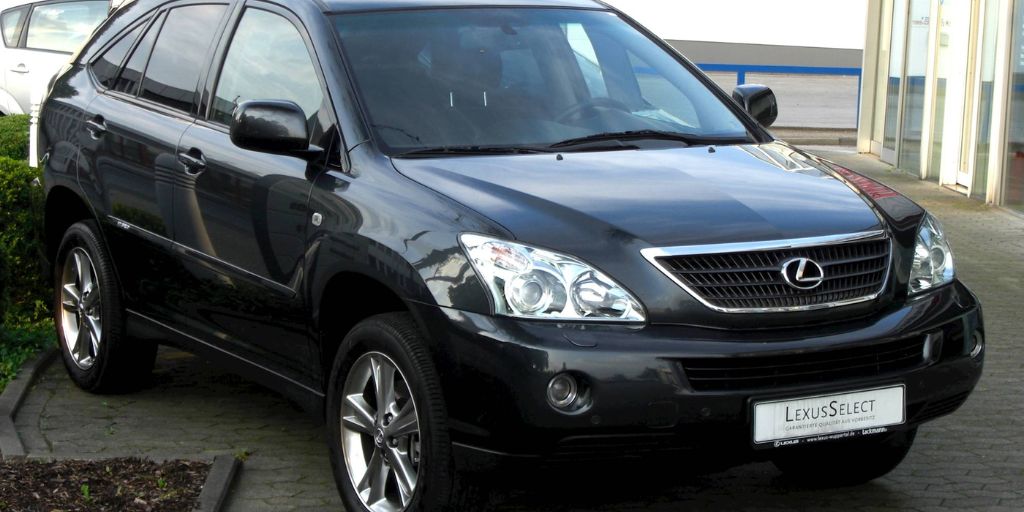
Owners report that it’s not unusual for these vehicles to run 250,000–350,000 miles before any noticeable reduction in battery capacity. Fleet usage, especially in airport limousine services, provides ample testimonial evidence.
The RX hybrids also benefit from Lexus’ commitment to post-sale support; the company’s strong warranty and emphasis on long-term customer satisfaction encourage regular maintenance and early detection of issues that, if left unchecked, might harm battery health.
For those seeking hybrid reliability with premium features, the RX hybrids consistently earn a place at the top of long-term value lists.
5. Toyota Camry Hybrid (2007–2017)
The Toyota Camry Hybrid rounds out the group with a reputation built on consistency and reliability. Sharing much of its hybrid technology with the Prius but applied in a more traditional sedan format, the Camry Hybrid typically boasts nickel-metal hydride batteries in earlier models and lithium-ion in more recent versions.
The Camry Hybrid often serves as a family sedan or a fleet car, and its batteries show a remarkable ability to deliver consistent performance for hundreds of thousands of miles. Several factors contribute to this longevity: Toyota’s tested battery control software, strong thermal management, and robust battery cell construction.
Testimonials from long-term owners and rideshare operators attest to the car’s staying power, with batteries often remaining at healthy capacity well beyond 200,000 miles and frequently approaching or passing the 300,000-mile threshold.
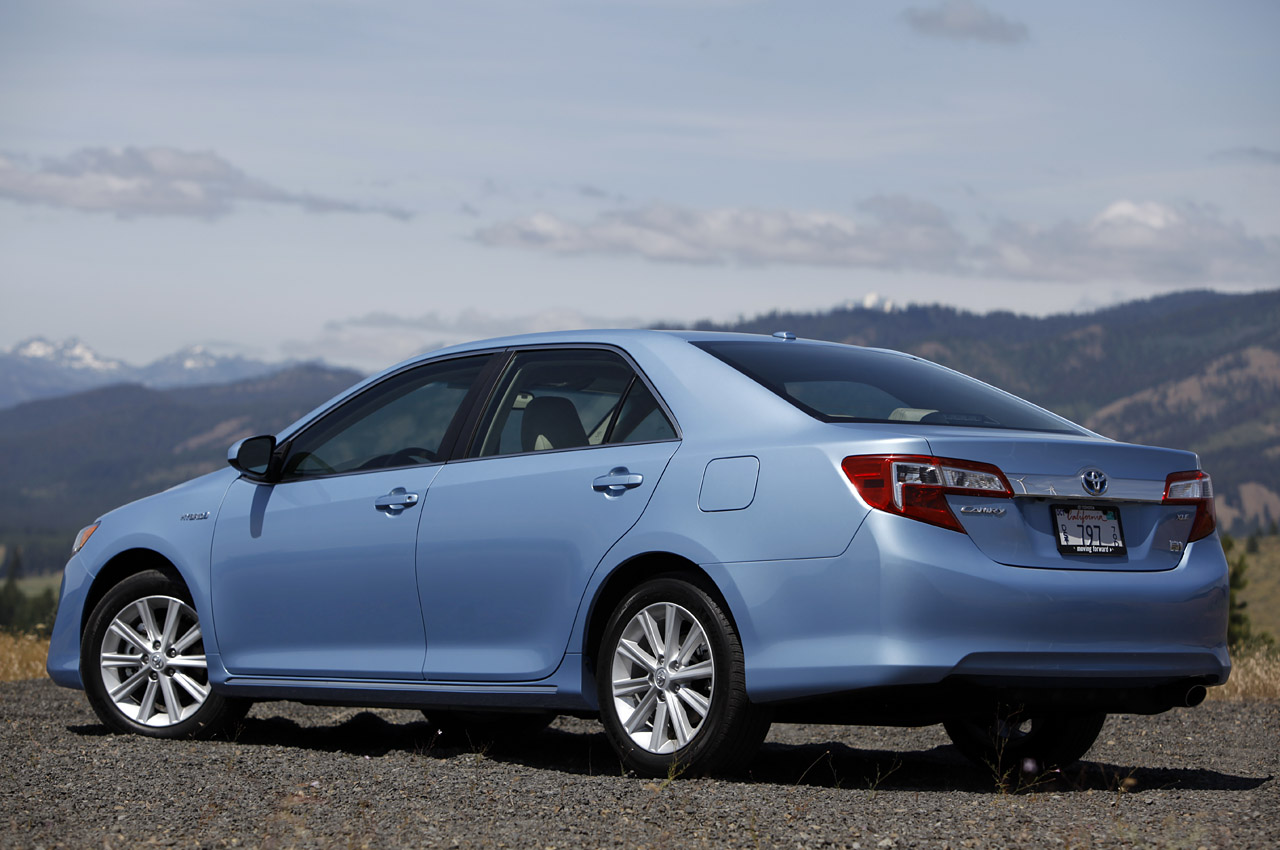
The Camry Hybrid is also supported by a solid dealer network that ensures battery health checks are performed during regular servicing.
This, combined with Toyota’s conservative approach to charging and discharging, reduces the risk of early failure and gives drivers a reliable, stress-free experience even after years of regular use.
Hybrid Batteries That Drop Below 80% by 100,000 Miles
While many hybrids have achieved remarkable longevity, not all batteries perform to such high standards. Some struggle to retain capacity, losing more than 20% of their original charge by the time the car reaches 100,000 miles.
This threshold is more than just a number, it’s the line at which most manufacturers agree that replacement is warranted for modern lithium-ion and nickel-metal hydride batteries.
When hybrids fall short of this mark, owners often face unexpected expenses and frustration, leading to diminished resale value and eroding trust in the technology. The study of these cases is as important as highlighting the successful ones.
Identifying what causes premature battery degradation can help current and future hybrid owners make informed decisions, whether about daily driving habits, climate control, or servicing frequency.
Understanding why certain models struggle with battery wear also drives manufacturers to address weaknesses, implement recalls, or revise design strategies in newer generations.
The following section examines five hybrids whose batteries are frequently reported to underperform in durability.
Each case reveals unique contributing factors, such as aggressive battery cycling, suboptimal thermal management, or simply rushed implementation of new technology before it was fully matured.
1. Honda Civic Hybrid (2003–2008)
Honda’s Civic Hybrid from the early to mid-2000s was among the first mainstream hybrid sedans available globally.
Unfortunately, it developed a reputation for premature battery wear. A notable number of owners experienced loss of more than 20% capacity by, or soon after, the 100,000-mile mark.
The primary reason stems from the Integrated Motor Assist (IMA) system, which aggressively cycles its nickel-metal hydride battery. This approach, aiming for performance and fuel economy, resulted in deeper and more frequent charge-discharge cycles.
These cycles, over time, increased wear and led to a reduction in usable capacity. Additionally, the Civic Hybrid’s cooling system for the battery was not as advanced as those seen in later models, often allowing heat buildup that further accelerated degradation.
Many owners reported receiving warning lights for battery issues and faced steep replacement costs outside warranty coverage.
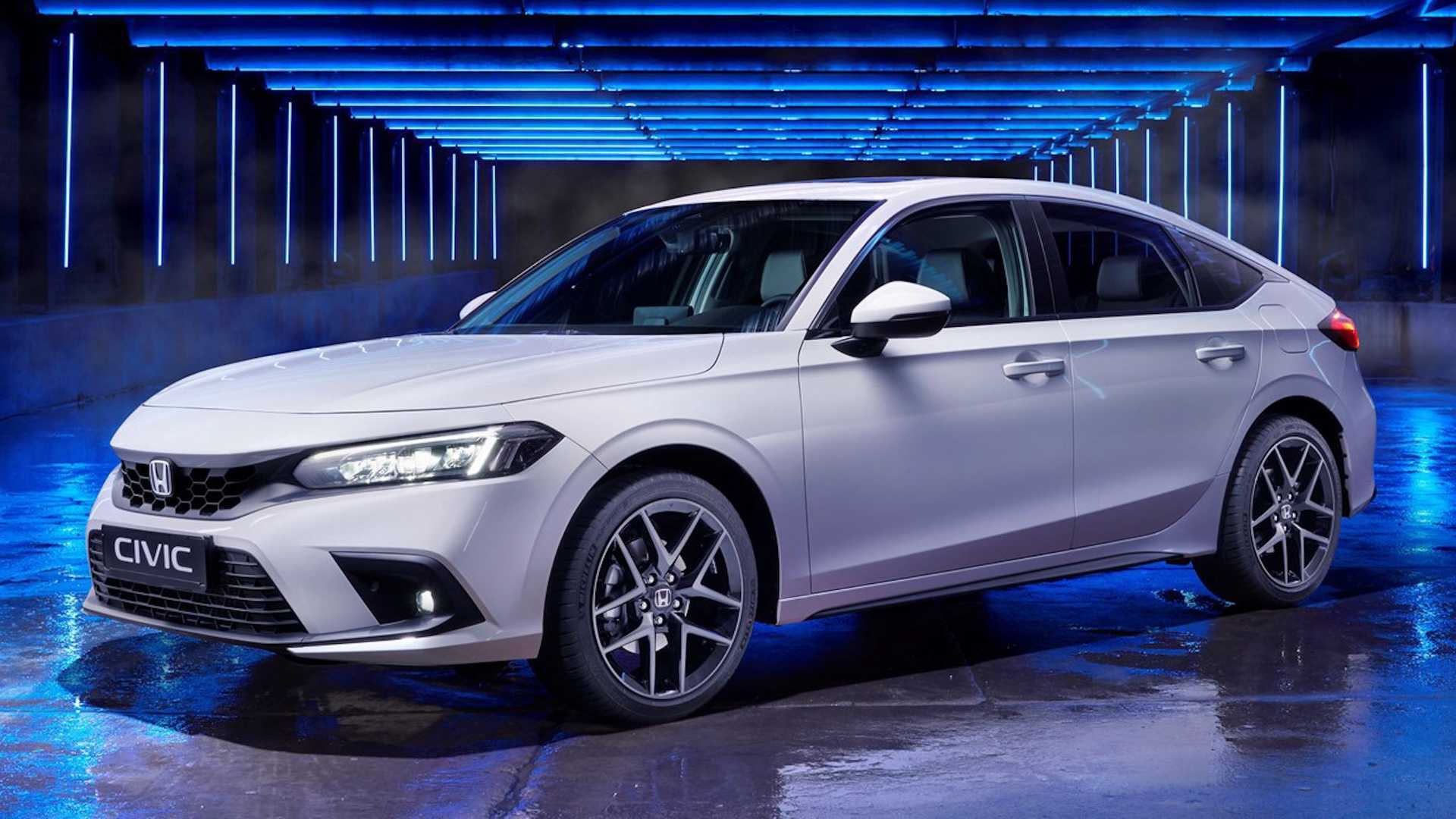
Recognizing these problems, Honda eventually extended limited warranties and offered software updates that altered battery management settings; however, these measures had mixed results.
The Civic Hybrid’s early struggles serve as a case study for manufacturers, demonstrating the consequences of prioritizing performance over longevity and the need for robust temperature control in hybrid battery systems.
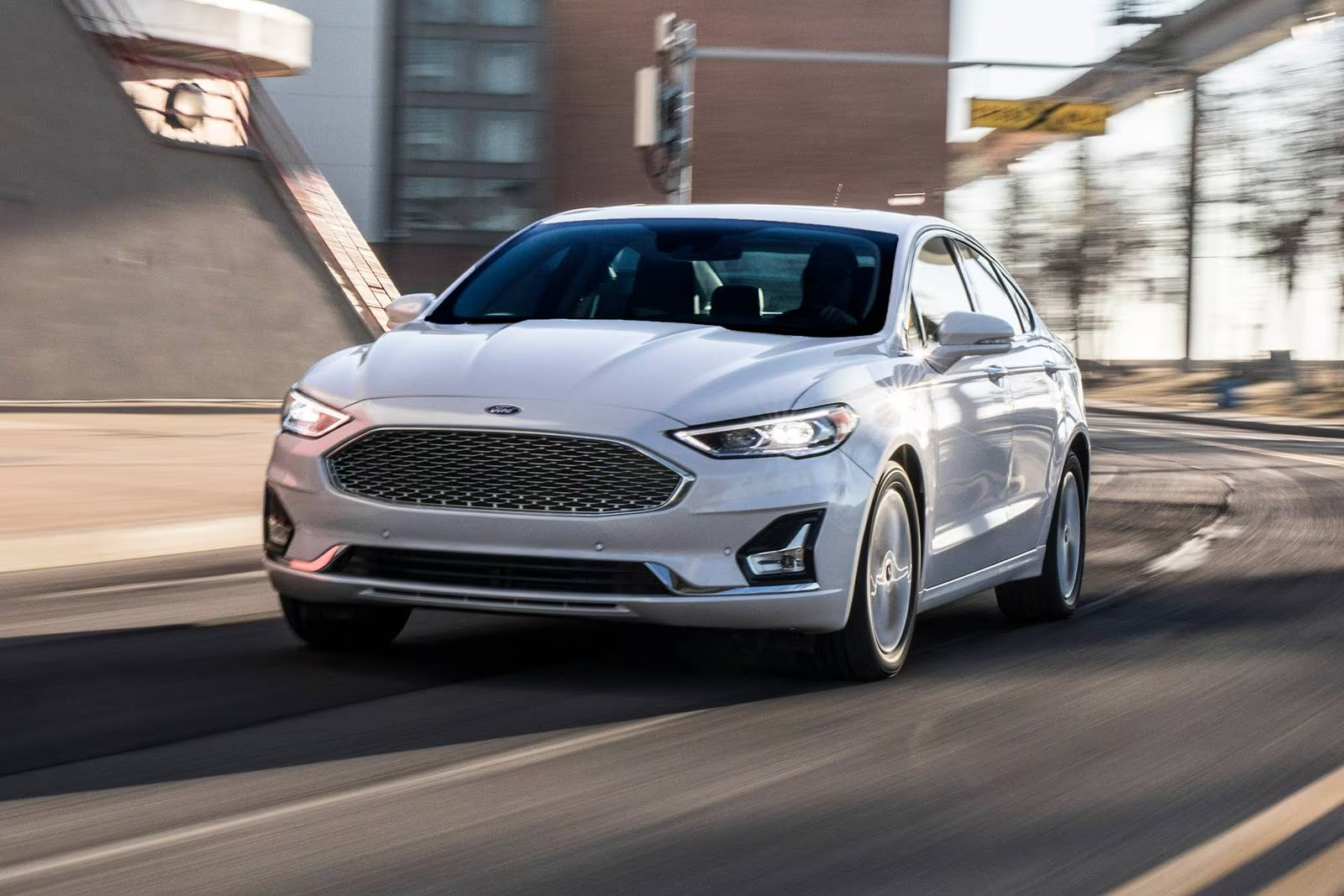
2. Ford Fusion Hybrid (2010–2012)
The Ford Fusion Hybrid gained popularity as an affordable mid-size hybrid sedan, appealing to drivers seeking improved fuel economy without breaking the bank.
Despite its strengths, this model’s hybrid battery showed a tendency for premature capacity loss in some cases. The Fusion Hybrid uses a lithium-ion battery pack combined with a liquid cooling system, which theoretically supports extended battery life.
However, early versions of the battery management software sometimes allowed deeper charge-discharge cycles than ideal. These wider swings in the state of charge increased stress on the battery cells.
In addition, real-world owners reported issues with battery overheating on very hot days or under sustained heavy use, conditions that can exacerbate degradation.
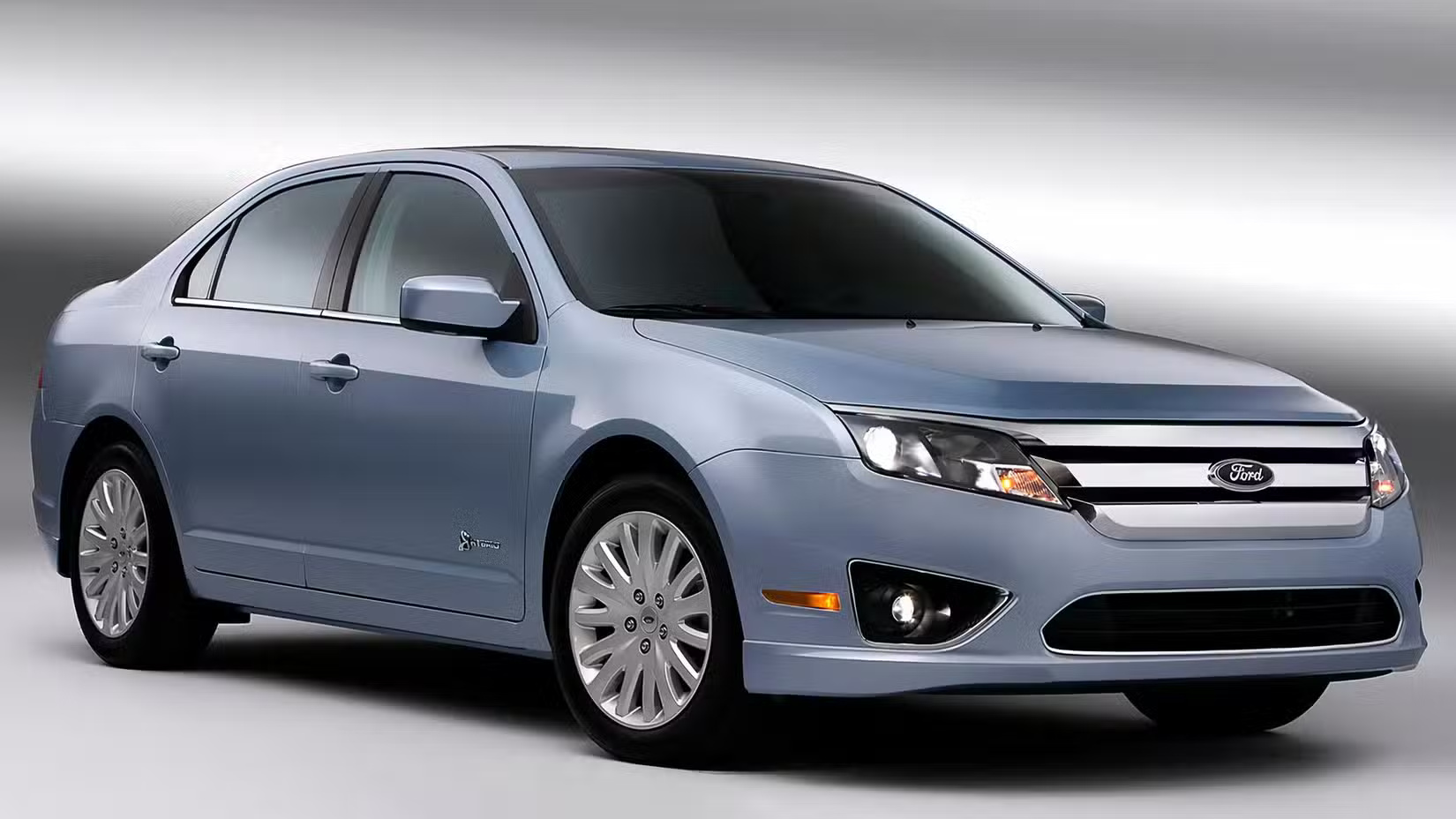
Since the Fusion Hybrid was often driven in urban stop-and-go traffic one of the most challenging environments for hybrid batteries this scenario further contributed to accelerated wear.
Ford responded with extended warranties for certain battery components in affected years, but the problem remains a cautionary tale.
This vehicle highlights how software tuning and thermal management are critical factors in hybrid battery longevity, especially when balancing performance and cost.
3. Chevrolet Volt (First Generation, 2011–2015)
The Chevrolet Volt is a plug-in hybrid, primarily relying on its lithium-ion battery to power longer electric-only ranges.
While generally praised for its electric performance, some early Volt models experienced battery capacity drops approaching or exceeding 20% before reaching 100,000 miles.
The Volt’s battery system is larger than typical non-plug-in hybrids and uses complex cooling strategies, including active liquid cooling and heating systems to maintain optimal operating temperature.
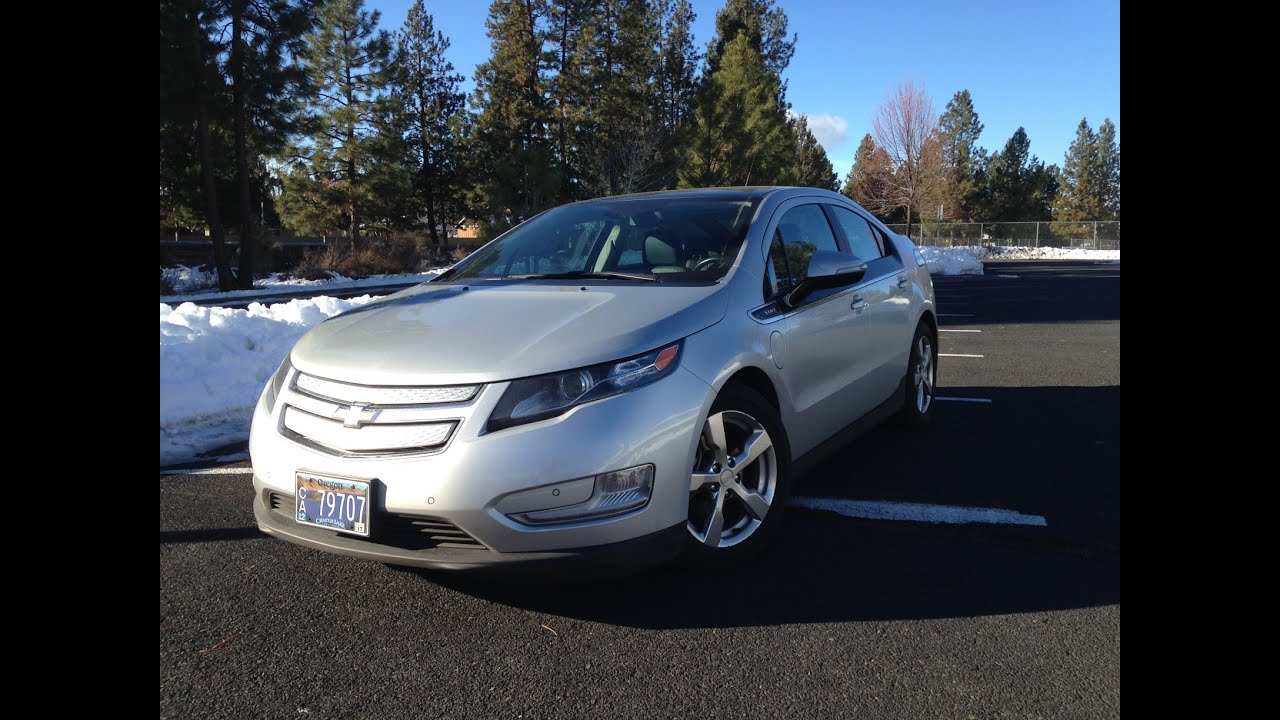
However, early models faced challenges related to battery cell balancing and management software that led to uneven cell aging. Furthermore, extensive use of electrical range without frequent full charging cycles sometimes resulted in diminished battery health.
Chevy implemented updates and recalls to improve battery management, but some owners still reported noticing capacity loss within the first several years.
The Volt’s case is important because it underscores that even advanced plug-in hybrid systems are not immune to battery wear and that user charging habits and system calibration significantly influence battery longevity.
4. Nissan Altima Hybrid (2011–2013)
The Nissan Altima Hybrid is noted for offering hybrid technology within a conventional sedan layout. Nevertheless, owners and some service reports show that its nickel-metal hydride battery sometimes loses more than 20% of capacity near the 100,000-mile mark.
One contributing factor is the Altima Hybrid’s battery cooling system, which relies primarily on passive air cooling that is less effective at dispersing heat, especially in warmer climates or heavy traffic conditions. Heat buildup tends to accelerate battery cell degradation.
Additionally, the vehicle’s hybrid system operates with relatively aggressive battery cycling to maximize fuel economy, inadvertently increasing wear on the cells.
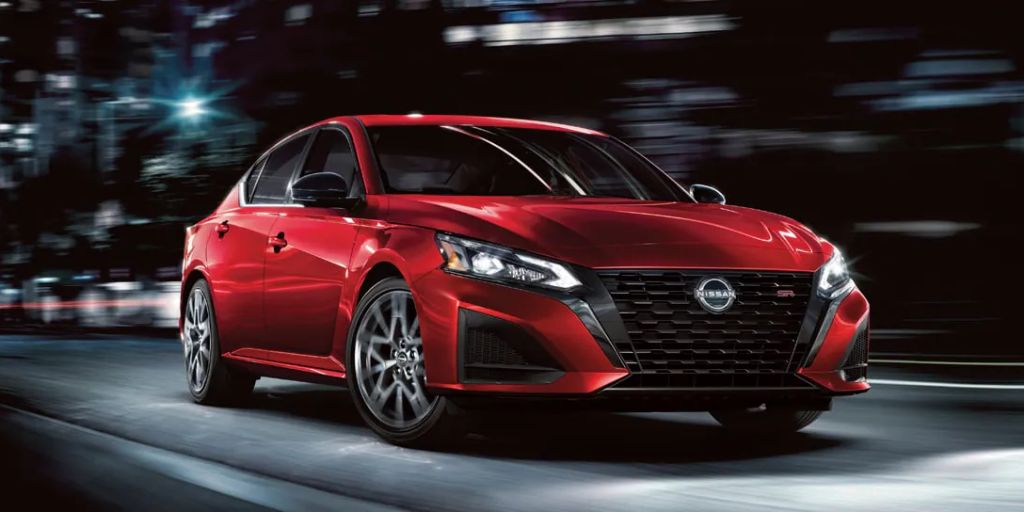
These factors combined with the Altima Hybrid’s relatively modest market presence mean fewer resources and aftermarket solutions exist compared to more popular models.
This example serves as a warning that hybrid battery longevity varies significantly across brands and models and that thermal management engineering remains a key challenge.
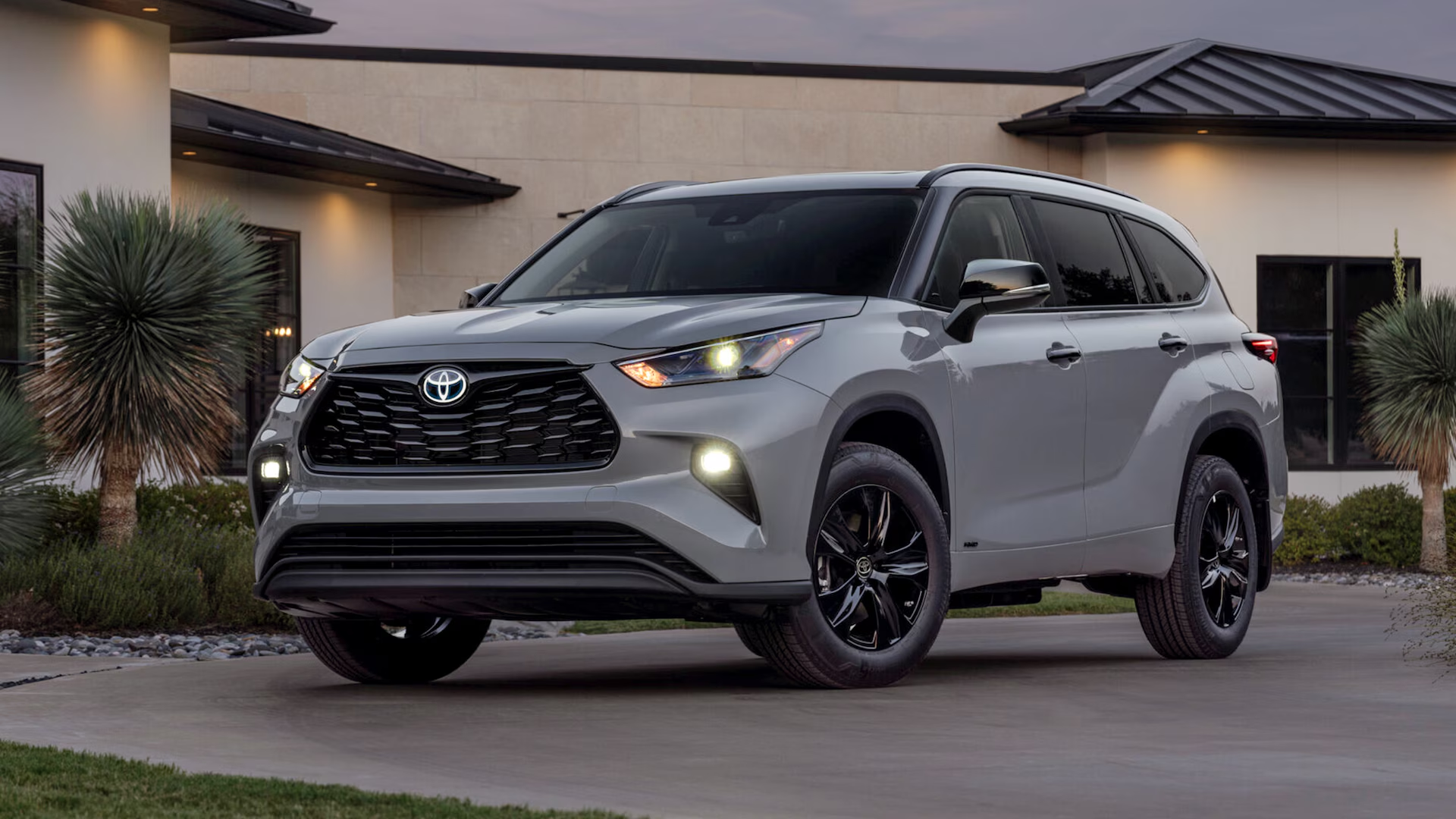
5. Toyota Highlander Hybrid (First Generation, 2006–2013)
Though Toyota is known for its hybrid reliability, the first-generation Highlander Hybrid presents an interesting case.
While many owners enjoy long battery life, reports show a significant proportion experience battery capacity dropping below 80% around or even before the 100,000-mile mark.
The Highlander Hybrid uses nickel-metal hydride batteries with an air-cooled design. Unlike the Prius or Camry Hybrid, the Highlander is a heavier SUV, often carrying more weight and towing larger loads factors that place greater stress on the battery.
Combined with the air cooling’s limitations, these conditions can lead to accelerated battery wear. Some owners also noted that the hybrid system’s software was less refined in balancing battery states of charge in this first generation.
Toyota has since improved this design in later generations, but the early Highlander Hybrid teaches an important lesson about how vehicle weight, duty cycle, and cooling approach influence battery lifespan.
By examining these models with prematurely declining hybrid batteries, this section emphasizes the importance of thoughtful engineering, optimal thermal control, and software tuning in achieving lasting battery performance.
Hybrid car buyers benefit from understanding these challenges as they assess long-term ownership costs and vehicle reliability.
Hybrid vehicles have grown increasingly popular, prized for their fuel efficiency and environmental benefits. However, one of the most critical factors influencing the long-term appeal of hybrids is the lifespan of their batteries.
Battery longevity greatly impacts ownership costs, vehicle performance, and resale value. Some hybrid batteries have demonstrated remarkable durability, lasting well beyond 300,000 miles with minimal capacity loss.
In contrast, others lose significant performance early, dropping below 80% capacity by the time the car reaches around 100,000 miles, necessitating costly replacements.
This comparison illuminates the key differences in battery technology, design, and thermal management that determine hybrid battery durability.
Some automakers have prioritized battery longevity through thoughtful engineering, resulting in hybrid models whose batteries deliver high mileage and reliable performance even after years of daily use.
Conversely, other manufacturers have faced challenges with early battery wear due to factors such as aggressive cycling, less effective cooling systems, or software that allows deeper charge-discharge swings.
Among the hybrid vehicles with batteries lasting 300,000 miles or more, the Toyota Prius (second and third generation) stands out.
Widely used in taxi fleets worldwide, its nickel-metal hydride (NiMH) battery benefits from optimized thermal management and battery control systems that prevent deep discharging and overheating. This approach extends battery life even under high usage, earning it a legendary reputation.
Similarly, the Honda Accord Hybrid (2014-2017) features a lithium-ion battery system with advanced cooling and energy management that ensures the battery operates within mild charge cycles and ideal temperature ranges.
This significantly retards battery degradation and lets owners enjoy high mileage without early replacement concerns.
Ford’s Escape Hybrid (2005-2012) proved that hybrid batteries can endure heavy-duty use, such as city taxi driving, thanks to its NiMH battery with liquid cooling. Even under harsh driving conditions, the battery has maintained capacity well beyond 250,000 miles for many users.
Lexus RX 400h and RX 450h hybrids combine Toyota’s battery expertise with luxury vehicle engineering.
Their NiMH batteries incorporate enhanced cooling and conservative charge-discharge practices that keep capacity intact past 250,000 miles, supported by strong warranties and effective maintenance.
The Toyota Camry Hybrid (2007-2017), which shares technology with the Prius but packaged in a midsize sedan, also exemplifies battery resilience.
Owners regularly report battery health holding up well beyond 200,000 miles due to proven software, robust battery construction, and efficient thermal management.
On the other hand, some hybrid batteries have a tendency to degrade prematurely, dropping below 80% capacity near or before 100,000 miles, leading to increased ownership costs and diminished confidence in hybrid technology.
The Honda Civic Hybrid (2003-2008) is a notable example. Its Integrated Motor Assist (IMA) system tends to cycle the battery aggressively, compounded by a less effective cooling system. The deep and frequent cycling, coupled with heat buildup, accelerates wear and often prompts costly battery replacements early in a vehicle’s life.
The Ford Fusion Hybrid (2010-2012) employs lithium-ion batteries with liquid cooling, but early battery management software allowed deep discharge cycles and did not always prevent overheating in hot or heavily used conditions.
These issues led to faster capacity loss, especially in stop-and-go urban driving, though extended warranties helped alleviate owner concerns.
The Chevrolet Volt (first generation, 2011-2015) is a plug-in hybrid with a larger lithium-ion battery designed to provide electric-only range.
Yet, some owners reported uneven cell aging due to early management software challenges and charging habits, resulting in noticeable capacity loss before 100,000 miles despite sophisticated cooling systems and software updates.
Nissan’s Altima Hybrid (2011-2013) relies on passive air cooling for its NiMH battery, which is less effective in dissipating heat.
Aggressive battery cycling and limited thermal control cause accelerated degradation, particularly in warm climates or traffic-intensive scenarios, limiting reliability compared to other hybrids.
Lastly, the Toyota Highlander Hybrid (first generation, 2006-2013) shows how vehicle weight and load affect battery life even within otherwise reliable brands.
Its heavier SUV platform plus an air-cooled NiMH battery placed under greater stress, as well as early-generation battery management software, contributed to capacity drops below 80% around 100,000 miles for some owners.
By examining these contrasting cases, it becomes clear that hybrid battery longevity depends heavily on multiple factors: battery chemistry, thermal regulation, software controls, vehicle weight, and intended use.
Models with strong thermal management, conservative battery cycling, and carefully engineered control systems generally achieve much longer service lives. Owners benefit financially and in reliability when batteries sustain capacity beyond the 300,000-mile mark.
Understanding these differences helps current and prospective hybrid owners make informed choices based on their driving habits and priorities.
It also encourages manufacturers to refine hybrid technology, focusing not only on immediate fuel savings but also long-term durability and ownership experience.
These lessons ensure hybrids remain a compelling and trustworthy option for environmentally conscious drivers seeking both economy and dependability.
Also Read: 5 Crossovers With Indestructible CVTs vs 5 CVTs Known for Early Death
