In a fiercely competitive global auto market, not every brand maintains consistent momentum. Some automakers go through tough phases be it due to outdated designs, financial struggles, or brand identity crises.
But what’s truly inspiring is when a company turns things around and reclaims relevance through innovation, strategic pivots, and consumer trust.
These 10 automakers have recently made notable comebacks, earning newfound respect and market share in the U.S. and beyond.
1. Chrysler
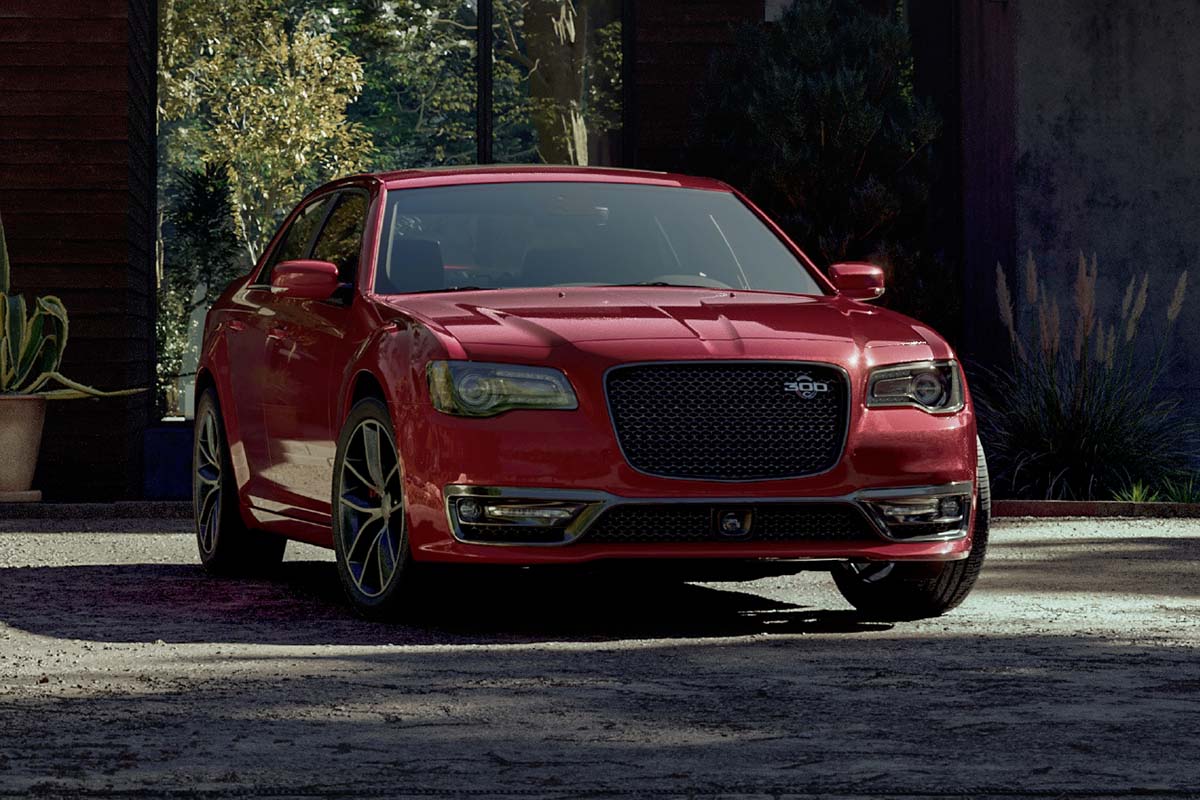
For years, Chrysler was fading into irrelevance, with a sparse lineup and dated models like the 300 and Pacifica. But under Stellantis, the brand is staging a comeback with a bold electric vision.
The all-electric Chrysler Halcyon Concept has stirred excitement, signaling a move toward a fully EV future by 2028. While its lineup is still limited, the newfound focus and fresh investment suggest a real shot at revival.
Over the decades, the Chrysler Corporation has experienced profound changes, with the most recent being its integration into Stellantis. Chrysler, a legendary name in American automotive history, has navigated numerous alliances and ownership shifts that have reshaped its role in the global car market.
Founded in 1925, Chrysler became synonymous with innovation and classic American engineering, earning a solid reputation within the industry.
The January 2021 merger of Fiat Chrysler Automobiles (FCA) and the PSA Group marked a transformative milestone, culminating in the creation of Stellantis.
This merger positioned Chrysler within the framework of the world’s fourth-largest automotive manufacturer, uniting 14 unique brands under one corporate structure. This moment represents a turning point in the company’s legacy, combining the strengths and expertise of both FCA and PSA to form a global powerhouse.
Now under Stellantis, Chrysler stands at a crossroads where it can harness worldwide synergies, streamline its operations, and advance new technologies. The brand’s evolution from an independent automaker to a vital component of an international conglomerate illustrates its adaptability.
Chrysler continues to embrace fresh challenges and opportunities in a rapidly evolving market while preserving the heritage that has defined American car culture for nearly 100 years. The company remains committed to honoring its history while driving toward future innovations.
Chrysler’s origins trace back to Walter P. Chrysler, who transformed the Maxwell Motor Company into Chrysler Corporation in 1925. As one of the “Big Three” U.S. automakers alongside Ford and General Motors, Chrysler quickly earned recognition for its groundbreaking engineering and automotive advancements.
Over time, Chrysler expanded its reach through acquisitions, including the purchase of Dodge Brothers in 1928 and the formation of U.S. Motor Company, which incorporated brands like DeSoto and Plymouth.
During the 1980s, under CEO Lee Iacocca, Chrysler rebounded financially by pioneering the minivan and acquiring American Motors Corporation, bringing Jeep into its lineup. Additionally, the acquisition of the Italian carmaker Simca broadened Chrysler’s international footprint, further cementing its global influence.
In 1998, the company embarked on a new path by merging with the German automotive leader Daimler-Benz AG, forming DaimlerChrysler AG. Intended as a strategic partnership to create a global industry leader, the merger struggled with cultural and operational differences, limiting its long-term success.
After filing for Chapter 11 bankruptcy in 2009, Chrysler emerged from restructuring with Italian automaker Fiat S.p.A. acquiring a stake in the company. Under CEO Sergio Marchionne, Chrysler regained strength and diversified its portfolio, paving the way for the creation of Fiat Chrysler Automobiles (FCA) in 2014.
This alliance added luxury brands such as Alfa Romeo and Maserati to its offerings. Finally, the 2021 merger between FCA and the PSA Group gave rise to Stellantis, now the fourth-largest automaker worldwide.
Also Read: 5 Best Convertibles That Are Daily Drivers Vs 5 That Are Constantly in the Shop
2. Buick
Once viewed as a brand for retirees, Buick has been quietly reinventing itself with a modern SUV lineup tailored to younger buyers.
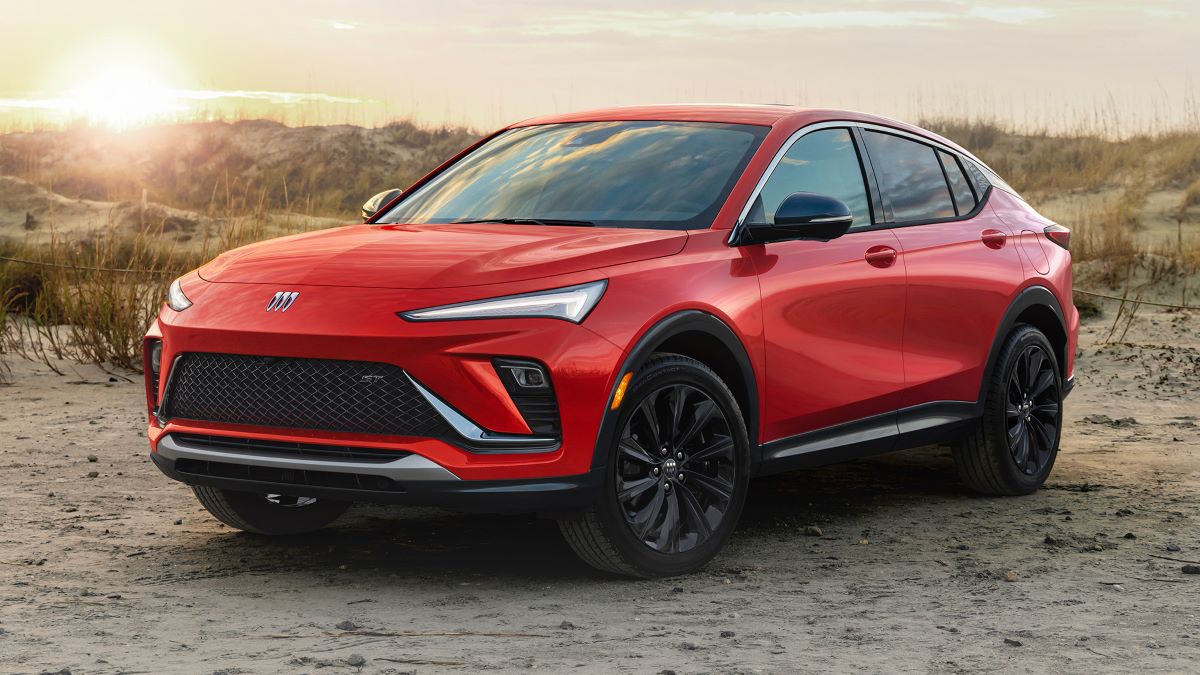
With sleek models like the Encore GX and the upcoming electric Wildcat-inspired designs, Buick is turning heads.
Its focus on premium finishes without the luxury price tag has helped it become GM’s most global brand and a quiet comeback story in the American market.
Whether you already drive a Buick or are still considering which model suits you best, you might be wondering who owns Buick.
Now that you know Buick is part of the General Motors family, it’s worth exploring its rich history. Buick began producing vehicles in 1903, a period marked by groundbreaking innovation in the automotive world.
That same year, the company incorporated and relocated its plant from Detroit to Flint, Michigan, where it launched its first iconic model, the Buick Model B. By the time it celebrated its 20th anniversary, Buick had already manufactured its one-millionth vehicle, an impressive feat that cemented its status in the industry.
Durant also went on to establish General Motors in 1908 with the vision of creating a parent company that could acquire a range of automotive brands appealing to all economic segments, positioning Buick as a top-tier offering.
If you’ve ever wondered, “Is Buick a luxury brand?” the answer is yes — and we’ll explore that further below. Throughout its history, Buick has delivered legendary models such as the Buick Super, Roadmaster, Special, Riviera, LeSabre, and Regal, all of which have contributed to its enduring reputation.
While Buick is an American automaker at its core, many Gas City drivers are surprised to learn that its manufacturing operations span the globe.
Buick vehicles are produced not only at various plants across the United States but also in facilities located in Canada, China, South Korea, and Germany. This worldwide manufacturing presence helps Buick maintain its competitive edge and drive innovation across markets.
When it comes to the question of whether Buick is a luxury brand, the answer lies in its ability to deliver affordable luxury. For Hartford City shoppers who want a refined car or SUV with upscale features, without the premium price tag of most luxury brands, Buick offers an ideal balance.
Step into a modern Buick, such as the Enclave SUV or the Encore compact crossover, and you’ll immediately notice high-end details like rich wood tones, brushed chrome accents, and available perforated leather-appointed seats.
3. Mitsubishi
Mitsubishi’s presence in the U.S. had dwindled to near invisibility in the 2010s. However, recent years have seen a resurgence thanks to a revitalized lineup and strategic pricing.
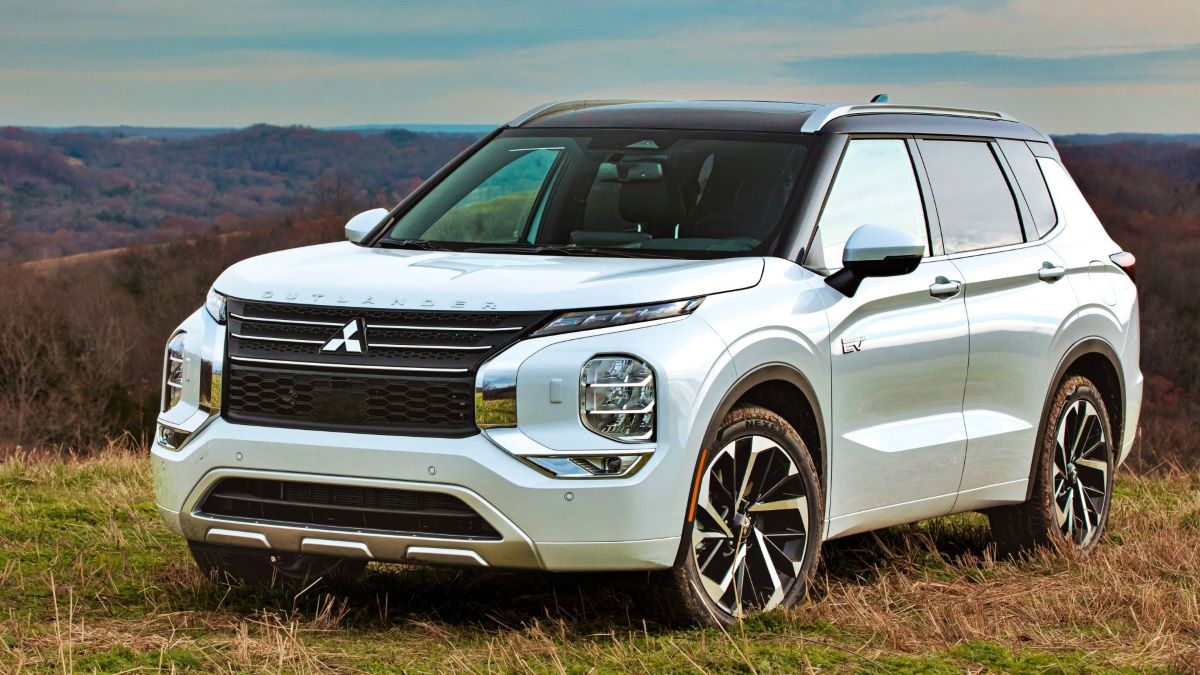
The Outlander, especially its plug-in hybrid variant, has been praised for improved design and performance. Mitsubishi’s focus on value, warranty coverage, and modest electrification has brought it back into serious buyer consideration.
Mitsubishi’s automobile manufacturing division became an independent company with the creation of Mitsubishi Motors Corporation in 1970. Just a year later, in 1971, the company’s Colt model reached American markets, coinciding with Chrysler’s purchase of a 15 percent stake in the new company.
Interestingly, the Colt was not marketed under the Mitsubishi name at that time; instead, it was sold as a Dodge, showcasing Chrysler’s influence and investment. By the close of the decade, Mitsubishi had achieved a significant production milestone, manufacturing over one million cars annually.
In 1982, Mitsubishi began selling vehicles in the United States under its own name, marking a new chapter in its presence abroad. Throughout the 1980s, the company introduced a diverse lineup for the U.S. market, including the subcompact Mirage, the turbocharged Starion sports car, and the midsize Galant sedan.
The 1990s proved to be a golden era for Mitsubishi, fueled by the success of the Eclipse sport coupe and the 3000GT sports car in America, as well as the turbocharged Lancer Evolution, which gained immense popularity in other regions of the world.
Chrysler maximized its collaboration with Mitsubishi by using Mitsubishi platforms for many of its models. The Eclipse, in particular, became a standout product of the Diamond Star Motors partnership, symbolizing the strength of their joint efforts.
In 1998, Chrysler merged with Daimler-Benz to form DaimlerChrysler, and while Mitsubishi’s alliance continued for several more years under the new corporate structure, the partnership was ultimately dissolved financially by 2003.
4. Mazda
Mazda’s comeback hasn’t been about volume it’s about perception. Once seen as a sporty but budget-friendly brand, Mazda has steadily moved upscale.
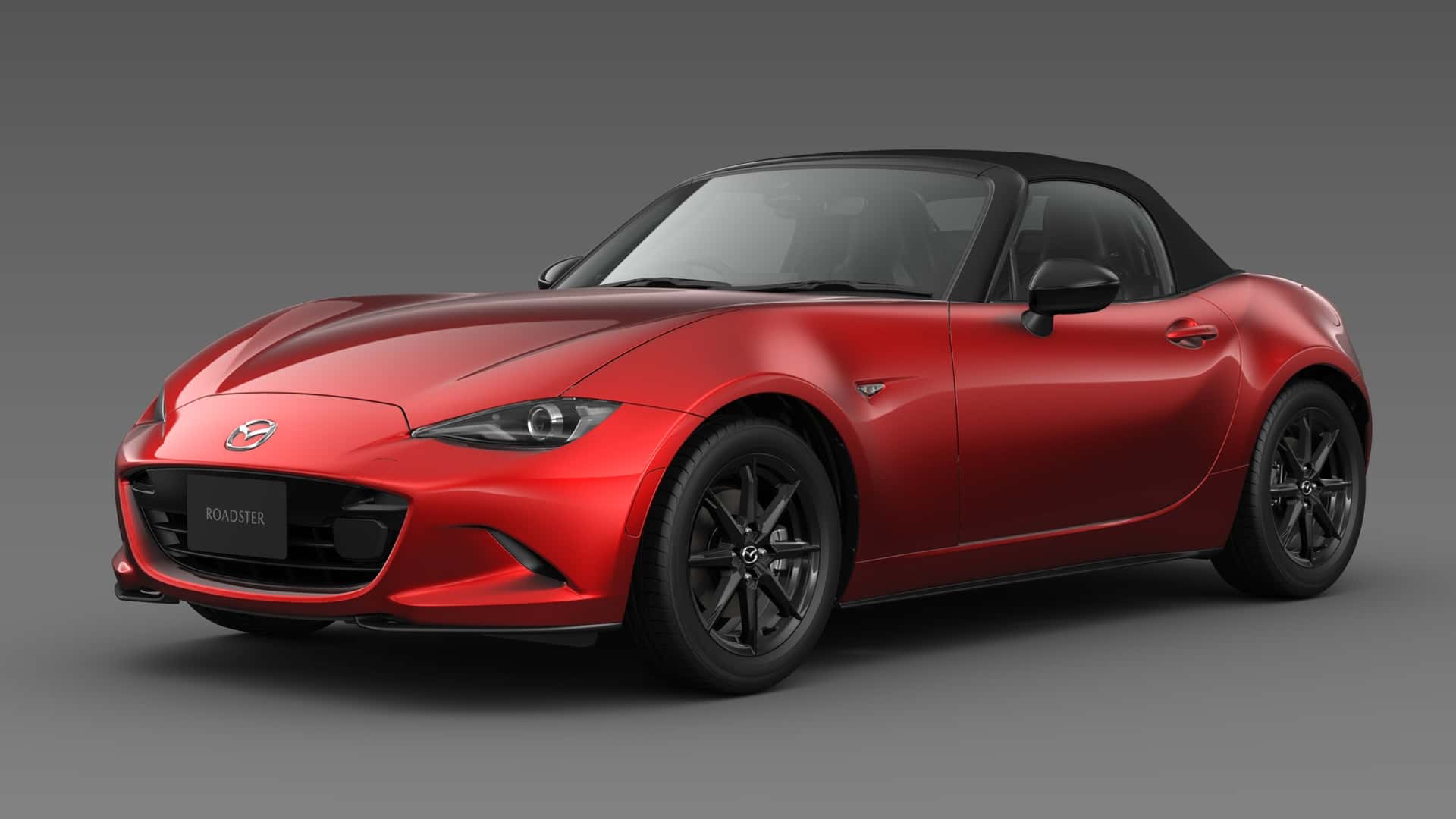
Models like the CX-50 and upcoming CX-70 and CX-90 offer luxurious interiors, refined driving dynamics, and premium tech without European-level prices.
This strategic shift has positioned Mazda as a legitimate alternative to luxury crossovers.
Also Read: 5 Models Depreciating Due to Reliability Issues vs 5 That Stay Valuable
5. Kia
Kia’s transformation is perhaps one of the most dramatic in automotive history. From being mocked in the early 2000s, the brand now produces award-winning vehicles like the Telluride, EV6, and K5.
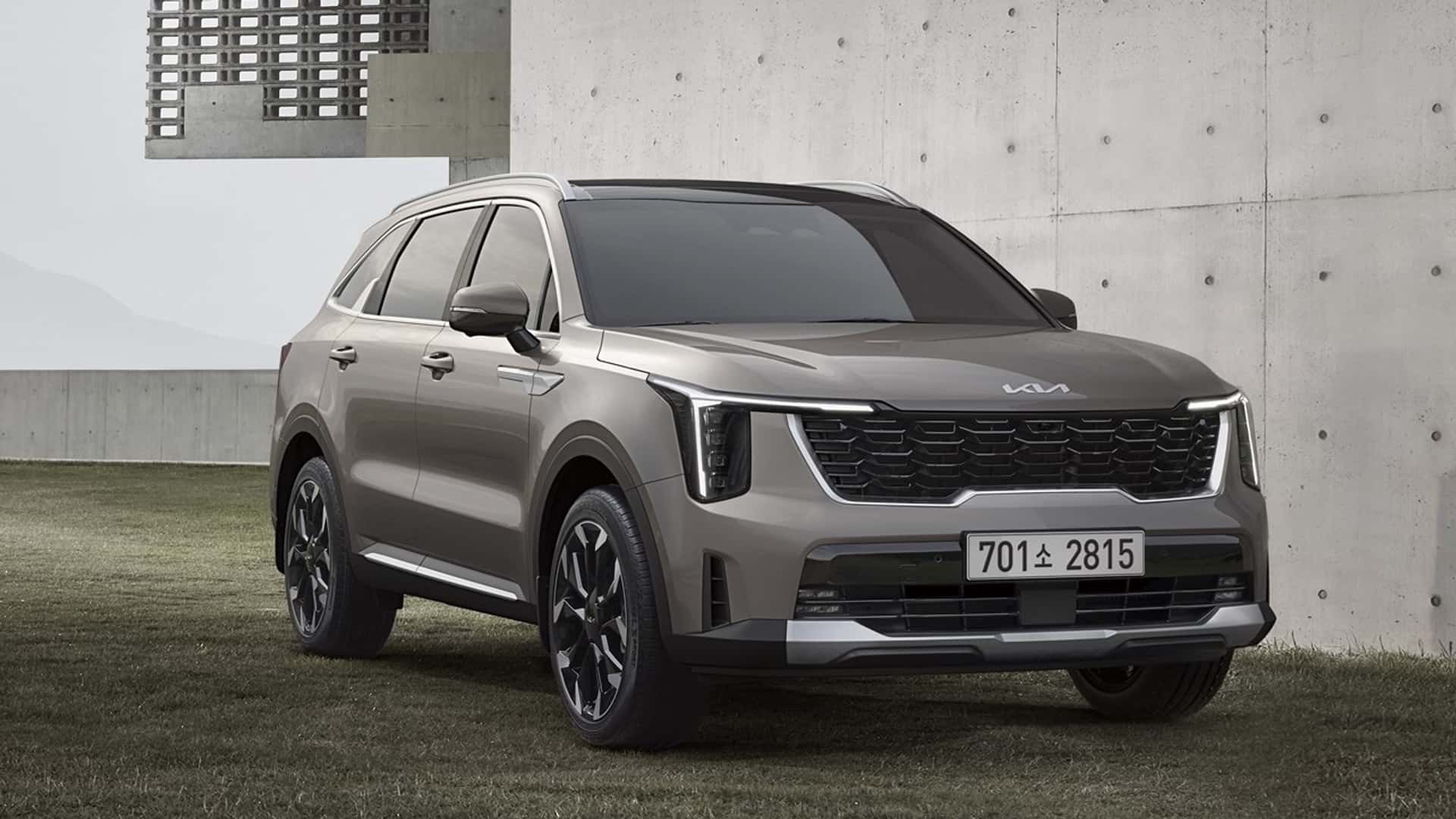
With bold design language, improved build quality, and a focus on tech, Kia has become a serious player in both internal combustion and electric vehicle segments.
U.S. consumers now expect excellence from Kia an incredible turnaround.
6. Alfa Romeo
Alfa Romeo returned to the U.S. market with high hopes in the 2010s, but early quality issues held it back.
Fast forward to today, and the Italian marque is earning praise with models like the Tonale and refreshed Giulia.
Parent company Stellantis has brought greater quality control and dealer support, helping Alfa Romeo gain traction with buyers looking for a distinctive European experience.
Alfa Romeo is more than just an automobile manufacturer; it represents passion, a rich racing heritage, and the essence of Italian luxury. Established in 1910 in Milan, Alfa Romeo quickly built its name on a foundation of racing success and sophisticated design.
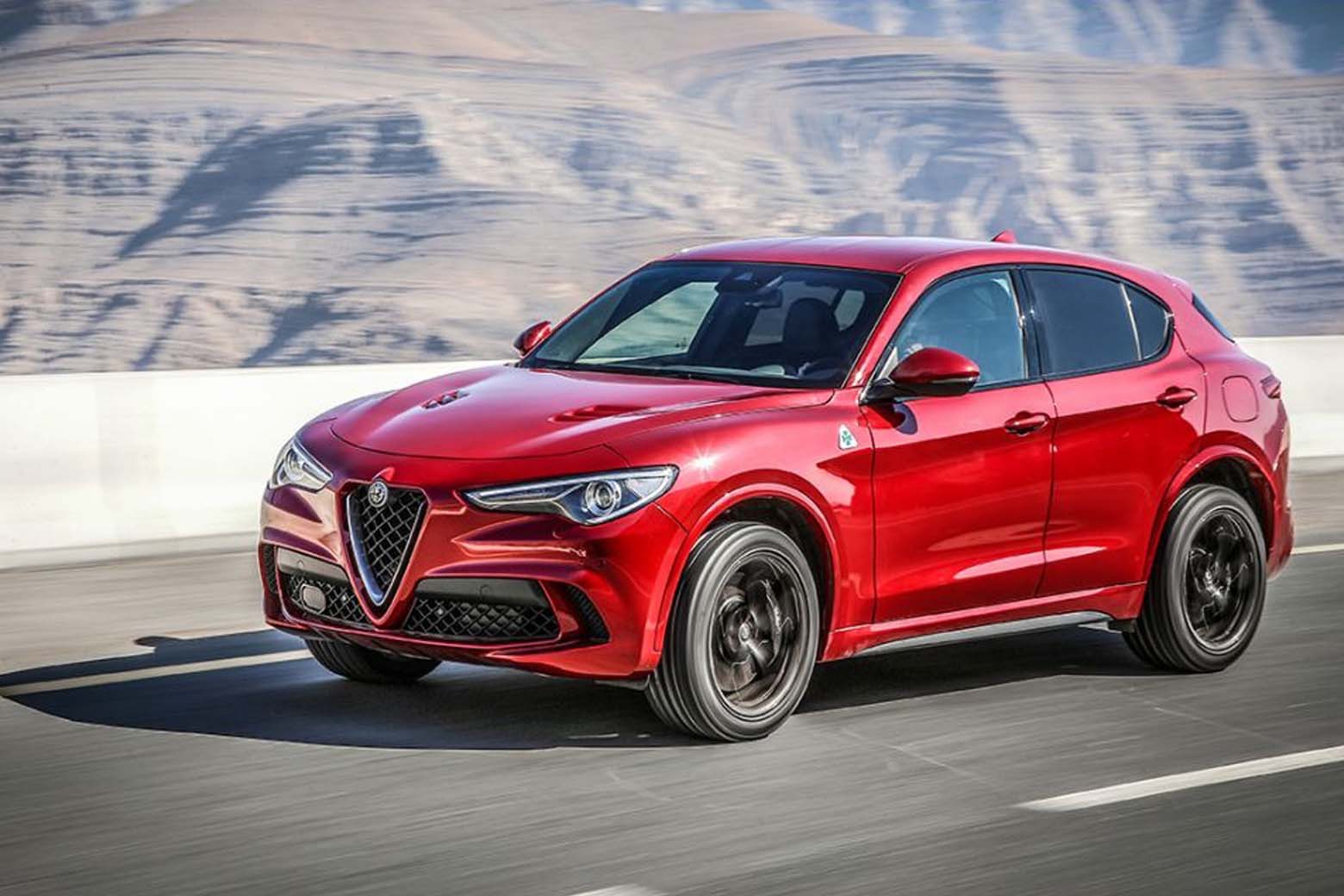
Over the years, the brand has become a symbol of precise handling, innovative engineering, and an unyielding spirit that resonates with car enthusiasts around the globe.
You don’t need to be a dedicated car lover to admire the legacy Alfa Romeo upholds, its vehicles are often regarded as artistic creations that deliver thrilling performance on the road.
At the core of this legacy lies the company itself, meticulously shaping each model to reflect the true soul of Italian automotive craftsmanship and ensuring that every Alfa Romeo continues to embody its storied tradition.
7. Nissan
Nissan lost its identity post-Carlos Ghosn, plagued by bland designs and internal disarray. But the last few years have marked a rebound.
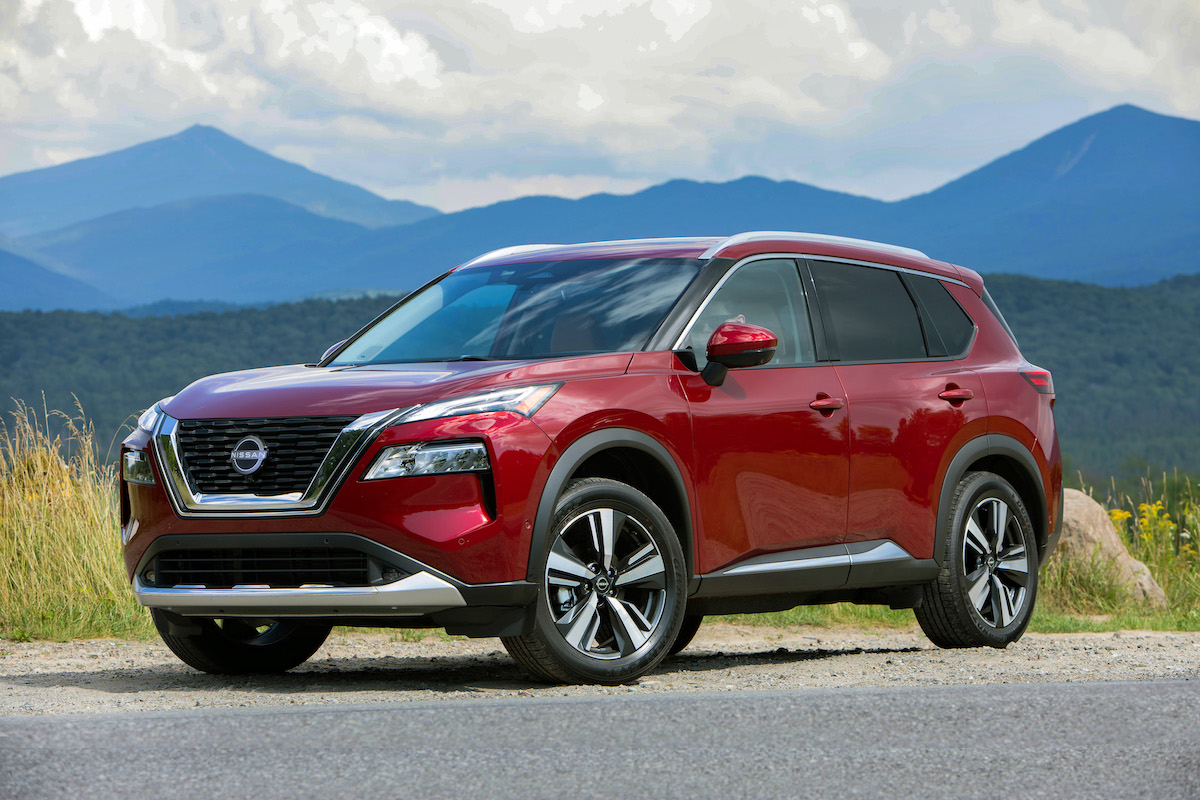
With the new Z sports car, redesigned Pathfinder and Rogue, and the all-electric Ariya, Nissan is putting excitement back into its products.
It’s also placing more focus on quality over volume, an essential shift for long-term credibility in the U.S.
Nissan is in the middle of one of the biggest comebacks in its history. After reporting a devastating net loss of around $5 billion for fiscal year 2024–2025, its worst in over 20 years, the automaker rolled out a bold restructuring plan called Re:Nissan, led by its new CEO, Ivan Espinosa.
This crisis forced Nissan to make tough decisions, including cutting 15% of its global workforce (about 20,000 jobs), shutting down 7 out of 17 manufacturing plants in key regions such as Japan, Mexico, and the UK, and writing down billions in assets.
Despite the pain, these measures are designed to streamline operations and put the company back on a profitable track by 2026. Investors seem to believe in the plan, as Nissan’s stock rose nearly 7% after shareholders backed the restructuring.
Espinosa’s strategy focuses on cutting engineering and fixed costs by roughly ¥250 billion, simplifying operations by reducing platform numbers from 13 to 7 by 2035, and speeding up product development to just 30–37 months.
To stabilize finances, Nissan is raising around $7 billion through bonds and asset sales, with some funding backed by the UK government to keep facilities like Sunderland operational.
At the same time, the company is doubling down on its product lineup with an aggressive rollout of 30 new or refreshed models by 2026, including 16 electrified or hybrid vehicles under its Arc plan.
Key launches include a reimagined Leaf EV with Tesla-compatible charging, a plug-in hybrid Rogue, a refreshed Sentra, and a rugged electric SUV planned for Mississippi by 2027.
In Europe, new models like the Micra EV and electric Juke are in the works, while in China, the N7 EV has already seen explosive demand with 20,000 orders in just 50 days.
However, Nissan’s road to recovery is far from smooth. It still lags behind competitors like Tesla and Chinese EV makers, and its previous missteps, such as delays and issues with the Ariya EV, hurt its EV momentum.
The company also faces headwinds from global tariffs, heavy debt, and the breakdown of merger talks with Honda earlier this year, leaving Nissan to stand on its own.
Despite these obstacles, the automaker’s willingness to face harsh realities and its clear, aggressive plan to reinvent itself have inspired cautious optimism. Nissan isn’t just trying to survive; it’s positioning itself to win back its place as a serious contender in the global automotive market.
8. Jaguar
Jaguar’s sales in the U.S. plummeted over the past decade, and its lineup felt stale. But behind the scenes, Jaguar is plotting a radical reinvention.
The brand plans to go fully electric by 2025, with a focus on ultra-luxury EVs that rival Bentley. While it’s still early days, the I-PACE was a promising start, and if Jaguar sticks the landing, its next chapter could be spectacular.
The buzz around Jaguar’s rebrand has been intense, with the 30-second launch video, released just four days ago, drawing a wave of scrutiny.
Viewers have questioned the casting choices and the absence of an actual vehicle in the commercial. Adding fuel to the debate is the introduction of a new logo and the removal of the iconic “growler” big cat emblem that has graced Jaguar cars for decades.
The backlash has been dramatic, with critics reacting as though parent company JLR committed an unforgivable act. Initially, I was skeptical too, but my perspective has shifted.
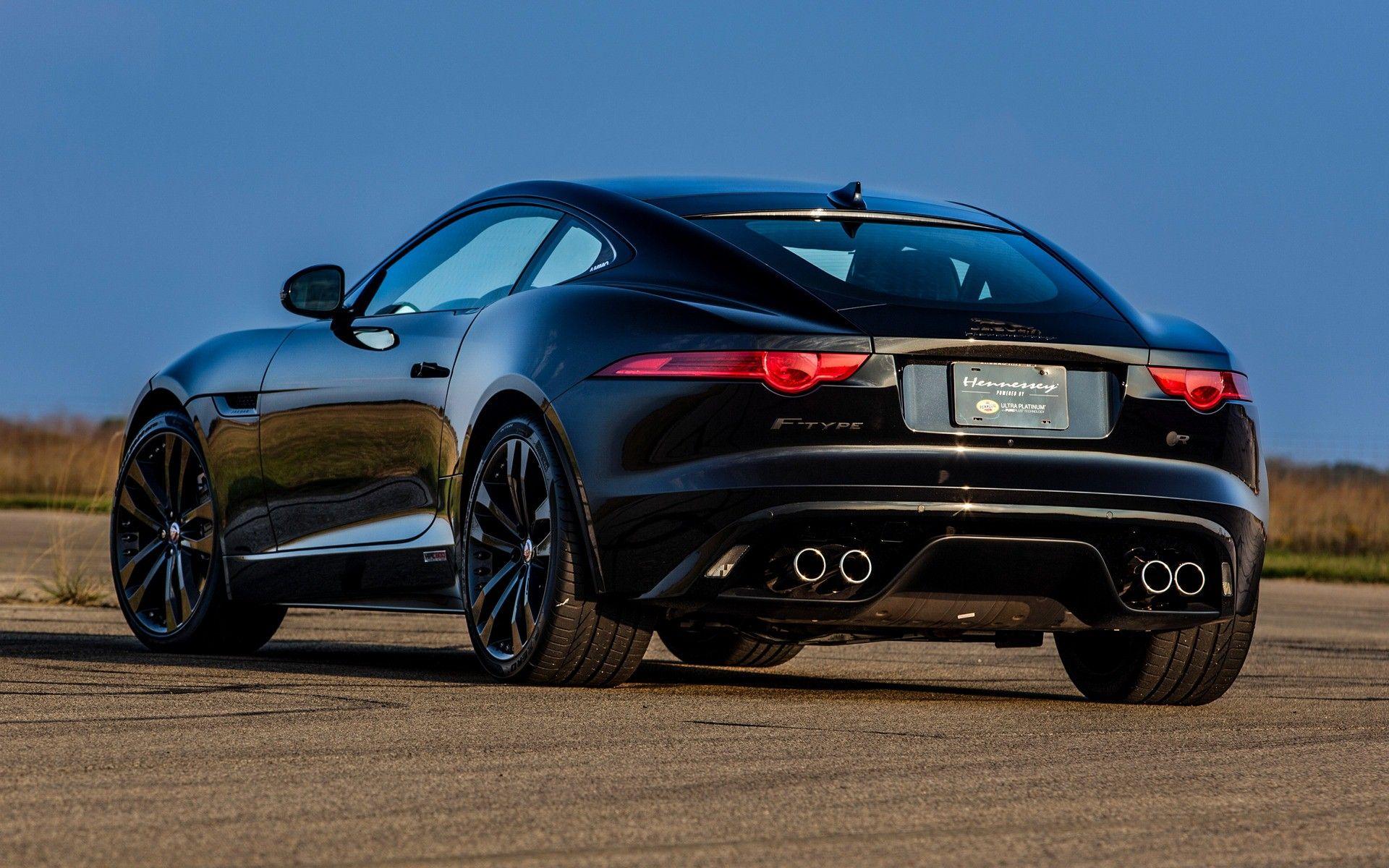
To understand the changes, it’s crucial to look at the broader picture. Jaguar Land Rover (JLR) faced considerable financial struggles just five years ago, but the company has since engineered an impressive recovery. Today, JLR is profitable and actively reducing its debt load.
A major driver of this resurgence has been the success of the Range Rover brand, which has been able to command extraordinary prices for its high-end special editions. By early 2023, JLR had sold 6,000 Range Rover SV models, each averaging over £100,000 (\$125,000).
This shift reflects a dramatic change in company strategy. In 2019, JLR reported that the average sale price of its vehicles was £44,000 ($55,000), according to figures shared in April 2023.
Fast forward to early 2023, and that figure had climbed to £71,000 ($89,000). While annual sales volume dropped from 660,000 units in 2019 to just 300,000 units in 2023, the company had moved from losses to profitability.
The Range Rover and Land Rover lines, in particular, now generate an average profit of $25,000 per vehicle, showcasing how JLR has successfully shifted its focus from volume to high-margin products.
9. Fiat
Fiat’s U.S. relaunch in 2011 was initially a novelty, but it failed to maintain momentum due to poor reliability and limited appeal.
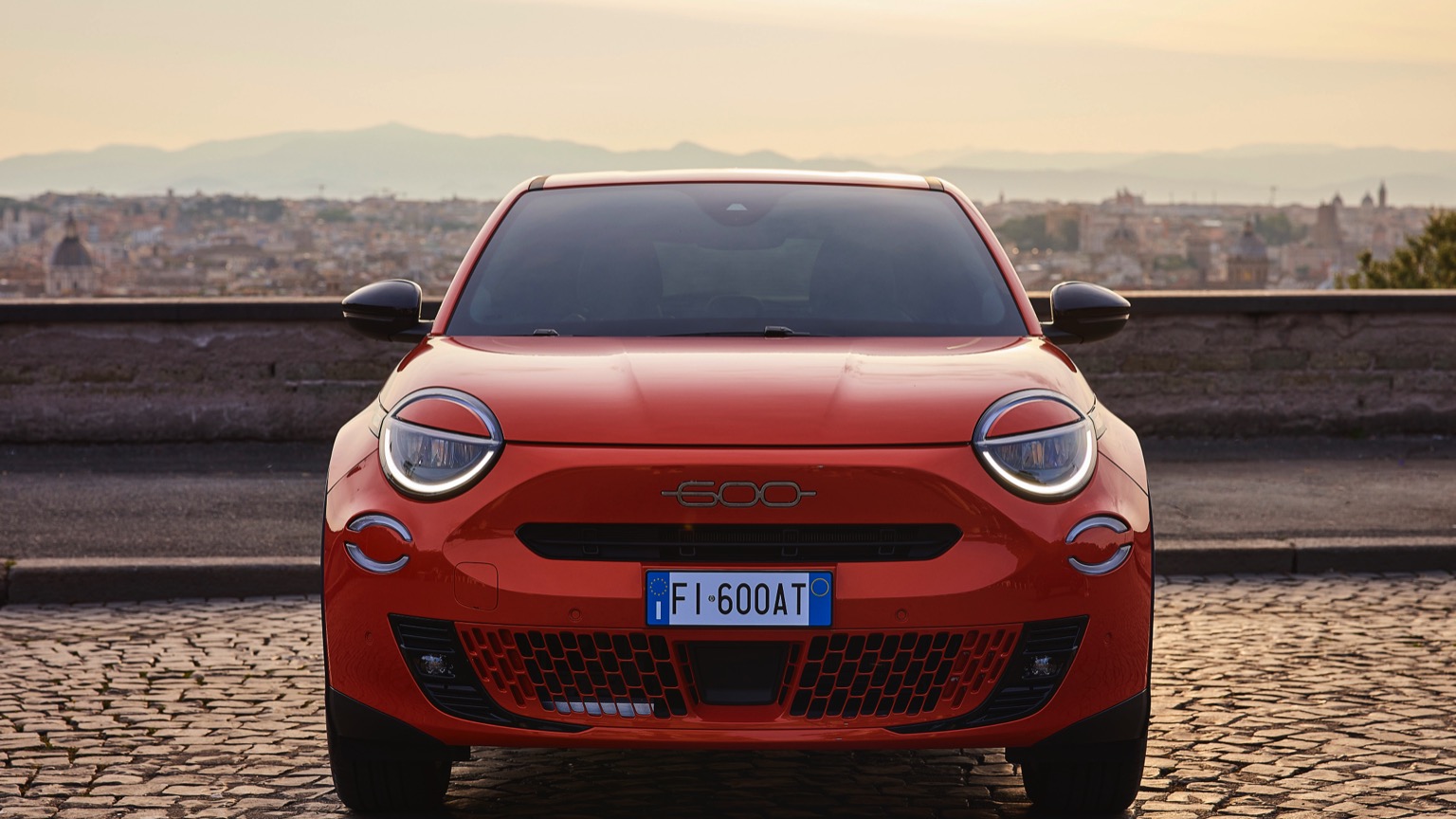
However, Fiat is staging a second act with the all-electric 500e, which arrives with a sharper design, better performance, and a much-improved platform.
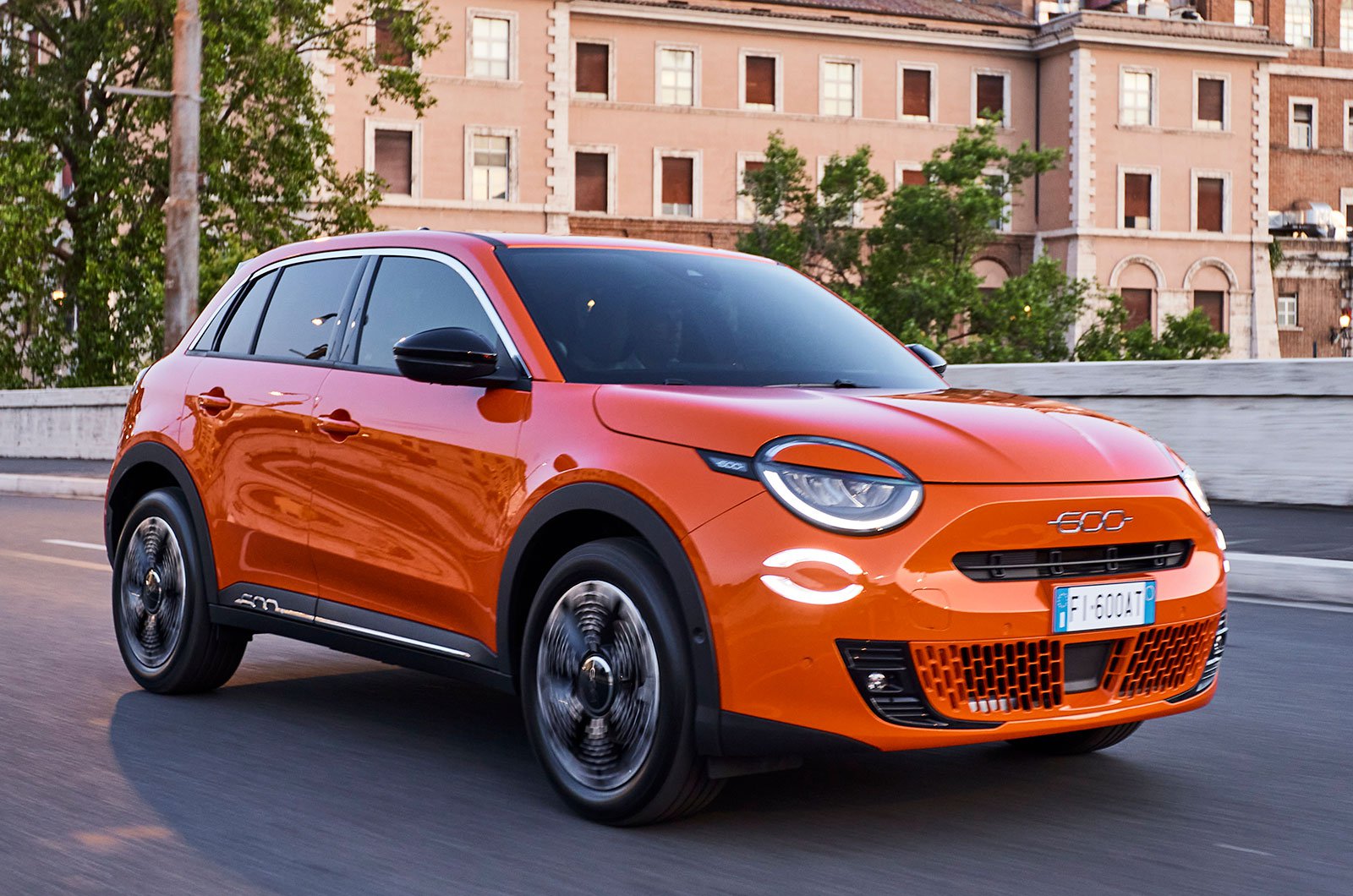
As small city EVs gain popularity in urban areas, Fiat could become relevant again especially among eco-conscious urban buyers.
Fiat is setting its sights on producing over 100,000 units annually of its new hybrid 500 small car, a model that parent company Stellantis (STLAM.MI) is counting on to reinvigorate its struggling Italian production.
According to brand head Olivier Francois, this vehicle represents a crucial step in Fiat’s effort to boost output and regain momentum. Stellantis, formed in 2021 through the merger of Fiat Chrysler and France’s PSA-Peugeot, saw its vehicle production in Italy plummet to 475,000 units last year, down from over 751,000 in 2023.
This sharp decline, with car production specifically dropping 46% to its lowest level since 1956, was the result of weak market demand—particularly for electric vehicles (EVs)—rising competition from Asian automakers, and factory downtime as plants were retooled for upcoming models.
During a media preview where prototypes of the hybrid 500 were showcased, Francois described the new model as “the 500 for real people, the pragmatic 500.” Production is scheduled to begin in November at the Mirafiori complex in Turin, Italy, alongside the existing fully electric version of the 500.
The hybrid variant will be priced at 17,000 euros ($20,000) and will be equipped with a 12-volt lithium battery. Fiat expects to produce 5,000 units of the hybrid model by the end of this year.
By contrast, the 500 EV, which carries a price tag close to 30,000 euros, struggled last year with only 25,000 units produced. The Mirafiori plant faced repeated stoppages due to weak demand, forcing the company to place workers on furlough.
Looking ahead, Francois revealed that Fiat intends to launch an upgraded and more affordable version of the 500 EV in 2027, with a target price of “20,000 euros or even less,” made possible by the introduction of in-house battery production.
Additionally, Stellantis is already developing the next generation of the 500, scheduled for release around 2030, which will be manufactured at Mirafiori and offered in both electric and hybrid versions depending on market conditions and regulatory requirements in the coming years.
10. Peugeot (Planning U.S. Return)
While Peugeot isn’t back on U.S. roads just yet, it’s worth noting the brand’s incredible global turnaround. After nearly collapsing in the early 2010s, Peugeot, under Stellantis, has become a powerhouse in Europe.
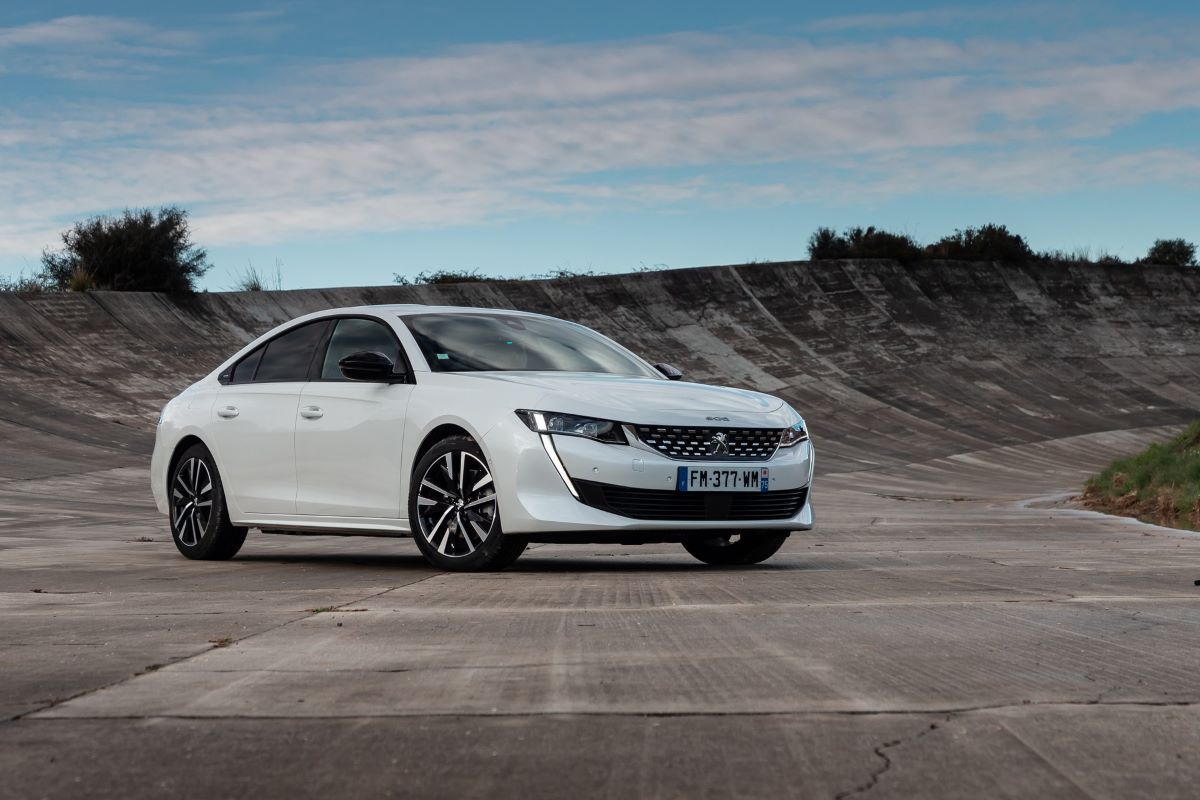
Its modern design language, hybrid and EV offerings, and consistent reliability have reignited global interest. Rumors of a U.S. return persist, and if it happens, Peugeot could find a receptive audience looking for something fresh yet proven.
French automaker PSA’s long-anticipated plans to reenter the U.S. market are finally beginning to take shape. The company intends to spearhead its North American efforts with the Peugeot brand, a name many Americans may remember from PSA’s previous presence in the U.S., which ended back in 1991. While PSA has yet to provide an official timeline for the relaunch of Peugeot sales in the country, Automotive News has reported that discussions.
PSA first revealed its intention to come back to the U.S. market in 2016 and has gradually been building out its strategy since then. The company launched its car-sharing app, Free2Move, in the United States as an initial step, signaling its renewed interest in the region.
Reports also indicated that PSA has been working on homologating its vehicles for the U.S., including efforts to ensure compliance with American safety and emissions standards. This groundwork is setting the stage for Peugeot’s comeback as PSA prepares for its reentry into one of the world’s most competitive automotive markets.
Comebacks in the automotive world don’t happen by chance they’re earned through better design, improved reliability, and strategic vision.
These automakers have redefined themselves in recent years, and U.S. buyers are starting to take notice.
Whether through electrification, upmarket shifts, or simply building cars people actually want, these brands are living proof that reinvention is possible even in an industry as cutthroat as auto manufacturing.