
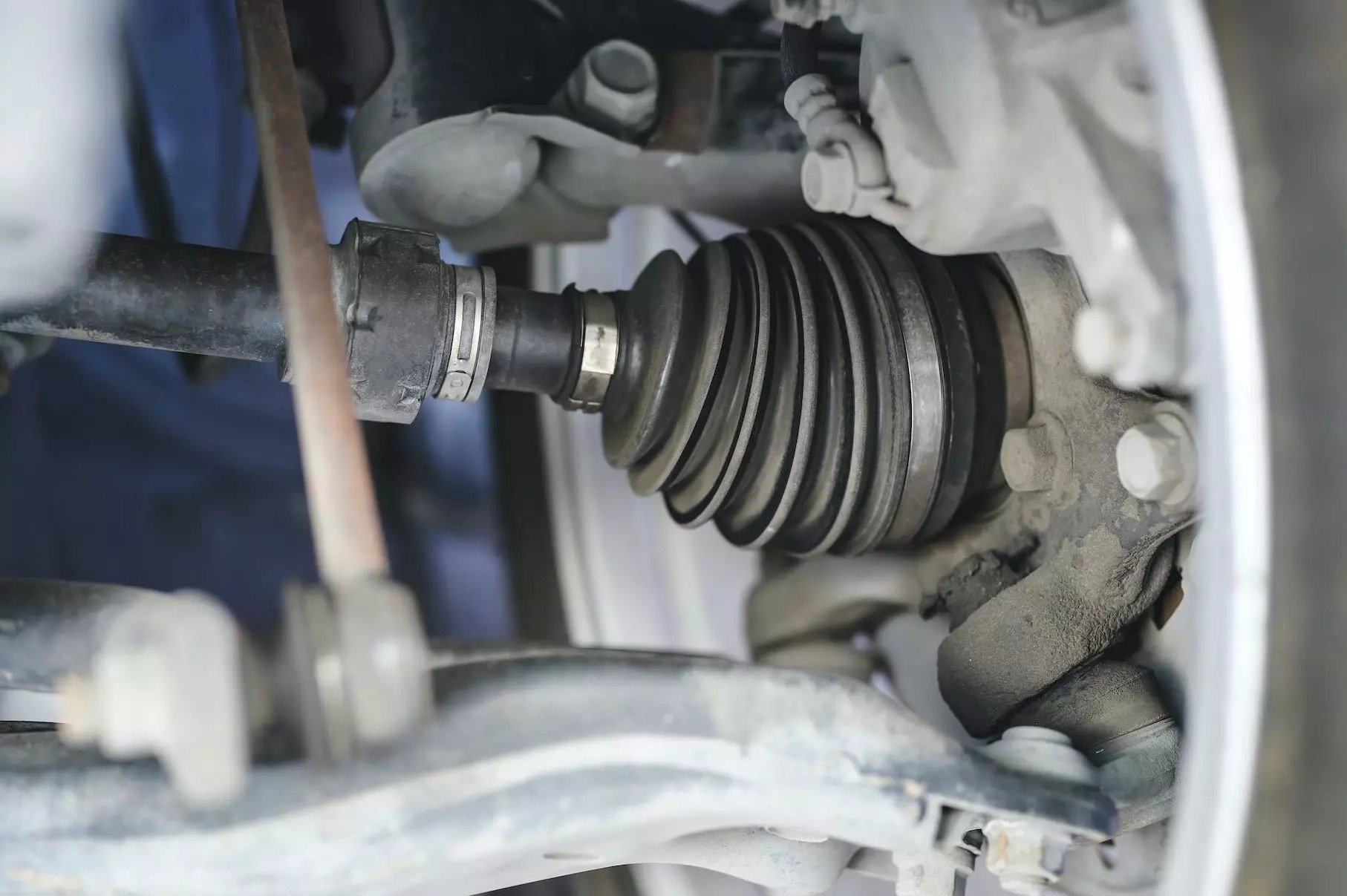
When people talk about vehicle reliability, many tend to focus on the engine, the transmission, and how durable the suspension is. But there is another part that quietly plays a serious role in how a car moves, and that is the drive shaft.
This component transfers power from the transmission straight to the wheels, and once it starts having problems, the smooth ride you enjoy quickly becomes a challenge.
Even though this part often gets overlooked by most car buyers, it deserves attention because when it fails, the cost of repairs could be heavy, and the impact on driving comfort is immediate.
There are two types of designs you will find in most vehicles. Some cars come with drive shafts that can last throughout the entire lifespan of the vehicle, while others rely on U-joints, which often wear out or fail at one point or another.
A lot of people who own certain vehicles with U-joints know the frustration that comes from hearing vibrations, clunking noises, or having to deal with unexpected breakdowns.
While a few car models are built with designs that help the drive shaft last so long that most owners never have to think about replacing it. Those are the kinds of cars that leave people feeling relieved.
What many drivers might not know is that the type of drive shaft a vehicle carries can affect how much time and money you spend on maintenance later. So, for anyone considering buying a used or new vehicle, knowing which models are more dependable in this area is a smart step.
You are about to see a list of five vehicles known for having lifetime drive shafts, ones you rarely need to fix or replace. After that, five models will also be highlighted that often face U-joint issues, sometimes causing repeated visits to the mechanic.
The aim here is to give you clear and simple details so you can make better car choices, especially if you are planning to keep your vehicle for many years.
Cars with Lifetime Drive Shafts
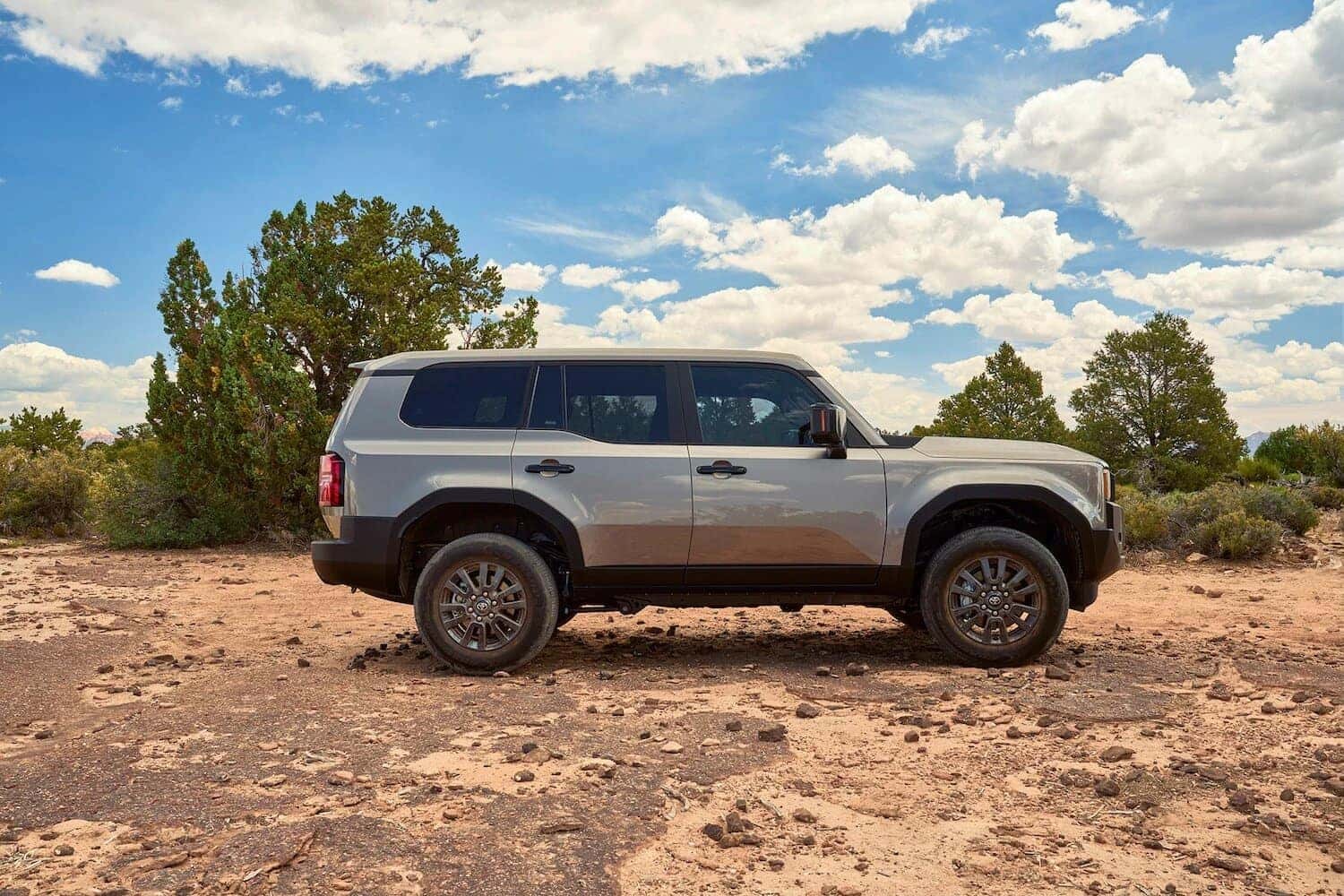
1. Toyota Land Cruiser
The Toyota Land Cruiser has long gained praise because of how well it holds up under heavy use, whether in the city or out on rough roads. One big reason why this vehicle stands out is that its drive shaft system is built to last without needing constant attention.
Owners who have driven this SUV across thousands of miles say that the drive shaft rarely gives any sign of stress or wear. That’s because Toyota used solid engineering to make sure the system could handle both rough terrain and smooth highways without needing replacement parts.
The strength of the Land Cruiser’s drive shaft lies in the fact that Toyota designed it with permanent lubrication. This means the universal joints and slip yokes are protected from outside elements like dust, mud, and water. The result is a system that does not require regular greasing or part replacement.
Many drivers who use the Land Cruiser in rural areas or for off-road driving often say that even after ten or more years, the drive shaft performs just as it did on day one. This kind of dependability has built trust among long-time users of the SUV.
Another thing that makes the Land Cruiser’s drive shaft so reliable is the build quality of the materials. Toyota does not cut corners when producing parts for this vehicle. The components are built with thicker steel and stronger welds, which makes the shaft resistant to twisting, cracking, or breaking under high pressure.
Even when pulling trailers or carrying heavy loads, the drive shaft remains stable and doesn’t flex in a way that would lead to wear. Because of this, the Land Cruiser has become one of those cars that people pass from one generation to another.
Families who have owned older models often talk about how they only had to deal with basic wear and tear, while the major parts like the drive shaft kept performing like new. Whether you’re using it for long-distance travel or just daily commuting, you can count on the Land Cruiser to keep going without any complaints from its drivetrain.
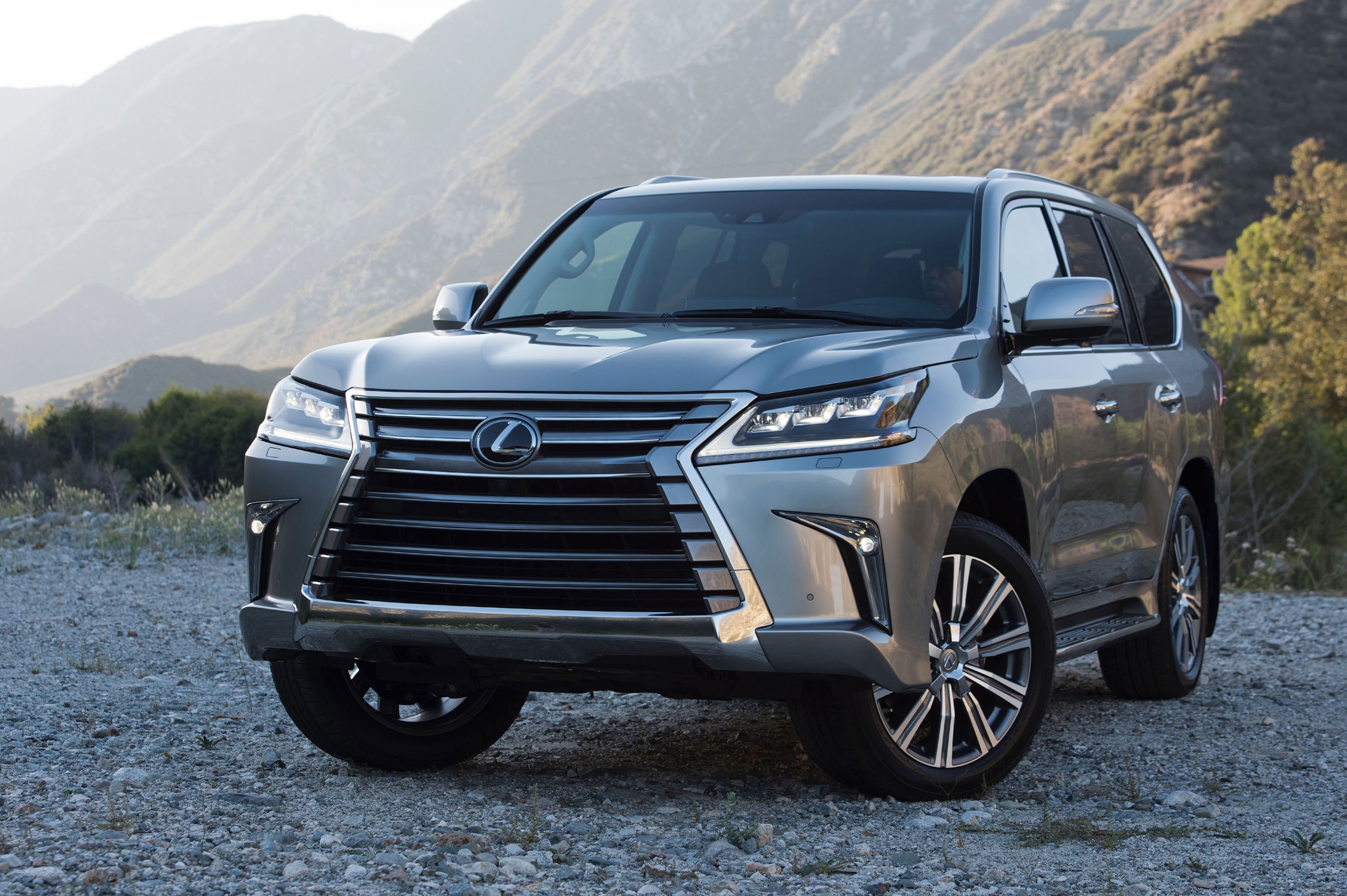
2. Lexus LX 570
The Lexus LX 570 shares much of its structure with the Toyota Land Cruiser, and that includes its tough and long-lasting drive shaft system. Built with the same focus on high-quality materials and minimal maintenance, this luxury SUV gives owners a smooth and dependable ride without frequent mechanical headaches. For a vehicle of its size and class, the LX 570 handles road stress remarkably well.
The design approach for this SUV ensures that the drive shaft can withstand pressure from heavy acceleration, sudden stops, or sharp turns without losing shape. Lexus engineers built the drive shaft system to work quietly and smoothly for many years.
It features sealed joints that don’t need regular greasing, which reduces the number of service visits and helps avoid early failures. Once installed, the drive shaft is expected to last as long as the vehicle remains in use, making it a strong point for this model.
Drivers of the LX 570 often describe the vehicle as one of the most comfortable large SUVs to drive, and part of that smooth experience comes from the way the drive shaft handles torque transfer.
There is no vibration or noise even at high speeds, which shows that the system is well-balanced and free from stress. For those who use the SUV for long-distance travel or frequent city driving, this means fewer concerns about drivetrain wear.
Another benefit tied to the lifetime performance of the LX 570’s drive shaft is its ability to work with advanced traction systems. Whether it’s wet roads, mud trails, or snowy highways, the drive shaft functions with precision, helping the vehicle adjust to changing conditions without delay. Even when faced with challenging driving conditions, the strength of the drive shaft plays a part in keeping the vehicle moving steadily.
As a result, this SUV remains one of the top picks for people who want long-lasting comfort without constant maintenance problems. Its reliable drivetrain makes ownership easier, especially for those who prefer to avoid dealing with part replacements or drive shaft balancing during regular service.
Also Read: 5 Cars with Stall-Proof Fuel Systems vs 5 that Stall in Traffic
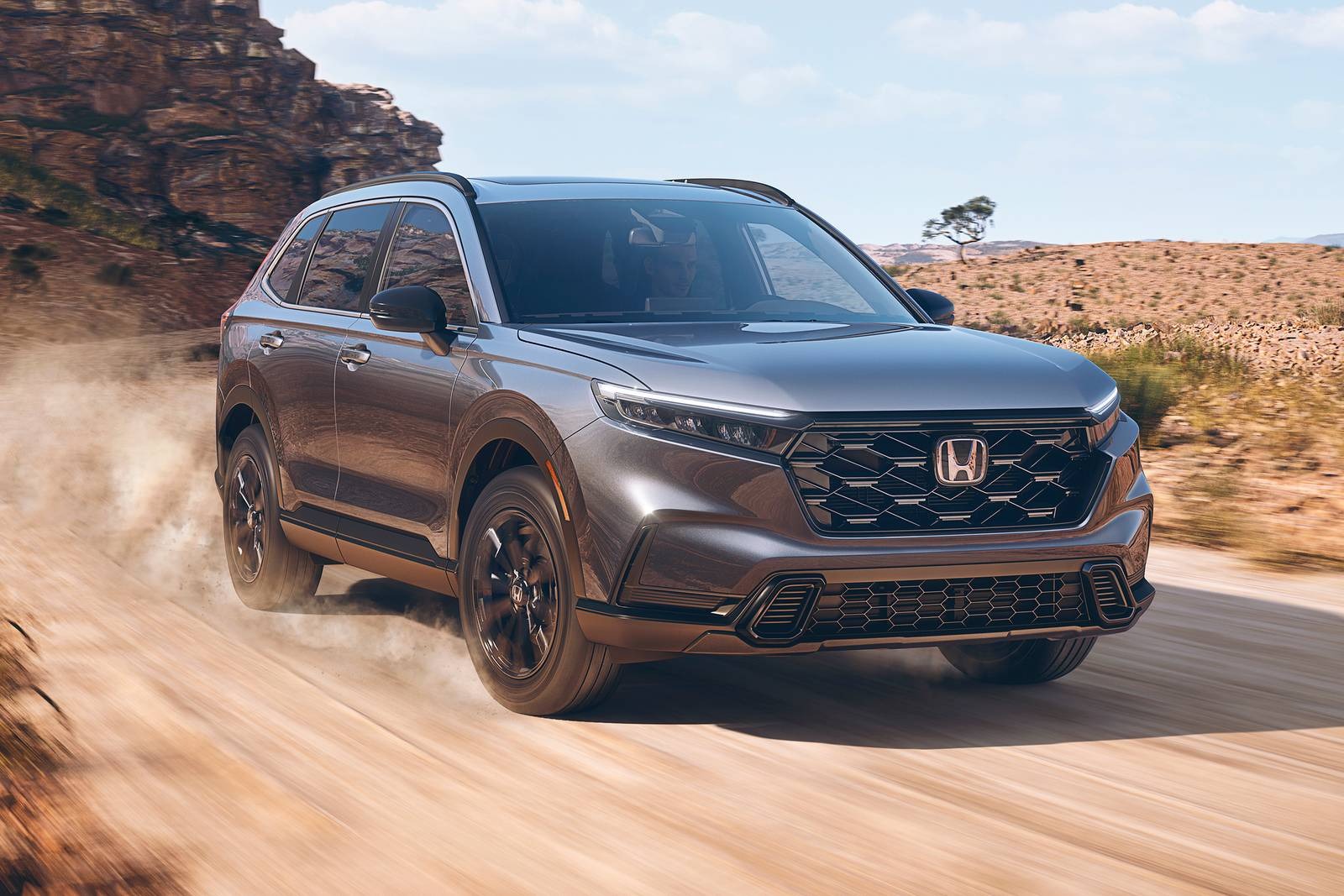
3. Honda CR-V
The Honda CR-V might not be as large as some of the full-size SUVs, but its performance on the road is solid and consistent. One of the lesser-known facts about this model is that its drive shaft system is designed to last without frequent repairs.
Honda engineers made sure the all-wheel-drive versions of the CR-V came with a system that could remain in good condition throughout the vehicle’s use, provided routine servicing is done properly.
The CR-V drive shaft comes with a well-sealed system that prevents dust and water from entering, which reduces the risk of rust or early joint wear. Instead of using serviceable joints that require attention every few months, the system in this model is meant to be as hands-off as possible. This gives drivers one less thing to worry about, especially those who drive long distances or use the vehicle regularly in areas with bad roads.
Another reason the CR-V drive shaft holds up well as time goes on is because of how lightweight and balanced the entire setup is. There’s minimal vibration even when the car is driven at highway speeds, and this balance helps reduce pressure on the shaft, leading to fewer mechanical issues. Most owners report that unless the vehicle is involved in an accident or exposed to extreme off-road use, the drive shaft doesn’t cause any problems.
Even with the affordable nature of this compact SUV, Honda didn’t compromise on durability. The quality of the materials and the protective design around the drive shaft make it a long-term performer.
Owners who keep up with scheduled maintenance, like checking fluids and inspecting underbody parts, often find that the CR-V runs well for many years without needing any major repairs to the drivetrain.
So, for anyone looking for a car that offers both comfort and dependability without constant part replacements, the CR-V proves to be a smart choice. The peace of mind that comes from having a reliable drive shaft system adds to the entire driving experience of this well-loved Honda vehicle.

4. Subaru Outback
The Subaru Outback has long been recognized for handling different kinds of road conditions without trouble, thanks to its standard all-wheel-drive system. A big part of what makes that possible is the drive shaft, which transfers power to all four wheels efficiently and quietly. Subaru built this car with a focus on low maintenance, and the drive shaft setup follows that same logic.
Instead of relying on drive shaft parts that need frequent greasing, Subaru designed the Outback with sealed components. These joints are made to last for several years without needing attention, which means fewer visits to the workshop.
Even after covering high mileage, most drivers say they have not needed to replace or service the drive shaft unless some physical damage happened due to impact or improper handling.
What stands out about the Outback’s drive shaft system is how well it matches the vehicle’s layout. The symmetrical all-wheel-drive platform allows the torque to be shared evenly between the front and back wheels.
This balance reduces strain on any single part of the shaft, letting the system last longer than many others in similar vehicles. Subaru’s design keeps the shaft protected from exposure to dirt and water, which helps prevent rust and wear as time goes on.
On top of that, the materials used to build the drive shaft are chosen to resist bending and twisting. Even when carrying heavy cargo or driving through snow, gravel, or uneven roads, the shaft stays firm and continues to perform without issue. This consistency is one of the reasons many Subaru owners drive their vehicles past 200,000 miles without needing to change the drive shaft.
For families or individuals who depend on their vehicle every day, the Outback stands as a reliable option that does not stress them with extra maintenance costs. The way Subaru set up the drive shaft system shows attention to lasting quality. With proper care, this part of the car will likely never need replacement, which is a big win for drivers who value dependability.
5. Mazda CX-5
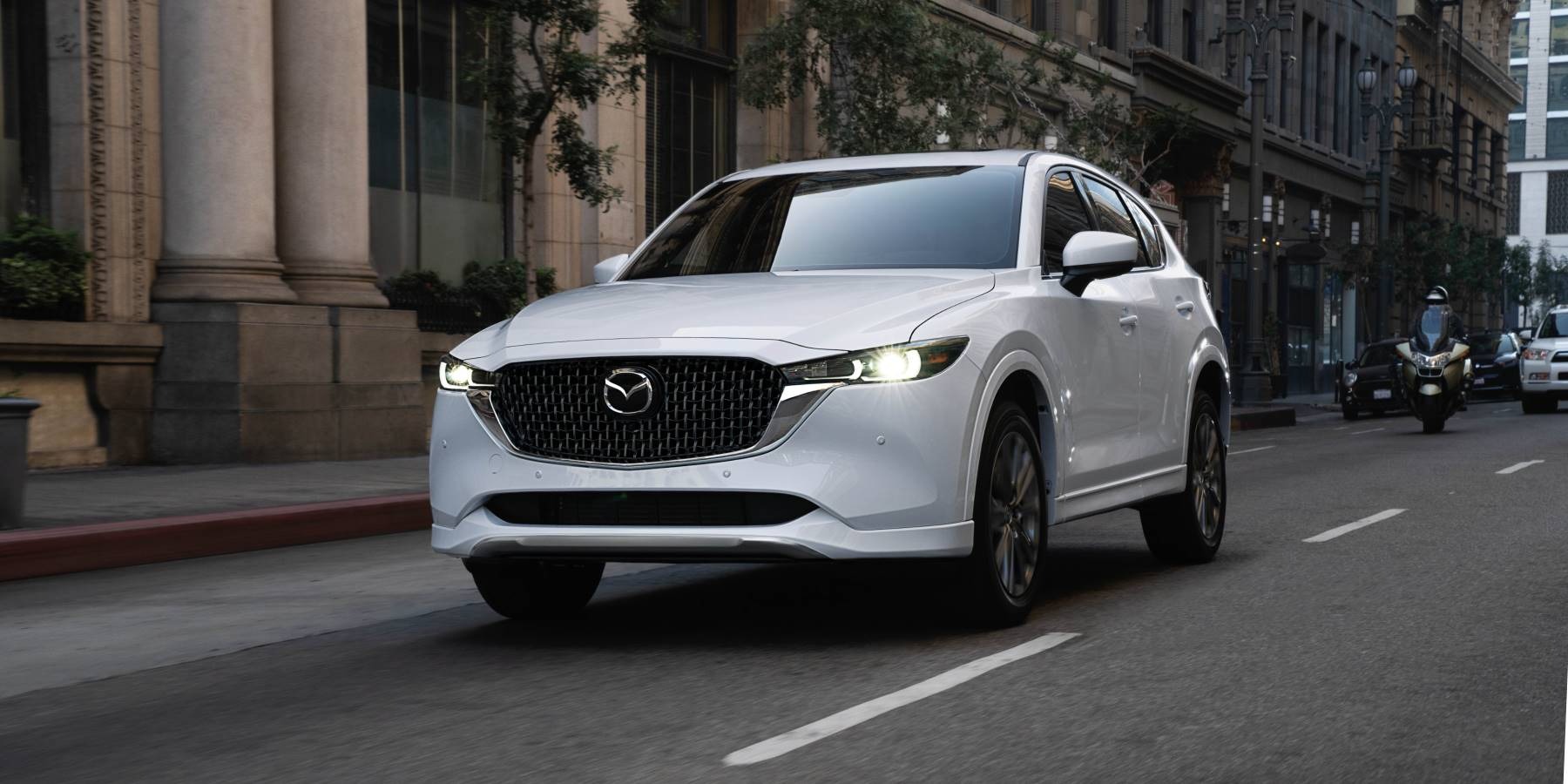
Mazda CX-5 has earned a strong reputation for delivering comfort and smooth driving across various terrains, but many people do not realize how reliable its drive shaft is as well.
For those who go with the all-wheel-drive model, the CX-5 comes fitted with a shaft system that stays in shape for a very long time. Mazda took special care in developing a design that cuts down on the need for repairs or replacements.
The drive shaft in this model is protected with durable seals that keep out moisture and dust, both of which are common causes of early wear. By preventing these materials from reaching the joints, Mazda helps the components stay in working condition without the usual problems found in U-joint setups. Most people who own this car can go several years without even thinking about the drive shaft because it performs silently in the background.
Mazda also made sure that the materials used in the construction of the drive shaft were strong enough to resist pressure from sudden starts, quick stops, and road bumps. The result is a smooth transfer of power with no rattling sounds or vibrations.
This is especially important for drivers who travel at highway speeds or those who take the vehicle through uneven terrain on a regular basis. Another thing worth noting is how the CX-5 balances weight and power delivery.
Because the vehicle is not too heavy and the all-wheel-drive system is well-engineered, the drive shaft doesn’t get strained during regular use. Even when fully loaded, this SUV keeps its drivetrain steady, which reduces the chance of early wear.
Mazda focused on combining engineering with durability, and it paid off. The CX-5 continues to gain appreciation not just for its looks or handling, but also for the parts beneath the surface that most people don’t see. If you want a car that doesn’t bring constant drive shaft worries, the CX-5 is worth serious consideration.
Cars with U-Joint Failures
1. Chevrolet Silverado
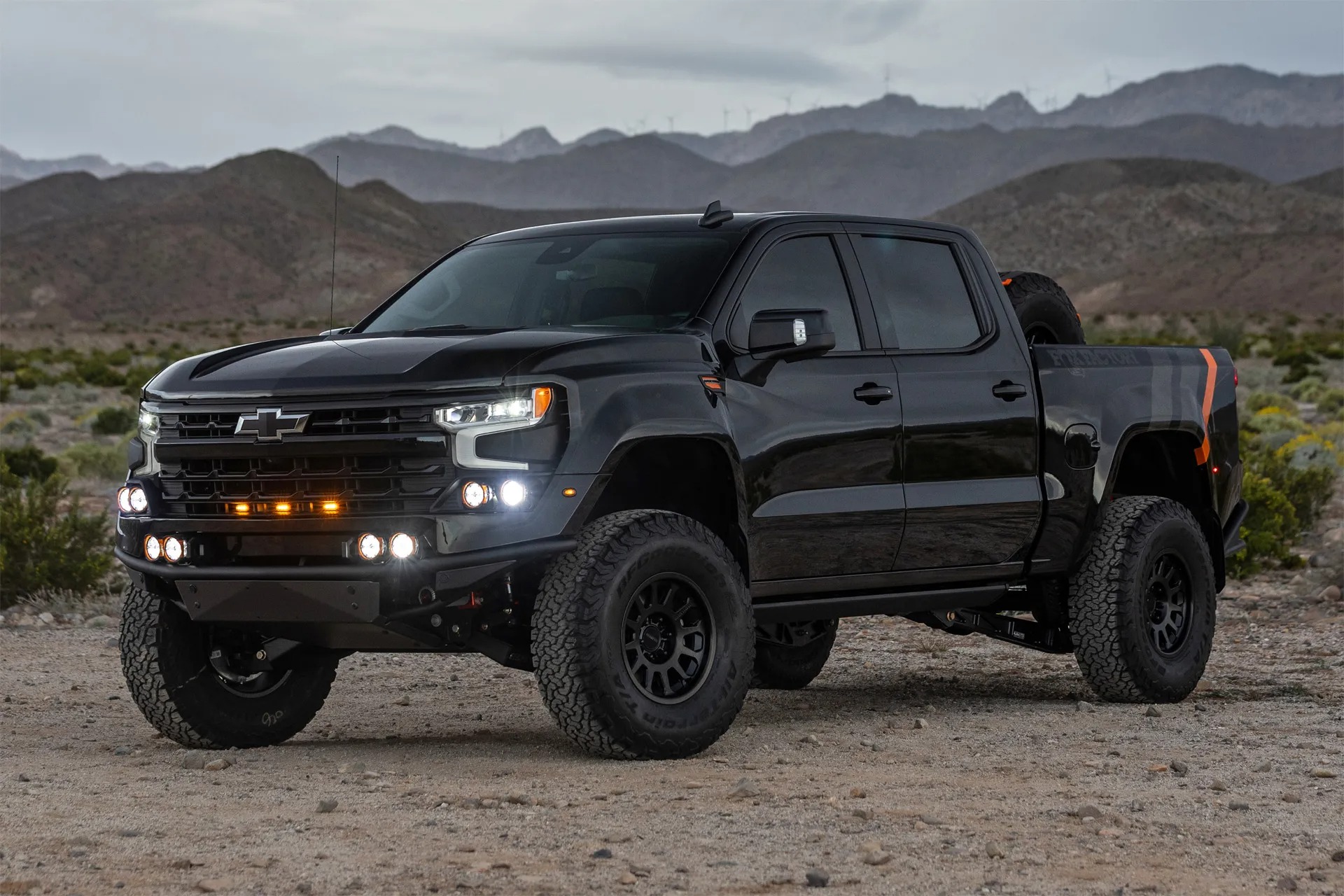
Among full-size pickup trucks, the Chevrolet Silverado is a popular option because of its power and towing strength. But one issue that many longtime owners have pointed out is that the U-joints in this vehicle often fail sooner than expected.
U-joints are part of the drive shaft system, and when they wear out, the driver begins to feel vibrations underneath the car, especially when accelerating or turning.
The Silverado’s U-joints tend to wear down because they are exposed to heavy stress, especially during towing, hauling, or driving over rough roads. While the truck itself is strong, the U-joints can only take so much pressure before they start to loosen or become dry.
Many of the joints are not sealed, meaning that after some time, dirt, water, and road salt can get into them. This exposure makes rust build up faster, causing the parts to weaken.
Another common issue is that the Silverado’s U-joints sometimes become stiff or locked if not greased properly. Even though some models come with grease fittings, not all owners keep up with the servicing.
Without regular greasing, the joints dry out, which leads to failure. This kind of issue can make the vehicle unsafe at high speeds because the drive shaft could even break loose.
Drivers who use the Silverado for everyday tasks without putting it under pressure may not face this problem early. But once the truck is used for heavy work, the U-joints often show signs of stress. Mechanics usually warn Silverado owners to listen for clicking sounds or vibration during turns, as these could mean the U-joints are beginning to fail.
Fixing U-joint issues on a Silverado isn’t the most expensive repair, but having to do it more than once over a few years is frustrating for many people. It adds extra maintenance costs and affects how confident owners feel about long trips. Those looking to buy this truck should plan to inspect and service the drive shaft regularly if they want to avoid these issues.
2. Ford F-150
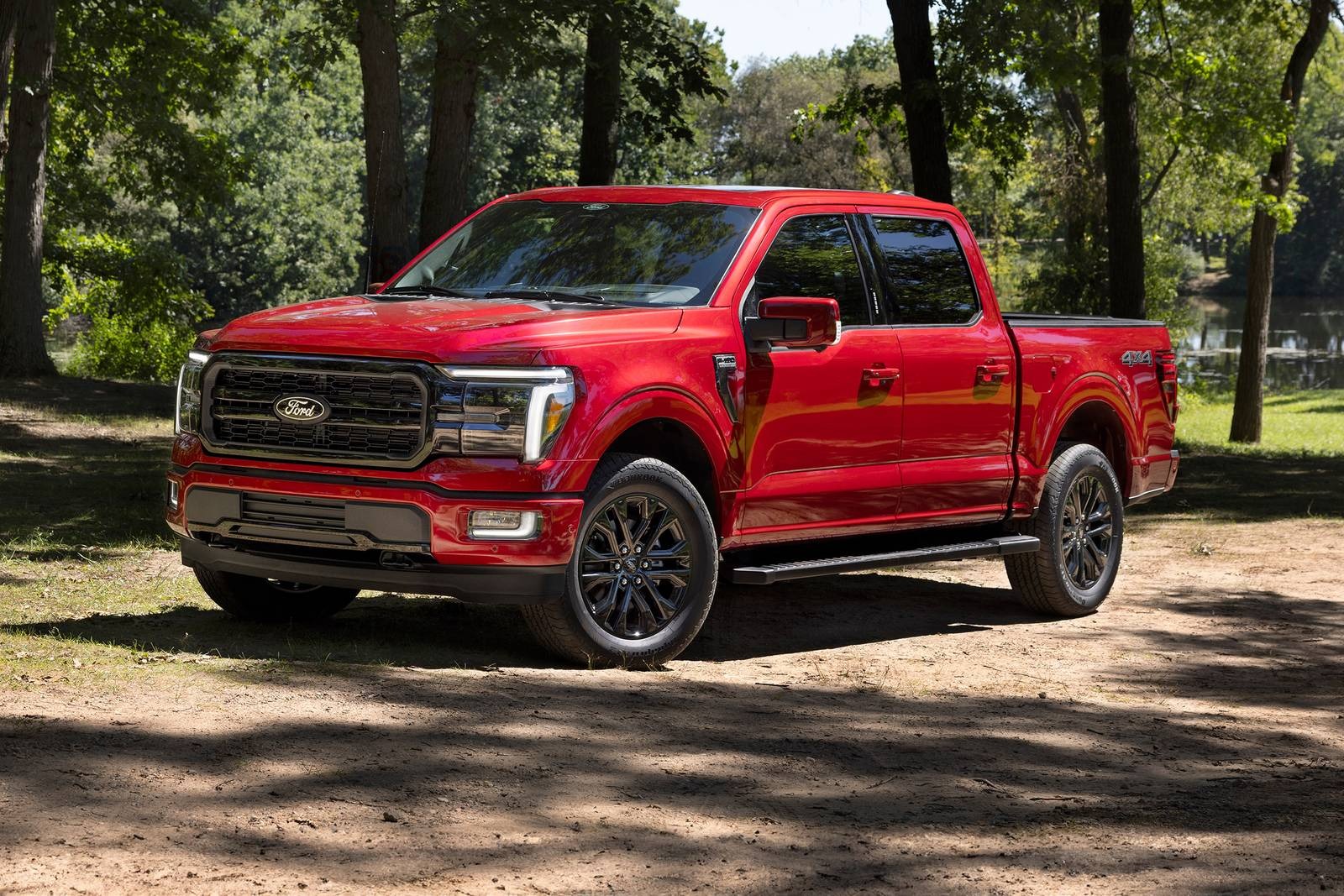
The Ford F-150 is one of the top-selling trucks across the United States, with many owners praising its strength, smooth ride, and range of engine options. However, a common weakness that keeps showing up for a lot of drivers is the failure of the U-joints in their drive shaft system. This issue affects both older and newer models, especially those that see heavy-duty use or experience frequent stop-and-go driving.
The U-joints in the F-150 are responsible for keeping the drive shaft flexible as it rotates. When these joints start to wear out, the vehicle often begins to shake or vibrate while in motion.
In most cases, people feel this movement underneath the center console or hear a clunking sound when changing gears or starting from a full stop. These are signs that the U-joints are no longer working as they should.
One reason this problem shows up is that many versions of the F-150 do not come with permanently sealed U-joints. Instead, they require regular lubrication, which some owners might forget to do.
Without proper greasing, the metal components begin to rub and dry out, which leads to wear. Even though greasable joints give the chance to extend the life of the part, they also demand more attention and effort from the driver.
Another issue that contributes to U-joint failure in this truck is uneven load pressure. When the truck is used to haul cargo or pull trailers, it puts a lot of extra force on the drive shaft.
If the U-joints are already worn, they will not hold up well under the added strain. In cold weather or in places where road salt is common, corrosion also sets in quickly, which makes the parts even more likely to fail.
Owners of the F-150 often report replacing U-joints more than once if they keep the vehicle for a long time. While this truck still performs well in many areas, buyers who want fewer maintenance worries need to be aware that U-joint problems can happen more often than expected, especially without regular upkeep.
3. Dodge Ram 1500
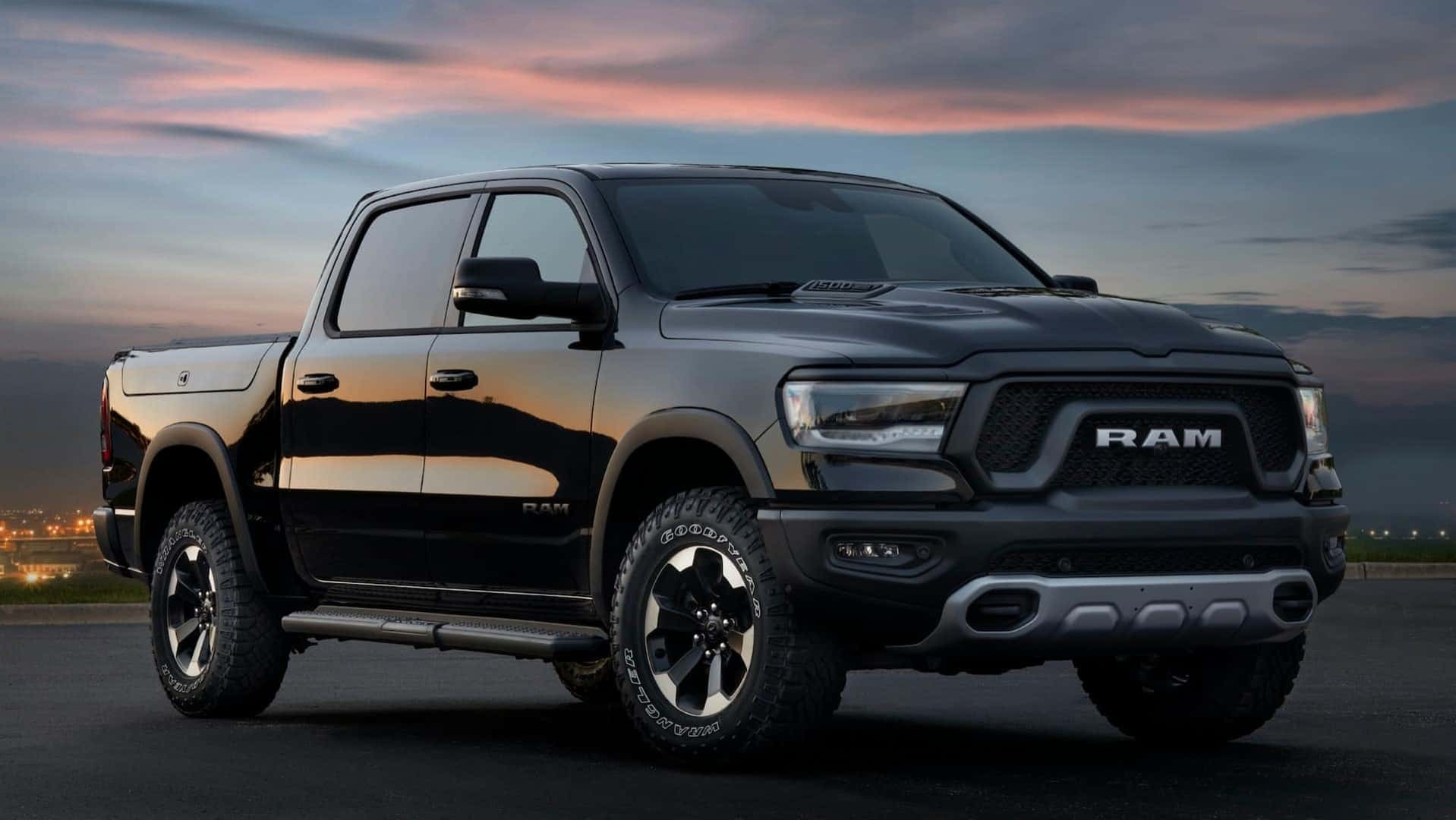
The Dodge Ram 1500 has proven to be a strong truck for work and travel, and many drivers enjoy its powerful engine and comfortable ride. Even so, some complaints have been raised about the U-joints in its drive shaft system, with several owners facing repeated failures during ownership.
This problem tends to affect both two-wheel and four-wheel-drive models, though it appears more frequently in those used for heavy towing or carrying heavy loads. U-joints are made to allow for flexibility as the drive shaft turns and changes with the movement of the suspension. When these joints wear out or break, the symptoms are clear.
Drivers often hear popping or clicking sounds when making turns, feel vibrations while speeding up, or notice that the car struggles when shifting into gear. In many Ram 1500s, these signs begin to show earlier than expected, which raises concern about long-term dependability.
One of the things that makes this issue more frustrating is the fact that some Ram models do not come with greasable U-joints. That means once the internal grease dries up or leaks, there’s nothing the owner can do to extend the life of the part. Because the joint cannot be serviced, it must be replaced as soon as trouble begins. This increases maintenance costs and leads to more frequent workshop visits.
In trucks that see hard use, like hauling trailers, going off-road, or operating in construction environments, the wear on the drive shaft becomes worse. When combined with road salt or muddy conditions, the metal parts break down faster. Mechanics often recommend checking the joints at every oil change, especially if the truck is used under pressure.
While the Ram 1500 remains a favorite for drivers who want a powerful workhorse, the frequent need to replace U-joints brings extra responsibilities. Anyone planning to buy this model should prepare for the possibility of extra servicing and the chance of repeat repairs in this part of the drive system.
Also Read: 5 Forgotten Family Cars That Last vs 5 Bestseller Family Cars With Issues
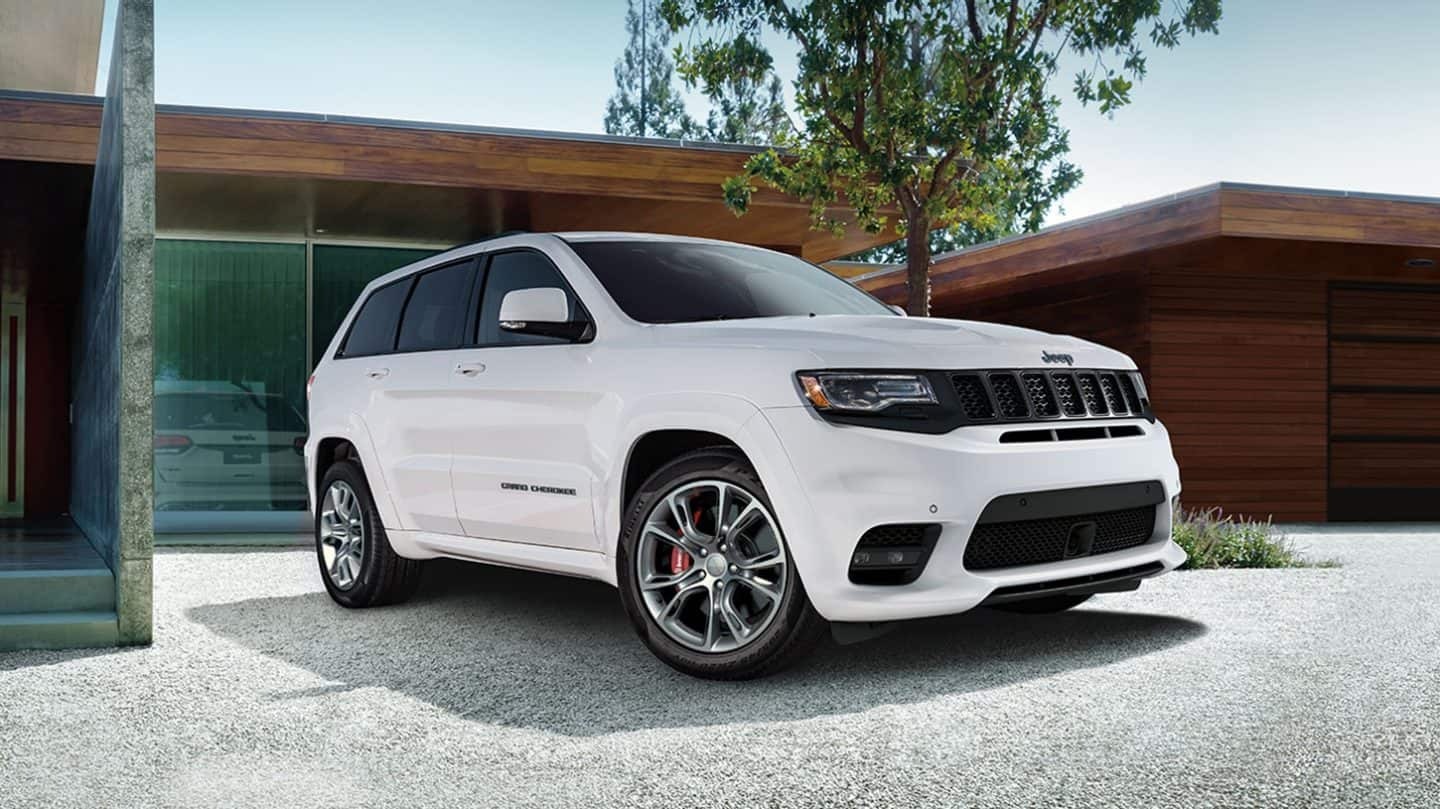
4. Jeep Grand Cherokee
Jeep Grand Cherokee is widely used as both a family vehicle and an off-road SUV, but when it comes to the durability of its drive shaft system, many owners have shared complaints.
The main issue tends to come from U-joints that do not last long, particularly in older or mid-range models. Even when drivers stay on top of basic maintenance, the joints sometimes fail sooner than expected.
This problem is more common in four-wheel-drive versions, where the drive shaft plays a bigger role in transferring power to all wheels. U-joints in these vehicles are expected to handle more twisting and turning than those in standard two-wheel-drive cars.
After some time, this extra movement puts pressure on the joints, causing them to loosen or wear down. The moment a U-joint starts to fail, the vehicle often begins to shake, and in some cases, the drive shaft can even disconnect if left untreated.
One challenge with the Grand Cherokee’s design is that not all U-joints are easy to access or service. Some models come with non-greaseable joints that cannot be maintained after installation.
Once the factory grease dries out or leaks, the metal parts begin to grind against each other. That grinding can lead to serious damage if not caught early. It often means a full replacement is needed rather than a quick fix.
Many Grand Cherokee owners who take their vehicle off-road or use it in snowy areas face faster wear, especially when mud or salt affects the joints. Once corrosion sets in, the joints become weak and may even break under pressure. Some people have had to replace U-joints every few years, which adds to long-term ownership costs.
Even though the Grand Cherokee delivers strong performance in areas like towing and handling, the U-joint issue remains a common concern. Buyers should be aware that while the rest of the SUV holds up well, the drive shaft may bring extra costs and require regular inspection to avoid sudden problems during use.
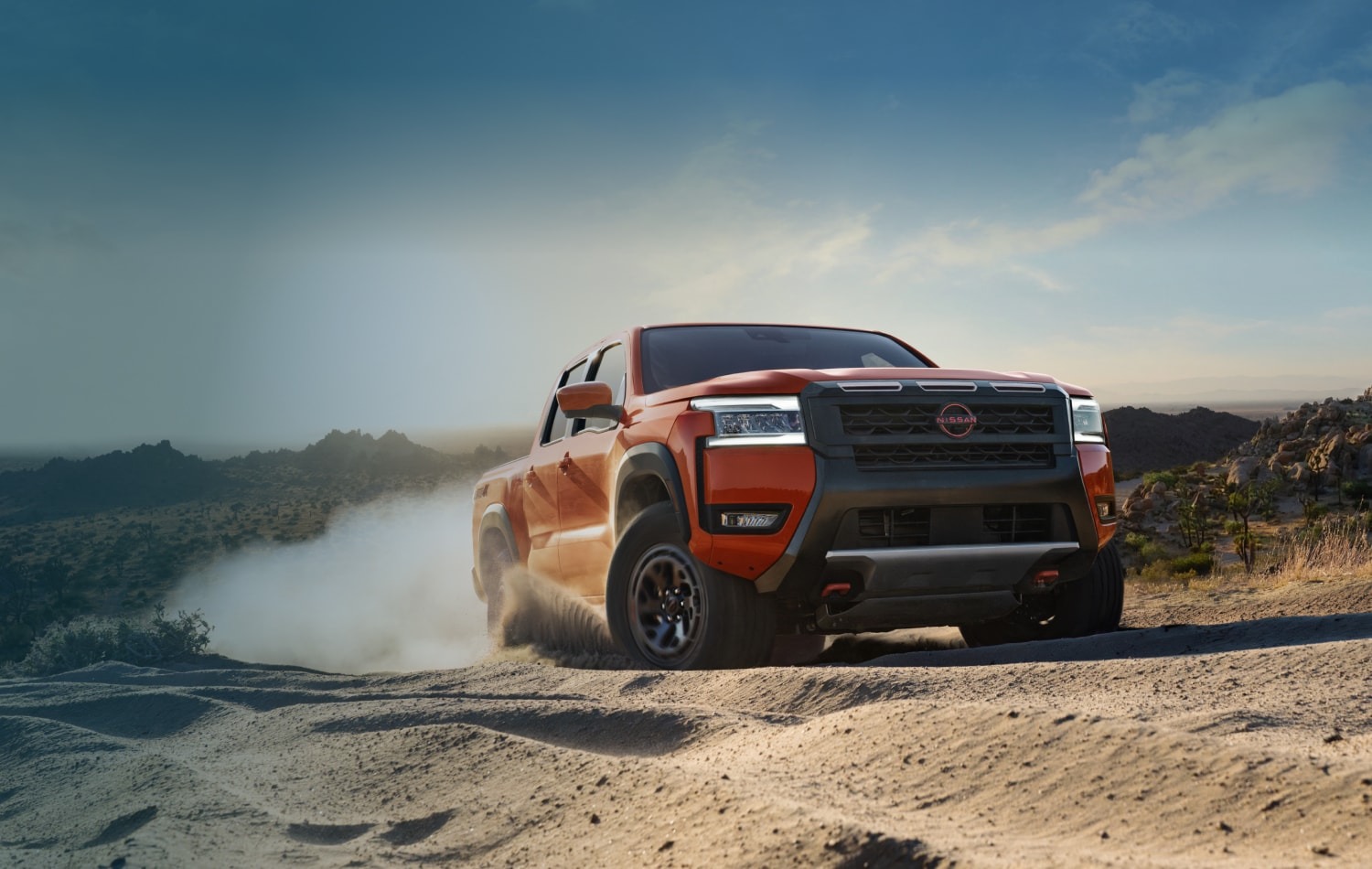
5. Nissan Frontier
Nissan Frontier has earned respect among compact pickup lovers due to its size, reliability, and rugged build. But one weak area in older models has been the drive shaft U-joints, which tend to wear out more quickly than drivers expect.
Those using the truck for daily tasks or light hauling may not notice this issue right away, but after some time, many begin to face vibration or clunking problems due to worn joints.
One thing that contributes to this issue is the choice of materials used in some Frontier models. While the drive shaft itself is sturdy, the U-joints sometimes lack long-term durability.
In many cases, these joints are not sealed well enough to block moisture and dust. When dirt gets inside the joint, it leads to friction, which speeds up wear. This issue is worse in regions where road salt or muddy terrain is common.
Another problem is the design of the U-joints in early Frontier trucks. Many do not include grease fittings, so once the internal lubrication dries out, there’s no way to refresh it.
This means the driver has to replace the joint when problems begin to show. Some owners have reported replacing U-joints every 40,000 to 60,000 miles, which is earlier than expected for a truck meant for everyday driving.
The failure signs are usually clear. The truck may vibrate at high speeds, make loud clicking noises during turns, or feel unstable during acceleration. While replacing a U-joint is not too expensive, the frequency of repairs can become a concern. This is especially true for those who use the truck for business, delivery, or constant movement.
Newer Frontier models have seen some improvement in this area, but those buying older versions should be ready to inspect the drive shaft frequently. With the right care, the truck remains useful and dependable, but the U-joint issue should not be ignored if long-term performance is important to the driver.
