
When it comes to long-term vehicle ownership, reliability is at the forefront of every driver’s mind. An essential aspect of this is how well-engineered a car’s engine seals and gaskets are, especially those that contain vital engine oils.
Valve cover gaskets, often overlooked during routine maintenance, are critical for preventing oil leaks and ensuring a clean running motor. Their longevity (or lack thereof) can make a significant difference in ongoing maintenance costs, vehicle cleanliness, and overall satisfaction.
Owners cherish engines that remain virtually leak-free for hundreds of thousands of miles, as these vehicles demand lower maintenance and inspire confidence on the road.
Conversely, some cars let their owners down early by developing oil seepage by the time the odometer barely passes 100,000 miles, resulting in unsightly stains, smoky smells, and the frustration of regular top-ups and gasket replacements.
This contrast in engineering foresight represents a dividing line between vehicles built for longevity and those that inadvertently accumulate frustrating problems with age.
Understanding which models excel at achieving a reliable, leak-free engine over the years, and which become notorious for oil seeps prematurely, is valuable not just for current car shoppers, but also for anyone who wants to keep their car running smoothly for years.
Also Read: 5 SUVs with Integrated Skid Plates vs 5 that Rust Beneath
5 Cars with Lifetime Valve Cover Seals
Some vehicles stand out for their ability to hold oil without the need for frequent valve cover gasket replacements.
Manufacturers who focus on high-quality sealing materials, smart engine design, and rigorous durability testing can achieve impressive results, providing gaskets that last the entire life of a vehicle under normal conditions.
Highlighting these five models brings attention to automakers’ commitment to building cars that minimize annoyances for owners, keep garages clean, and provide lower cost of ownership over many years.
Showcasing these vehicles is not just about highlighting individual models, but also about understanding the design and engineering choices that yield such longevity.
These examples reflect advancements in material science, assembly precision, and the value placed on robust construction in the automotive industry over the decades.
Sharing these models offers a benchmark for what owners should expect and demand from manufacturers an engine that retains oil, avoids chronic leaks, and remains trouble-free well past the 100,000-mile mark.
1. Toyota Camry (2002-2021)
The Toyota Camry is recognized for its exceptional longevity and minimal maintenance requirements throughout its lifespan.
Central to this reputation is its high-quality valve cover gasket system, which rarely succumbs to oil leaks, a testament to Toyota’s engineering precision and material selection.
Toyota has chosen premium rubber compounds for the gaskets that offer both flexibility and a strong seal for years, even as engine temperatures cycle between hot and cold.
Additionally, the aluminum valve covers have precise machining, which allows them to seat perfectly against the cylinder head, further minimizing any chances for leaks.
What sets the Camry apart is not just its gasket material, but also the way Toyota structured its engine assembly.
Critical surfaces are cleanly machined, the bolt torques are specified carefully to evenly distribute clamping force, and the mating surfaces are designed to avoid warping.
The Camry is frequently used as a daily driver for over a decade, often covering hundreds of thousands of miles.
Owners report original valve cover seals still working effectively at 150,000 to 200,000 miles, with dry, oil-free engines, provided the vehicle has received regular oil changes and hasn’t experienced overheating.
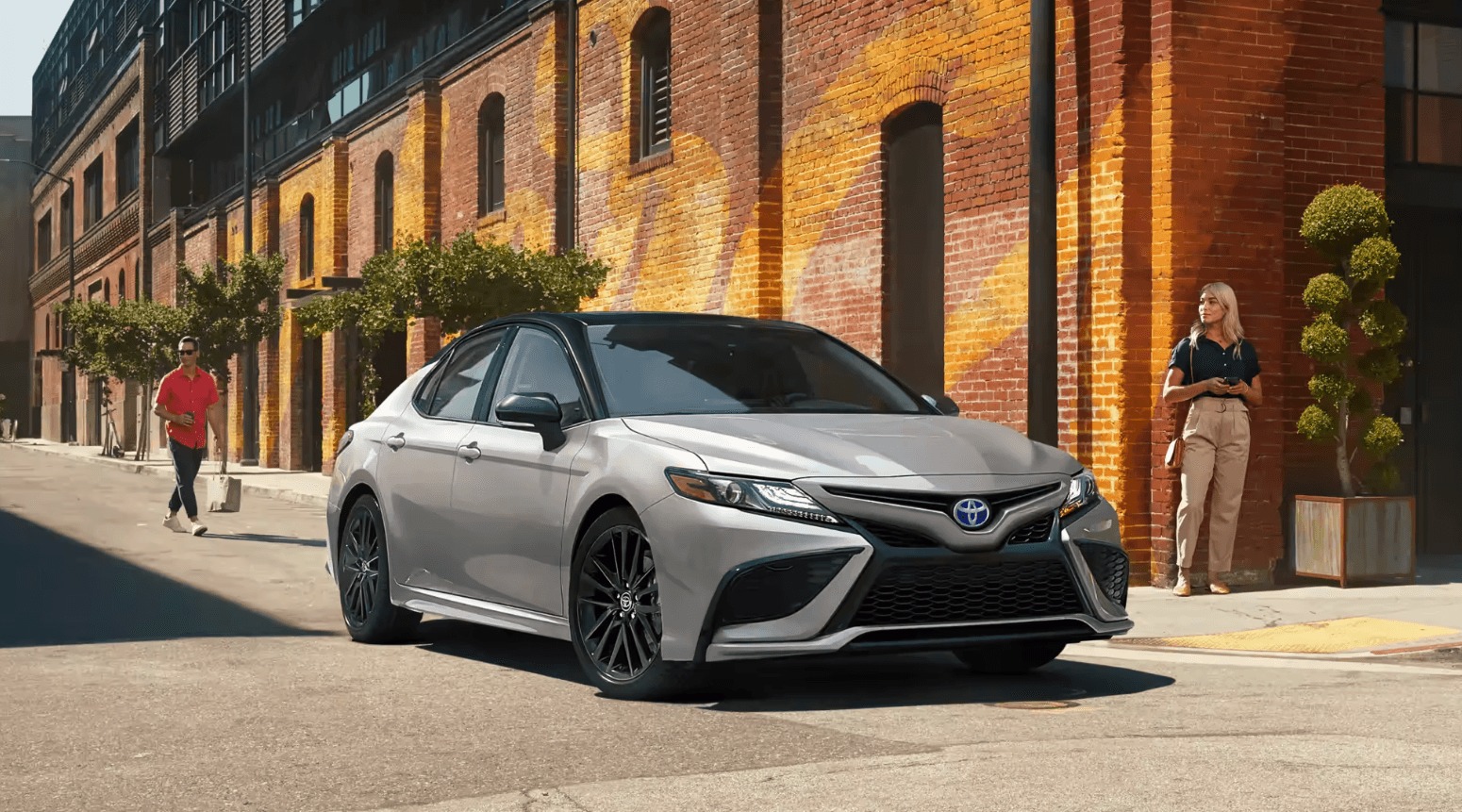
The choice to discuss the Camry arises from its widespread presence on the roads and its ability to maintain these high standards in harsh climates globally, emphasizing that robust sealing is not just for performance cars but should be the norm for everyday vehicles.
The Camry shows how basic engineering done right can have a far-reaching impact on users’ satisfaction and long-term costs.
2. Honda Accord (2003-2017)
The Honda Accord has long earned praise for delivering reliable performance with minimal maintenance headaches.
One of the components contributing to this reputation is its valve cover gasket design, which has proven to be exceptionally durable across multiple generations.
Honda uses a specially formulated rubber compound for the gaskets which resists hardening and cracking over time, traits often responsible for leaks in other models.
The gasket’s resistance to engine heat cycles and exposure to oil additives helps maintain a consistent seal through hundreds of thousands of miles.
Additionally, Honda’s attention to engine assembly precision is reflected in the perfectly flat mating surfaces and torque specifications optimized to prevent seal stress.
The valve cover design itself is slightly more complex than some rivals, incorporating integrated reinforcements that reduce chances of warping or distortion. These factors combined create an environment where oil leaks rarely develop.
Owners frequently report their Accords running leak-free at mileage well over 150,000, with many citing valve cover seals that have never required replacement under normal driving conditions.
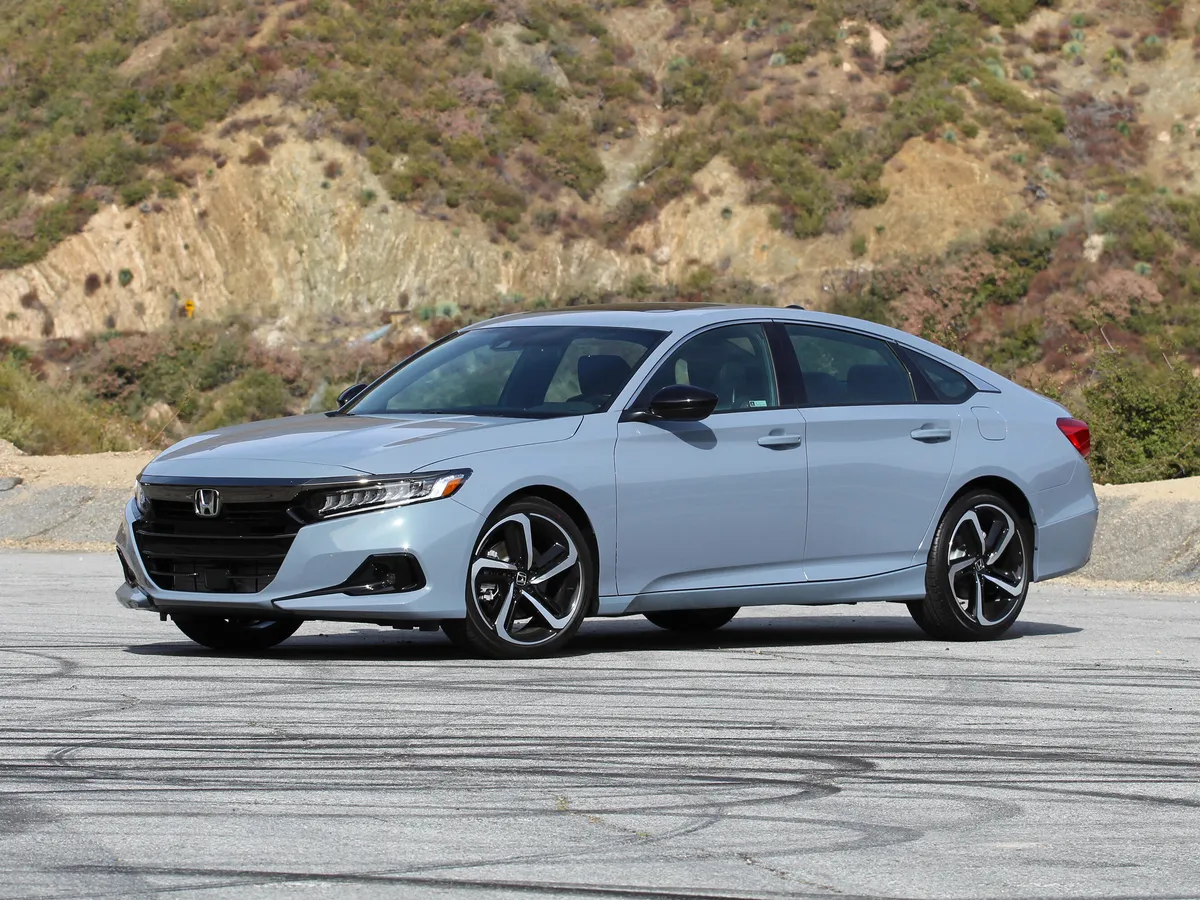
This robust design quality matters because the Accord remains a popular choice worldwide as a daily driver. Discussing the Accord helps highlight the benefits of ongoing engineering refinement aimed at extending the life of critical engine gaskets.
It presents a practical example for buyers who prioritize trouble-free ownership and lower maintenance bills that stem from attention to gasket materials and engine design.
3. Subaru Outback (2010-2019)
The Subaru Outback stands out not only for its all-weather capabilities but also for its noteworthy valve cover gasket design, contributing to its reputation for reliability.
Subaru uses a high-grade synthetic rubber material that maintains flexibility and sealing capacity despite the Outback’s boxer engine configuration, which places unique stress on gaskets due to its horizontally opposed cylinders.
The engine bay layout helps guard against buildup of grime or debris that can accelerate gasket deterioration, plus Subaru’s finishing touches on machined surfaces guarantee tight seals.
Another factor is the careful torque sequence during assembly, helping the covers maintain firm pressure without overstressing the gasket.
Because Subaru vehicles often face harsher environmental conditions like snow, salt, and mud, the resilience of the valve cover gaskets is particularly impressive. Unlike many vehicles in similar conditions, the Outback rarely shows early signs of oil seepage.
Reports from owners frequently note that even after 100,000 miles, the engine remains dry, a testament to Subaru’s commitment to durability in critical sealing components.
Choosing the Outback as an example emphasizes how engineering choices can tailor gasket longevity for specific vehicle uses, reassuring buyers who count on the car’s ruggedness without enduring frequent repairs due to leaking seals.
4. Lexus RX (2009-2015)
The Lexus RX, known for luxury and smooth operation, offers more than just comfort; it also excels in mechanical reliability partly due to its robust valve cover sealing.
Lexus, being Toyota’s premium brand, uses even more refined manufacturing tolerances and high-quality rubber seals, coupled with valve covers precisely machined from lightweight alloys to maintain shape over time.
The RX engine design minimizes torsional stresses on the valve cover and gasket, limiting the chance of developing leaks. Furthermore, Lexus employs rigorous quality control standards for assembly and uses proprietary gasket compounds resistant to oil and heat degradation.
Owners of the RX routinely mention the absence of valve cover leaks even after 150,000 miles or more, reflecting the benefits of premium engineering aimed at minimizing maintenance hassles.
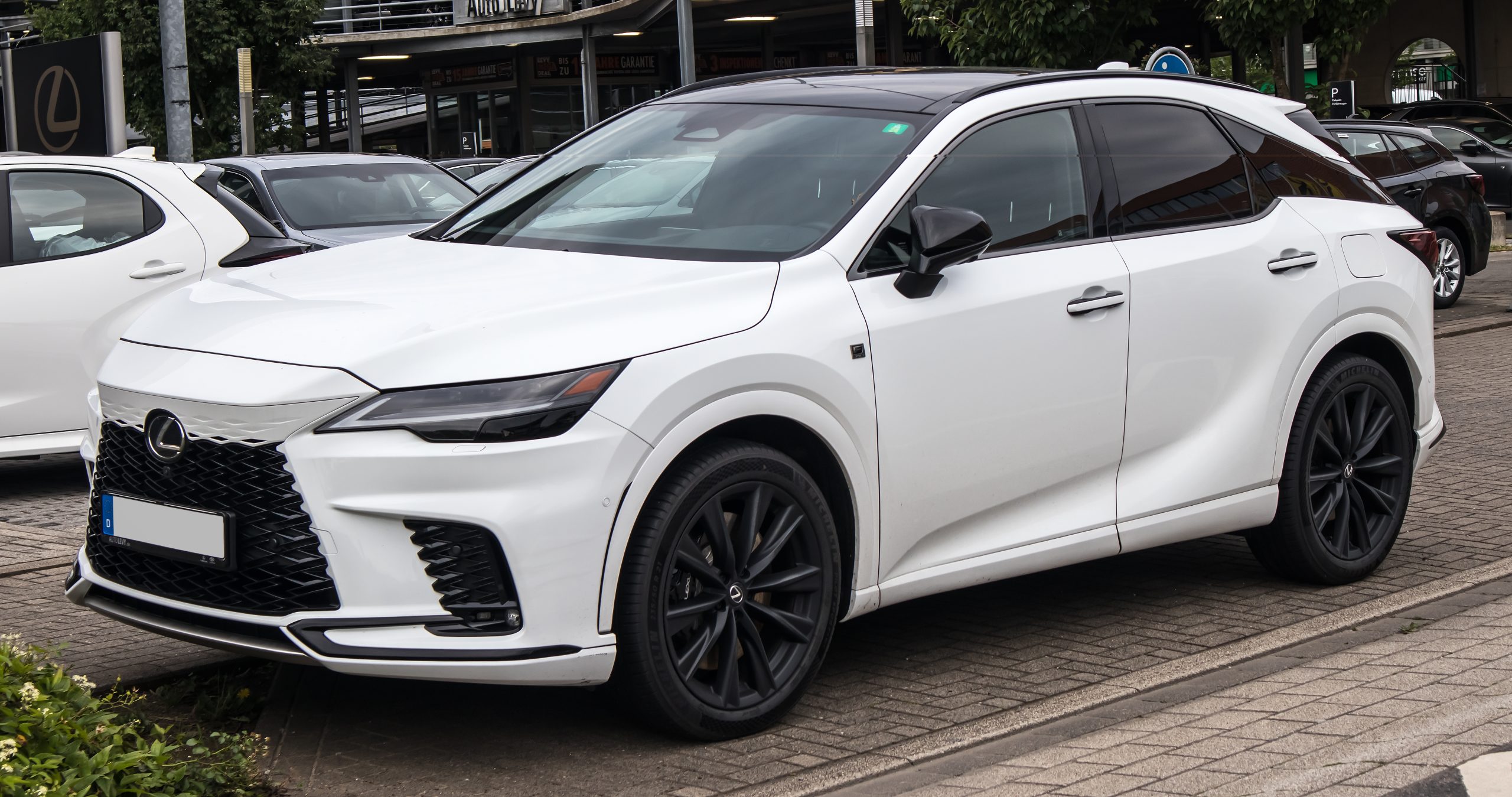
This example highlights that luxury vehicles can combine refinement and durability in subtle ways, most evident in how critical seals behave during extensive use.
Discussing the RX underscores the value of superior assembly and materials in extending gasket life, reinforcing expectations for reliability even in higher-end models.
5. Mazda CX-5 (2013-2021)
The Mazda CX-5 has become a fan favorite for blending sporty handling with reliable under-the-hood components, including valve cover gaskets.
Mazda’s strategy focuses on using known durable rubber formulations, enhanced with additives that retard brittleness and cracking caused by repetitive heat cycles, common culprits of oil leaks over time.
The valve covers in CX-5 engines are tightly engineered to reduce vibration movement, which can fatigue seals. Mazda also applies tightly controlled bolt torque, ensuring a uniform seal pressure distribution and avoiding over-compression that could prompt gasket failure.
Many CX-5 owners report valve cover seals intact well beyond 125,000 miles, even with spirited driving. Mazda’s commitment to durability in sealing components prevents common pitfalls seen in competitive models with ceramic or aged rubber gaskets that dry out early.
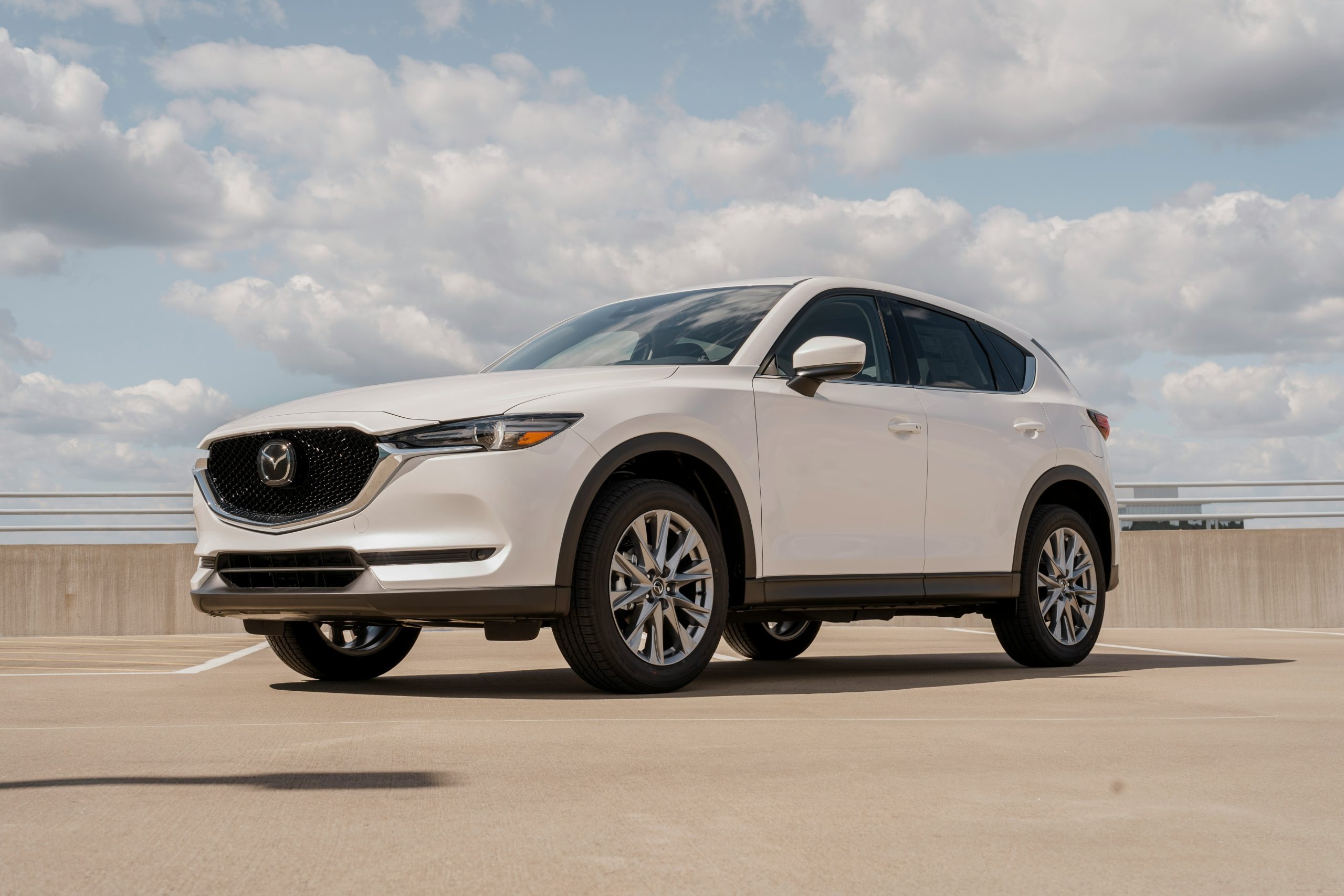
Choosing the CX-5 illustrates how attention to gasket materials combined with refined assembly protocols can produce reliable, leak-resistant engines.
It also offers a practical guide for prospective buyers seeking SUVs with sound mechanical foundations and predictable durability.
5 Cars that Leak Oil by 100,000 Miles
After focusing on models that hold oil reliably, it is equally important to recognize vehicles where valve cover seals commonly fail before 100,000 miles.
Valve cover gasket leaks might seem minor, but they often lead to bigger problems such as oil consumption, engine bay fires, or costly repairs.
Early gasket failures generally result from inferior materials, design flaws, or inconsistent assembly processes. These failures frustrate owners by requiring frequent gasket replacements and can indicate broader quality control issues in the engine’s construction.
Highlighting five vehicles known for early valve cover gasket failure helps prospective buyers and owners plan maintenance proactively. It also encourages greater scrutiny when evaluating used cars.
Understanding factors behind premature gasket wear sheds light on engineering pitfalls to avoid in future vehicle purchases.
These examples serve as cautionary tales for those aiming to minimize maintenance headaches and unexpected costs related to oil leaks at relatively low mileage.
1. Ford F-150 (2004-2008)
The Ford F-150, a widely popular full-size pickup, has had multiple reports of valve cover gasket leaks occurring before 100,000 miles in its 2004 to 2008 models.
These older generation F-150 engines often use paper-based or composite gasket materials that tend to degrade prematurely under constant heat and pressure.
Additionally, the valve covers themselves are made from stamped steel, which can warp or bend over time due to engine vibrations and thermal cycling. This warping causes imperfect sealing surfaces, making it easier for oil to seep out.
Furthermore, inconsistent torque application during assembly has been cited as a contributing factor. If bolts are not tightened evenly or to the proper specifications, the gasket compresses unevenly and loses its ability to maintain a tight seal.
Owners often notice oil accumulating around the valve cover area between oil changes, which can drip onto other engine components, causing unpleasant smells or even smoke during operation.
This issue deserves attention because the F-150 is a workhorse vehicle with a reputation for toughness. However, early valve cover gasket leaks add maintenance costs and downtime that can be especially inconvenient for owners who rely on their trucks daily.
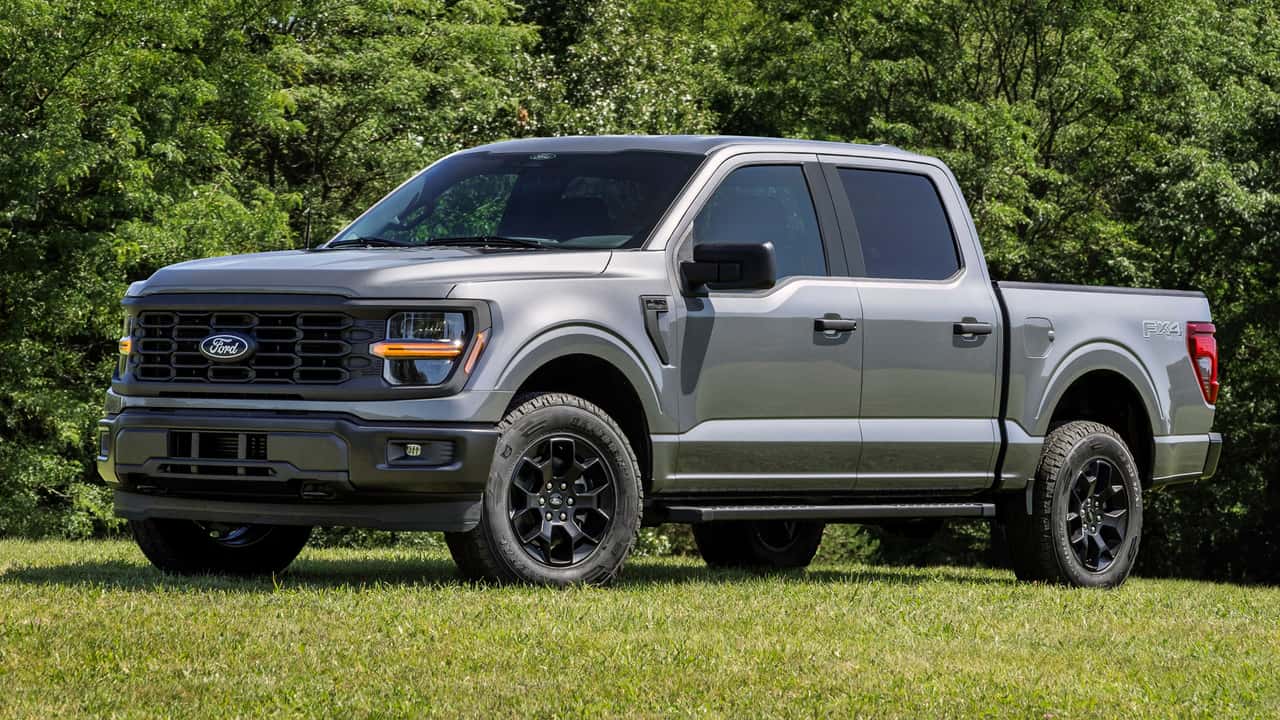
Highlighting this issue helps potential buyers and current owners be aware of warning signs and proactive in addressing leaks before they worsen, preserving the engine’s longevity and functionality.
2. BMW 3 Series (E90, 2006-2011)
The BMW 3 Series, particularly the E90 generation produced between 2006 and 2011, is well regarded for its driving dynamics and luxury status. However, these models are notorious for valve cover gasket leaks often emerging well before 100,000 miles.
The engines in these vehicles, notably the naturally aspirated inline-six (N52 and N54), run hot and feature complex valve cover assemblies made from lightweight plastics and composites.
These materials, despite reducing weight, do not fare well against the regular expansion and contraction cycles from engine heat.
As the gasket ages, it hardens and loses elasticity, eventually developing cracks or failing to seal tightly. In addition, the valve covers themselves may deform over time, increasing the risk of oil seepage.
Owners frequently report visible oil collecting on the edges of the engine, along with the familiar burning oil smell, as leaked oil drips onto hot exhaust components.
Addressing this problem is expensive because replacing the gasket is labor-intensive and may require additional components if the cover has warped.
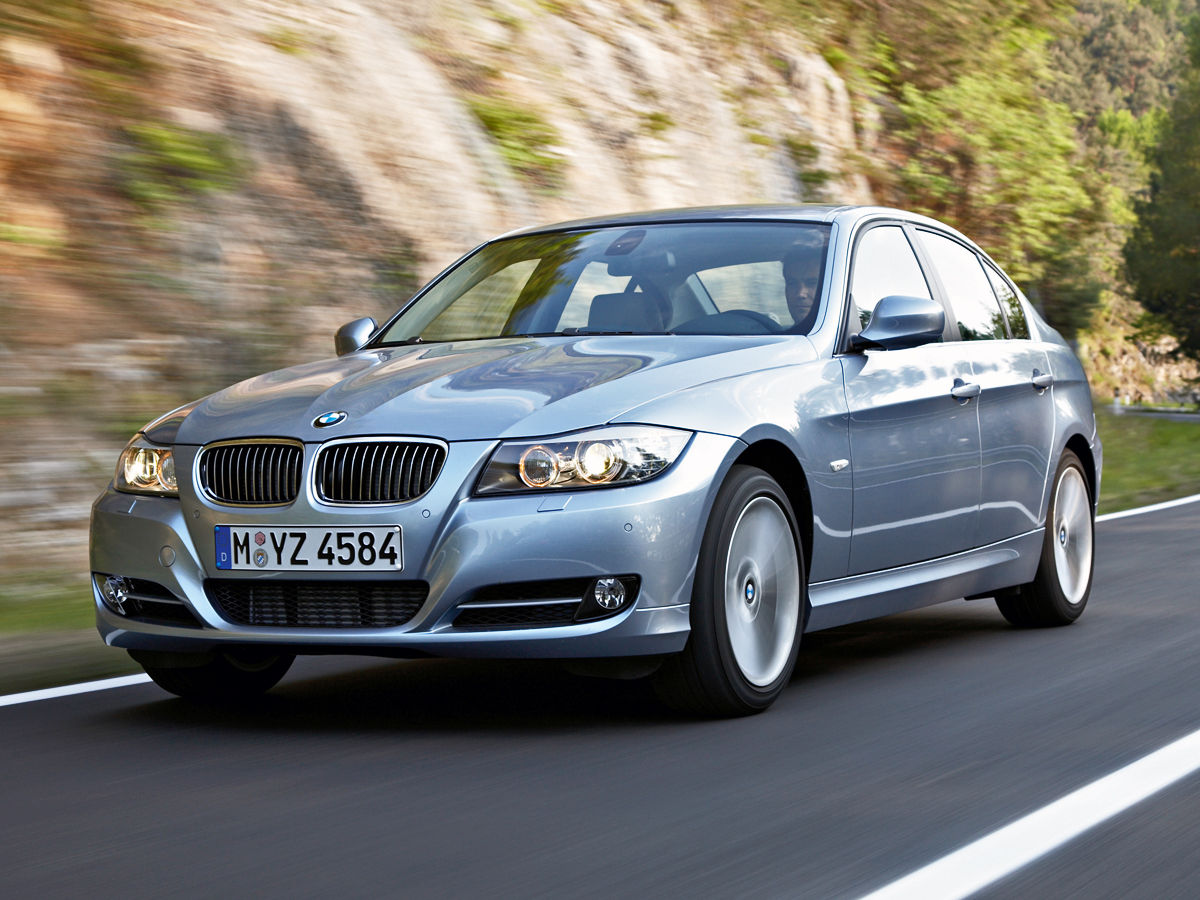
Highlighting this issue is important for both current and prospective owners; it underscores the need to budget for preventative maintenance and factor possible repair costs into the overall ownership experience.
For those considering a used E90, a careful inspection for valve cover leaks is crucial to avoid surprise repair expenses and long-term engine wear.
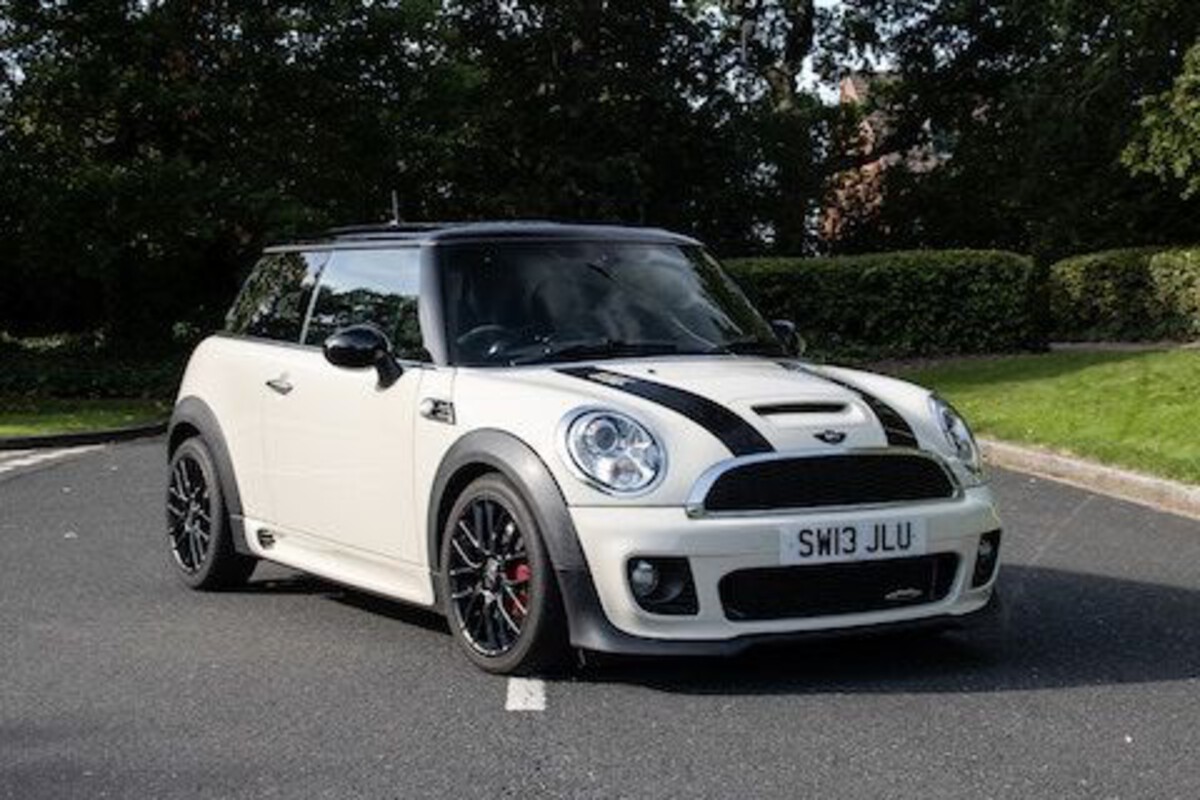
3. Mini Cooper (2007-2014)
The Mini Cooper, under BMW’s oversight from 2007 to 2014, delivers sporty handling in a compact form, but this model is also recognized for early valve cover gasket leaks.
The small turbocharged engines operate at high temperatures and pressures, which place added stress on the valve cover gaskets.
Mini employed rubber compounds for these gaskets, but owners have reported that the materials frequently fail beneath the environmental stresses typical of these engines.
As a result, oil leaks can begin well before the odometer reaches 100,000 miles. The problem worsens if the vehicle is driven in stop-and-go conditions, compounding the effects of heat cycling on both the gasket and the plastic valve cover.
Early warning signs include oil spots under the car, a burnt oil smell inside the cabin, and visible seepage around the upper engine area.
Replacing the valve cover gasket on a Mini Cooper can be tricky given the compact engine bay and tight clearances, often requiring skilled labor.
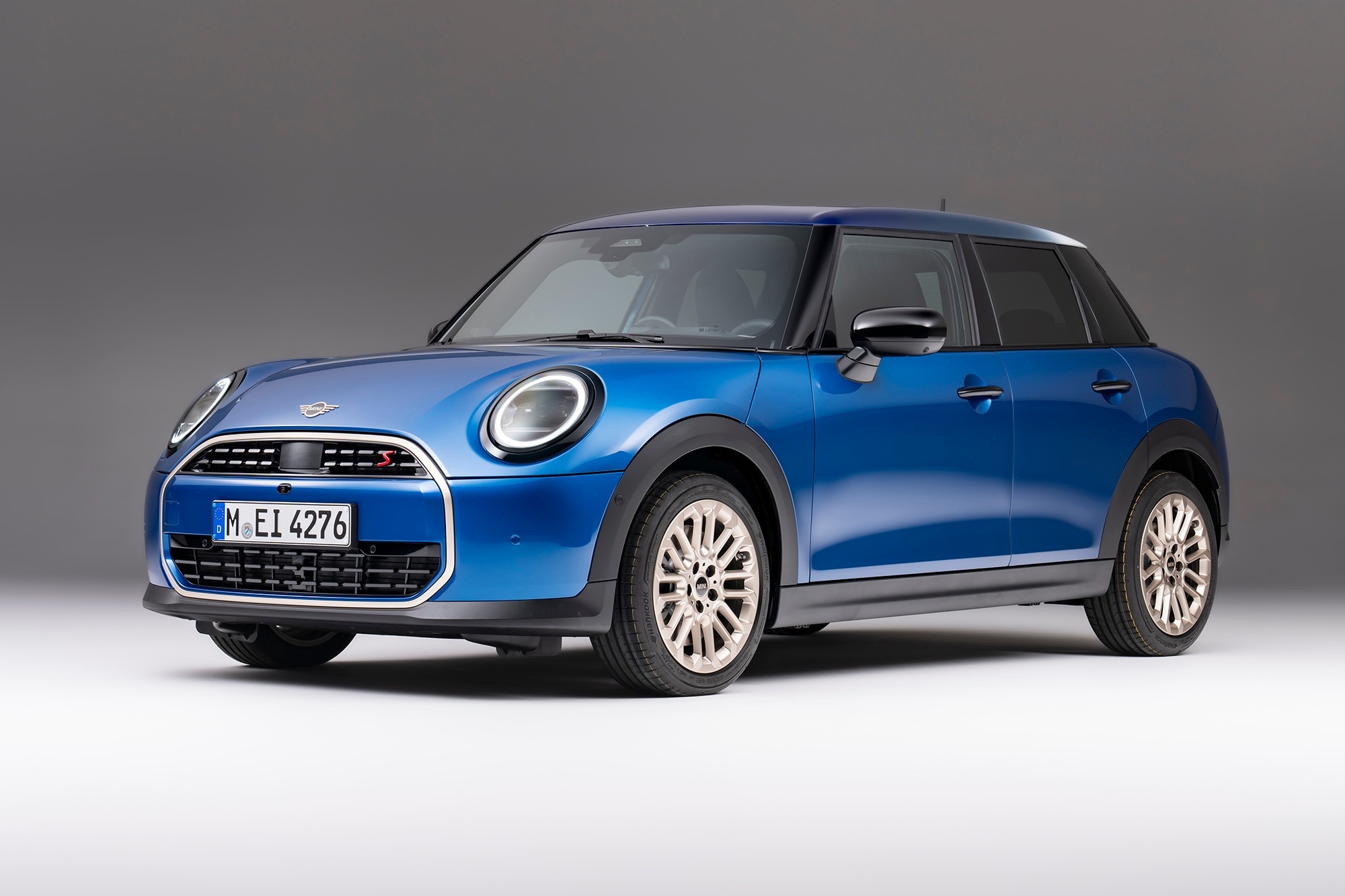
Highlighting the Mini Cooper emphasizes how performance-oriented, small-displacement engines can present unique challenges with conventional gasket materials.
This serves to alert owners and buyers to closely monitor for leaks and insist on regular inspections to avoid compounding problems like electrical shorts or engine compartment fires.
4. Chevrolet Cruze (2011-2016)
Chevrolet’s Cruze, particularly the early years from 2011 to 2016, has developed a reputation for prematurely leaking valve cover gaskets. The Cruze uses turbocharged four-cylinder engines that produce significant heat under load.
The valve cover gasket is made from relatively basic rubber compounds that tend to degrade rapidly after prolonged exposure to high temperatures and engine vibrations. This deterioration is often noticeable right around or even before the 100,000-mile threshold.
Drivers may encounter oil seepage that travels down the engine block or drops onto the exhaust, sometimes resulting in smoke and pungent odors.
Compounding the problem, Chevrolet’s use of plastic valve covers can result in cracking, creating another avenue for leaks. Owners have found that driving styles involving lots of city traffic, combined with irregular oil changes, accelerate gasket failure.
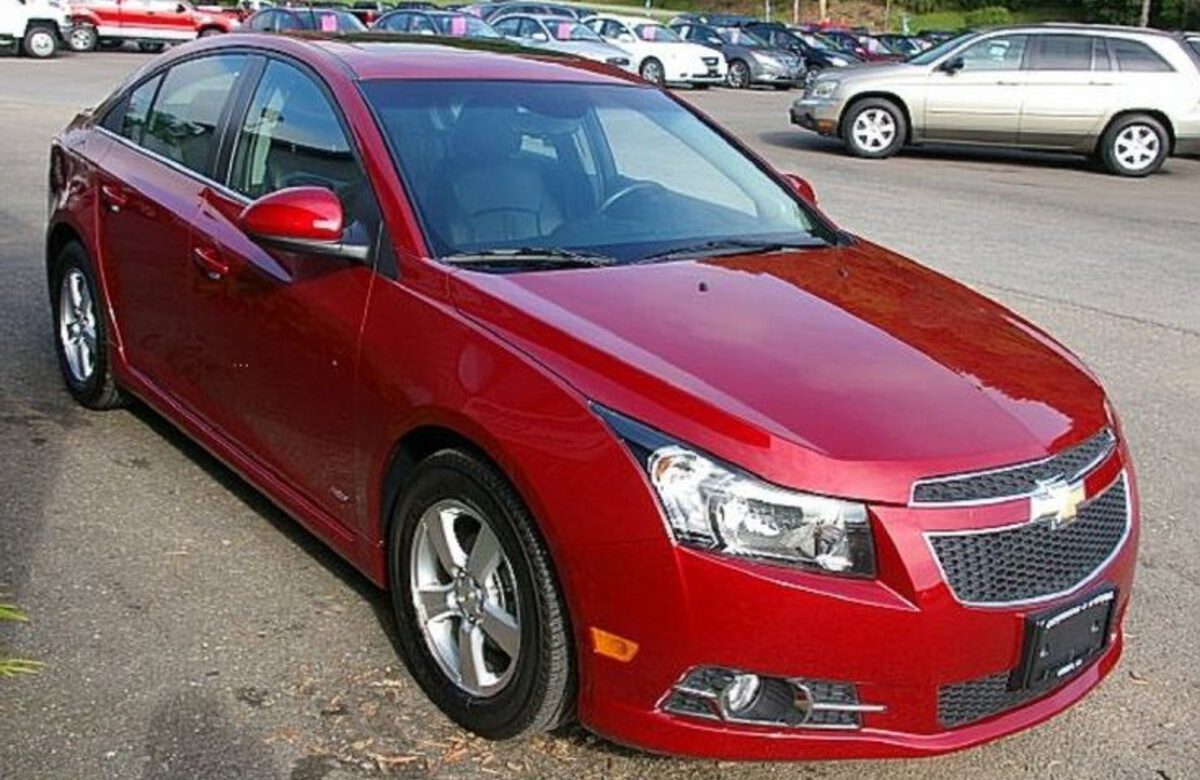
Spotlighting the Cruze underlines the impact of cost-saving measures in gasket material selection and valve cover design, which may result in unwanted maintenance and dissatisfaction.
For prospective buyers and current owners, early detection and prompt gasket replacement are essential to maintaining long-term engine health and avoiding more severe issues like misfires due to oil in the spark plug wells.
5. Audi A4 (B8, 2009-2016)
The B8 generation Audi A4, produced between 2009 and 2016, demonstrates that even premium brands can struggle with valve cover gasket longevity.
The turbocharged four-cylinder engines in these vehicles are known for their strong performance, but the valve cover gaskets frequently leak by the time the vehicle crosses 100,000 miles.
Audi used a combination of rubber gasket material and a slender, lightweight plastic valve cover to help with weight savings and ease of manufacturing. However, the gasket’s exposure to engine heat, oil vapor, and pressure results in the material quickly losing resilience.
Audi owners often report having to add oil between service intervals and finding tell-tale oily residues near the top of their engines. The leak can drip onto the exhaust manifold, causing smoky smells and raising concerns about safety.
Repair bills are significant, both due to high replacement parts costs and the labor-intensive process, which often demands special tools and extra care to prevent damaging the delicate valve cover.
Adding the A4 to this discussion reinforces the notion that even cars marketed as premium or luxury vehicles are not immune to premature gasket failures.
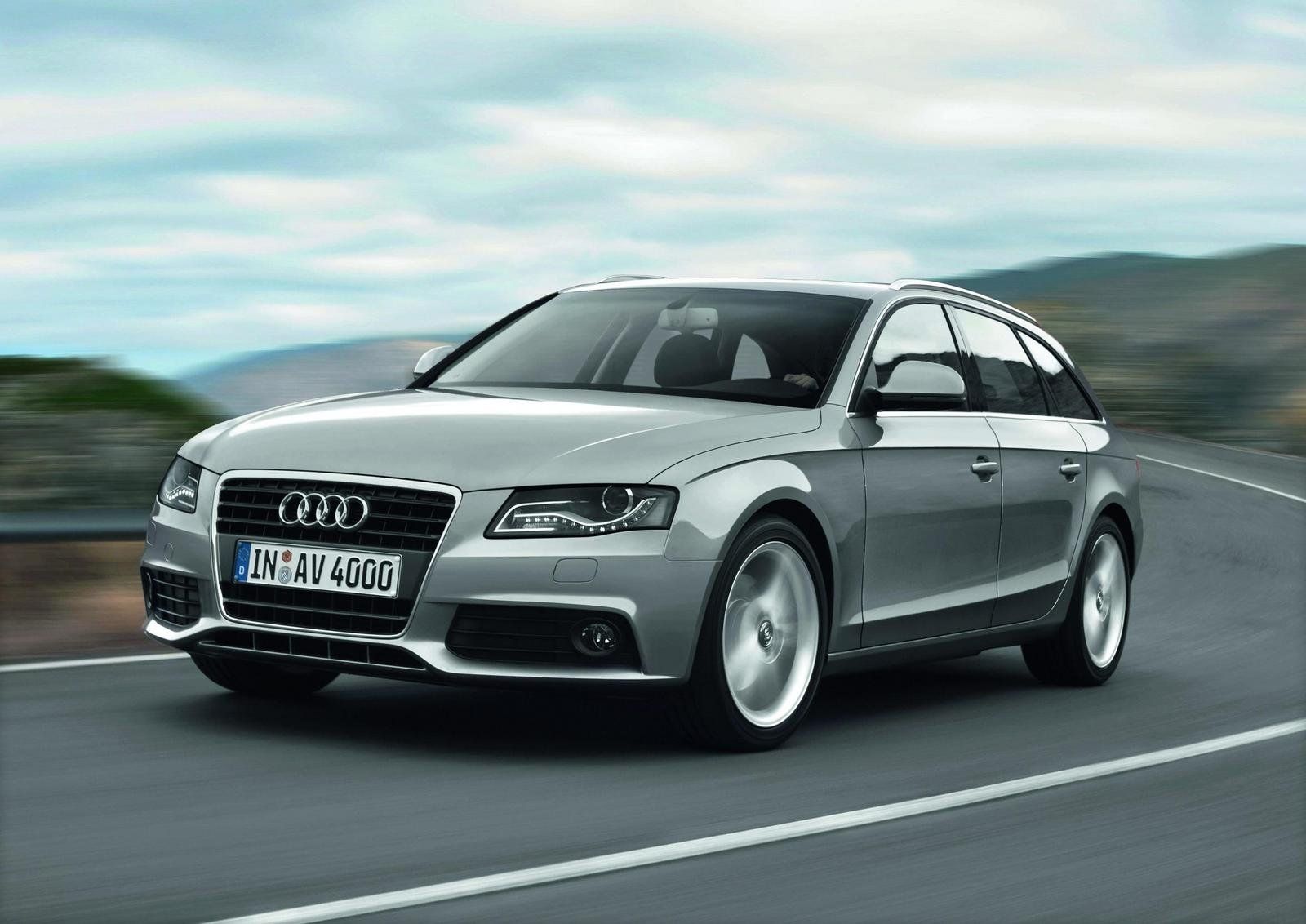
Buyers and enthusiasts should pay careful attention to service records and symptoms of minor oil leaks, as early intervention can prevent more serious engine damage or expensive fixes.
When evaluating long-term vehicle reliability, the quality and durability of valve cover seals play a crucial role in maintaining engine health and preventing oil leaks.
Valve cover gaskets are essential components that prevent oil from seeping out of the engine, and their condition significantly impacts maintenance requirements and owner satisfaction.
While some cars come equipped with valve cover seals designed to last the vehicle’s lifetime, others tend to develop leaks well before reaching 100,000 miles, often leading to costly repairs and ongoing issues.
Among the vehicles known for having lifetime valve cover seals, the Toyota Camry (2002-2021) stands out for its precision engineering, use of premium rubber gaskets, and well-machined aluminum valve covers.
These features contribute to seals that frequently remain intact beyond 150,000 miles. Similarly, the Honda Accord (2003-2017) benefits from durable rubber compounds and meticulous assembly, resulting in reliable, leak-free engines often lasting over 150,000 miles.
The Subaru Outback (2010-2019) is notable for durable synthetic rubber gaskets designed to withstand harsh environmental conditions, which helps it resist oil seepage even under rugged use.
The Lexus RX (2009-2015), Toyota’s luxury counterpart, employs high-grade materials and tight manufacturing tolerances, enabling its valve cover seals to function effectively past 150,000 miles.
Lastly, the Mazda CX-5 (2013-2021) features additive-enhanced rubber seals and careful torque control, allowing the valve cover gaskets to endure beyond 125,000 miles even with spirited driving.
On the other hand, several vehicles commonly face premature valve cover gasket failures, causing oil leaks before 100,000 miles. The Ford F-150 (2004-2008) struggles with paper-based gaskets and stamped steel valve covers prone to warping, contributing to early leaks.
The BMW 3 Series (E90, 2006-2011) is challenged by lightweight plastics and composite valve covers that deteriorate with heat cycles, resulting in frequent leaks.
The Mini Cooper (2007-2014), with its small high-pressure turbo engines, experiences gasket material failures exacerbated by heat cycling in tight engine bays.
The Chevrolet Cruze (2011-2016) uses less durable rubber gaskets and plastic valve covers that degrade quickly under heat and vibration, causing oil seepage.
Lastly, the Audi A4 (B8, 2009-2016) faces similar issues, with lightweight plastic valve covers and rubber gaskets losing resilience and leaking oil prematurely.
Understanding these differences highlights the importance of quality materials, precise assembly, and thoughtful engineering in avoiding valve cover seal problems.
For buyers and owners, recognizing these tendencies helps in making informed decisions, whether to choose vehicles designed for durability or prepare for maintenance on models known for early leaks.
Also Read: 5 Cars with Lifetime Drive Shafts vs 5 with U-Joint Failures
