
Windshield wipers play an unassuming yet essential role in the daily safety and functionality of a car. Wiper motors are the heart of this system, ensuring visibility remains uncompromised during rain or dust storms.
While many drivers might not give much thought to these small electrical units, their reliability becomes apparent during harsh weather.
Some car models have set themselves apart by equipping vehicles with wiper motors that can last the lifetime of the car, reducing costs for repairs and sparing drivers the inconvenience of sudden failures.
On the other hand, there are vehicles that, for various reasons, have become notorious for frequent wiper motor breakdowns. Such issues can result in additional expenses, particularly in regions known for unpredictable weather conditions.
Both sides of the equation wiper motors designed to last versus those prone to early failure, highlight how car manufacturers approach long-term reliability and customer satisfaction.
Understanding which cars feature robust wiper motor systems and which ones tend to require more frequent replacements can help car buyers and owners make informed choices.
The following sections will focus first on cars recognized for their dependable wiper motors, then shift to those linked with recurrent wiper motor issues, discussing the significance of each example with detailed reasoning and real-world relevance.
Five Cars with Lifetime Wiper Motors
Automotive engineering has made substantial progress in increasing the reliability and longevity of vital vehicle components. Among these, wiper motors often go unnoticed until they malfunction.
Some manufacturers, however, have prioritized durability in their wiper motor designs, allowing these motors to operate smoothly throughout the entire lifespan of the vehicle.
Such robust construction typically reflects a broader commitment to quality and customer satisfaction, as drivers benefit from reliable performance regardless of climate or driving conditions.
The durability can usually be traced to choices in material, manufacturing processes, and the attention paid to protecting sensitive electrical components from moisture, debris, and other external agents.
Highlighting vehicles equipped with long-lasting wiper motors not only serves to recognize outstanding engineering but also helps prospective buyers identify cars that may require less frequent maintenance or costly part replacements.
It signals the manufacturer’s understanding of the importance of every component, large or small, in ensuring a trusted driving experience.
For anyone accustomed to seasonal storms, or those who simply value peace of mind behind the wheel, these selections stand out as practical choices.
The following five cars are presented for their proven wiper motor longevity, along with detailed explanations demonstrating the reasons behind their reputation.
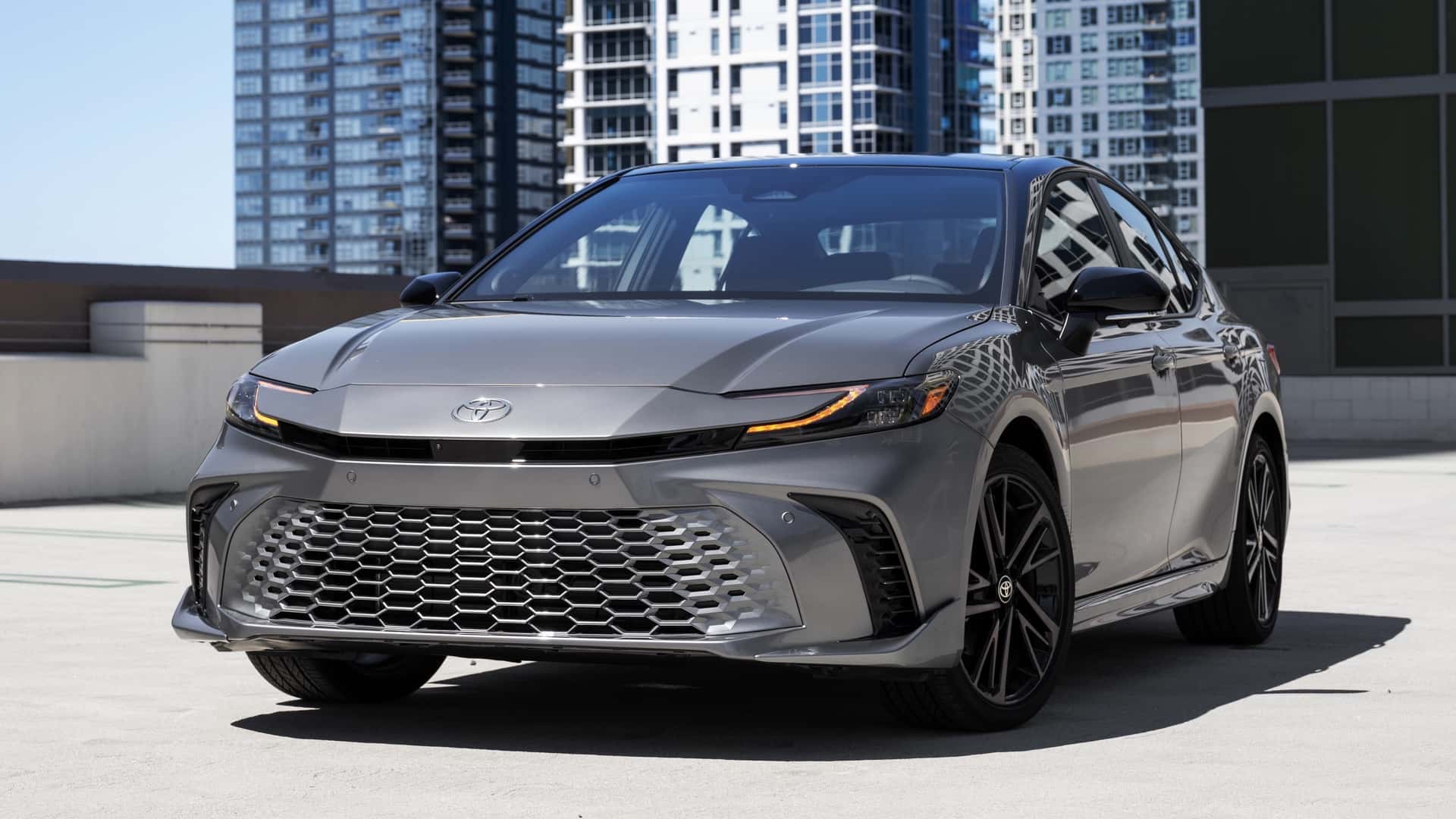
1. Toyota Camry
The Toyota Camry enjoys a longstanding reputation for reliability, and its wiper motors are no exception. Consistency in performance is one of the primary reasons the Camry is praised by owners and technicians alike.
The wiper motors fitted in this model are engineered to withstand years of regular use, often matching the vehicle’s overall lifespan. Several factors contribute to this durability. First, Toyota places a strong emphasis on using high-quality electrical components.
The wiper motors feature advanced weather-sealing to protect against water ingress, which prevents corrosion and electrical short-circuits common reasons for premature failure in lesser designs.
Another aspect to consider is Toyota’s meticulous quality-control process during assembly. The company is known for rigorous testing standards and a philosophy that encourages stopping the production line if a potential quality concern is detected.
This attention to error prevention trickles down to every component, including wiper systems. Furthermore, widespread availability of genuine replacement parts and straightforward design mean that, in the unlikely event of a malfunction, repairs are straightforward and affordable.
Owners frequently report driving their Camrys for more than a decade, through years of rain and snow, without ever needing to address wiper motor problems.
Addressing the Camry in this context is essential because it shows how a manufacturer’s commitment to reliability, even in smaller parts, builds long-term customer trust. It also sets a benchmark that encourages competitors to improve their own component durability.
Ultimately, the Camry exemplifies how thoughtful engineering can genuinely make a difference in daily practicality, reducing long-term costs and potential breakdowns for drivers.
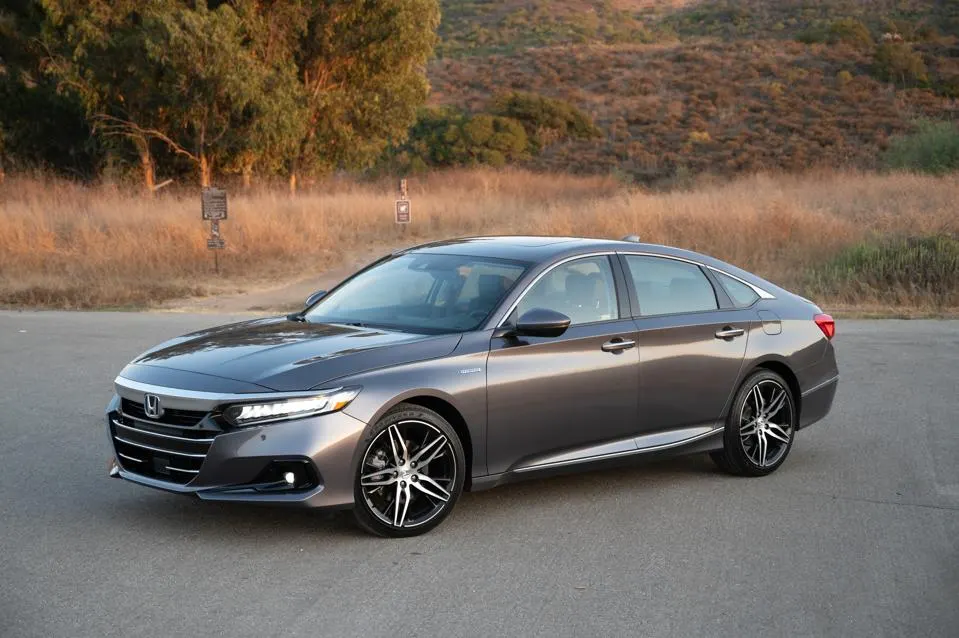
2. Honda Accord
The Honda Accord has long been associated with high standards of mechanical reliability, and its wiper motors reflect this tradition.
Honda engineers incorporate robust materials and design safeguards into their wiper motor assemblies, enabling them to withstand the constant vibrations, temperature changes, and exposure to the elements that typically shorten the lifespan of car components.
The Accord’s wiper motors are tested under various conditions to ensure dependable operation, even after years of heavy use.
Protection against water and debris is a central part of the Accord’s wiper motor design. Special protective gaskets and housings help keep moisture at bay, which is vital for avoiding short-circuits or rust that could impair the motor’s performance.
Additionally, Honda’s preference for modular component layout in the engine bay allows easier access for mechanics to inspect or replace wiper motors. However, most owners seldom face the need reports of Accord wiper motor failure are rare, and these components often exceed anticipated service intervals.
Including the Accord in this discussion is significant because it reinforces the idea that premium reliability is not limited to luxury brands.
The Accord has been a best-seller, and its strong reputation for problem-free wiper operation is a point of pride for many long-term owners.
By upholding attention to detail in electrical systems like wiper motors, Honda maintains a competitive advantage and continues to win the loyalty of drivers who value hassle-free ownership.
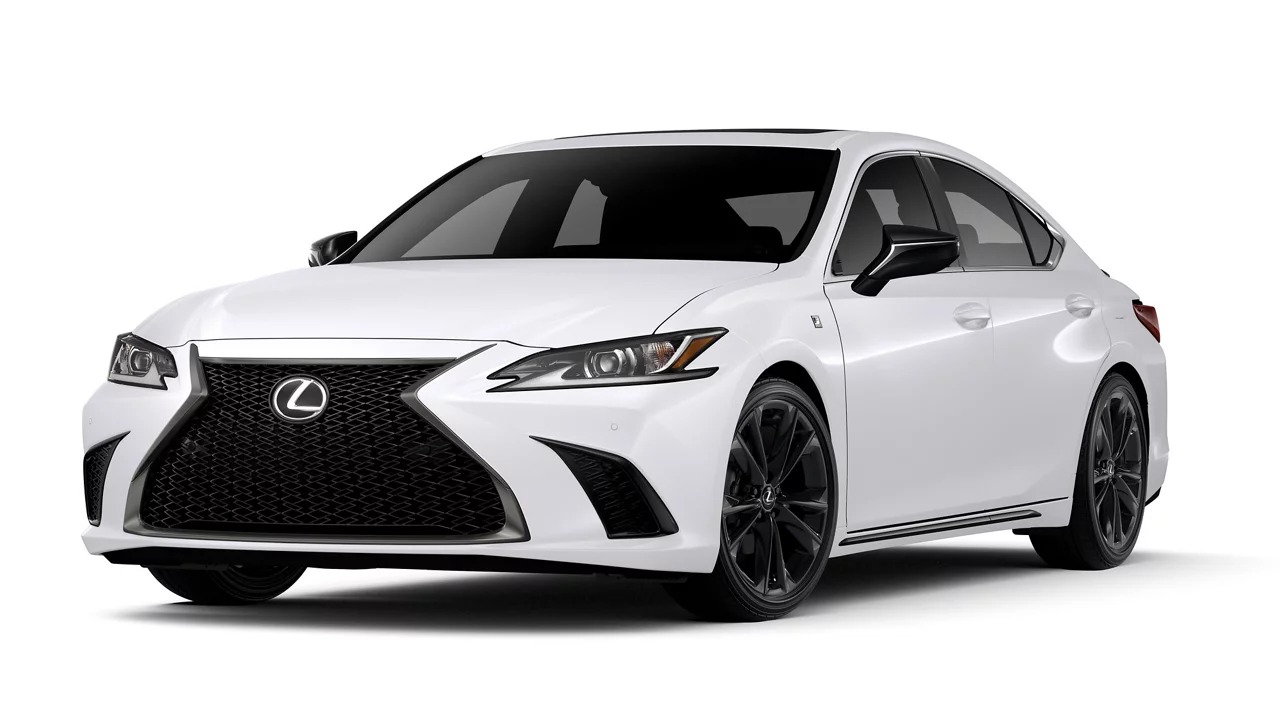
3. Lexus ES
Lexus has leveraged its luxury reputation to emphasize longevity and reliability across many vehicle subsystems, including wiper motors. The Lexus ES, based on the well-established Toyota Camry platform, inherits and builds upon the Camry’s proven qualities.
In this model, Lexus goes a step further by adding premium finishes and even greater precision in the assembly of its wiper motor components.
The ES wiper motors are not only protected by advanced sealing mechanisms but also benefit from the luxurious interior design that prioritizes low noise and smooth operation.
The result is a system that works quietly in the background, often unnoticed, because it simply does not fail. Owners report decade-long use on original wiper motors, reinforcing the notion that Lexus’s focus on minimizing inconvenience truly extends to every part of their cars.
Discussing the Lexus ES is important in the context of dependable wiper motors, as it demonstrates how luxury brands translate their philosophy of comfort and reliability into everyday driving realities.
The vehicle’s engineering ensures that even in demanding weather, drivers can count on their car’s features to work as intended, providing both safety and peace of mind.
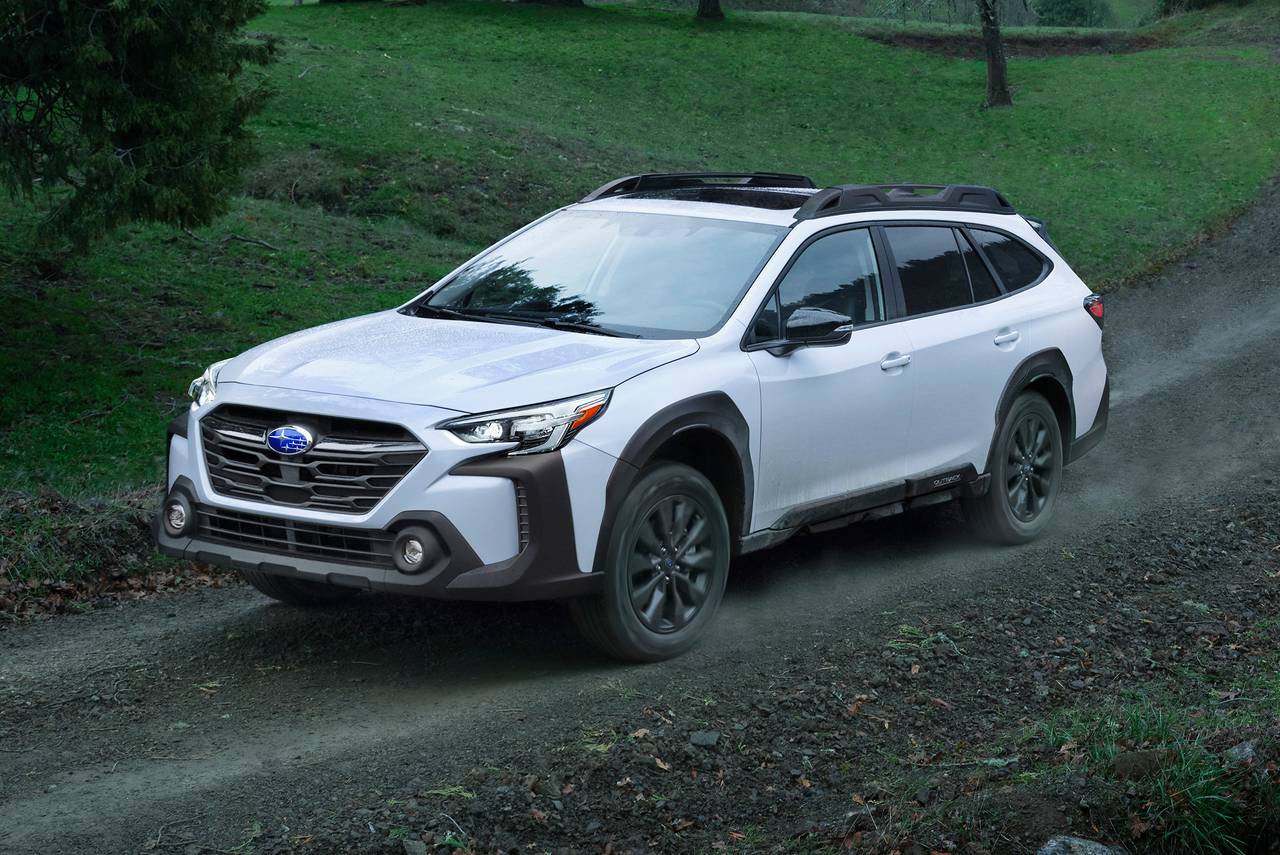
4. Subaru Outback
The Subaru Outback is frequently chosen by drivers who confront harsh weather or unpaved roads, making a dependable wiper system crucial.
Subaru equips the Outback with wiper motors designed for heavy-duty operation, knowing that this segment often attracts adventurers and those residing in climates prone to snow and rain.
The Outback’s wiper motors are built with extra weatherproofing, helping them survive slush, ice, and mud that might stall lesser systems.
Construction efforts focus on using reinforced housings and stronger gears within the motor. These technical upgrades mean that, even after years of demanding use, Outback wiper motors often continue operating without complaint.
In addition, Subaru’s design philosophy champions ease of service and maintenance, which can extend the life of components when addressed by owners who value preventative care.
Including the Outback is critical because it illustrates how component durability can directly affect a vehicle’s functional appeal, especially for those who need all-weather confidence.
Where reliability is non-negotiable, the Outback’s enduring wiper motors bring real value to adventurous drivers and anyone who regularly faces the unpredictability of severe weather.
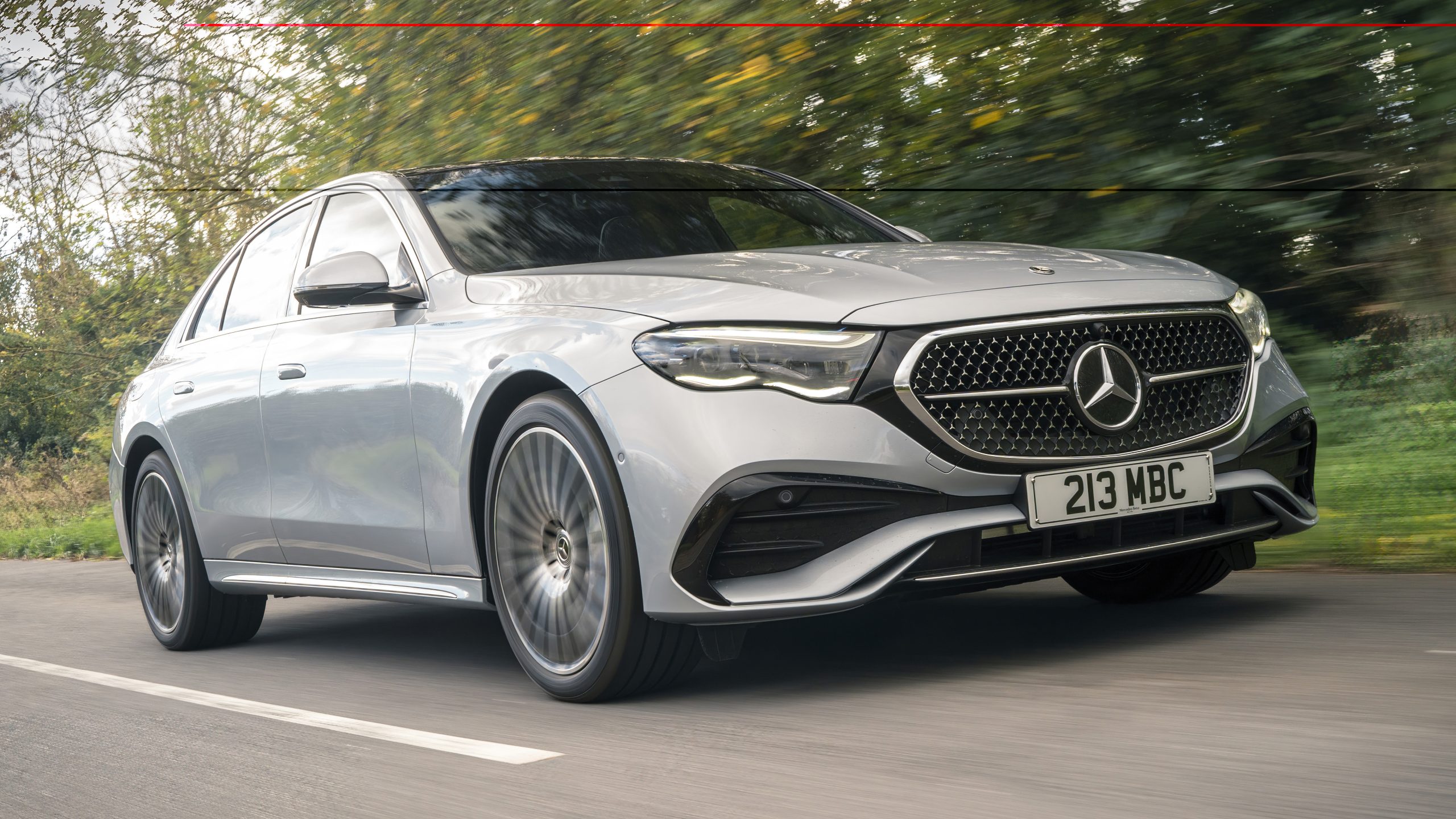
5. Mercedes-Benz E-Class
Mercedes-Benz has a reputation for building cars with long-lasting mechanical and electrical systems, and the E-Class stands out for integrating durable wiper motors as part of a broader commitment to excellence.
The E-Class uses high-grade motors with sophisticated waterproof designs to prevent intrusion from rain, sleet, and roadside grime. These systems often feature intelligent speed controls and sensors that automatically adjust to changing conditions, minimizing unnecessary wear.
Part of the E-Class’s enduring appeal is that owners rarely face disruptions from unexpected component failures, including the wiper motor. Mercedes’ dedication to rigorous testing ensures every motor must meet high standards for operational longevity.
Driving through years of varied European and global climates, many E-Class owners have never replaced their original wiper motors a testament to meticulous engineering.
Including the E-Class is important because it highlights how wiper motor durability is not just a matter of reliability but is often folded into a broader strategy to maintain manufacturer prestige and customer satisfaction.
For those who prioritize engineering integrity and want investment in a vehicle that minimizes long-term inconvenience, the E-Class demonstrates that attention to detail in even the smallest parts is both a mark of quality and a practical advantage.
Five Cars with Motors That Burn Out
While some carmakers have prioritized robust engineering in their wiper systems, others have seen persistent issues with motors that tend to fail before the rest of the vehicle.
A wiper motor that burns out prematurely is more than just a minor annoyance; it can mean impaired visibility at crucial times and an unexpected bill for repair or replacement.
Several factors can cause frequent burnout: inadequate waterproofing, subpar materials, or insufficient quality control during assembly. These issues are not always immediately apparent when new, but they often emerge as the years and miles pass.
Cars known for wiper motor problems often force owners into uncomfortable or even hazardous situations, particularly in climates where rain and snow are frequent.
The inconvenience and cost associated with repeated wiper motor failure can tarnish a car’s reputation and frustrate owners who rely on their vehicles simply to get them safely from point A to point B.
By highlighting these vehicles, we can better understand what compromises in engineering or quality can mean for long-term reliability. The next section presents five cars often linked with wiper motor trouble, each accompanied by details explaining the underlying causes and why they have earned a place in this discussion.
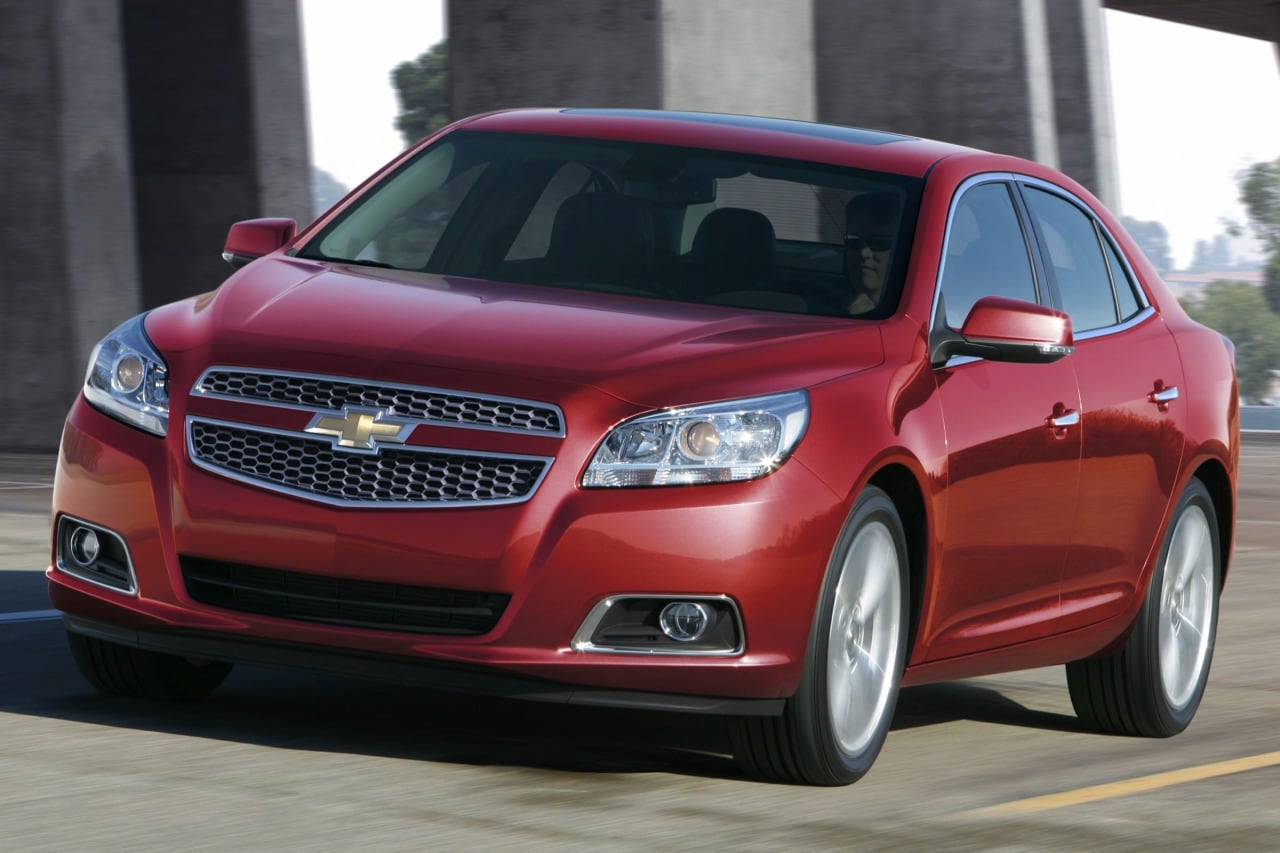
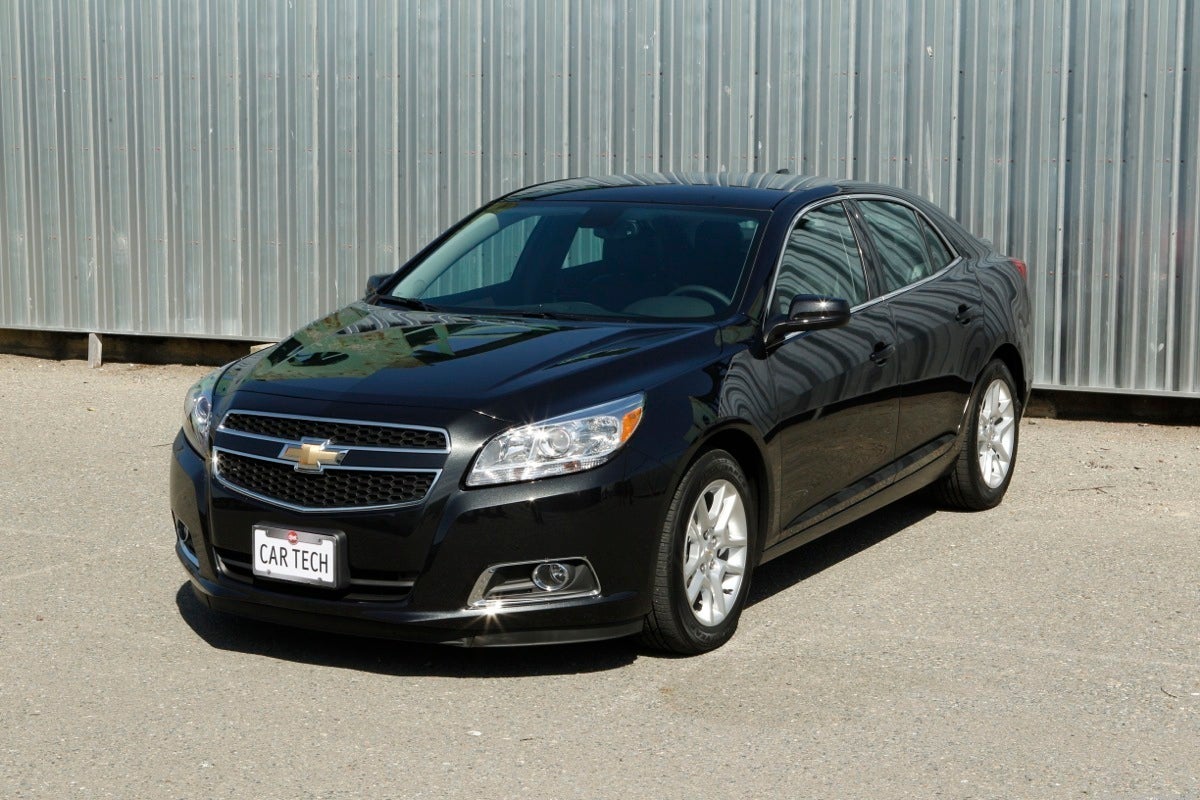
1. Chevrolet Malibu
The Chevrolet Malibu stands out for having reports of wiper motor failures appearing relatively early in the vehicle’s life, especially in certain model years.
Many owners have experienced wipers that suddenly stop working during bad weather conditions a safety hazard and a significant inconvenience.
Among the most common issues are burned-out motors due to poor waterproofing, with moisture seeping into the electrical components and causing corrosion or short-circuits. In other cases, weak or poorly insulated wiring allows the system to overheat and eventually fail.
Frequent complaints from Malibu owners have led to technical service bulletins and isolated recalls for wiper system revisions in some years.
In addition to the technical shortcomings, the location of critical wiper system components in the engine bay sometimes exposes them to additional heat and water, compounding the problem. This issue is particularly problematic in regions with severe or sustained wet weather, where the wiper system is under constant demand.
Highlighting the Malibu here is important because its history of wiper motor problems serves as a teaching point both for prospective buyers and for automakers looking to improve reliability standards.
Those considering a used Malibu, especially from affected model years, should be aware of these potential costs. At the same time, this example underlines the broader impact that “small” component failures can have on a vehicle’s overall perception and resale value.
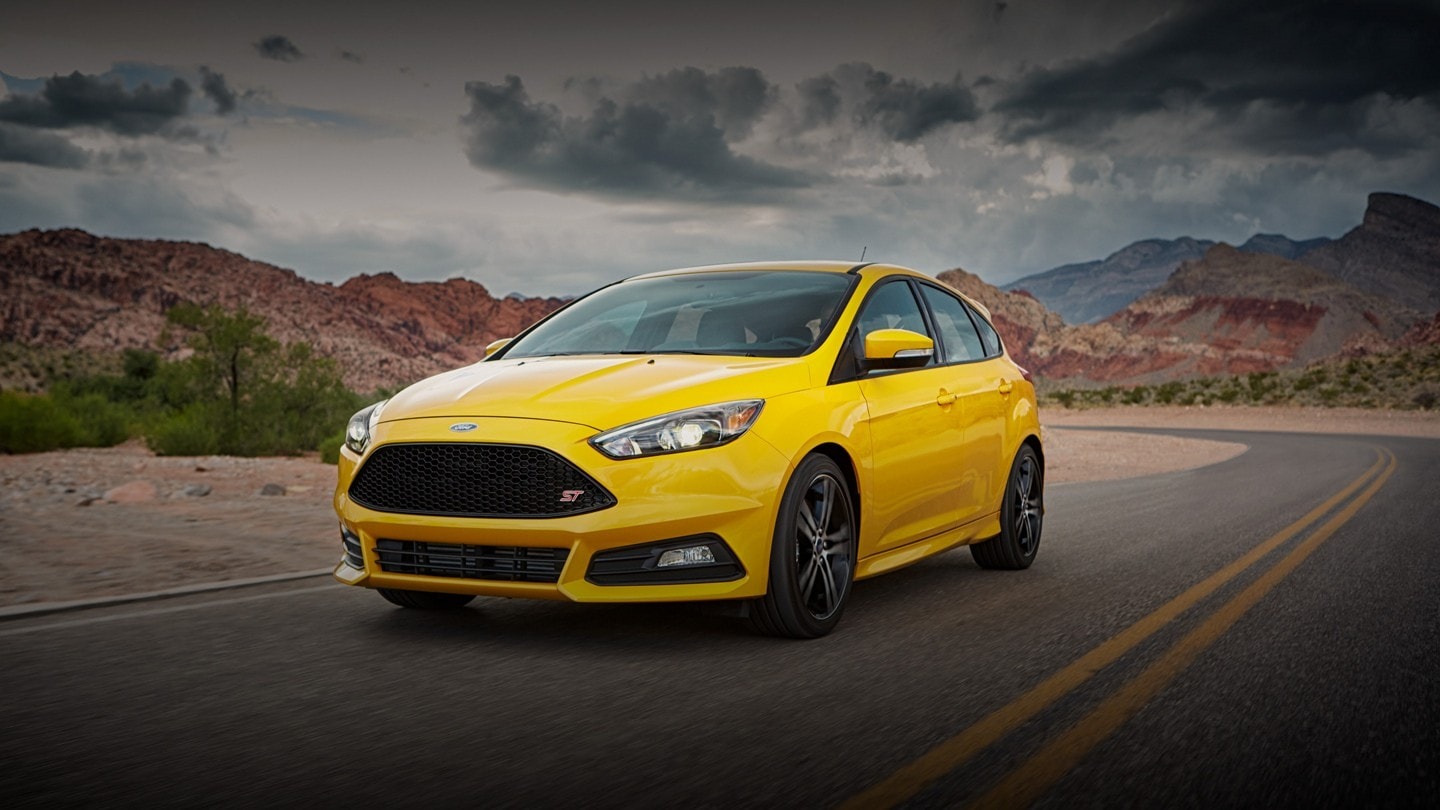
2. Ford Focus
The Ford Focus has seen numerous owner complaints about wiper motors failing earlier than expected, particularly in models produced in the late 2000s and early 2010s.
One of the main causes identified is water infiltration into the motor housing, which accelerates corrosion and causes electrical faults. While the Focus is widely appreciated for its affordability and driving dynamics, its wiper motor issues have blemished the user experience for many.
The design of the wiper motor and its protective casing in certain Focus models proved insufficient against moisture, leading to short circuits that ultimately burn out the motor.
Additionally, some reports suggest that the electrical connections were prone to loosening due to vibrations and road conditions, which further jeopardizes reliable operation. The combination of these factors results in reduced lifespan for the wiper motor and the need for untimely repairs or replacements.
Addressing the Focus in this discussion is critical as it highlights the importance of rigorous quality control, even in popular model lines.
Given the vehicle’s widespread appeal, especially among first-time buyers or commuters, such technical shortcomings diminish owner satisfaction.
Understanding these known weaknesses helps prospective buyers avoid unexpected maintenance headaches and encourages manufacturers to invest in more durable components.
3. Nissan Altima
The Nissan Altima has been reported to experience premature wiper motor failures, especially in models from the mid-2010s.
The root causes often relate to insufficient sealing measures allowing water to penetrate the motor, combined with suboptimal wiring insulation. As a result, corrosion damage leads to motor burnout well before the expected service interval.
Furthermore, the wiper system layout in some Altima models exposes the motor to engine heat and debris, factors that, over time, affect performance reliability.
Drivers frequently mention the frustration of losing windshield wiper function during rain, which not only raises safety concerns but also highlights design and manufacturing oversights.
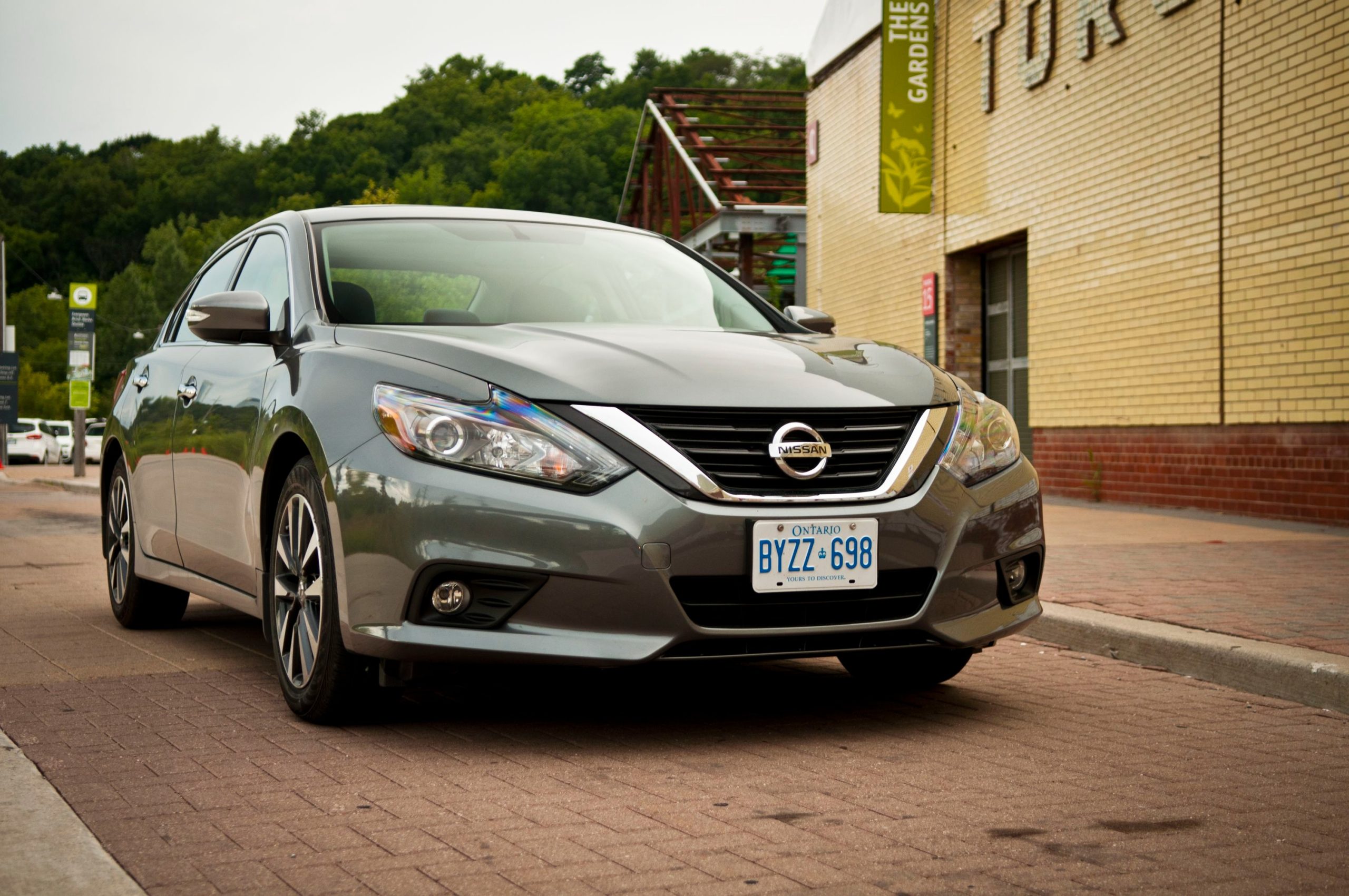
Including the Altima in this list reminds consumers that even vehicles from established brands can suffer from specific component reliability challenges.
Understanding these issues helps promote more informed purchasing decisions and encourages automakers to revisit product design, prioritizing durable electric motor assemblies with adequate environmental protection.
4. Volkswagen Jetta
Volkswagen Jettas, particularly from model years between 2012 and 2017, have garnered reports of recurring wiper motor failures, often traced back to manufacturing defects and inadequate sealing.
Moisture ingress into the motor housing remains the leading cause of burnout, exacerbated by tight engine compartments that limit airflow and create heat accumulation.
Additionally, some Jetta models feature wiper motor wiring routed close to heat sources, increasing the risk of insulation breakdown and subsequent electrical shorts.
As a consequence, many owners require wiper motor replacements sooner than anticipated, leading to inconvenience and repair costs.
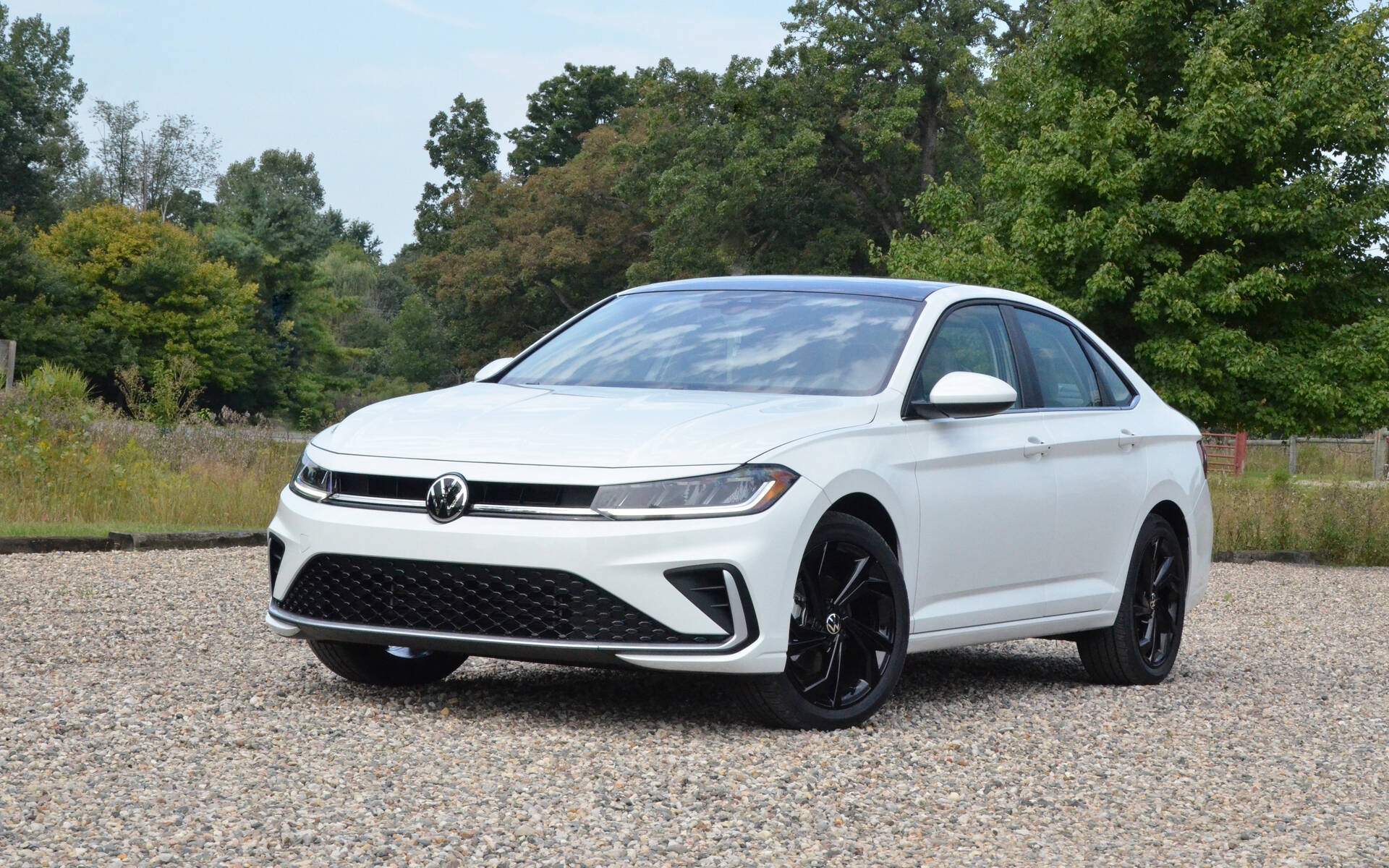
The Jetta’s case underscores how even vehicles recognized for solid build quality can suffer from isolated component issues that impact overall reliability scores.
This example serves as a reminder for consumers to consider detailed service histories and known issue records when evaluating used Jettas, while pushing automakers to improve component shielding and wiring robustness.
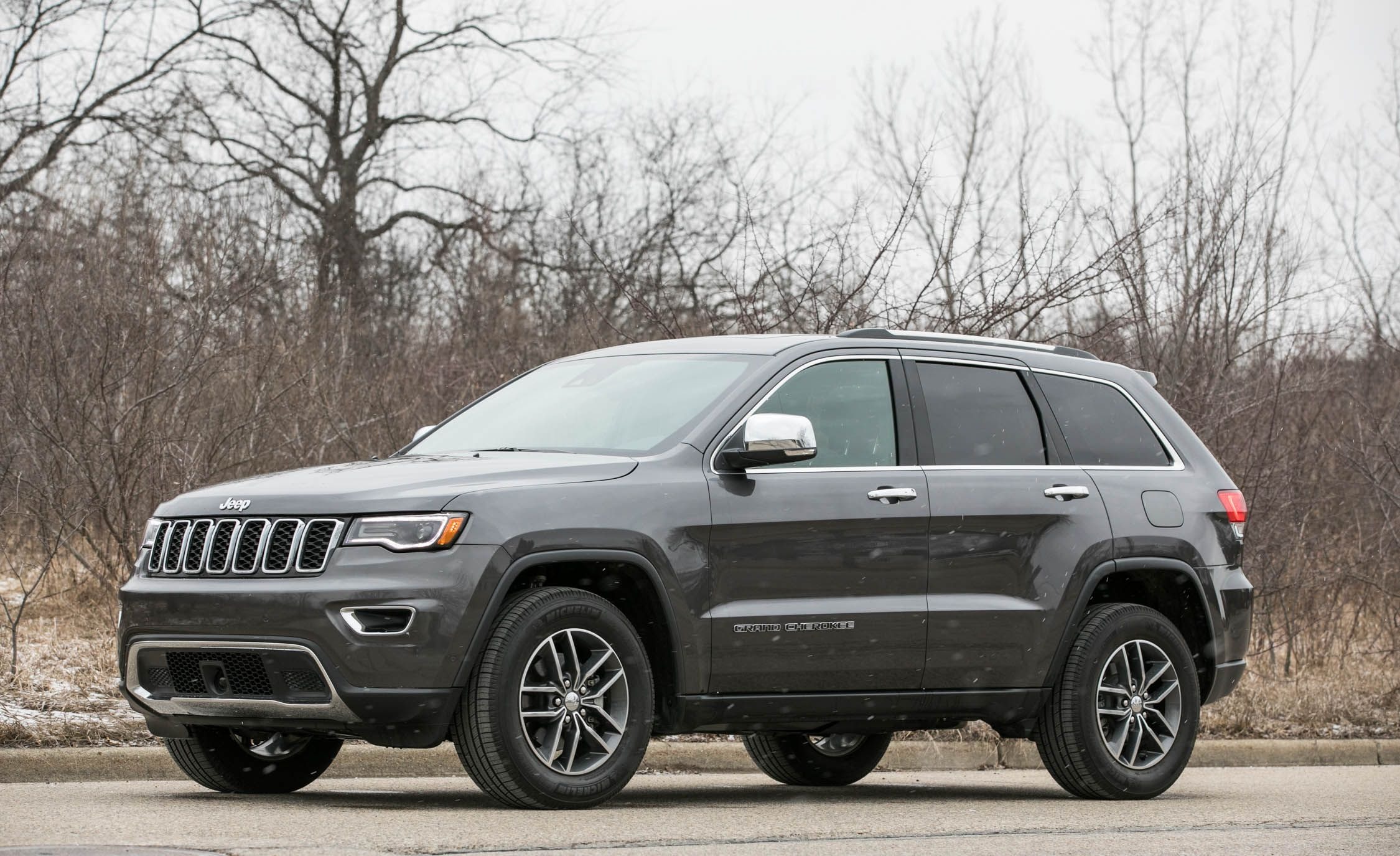
5. Jeep Grand Cherokee
The Jeep Grand Cherokee has also faced criticism for wiper motor problems in select years. Factors such as exposure to off-road conditions, mud, and moisture can accelerate wear and damage to wiper motor assemblies if not adequately sealed and protected.
Some models exhibit recurring motor burnout due to poor barrier protection and the resulting electrical corrosion.
Moreover, the rugged usage typical for SUVs like the Grand Cherokee means the wiper motor must endure harsher environments compared to typical sedans.
Insufficient design attention to these challenges may result in frequent motor failures that erode user confidence and increase maintenance demands.
By discussing the Grand Cherokee, this list highlights the importance of tailoring component durability to vehicle use cases. The failure of critical small parts such as wiper motors can significantly affect the utility and safety of vehicles designed for adventurous or heavy-duty use.
Windshield wiper motors are vital components that ensure safe driving visibility during adverse weather. Their reliability varies across car models, influencing maintenance costs, driver convenience, and overall vehicle dependability.
The discussion contrasts two categories of vehicles: those equipped with wiper motors designed to last the entire lifespan of the vehicle and those whose motors tend to fail prematurely due to various design or manufacturing issues.
Cars with lifetime wiper motors exemplify superior engineering and quality control. Their motors typically feature robust materials, advanced weatherproofing, and effective sealing to protect against moisture, debris, and corrosion.
This durability reflects a broader commitment by manufacturers to long-term customer satisfaction and reduced upkeep burdens. Notable examples include:
Toyota Camry: Known for high reliability, the Camry’s wiper motors stand up well to years of use. Quality components, effective weather sealing, and stringent assembly standards ensure smooth operation throughout the vehicle’s life, reinforcing Toyota’s reputation for durable cars.
Honda Accord: Honda’s focus on strong materials and protective housing helps the Accord’s wiper motors resist the usual threats of water damage and vibration. The ease of maintenance complements the motor’s longevity, making failures rare.
Lexus ES: Building on Toyota’s platform, the Lexus ES offers even finer assembly quality and noise reduction features around the wiper motor. This luxury vehicle’s motor often lasts over a decade without issues, showcasing how premium brands emphasize reliability in all components.
Subaru Outback: Designed for harsher environments, the Outback’s wiper motors have reinforced housings and weatherproofing to combat mud, ice, and snow exposure. This makes the motor durable under tough conditions, supporting the vehicle’s all-weather reputation.
Mercedes-Benz E-Class: High-tech, waterproof motors with intelligent features in the E-Class highlight Mercedes’ dedication to enduring quality. Drivers seldom experience motor failures, underscoring the brand’s comprehensive approach to reliability.
In contrast, several vehicles have gained notoriety for wiper motor failures due to inadequate waterproofing, poor materials, or design oversights:
Chevrolet Malibu: Certain model years show frequent wiper motor burnout caused by water intrusion and weak wiring insulation. These defects led to technical service bulletins and recalls, but failures remain a concern for owners in wet climates.
Ford Focus: Popular for affordability, the Focus suffers from wiper motors vulnerable to moisture damage and electrical connection issues. These faults shorten motor lifespan despite the car’s general appeal.
Nissan Altima: Mid-2010s models have exhibited premature motor burnout linked to poor sealing and exposure to heat and debris. Safety concerns arise when wipers fail unexpectedly in rainy conditions.
Volkswagen Jetta: From 2012 to 2017, many Jettas faced wiper motor failures due to manufacturing flaws and tight engine compartments that heightened heat exposure. Electrical insulation breakdown leads to frequent replacements.
Jeep Grand Cherokee: Off-road use causes additional strain on wiper motors. Inadequate protection from environmental challenges and corrosion accelerate failures in multiple model years, undermining reliability in rugged settings.
This comparison emphasizes how even small components like wiper motors can significantly shape perceptions of a vehicle’s quality and safety.
For buyers and owners, knowing which cars have dependable systems versus those prone to early failures aids in selecting vehicles that minimize inconvenience and unexpected expenses.
For manufacturers, these examples highlight the importance of meticulous engineering, effective component protection, and rigorous quality assurance to ensure that every part, no matter the size, contributes to a trustworthy driving experience.
Also Read: 5 Engines with Reinforced Cylinder Walls vs 5 that Scuff Under High Miles
