
Truck owners and fleet managers across industries recognize the profound impact that crankcase durability and mechanical resilience have on long-term operational efficiency.
The crankcase forms the backbone of a truck’s engine, confining and supporting the forces generated during combustion and heavy hauling.
Whether a truck is designed with a reinforced, heavy-duty crankcase or suffers from patterns of cracks under strenuous towing, these differences signal varying outcomes for reliability, safety, and maintenance costs.
Examining trucks with robust crankcase construction emphasizes the significance of advanced engineering and material selection, while those with visible cracks following exposure to towing stress highlight common weaknesses and recurring points of failure.
Understanding what sets these two categories apart helps professionals and enthusiasts make informed choices, manage risks, and reduce downtime.
This discussion will begin with an in-depth examination of trucks equipped with heavy-duty crankcases, exploring their strengths and what sets them apart under demanding conditions.
Attention will then shift to trucks prone to developing crankcase cracks when put under towing stress, describing the technical flaws or operational conditions that lead to these issues.
Through these detailed examinations, readers can gain a clearer perspective on why crankcase design matters, what can go right, and what can go wrong under the pressures of real-world trucking.
Also Read: 5 Vehicles With Easy Mirror Adjust and 5 With Sticky Mechanisms
5 Trucks with Heavy-Duty Crankcases
Hauling large loads, braving rough terrain, and enduring prolonged operation push trucks and their engines to the limit. At the heart of every reliable powertrain lies a crankcase that must withstand intense internal pressures and external shock.
Some trucks rise above routine demands thanks to heavy-duty crankcases designed specifically for resilience and longevity. Such trucks usually cater to industries that demand unwavering endurance: construction, shipping, logging, or recovery services.
The engineering, choice of metallurgy, and the assembly precision brought into these crankcases elevate them from mere components to critical guardians of engine stability.
When a crankcase is constructed to surpass standard requirements, it often means lower risk of leaks, cracking, and catastrophic failures, even under the relentless pull of oversized trailers or the sudden changes in road inclination associated with towing.
This write-up aims to spotlight five truck models well-regarded for their robust crankcase architecture, illustrating how a thoughtfully designed engine base positively affects every facet of truck performance.
Each entry will present a thorough account of the crankcase’s features, its impact on truck reliability, and why this trait warrants attention.
By examining these models, readers will understand the value contributed by crankcase strength and the influence it wields on everyday fleet dependability.
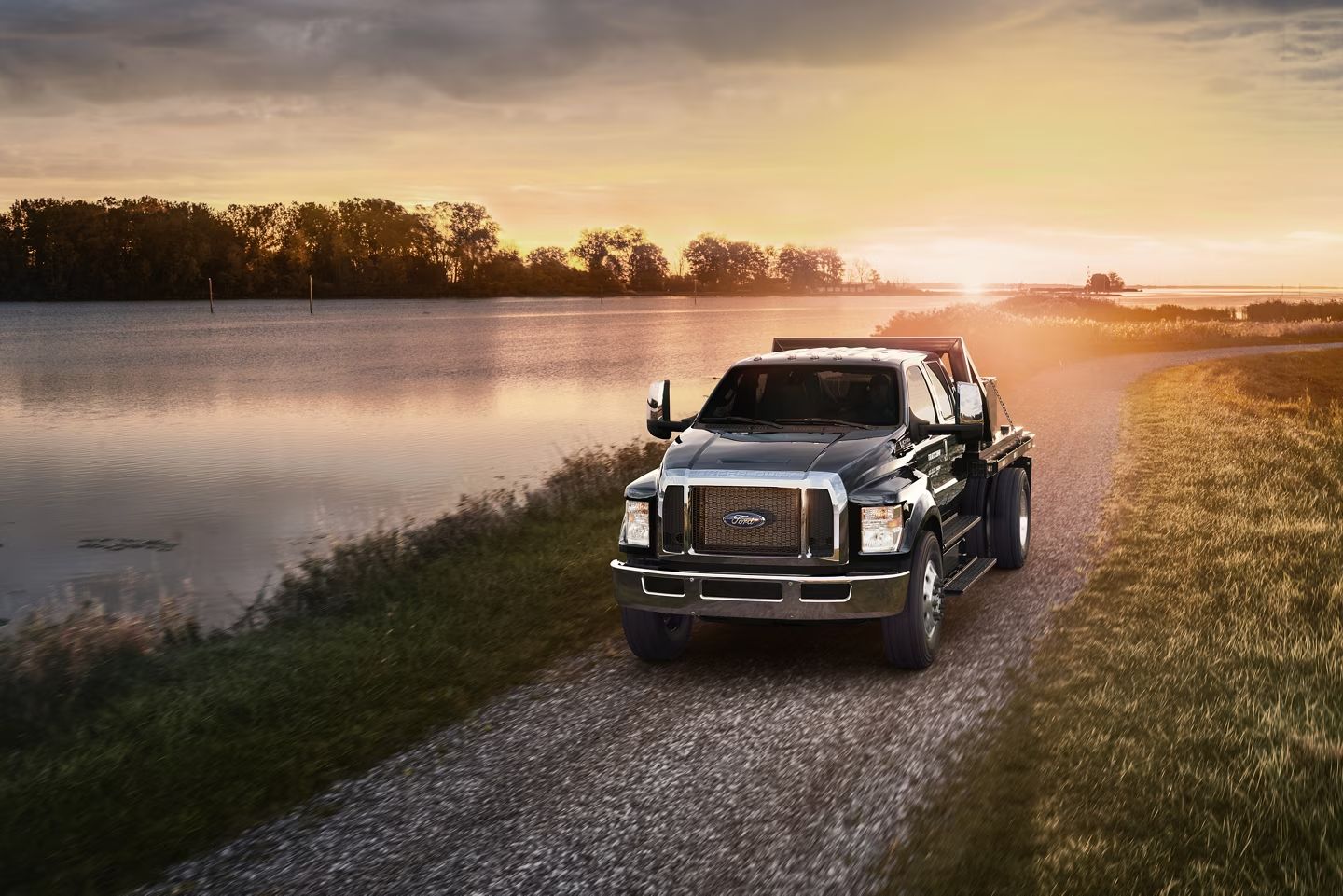
Truck 1: Ford F-750 Super Duty
For professionals in heavy-haul, municipal, and utility settings, the Ford F-750 Super Duty is more than just a large presence on the road. Its reputation for unmatched durability is deeply rooted in the heart of its engine design.
The reason for highlighting the Ford F-750 Super Duty here lies in its remarkable crankcase construction, which is a pivotal factor in its longstanding popularity among commercial operators.
The F-750’s crankcase is engineered using high-strength cast iron, meticulously formed to handle substantial thermal and mechanical stress expected during repeat towing cycles and hauling heavy payloads.
The crankcase features generous wall thickness, advanced ribbing to manage vibration, and sealing surfaces crafted to minimize oil seepage even when the engine is subject to continuous heavy-duty use.
These design choices aren’t arbitrary, nor are they there for the sake of marketing. Ford’s engineers incorporated real-world operator feedback, simulated high-stress load cycles, and selected alloys known for superior fatigue resistance.
Such attention to crankcase integrity translates into fewer unplanned service stops, far less risk of catastrophic engine failure, and greater confidence while operating under maximum tow load.
Selecting this model is as much about operational peace of mind as it is about keeping maintenance and downtime to a minimum. In competitive working environments, these factors become significant differentiators in fleet management.
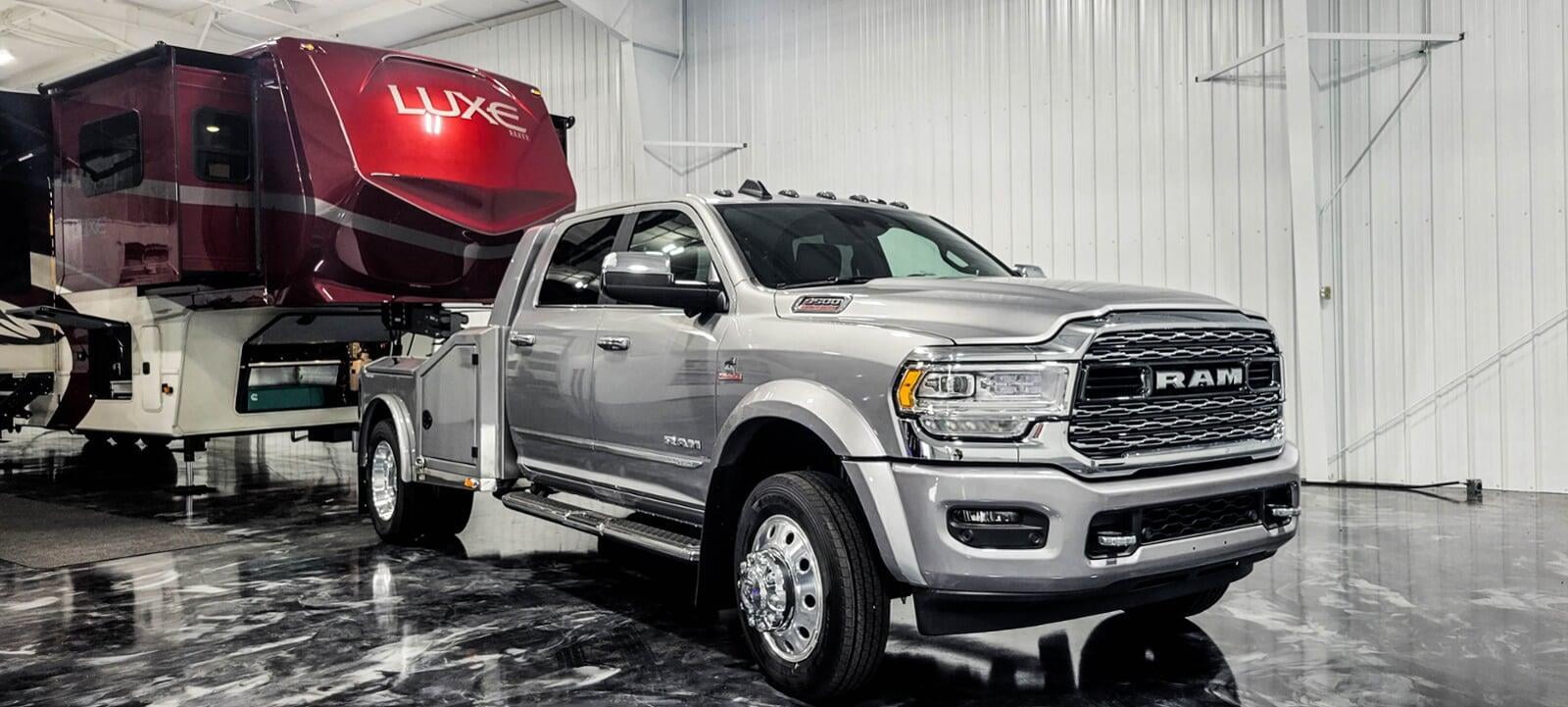
Truck 2: RAM 5500 Chassis Cab
The RAM 5500 Chassis Cab stands out among heavy-duty trucks, frequently chosen by emergency services, utility companies, and commercial upfitters.
Its robust crankcase serves as the foundation for an engine designed to function under excessive demands, a quality achieved through precision casting and thoughtful design.
Why focus on the RAM 5500 here? Because its crankcase, made primarily from compacted graphite iron (CGI), must endure grueling operational cycles typical of vocational fleets.
CGI is renowned for its unique mix of ductility and stiffness, providing enough flex to absorb mechanical shock while maintaining enough rigidity to prevent distortion and cracks.
The mating surfaces are machined with high precision to ensure oil and coolant channels remain sealed under the increased forces generated by frequent heavy towing or stop-start urban work.
The engineering strategy behind RAM’s crankcase is practical: avoiding the common pitfalls that lead to cracks, leaks, or warping during long-term service in harsh environments. This results in fewer unscheduled repairs, greater resale value, and a long service life.
Fleet managers often cite the crankcase’s longevity and resilience as deciding factors in procurement decisions, since these attributes reduce life cycle costs.
The attention to this detail in engine construction confirms why the RAM 5500 Chassis Cab deserves mention among heavy-duty workhorses.
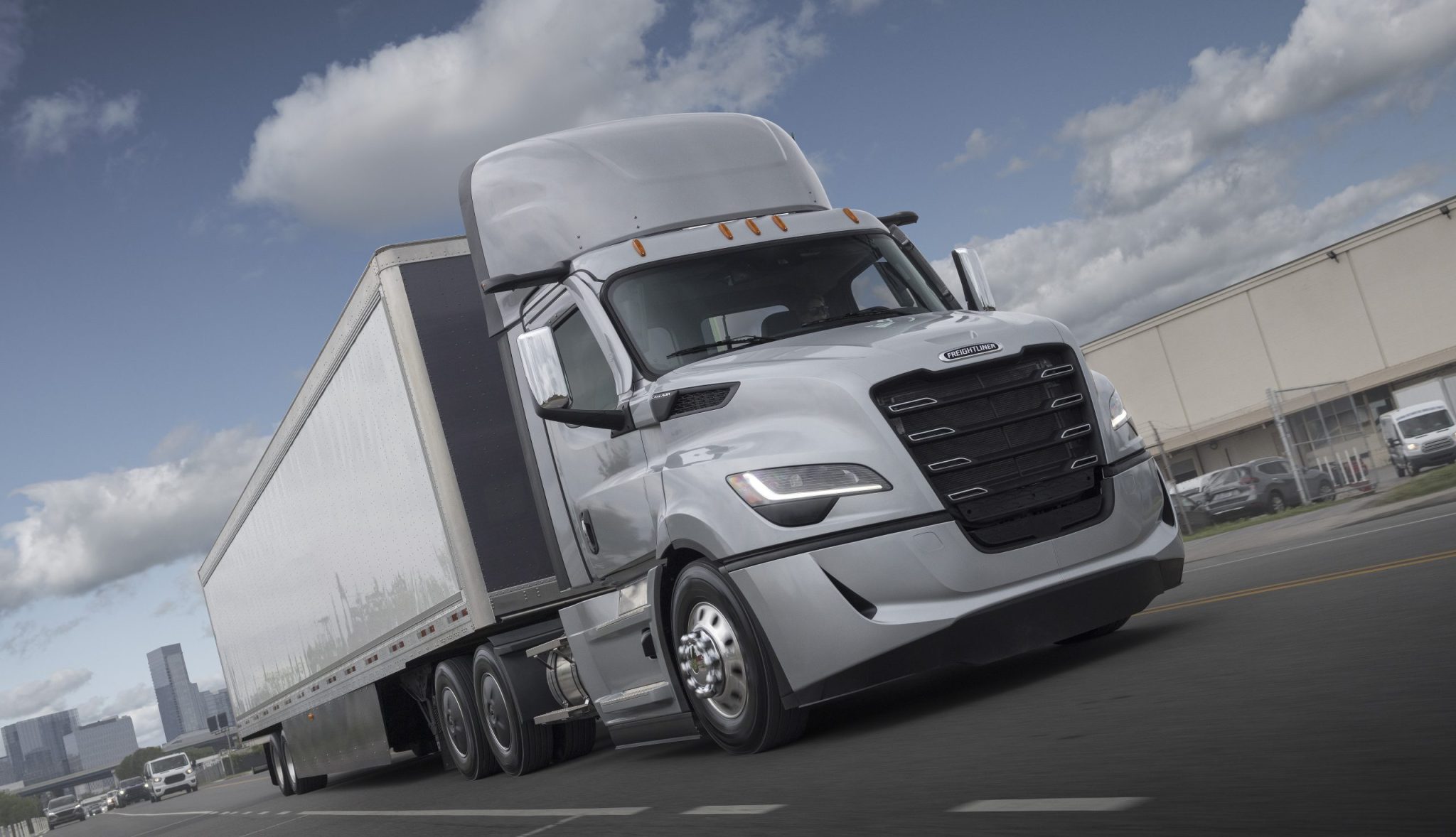
Truck 3: Freightliner Cascadia
Freightliner’s Cascadia does more than just ferry goods across continents. It’s renowned for dependability, much of which is attributable to its bottom–end engine robustness, especially the crankcase.
The Cascadia’s Detroit DD15 or Cummins engine options include crankcases built to handle high mileage, variable loads, and fluctuating driving conditions.
The reason for examining the Cascadia’s crankcase is its distinct approach to balancing mass and structural soundness. Freightliner employs computer-aided design and finite element analysis to optimize rib placement, material distribution, and reinforcement points in the crankcase.
This technique ensures that the engine’s supporting structure copes with intense dynamic loading such as the strain induced by repeated towing through mountain passes or cross-country trips with minimal risk for micro-fractures or fatigue.
Moreover, the Cascadia crankcases are known for their ease of inspection and service, cleverly integrating features that allow technicians to detect potential issues early.
These strengths lead to a notable reduction in engine repairs and part replacements, which can drive up costs for competitors. Addressing these engineering priorities protects fleet investments and reassures drivers covering thousands of miles each week.
Highlighting the Cascadia underscores how crankcase design significantly contributes to the reliability of next-generation highway trucks.
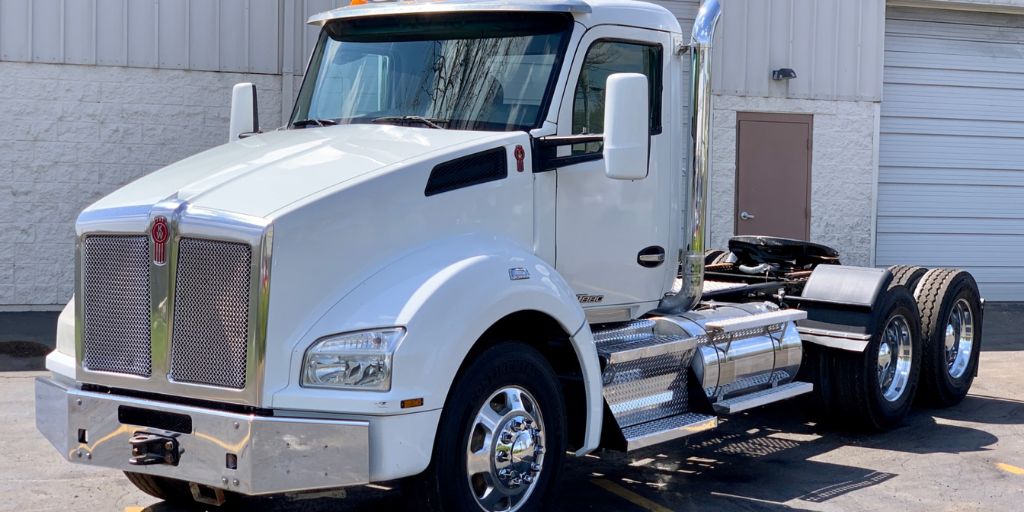
Truck 4: Kenworth T880
Kenworth’s T880 is frequently recognized for its versatility, suited for mixer, dump, refuse, and heavy-haul applications.
The model’s engineering addresses some of the most challenging loads on both paved and off-road surfaces, and at the heart of this longevity is a crankcase crafted to endure grueling stresses.
The Kenworth T880 employs crankcases manufactured from high-tensile steel alloy or advanced cast iron, depending on engine selection.
Manufacturers engineer these crankcases with increased gusseting and cross-web reinforcement, features that are crucial for controlling the effects of constant torque changes and power surges when towing or carrying heavy, uneven loads.
This structural integrity minimizes instances of cracks, oil pan leaks, or bearing misalignment as the truck ages.
The decision to feature the T880 here stems from real-world data collected by fleet operators who have reported lower engine overhaul rates and fewer major failures related to crankcase fatigue compared to competing models.
The crankcase’s reliability gives operators confidence in assignments that stretch the limits of engine design.
Recognizing Kenworth’s commitment to durability, specifically in crankcase architecture, assists buyers and fleet supervisors in choosing vehicles prepared for intensive labor, making the T880 a model worth discussing in detail.
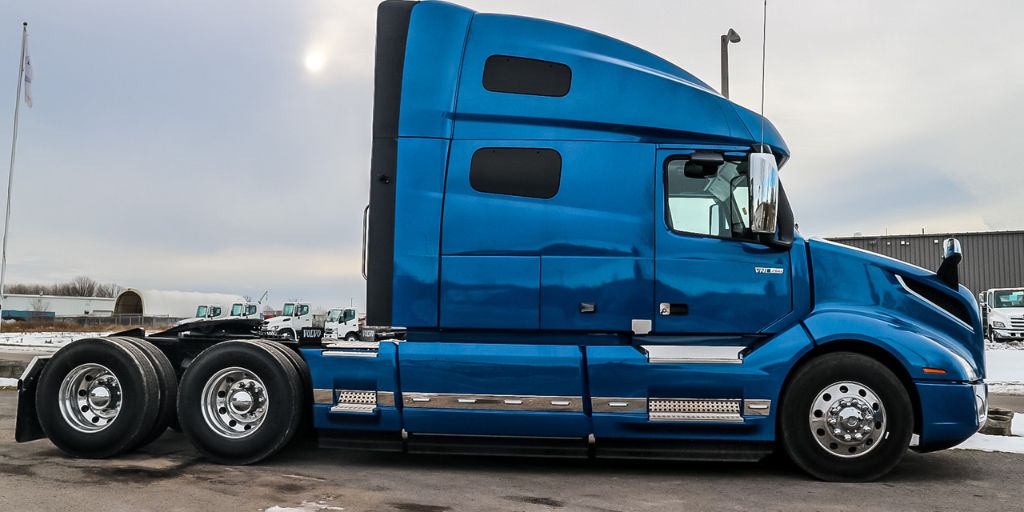
Truck 5: Volvo VNL 760
The Volvo VNL 760 sets a high benchmark in long-distance trucking, engineered to provide consistent performance across a spectrum of climates and terrains.
Its heavy-duty crankcase distinguishes itself with a blend of advanced metallurgy and a modular, service-friendly design that promotes maximum up-time.
The VNL 760’s crankcase, used in Volvo’s D13 engines, is composed of reinforced gray cast iron, chosen for its optimal balance between weight and structural resilience.
The crankcase features generously sized main bearing webs, which distribute engine loads evenly and enhance the block’s overall fatigue resistance.
Volvo’s precise casting process ensures each unit maintains dimensional consistency, reducing the risk of misalignments that might otherwise lead to stress cracks over time.
Why focus on the VNL 760? The emphasis is on a design philosophy that minimizes unplanned downtime, extends engine life, and promotes reliability even during taxing towing assignments, such as stretching across hilly terrains in extreme weather conditions.
Large regional fleets and independent operators alike report significant reductions in crankcase-related repairs, confirming the truck’s reputation for steadfastness. These attributes not only save money but also preserve operational continuity key priorities in the professional trucking industry.
5 with Cracks Under Towing Stress
Persistent hauling and extended towing put tremendous pressure on truck engines, especially the crankcase, which serves as both housing and skeleton for critical moving parts.
Not every truck model is engineered to withstand the relentless forces of modern transport, and evidence of this shortcoming often surfaces in the form of cracks during or after towing assignments.
Trucks that repeatedly exhibit such failures tell a cautionary tale about the long-term costs of insufficient crankcase design or lower-grade materials. When a crankcase develops cracks, the risks multiply rapidly.
Oil leaks, pressure loss, or catastrophic internal damage may follow, leading to unexpected breakdowns, lost revenue, and expensive overhauls.
This segment will focus attention on five truck models known to have recurring issues with crankcase cracks under the stress of towing.
The objective is to illuminate the underlying causes, whether stemming from design limits, material fatigue, or real-world operator practices that push these trucks beyond their intended capabilities.
By understanding these vulnerabilities, both prospective buyers and fleet managers can avoid costly pitfalls, identify potential weak points before purchase, and recognize warning signs early to prevent larger failures during intensive use.
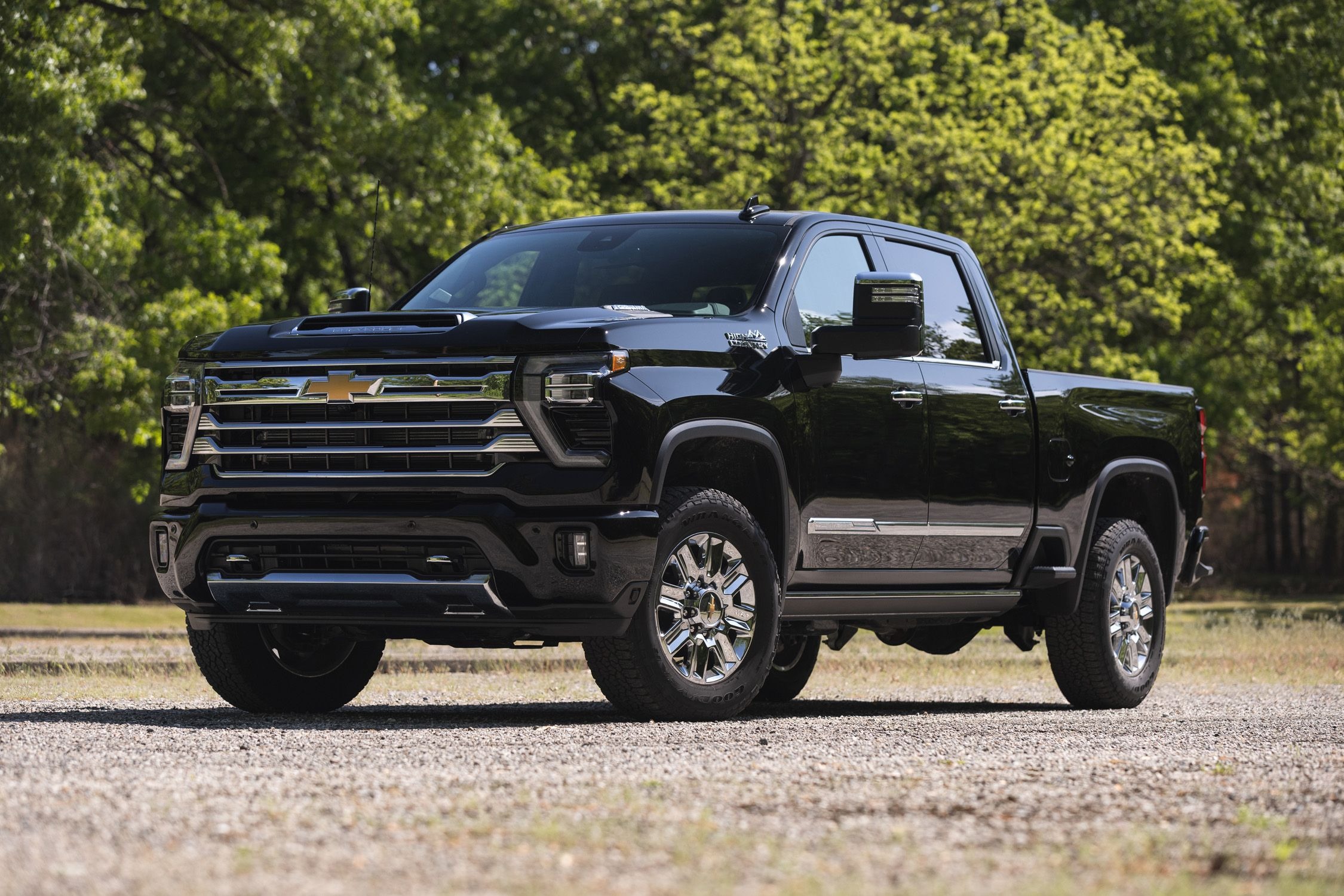
Truck 1: Chevrolet Silverado 2500 HD (Early 2000s Model Years)
The early 2000s Chevrolet Silverado 2500 HD is remembered for its impressive power but has also been associated with crankcase crack issues under heavy towing.
The focus on this model is purposeful, as many owners and independent shops have reported repeated occurrences of crankcase stress fractures when the truck is consistently tasked with pulling loads close to its rated capacity.
The root of the problem often lies in the alloy and thickness chosen for the crankcase in these generations, which can prove insufficient against rapid temperature shifts and the repetitive high-torque demands of towing.
The original design, while adequate for moderate daily use, struggles to cope with prolonged periods of high thermal and mechanical stress. Another aggravating factor is that Silverado’s crankcase venting system can become clogged, building internal pressure and exacerbating crack formation.
Highlighting this weakness serves as a caution for buyers considering these older models for sustained heavy-duty work. While the Silverado 2500 HD offers plenty of towing muscle, its crankcase’s engineered limits should be respected.
Owners should be aware that exceeding manufacturer recommendations for towing weight, especially over many mileage cycles, substantially increases the risk of catastrophic engine problems.
Such knowledge allows professionals to budget for regular inspections, strengthen maintenance schedules, or reconsider their use case for certain older trucks in their fleets.
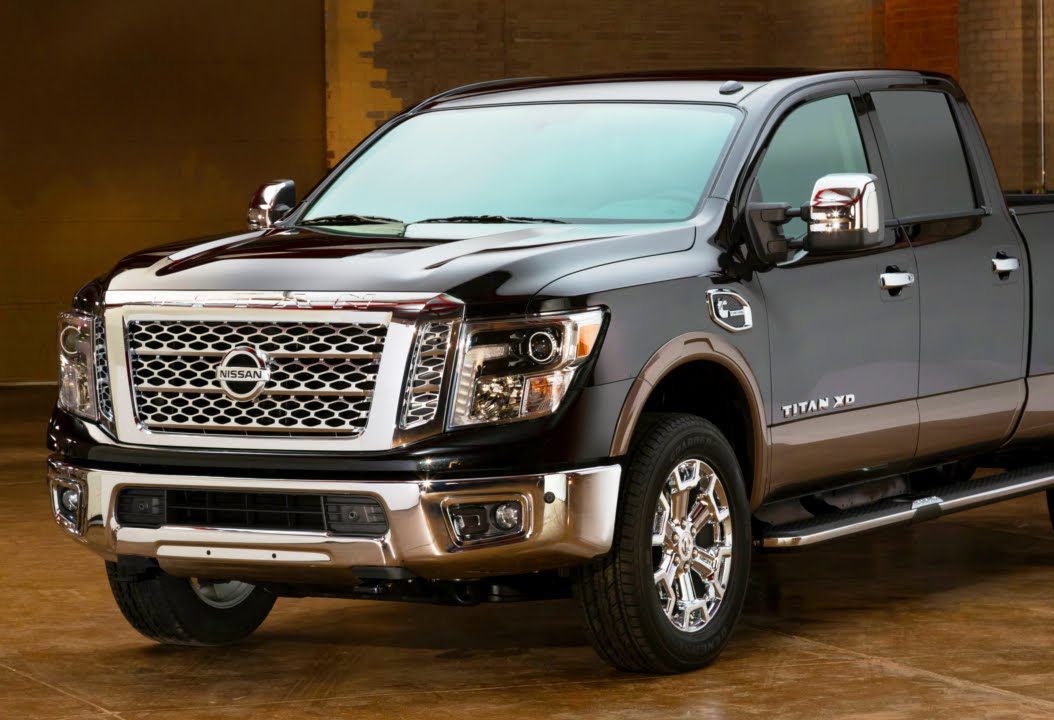
Truck 2: Nissan Titan XD (First Generation)
The Nissan Titan XD has been a popular option for those seeking a blend of light-duty agility and heavy-duty strength. Unfortunately, its first-generation models developed a reputation for developing cracks in the crankcase, predominantly when put to the test during consistent towing.
The reason for examining the Titan XD stems from the number of reports and warranty claims associated with crankcase failures.
The issue arises from a combination of material selection and casting design that does not sufficiently disperse the stresses imparted by long, heavy towing trips. The crankcase in particular is known for thinner wall areas near stress risers corners or junctions in the casting which become focal points for fatigue over time.
Documenting these shortcomings provides important insights for current and prospective Titan XD owners. The susceptibility to cracks becomes particularly acute when towing in hot climates, where temperature fluctuations further test the metal’s resilience.
Drivers who depend on the Titan XD for regular towing duty must pay close attention to early symptoms such as unexplained oil loss or visible seepage at the crankcase seam.
Preventing larger-scale breakdowns depends on recognizing these warning signs early and taking proactive maintenance or even retrofitting approaches, especially for those using this model for work-intensive purposes.
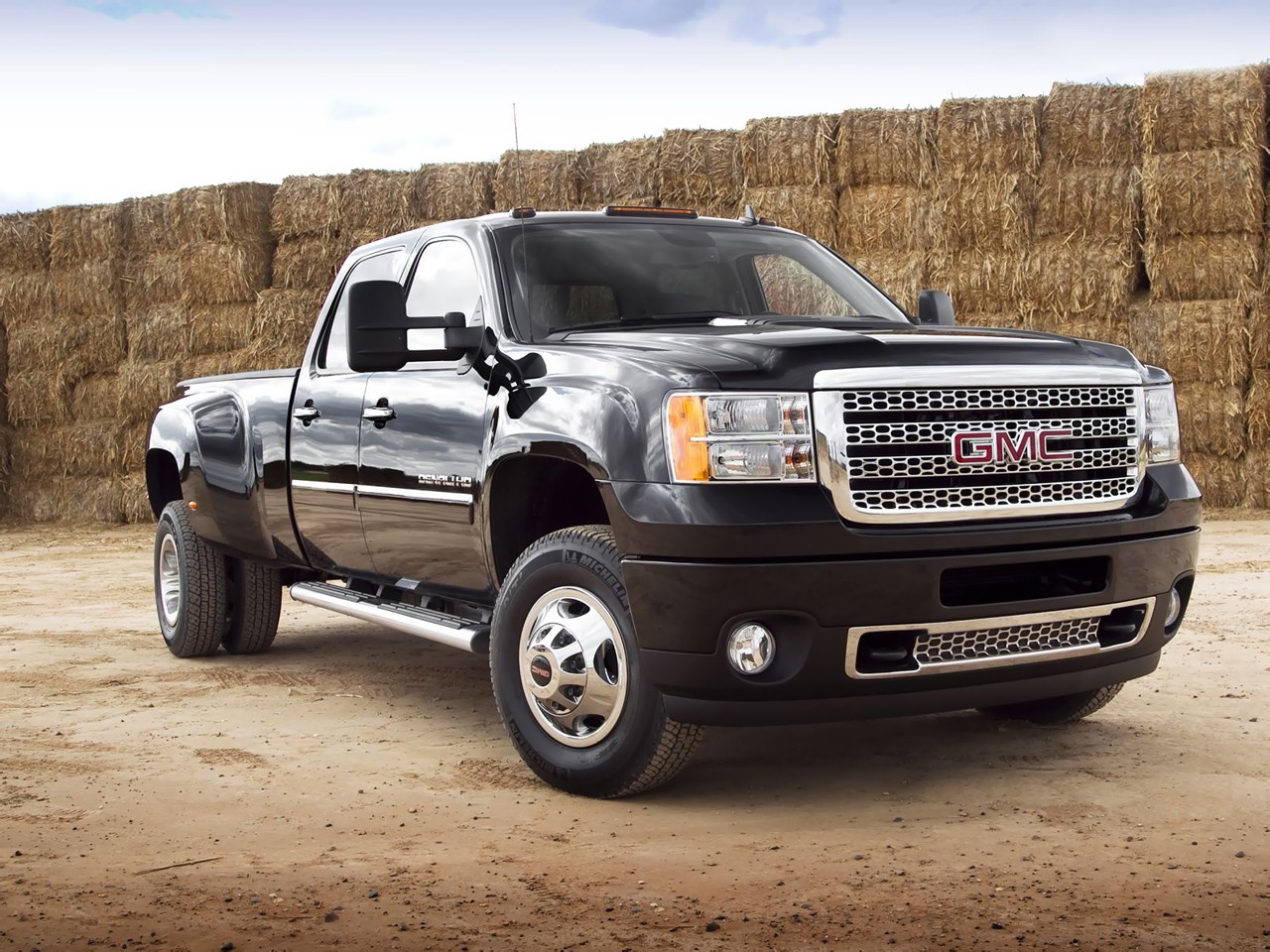
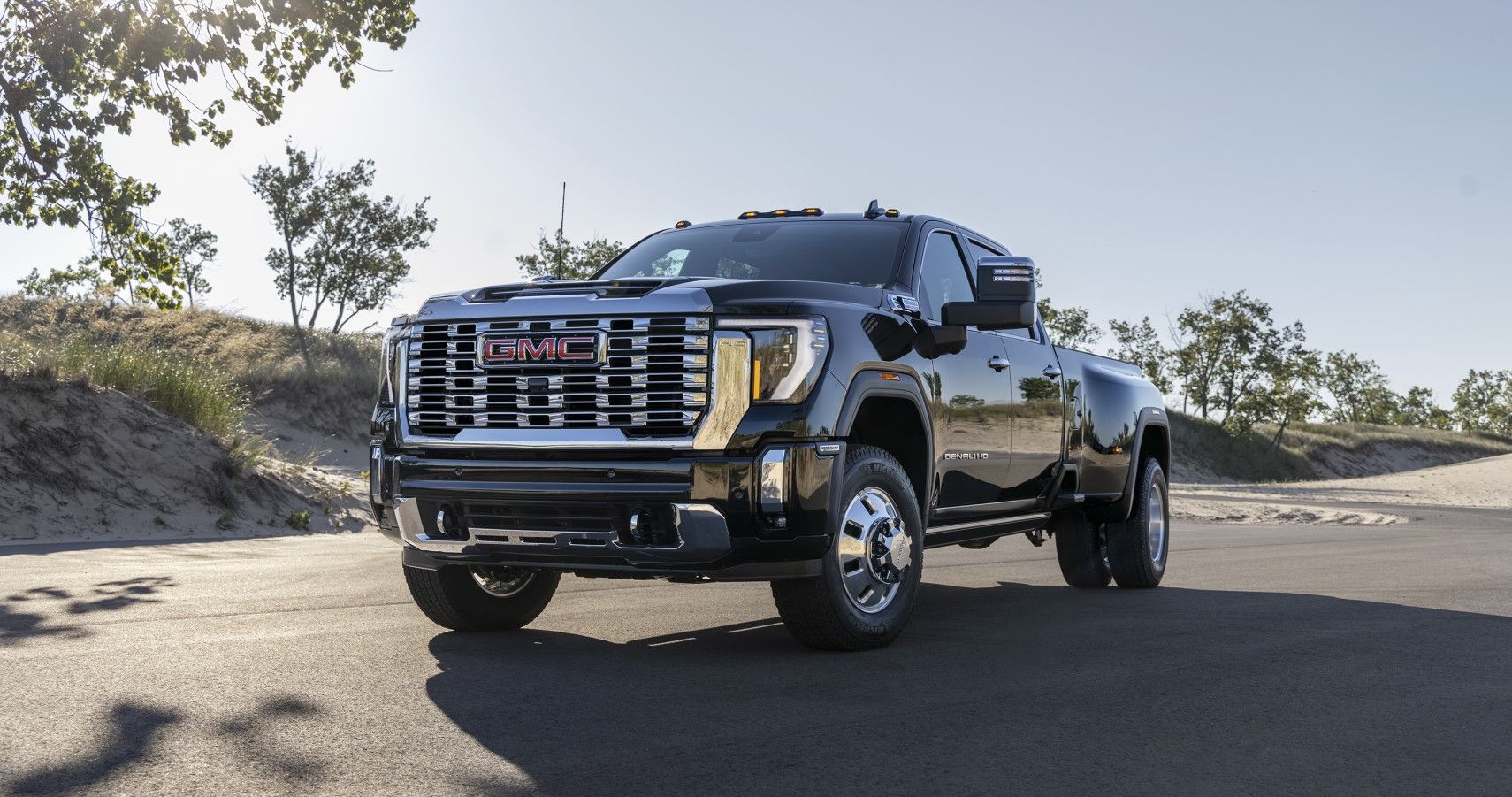
Truck 3: GMC Sierra 3500 HD (Early Model Generations)
Among heavy-duty pickups, the GMC Sierra 3500 HD is known for its prowess, yet several early model generations have been impacted by crankcase cracking, especially in fleets that employ these trucks for year-round towing.
This issue is worth highlighting because the Sierra 3500 HD’s crankcase on select earlier models was produced with castings that didn’t always manage thermal cycling and repeated loading effectively.
Cracks typically emerge around main bearing webs and at thinner wall sections, especially when subjected to cycles of heavy towing up and down steep grades or during sudden cooling after prolonged operation.
Owners and fleet mechanics have pointed out that the fatigue resistance of the crankcase, particularly in engine variants mated to higher output transmissions, does not always match the powertrain’s capacity.
As a result, there’s a disconnect between the engine’s rated capabilities and the actual resilience of its structural foundation.
Drawing attention to this problem underscores the importance of not simply relying on power specs but also considering long-term structural reliability.
For anyone running larger trailers with these older trucks, scheduled inspections for microcracks and upgrades in engine supporting systems become essential in avoiding costly failures and extended downtime.
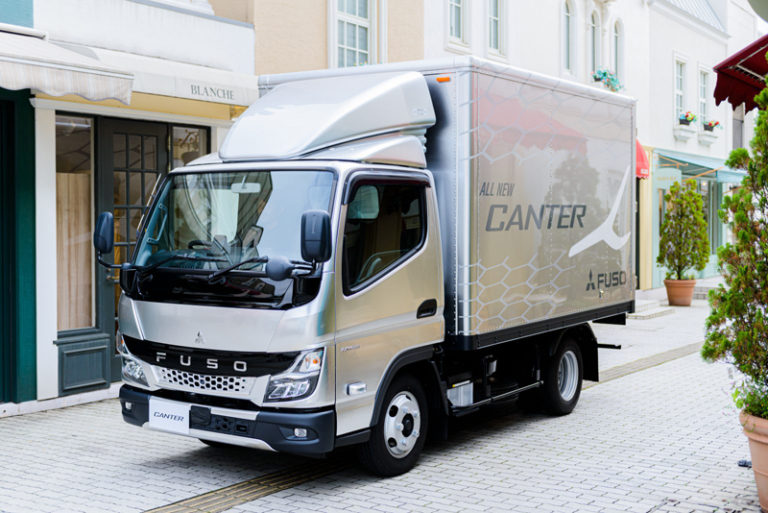
Truck 4: Mitsubishi Fuso Canter (Certain Production Years)
The Mitsubishi Fuso Canter, a workhorse in light and medium commercial applications worldwide, appears frequently on lists compiled by service technicians for crankcase cracking during prolonged towing or hauling.
The Canter’s compact dimensions and reputation for efficiency have seen it widely adopted, but certain production years have experienced challenges in crankcase design that become evident when the trucks undertake persistent heavy towing.
The primary issue comes down to insufficient reinforcement at critical junctions in the crankcase casting. Under continuous towing stress, thermal expansion, and vibration, these locations tend to experience material fatigue faster than anticipated.
Selecting the Canter for discussion brings needed attention to the limitations of lighter-duty designs being used for heavier operations than they were originally intended for.
Fleet operators who push the Fuso Canter into towing scenarios must weigh risk against reward, knowing that the money saved on fuel or vehicle purchase may be offset by rising repair costs if cracks develop.
Realizing this pattern can help buyers select the right model year, request necessary reinforcements when purchasing used units, or opt for heavy-duty alternatives for chronic towing tasks.
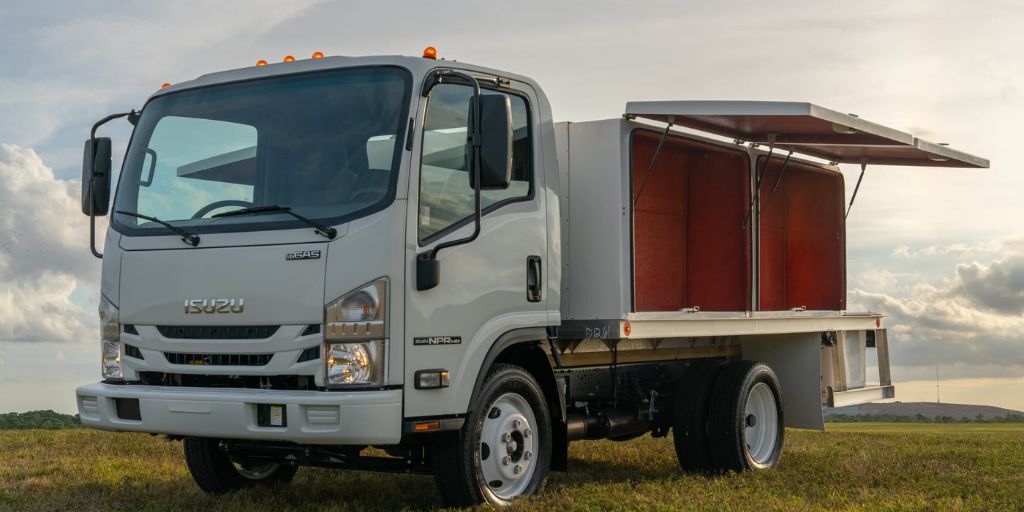
Truck 5: Isuzu NPR-HD (Select Model Years)
The Isuzu NPR-HD is widely used in last-mile logistical services and as a platform for urban delivery vehicles, but in select model years, it has faced complaints over crankcase endurance under sustained towing stress.
Bringing up the NPR-HD is essential because its crankcase, particularly in specific diesel variants, has displayed an increased sensitivity to stress risers and deficient heat dispersion during demanding tasks.
The cracks most commonly form in zones near mounting bolts and at the transitions between cast sections, becoming visible after a combination of heavy loads and frequent city stop-start driving that generates repeated heat cycling.
This phenomenon is crucial to document for operators who might otherwise assume that reliability in routine delivery translates to performance under maximum tow loads.
It highlights the importance of matching vehicle selection to the application, paying attention not only to payload and towing capacity but also to crankcase and block design.
Those using the Isuzu NPR-HD should consider regular crankcase inspection when hauling equipment or trailers, adjust loads appropriately, and review maintenance records closely when acquiring used trucks known to have undertaken heavy towing in the past.
Identifying these vulnerabilities ensures better decision-making and cost control for small businesses and urban fleets.
Crankcase integrity stands as a defining factor in the reliability and longevity of heavy-duty trucks, influencing operational uptime, safety, and long-term maintenance expenses.
The discussion examined two distinct categories: trucks outfitted with robust, heavy-duty crankcases, and those with a known pattern of developing cracks when subjected to extended towing.
Trucks with heavy-duty crankcases, such as the Ford F-750 Super Duty, RAM 5500 Chassis Cab, Freightliner Cascadia, Kenworth T880, and Volvo VNL 760, showcase advanced engineering through the use of superior materials like high-strength cast iron or compacted graphite iron.
Design attributes including reinforced ribbing, precision-machined surfaces, and thoughtful reinforcement reduce common vulnerabilities, markedly improving resistance to temperature fluctuation, vibration, and continuous heavy hauling.
For operators, these advantages translate into fewer breakdowns, extended service intervals, and greater confidence during demanding operations.
The reliability engineered into these crankcases underscores their suitability for industries such as construction, freight, and emergency response, where unplanned downtime can have substantial financial ramifications.
By contrast, certain trucks namely older models of the Chevrolet Silverado 2500 HD, Nissan Titan XD, GMC Sierra 3500 HD, Mitsubishi Fuso Canter, and specific Isuzu NPR-HD variants have demonstrated a propensity for crankcase cracking under intense towing or hauling.
Factors like suboptimal material selection, inadequate wall thickness, and poor heat dispersion contribute to accelerated fatigue, especially when these vehicles are pushed beyond their intended design parameters.
Cracks in the crankcase can lead to oil loss, engine pressure failures, and ultimately, catastrophic engine damage.
These examples highlight the importance of aligning intended usage with engineering limitations, advocating for proactive inspection, strict adherence to manufacturer guidelines, and realistic capacity planning for fleet managers and buyers.
Ultimately, the insights gained reinforce the critical role that crankcase design and manufacture play in overall truck dependability.
Making informed choices about truck acquisition and usage based on crankcase resilience can help businesses reduce risk, optimize maintenance planning, and achieve more predictable operating costs.
Also Read: 5 Cars with Reinforced Engine Mounts vs 5 with Worn-Out Mounts
