
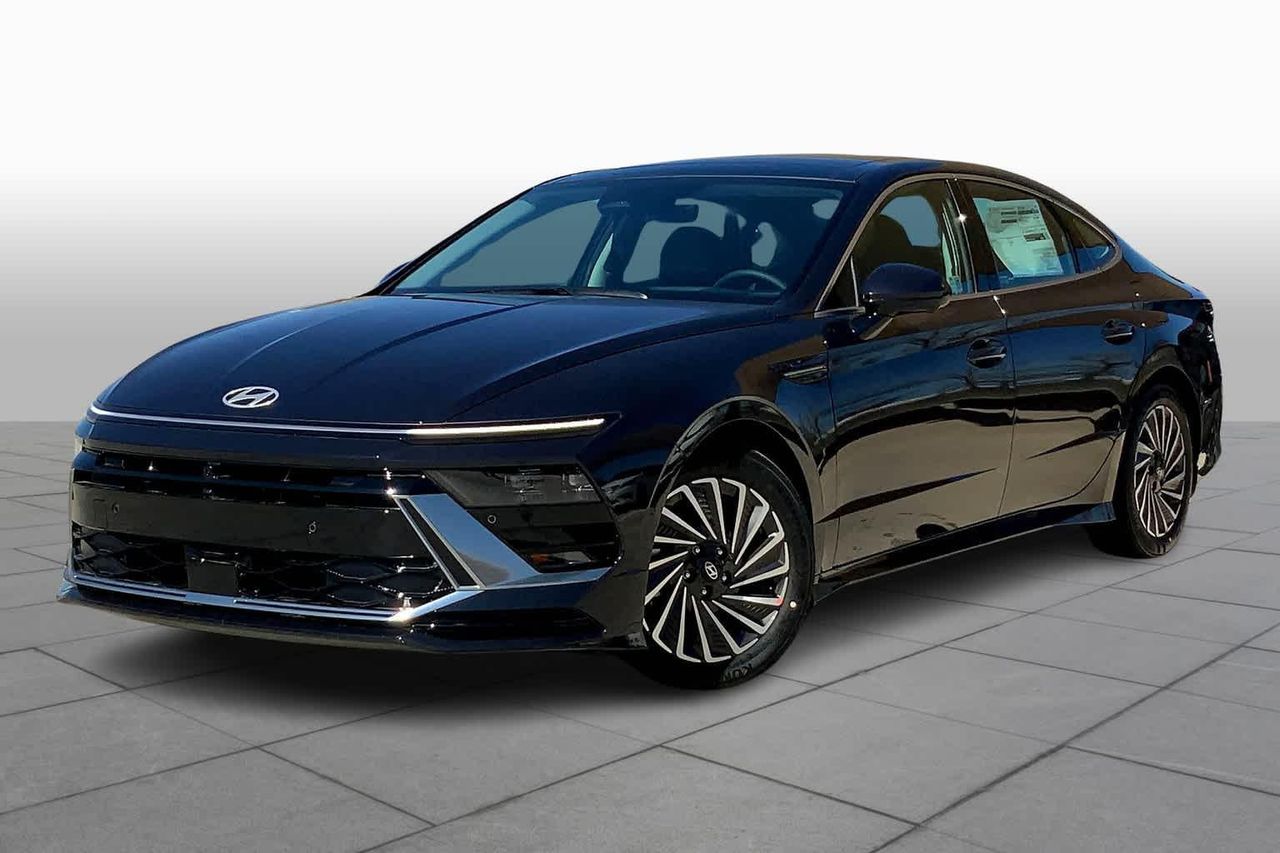
Fuel injection systems play a pivotal role in determining how a car performs over its lifespan. Modern vehicles often tout “lifetime” fuel injectors that promise reliable function for hundreds of thousands of miles, reducing maintenance worries and potentially saving owners money.
These injectors are engineered to withstand a mixture of fuel types, changing driving habits, and the harsh realities of real-world environments.
Conversely, some vehicles gain a reputation for experiencing fuel injector problems far sooner, with owners and mechanics noting clogs and related issues even before reaching 60,000 miles.
Early fuel injector failure often emerges due to design oversights, lower-quality materials, or compatibility problems with varying fuel standards.
Both topics are central for car buyers and enthusiasts who value not just reliability but also the costs and hassles that may arise during ownership.
A car with dependable fuel injectors requires less frequent trips to the mechanic, allows the engine to run smoothly, and can sometimes contribute to better fuel economy.
On the other hand, those with chronic injector issues may bring about unplanned costs, frequent warning lights, performance drops, or even engine damage.
Highlighting noteworthy models from each side enables prospective car buyers to make informed decisions and understand the practical implications behind the technical claims, especially when long-term dependability is a priority.
Also Read: Top 10 EVs With Proven Winter Performance in 2025
5 Cars with Lifetime Fuel Injectors
Fuel injection technology has matured significantly in recent years, influencing how manufacturers design and test their vehicles for durability.
Some brands go above and beyond, promising fuel injectors that are essentially maintenance-free for the vehicle’s lifetime (often defined as upwards of 150,000 to 200,000 miles or more under normal driving conditions).
These claims aren’t just marketing fluff; they often reflect rigorous testing standards and the use of higher-grade materials that resist the buildup of deposits or corrosion.
A car with long-lasting injectors benefits owners with lower maintenance costs, less downtime, and sustained performance, especially as fuel systems become increasingly complex to meet efficiency and emission targets.
Fuel injectors are exposed to extreme temperatures, fluctuating fuel qualities, and occasionally debris or water in fuel. Premier engineering ensures that, regardless of these factors, the injectors keep atomizing fuel flawlessly.
These vehicles tend to be favored by fleet operators, rideshare drivers, and commuters who prize peace of mind and minimal mechanical interruptions.
Chronic maintenance hassles can lead to lost time and missed commitments, so a reputation for injector longevity genuinely adds value.
Below, we will discuss five vehicles noted for their exceptional fuel injector longevity, referencing consumer reports, expert mechanic reviews, and manufacturer claims.
Each vehicle on this list stands out for its engineering excellence, with details on the factors responsible for its injected-fuel reliability.
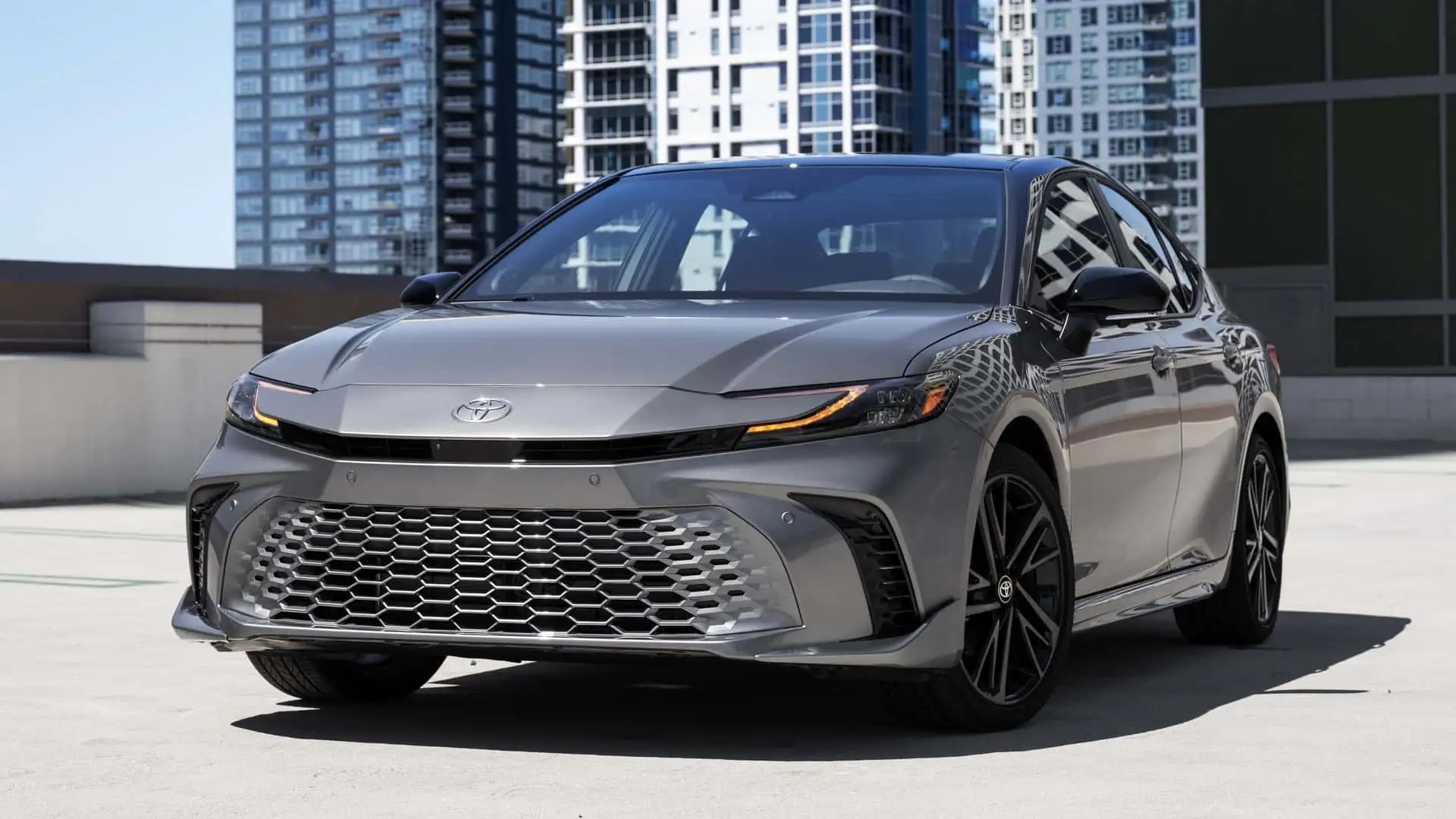
1. Toyota Camry (2018-Present): Benchmark for Durability
The Toyota Camry has become synonymous with long-term dependability, and its fuel injection system is a significant contributor to this reputation.
Since adopting direct injection technology with its eighth-generation models, Toyota has focused on building injectors from premium stainless steel alloys that resist corrosion more robustly than older designs.
Engineers also designed the fuel delivery system to handle a broad spectrum of gasoline types, including blends that may contain ethanol, which poses a challenge for many injectors.
Field data from mechanics and fleet operators reveals Camrys frequently sail past 150,000 miles without fuel injector issues, provided routine maintenance is observed.
The fuel filtration and system self-cleaning are refined to minimize particulate buildup, a common cause of injector clogs elsewhere. The “lifetime” tag comes from manufacturer advisories indicating that replacement is unnecessary under regular use unless a rare fault arises.
This leads Camry owners to experience minimal loss of engine efficiency or misfires, conditions often attributed to failing injectors in other models.
Reliable injectors are especially important as the Camry’s engine technology increases in complexity, with multi-port and direct-injection working together for maximum efficiency.
Reports from long-time owners note strong performance over many years, reinforcing the model’s reputation.
Toyota’s strategy of emphasizing rigorously tested, high-durability parts has made the Camry not just popular, but a class leader that other automakers are pressed to match.
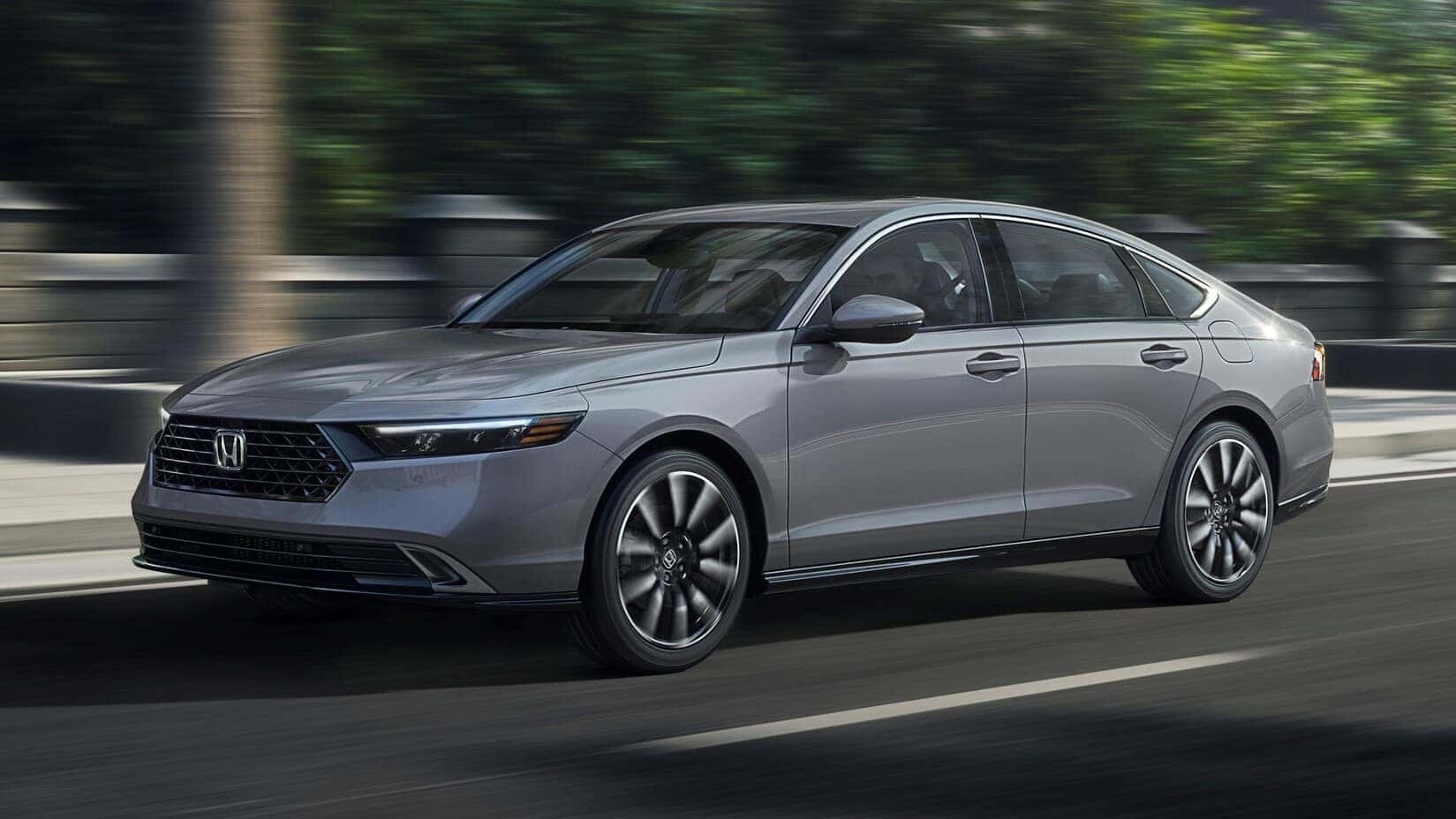
2. Honda Accord (2018-Present): Blending Engineering and Reliability
The Honda Accord is celebrated not only for comfort and handling but also for remarkable engine reliability, which hinges largely on the fuel injectors’ performance.
Honda’s use of direct-injection turbocharged engines since 2018 represents a shift in how the Accord manages fuel delivery.
Instead of sticking to legacy injection approaches, Honda invested heavily in upgraded injector seals and ultrasonic cleaning protocols that occur during vehicle assembly.
These enhancements have reduced instances of early clogging reported in older Accords. Customer surveys and reliability studies consistently report far fewer injector-related complaints with recent models.
Honda states that their latest systems are engineered for the life of the engine, estimated at 150,000-200,000 miles. The lack of common warning signs, such as hesitation and poor idling, over higher mileages suggests the design is working as intended.
Further supporting this view, automotive service organizations have found that the Accord’s injectors, when paired with recommended fuel and maintenance schedules, typically outlast those of less sophisticated rivals.
Drivers who make frequent city commutes or rely on their car for commercial purposes particularly appreciate the reduced risk of disrupting injector issues.
Injectors that last reduce total cost of ownership and keep the Accord running as efficiently at 100,000 miles as it did on day one, underscoring why it is a wise choice for those prioritizing long-term value.
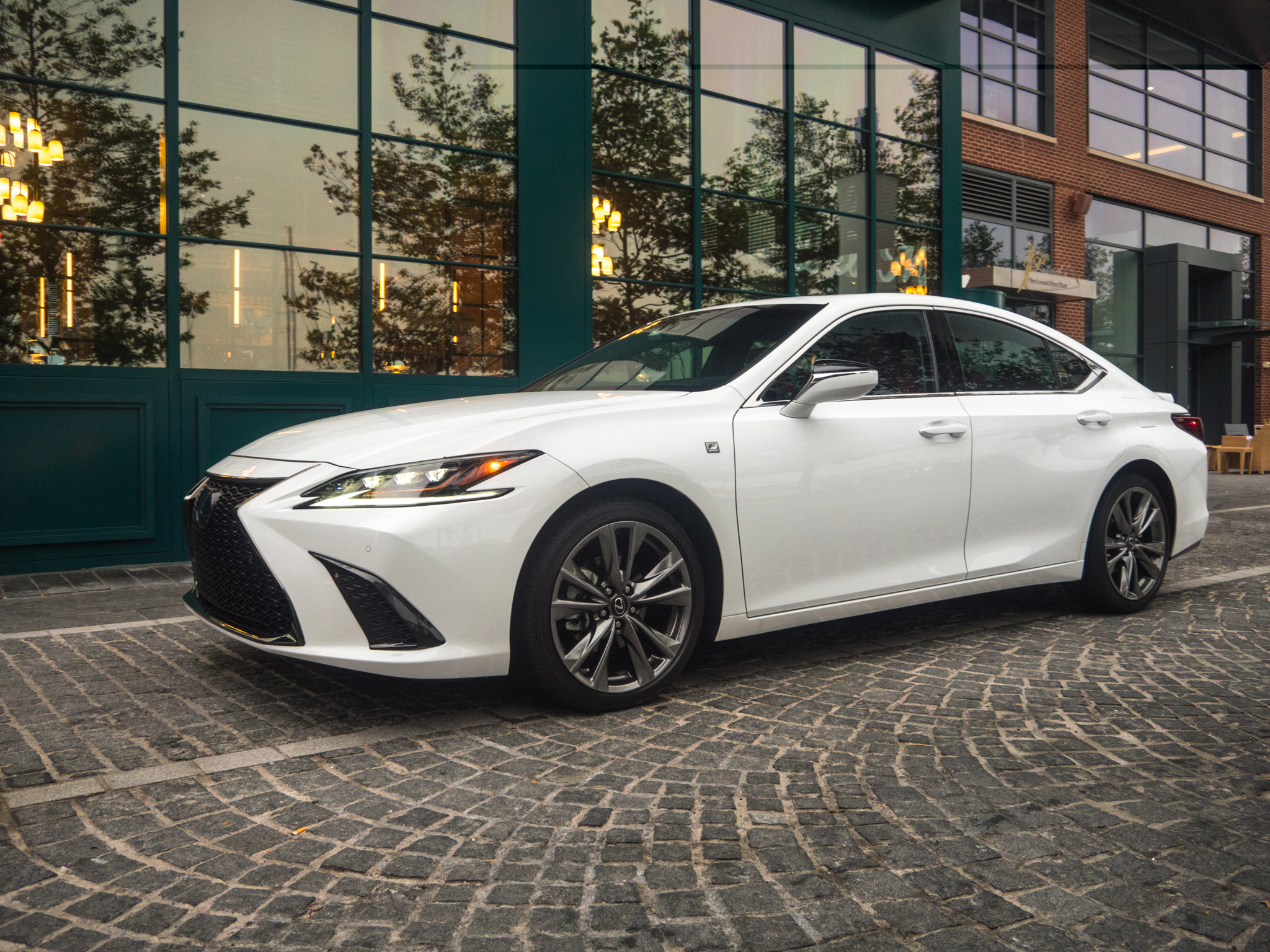
3. Lexus ES (2019-Present): Premium Longevity Meets Practicality
The Lexus ES integrates tried-and-true Toyota technology with luxury-level refinement, resulting in an exceptionally robust fuel system. Owners often report trouble-free injectors beyond 150,000 miles, aligning with Lexus’s claims of lifetime durability in normal use.
The ES employs direct and port injection systems simultaneously, minimizing the risk of carbon buildup that can sabotage other direct-injection setups.
What sets the ES apart is the meticulous component testing subjected to each injector before entering final assembly. Lexus uses advanced synthetic seals and surface coatings that shield injectors from both acidic fuel byproducts and micro-contaminants.
These incremental design choices, seemingly minor at first glance, reflect a broader strategy to reduce premature wear.
Another key reason to highlight the ES is its popularity with professional drivers, including livery services and rideshare operators, who log up to 40,000 miles per year.
Despite high mileage, these vehicles regularly perform without the tell-tale signs of injector issues that other luxury sedans may encounter early in their lifecycle.
Real-world data from taxi fleets in major cities offers further evidence: injector-related repairs remain infrequent throughout years of hard use.
This combination of reliability and luxury makes the ES a standout example of how premium materials and smart engineering result in genuinely low-maintenance fuel systems.
4. Subaru Outback (2015-Present): Resilience in Challenging Conditions
The Subaru Outback’s reputation for reliability and all-weather performance is thanks, in part, to the quality of its fuel injection components.
Subaru employs specially coated high-resistance injectors in the Outback that can handle temperature extremes, impure fuel, and stop-start driving.
This approach is particularly vital, given that many Outbacks operate in cold or mountainous regions where fuel system problems could easily leave drivers stranded.
Unlike a number of compact and midsize SUVs that develop issues as early as 70,000 miles, Outbacks often cross 150,000 miles with scarcely a hiccup in injector performance.
Subaru’s insistence on redundant fuel filtration and ample documentation for fuel system maintenance are factors in its enviable record.
Many mechanics have noted that injector removal on older high-mileage Outbacks is more likely due to unrelated engine work than any failure of the injector itself.
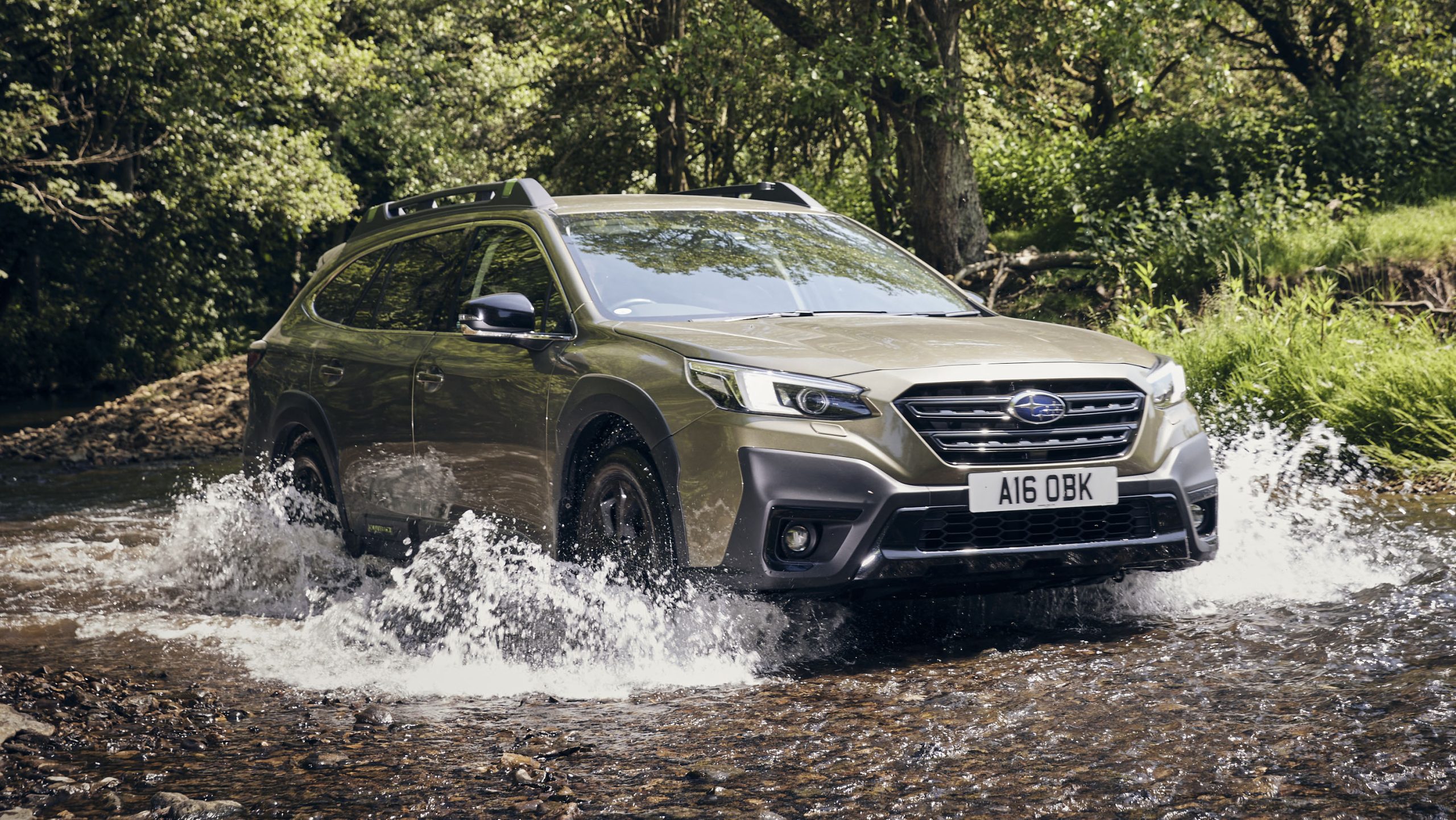
The Outback’s injectors are designed to accommodate a variety of fuel blends common across North America, meaning that even with less-than-optimal fuel quality, clogging and performance drop-offs are rare.
For owners who rely on their vehicle for long road trips, wilderness adventures, or daily commutes in unpredictable weather, this injector reliability is a comfort and a practical advantage.
5. Ford F-150 (2016-Present): Workhorse Peace of Mind
The Ford F-150 has earned its share of hard-won dependability accolades, especially with its latest fuel injection innovations.
The switch to dual fuel injection (using both port and direct injection) on EcoBoost and newer 5.0-liter engines greatly improves resilience to carbon buildup and contaminant-related injector troubles.
This design allows the system to cycle fuel through two injector sets, significantly reducing the risk of one set becoming overly stressed or clogged.
This dual-system approach has proven effective for the kind of stop-and-go driving and heavy idling common to trucks in commercial and towing service.
Technicians and independent reviews frequently cite F-150 injectors as “lifetime” components under regular maintenance. Reports of injector clogging or failure are rare, especially in vehicles maintained per Ford’s guidelines.
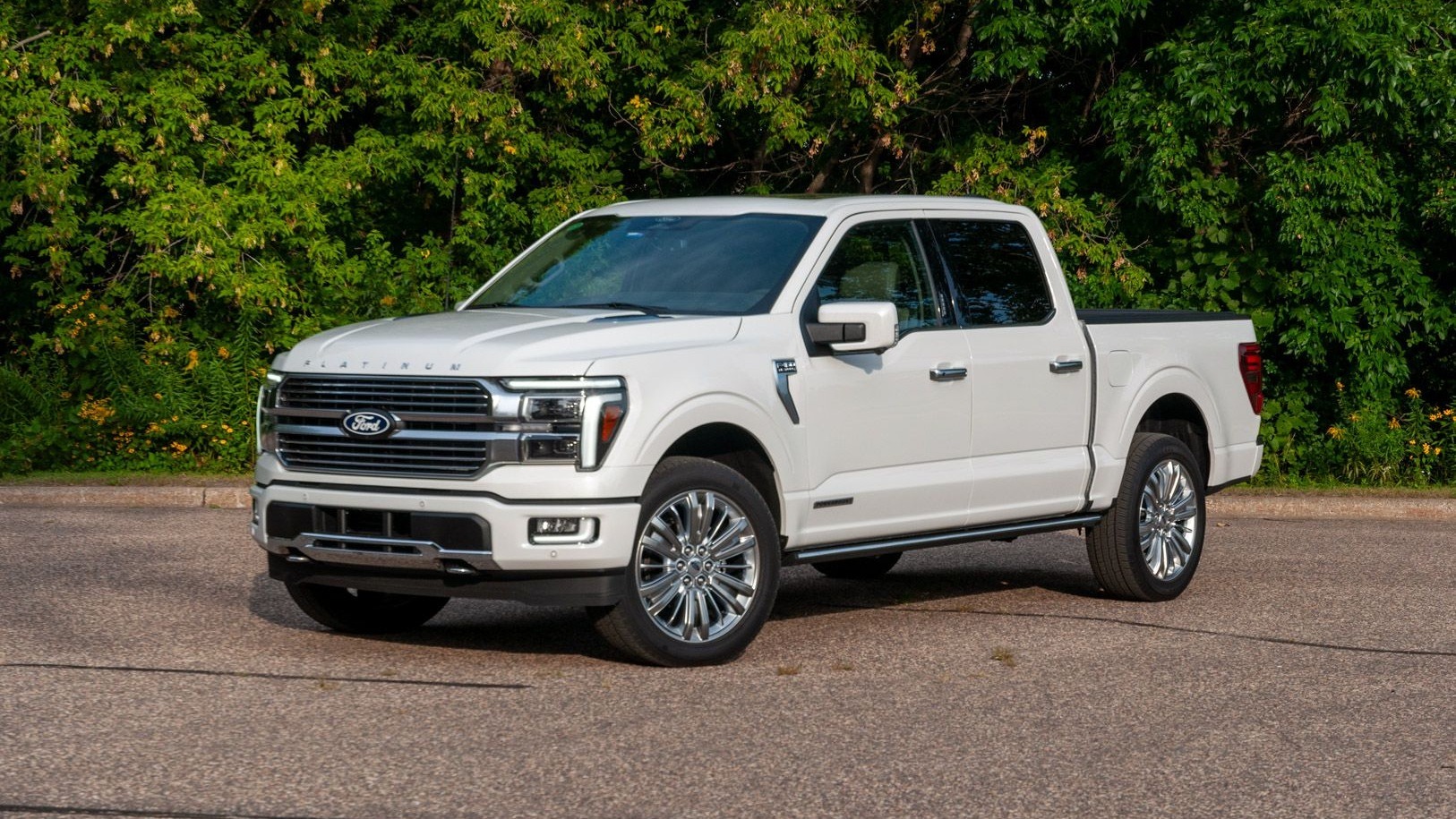
Fleet buyers and long-term owners have consistently found that F-150s keep running strong past 150,000 miles, with injector replacements needed only in exceptional cases.
Given the F-150’s popularity with contractors and rural drivers, the move to robust, low-maintenance injectors is both a practical and an economic necessity.
This reliability cements the F-150’s standing not just as a workplace staple but as a truck capable of racking up enormous miles with minimal injector concern.
5 Cars with Clogged Units by 60,000 Miles
While some vehicles boast fuel injectors likely to last decades, others stand at the opposite end of the spectrum.
Owners and mechanics regularly point to models that develop injector clogs and fuel delivery troubles before they even reach 60,000 miles, sometimes well ahead of the typical expectations for modern components.
Factors behind early failures often include lower-quality injector materials, less effective filtration systems, or fuel system designs that allow contaminants or carbon deposits to easily disrupt normal operation.
Early injector clogging becomes a headache for both owners and service professionals. The symptoms are often unmistakable: sudden loss of power, engine misfires, hesitation under acceleration, and even the illumination of check engine lights.
Unaddressed, these problems can cascade into more serious repairs, including expensive engine overhaul work or catalytic converter replacements.
This group of vehicles serves as a warning to buyers: not all fuel injection technologies are created equal.
Understanding why some cars fare poorly helps demystify claims of reliability, equipping readers to make more strategic choices and, ideally, avoid costly repair cycles that can sour the ownership experience.
Below, we examine five models commonly reported to suffer from early injector clogs, focusing on the factors that contribute to their reputation and why that matters for prospective owners.
1. BMW 3 Series (2012-2018): Precision with a Catch
The BMW 3 Series offers sharp handling and advanced technology but has struggled with early fuel injector failures on specific turbocharged models.
Owners of the F30 generation, equipped with the N20 turbo-four and N55 six-cylinder engines, report issues such as rough idling, hesitation, or misfires under acceleration, sometimes before reaching just 40,000 miles.
Subsequent diagnosis often finds one or more injectors clogged with deposits, requiring replacement.
BMW adopted direct injection widely during these years to improve performance and meet emissions standards, but many vehicles were sensitive to U.S. fuel blends, especially those containing higher amounts of ethanol.
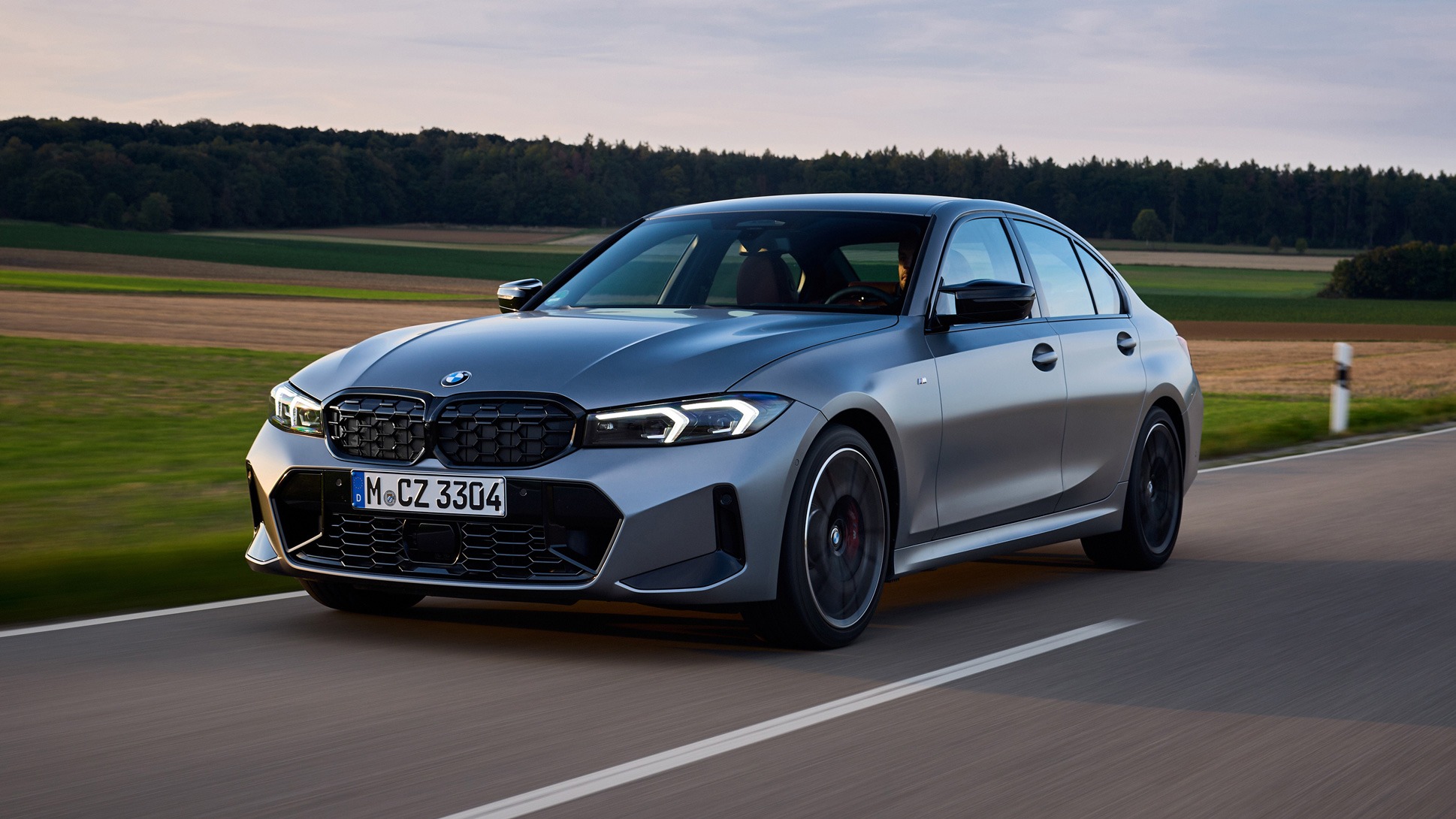
Inadequate fuel filtration and lack of regular upper engine cleaning exacerbate the problem, since direct-injection engines are especially prone to carbon buildup on injector tips. For owners, this can turn a premium sporting sedan into a technical headache.
Dealer service bulletins and extended warranty programs hint at the scope of this problem, with replacements sometimes covered by BMW as a goodwill gesture. Still, out-of-pocket injector replacements remain common for those outside coverage.
The 3 Series experience underscores that high-tech engineering, if paired with cost-cutting or regional fuel mismatch, can undermine reliability. Prospective buyers considering a used 3 Series from this vintage should verify injector work or budget for preventive maintenance.
2. Nissan Altima (2013-2018): High Volume, High Complaints
The Nissan Altima sells in huge numbers, but its fuel system reputation took a hit during the mid-2010s. Owners and repair shops report repeated injector clogging, often surfacing between 40,000 and 60,000 miles.
The primary culprit seems to be a combination of cheaper injector construction and an inadequate filtration system on certain engine variants. Reports of stalling, hesitant acceleration, and rough running are widespread and well-documented in consumer complaint databases.
Aftersales forums and mechanic reports highlight that Nissan opted for basic injector designs prone to rapid deposit formation. Unlike more advanced systems that incorporate dual injection or enhanced self-cleaning, certain Altima variants rely on minimalist engineering.
This exposes the injectors to ethanol-rich fuels and debris that quickly lead to trouble. Nissan’s technicians frequently recommend injector service or replacement early on, sometimes before the owner has even paid off their car loan.
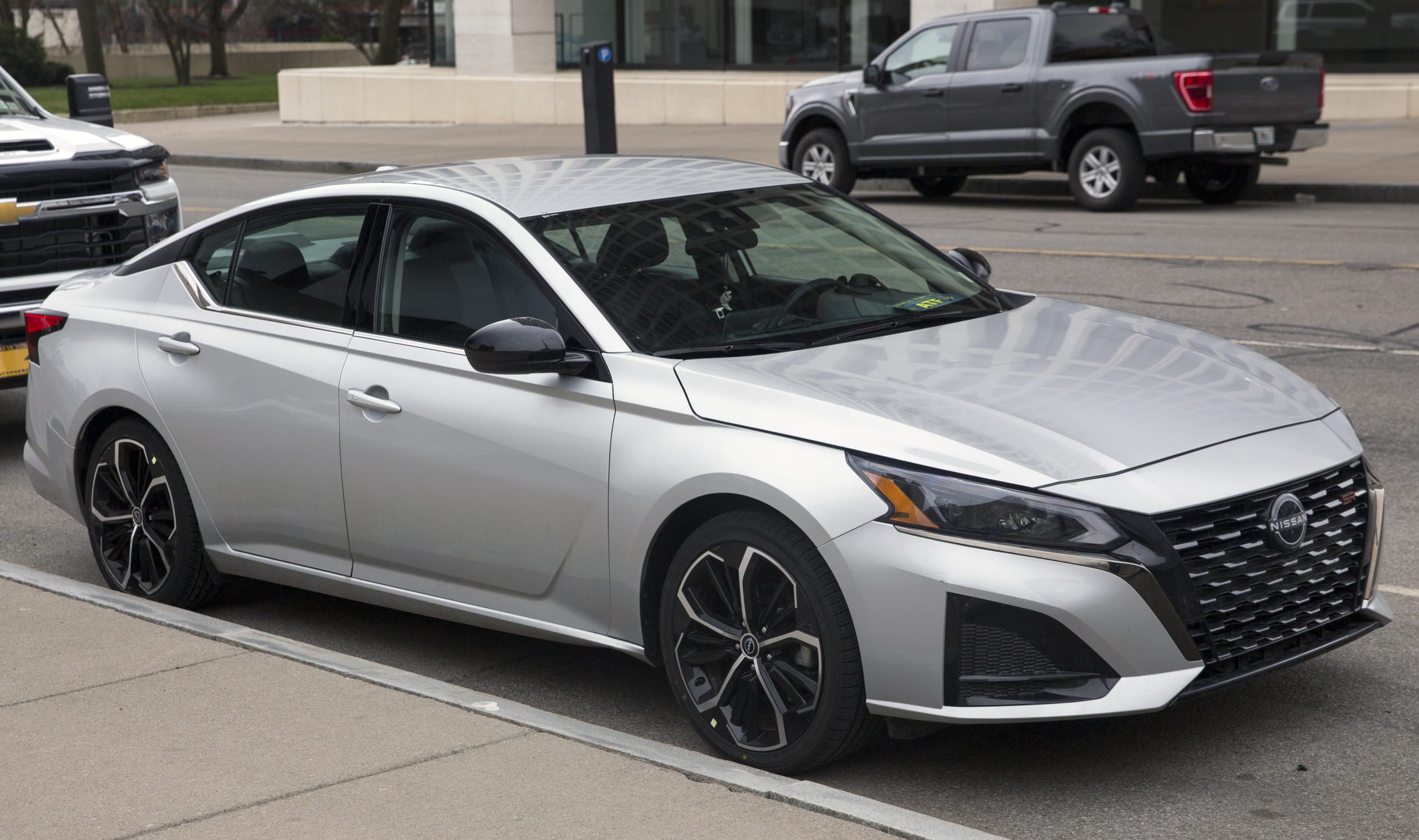
This pattern of early troubles explains the Altima’s presence here: it illustrates how volume-focused engineering can result in parts that aren’t truly suited for the full range of real-world fuel and maintenance conditions.
For budget-oriented buyers, the lure of a low upfront price needs to be weighed against the higher-than-average maintenance risk, especially once the standard warranty is out of play.
3. Chevrolet Cruze (2011-2017): Small Sedan, Big Injector Issue
The Chevrolet Cruze was marketed as a global small car solution, but its turbocharged gasoline engines are notorious for premature injector clogs.
Owners routinely report performance drops, persistent check engine lights, and misfire codes before 60,000 miles. Independent service shops as well as official GM bulletins confirm that injector fouling is among the most frequent causes for early engine trouble.
Chevy shipped many Cruzes with fuel injectors that do not hold up well to American fuel blends containing higher ethanol content or even minor contaminants.
Compounding the issue, the Cruze lacks a robust fuel filtration system, allowing small debris to make its way to the delicate injector tips.
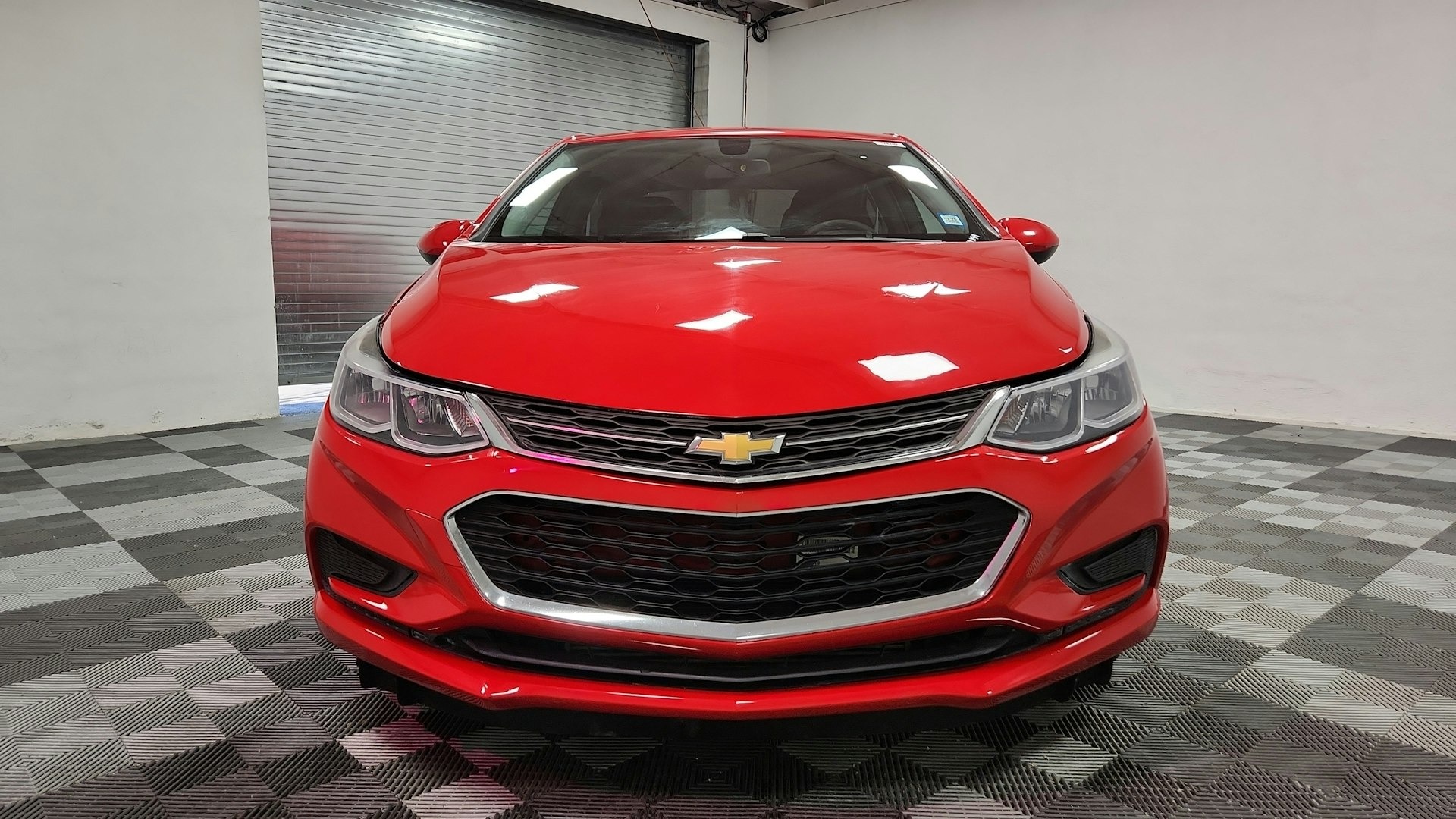
The result is more frequent service visits and complaints about unreliable drivability, especially when owners are not vigilant about using top-tier fuels and timely oil changes.
GM has attempted partial fixes through technical service bulletins and software updates, but the mechanical weaknesses persist.
The Cruze’s injector problems are a cautionary tale for anyone seeking an economical commuter car: savings at the pump or dealership can be quickly offset if you are among the unlucky ones facing costly repair bills before the odometer hits six digits.
4. Volkswagen Jetta (2012-2016): Well-Engineered, Yet Vulnerable
Volkswagen’s Jetta is often lauded for its quality and European flair at a mainstream price. Nevertheless, certain Jetta models, particularly those using the 1.8-liter turbocharged direct injection gasoline engine, stand out for frequent fuel injector troubles arising well before the 60,000-mile mark.
Owners commonly report loss of power, illuminated check engine lights, and emissions failures, tracking the faults to clogged or malfunctioning injectors.
Volkswagen pursued leaner combustion and stricter emissions during these years, which led to injector designs that were sensitive to low-quality or ethanol-blended fuel.
Unfortunately, the U.S. fuel landscape did not always cooperate, and widespread reports of injector fouling soon followed. Mechanics familiar with VWs often recommend regular fuel system cleaning or preemptive injector replacement as mileage accumulates.
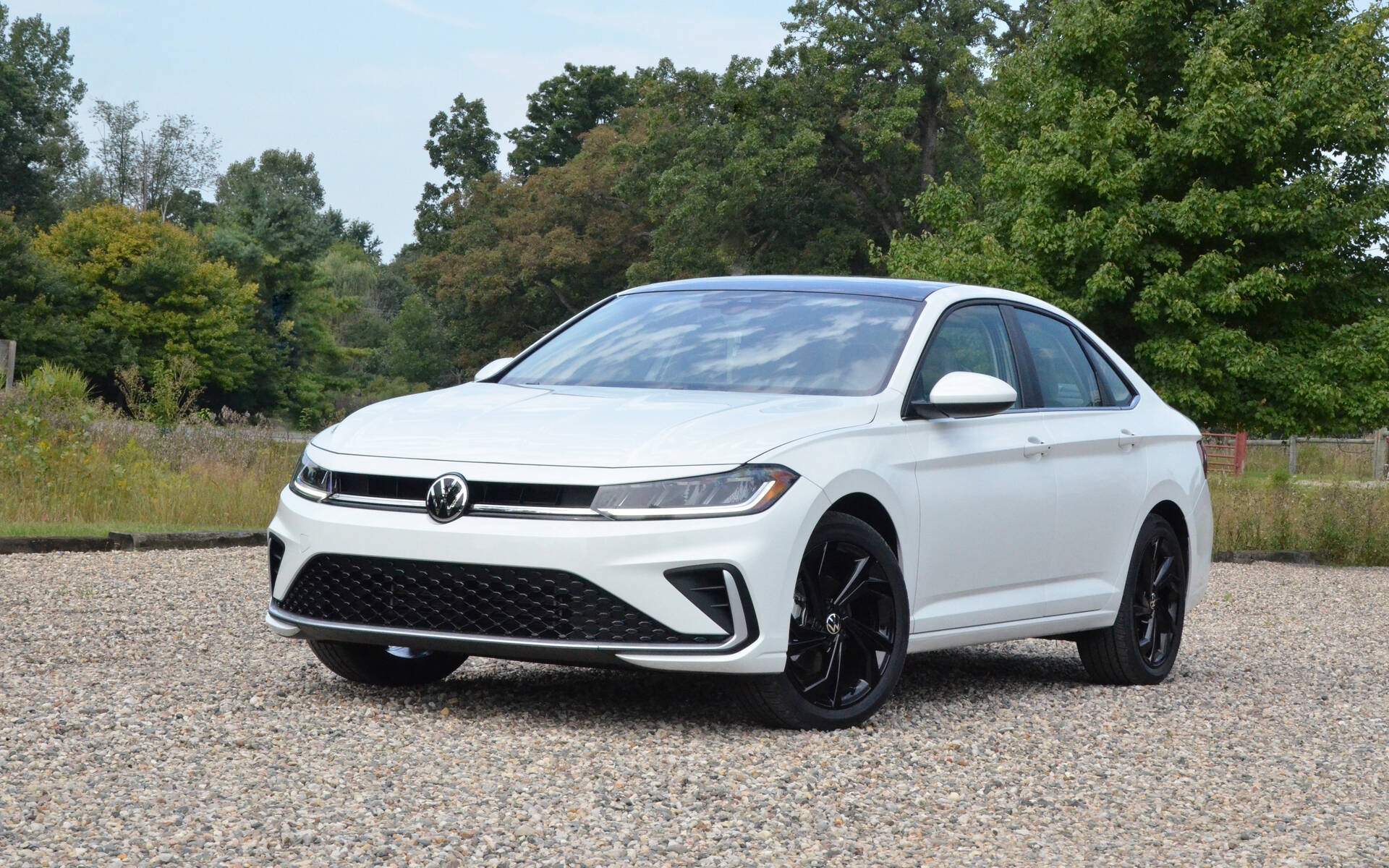
This situation serves as a reminder that even makers known for exacting standards can be tripped up by regulatory or fuel supply changes.
For shoppers considering a used Jetta from this period, reviewing repair histories and investing in preventive fuel system care is not optional, but a basic protection against headaches down the road.
5. Hyundai Sonata (2011-2015): The Trade-Offs of Early Direct Injection
Hyundai introduced direct injection across much of its lineup to draw buyers with promises of extra power and efficiency, but results were mixed in the Sonata.
Models equipped with the first-generation 2.4-liter GDI engine are known for injectors that lose steam well before 60,000 miles. Owners cite repeated misfires, hard starting, and throttle response drop-off.
Inspections by service departments corroborate widespread clogging on these injectors, particularly in vehicles that frequently operate in high-traffic, stop-start settings.
A key reason for this outcome is that these early GDI engines were still refining their components to cope with U.S. fuel characteristics and real-world maintenance habits.
The injectors are especially sensitive to carbon buildup and lack some of the self-cleaning design features seen in more recent Hyundai models.
The result is persistent reputation damage, with some owners facing multiple injector replacements or resorting to aftermarket parts to keep the car afloat.
The Sonata case underscores that early adoption of new technologies sometimes comes with pain points that later, more mature designs can avoid. If considering a used Sonata from these model years, be ready to verify injector history or plan for preventive system cleaning.
This detailed breakdown reflects the realities faced by owners at both ends of the fuel injector reliability spectrum, offering insights to inform purchasing decisions and long-term car satisfaction.
Fuel injector reliability stands as a major factor influencing the true cost and enjoyment of vehicle ownership.
Cars with “lifetime” fuel injectors, such as the Toyota Camry, Honda Accord, Lexus ES, Subaru Outback, and Ford F-150, provide owners with long-lasting performance and fewer maintenance headaches, outliving typical expectations with engineering designed for high miles and adverse conditions.
These vehicles consistently outrun injector-related issues, earning strong reputations for durability among owners and fleet operators alike.
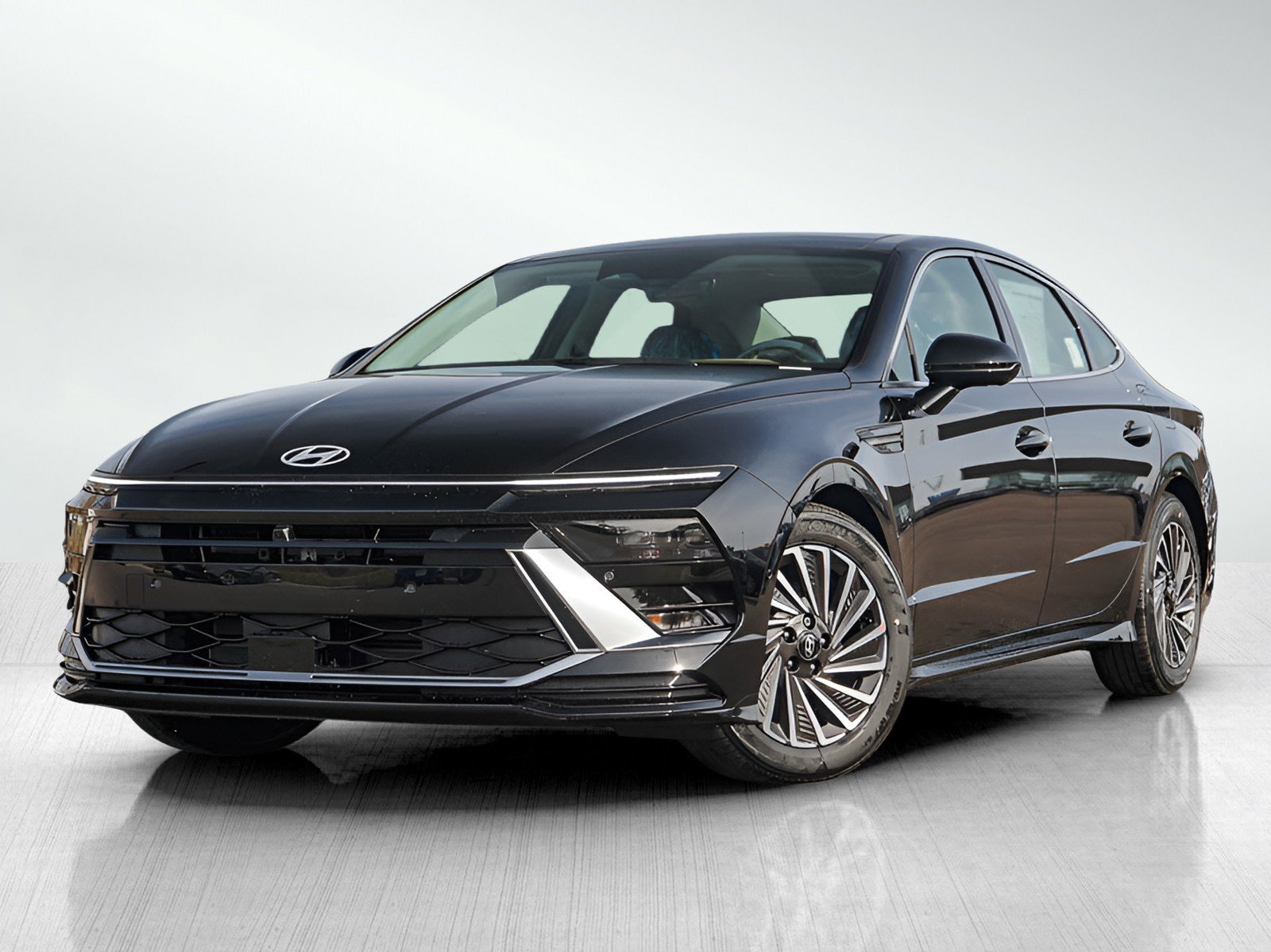
In contrast, models like the BMW 3 Series, Nissan Altima, Chevrolet Cruze, Volkswagen Jetta, and Hyundai Sonata often develop injector clogs before 60,000 miles.
For these owners, early signs such as loss of power and misfires lead to unexpected expenses, frequent repairs, and potential dissatisfaction. Issues can arise from factors like material quality, filtration system shortcomings, or mismatches with regional fuel blends.
Examining both ends of the injector longevity spectrum reveals the importance of research when purchasing a car, especially for those who keep their vehicles for many years.
Buyers armed with awareness of which vehicles are most and least likely to require injector replacements can make smarter, more satisfying choices built on proven reliability.
Also Read: 5 Underappreciated Trucks That Tow Well vs 5 Hyped Trucks With Transmission Issues
