
Dual-clutch gearboxes have reshaped how enthusiasts and everyday drivers experience performance and efficiency on the road. These transmissions are appreciated for their rapid gear changes and the ability to provide both sporty engagement and daily practicality.
However, not every dual-clutch system performs with the same reputation. While some models have delivered years of trouble-free motoring, gaining loyalty from drivers and mechanics, others have frustrated owners due to repeated reliability concerns and costly repairs.
This contrast has carved out a distinct conversation among vehicle buyers, especially those who weigh long-term ownership costs and driving enjoyment.
Consumers increasingly pay attention to how different manufacturers implement and refine these complex transmissions, and their experiences become shared wisdom.
Positive stories of mileage milestones can be just as telling as the frequent workshop visits recounted by the less fortunate.
By examining vehicles that consistently showcase robust dual-clutch gearboxes alongside those with a more problematic record, drivers gain informed perspectives that go well beyond marketing bullet points or test-track figures.
Highlighting both ends of this spectrum provides a practical resource for anyone considering a vehicle with a dual-clutch setup aiming to spare potential headaches and guide better purchase decisions grounded in owner experience and mechanical history.
Also Read: 5 Cars Proven in Extreme Climates vs 5 That Struggle Outside Mild Weather
Vehicles with Reliable Dual-Clutch Gearboxes
Dual-clutch transmissions have come a long way since their introduction, moving from racing circuits to mainstream showrooms.
They offer swift gear changes and seamless power delivery, which make them sought after by driving enthusiasts and commuters alike.
While some early models suffered from teething issues, a number of vehicles now stand out for pairing sporty driving dynamics with impressive longevity and dependability.
Owners of these vehicles enjoy not only the sharp shifting that defines the technology but also peace of mind from knowing that their vehicle can handle daily use year after year.
Highlighting these reliable choices serves drivers seeking a blend of excitement and reassurance. These examples are drawn from well-documented owner feedback, technical analyses, and consistent performance in varied conditions.
The manufacturers behind these vehicles have invested significant resources into perfecting the calibration, cooling, and internal materials of their transmissions, which has resulted in reduced failure rates and lower ongoing maintenance needs.
As more car buyers consider dual-clutch vehicles, understanding which models have proven trustworthy becomes invaluable.
By shining a spotlight on five vehicles widely regarded for robust dual-clutch gearboxes, prospective owners are empowered to make choices that deliver not just performance, but lasting comfort and confidence.
1. Porsche 911 (991/992) PDK
The Porsche 911, particularly in the 991 and 992 generations, showcases how meticulous engineering can produce a dual-clutch transmission that blends high performance with everyday dependability.
Porsche’s PDK (Porsche Doppelkupplung) system has shifted opinions, demonstrating that such technology can be both thrilling on the track and reliable in city driving.
Owners and automotive technicians have consistently praised these models for minimal gearbox-related issues, even at high mileages.
Porsche’s approach involved rigorous development, including advanced lubrication systems, robust cooling, and electronic management tuned for both spirited drives and mundane commutes.
Unlike early dual-clutch systems that struggled with low-speed creeping and heat management, the PDK equipped in these 911s excels in real-world scenarios.
Gear changes remain crisp and precise after years of use, with very few reports of clutch pack failures or control module problems that have plagued other brands.
What sets the 911’s dual-clutch apart is the integration between engine, gearbox, and software. Porsche not only matched mechanical components for longevity but also tailored the shifting logic over numerous updates.
This harmonious design means that drivers rarely experience the hesitation or roughness seen in less-refined units.
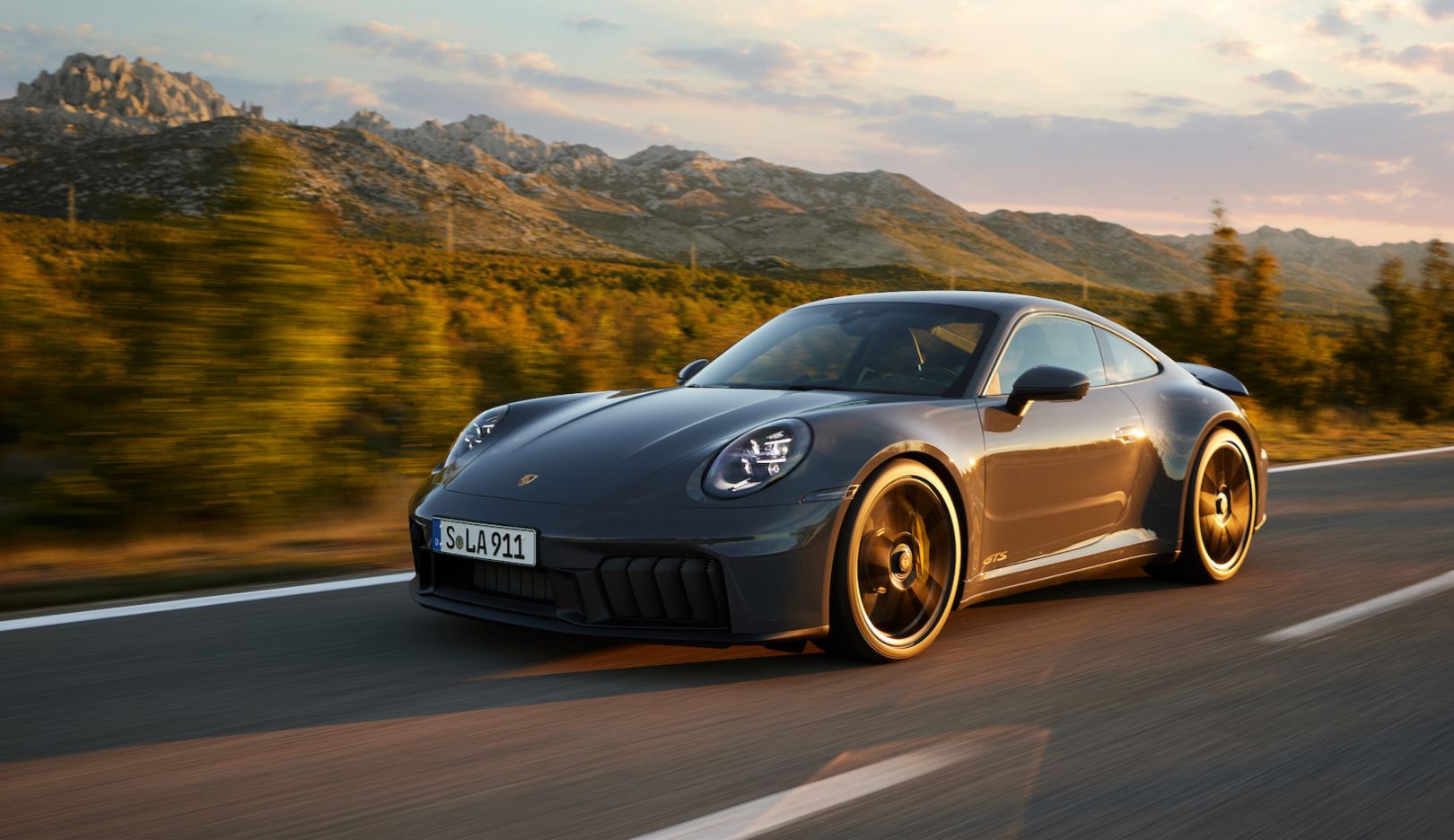
Choosing the 991 or 992 for this section is justified by a track record supported by both industry analysis and extensive positive feedback from owners who have accrued substantial mileage without major transmission concerns.
The enduring reputation of Porsche’s PDK stands as a model for competitors pursuing similar reliability benchmarks.
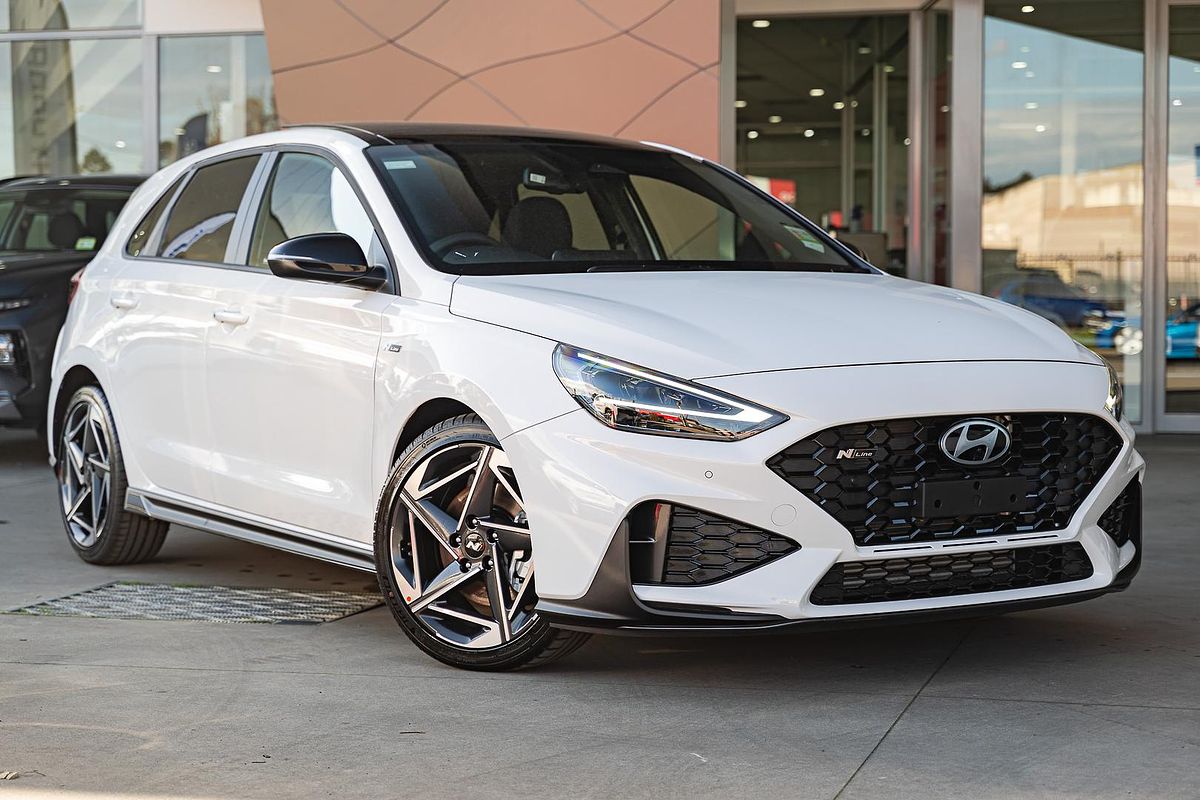
2. Hyundai i30 N DCT
Hyundai’s i30 N with its dual-clutch transmission has steadily earned acclaim for shifting expectations around affordable performance cars.
While the brand previously lacked a long history with dual-clutch technology, recent years highlighted a significant leap in quality and reliability, with the i30 N DCT at the forefront.
Early skepticism about reliability was quickly answered by a strong showing in long-term tests and real-world ownership reports. Hyundai invested heavily in the development of this system, leveraging feedback from motorsport engineers and extensive road testing.
Their seven-speed dual-clutch in the i30 N features upgraded friction materials, robust cooling, and unique transmission fluid, reducing typical hot-weather and stop-start driving woes. Owners report smooth shifts and almost no lag, with very few cases of overheating or premature failure.
The i30 N DCT’s inclusion here is based not just on its technical prowess but also the community’s positive sentiment.
Enthusiast forums and reliability studies point to high satisfaction among those who have put significant mileage on the car. Dealers also note lower warranty claim rates compared to some rivals, further cementing its status as a dependable choice.
Hyundai’s openness to continuous software updates has only improved performance and addressed any early concerns.
The marriage of power, engaging drive, and documented reliability makes the i30 N DCT a clear example of how newer entrants can rival or surpass established names in transmission dependability.
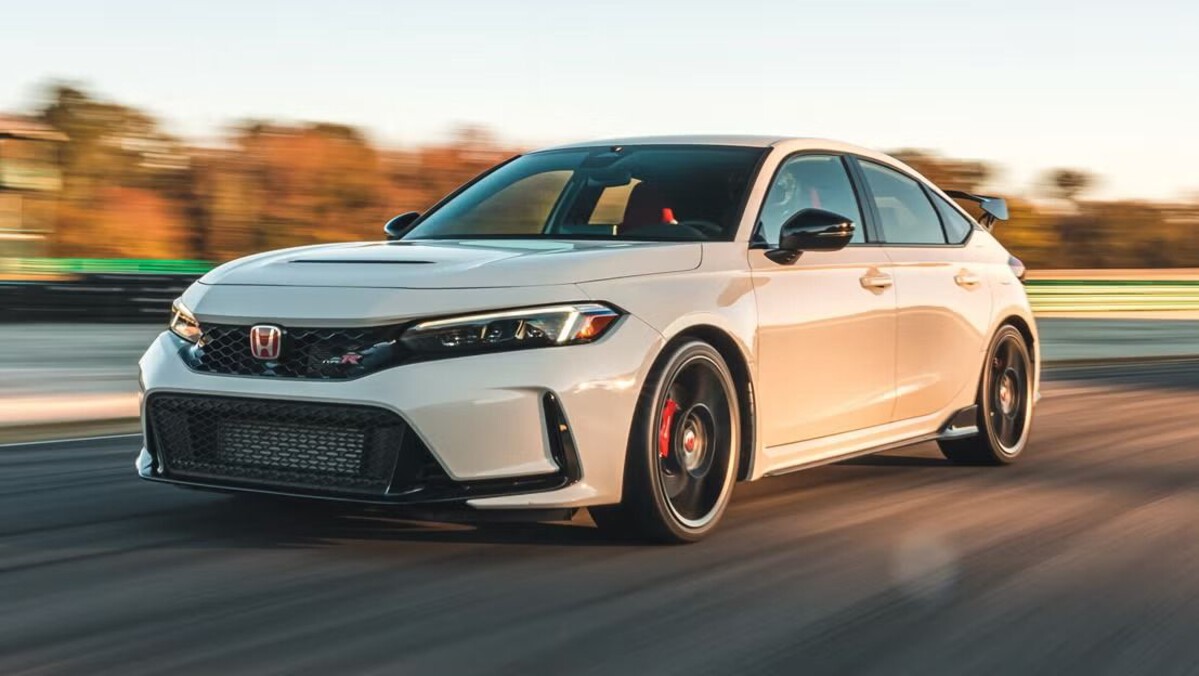
3. Honda Civic Type R (FK8) DCT
Honda’s Civic Type R (FK8) has long been a benchmark in the hot hatch category for manual driving involvement, but its dual-clutch variant further expands its appeal to drivers favoring automatic convenience without sacrificing reliability.
Honda approaches transmission engineering with a philosophy rooted in durability and smooth operation, characteristics that are evident in this model’s dual-clutch gearbox.
Much of this reliability comes from an intricate cooling system and rigorous bench and real-world testing before market release.
Regular maintenance and oil changes keep the unit performing at its best, but the frequency and severity of issues reported by Type R drivers are notably lower than competitors in similar price brackets. Owners routinely praise the swift gear shifts, which remain consistent even after years of spirited driving.
The Civic Type R’s dual-clutch system also benefits from Honda’s meticulous approach to component selection and quality control.
Potential concerns, such as clutch overheating or judder at low speeds, are well-controlled by the system’s design. Industry reliability rankings and extended product warranties reinforce buyer confidence.
Choosing the FK8 Civic Type R’s DCT for this section highlights a vehicle that provides strong performance but avoids the pitfalls that have dogged other sports cars with similar technology.
The car’s standing among automotive reviewers and actual users makes it an attractive option for anyone seeking a spirited yet trouble-free ownership experience with a dual-clutch setup.
4. Ford Fiesta ST (7-Speed Powershift DCT)
Ford’s Fiesta ST with the 7-speed Powershift dual-clutch transmission stands out in the subcompact performance car segment. After learning from earlier iterations of the Powershift system, which faced criticism, Ford implemented significant refinements.
By the time this specific combination was introduced, improvements included better clutch packs, enhanced mechatronics, and revised software calibrations, all addressing areas that previously triggered complaints and service bulletins.
Real-world data reflects these efforts, as recent Fiesta ST DCT models report considerably fewer issues than their predecessors.
Owners highlight the system’s agility and lack of hesitation during gear changes, while routine servicing appears straightforward compared to older versions.
Importantly, the new DCT variant handles both urban and performance scenarios with consistency, avoiding the jerky or sluggish behavior common in earlier Powershift units.
Ford’s proactive measures, including thorough pre-release testing under varied driving conditions, have established trust in the latest DCT-equipped Fiesta ST models.
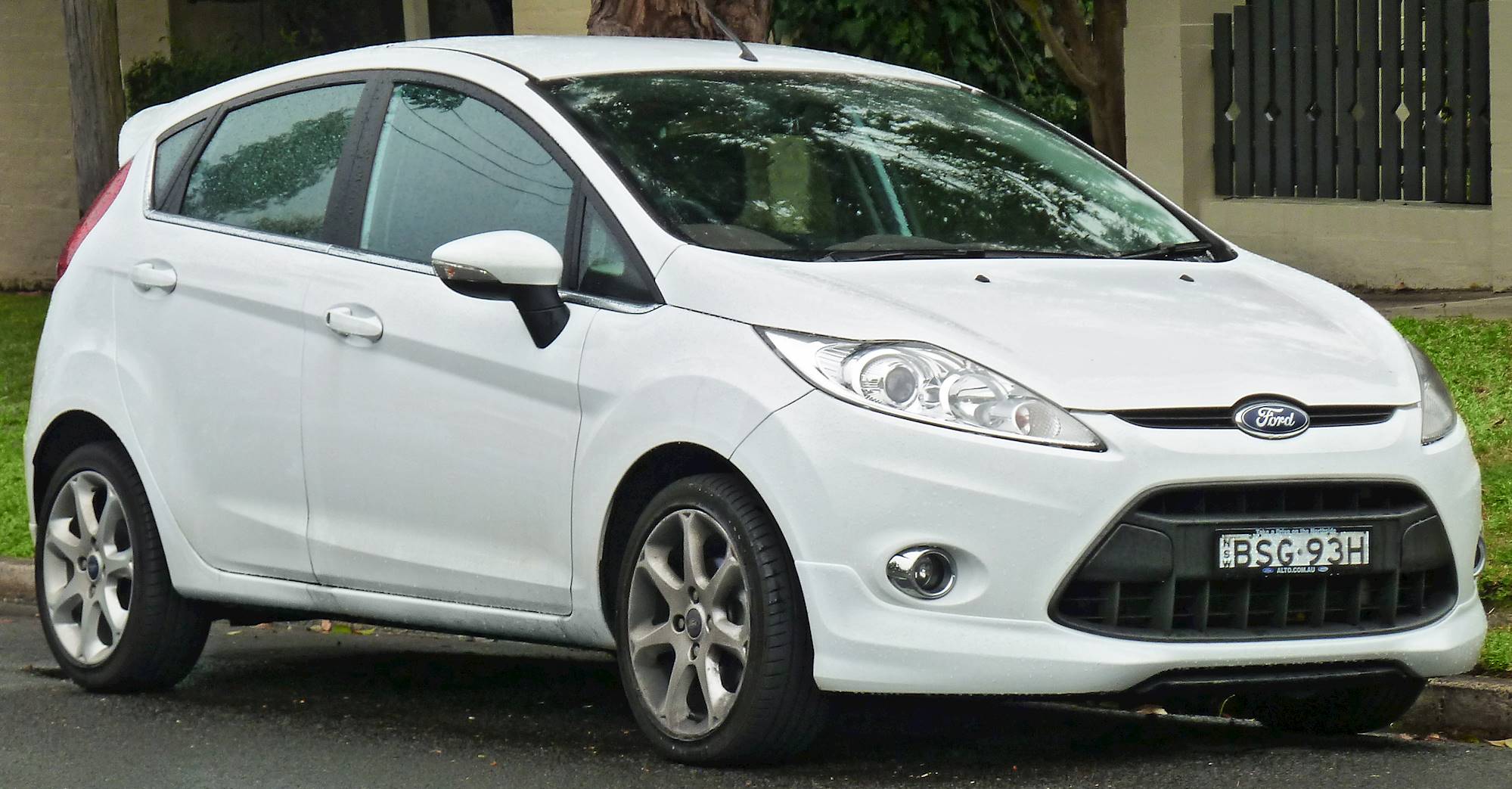
This position is reinforced by the drop in warranty and recall incidents reported by dealerships and consumer groups.
Including the Fiesta ST in this selection is based on its turnaround story. The brand’s responsiveness and commitment to engineering fixes produced a model that not only challenges stereotypes about dual-clutch reliability in affordable cars but also provides an authentic driving thrill without compromise.
Buyers looking for a compact, fun, and mechanically dependable option should find reassurance in the Fiesta ST’s recent track record.
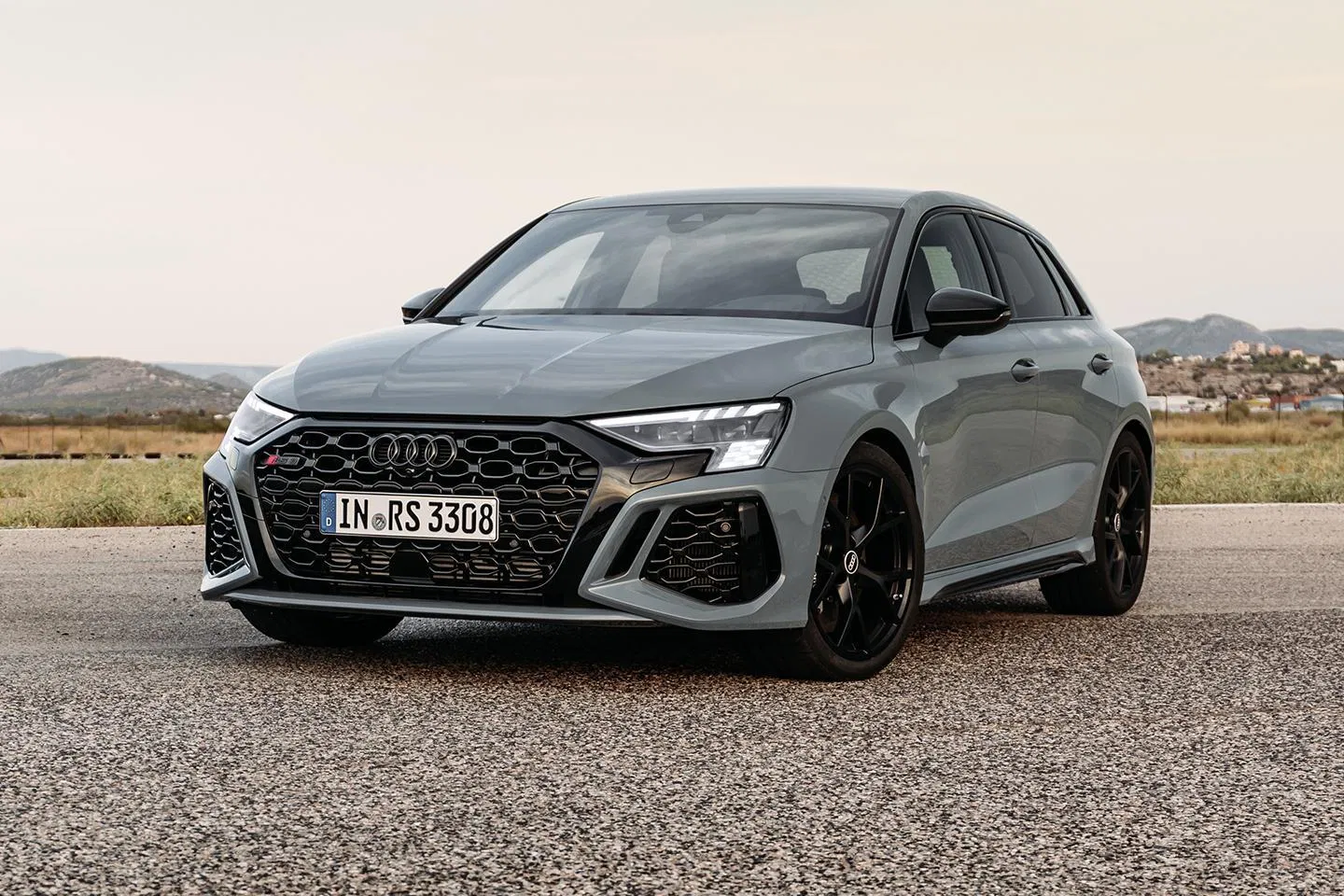
5. Audi RS3 (DQ500 7-Speed S-Tronic)
The Audi RS3, specifically with its DQ500 7-speed S-Tronic dual-clutch transmission, represents how advanced engineering and careful refinement can deliver both exhilarating driving and long-term dependability.
The DQ500 unit is recognized by specialists and enthusiasts for its robust internal components and strong oil cooling setup, both of which contribute to a lengthy service life even under stressful conditions.
Audi’s approach prioritized over-engineering in anticipation of high torque demands from the RS3’s powerful engine. This prudence paid off: the DQ500 has a reputation for handling spirited driving, track days, and urban commutes with few mechanical complaints.
Reports of hardware failures, overheating, or control unit errors are rare according to workshops specializing in European performance vehicles.
Technical upgrades over preceding transmission generations, such as revised clutches and improved lubrication pathways, further bolster its reliability. Mechanically, the system is less prone to the overheating or excessive wear seen in lesser dual-clutch units.
Audi backs this up with an extensive service support program and ongoing software optimizations, ensuring the gearbox continues to perform smoothly across different climates and usage patterns.
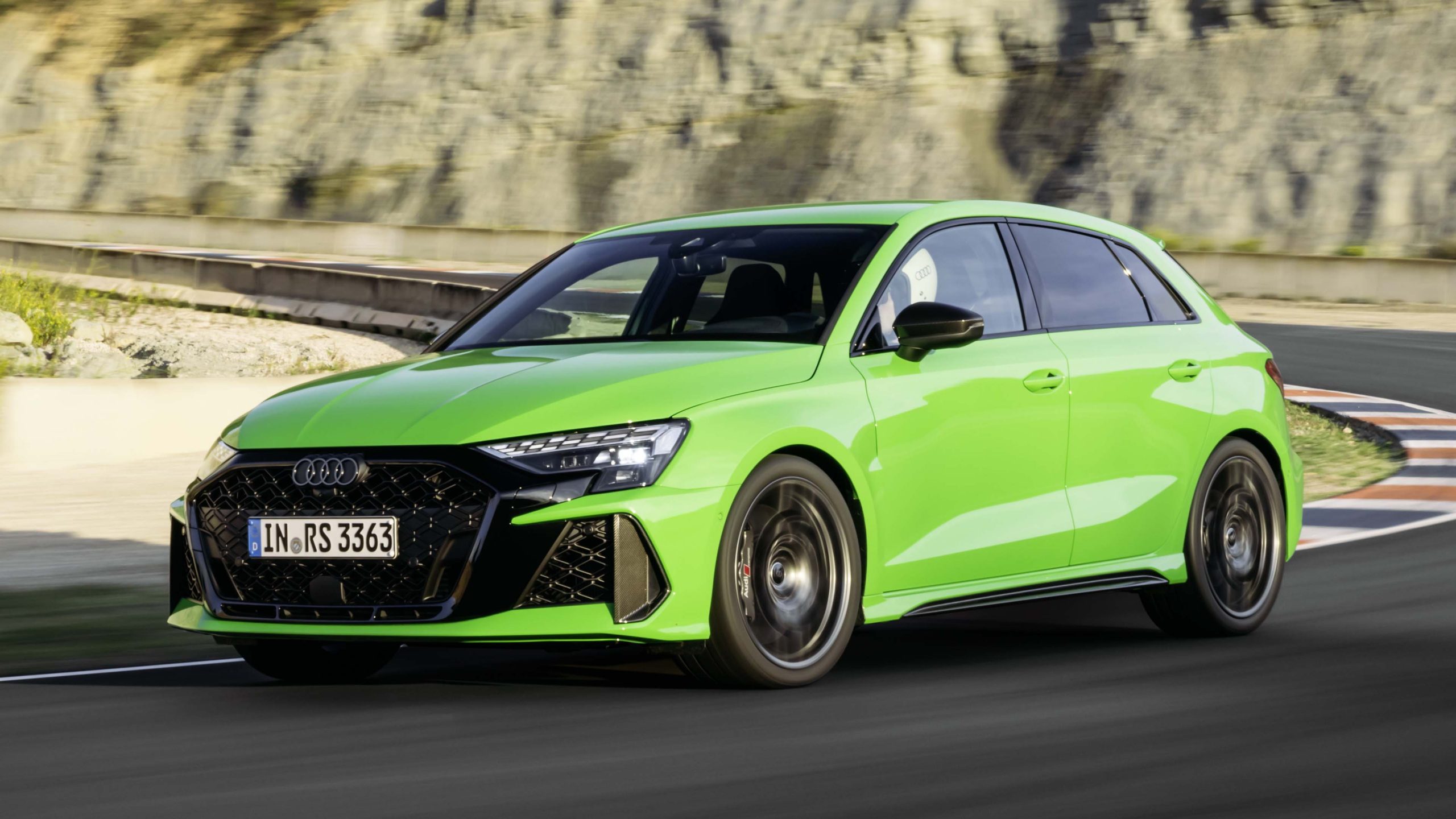
Choosing the RS3 for this discussion emphasizes how deliberate design and investment in quality control can produce outstanding results.
Owners, car reviewers, and service professionals frequently cite the DQ500 as a benchmark for reliability within the performance car sector. For those who desire excitement without worrying about frequent repairs, the RS3 S-Tronic is a compelling solution.
Vehicles Prone to DSG Problems
Though dual-clutch technology promises faster gear changes and efficiency, certain vehicles using Direct Shift Gearboxes (DSG) have become notorious for persistent issues.
Not every manufacturer achieves the same standards in clutch materials, software tuning, or cooling system design, and users can face recurring frustrations as a result.
Reports of hesitation, shuddering, costly component replacements, and unexpected warning lights are common among some models, leading owners to question the benefits that initially attracted them to dual-clutch cars.
This section spotlights vehicles where DSG-related problems have surfaced frequently enough to influence recommendations from mechanics and consumer watchdogs. High-profile recalls and extended warranty coverage have often followed.
In some instances, design flaws emerged from efforts to reduce weight or improve emissions, trading off durability in the process. Recurring problems with mechatronics units, clutch packs, or inadequate oil cooling left a portion of the driving community with unwanted repair bills and eroded trust.
By providing in-depth discussion of these vehicles and clarifying how DSG complications have affected everyday use, current and prospective buyers are empowered to avoid common pitfalls.
Real-world feedback, technical service bulletins, and ownership forums shape these insights, aiming to promote awareness and protect buyers from repeating well-documented mistakes.
1. Volkswagen Golf Mk6/Mk7 (DQ200 7-Speed DSG)
The Volkswagen Golf Mk6 and Mk7 equipped with the DQ200 7-speed DSG transmission have received widespread attention not for their driving enjoyment, but for notable reliability concerns.
While Volkswagen intended the DQ200 to be a lightweight, efficient solution for small to mid-size cars, numerous engineering decisions compromised real-world durability.
Common owner complaints include shuddering under acceleration, rough shifts in stop-and-go traffic, and an unnerving level of hesitation from standstill.
The root of many issues lies in the use of dry clutch packs, which are less robust under heavy city driving or high-stress situations.
Early models especially suffered from mechatronic unit failures and clutch wear, prompting Volkswagen to issue service campaigns and extend warranties in some countries.
Technical investigations and industry analyses revealed that cost-driven design choices like reduced oil cooling and certain software calibrations contributed to the problems.
Even with subsequent updates, many units continued to struggle, especially in hot climates or with frequent low-speed driving.
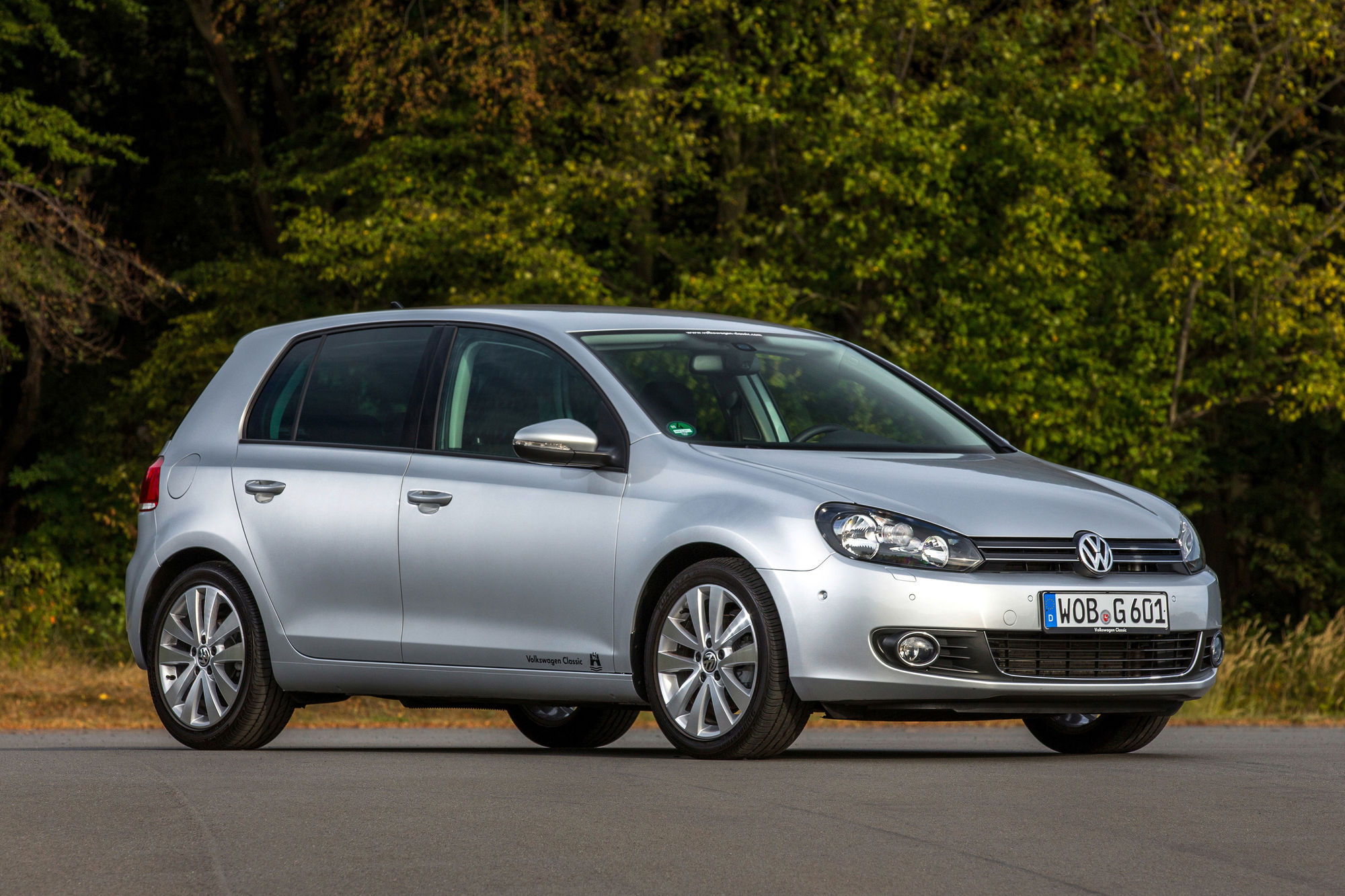
Dealers and independent workshops repeatedly reported higher-than-average failure rates for the DQ200 compared to VW’s traditional torque converter automatics.
Highlighting the Golf Mk6 and Mk7 DSG variants for this category is rooted in the volume and persistence of owner grievances.
While these models still attract buyers due to their practicality and style, prospective owners are cautioned to investigate transmission history and service records closely before committing to a purchase, helping to safeguard against preventable expenses down the road.
2. Volkswagen Passat (B7/B8) DSG (DQ200 and DQ380)
The Volkswagen Passat, especially in the B7 and B8 generations, has also seen its share of DSG transmission woes, predominantly coming from the DQ200 7-speed dry clutch unit and, in some configurations, the DQ380 7-speed wet clutch model.
These variants, while offering smooth and rapid gear changes on paper, have proved problematic in everyday use for many owners.
DSG-related issues with the Passat primarily involve clutch pack wear, shuddering during acceleration, and erratic shifting behavior.
The dry clutch DQ200 is particularly sensitive to frequent low-speed stop-and-go traffic, which accelerates clutch wear and invites early transmission failure.
Mechatronics faults remain a recurring theme, with the control module triggering fault codes or limiting power until serviced.
Similar complaints have appeared for the wet clutch DQ380, though it generally fares better under higher torque loads but still sometimes suffers from rough shifts or software glitches.
Volkswagen issued technical service bulletins that call for clutch replacements or mechatronics repairs, but these interventions can be costly and time-consuming. The dual-clutch troubles have also led to customer dissatisfaction and negative reviews impacting Passat’s reputation for reliability.
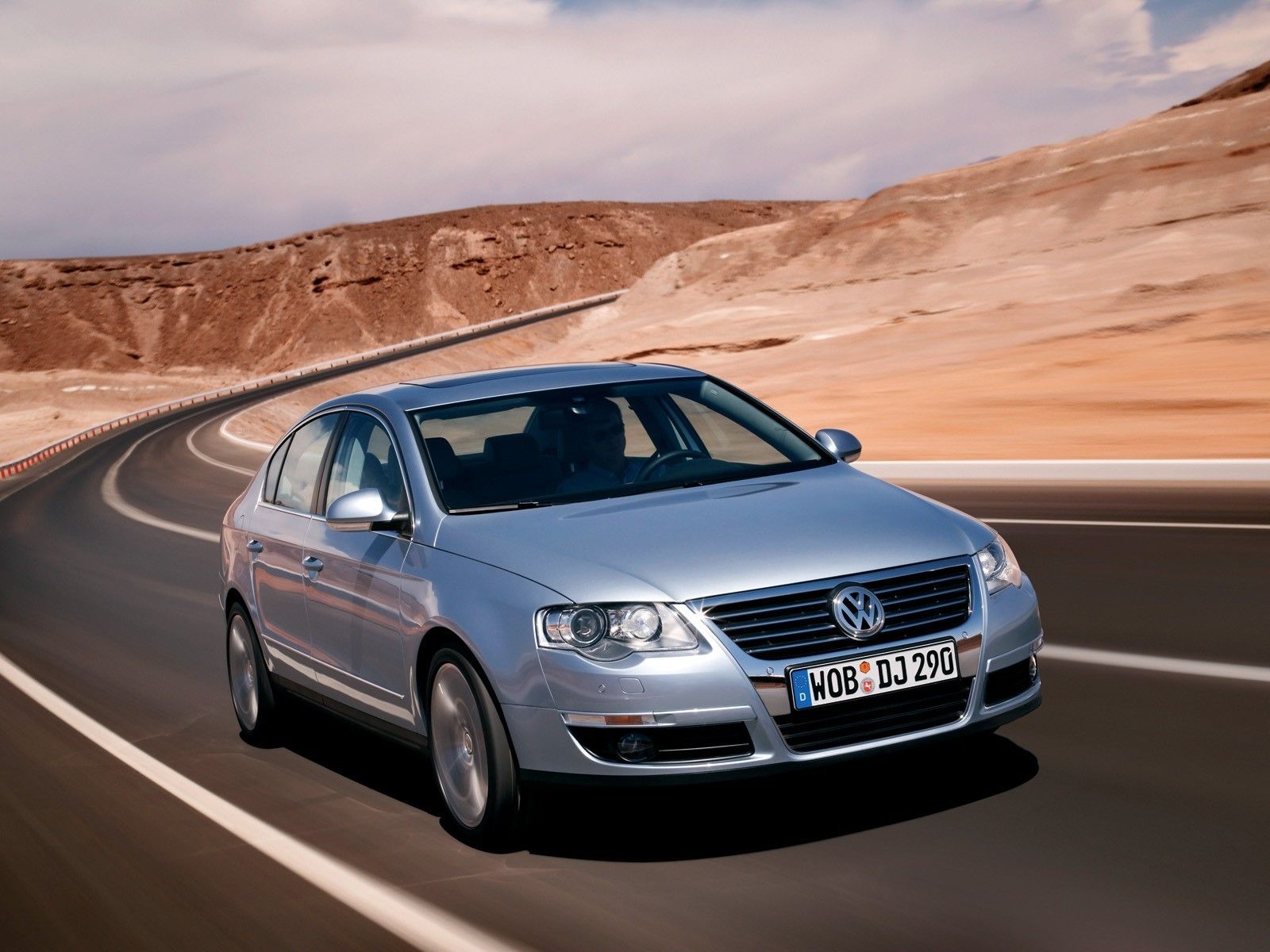
This inclusion highlights how even larger, more premium sedans are not immune to the complexities of DSG technology when cost-saving measures impact long-term durability.
Prospective Passat buyers should be cautious, thoroughly check service histories, and consider extended warranties if pursuing models with DSG gearboxes to manage potential risks effectively.
3. Seat Leon (1P/5F) DSG (DQ200)
The Seat Leon, sharing many components with Volkswagen group models, particularly the Mk2 (1P) and Mk3 (5F) generations, utilizes the DQ200 7-speed dry clutch DSG transmission that has garnered a reputation for reliability challenges.
As a sporty compact hatchback, the Leon offers appealing performance and efficiency, but some DSG models undermine this appeal through troublesome gearbox behavior.
Owners of DSG-equipped Leons have reported symptoms including gear jerking, hesitation during upshifts, and unexplained limp modes triggered by transmission fault codes.
The dry clutch system’s vulnerability to heat buildup in urban traffic contributes strongly to premature clutch degradation. While the Leon’s chassis and powertrain attract positive reviews, the DSG troubles often cause frustration requiring repeated visits to garages.
Seat, along with Volkswagen, has issued software updates and recalls targeting the mechatronics unit and clutch pack components.

However, repairs can be costly, sometimes necessitating full clutch pack replacements. This trend has deterred some buyers and affected resale values.
Including Seat Leon’s DSG models here draws attention to the common challenges that dry clutch dual-clutch transmissions face in everyday conditions, particularly in smaller, heavier vehicles experiencing urban stop-start traffic.
Consumers interested in the Leon are advised to scrutinize the specifics of the DSG system and maintenance records carefully before purchase to avoid potential long-term issues.
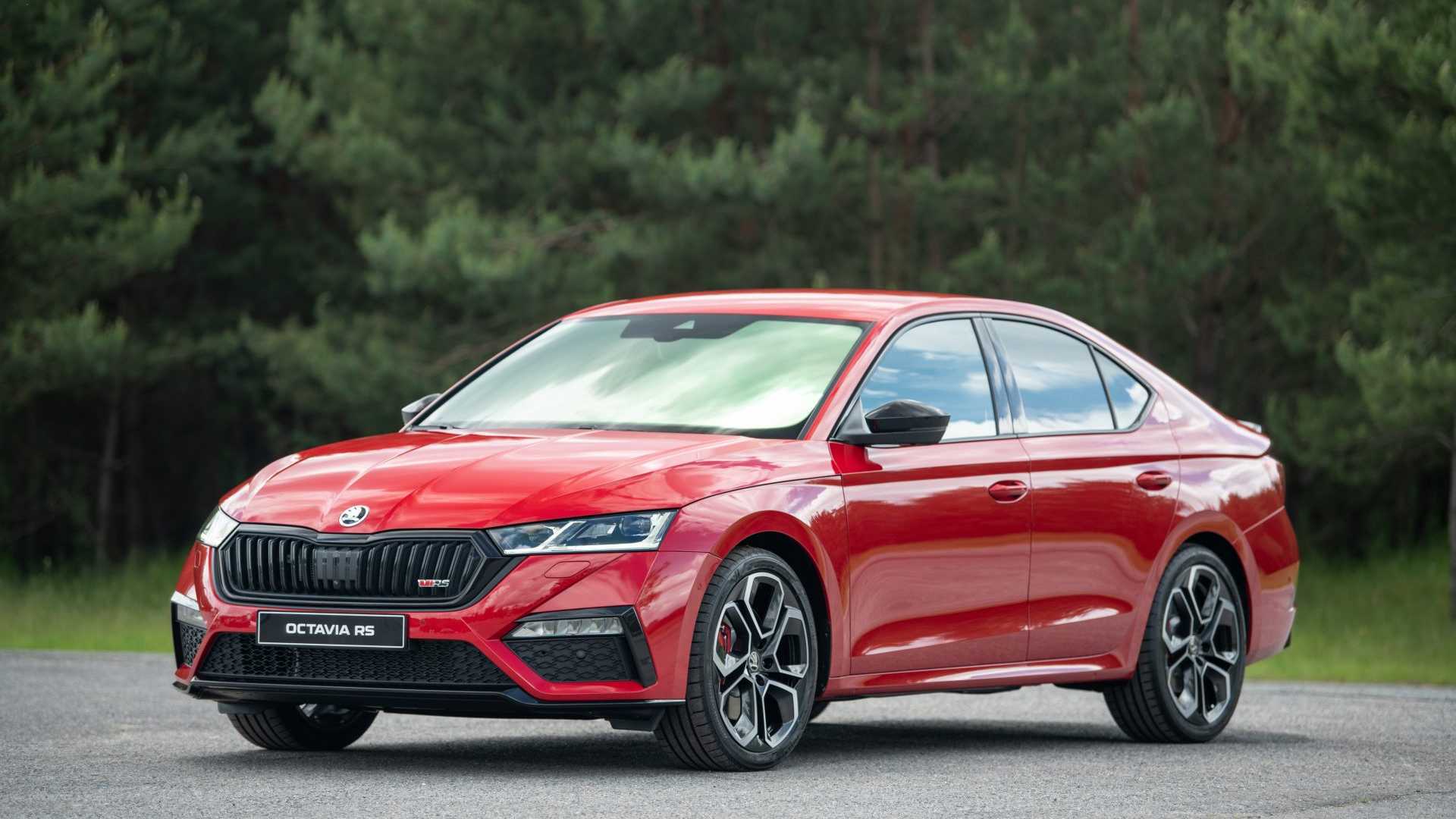
4. Skoda Octavia (5E) DSG
The Skoda Octavia Mk3 (5E), like its Volkswagen group siblings, often comes equipped with the DQ200 7-speed dry clutch DSG transmission, which continues to attract criticism for its uneven reliability.
Although the Octavia is praised for offering space, comfort, and value, the DSG issues cast a shadow on ownership satisfaction.
Similar to other models using the DQ200, owners have reported juddering and shuddering sensations noticeable at low speeds and during gear transitions.
These symptoms typically indicate clutch pack wear or mechatronics faults requiring diagnostics and expensive repairs. Feedback from repair shops suggests that urban driving conditions exacerbate these problems due to heat and stress on the dry clutch system.
Skoda has worked with Volkswagen to implement software patches and mechanical components upgrades to improve performance.
Despite these efforts, customer forums remain dotted with complaints about recurring transmission warning lights and costly clutch replacements.
Highlighting the Octavia shows how common the DSG issues have been across different Volkswagen group brands and body styles. The car’s strong market presence means many consumers are potentially exposed to the same transmission vulnerabilities.
For those considering an Octavia with DSG, it’s crucial to verify regular service and upgrade history to reduce the risk of expensive transmission failure.
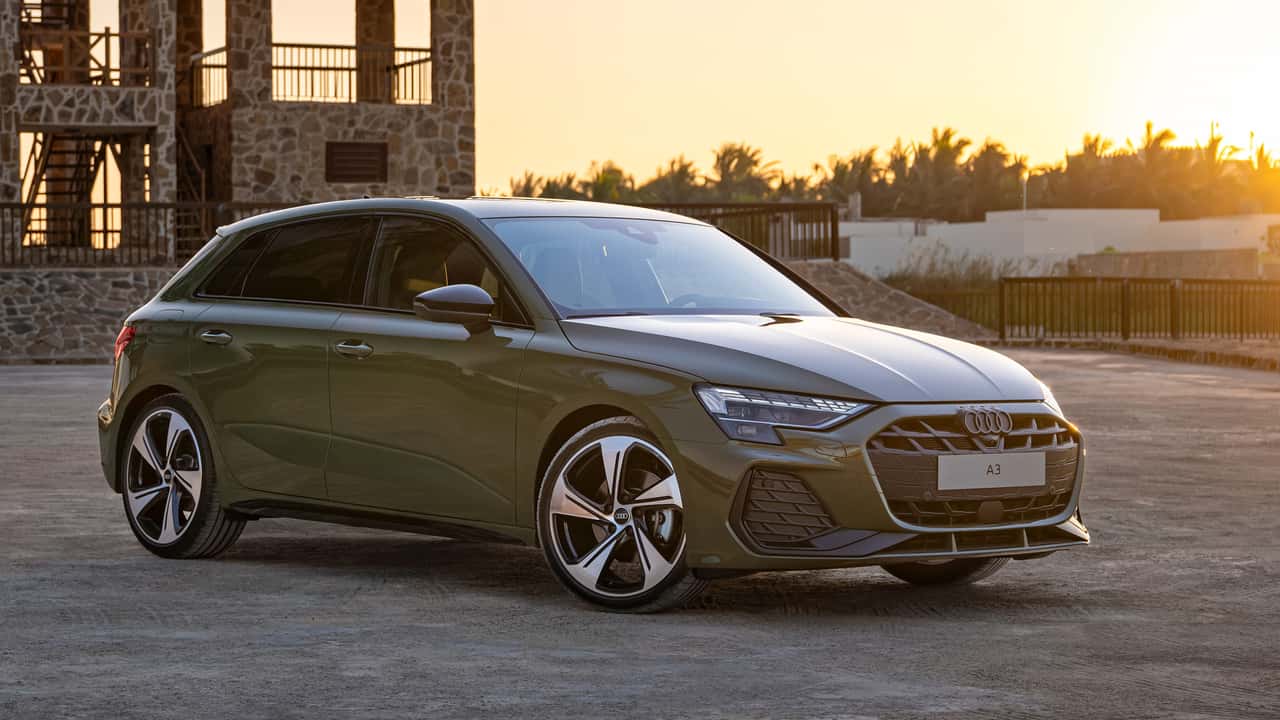
5. Audi A3 (8V) DSG (DQ200)
The Audi A3 8V generation marked a significant moment for Audi’s compact premium offering, incorporating the DQ200 7-speed dry clutch DSG gearbox in various trims.
Though the A3 has earned praise for its refinement and driving dynamics, the DSG transmission has emerged as a frequent source of dissatisfaction among some owners.
Complaints mirror those found in other group cars with the DQ200: shuddering on acceleration, hesitation in gear changes, and sudden limp modes due to error detection in the mechatronics system.
The tight packaging and moderate torque output do not fully mitigate the dry clutch’s vulnerability to overheating and wear under heavy urban stop-start conditions.
Audi dealers often encounter repeated repairs on the DSG gearbox, including clutch replacements and mechatronics recalibration.
Extended warranties and recall campaigns have partially addressed some issues; however, the inherent design limitations of the DQ200 remain a challenge for long-term reliability.
Including the A3 underscores that even premium brand vehicles within the Volkswagen group face similar transmission problems when employing the DQ200 dry clutch technology.
Prospective Audi A3 buyers should be prepared for potential maintenance and repair costs connected to the DSG system and consider carefully their driving habits and warranty options.
Dual-clutch transmissions offer quick gear changes and improved performance, but their reliability varies widely among vehicles.
Some models, like the Porsche 911 PDK and Hyundai i30 N DCT, are known for their dependable dual-clutch gearboxes, combining smooth shifts with long-term durability.
Conversely, several Volkswagen Group vehicles, especially those using the DQ200 7-speed dry clutch DSG, such as the VW Golf Mk6/Mk7, Passat, Seat Leon, Skoda Octavia, and Audi A3, face recurring issues like clutch wear, shuddering, and mechatronics failures.
Awareness of these differences helps buyers make informed choices, balancing driving enjoyment with reliability.
Also Read: 5 Trucks with Engine Block Heaters vs 5 without Cold-Start Support
