

Automotive engineering is heavily influenced by the unseen components that quietly keep vehicles safe, steady, and enjoyable to drive.
Among these less discussed parts, engine mounts play a crucial role in maintaining a car’s comfort, stability, and mechanical reliability.
When engine mounts are designed for durability using reinforced materials or specialized manufacturing methods they can transform how a vehicle handles power, absorbs vibration, and maintains structural integrity under stress.
These enhanced mounts are not just for high-performance cars; even daily drivers can benefit from their calming influence on rides and extended component life. On the opposite end, mounts that have deteriorated or failed can spell trouble for any driver, even if the rest of the vehicle remains in top shape.
Common issues, from excessive noise and vibration to misaligned engine blocks, often have roots in these worn-out supports, undermining both driving pleasure and safety.
By examining vehicles with both reinforced engine mounts and those struggling with worn-out ones, a balance emerges: the same component can be either an unsung hero or the source of persistent frustration, depending on its condition and design.
This article discusses both scenarios cars benefiting from robust mounts and those hindered by deteriorated supports demonstrating how such a seemingly minor component can make a remarkable difference in the driving experience.
Also Read: 5 Cars Proven in Extreme Climates vs 5 That Struggle Outside Mild Weather
5 Cars with Reinforced Engine Mounts
Enhancements to engine mounts can sometimes distinguish truly refined vehicles from merely average ones.
Reinforced engine mounts are more than just tough pieces of hardware; they are the backbone that supports the engine, dampening the shockwaves created by powerful internal combustion and the rapid shifting of gears.
Manufacturers that prioritize reinforced mounts underscore their commitment to providing not only performance but also unparalleled comfort and vehicle longevity.
By integrating advanced composites, hydraulic systems, or just thicker steel and rubber, these mounts address the expected challenges: containing vibrations, improving throttle response, and decreasing stress on other engine bay components.
Vehicles fitted with these reinforcements often stand out for how seamlessly they translate engine output into smooth, controlled movement, even under demanding conditions. Highlighting five cars renowned for their robust engine mounting systems demonstrates why automakers invest significant resources into this often-overlooked area of vehicle design.
This focus helps explain why some cars age gracefully, maintain resale value, and retain their enjoyable driving character even after years on the road.
The five examples below represent diverse segments and philosophies, each with a unique reason for prioritizing reinforced engine mounts, illustrating the multifaceted benefits of this important yet underappreciated upgrade.
1. BMW M3 (F80 Generation)
Selecting the BMW M3 as a showcase for reinforced engine mounts underscores how the company’s engineering addresses both enthusiast expectations and real-world durability.
The F80-generation M3 features high-strength engine mounts designed to keep the twin-turbo inline-six steady under the considerable strain of hard acceleration and aggressive cornering.
With 425hp available and routinely driven in spirited conditions, the M3 faces forces that would quickly expose any weakness in its mounts.
Engineers used a blend of rubber compounds and metallic inserts to construct components that could absorb aggressive torque transitions without sacrificing engine smoothness at idle.
One reason for discussing the F80 M3 is its dual personality; drivers use it for both weekday commutes and track events. In each scenario, the engine mounts must prevent unwanted movement, ensure drivetrain precision, and insulate the cabin from harsh vibration.
Notably, when older generations of the M3 were driven hard, worn mounts often resulted in drivetrain slack, degraded handling, and misaligned shifter feel. The improved mounts in the F80 address all these classic issues, extending the vehicle’s “tight” and responsive demeanor well past its break-in period.

Focus also falls on the M3 because of anecdotal reports from owners and technicians who found fewer premature mount failures compared to earlier models. This design improvement reduces repair costs and helps maintain the car’s high residual value.
BMW’s investment in reinforced mounts directly benefits buyers looking for both high performance and reliability, making the F80 M3 a quintessential example of how such components enhance the ownership experience.
This choice is relevant here as it illustrates the intersection of engineering focus, driver satisfaction, and long-term durability.
2. Toyota Land Cruiser (J200 Series)
The Toyota Land Cruiser offers a textbook example of why reinforced engine mounts are vital for extreme durability.
Known for its reputation as a global workhorse, the J200-generation Land Cruiser is engineered for a dizzying array of driving conditions be it city streets, rocky trails, or desert heat.
To maintain its renowned fault tolerance, Toyota equipped this model with extra-thick, heavy-duty rubber mounts that incorporate steel reinforcement plates, allowing the V8 powerplant to remain precisely positioned even on rough terrain.
Discussing the Land Cruiser is important because its engine mounts are responsible for more than just comfort. They prevent excessive engine shake that could otherwise stress transmission joints, driveshafts, and exhaust headers.
For a vehicle often called upon to carry loads, climb steep hills, or traverse unpaved roads, weak mounts would mean frequent breakdowns and unacceptable cabin noise.
The J200’s reinforced mounts are purposely over-engineered, dramatically reducing the risk of separations or cracks that might immobilize the engine during expeditions far from a mechanic.

This emphasis on reliability showcases Toyota’s relentless attention to detail, especially on models designed for the harshest environments. Owners consistently report minimal vibration and a surprising suppression of noise, even after years of punishing use.
The Land Cruiser’s strong resale values and legendary reliability can, in part, be traced back to such meticulous under-the-hood choices the mounts help the rest of the vehicle endure.
This analysis highlights why reinforced engine mounts are not only about luxury but also about supporting missions where failure is not an option.
3. Mercedes-AMG E63 S
The Mercedes-AMG E63 S provides another angle on why reinforced engine mounts matter, specifically in high-performance sedans where both comfort and brute power are expected.
This model uses innovative dynamic engine mounts, which utilize magnetorheological fluid or active hydraulics to adjust stiffness based on driving conditions.
The mounts are extremely rigid when the 603hp V8 deploys full thrust yet soften when cruising, balancing body control and refinement.
Writing about the E63 S is appropriate because it showcases how advances in material science and electronics are changing the engine mount’s role from passive restraint to dynamic participant.
The result is improved throttle response and minimized engine movement during performance driving, benefits that directly influence lap times and driver feedback on racetracks.
At the same time, these mounts nearly eliminate harshness and vibration during regular city driving, enhancing ride comfort, an essential factor in a premium executive sedan.
There is also a clear reliability aspect. Mounts in performance cars are often a maintenance headache, but Mercedes’ engineering extends service life while delivering higher performance.
Technicians and owners appreciate the reduced incidence of cracked mounts and the associated drop in secondary component wear.
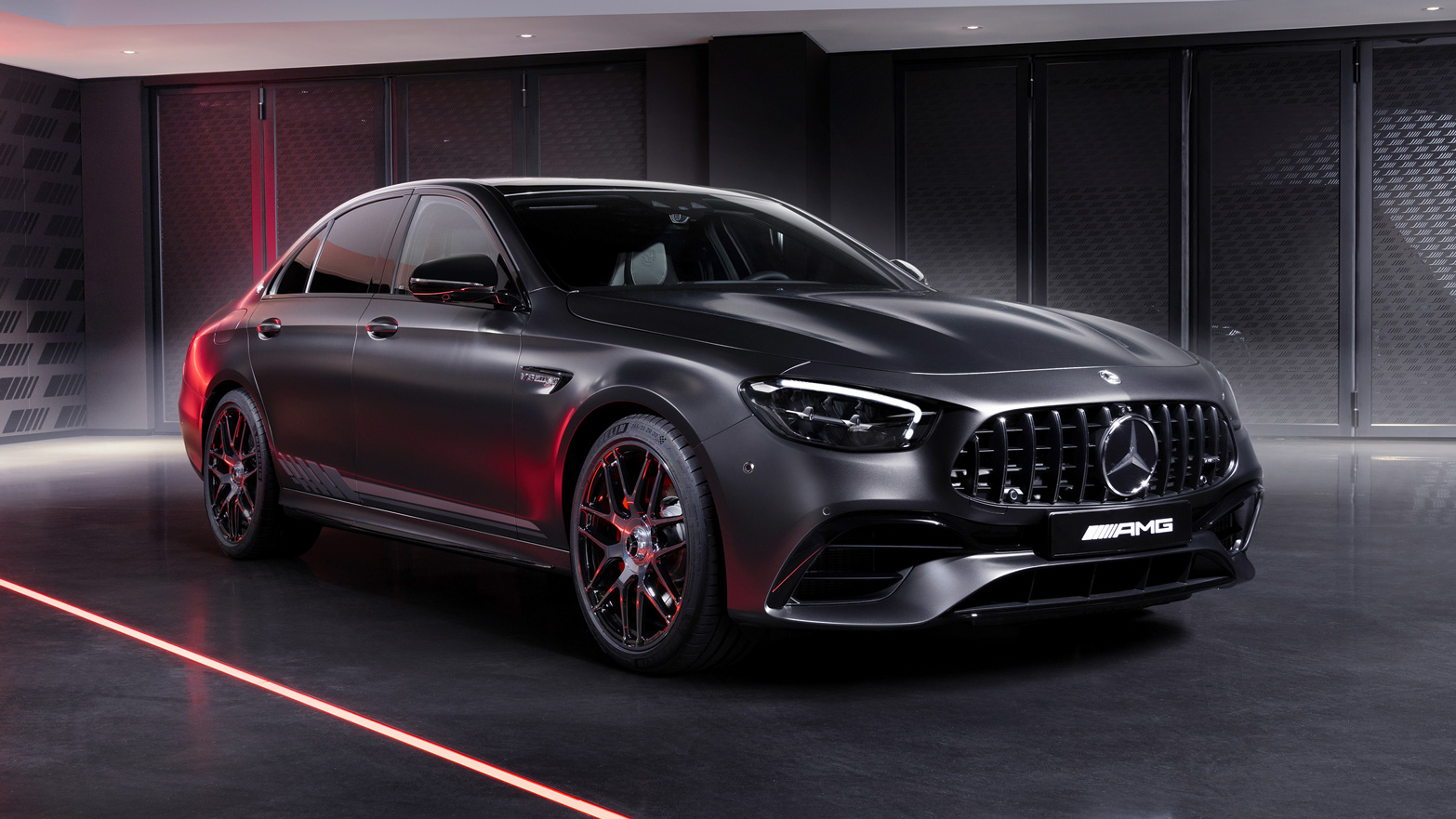
The E63 S demonstrates that reinforced, adaptive mounts can deliver the best of both worlds: emotion-charged power for enthusiasts, luxurious comfort for daily users, and reduced long-term maintenance for all.
This model proves that smart reinforcement is not only about brute strength but also about adapting seamlessly to the driver’s every demand.
4. Porsche 911 GT3
The Porsche 911 GT3 is an icon among sports cars, revered for turning racetrack pedigree into a street-legal experience. One of the keys to this transformation lies in the GT3’s aggressive approach to engine mounting.
Porsche employs solid rubber and, in some variants, even semi-solid mounts that drastically limit engine movement. This strategy is crucial in a car subjected to frequent high-revving, sudden gear changes, and the relentless G-forces of track days.
Including the GT3 as a case study is justified because the relationship between chassis, engine, and driver is at its most transparent in this car.
If mounts were to flex excessively or deteriorate quickly, the resulting slack and vibration would undermine the GT3’s razor-sharp feel and reputation for mechanical feedback.
Porsche’s reinforced mounts keep everything taut, directly contributing to the “one-piece” sensation that motoring journalists continually highlight.
Another factor is longevity under hardship. GT3s often see thousands of hard track miles a harsh environment for rubber components.
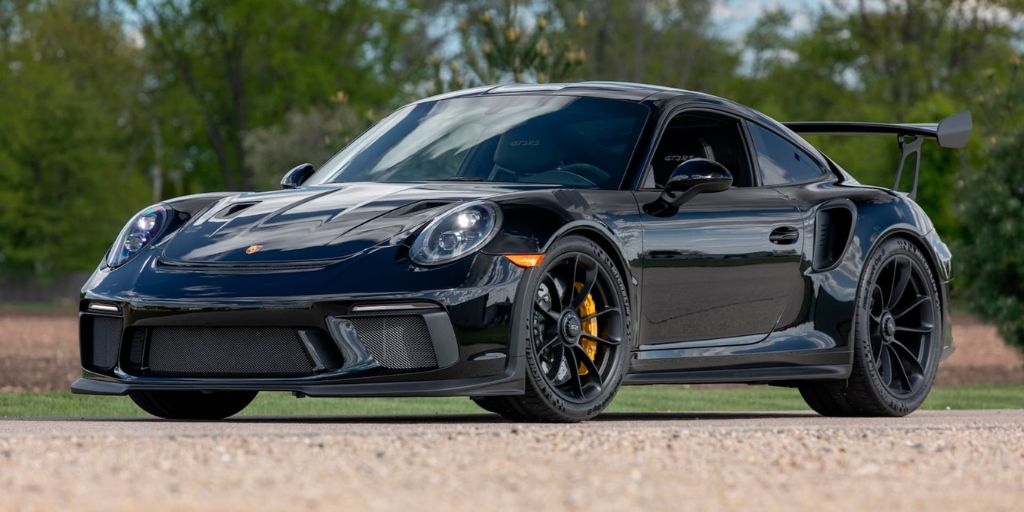
The reinforced mounts ensure critical alignment and reduce the chances of misfires or shifting engine position, common complaints on lesser sports cars after repeated abuse.
Thus, the GT3’s performance and reliability are retained longer, supporting both the car’s prestige and its relatively strong resale values in the used sports car market. By focusing resources on engine mounting, Porsche upholds standards not only of speed, but also of trustworthiness and driver engagement.
5. Honda Civic Type R (FK8/FK9 Platforms)
Rounding out this discussion, the Honda Civic Type R (especially the FK8 and FK9 versions) is a prime example of how even front-wheel-drive hot hatches gain massive performance advantages from reinforced engine mounts.
The factory chassis includes upgraded rubber and metal-composite mounts specifically designed to tame torque steer and keep the high-winding turbocharged engine securely in place.
Discussing the Civic Type R’s mounts is relevant due to Honda’s clear objective: allowing amateur enthusiasts to access performance driving without worrying about reliability setbacks.
Early versions of sporty Civics suffered from excessive crosstalk between engine, gearbox, and chassis as power levels climbed, resulting in vague shifter action and a “jittery” front end under hard throttle.
Reinforced mounts in the modern Type R address these legacy complaints, maintaining solid front-end traction, razor-fast shifting, and even ride comfort, despite the car’s stiffer setup.
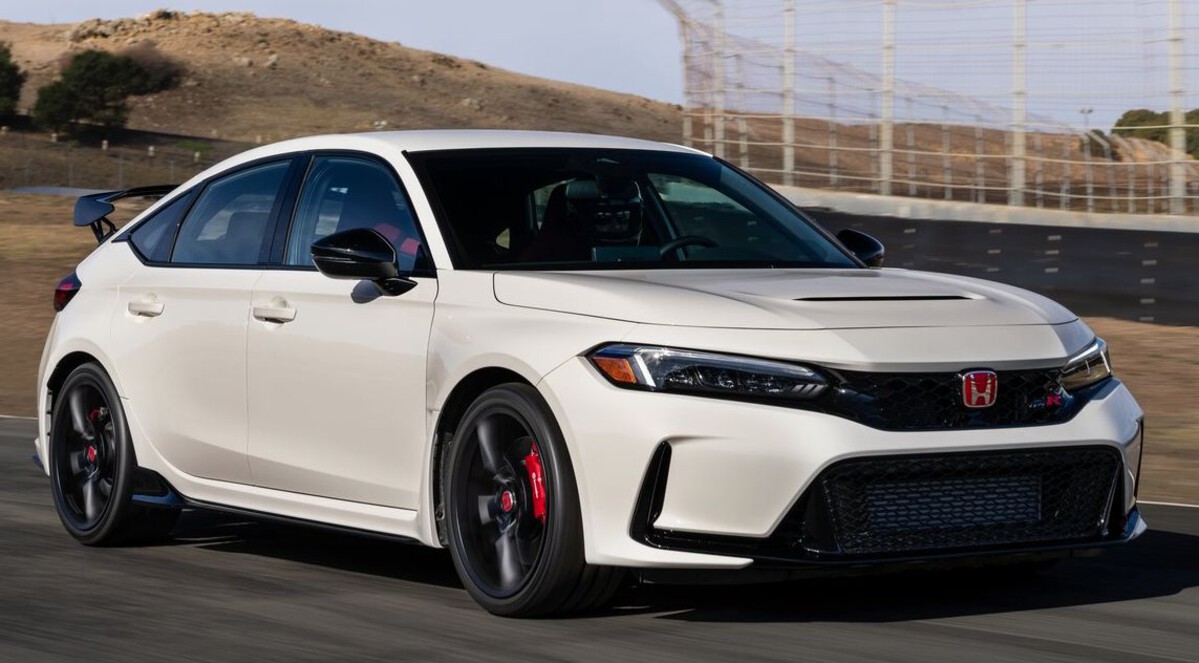
Another reason to include this model is the active aftermarket community. Tuners and racers immediately noticed that these reinforced mounts allowed for significant power upgrades before any side effects appeared, speaking volumes about their robustness.
The Civic Type R demonstrates that manufacturers learn from both engineering analysis and user feedback, integrating solutions that make track use accessible and reliable for ordinary drivers.
This story is essential when discussing reinforced mounts because it highlights not only OEM intentions, but also how these choices filter down to real-world and enthusiast experiences.
5 Cars with Worn-Out Mounts
Every vehicle contains components that, though understated and frequently overlooked, can cause severe problems as they degrade.
Engine mounts are a prime example. While new, they help prevent excessive engine vibration and maintain perfect alignment; as they age or wear out, however, their failure becomes a silent yet impactful disruptor to the driving experience.
Worn-out mounts may result in a cascade of problems: increased noise, vibrations felt throughout the cabin, unpredictable engine and transmission movement, and even damage to other parts of the powertrain.
Ultimately, the presence of decaying engine mounts does not merely inconvenience drivers; it erodes both the vehicle’s comfort and its overall dependability.
Discussing vehicles with worn-out engine mounts sheds light on a common source of driver complaints and workshop visits, dispelling the notion that problems are always rooted in the engine or suspension.
This perspective draws attention to how a comparatively small item can have outsize influence over the quality and longevity of both luxury and utilitarian vehicles alike.
By examining five commonplace vehicles often reported to have trouble after engine mount wear, the discussion highlights telltale symptoms, why they appear, and what lessons can be learned about maintenance, repair, and the broader impact of neglecting what many consider a “minor” component.
The stories that follow explain why some cars face recurring challenges and how paying early attention to mounts could spare owners unnecessary expense and aggravation.
1. Honda Accord (Early 2000s Models)
Focusing the conversation on the early 2000s Honda Accord provides insight into just how disruptive worn-out engine mounts can be in mainstream family cars.
These Accords entered millions of households worldwide thanks to their reputation for reliability, comfort, and efficiency. Yet, as these models age, engine mount failure becomes one of the most common complaints found in owner forums and mechanic logs.
The stock rubber mounts, while effective when new, often lose elasticity as the years go by, especially after 100,000km or more.
Examining this issue highlights a curious paradox: the Accord’s long-lived powertrain actually contributed to mount degradation, as the engine and transmission kept working past the expected “life span” of these rubber supports.
Drivers began to notice increased vibration at idle, harsh clunks on acceleration or braking, and even shifting issues, sometimes mistaking these symptoms for transmission failure.
Upon inspection, mechanics frequently found cracked, collapsed, or oil-soaked mounts problems that directly traced back to extended use in varied climates.
The reason for discussing this model is threefold. First, it illustrates how even a so-called bulletproof vehicle can reach a threshold where a single worn part undermines its entire user experience.
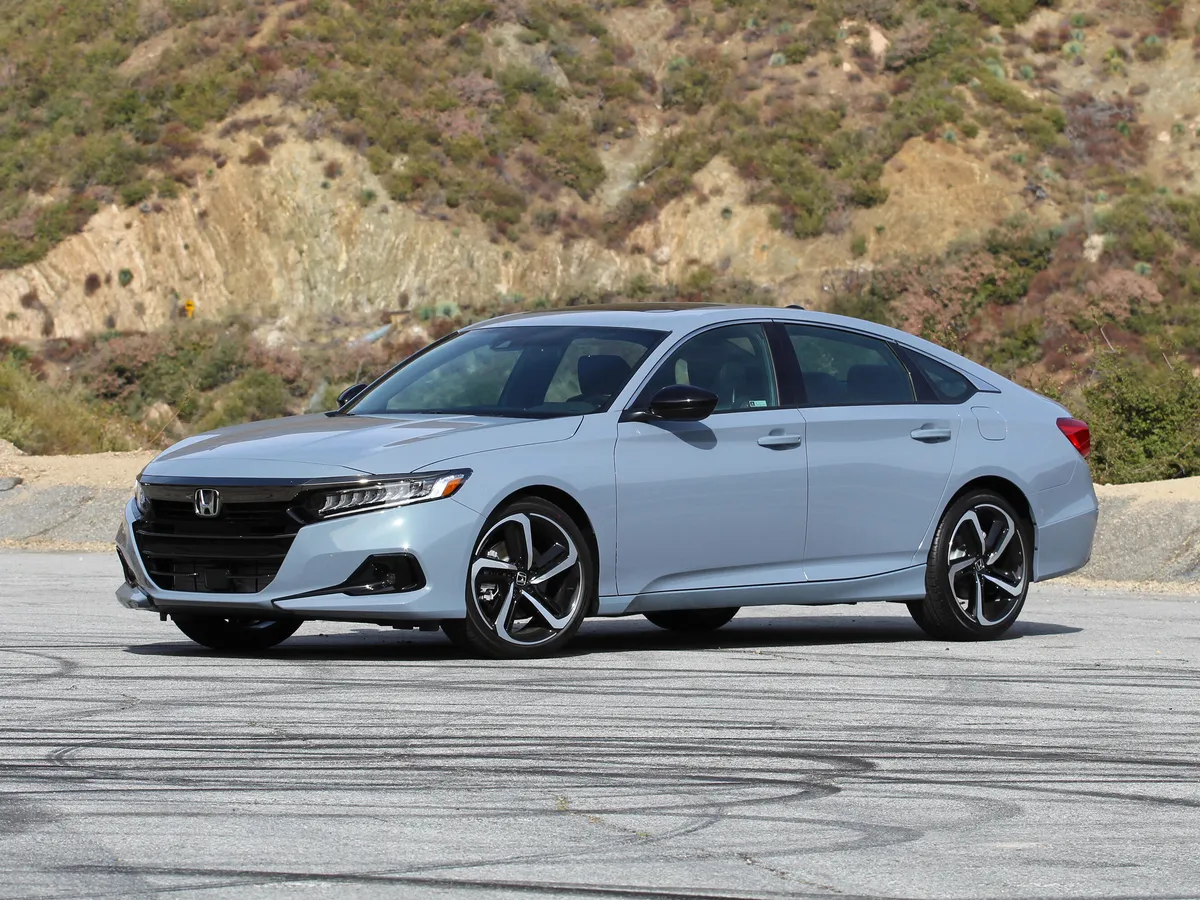
Second, it shows the importance of timely maintenance: many Accord owners restored their cars to like-new quietness and smoothness simply by replacing all the mounts at once.
Lastly, one can observe how small investments in periodic inspections prevent larger mechanical failures.
The Accord story proves that longevity is not just about the engine itself, but also about supporting components that keep the engine firmly and quietly in place, year after year.
2. Ford F-150 (2004-2008 Models)
The Ford F-150, particularly models from the early 2000s, are widely popular for their rugged durability and utility. However, like many workhorse trucks, the F-150 has had recurring reports of worn-out engine mounts causing significant issues.
The heavy-duty V8 engines and the rough usage these trucks often endure place exceptional stress on engine supports.
Over time, the rubber in these mounts tends to degrade, resulting in increased engine movement that can be felt as vibrations throughout the cabin and harsh impacts during acceleration or shifting.
Focusing on this popular pickup highlights the real-world consequences of worn mounts in vehicles used for towing, hauling, and demanding day-to-day tasks.
Drivers and mechanics frequently note symptoms such as excessive engine rocking, clunking noises from the engine bay, and uneven wear on connected components like the driveshaft and exhaust. These effects not only affect driver comfort but can also lead to expensive repairs if mount failure goes unaddressed.
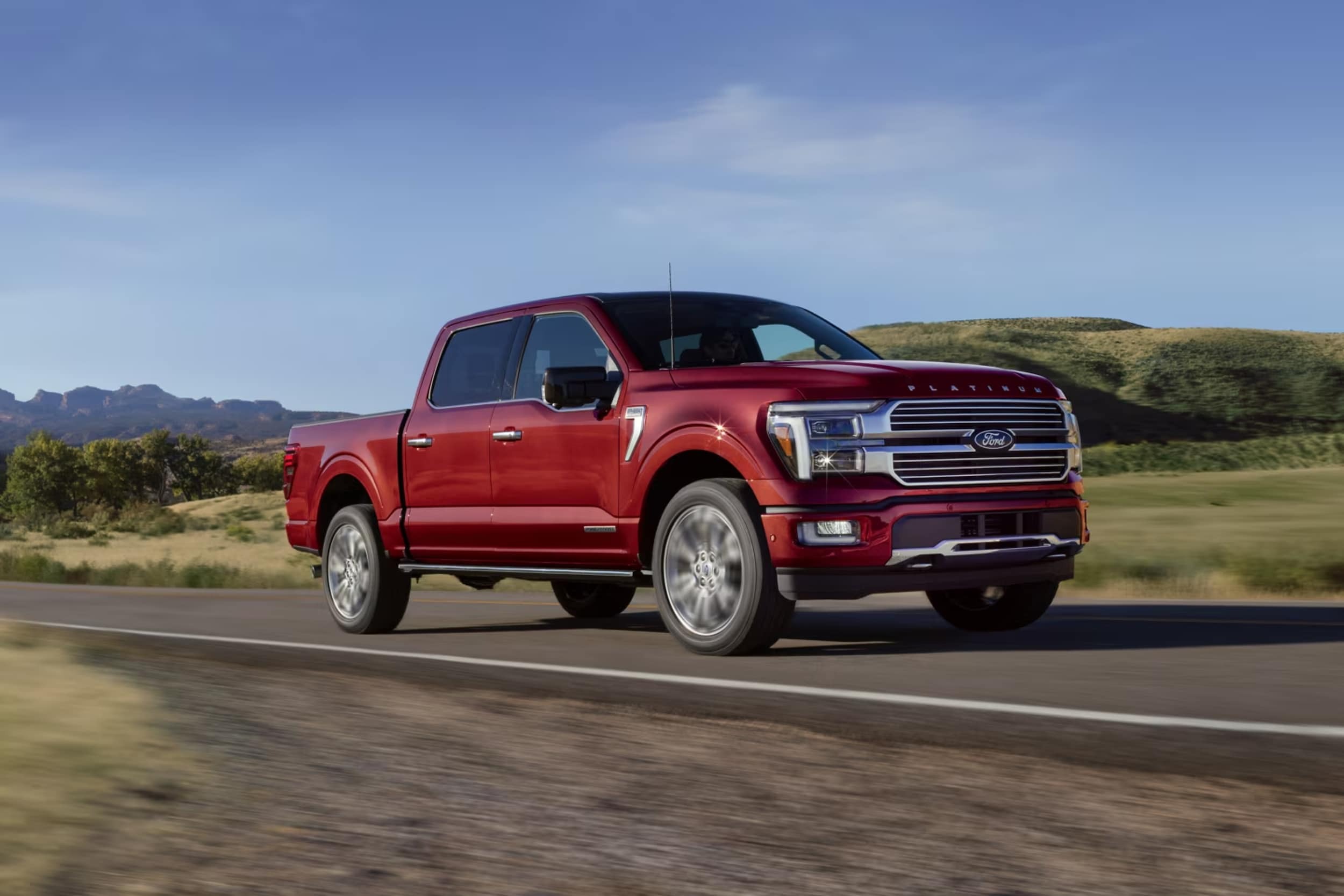
The F-150 example is important because it illustrates how worn engine mounts affect vehicles designed for heavy-duty service, emphasizing the need for regular inspection and timely replacement.
For owners of these trucks, understanding the signs of mount fatigue can prevent cascading mechanical problems and costly downtime.
It also serves as a reminder that no matter how capable a vehicle is on paper, its smaller components require consistent attention to maintain overall reliability and performance.
3. Nissan Altima (2013-2018 Models)
Among midsize sedans, the Nissan Altima gained recognition for its balance of economy and comfort. However, owners of second-generation Altimas (2013-2018) have commonly reported discomfort and drivability issues linked to aging engine mounts.
The factory-installed mounts, while sufficient initially, tend to harden and develop cracks after prolonged exposure to heat and engine vibrations, resulting in increased noise and vibration transmission into the passenger cabin.
Examining the Altima’s mount wear issues provides insight into how everyday commuter cars can be affected by seemingly minor failures that degrade driver experience.
Common complaints include engine shudder during acceleration, unusual clunking noises when shifting gears, and noticeable vibration at idle.
Such symptoms often lead owners to suspect transmission or engine problems, but thorough diagnostics frequently point to worn mounts as the root cause.
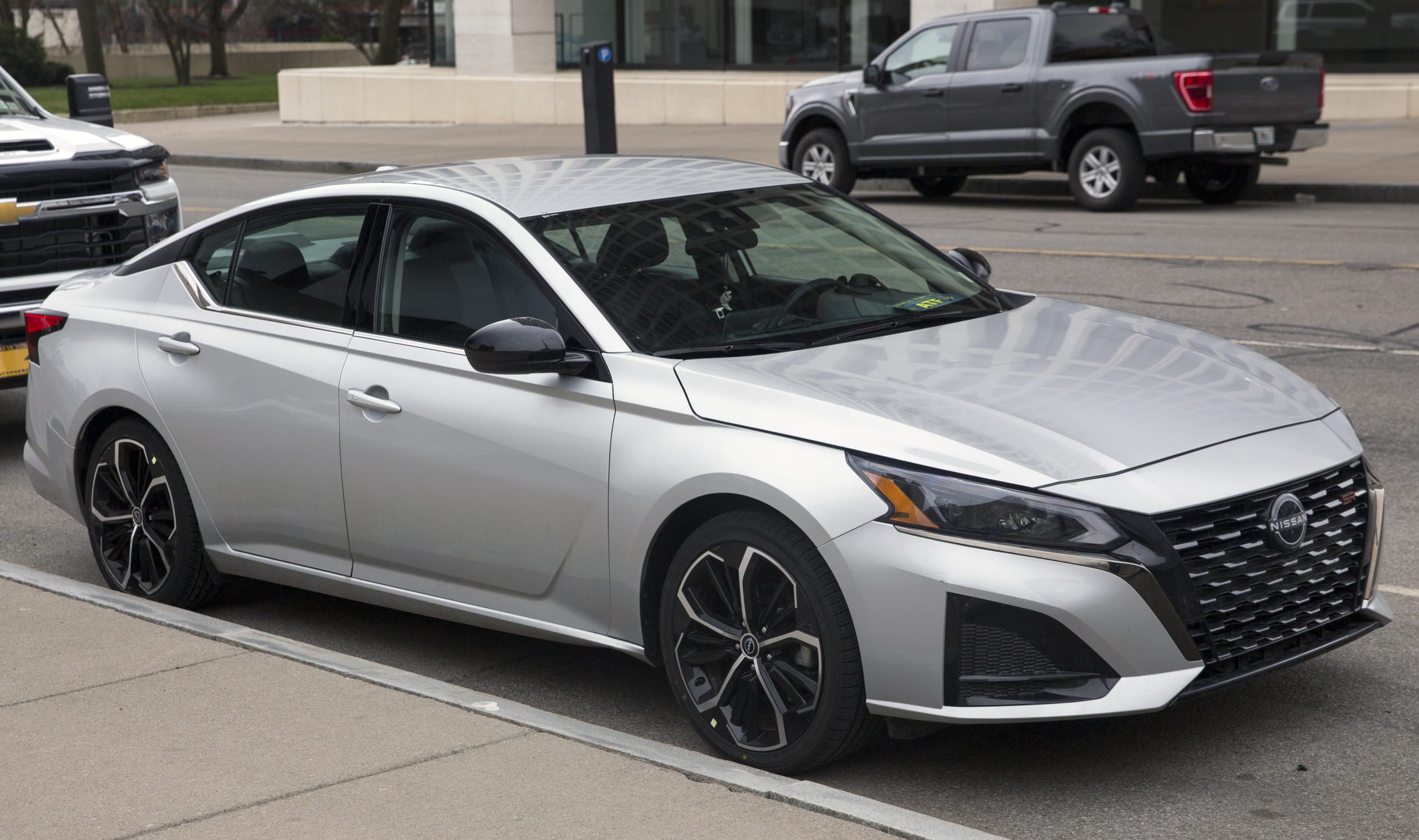
The significance of discussing the Altima lies in raising awareness among midsize sedan owners that prevention is feasible and cost-effective.
Early identification and replacement of failing mounts can restore ride smoothness and protect the drivetrain from further misalignment or stress.
It stresses that even vehicles not renowned for high performance depend on sound engine support to deliver consistent, comfortable driving.
4. Chevrolet Silverado 1500 (2007-2013 Models)
The Chevrolet Silverado 1500 is another full-size pickup where worn engine mounts have emerged as a common trouble spot.
These models, often utilized for heavy towing and hauling, endure engine bay stresses that shorten mount life. Rubber deterioration and metal fatigue lead to excessive engine movement, producing increased vibrations and knocking noises inside the cabin.
Attention to the Silverado’s engine mount problems emphasizes the challenges faced by trucks balancing work-use demands with driver comfort.
The worn mounts often cause driveline misalignment and accelerate wear on other related parts, such as transmission mounts and exhaust hangers. Despite the Silverado’s reputation for durability, mount failure can rapidly degrade overall vehicle refinement and longevity.
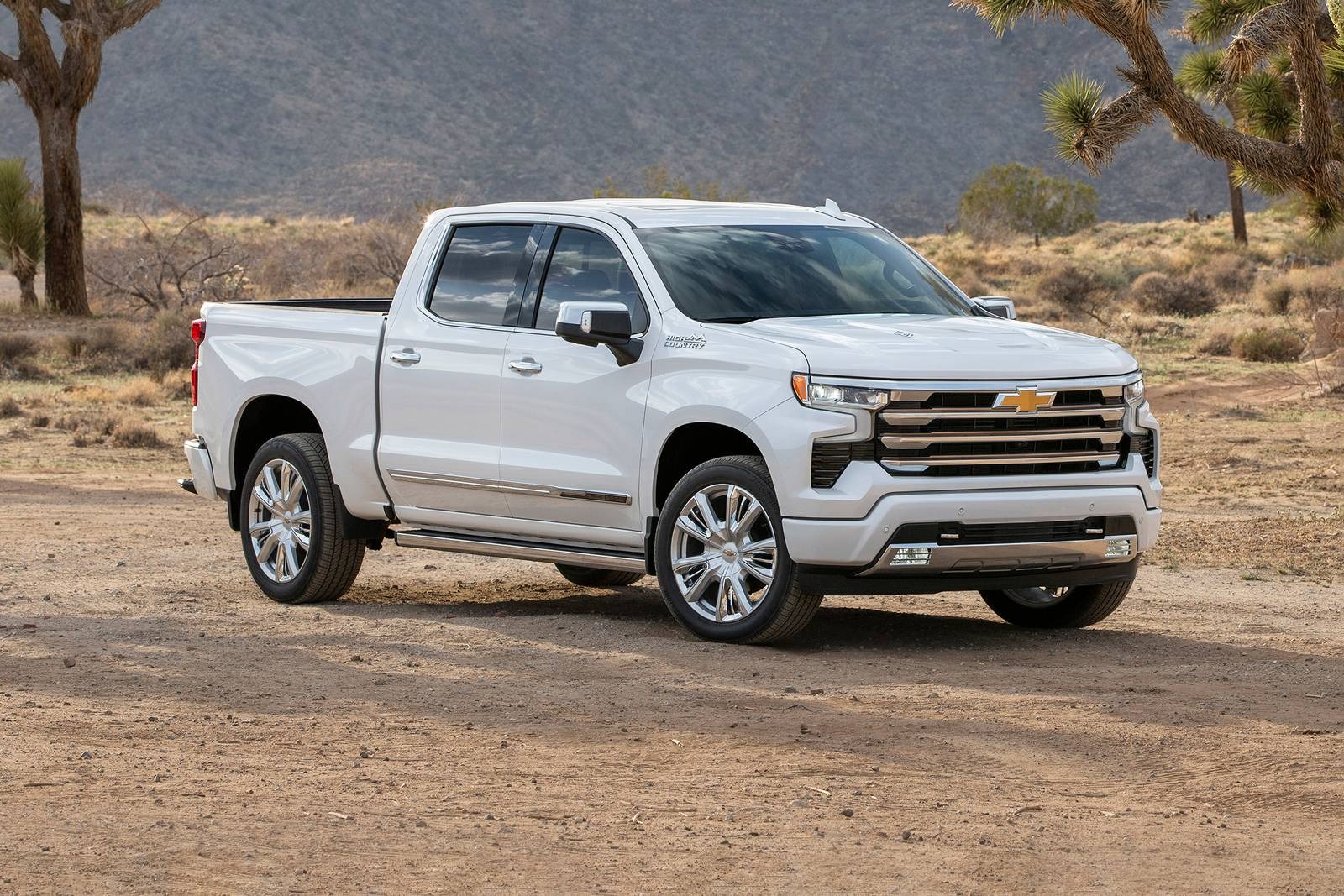
Discussing this case also underscores the importance of preventative maintenance for pickup owners, especially those using their trucks for more than light-duty tasks.
Recognizing symptoms early and replacing mounts as part of routine service can prolong the functional life of the engine and transmission assemblies. This perspective aids users in avoiding avoidable repair bills and retaining vehicle value.
5. Subaru Impreza (2008-2011 Models)
The Subaru Impreza of this era is well known for its all-wheel-drive system and sporty feel. Conversely, it has a documented history of engine mount wear leading to reduced drivability and increased cabin noise.
The mounts installed on these models are prone to cracking and rubber degradation, partly due to the engine layout and weight distribution placing unusual stress on supports.
Including the Impreza highlights the challenges manufacturers face when designing engine mounts for cars with unique configurations, such as horizontally opposed engines.

Wear and tear in these mounts translate into noticeable engine movement, unsettling ride quality and potentially causing misalignment within the powertrain.
This model’s mounting issues remind drivers and mechanics that mount condition is essential for preserving the character and performance for which the Impreza is praised.
Timely mount replacement not only enhances comfort but also prevents secondary damage to drivetrain components sensitive to engine shifts. Such trade-offs are critical considerations when maintaining vehicles with unconventional mechanical designs.
Also Read: 5 SUVs with Oversized Brakes vs 5 with Stock Brakes That Overheat
