
Strong SUV body construction matters far more than many drivers may think. When people buy a sport utility vehicle, they tend to focus on engine power, ground clearance, off-road capability, or cargo space.
But under all of that, the foundation of the SUV, the protection it offers from below, plays a major role in how long the vehicle lasts and how well it performs in demanding conditions.
Skid plates are metal shields installed under the vehicle to protect the engine, transmission, fuel tank, and other vital parts from being damaged by rocks, tree stumps, road debris, or deep potholes. In serious off-road environments, a strong skid plate is not optional. It is a requirement.
Some manufacturers have designed their SUVs to come standard with durable skid plates built into the frame. These models are made to handle rough trails, snow-covered roads, and loose gravel without risking damage to the vehicle’s vital underparts.
This protection also helps prevent rust since the underbody components are not exposed directly to water, salt, and mud. On the other side, there are still SUVs on the market that do not provide this level of underbody shielding. Their exposed parts are vulnerable to rust and corrosion, especially in places where road salt is commonly used in winter or where heavy rains flood the roads.
People who live in rural areas or frequently travel off paved roads often find out too late that their SUV’s underbody is not built for such conditions. That is when the difference between a rust-resistant SUV and one that is weak underneath becomes painfully clear.
When rust eats through the brake lines or suspension mounts, repairs can be expensive or even dangerous. That is why understanding which models protect their underbody properly is very important.
Now let’s take a closer look at five SUV models that include built-in skid plates from the factory and compare them with five that lack this protection and are more likely to rust beneath. For drivers who care about durability and safety, this information can help them make a better decision before buying their next vehicle.
SUVs with Integrated Skid Plates
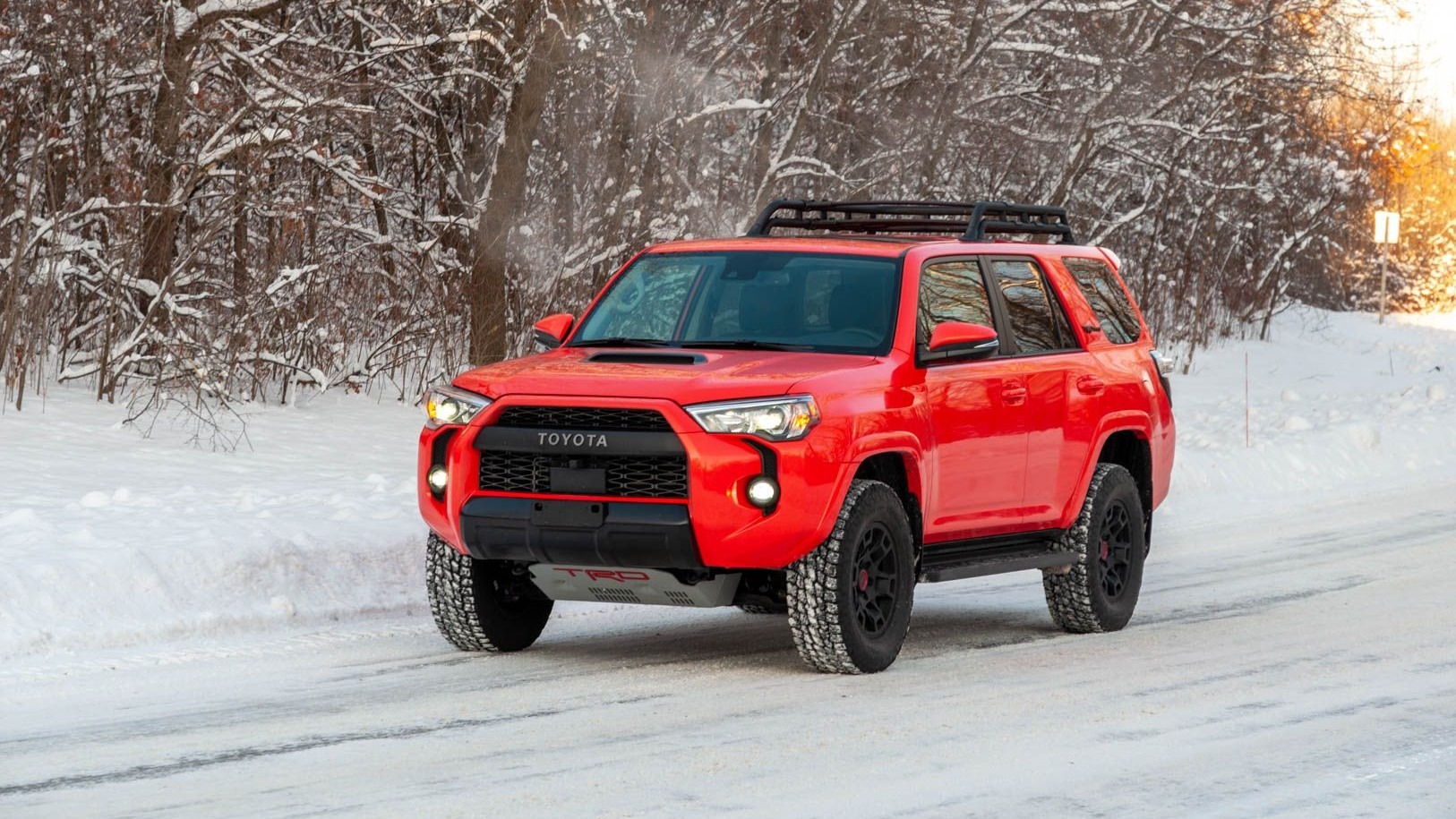
1. Toyota 4Runner TRD Pro
The Toyota 4Runner TRD Pro has built a strong reputation for being one of the most dependable off-road SUVs available today. It comes ready with aluminum skid plates that protect the engine, front suspension, and fuel tank.
These plates are not just light but strong enough to deflect rocks and other debris that can damage the underbody during off-road driving. Since they come installed directly from the factory, owners do not need to spend extra on aftermarket protection.
Toyota made this vehicle for those who plan to take it far from paved roads. The frame sits on a solid axle with extra ground clearance, and every part of the undercarriage that matters is well-covered. With these skid plates in place, drivers can move confidently across rocky trails, uneven surfaces, and even snowy terrain without worrying about underbody hits.
Another thing worth pointing out is that these skid plates help reduce the exposure of steel parts to salt, mud, or water, all of which are known to cause rust. The 4Runner’s body-on-frame design also means fewer exposed joints where moisture can get trapped and cause corrosion. For people who live in areas with heavy snowfall and salted roads, this SUV performs far better in resisting rust than others in its class.
Besides the underbody protection, the 4Runner TRD Pro also brings a reliable V6 engine, locking rear differential, and durable suspension. All of these features work together to make sure the SUV holds up even under years of rough use. This model has been around for several generations, and it continues to earn trust among outdoor adventurers and off-road drivers.
Toyota’s decision to include skid plates as standard equipment in the TRD Pro shows that the brand understands what off-road drivers need. For anyone who wants an SUV that is both rugged and ready without needing modifications, the 4Runner TRD Pro is a strong option.
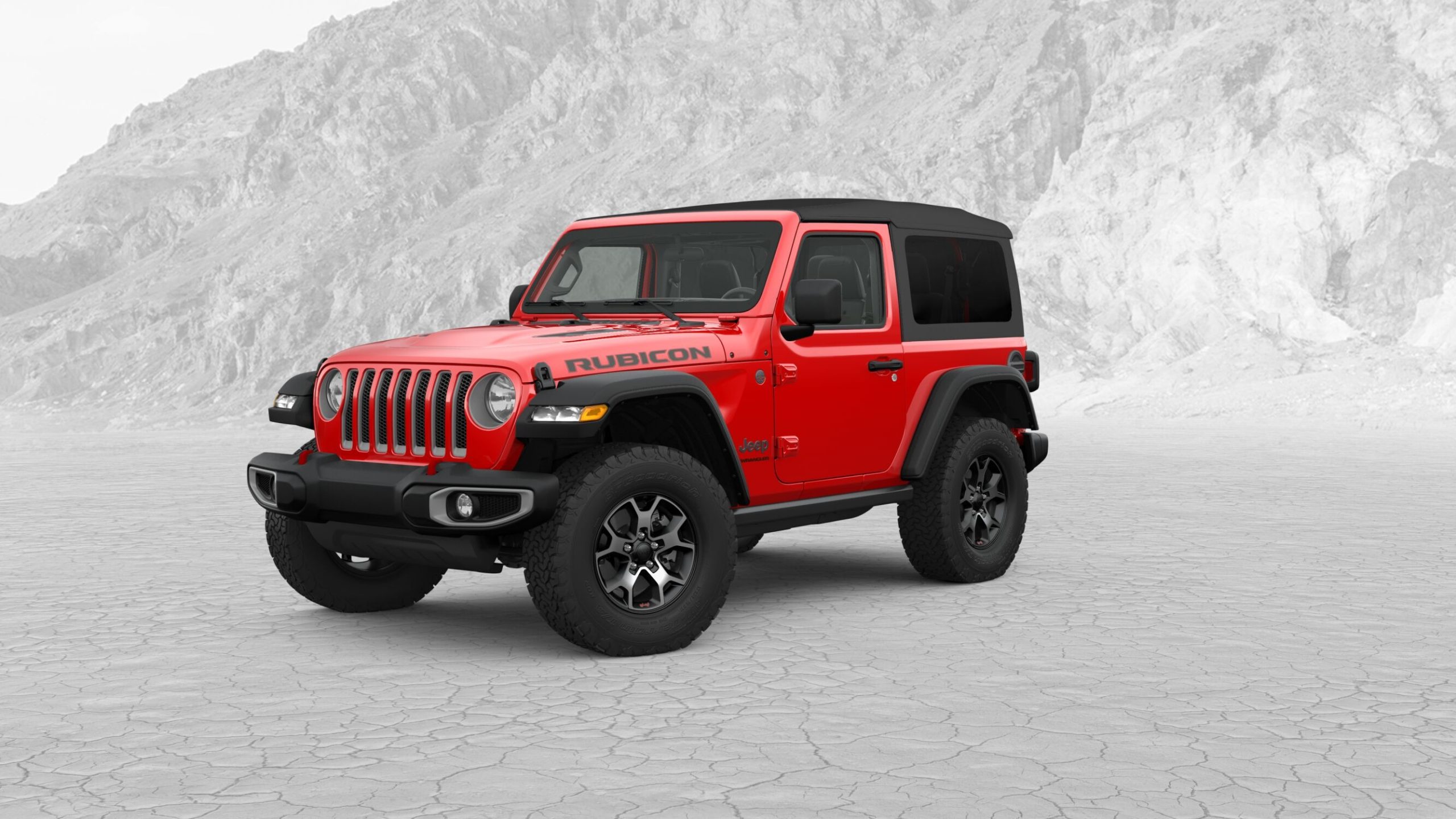
2. Jeep Wrangler Rubicon
When people think about off-road SUVs, the Jeep Wrangler Rubicon often comes to mind first. It is one of the few vehicles that has kept its original tough personality while still adjusting to modern technology.
This SUV arrives with solid steel skid plates to guard the fuel tank, transfer case, and transmission. These plates are mounted securely to withstand rough terrains like mountain trails or muddy paths.
Jeep has made the Rubicon with serious off-road drivers in mind. The frame is strong, the axles are built to take pressure, and the underbody protection ensures the most vital parts remain untouched even when the ground below becomes extremely uneven. The SUV is made to climb over rocks, go through streams, and handle steep hills, all while keeping its structure intact.
One clear advantage of the Rubicon’s integrated skid plates is how much they extend the life of the SUV. Rocks and sand that hit unprotected components can chip away at the paint or metal, which, as time goes on, causes rust. But these skid plates take the hit instead. They can be replaced if damaged, but the protected parts stay in good condition much longer.
Drivers who take their vehicles through snow or salty water also benefit from the way these plates reduce rust exposure. Since the underbody is shielded, there is less chance of corrosion eating through brake lines, fuel lines, or the frame. The Rubicon’s high ride height and sealed undercarriage further reduce the chance of rust forming underneath.
Add to that the Rubicon’s front and rear locking differentials, disconnecting sway bar, and trail-rated certification, and you get an SUV that is not only strong but also smartly protected. This is not a vehicle made just for looks. It is built to survive tough conditions, and the skid plates are a clear part of that promise.
Also Read: 5 Cars with Lifetime Coil Packs vs 5 with Packs That Misfire
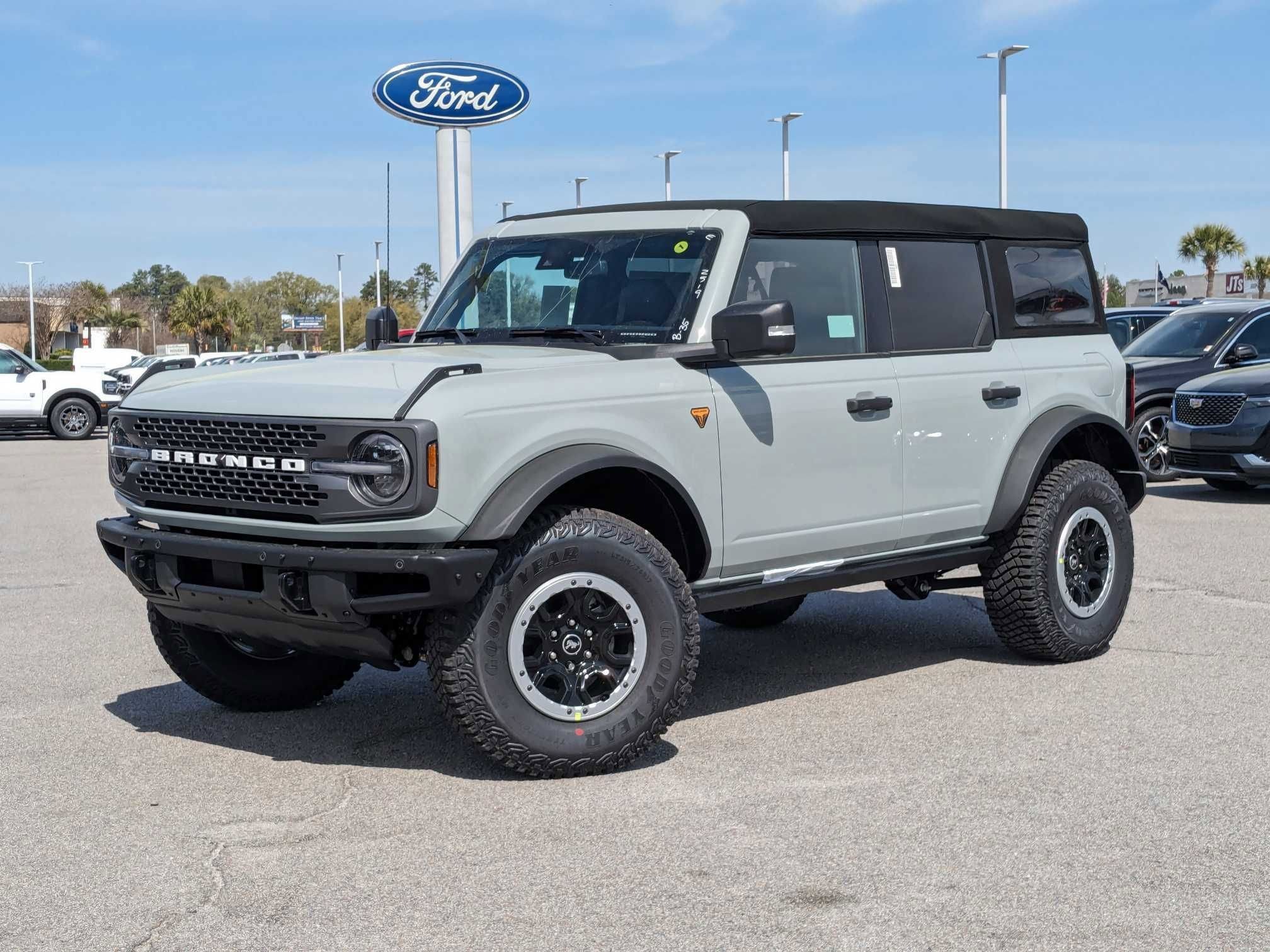
3. Ford Bronco Badlands
The Ford Bronco Badlands edition shows that new technology and off-road durability can work hand in hand. Designed with off-roading in mind, this SUV includes heavy-duty skid plates that cover the front bash plate, fuel tank, transfer case, and transmission. These features are not just additions; they are part of what defines the vehicle.
The engineers behind the Bronco knew what kind of terrain it would face. So they gave it a smart 4×4 system, available disconnecting front sway bar, and reinforced underbody protection.
The steel plates used are thick enough to absorb impacts from large rocks or hard surfaces. That means drivers can enjoy outdoor trails without worrying about damage to the vital parts underneath.
One of the challenges many SUVs face is rust from road salt or water. The Bronco’s skid plates create a barrier that helps prevent that. Moisture finds it harder to reach the steel parts beneath the vehicle when there is a solid layer of metal guarding them. Also, since these plates are designed with drainage in mind, mud and water do not collect under them, which reduces corrosion as time goes on.
Apart from the physical benefits, having these plates also adds peace of mind. Drivers know their fuel lines, exhaust system, and drivetrain are not exposed. The plates are bolted in such a way that even if one gets dented or scratched, it is easy to repair or replace them without major cost.
This model from Ford mixes new design elements with old-school off-road needs. The Bronco is not just made to look tough; it behaves like it, too. From high-clearance bumpers to the inclusion of trail-tested skid plates, the Badlands edition proves that new SUVs can still offer solid underbody defense from the start.
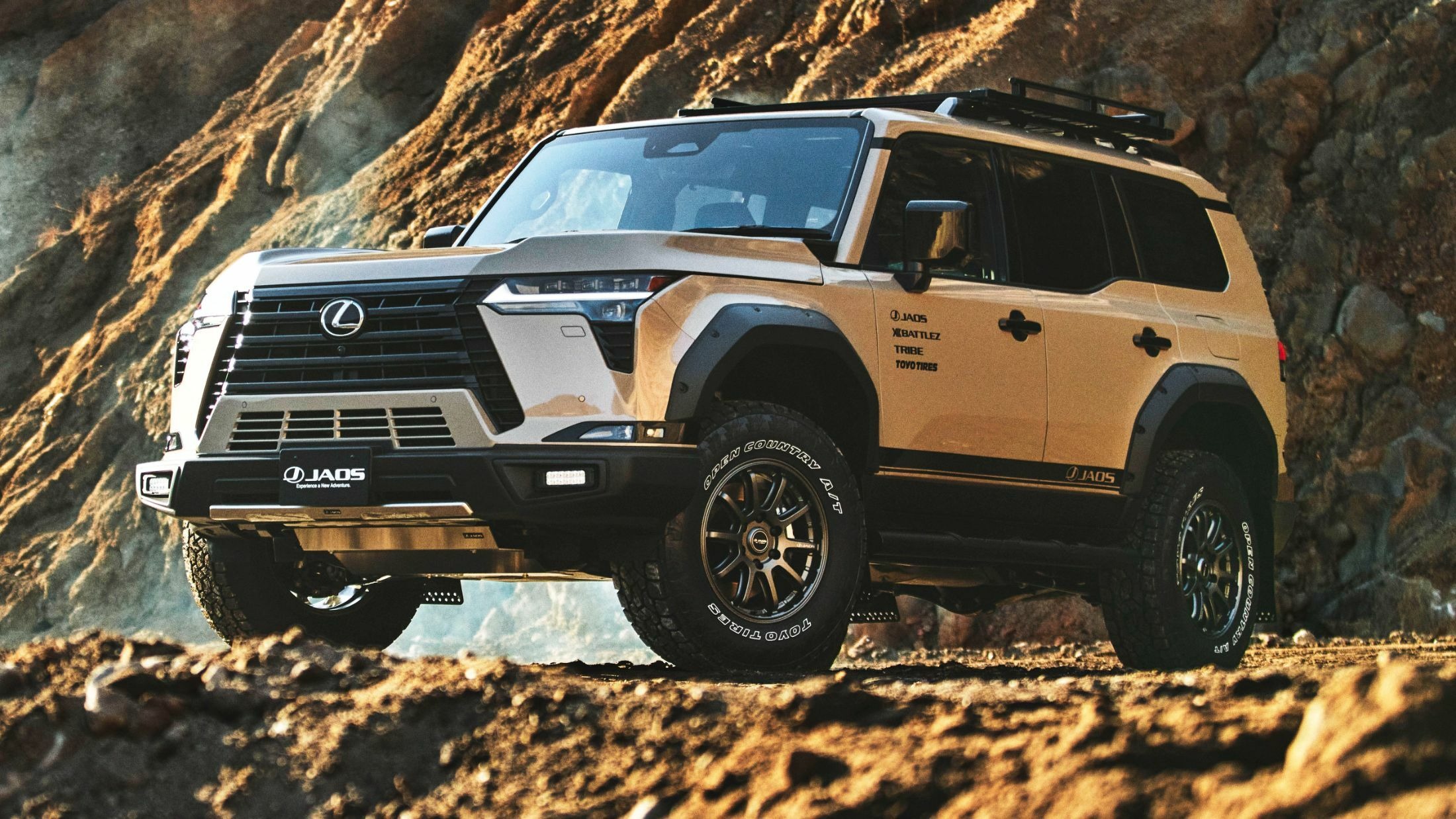
4. Lexus GX 550 Overtrail
Some people do not expect a luxury SUV to come ready for rugged conditions. But the Lexus GX 550 Overtrail changes that. It comes with factory-installed skid plates designed to handle trail impacts. These plates protect important sections such as the oil pan, transfer case, and fuel tank. Even though Lexus is known for quiet cabins and soft rides, this model shows that it can also perform well in wild settings.
The GX 550 sits on a body-on-frame structure similar to that of a truck. That gives it the kind of durability needed for serious off-road driving. The inclusion of metal underbody guards means the SUV is not just good-looking but also smartly protected against the dangers of rocky or muddy tracks.
With rust being a real issue for many SUVs, especially in wet or snowy areas, Lexus made sure the underbody could resist early corrosion. Skid plates do more than absorb shock; they help keep water and salt away from brake lines, exhaust pipes, and joints where rust usually starts. For drivers who travel on salted roads during winter, this protection adds years to the vehicle’s useful life.
Another plus for the GX 550 is how it mixes comfort with strength. While inside the vehicle, you get fine leather seats and quiet surroundings, underneath there is a tough setup ready to face stones, branches, or deep water. Lexus also made it easy to maintain these plates. They are placed in sections that can be detached if repairs are needed.
This SUV meets the needs of people who want off-road capability without sacrificing comfort. It blends strong engineering with protective design and proves that skid plates are just as valuable in luxury vehicles as they are in utility ones.
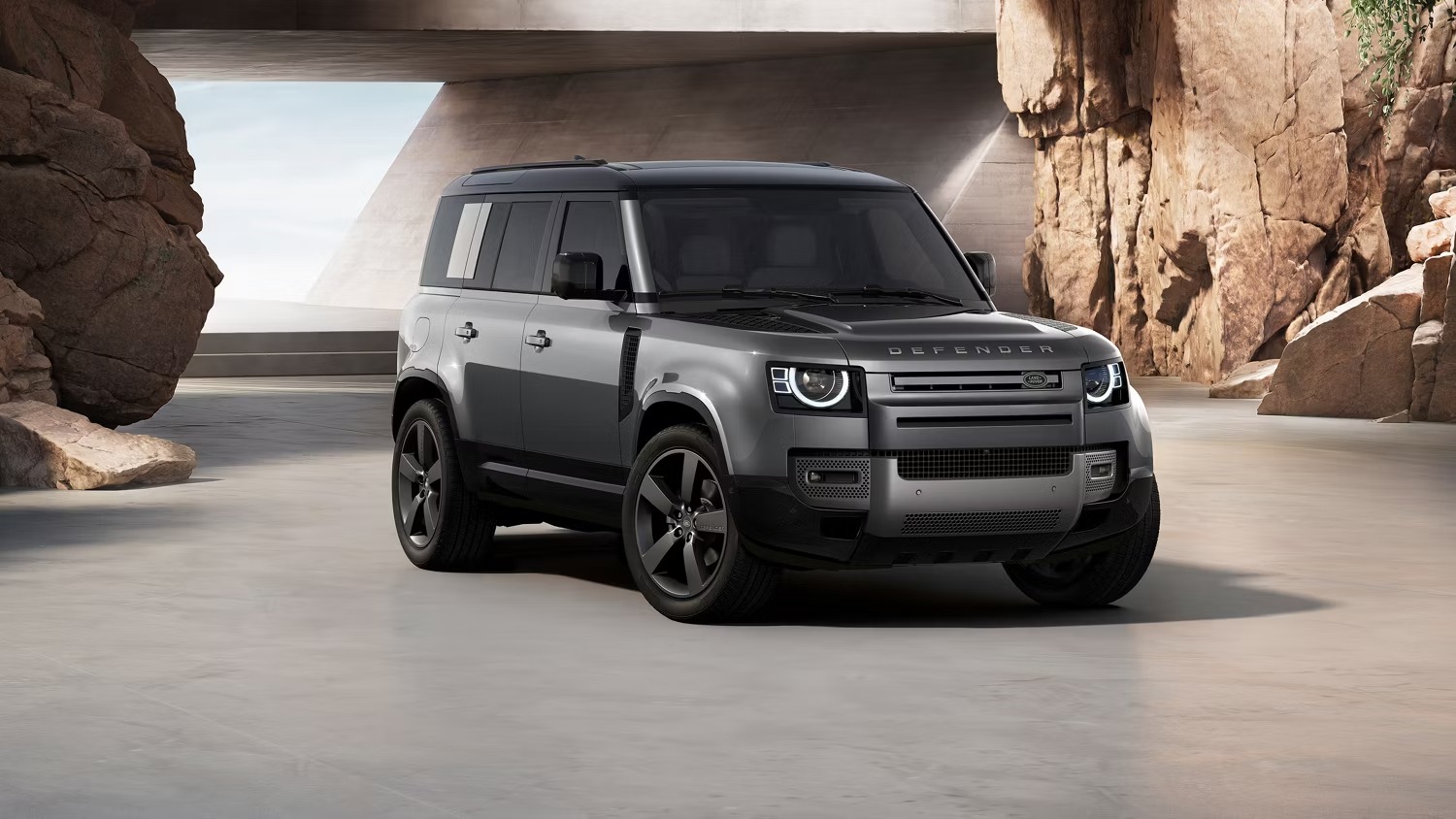
5. Land Rover Defender 110
The Land Rover Defender 110 offers a great mix of modern technology and old-school ruggedness. From the factory, it comes equipped with strong underbody protection that includes full-length skid plates to guard the front suspension, fuel tank, transmission, and rear differential. These plates are part of what makes the Defender ready for harsh terrain straight from the showroom.
This SUV was created for outdoor adventure, and Land Rover made sure it was tough underneath. The underbody protection helps prevent rocks, stumps, and rough ground from damaging the vital systems.
Without this kind of shielding, even a short off-road trip could end with costly repairs to the transmission or fuel lines. The metal plates used in the Defender are thick, well-secured, and shaped to match the terrain underneath the SUV.
When it comes to protecting against rust, the Defender performs better than many SUVs in its class. The plates help block moisture and mud from sitting on steel parts.
Since rust usually starts when water gets trapped in hidden corners, having these plates in place reduces that risk. Even in snowy areas where salt is heavily used, the Defender keeps its underbody in better condition as time goes on.
What makes the Defender 110 even more special is that this strong build does not take away from comfort. You still get air suspension, advanced terrain response systems, and a smooth interior. But under all that, it is a machine built to resist rough treatment. The combination of off-road gear and protective design makes it ideal for those who love driving in wild locations.
Land Rover has built a vehicle that balances style and toughness. For drivers who need both comfort and real protection underneath their SUV, the Defender 110 gives them exactly that. Its factory skid plates show that the engineers planned for long-lasting use in rough environments.
SUVs Without Strong Skid Plate Protection
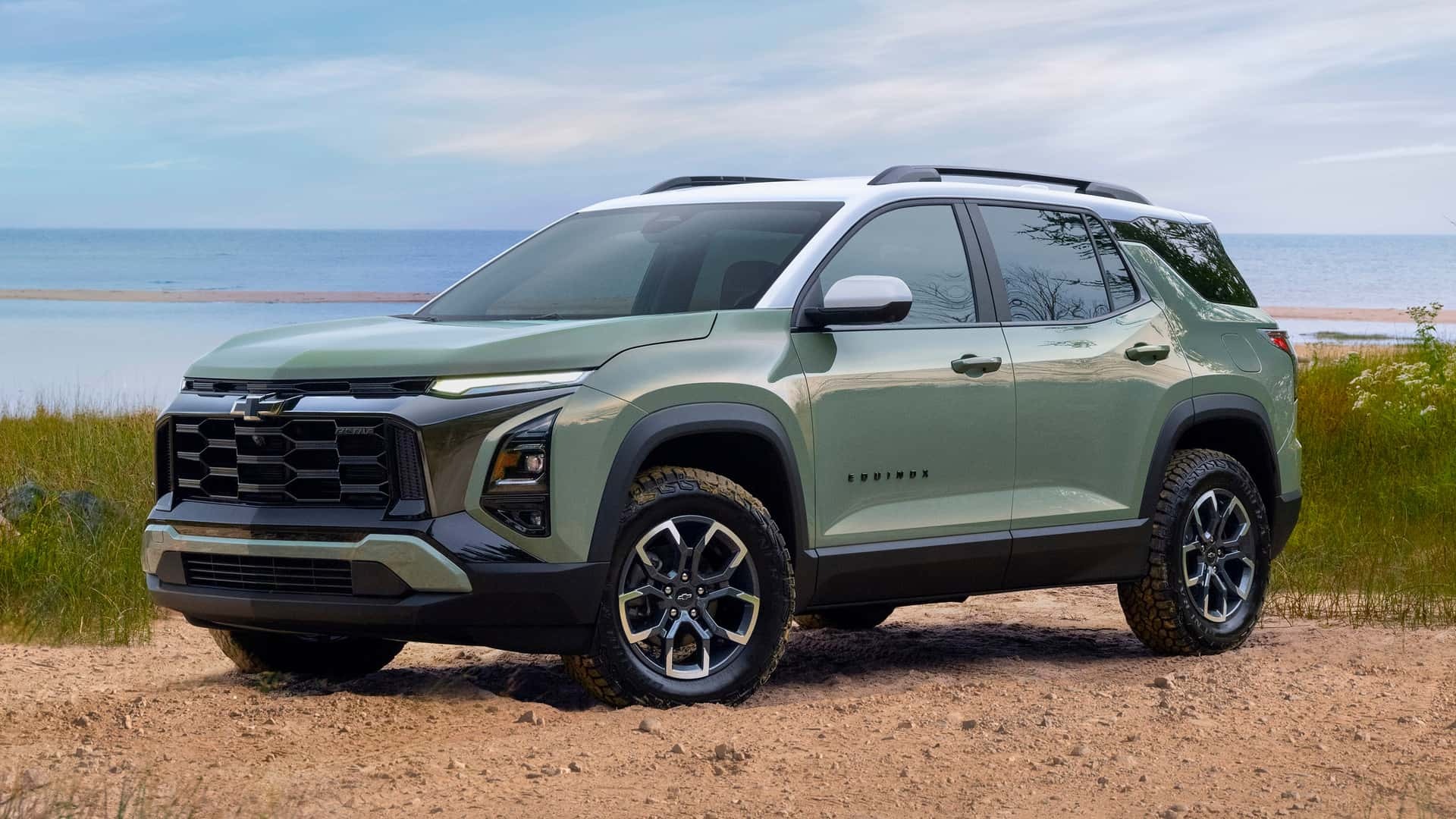
1. Chevrolet Equinox
The Chevrolet Equinox is a popular compact SUV that many people choose for its price and fuel efficiency. But when it comes to underbody protection, this model falls short. From the factory, it does not include any real skid plates to guard the lower parts like the fuel tank or oil pan. That leaves important systems open to damage, especially if the vehicle is driven on rough roads or gravel trails.
Drivers who live in areas with wet climates or where road salt is used often find that the Equinox begins to show signs of rust much earlier than expected. Because there is no barrier to stop moisture from getting to the steel underparts, rust forms around suspension components and brake lines faster. As time goes on, this can cause serious problems.
The frame of the Equinox is built more for light urban use than for outdoor adventures. It lacks high clearance, and since its underside is exposed, any contact with puddles, saltwater, or sharp stones increases the chance of rust or mechanical damage. Owners have reported cases where rust formed around the wheel wells, subframe, and exhaust pipe only a few years after purchase.
Even for those who do not take the vehicle off-road, poor drainage and exposure to road debris can lead to early wear. Without factory skid plates, the Equinox relies on plastic covers that do little to block real impacts or resist corrosion. Drivers who want to add protection must buy aftermarket solutions, which increases total ownership cost.
This SUV may offer good features inside the cabin, but its lack of protection underneath makes it a weak option for those who live in harsh environments. Long-term durability is a concern, especially if proper cleaning is not done regularly. For buyers who value underbody strength, this model may disappoint unless modified.
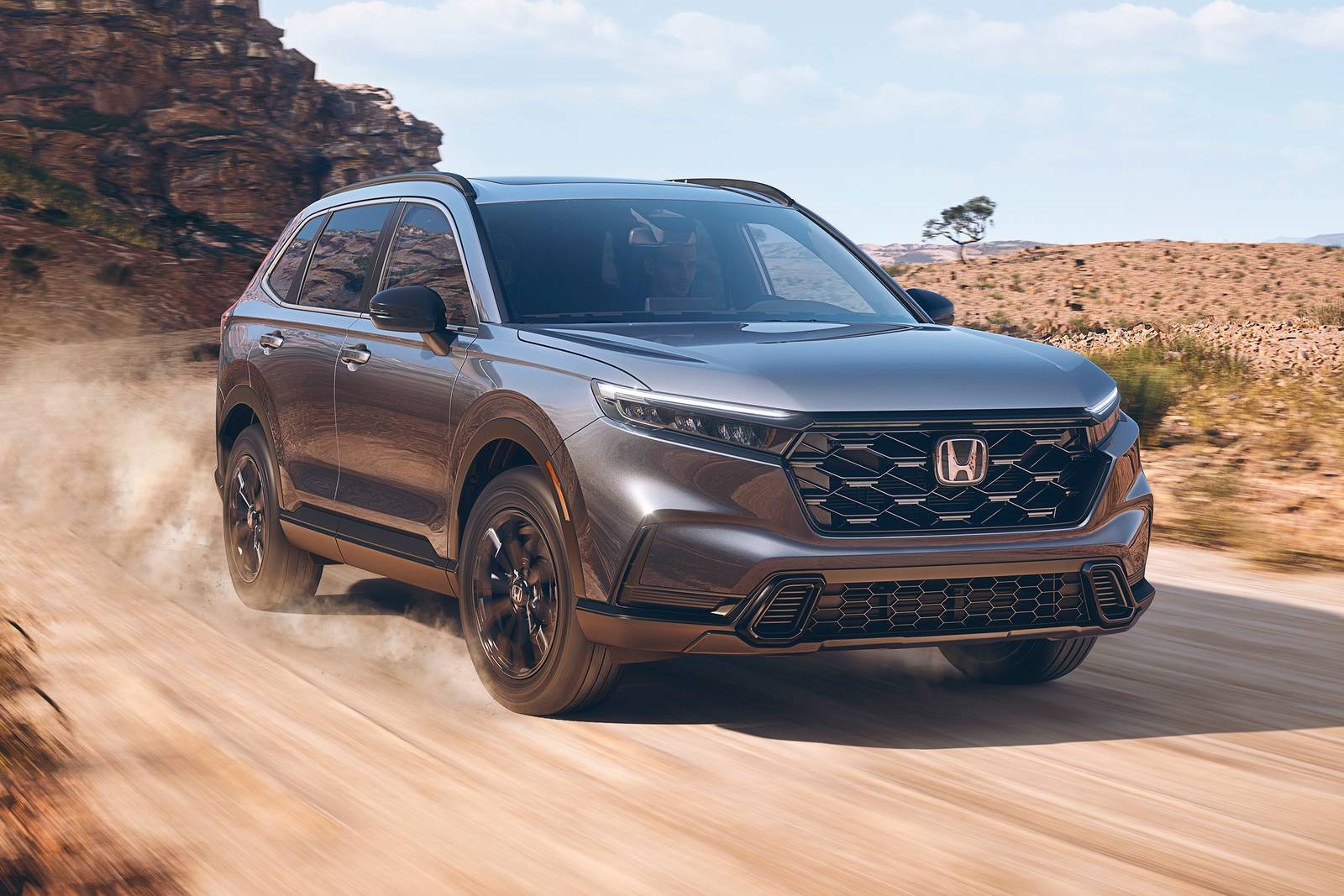
2. Honda CR-V
The Honda CR-V has long been a best-seller due to its comfort, reliability, and fuel savings. But when the focus changes to how the underbody holds up, it does not perform as well. This SUV does not come with any built-in metal skid plates. Instead, plastic guards and basic coverings are used to shield some parts, but they do little to stop damage from sharp debris or road salt.
In areas where the roads are often wet or icy, the CR-V’s exposed underbody tends to rust faster than many drivers expect. The parts most affected are the exhaust components, rear subframe, and lower suspension arms. Since these pieces are not covered with protective plates, moisture and salt sit on them for long periods, speeding up corrosion.
This SUV was designed mainly for on-road use. While it can handle light gravel roads, it is not intended for off-road driving or rocky conditions. The lack of serious undercarriage protection shows that Honda aimed this model at city drivers who rarely leave paved routes. For anyone thinking of using the CR-V in a rural area or a snowy state, rust is something they will have to deal with early.
Some owners have tried to fix this problem by applying rustproof coating or installing aftermarket shields. But this adds to the cost, and sometimes the damage has already started before these steps are taken. For a vehicle known for its low maintenance, the rust problems beneath the CR-V come as an unpleasant surprise.
Even though the CR-V has many features that attract buyers, including a spacious cabin and smooth ride, the undercarriage protection is far from ideal. People who want a longer-lasting SUV for mixed driving conditions may need to think twice before choosing this one.

3. Mazda CX-5
The Mazda CX-5 delivers one of the smoothest rides among small SUVs. Its interior finish and sharp design often make it look like a premium car. However, the vehicle does not come equipped with proper skid plates. Instead, there are lightweight covers that offer little to no real protection from physical impact or corrosion.
This lack of underbody defense becomes a serious issue in wet and snowy regions. Since there is nothing to stop water and salt from reaching the metal parts underneath, rust builds up around the frame, suspension, and joints. Some drivers have noticed these problems within only a few winters of ownership.
The CX-5 does not stand very high off the ground either, which increases how often the underside comes in contact with road debris or water. When gravel, mud, or road salt splashes underneath, it settles on the exposed metal. Without skid plates, these materials stay in place, creating perfect conditions for corrosion.
Mazda has focused more on the appearance and comfort of this SUV than on underbody strength. While this works fine for light urban driving, people who use their vehicle in mixed terrain or harsh climates might regret the lack of protection. Once rust begins to damage brake lines or suspension mounts, repairs can become both costly and risky.
The CX-5 is an excellent city vehicle with a clean, sporty design, but it is not made for rugged travel or winter challenges. Those planning to drive where snow, mud, or rocky paths are common should consider adding aftermarket protection or choosing another model that comes prepared from the factory.
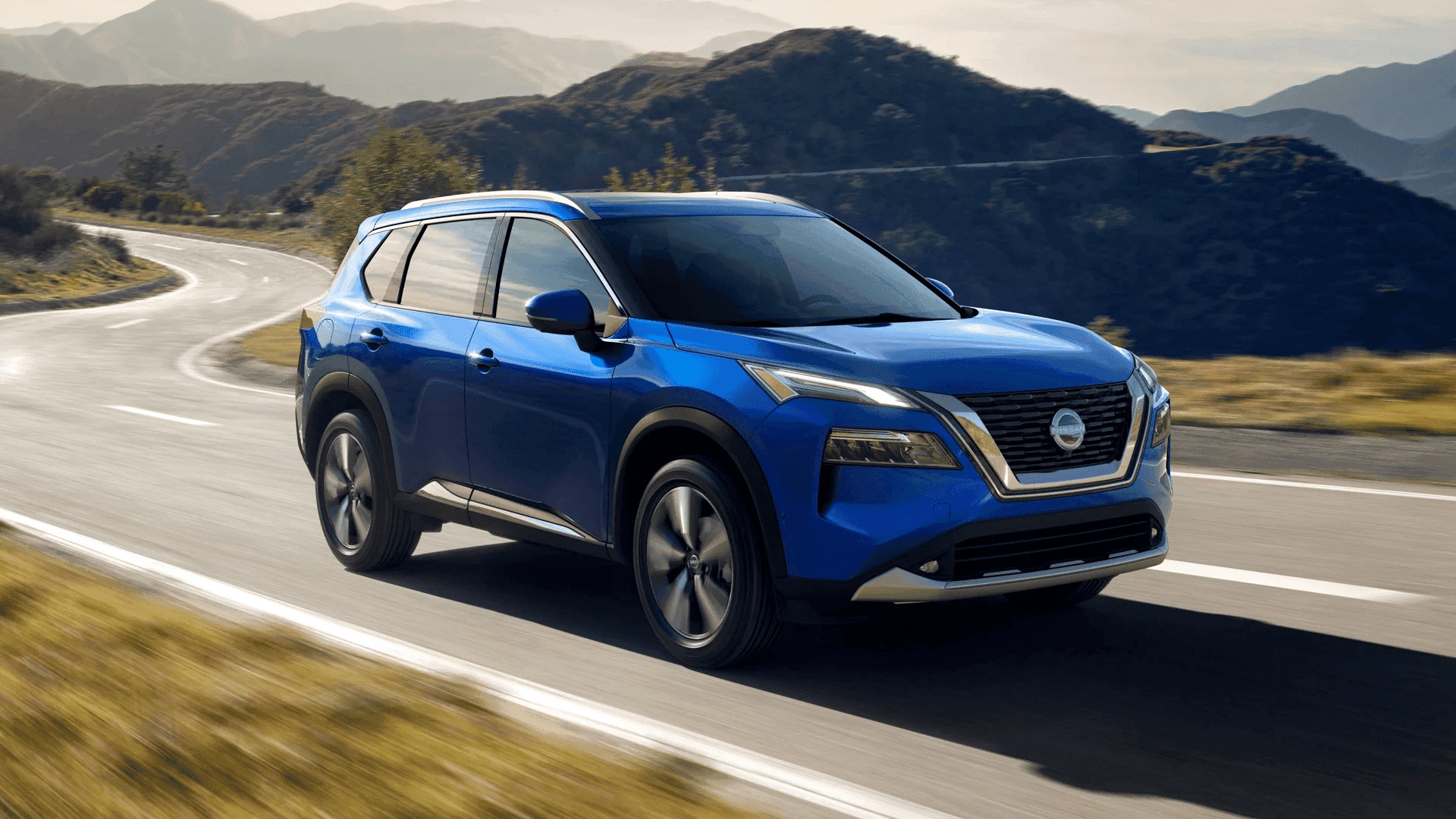
4. Nissan Rogue
The Nissan Rogue continues to be a favorite for families due to its practicality, decent fuel economy, and roomy interior. While these features make it appealing for daily use, its underbody structure is not built to face rough conditions. The Rogue does not include any steel skid plates from the factory. Instead, thin plastic covers are used in certain sections, which do very little against hard impacts or rust formation.
Many owners who drive in areas with heavy rainfall, snow, or rough gravel roads have noticed that rust forms under the Rogue earlier than expected. Water and salt can easily find their way to the vehicle’s frame, especially around the rear suspension, wheel wells, and exhaust system. Once these areas begin to corrode, the vehicle’s stability can be affected.
Nissan did not design the Rogue for off-road or trail driving, and that shows clearly in the level of underbody protection. Its low ground clearance and soft suspension make it more suitable for urban or suburban streets. But even in city environments, potholes and water puddles can splash harmful debris under the vehicle. With no metal barrier to stop this, damage builds up faster after some time.
Repairing undercarriage rust can be expensive. Parts like brake lines and fuel lines often sit in exposed positions underneath the Rogue. Once rust takes hold, these components become weaker and may even fail if not caught in time. While regular washing can help delay rust, the lack of physical shielding means the vehicle is always at higher risk.
Although the Rogue performs well in comfort and tech features, its weak underside design makes it a less dependable option for people who deal with winter salt or rural dirt roads.
For long-term use, especially in areas where corrosion is a concern, buyers should either budget for added protection or pick another model that is already built for stronger performance below.
Also Read: 5 Cars With Legendary Battery Life and 5 That Need Jumping Weekly
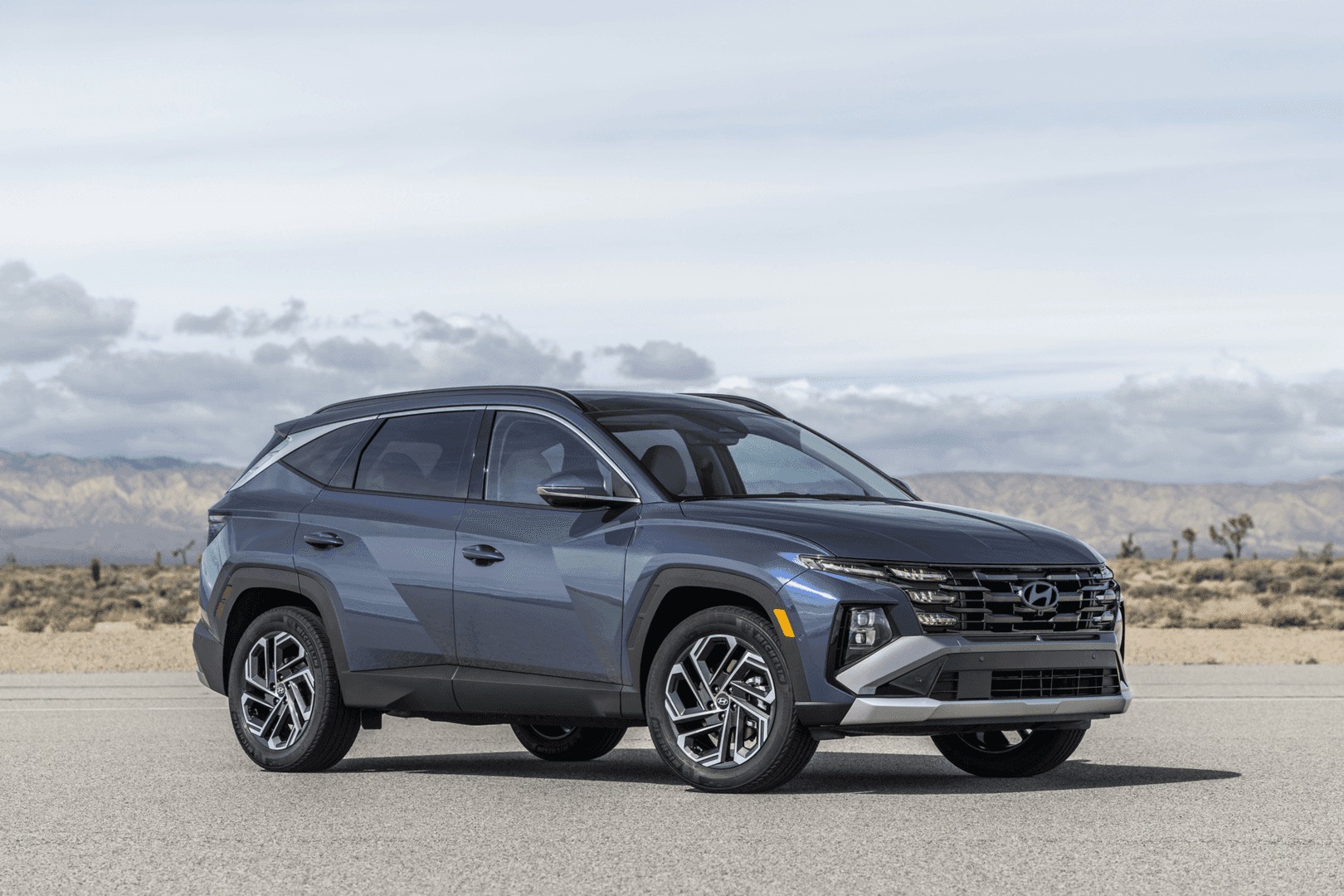
5. Hyundai Tucson
The Hyundai Tucson has impressed buyers with its stylish look, digital screens, and useful safety features. But while the inside of the vehicle seems ahead of its class, the same cannot be said about what lies underneath.
From the factory, the Tucson does not come with metal skid plates to protect important mechanical parts. This leaves the engine, transmission, and fuel lines exposed to damage and early rust.
In climates where winter salt is used or where rain is frequent, Tucson’s underbody begins to suffer. Water easily touches the steel components, and because there are no shields in place, it stays trapped in corners and gaps. After a few seasons, the results show in rust spots along the frame and wheel wells.
The Tucson is made mainly for city life. Hyundai designed it with comfort and looks in mind rather than ruggedness. Even though the SUV has a good all-wheel-drive system, it lacks the physical protection needed for gravel roads or trails. Driving over uneven ground can cause stones or debris to strike the underbody, leaving scratches or dents that later attract corrosion.
Owners have reported having to spend extra money to apply underbody coatings or add aftermarket plates. Without those, things like the heat shields and brackets beneath the car begin to rust quickly. For a vehicle that offers advanced tech and a modern design, this weakness underneath feels like a gap in the design.
While the Tucson scores well in fuel economy and interior features, it struggles with long-term durability under harsh road conditions. People who plan to keep their SUV for many years or drive through snow, mud, or rain will need to pay special attention to underbody care. Without any factory-fitted skid plates, the Tucson leaves too many parts exposed.
When choosing a sport utility vehicle, many buyers focus on how the car looks, how much it can carry, or how it handles on the highway. But what often gets ignored is how well it protects itself underneath. As the roads get worse or the weather becomes more intense, the difference between a protected underbody and an exposed one can be seen quickly.
For those who plan to use their SUV in off-road settings or live in areas where weather and road conditions can be harsh, investing in a vehicle that already includes strong skid plates can save money and trouble later on. The presence of these protective features not only shields the vehicle from direct hits but also keeps rust from forming where it matters most.
Choosing an SUV goes beyond looks or price. It includes checking what lies underneath and how well it can stand up to years of use. The models with built-in protection show that real strength often comes from what you do not see at first glance.
