
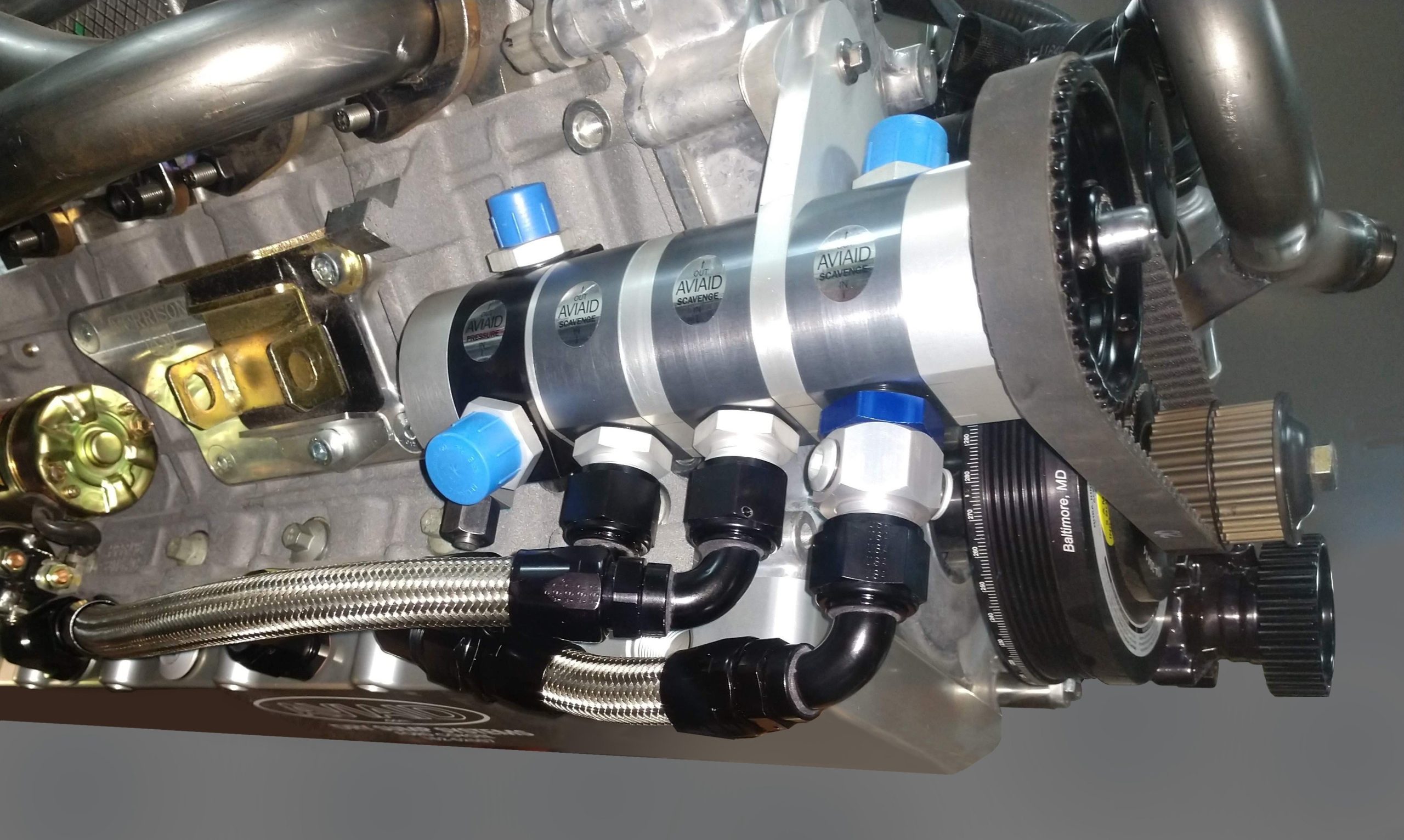
SUV engines depend a lot on oil lubrication to perform smoothly under tough conditions. Whether it is for city driving, long-distance journeys or off-road adventures, the oil system inside an SUV must work properly so that the engine parts don’t rub against each other or wear out too quickly.
Two major oil systems are used across SUV models today. These are the dry-sump and wet-sump lubrication designs. Even though both systems aim to keep the engine safe from damage caused by friction and heat, the way they function is very different.
The dry-sump system, which is often found in high-performance SUVs, makes use of external oil storage and multiple pumps to circulate oil. This method helps to stop oil from collecting at the bottom of the engine.
It also helps the engine stay stable during hard cornering or high-speed movement. Because of this setup, dry-sump SUVs can avoid oil starvation problems that come with extreme movement or aggressive driving.
On the other side, many regular SUVs still use the wet-sump design. This traditional system stores oil inside the engine’s oil pan and uses a single pump to push the oil through the engine.
While wet-sump setups are easier to maintain and cheaper to produce, they can lead to serious oil delivery issues if the SUV is pushed too hard or driven on steep roads. Once oil moves away from the pickup tube during fast turns or high climbs, oil starvation begins. That situation can ruin the engine if it continues for too long.
Now, let us break down five SUVs that are fitted with dry-sump systems and explain why their oil performance stays reliable under stress. Then it moves on to five SUVs with wet-sump setups that often suffer oil starvation problems. These examples give a good understanding of how much difference the oil delivery method makes to engine safety and performance.
SUVs with Oil-Free Sump Systems

1. 2024 Porsche Cayenne Turbo GT
Porsche gave the Cayenne Turbo GT a dry-sump lubrication system because of how much power and speed the SUV delivers. This model is built with high-performance driving in mind, and that includes activities like track sessions and fast highway runs.
Inside the 4.0-litre twin-turbo V8 engine, the dry-sump system removes the need for an oil pan underneath. Instead, it uses external oil storage and three pumps to control how oil moves throughout the engine.
The purpose of removing the standard oil pan is to make sure that oil doesn’t move around too much during movement. In some SUVs, when drivers take sharp corners or drive up steep roads, oil may shift to one side of the engine and leave certain parts dry. That situation can damage engine components in a matter of seconds. Porsche designed the Turbo GT to avoid such risk completely.
Also, by removing the oil pan, the engine can sit lower in the car. This change reduces the vehicle’s center of gravity, which helps handling and improves stability during high-speed movement. The oil is always sent straight to where it is needed using scavenge pumps. No matter the driving position or the g-force, the engine stays well-oiled.
This setup is common among racing cars, and its presence in the Cayenne Turbo GT shows Porsche’s plan to mix race-quality engineering into an SUV body. For people who demand reliable performance under pressure, this dry-sump approach keeps things safe while allowing the engine to perform at its best without the risk of oil shortage.
2. 2023 Mercedes-AMG GLE 63 S
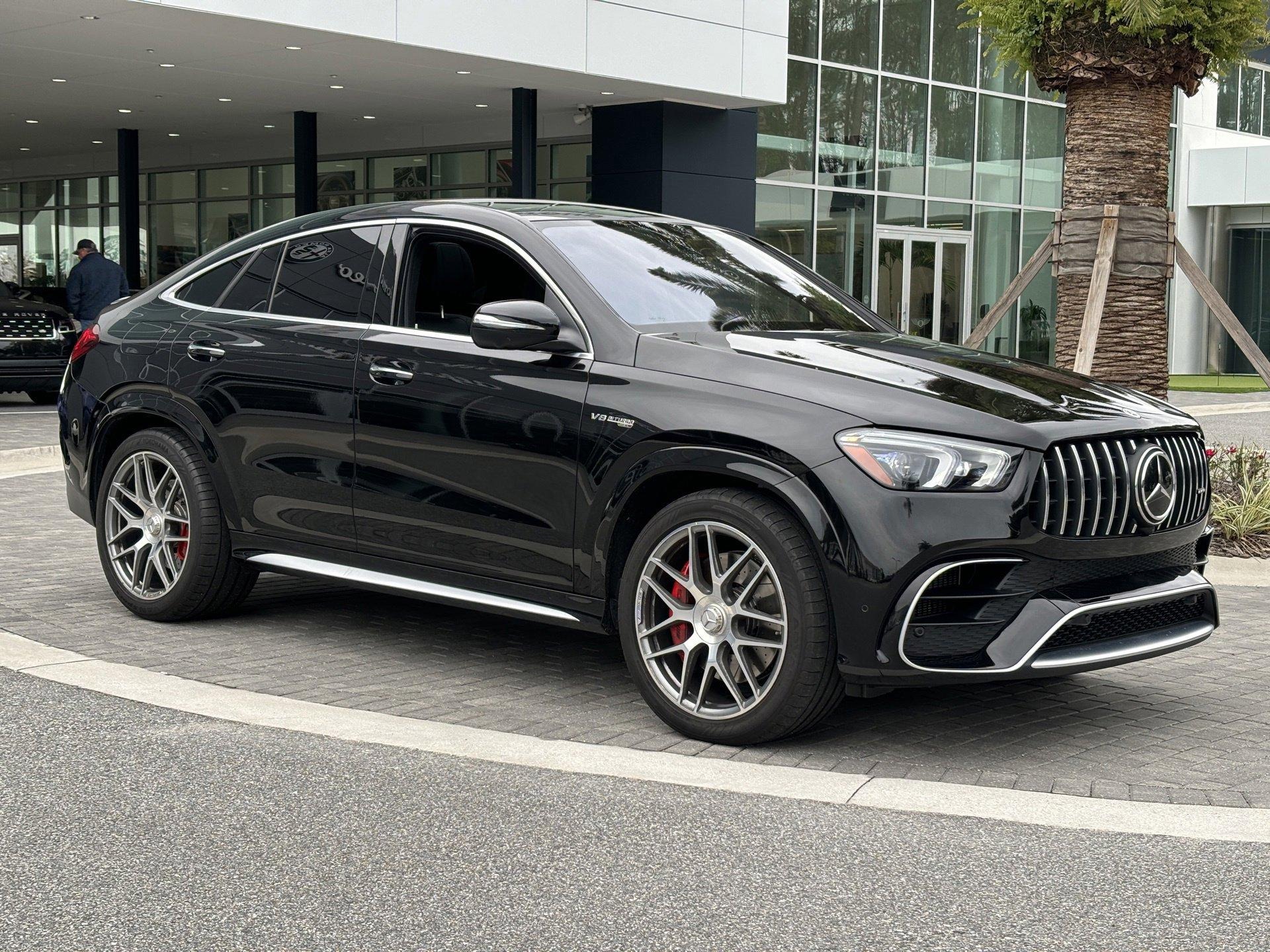
Mercedes-AMG built the GLE 63 S to match sports car levels of power with SUV comfort. At the center of its engine is a 4.0-litre V8 biturbo fitted with a dry-sump system. This decision was not just to boost speed but also to make sure that the oil supply stays consistent, even when the SUV is driven very hard.
Dry-sump lubrication helps prevent engine damage during activities that create strong lateral force. In regular wet-sump systems, when an SUV makes quick movements, oil might collect on one side of the sump and leave other parts dry. In the GLE 63 S, that does not happen. It uses an external tank and several pumps to pull oil away from engine heat zones and deliver it across all major components.
The result is a more controlled oil temperature, stronger engine cooling, and reduced chance of failure. Since the system stores oil outside the engine block, there is more room for airflow around the engine. This extra cooling helps during long drives or stop-and-go traffic where engines usually overheat.
Also, the scavenge pumps work faster than single pumps found in wet-sump systems. This means oil returns quickly after going through the engine and is always ready for the next cycle.
For an SUV that weighs over 5,000 pounds but performs like a sports car, this dry-sump setup plays a huge role in keeping the engine alive and efficient under pressure. Owners who value performance, reliability, and long engine life find this oil system dependable, especially in extreme or demanding driving conditions.
Also Read: 5 Cars with Lifetime Turbochargers vs 5 with Failed CHRA Assemblies

3. 2024 Audi RS Q8
The RS Q8 stands among Audi’s fastest SUVs, combining power and design in one package. With a 4.0-litre V8 twin-turbo engine that pushes out massive horsepower, Audi knew a dry-sump system was the best fit to protect the engine during hard driving. This system comes in handy, especially when the SUV is pushed during sharp turns or acceleration bursts.
Instead of keeping oil in a pan under the engine like traditional designs, the RS Q8 stores its oil in a separate tank. Oil is pulled and pushed by multiple pumps. This setup keeps the engine lubricated no matter how the vehicle moves. Because oil can’t slosh around freely, it never pulls away from the pickup points.
This dry-sump setup helps maintain consistent oil pressure at all times. Pressure drops are dangerous, especially when the engine is under load. Without strong oil pressure, metal parts begin to grind against each other, which can destroy the engine. Audi’s engineers made sure that wouldn’t happen by using this advanced lubrication design.
Another advantage of this system is that it allows for better placement of engine parts. The lower oil pan area helps the engine sit lower in the frame. This helps improve balance and driving feel, which benefits high-speed performance and makes the RS Q8 more stable in turns.
With so much weight and speed involved, the dry-sump system ensures the RS Q8 doesn’t suffer the same oil flow problems common with traditional SUVs. For drivers who expect fast response without engine wear, this oil setup delivers steady support under all types of driving stress.

4. 2024 Cadillac Escalade-V
Cadillac gave the Escalade-V a dry-sump oil system to support its massive 6.2-litre supercharged V8 engine. The Escalade-V is a large, heavy SUV, but it still delivers powerful performance similar to smaller sports cars. With such a large engine and aggressive power output, the oil supply becomes very important.
The dry-sump system helps manage oil flow better than a basic wet-sump design. It uses external storage and multiple pumps to push oil directly where it is needed. This is important for an SUV like the Escalade-V, especially when carrying passengers or towing heavy loads. In those moments, the engine works harder and needs more stable oil delivery.
Also, because the oil tank is not sitting under the engine, this setup makes space for better airflow around the engine block. That helps to reduce engine heat and keeps the oil from breaking down quickly. With a more stable oil temperature, engine life can last longer, even with constant heavy use.
During emergency situations like sudden swerves or strong braking, traditional wet-sump systems can let oil move away from key spots. That can lead to engine parts rubbing without oil and cause damage. With the dry-sump system, the Escalade-V avoids that risk because oil keeps flowing correctly no matter the vehicle’s movement.
Cadillac’s use of this system shows that even full-size luxury SUVs can benefit from racing-style oil setups. For users who want strong towing ability, high performance, and long-term engine safety, this dry-sump arrangement meets those goals without failure.

5. 2023 BMW X5 M Competition
BMW developed the X5 M Competition with speed and endurance in mind. The SUV’s 4.4-litre V8 twin-turbo engine delivers intense acceleration and torque. To protect this engine during high-stress driving, BMW equipped it with a semi-dry-sump system. While not fully dry-sump like some performance cars, this advanced version still offers many of the same protections.
The oil pan in the X5 M Competition is designed in a way that reduces the chance of oil moving away from the pickup point during turns. Extra scavenge pumps help remove oil from unwanted areas and direct it where lubrication is needed most. That design helps the vehicle avoid oil starvation even during hard cornering or rapid braking.
This system also allows for more consistent oil temperature. When oil remains at the right heat level, it flows better and protects the engine parts more effectively. High-performance SUVs like the X5 M Competition need this kind of control to survive repeated hard use.
BMW engineers also paid attention to how the system handles different terrains. Whether on a smooth road or a slightly uneven surface, the oil continues moving smoothly without interruption. That reduces wear and protects sensitive engine parts from overheating or metal-on-metal contact.
For drivers who enjoy performance but still expect their SUV to handle daily tasks, the X5 M Competition offers a strong mix of comfort and durability. The oil system is one of the features that help the engine stay reliable, even when pushed close to its performance limits.
SUVs with Wet-Sump Starvation Issues
1. 2022 Toyota 4Runner
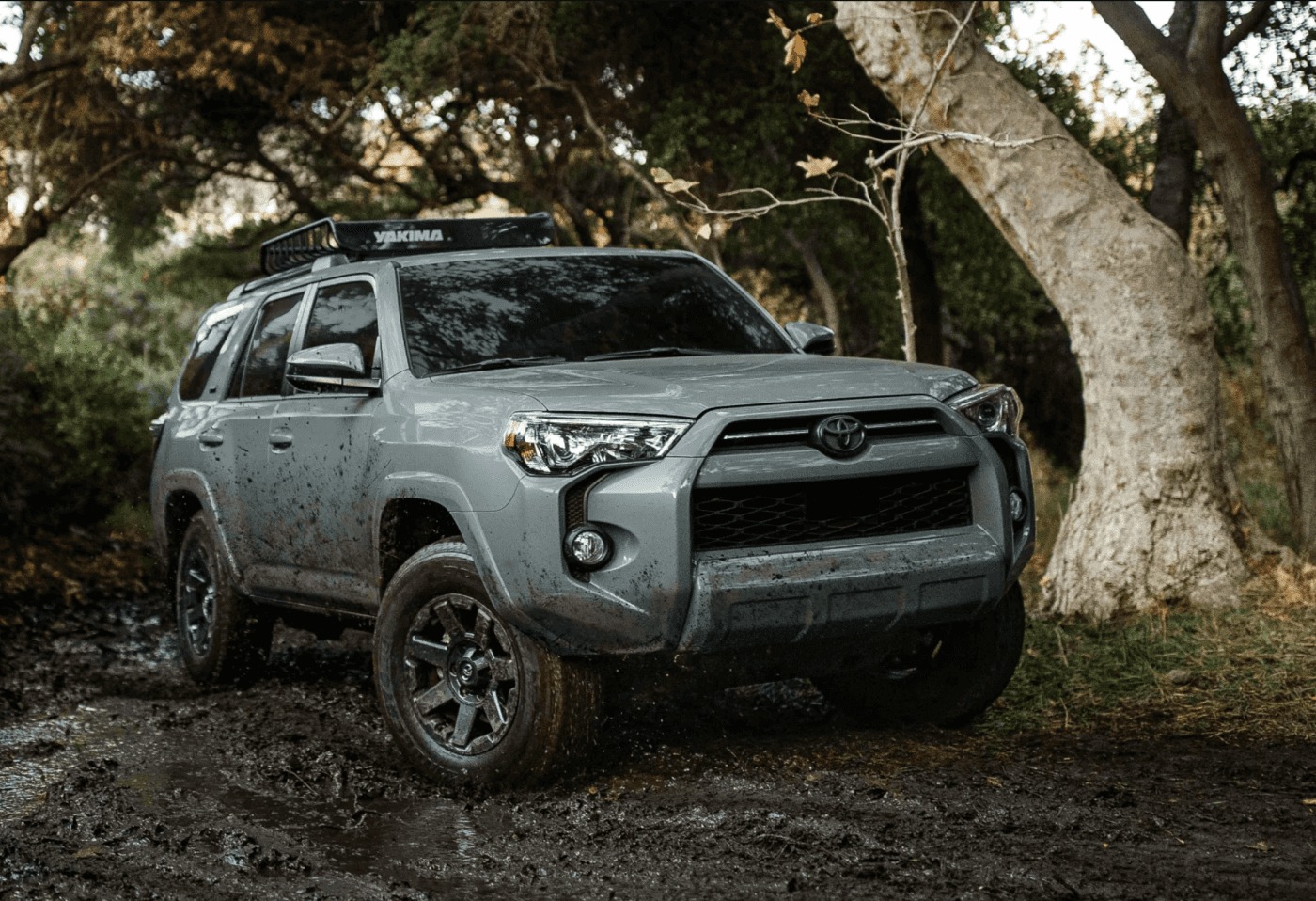
Toyota designed the 4Runner to meet the needs of outdoor adventures and off-road travel. However, the wet-sump lubrication system inside this SUV sometimes becomes a problem under certain rough conditions. This setup uses a single oil pan at the bottom of the engine.
While it works fine for normal use, when the SUV climbs steep paths or makes quick turns on uneven terrain, the oil may move away from the pickup point. When the oil moves away from the pickup tube, the pump cannot push enough oil into the engine parts.
That temporary lack of oil leads to a condition known as oil starvation. During this period, parts of the engine are left without lubrication. Since the metal parts operate at high speeds and temperatures, this can cause friction damage.
Toyota kept the 4Runner’s design simple and durable, which is why the wet-sump system remains part of the structure. But off-road enthusiasts who drive in slanted positions or make sudden movements with the SUV often notice that engine heat builds up faster, and strange sounds may begin to come from the engine bay. Those are early signs of oil starvation.
While the vehicle remains dependable under light off-road duties, it does not perform as well under serious stress when compared to SUVs with dry-sump systems. The oil delivery is not fast or controlled enough to handle extreme positions or heavy angles.
Drivers who use the 4Runner for mild daily use or smooth road conditions may not experience these problems, but adventure drivers often report this weakness.
2. 2021 Jeep Grand Cherokee Trailhawk
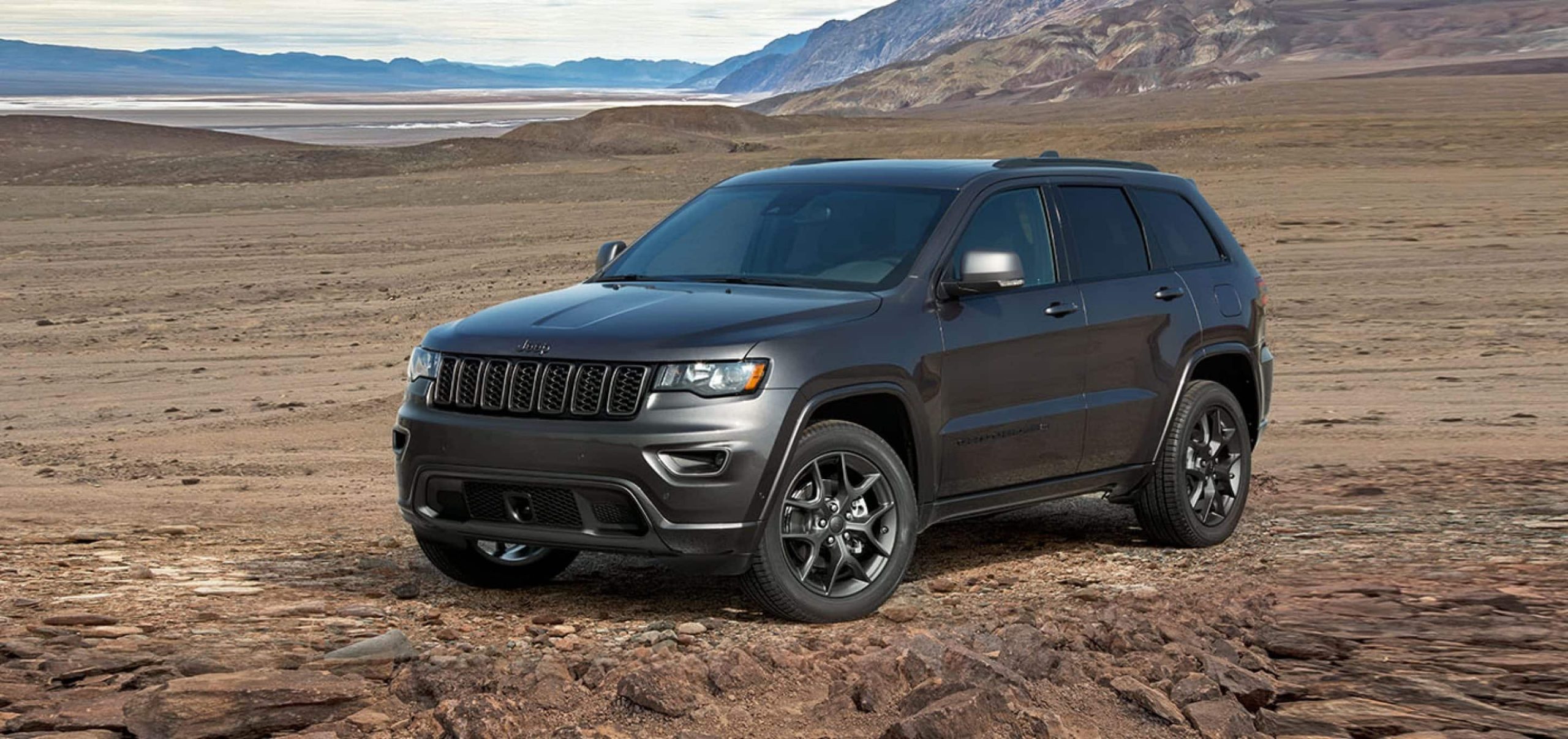
The Grand Cherokee Trailhawk was introduced to balance off-road toughness with on-road comfort. Jeep added several features to assist with hill climbs, rough roads, and rock crawling. However, the engine still uses a traditional wet-sump oil system, and that decision has led to some weaknesses during intense off-road movement.
This setup works by keeping oil in the lower pan and using a basic pump to move it around. While it performs without trouble on regular surfaces, trouble starts once the SUV gets tilted too far or spends too much time at a steep angle. During those times, the oil may not reach the pickup point correctly. The result is that some engine areas receive less lubrication than others.
If the SUV stays in this position too long, oil starvation begins. The metal parts inside the engine will start rubbing against each other with limited oil protection. That causes damage as time goes on and may lead to serious engine failure if the problem happens often.
The Trailhawk’s off-road abilities are strong when judged by grip and traction features, but the engine lubrication does not match those rugged capabilities. Owners who take the vehicle into deep forest trails or rocky hills often notice heat rise or early engine wear if the SUV is not properly cooled.
Although the vehicle gives users solid power, the wet-sump oil system becomes a weak spot under serious conditions. Anyone who plans to drive long distances in tough terrain should understand this risk, as repeated oil starvation will damage the engine as time goes on if no adjustments are made.

3. 2023 Ford Explorer ST
The Ford Explorer ST was designed to deliver a mix of speed, size, and utility. Built with a 3.0-litre EcoBoost V6 engine, it offers strong power numbers for an SUV. However, the engine runs on a wet-sump oil system, which can limit performance if the SUV is driven in high-pressure situations.
The wet-sump setup inside the Explorer ST depends on oil resting in a lower pan and a single pump that moves it through the engine. On flat roads and under gentle use, the system works without issues.
But when the vehicle is driven hard, like during sudden turns or high-speed movements, the oil might not stay in the right place. That momentary movement away from the oil pickup area can lead to pressure drops.
Pressure drops inside an engine often lead to oil starvation. This condition causes engine parts to move without enough lubrication, which raises heat and increases friction. The EcoBoost engine performs well when supported, but oil starvation can create wear marks and damage that reduce its lifespan.
Ford tuned this SUV for on-road power rather than track-level racing. Still, drivers who enjoy pushing the Explorer ST to its limits might encounter signs of heat buildup or rough engine noise after aggressive drives. These problems connect directly to how the wet-sump system behaves when the oil moves around.
For daily commuters or family trips, the system works well. But anyone using the vehicle for spirited driving should know that the oil delivery setup is not prepared for continuous force or uneven angles. It may benefit from upgrades or changes to keep the engine safe during high-speed sessions.

4. 2022 Nissan Pathfinder
The Nissan Pathfinder serves as a family-friendly SUV built for comfort and daily travel. The design includes a simple wet-sump lubrication system that fits its purpose. While this setup performs reliably in everyday situations, it becomes a disadvantage when the SUV is exposed to tougher or more forceful driving patterns.
The oil inside the Pathfinder’s engine rests in a pan below the engine block. It gets pumped to vital parts using one main pump. As long as the SUV moves on flat surfaces and doesn’t take hard turns or climbs, the oil supply flows well. However, when the Pathfinder is driven at an angle or takes on steep paths, the oil may shift away from the pickup tube, creating pressure dips.
Once pressure drops, the engine risks running without enough oil in certain areas. This is when oil starvation occurs. Even though it may only last a few seconds, the effect on the engine can be long-lasting. It wears out sensitive parts like bearings and lifters, reducing the engine’s overall strength and reliability.
Nissan focused more on ride comfort and affordability, so the lubrication system follows that approach. Drivers who stick to regular road usage won’t feel much difference. But during long trips with steep hills or frequent gear changes, the wet-sump system might struggle to keep up.
This situation creates a mismatch between engine needs and oil supply. The risk of oil starvation rises anytime the SUV is moved in a way that shifts oil flow from the pickup zone. While not a problem during daily driving, it creates engine safety concerns during heavier use.
Also Read: 5 Cars That Stay Dry and Mold-Free and 5 That Leak Like a Faucet
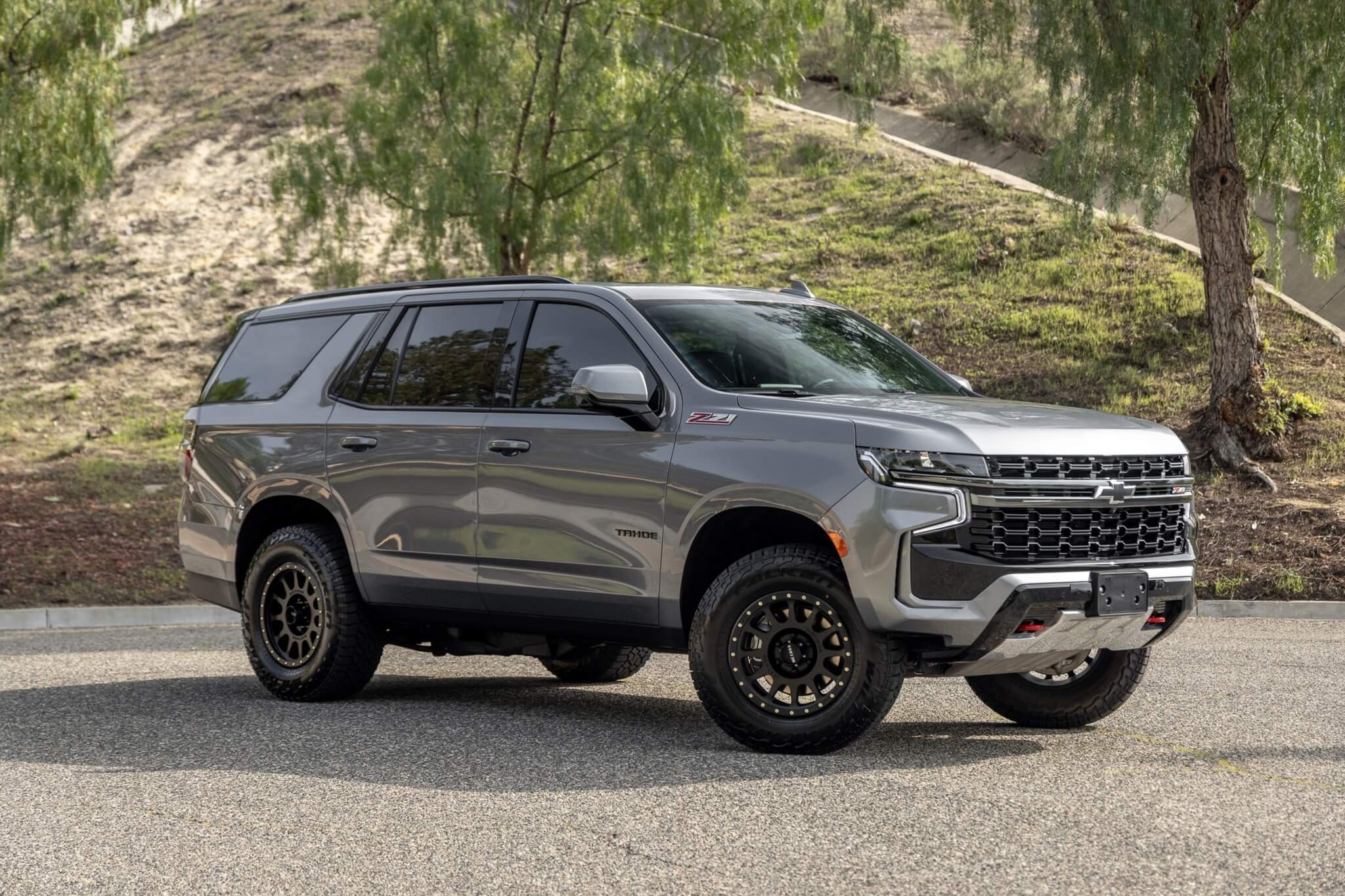
5. 2022 Chevrolet Tahoe Z71
Chevrolet’s Tahoe Z71 comes with features that encourage buyers to take it off-road. It includes strong suspension, skid plates, and all-terrain tires. However, it still operates with a wet-sump lubrication system, which puts a limit on its ability to handle serious engine loads under rough conditions.
This wet-sump system holds oil in the lower pan and uses a single pump for circulation. In day-to-day use, this setup performs well enough. But when the SUV tilts on uneven paths or climbs sharp hills, the oil might move away from the pump’s pickup tube. That loss of oil flow leads to reduced pressure inside the engine.
Engine parts, especially those moving at high speeds, need constant oil to avoid direct contact with one another. If that oil disappears even for a short time, damage can begin. That’s what happens during oil starvation. In off-road use, where the Tahoe Z71 might spend long minutes at slanted positions, the engine becomes more exposed to that danger.
Chevrolet built the Tahoe Z71 to appeal to outdoor lovers, but the engine’s wet-sump setup doesn’t match that expectation for long-term off-road abuse. Some drivers notice engine noise, oil warning lights, or loss of power after rough trips. These problems often relate to how the oil failed to reach certain engine parts at the right moment.
This SUV offers excellent comfort and power in general driving. But under rugged use, its standard oil setup becomes one of the weaker points. Without proper upgrades or care, engine wear might appear earlier than expected, especially among users who enjoy trail driving or hauling heavy gear up hills.
Before deciding on a model, buyers should ask how the oil delivery system is designed, whether it includes added pumps or storage tanks, and how the vehicle performs under high G-forces or unusual angles.
Reading beyond the horsepower ratings and focusing on engine safety details can make a big difference in how much the SUV can handle, how often it needs repairs, and how well it performs across years of service.
Dry-sump oil systems are built for stress, while wet-sump designs are built for routine. One is not better than the other in every case. The smart decision is matching the oil system to the type of driving you expect to do most often.
If the SUV will be used for regular city drives, school drop-offs, shopping, or family holidays on smooth roads, then a wet-sump system will usually perform without trouble. These vehicles offer better fuel economy, easier service access, and lower costs. Many families across the country drive SUVs daily without ever needing the high-performance advantage of a dry-sump engine.
If you plan to push the vehicle during fast mountain drives, attend track days, tow boats across long distances, or enter rough off-road parks, then a dry-sump or semi-dry-sump system becomes almost necessary. The extra parts involved may cost more upfront, but they will likely save you from engine damage, long workshop visits, or expensive rebuilds in the future.
It is not just about picking a high-end badge. Even within the same car brand, different models may carry different oil systems. Understanding how your driving habits match with the design of the SUV’s engine will help you make a smarter purchase.
In today’s market, buyers are offered more choices than ever. With that freedom comes the need to think carefully, especially about things hidden under the hood. Oil delivery is one of those hidden features that separates reliable engines from ones that fail under pressure. Making the right pick now may mean years of worry-free driving ahead.
