Owning a fast car is a dream for many automotive enthusiasts, but maintaining one can be a reality check especially when it comes to tire and brake wear.
Performance tires and high-end braking systems aren’t cheap, and constant replacements can become a financial burden.
However, some high-performance cars are engineered for both speed and durability, offering thrilling drives without chewing through rubber and rotors.
Here’s a look at 10 fast cars that strike a solid balance between performance and component longevity.
1. Audi S4
The Audi S4 is a well-rounded sport sedan that blends power and poise. Its turbocharged V6 delivers 349 horsepower, propelling it from 0 to 60 mph in under 4.5 seconds.
Yet it’s tuned for real-world use, meaning Audi engineers prioritized even brake wear and stable tire life.
The S4’s Quattro all-wheel-drive system also distributes power efficiently, reducing uneven tire wear a huge plus for those who drive spiritedly but don’t want monthly trips to the tire shop.
The Audi S4 perfectly embodies the idea of a high-performance car wrapped in a subtle package. Much like Clark Kent before revealing his true identity as Superman, it hides its heroic capabilities behind an understated exterior that only enthusiasts truly appreciate.
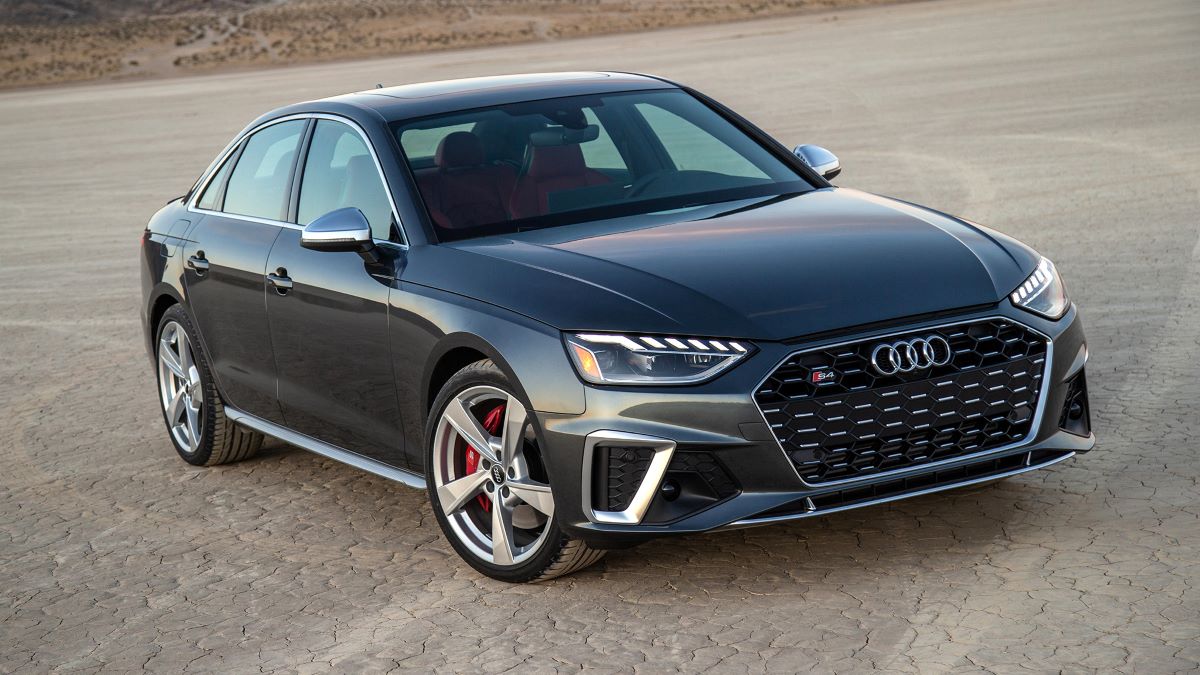
Positioned in the middle of the Audi A4 lineup, the S4 bridges the gap between the standard A4 and the ferocious Audi RS4 Avant. Its goal is to blend elements of both, offering enough everyday usability while still delivering an abundance of performance.
In a move that’s somewhat unusual these days, the S4 is powered by a diesel engine, a 3.0-liter V6 bi-turbo, paired with a hybrid system, producing a combined output of 345bhp.
That’s an advantage many competitors, including the Alfa Romeo Giulia Veloce and Jaguar XE P300, simply can’t match. But does the added versatility of the Avant version give the S4 a true edge over its rivals?
Also Read: 5 Performance Cars That Are Also Safe vs 5 Sports Cars That Lack Safety Nets
2. BMW M240i xDrive
This compact coupe punches far above its weight with a 382-horsepower turbocharged inline-six engine.
Despite its power, the M240i remains easy on consumables thanks to a balanced chassis and sensible factory alignment settings.
It uses standard performance tires that last longer than the aggressive, sticky rubber found on full M models. Brakes are also less prone to overheating under regular use, making it a standout for drivers who want fun without the fuss.
Meet the BMW M240i, a car that’s a lot like those ‘lite’ desserts claiming to deliver full flavor with fewer calories. Only this time, the ‘lite’ option truly lives up to the promise.
For roughly three-quarters of the cost of the outrageous BMW M2, you get about 90% of its capability. It’s so impressive, in fact, that it makes you question whether the M2 is even necessary for most drivers.
The M240i isn’t simply a budget-friendly version of its big brother; it’s a legitimate performance coupe in its own right. It competes directly with the Mercedes-AMG CLA 35 and the Audi S3 Saloon, while also serving as an appealing alternative to the Audi TT or an entry-level Porsche Cayman.
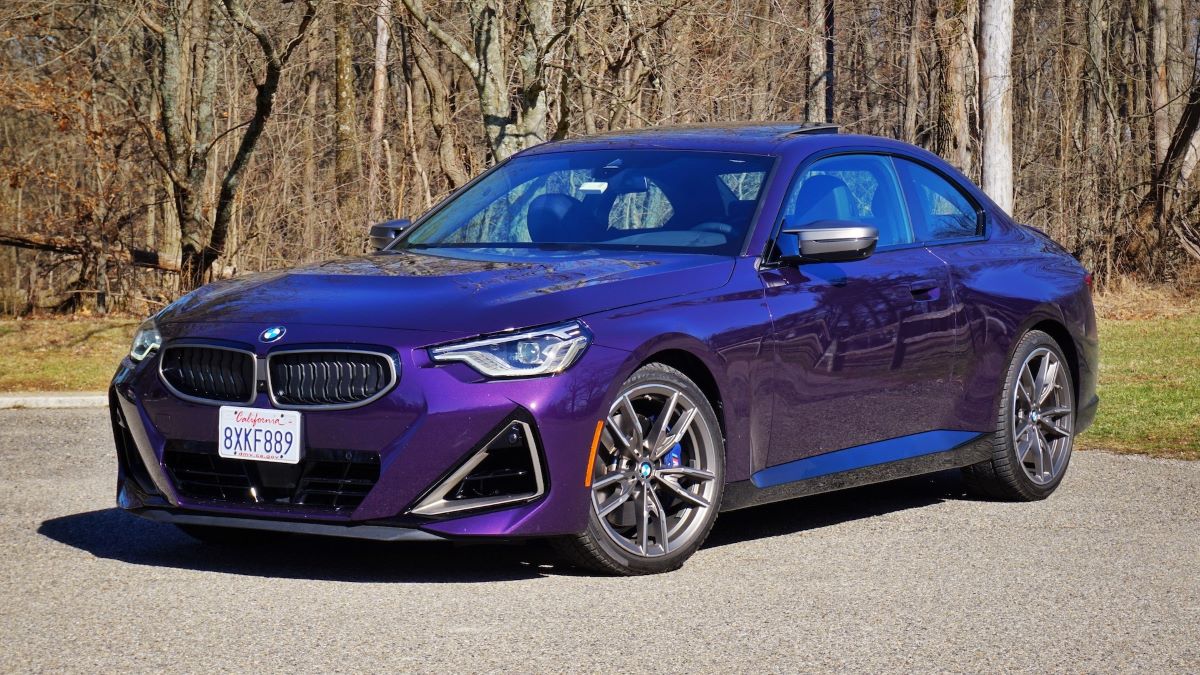
In terms of styling, the M240i doesn’t scream for attention the way some rivals do. Its overall design remains close to that of the M Sport versions of the standard BMW 2 Series Coupe, but subtle tweaks give it an added edge.
These enhancements stand out most at the rear, where you’ll find a new lip spoiler, a rear diffuser, and larger exhaust surrounds. The front benefits from larger intakes, while new door mirrors and standard 19-inch alloy wheels round out the upgrades.
Inside, BMW kept the changes minimal yet meaningful, highlighting its performance nature without overdoing it. You’ll notice a set of plush leather sports seats and M-branded stitching sprinkled throughout the cabin.
The M240i retains BMW’s familiar iDrive infotainment system from the base model. Although it’s not the latest version found in models like the iX or 7 Series, it remains slick, intuitive, and visually sharp. For added convenience, Android Auto and Apple CarPlay come standard.
As for the rear seats, they’re more symbolic than practical, typical for a small coupe. The sloping roofline cuts into headroom, and legroom is tight. If passenger space is a priority, you’d be better off with an Audi S3 or Mercedes-AMG CLA 35.
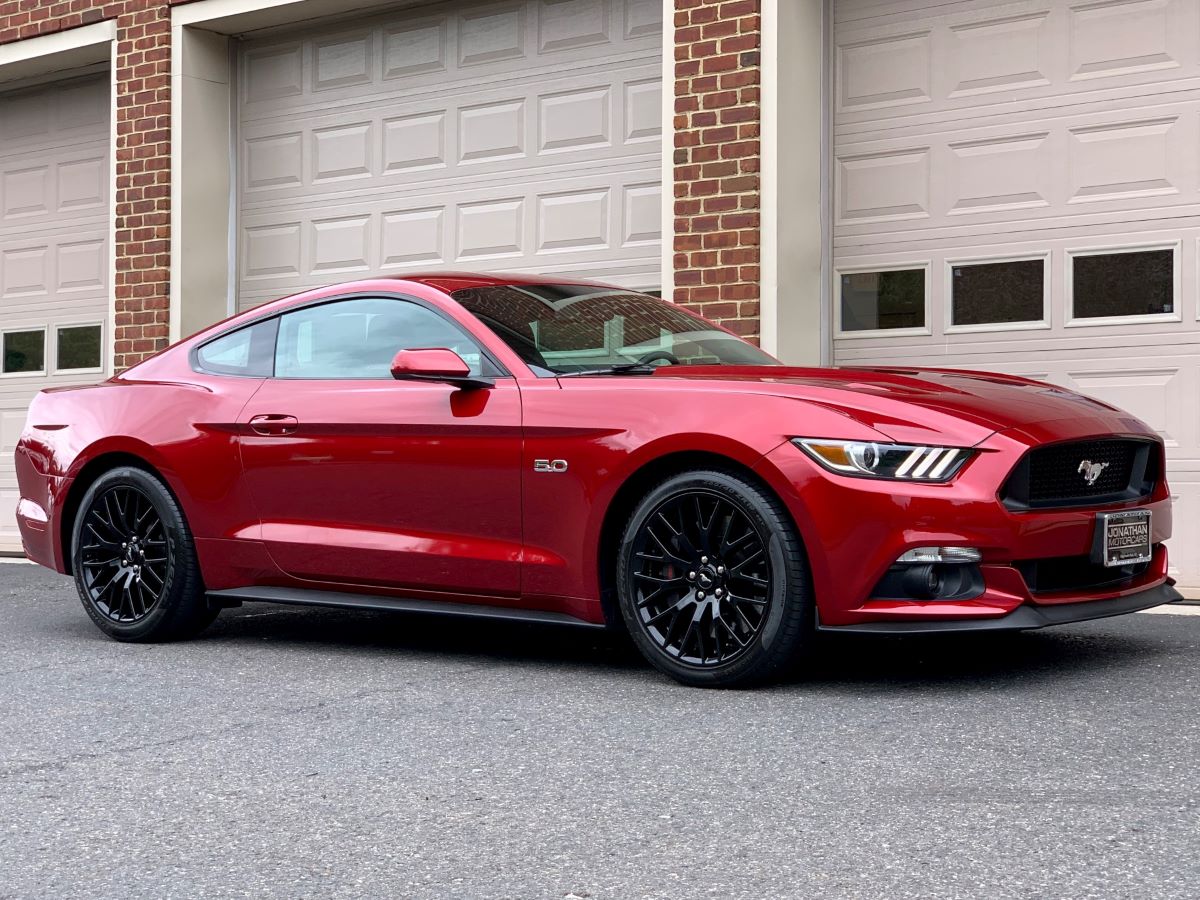
3. Ford Mustang GT (with Performance Pack)
The modern Mustang GT offers serious speed 460 horsepower in older models and 480+ in newer trims but with surprisingly good wear characteristics, especially if equipped with the Performance Pack.
Thanks to Ford’s attention to brake cooling and weight distribution, the GT manages to avoid excessive brake fade.
The standard Michelin Pilot Sport 4S tires strike a good balance between grip and durability, lasting longer than track-focused options.
The base powertrain for the Mustang is a turbocharged 2.3-liter four-cylinder EcoBoost engine that delivers 315 horsepower and 350 pound-feet of torque, paired exclusively with a 10-speed automatic transmission.
While it’s a capable performer, the true heart of the Mustang lies in its 5.0-liter V-8. This engine is rated at 480 horsepower and 415 pound-feet of torque and can be paired with either the 10-speed automatic or, for enthusiasts, a six-speed manual. Ford offers an optional performance exhaust system that bumps output to 486 horsepower and 418 pound-feet.
For those craving an even more track-focused machine, the Mustang Dark Horse steps up with a 500-horsepower version of the 5.0-liter V-8. This model, an evolution of the previous generation’s Mach 1, comes equipped with adaptive dampers and 19-inch Pirelli P Zero PZ4 tires.
For serious track use, sticky Pirelli Trofeo RS tires are available as part of an optional handling package. Over the years, Ford has continually refined the Mustang’s ride and handling, and this latest generation further sharpens steering feel and feedback. The Dark Horse’s standard adaptive dampers help smooth out the harshness that often comes with track-ready setups.

During testing, a Mustang GT equipped with the performance exhaust blasted to 60 mph in 4.2 seconds, while the EcoBoost version followed closely with a 4.5-second sprint. The Dark Horse managed 0–60 mph in 4.1 seconds and crossed the quarter-mile in 12.5 seconds at 115 mph. It also impressed during the 0-to-150-to-0 speed test, recording a 29.7-second time and outperforming the Toyota Supra 3.0.
The current V-8 automatic improves modestly to 16 mpg city and 24 mpg highway, while the manual drops both numbers by 1 mpg. The Dark Horse carries EPA estimates of 14 mpg city and 22 mpg highway regardless of transmission.
On a 75-mph highway fuel economy test, a GT with the six-speed manual returned 24 mpg, while the EcoBoost automatic achieved 32 mpg.
Inside, the Mustang blends retro charm with modern technology. The seats are supportive, and the standard 12.4-inch instrument cluster represents a major leap from the previous generation.
This configurable display allows for a high degree of personalization, offering selectable colors, gauges, and even a “calm” layout showing only essential information.
Nostalgia lovers can opt for a cluster theme that mimics the analog gauges of the 1987 Mustang, and an additional analog-inspired screen, based on the 1967 model, is available via an over-the-air update for all seventh-generation cars. Ambient lighting and the driver’s display adjust depending on the selected drive mode.
Base models feature cloth seats with optional micro-suede vinyl inserts, while the Premium trim adds stitched details across the cabin, from door panels to the dashboard.
The Mustang GT steps up with leather inserts. Ford also introduces a new Remote Rev feature, enabling you to rev the engine remotely with a simple click of the key fob, so you can enjoy the car’s growl from outside.
4. Tesla Model 3 Performance
Electric cars are known for eating through tires due to instant torque, but the Tesla Model 3 Performance is an exception at least among EVs.
Its AWD layout and regenerative braking system reduce stress on traditional brake components.
While rear tire wear is something to watch, the absence of engine braking and regenerative slowdown means pads and rotors can last significantly longer than in gas-powered performance cars.
Meet the Tesla Model 3 Performance, an electric family car packed with power and handling upgrades designed to make cornering far more exciting. Think of it as giving your everyday washing machine a full-on Fast and Furious makeover.
High-performance electric vehicles are no longer rare, so the Model 3 Performance sits in a segment where it competes with the excellent Hyundai Ioniq 5 N, the Ford Mustang Mach-E GT, and the Porsche Taycan, though the latter two come with significantly higher price tags.
The updated Model 3 carries a far more aggressive look than its predecessor, featuring a lower front end and slimmer headlights. For the Performance variant, the exterior tweaks are subtle yet purposeful, including front bumper vents, a discreet rear spoiler, and a Performance-specific badge that sets it apart.
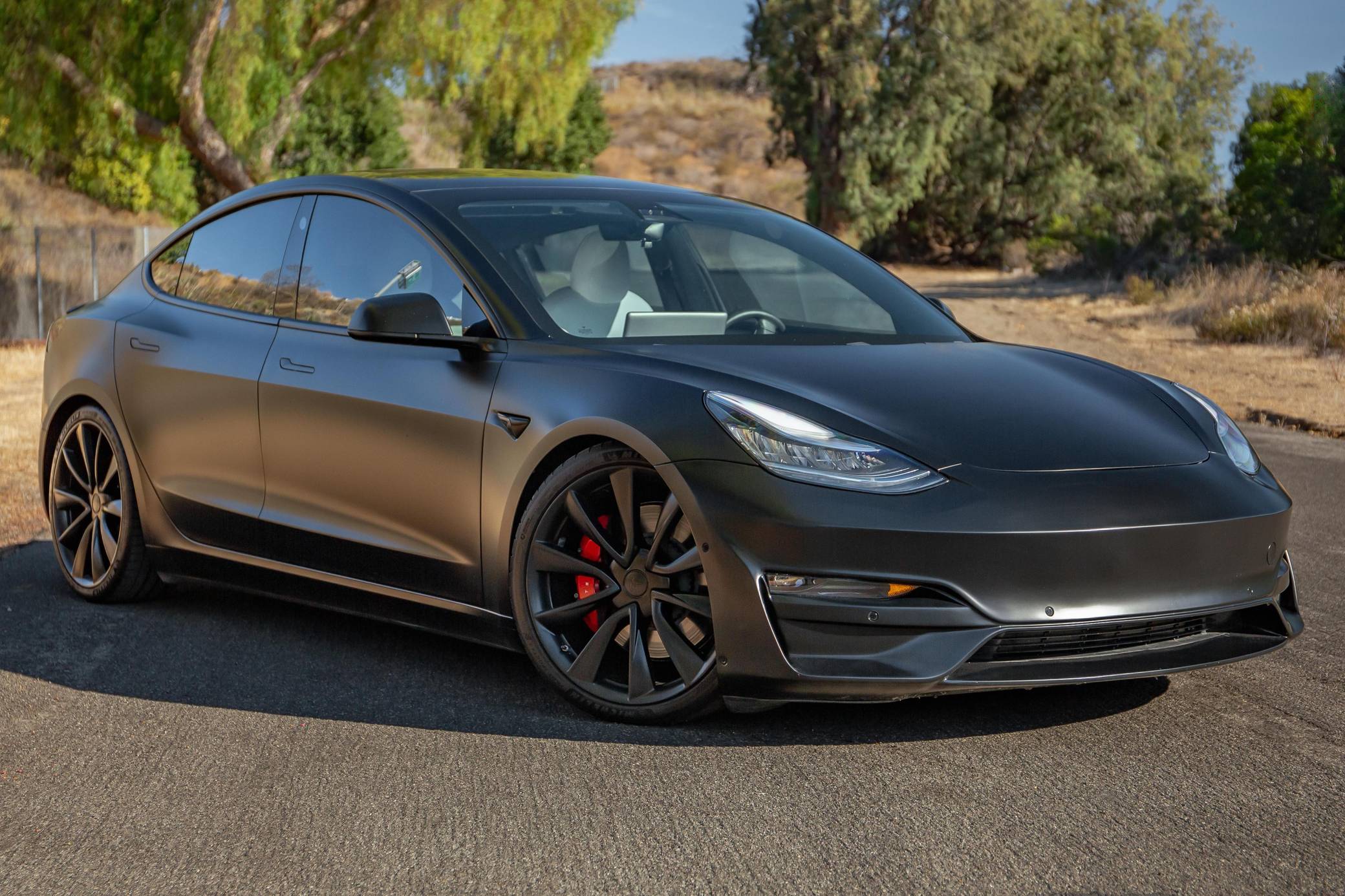
Step inside, and you’re greeted by the familiar minimalist interior that defines the Model 3. The slim dashboard is dominated by a large central infotainment screen, giving the cabin a clean, uncluttered appearance.
However, the materials used, while functional, lack the plushness you’d expect from a car in the £60,000 range, so it doesn’t quite match the upscale feel of its German rivals. The Performance model does elevate the experience with its bucket-style, leather-upholstered seats, which are both supportive and distinctly premium.
Storage is a strong suit for the Model 3 Performance. Large door bins, an expansive compartment beneath the armrest, and two cupholders accompanied by another covered storage area up front provide plenty of practical space. The angled wireless charging pads add a clever touch to the cabin’s functionality.
Out back, the boot offers an impressive nearly 600 litres of cargo capacity, outclassing both the Hyundai Ioniq 5 N and the Porsche Taycan and there’s even an additional front trunk for extra convenience.
Rear passengers benefit from generous space, ensuring comfort on longer trips. While refinement has improved compared to the previous Model 3, the Performance model does produce slightly more road noise, mainly due to its large alloy wheels.
Also Read: Toyota’s V8-Powered Supra is Ready to Dominate the Track
5. Toyota GR Supra 3.0
With BMW DNA under the hood, the GR Supra 3.0 delivers 382 horsepower and sharp handling but it’s surprisingly light on wear parts.
Its brakes are strong but don’t require racing-grade pads for normal driving, and the factory tires, while performance-focused, offer a longer lifespan than you might expect from a car this quick.
Owners consistently report minimal brake servicing outside of regular intervals.
The GR Supra MkV Final Edition enters the 2026 lineup, positioned above the GR Supra 3.0 and 3.0 Premium trims. This special edition comes loaded with enhancements that distinguish it from the rest of the range.
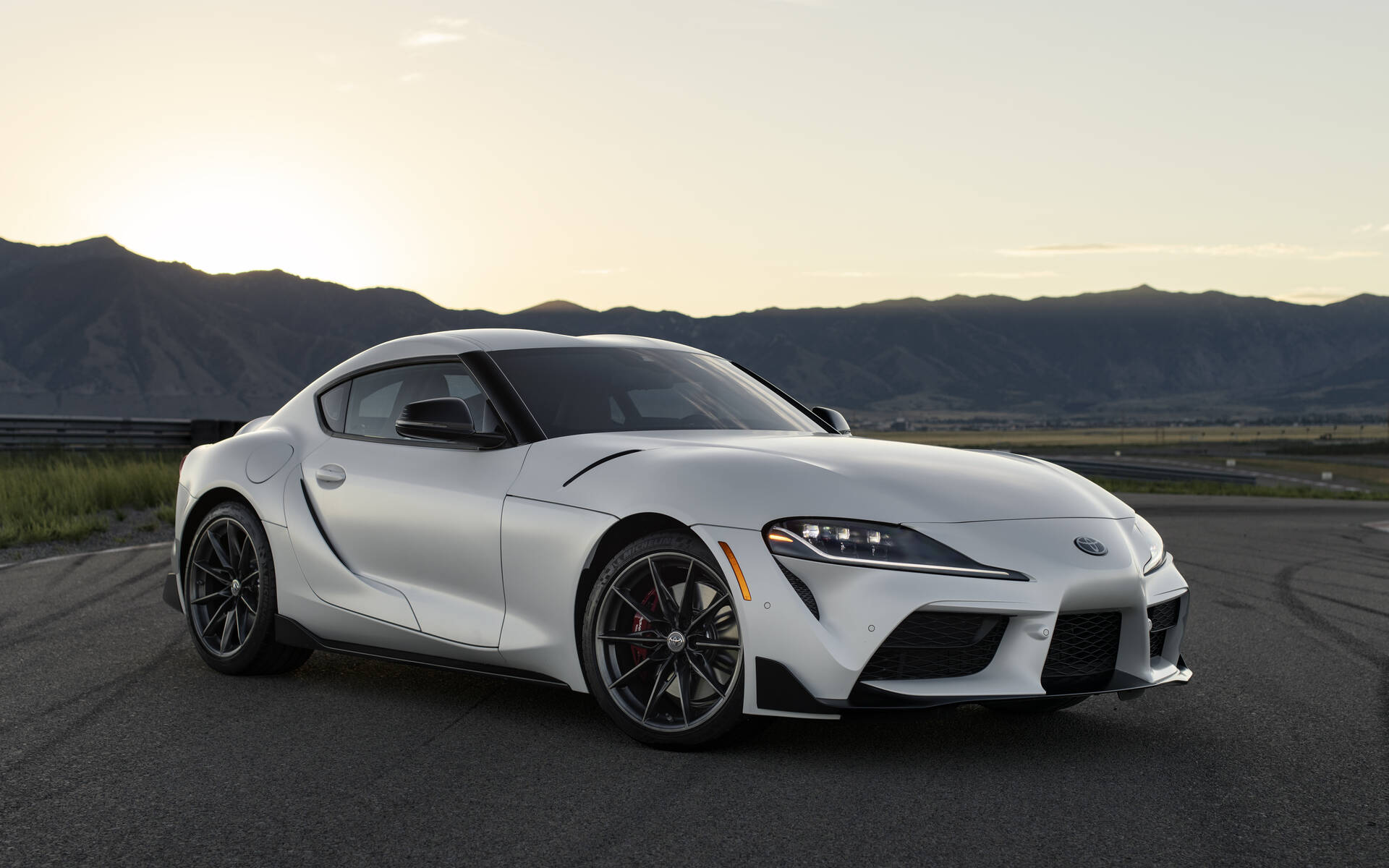
Performance upgrades include recalibrated differential mapping, larger Brembo brake discs, reinforced suspension bushings, and a unique tune for the adaptive dampers to sharpen handling.
On the styling front, the MkV Final Edition sports exclusive 19-inch matte black wheels, a gloss-finished carbon fiber ducktail rear spoiler, and carbon fiber mirror caps.
Inside, it features distinctive “GR” embroidery on the driver’s seat, bold red seatbelts, and contrasting accent stitching to elevate the cabin’s character. Adding to its exclusivity, this edition also comes with a dedicated car cover.
For 2026, the Toyota GR Supra is priced starting at $58,095, with the range topping out at $69,145 depending on the chosen trim and additional options.
6. Chevrolet Camaro LT1
The LT1 variant of the Camaro gives you V8 muscle at a more affordable price, and its component longevity is often better than you’d find in the higher-end SS or ZL1 trims.
GM engineers tuned the brakes and tires on the LT1 to last under daily driving and occasional hard use, without the extreme wear associated with more track-oriented packages. It’s a sleeper in more ways than one.
The Camaro’s standard powertrain is a 335-hp V-6 engine, available with either a six-speed manual or a 10-speed automatic transmission. This gutsy V-6 delivers a uniquely fierce soundtrack, but the real thrill lies in the Camaro’s optional small-block V-8, packing 455 horsepower and 455 pound-feet of torque.
With its massive low-end torque, seamless power delivery, and heart-pounding acceleration, the V-8 becomes even more exhilarating when paired with the optional dual-mode exhaust.
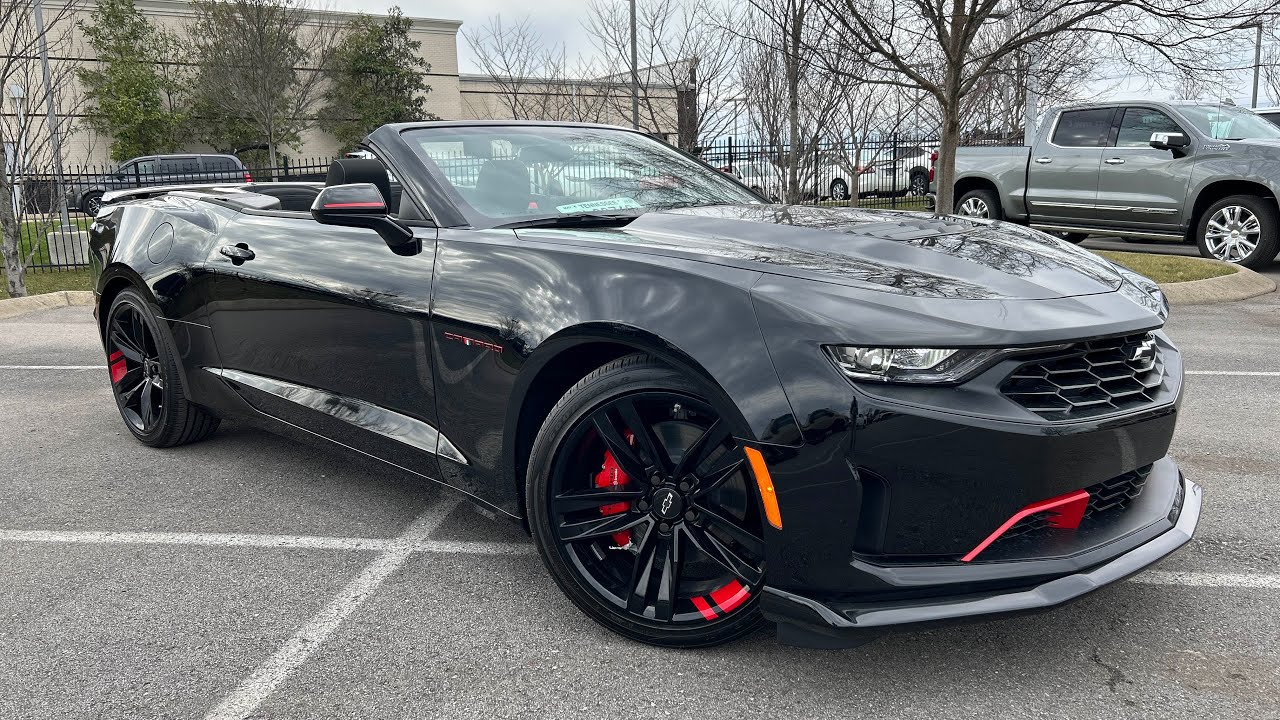
This system cracks to life with a sharp bark at startup and unleashes thunderous roars during wide-open-throttle blasts. Like the V-6, the V-8 can be mated to the enthusiast-favorite six-speed manual transmission, while a 10-speed automatic remains available.
The Camaro’s exceptional chassis sets a benchmark in the pony car segment, delivering a driver-to-car connection that feels almost unmatched. Its rigid structure allows for pinpoint handling and imparts an overall sense of quality. The ride strikes a careful balance, firm enough to carve through winding roads with confidence while still absorbing bumps on rough pavement.
When fitted with the 1LE package, the coupes elevate themselves far beyond their class, rivaling sports cars with far more prestigious badges and price tags. These 1LE-equipped models remain composed on the track while staying civil on everyday roads.
The electrically assisted power steering offers just the right level of effort along with precise, communicative responses. Rounding out the Camaro’s performance credentials are its excellent brakes; the pedal consistently delivers a smooth, progressive feel with reassuring stopping power. The 1LE versions up the ante even further with stronger, track-focused Brembo brakes.
7. Porsche Cayman (Base and S Trims)
Porsche’s Cayman offers razor-sharp handling and respectable straight-line speed, especially in the S trim, yet it’s known for its mechanical longevity.
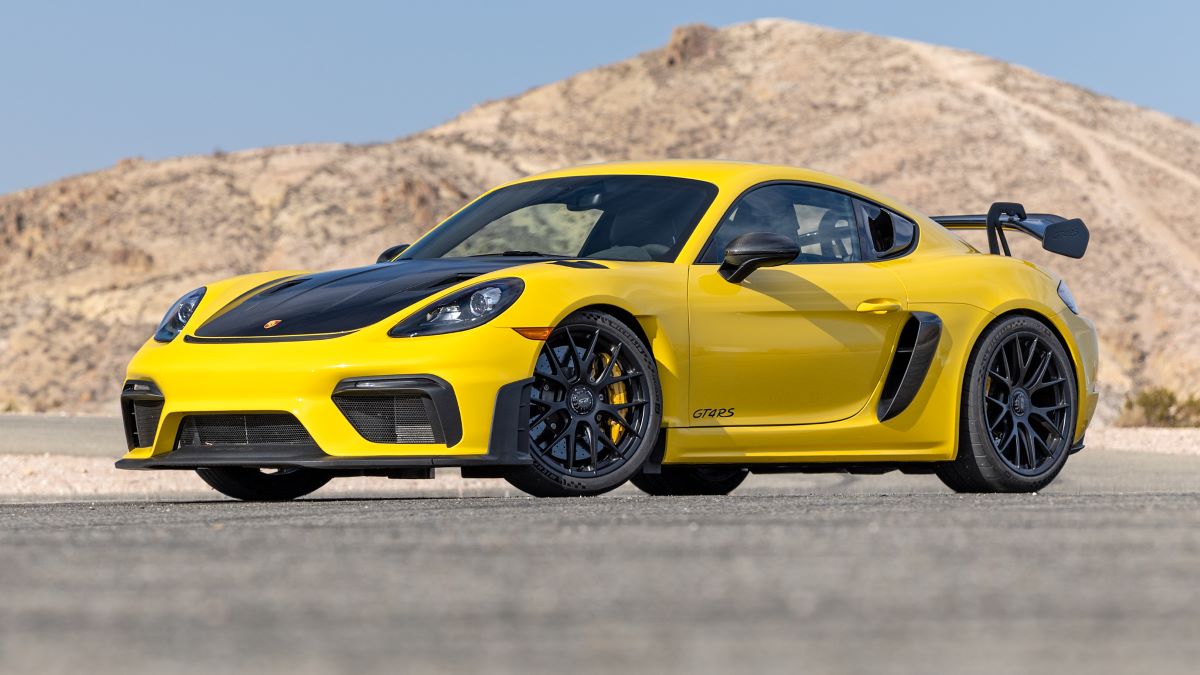
While some sports cars require near-constant pad changes, the Cayman’s balanced mid-engine setup contributes to even brake and tire wear.
Its light curb weight also helps prolong the life of consumables, making it a surprisingly economical performance car over time.
As the era of the 718 Porsche Cayman draws to a bittersweet close, anticipation builds for the arrival of the all-electric 2026 Cayman EV. Saying goodbye to its gasoline engines, this compact sports car will be produced alongside the iconic Porsche 911 in Zuffenhausen while sharing select components with its legendary sibling.
Despite these shared elements, both the Cayman EV and the upcoming electrified Boxster will ride on a dedicated EV platform designed to support rapid charging capabilities and the potential for a dual-motor all-wheel-drive setup. Pricing is expected to fall between $80,000 and $85,000, representing roughly a $6,000 premium over the outgoing gas-powered model.
8. Hyundai Elantra N
Hyundai shocked the market with the Elantra N a front-wheel-drive sport sedan that’s fast, fun, and shockingly efficient in its use of parts.
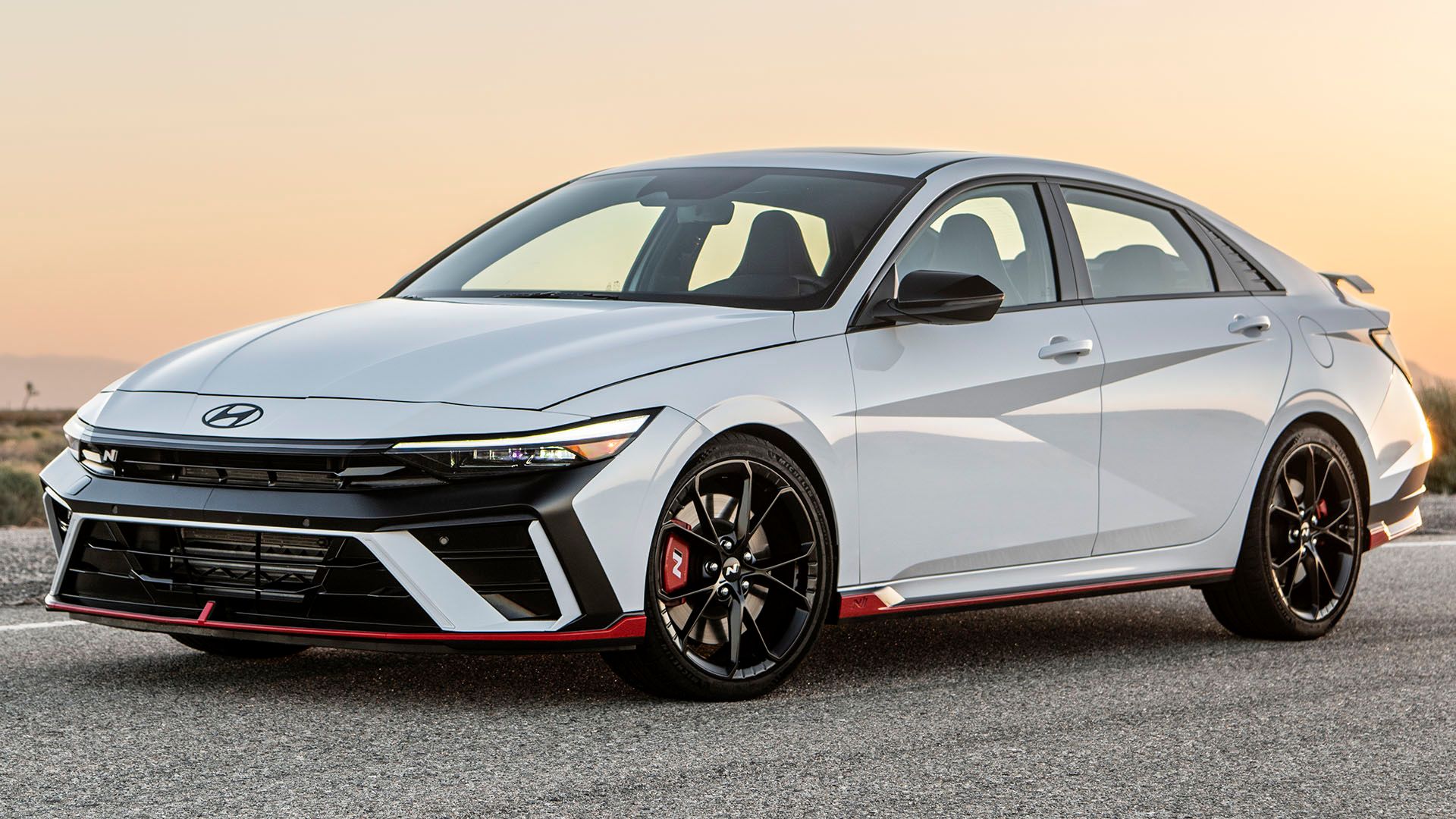
Even when driven aggressively, owners report that tires and brakes hold up well. Hyundai tuned the suspension and brake system to be track-capable but not overly aggressive, so you can enjoy the N’s performance without constant replacements.
The Hyundai Elantra N carries over the turbocharged 2.0-liter four-cylinder engine from the now-discontinued Veloster N hatchback, which bowed out in 2022. In the Veloster N, this powerplant produced a solid 275 horsepower, but with the addition of an overboost function known as N Grin Shift, the Elantra N cranks out an impressive 286 horsepower.
This extra muscle gives it a clear performance edge over the similarly priced Jetta GLI. While an eight-speed automatic transmission is offered, enthusiasts will be pleased to know that a six-speed manual comes standard.
The Elantra N delivers lively throttle response, precise handling, and an exhaust note that’s genuinely satisfying. Its longer wheelbase also contributes to a smoother ride compared to the Veloster N, yet it still maintains the planted, confidence-inspiring feel expected from a true sports sedan.
9. Lexus RC F
While it’s heavier than most cars on this list, the RC F is designed for long-distance comfort and power without punishing your wallet at the parts counter.
Its massive V8 provides thrilling acceleration, but Lexus engineered this grand tourer with durability in mind.
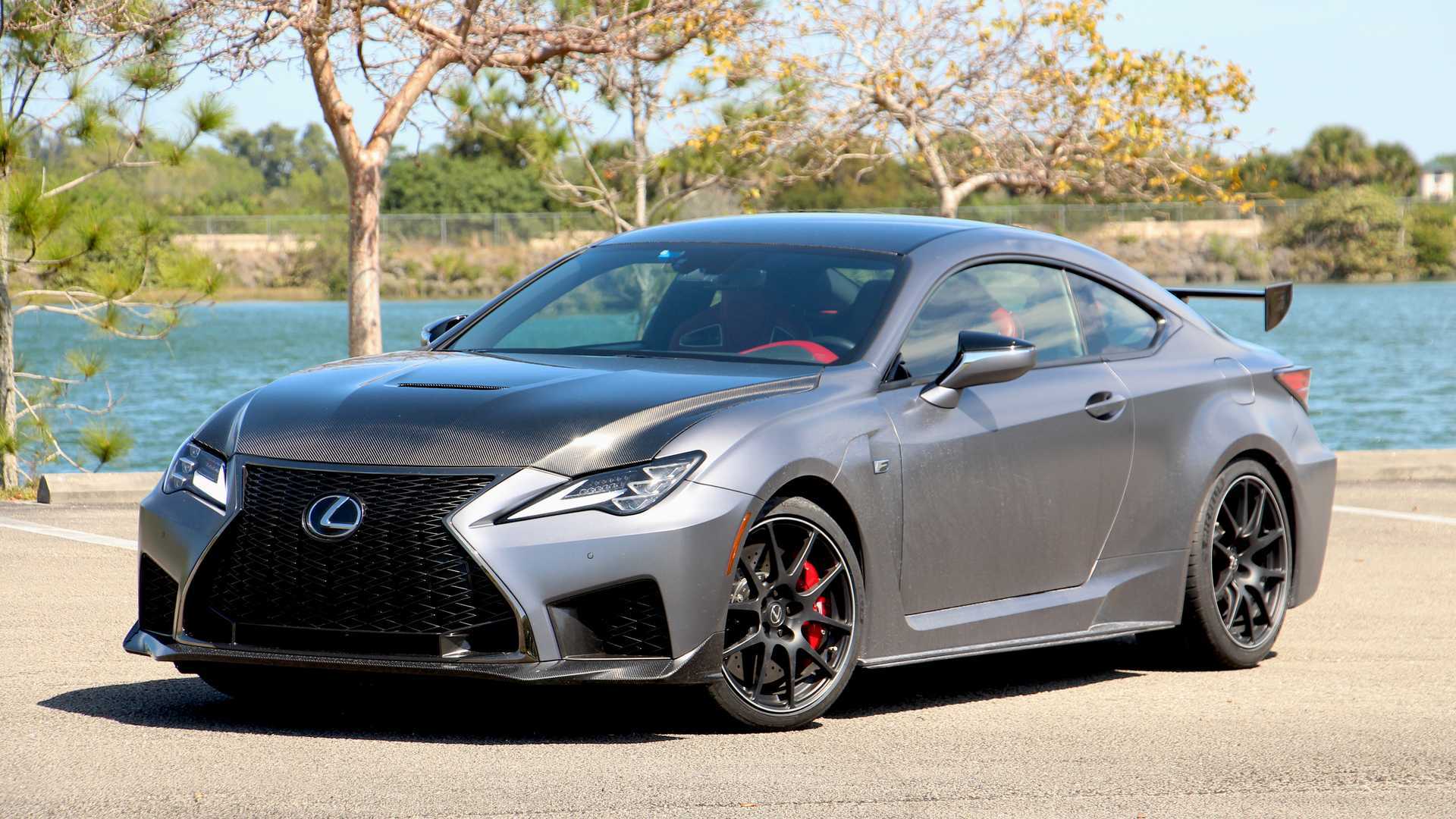
Brake pad and rotor longevity are above average for a car in this class, and its tire wear is mild under normal use rare for a 472-hp coupe.
The RC F Final Edition continues to utilize the familiar 472-horsepower 5.0-liter V-8, but this time it’s described as “specially assembled.” Lexus remains vague on specifics, only noting that the engine has been “further refined to deliver a smooth-revving feel and exhilarating engine sound.”
The rear differential also receives extra care, with the critical backlash adjustment performed by hand to enhance responsiveness. Power is still routed exclusively to the rear wheels through an eight-speed automatic transmission.
While the RC F is undoubtedly quick and enjoyable to drive, it still lags behind the most hardcore high-performance coupes. As expected, it comes with standard drive-mode settings that let drivers tailor the car’s behavior, and the six-piston Brembo brakes deliver strong, confidence-inspiring stopping power.
10. Volkswagen Golf R
The Golf R is known for its understated looks and AWD performance, but it’s also a champion when it comes to keeping maintenance in check.
The car is quick 315 horsepower in recent models and uses well-balanced tires and a refined braking setup that holds up well over time.
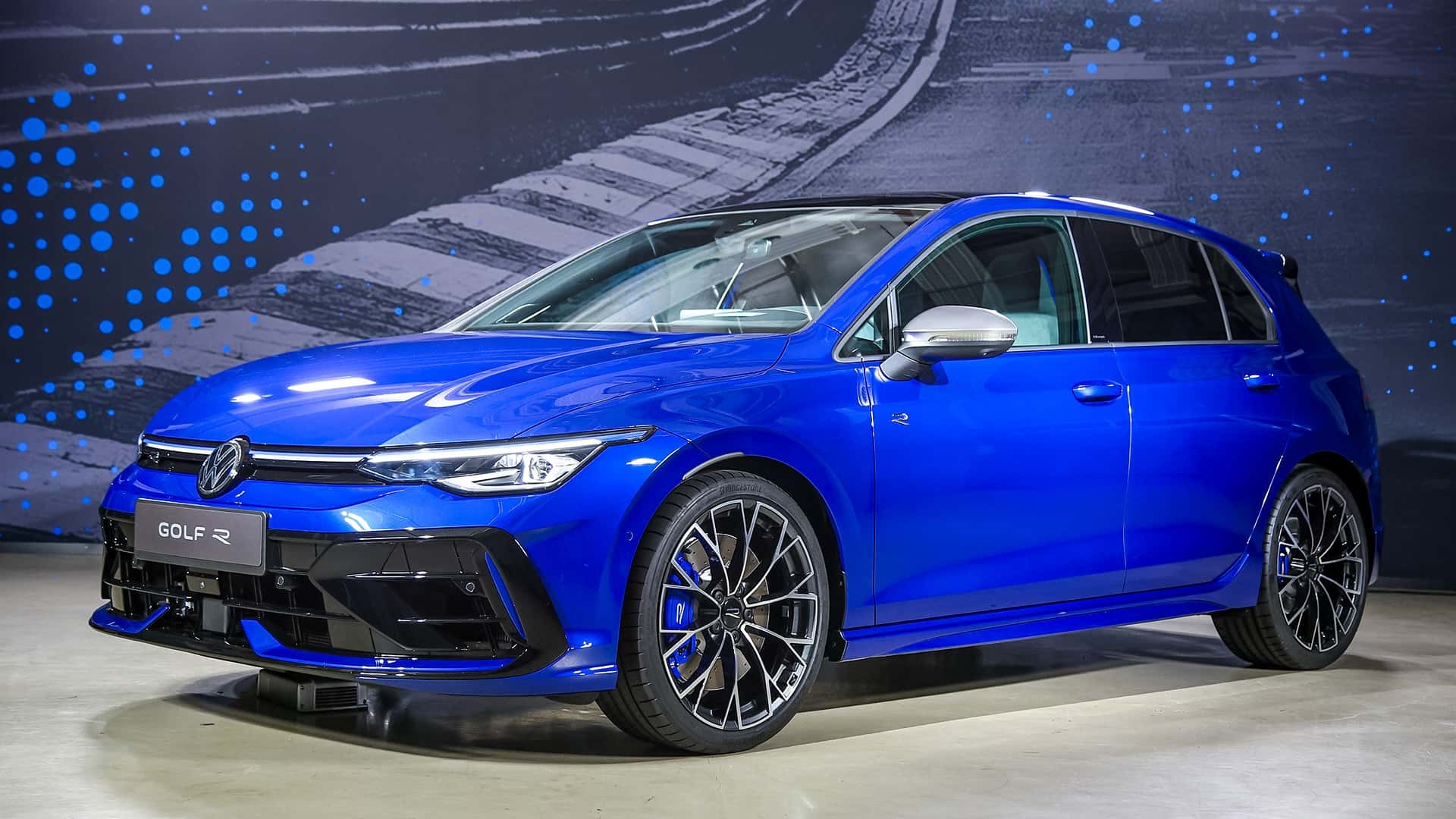
The brake system doesn’t overheat easily, and tire life is extended thanks to AWD grip and sensible torque management.
Owning a fast car doesn’t have to mean draining your bank account on tires and brakes.
Now producing 328 horsepower and 310 pound-feet of torque, the 2025 Golf R gains an extra 13 horsepower and 15 pound-feet over its predecessor. For this model year, the seven-speed dual-clutch automatic transmission becomes the only available gearbox.
The standard 4Motion all-wheel-drive system continues to feature a rear differential capable of actively distributing torque between the left and right rear wheels, enhancing handling precision. The Golf R’s familiar drive modes—Comfort, Sport, Race, Special, Drift, and Individual—are now joined by a new Eco mode for 2025.
Other tweaks include an increase of roughly 100 rpm to the shift point in Comfort mode, while both the stop/start and coasting functions are disabled when Sport mode is selected.
During our time behind the wheel of the 2025 Golf R, it remained every bit as sharp and eager as before, with the enhanced turbo-four delivering impressive performance whether carving through twisty roads or tackling the racetrack.
Volkswagen states that the updated 2025 Golf R can sprint to 60 mph in 4.6 seconds. However, based on our previous testing, that figure may be on the conservative side. For comparison, a 2022 Golf R equipped with the same seven-speed automatic managed to hit 60 mph in just 4.1 seconds during our tests.
The models listed above prove that with smart engineering and balanced tuning, it’s possible to enjoy high-speed performance without paying the price in rapid component wear.
Whether you prefer a punchy coupe, a refined sedan, or a future-facing EV, there are options that deliver thrills without the excessive upkeep.