
Honda has long been synonymous with reliability. From Civics that rack up 300,000 miles without breaking a sweat to Accords that pass from one generation to the next, the brand has earned its reputation.
But not every Honda is a home run. Some models are nightmares in disguise, plagued by issues that can drain your wallet and patience. Here’s the real breakdown, five Hondas that will outlive your expectations, and five that will constantly break.
5 Hondas That Outlive Expectations
When it comes to reliability, Honda has built a reputation that’s hard to beat. These cars are known for racking up miles with minimal fuss, but some models stand out for going above and beyond what anyone expects.
Whether it’s their bulletproof engines, low-cost maintenance, or sheer resilience on the road, these Hondas don’t just meet expectations, they crush them. Here are five Hondas that have earned a cult following for their ability to keep going long after the odometer has rolled past the point where most cars give up.
1. Honda Civic (1990s-2010s)
The Civic is the poster child for reliability. With routine maintenance, these cars easily surpass 250,000 miles. The engines are bulletproof, the parts are cheap, and they sip gas like a hybrid. Older Civics, especially from the 90s and early 2000s, are almost indestructible.
Over twenty years ago, Honda rolled out the Civic, a modest, unpretentious compact car that stood in stark contrast to the oversized sedans dominating the market at the time.
Those competitors, decked out in excessive chrome and flashy styling, barely noticed Honda’s thrifty newcomer, even as the 1973 fuel crisis highlighted the need for efficiency.
Since that debut, Americans have witnessed four generations of the Civic, each iteration improving on the last and steadily winning over more drivers. The 1996 model ushered in a new generation, an evolution rather than a revolution. By 1997, the Civic had grown nearly to Accord proportions and came in hatchback, sedan, and coupe variations.
Responding to feedback that the 1992-1995 models appeared too sporty, Honda refined the design: a grille was added up front, squared-off contours replaced the curvier lines, and larger taillights contributed to a more conservative overall appearance. Each body style now carried its own distinctive look, with the hatchback still holding the title of quirkiest among the lineup.
Safety and technology were not overlooked. Dual airbags came standard across the board, while EX sedans and automatic coupes included antilock brakes. For those seeking something different, the HX coupe stood out with its continuously variable transmission, a feature that made it arguably the most interesting Civic on offer.
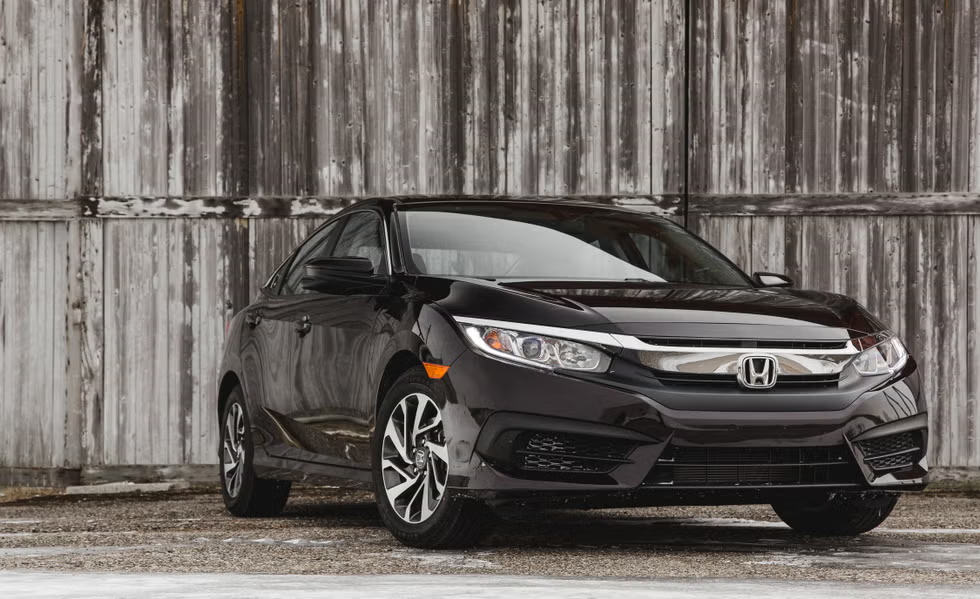
The Civic’s drawbacks are minimal, the most notable being its somewhat bland personality. While Hondas generally command a higher price upfront, their long-term value far surpasses that of many rivals.
The Civic is a prime example: it’s a car that rarely sees the inside of a repair shop, holds its resale value impressively, and quickly earns the loyalty of its owners.
Our verdict? The Civic is a smart buy. Drivers craving a bit of excitement in their daily commute should consider the EX coupe. If fuel economy is your top priority, the HX coupe is the clear choice.
Budget-conscious shoppers will appreciate the CX, while those focused on comfort should gravitate toward the sedans. Style-driven buyers will find what they’re looking for in the sleek coupe or the polished EX sedan. No matter what you’re after, Honda has a Civic tailored to fit your needs.
2. Honda Accord (2003-2012)
Known as the family sedan that just won’t quit, the Accord of this era offers rock-solid engines, smooth transmissions, and interiors that age gracefully. Many owners report crossing the 300,000-mile mark with minimal issues.
Even though the 1998-to-2002 Honda Accord was already an excellent vehicle by nearly every standard, Honda pushed the envelope in 2003 with significant updates that gave rise to the seventh-generation Accord.
For this generation, two advanced engines were introduced: a 2.4-liter four-cylinder and a thoroughly updated 3.0-liter V6. Both delivered increased peak power and torque over their predecessors while also offering improved midrange performance, lower emissions, and better fuel efficiency.
Underneath, Honda retained the previous Accord’s double-wishbone suspension both front and rear but fine-tuned it for enhanced handling. The front suspension received revised geometry to reduce body movement during cornering, braking, and acceleration.
At the rear, similar adjustments were made, paired with a stiffer subframe. The end result was a more composed ride, with fewer vibrations and reduced noise from the underpinnings.
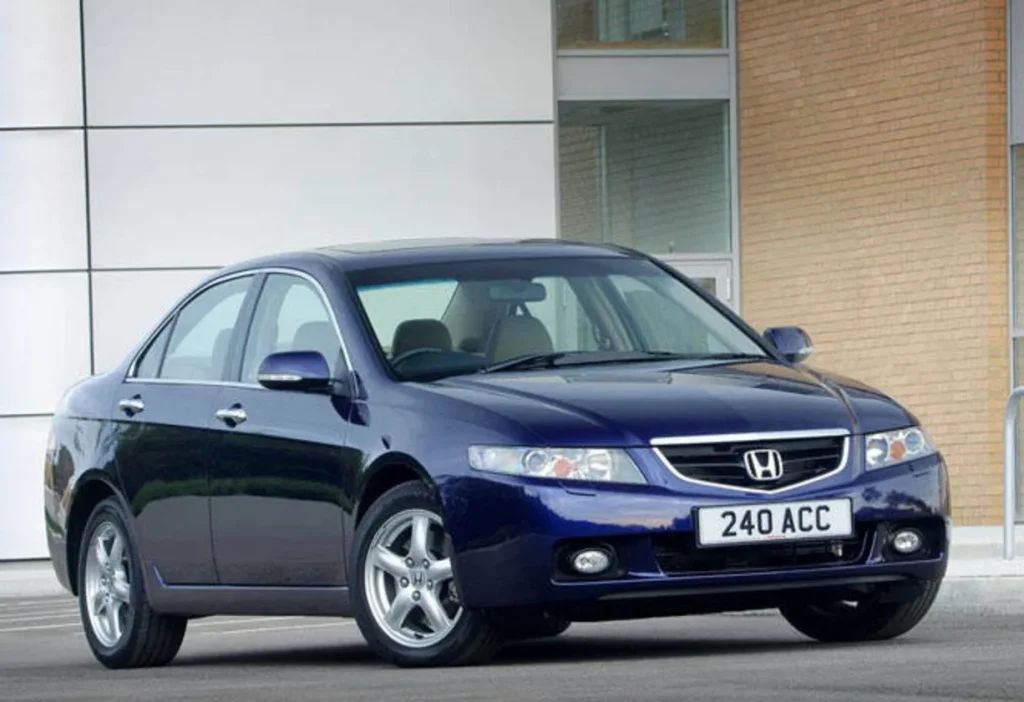
Step inside the 2006 Honda Accord, and you’re greeted with a cabin crafted from attractive, high-quality materials that reflect Honda’s attention to detail. The cockpit design borders on perfection in terms of ergonomics, while the seats strike an ideal balance between comfort and support.
Rear passengers benefit from best-in-class accommodations that rival the Toyota Camry, and the rear seat design makes installing almost any child car seat quick and easy. Thoughtful touches like generous cupholders, cleverly placed storage compartments, and a surprisingly robust sound system make the Accord an appealing choice for families.
In 2005, Honda expanded the lineup with the Accord Hybrid, powered by the company’s third-generation IMA electric assist system paired with a gasoline V6 engine.
This combination made it the most powerful and refined Accord to date. The hybrid system captures energy during braking or deceleration and uses it to assist with propulsion, while also shutting off the engine during stops to improve efficiency.
With a combined output of 253 horsepower, the Accord Hybrid delivers strong performance alongside EPA ratings of 25 mpg city and 34 mpg highway. Though this fuel economy is on par with a four-cylinder Accord, it’s impressive considering the power of a V6.
The engine also features Variable Cylinder Management (VCM), which seamlessly deactivates three of its six cylinders during cruising and deceleration without compromising performance or comfort.
All things considered, the 2006 Honda Accord offers one of the most well-rounded packages in the family sedan market. Its welcoming interior, refined driving dynamics, and top-tier build quality make it a standout choice.
Add in Honda’s legendary reliability and strong resale value, and the Accord becomes an even more compelling option. If you’re in the market for a practical midsize sedan or coupe this year, the Honda Accord deserves a top spot on your list.
Also Read: 5 Forgotten Family Cars That Last vs 5 Bestseller Family Cars With Issues
3. Honda CR-V (2005-2014)
This compact SUV blends Honda reliability with practicality. The 2.4L four-cylinder engine is a workhorse, and the CR-V’s AWD system holds up well even in rough conditions. It’s a favorite for families who want something dependable.
Considering the CR-V’s overall capability, it’s surprising that Honda hasn’t equipped this dependable SUV with a bit more power. Despite being among the lightest compact SUVs on the market, the last all-wheel-drive CR-V we tested tipped the scales at a hefty 3,552 pounds.
Under the hood, there’s only a 2.4-liter four-cylinder engine producing 166 horsepower. With that weight-to-power ratio, no amount of VTEC magic can prevent the CR-V from delivering lackluster track numbers.
Acceleration from zero to 60 mph takes 10 seconds, and the quarter mile comes in at 17.4 seconds. If that’s not enough to impress you, the Toyota RAV4 with its V6 engine offers nearly identical fuel economy while reaching 60 mph almost three seconds faster.
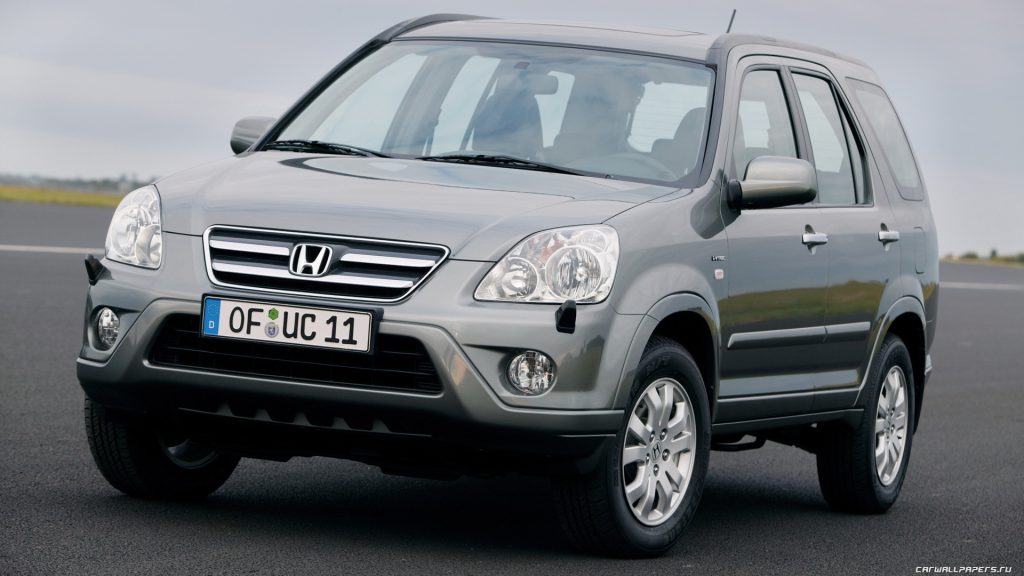
There are a few other drawbacks worth noting. Road noise is higher than average, and the five-speed automatic lacks a manual shift mode, which limits driver engagement.
The front-end styling is also somewhat polarizing. However, sales figures clearly show that these issues don’t bother the majority of buyers. The CR-V remains a well-rounded option, and Honda’s stellar reputation for reliability adds to its appeal.
The compact to midsize crossover SUV segment is packed with tough competitors. The Nissan Rogue delivers agile handling, the Saturn Vue offers a touch of European flair, the Toyota RAV4 continues to shine, and the Volkswagen Tiguan, though pricey, proves to be a solid performer.
Notably, the RAV4 has taken the top spot in our last two compact SUV comparison tests, edging out the CR-V both times. Even so, the CR-V’s versatility and balanced nature have kept it in the game, despite the arrival of newer rivals. If you can live with its unhurried acceleration, the 2009 Honda CR-V remains a smart and dependable choice.
4. Honda Fit (2007-2014)
The Fit is proof that small doesn’t mean weak. Owners swear by its longevity, with many examples pushing beyond 200,000 miles. Plus, its magic seat system makes it ridiculously practical for its size.
Among the standout choices in its class is the new 2007 Honda Fit. As a fresh and improved entry compared to its predecessors, this four-door hatchback delivers highly adaptable seating configurations, a lively driving character, and an impressive array of standard features and safety equipment.
In terms of overall dimensions, the Fit hatchback is roughly 20 inches shorter than a Civic sedan. However, when it comes to interior volume, it nearly rivals the passenger space of the larger Accord. Honda achieved this by incorporating an innovative seating layout, utilizing a compact suspension design, and cleverly relocating the fuel tank beneath the passenger seat.
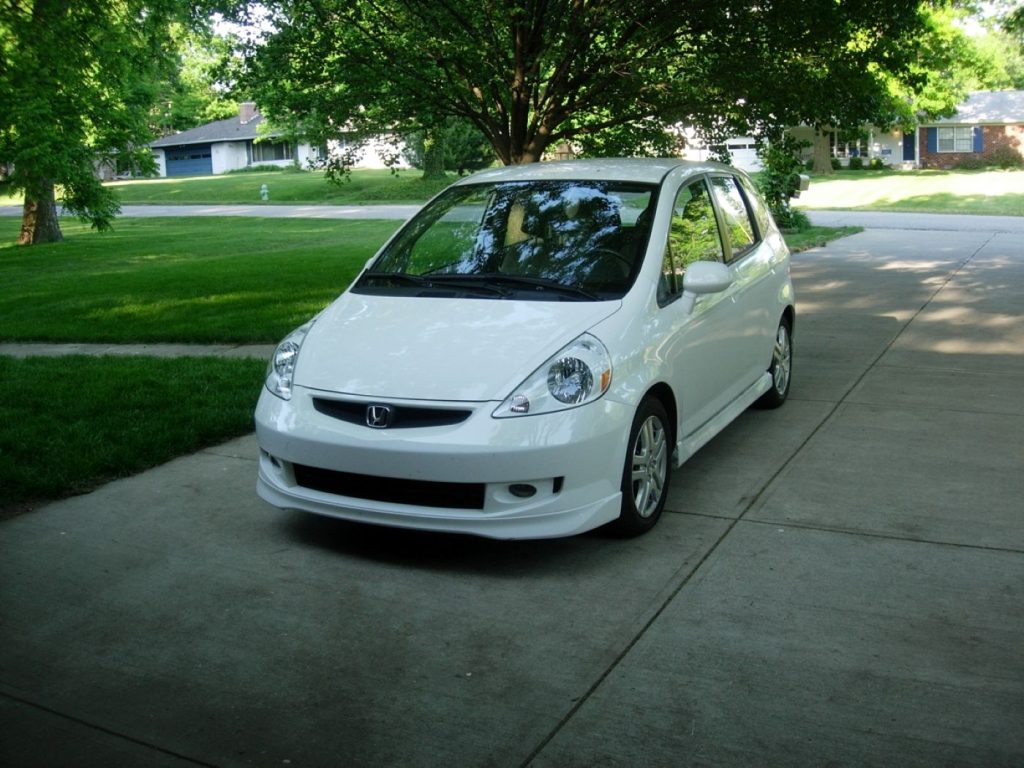
The Fit has already proven to be a popular and well-established vehicle in Japan and Europe, where it’s known as the Honda Jazz. It’s reasonable to expect that its success will continue in the U.S. market as well.
Powering the Fit is a 1.5-liter four-cylinder engine that drives the front wheels. This engine produces 109 horsepower and 105 pound-feet of torque.
The standard transmission is a five-speed manual, while a five-speed automatic is available as an option. For those who choose the Sport trim with the automatic, steering wheel-mounted paddles allow for sequential shift control.
5. Honda Odyssey (2011-2017)
Minivans have a tough job, but this generation of the Odyssey can handle it. With proper care, these vans rack up miles effortlessly while hauling kids, gear, and everything in between. The 3.5L V6 is robust, and Honda nailed the ride quality.
The latest Odyssey raises the bar with added comfort and improved practicality. Thanks to a slight increase in dimensions, about an inch longer and over 2 inches wider than the previous model, the 2011 version offers more legroom for passengers in both the second and third rows.
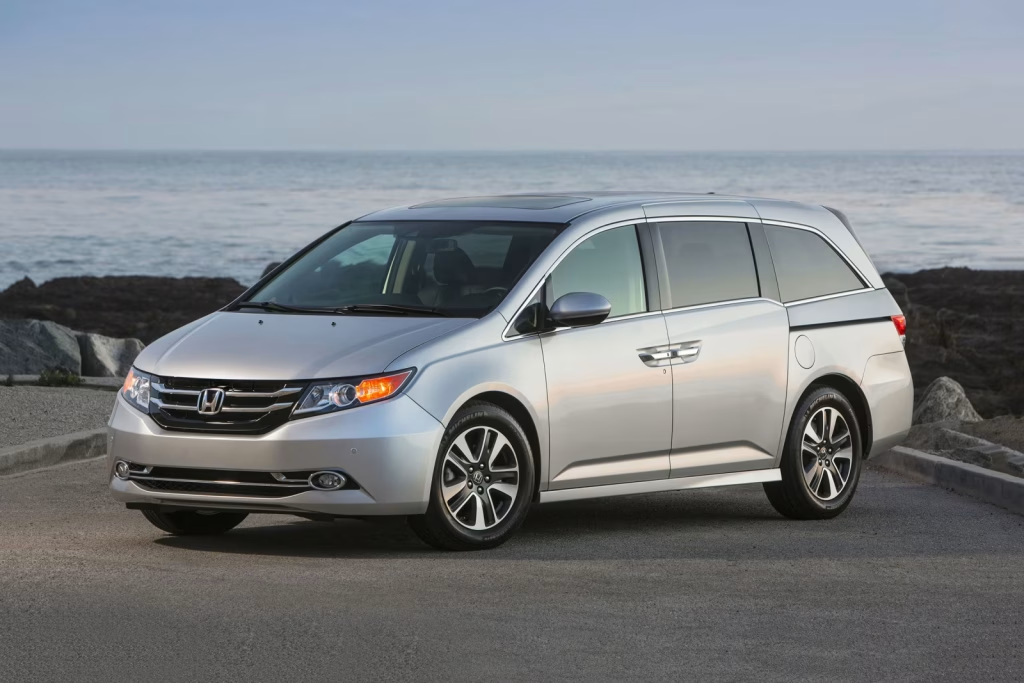
The second-row seat has been enhanced with a center section that can slide forward and a unique configuration wide enough to accommodate three child safety seats. Additionally, the 60/40-split third-row seat now features a redesigned mechanism, making it easier to fold and stow.
Under the hood, the Odyssey still relies on a 3.5-liter V6 engine, but Honda’s fuel-saving Variable Cylinder Management technology is now standard across all trims.
Even better, top-tier models pair this V6 with a new six-speed automatic transmission, resulting in quicker acceleration and improved fuel efficiency. Complementing these upgrades is a reworked suspension, which enhances ride comfort while preserving the Odyssey’s reputation for handling that outperforms the average minivan.
Also Read: Top 10 EV Brands in 2025 That Outsell Expectations
5 Hondas That Constantly Break
Honda has long been celebrated for its rock-solid reliability, but not every model in its history lives up to that reputation. While many Hondas are known to run forever with minimal issues, there are a few that have earned a less flattering reputation for frequent breakdowns and costly repairs.
Whether it’s due to flawed engineering, problematic components, or just poor long-term durability, these models stand out for all the wrong reasons. Here are five Hondas that have a track record of letting their owners down more often than they’d like to admit.
1. Honda Passport (1994-2002)
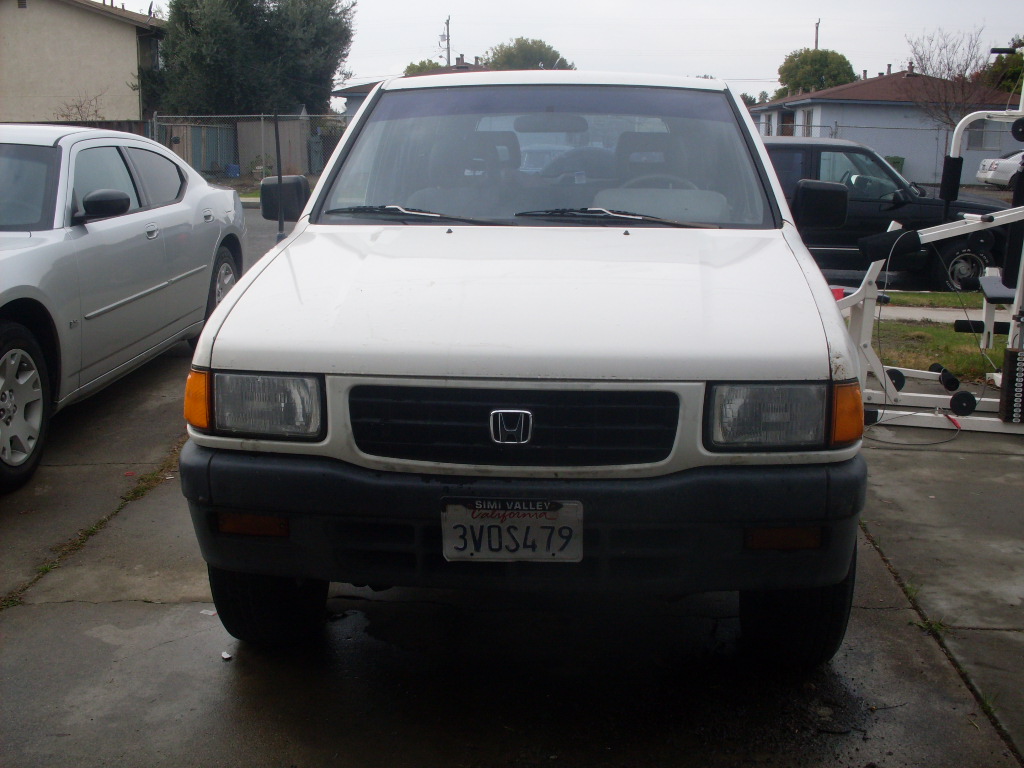
This was basically an Isuzu Rodeo wearing a Honda badge, and it shows. Rust, electrical issues, and weak engines make this SUV a headache. It’s the black sheep of Honda’s otherwise stellar lineup.
Honda’s Passport struggles to hold its ground against other midsize SUVs, even though it offers a powerful engine and appealing styling as an alternative to market leaders.
For the 2000 model year, the Passport sees only minor updates. The most notable changes include bolder exterior styling cues, a few additional standard features, and the introduction of an upscale EX-L trim.
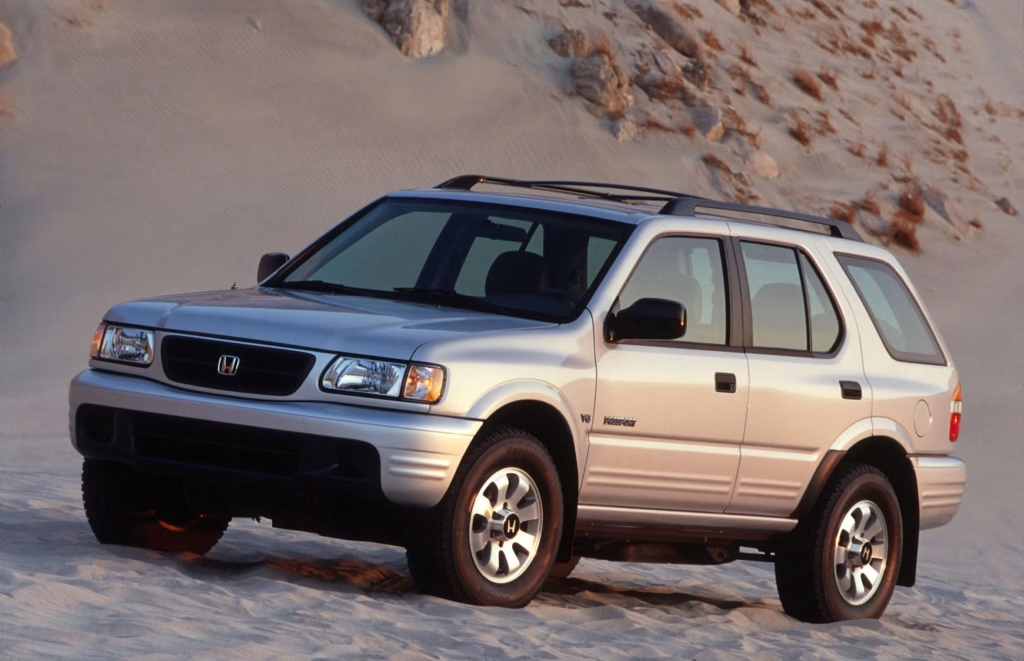
Honda enhanced the Passport’s exterior with aggressive front and rear fascias, a revised grille, and redesigned front combination lamps. Four-wheel-drive versions benefit from a standard limited-slip rear differential, improving traction to the rear wheels.
All trims now feature 16-inch alloy wheels with matching tires. Last year’s practical hatchgate has been made optional, as all spare tires can now be stored underneath.
Inside, the layout remains user-friendly, though the plastic trim feels a bit cheap. Thanks to push-button 4WD and standard antilock brakes, tackling rugged terrain is straightforward, even when nature tries to put up a fight.
2. Honda Civic Si (2006-2011)
While fun to drive, this Si generation is notorious for cracked engine blocks. Repairs are costly, and many owners were left frustrated by an issue that shouldn’t happen in a Honda.
During the 2006–2011 generation, Honda offered the base model Civic with three different engine options. Most versions came equipped with a 1.8-liter 4-cylinder engine that produced 140 horsepower, delivering a reliable blend of performance and efficiency.
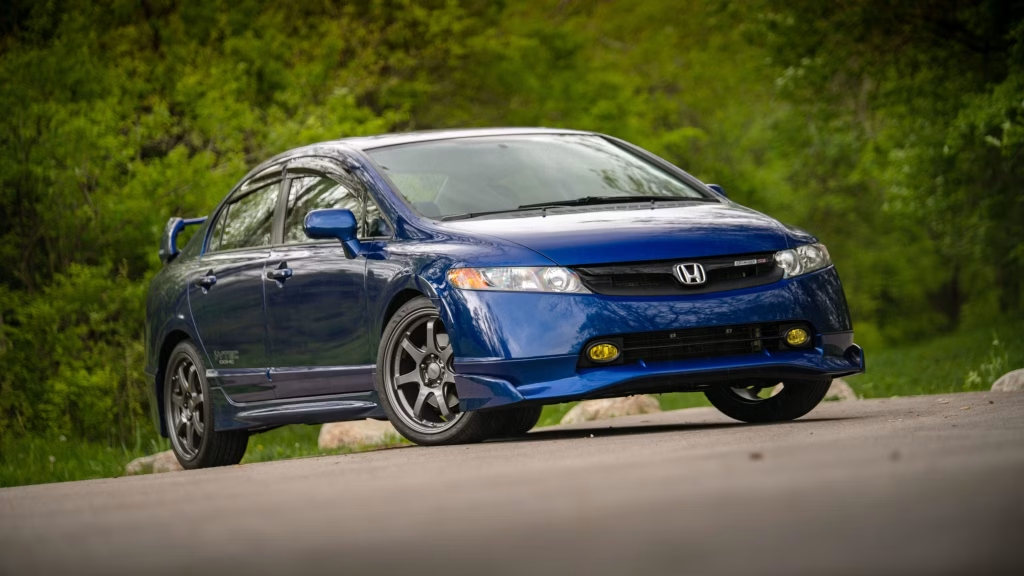
However, for buyers who craved a more exhilarating drive, Honda introduced the factory-upgraded Civic Si trim. This performance-oriented model featured a naturally aspirated 2.0-liter 4-cylinder engine that generated an impressive 197 horsepower at 7,800 rpm and 132 lb-ft of torque at 6,200 rpm..
Adding to its appeal, Honda tuned the Si’s air intake configuration and exhaust system to create a deeper, more resonant sound, an auditory experience far more aggressive and engaging than what most drivers would expect from a compact car.
3. Honda Odyssey (1999-2004)
Unlike its later counterpart, this early-2000s Odyssey was plagued by transmission failures. Replacing or rebuilding the transmission often cost more than the van was worth.
Launched just two years ago, the second-generation Honda Odyssey quickly established itself as the benchmark for minivans, stealing the title from Chrysler soon after its 1999 debut.
This resurgence in minivan popularity can largely be credited to the Odyssey’s signature Honda reliability, its class-leading interior space, and practical touches such as a fold-flat third-row seat and second-row captain’s chairs that can slide together to form a bench. These thoughtful features have helped the Odyssey stand out as a family favorite.
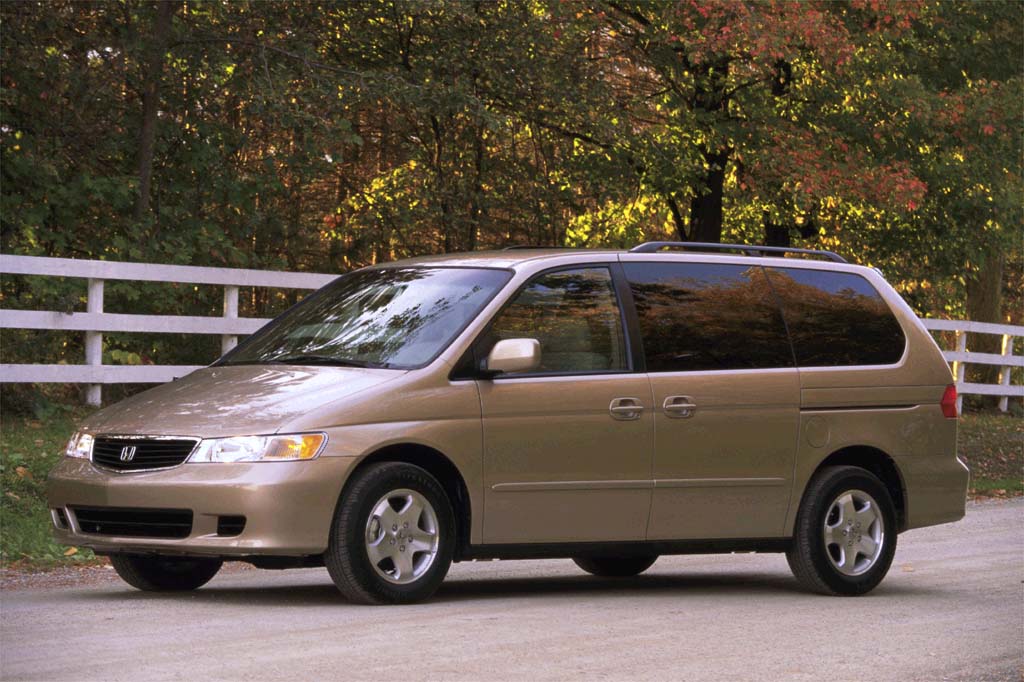
Under the hood, the Odyssey is powered by a 3.5-liter, 24-valve VTEC V6 engine that, according to Honda, produces up to 210 horsepower and 229 lb-ft of torque when fueled with 91-octane gas.
When using 87-octane, the output slightly decreases to 205 horsepower and 217 lb-ft of torque. This V6 is derived from the Accord’s 3.0-liter engine but has been tuned to provide extra strength to accommodate the Odyssey’s additional weight.
4. Honda Pilot (2003-2008)
This SUV looked like a winner on paper, but early models suffered from the same transmission woes as the Odyssey, along with engine mount failures and electrical gremlins. Reliability took a backseat here.
For 2005, the Honda Pilot benefits from a new 255-horsepower engine and a series of functional upgrades designed to enhance both performance and convenience.
A tire-pressure monitoring system has been added across the lineup, while EX models equipped with leather upholstery now include vehicle stability control for improved safety. Fuel capacity has been slightly increased to extend driving range, and a revised power steering pump delivers a more precise on-center steering feel.
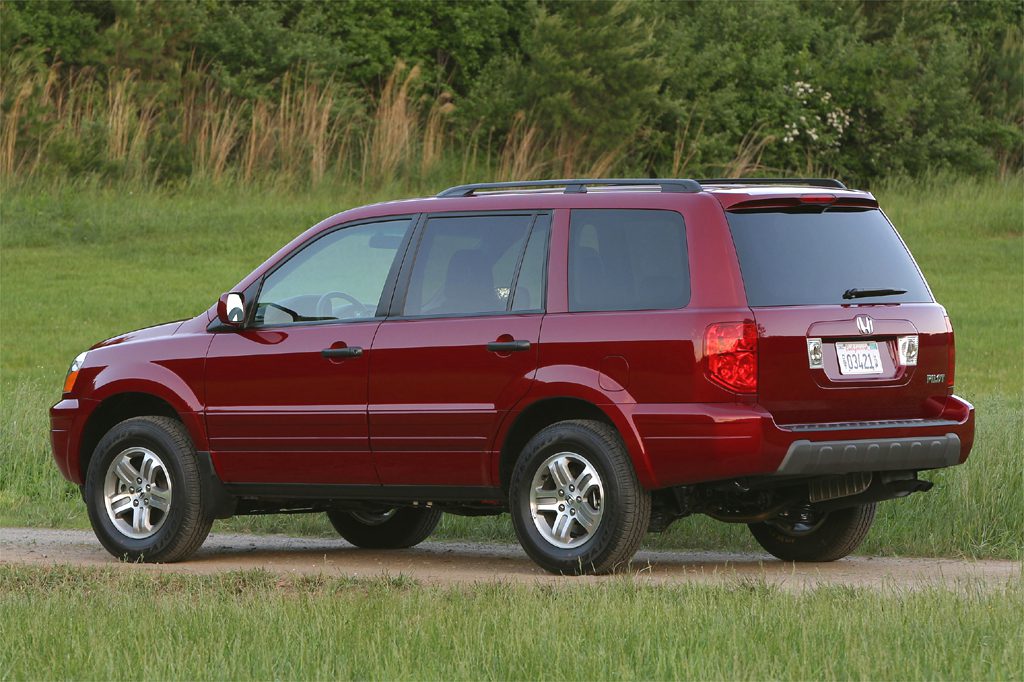
Inside, the cabin receives thoughtful refinements. The instrument panel now features ambient lighting, and all EX trims come standard with a six-disc CD changer.
A driver footrest has been added for increased comfort, and leather-upholstered EX models can now be equipped with a sunroof. The LX trim gains standard keyless entry, while all models include an integrated remote key and fob for added convenience.
Additionally, Honda has implemented minor frame modifications for the 2005 Pilot, resulting in improved crash test ratings from the IIHS. These updates further solidify the Pilot’s reputation as a safe, capable, and family-friendly SUV.
Also Read: 5 Cars With Best Long-Distance Comfort vs 5 That Sink After Hours
5. Honda Crosstour (2010-2015)
The Crosstour tried to blend a sedan with an SUV but ended up being an awkward mix with expensive maintenance. Owners report persistent oil leaks, electrical issues, and high repair costs. It’s one of those Hondas better left on the lot.
The base front-wheel-drive 2015 Honda Crosstour is powered by a 2.4-liter inline-four engine that produces 192 horsepower and 162 lb-ft of torque. This engine is paired with a five-speed automatic transmission and achieves an EPA rating of 22 mpg in the city and 31 mpg on the highway.
For drivers who crave more performance, Honda offers a 3.5-liter V6 engine delivering 278 horsepower and 252 lb-ft of torque, paired with a six-speed automatic transmission.
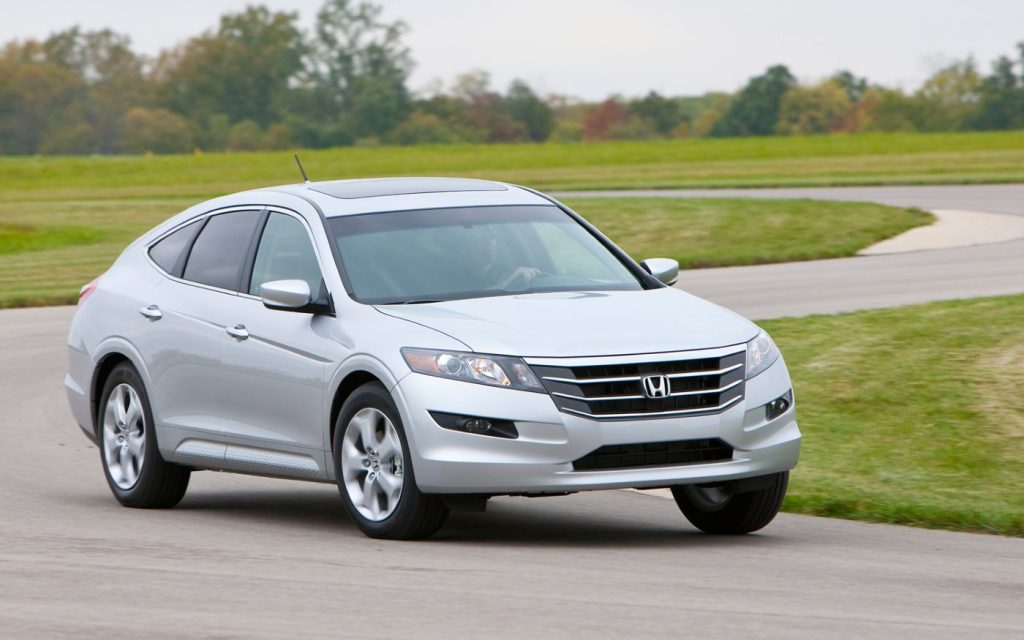
The V6-equipped Crosstour benefits from Honda’s cylinder deactivation technology, which enhances fuel efficiency by shutting down cylinders when full power isn’t needed. As a result, front-wheel-drive V6 models return 20 mpg city and 30 mpg highway, while opting for all-wheel drive slightly reduces those figures to 19 mpg city and 28 mpg highway.
This V6 powertrain stands out as the preferred choice, offering a significant boost of 86 horsepower and 90 lb-ft of torque with minimal impact on fuel economy compared to the four-cylinder.
Inside, the 2015 Crosstour impresses with generous cargo capacity—providing up to 51.3 cubic feet when the rear seats are folded. Passenger space comfortably accommodates four adults, although taller occupants may find the rear headroom limited due to the sloping roofline.
Honda can produce vehicles that run forever with little more than oil changes and tire rotations. But even giants slip up. If you’re buying used, do your homework. Stick to the models known for their legendary reliability, and you’ll have a car that outlives expectations. Choose the wrong one, and you might end up funding your mechanic’s next vacation.
