
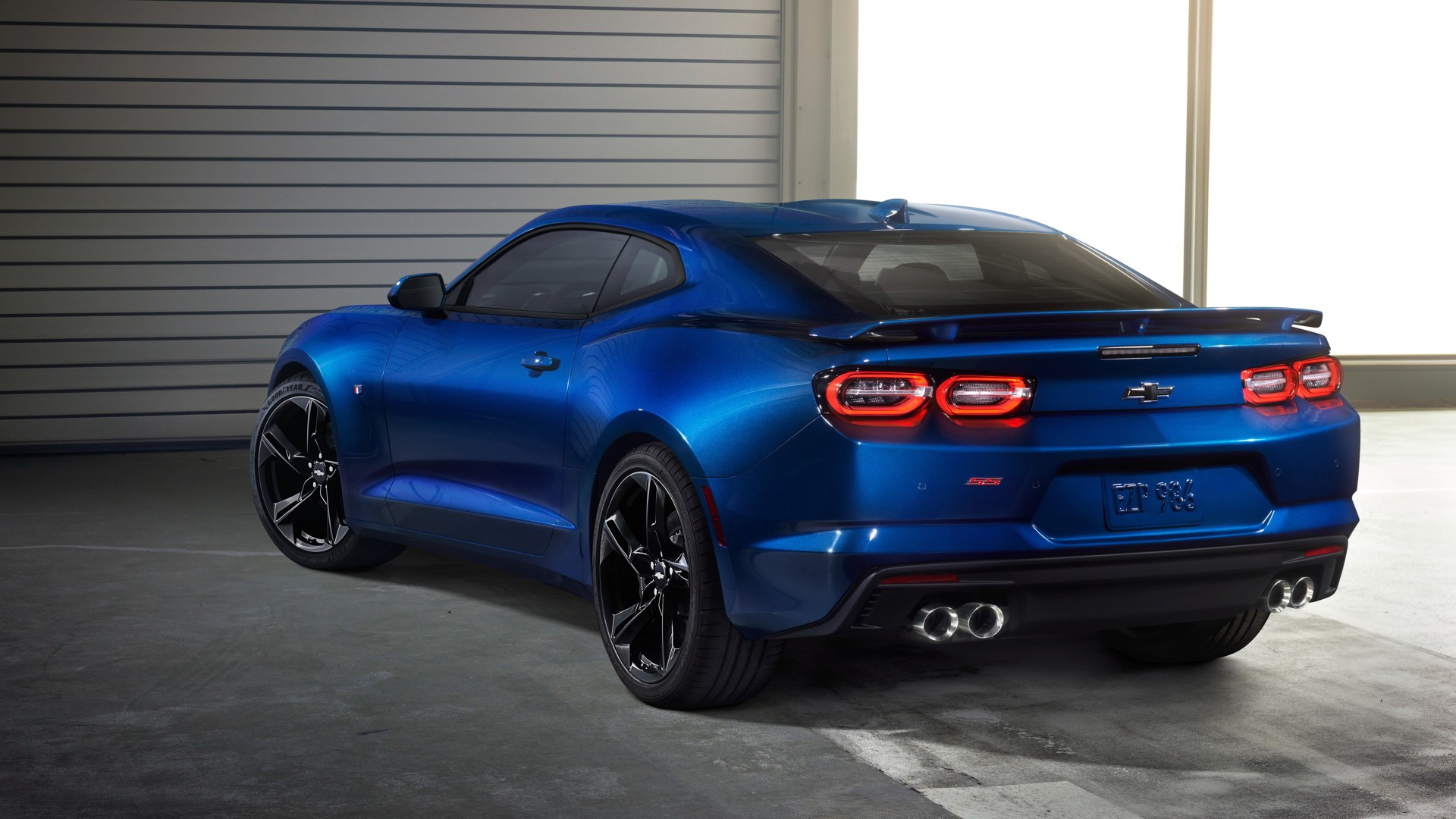
Muscle cars have long been celebrated in the U.S. for their thunderous V8s, iconic styling, and tire-shredding performance.
But beyond the straight-line thrills, long-term driving feel matters especially once a car hits the 120,000-mile mark.
Many muscle cars start to feel loose, with rattling interiors, vague steering, and worn-out suspensions. However, some models defy expectations and remain tight, composed, and fun to drive even after serious mileage.
Here are six muscle cars that still feel solid well beyond 120K miles, assuming regular maintenance and proper care.
1. 2011–2014 Ford Mustang GT (S197)
The S197 Mustang GT stands out for its blend of old-school charm and modern refinement. Featuring the highly praised 5.0L Coyote V8 and a hydraulic power steering system, it delivers a connected and engaging driving experience.
Its solid rear axle may not win over purists seeking ultimate cornering finesse, but in terms of chassis integrity, it holds up surprisingly well.
Owners report minimal body flex, solid door closures, and few squeaks even after crossing 120K miles. As long as key suspension components are kept in check, this Mustang continues to deliver tight and responsive performance for years.
Also Read: 10 Vintage Muscle Cars From the 1970s That Still Turn Heads Today
For 2012, Ford brings back the legendary Mustang Boss 302, a badge that harks back to the iconic 1969 model. True to its heritage, the latest Boss 302 is a track-focused machine built to thrill, promising a driving experience that’s both exhilarating and potentially collectible.
The V8-powered GT raises the stakes with even more muscle. Across both versions, Ford offers a wide selection of upgrades, from enhanced suspension and brakes to the cutting-edge Sync electronics system.
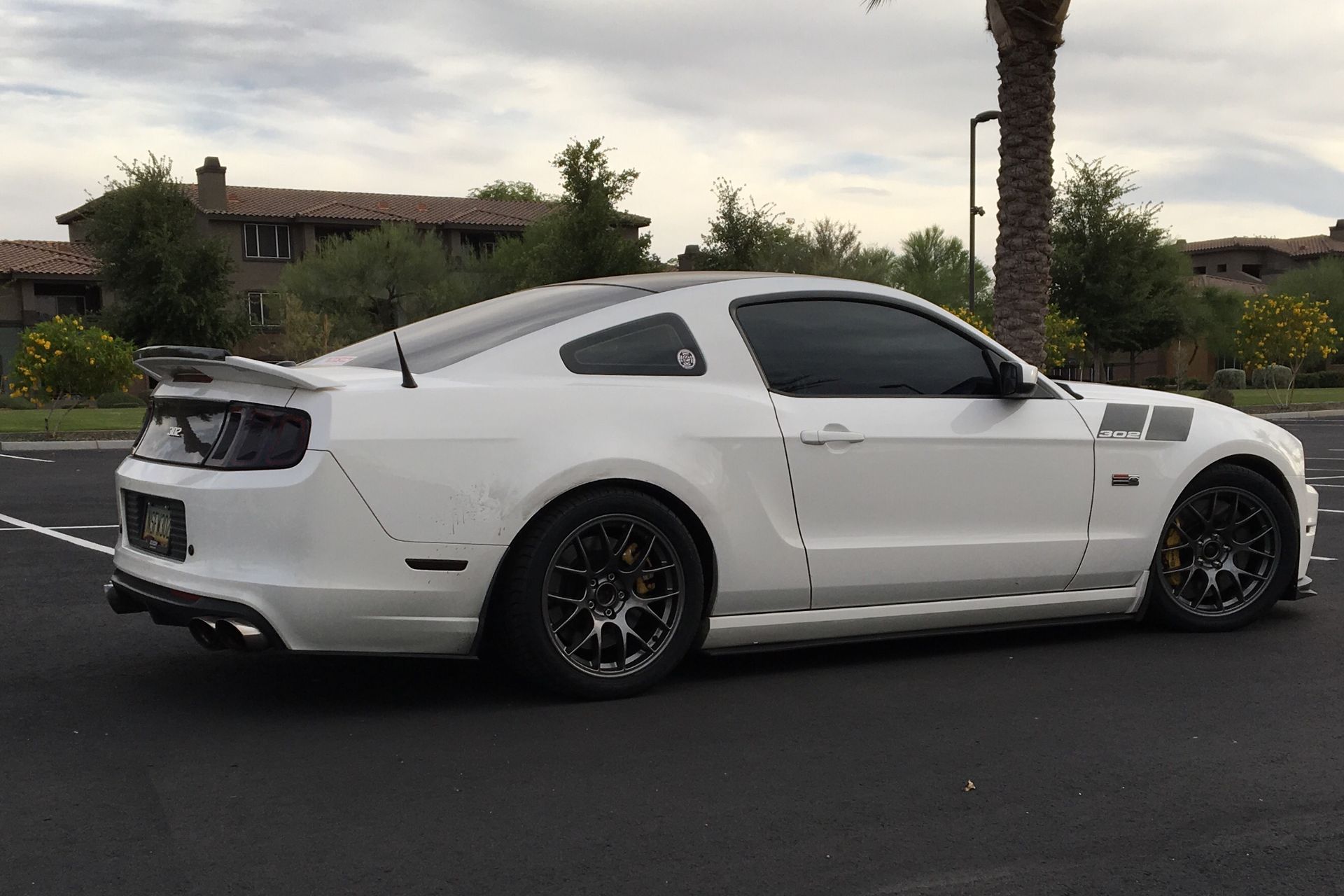
Despite its strengths, the Mustang isn’t without flaws. The cabin still suffers from cheap plastic elements, and the absence of a telescoping steering wheel leaves some drivers struggling to find their perfect position. Its styling—while sharp—has become almost too familiar, as the sheer number of Mustangs on the road makes it harder to stand out.
The 2012 Ford Mustang also faces tough competition. The 2012 Dodge Challenger offers a roomier interior, and the aggressively styled 2012 Chevrolet Camaro is bound to grab more attention. Yet when it comes down to the overall driving and ownership experience, the Mustang crosses the finish line as the most well-rounded choice.
The 2012 Ford Mustang V6 runs on a 3.7-liter engine delivering 305 hp and 280 pound-feet of torque. Step up to the Mustang GT, and you’re looking at a 5.0-liter V8 cranking out 412 hp and 390 lb-ft of torque.
Both engines pair with a standard six-speed manual transmission, while a six-speed automatic is optional. If that’s not enough excitement, the Boss 302’s 5.0-liter V8 pushes output to 444 hp and 380 lb-ft of torque.
In terms of fuel economy, the Mustang V6 coupe earns an EPA estimate of 19 mpg city/31 mpg highway and 23 mpg combined with the automatic, while the manual achieves 19/29/22 mpg. The GT posts 18/25/21 mpg with the automatic and 17/26/20 mpg with the manual. Choosing more aggressive rear differential gear ratios will further decrease fuel efficiency.
2. 2016–2023 Chevrolet Camaro SS (6th Gen)
Built on GM’s Alpha platform, which also underpins the Cadillac ATS, the sixth-gen Camaro SS offers sports car-like rigidity and balance.
The chassis is impressively stiff, and models equipped with Magnetic Ride Control benefit from adaptive damping that maintains composure over time.
The naturally aspirated 6.2L LT1 V8 is a rock-solid engine, and the interior build quality has improved significantly over past generations.
Even at high mileage, the Camaro resists the typical cabin rattles and suspension looseness that plagued earlier muscle cars. It’s a modern performer with endurance to match.
When we said goodbye to our long-term Corvette Stingray after 40,000 miles in the fall of 2015, it had gone through a set of rear tires, an HVAC controller, axle seals, and, most dramatically, an engine. While the warranty covered much of the damage, the ordeal drained our patience as thoroughly as it stripped the Stingray of its pride.
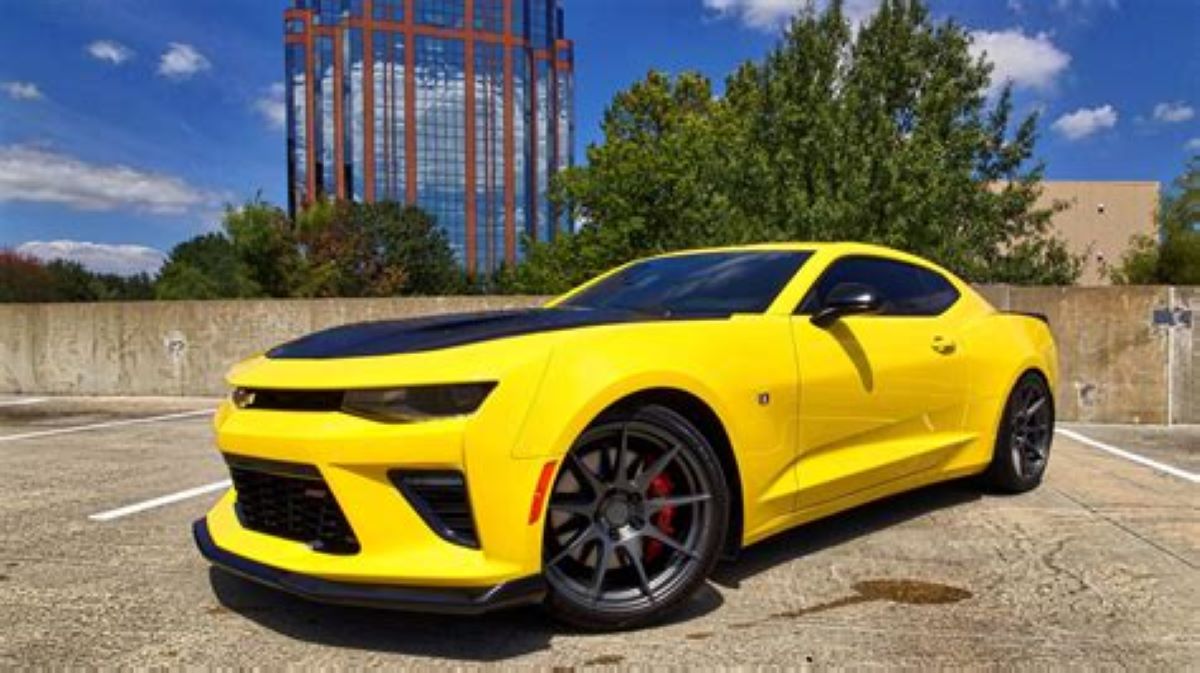
It left us questioning whether Chevy’s showpiece and more specifically its LT1 6.2-liter V-8 engine, was truly built to handle the demands of a performance car. To make matters worse, we had to pay for the Corvette’s first three oil and filter changes, which should have been included under GM’s maintenance plan.
Our experience with the long-term Camaro SS, which shares the same LT1 engine minus the dry-sump lubrication system, was markedly different.
This time, only two issues resurfaced: once again, we covered the cost of a few oil changes that should have fallen under Chevy’s Complete Care program, and we had to replace a pair of worn rear tires. Beyond that, the Camaro completed its 40,000-mile journey without a single mechanical hiccup.
And, with just one exception, it equaled or exceeded every major performance benchmark from its initial test when we reassessed it to conclude this review. At 40,597 miles, its zero-to-60 sprint (4.0 seconds) and quarter-mile run (12.3 seconds at 118 mph) matched the numbers recorded at 3949 miles, 13 months prior.
Its roadholding even improved, climbing from 0.98 g in the first test to 1.01 g at the end, using the very same front tires. Braking from 70 mph remained identical at 149 feet.
Over its entire stay, it averaged 20 mpg, edging out the EPA’s combined estimate by 1 mpg. Before our final test, we swapped the rear Goodyear Eagle F1 Asymmetric 3 run-flats, but the Goodyear summer tires still shared duty with a set of Pirelli Sotozero winter tires during its tenure.
Because excess is part of the Camaro’s DNA, we chose to equip ours with the most potent engine available at the time: the 455-hp LT1. Coupled with a six-speed manual transmission and a limited-slip differential, this small-block V-8 earned plenty of fans during its stay.
Also Read: 10 Best Used Diesel Pickups That Go 300,000 Miles Or More
3. 2015–2021 Dodge Challenger R/T Scat Pack
The Dodge Challenger is the heavyweight of the muscle car trio, but that doesn’t mean it lacks long-term drivability.
The R/T Scat Pack version, with its 485-horsepower 6.4L HEMI V8, rides on the LX platform derived from Mercedes-Benz architecture.
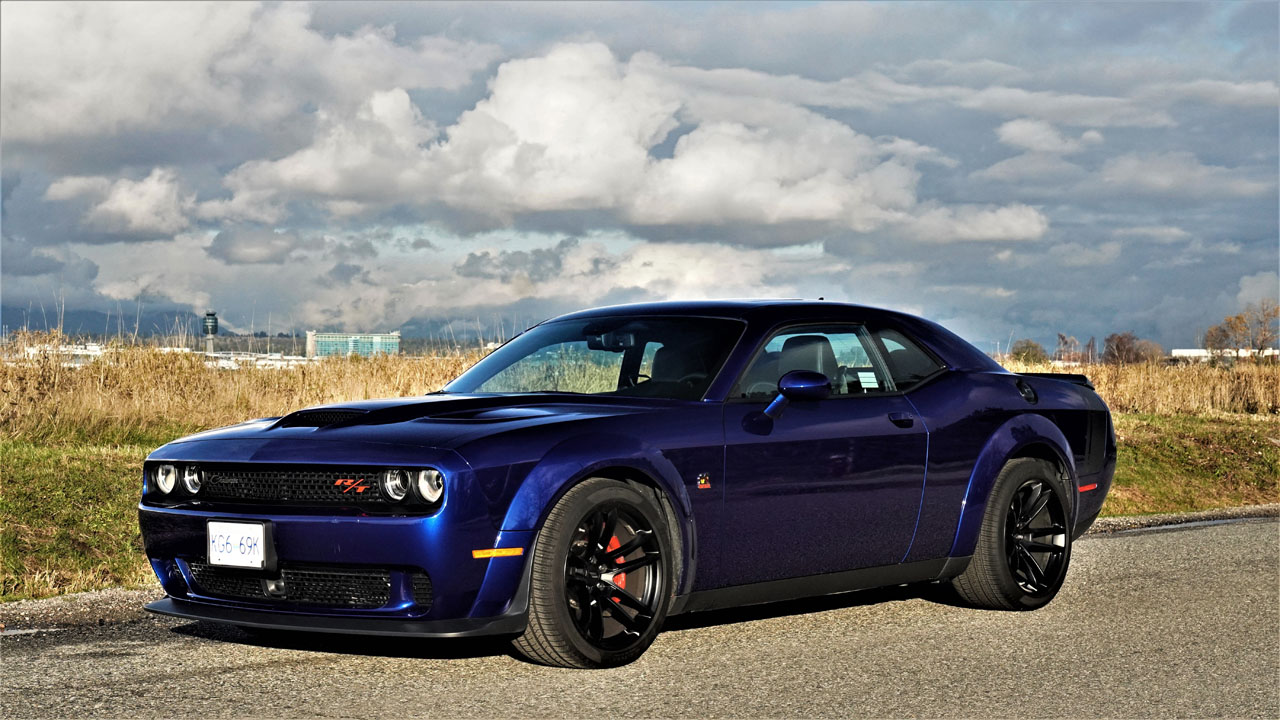
That means a strong, well-engineered base that resists flexing and holds up under daily wear and tear.
Even after 120K miles, these models often maintain good suspension geometry and cabin integrity, especially when bushings and shocks are replaced on schedule. It’s a big brute, but one that ages with grace.
4. 2014–2019 Chevrolet SS
Though often overlooked, the Chevrolet SS is a true muscle sedan with sharp handling and enduring road feel.
Imported from Australia and equipped with the LS3 6.2L V8 from the Corvette, the SS also features Magnetic Ride Control, making it as comfortable on long cruises as it is agile in corners.
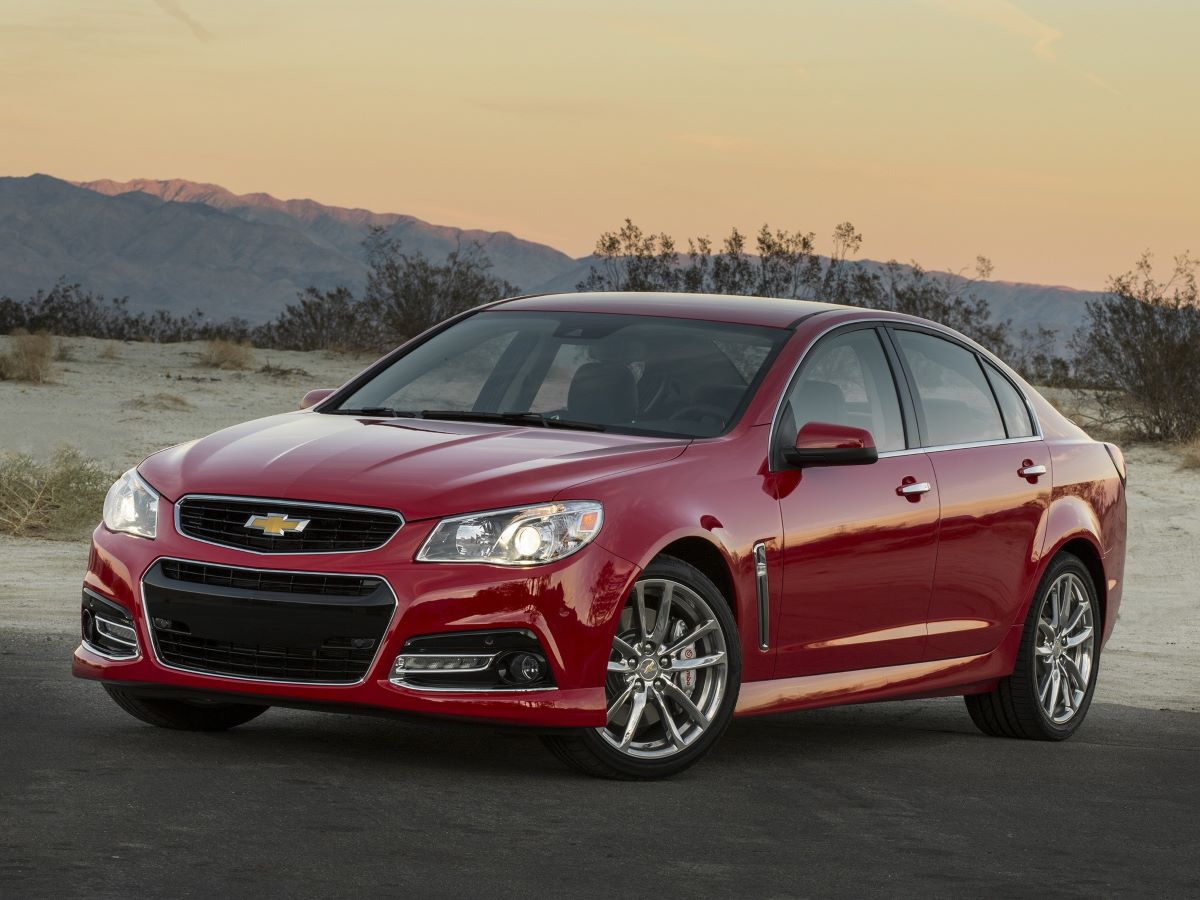
What sets the SS apart is its European-style chassis tuning, giving it excellent steering feedback and minimal body roll even as miles climb.
Owners commonly report that their high-mileage SS sedans feel as composed as ever, provided basic maintenance hasn’t been neglected.
Our experience with the long-term Camaro SS, which shares the same LT1 engine minus the dry-sump lubrication system, was markedly different.
This time, only two issues resurfaced: once again, we covered the cost of a few oil changes that should have fallen under Chevy’s Complete Care program, and we had to replace a pair of worn rear tires. Beyond that, the Camaro completed its 40,000-mile journey without a single mechanical hiccup.
And, with just one exception, it equaled or exceeded every major performance benchmark from its initial test when we reassessed it to conclude this review.
Its roadholding even improved, climbing from 0.98 g in the first test to 1.01 g at the end—using the very same front tires. Braking from 70 mph remained identical at 149 feet.
Over its entire stay, it averaged 20 mpg, edging out the EPA’s combined estimate by 1 mpg. Before our final test, we swapped the rear Goodyear Eagle F1 Asymmetric 3 run-flats, but the Goodyear summer tires still shared duty with a set of Pirelli Sotozero winter tires during its tenure.
Because excess is part of the Camaro’s DNA, we chose to equip ours with the most potent engine available at the time: the 455-hp LT1. Coupled with a six-speed manual transmission and a limited-slip differential, this small-block V-8 earned plenty of fans during its stay.
The 2016 SS coupe with the V-8 started at $37,295, and we selected only five additional options. The $5000 2SS package added heated and ventilated power seats, a heated steering wheel, dual-zone climate control, and an 8.0-inch touchscreen.
For performance, we opted for the $1695 magnetic-ride-control suspension and the $895 dual-mode exhaust. We also included the $495 Mylink audio system with navigation and black 20-inch five-spoke wheels for $200. Altogether, our Camaro totaled $45,580.
5. 2008–2013 Dodge Challenger SRT8 (First Gen)
The first modern Challenger SRT8, powered by a 6.1L HEMI V8, set the tone for Dodge’s return to muscle car form.
Despite being on the older LX platform, the car was built with heavy-duty components designed to handle abuse. Enthusiasts often praise the first-gen SRT8 for retaining its road manners and solidity over time.
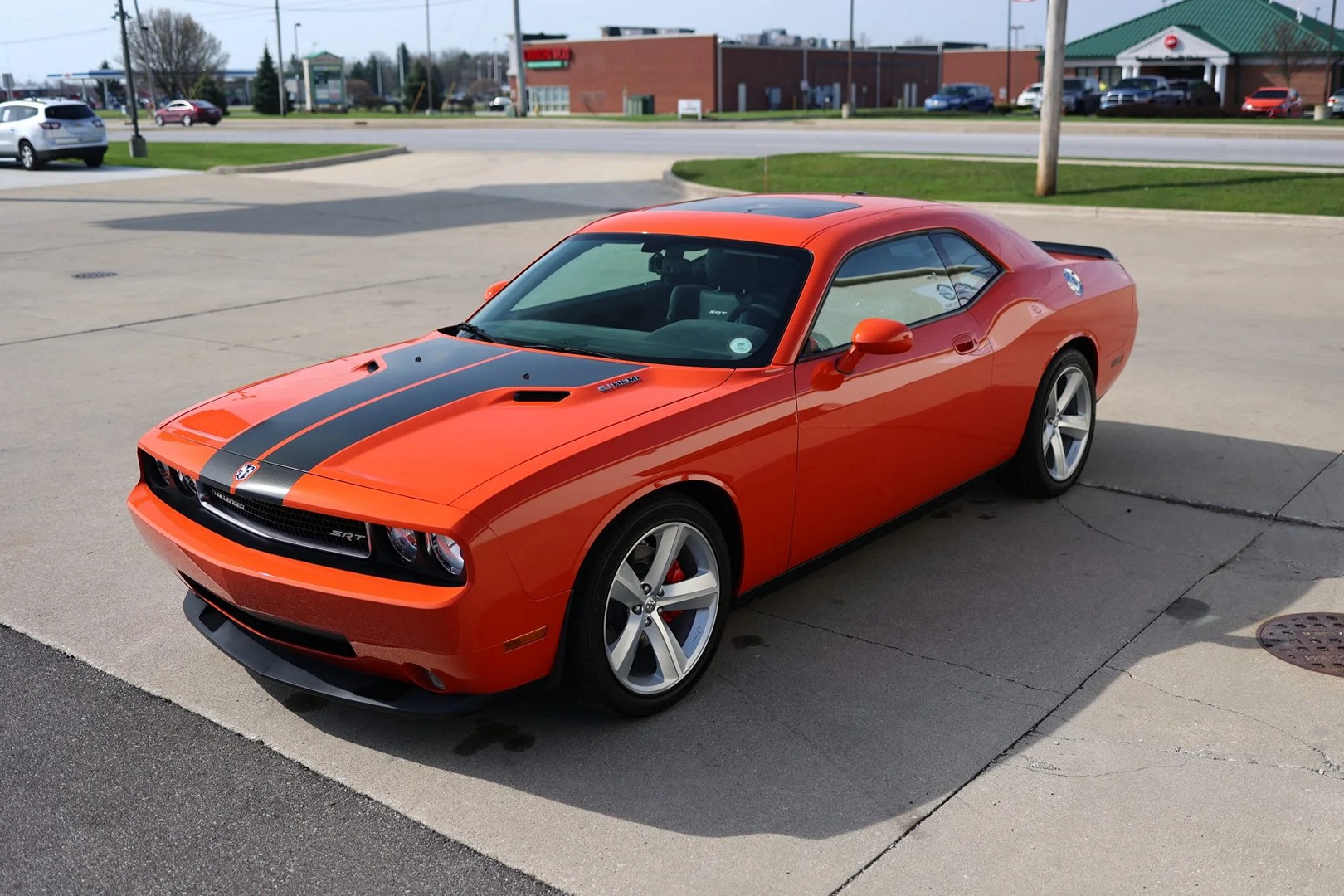
With regular suspension upkeep and bushing replacements, it continues to feel planted and firm past the 120,000-mile point. It’s a muscle car that was built to be driven hard—and to keep delivering that experience for the long haul.
The 2013 Dodge Challenger delivers the classic muscle car formula with unwavering confidence while adding something its rivals rarely offer: comfort. From its smooth, compliant ride to the generous amount of interior space, this is a muscle car that’s easy to live with on a daily basis.
Thankfully, this extra comfort doesn’t come at the expense of its muscle car character. The base V6 engine is far from weak, but the 5.7-liter V8 stands out as the preferred choice for those seeking a more traditional power experience.
For the select few who live by the mantra “too much is almost enough,” the 6.4-liter V8 will more than satisfy. Adding to its appeal are the Challenger’s unmistakable looks. With its aggressive front fascia and commanding stance, it embodies the no-nonsense attitude that defines the muscle car segment.
When stacked against its few competitors, the 2013 Dodge Challenger makes an undeniably strong argument. While the 2013 Ford Mustang remains our top pick for its overall balance and exceptional value, and the 2013 Chevrolet Camaro is worth considering for its head-turning design alone, the Challenger wins out if you’re after a muscle car with added everyday livability.
Under the hood, the 2013 Dodge Challenger SXT comes equipped with a 3.6-liter V6 engine delivering 305 horsepower and 268 pound-feet of torque, paired with a five-speed automatic transmission. According to EPA estimates, it achieves 18 mpg in the city, 27 mpg on the highway, and 21 mpg combined.
6. 2012–2015 Ford Mustang Boss 302
The Boss 302 was more than just a special-edition Mustang it was a track-focused overhaul of the S197 platform.
With stiffer suspension tuning, unique bushings, and upgraded cooling systems, the Boss 302 was engineered for durability under extreme conditions. As a result, many high-mileage examples still feel crisp and composed on twisty roads.
Its naturally aspirated 5.0L V8 is robust, and the overall structure of the car holds up better than many performance cars of the same era. Even at 120K miles or more, the Boss remains a razor-sharp driver’s car.
Not all muscle cars are created equal when it comes to long-term tightness and driving quality.
After the numerous upgrades made to the Mustang lineup last year, it wouldn’t have been surprising if Ford’s engineers had taken a break and simply let their winning pony continue to outpace the competition. Instead, they’ve been hard at work crafting yet another highly desirable addition to the stable.
For 2012, Ford brings back the Mustang Boss 302, a legendary nameplate that pays homage to the iconic 1969 model. True to its heritage, the new Boss 302 is a track-bred machine, delivering both thrilling driving dynamics and the potential to become a future collectible.
Enhanced engine tuning pushes output to 444 horsepower, and the Boss comes equipped with a range of hardware upgrades designed to harness the extra power under the hood.
Backing up the Boss 302 are two other Mustangs that stand strong on their own. The base model’s V6 engine produces an impressive 305 hp while achieving an excellent 31 mpg on the EPA highway cycle.

Meanwhile, the V8-powered GT delivers even greater performance. Ford offers both models with a wide selection of options, including suspension and brake enhancements as well as the advanced Sync electronics system.
Despite its strengths, the Mustang does have a few minor shortcomings. The interior still features areas of cheap plastic, and the absence of a telescoping steering wheel can make it difficult for some drivers to find the ideal position. Additionally, the Mustang’s popularity works against it when it comes to styling, as its ubiquity on the road makes it less of a head-turner.
The 2012 Ford Mustang isn’t without competition. The 2012 Dodge Challenger offers a more spacious interior, while the aggressively styled 2012 Chevrolet Camaro is more likely to grab attention. However, the Mustang ultimately pulls ahead as the most complete package of the three.
The 2012 Ford Mustang V6 is powered by a 3.7-liter engine that generates 305 hp and 280 pound-feet of torque. The GT steps up with a 5.0-liter V8 producing 412 hp and 390 lb-ft of torque
. Both engines come standard with a six-speed manual transmission, while a six-speed automatic is optional. For those seeking even more, the Boss 302’s 5.0-liter V8 boosts output to 444 hp and 380 lb-ft of torque. (The Boss 302 is offered exclusively with a manual transmission.)
EPA fuel economy estimates for the Mustang V6 coupe are 19 mpg city/31 mpg highway and 23 mpg combined with the automatic, while the manual delivers 19/29/22 mpg. The GT returns 18/25/21 mpg with the automatic and 17/26/20 mpg with the manual. Choosing more aggressive rear differential gear ratios will further reduce fuel economy.
Every 2012 Ford Mustang comes with standard safety features, including antilock brakes, front-seat side airbags for chest and head protection, traction control, and stability control. Ford’s MyKey system is also standard, allowing owners to set limits on speed and audio volume for younger drivers.
In government crash tests, the Mustang received an overall safety rating of four stars (out of five), with four stars each for overall front crash protection and side crash protection.
The Insurance Institute for Highway Safety awarded the Mustang coupe a top score of “Good” in frontal-offset crash protection and a second-best rating of “Acceptable” in side-impact testing.
While some lose their edge after years of wear, the six models above are known to retain their structural integrity and responsive handling well beyond the 120,000-mile mark.
With proactive maintenance especially around the suspension and steering systems these cars continue to offer an engaging and planted ride, proving that muscle and longevity can go hand in hand.
For U.S. buyers eyeing the used performance market, these high-mileage champs are well worth the consideration.
