
When it comes to reliability, Ford has a mixed reputation. Some models are bulletproof, running for hundreds of thousands of miles with nothing more than routine maintenance. Others, however, are plagued with recurring problems that send owners scrambling for roadside assistance.
For American buyers who rely on their vehicles for everything from daily commutes to heavy-duty work, knowing which Fords stand the test of time, and which are better avoided, can save thousands of dollars and countless headaches.
Below, we break down five Ford vehicles renowned for their durability and five notorious for frequent mechanical woes. If you’re shopping for a used Ford or just curious about how your current ride stacks up, this list will give you the context you need.
5 Fords That Rarely See the Shop
When it comes to car ownership, reliability can make or break the experience. No one wants to spend their weekends at the repair shop or waiting for a tow truck on the side of the highway. Fortunately, Ford has built several models over the years that have earned a reputation for going the distance with minimal fuss.
These vehicles are the kind you can count on, low maintenance, durable, and ready to handle whatever you throw at them. In this article, we’ll take a closer look at five Fords that rarely see the shop, making them smart picks for drivers who value peace of mind and long-term dependability.
1. Ford F‑150
The Ford F‑150 has long been America’s best-selling truck, and for good reason. Certain generations, particularly the 2009, 2014 and the latest 2022+ models, are known for exceptional reliability.
Mechanics report these trucks often surpass 200,000 to 300,000 miles without major drivetrain issues. J.D. Power ranks the 2022 model as above average in dependability, with low maintenance costs and only a 5% chance of major repairs in the first five years.
The redesigned 2015 Ford F-150 introduces a new EcoBoost 2.7-liter turbocharged V-6 engine delivering 325 horsepower and 375 lb-ft of torque to its powertrain lineup.
This model also debuts several innovative features, including a 360-degree camera system, integrated loading ramps for ATVs, mowers, and motorcycles, LED headlights and taillights, and an upgraded rearview camera equipped with trailer hitch assist.
The 2015 F-150 is a full-size pickup truck available with four engine options, five trim levels, three cab configurations, three bed lengths, and the choice between rear- or four-wheel drive.
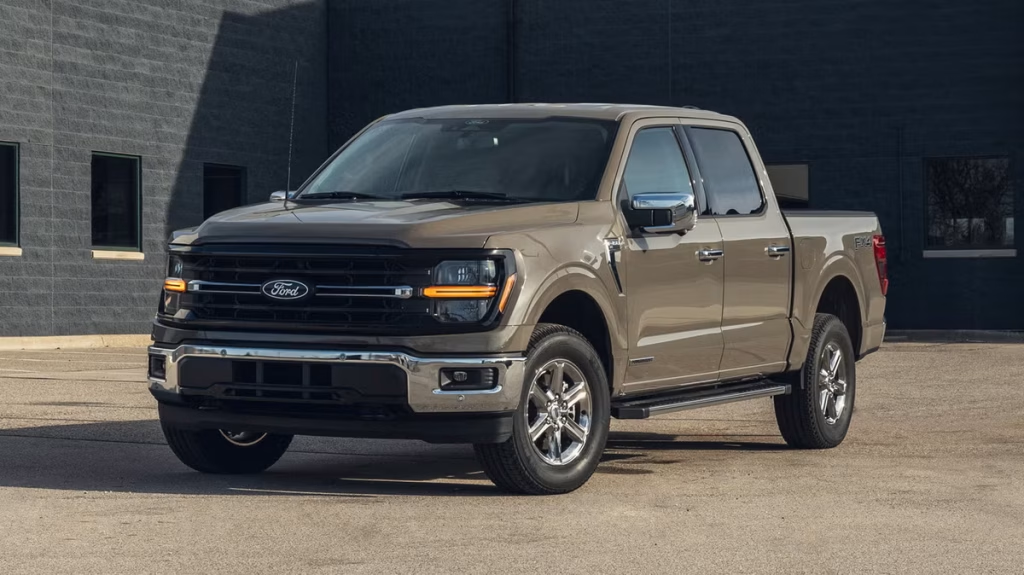
Alongside the new twin-turbo 2.7-liter V-6, the 2015 F-150 can also be equipped with a twin-turbo 3.5-liter V-6 producing 365 horsepower and 420 lb-ft of torque, a 5.0-liter V-8 generating 385 horsepower and 387 lb-ft, or a naturally aspirated 3.5-liter V-6 with 283 horsepower and 255 lb-ft. At the time of release, official EPA fuel economy ratings for the 2015 F-150 had not yet been announced.
The redesigned F-150 benefits from reduced weight, which enhances handling without compromising ride quality. Its off-road capabilities are another standout, thanks to a sturdy frame that allows the truck to tackle rough terrain with confidence. Ford also equipped this model with an off-road monitor that tracks body pitch, roll, and steering angles to aid in navigating challenging surfaces.
Inside, the 2015 F-150 impresses with an upscale feel, featuring high-quality materials and a wealth of advanced technology. Notable additions include the 360-degree camera, adaptive cruise control, blind-spot monitoring, and an updated version of Ford’s Sync infotainment system with built-in navigation and an 8-inch touchscreen.
Cabin refinement shines through with meticulous attention to detail, complemented by chrome accents that are thoughtfully designed to avoid distracting the driver.
2. Ford Crown Victoria
Built like a tank, the Crown Victoria became a legend thanks to its years of service as a police cruiser and taxi. Its body-on-frame construction and simple V8 drivetrain contribute to incredible longevity, many examples easily cross 300,000 miles with minimal issues.
Parts are inexpensive, and repairs are straightforward, making it a favorite among those who value durability over flash.
The Ford Crown Victoria name first appeared in the mid-1950s as a trim level for the Ford Fairlane, though its initial run was brief. The name resurfaced in 1980 as a luxury trim for the Ford LTD, which at that time was built on the now-legendary Panther platform.
This platform would become a defining characteristic of the Crown Victoria, as well as its close relatives, the Mercury Marquis and the Lincoln Town Car.
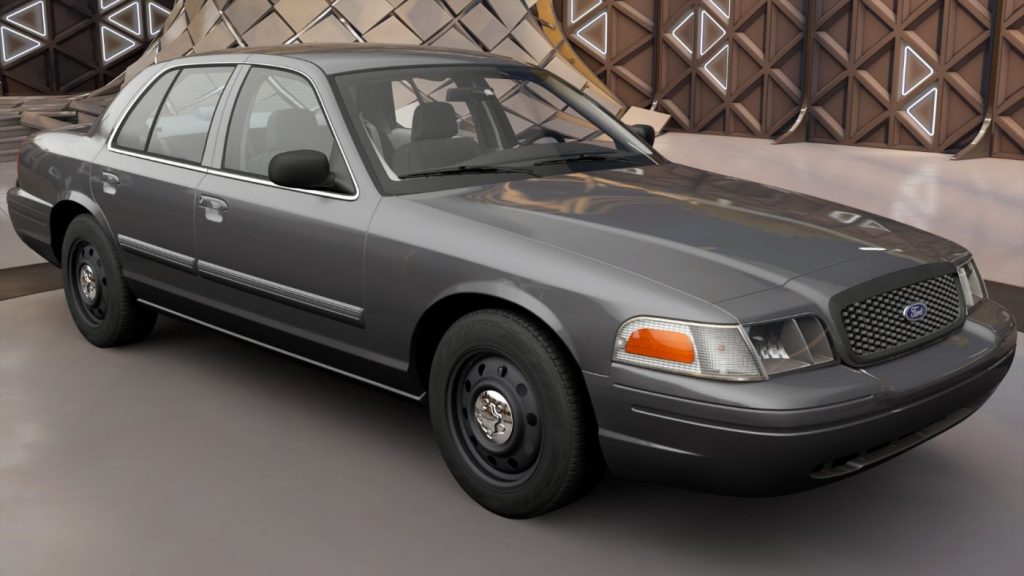
Throughout the 1980s, the Crown Victoria continued as an LTD trim level until the 1990s, when it finally became a standalone model, still utilizing the Panther platform. The Panther’s body-on-frame design was considered “old school” even then, a construction method once common across many vehicles but now primarily reserved for rugged SUVs and pickup trucks.
This traditional body-on-frame setup played a significant role in the Crown Victoria’s reputation for durability. It provided a strong, reliable foundation that could withstand heavy use while also offering flexibility for upgrades, whether based on trim level or individual buyer preferences.
As the 1990s progressed, the Crown Vic adopted modern (for its time) mechanical components, improved powertrains, and refreshed styling elements.
While the Panther-based Ford LTD had already been used as a police cruiser, it was the Crown Victoria that became the most iconic police car, earning its enduring association with law enforcement agencies across the United States.
Also Read: 10 Best Cars That Feel Expensive But Cost Pennies
3. Ford Explorer (early generations)
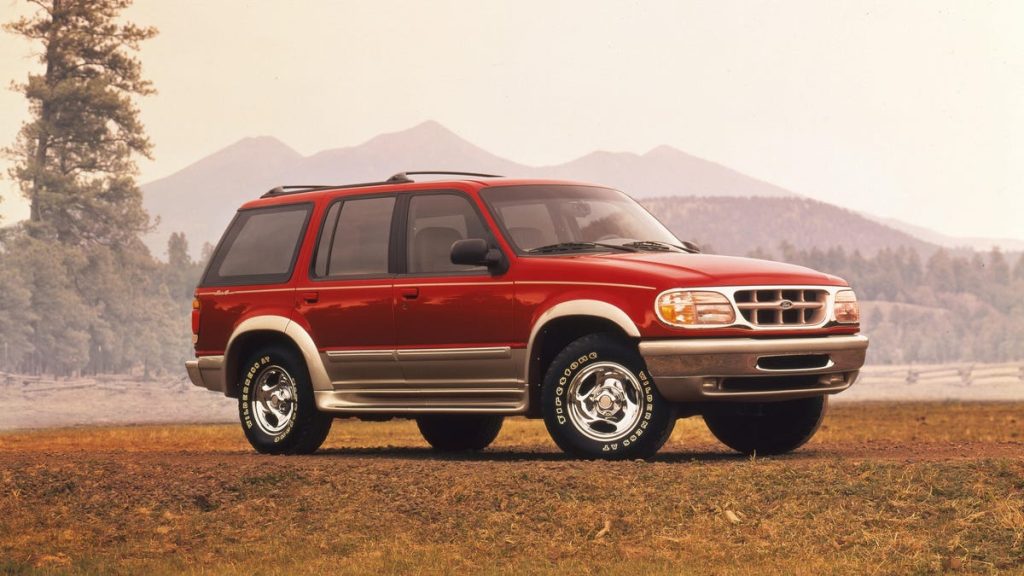
The early Explorers, especially models before the 2002 timing chain updates, earned a reputation for solid reliability. Owners report original engines and transmissions running well past 150,000 miles with proper maintenance. These models were rugged, relatively simple, and cheaper to repair than their more modern counterparts.
Now entering its sixth generation, the 2020 Ford Explorer represents a full reimagining of this three-row family SUV. Earlier versions were built on truck-based frames and featured rear-wheel drive, while the outgoing generation shifted to a front-wheel-drive setup with car-like unibody construction.
The redesigned 2020 model blends the strengths of both approaches. It reverts to a rear-wheel-drive layout while maintaining the unibody construction.
At first glance, this may not be obvious because the new Explorer retains familiar styling cues that strongly link it to its predecessors. However, these external similarities only hint at the extensive transformations hidden beneath the surface.
The return to rear-wheel drive brings several advantages. By separating steering duties from powering the wheels, handling and overall balance are greatly improved.
This layout also enhances towing stability and broadens the range of available powertrains. Ford pairs this platform with its smooth and durable 10-speed automatic transmission, and the redesign also manages to increase interior space, a win for families.
Overall, there’s a lot to appreciate with this generation. The 2020 Ford Explorer rides and handles far better than the model it replaces and holds a dynamic edge over many crossover competitors.
The hybrid variant offers benefits that go beyond just fuel economy, making it an attractive option. However, this SUV isn’t without drawbacks. Pricing climbs quickly as you add features, and the interior materials still fall short of matching its higher cost.
4. Ford Expedition
The Expedition is Ford’s full-size SUV answer to the Chevrolet Tahoe, and it’s every bit as tough. Built on the F‑150 platform, it benefits from the same robust engineering. The Expedition’s upgraded turbocharged V6 engine for this year delivers impressive performance, producing 375 horsepower or 400 horsepower in the Platinum trim.
This boost in power makes the SUV one of the quickest in its segment. In our testing of an earlier model, specifically a four-wheel-drive, long-wheelbase version, it accelerated from zero to 60 mph in just 7 seconds. That was before the latest power increase.
While official fuel economy figures for this year have not yet been released, last year’s Expedition achieved between 16 and 18 mpg combined. The addition of the new 10-speed automatic transmission is expected to enhance both fuel efficiency and acceleration.
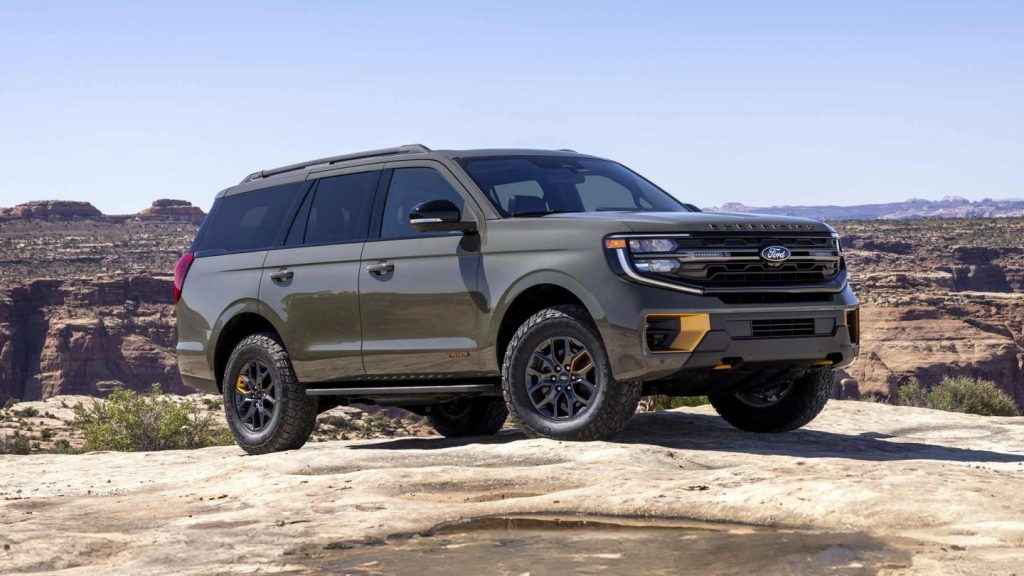
Few traditional body-on-frame, full-size SUVs can compete directly with the Expedition. Its most notable competitors are the Chevrolet Suburban and its mechanical sibling, the GMC Yukon. Both offer seating for up to nine passengers but fall short in towing capacity and cargo space compared to the Ford.
The Toyota Sequoia also deserves mention, as it provides similar core capabilities. However, it lacks the modern features and equipment found in the Ford and Chevy. The Nissan Armada is another contender, recently refreshed with a new V8 engine and a strong lineup of safety technologies.
Ultimately, if you need an SUV that can seat seven or eight passengers, offer generous towing capacity, and provide plenty of space, the 2018 Ford Expedition stands out as an excellent choice.
5. Ford Escape Hybrid
The Escape Hybrid, particularly in its recent generations, is one of Ford’s most reliable offerings. The 2023 model stands out for its low operating costs, impressive fuel efficiency, and minimal risk of major repairs. Hybrid technology from Ford has proven durable, and the Escape Hybrid combines that dependability with practical daily usability.
If you’re planning to purchase a new Ford Escape, the hybrid version is definitely the one to consider. Its electrified powertrain not only delivers impressive fuel efficiency but also provides lively acceleration right from the start. Thanks to Ford’s precise tuning, the Escape Hybrid offers sharp, agile handling, making it drive more like a car than a bulky SUV.
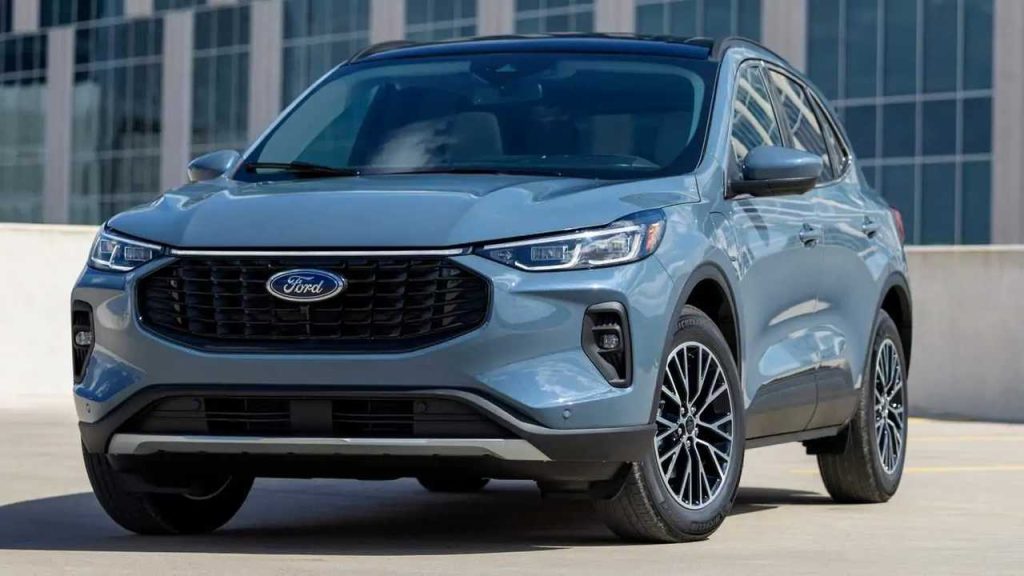
For the 2023 model year, Ford refreshed the Escape with sleeker styling and an available large touchscreen, giving it a more modern feel. However, these updates don’t fully address the SUV’s lingering weaknesses. The interior still suffers from mediocre material quality, with plenty of plastics that feel cheap to the touch.
Cargo capacity also falls short compared to other hybrid SUVs. And while the Escape Hybrid is enjoyable to drive on smooth roads, its suspension struggles to absorb bumps and rough patches, leaving ride comfort lacking in less-than-ideal conditions.
Also Read: 5 Unknown European Wagons That Last vs 5 Popular Wagons With Problems
5 Fords That Spend Time on a Tow Truck
Not every Ford rolls off the assembly line as a winner when it comes to reliability. While the brand has plenty of models that deliver years of trouble-free driving, there are also a few that seem to rack up repair bills and road calls more often than owners would like.
From persistent mechanical gremlins to costly component failures, these vehicles have earned a reputation for being frequent visitors to the service bay, or worse, for needing a tow just to get there. In this article, we’ll dive into five Fords that have struggled with reliability, giving you a clear picture of which models may cause more headaches than they’re worth.
1. Ford Fiesta (2011–2016 PowerShift models)
These models are infamous for their PowerShift dual-clutch transmission issues. Owners complain of jerking, hesitation, and outright stalling. Lawsuits and buybacks followed, but even repaired cars often continued to have problems. If you’re eyeing a used Fiesta from these years, proceed with extreme caution.
If you’re searching for a practical used small car, it doesn’t have to be boring to drive, and the 2008–2017 Ford Fiesta proves that point perfectly. Much like the latest-generation Fiesta earns consistent praise for its driving dynamics, its predecessor delivers the same sense of fun behind the wheel, while also being available at a highly appealing price.
This sixth-generation Fiesta also boasts attractive styling, which only improved after its mid-cycle facelift in 2013. That update introduced the now-iconic large Ford grille and, more importantly, brought in the 1.0-liter EcoBoost three-cylinder engine—a combination widely regarded as a perfect match.
There’s a wide array of engines to choose from, thanks to the Fiesta’s popularity and long production run. The standout is the three-cylinder 1.0-liter EcoBoost engine, offered in 99bhp, 123bhp, and 138bhp versions.
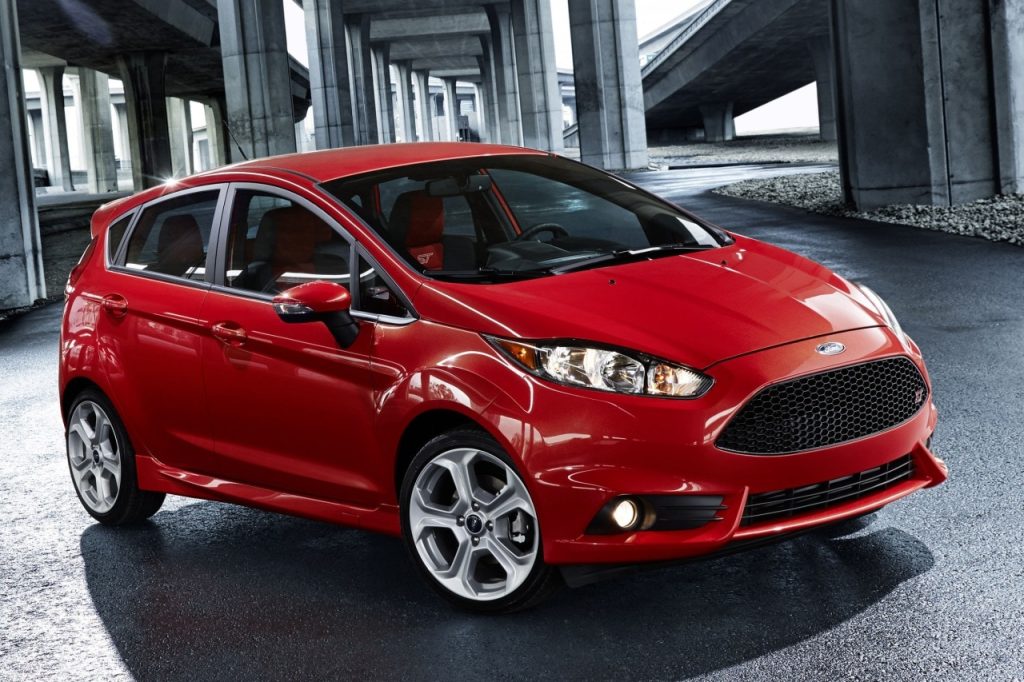
Trim levels were abundant and saw several updates over the years. The entry-level Studio trim is quite basic, so opting for the Style trim adds essentials like electric front windows and remote central locking.
Upgrading to Style+ nets you air conditioning. Zetec models hit the sweet spot for many buyers, featuring 15-inch alloy wheels, a DAB radio, a heated front windscreen, air conditioning, hill start assist, and a 4.2-inch infotainment screen. Zetec Colour Editions stood out visually, often featuring Candy Blue paint paired with a contrasting white roof.
The ST-Line trim, which replaced Zetec S, brought sportier touches such as an ST-inspired body kit, sports suspension, metal pedals, and a large rear spoiler.
Titanium models added a more upscale feel with climate control, cruise control, adjustable lumbar support, velour floor mats, a premium Sony DAB stereo, and convenience features like automatic headlights and rain-sensing wipers.
At the top, Titanium X models emphasized safety and tech, adding features such as a rear-view camera, rear parking sensors, and keyless entry with push-button start.
All told, the 2008–2017 Ford Fiesta blends affordability, driving enjoyment, and a wealth of choices, making it an excellent option in the used small car market.
2. Ford Focus (2012–2016 PowerShift models)
The Focus shares the same problematic PowerShift transmission as the Fiesta, leading to widespread owner frustration. Beyond the gearbox, issues with electric steering and engine performance make these models expensive to maintain. Many experts recommend avoiding them entirely.
Even if cutting-edge technology isn’t at the top of your list, the 2014 Ford Focus still offers plenty to draw you in. Ford provides buyers with a choice between hatchback and sedan body styles, along with a wide selection of trim levels to suit different needs and budgets. The lineup even includes an all-electric model and a high-performance variant.
The all-electric Focus Electric is powered by a 107-kilowatt (143-horsepower) electric motor and can be fully recharged in about four hours using a 240-volt power source. Owners can conveniently monitor the charging status through smartphone integration.
Despite its well-rounded nature, the 2014 Ford Focus faces stiff competition in the compact hatchback and economy sedan segments. Mainstream alternatives worth considering include the solidly built Chevrolet Cruze, the sleek Kia Forte, and the lively Mazda 3.
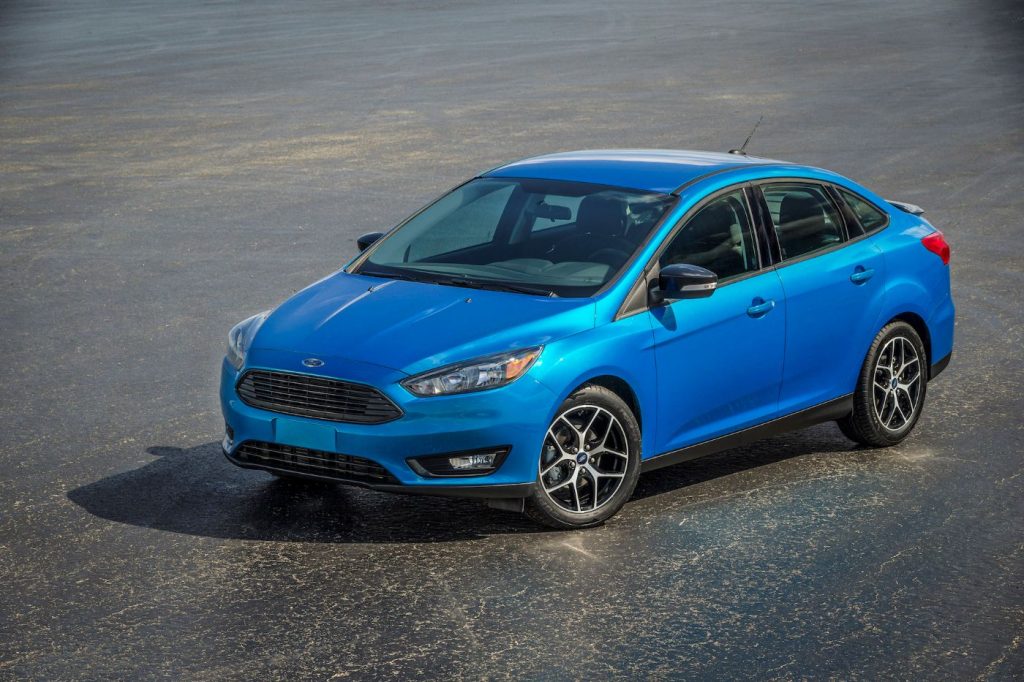
Yet, even against these strong contenders, the Focus distinguishes itself. This sophisticated, refined, and genuinely enjoyable-to-drive small car earns one of the highest compliments a vehicle can receive: it looks and feels like it should command a higher price.
The 2014 Ford Focus comes standard with front-wheel drive and is equipped with a 2.0-liter four-cylinder engine producing 160 horsepower and 146 pound-feet of torque.
S and SE trims come with a five-speed manual transmission as standard, while a six-speed automatic, technically a dual-clutch automated manual that Ford calls “Powershift”, is available as an option. For the Titanium trim, the Powershift automatic is standard, although buyers can still opt for the manual transmission at no extra cost.
3. Ford Explorer (2011–2019 generation)
While early Explorers are reliable, the 2011–2019 models have been plagued by mechanical troubles. Timing chain failures, water pump leaks that destroy engines, and transfer case issues in AWD models top the list of concerns. Repairs can cost thousands, and reliability ratings for this era remain below average.
Now in its sixth generation, the Ford Explorer remains a cornerstone of the three-row midsize SUV market and continues to hold its spot as a best-seller. However, with prices climbing steadily since 2020, many families are turning to used models as a more budget-friendly alternative.
For those working with a tighter budget, the fifth-generation Explorer, produced from 2011 to 2019, offers an appealing option. Here’s what you should know about this model range.
To start, the Explorer underwent a major design shift during this period. Compared to the current model, it’s quite similar, with the most notable differences being in the grille and headlights.
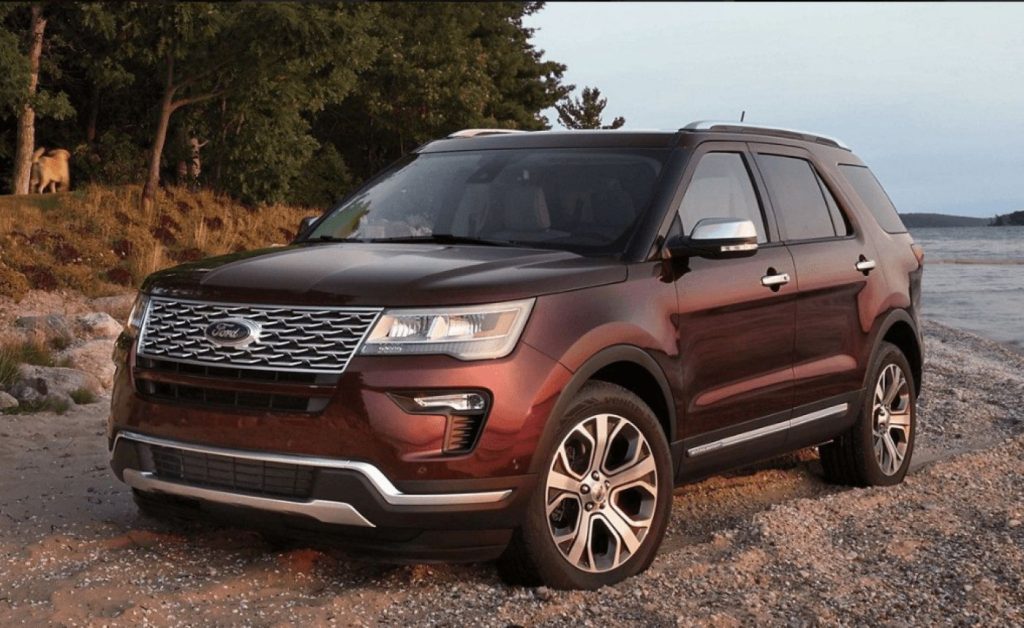
This generation marked a leap in refinement and versatility, offering a cabin with seven standard seats and cargo space ranging from 595 to 2,285 liters, depending on how the rear seatbacks are configured.
Under the hood, most models come equipped with either a turbocharged 2.0-liter four-cylinder EcoBoost engine producing 240 horsepower or a naturally aspirated 3.5-liter V6 generating 290 horsepower.
The four-cylinder version was exclusively paired with front-wheel drive, while the V6 variant offered optional all-wheel drive and could tow up to 5,000 pounds (2,268 kg).
In 2013, Ford introduced the Sport model, a more muscular option featuring a 365-horsepower 3.5-liter EcoBoost V6. Then in 2016, the lineup received a facelift, most noticeable in the front styling, and gained a new 2.3-liter turbocharged four-cylinder engine delivering 280 horsepower. This engine remains in the current generation but with different power tuning.
Across all variants, a six-speed automatic transmission is standard. When it comes to fuel consumption, the four-cylinder models average between 10 and 11 L/100 km, while the V6-powered versions typically range from 11.5 to 13 L/100 km.
4. Ford Escape (2013–2019, non-hybrid)
Unlike the hybrid version, gas-powered Escapes from this period struggle with repeated coolant leaks, overheating, and faulty transmissions. Electrical problems and fuel system failures have also been reported. These issues result in high ownership costs and frequent visits to the mechanic.
The 2019 Ford Escape stands out in the compact crossover segment as a rare blend of performance and practicality. With its sporty handling and a punchy turbocharged engine, the Escape drives more like a sedan while still delivering the versatility expected from an SUV, making it a true best-of-both-worlds option.
Cargo space is among the best in its class, only Honda and Toyota offer slightly more, and the availability of all-wheel drive adds an extra layer of confidence in wet or slippery conditions.
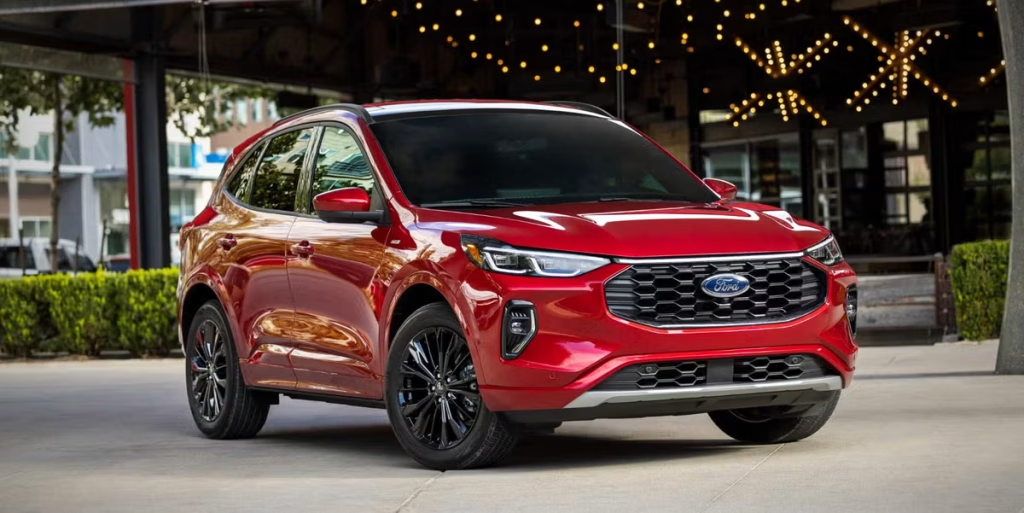
Front-wheel drive comes standard. Under the hood, buyers have two turbocharged options: a lively 245-horsepower 2.0-liter engine that makes driving a blast, or the more economical 1.5-liter four-cylinder producing 179 hp, ideal for those who want to save on fuel costs. Both engines are paired with a smooth six-speed automatic transmission.
That said, the Escape is not without its shortcomings. This generation is beginning to show its age, with styling and interior design that feel dated compared to newer rivals.
Furthermore, driver-assist technologies such as blind-spot monitoring, automatic emergency braking, and adaptive cruise control are only available as options, whereas competitors like the Honda CR-V and Toyota RAV4 now offer these features as standard across most trims.
Additionally, the interior materials and overall cabin ambiance are less refined than many of its rivals, leaving it feeling a bit behind the curve in terms of modern design and comfort.
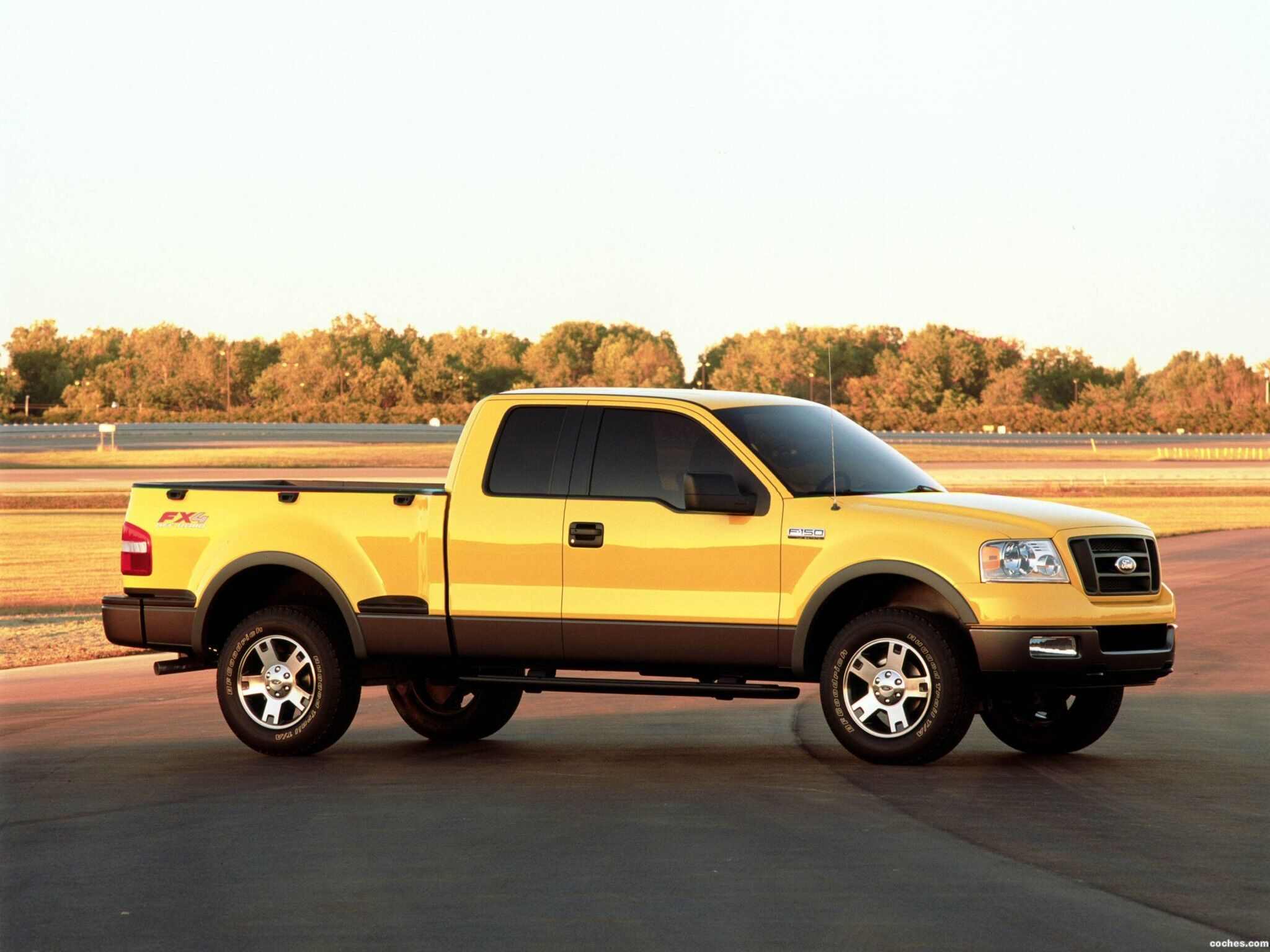
5. Ford F‑150 (2004–2008, and 2011)
While the F‑150 generally earns praise, certain years stand out for the wrong reasons. Models from 2004–2008 suffer from transmission failures, spark plug issues in 5.4L engines, and corrosion problems. The 2011 model year also sees reports of slipping gears and poor drivability, making these years best avoided unless meticulously maintained.
Over the past several decades, Ford’s F-Series has evolved from a basic workhorse into a stylish and desirable pickup, all while racking up record-breaking sales and delivering major profits. With annual sales nearing one million units, it’s no exaggeration to call this truck Ford’s most critical model. That means every redesign carries high stakes, and there’s no room for missteps.
To stay ahead of the competition, Ford enlisted its top engineers, tapped into extensive consumer research, and set out to build the most advanced F-Series to date.
Step inside one of these half-ton pickups, and you might forget you’re in a truck at all. The cabin blends modern design with a focus on usability, and multiple trim levels let buyers choose between rugged work-truck simplicity and near-luxury comfort.
Its fully boxed frame not only boosts stiffness but also enables more precise suspension tuning, resulting in a noticeably smoother ride compared to previous F-150s. Whether you need a dependable tool for the job site or a versatile hauler for family and cargo, the 2006 Ford F-150 delivers.
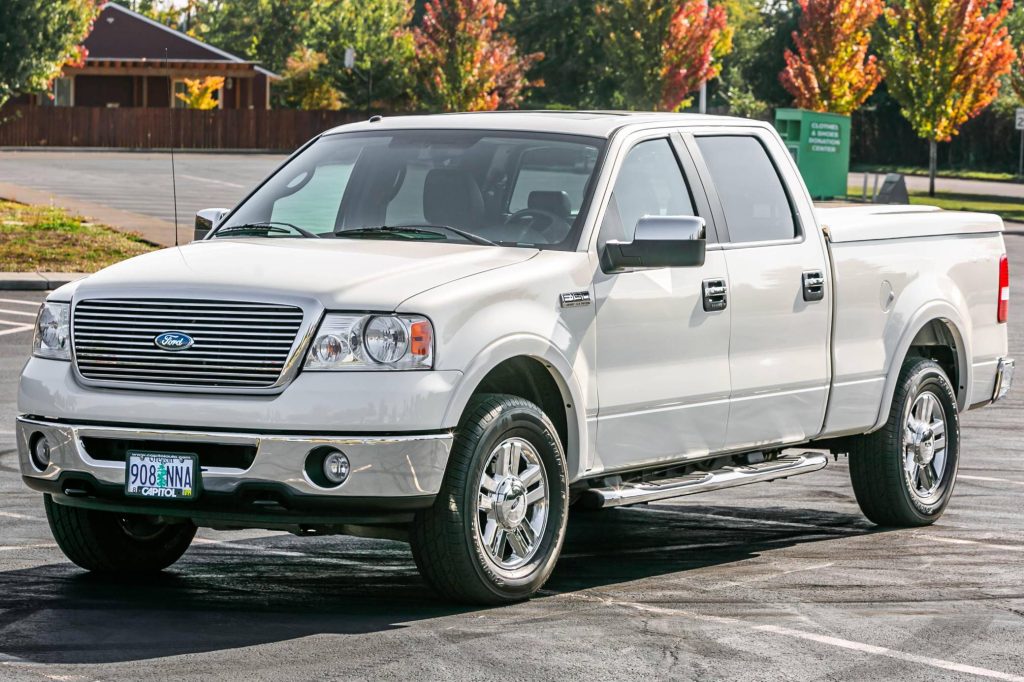
The 2006 F-150 offers three engine options: a standard 4.2-liter V6, a 4.6-liter V8, and an optional 5.4-liter V8. The V6 generates 202 horsepower and 260 lb-ft of torque, while the 4.6-liter V8 produces 231 hp and 293 lb-ft. The top-tier 5.4-liter V8 delivers 300 hp and 365 lb-ft of torque.
The V6 is paired with a five-speed manual transmission, whereas both V8s come with a four-speed automatic. When properly equipped, this truck can tow up to 9,900 pounds and haul payloads up to 3,020 pounds.
Standard safety equipment includes four-wheel antilock disc brakes, while traction control is available on 2WD V8 models. However, unlike some rivals, the F-150 lacks side airbags and stability control.
The 2006 F-150 benefits from its stiff frame and rack-and-pinion steering, delivering handling and ride quality that stand out in the truck segment. However, the 4.2-liter V6 and 4.6-liter V8 struggle under heavy loads, making the 5.4-liter V8 the preferred choice for serious hauling or towing.
FX4 and Lariat trims equipped with bucket seats feature a floor-mounted shifter, while all other versions retain a traditional column shifter.
An optional overhead console with interchangeable modules allows owners to customize storage and functionality. Regular cab models also include reverse-opening access doors, making it easier to reach the storage area behind the seats.
- Do your homework: Check the model year and engine type—problems can vary widely even within the same model line.
- Use Ford’s recall checker: Many older Fords have had recalls for issues like brake booster failures and fuel pump defects.
- Look for service records: A well-maintained vehicle is far less likely to break down, even if it’s from a less reliable year.
- Consider a pre-purchase inspection: Spending a couple hundred dollars up front can save you thousands in repairs later.
Ford builds vehicles that range from rock-solid to downright frustrating. If you stick with proven models like the F‑150 (excluding its problematic years), the Expedition, the Crown Victoria, and the Escape Hybrid, you’ll likely enjoy years of worry-free driving. On the flip side, avoid models with well-documented flaws—particularly those plagued by bad transmissions or fragile engine components.
In the end, longevity isn’t just about luck—it’s about choosing wisely and keeping up with maintenance. With the right Ford, you’ll be racking up miles, not repair bills.
