
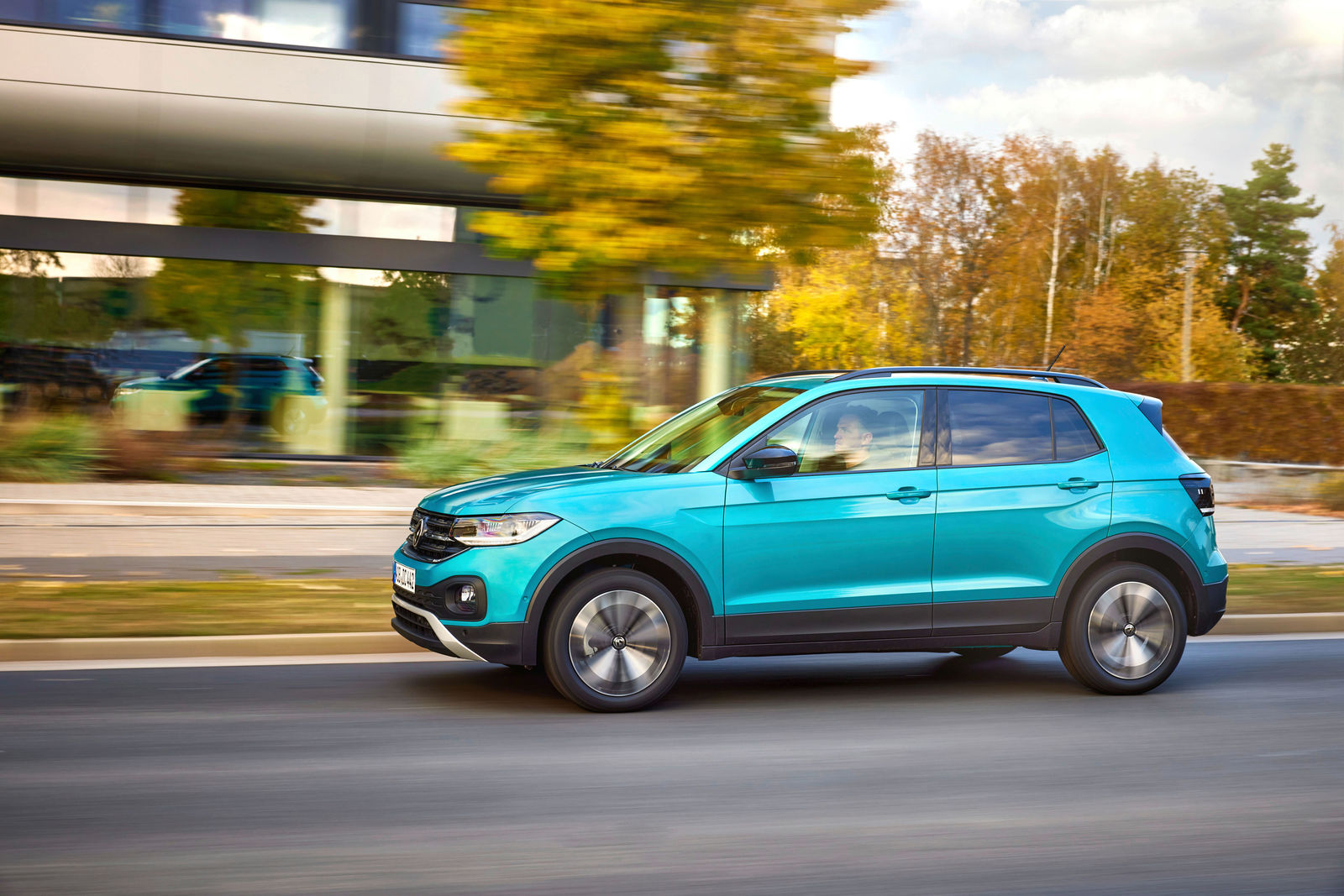
Volkswagen has long been associated with German engineering, doing its best work when durability and mechanical honesty mattered most. Yet as the brand evolved, reliability became increasingly inconsistent. Some VW models continue to shrug off neglect and mileage, while others flare out early and often. Below is a deeper look into five models known for their grit and five that frequently disappoint within a year.
Volkswagen has long been a brand with a split personality, on one hand, it’s celebrated for building tough, reliable cars that rack up hundreds of thousands of miles, and on the other, it’s infamous for models plagued with costly repairs and premature breakdowns.
For decades, VW has cultivated a loyal following with iconic vehicles like the Golf and Passat, while also frustrating owners with models that seem to spend more time in the shop than on the road.
Car buyers, especially those who drive hard, need to know which Volkswagens can take a beating and which ones crumble under pressure. Some VWs have earned a reputation for being bulletproof, surviving high mileage, rough driving, and minimal maintenance while others struggle to make it past the first year without major issues.
Whether you’re considering a daily driver that can handle neglect or trying to avoid a potential money pit, knowing the difference could save you thousands.
In this article, we’ll break down five Volkswagen models that are built to last under abuse and five that tend to fail far too soon. This isn’t just marketing fluff, we’re diving into real-world reliability data, owner experiences, and mechanical track records. If you’ve ever wondered which VW can handle your driving style and which ones to avoid at all costs, you’re in the right place.
5 Volkswagen Models That Handle Abuse
These vehicles consistently earn praise from repair shops and longtime owners for holding up well under real-world conditions, even with high mileage or minimal upkeep.
Volkswagen Golf GTI (Mk7: 2014–2019)
The Mk7 Golf GTI is widely regarded as VW’s most dependable modern car. Powered by a turbocharged 2.0-liter engine, it delivers lively performance, but its robust build means that most units reach 200,000 miles or more with minimal engine or transmission issues.
Common flaws include carbon buildup on intake valves, which is easy to service. Drivers consistently report strong turbo life and no serious mechanical failures, even beyond 150K miles, as long as maintenance is followed.
The Volkswagen Golf GTI blends practicality with performance, making it a standout choice for those who want a family car that’s also fun to drive. It comfortably accommodates four passengers, offers a solidly built interior, and has a boot spacious enough for everyday needs, all while delivering enough power to give sports cars a run for their money.
Buyers can opt for the practical five-door or the sportier three-door model. Either way, the GTI’s red exterior accents and iconic badge set it apart from standard Golfs, ensuring it’s instantly recognizable.
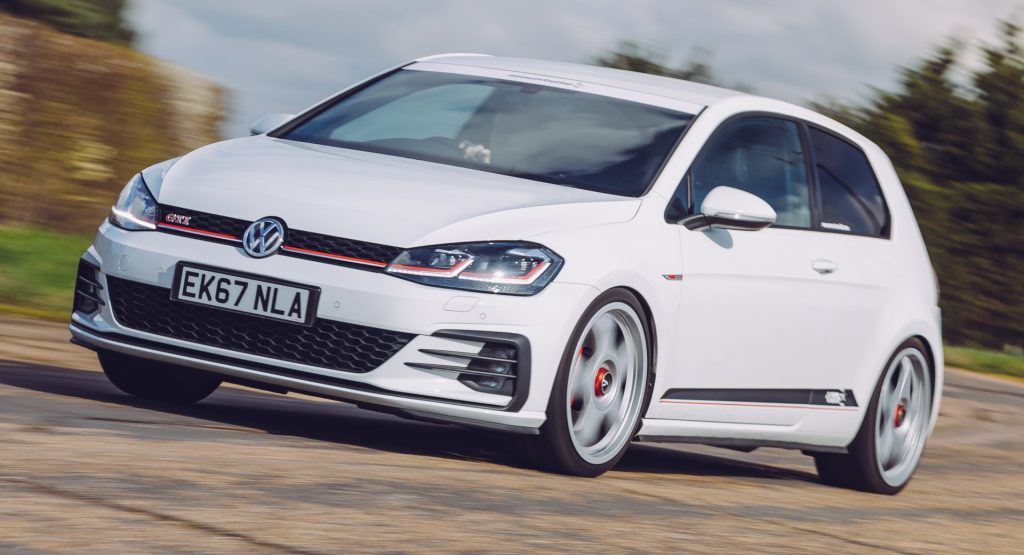
This generation of the Golf GTI debuted in 2013, receiving a refresh in 2017 that boosted power from 220 to 230 hp, introduced new bumpers and lights, and added an updated infotainment system with a larger display.
While it’s not as fast as the 310 hp Golf R, the GTI’s lack of the R’s heavier all-wheel-drive system makes it feel more agile through corners. It strikes a sweet balance: less hardcore than rivals like the Ford Focus ST, but with more comfort and a quieter ride.
A six-speed manual transmission comes standard, though urban drivers may prefer the six-speed DSG automatic, which eases the burden of stop-and-go traffic. Regardless of gearbox, the GTI manages to return over 40 mpg, a solid figure for a performance-oriented car.
Also Read: Top 10 American Cars That Quietly Beat Imports in 2025
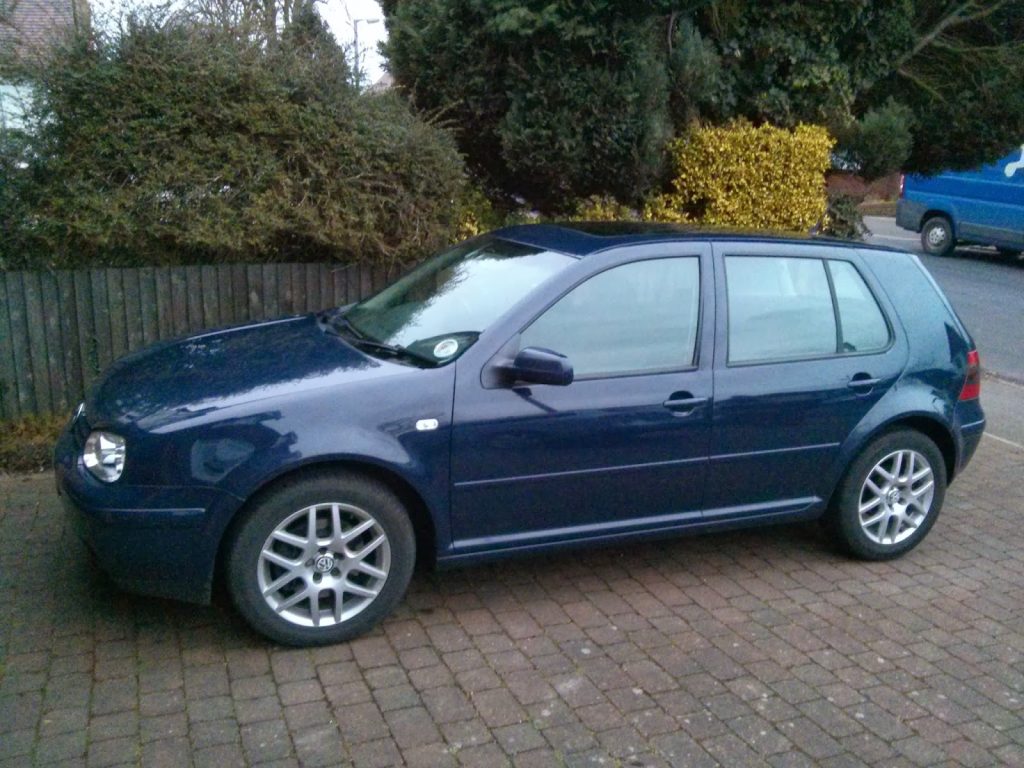
Volkswagen Golf Mk4 (1999–2005)
The Mk4 generation may be old, but it has earned a legendary reputation for durability. Built during a time when VW prioritized solid mechanical engineering over electronics, its iron-block engines and straightforward suspensions are relatively immune to failure even as rust creeps into older examples.
Enthusiasts often report functional cars with minimal upkeep after more than 300,000 miles. Its mechanical simplicity and abundance of parts make it a favorite among independent mechanics.
Both the Golf GL and GLS models are powered by a standard 2.0-liter SOHC four-cylinder engine that produces 115 horsepower. For those seeking an alternative, Volkswagen offers the Turbo Direct Injection (TDI) diesel engine, delivering 90 horsepower and an impressive 155 lb-ft of torque.
The TDI stands out for its fuel efficiency, achieving an EPA-rated 49 mpg on the highway and 42 mpg in the city. While the TDI offers the better punch between the two, neither engine matches the performance of the turbocharged 1.8-liter four-cylinder that was available on four-door Golfs during 2000 and 2001.
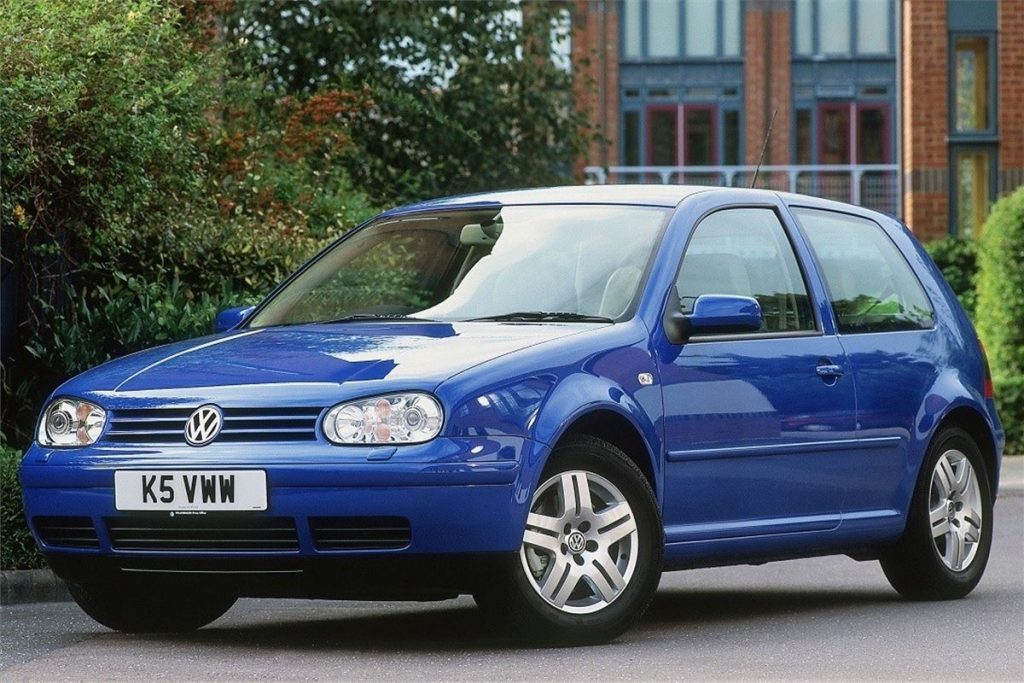
Enthusiasts craving turbo power now have to look toward the two-door GTI. Both engines are paired with either a five-speed manual transmission or an optional four-speed automatic.
The Golf rides on a front MacPherson strut suspension and a rear independent torsion-beam axle. Its design incorporates separate shock and coil-spring mounts, reducing noise intrusion into the cabin and maximizing luggage space.
Standard equipment on the Golf GL includes air conditioning, power door locks, an anti-theft alarm system, split-folding rear seats with three headrests and three-point seatbelts, and a steering wheel that tilts and telescopes.
Moving up to the GLS trim adds more convenience features such as a folding front-center armrest, one-touch power windows, power-heated mirrors, cruise control, and plush velour seating. Buyers can also opt for extras like the four-speed automatic transmission, a premium Monsoon audio system, alloy wheels, a power glass sunroof, heated front seats, and heated windshield washer nozzles.
Volkswagen T‑Cross (2019–present, UK/Europe)
Though not sold officially in the U.S., the T-Cross offers a blueprint for a small VW crossover that simply works. Independence from complex drivetrain systems and an emphasis on modular MQB architecture make it one of the least reported-for faults VWs sold in Europe today. Most issues are minor, soft-touch plastic peeling or rare infotainment glitches and repair costs tend to stay under £50.
The entry-level petrol engine, badged as the 1.0 TSI 95, is likely all you’ll need. While it’s not as lively as a Ford Puma, it delivers sufficient performance, completing the 0-62mph sprint in 11.2 seconds. This version comes paired with a five-speed manual gearbox.
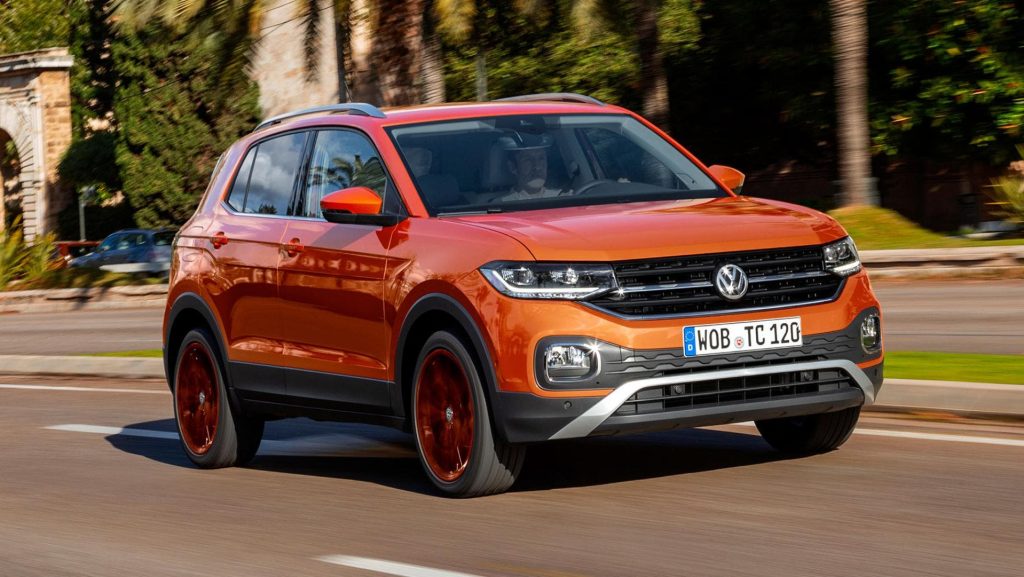
For those seeking a bit more power, there’s the 1.0 TSI 115, which offers quicker acceleration, reaching 0-62mph in 10.0 seconds. This engine comes standard with a six-speed manual gearbox, but you can opt for a seven-speed automatic if you prefer. However, the TSI 95 remains the more sensible choice unless you specifically want the convenience of an automatic.
At the top of the range is the 1.5 TSI 150 petrol, equipped with the automatic gearbox and delivering significantly stronger acceleration than the lower-powered engines.
Mk4-era 1.9 TDI Engines
Across several VW nameplates (Golf, Jetta, Passat, Beetle), the 1.9-liter TDI diesel engine remains a benchmark for longevity. Delivering strong torque without complex electronics, these engines routinely run past 250,000 miles. With proper timing belt maintenance and basic oil changes, owners often describe decades of trouble-free driving. When issues arise, most commonly fuel pump wear, they’re affordable and straightforward.
The Mk4-era 1.9 TDI engines, found in VW models like the Golf Mk4, Jetta/Bora, and New Beetle from the late 1990s to mid-2000s, have earned a cult following for their durability, efficiency, and tuning potential. These engines came in two main flavors: the earlier VE (rotary injection pump) versions and the later PD (Pump Düse) unit injector variants.
The VE engines, with codes like ALH, were known for their simplicity, legendary reliability, and excellent fuel economy, often delivering 45–50+ mpg. They were also DIY-friendly and responded well to simple performance upgrades. Common issues with these included timing belt failures if maintenance was neglected, sticking turbo vanes, clogged intake manifolds from EGR buildup, and occasional MAF sensor failures.
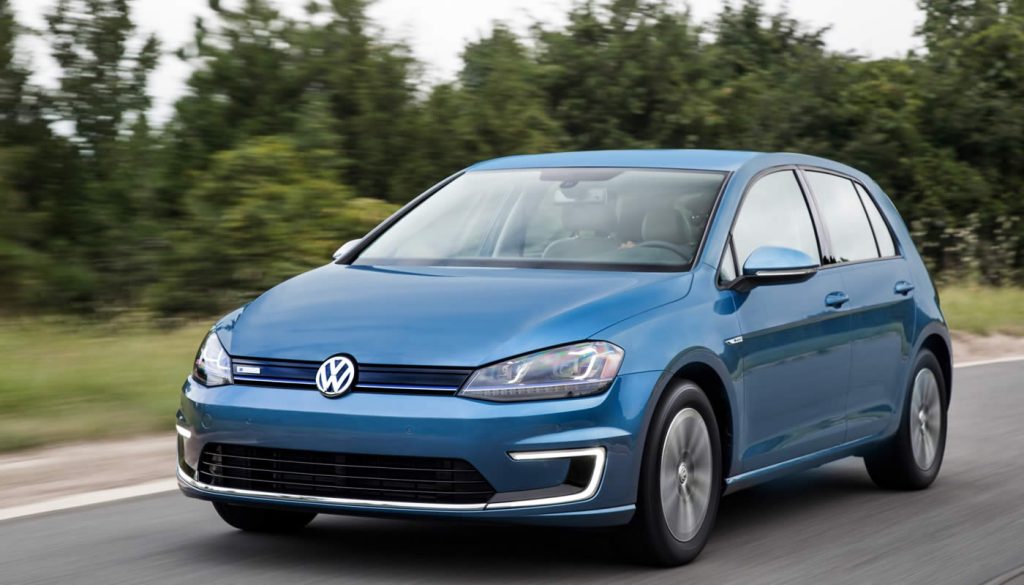
Volkswagen e‑Golf (2015–2020)
VW’s early electric vehicle brings reliability by default—there’s no engine to go wrong. The e‑Golf has very low pain scores and minimal mechanical issues reported in owner surveys.
EV-specific parts like the battery and drive unit tend to hold up well, and the lack of powertrain fluids and belts reduces maintenance needs dramatically. Many owners describe ownership experience as “virtually maintenance-free” beyond rolling tires and wiper fluid.
The Mk4-era 1.9 TDI engines, found in Volkswagen models such as the Golf Mk4, Jetta/Bora, and New Beetle from the late 1990s to the mid-2000s, have achieved legendary status among enthusiasts for their robustness, fuel efficiency, and impressive tuning capabilities.
These engines were offered in two primary configurations: the earlier VE (rotary injection pump) versions and the later PD (Pump Düse) unit injector variants.
The VE engines, identified by codes like ALH, are renowned for their mechanical simplicity, outstanding reliability, and excellent fuel economy, often achieving 45–50+ mpg. They are also highly DIY-friendly, making them a favorite among home mechanics, and they respond well to straightforward performance modifications.
However, they are not without their weaknesses. Common issues include timing belt failures when maintenance is ignored, sticking turbo vanes, intake manifold clogging from EGR buildup, and occasional mass airflow sensor (MAF) malfunctions.
The PD engines, such as the BEW and the European-market ARL, took a different approach by utilizing unit injectors driven by the camshaft, enabling higher injection pressures. This design improved stock performance and delivered stronger low-end torque compared to the VE engines.
Also Read: 5 Vehicles With Rock-Solid Head Gaskets and 5 That Blow Regularly
5 Volkswagen Models That Don’t Last a Year
These are VW models with the worst reputations: widely reported failures, expensive repairs, or even safety-related problems that surface early in ownership.
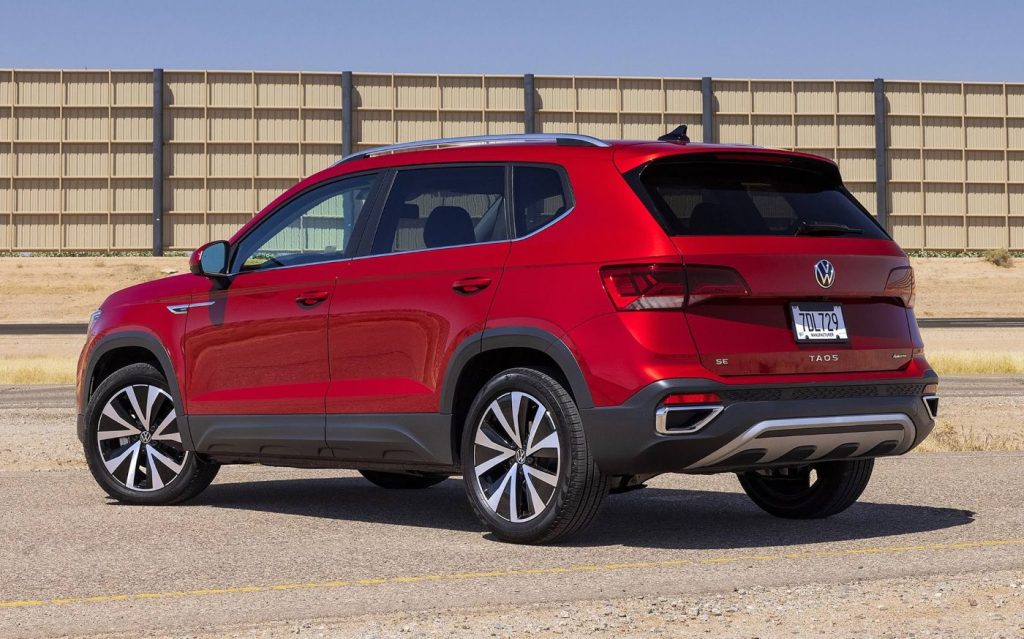
Volkswagen Taos (2022–present)
A new entrant in VW’s U.S. lineup, the Taos suffers from severe build and reliability problems. Consumer Reports scored it in the bottom 5% of reliability. Common complaints include breakdown-prone powertrains, braking issues, electrical gremlins, and inconsistent panel fit. Dealers often struggle to keep warranty repairs under control. For buyers looking for durability, or low repair bills, Taos consistently ranks among the worst.
With the introduction of the all-new 2022 Volkswagen Taos, VW expands its SUV lineup by adding a new entry-level model that blends style, interior space, and driving enjoyment better than many competitors. Positioned below the Tiguan in both size and price, the Taos is aimed squarely at rivals like the Honda HR-V and Mazda CX-30.
From the moment you step inside, the Taos makes a strong impression. Every model comes equipped with a standard digital instrument cluster that can be customized to display everything from your current playlist to turn-by-turn navigation, whether through the built-in system or via Apple CarPlay and Android Auto. The cabin features quality materials, spacious seating, and an impressive amount of cargo room for a vehicle in this class.
The Taos manages to deliver the refinement and practicality expected of a Volkswagen while maintaining an affordable price point. It offers a level of sophistication close to that of its larger sibling, the Tiguan, without demanding significant sacrifices in cargo space.
Overall, Volkswagen has crafted a compelling small SUV with the 2022 Taos. It successfully combines comfort, technology, and usability, making it a strong contender in the crowded subcompact SUV segment.
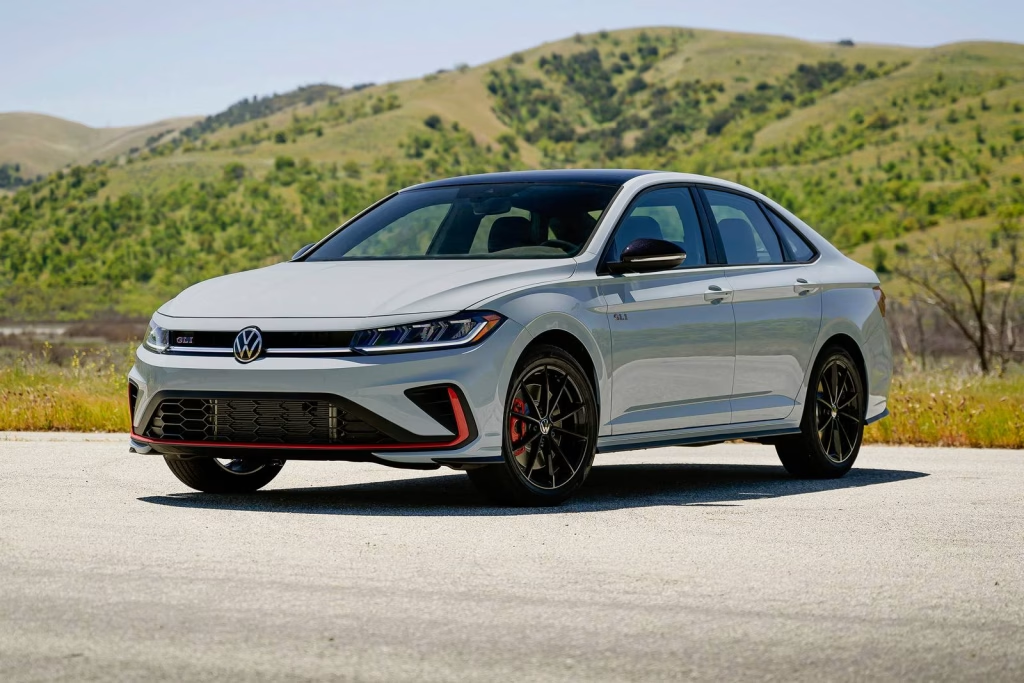
Volkswagen Jetta (2006–2018 generations)
Across multiple redrawn generations, Jettas have earned claim-heavy reputations. The 2006–2010 models bring frequent engine failures, turbocharger faults, and transmission breakdowns.
The 2011–2018 models saw stalling at highway speeds and interior reliability concerns. Complaints also include failing window regulators, xenon headlight issues, and overheating coolant leaks. Even dealer techs warn: “If you’re seeing this generation on a used lot, beware.”
In an age where automotive lineups seem to expand endlessly, the 2010 Volkswagen Jetta continues to stand confidently in a niche shaped by its predecessors. Positioned as an upscale compact, the Jetta proves that a small, reasonably priced vehicle doesn’t have to feel like an economy car. For years, it has delivered a refined, well-constructed alternative to the ordinary choices typically found in this segment.
True to its German engineering roots, the Jetta offers both confident handling and a smooth, composed ride. Although this generation, introduced five years ago, has drawn mixed opinions for its less distinctive styling compared to earlier models, it remains a stout contender, offering the character of a European road car at a price similar to more basic compact sedans and wagons.
The lineup became even more appealing last year with the reintroduction of the Jetta TDI and the launch of the Jetta SportWagen. The TDI combines strong performance with the excellent fuel economy of a turbodiesel engine.
Following a pause due to tightening emissions regulations, it returned cleaner than ever, fully 50-state compliant, and delivering an impressive combined fuel economy of 34 mpg. The SportWagen, true to its name, merges the solid driving dynamics of the Jetta with the added practicality of a wagon, boasting cargo space that surpasses VW’s own Tiguan compact SUV by 18 cubic feet with the seats up and 10 cubic feet with them folded.
While the 2010 Jetta retains its distinction from typical compacts, it competes indirectly across several categories. Lower-trim sedans often attract buyers considering economy cars such as the Mazda 3 or Honda Civic, while the higher trims invite comparisons with entry-level luxury models like the Volvo S40 or even midsize family sedans including the Ford Fusion, Nissan Altima, or Suzuki Kizashi. Across these comparisons, the Jetta consistently proves to be a smart option.
The SportWagen deserves serious attention if you’re shopping for a small wagon or compact crossover, and the TDI offers an outstanding alternative to hybrids. Overall, the Jetta appeals to those who desire a premium German sedan experience while working with a budget closer to beer than champagne.
Volkswagen Passat (Mid‑2000s: 2006–2010)
These mid-decade Passats repeatedly draw criticism for timing belt failures that end in catastrophic engine damage, rough idling, and premature interior wear. Some early units needed engine overhauls well before 100,000 miles. The platform also shares electronics with Škoda and SEAT, notorious for wiring harness failures and sensors that go offline, making even basic diagnostics expensive.
For most of its history, the Volkswagen Passat has positioned itself as a more premium alternative to mainstream family sedans such as the Honda Accord and Toyota Camry. This strategy has typically worked in its favor, as the Passat’s upscale design, high-quality features, and strong engine options have often justified its higher price tag.
However, VW began altering this formula last year. With the introduction of the more upscale, Passat-based CC, Volkswagen repositioned the regular Passat beneath this stylish four-seat coupe-like sedan. In doing so, some features were stripped away, including the optional V6 engine and all-wheel drive, both of which became exclusive to the CC.
Despite losing these perks, the Passat maintained its higher pricing, putting it in direct competition with top-tier, V6-equipped versions of rival sedans. This move didn’t resonate with consumers, as evidenced by the sharp drop in Passat sales during 2009.
For 2010, the Volkswagen Passat gains a few notable updates that help restore its appeal. Most significantly, the traditional automatic transmission has been replaced with VW’s superb DSG dual-clutch automated manual, marking a first in the family sedan segment. While the Passat continues to square off against more powerful V6 competitors, it still offers several compelling strengths.
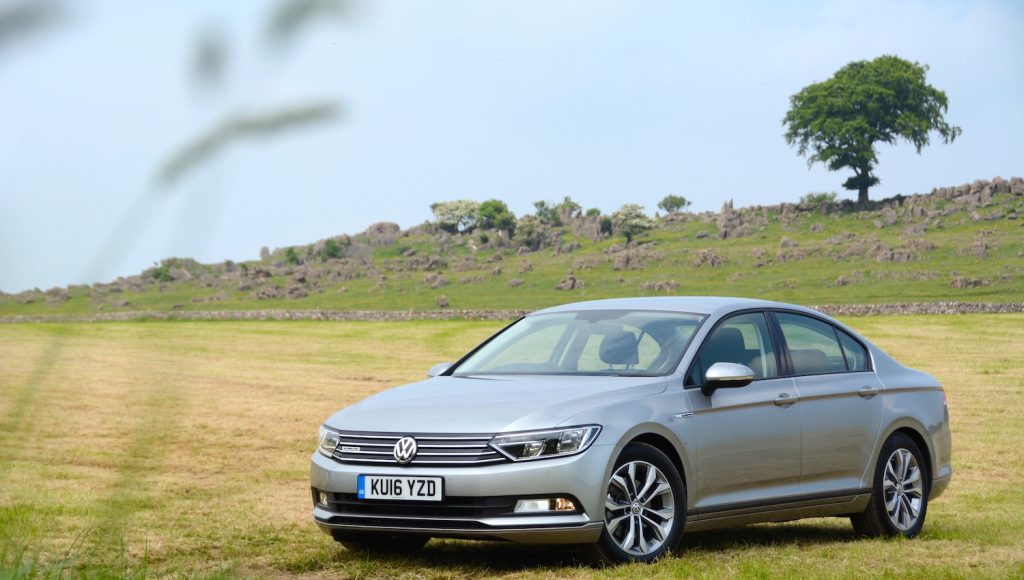
On the road, the Passat showcases its German engineering with a suspension that nails the sweet spot between composed handling, a smooth ride, and rock-solid stability at higher speeds. Inside, it stands out with one of the classiest cabins in the segment, featuring top-notch materials and an elegant design.
The DSG transmission elevates the driving experience further, delivering lightning-quick yet buttery-smooth gear changes. Additionally, the availability of a wagon variant gives the Passat an edge in practicality, especially in an era dominated by SUVs.
The 2010 Volkswagen Passat comes standard with a front-wheel-drive layout and a 2.0-liter turbocharged four-cylinder engine that produces 200 horsepower and 207 pound-feet of torque. The only transmission offered is Volkswagen’s responsive six-speed DSG dual-clutch automated manual.
Based on prior testing of Passats equipped with the older conventional automatic, the 2010 model is expected to hit 60 mph in the mid-seven-second range. While slightly slower than many V6-powered competitors, it’s still more than adequate for most drivers, especially thanks to the engine’s generous low-end torque.
First‑Generation Tiguan (2009–2016)
This early compact SUV seemed promising but fell apart quickly for many owners. Turbocharger failures became common, sensors throughout the engine bay began failing early, brake control modules malfunctioned, and transmission repairs became routine. Road trip-ready SUVs were sidelined in dealer bays—often under multiple visits for recall-related parts. Value retention drops sharply after the first year.
The Volkswagen Tiguan, first introduced in 2007 and refreshed with a facelift in 2011, has a model lineup that can be a bit complex. Later versions are divided into four trims: the entry-level S, the mid-range SE, the sporty R-line, and the special-edition Escape, which features modified bodywork to enhance approach and departure angles for off-road use. All trims except those with the base diesel engine offer the option of four-wheel drive.
The engine range is broad. On the petrol side, choices begin with a 158bhp 1.4, move up to a 177bhp 2.0, and peak with the 207bhp engine borrowed from the previous-generation Golf GTI.
As expected, diesel options dominate the lineup. Volkswagen offered three variations of the same 2.0-litre diesel engine: a 108bhp unit for the base S trim, a 138bhp version available across all trims, and a 174bhp range-topper offered exclusively on SE and R-line models. The Escape trim was limited to the 138bhp diesel.
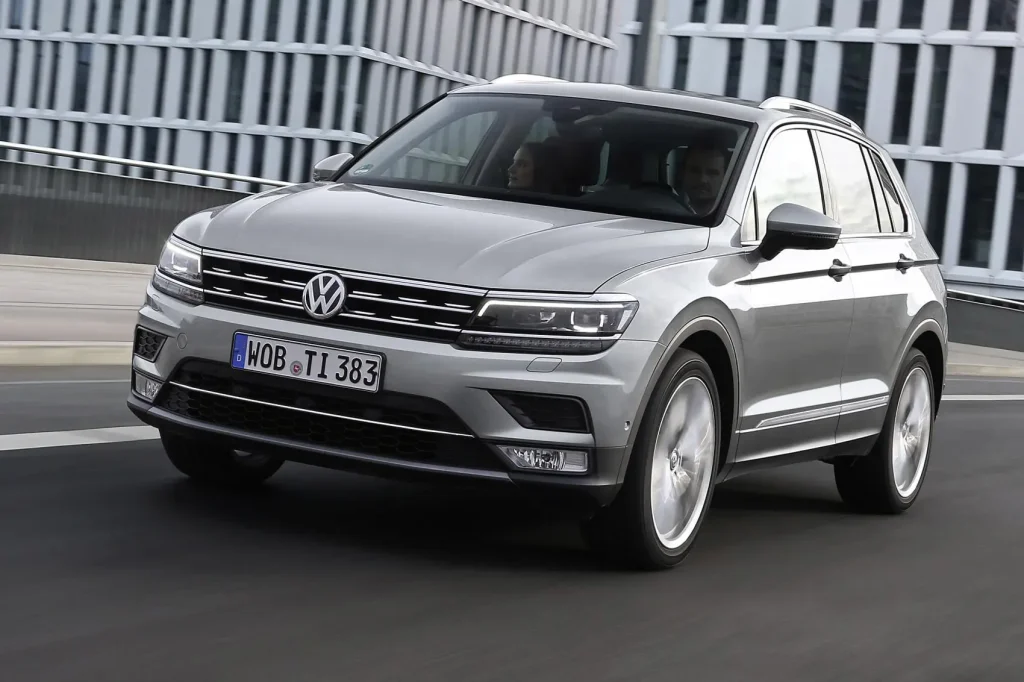
The low driving position gives the SUV a hatchback-like feel, and the dashboard is both logically arranged and constructed from high-quality materials typical of Volkswagen. All trims come equipped with solid safety features, including stability control, side and curtain airbags, and Isofix child seat anchors.
On the road, every engine delivers the refinement typical of modern VW vehicles. The petrol engines are smooth and quiet, though not especially quick. However, most buyers gravitate toward the diesels for their superior fuel efficiency.
Among the diesel options, all perform reasonably well, but the 138bhp version offers the best balance of power and economy. At cruising speeds, the diesels are smooth, though they can sound slightly coarse at low revs.
A six-speed manual gearbox comes standard with all engines, offering a fairly slick shifting experience. Alternatively, buyers can opt for a DSG automatic transmission, which, while generally effective, can feel hesitant and jerky during low-speed city driving.
The Tiguan’s stiff suspension results in a somewhat unsettled ride at lower speeds, but as the pace picks up, it smooths out, turning the SUV into a relaxed and composed cruiser. Handling is safe and predictable, albeit lacking in excitement. Similarly, the steering is well weighted and accurate, but it doesn’t offer much feedback to the driver.
DSG‑Equipped Models with DQ200 or DQ250 Transmissions
Volkswagen’s dual-clutch gearboxes, once heralded for efficiency and smooth shifting, have proven brittle in long-term ownership. Found in cars like the Jetta, Passat, EOS, and Golf from around 2009 to 2016, these transmissions are inclined to pop out of gear at low speeds, jerk unexpectedly, or dump transmission fluid.
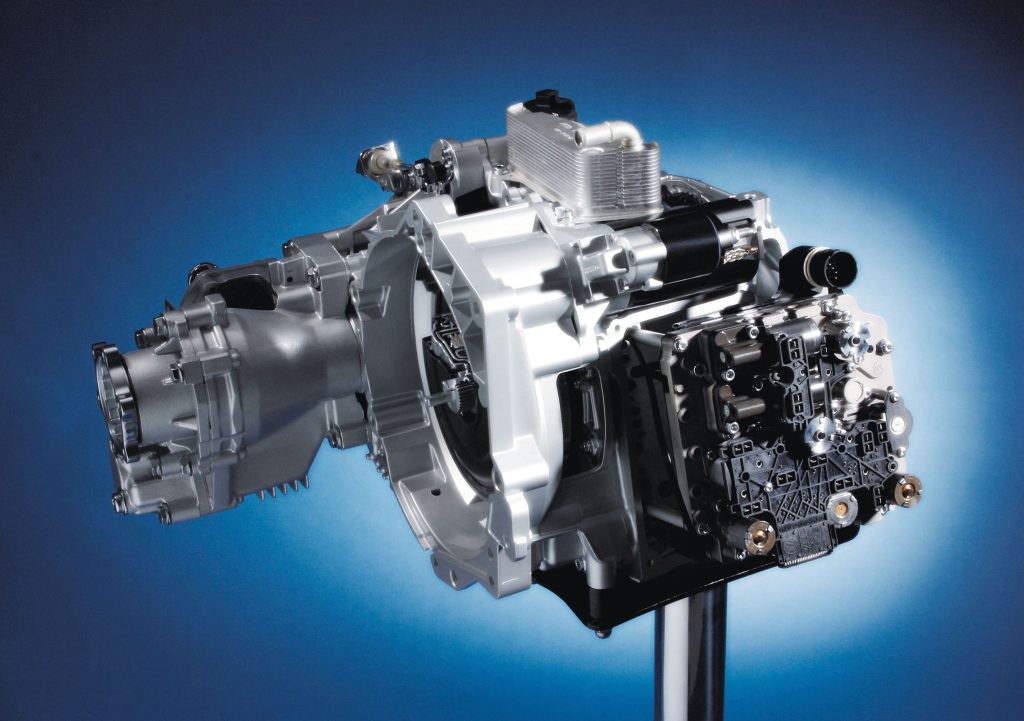
Failures often require full gearbox replacement or high-cost rebuilds, prompting widespread recalls and multiple service bulletins.
Volkswagen’s legacy depends heavily on era—and engine choice. When mechanical complexity increases, reliability declines. For shoppers interested in a VW that endures, look for straightforward setups like the Mk4 platform, the basic turbocharged GTI, or even VW’s early electric models.
If you value peace of mind over badge prestige, avoid recent models like the Taos, early DSG-equipped vehicles, and Generation 1 compact SUVs. Pick smart, and your VW can still deliver the long-lasting performance the brand once promised.
