
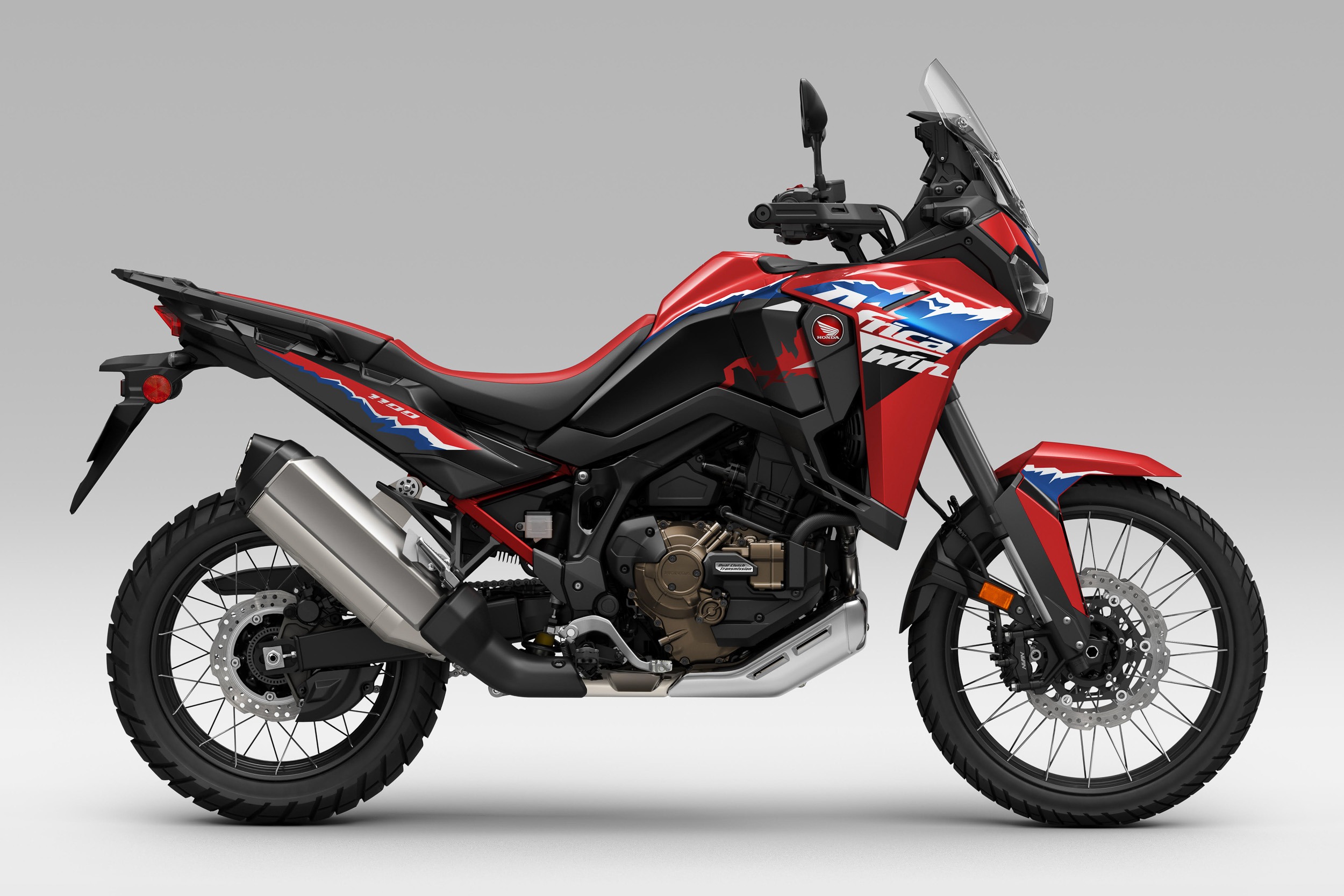
Off-road riding brings a unique kind of excitement. Whether you are cutting through muddy paths, climbing rocky trails, or pushing through soft sand, the performance of your bike can make all the difference.
While some motorcycles are built with strength, balance, and rugged suspension to handle the stress of rough tracks, others tend to fall apart after just a few attempts.
It is easy to assume that any adventure-style bike would hold its own on dirty or rocky terrain, but that is not always the case. Some bikes that look ready for the trail might perform best only on smooth highways or mild gravel paths.
There are machines that keep going no matter how tough the conditions get. These are bikes that riders trust in remote areas, deserts, or forest roads. With strong frames, smart engineering, and features meant for tough terrain, these bikes have earned respect among off-road riders.
On the other side, some may look good and feel smooth on the first ride, but struggle with endurance and performance when the surface turns rough. Suspension problems, low ground clearance, poor weight distribution, and weak protection can cause them to fail when it matters most.
Choosing a good off-road bike should not be based on appearances alone. What matters is how the bike behaves when the trail gets tough.
Now let’s take a deep look at ten different motorcycles. Five of them are strong performers when it comes to off-road riding, while the other five have disappointed riders who took them into the dirt.
Whether you are an experienced rider or someone planning their first dirt adventure, this breakdown should help you understand which bikes can handle the task and which ones you might want to avoid when the pavement ends.
5 Bikes That Handle Off-Road Miles
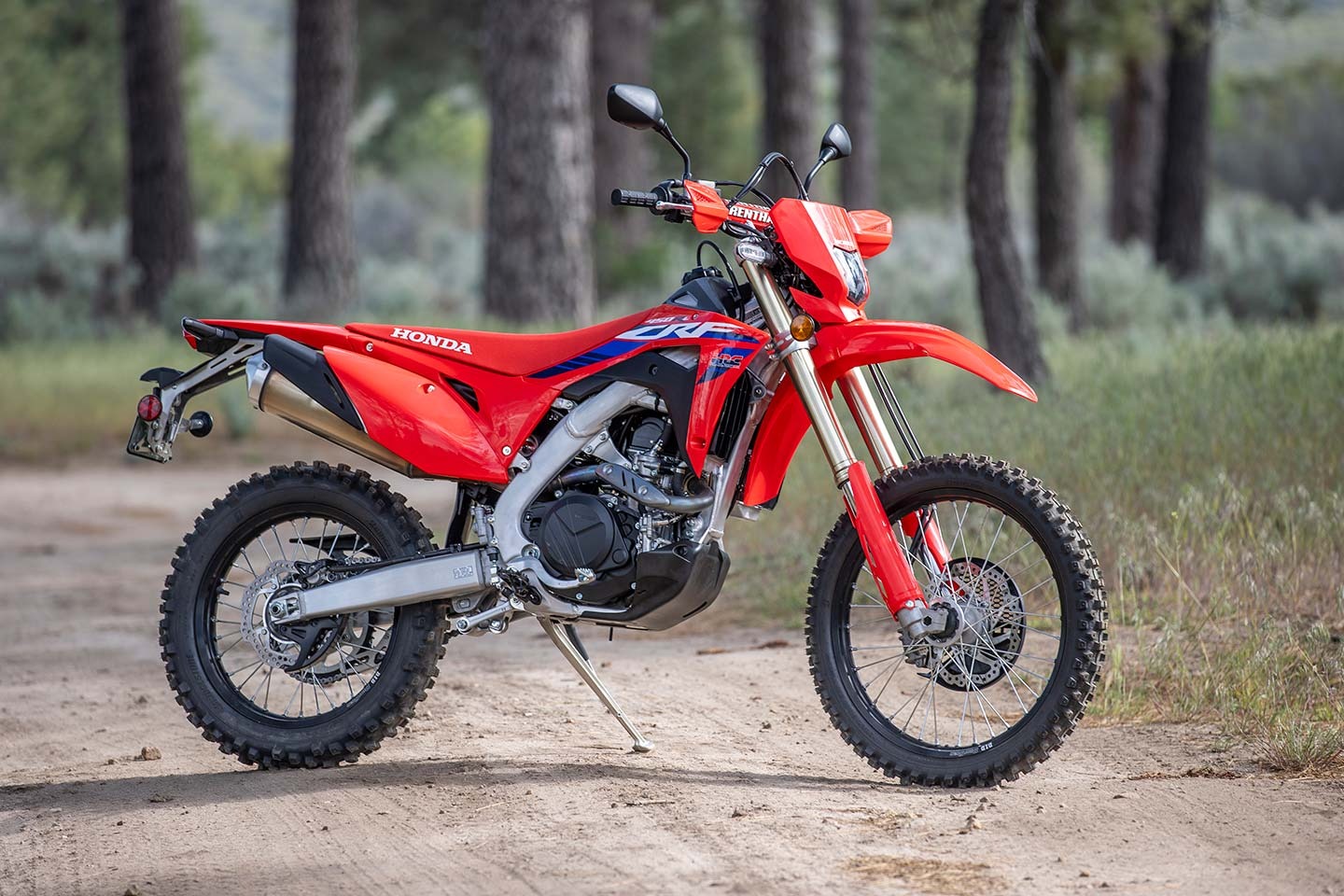
1. Honda CRF450RL
When talking about off-road-ready motorcycles, the Honda CRF450RL usually stands out. Built with both power and durability in mind, this machine was designed to bridge the gap between street-legal motorcycles and serious dirt bikes.
At first glance, it may appear like just another motocross-inspired bike, but it is far more than that. Honda gave this motorcycle a strong frame, high-quality suspension components, and a reliable four-stroke engine that can handle rough use.
Its 449cc engine offers a balance between smooth power delivery and strong off-road capability. Unlike smaller dirt bikes, the CRF450RL delivers a noticeable punch that makes it suitable for long-distance trail riding and climbing over difficult terrain.
At the same time, it stays lightweight enough for good control in tight spots. One of its best features is the fully adjustable Showa suspension, which gives it the flexibility to handle rocky paths, steep climbs, and deep ruts without punishing the rider.
The bike comes with a wide-ratio six-speed gearbox, making it easy to switch between low-speed control and higher-speed cruising on open trails. It also has a street-legal design, which allows riders to transition from paved roads to dirt trails without worrying about local regulations.
The aluminum twin-spar frame is both light and sturdy, helping the CRF450RL stay agile while soaking up harsh bumps and jumps. In terms of maintenance, the bike requires more care than a commuter motorcycle, but for those serious about off-road performance, the payoff is worth the effort.
It is a purpose-built machine, best appreciated by riders who understand what it takes to ride on challenging terrain. Whether crossing deserts or climbing through muddy hills, the CRF450RL has proven to be reliable.
When compared to bikes that claim to be dual-sport but fail in the dirt, the CRF450RL proves its worth with strong construction, consistent handling, and thoughtful engineering. For those who want a reliable dirt-ready machine that can also ride on the street when needed, this Honda holds up well under pressure.
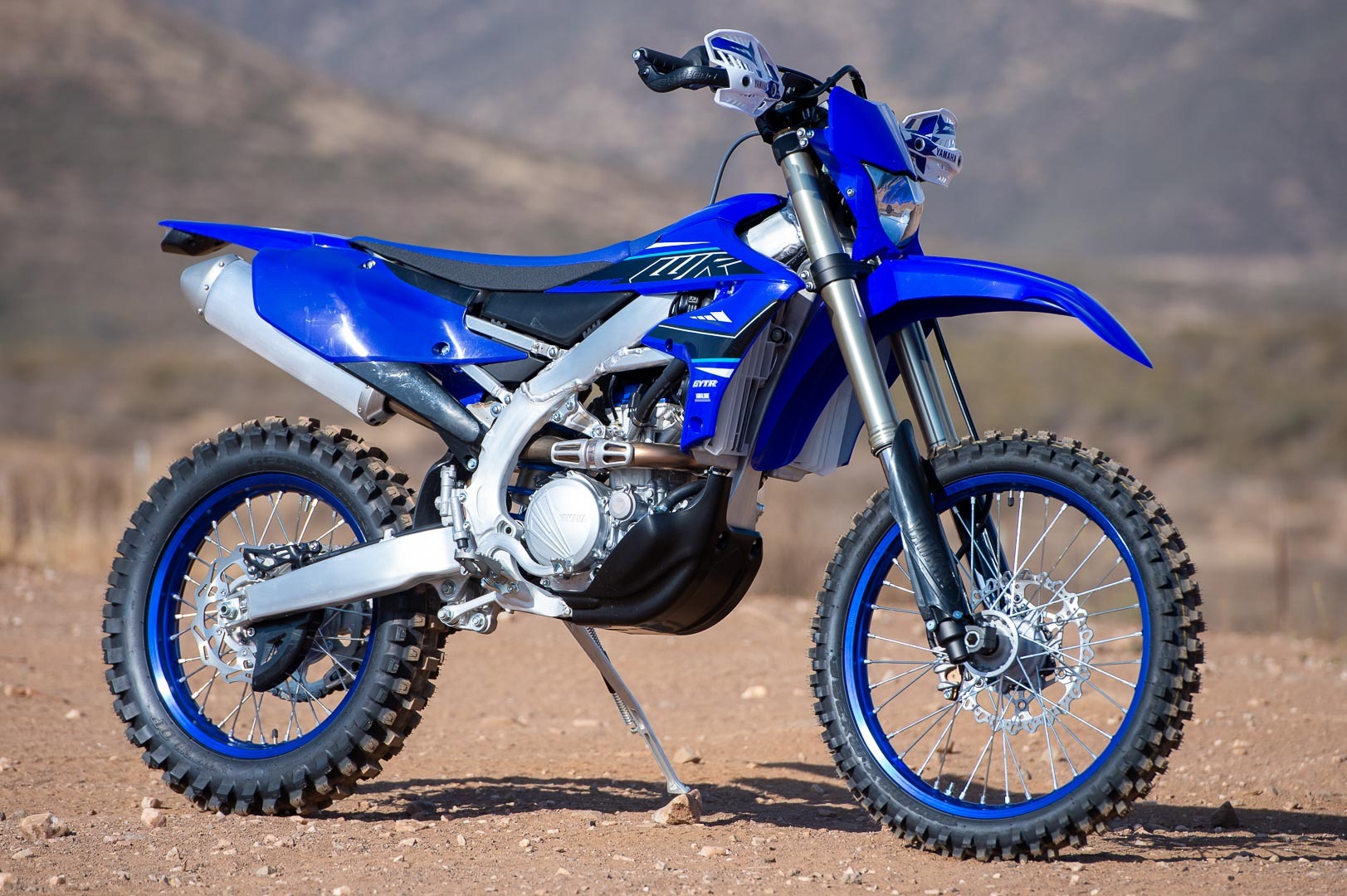
2. Yamaha WR250F
The Yamaha WR250F is one of those bikes that may look simple but performs impressively once taken off the road. Known for its lightweight frame and dependable engine, this motorcycle delivers high levels of control and handling, especially on narrow paths and twisty forest trails. Yamaha designed it with competition-level engineering, yet made it friendly enough for experienced trail riders.
At its core, the WR250F features a 250cc liquid-cooled, four-stroke engine that revs freely while still offering enough torque to handle most trail conditions. Its power delivery is smooth, and the bike never feels out of control even when pushed hard through tricky corners or bumpy ground.
One of the features that helps it stand out is the advanced suspension system. The KYB speed-sensitive forks are designed to adjust damping based on terrain feedback, allowing the rider to stay in control while still absorbing harsh landings and trail shocks.
Another benefit of the WR250F is its narrow body and ergonomic layout. Riders feel connected to the bike, which improves confidence on technical paths.
The compact design also allows for quick body movement and better control in tight spaces. At just under 260 pounds, it stays manageable for most riders, including those who may not be used to heavier dual-sport options.
Even the electric start and fuel injection make the WR250F more practical. Instead of worrying about hard starts or choke settings in cold weather or high altitudes, riders can rely on the bike to perform without drama.
Yamaha also gave this model a wide-ratio transmission, which helps in adjusting to both steep climbs and faster sections without needing to constantly work the clutch.
When matched against heavier bikes that pretend to handle dirt but fall short in practice, the WR250F proves to be a better option. Its combination of advanced suspension, manageable power, and rider-friendly design makes it one of the best choices for those who want performance without too much weight.
For off-road trips that involve sharp turns, steep climbs, or unpredictable paths, this Yamaha shines through as a top performer.
Also Read: 9 Sport Bikes That Can Be Daily Driven Without Issue
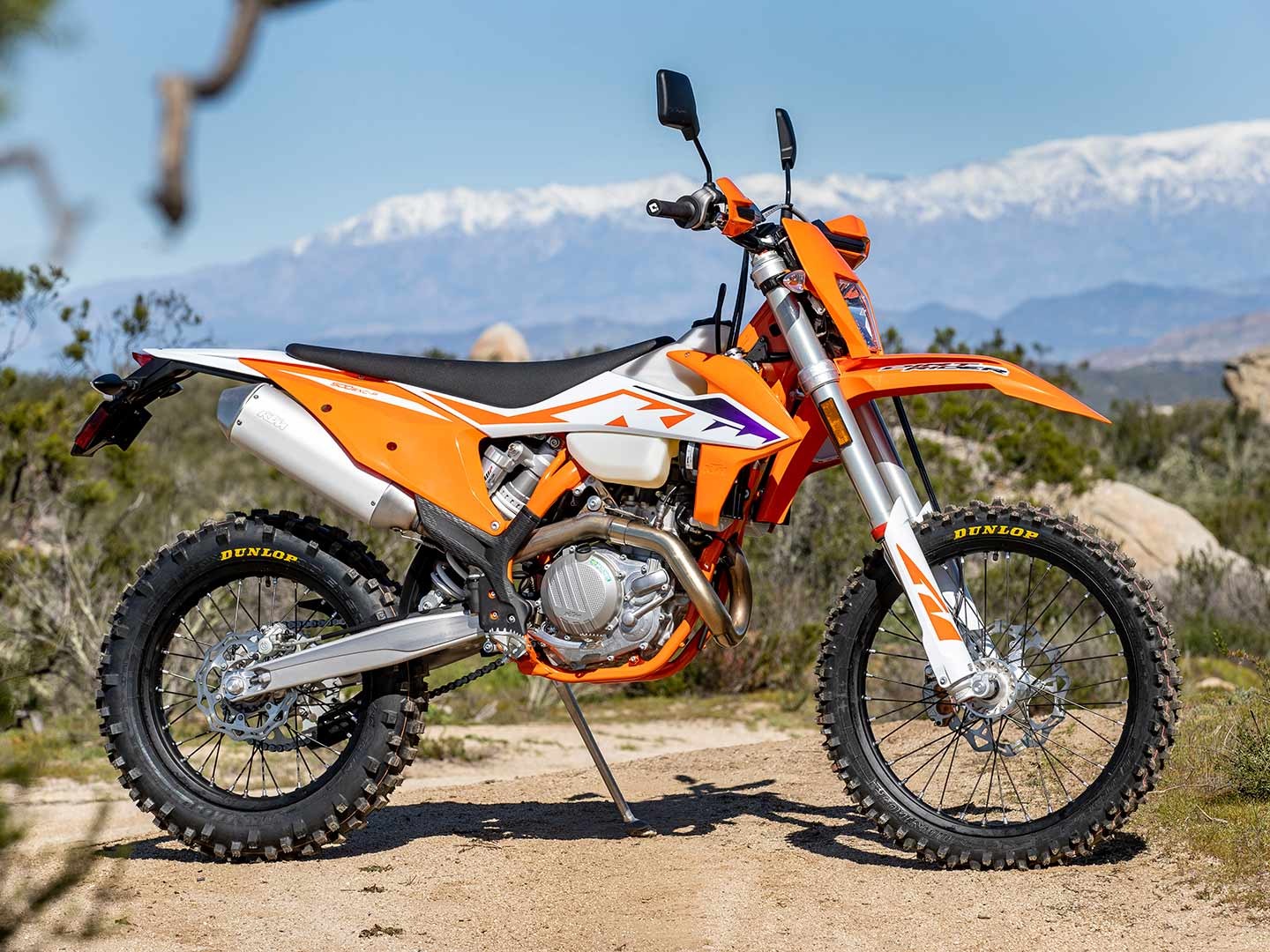
3. KTM 500 EXC-F
Among riders who take off-road challenges seriously, the KTM 500 EXC-F has built a solid reputation for being both powerful and dependable. This bike is designed to cover long distances on trails, go through technical sections with ease, and still manage to remain street legal.
KTM has focused its design on durability, agility, and advanced rider control, which puts this motorcycle in a class of its own when it comes to off-road performance.
Under the frame is a 510cc four-stroke, single-cylinder engine that is known for its strong torque and responsive acceleration. Whether you are climbing steep hills, going through rocky paths, or crossing muddy fields, this engine keeps the power coming without hesitation.
Despite its high performance, the bike does not feel overwhelming. Instead, it offers a balanced response that allows skilled riders to push it hard while still feeling in control.
The KTM 500 EXC-F also comes with WP XPLOR suspension, which is one of its biggest strengths. This suspension system is built for off-road endurance, handling big impacts, uneven ground, and sharp drops without bottoming out.
The front forks and rear shock are fully adjustable, giving riders the ability to tune the bike depending on the type of trail or riding style. Whether you prefer tight woods riding or high-speed desert stretches, this machine adjusts well.
Its lightweight chassis and chromoly steel frame make handling smooth, even in tight turns or rough paths. Another strong point is the high ground clearance, which keeps the bike from scraping over rocks or getting stuck in deep ruts. The seat height may feel tall to some riders, but it helps in providing a better view of the terrain ahead.
The KTM 500 EXC-F also includes high-quality brakes, a modern digital dash, and LED lighting, which make it suitable for both off-road riding and short street trips. It is built for performance but also engineered for riders who demand reliability.
If you are looking for a dirt-capable machine that responds quickly, soaks up impact, and handles long trail rides without complaint, the KTM 500 EXC-F delivers on every front.
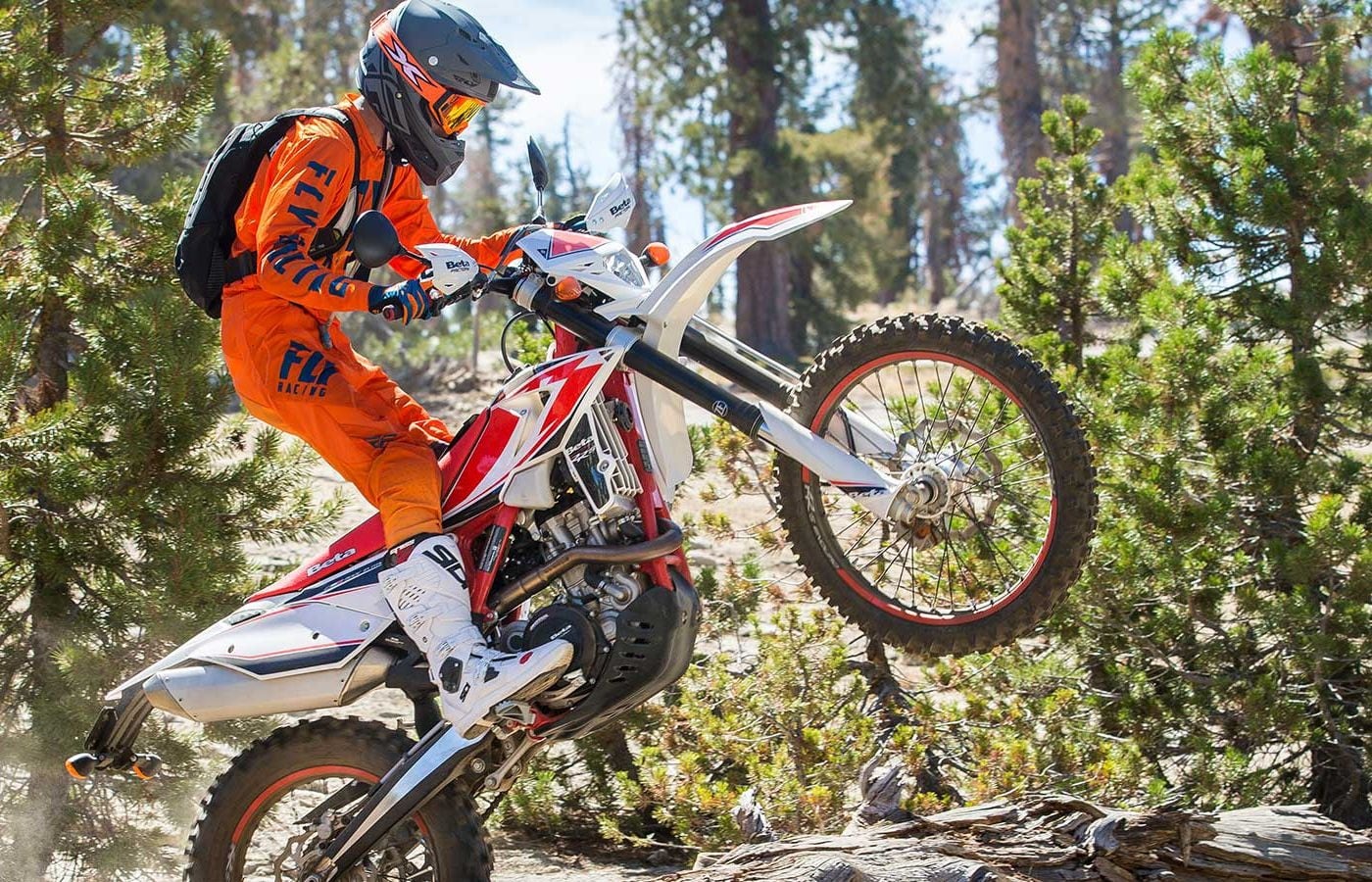
4. Beta 390 RR-S
The Beta 390 RR-S may not be the first name that comes to mind when people talk about off-road bikes, but those who have ridden it know how capable it is on dirt trails.
This dual-sport machine is made in Italy and stands out because of its thoughtful balance between power, control, and comfort. While some bikes focus only on engine strength, the 390 RR-S pays attention to how the rider feels during long rides on challenging ground.
It carries a 386cc engine that gives a smooth and predictable delivery of power. What makes this bike interesting is that it does not try to overpower the trail. Instead, it keeps things controlled, which makes it easier for the rider to stay in charge during tricky situations.
That control is especially helpful when dealing with rocky slopes, loose sand, or tight forest paths. Riders often say the bike feels planted on the ground and responds to inputs quickly without feeling too nervous or twitchy.
Another area where the Beta 390 RR-S shines is suspension. The Sachs front forks and rear shock are adjustable and work well in absorbing bumps, jumps, and trail impacts.
Whether you are bouncing over tree roots or coming down a sharp hill, the suspension gives you enough cushion to stay comfortable while still feeling connected to the terrain.
Beta also made sure that the bike is comfortable over long distances. The seat is wider than what you might find on pure race bikes, and the handlebars are positioned in a way that reduces fatigue during multi-hour rides. It is also one of the lighter dual-sport bikes in its class, making it easier to control when you need to push it through tough spots or lift it over logs.
Another positive is the electrical system. With a reliable battery, smooth-starting engine, and well-protected wiring, the Beta 390 RR-S is less likely to fail in the middle of nowhere. It is also street legal, which gives riders the flexibility to ride between trails without needing a trailer.
For riders who care about how a bike feels on the trail and want a machine that performs consistently, the Beta 390 RR-S is a reliable choice.
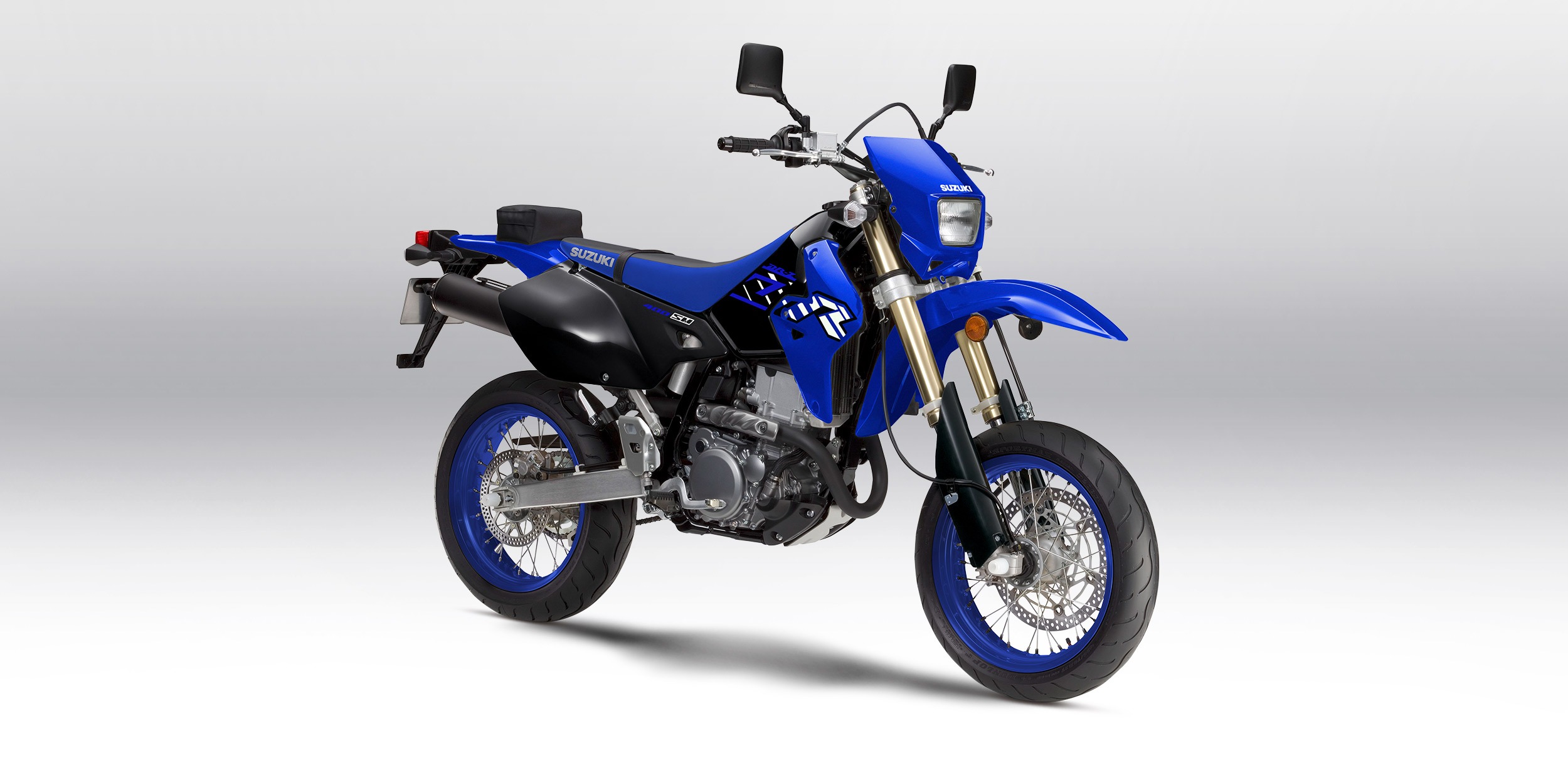
5. Suzuki DR-Z400S
The Suzuki DR-Z400S is one of those motorcycles that has earned its place through real-world use. It may not have the flashiest look or the latest electronics, but this bike has become a go-to for riders who want something that just works. Whether you are riding through deep mud, dusty roads, or rough gravel trails, the DR-Z400S has shown that it can take a beating and keep moving forward.
The engine is a 398cc four-stroke unit that offers decent power without being too much for newer riders. It is known for being easy to manage but still strong enough to climb hills and push through dirt.
One of the reasons riders trust this bike is because of its simple design. Without complicated electronics or sensitive components, there is less that can go wrong when you are far from help.
Its suspension includes long-travel front forks and a rear shock with adjustable preload and compression. These parts do a good job of smoothing out bumps and absorbing trail abuse.
While the setup is not as advanced as what you find on higher-priced machines, it is dependable and easy to service. Riders who want to upgrade the suspension for more intense use can do so without much difficulty.
The DR-Z400S also has decent ground clearance, making it useful for trails that have rocks or uneven terrain. The frame is strong, and the entire construction feels solid, even after years of use. It is heavier than some newer off-road bikes, but many riders accept the extra weight because of the reliability that comes with it.
One benefit that keeps this bike popular is how easy it is to maintain. With a simple air-cooled engine, easy-to-access filters, and proven reliability, many owners keep the bike running for years without major issues. It might not win races, but it delivers steady performance where it counts.
For those who want an affordable, dependable off-road machine that does not require constant tuning or repairs, the DR-Z400S stands out as one of the best choices available.
5 Bikes That Break In The Dirt
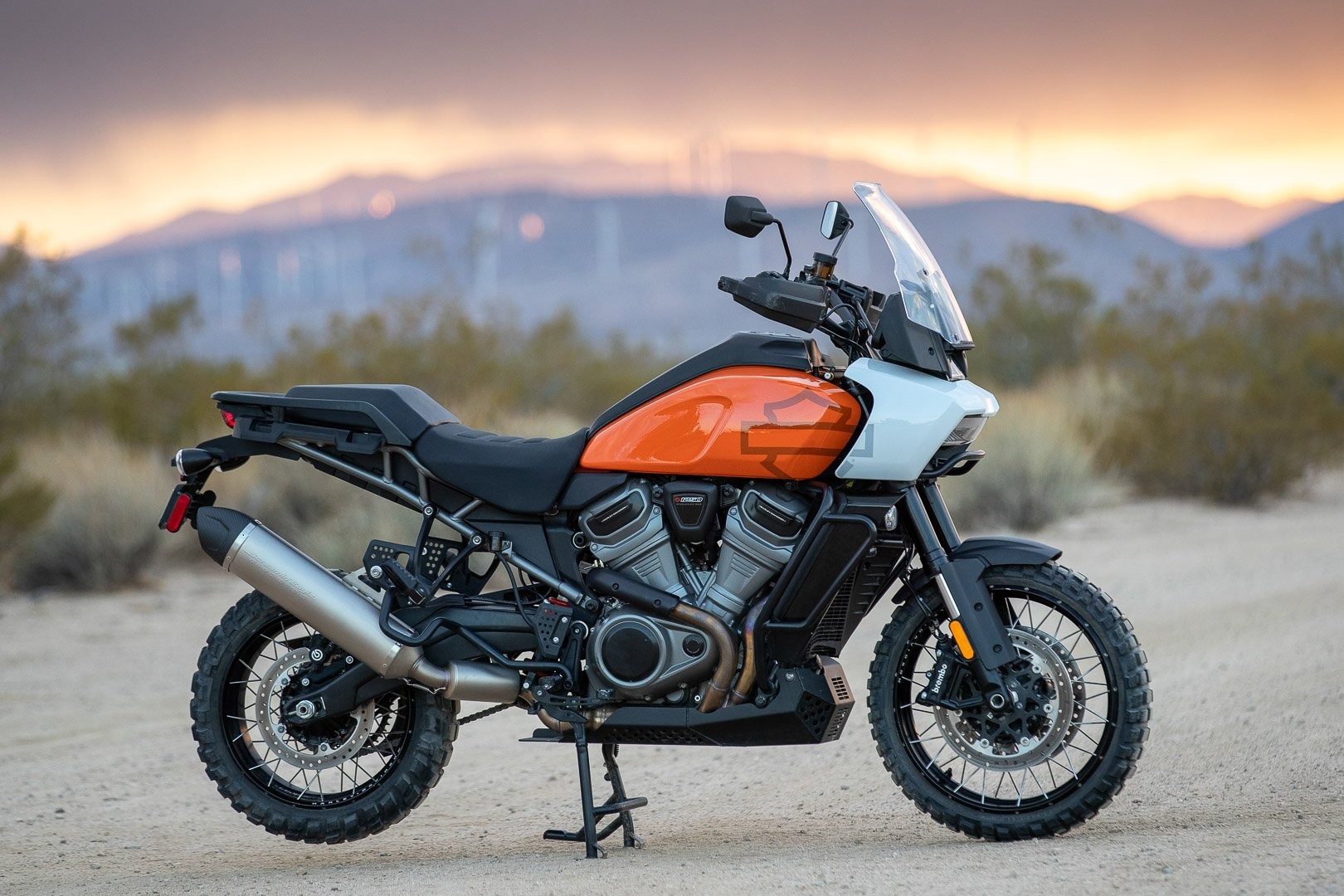
1. Harley-Davidson Pan America 1250
Harley-Davidson entered the adventure bike segment with the Pan America 1250, aiming to compete with more established off-road brands. On paper, it seemed like a fresh chapter for the company.
The bike featured a strong 1252cc V-twin engine, advanced rider aids, and a modern look. However, once the Pan America was put through serious dirt riding, some issues began to show that made it less suitable for tougher off-road use.
While the engine offers impressive horsepower for highway cruising, its size and weight make off-road maneuvering a difficult task. At over 550 pounds without luggage, the bike can be a handful in muddy conditions, tight trails, or when guiding through rocks. Riders often struggle with balance, especially when coming to a stop or trying to correct the bike mid-turn on uneven terrain.
Another concern is the ground clearance. Although Harley added an adaptive ride height system, which lowers the seat when stopping, it can still bottom out on large obstacles.
This is risky for riders who venture onto trails with deep ruts or large rocks. Suspension is decent for casual dirt roads, but under constant pressure or sharp hits, it tends to feel soft and uncertain.
The electronics suite includes various ride modes, traction control, and cornering ABS, which work well on the road. But on loose surfaces, some riders feel that the electronics interfere too much, reducing the natural feel needed for dirt riding. Turning off these systems helps, but the learning curve can be frustrating.
Even the tires that come with the stock Pan America are more road-oriented. Swapping them out for aggressive knobbies helps, but the weight and size remain a limiting factor. Riders who take the bike off-road often do so carefully, avoiding deeper dirt or steep terrain.
Although the Pan America works well for adventure touring on highways and gravel paths, it lacks the confidence and handling needed for tougher off-road tasks. Those expecting dual-sport-level performance may find it more suitable for cross-country trips than deep forest trails.
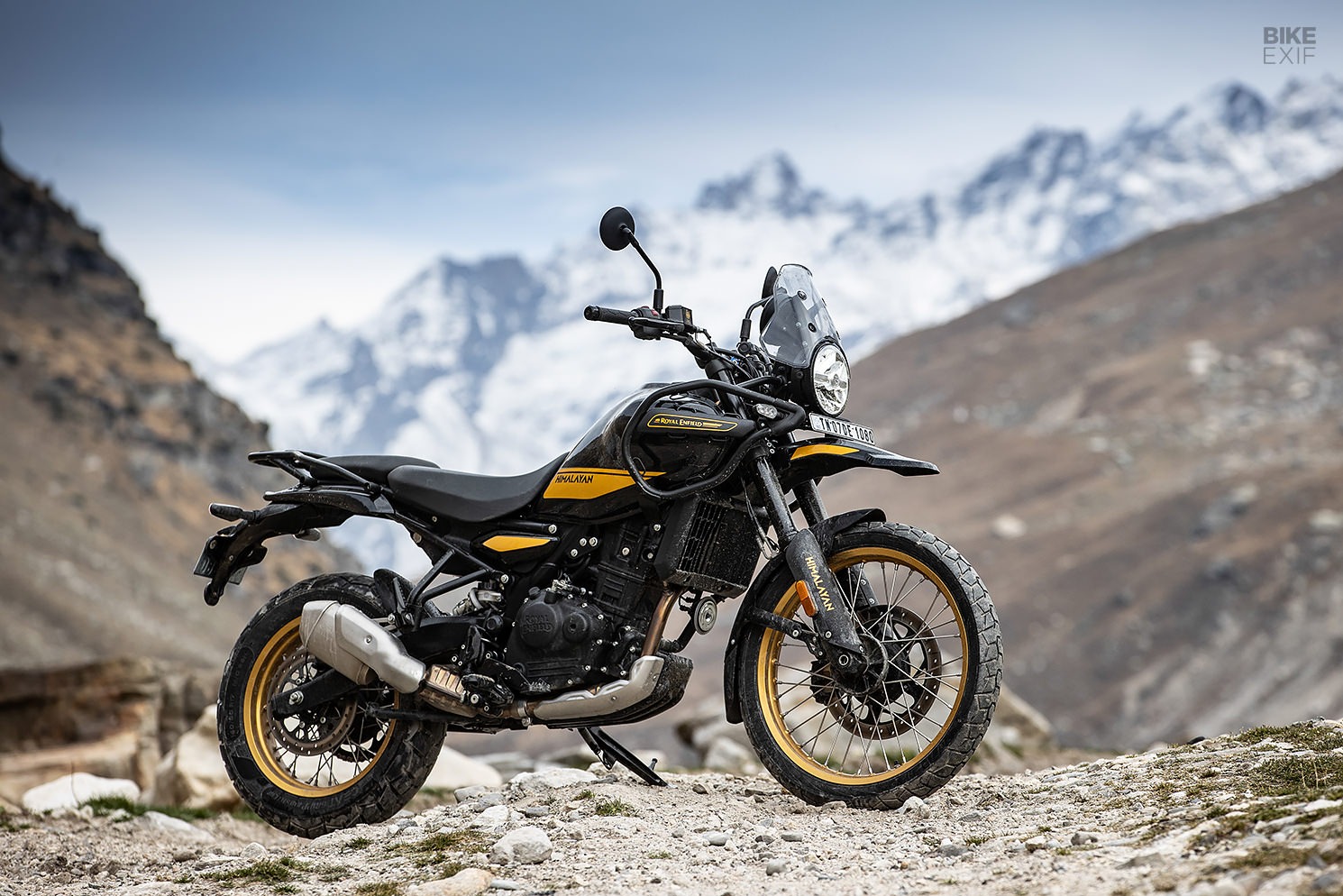
2. Royal Enfield Himalayan
The Royal Enfield Himalayan draws plenty of attention due to its classic design and approachable price. Many riders love its relaxed riding style and simplicity, and it does fine for casual dirt roads or short trail rides. However, when taken into more challenging off-road situations, the Himalayan begins to show where it falls short.
Its 411cc engine offers smooth, low-end torque, which is good for relaxed trail cruising, but it lacks the extra power needed to climb steep hills or power through rough sections.
On flat gravel or dry dirt, it moves comfortably, but when faced with sand, mud, or rocks, the engine can feel underpowered. You might find yourself downshifting often and working harder to keep momentum.
Suspension on the Himalayan is soft, which makes for a comfortable ride on smooth roads but performs poorly under pressure. Hitting potholes or large trail bumps can cause the front forks to dive heavily.
The rear shock, too, lacks the stiffness to deal with constant off-road hits. While it may be okay for a mild dirt path, repeated use on harsh trails can push the suspension to its limits.
Weight is another drawback. At around 440 pounds, it feels heavy, especially when you need to pick it up after a fall or make tight turns on a trail. The weight also makes it harder to control in tricky conditions, like steep hills or uneven tracks.
Another point to consider is the ground clearance. Though acceptable for light trail riding, it is not enough for aggressive off-road routes filled with deep ruts or large rocks. Riders often add skid plates to protect the engine, but even then, caution is needed.
While the Himalayan is popular for adventure touring and light dirt riding, it is not built for more demanding off-road conditions. Riders planning longer trail adventures may start noticing weaknesses in handling, suspension, and power delivery. It is a bike meant for casual exploration, not serious dirt punishment.
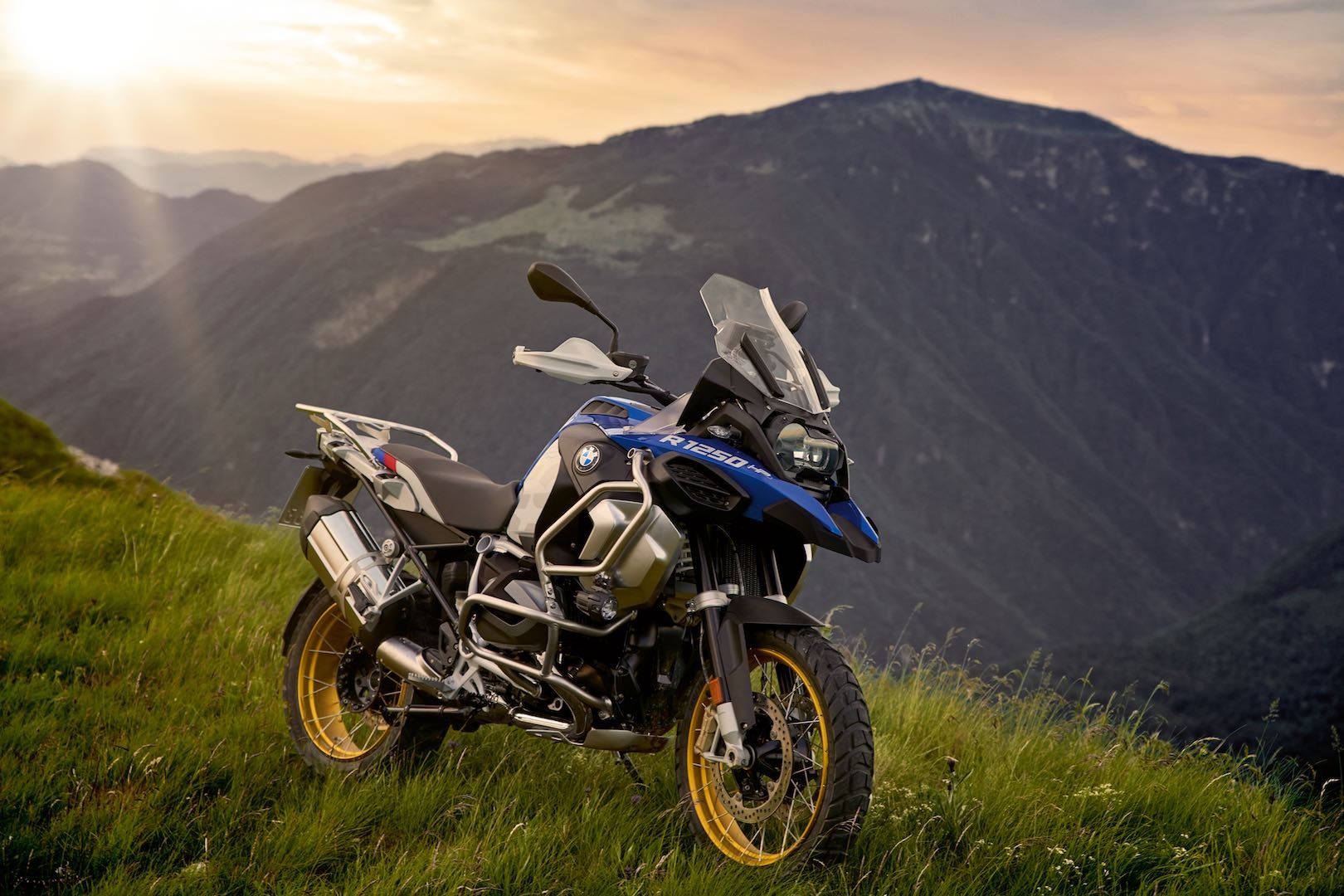
3. BMW R1250GS Adventure
The BMW R1250GS Adventure is one of the most popular adventure motorcycles in the market. It is packed with smart features, a strong engine, and excellent road comfort.
Many riders use it for long-distance touring and gravel road rides. But once the road disappears and real off-road riding begins, the size and weight of this motorcycle become a clear disadvantage.
With a weight of more than 590 pounds before adding gear, this bike demands careful control. It carries a 1254cc boxer engine that offers smooth and steady power.
While this helps on highways and open roads, it also adds to the bike’s bulk, making it harder to handle on narrow paths or steep hills. When the trail becomes tricky, such as deep mud or loose stones, the rider has to work harder to keep the bike from tipping.
BMW gave the R1250GS Adventure advanced suspension and electronics, such as dynamic traction control and multiple ride modes. While these work well on paved roads, they do not always offer the same precision when riding off-road. The Telelever front suspension system, although great for road stability, lacks the feedback that riders usually want on dirt.
Another issue is the low placement of the cylinders. Since the boxer engine has horizontally opposed pistons, the cylinder heads stick out from the sides. When the bike falls on its side, those heads are among the first parts to hit the ground. This can lead to damage even during a minor drop, especially on rocky surfaces.
Riders often install crash bars and off-road tires, but that only goes so far. The bike’s large size makes it difficult to recover after a fall, and tight off-road corners feel challenging. While experienced riders can push its limits, most riders find it more comfortable on wide dirt roads or gravel paths than on deep forest trails.
The R1250GS Adventure may be perfect for long rides with some light dirt along the way, but for riders who want to spend most of their time off-road, its weight and design are more of a burden than a benefit.
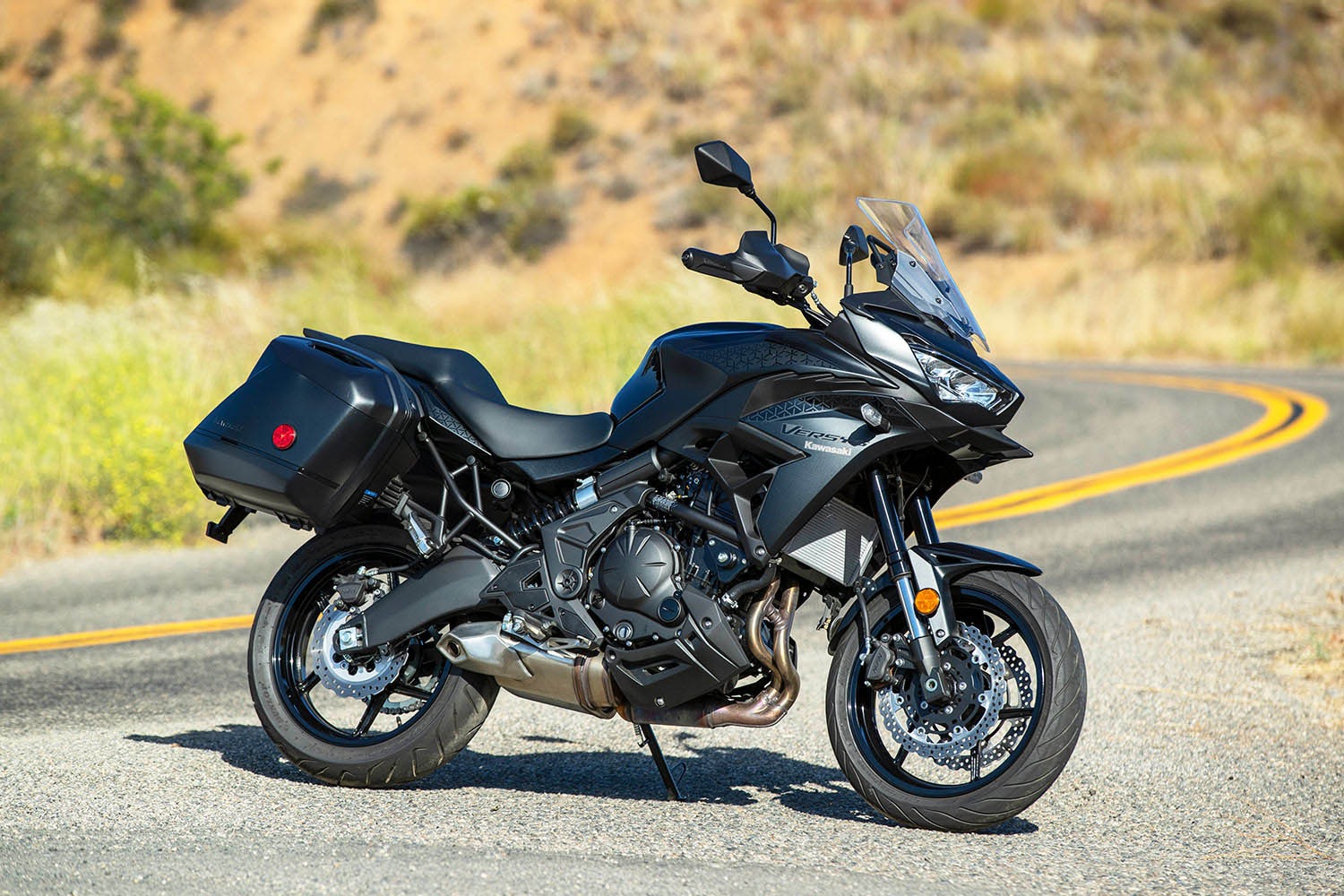
4. Kawasaki Versys 650
The Kawasaki Versys 650 is often marketed as an adventure-ready bike, and at first glance, it seems like a solid option. With a comfortable riding position, smooth engine, and sleek design, it works well for long-distance road travel. However, once the terrain changes to dirt or rough trails, the Versys 650 begins to reveal its limitations.
This motorcycle runs on a 649cc parallel-twin engine that provides consistent power delivery and great fuel economy. On the pavement, it feels smooth and agile, especially during highway rides or commuting.
But the engine’s powerband is tuned for the road, not for dirt trails where low-end torque and quick throttle response are more important. When the ground gets soft or uneven, riders often find themselves struggling to maintain control.
One of the biggest issues is the suspension system. The Versys 650 is designed for comfort, not punishment. The front fork and rear shock are built more for paved surfaces than for rocks or deep ruts.
If you try to take this bike into tougher off-road sections, the suspension quickly bottoms out. It lacks the travel and strength needed for serious trail riding. Its 17-inch cast wheels are another weak point. Off-road bikes usually come with spoked wheels and 21-inch front tires for better traction and shock absorption.
The Versys 650’s street-focused wheels are not just smaller, but they are also more vulnerable to cracks or damage when hitting hard objects like stones or roots. This makes it risky to ride aggressively in off-road conditions.
Another thing to consider is weight distribution. The bike sits higher than most street bikes, but the ground clearance still falls short for rough trails. It can easily get stuck or scrape when climbing over rocks or logs. Add to that the street tires, and you have a machine that struggles with traction in mud, loose sand, or gravel.
While the Versys 650 can handle well-maintained gravel roads or light dirt tracks, it is not built to handle tougher trail conditions. Riders looking for true off-road capability should look elsewhere if they plan to spend more time off the pavement.
Also Read: 6 Bikes That Handle Highway Speed Without Vibrating
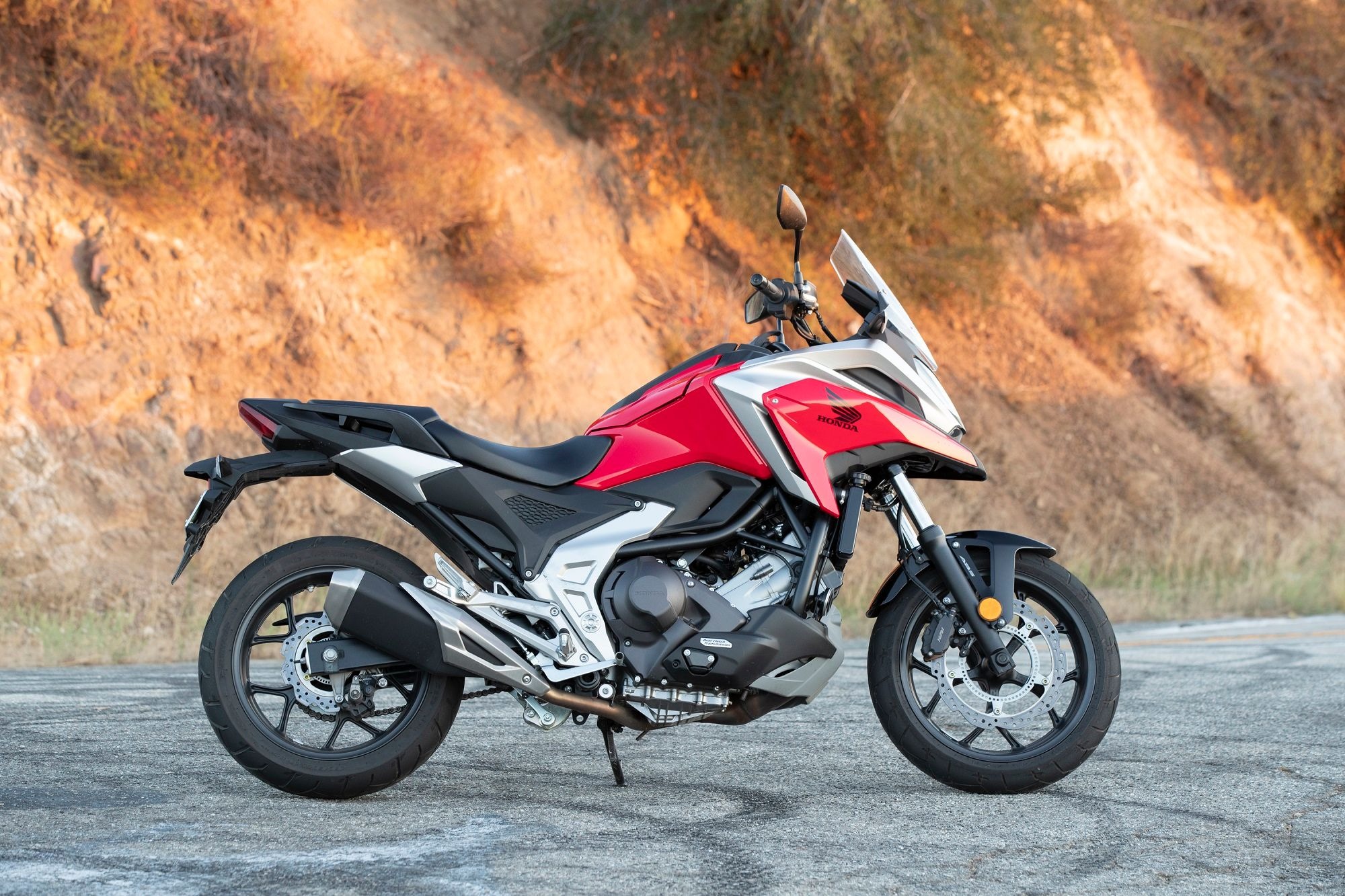
5. Honda NC750X
The Honda NC750X has gained praise from daily riders due to its reliability, practicality, and fuel efficiency. With its unique under-seat fuel tank and built-in storage compartment where the tank usually sits, the bike is designed with daily city or highway commuting in mind. While Honda offers an adventure-styled look on this bike, real off-road performance is not part of what it does best.
The engine is a 745cc parallel-twin that delivers smooth and low-revving power. This works perfectly for riding in traffic or on the highway, but it becomes a problem when faced with loose terrain.
The engine’s low-end torque is not strong enough to deal with dirt climbs or sandy patches, and the bike’s throttle response can feel slow when quick reactions are needed. One of the most limiting features of the NC750X in off-road riding is its ground clearance. At just over 5 inches, it is far too low to clear common trail obstacles.
Even small rocks or trail bumps can cause damage to the bike’s lower frame or exhaust. The low clearance also puts the rider at risk of getting stuck when moving through ruts or uneven ground.
Another issue is the suspension setup. The bike was built for road comfort, not off-road durability. The front and rear suspension feel soft and quickly reach their limit when faced with bumpy paths.
This results in poor handling, reduced control, and discomfort for the rider. Hitting even a mild trail at speed can send sharp feedback through the handlebars and foot pegs.
The tires and wheels are another mismatch. The NC750X comes with road-focused tires and cast wheels, which are not suitable for dirt. They lose grip quickly and cannot absorb trail impact the way spoked wheels do. Even light off-road use can cause wear and tear faster than expected.
Despite its styling and adventure name, the Honda NC750X performs better as a commuter bike than a dirt machine. Riders hoping to do trail riding or study backroads would be better served by a motorcycle built specifically for that kind of use.
