
Electric vehicles have taken over many conversations lately, especially with how carmakers now focus on cleaner energy and new driving experiences. As these vehicles continue to grow in popularity, there’s a clear difference in how some of them behave.
Some EVs still maintain the feel and presence of traditional cars, giving you that familiar vibe when you drive. They come with weighty steering, balanced handling, and solid build quality that make you forget you are even behind the wheel of something powered by a battery.
However, some electric vehicles now give off a feeling that reminds people of advanced mobile devices or tech toys. These lean heavily into touchscreens, app-like controls, futuristic sounds, and software updates.
You will find fewer buttons, more sensors, and sometimes a design that seems to focus more on showcasing technology than improving the driving feel. Even though both styles appeal to different kinds of drivers, there is now a growing group of people who just want something that feels like a proper car while also being electric.
Some drivers miss the feedback from the steering, the sound of the engine, and even the mechanical feel of gear changes. Others are excited about digital dashboards, voice commands, and AI-assisted driving. This difference between old-school driving and modern car tech is now becoming clear in the EV market.
Some brands strike a balance between the two, while others take one direction. In this list, we will look at ten electric vehicles. Five of them drive and feel like real cars, with a grounded, stable design.
The remaining five behave more like digital gadgets on wheels, offering a very different kind of experience. Both categories serve their purpose, but the feel they give you on the road sets them apart. Let us now look at each group in detail.
5 EVs That Feel Like Real Cars
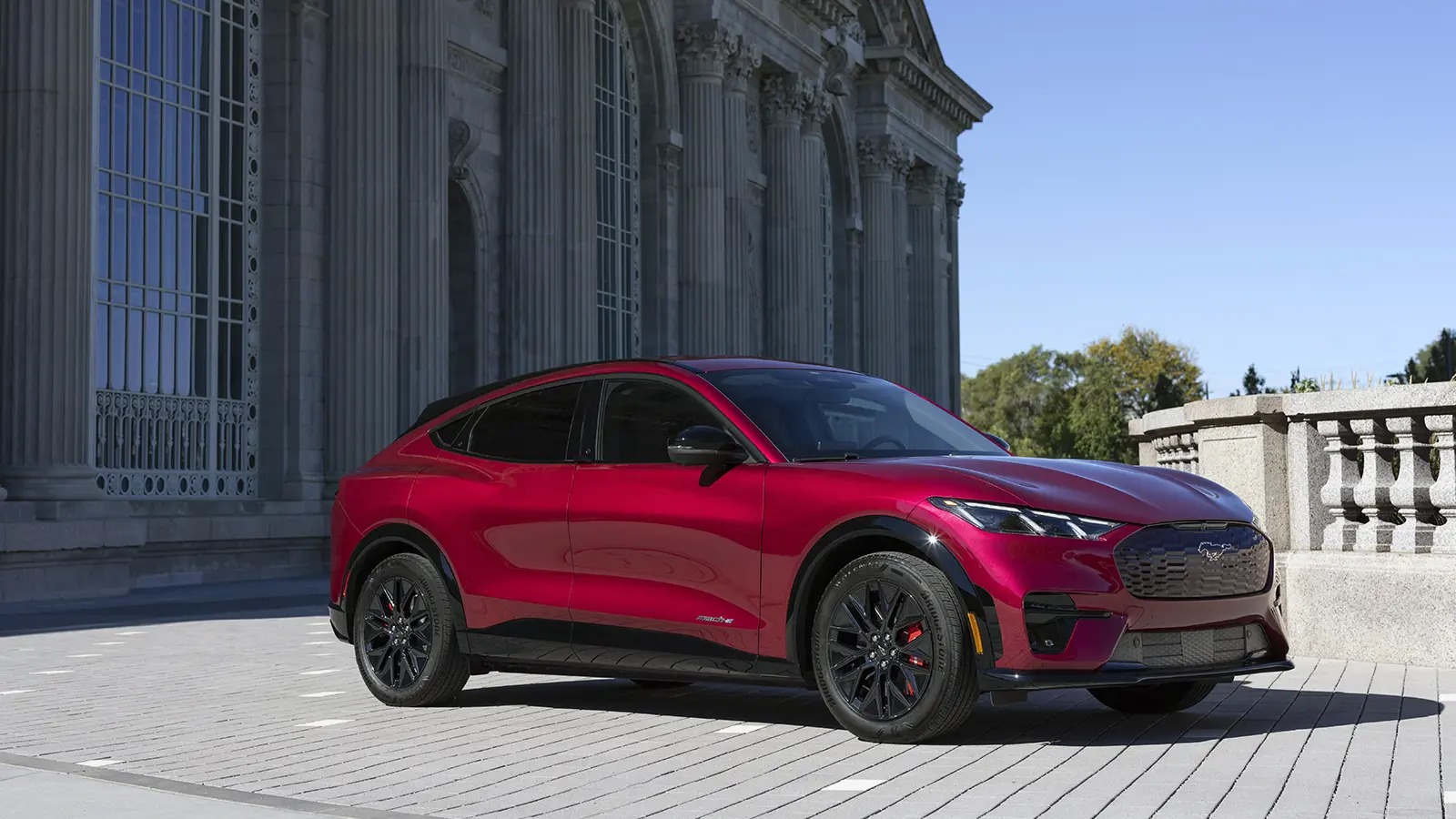
1. Ford Mustang Mach-E
Ford managed to keep some of the qualities that drivers enjoy while switching to an electric powertrain with the Mustang Mach-E. Though it carries the Mustang name, this car is very different from the original muscle car. However, it still brings a kind of excitement and feel that makes it come across like a proper car and not just a digital experiment.
The Mach-E comes with proper steering feedback, and the way it handles curves on the road gives you confidence. The weight of the car is balanced in such a way that it still feels grounded, even at high speeds.
While the cabin is modern, Ford did not remove all physical controls. You still get knobs and buttons for important tasks like volume control and climate settings, so you don’t have to rely only on the touchscreen.
One thing that makes the Mach-E feel more like a traditional car is how it sounds. Even though the engine is gone, Ford included artificial sounds that create some level of driving emotion.
This gives you some feeling of acceleration, which many drivers miss in fully silent electric vehicles. The seating position, visibility, and control layout were all done in a way that reminds you of standard cars, not smartphones.
Ford’s approach to combining electric innovation with familiar car qualities worked well here. You still get modern tech features, but not in a way that completely removes the driving engagement.
The suspension feels sturdy, the brakes respond naturally, and the entire driving experience is very close to what drivers already know. This blend makes the Mustang Mach-E stand out as an electric vehicle that doesn’t forget what a car is meant to feel like.
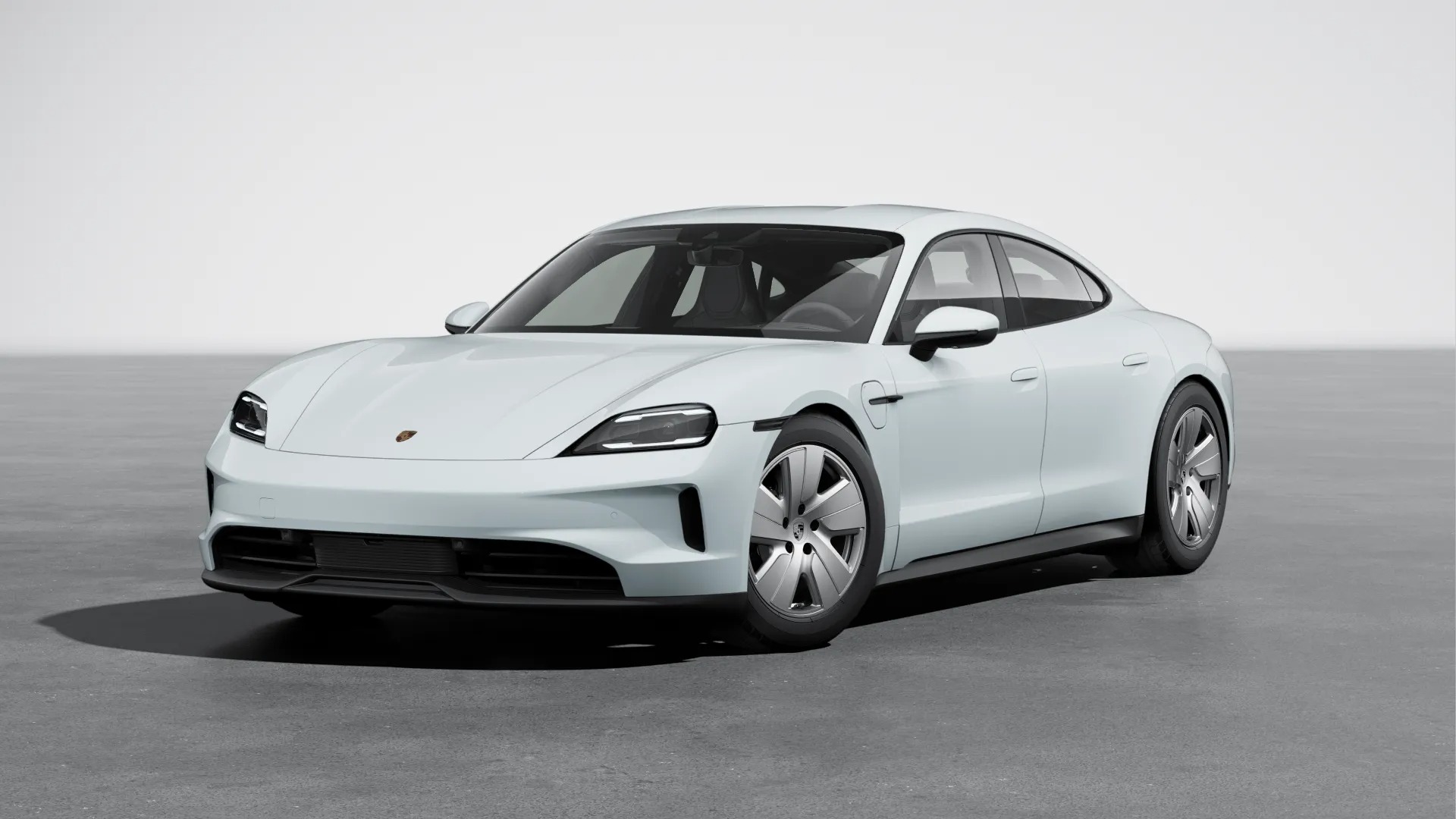
2. Porsche Taycan
The Porsche Taycan brings a different approach to electric driving. Even though it runs fully on battery, it still delivers the kind of driving experience that people associate with performance vehicles.
From the moment you press the accelerator, the Taycan responds with energy that feels natural and familiar. The steering has weight, the handling is precise, and the suspension keeps the car stable through corners.
Inside the cabin, Porsche mixed traditional and modern designs. You get screens and digital displays, but they are balanced with physical controls. This setup allows you to adjust settings without taking your eyes off the road too much.
The seating position is low, like most sports cars, and this adds to the driving excitement. The build quality also stands out, giving you the feeling of sitting inside something strong and well put together.
Porsche paid attention to how the Taycan moves and behaves. You feel engaged when driving it, not just because of the speed but because of how the car communicates with you.
The brakes feel like they belong in a race car, and you get a strong sense of control. Even though the car is electric, it doesn’t remove the joy that comes from connecting with the road.
The Taycan proves that electric power does not have to remove the spirit of driving. Porsche kept the soul of their performance cars while moving into electric territory.
This model reminds you that even without fuel and engine noise, a car can still give proper driving enjoyment. Among electric vehicles, the Taycan feels more like a traditional sports car than a high-tech device.
Also Read: 5 Cars With Effective Air Filtration and 5 That Circulate Dust
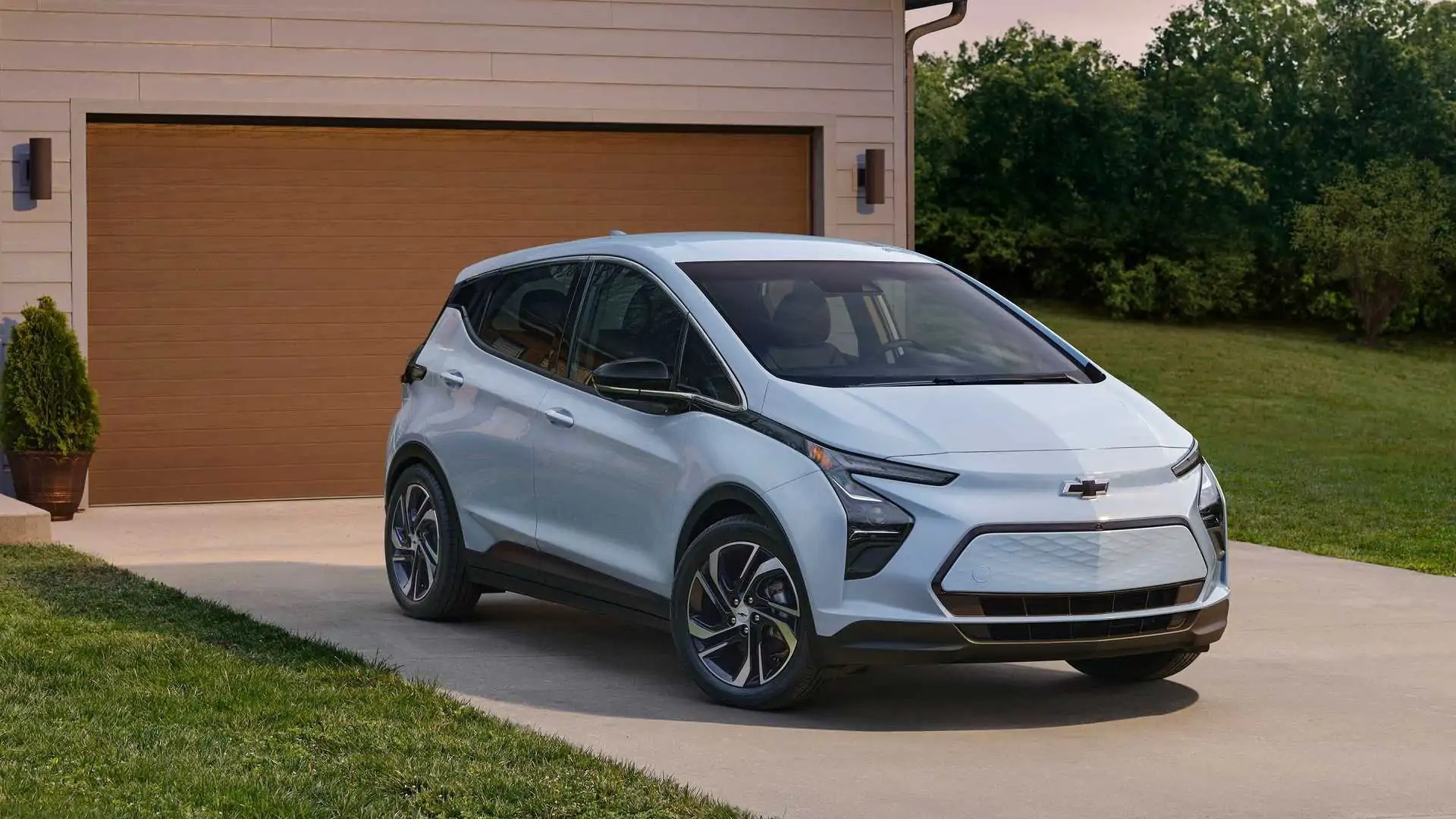
3. Chevrolet Bolt EV
The Chevrolet Bolt EV offers electric driving in a way that remains simple, functional, and familiar. Though the design might not grab too much attention, this vehicle focuses on being easy to drive and reliable. Unlike some newer EVs that try to change everything about the driving experience, the Bolt EV keeps many things the way regular drivers like them.
It comes with traditional buttons, switches, and knobs for climate and audio control. The dashboard includes a digital display, but the information is clear and easy to read. You don’t have to swipe through menus or issue voice commands to do basic tasks. That makes the experience closer to what most people know from older cars.
Driving the Bolt feels direct. The steering is responsive, and though it’s a compact car, it handles everyday tasks without any drama. There’s enough power for city driving, and it keeps steady on the highway, too. The way it brakes and turns doesn’t feel artificial. You still feel like you’re doing the work behind the wheel, not just riding in a smart system.
Chevy also designed the Bolt’s seating and layout with comfort and practicality in mind. It doesn’t try too hard to be futuristic. Instead, it gives you a decent cabin, plenty of headroom, and a familiar driving position. While some other EVs try to be different for the sake of design, the Bolt EV sticks to what works.
This vehicle serves people who want electric mobility but don’t want to change how they drive. It shows that an EV can be functional without being too high-tech or flashy. For drivers who care about driving feel and simplicity, the Bolt EV provides a straightforward experience that feels like a car and not like a mobile gadget.
4. Polestar 2
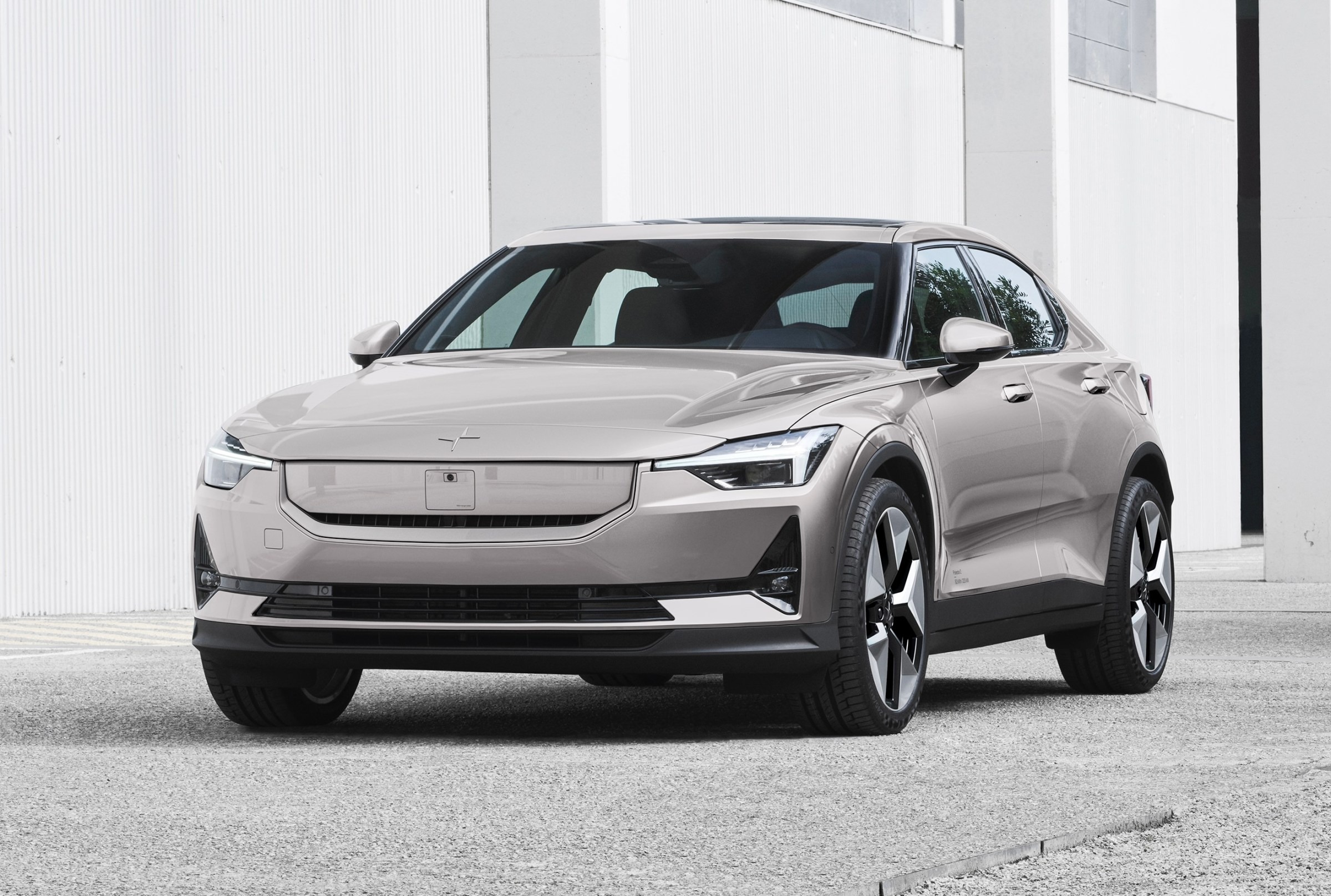
Polestar 2 brings Swedish simplicity into electric driving while keeping things familiar for people who enjoy traditional car behavior. From its exterior, it looks like a proper sedan with a strong presence. Inside, it offers a calm cabin without removing the physical touches that make drivers feel in control.
While the center screen uses Google’s Android system for navigation and music, the layout is not overcomplicated. The essential buttons are easy to find, and Polestar included knobs for volume and climate control. That makes the car easier to manage while driving. The software feels like a help, not a distraction.
Driving the Polestar 2 gives a sense of weight and control. The way it turns and stops is smooth, but it doesn’t feel automated. The steering is sharp enough to handle corners well, and the suspension keeps the car stable without floating. It does not isolate the driver too much from the road, which helps keep you connected.
Even the design of the seats and windows creates an experience that focuses on comfort without becoming too high-tech. The sound inside the cabin is controlled, but you still feel movement. Polestar made sure that even though the car is electric, it would not remove the physical feel that drivers are used to.
The Polestar 2 avoids extreme digital control. It’s built with care and delivers an electric drive that respects traditional car design. It suits those who want to enjoy battery-powered driving without losing what they enjoy about older models. With its balanced features and proper drive feel, the Polestar 2 behaves more like a car than a digital machine.
5. Audi e-tron GT
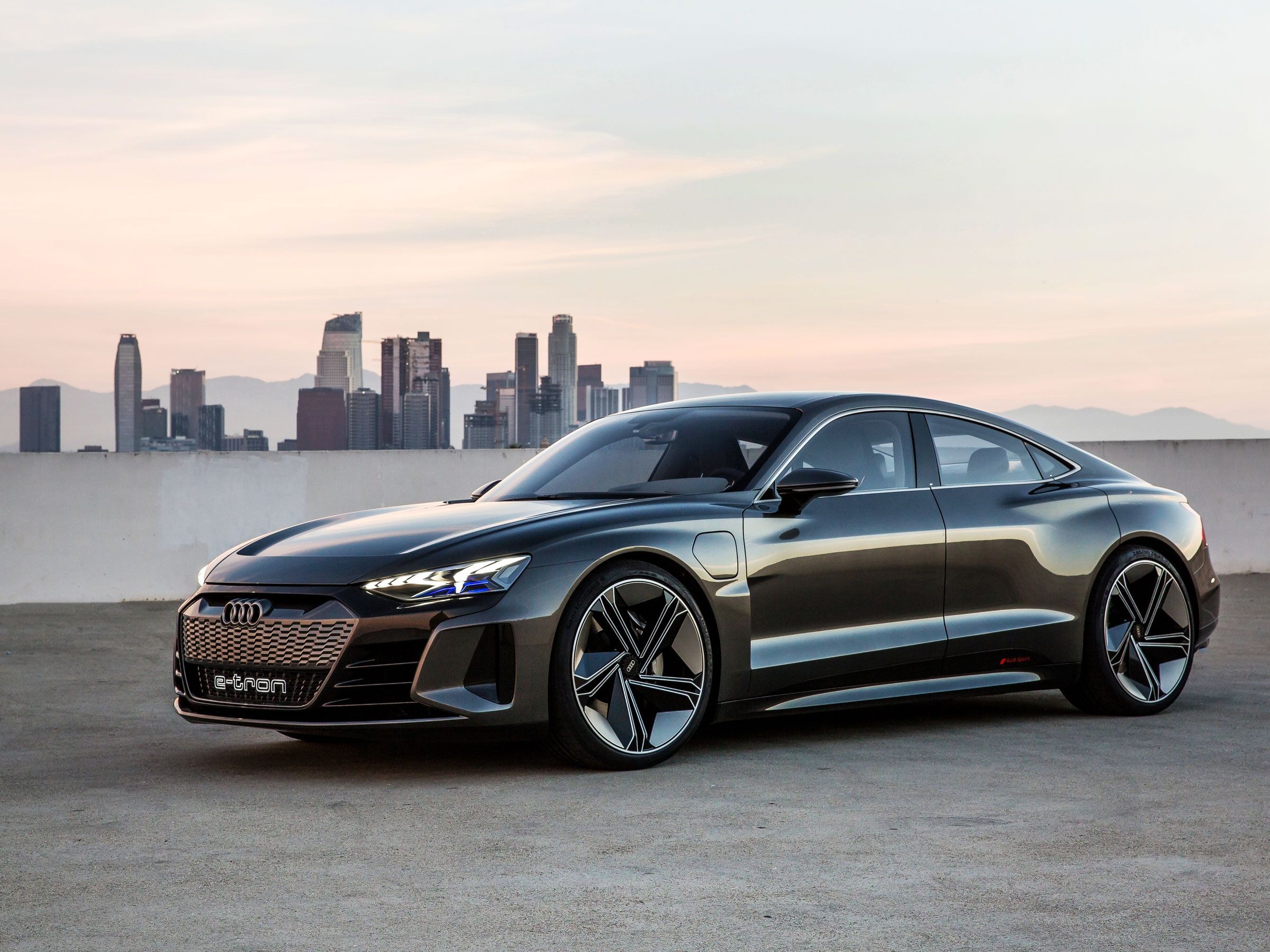
Audi’s e-tron GT stands out as one of those electric vehicles that manage to preserve everything drivers love about a traditional performance car while adding electric power.
From the moment you sit inside, the cabin gives off a sporty and premium atmosphere without being overwhelmed by screens or digital controls. The layout keeps familiar features close at hand, making it easier for the driver to focus without being distracted.
The e-tron GT offers a strong balance between modern technology and real driving feel. While there are digital displays and software-based features, Audi included enough physical buttons and knobs to keep the interface comfortable. This blend of classic control and digital support helps it retain the style of a well-designed sports sedan rather than a gadget on wheels.
Driving this vehicle is what truly separates it from many other EVs. The steering is firm and precise, offering plenty of feedback to the driver. You can feel the weight of the vehicle, and the power response is controlled in a way that gives you the sense of true performance.
It’s quick, no doubt, but not in a way that makes you feel like you’ve handed control to a machine. You remain in charge, and every turn or stop feels natural. Audi also put effort into the ride and suspension.
It is firm enough for sporty driving but still comfortable for everyday use. There’s also a sound system designed to give off a soft electric hum while driving, giving the driver something to listen to that reflects motion and speed, without being fake or distracting.
Even the design supports that grounded feel. The low stance, wide tires, and sculpted body add a physical presence that looks like it belongs on the road.
The e-tron GT shows that it’s possible to make an electric vehicle without losing the physical, tactile joy of driving. Among electric cars, it firmly stands with those that still feel like real machines made for people who love to drive.
5 EVs That Feel Like Gadgets
1. Tesla Model 3
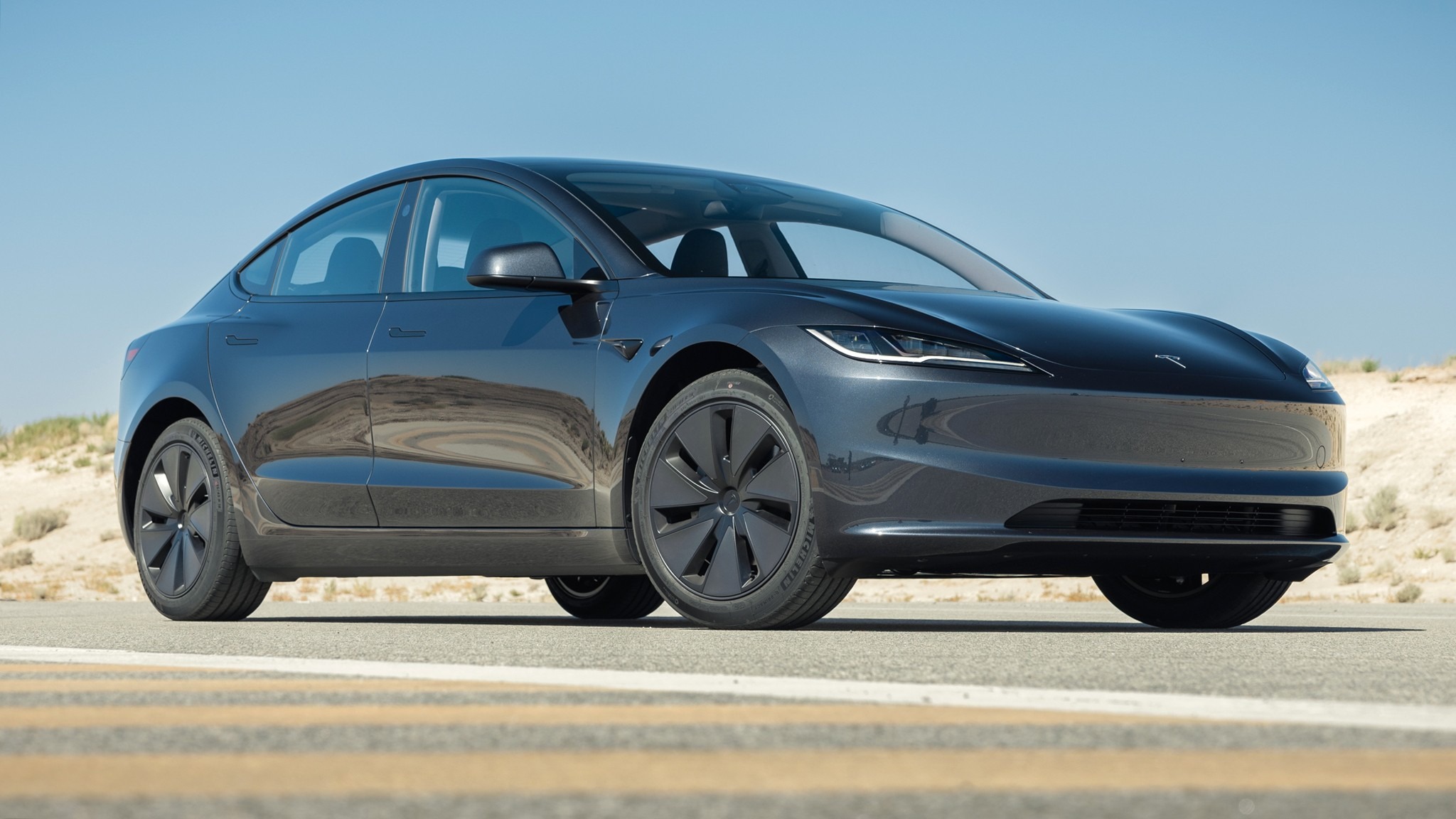
When you step into the Tesla Model 3, it is very easy to think you just walked into a device rather than a car. The dashboard is extremely simple, and everything is controlled from a large touchscreen placed at the center.
From adjusting the mirrors to opening the glovebox, almost every single function depends on the screen. This approach feels very different from what most people are used to when it comes to traditional cars.
The Model 3 operates with a high level of automation. It uses a digital key through your smartphone, meaning you don’t need to insert anything or even press a button. You simply walk up to the vehicle, and it unlocks automatically.
This makes it very convenient, but for those who enjoy the physical touch of a key or a real start button, this can feel unusual. While the technology here is impressive, it might take some time for people who are more used to normal car behavior to get used to this experience.
Driving the Model 3 also brings out that digital quality. The steering is light, and the car moves smoothly, but the absence of any sound or gear changes removes that mechanical feedback you would usually get in fuel-powered vehicles.
While some people love the silence and ease of the drive, others might find it too quiet or too soft. You do not feel much connection to the road, and it gives the impression that the car is doing most of the thinking for you.
The frequent software updates delivered over the air give the car new features without you having to visit a mechanic. While this is useful, it adds to the feeling that you are using a tech gadget that changes often.
The lack of physical buttons, heavy reliance on software, and the entire user interface design make the Model 3 a perfect example of an EV that behaves more like a smart device than a traditional automobile.
2. BMW iX
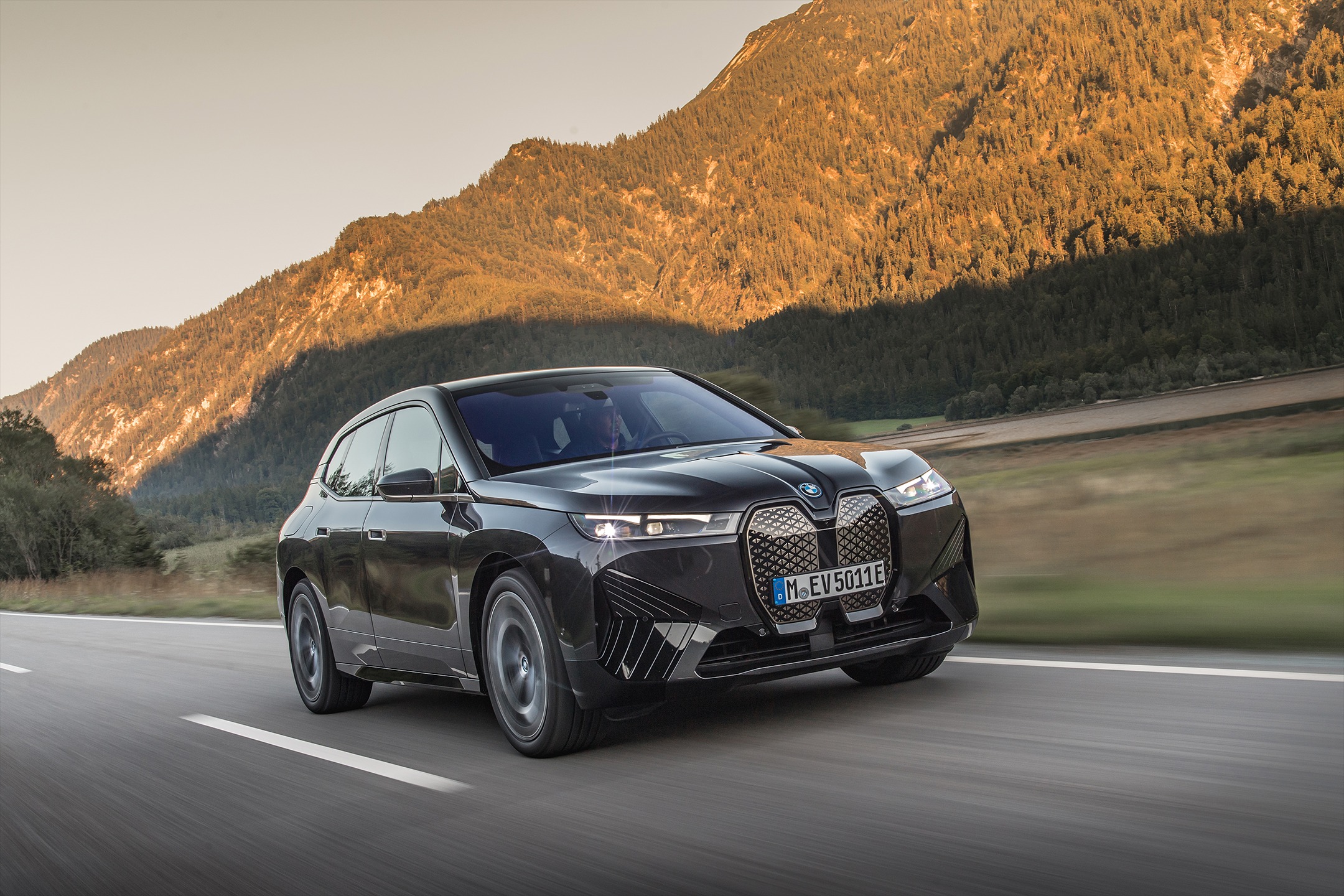
The BMW iX is one of those electric SUVs that pushes hard towards technology. Right from when you open the doors, you notice that the design was not created for familiarity. Instead, it tries to show that it belongs in a very different category from regular cars. The layout inside the cabin is filled with digital screens, touch-sensitive materials, and voice-controlled features.
You’ll find very few buttons, and even those that exist are designed to respond with very light touches. The steering wheel has an unusual shape, and the gear selector is no longer the traditional lever but a switch.
This changes how you relate to the car, as everything feels like you are using a high-end tech device instead of a regular vehicle. BMW focused heavily on software in the iX. You get an advanced infotainment system that allows for gesture controls, facial recognition, and cloud services.
The dashboard is mostly digital, and it updates itself with new features through online connections. These things improve comfort and convenience, but they also distance the driver from the car’s mechanical feel.
Even the way the iX drives contributes to this gadget-like experience. The handling is smooth, but it almost feels like the car is making decisions for you. Steering is extremely light, and there’s a noticeable lack of road feedback. It’s as though the car wants to remove every vibration and every sound, leaving you in something that behaves like a digital space instead of a real driving machine.
BMW’s attention to detail and luxury are impressive, but all these features combine to create something that moves away from what most drivers associate with a car. The focus is clearly on comfort, technology, and smart features, which puts the iX in the group of EVs that act more like digital gadgets than proper cars.
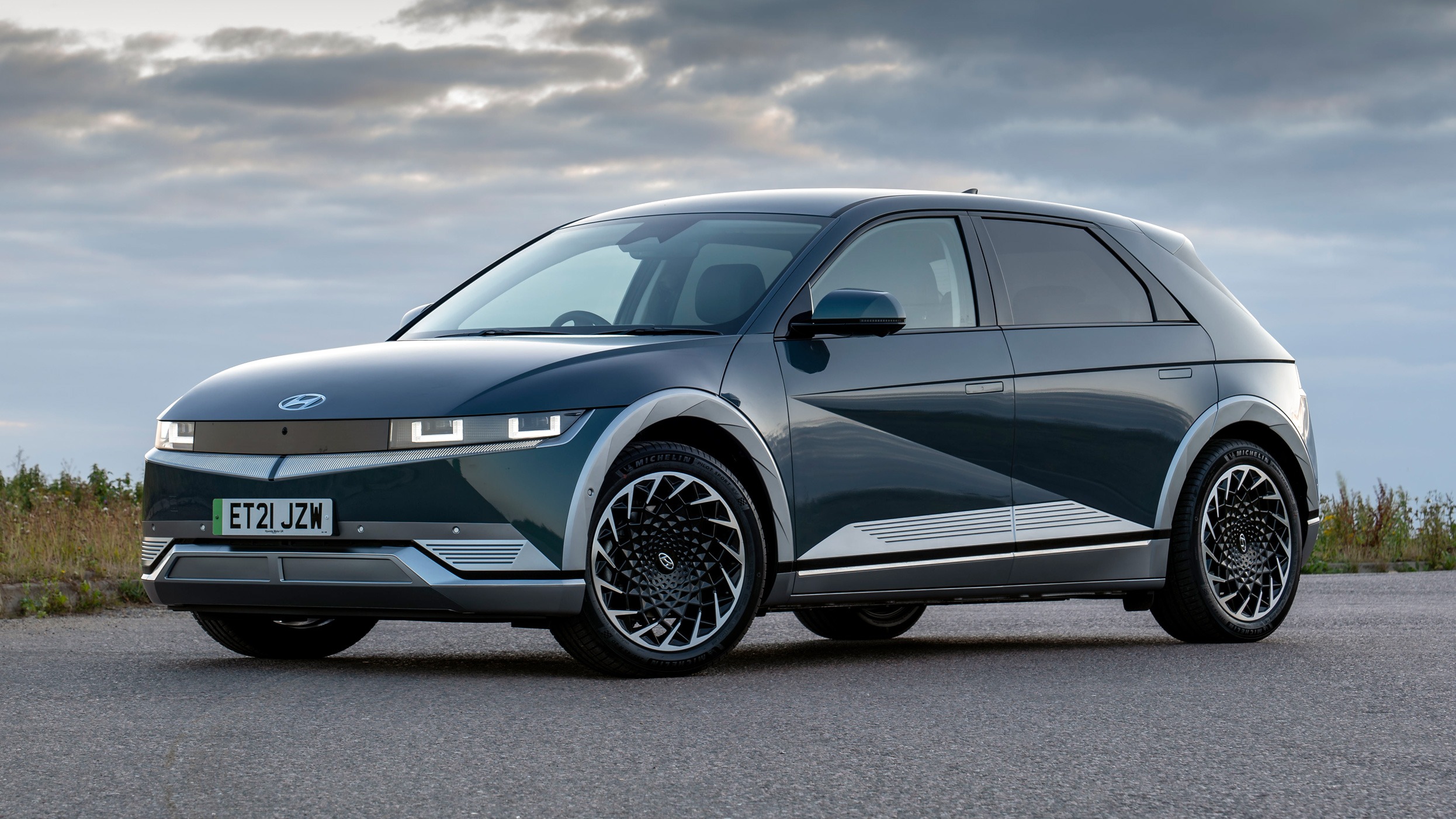
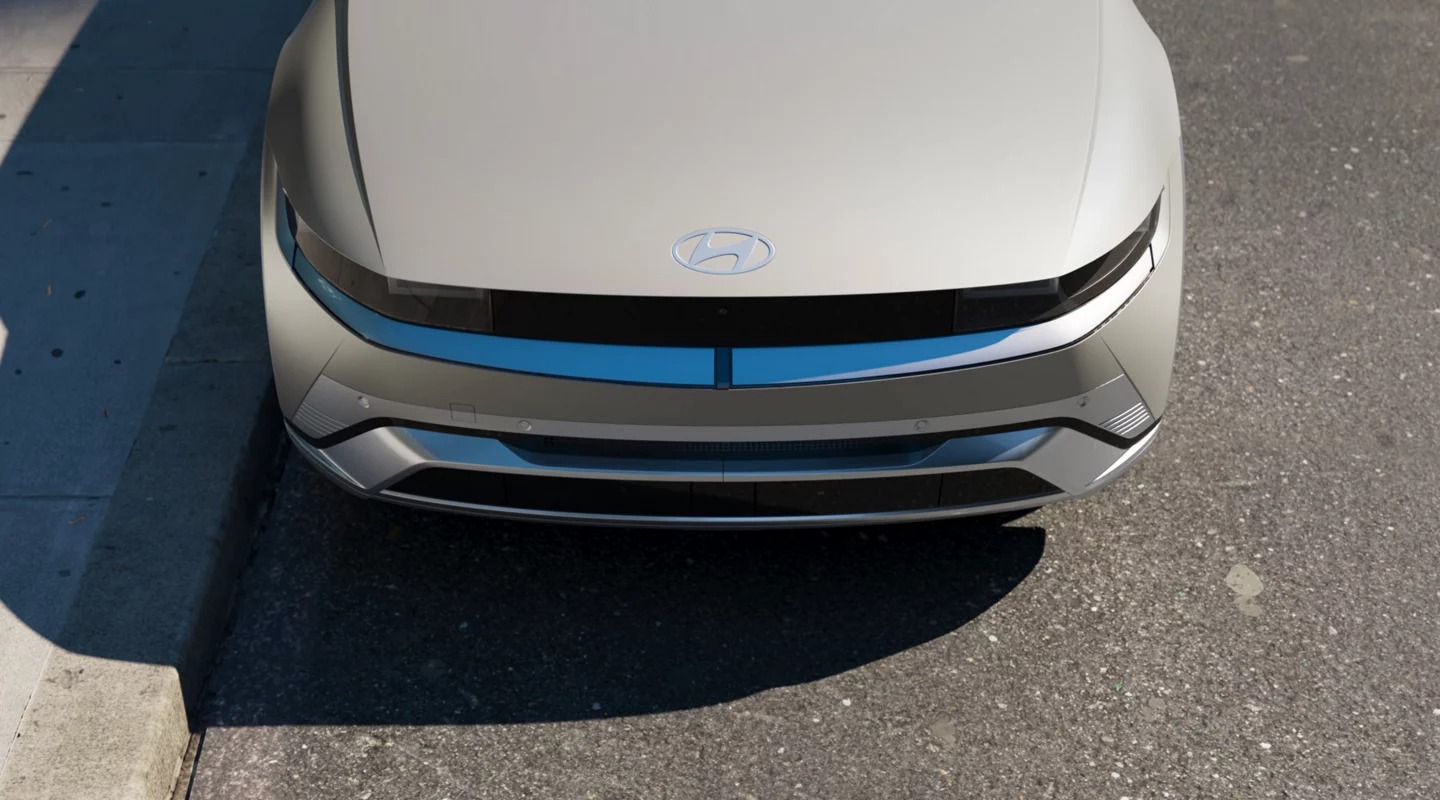
3. Hyundai Ioniq 5
The Hyundai Ioniq 5 is designed with futuristic style and advanced features that lean more toward a tech gadget than a regular car. Right from the exterior, the boxy design with pixel-style lights gives it a digital feel.
When you enter the cabin, you are greeted with a bright, wide dashboard that stretches across the front and holds two digital screens. These control almost everything inside the car.
The center console can move back and forth, and the gear selector is positioned behind the steering wheel like a switch. These design decisions break away from the typical car setup.
The materials used inside, such as eco-friendly plastics and fabrics, give the vehicle a different kind of atmosphere. It does not feel like a traditional car cabin but rather like a mobile smart lounge.
Touchscreens take over most of the functions. While the interface is clean and smooth, it also removes the mechanical interaction that many drivers are used to. Even the air conditioning controls are touch-sensitive. While this may appeal to people who enjoy digital tools, others may find it distracting or less reliable than physical buttons, especially when driving.
Hyundai packed the Ioniq 5 with advanced features like augmented reality displays, self-parking assistance, and voice commands. These features serve well in urban areas, but they also contribute to the feeling that this EV is more of a rolling smart device. The suspension and handling are tuned for comfort, and while it rides smoothly, there is little engagement for those who enjoy sporty or physical driving.
Altogether, the Ioniq 5 feels like a quick look into a digital future. Its design, both inside and outside, does not try to remind you of any past car style. Instead, it focuses on providing a digital experience on wheels, putting it squarely in the group of electric vehicles that feel more like gadgets than real cars.
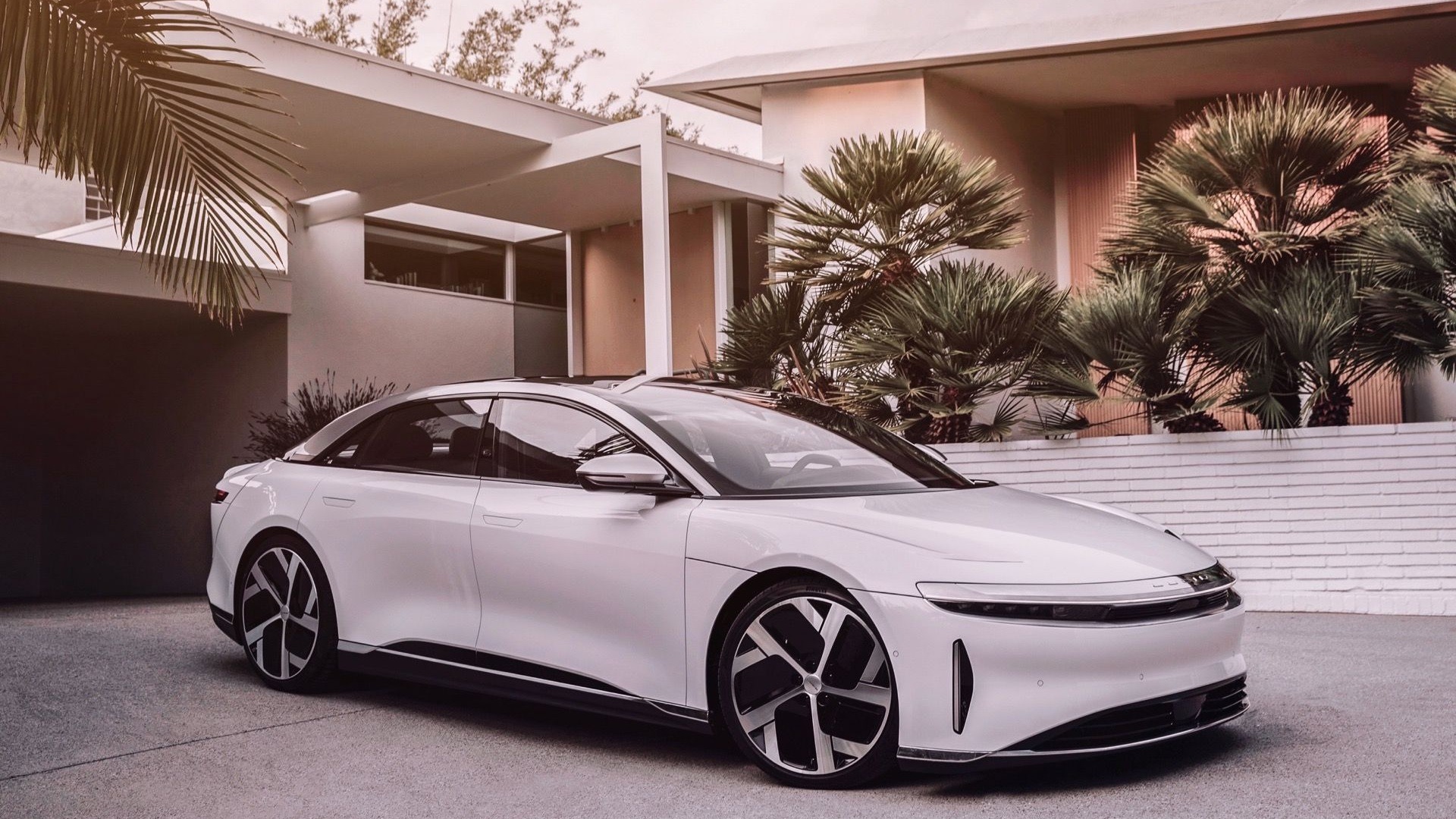
4. Lucid Air
The Lucid Air aims to challenge high-end EVs with its luxury and technology, but it does so in a way that separates it from traditional driving experiences. The exterior design is smooth and elegant, but once you enter the cabin, you step into something that behaves more like a digital control center.
The dashboard stretches with large screens. Even the instrument cluster and center control are merged into a wide panel. There are minimal physical controls, and most actions are done using touch or voice. While this keeps the interior clean and modern, it also takes away the hands-on feel that many drivers expect when behind the wheel.
Lucid’s software is advanced. The system is built in-house and gets frequent updates to add new features. The car also includes artificial intelligence to adjust settings based on your driving habits.
Though this may sound like a benefit, it can also feel like the car is running the show. That can take away from the sensation of driving and make the experience feel more like managing a smart device.
Driving the Lucid Air is smooth and silent. The steering is light, and road noise is reduced to a minimum. While these qualities are expected in a luxury car, they also remove much of the natural feel that connects a driver to the road. The ride is soft, and while it’s fast, it delivers speed without drama. This calmness might impress passengers, but it reduces driver excitement.
Lucid focused on high-tech solutions, and the car acts more like a personal assistant on wheels than a performance machine. For those who like gadgets, smart homes, and digital automation, the Lucid Air delivers exactly that. But for those who want to feel the road and hear the mechanics, it may feel more like a futuristic device than a traditional car.
Also Read: 5 Cars With Best Visibility and 5 With Major Blind Spots
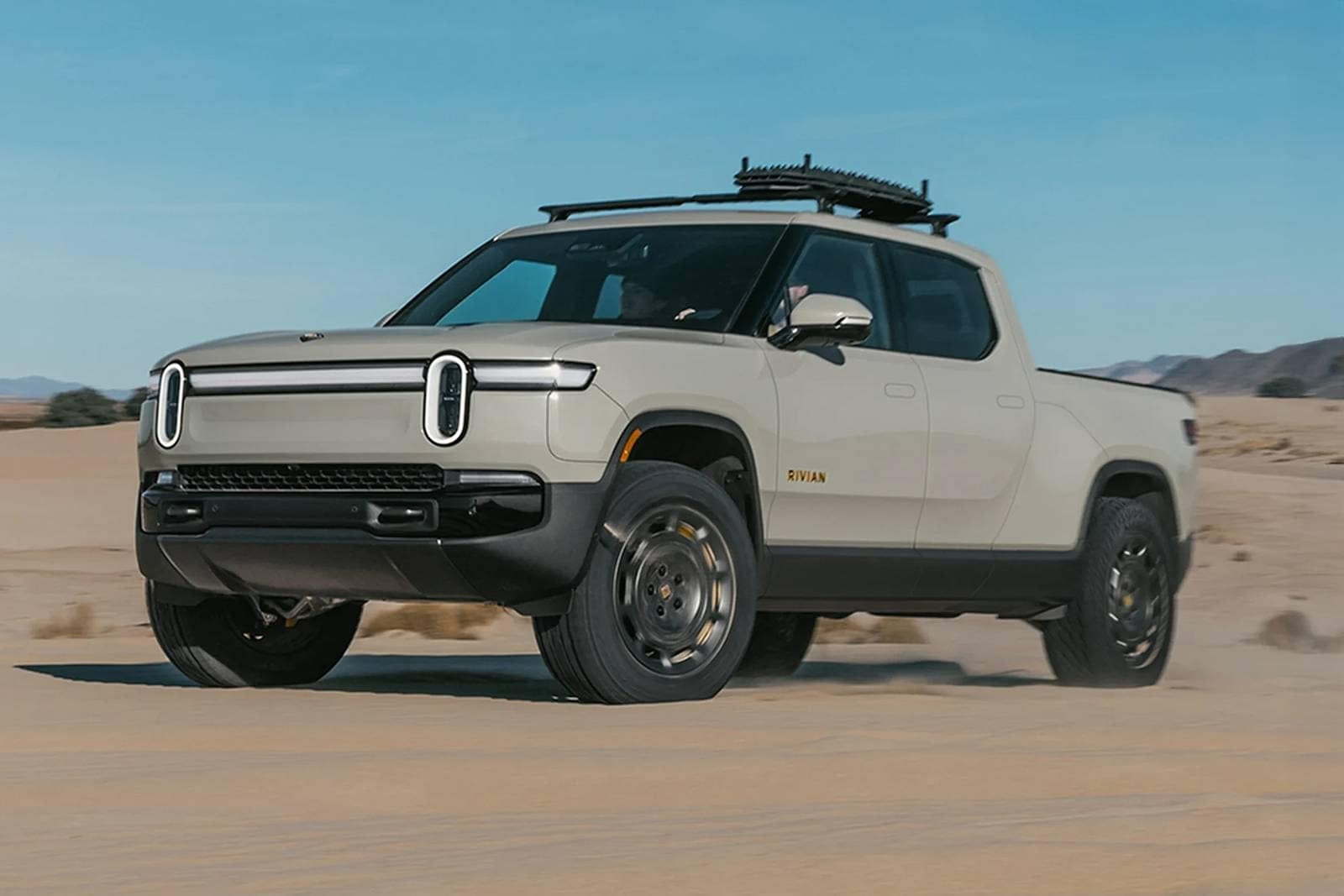
5. Rivian R1T
The Rivian R1T is a pickup truck that comes with plenty of advanced tech features and futuristic details. It’s made to stand out, and it does that by behaving more like a smart tool than a rough work truck. Right from the outside, the LED light bar and sleek body give off a modern appearance.
Inside the cabin, the design is clean and high-tech. Two large screens control almost every part of the vehicle. Physical buttons are very few. Even the air vents are adjusted using the touchscreen. This setup may look modern, but it requires you to keep your eyes on digital menus to make simple changes, which takes away from the driving experience.
Rivian focused on adding smart features, including off-road maps, camping modes, and over-the-air updates. The car remembers your seat position, climate preferences, and even how you drive. While these things sound helpful, they also push the R1T more toward being a mobile device that learns from you than a truck that you control.
The drive is smooth, and the power delivery is instant. You don’t hear much from the motor, and the ride quality is quiet. But this also means the roughness and raw strength you expect from a truck are missing. It doesn’t shake, it doesn’t roar, and it doesn’t feel heavy in the way many traditional pickups do.
Rivian made the R1T with innovation at its center. It behaves like a luxury tech gadget built for outdoor use. For those who love advanced tools and futuristic controls, this is a great match. But for people who like their vehicles to feel strong, physical, and grounded, the R1T might come across as too digital.
Electric vehicles have moved far past the early stage where they were seen as slow or limited. Now, they offer luxury, speed, and many new features. But while they all run on electricity, the way they behave on the road sets them apart.
Some EVs aim to replace traditional cars without changing the way they feel. Others seem more focused on introducing tech-driven experiences that replace familiar car behavior. On one side, you have EVs like the Porsche Taycan, Ford Mustang Mach-E, Audi e-tron GT, Polestar 2, and Chevrolet Bolt EV.
These models show that even though the engine has changed, the driving experience can still feel grounded. They allow drivers to enjoy control, balance, and connection with the road. The physical elements, like responsive steering, solid braking, and useful mechanical features, are still present.
While vehicles such as the Tesla Model 3, BMW iX, Hyundai Ioniq 5, Lucid Air, and Rivian R1T present a different kind of journey. They highlight automation, touch-based interfaces, voice control, and software-driven decisions.
These cars behave more like smartphones or tablets that happen to have wheels. For some, this is exciting and fresh. For others, it feels like something important has been removed.
Choosing between these two categories depends on what kind of experience a driver wants. Those who enjoy the feeling of mechanical control and familiar behavior will be more comfortable in EVs that stay close to traditional car values. People who enjoy smart home tech, digital assistants, and the convenience of software may prefer EVs that lean into gadget territory.
As electric vehicles become more common, manufacturers will likely continue building cars in both directions. Some will focus on preserving the human part of driving, while others will push toward full automation and digital living.
Either way, the electric car market now includes a wide range of choices. Some EVs still feel like real cars. Others feel like moving devices. Both groups serve different needs, but understanding the difference can help you pick the one that fits you best.
