
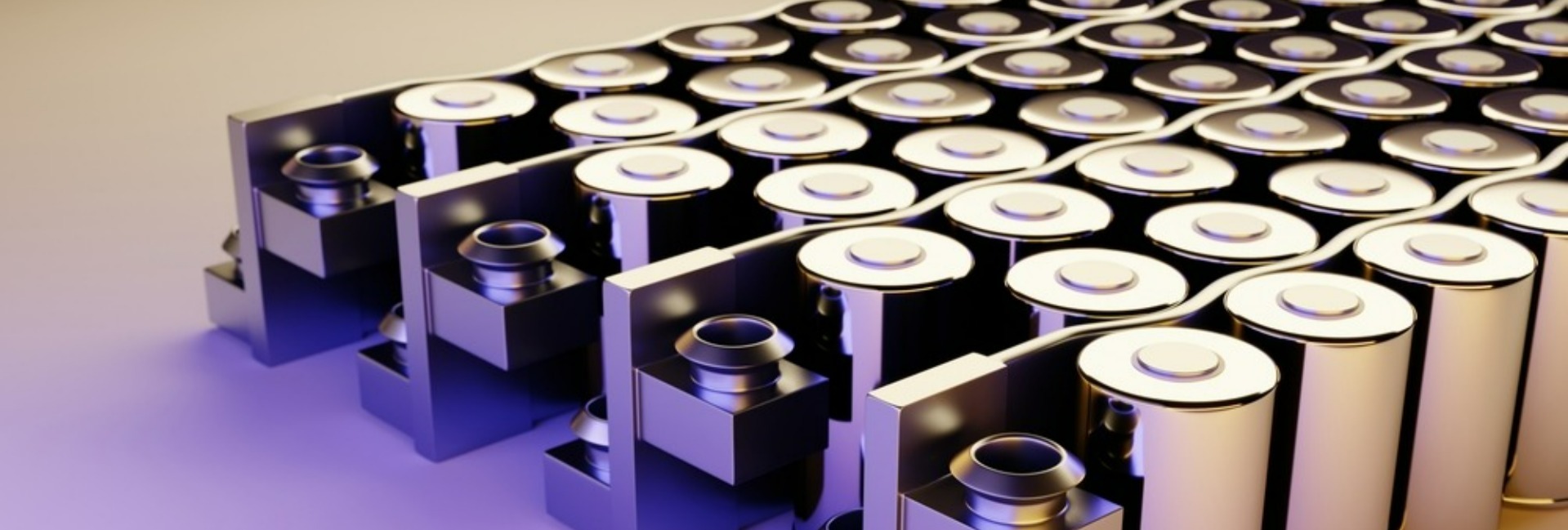
Electric vehicles have taken up a strong position in the car industry, offering a clean and efficient alternative to petrol and diesel engines. But while people often focus on battery life, range, and charging speeds, there’s another factor that greatly affects an EV’s performance: thermal management.
Keeping an electric vehicle’s powertrain and battery system at the right temperature is necessary for safety, durability, and performance. If an EV fails in cooling, it can overheat, lose power, or even break down entirely.
Thermal management is more than just a technical term. It refers to how well a car keeps heat levels under control. In internal combustion engine cars, this process is handled by radiators, fans, and coolant systems.
Electric cars, on the other hand, rely on high-tech systems that regulate battery temperature, inverter heat, and motor cooling. Some EVs handle this properly, allowing them to function even in very hot or cold conditions. But others struggle, especially when driven hard or exposed to extreme climates.
A car with a weak cooling system can face multiple problems. The battery could degrade more quickly, performance could drop without warning, or the vehicle might switch to a ‘limp’ mode to prevent further damage.
This puts drivers at risk, especially on long trips or during hot summer weather. While a strong cooling system helps keep battery life long, it also charges fast and maintains stable performance.
We will take a closer look at ten electric vehicles. Five of them handle cooling very well, offering smooth performance no matter the weather. The other five often deal with overheating, leaving drivers frustrated.
Whether you are planning to buy a new EV or just want to learn more about its strengths and weaknesses, this breakdown will provide useful insight into which models perform best and which ones struggle to stay cool.
5 EVs With Perfect Cooling
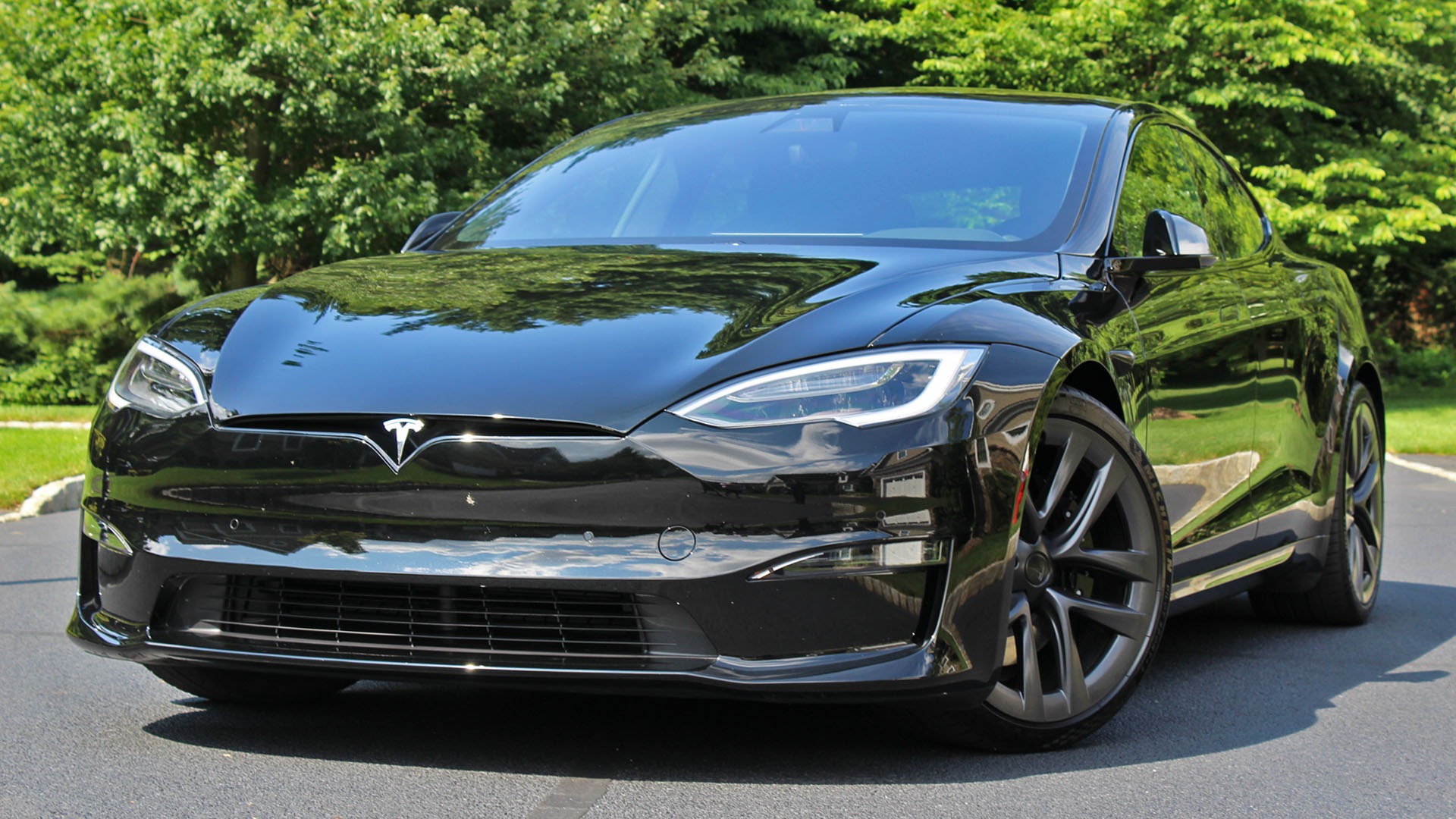
1. Tesla Model S
Tesla Model S stands as one of the best examples of how efficient cooling makes a big difference in electric car performance. With its well-designed thermal system, the Model S delivers consistent performance across various driving conditions. Whether in hot summer temperatures or while charging quickly at Superchargers, this EV rarely suffers from heat-related troubles.
The cooling system in the Model S uses a liquid-based thermal management layout. This allows for even temperature distribution across the battery pack, which helps avoid the sudden power drops seen in vehicles with poor thermal regulation.
Tesla also connects the battery pack, inverter, and electric motor in one loop, so all major parts stay within a safe temperature range. The electric pump and radiator work hand in hand with a set of sensors that detect heat levels and make adjustments on the fly.
Even during long-distance trips or high-speed driving, the Model S manages to stay within its operating temperature window. This allows it to perform without loss in speed or acceleration.
Some drivers have noticed how well the car handles when driving through steep hills or during extended use of features like Ludicrous Mode. It doesn’t just cool the powertrain but also the cabin, keeping comfort high for the passengers.
What makes it stand out even more is how Tesla constantly updates the software, improving thermal control without needing hardware changes. New updates often make the cooling system smarter, reacting quicker to rising temperatures. The company has also designed the Model S with metal cooling plates across the battery cells to reduce hot spots, extending the battery’s life span.
Its ability to cool down fast after charging is another strong point. When connected to high-voltage DC fast chargers, the Model S increases fan speeds and coolant flow to reduce thermal buildup, allowing faster charging without damage. This feature alone puts it ahead of many rivals who must slow charging rates to prevent overheating.
The Tesla Model S continues to be a top pick for those who want reliable performance under all weather conditions. Thanks to its robust thermal systems, it avoids most of the heat-related issues that plague other electric vehicles. If consistent power delivery and long battery health are priorities, the Model S is one of the strongest options on the market today.
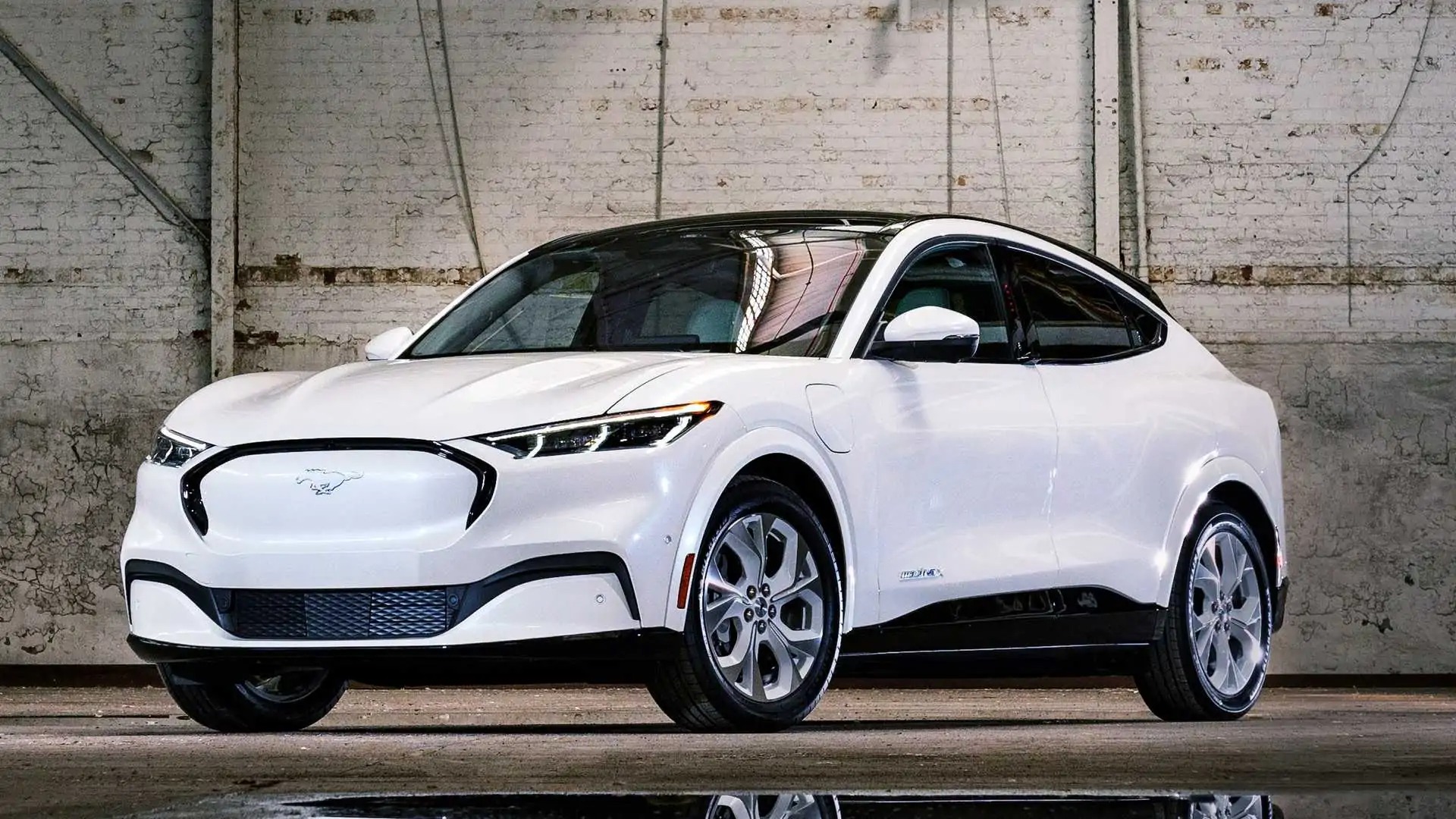
2. Ford Mustang Mach-E
The Ford Mustang Mach-E shows that American carmakers can compete strongly in EV technology, especially when it comes to thermal control. From the start, Ford designed the Mach-E to work in different climates, offering both comfort and strong battery management in warm and cold regions.
Its thermal system includes a dedicated liquid cooling loop for the battery and another for the motor. This approach allows each component to receive cooling depending on the demand.
While some electric vehicles share a single loop, which can cause uneven cooling, Ford separated these systems to improve reliability. The battery pack in the Mach-E features cooling plates placed between the cells, which absorb heat and move it toward the coolant.
Another point that helps the Mach-E avoid overheating is the advanced software that monitors battery condition during operation and charging. When the car senses heat rising, the system responds with increased coolant flow and blower activity.
This means even when driving under heavy load or in high-speed highway conditions, the EV maintains stable performance without any warning messages or sudden loss in power.
Ford also tested the Mach-E in extreme temperatures during development. This included long runs in desert heat and cold winter testing in Michigan. As a result, the car now includes a heat pump that adjusts depending on external temperature. The pump not only warms the cabin in winter without using too much battery power but also works with the cooling loop during warmer months.
When connected to a DC fast charger, the Mustang Mach-E has no problem controlling battery heat. Unlike some rivals that have to slow down charging once the battery gets hot, this car keeps up its charging rate even when power levels are high. That helps drivers get back on the road quicker.
It’s also worth pointing out how quiet the cooling system is. The fans and pumps rarely produce loud noises, even when working at full speed. Drivers can enjoy peace in the cabin while still getting top thermal performance.
For anyone who wants a stylish electric SUV that keeps temperature problems away, the Mustang Mach-E is a strong candidate. It balances performance, comfort, and smart cooling without making compromises.
Also Read: Top 10 Cars With Durable Upholstery Offering Long-Lasting Interiors
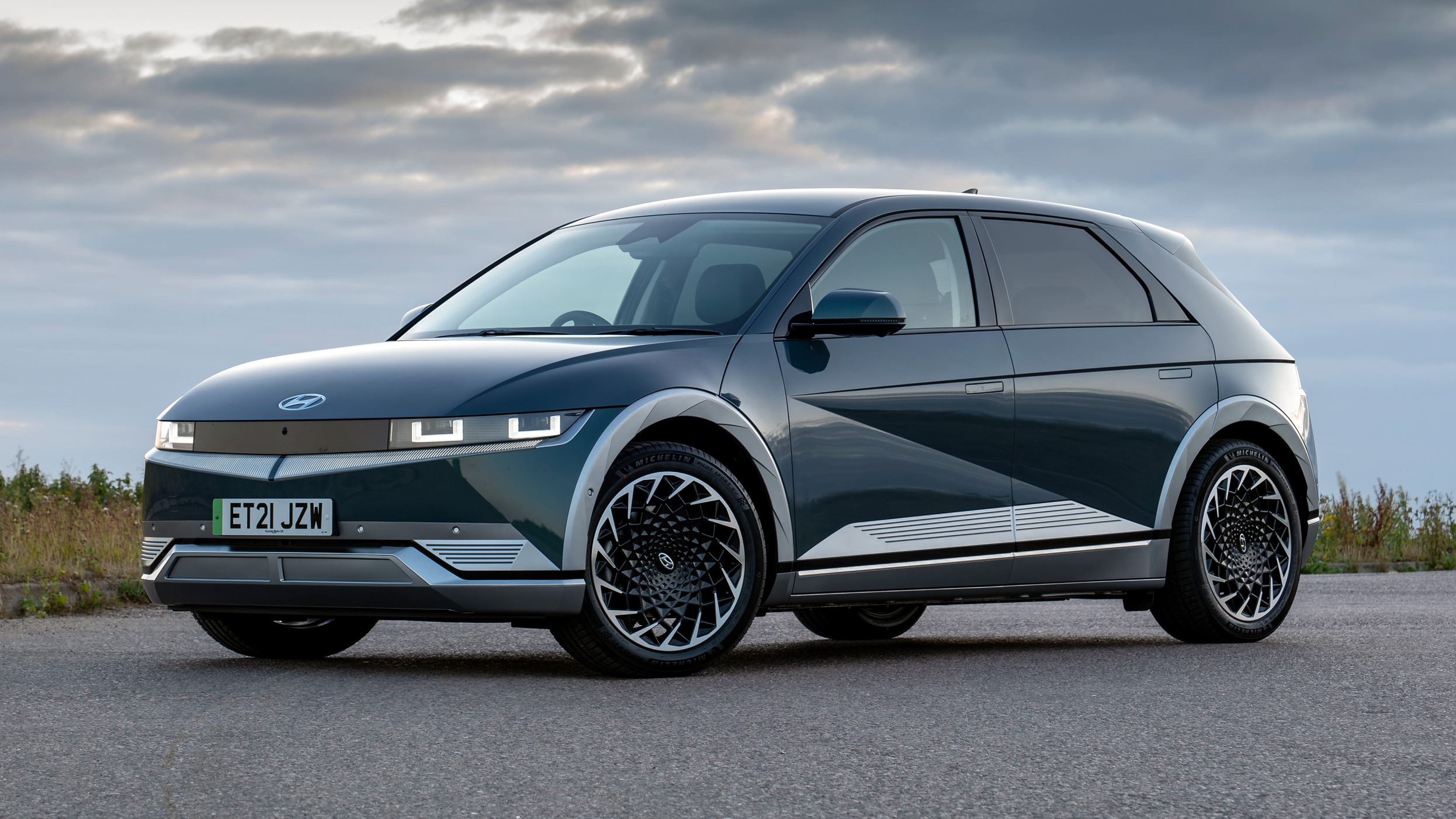
3. Hyundai Ioniq 5
Hyundai’s Ioniq 5 stands out for its futuristic design and advanced features, but its cooling system deserves just as much attention. Built on Hyundai’s E-GMP platform, the Ioniq 5 comes with a high-efficiency thermal management system that prevents overheating even during long drives in hot weather.
The liquid cooling loop runs throughout the battery pack, and it’s controlled by a central processor that adjusts coolant levels in real time. Sensors placed at multiple points within the battery help the system respond quickly to changes in temperature. This setup allows the Ioniq 5 to maintain even thermal distribution, which improves battery life and driving performance.
One reason the Ioniq 5 performs so well in hot areas is the way the battery cooling is integrated with the inverter and motor systems. All three work together through separate but connected cooling paths. This layout prevents heat buildup in any one part and spreads the thermal load more evenly.
Drivers who live in hot climates often praise how the Ioniq 5 keeps performance high even during peak heat hours. The cabin remains cool, the charging stays quick, and the vehicle doesn’t show signs of thermal throttling. Whether in traffic or at high speeds, the car maintains strong output without slowing down.
During DC fast charging, the system also proves its worth. The car doesn’t slow down its charging speed due to rising battery temperature. Instead, it cools the cells actively, letting the user finish charging within the expected time. The charge-to-heat balance is one of the most reliable among modern EVs.
Hyundai added a pre-conditioning feature to the Ioniq 5, which starts adjusting battery temperature before fast charging. This not only speeds up the charging process but also reduces heat buildup that could affect long-term battery health.
Even after long-distance driving or extended city use, the cooling fans work quietly and stop quickly once the heat is under control. This limits wear on the cooling parts and keeps cabin noise low. For drivers seeking strong thermal management combined with sharp design and performance, the Ioniq 5 remains one of the best all-around electric cars available today.
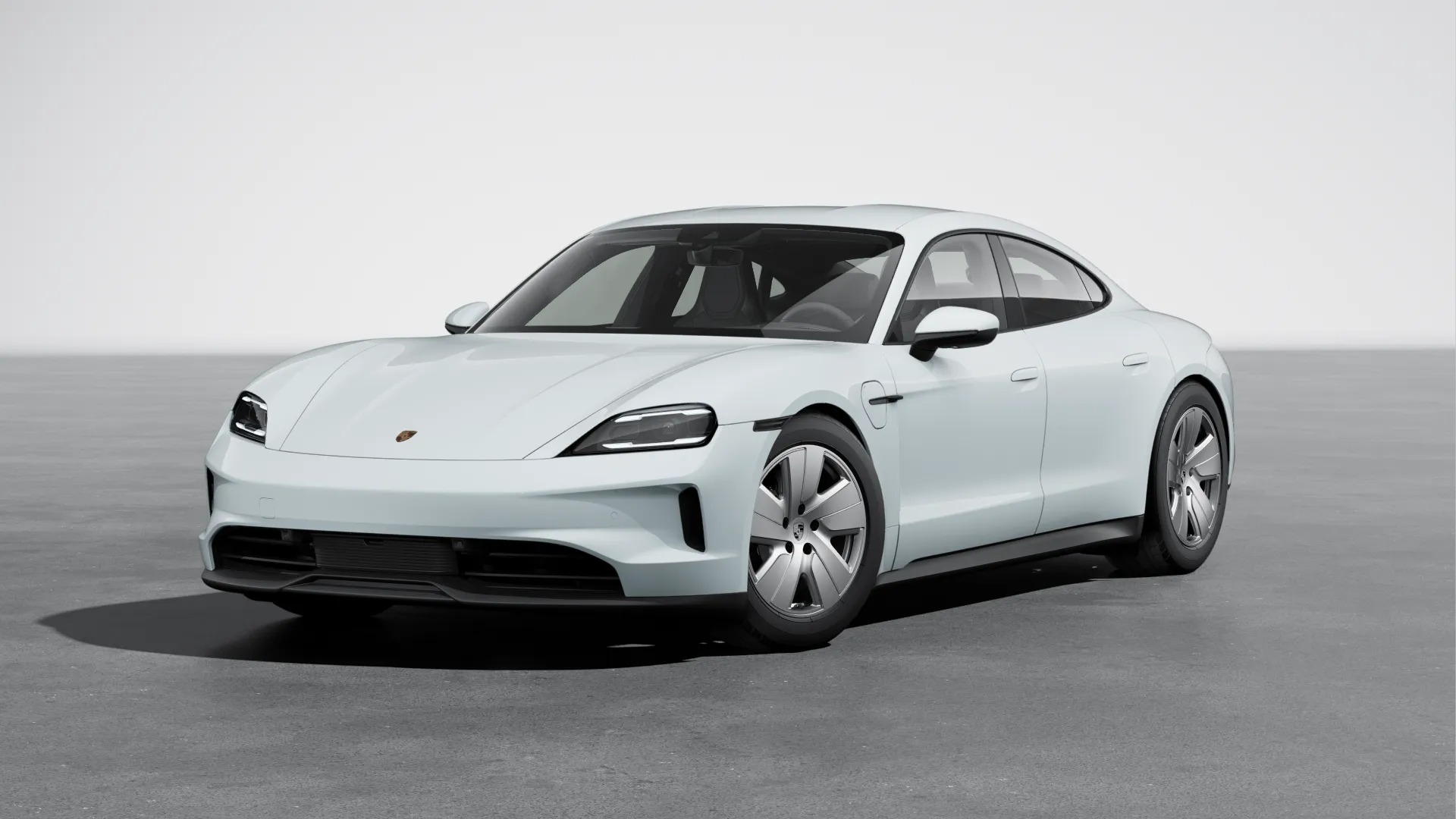
4. Porsche Taycan
The Porsche Taycan sets itself apart not just with speed and style but with an advanced thermal setup that protects its performance in all situations. This electric sports car was built to deliver strong results during aggressive driving, so the cooling design had to match that high demand.
At the heart of its thermal system lies an intelligent coolant circuit. It includes multiple loops that manage heat for the battery, power electronics, and electric motors.
These loops work separately and together, depending on the driving condition. When the Taycan is on the racetrack or highway, these circuits activate different pumps and radiators that cool each part without overworking the entire system.
What makes the Taycan stand out even more is its use of coolant valves that open or close depending on where cooling is most needed. That level of detail allows the car to deliver peak power repeatedly without hitting a thermal limit. It means drivers can enjoy full throttle multiple times without the EV losing power or entering a protection mode.
Porsche added a feature where the thermal system adjusts before charging starts. The car cools the battery ahead of time, making high-speed DC charging faster and safer. This prevents overheating while keeping charge times short. It also means the Taycan can take full advantage of 800-volt charging stations, unlike other EVs that need to slow down as heat builds up.
During long journeys or spirited drives, the Taycan holds its performance steady. Whether it’s a hot day or cold weather, the car’s system manages internal temperatures so well that overheating becomes nearly impossible. Even with repeated launches or climbs through hills, it stays smooth and safe.
Cabin cooling is another strong area. The climate control system includes sensors that respond to outside and inside temperatures, keeping the interior comfortable while also limiting battery drain. It all works together to improve the entire experience for both the driver and passengers.
Drivers who want both speed and stability will find the Taycan’s cooling system one of the strongest features. It was built not just to move fast, but to keep going without suffering heat-related breakdowns.
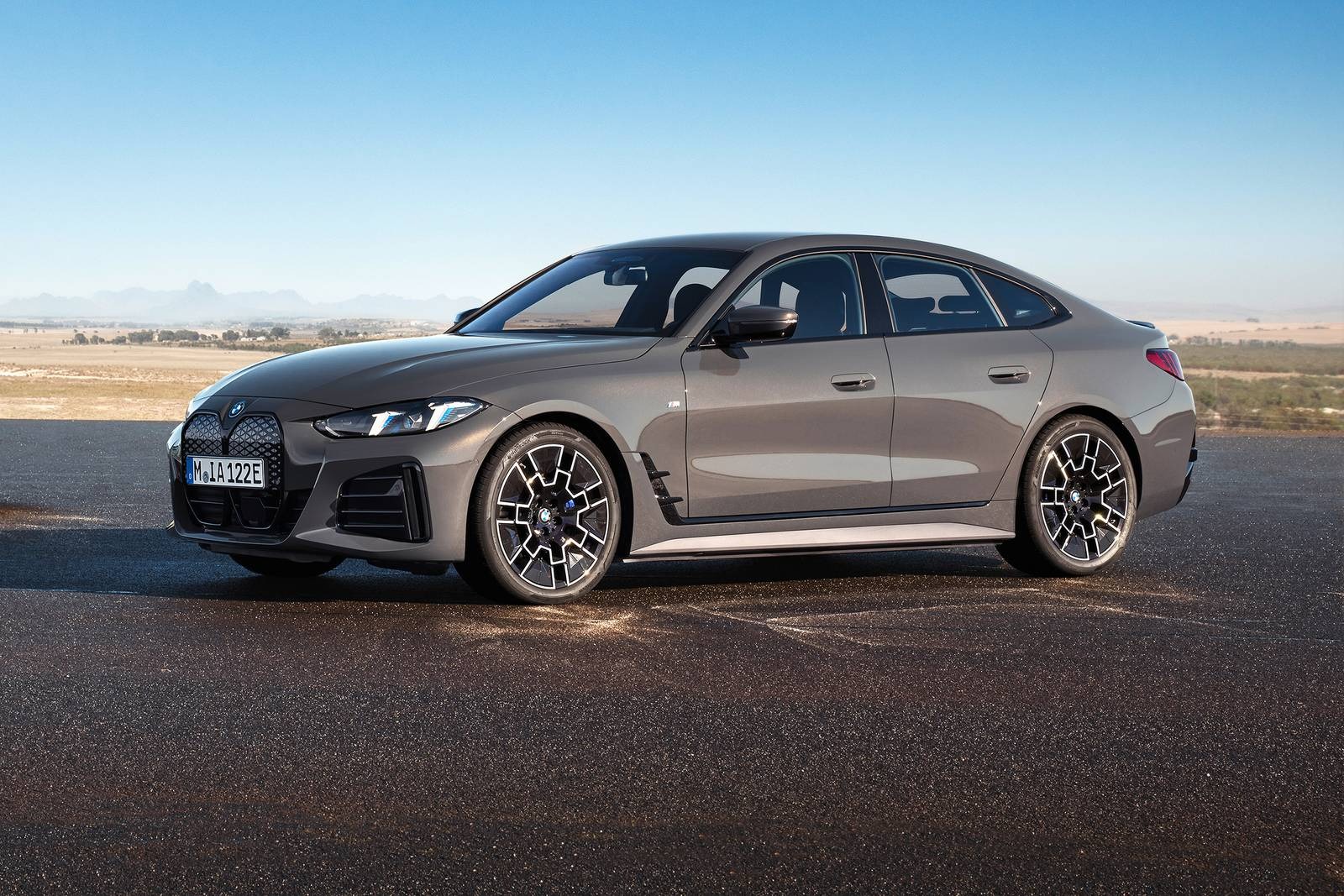
5. BMW i4
The BMW i4 has made a strong impression since it entered the electric car space, and one reason is its smart use of thermal management. As a performance-focused EV that still serves as a daily driver, it had to find a balance between power and cooling. BMW achieved this by designing a system that adjusts to driving habits and outside conditions.
Unlike many other electric cars, the i4 uses multiple cooling paths for each major component. The battery has a dedicated cooling circuit, the power electronics have another, and the motor has its own as well. These systems communicate with each other, allowing the car to switch strategies when it senses heat levels getting too high in any area.
One area where the i4 does very well is temperature control during charging. BMW designed the car to control the battery’s thermal condition both before and during the charging process. The car slows or speeds up fan activity, adjusts coolant flow, and uses predictive software to maintain stable battery temperatures without reducing charging speed.
When driving for long periods or climbing steep roads, the i4 does not lose power due to heat. Instead, it continues to deliver its full performance while quietly working in the background to keep temperatures safe. Even after several hours on the road, the system brings the battery temperature down efficiently after the car stops.
The heat pump system also helps reduce energy use when heating or cooling the cabin. It supports both comfort and performance by taking some load off the battery, especially in extreme weather. This keeps the car cool inside without sacrificing range.
The i4’s cooling system doesn’t make much noise, either. It’s rare for the fan or pumps to be heard during daily use, making the car feel refined. Many drivers enjoy how quietly and smoothly the car operates while still staying powerful under stress.
BMW succeeded in creating an electric car that offers a strong driving experience without being held back by overheating. The i4 stays ready for anything, from heavy traffic to spirited weekend drives, all while maintaining proper thermal control.
5 EVs That Constantly Overheat
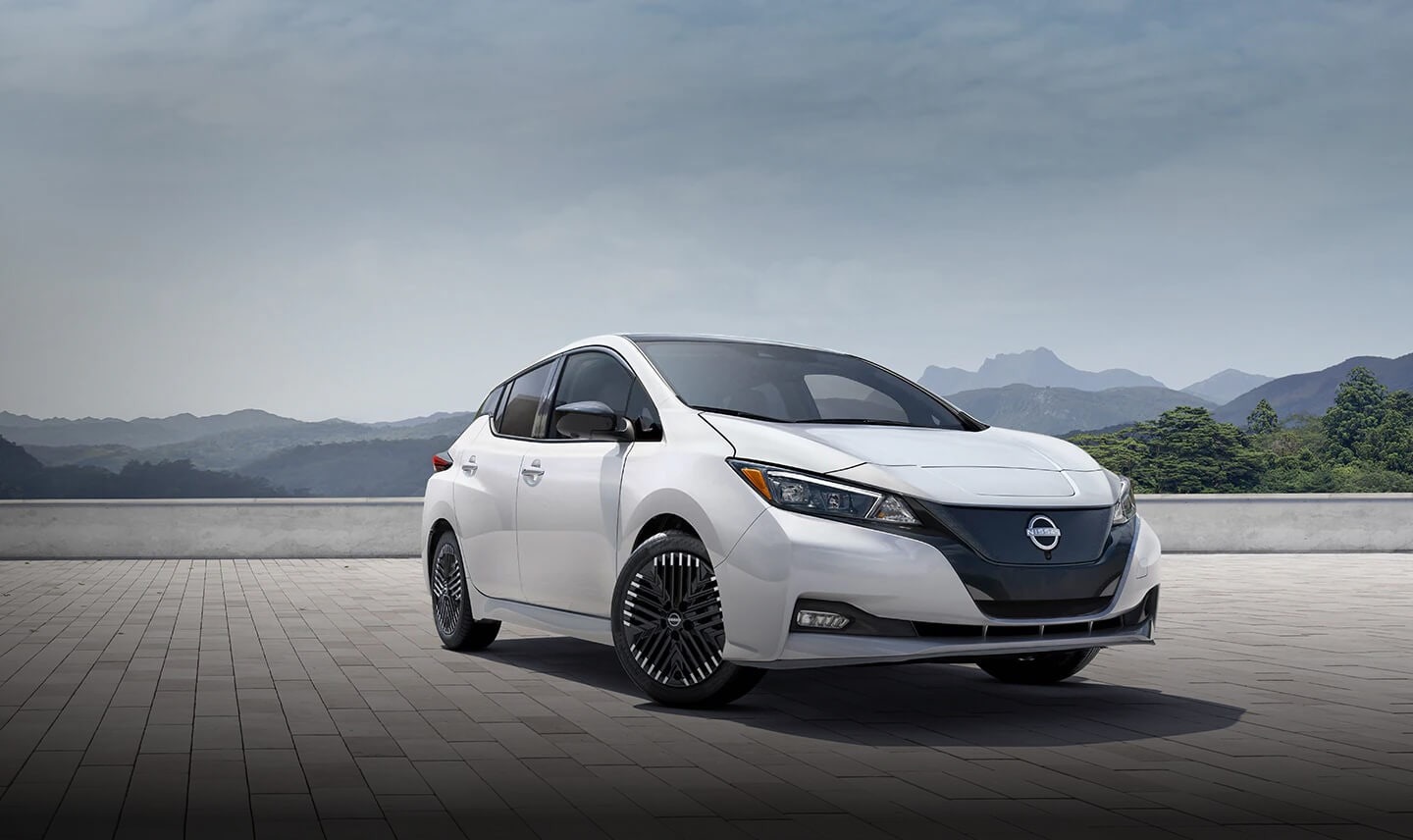
1. Nissan Leaf
The Nissan Leaf was one of the first popular electric vehicles, but its early lead in the market came with limitations. One of its biggest weaknesses has always been the way it handles battery temperature. The Leaf uses an air-cooled battery system, and this setup often fails to handle high temperatures properly.
Unlike modern EVs that use liquid-based thermal management, the Leaf relies on airflow to reduce heat in the battery. This works fine in cooler climates, but it quickly becomes a problem in hotter areas or during summer months. When the battery gets too warm, the car limits charging speeds or cuts back on power, which frustrates many owners.
Another issue comes up during fast charging. Once the battery heats up after the first charging session, the Leaf struggles with multiple quick charges in a single day. This situation, known as “rapidgate” among users, forces the car to slow down charging dramatically to protect the battery. It’s a real inconvenience for anyone planning a long trip with several charging stops.
Even during normal driving, the battery can heat up and reduce efficiency. Drivers in hot regions often notice slower performance after short city trips or while climbing hills. Without an active cooling system, there’s little the car can do except lower power or warn the driver.
The battery also tends to wear out faster due to repeated high-temperature exposure. Since the system cannot bring temperatures down quickly, the long-term health of the battery suffers more than in liquid-cooled EVs.
Although newer models improved slightly with better battery chemistry, they still lack active cooling. This continues to make the Leaf a weak performer in thermal reliability. It works well enough in mild weather, but once things heat up, the problems start to show.
Anyone considering a Leaf should be aware of these limits. The car’s design may save costs, but the lack of proper cooling affects both performance and long-term reliability.
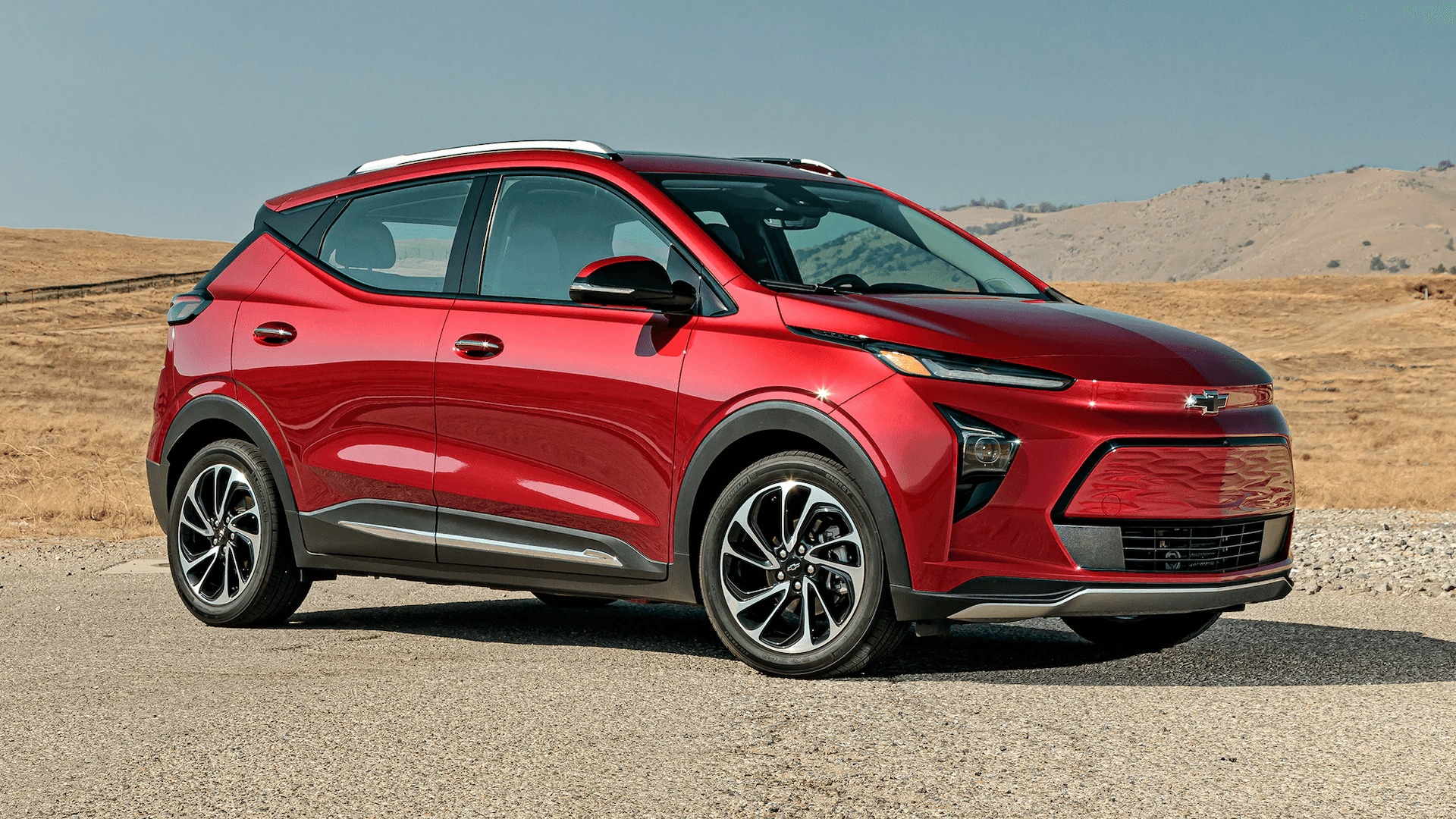
2. Chevrolet Bolt EV
The Chevrolet Bolt EV entered the market as a budget-friendly option with a solid range, but its thermal system often falls short when placed under stress. Although it uses a liquid cooling system, the setup lacks the efficiency seen in higher-tier electric vehicles. This can lead to overheating during long drives or rapid charging.
One common problem is that the Bolt’s thermal system isn’t very aggressive in its cooling strategy. It often reacts late to heat buildup instead of preventing it early.
As a result, the battery can get hot enough to slow down the charging rate or force the car into reduced performance mode. Drivers who try to take full advantage of DC fast charging often see charge rates drop after the first 15 minutes, especially in hot weather.
While the system does cool the battery, it struggles when multiple components heat up at the same time. For example, if the battery, motor, and inverter all reach high temperatures during mountain driving or freeway acceleration, the system cannot always keep up. This causes slower throttle response and possible warning lights on the dashboard.
The Bolt also suffers during long climbs or heavy use of regenerative braking. These actions create more heat, and the cooling system has a tough time managing everything at once. Some users even report that cabin air conditioning struggles on very hot days because the cooling load is already high from the powertrain.
These heat problems have long-term effects, too. Batteries that operate at high temperatures for extended periods can degrade quickly. The Bolt’s thermal limits make it less suitable for frequent fast charging, especially in warm areas.
Chevrolet has improved battery chemistry in later versions, but the thermal system still lacks the smart coordination seen in higher-priced EVs. It’s fine for city driving or moderate weather, but under real pressure, heat becomes a major obstacle.
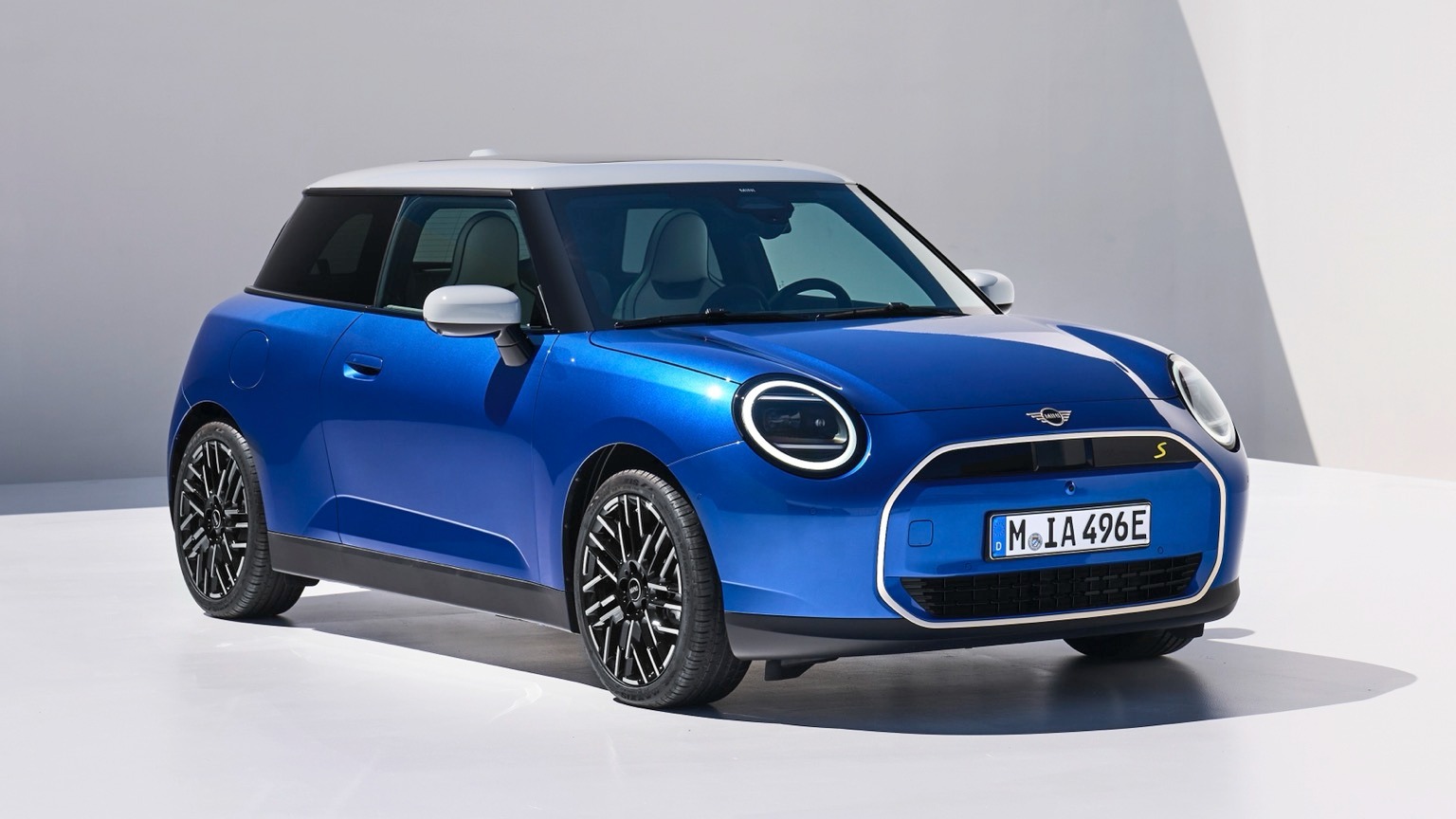
3. Mini Cooper SE
The Mini Cooper SE draws attention with its unique styling and compact size, but thermal performance remains a concern for many users. Its design focuses heavily on urban driving and short trips, which limits its ability to manage heat effectively under tough conditions. While it may seem like a fun daily driver, heat-related problems become clear when it is pushed beyond light city use.
One of the main challenges the Mini faces comes from its air-based battery cooling system. Unlike modern EVs that rely on liquid cooling for faster heat transfer, the Mini Cooper SE depends on airflow to regulate battery temperature.
This method falls short during hot weather, quick acceleration, or multiple fast-charging sessions in a short period. The battery heats up fast and cools down slowly, often reducing the car’s performance.
The car also lacks a thermal pre-conditioning feature. This means that before fast charging, the battery remains at whatever temperature it reached during the drive. When warm, this directly slows down charging speeds. Drivers who rely on public charging stations notice how inconsistent charging times can be, especially in summer.
When driven aggressively, such as on hills or highways, the Mini’s electric motor can heat up quickly. Without a high-capacity cooling system, it risks entering a low-power mode to prevent damage. Owners have also reported the car cutting power briefly after long climbs or extended drives in warm climates.
Even the cabin cooling can struggle under hot conditions. Because the system has to divide its limited thermal capacity between cooling the powertrain and keeping the passengers comfortable, both areas may end up underperforming.
While the Mini SE works well in short commutes or cool areas, it’s not designed for long-distance driving in warmer regions. The vehicle’s compact structure and limited thermal control make it more suitable for light-duty use. For those expecting consistent power output and fast charging on hot days, it may fall short.
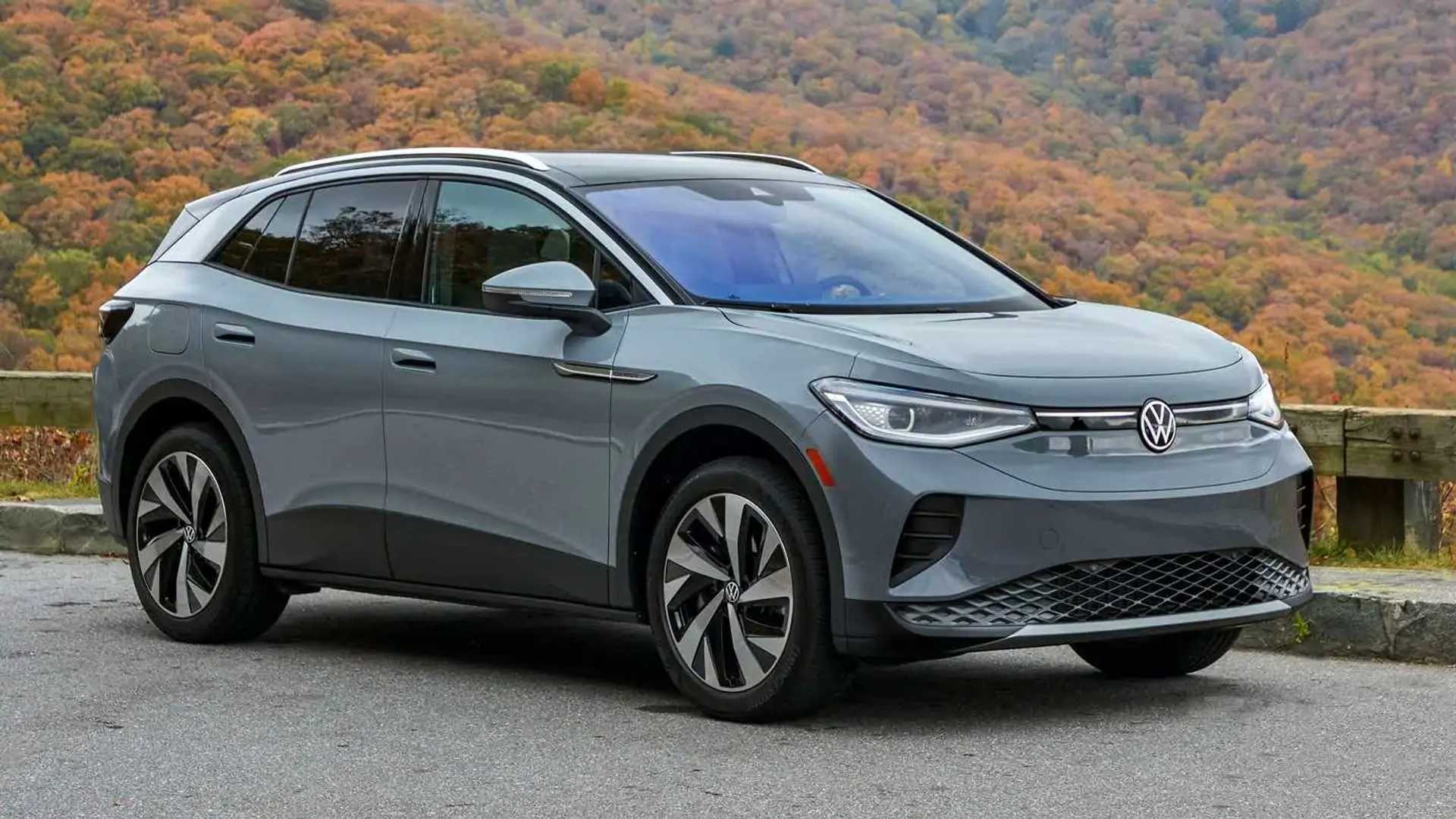
4. VW ID.4
The Volkswagen ID.4 was launched as a family-friendly electric SUV with competitive range and pricing. While it has many features that appeal to new EV buyers, thermal performance can become a problem, especially during repeated fast charging or driving in hot weather. Though the vehicle has a liquid cooling system, it does not respond fast enough when temperatures rise quickly.
A recurring issue with the ID.4 is its slow adjustment to battery heat during high-speed charging. Once the battery starts to get hot, the car often reduces its charging speed to protect internal parts.
This makes it hard for drivers on road trips to maintain short stops, as charge times extend without warning. Several users have experienced a strong drop in charging power even when starting at low battery levels.
The system also seems to lack predictive thermal control. Instead of preparing the battery ahead of time for either fast charging or heavy driving, the car waits until heat becomes a problem. By then, cooling has to work harder to bring down temperatures, which can cause the fans and pumps to run louder and longer.
During uphill climbs or when towing small trailers, the ID.4’s powertrain can heat up quickly. Once the temperature crosses a safe level, the car reduces performance or activates a warning. This can be frustrating for drivers expecting steady output, especially in hot or mountainous areas.
Another weakness appears in cabin cooling. When the outside temperature is high, the car sometimes struggles to cool the interior quickly while also maintaining battery cooling. This affects passenger comfort and adds more load on the battery, reducing the general efficiency.
Though the ID.4’s cooling system is functional, it lacks the smart temperature management features seen in other cars at the same price level. For buyers who drive short distances or mostly charge at home, these issues might not show up often. But for road trips, heavy loads, or extreme heat, thermal issues can become a concern.
Also Read: 5 Cars With Effective Air Filtration and 5 That Circulate Dust
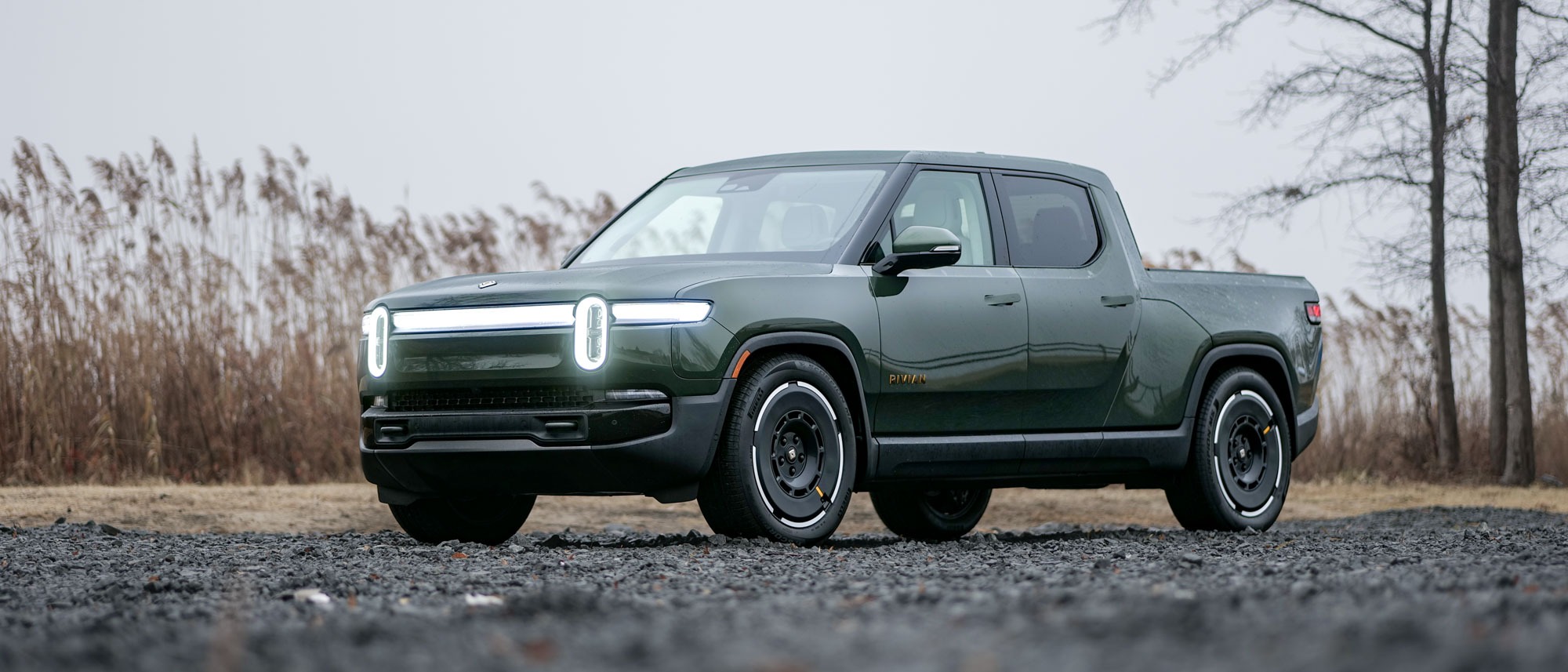
5. Rivian R1T
The Rivian R1T stands out as a powerful electric truck built for adventure. With strong acceleration, large battery packs, and rugged looks, it targets drivers who want more than just city travel. But despite its strong specs, the R1T has been criticized for how it manages heat under demanding conditions.
One major concern is how fast the battery temperature rises during towing or off-road use. The R1T’s large battery generates a lot of heat when pulling heavy loads or climbing hills. Though it has liquid cooling, the system sometimes struggles to keep battery temperatures within a comfortable range during long periods of high strain.
Multiple drivers have reported that while towing trailers, especially in warm weather, the truck begins to reduce power to avoid overheating. This can happen without much warning, affecting the driver’s ability to maintain speed or continue uphill climbs. For those expecting full-time heavy-duty use, this can be a surprise.
Fast charging also presents challenges. The R1T’s thermal system works hard to cool the large battery, but if the battery is already warm from driving, the charging speed can drop quickly. Once the system hits its thermal limit, the vehicle will slow down charging to avoid damaging the battery.
While the truck is packed with sensors and software to detect heat levels, its cooling response can feel delayed. Unlike some rivals that precondition their batteries or change thermal loads around smartly, the R1T often deals with the heat only after it has already become a problem.
Cabin comfort can also be affected, especially in full sun. Because the climate system has to share cooling duties with the battery and electric motors, drivers sometimes feel the air conditioning isn’t keeping up during long summer drives.
The Rivian R1T remains a powerful option for drivers who want capability and range. But for those who plan to use it for extended towing or off-roading in warm regions, the cooling system may struggle to keep up without some compromises.
As electric vehicles become more common, understanding how well they handle heat has become just as important as knowing their range or price. Cars with strong thermal systems can deliver power consistently, charge quickly, and last longer without surprise breakdowns. While vehicles with poor heat control may limit performance, slow down charging, or reduce battery life as time goes on.
EVs like the Tesla Model S, Ford Mustang Mach-E, Hyundai Ioniq 5, Porsche Taycan, and BMW i4 have built reliable systems that work well in all driving conditions. These vehicles can handle heat better thanks to intelligent design, smart software, and quality cooling parts.
Meanwhile, options such as the Nissan Leaf, Chevy Bolt EV, Mini Cooper SE, Volkswagen ID.4, and Rivian R1T show that even with strong features, poor heat management can lead to reduced performance. Buyers should think about where and how they’ll use their car before choosing an EV that might overheat in high demand.
Picking the right EV isn’t just about speed or looks; it’s about choosing a car that works when the road gets tough and the weather gets hot. Strong cooling means smoother drives, faster charging, and peace of mind every time you get behind the wheel.
