Mercedes-Benz has long been a symbol of engineering excellence and refined luxury. For decades, American buyers have flocked to the brand expecting long-lasting performance and high-end comfort.
But not all Mercedes-Benz models age gracefully while some prove nearly indestructible even past 200,000 miles, others can become money pits once the warranty runs out. Here’s a detailed look at five Mercedes-Benz models that are built to last, and five that tend to break your wallet down the road.
Mercedes-Benz Models That Last Forever
Mercedes-Benz has built its reputation on crafting vehicles that combine luxury with durability, and some models have earned a near-mythical status for their ability to go the distance. These cars aren’t just stylish rides; they’re engineering marvels designed to withstand decades of driving, harsh climates, and countless miles without losing their charm.
From classic diesel workhorses to modern-day legends, certain Mercedes models have proven that with proper care, they can outlast trends, outlive expectations, and keep on rolling long after others have been retired to the scrapyard. In this article, we’ll explore the Mercedes-Benz models that truly live up to the phrase: built to last forever.
1. Mercedes-Benz W123 (1976–1985)
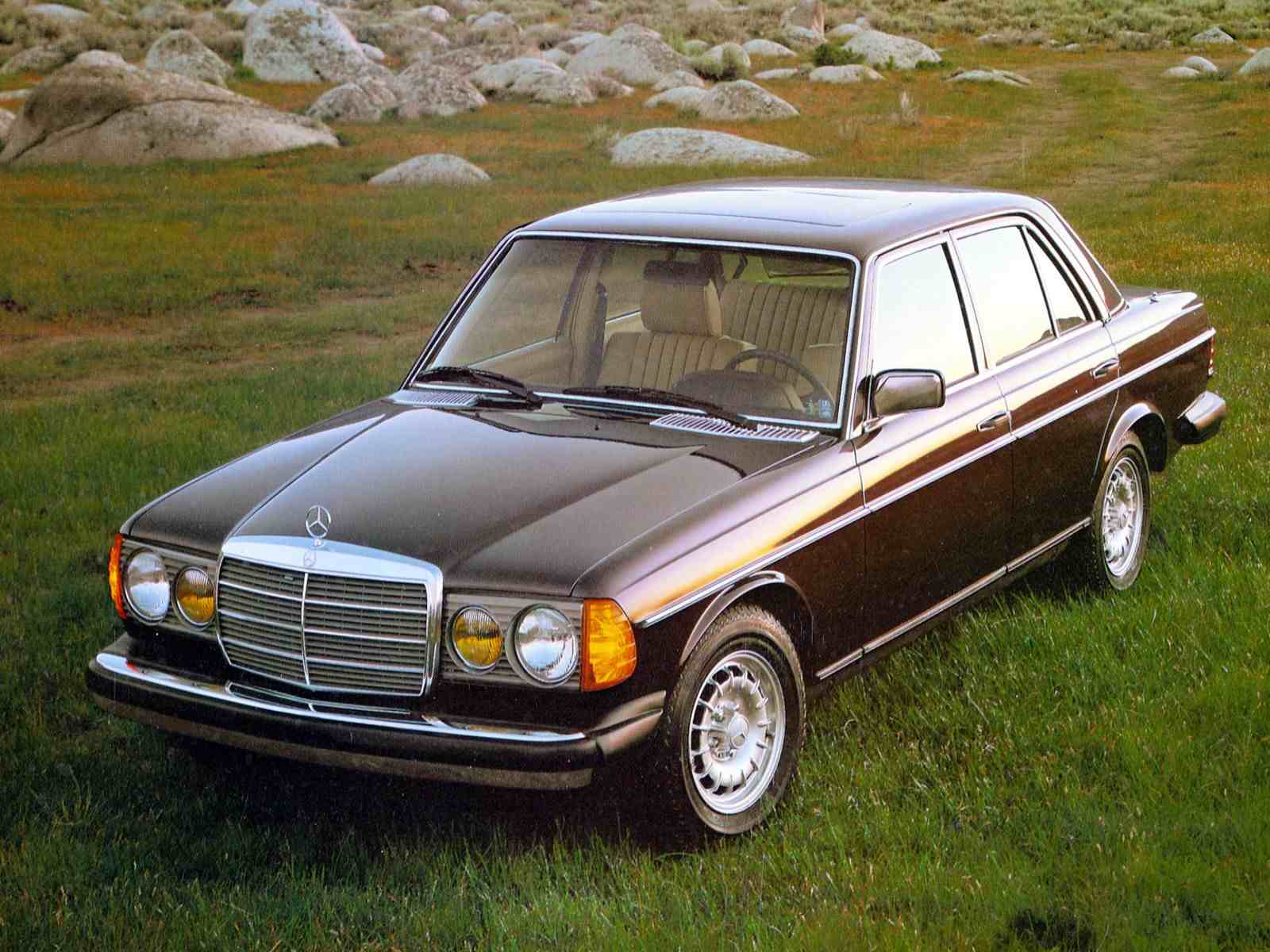
The W123 is widely regarded as one of the most durable vehicles ever made, period. These sedans, wagons, and coupes were overbuilt in a way that’s unheard of today.
The diesel variants, especially the 300D and 240D, are known to surpass 500,000 miles with minimal issues beyond standard maintenance. In the U.S., many of these cars are still running strong in rural areas and enthusiast circles, valued for their tank-like build and simplicity.
The Mercedes-Benz W123, produced from 1976 to 1985, remains a remarkable testament to automotive excellence, still echoing through the industry today. Renowned for its unparalleled build quality and enduring design, the W123 marked a defining moment in Mercedes-Benz’s legacy. It embodied the brand’s design philosophy, where sophistication meets durability, and luxury is seamlessly paired with dependability.
Beyond its technical specifications, the W123’s importance lies in its status as a quality benchmark, influencing both classic and modern vehicles. It has become a symbol of longevity, representing Mercedes-Benz’s reputation for producing cars that transcend time.
Often cited by enthusiasts as a symbol of indestructibility, the W123 is frequently used as the reference point for future models, thanks to its harmonious mix of performance, comfort, and practicality.
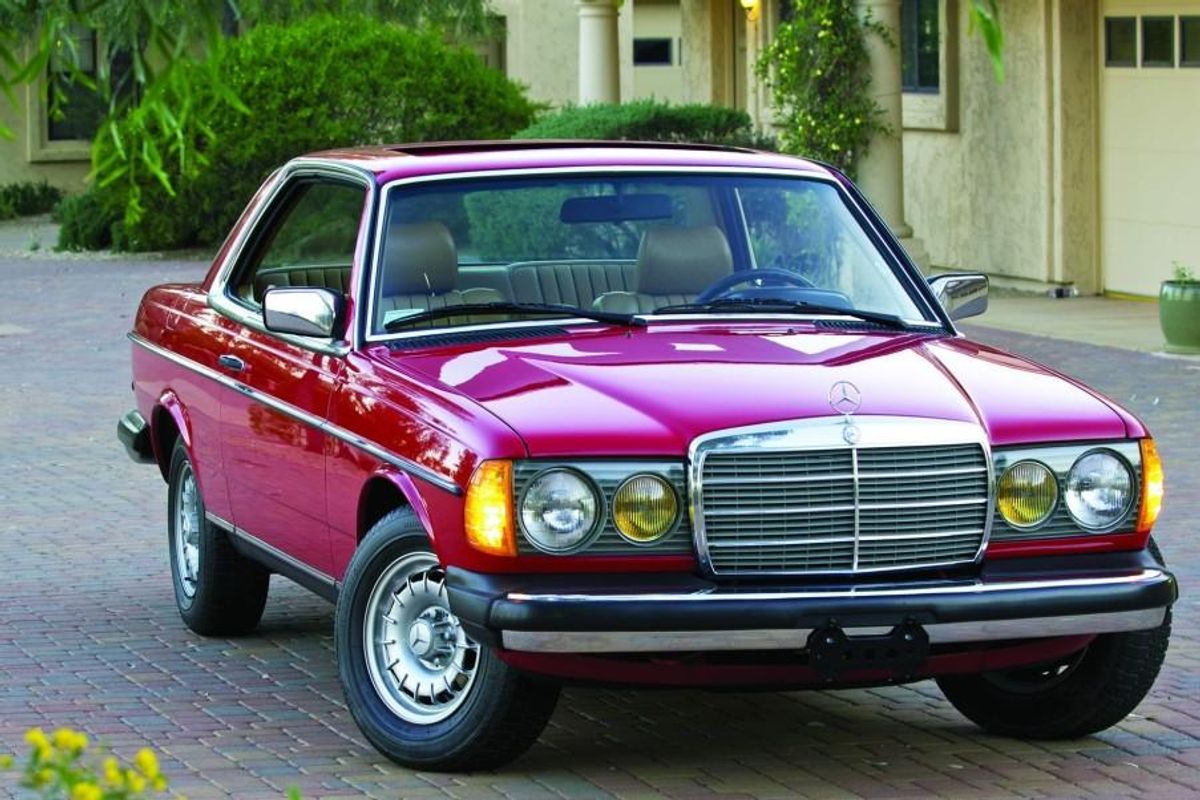
With over 2.7 million units produced, the W123’s legacy remains influential within the automotive world. Its powerful engines, exceptional craftsmanship, and timeless elegance continue to captivate collectors and car aficionados, cementing its place in history as one of Mercedes-Benz’s most enduring creations.
The Mercedes-Benz W123’s introduction was a pivotal moment in automotive history, combining rugged engineering with cutting-edge design. Released in 1976, the W123 series was born out of a need for a dependable, high-quality vehicle that could meet both personal and commercial demands.
Mercedes-Benz sought to create a vehicle that balanced luxury and practicality, positioning the W123 as a key model in their lineup. This launch coincided with a shift in consumer expectations, where comfort and reliable performance were now equally valued.
Also Read: 5 Forgotten Family Cars That Last vs 5 Bestseller Family Cars With Issues
2. Mercedes-Benz E-Class W211 (2003–2009, post-facelift)
While early W211 E-Classes had issues (especially with the air suspension and SBC braking system), the facelift models from 2007 onward corrected most reliability problems.
The E350 and E320 CDI (diesel) from this era are known for their excellent build quality and dependable drivetrains. Many American owners report smooth operation well past 200,000 miles, especially with regular maintenance and conservative driving habits.
Diesel enthusiasts, your wait is over! After a long absence, Mercedes-Benz has brought a diesel model back to the U.S. market with the introduction of the E320 CDI. However, it’s important to note that this model is only certified for 45 states, meaning it’s not available in California, Maine, Massachusetts, New York, or Vermont.
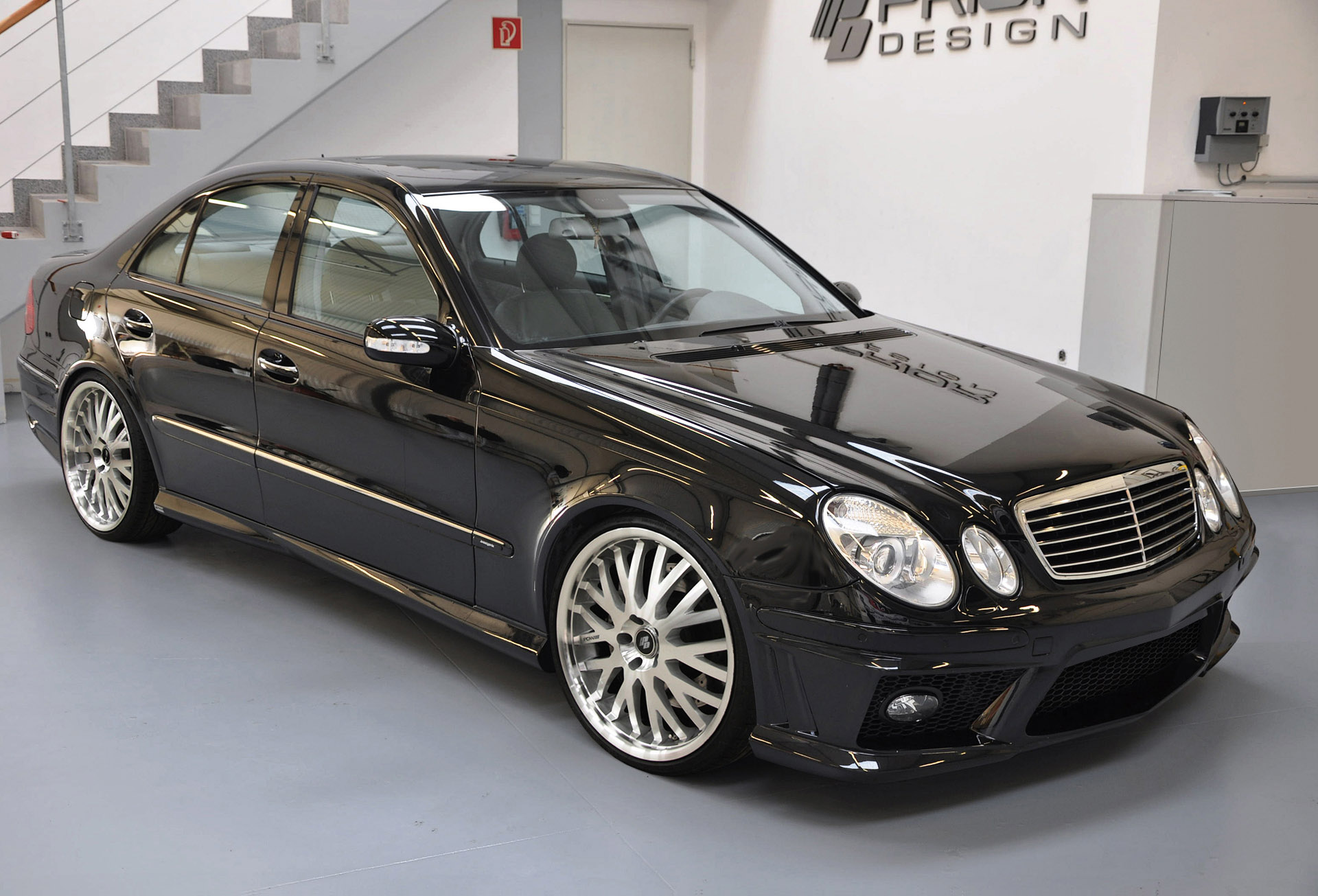
Starting in March 2005, the base E320 will be upgraded to the E350, now featuring a 3.5-liter V6 engine that boosts output by 51 horsepower. Along with this upgrade, a sport package will also be introduced, which includes enhanced suspension tuning, new wheels, and shift buttons mounted on the steering wheel. Unfortunately, Mercedes-Benz has discontinued the complimentary scheduled maintenance program for 2005.
3. Mercedes-Benz G-Class W463 (1990–2018)
The G-Wagen isn’t just a status symbol it’s also a military-grade SUV that has been used by various armed forces around the globe. Older G500 and G55 models, built before the 2019 redesign, are particularly long-lasting when maintained properly.
Their ladder-frame construction, stout V8s, and simple interiors (by modern standards) make them far more durable than their luxury price tag might suggest.
The 2018 W463 G-Class marked a significant leap in both luxury and performance, elevating the model to new heights. Despite its traditional and almost utilitarian exterior design, the G-Class has become a premium, high-end vehicle, especially in the top-tier AMG G63 variant.
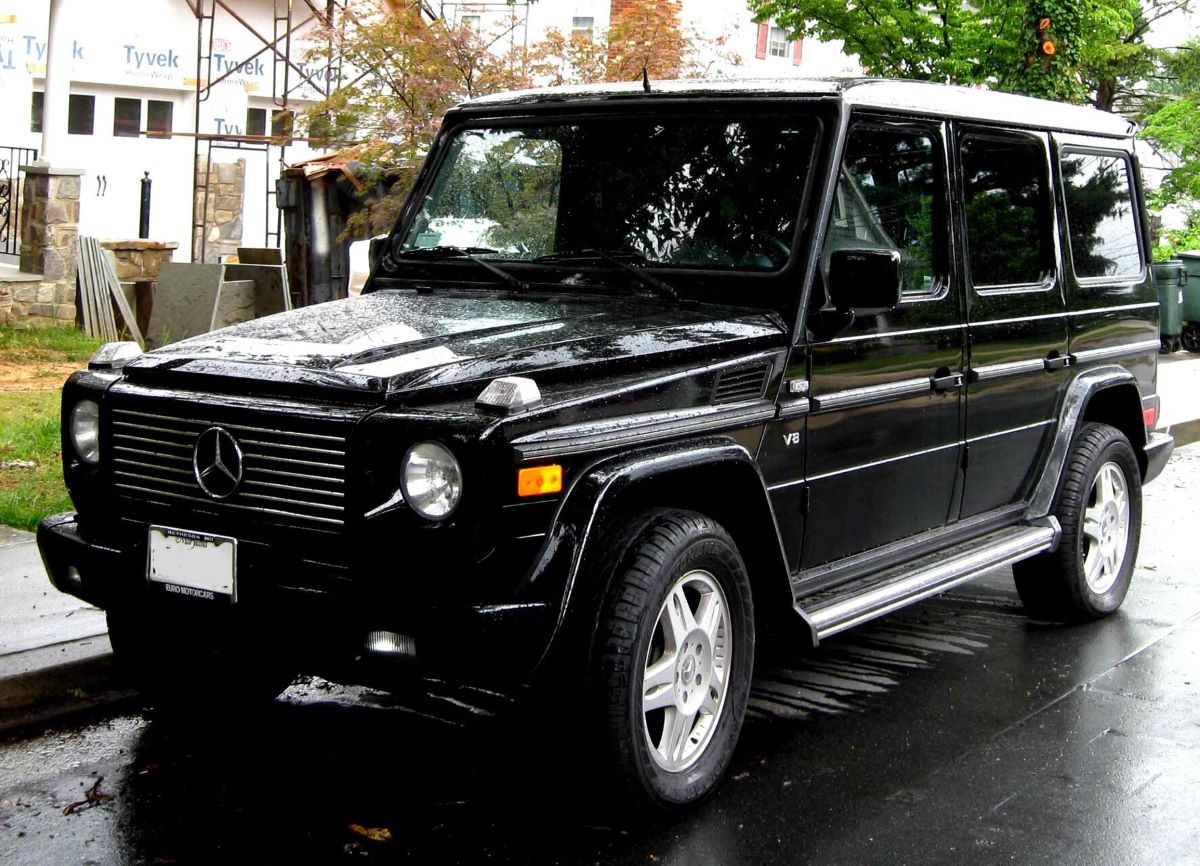
However, its rugged appearance doesn’t tell the full story. Beneath that exterior, the G-Class remains an exceptional off-roader, capable of taking you from the bustling streets of Kensington High Street in London to the vast expanse of the Sahara Desert with ease.
Commonly referred to as the Mercedes G-Wagen, the G-Class combines impressive off-road capability with a lavish interior. It also delivers remarkable straight-line performance, ample practicality, and is equipped with the latest technology.
Considering its price, which starts at nearly £100,000 for a used model, you’d expect it to be exceptional. For that amount, you can opt for the capable diesel version, but many buyers will be drawn to the blistering performance of the V8-powered G63 AMG variant.
4. Mercedes-Benz S-Class W140 (1991–1999)
Nicknamed “the last true Mercedes” by purists, the W140 was built without budget constraints. Everything from its double-glazed windows to its soft-close doors was engineered to outlast the competition.
Models like the S500 and S320 can still be seen roaming American roads, often in the hands of collectors or second-hand buyers who appreciate its bulletproof nature though repairs can be costly, failures are surprisingly rare.
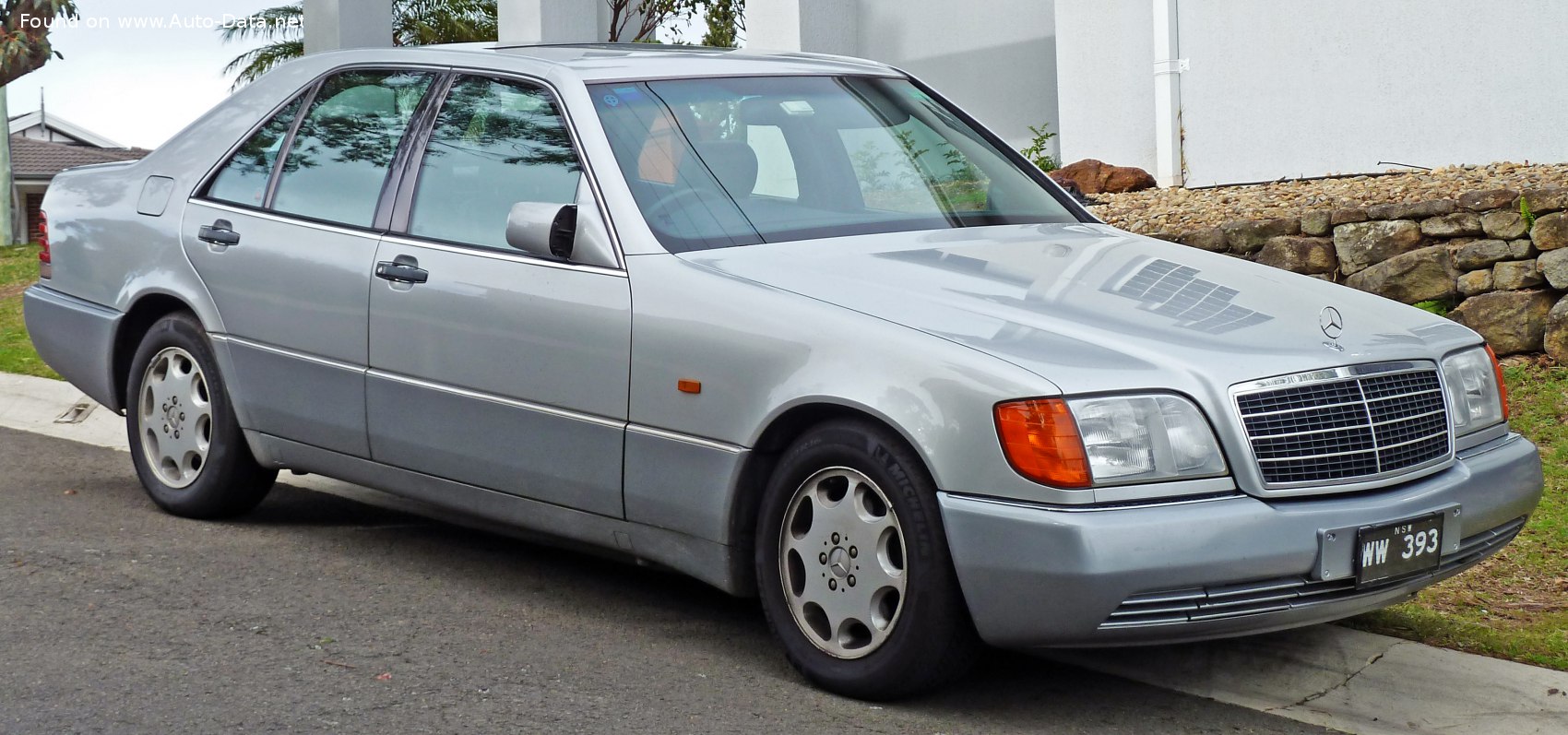
The Mercedes-Benz W140 S-Class, manufactured between 1991 and 1999, remains a defining icon of luxury and innovation within the automotive industry. Celebrated for its enduring design and solid engineering, this classic model is distinguished by its sleek aerodynamic bodywork, lavish interior appointments, and advanced technology for its era, such as double-pane windows and adaptive airbags.
As a genuine showcase of German craftsmanship, the W140 continues to attract the admiration of vintage car collectors and enthusiasts, representing a golden age of sophistication and groundbreaking automotive design.
Also Read: Top 10 Most Reliable Used Cars You Can Buy for Under $10,000 in 2025
5. Mercedes-Benz M-Class W163 (1998–2005, post-refresh)
While early W163 M-Class SUVs had quality issues, later models especially the 2002–2005 variants offered respectable longevity.
The ML320 and ML500, with naturally aspirated engines and fewer electronics compared to modern SUVs, have found favor among U.S. families and off-roaders alike. With basic upkeep, these can rack up mileage with fewer catastrophic issues than more recent SUV offerings.
By slightly increasing the engine’s bore by just 0.27 inch, the 24-valve V-8 now boasts a displacement of 302 cubic inches, delivering an additional 20 horsepower (288 at 5600 rpm) and 37 more pound-feet of torque (325 at 2700 rpm) compared to last year’s 4.3-liter engine.
Previously outpaced at the drag strip by the sportier BMW X5 4.4i, the ML500 now takes the lead, sprinting to 60 mph in an uncharacteristically quick 6.7 seconds, 0.2 second faster than the BMW.
Keep the throttle buried, and the throaty 90-degree V-8 continues to surge through the five-speed automatic transmission, leaving the BMW sport-ute further behind. At 100 mph, the ML500 stretches its advantage to 1.8 seconds, hitting the mark in 18.6 seconds.
This level of acceleration makes you forget the vehicle’s hefty 4869-pound curb weight. The broad, flat torque curve, peaking between 2700 and 4250 rpm, ensures sharp throttle response, while the transmission executes shifts so smoothly they’re almost imperceptible.
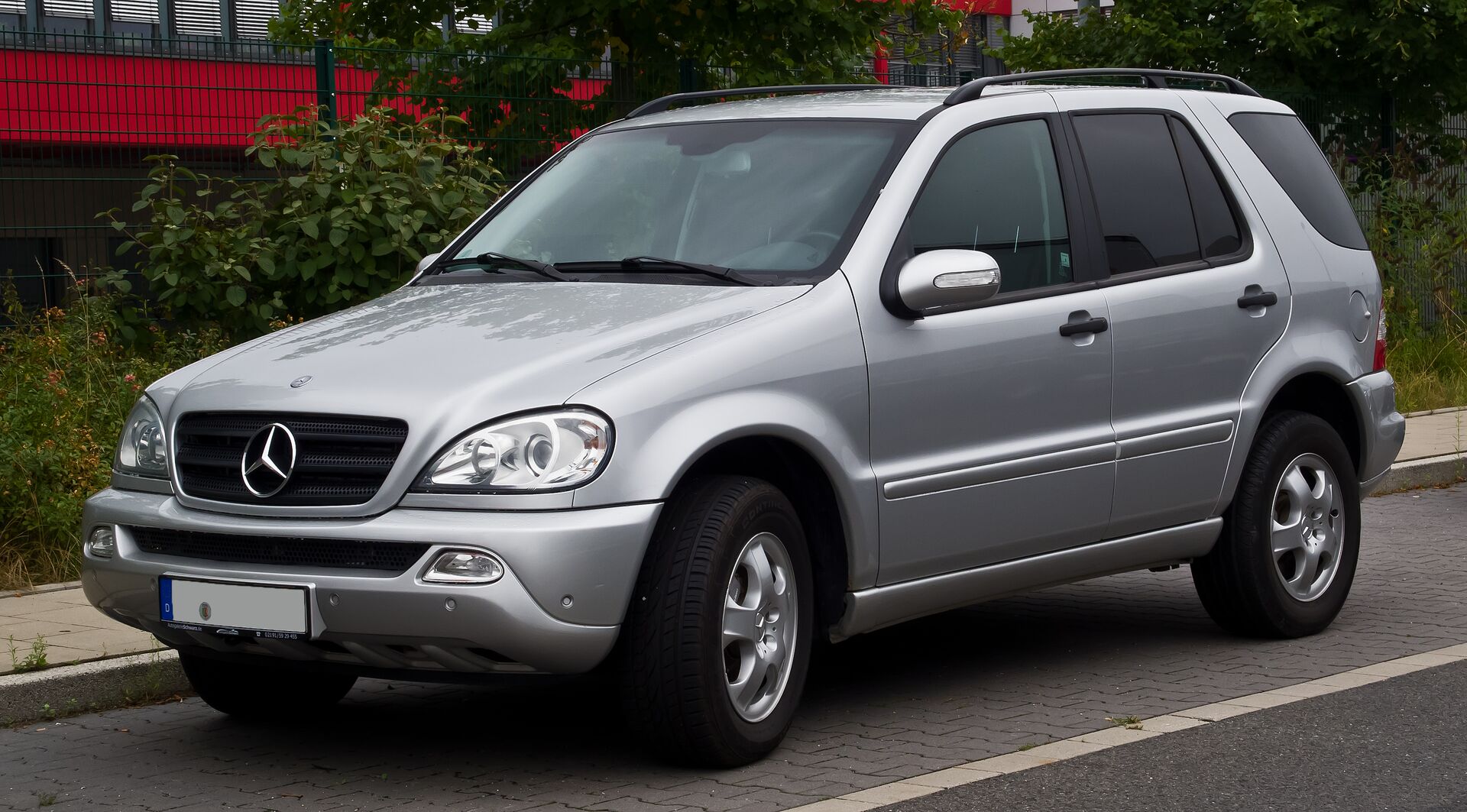
However, the laws of physics catch up when it’s time to corner. Despite its newfound power, this remains a truck, and its tires protest while the heavy body leans noticeably, managing 0.75 g of grip.
That figure is still a slight improvement of 0.02 g over the previous model, thanks to the sole suspension-related upgrade: 17-inch wheels and tires replacing the old 16-inch setup. Mercedes chose not to modify the ML’s standard electronic stability program (ESP).
When active, ESP quickly halts any hint of a spin, and switching it off only disables the engine cutoff while leaving the brakes to handle slide control. The system’s relentless intervention prevents even minor slides, earning it the nickname “fun police” for those who crave more dynamic driving.
For most prospective ML buyers, this intrusive stability system is unlikely to be a concern. Instead, their attention will gravitate toward the refreshed exterior styling and interior updates.
Both the ML320 and ML500 now sport redesigned front and rear bumpers, updated taillights, clear headlight lenses, and the new 17-inch wheels. The changes may be subtle, but they’re easy to spot.
Apart from badging, the ML500 distinguishes itself with wider tires (275/55VR-17 compared to the ML320’s 255/60SR-17) and chrome accents on its tailgate and door handles. Meanwhile, the ML55 AMG’s exterior remains unchanged.
Mercedes-Benz Models That Break Your Wallet
When it comes to luxury, performance, and cutting-edge technology, Mercedes-Benz sits comfortably at the top of the food chain. But prestige comes at a price, sometimes a price that makes your wallet cry for mercy. Over the years, Mercedes has produced models that are not just cars but rolling statements of wealth, power, and engineering prowess.
These machines blend jaw-dropping performance with opulent interiors and the latest tech, but owning one means paying a premium not just at purchase, but every time it hits the road or visits the service bay. From AMG beasts to ultra-luxurious flagships, here are the Mercedes-Benz models that will break your wallet—without a hint of regret for those who dare to own them.
1. Mercedes-Benz CLS-Class (C219 and C218; 2005–2018)
The CLS is undeniably stylish, but its sleek design hides a range of mechanical gremlins. Especially in early models, common problems include oil leaks, air suspension failures, and faulty electronics.
The CLS550 and CLS63 AMG are particularly expensive to repair due to their tightly packed engine bays and high-performance parts. Once out of warranty, U.S. owners often find themselves pouring thousands into what was once a $70K+ luxury car.
The first-generation Mercedes CLS, built on the MRA platform shared with the E-Class W211, was strategically positioned between the E-Class and the flagship S-Class. Internally designated as the C219, its styling drew heavily from the Vision CLS concept, which made its debut at the Frankfurt Motor Show in the autumn of 2003.
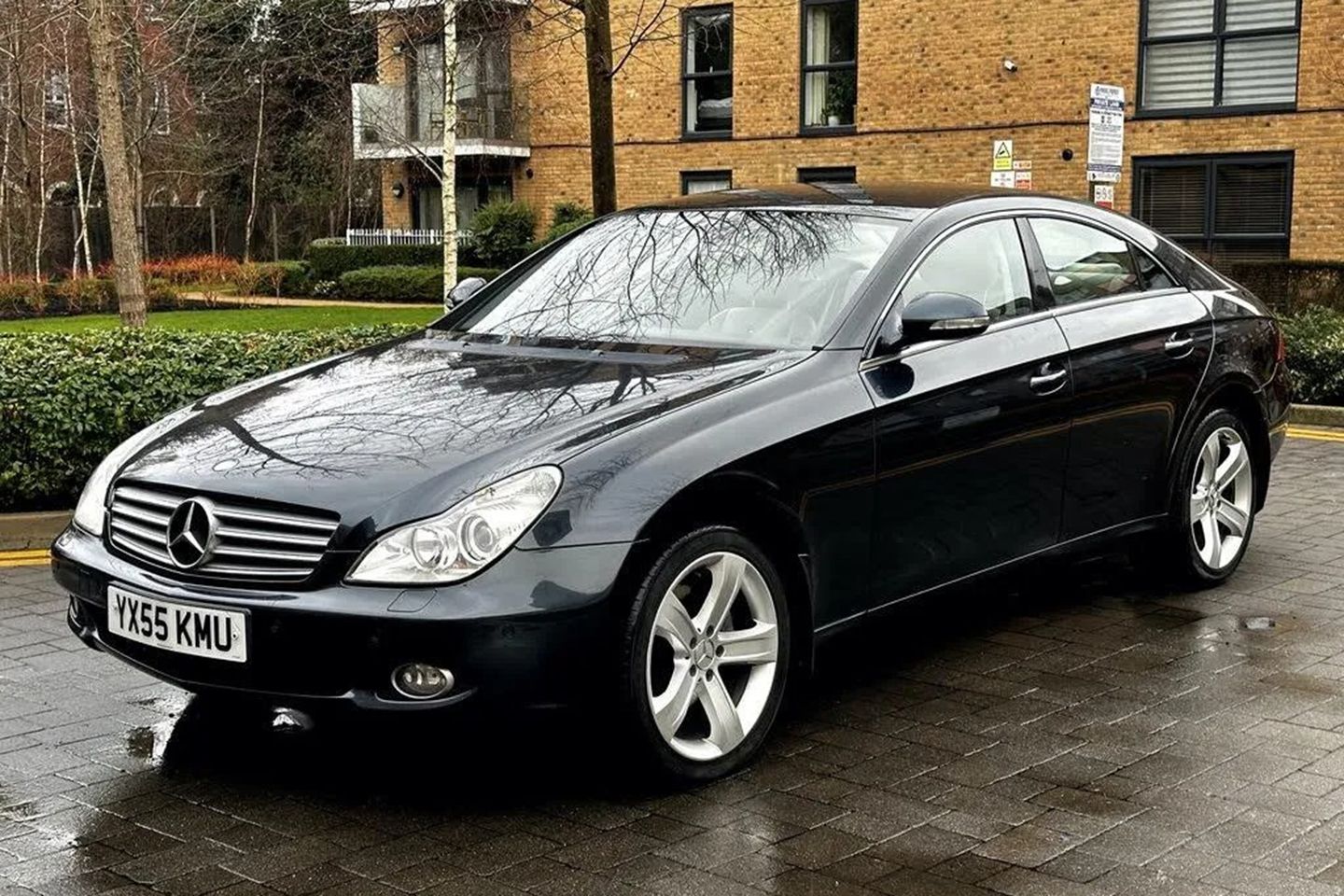
The production model was unveiled to the public at the New York Motor Show in the spring of 2004.Featuring the same 2,854 mm wheelbase as the E-Class and sharing its engine lineup, the first-generation CLS was offered in several variants.
Priced above the E-Class, the CLS came exclusively as a four-seater, with a trunk that was smaller than its E-Class counterpart. Its interior design also stood apart, featuring a recessed dashboard on the passenger side, reminiscent of the Bentley Continental’s layout.
Between 2004 and 2010, Mercedes sold 170,000 units of the first-generation CLS, solidifying its place as a distinctive and influential model in the brand’s lineup.
2. Mercedes-Benz S-Class W220 (2000–2006)
The W220 S-Class marked a technological leap but also a reliability dip.
Infamous for suspension issues (thanks to the Airmatic system), failing COMAND units, and electrical problems, this S-Class generation is one of the most complained-about in Mercedes forums.
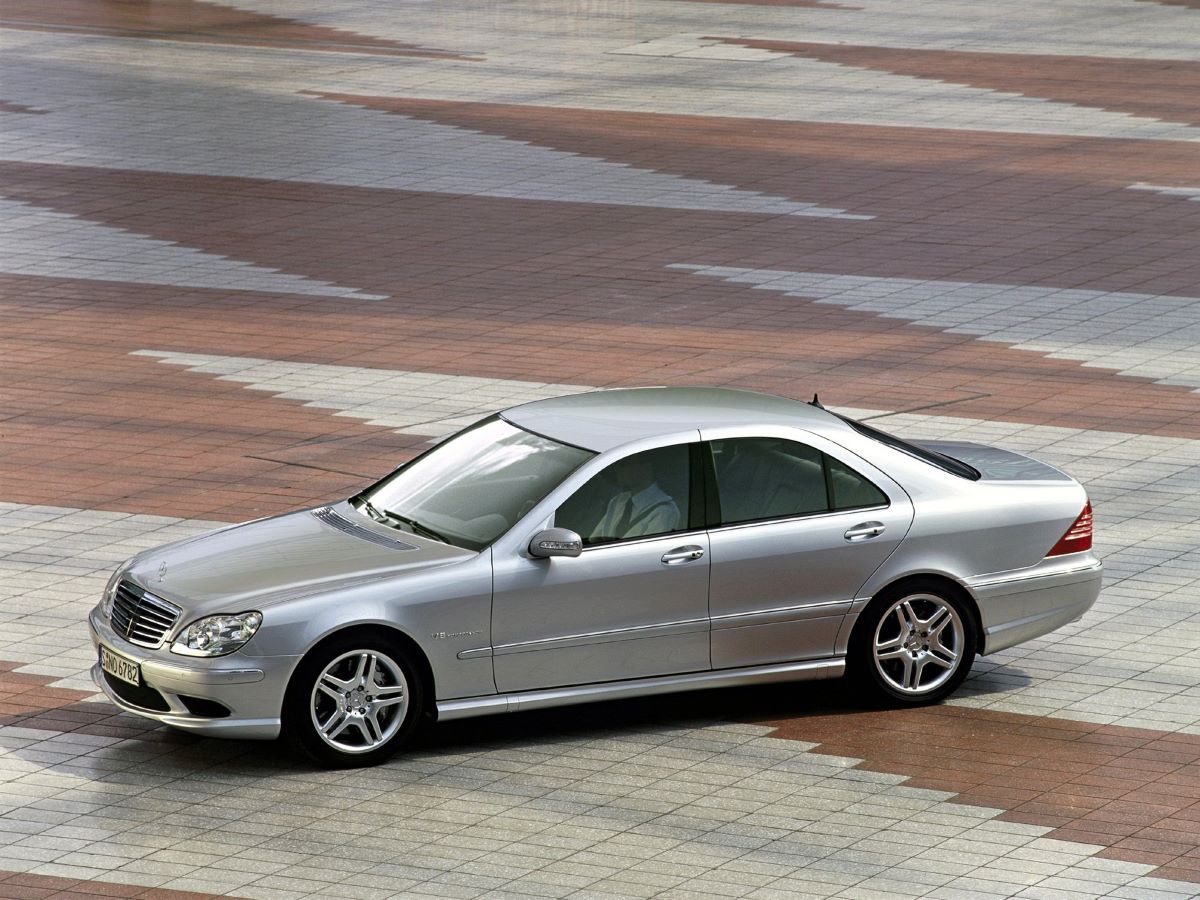
American buyers who picked these up used were often hit with unexpected five-figure repair bills, especially if the car was neglected by a previous owner.
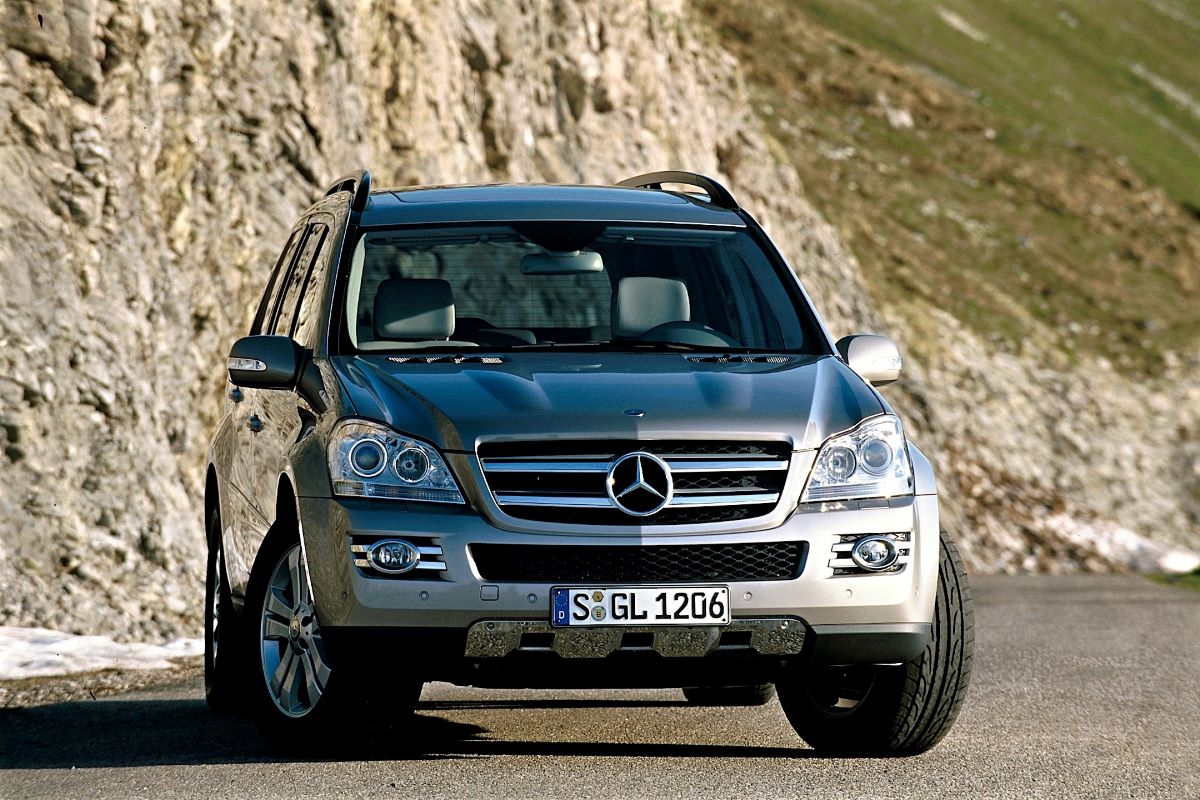
3. Mercedes-Benz GL-Class X164 (2006–2012)
The full-size GL-Class aimed to offer third-row luxury, but it came with a heavy maintenance cost. Models like the GL450 and GL550 suffer from air suspension failure, transmission issues, and high fuel consumption.
U.S. families lured by its space and presence often found themselves dealing with repairs that rival the cost of an economy car every year. Large Mercedes sedans have long been a favorite among the elite, symbolizing success and engineered to deliver both performance and prestige.
These vehicles are more than just transportation, they make a bold statement about their owner’s financial standing and refined taste. The 2001 S-Class continues this tradition, exuding confidence, sophistication, and cutting-edge luxury. For this model year, Mercedes has enhanced performance and features in the V12-powered S600 and introduced the sporty new S55.
With its coupe-like silhouette and the signature oval headlights, the 2001 S-Class boasts a sleek, modern design while tipping the scales at nearly 500 pounds less than its predecessor. Despite the weight reduction, smart interior packaging ensures a spacious cabin and a generous 15.4-cubic-foot trunk.
The lineup consists of four models: the S430, powered by a 4.3-liter V8 producing 275 horsepower; the S500, featuring a 5.0-liter V8 with 302 horsepower; the new-for-2001 S55, equipped with a 5.5-liter V8 generating 354 horsepower; and the range-topping S600, which packs a 362-horsepower V12.
Every S-Class variant comes with a fully independent four-link front and five-link rear suspension, ABS with brake assist, designed to shorten stopping distances in emergency situations, Electronic Stability Program (ESP), and BabySmart child-seat detection technology.
Safety is a priority, with eight airbags included as standard, among them two head-protection curtain airbags and a passenger airbag that deploys at varying levels based on the severity of the impact.
4. Mercedes-Benz C-Class W204 (2008–2014, early models)
The early years of the W204 C-Class were plagued with reliability issues especially electrical problems and steering system faults.
While later models became more refined, 2008–2010 variants commonly had engine balance shaft gear failures and timing chain issues in the M272 V6 engine. Many U.S. buyers were left frustrated with frequent dealer visits and expensive diagnostics.
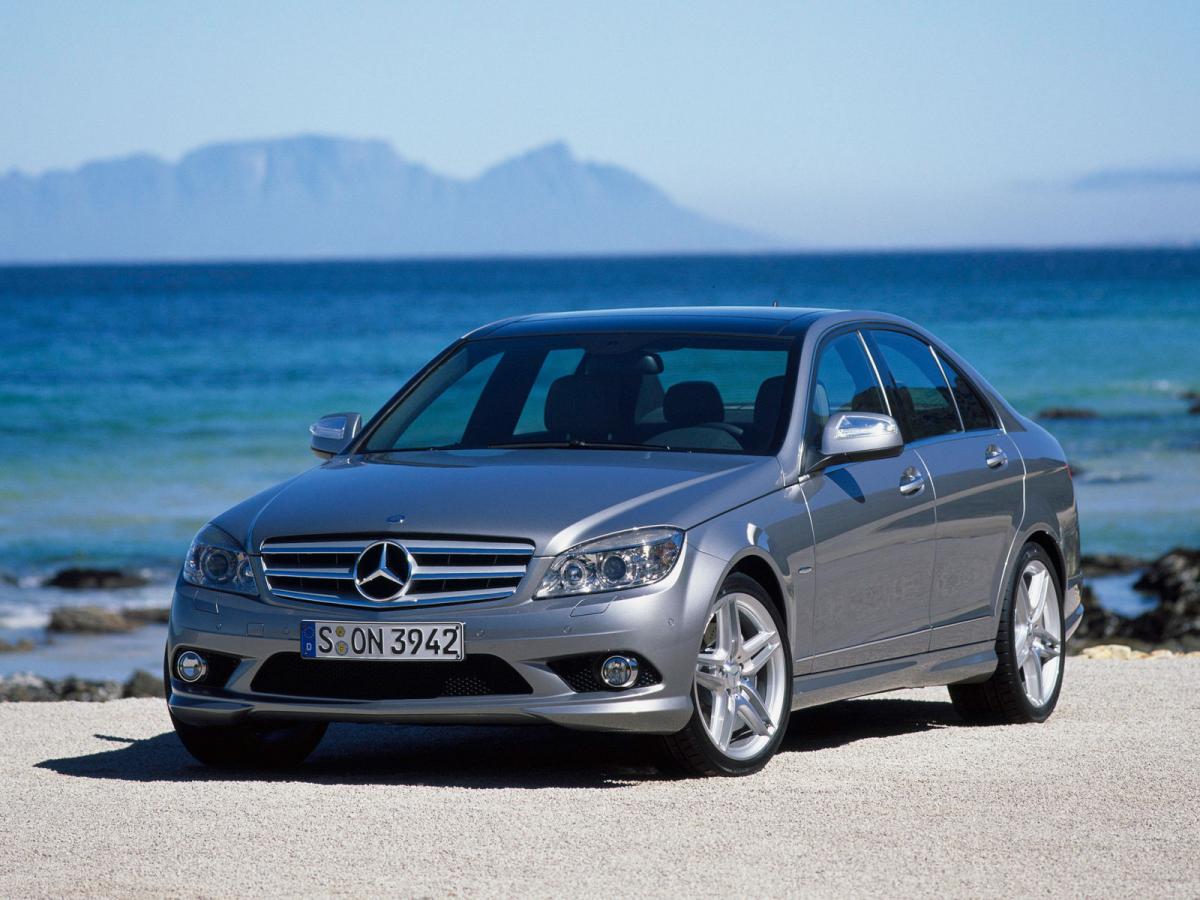
The Mercedes-Benz W204 is the third generation of the C-Class, produced between 2007 and 2014. It is celebrated for blending luxury, performance, and quality, making it a standout in the compact executive car segment.
The W204 showcases the refined design language typical of Mercedes-Benz during this era, with a sleek yet understated exterior and a robust build that emphasizes durability. High-quality materials and meticulous attention to detail are evident both inside and out, reflecting the brand’s commitment to craftsmanship.
Inside, the W204 offers a cabin that is both elegant and functional. Premium materials adorn the interior, and the layout is designed to balance aesthetics with usability. The seats are supportive and comfortable, making the car ideal for long drives, while the overall ambiance radiates sophistication.
Performance-wise, the W204 came with a wide array of engine options, ranging from efficient four-cylinder models to more powerful V6 engines, and topped by the high-performance V8 in the C63 AMG. These powertrains deliver a balance between spirited driving and fuel efficiency, catering to various driving styles.
The ride quality is smooth and composed, staying true to the Mercedes-Benz tradition of comfort without sacrificing handling capability. Its suspension is tuned to provide a refined experience while maintaining enough firmness to inspire confidence in corners.
The steering is precise, leaning more toward comfort than sportiness, which suits its executive character. Practicality is another strong suit, with ample passenger space and a decently sized boot. The rear seats can be folded down, enhancing versatility for transporting larger items.
Technology and features vary depending on model year and trim, but many W204s came equipped with advanced systems such as the COMAND infotainment interface, automatic climate control, and a range of safety technologies.
Higher trims added even more luxury and tech amenities, further elevating the experience. Reliability is generally strong, though owners should be mindful that maintenance and repairs can be costlier than average, especially for vehicles out of warranty. Regular servicing is key to maintaining performance and longevity.
In summary, the Mercedes-Benz W204 C-Class offers a well-rounded package of style, comfort, and performance. It caters to those seeking a refined and capable vehicle that carries the prestige of the Mercedes-Benz brand. While maintenance costs may be on the higher side, the W204’s combination of driving pleasure, luxury, and practicality makes it a popular and enduring choice in the premium compact executive segment.
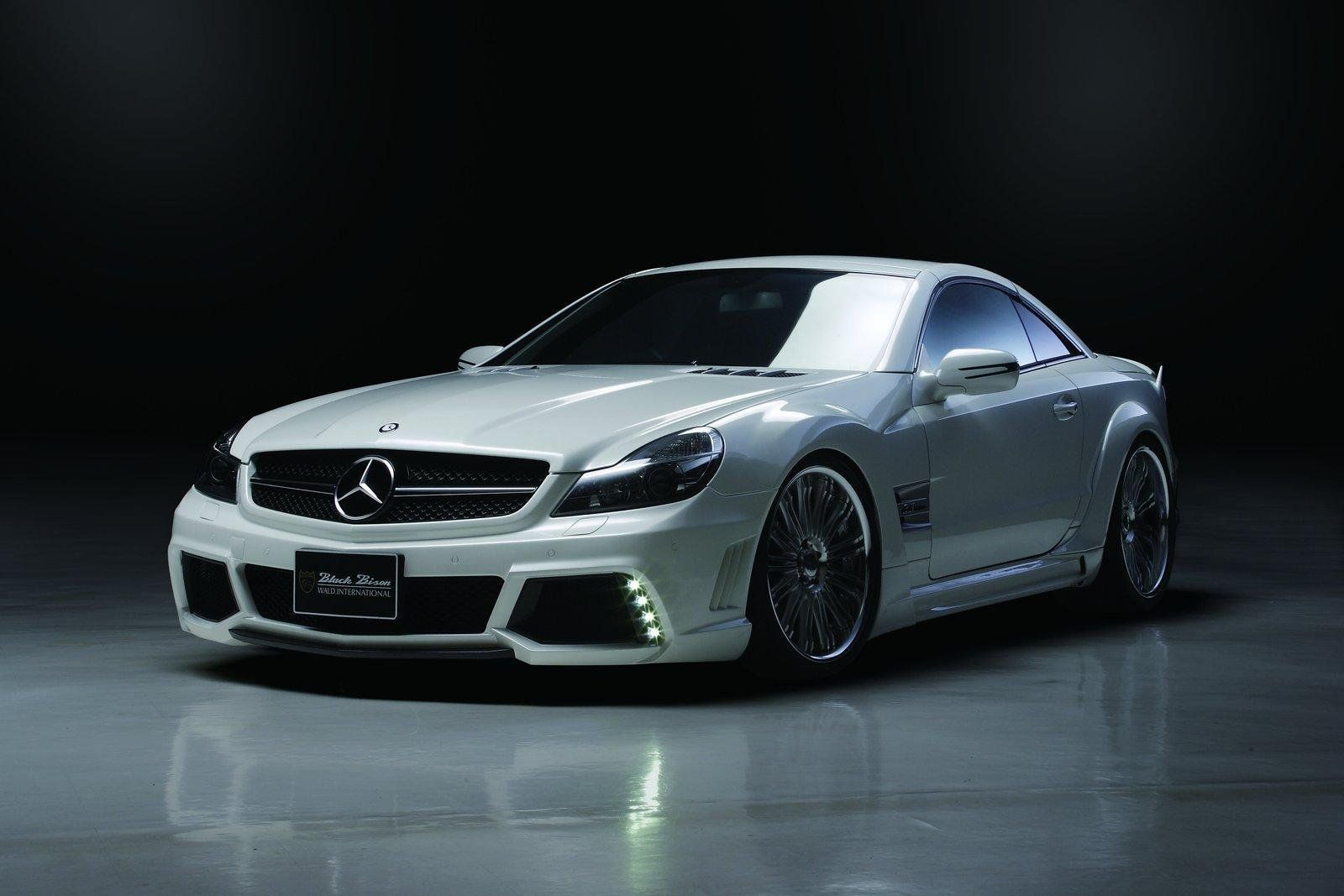
5. Mercedes-Benz SL-Class R230 (2002–2011)
The R230 SL-Class is a beautiful hardtop convertible that promised luxury grand touring. Unfortunately, it’s one of the most expensive Benzes to maintain once it ages.
The ABC (Active Body Control) suspension system is known for expensive leaks and pressure failures.
Add to that window regulator issues, electrical gremlins, and the cost of convertible top repairs, and it’s easy to see why many U.S. buyers call it a “wallet assassin.”
Mercedes-Benz can deliver incredible longevity and engineering finesse but not all models live up to that reputation. The SL has long been one of the most iconic models that helped cement Mercedes-Benz’s reputation in the automotive world. Legendary cars like the “Gullwing” were prime examples of the SL’s heritage.
By 2008, the SL had evolved into a more aggressive and modern roadster, boasting refreshed styling and an improved engine lineup. A standout feature in its segment remained the retractable hard-top, which added both practicality and exclusivity.
At the front, the 2008 SL received redesigned headlights that swept back over the fenders, though this styling choice didn’t win over all customers. What did earn widespread praise was the new grille design, featuring a prominent central badge flanked by two silver wings.
The hood’s dual power domes and the side vents on the front fenders paid tribute to the original SL, reinforcing its connection to the model’s history. At the rear, a motorsport-inspired diffuser bumper and trapezoidal exhaust pipes enhanced the car’s dynamic appearance.
Under the hood, the 2008 SL introduced two new V6 engines. The entry-level SL280 came with a 3.0-liter engine producing 231 hp, while the SL350 featured a 3.5-liter engine delivering 316 hp and capable of revving up to an impressive 7,200 rpm.
At the top of the range sat the SL600, equipped with a 5.5-liter twin-turbo V12 that provided exhilarating performance. Regardless of the model, all versions were fitted with an automatic transmission as standard, ensuring smooth and responsive power delivery.
For U.S. buyers, the key is picking models with proven track records, simpler electronics, and time-tested powertrains.
Go for a well-maintained W123 or late-model W211 E-Class, and you might drive it forever. Choose a neglected CLS or W220 S-Class, and you could be paying more in repairs than the car’s Blue Book value.
Always check maintenance history, avoid models with complex air suspension (unless you’re ready to shell out), and consult an independent Mercedes specialist before making a used purchase. With the right pick, your Mercedes can be as dependable as it is luxurious.